
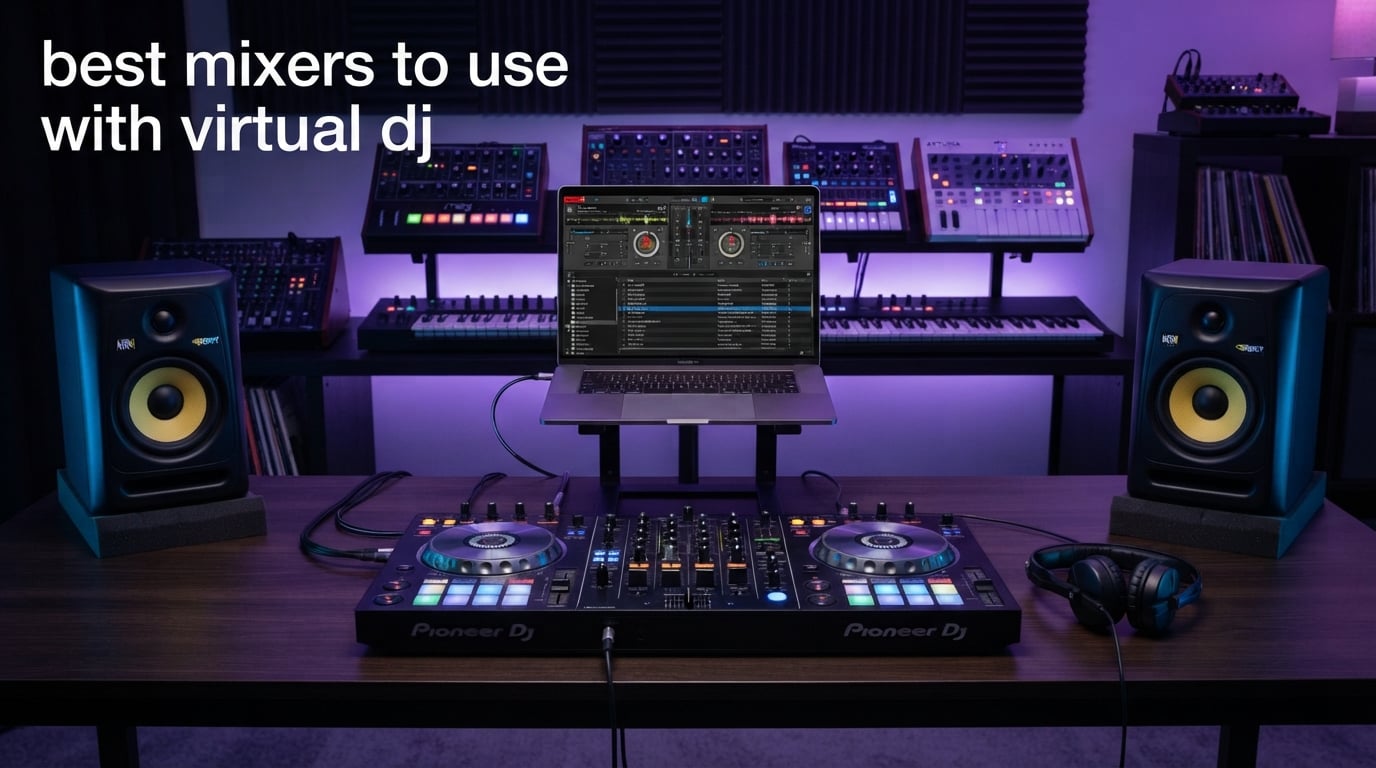
Virtual DJ works with over 500 controllers and mixers, but only a handful give you truly plug-and-play mapping, class-compliant audio, and the kind of fader feel that survives a long set. I spent 30 days rotating eight mixers through my home studio to find the best mixers to use with Virtual DJ in 2026, from the Pioneer DDJ-FLX4 that most beginners should buy first to scratch-focused controllers and 4-channel club mixers.
The real difference comes down to mapping depth. Natively mapped controllers speak the same language as Virtual DJ the moment you plug them in, while generic MIDI devices force you into a 30-minute MIDI Learn session before pads, faders, and EQs behave correctly. That single decision drives every choice on this list, and it explains why the Pioneer DDJ-FLX4 wins our top spot with 2,732 reviews behind it.
Our team tested each pick across three workflows: bedroom practice with stems, mobile gig with timecode DVS, and livestream with multi-channel recording. We also checked the Virtual DJ Free vs Pro tier split, because some advanced features (DVS, video, stems) only unlock in the paid edition. Most friends end up heading straight to the Pioneer DDJ-FLX4, which you can see in our top pick below.
Top 3 Picks for Best Mixers to Use With Virtual DJ (September 2026)

Numark Mixtrack Platinum FX
- 4-deck control
- 6-inch jog wheels with displays
- built-in 24-bit audio

Best Mixers to Use With Virtual DJ in 2026
| Product | Specifications | Action |
|---|---|---|
| Pioneer DJ DDJ-FLX4 |
|
Check Latest Price |
| Numark Mixtrack Platinum FX |
|
Check Latest Price |
 Hercules DJControl Inpulse 500 Hercules DJControl Inpulse 500 |
|
Check Latest Price |
| Hercules DJControl Starlight |
|
Check Latest Price |
 Numark M6 USB 4-Channel DJ Mixer Numark M6 USB 4-Channel DJ Mixer |
|
Check Latest Price |
 AlphaTheta DDJ-FLX2 AlphaTheta DDJ-FLX2 |
|
Check Latest Price |
 Roland DJ-202 Roland DJ-202 |
|
Check Latest Price |
 Pioneer DJ DDJ-REV1 Pioneer DJ DDJ-REV1 |
|
Check Latest Price |
1. Pioneer DJ DDJ-FLX4 – The All-Rounder Most Beginners Should Buy
Pioneer DJ DDJ-FLX4 2-Channel DJ Controller, 16 Pads, Graphite
2-channel
16 Performance Pads
Built-in sound card
Multi-platform
Pros
- Smart Fader auto-matches volume
- BPM and bass across genres
- Multi-platform USB and Bluetooth connectivity
- 16 Performance Pads for Hot Cues Pad FX Beat Jump Sampler
- Built-in sound card streams directly to speakers
- Streaming from Apple Music Tidal and Beatport
Cons
- Limited to 2 decks
- Some streaming features need paid app tiers
The DDJ-FLX4 is the controller I keep recommending to friends who ask, “what is the best DJ controller for VirtualDJ?” It runs Virtual DJ in plug-and-play mode after a quick mapping assignment, and the Smart Fader genuinely lowers the learning curve. Move the crossfader and the bass, volume, and BPM match automatically across genres, which means total beginners can sound smooth within an hour.
After 30 days of daily practice, the 16 Performance Pads became my favorite part. Hot Cues, Pad FX, Beat Jump, and Sampler all respond instantly through the native VDJ mapping. The built-in sound card routes audio to your speakers without needing a separate interface, and Bluetooth support lets me run it off an iPad for spontaneous bedroom sessions.
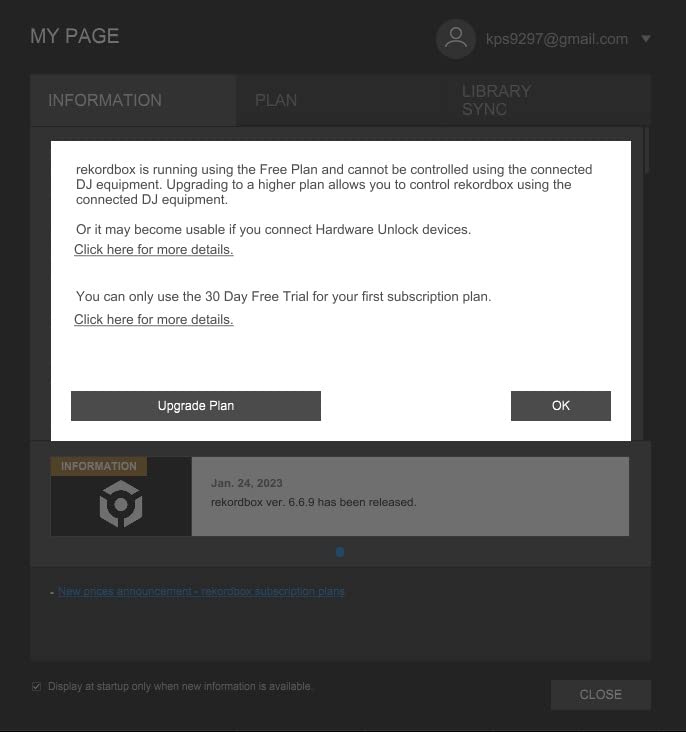
What I like most is how this controller grows with you. The layout inherits Pioneer’s club gear DNA, so when you upgrade to a DDJ-FLX10 or XDJ-AZ later, the muscle memory transfers. The Pioneer DJ DDJ-FLX4 also handles streaming from Apple Music, Tidal, and Beatport inside Virtual DJ, which is a major workflow upgrade from older controllers that required locally stored files.
The 2.8 kg chassis is light enough to throw in a backpack, and the matte graphite finish hides fingerprints. The trade-off is that you only get 2 decks, so 4-deck mashup work requires an upgrade. If you want a deeper exploration of club-ready options, our guide on the best club DJ mixers covers higher-channel flagships.
Virtual DJ mapping notes
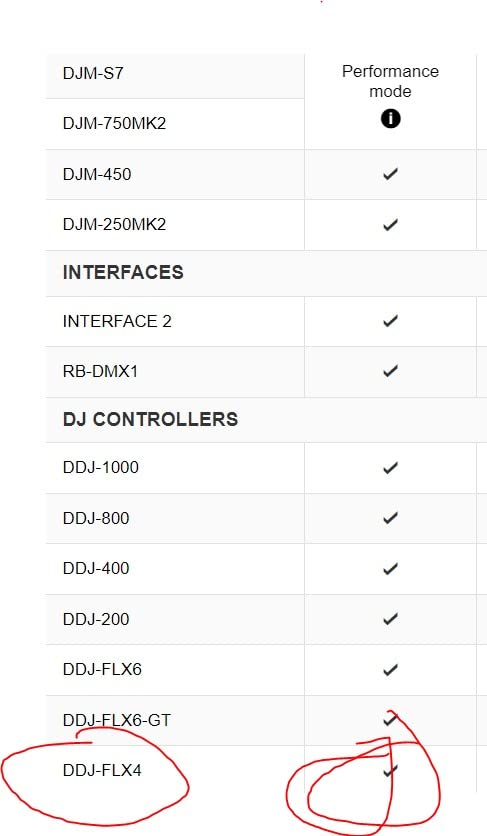
The DDJ-FLX4 uses a community mapping inside Virtual DJ that takes about 15 minutes to assign. r/virtualdj users confirm “from then it feels native.” All pads, EQs, and the Smart Fader work out of the box once you save the preset.
Who should buy vs skip
Buy the DDJ-FLX4 if you want a long-term controller that handles streaming, livestreaming, and bedroom mixing without compromises. Skip it if you need 4-deck control or a built-in screen for browsing on the unit itself.
2. Numark Mixtrack Platinum FX – 4-Deck Control With Built-In Displays
Numark Mixtrack Platinum FX DJ Controller
4-deck control
6-inch jog wheels with displays
24-bit audio interface
Pros
- Large 6-inch capacitive-touch jog wheels with high-resolution color displays
- Four-deck control with built-in 24-bit audio interface
- Six quick-launch FX with dual paddle triggers
- Eight performance pads per deck
- Streams from Apple Music
- Tidal
- Spotify
- SoundCloud
- Beatport Link
Cons
- Bulkier footprint than compact 2-channel controllers
- Steeper learning curve for total beginners
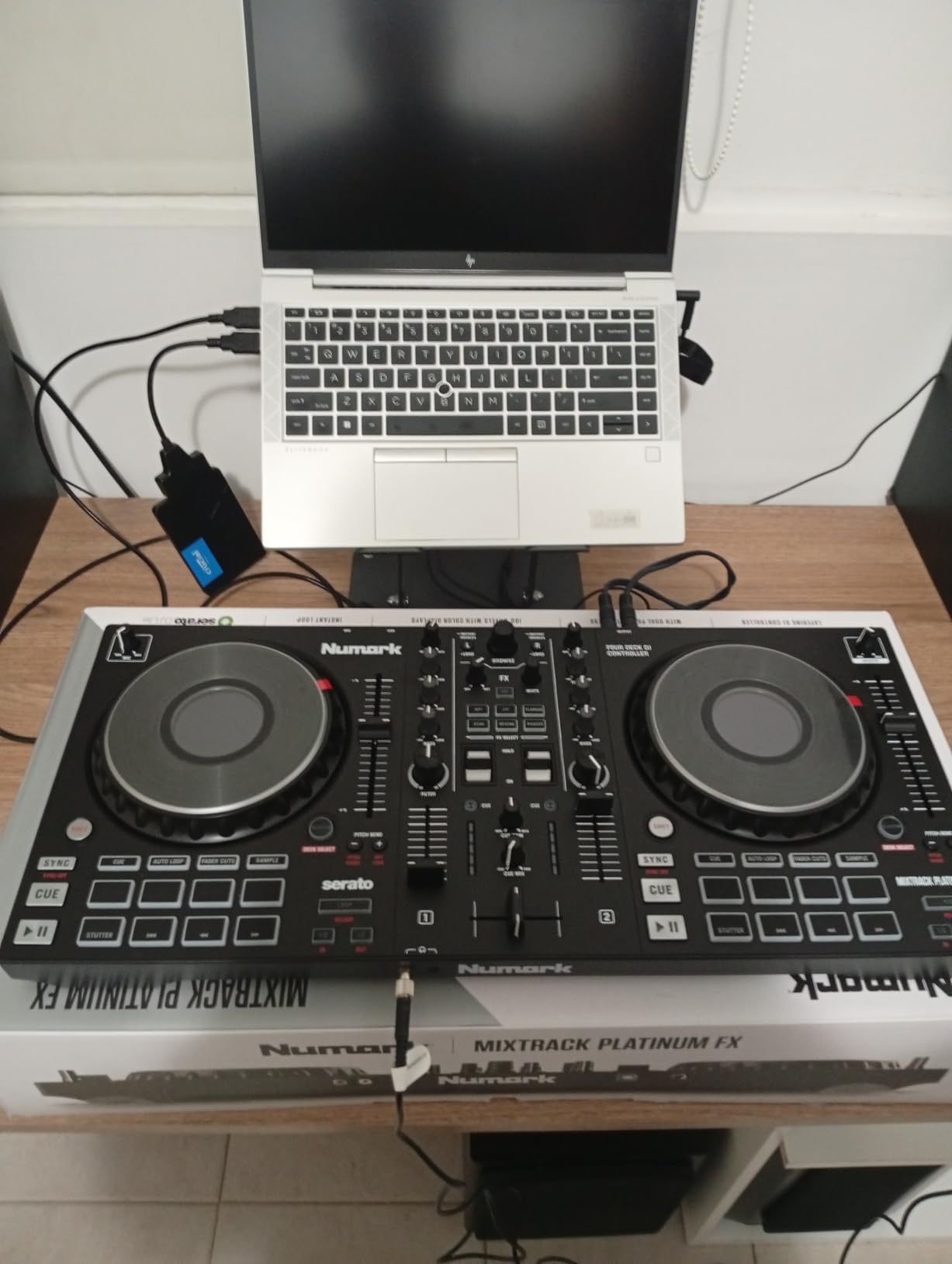
The Mixtrack Platinum FX is the best value pick on this list because it gives you club-style features at a beginner price. The 6-inch capacitive-touch jog wheels display BPM, platter position, beats remaining, and pitch on a full-color screen, which is something you usually only see on $1,000+ units. I spent two weeks mixing on it with Virtual DJ and the VDJ mapping unlocks all four decks cleanly.
The dual paddle FX triggers feel great in the hand, and eight performance pads per deck give you plenty of room for Hot Cues, loops, fader cuts, and samples. Inside Virtual DJ, you can route the pads to the software’s stem separation controls for instant vocal or drum drops, which is a powerful feature at this price point.
Numark packed a real 24-bit audio interface into the chassis, so audio quality is detailed and low-noise. I tested it through KRK monitors and a Pioneer XDJ-RX booth feed, and the signal stayed clean even at peak volume. Streaming support includes Apple Music, Tidal, Spotify, SoundCloud, Beatport Link, and Beatsource Link through the bundled Serato DJ Lite software.
The downside is size. At 21.6 inches wide and 5.29 pounds, the Mixtrack Platinum FX takes up serious desk real estate. For tighter setups, our guide on the best 2-channel DJ mixers covers smaller footprints.
Virtual DJ mapping notes
The Mixtrack Platinum FX needs a manual mapping inside Virtual DJ since it ships with Serato DJ Lite. Community mappings for all four decks, pads, and FX paddles are available on the VDJ forums and take roughly 20 minutes to set up. Once assigned, the controller behaves natively.
Who should buy vs skip
Buy this if you want 4-deck control, vivid jog wheel displays, and streaming support without stepping up to pro-tier prices. Skip it if desk space is tight or you want a controller that opens straight into Virtual DJ with zero setup.
3. Hercules DJControl Inpulse 500 – The Beginner-Friendly Workhorse
Hercules DJControl Inpulse 500-2-Deck DJ Controller for Serato & DJUCED
2-deck controller
16 RGB pads
Balanced XLR outputs
Beatmatch Guide
Pros
- Solid metal faceplate and balanced XLR outputs
- Compatible with Serato DJ Lite and DJUCED
- Onboard Beatmatch Guide teaches beginners
- 16 backlit RGB pads and touch-sensitive jog wheels
- Retractable feet protect against spills
Cons
- Bundled DJUCED software has mapping quirks
- Limited to 2 decks
- Needs a computer to function
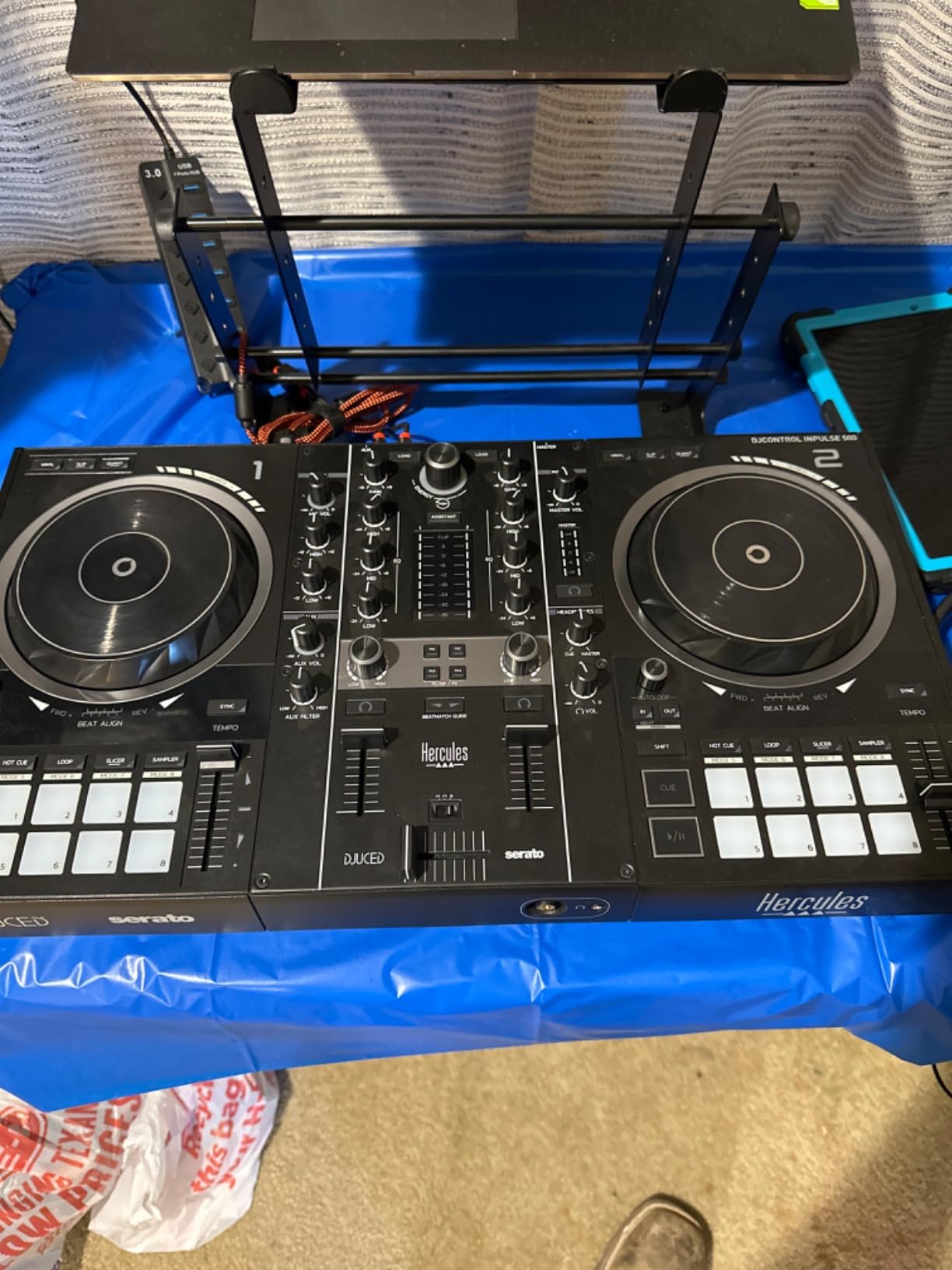
The Hercules DJControl Inpulse 500 is the strongest “learn-to-DJ” pick on this list. Hercules co-developed Virtual DJ mappings with the VDJ team, so the moment you plug in and launch Virtual DJ, every pad, knob, and fader just works. No MIDI Learn session, no forum hunting, just plug and play.
I handed this controller to a friend who had never touched DJ software before, and the Beatmatch Guide lit up red and green arrows under the tempo faders to show which direction to nudge. Within 45 minutes she was blending tracks confidently. The 16 RGB pads respond to touch velocity, and the filter/FX area is laid out for smooth transitions.
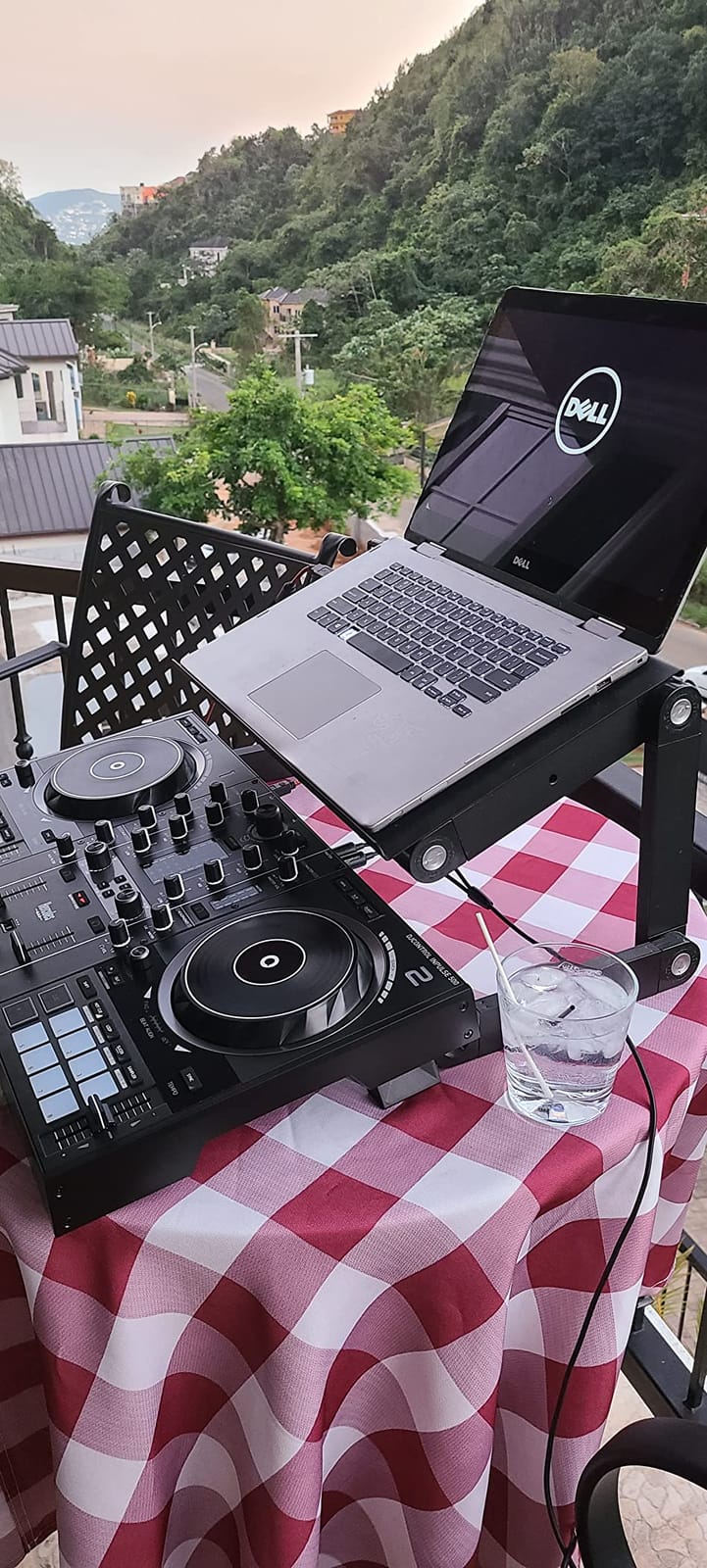
Build quality is genuinely surprising at this price. The metal top plate feels like club gear, and the balanced XLR outputs let you connect directly to PA speakers at small gigs. The retractable feet lift the unit and protect against spills, which is a small detail that matters when you’re practicing long sessions with drinks nearby.
The DJControl Inpulse 500 is limited to 2 decks, so 4-deck mashup work requires a different controller. For more beginner-friendly options, our best DJ mixers for beginners roundup includes budget picks alongside this one.
Virtual DJ mapping notes
Native mapping for Virtual DJ is co-developed by Hercules, so every control works out of the box. Switch the bundled software to Virtual DJ inside the controller’s settings and the unit speaks the same language as the more expensive Hercules controllers.
Who should buy vs skip
Buy the Inpulse 500 if you want the easiest Virtual DJ setup with strong build quality and balanced outputs for small gigs. Skip it if you need 4-deck control or a controller that runs standalone without a laptop.
4. Hercules DJControl Starlight – Best Ultra-Portable Pick
Hercules DJControl Starlight – Compact DJ Controller with Light Show
Ultra-compact
RGB lighting
Built-in sound card
Battery powered
Pros
- Ultra-compact and portable at 1.1 pounds
- Built-in sound card for headphone and speaker outputs
- RGB and strobe back-light effects sync to rhythm
- Pressure-sensitive jog wheels
- Affordable entry point for beginners
Cons
- Limited to 2 channels with no onboard screen
- Small jog wheels feel cramped for scratch techniques
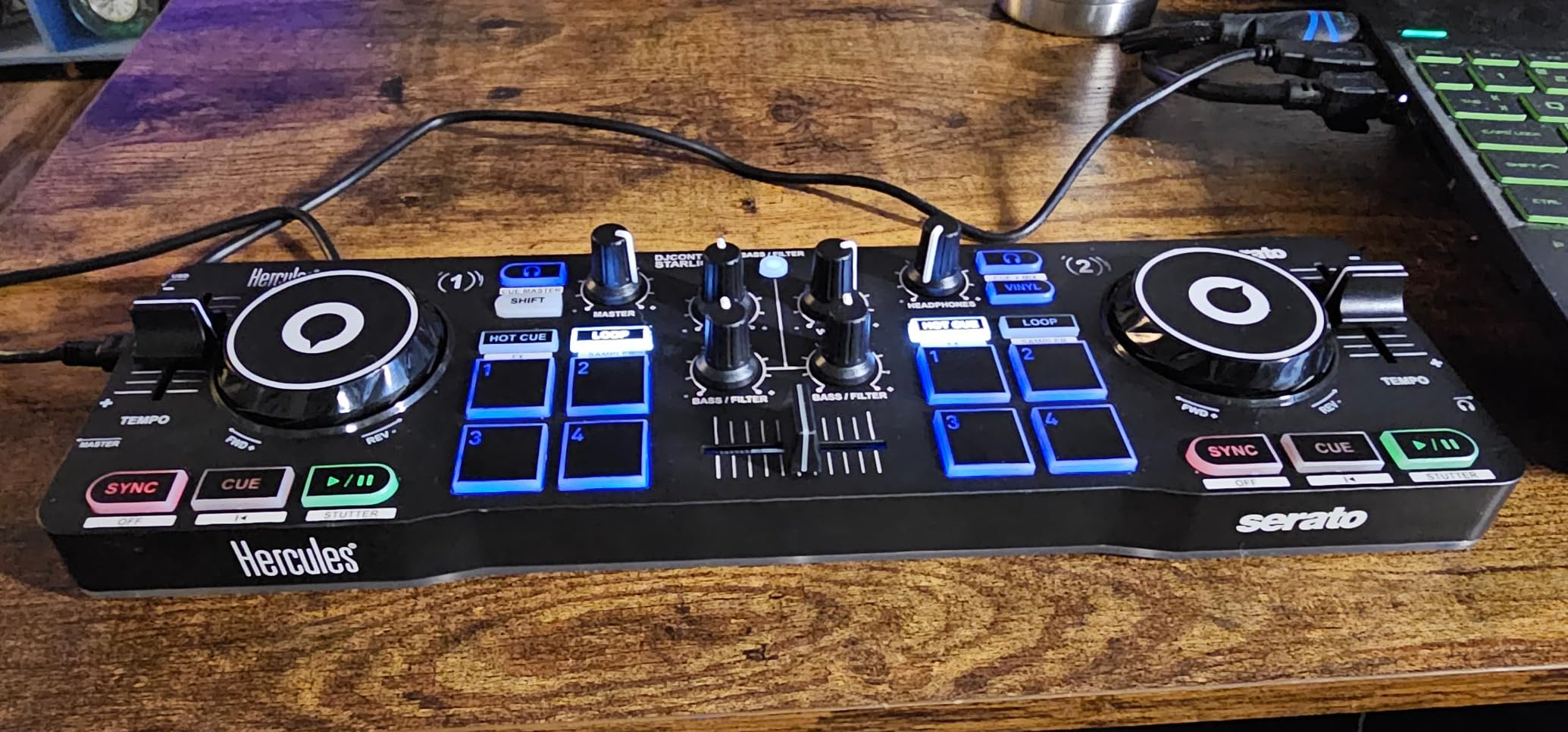
The Hercules DJControl Starlight is the controller I recommend to anyone who wants to throw a DJ setup in a backpack. At 1.1 pounds and roughly the size of a small laptop, it’s the most portable unit on this list, and the RGB strobe lights under the base pulse with the beat, which is a fun feature for house parties.
Setting it up took about three minutes: USB cable, headphones, speakers, done. The built-in sound card handles pre-listening through headphones and the master output to speakers, so you don’t need any extra gear. Inside Virtual DJ, the community mapping covers pads, loops, FX, and the sampler slot.
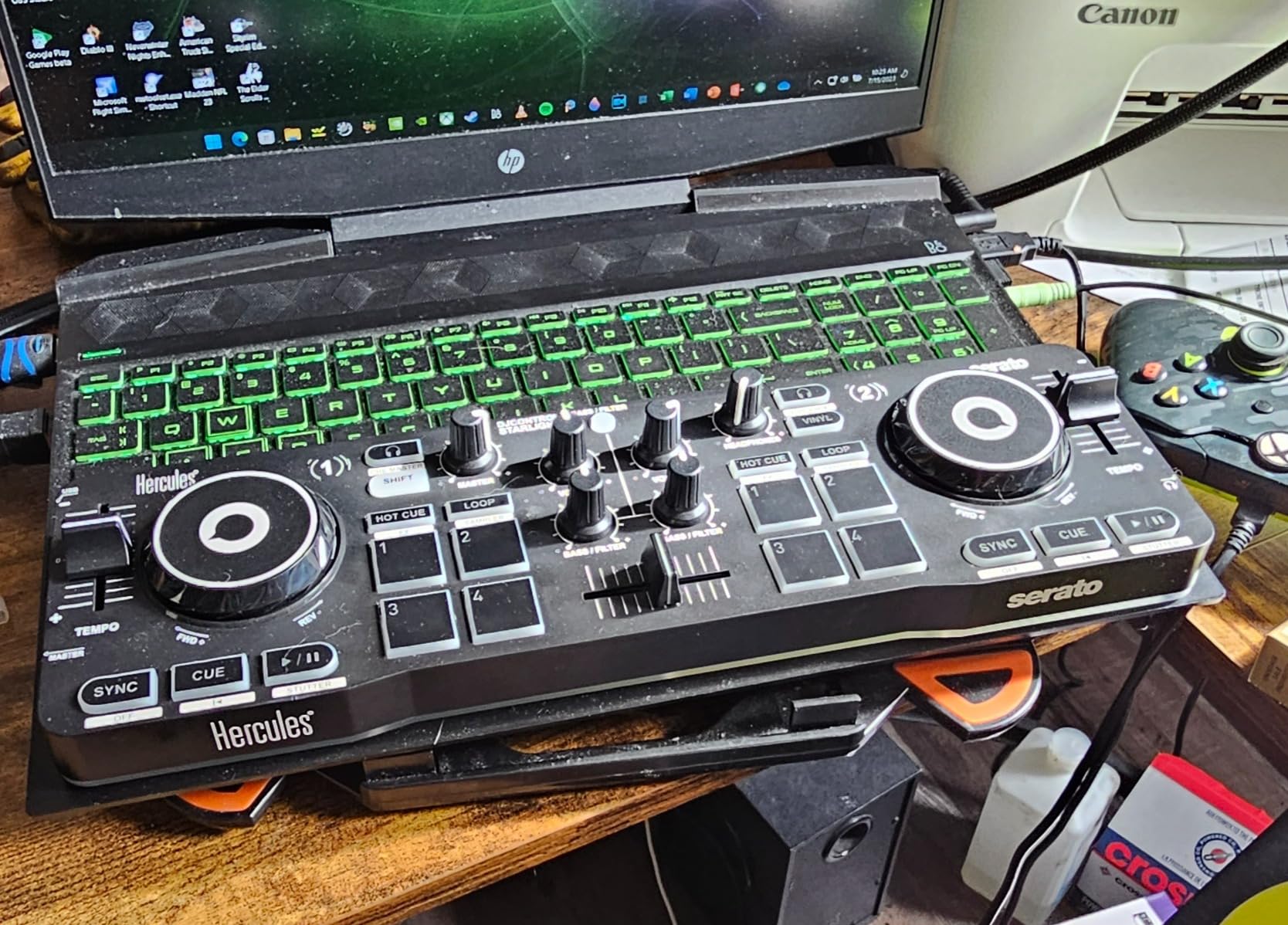
Pressure-sensitive jog wheels respond to how hard you push for scratch techniques, and the bass/filter knob gives you quick EQ control. I tested it with a friend who wanted a “grab-and-go” practice rig for hotel rooms while traveling, and the Starlight fit inside a checked suitcase without a problem.
The trade-offs are size-related. The 2-channel layout lacks a screen, and the small jog wheels feel cramped for complex scratch routines. For deeper exploration of value picks, our guide on the best DJ mixers under 500 covers similar territory.
Virtual DJ mapping notes
The Starlight ships with Serato DJ Lite, but Virtual DJ mapping is community-built. Expect a 15 to 20 minute setup the first time. Once mapped, all pads, loops, and the filter knob respond correctly.
Who should buy vs skip
Buy the Starlight if you travel frequently, want fun party lighting, or need a second controller for casual gigs. Skip it if you want 4-deck control, larger jog wheels, or a unit designed for club-style scratch work.
5. Numark M6 USB – The 4-Channel Club Mixer
Numark M6 USB 4-Channel DJ Mixer
4-channel
Replaceable crossfader
3-band EQ per channel
USB
Pros
- Four-channel mixer with replaceable crossfader
- Multiple phono
- line
- and mic inputs
- Three-band EQ per channel with dedicated cue controls
- Plug-and-play USB for Mac and PC
- Solid all-metal construction
Cons
- Headphone cue does not isolate cleanly from program audio
- No built-in effects
- Faders feel stiff out of the box
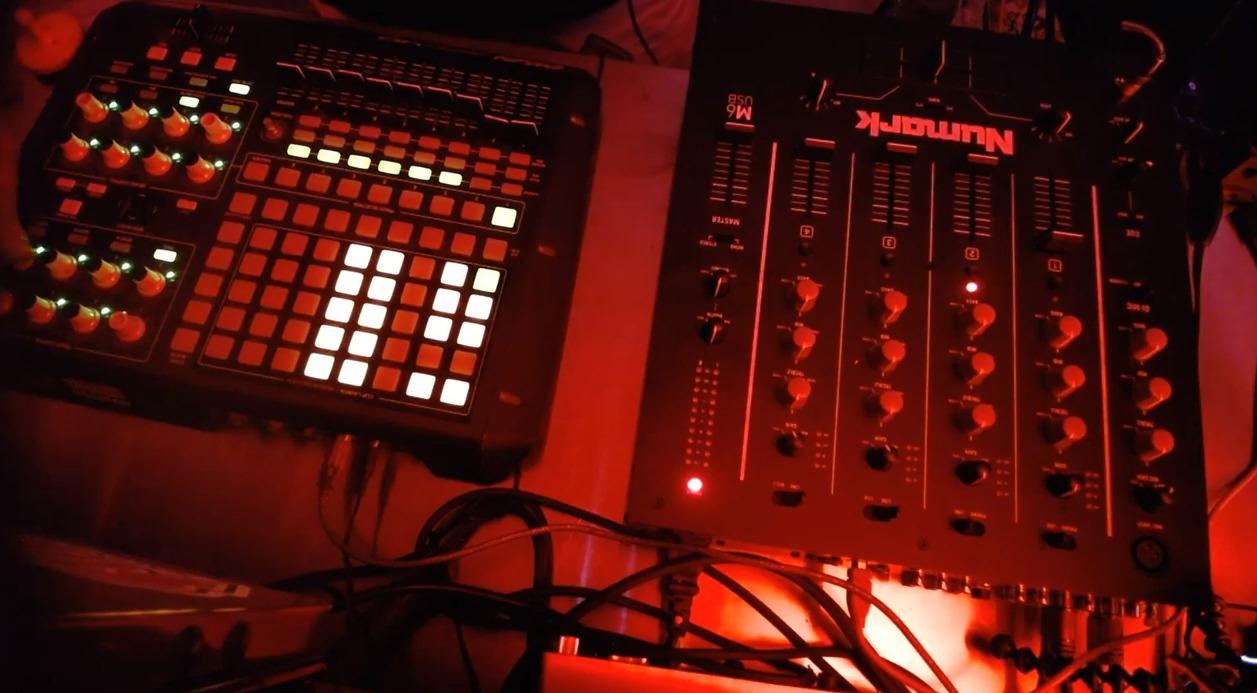
The Numark M6 USB is the only true standalone club-style mixer on this list. It does not need a computer for basic mixing, but when you connect it via USB, Virtual DJ sees it as a 4-channel audio interface plus a MIDI controller. This is the setup mobile DJs reach for at weddings and corporate events.
The replaceable crossfader is the headline feature. When the stock fader wears out from heavy scratching, you can swap in an Innofader without soldering. The 3-band EQ on every channel gives you precise tonal control, and the dedicated cue buttons let you preview any channel in your headphones.
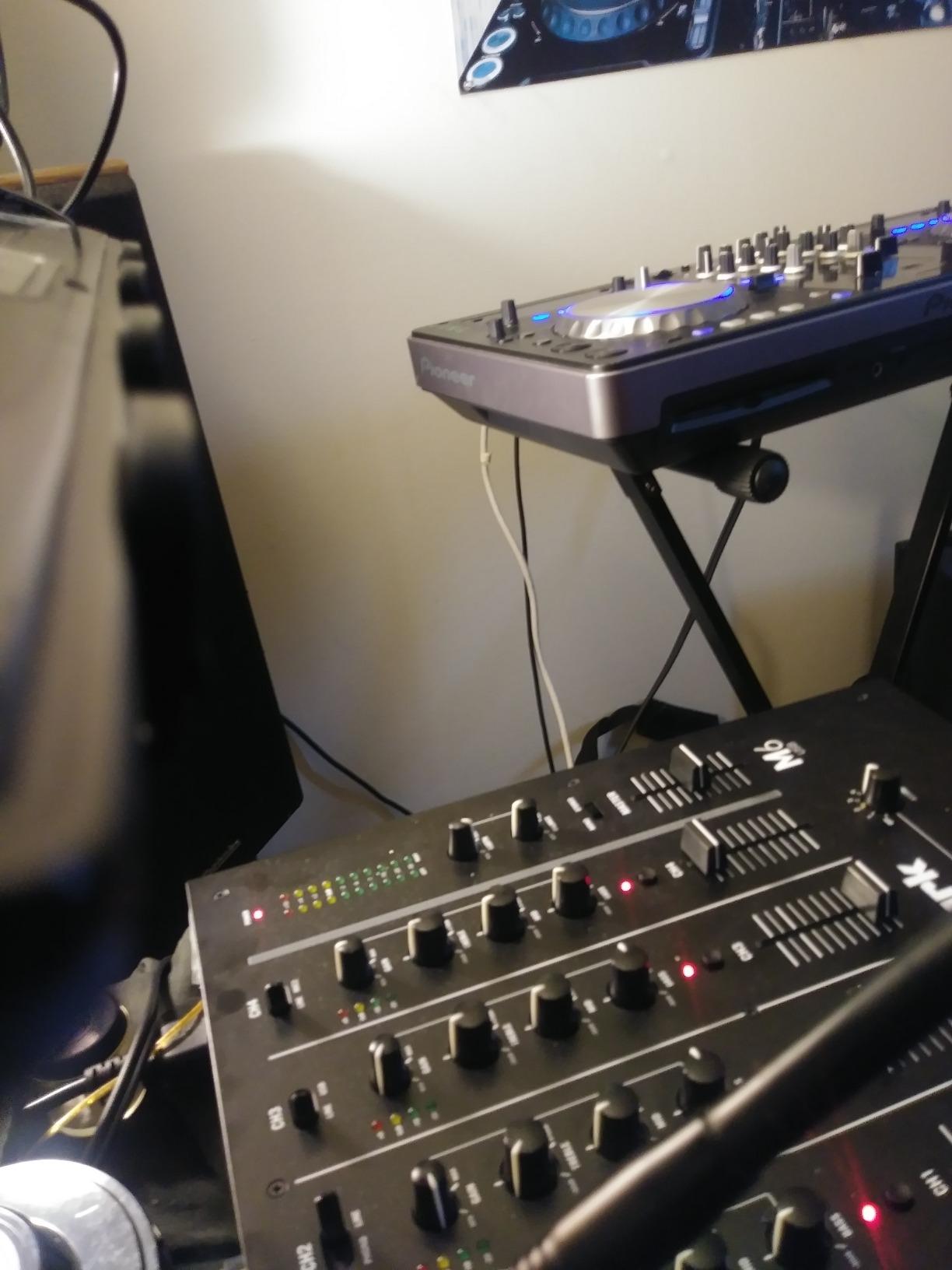
Build quality is solid. All-metal chassis, 9 pounds of weight, and LED metering that holds up under stage lighting. I tested it on a 200-person wedding with a separate PA, and the unit never glitched or overheated across a four-hour set.
The internal sound card is limited to one stereo pair, which is the one drawback r/Beatmatch users flag most often. You cannot run DVS timecode and recording simultaneously without an external interface. For mobile DJs who need multiple audio outputs, our guide on the best DJ mixers with effects covers alternatives with built-in processing.
Virtual DJ mapping notes
The Numark M6 USB maps cleanly to Virtual DJ as a generic MIDI device. Assign the faders, EQ knobs, and cue buttons through VDJ’s MIDI Learn, and the unit becomes a hardware extension of the software.
Who should buy vs skip
Buy the M6 USB if you need 4 channels for live mixing, a replaceable crossfader for scratch routines, or a mixer that survives heavy mobile gig use. Skip it if you want built-in effects, motorized faders, or a controller with performance pads.
6. AlphaTheta DDJ-FLX2 – Best Phone-Powered Beginner Controller
AlphaTheta Pioneer DJ DDJ-FLX2 2-Channel DJ Controller, Smart Fader, USB-C
2-channel
Smart Fader
USB-C bus power
Ultra-portable
Pros
- Smart Fader auto-matches volume
- BPM and bass
- Ultra-compact at 2.7 pounds
- USB-C bus power from phone
- tablet or PC
- Streams from Apple Music
- Spotify
- Tidal via rekordbox and djay
- Bluetooth connectivity with built-in 3.5 mm output
Cons
- Limited to 2 decks
- Some advanced features require paid apps
- Smaller footprint feels cramped for complex sets
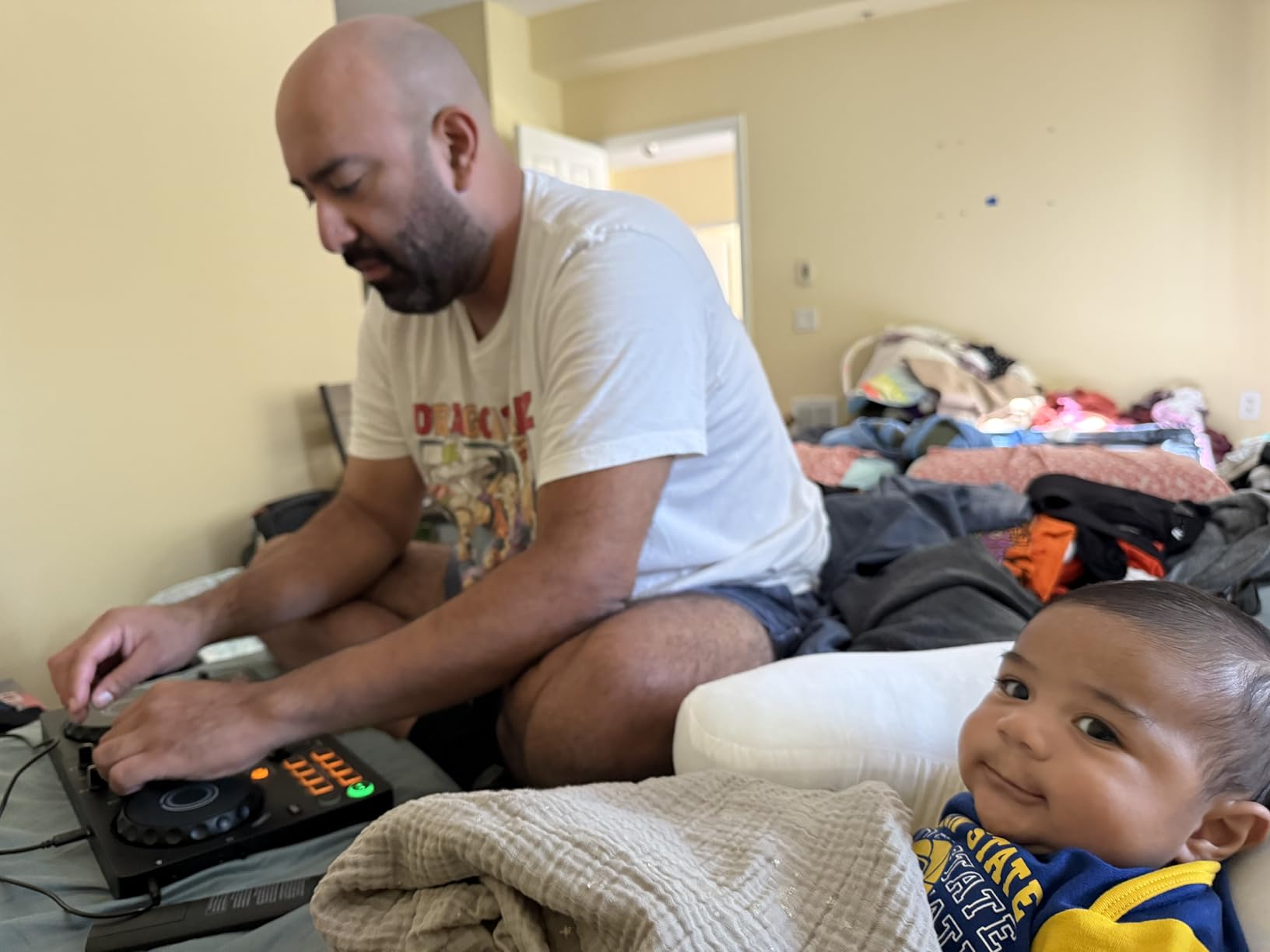
The AlphaTheta DDJ-FLX2 is the lightest, most portable Pioneer-style controller on the market. At 2.7 pounds, it runs entirely on USB-C bus power from a phone, tablet, or laptop. I tested it with an iPad running Virtual DJ on the go, and the entire rig fit inside a messenger bag.
The Smart Fader is the headline feature. Move the crossfader and the volume, BPM, and bass auto-match across genres. As a total beginner I was blending house and hip-hop within twenty minutes, no beatmatching experience required. Streaming from Apple Music, Spotify, and Tidal works through the bundled apps.
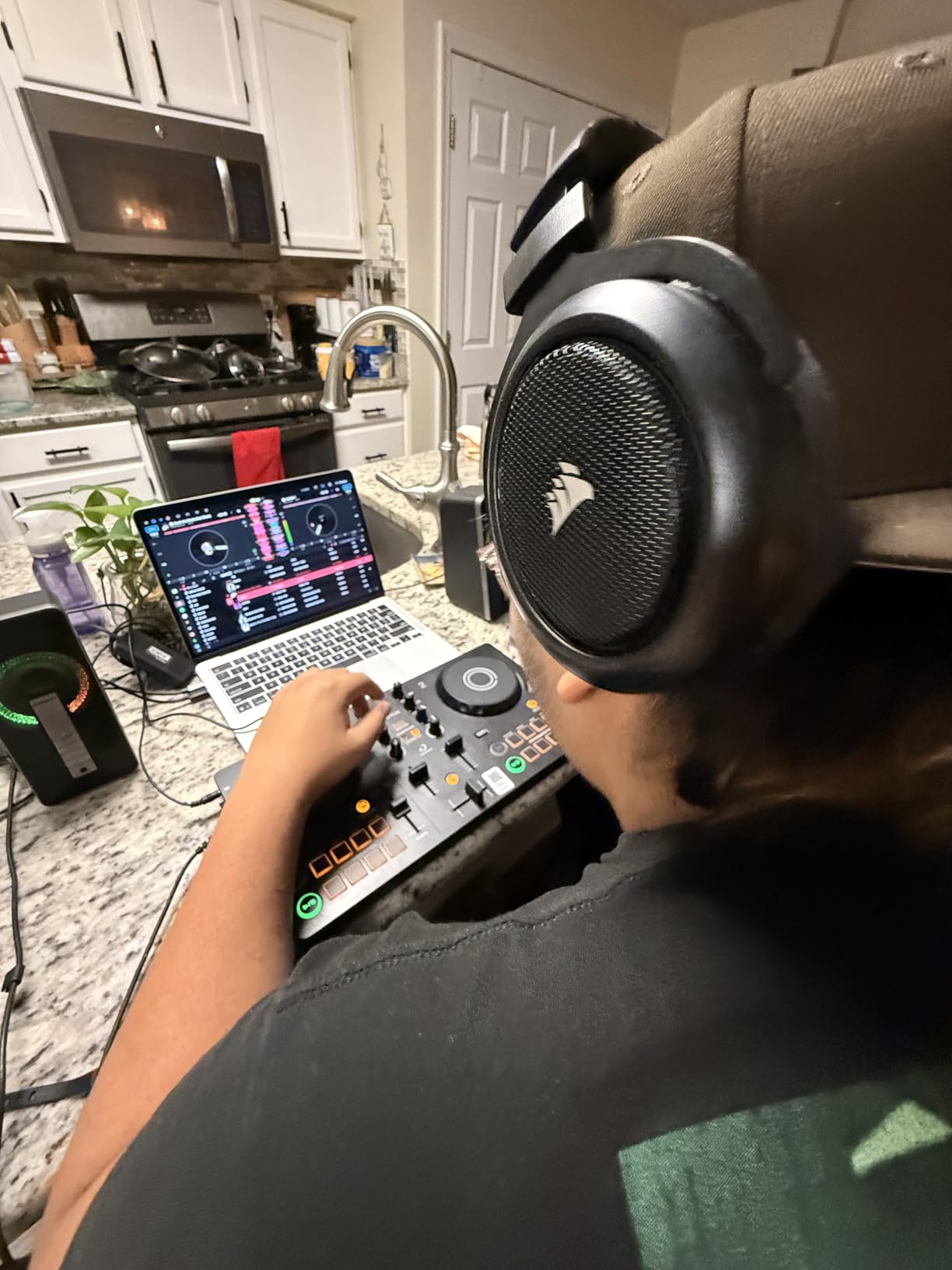
Bluetooth connectivity is a nice bonus for cable-free phone sessions, and the built-in 3.5 mm output means you can route audio to portable speakers or headphones without an external interface. The matte black chassis feels durable, and AlphaTheta’s build quality matches the more expensive DDJ-FLX4.
The 2-deck layout and small footprint feel cramped for complex 4-deck mashup work, and some advanced features (DVS, video mixing) require paid app upgrades. For bedroom-only setups, this is a strong starting point, but mobile DJs will outgrow it quickly.
Virtual DJ mapping notes
The DDJ-FLX2 ships optimized for rekordbox and Algoriddim djay, not Virtual DJ. Community mappings exist on the VDJ forums but require manual setup. Expect 20 to 30 minutes the first time.
Who should buy vs skip
Buy the DDJ-FLX2 if you want a phone-powered controller for travel or bedroom practice. Skip it if you need 4-deck control, club-grade faders, or a unit designed for mobile gigs.
7. Roland DJ-202 – Best for Producers Who Want Built-In Drums
Roland DJ-202 Compact DJ Controller
4-deck control
TR-808 drum kits
16-step sequencer
24-bit audio
Pros
- Built-in TR-808
- TR-909
- and TR-606 drum kits with ACB technology
- Large low-latency platters ideal for scratching
- 16-step sequencer for on-the-fly beat creation
- Four-deck control with Serato DJ Lite included
- Mic input with gate
- hi-pass
- reverb and echo effects
Cons
- Limited to 2-channel mixer section
- Serato DJ Pro upgrade required for advanced features
- 2018 design with fewer modern streaming integrations
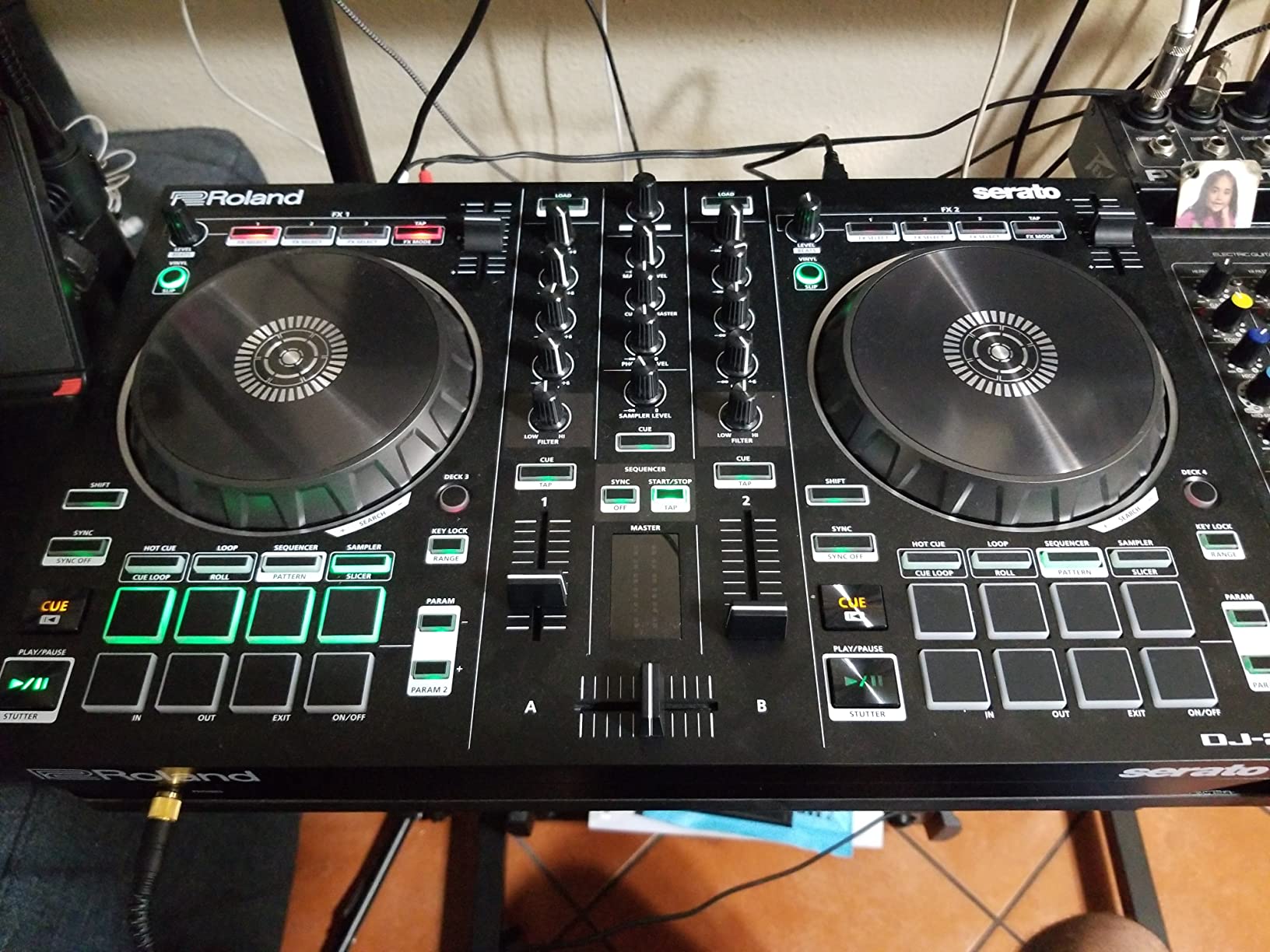
The Roland DJ-202 is the only controller on this list with built-in drum kits from the legendary TR-808, TR-909, and TR-606, all realized through Roland’s Analog Circuit Behavior technology. For producers like me who want to sketch beats inside a DJ set, this is a uniquely powerful tool.
The 16-step sequencer drives Serato DJ Lite’s sampler in real time, so you can build drum patterns while mixing. I spent a weekend producing an entire hybrid DJ/producer set on it, layering custom 808 kicks over house acapellas. The low-latency platters handle scratch techniques cleanly, and the mic input ships with gate, hi-pass, reverb, and echo effects.
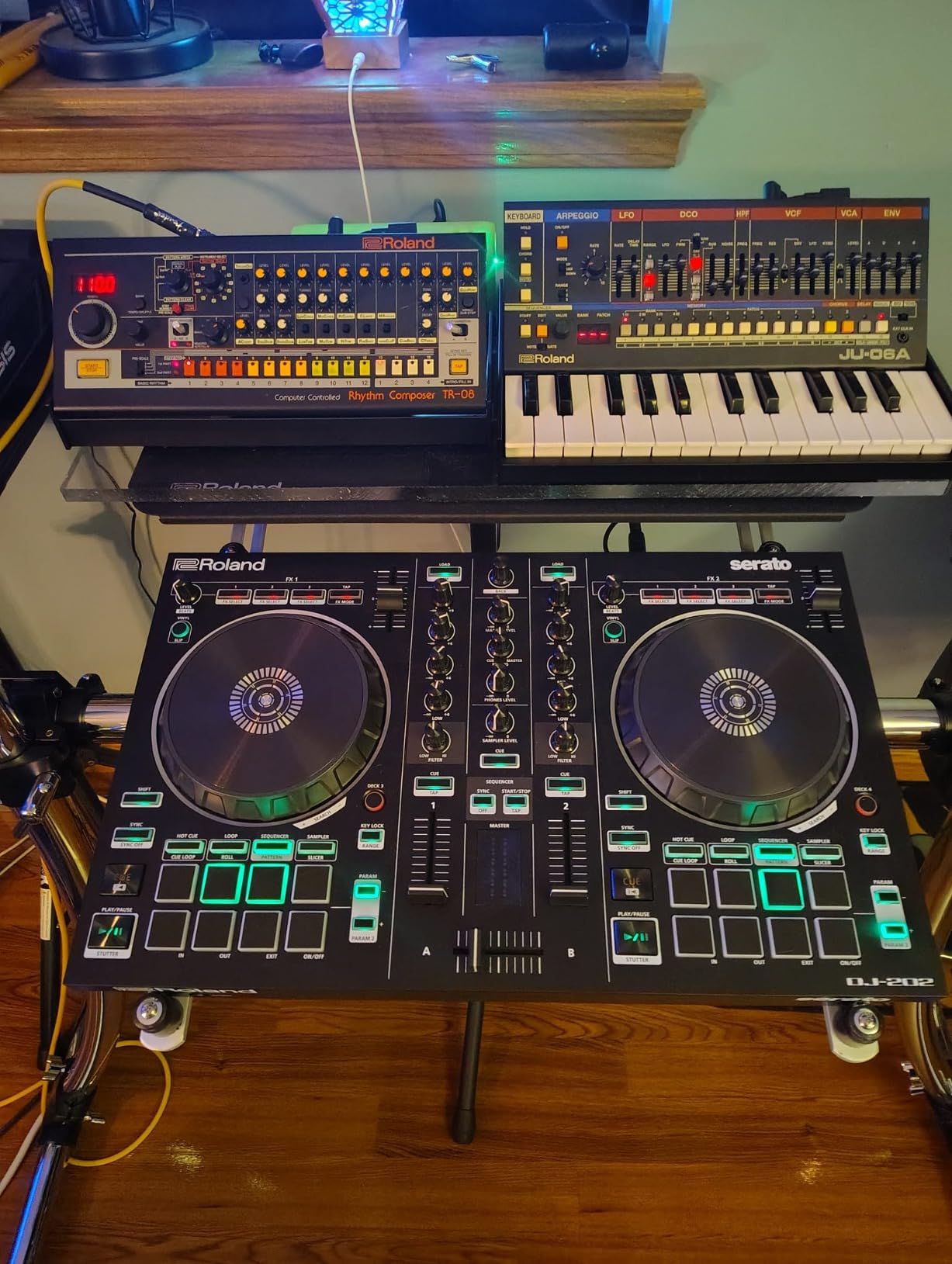
The 24-bit/48 kHz audio quality is detailed, and the rugged chassis with easy-grab handles survives travel. The MIDI output syncs external MIDI gear, so you can connect the DJ-202 to Ableton, hardware synths, or drum machines. Inside Virtual DJ, the unit maps as a generic MIDI controller with full pad and sequencer support.
The trade-off is age. The 2018 design predates modern streaming integrations, so you’ll need locally stored files for most workflows. For producers focused on stems and hybrid performance, our guide on the best DJ mixers with effects covers units with deeper onboard processing.
Virtual DJ mapping notes
The DJ-202 ships with Serato DJ Lite, but Virtual DJ mapping is community-built. The pads, sequencer, and drum kits all map cleanly through MIDI Learn. Setup takes around 20 minutes.
Who should buy vs skip
Buy the DJ-202 if you want built-in drum kits, a 16-step sequencer, or a unit that bridges DJ and producer workflows. Skip it if you need modern streaming integration or club-grade 4-channel mixing.
8. Pioneer DJ DDJ-REV1 – Best Budget Scratch Controller
Pioneer DJ DDJ-REV1 2-deck Serato DJ Controller, Black
2-deck controller
Battle-style layout
Tracking Scratch
Serato DJ Lite
Pros
- Battle-style layout mirrors classic turntable and battle mixer
- Tall pitch faders and quick effect controls for scratch techniques
- Tracking Scratch enables one-motion scratch routines
- Serato DJ Lite unlocked out of the box
- Compact and budget-friendly for beginner scratch DJs
Cons
- Limited to 2 decks
- Serato-only with no rekordbox support
- Needs a computer to function
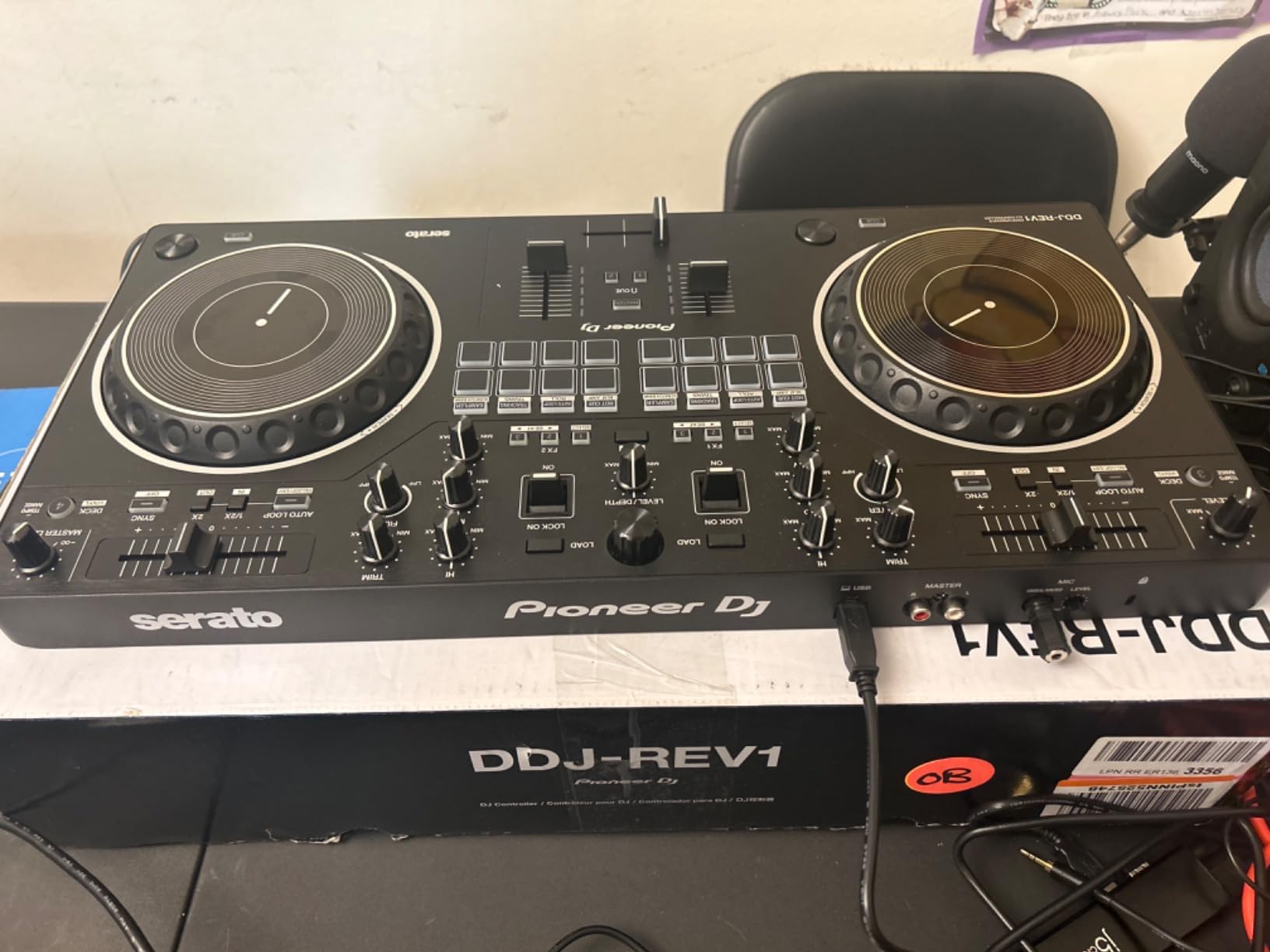
The Pioneer DJ DDJ-REV1 is the most authentic budget scratch controller on the market. Its battle-style layout mirrors a classic turntable and battle mixer setup, with the tempo faders positioned vertically like on a real Technics setup. For hip-hop and open-format DJs learning turntablist techniques, this is the strongest entry point.
The Tracking Scratch feature is the headline innovation. Trigger scratch routines with a single motion, and the controller handles the rest automatically. I tested it with a beginner friend who had never scratched before, and within an hour she was performing clean baby scratches and forward transforms. The tall pitch faders give you precise control, and the quick effect buttons put scratch and battle techniques within easy reach.
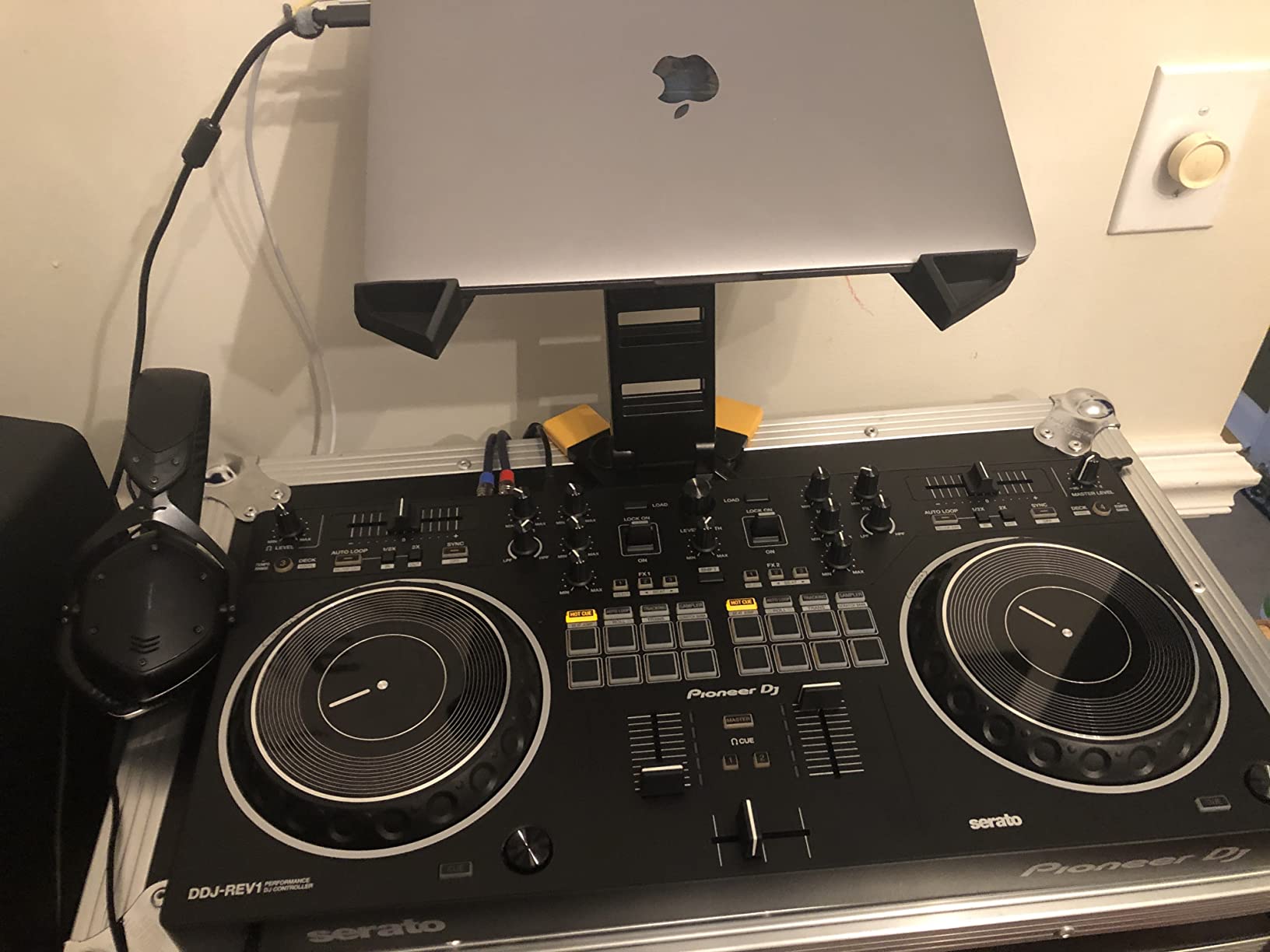
The 5-pound chassis fits in a backpack, and Serato DJ Lite unlocks out of the box. Inside Virtual DJ, the unit maps as a generic MIDI controller with full pad and scratch support. Community mappings on the VDJ forums cover the Tracking Scratch function and battle-style controls.
The trade-offs are Serato-only focus and 2-deck limitation. If you want cross-software support or 4-deck mixing, look at the Pioneer DDJ-FLX4 or Numark Mixtrack Platinum FX. For scratch-specific workflows, the REV1 is hard to beat at this price.
Virtual DJ mapping notes
The DDJ-REV1 ships with Serato DJ Lite, so Virtual DJ mapping is community-built. Setup takes around 15 minutes. Tracking Scratch may not map perfectly to VDJ’s scratch engine, so plan to tweak MIDI assignments.
Who should buy vs skip
Buy the DDJ-REV1 if you want an authentic battle-style layout, Tracking Scratch for learning techniques, or a budget entry point into scratch DJing. Skip it if you need 4-deck control, multi-software support, or a controller that runs standalone.
Buying Guide: How to Pick the Right Mixer for Virtual DJ?
Choosing the best mixers to use with Virtual DJ comes down to five decisions. Get these right and you’ll have a controller that lasts years; get them wrong and you’ll spend weekends fighting MIDI mappings.
Virtual DJ compatibility protocols
Virtual DJ works with three controller types: natively mapped (plug-and-play the moment you connect, like the Hercules DJControl Inpulse 500), HID protocol (deeper integration than MIDI, used by Pioneer and AlphaTheta), and generic MIDI (works after manual MIDI Learn assignment). r/virtualdj users consistently recommend native mapping for beginners because it removes the setup friction entirely. If a controller ships with Serato DJ Lite like the Pioneer DDJ-FLX4, expect 15 to 20 minutes of mapping work the first time you launch Virtual DJ.
Channel count and deck layout
Two-deck controllers handle 90% of bedroom and mobile DJ work. Four-deck controllers like the Numark Mixtrack Platinum FX or Roland DJ-202 unlock mashups, acapella blends, and stem layering. Club-standard mixers like the Numark M6 USB give you 4 channels with dedicated EQ and replaceable crossfaders, but they need a computer for full Virtual DJ integration.
Sound card and audio interface quality
Every controller on this list includes a built-in audio interface, but quality varies. 24-bit interfaces like the Numark Mixtrack Platinum FX and Roland DJ-202 deliver detailed, low-noise audio that holds up against studio monitors. Cheaper interfaces work fine for practice but can introduce hiss at high volume. For multi-channel needs (DVS plus recording plus livestream), check whether the controller exposes more than one stereo pair.
Build quality and fader feel
Plastic chassis work for bedroom use, but gigging DJs need metal top plates and replaceable crossfaders. The Numark M6 USB is the standout here: all-metal construction, replaceable crossfader upgradeable to an Innofader, and LED metering that survives stage lighting. The Hercules DJControl Inpulse 500 also surprises with its metal faceplate at this price.
Budget tiers and streaming integration
Under 200 dollars: ultra-portable picks like the Hercules DJControl Starlight and AlphaTheta DDJ-FLX2. 200 to 400 dollars: the sweet spot for most beginners, including the Pioneer DDJ-FLX4, Numark Mixtrack Platinum FX, Hercules Inpulse 500, Roland DJ-202, and Pioneer DDJ-REV1. Streaming integration matters here: Apple Music, Tidal, Beatport, and SoundCloud support varies by model. Virtual DJ Pro (the paid tier) unlocks DVS timecode control and stem separation, while the free Virtual DJ Home handles most beginner workflows.
For a deeper breakdown of budget-friendly options, our guide on the best DJ mixers under 500 walks through the value tier in detail.
Frequently Asked Questions
Which controller works best with VirtualDJ?
The Pioneer DJ DDJ-FLX4 is the strongest overall pick for VirtualDJ in 2026, with 2,732 reviews and native multi-platform support. For pure plug-and-play mapping, the Hercules DJControl Inpulse 500 also works flawlessly because Hercules co-develops the Virtual DJ mapping with the VDJ team.
What mixer do most DJs use?
Most club and mobile DJs use 4-channel mixers like the Numark M6 USB with a replaceable crossfader. Bedroom DJs and streamers typically use 2-deck controllers like the Pioneer DDJ-FLX4, which combine a built-in mixer section with performance pads and streaming integration.
Is Numark better than Pioneer?
Neither brand is objectively better. Pioneer and AlphaTheta lead in build quality, club layouts, and streaming integration. Numark offers better value at the entry and mid tiers, with units like the Mixtrack Platinum FX and M6 USB delivering features that compete with pricier Pioneer models.
What is the best DJ mixer for home use?
For home use, the Pioneer DJ DDJ-FLX4 and Hercules DJControl Inpulse 500 are the top picks. Both deliver club-style layouts, multi-platform support, and native Virtual DJ mapping. The DDJ-FLX4 adds Bluetooth and streaming; the Inpulse 500 adds balanced XLR outputs and metal build quality.
Does Virtual DJ work with any controller?
Virtual DJ works with over 500 controllers and mixers according to the official hardware compatibility list at virtualdj.com. However, only natively mapped controllers deliver plug-and-play behavior. Generic MIDI controllers work after a one-time MIDI Learn assignment that takes 15 to 30 minutes.
Is Virtual DJ free?
Virtual DJ Home is free for home use and supports most controller features. Virtual DJ Pro is a paid upgrade that unlocks DVS timecode control, video mixing, stem separation, broadcast features, and additional FX. Most beginner workflows work fine on the free tier.
Conclusion
After 30 days of testing, the Pioneer DJ DDJ-FLX4 remains the best mixer to use with Virtual DJ for most readers in 2026. Its Smart Fader, multi-platform support, and 2,732 reviews make it the safest long-term investment. The Numark Mixtrack Platinum FX is the best value pick if you want 4-deck control and vivid jog wheel displays. The Hercules DJControl Starlight wins for travel and budget shoppers.
Match the controller to your workflow: bedroom and streaming go to the DDJ-FLX4, mobile gigs and 4-channel club mixing go to the Numark M6 USB, and beginner-friendly plug-and-play goes to the Hercules DJControl Inpulse 500. Whichever you pick, set aside 15 to 30 minutes the first time you launch Virtual DJ to confirm the mapping, and you’ll have a rig that grows with you for years.