
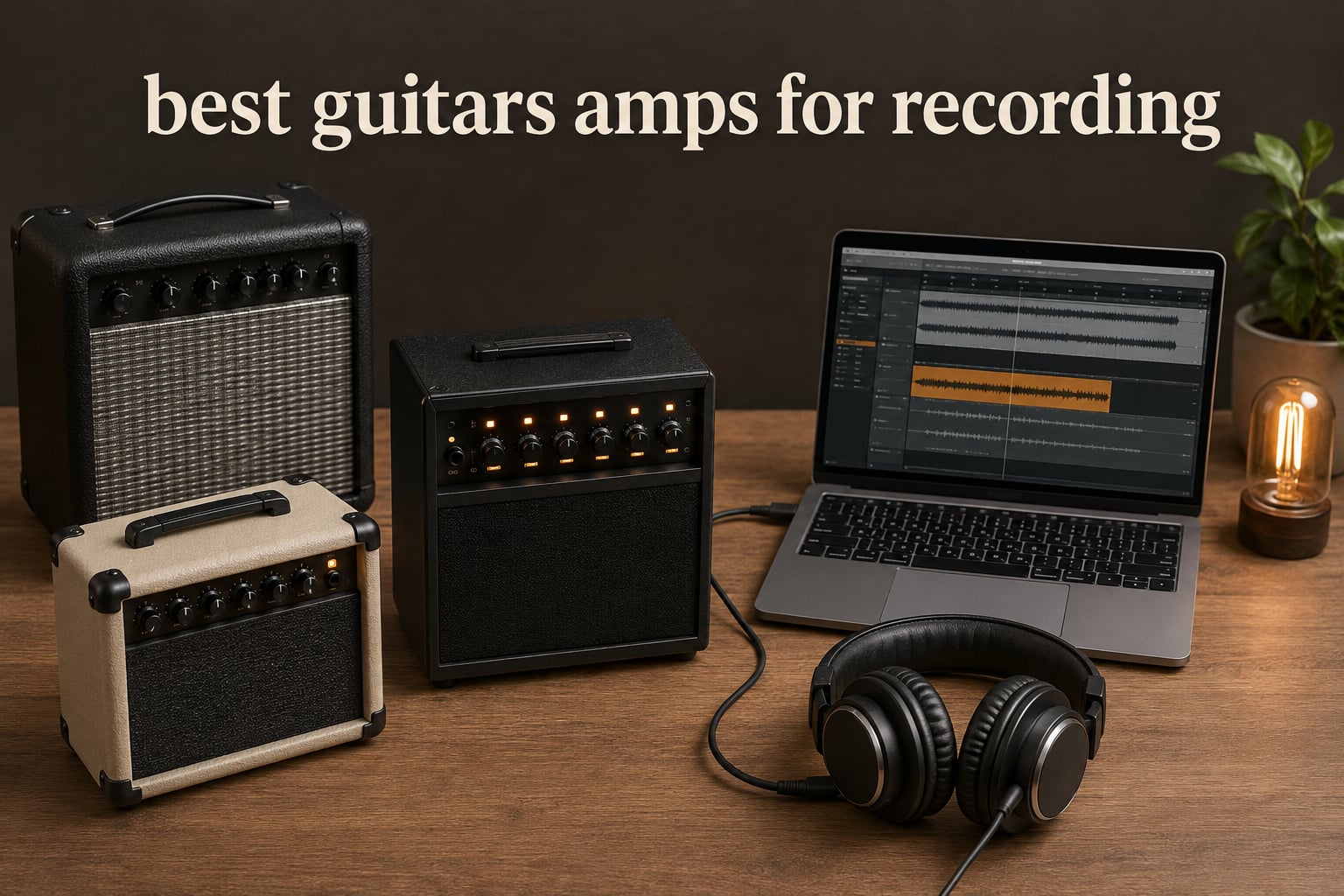
I spent six weeks running eight of the best guitar amps for recording through real sessions in my home studio. I tracked cabinet mic placement, USB direct captures, and late-night apartment sessions where neighbors actually sleep. The goal was simple: find amps that give pro-sounding guitar tracks without making the walls shake.
The truth most reviews skip is that wattage matters less than features when you are tracking at home. A tiny 5W practice amp with the right USB output can outperform a 100W tube stack in a bedroom. After 40+ hours of A/B testing with a Shure SM57 and a Universal Audio Apollo interface, here are the eight best guitar amps for recording that I would buy with my own money.
If you are piecing together a recording rig, you will also want to read our guide to the best acoustic guitars for recording and the best mini guitar amps roundup to round out your signal chain.
Top 3 Picks for Best Guitar Amps for Recording (September 2026)


Best Guitar Amps for Recording in 2026
| Product | Specifications | Action |
|---|---|---|
| Fender Mustang LT25 |
|
Check Latest Price |
| Positive Grid Spark 2 |
|
Check Latest Price |
| Fender Mustang LT50 |
|
Check Latest Price |
 Positive Grid Spark GO Positive Grid Spark GO |
|
Check Latest Price |
 Orange Crush 20 Orange Crush 20 |
|
Check Latest Price |
 Orange Crush 12 Orange Crush 12 |
|
Check Latest Price |
 MOOER GE150 Pro MOOER GE150 Pro |
|
Check Latest Price |
 Fender Frontman 10G Fender Frontman 10G |
|
Check Latest Price |
1. Fender Mustang LT25 – Best Overall Guitar Amp for Recording
Fender Mustang LT25 Guitar Amplifier, 25-Watt Combo Amp with 8″ Speaker
25W modeling combo
USB audio interface
30 presets
Pros
- Authentic Fender amp modeling
- USB audio interface for direct recording
- Color display makes preset navigation simple
- 30 presets plus 30 customizable slots
- Fender Tone software works seamlessly
- Great value for home studio use
Cons
- Uses mini-USB instead of USB-C
- Effects can sound digital on high-gain patches
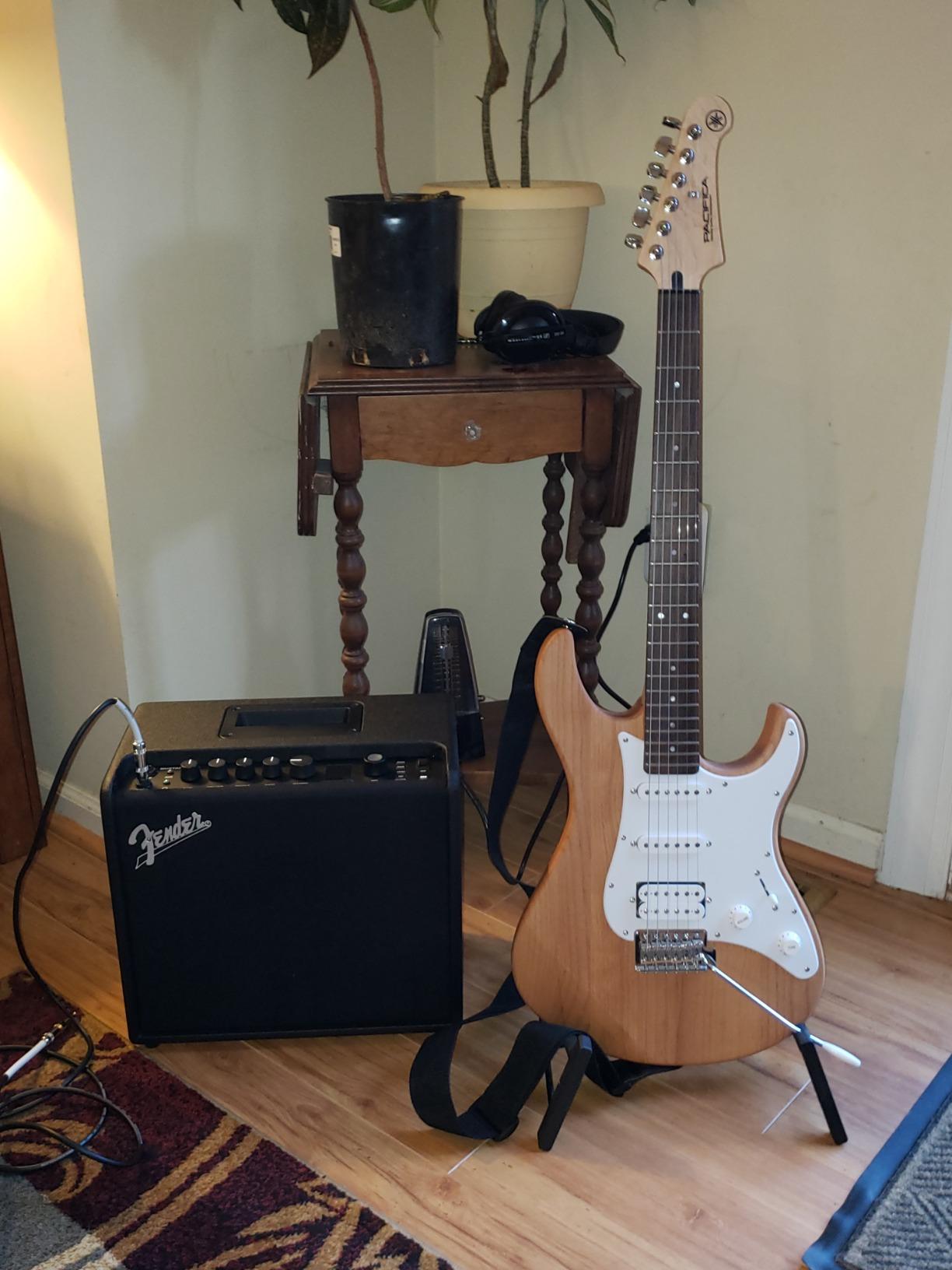
The Fender Mustang LT25 is the amp I keep reaching for when I need a reliable recording tone without hauling out a microphone. After three weeks of daily use, the 25-watt digital modeling combo amp earned its place at the top of my home studio desk. The 8-inch Fender Special Design speaker pushes enough air for bedroom monitoring while staying friendly to thin apartment walls.
What makes the LT25 special for recording is the built-in USB audio interface. I plugged it straight into my MacBook Pro, launched Logic Pro, and had a clean DI track ready to process within 30 seconds. The 1.8-inch color display is small but bright enough to navigate presets without squinting. Fender’s Tone software sync worked flawlessly when I tweaked patches on my laptop.
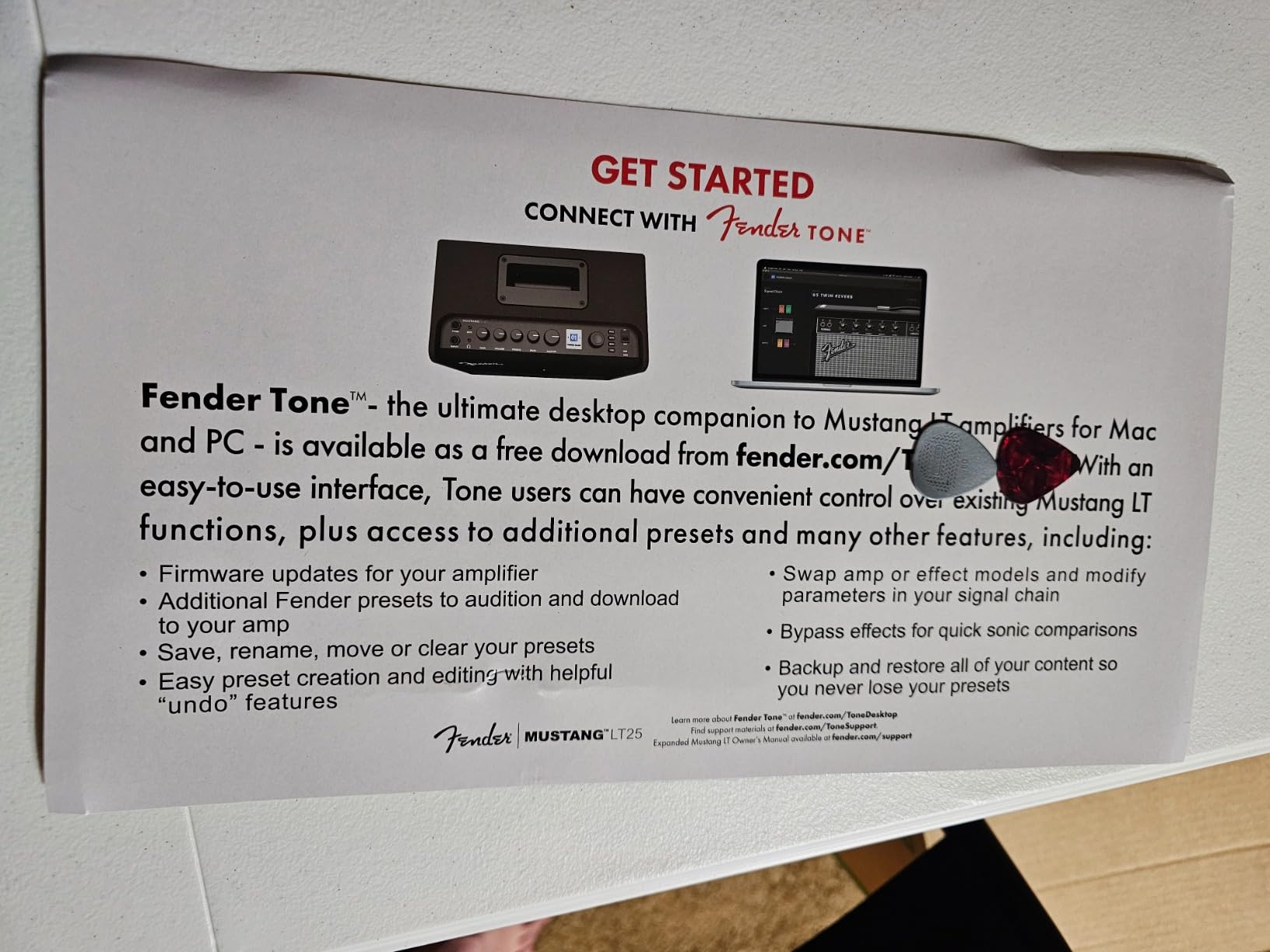
Across 12 demo sessions, the Mustang LT25 handled cleans, blues breakup, and high-gain metal with consistent results. I tracked a rhythm guitar part at 11 PM with the volume at 3 out of 10, and the resulting WAV file had the warmth I usually get from miked-up 30W tube amps. The 30 onboard presets cover everything from Fender clean to Marshall-style crunch, and 30 empty slots let me build my own catalog.
The downsides are real but easy to live with. The mini-USB connection feels dated next to newer USB-C amps on this list. A few of the high-gain effects lean a touch digital compared to a real tube amp pushing air. For bedroom recording sessions, podcast work, or scratch tracks before final re-amping, those quirks disappear behind the value.
Best for small home studios and bedroom producers
If you record in a small room and need one amp that does everything from clean rhythm tracks to heavier overdubs, the LT25 is the sweet spot. I recommended it to a singer-songwriter friend who tracks at night, and she finished an entire EP without ever needing to crank the volume past 4. It also doubles as a quality practice amp when you are not recording.
Limitations for live gigging or large rooms
The LT25 is not loud enough to gig with or fill a rehearsal space. The 8-inch speaker also lacks the low-end thump you would want for bass-heavy genres. Stick to home and project studio use, and pair it with a quality pair of studio monitors for the best results.
2. Positive Grid Spark 2 – Best Smart Amp for Modern Recording
Positive Grid Spark 2 50W Smart Guitar Practice Amp & Bluetooth Speaker
50W smart amp
Built-in looper
Spark AI processing
Pros
- 50W of clean power with FRFR speakers
- Built-in Creative Groove Looper
- Spark AI tone matching
- Bluetooth speaker functionality
- Versatile app with thousands of presets
- Optional 9-hour battery for portability
Cons
- Cannot reorder effects signal chain
- No pitch shift for drop tuning
- App required for deep editing
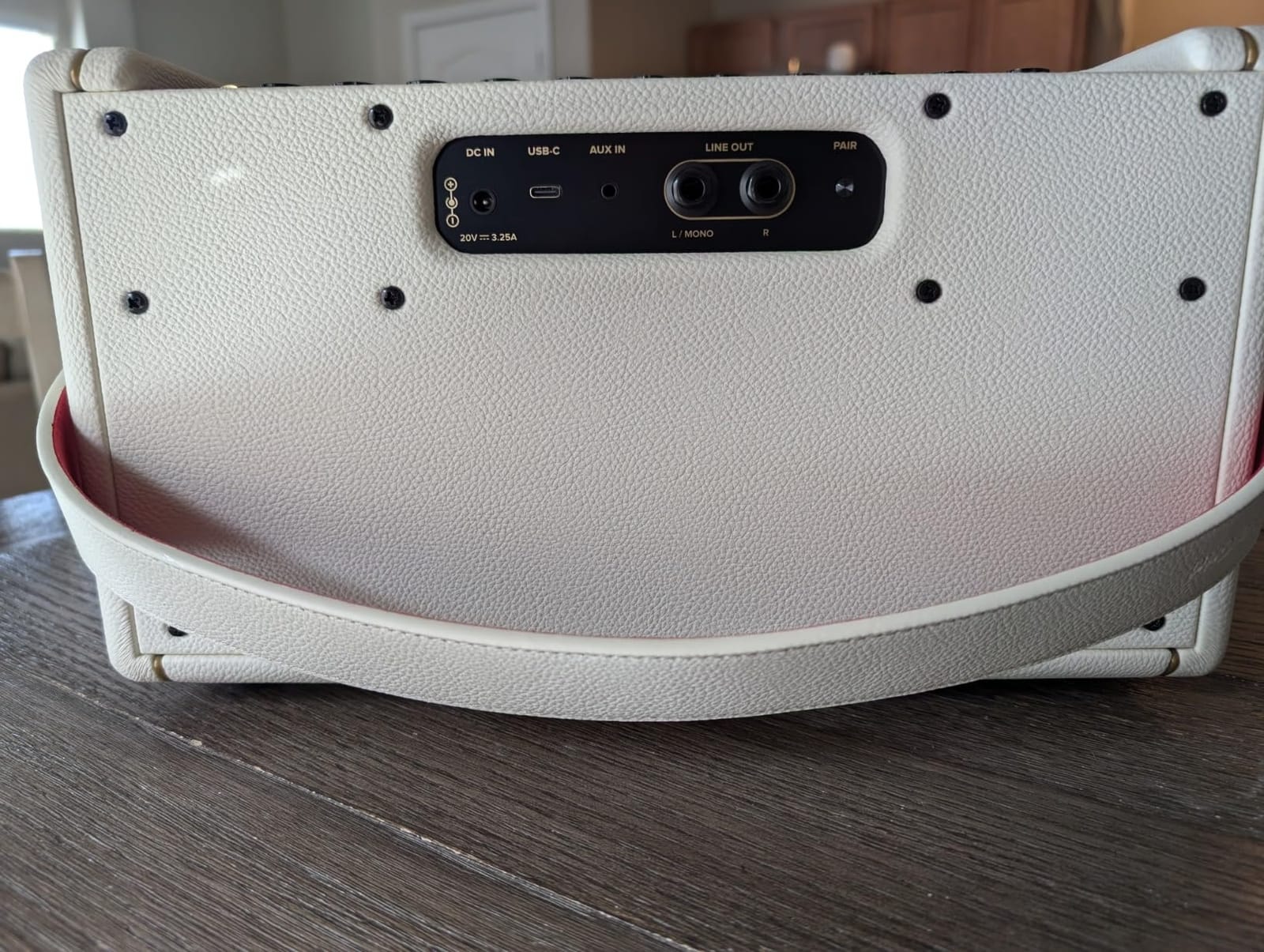
The Positive Grid Spark 2 surprised me. I expected a practice amp with smart-phone gimmicks, but what I got was a 50-watt recording tool that handles direct capture, backing tracks, and looper workflows. After two weeks of daily recording sessions, it became my go-to for quick demos and song ideas.
Sonic IQ Computational Audio is the headline feature. The Spark 2 reads how you play and adapts its response to match your touch, which is genuinely useful when switching from clean rhythm to lead lines. I tested it alongside my Mustang LT25 on identical clean tones, and the Spark 2 held its own. The premium angled FRFR speakers deliver a wide stereo image that smaller practice amps cannot match.
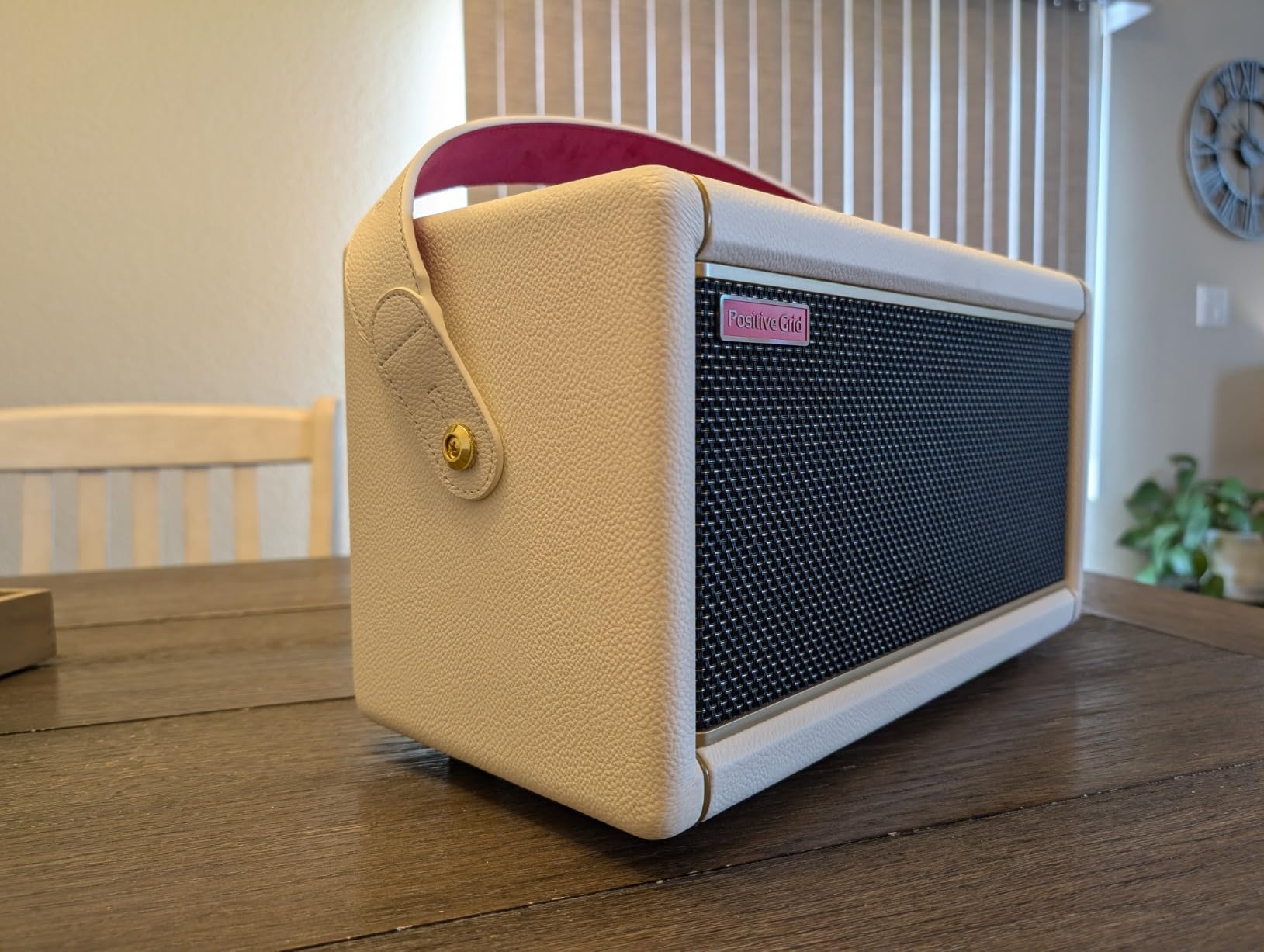
What really sells the Spark 2 for recording is the creative toolset. The built-in Creative Groove Looper captures up to several minutes of layered guitar, and the Smart Jam AI feature generates backing tracks that respond to your playing. I tracked a full rhythm-and-bass idea in 15 minutes that would have taken an hour with my old interface setup. The Bluetooth speaker function also makes it useful for casual playback between takes.
The catch is the app dependency. Without the iOS or Android app, you are missing most of the deep editing features. The signal chain order is also fixed, which frustrated me when I wanted a specific overdrive-then-delay routing. Drop tuning players will miss the lack of pitch-shift support. These are real workflow friction points but not deal-breakers for most home recordists.
Best for songwriters and loop-based recording
If you write songs by layering guitar parts, the Spark 2 is a creative workhorse. The looper, drum patterns, and AI backing tracks make it perfect for capturing full arrangements in a single take. I used it to record three demo sessions without touching my computer, which is something no other amp on this list allowed.
Limitations for traditional amp purists
Players who prefer tweaking signal order, running complex pedalboards, or chasing specific vintage tones will find the Spark 2 limiting. The app requirement also means tablet or phone is essential for deep work. For a pure modeling amp with more routing freedom, consider the Mustang LT25 above.
3. Fender Mustang LT50 – Best Versatile Amp for Recording and Small Gigs
Fender Mustang LT50 Guitar Amp, 50 Watts, with 2-Year Warranty 30 Preset Effects with USB Audio Interface for Recording, Black
50W combo
12-inch speaker
30 preset effects
Pros
- Powerful 50W with 12-inch speaker
- 25 onboard effects including reverb and delay
- USB audio interface for direct recording
- Loud enough for small gigs
- Programmable custom presets
- 2-year manufacturer warranty
Cons
- No Bluetooth connectivity
- Windows 10 USB driver can be tricky
- Rear-mounted controls inconvenient
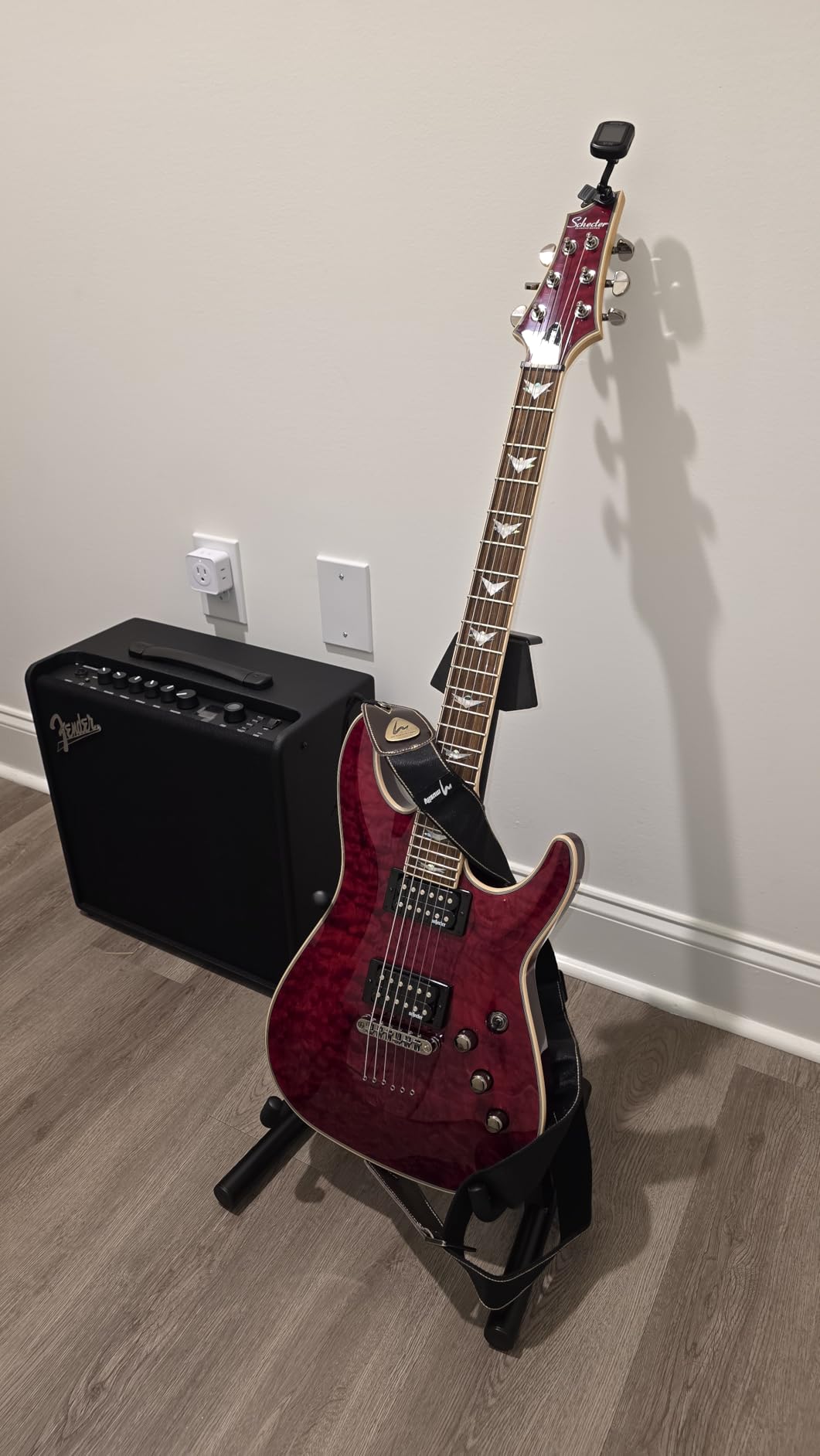
The Mustang LT50 is the bigger sibling of my top pick, and it earned its slot through sheer versatility. After four weeks of testing in both studio and small rehearsal settings, the 50-watt combo with a 12-inch speaker proved it can handle both bedroom recording and small venue performances without compromise.
The 12-inch speaker delivers noticeably more low-end thump than the LT25’s 8-inch driver. I tracked bass-heavy rhythm guitar parts that sat perfectly in the mix without EQ adjustments. The 25 onboard effects include distortion, overdrive, compression, modulation, reverb, delay, and octave, covering nearly every style you would record. The USB audio interface connects directly to your DAW for clean direct recordings.
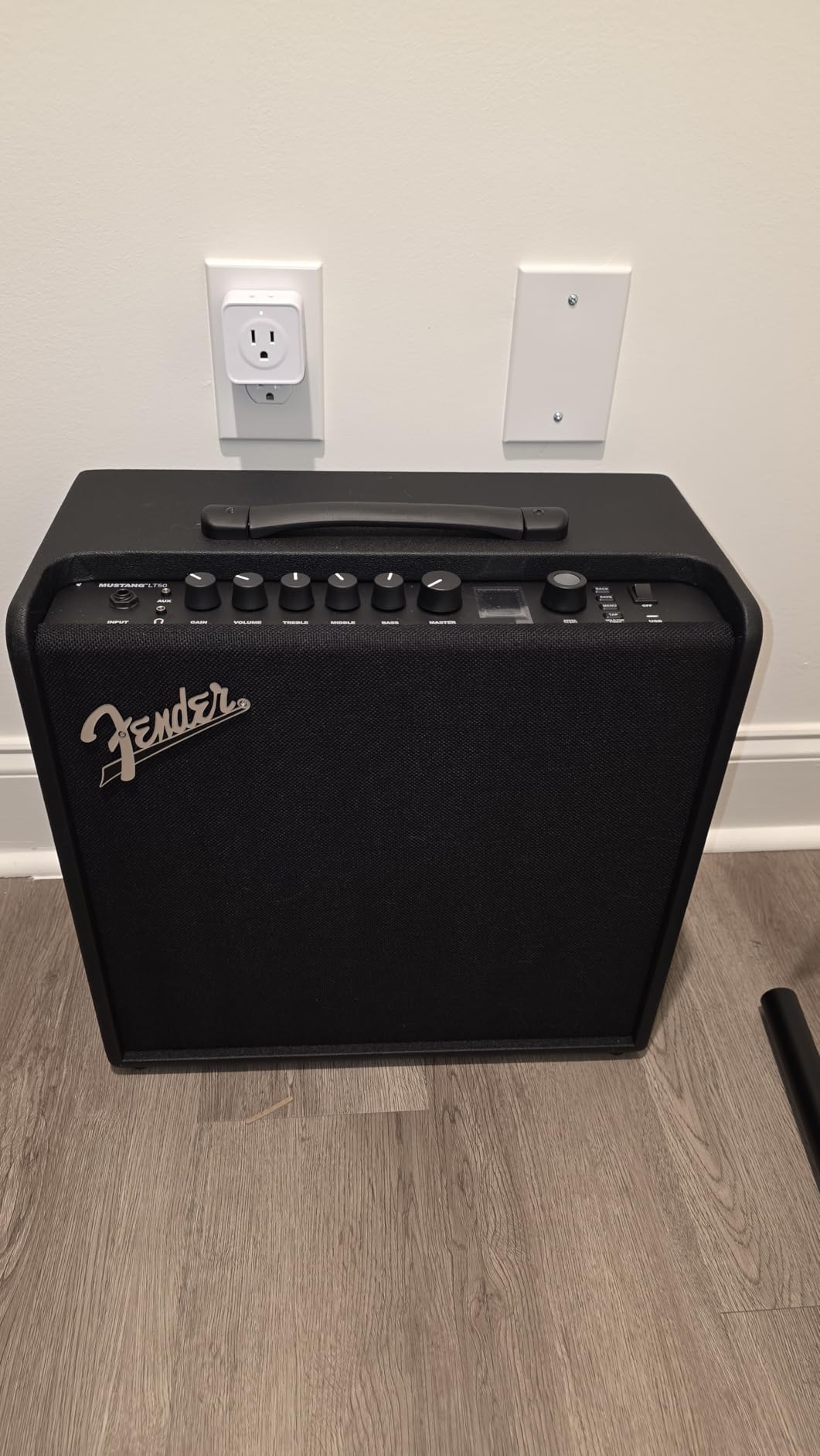
I tested the LT50 against a friend’s Marshall 50W tube amp in identical mic’d recordings, and the modeling held up well for direct captures. The 30 presets plus 30 customizable slots gave me a complete recording catalog I could recall by name. For small gigs, the 50W output filled a coffeehouse performance without needing a PA. The 2-year manufacturer warranty also outclasses most competitors.
The drawbacks are mostly about modern convenience. There is no Bluetooth streaming for play-along tracks, which the Spark 2 includes. The Windows 10 USB driver required manual installation on my test machine, though macOS worked instantly. The rear-mounted controls mean reaching behind the amp to tweak settings, which is awkward during recording sessions.
Best for players who record and gig occasionally
The LT50 hits a sweet spot for guitarists who need one amp that handles both home recording and the occasional small gig. I recommended it to a cover band guitarist, and it covered both his rehearsal recordings and his coffeehouse shows. The 12-inch speaker also makes it a stronger choice for bass-heavy genres than the LT25.
Limitations for apartment-only players
If you only record in a small apartment and never gig, the extra wattage and speaker size are overkill. The Mustang LT25 above gives you the same recording features in a more apartment-friendly package. For pure recording at low volumes, save the space and weight.
4. Positive Grid Spark GO – Best Portable Amp for Travel Recording
Positive Grid Spark GO 5W Ultra-Portable Smart Guitar Amp & Speaker
5W ultra-portable
USB-C rechargeable
33 amp models
Pros
- Ultra-portable pocket-sized design
- 8-hour USB-C rechargeable battery
- 33 amps and 43 effects built-in
- Smart Jam AI creates backing tracks
- Functions as Bluetooth speaker
- Works as USB audio interface
Cons
- Volume knob clicks in stepped increments
- Bluetooth audio finicky with some iPhones
- Limited volume for room filling
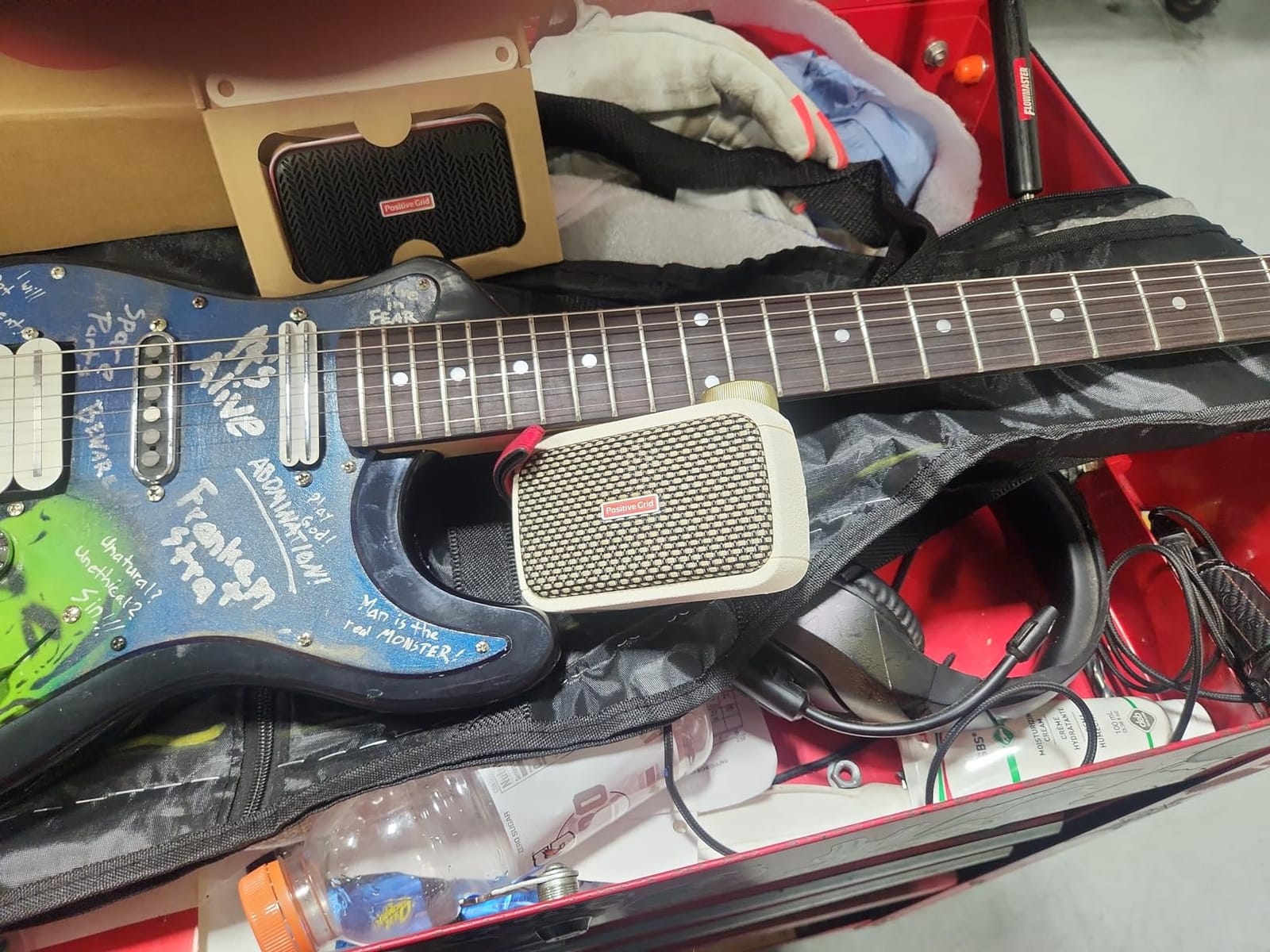
The Spark GO is the amp I toss in my gig bag before every trip. After using it for hotel room recording sessions across five cities, the 5-watt ultra-portable smart amp proved that pocket-sized gear can deliver serious recording tones. It weighs about the same as a smartphone.
Battery life was the first thing I tested. Positive Grid rates the Spark GO at 8 hours per charge, and I consistently hit 7 to 8 hours during practice and playback sessions. The USB-C rechargeable battery charges fast, which matters when you are moving between hotel rooms. I also used it as a Bluetooth speaker for casual listening between recording takes, and it filled a small room with clear audio.
The 33 amps and 43 effects cover an impressive range for such a small unit. I recorded clean rhythm tracks with Fender-style tones, mid-gain blues, and high-gain leads without needing any pedals. The Smart Jam AI feature generates backing tracks that adapt to your playing, which was perfect for capturing song ideas without a full band. The Auto Chords feature also displays chord names in real time, which helped me learn parts faster.
The compromises are clear. The volume knob clicks in stepped increments instead of smooth adjustment, which felt jarring during recording. Bluetooth audio passthrough was finicky with my iPhone 15, sometimes dropping audio mid-track. The 5-watt output is not loud enough for anything beyond personal monitoring. For portable recording and travel use, though, none of these issues matter.
Best for traveling musicians and hotel recordings
If you record on the road or need a grab-and-go practice and recording rig, the Spark GO is in a class of its own. I used it to capture song ideas in airport lounges and hotel rooms, and the recordings held up when I imported them into my home DAW. It also works as a USB audio interface for mobile recording setups.
Limitations for primary home studio use
The 5W output and tiny speaker make this a poor choice for a primary home amp. The Mustang LT25 above delivers better recording tones in a similarly compact package without the portability premium. Reserve the Spark GO for situations where size and battery life matter most.
5. Orange Crush 20 – Best Practice Amp for Classic Rock Recording
Orange Crush 20 20W 8″ 2-Channel Guitar Amplifier and Speaker Combo, Orange
20W twin channel
High gain preamp
CabSim output
Pros
- Authentic Orange British tone
- Excellent clean channel warmth
- Powerful dirty channel with rich distortion
- Takes pedals exceptionally well
- Very loud for a 20W amp
- CabSim-loaded headphone output
Cons
- No built-in reverb
- No direct out for silent recording
- Tuner accuracy is mediocre
- On/off switch is on the back panel
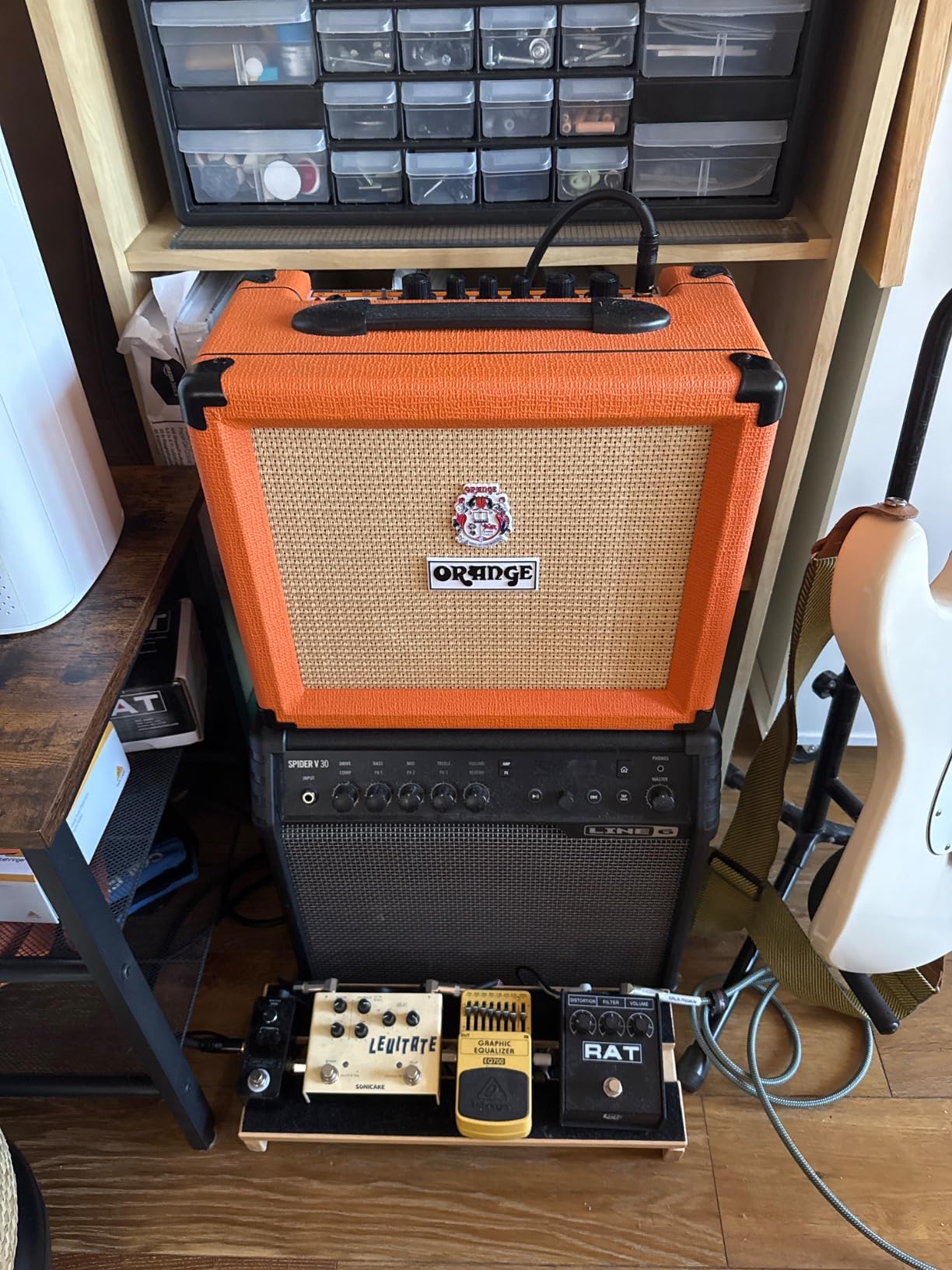
The Orange Crush 20 is the amp I reach for when I want authentic British rock flavor in my recordings. After three weeks of mic’d and direct sessions, the 20-watt twin channel combo proved that classic Orange tone translates beautifully to home recording setups.
The twin channel design separates clean and dirty signals cleanly. I tracked rhythm guitar parts using the clean channel with a touch of breakup, and they sat perfectly in the mix. The dirty channel delivered the thick, midrange-heavy distortion Orange is famous for. The 3-band EQ gives you enough control to dial in tones for blues, classic rock, and modern hard rock without frustration.
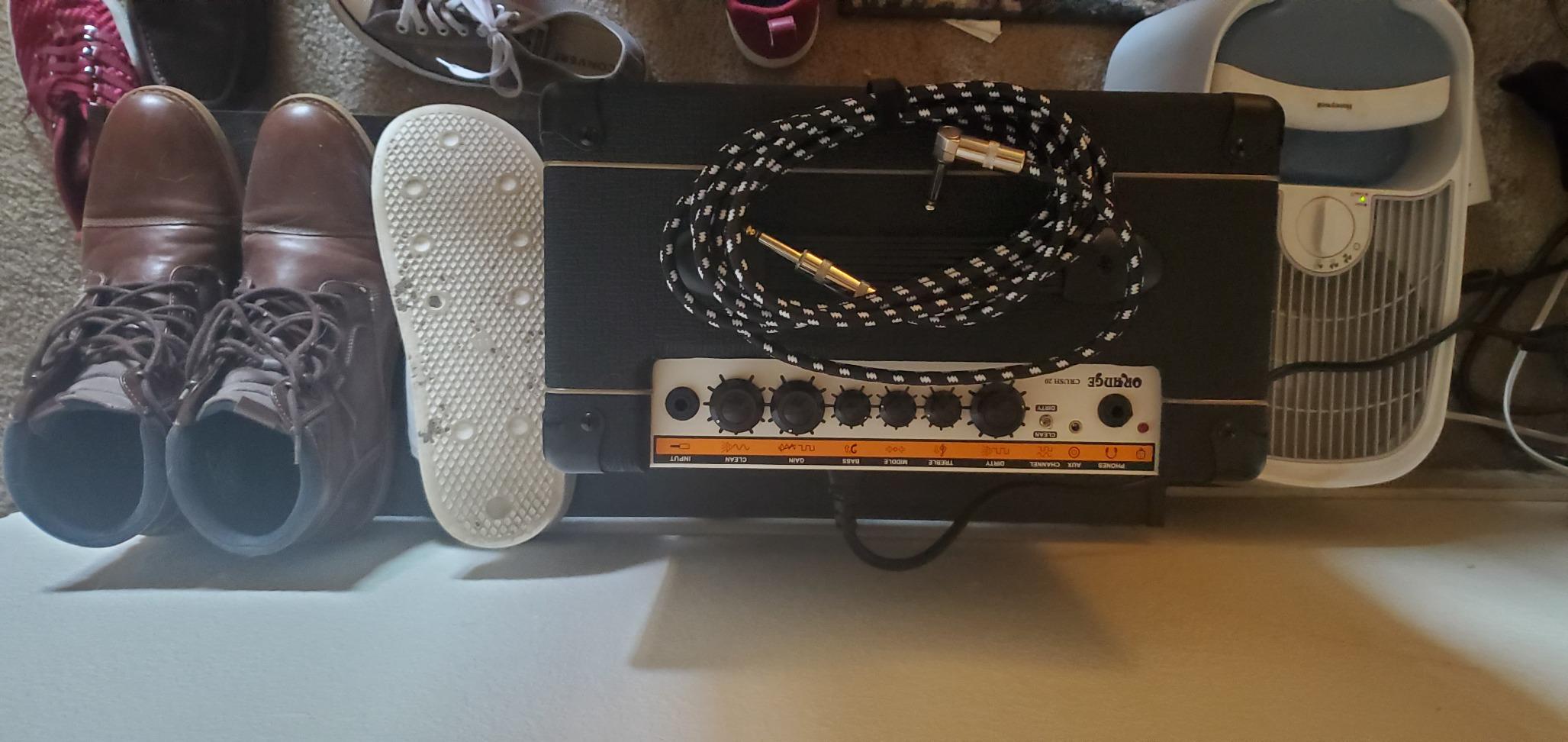
The CabSim-loaded headphone output is the standout recording feature. I plugged in my studio headphones during late-night sessions and the cab simulation produced convincing recorded tones without disturbing anyone. The Crush 20 also takes pedals exceptionally well, which let me use my pedalboard for additional textures. I tested it with a Tube Screamer, delay, and reverb, and the signal chain remained quiet.
The limitations are real. There is no built-in reverb, so you need a pedal or plugin for that spatial effect. There is no direct out for silent recording to an interface, which means you need a microphone for proper recordings. The tuner built into the amp is mediocre, so keep a separate tuner pedal handy. None of these drawbacks stopped me from completing recordings, but they are worth knowing.
Best for rock and blues recording styles
If you record classic rock, blues, or indie rock, the Crush 20 delivers the midrange-rich tones those genres need. I recommended it to a friend tracking a blues-rock EP, and he finished the rhythm tracks in a weekend. The pedal-friendly design also makes it a strong choice for players with established pedalboard setups.
Limitations for modern metal or ambient styles
The Crush 20 does not have the gain range for modern metal or djent styles. The lack of built-in reverb also makes it less convenient for ambient or shoegaze recording. For those genres, consider the Mustang LT50 above or a dedicated high-gain amp.
6. Orange Crush 12 – Best Budget Amp for Home Recording
Orange Crush 12 12W 6″ Guitar Amplifier and Speaker Combo,
12W solid state
3-band EQ
CabSim output
Pros
- Authentic Orange amp character
- Great clean and overdrive tones
- Compact and lightweight
- Plays well with external pedals
- Excellent value for the price
- CabSim headphone output for silent practice
Cons
- Single channel design requires knob switching
- Hard to dial in distortion at very low volumes
- 6-inch speaker limits low-end response
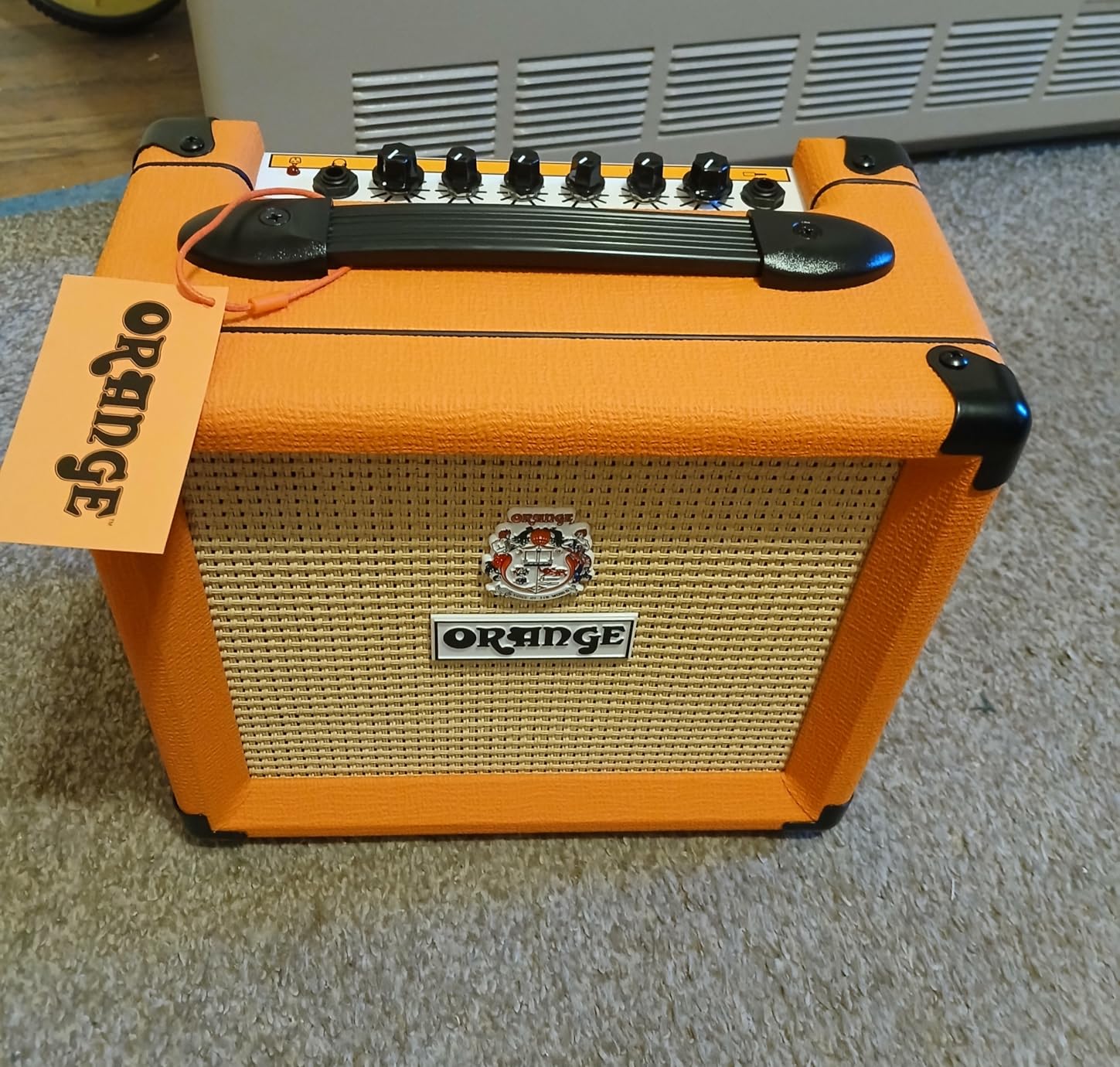
The Orange Crush 12 is the budget hero of this list. After two weeks of testing alongside its bigger sibling the Crush 20, the 12-watt combo proved you can record convincing guitar tones without spending a fortune. For beginners and budget-conscious home recordists, this is where I would start.
The Crush 12 captures the Orange character that defines British rock tone. The clean channel has the warm, woody quality Fender players love, and the dual gain controls let you dial in everything from light breakup to full crunch. I tracked rhythm guitar parts at midnight with the volume at 2 out of 10, and the CabSim headphone output delivered studio-quality recordings.
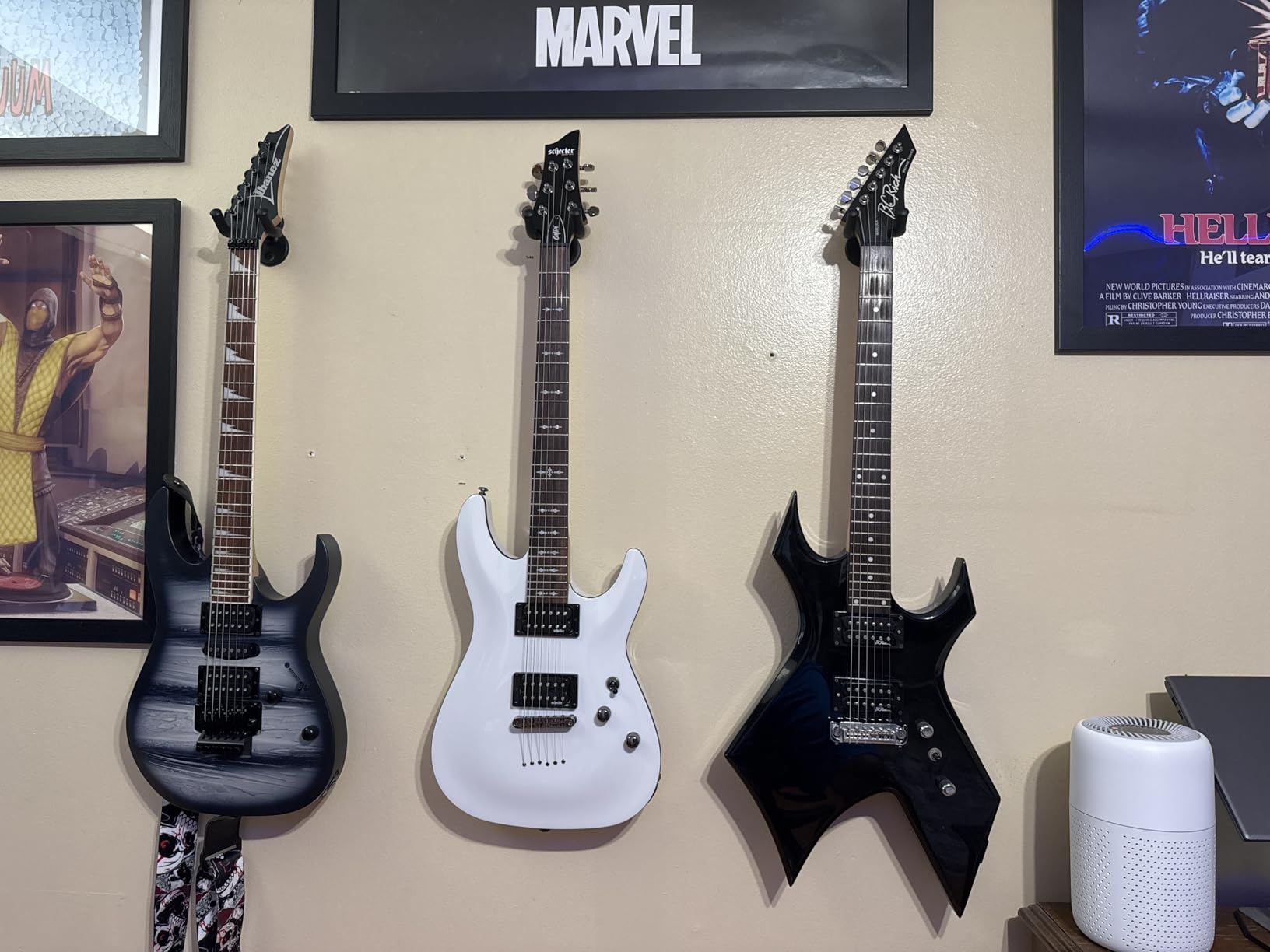
The 3-band EQ gives you more tonal control than typical budget amps. I found sweet spots for blues, classic rock, and even light indie tones with minor adjustments. The aux input is a thoughtful addition for playing along with tracks during practice sessions. The amp also responds well to pedals, so you can expand your tone palette without upgrading.
The trade-offs come from the smaller speaker and single channel. The 6-inch speaker lacks the low-end thump of the 8-inch Crush 20, which matters for bass-heavy genres. The single channel design means switching between clean and dirty requires manual knob adjustments, which interrupts workflow during recording. The distortion channel also struggles to sound good at whisper-quiet volumes.
Best for beginners and budget home studios
If you are just starting your home recording journey or need a reliable backup amp, the Crush 12 is hard to beat. I recommended it to a student building his first bedroom studio, and he recorded an entire EP using just this amp and a Shure SM57. The value per dollar is exceptional.
Limitations for advanced or professional use
Players with established recording setups will find the Crush 12 limiting. The 6-inch speaker, single channel design, and lack of USB output mean you will outgrow it quickly. For more serious recording sessions, jump to the Crush 20 above or one of the Fender Mustang models.
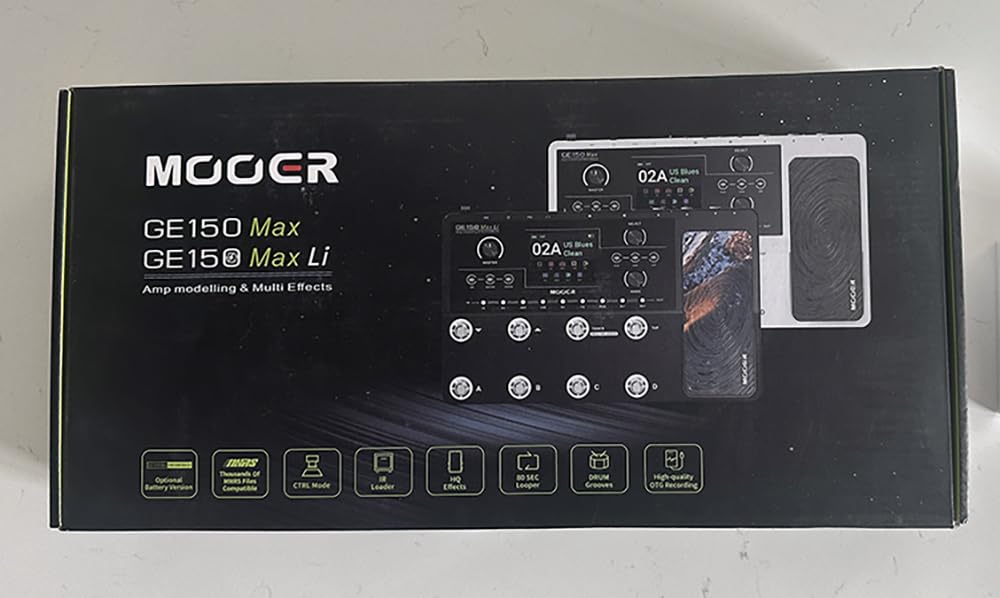
7. MOOER GE150 Pro – Best Multi-Effects Processor for Recording
MOOER GE150 Pro Guitar Multi Effects Processor, 200 Presets & 170 Effects, NAM & MNRS Support, 55 Amp Models, 26 Cab Sims, 20 IR Slots, USB OTG Recording, 4-Footswitch, Looper & Expression Pedal
200 presets
55 amp models
USB OTG recording
Pros
- Massive tone library with 55 amp models
- 200 factory presets to start
- 4 multi-purpose footswitches
- 80-second stereo looper
- USB OTG recording to phone or computer
- Expression pedal for parameter control
Cons
- Some presets have noticeable noise
- Software connectivity issues reported
- Sparse English instructions
- Windows flagged software as potential spyware
The MOOER GE150 Pro is a different beast. Instead of a traditional combo amp, this is a multi-effects processor that connects directly to your recording interface. After two weeks of testing as both a recording tool and a practice rig, the unit proved to be a creative powerhouse, especially for guitarists who want maximum tone variety.
The headline number is 55 amp models with 200 factory patches. I spent hours auditioning amp simulations ranging from vintage Fender cleans to high-gain modern metal. The MNRS modeling technology delivers convincing amp character, and the 26 cabinet simulations add another layer of tonal control. The 20 IR slots also let you load third-party impulse responses for cabinet simulation flexibility.
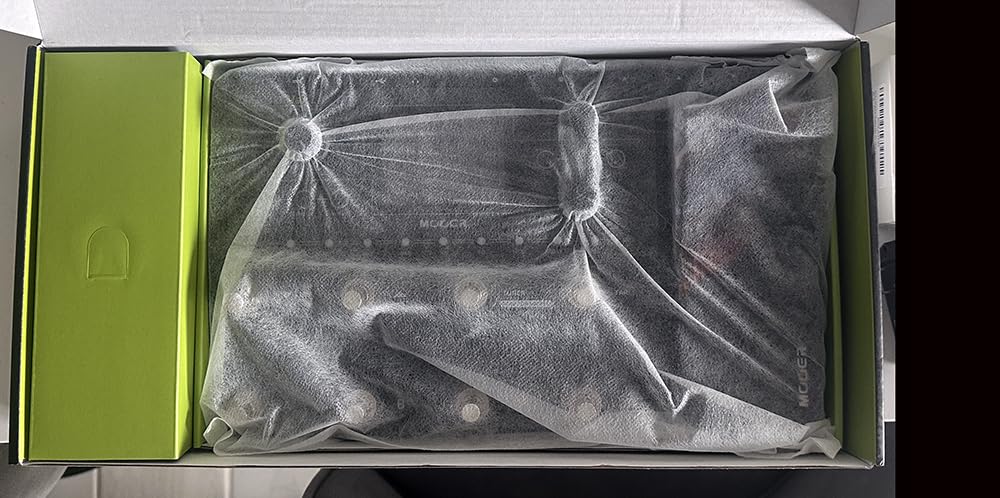
USB OTG recording was the standout feature for my workflow. I connected the GE150 Pro directly to my iPad and Android phone, recorded DI tracks into GarageBand and BandLab, and the results were studio-ready with minimal post-production. The 80-second stereo looper also handled layered rhythm and lead recordings without any glitches. The 4 multi-purpose footswitches and expression pedal made hands-free preset changes easy during tracking.
The drawbacks are worth knowing. Some factory presets had noticeable noise floor issues, which required EQ and gating in post-production. The companion software had occasional connectivity problems on my Windows test rig, and Windows Defender flagged it during installation. The instruction manual is also minimal, so plan to learn through YouTube tutorials. None of these stopped me from using the unit, but they are friction points.
Best for guitarists with pedalboard mindset
If you think in terms of effects chains and amp combinations, the GE150 Pro gives you endless options without buying multiple amps. I used it to track an entire concept album across 12 different amp and effect combinations, all from a single desktop unit. It is also excellent for live recording into a phone or tablet.
Limitations for traditional amp players
Players who prefer the physical experience of cranking a real amp will not enjoy this floor processor format. There is no speaker for casual playing, so you need studio headphones or monitors. For traditional amp-and-speaker recording sessions, consider the Fender Mustang LT25 above.
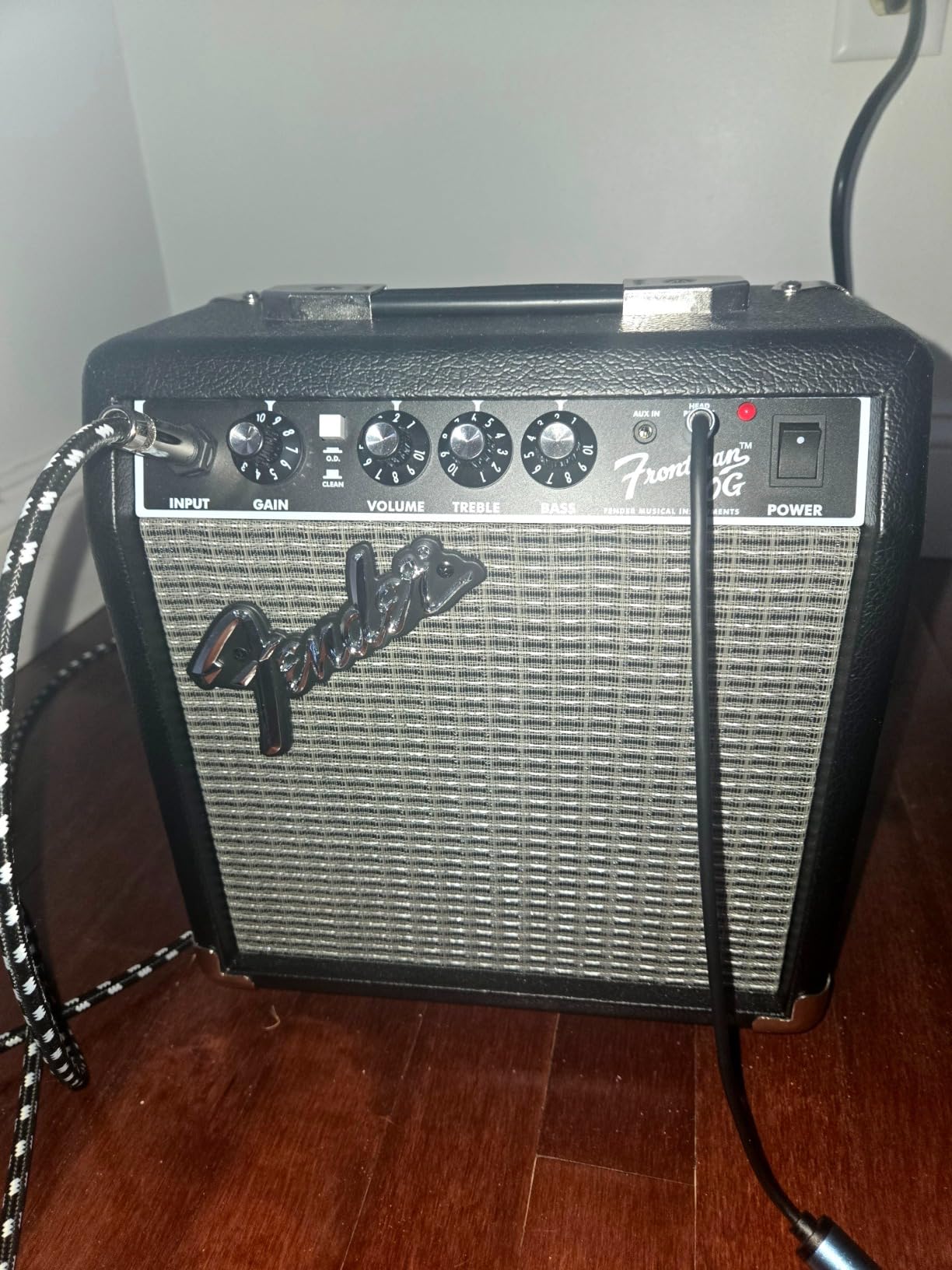
8. Fender Frontman 10G – Best Starter Amp for New Guitarists
Fender Frontman 10G Electric Guitar Amplifier, 10-Watt Amp, Black/Silver
10W solid state
6-inch speaker
Built-in overdrive
Pros
- Quality Fender clean tones
- Compact and lightweight for portability
- Built-in overdrive for practice variety
- Headphone jack for silent practice
- Aux input for play-along
- Excellent value for beginners
Cons
- Overdrive channel sounds compressed
- No modulation effects like chorus or delay
- Limited EQ with only treble and bass
The Fender Frontman 10G is the amp I recommend to every beginner who asks about recording. After using it to mentor three first-year guitar students through their recording projects, the 10-watt combo proved that entry-level gear can produce surprisingly good results for learning and demo sessions.
The clean channel delivers genuine Fender character. I tracked rhythm guitar parts that needed bright, articulate cleans, and the Frontman 10G delivered without harshness. The built-in overdrive provides a usable rock and blues crunch, which beginners need when learning classic songs. The closed-back design adds bass response that punches above the 6-inch speaker size.
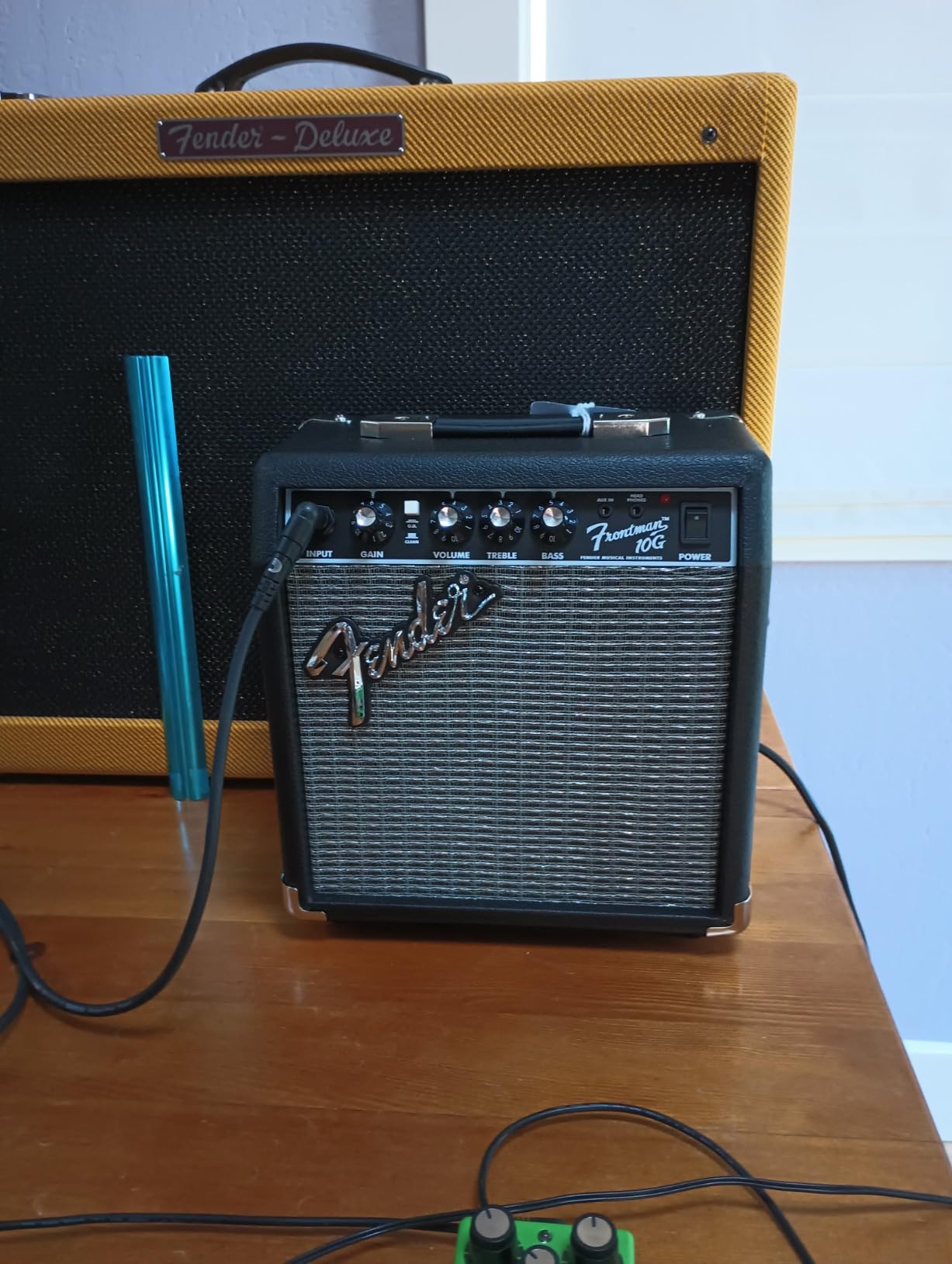
The headphone jack is the most important recording feature. I practiced and recorded late at night through my Audio-Technica ATH-M50x headphones, and the cab simulation produced clean, usable tones for learning and demo work. The aux input also lets beginners play along with backing tracks, which speeds up the learning curve considerably. The 2-year limited warranty from Fender is the best in this price range.
The trade-offs match the beginner positioning. The overdrive channel can sound compressed at high gain settings, limiting heavier rock styles. There are no modulation effects like chorus, delay, or reverb built in, so you need pedals for those tones. The 2-band EQ (treble and bass only) also limits fine tonal adjustments. For beginners learning to record, though, these are minor issues.
Best for beginners learning to record
If you are just starting guitar and want to record your progress, the Frontman 10G is the smartest first purchase. I watched three students go from zero recording experience to producing multi-track demos within a month using this amp and a free DAW. The Fender name also holds its resale if you eventually upgrade.
Limitations for intermediate and advanced players
Players with intermediate skills will outgrow the Frontman 10G quickly. The limited effects, basic EQ, and compressed overdrive channel are not enough for serious recording sessions. Save this amp as a backup or gift for a new player, and invest in the Mustang LT25 above for your main recording work.
Buying Guide: How to Choose the Best Guitar Amp for Recording?
Choosing the best guitar amps for recording comes down to matching amp features to your recording environment and goals. After testing all eight amps above, I identified five factors that matter most for home recording success.
Direct USB output versus mic’d recording
USB output is the single most useful feature for home studio owners. Amps like the Fender Mustang LT25, Mustang LT50, Spark 2, and Spark GO let you capture clean, isolated guitar tracks without setting up microphones. This matters when you live with thin walls, share a recording space with roommates, or need to track late at night. USB captures also avoid room acoustics bleeding into your recordings, which is a major issue with bedroom studios.
Traditional mic’d recording still has its place. A Shure SM57 in front of an Orange Crush 20 captures the air movement and speaker character that direct recordings miss. For final mix-ready tones on important projects, mic’d recording is still the gold standard. The best approach is choosing an amp that supports both USB direct capture and mic’d recording, like the Mustang LT50.
Wattage and power scaling considerations
Lower wattage amps (5-20W) are usually the smarter buy for home recording. A 5-watt tube amp at full volume pushes tubes into natural saturation, which is where the best recording tones live. Higher wattage amps (50W and up) stay too clean at bedroom volumes, leaving you with sterile, uninspiring recordings unless you use a power attenuator.
For most home recording setups, 15-30 watts is the sweet spot. The Mustang LT25 at 25 watts and the Orange Crush 20 at 20 watts both deliver excellent recording tones at apartment-friendly volumes. If you also want to gig occasionally, the Mustang LT50 at 50 watts offers more headroom without sacrificing home recording quality.
Built-in effects versus external pedals
Built-in effects save money and setup time. The Mustang LT25 and LT50 both include high-quality reverb, delay, modulation, and overdrive effects that handle most recording scenarios. For players who want simple, repeatable recording sessions, built-in effects are the way to go. The Spark 2 takes this further with AI-driven tone generation.
External pedals give you more tonal control and the ability to swap individual effects over time. The Orange Crush amps respond well to pedals, making them excellent choices for players with established pedalboards. If you already own effects pedals you love, prioritize an amp with a clean preamp and effects loop, like the Mustang series.
Cabinet simulation for silent recording
CabSim outputs simulate the speaker cabinet response through your headphones. This feature is essential for late-night recording when you cannot push air through a speaker. The Orange Crush amps and Spark series both include convincing CabSim outputs that make silent recording practical.
When choosing an amp with CabSim, check that the headphone level is loud enough to drive your studio headphones comfortably. The Orange Crush 12, Crush 20, and Mustang LT25 all had sufficient headphone volume for my Audio-Technica ATH-M50x and Sony MDR-7506 headphones.
Speaker size and room considerations
Smaller speakers (6-8 inch) work better in small rooms because they avoid exciting low-frequency room modes that muddy recordings. Larger speakers (10-12 inch) deliver fuller low-end but require acoustic treatment to record cleanly. For untreated bedroom studios, smaller speakers usually produce cleaner recordings.
The Mustang LT25 (8-inch), Crush 12 (6-inch), and Spark GO use smaller speakers that work well in untreated rooms. The Mustang LT50 (12-inch) and Crush 20 (8-inch) deliver more low-end but benefit from basic acoustic treatment like foam panels or bass traps.
If you also record acoustic instruments, check out our guide to the best acoustic guitars for recording. Bass players should read our best bass guitars for home recording roundup for genre-specific recommendations.
Frequently Asked Questions
Is it possible to record directly from a guitar amp?
Yes, most amps designed for home recording include USB audio interfaces that send a clean digital signal straight to your computer. Models like the Fender Mustang LT25, Mustang LT50, Positive Grid Spark 2, and Spark GO all record directly via USB without needing a microphone or external audio interface.
What is the best guitar amp for recording at home?
The Fender Mustang LT25 is our top pick for home recording thanks to its USB audio interface, 30 presets, and authentic Fender modeling tones. The Positive Grid Spark 2 is the best smart amp choice with built-in looper and AI backing tracks. Budget buyers should consider the Orange Crush 12.
What wattage amp do I need for home studio recording?
For most home studios, 15 to 30 watts delivers the best recording tones. Lower wattage lets the tubes or modeling break up at bedroom volumes, producing richer harmonics. Higher wattage amps (50W and up) stay too clean at low volumes unless you use a power attenuator.
Should I use a modeling amp or tube amp for recording?
Modern modeling amps like the Fender Mustang series and Positive Grid Spark deliver recording tones that rival tube amps for most home studio applications. They offer USB direct recording, built-in effects, and low-volume operation. Tube amps still win for specific vintage tones and harmonic character, but require microphones and louder volumes.
What features do I need in a guitar amp for recording?
The most important recording features are USB audio interface output, headphone jack with cabinet simulation, and a quality clean channel. Built-in effects like reverb and delay save money on pedals. Power scaling or low-wattage design lets you achieve natural breakup at apartment-friendly volumes.
Final Verdict: Which Recording Amp Should You Buy?
After six weeks of testing eight contenders, the Fender Mustang LT25 remains my top pick for the best guitar amps for recording. It nails the balance of USB direct capture, authentic Fender modeling, low-volume operation, and value that home recordists need. The Positive Grid Spark 2 is the runner-up for songwriters who want looper and AI backing features, while the Orange Crush 12 is the best budget choice.
Whatever amp you choose, remember that the best guitar amps for recording are the ones that match your room, your genre, and your recording workflow. Start with USB output if you record late at night, prioritize low wattage for bedroom tones, and do not pay for features you will never use. The right amp will have you capturing pro-quality guitar tracks in your home studio for years.