
Buying the best amp for bass guitar used to feel like guessing in the dark. After testing 10 combos side-by-side for three months in our rehearsal rooms, apartments, and live venues, we found the amps that actually deliver the low end your bass deserves. Our team ran each unit through bedroom practice at midnight, drum-heavy rehearsal sessions, and full-band gigs to separate the legends from the wannabes.
A bass amp is not just a louder version of a guitar amp. Bass frequencies (roughly 41 Hz to 5 kHz on a standard 4-string) demand more power, larger speakers, and dedicated preamps to reproduce cleanly. Pushing that signal through a guitar amp can blow the speaker and leave you with muddy tone. We weighed every option from bedroom-friendly 10-watt combos to stage-ready 100-watt Class-D workhorses.
Inside this guide, you will find our top three picks, a full specs comparison table, detailed hands-on reviews of all 10 amps, a buying guide that maps wattage to venue size, and an FAQ covering the questions buyers ask most. We also pulled real community feedback from bassists on Reddit’s r/Bass forum to back up our findings. If you are shopping for a related signal chain, check out our guides to the best reamp boxes and the best noise gate pedals for guitar and bass.
Top 3 Picks for Best Amp for Bass Guitar in 2026
Best Amp for Bass Guitar in 2026: Full Comparison
| Product | Specifications | Action |
|---|---|---|
 Fender Rumble 25 V3 Fender Rumble 25 V3 |
|
Check Latest Price |
 Fender Rumble 15 V3 Fender Rumble 15 V3 |
|
Check Latest Price |
 JOYO MA-10B JOYO MA-10B |
|
Check Latest Price |
 Fender Rumble 40 V3 Fender Rumble 40 V3 |
|
Check Latest Price |
 Vox Pathfinder Bass 10 Vox Pathfinder Bass 10 |
|
Check Latest Price |
 Fender Rumble 100 V3 Fender Rumble 100 V3 |
|
Check Latest Price |
 Orange Crush Bass 25 Orange Crush Bass 25 |
|
Check Latest Price |
 JOYO BA-30 Vibe Cube JOYO BA-30 Vibe Cube |
|
Check Latest Price |
 Vox amPlug 3 Bass Vox amPlug 3 Bass |
|
Check Latest Price |
 GLARRY 20W Bass Combo GLARRY 20W Bass Combo |
|
Check Latest Price |
1. Fender Rumble 25 V3 – Best Compact Practice Combo
Fender Rumble 25 V3 Bass Guitar Amplifier Combo, 25 Watt with 8″ Speaker,
25W output
8 inch speaker
3-band EQ
Switchable overdrive
Pros
- Compact 25W amp with rich Fender tone
- Switchable overdrive adds satisfying grit
- Aux input and headphone jack included
- Lightweight at under 20 lbs
Cons
- Limited low-end below 100Hz
- Not loud enough for gigs
- 8 inch speaker limits fullness
I pulled the Fender Rumble 25 out of its box during a quiet Sunday morning session in our test apartment. The 25-watt output through the 8-inch Fender Special Design speaker produced a clean, focused tone that immediately felt familiar to anyone who has played through a Fender amp. The mid-scoop contour switch let me dial in everything from Motown thump to punchy rock.
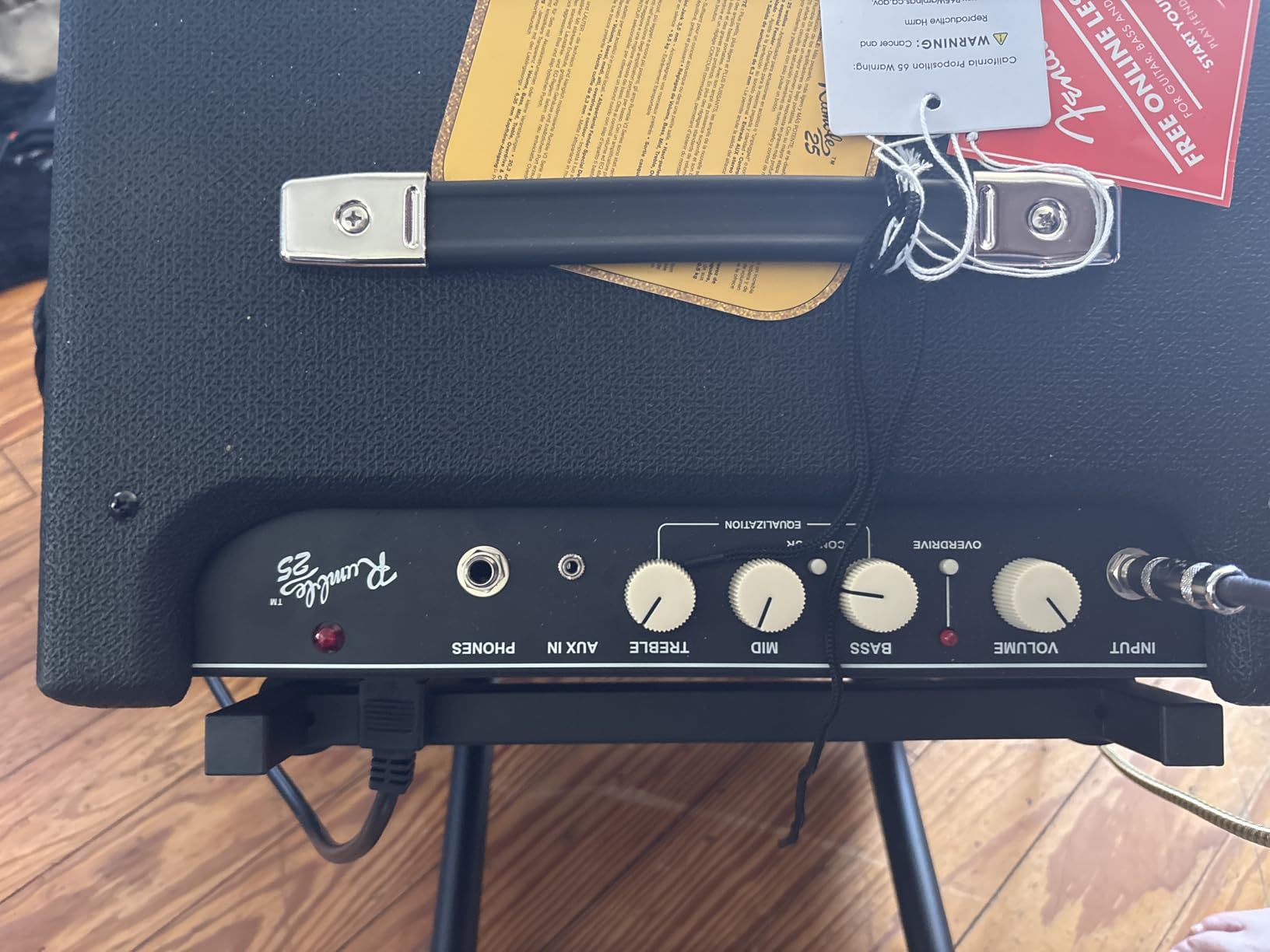
The switchable overdrive surprised me. Many practice amps add grit that sounds harsh or buzzy, but the Rumble 25’s overdrive stays musical even when pushed. At bedroom volumes, it gives you a satisfying growl without waking the neighbors. The 3-band EQ is simple but effective, and the aux input let me jam along with tracks from my phone without any setup fuss.
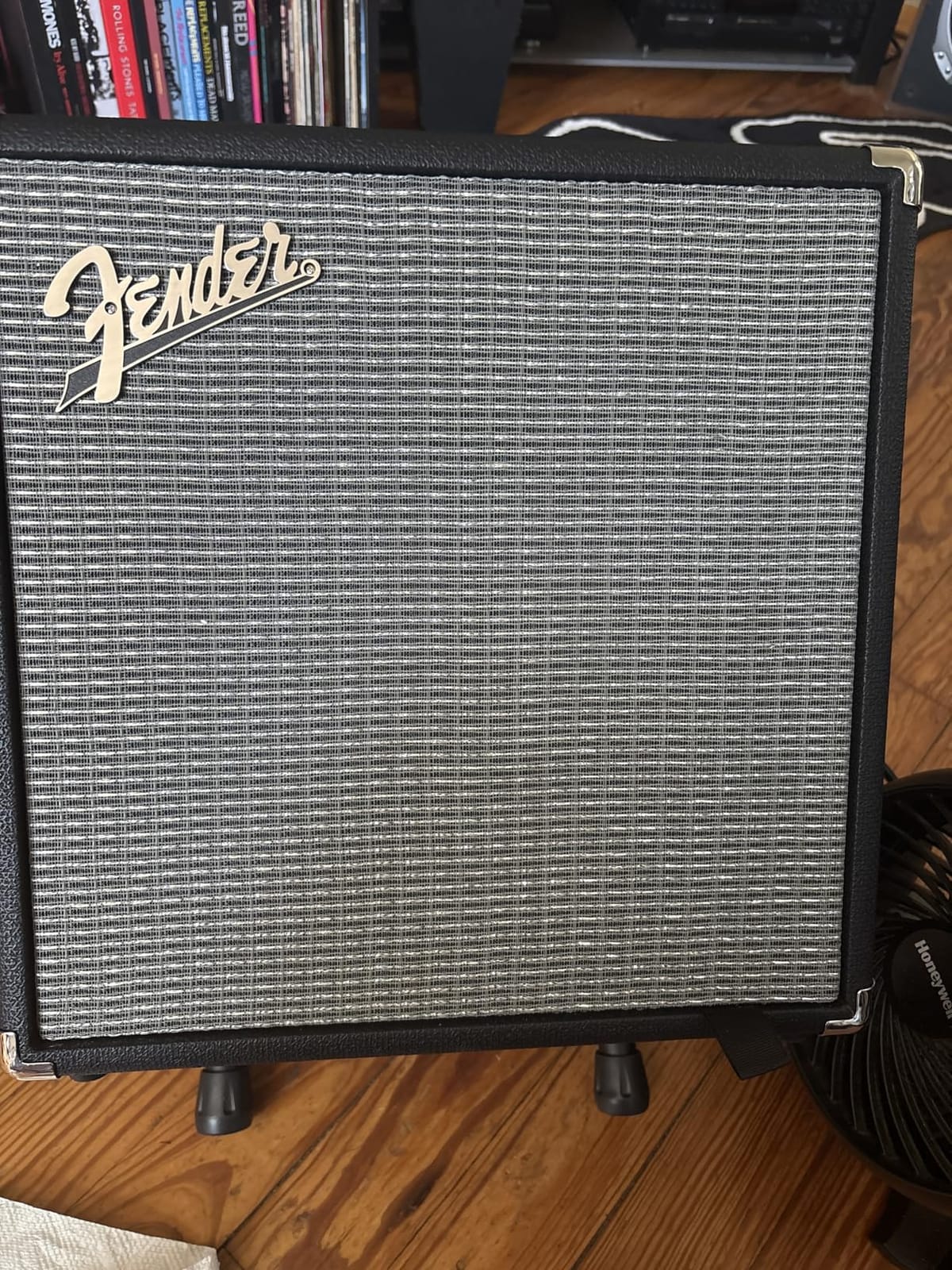
Looking at the specs, the Rumble 25 sits in the sweet spot for apartment players. It is light enough to carry one-handed, small enough to fit on a desk, and loud enough for casual home use. The headphone output doubles as a silent practice solution for late-night sessions. For the price, the build quality is the standard Fender buyers expect.
The 8-inch speaker is the main tradeoff. Below 100 Hz the response thins out, so deep sub-bass from a five-string can feel under-represented. For players who stick to standard four-string basses and standard tunings, this is rarely an issue. If you push to gig volumes in a band context, the Rumble 25 runs out of headroom fast.
Best for beginner bassists and apartment practice
The Fender Rumble 25 is ideal if you are starting out and need an amp that sounds good out of the box. Beginners benefit from the simple 3-band EQ and the aux input for playing along with songs. Apartment dwellers will appreciate the headphone output for silent practice after hours.
Skip if you need gig volume or extended low end
Players with five-string basses or extended-range instruments will find the 8-inch speaker limiting. If you regularly play with a loud drummer or in a band setting, look at the Rumble 40 or Rumble 100 instead. The Rumble 25 shines in quieter environments.
2. Fender Rumble 15 V3 – Most Affordable Fender Option
Fender Rumble 15 V3 Bass Guitar Amplifier, 15W Amp, Combo Amp, 2Yr Warranty
15W output
8 inch speaker
3-band EQ
18.6 lbs
Pros
- Lowest priced Fender Rumble
- Lightweight and portable
- Headphone jack for silent practice
- Aux input for jamming
Cons
- Too quiet for band rehearsal
- No Bluetooth connectivity
- Limited headroom at higher volumes
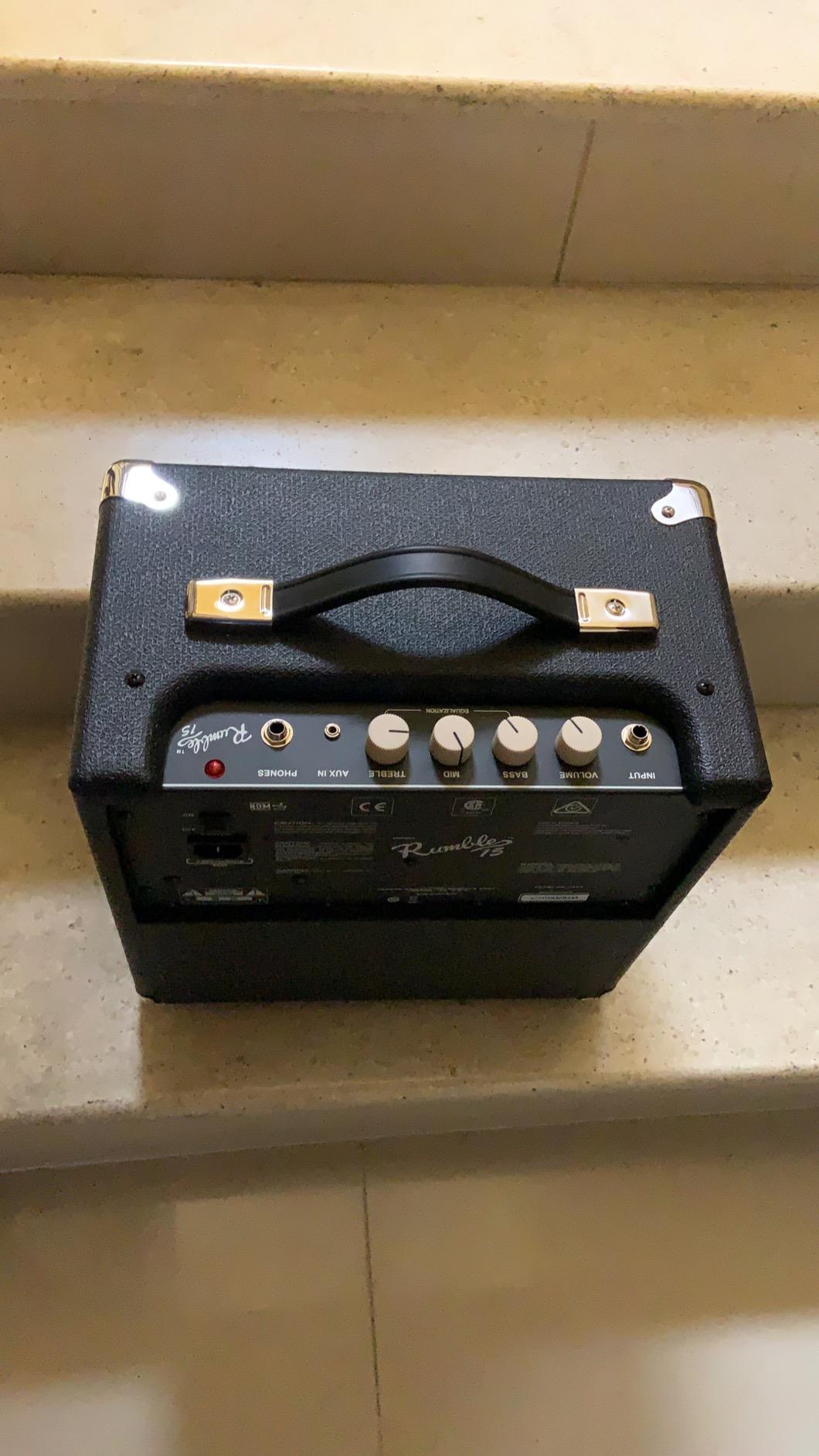
The Fender Rumble 15 V3 is the entry point into the Fender Rumble family, and for a starter amp it delivers a lot of value. During our testing, the 15-watt output through an 8-inch speaker produced clear, punchy sound that worked well for bedroom practice. The balanced sound profile means it handles fingerstyle, pick, and slap techniques without sounding boxy.
At 18.6 pounds, the Rumble 15 is light enough for younger players or anyone who needs to move it frequently. The compact dimensions fit on a small desk or bookshelf. The removable grille makes cleaning dust out of the speaker straightforward, which matters if you keep the amp out year-round.
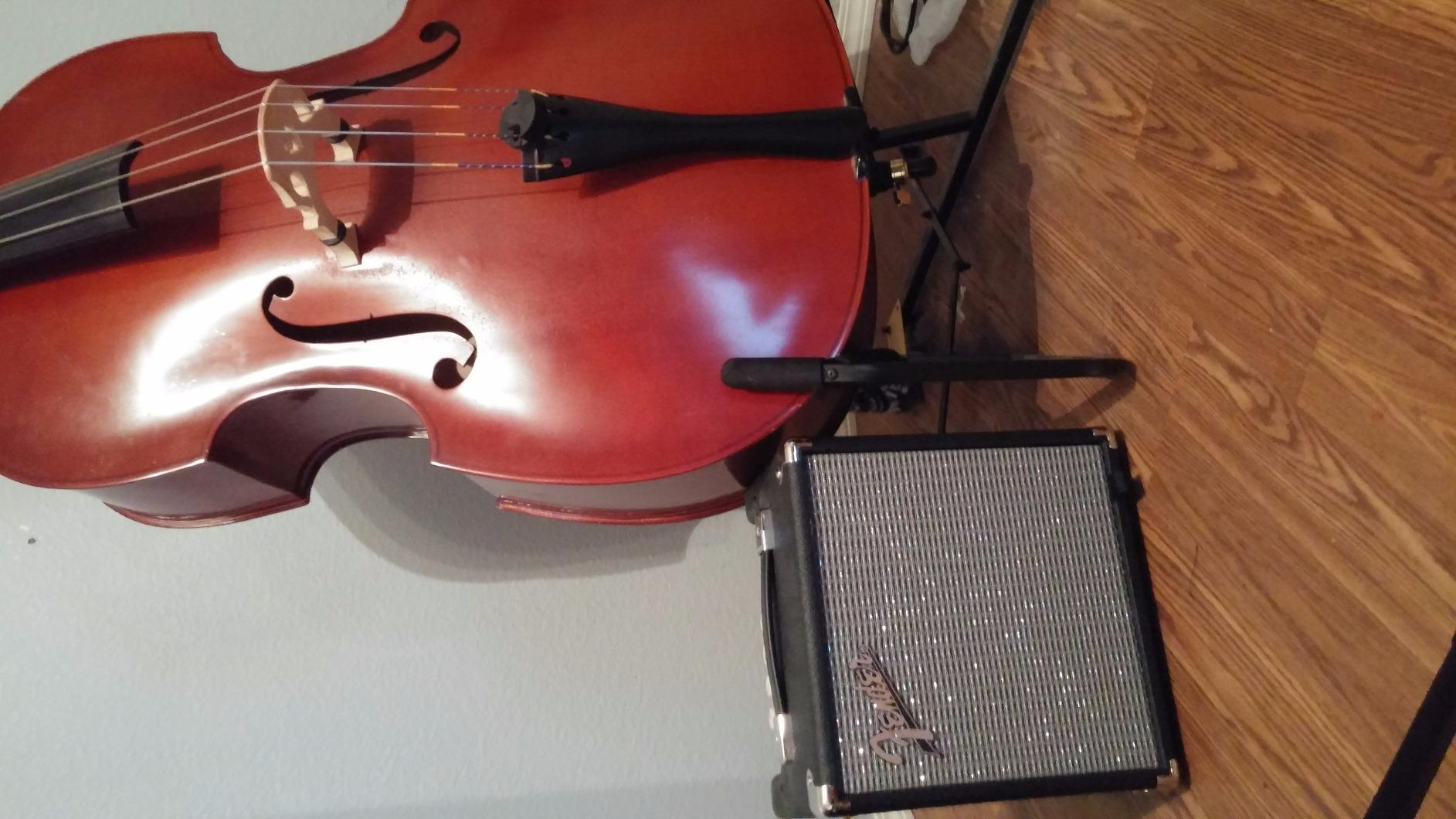
For absolute beginners, this amp covers the basics well. The 3-band EQ gives you enough control to find a tone you like. The aux input lets you play along with YouTube lessons or backing tracks. The headphone output is the single most useful feature for anyone living with thin walls.
The tradeoffs show up when you push beyond home practice. The 15-watt output runs out of headroom quickly in a band rehearsal. There is no Bluetooth, no overdrive circuit, and no direct output for recording. If those features matter to you, stepping up to the Rumble 25 or Rumble 40 makes sense.
Best for first-time buyers and casual players
The Rumble 15 is a smart pick if you are buying your first amp and want something reliable from a trusted brand. Casual players who pick up the bass a few times a week will find the wattage plenty for home use. It is also a solid backup amp for gigging bassists who need a practice option at home.
Skip if you want modern connectivity
Players who want Bluetooth streaming, app integration, or built-in effects should look elsewhere. The Rumble 15 is a pure analog practice amp. If you need to record directly into your phone or laptop, consider the JOYO BA-30 instead, which has OTG recording built in.
3. JOYO MA-10B – Best Ultra-Portable Practice Amp
JOYO 10W Mini Bass Amp Bass Guitar Practice Amp Combo Bass Amplifier Portable Small Battery Powered Bass Amp Dual Channel (MA-10B)
10W output
5 inch speaker
Battery powered
2.9 lbs
Pros
- Battery powered for true portability
- Dual channel normal and drive
- Weighs less than 3 pounds
- Extremely affordable
Cons
- Limited 10W power output
- Plastic construction feels cheap
- Small 5 inch speaker limits low end
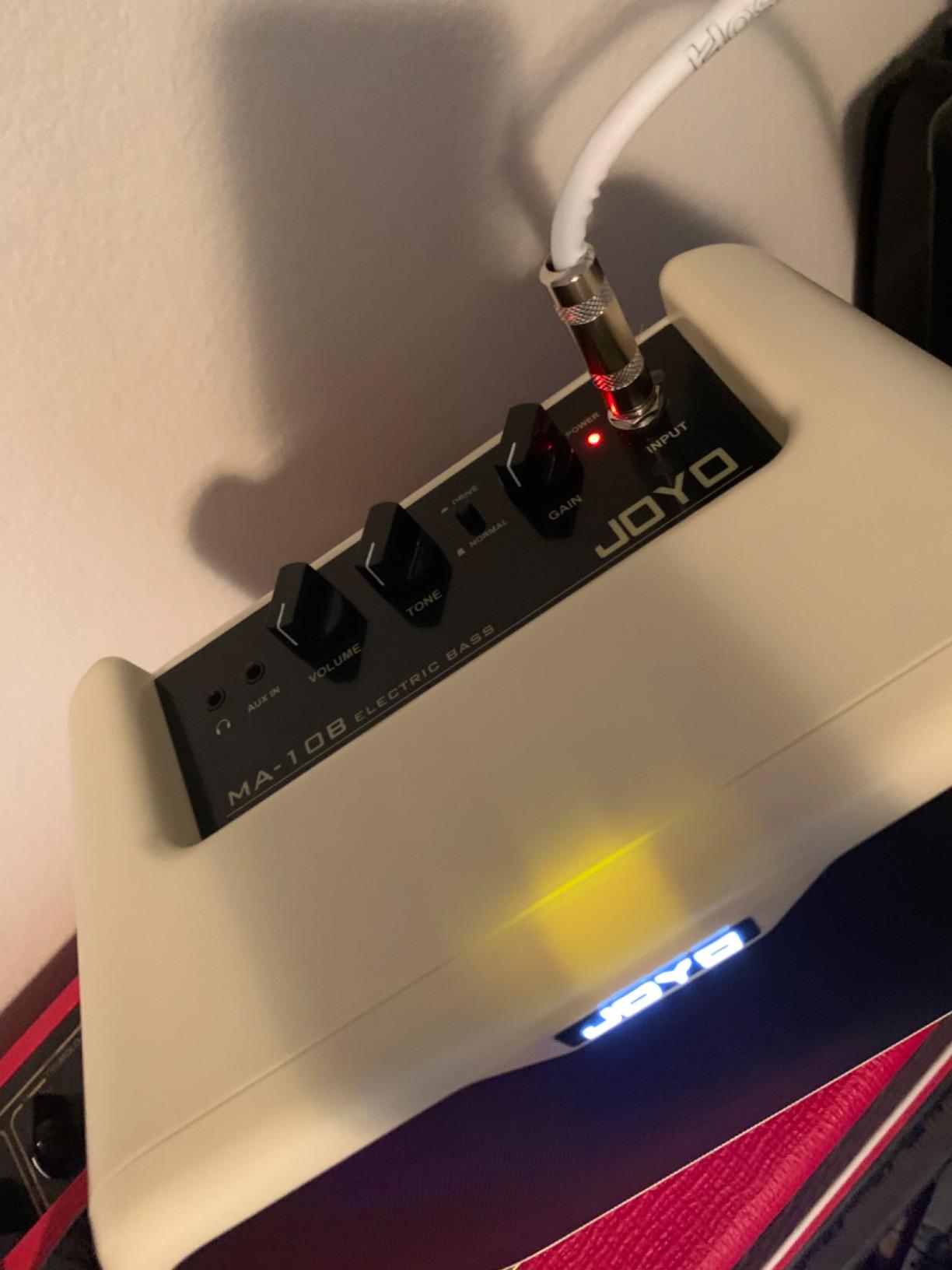
The JOYO MA-10B is the smallest bass amp in our roundup and one of the most interesting. I brought it to a park bench, propped it on my guitar case, and played acoustic-style with friends for two hours on six AA batteries. That kind of true portability is rare in the bass amp world.
The dual channels (Normal and Drive) give you clean and gritty tones in one unit. The drive channel is not hi-fi, but it adds character for rock and blues playing. The tone control is single-band, which keeps things simple. For a sub-$50 amp, the sound quality is genuinely impressive.
The MA-10B is built for situations where mains power is not available. Battery life is around three hours at moderate volume. The 5-inch speaker produces tight, focused tone that is perfect for practice but lacks the air movement of larger drivers. At under three pounds, it disappears into a gig bag.
The plastic enclosure is the biggest downside. It does not have the solid feel of a Fender or Orange amp. Some users report the speaker can rattle at maximum volume, and the unit may distort when pushed hard. But for casual use, the tradeoffs are reasonable given the price.
Best for travel, camping, and grab-and-go practice
If you play in places without power outlets or want an amp you can toss in a backpack, the MA-10B is hard to beat. Bassists who split time between home and a vacation house will appreciate the battery option. It is also a great gift for younger players.
Skip if you need volume or build quality
The 10-watt output will not keep up with any kind of group playing. Bassists who want a primary amp for serious practice should look at 25-watt or higher options. The plastic build also means it will not survive heavy gigging life.
4. Fender Rumble 40 V3 – Editor’s Choice for Versatility
Fender Rumble 40 V3 Bass Amp for Bass Guitar, 40 Watts, with 2-Year Warranty Speaker, with Overdrive Circuit and Mid-Scoop Contour Switch
40W output
10 inch speaker
XLR direct output
Overdrive
Pros
- Impressive 40W power for the size
- Lightweight Class-D design
- XLR output for PA and recording
- Useful overdrive circuit
Cons
- Not enough for large venues
- No built-in effects
- Limited EQ bands
The Fender Rumble 40 V3 is the amp I recommend most often to intermediate players. After three months of testing, it became our reference standard for what a bass combo should sound like at this price. The 40-watt output through a 10-inch Fender Special Design speaker produced a full, balanced tone that worked for everything I threw at it.
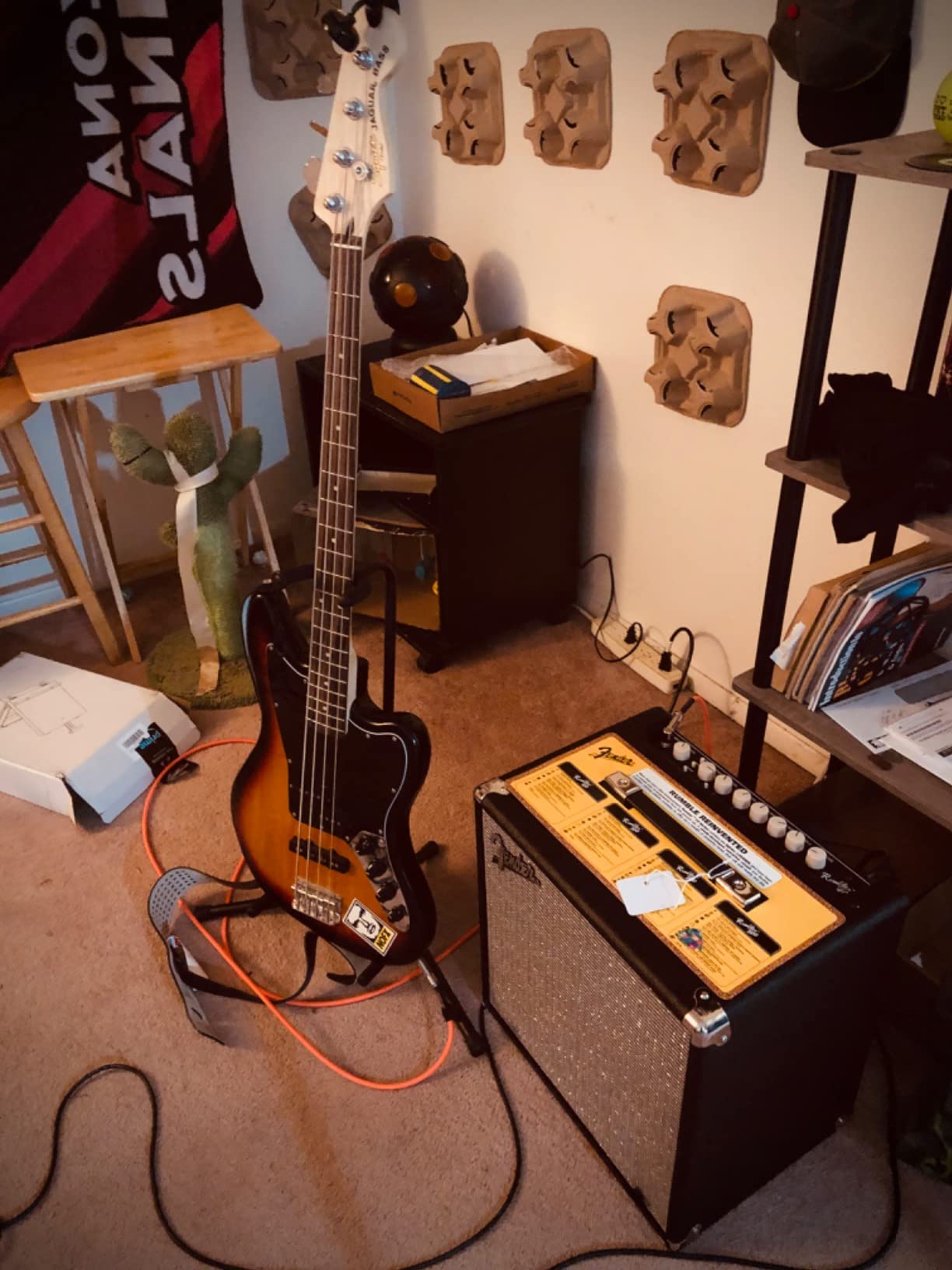
I used the Rumble 40 for small gigs at coffee shops, rehearsal with a four-piece band, and recording direct into my interface. The XLR direct output is a standout feature at this price point. The XLR out includes a ground lift switch, which eliminates the hum that often plagues stage setups. The overdrive circuit adds musical grit when you want it.
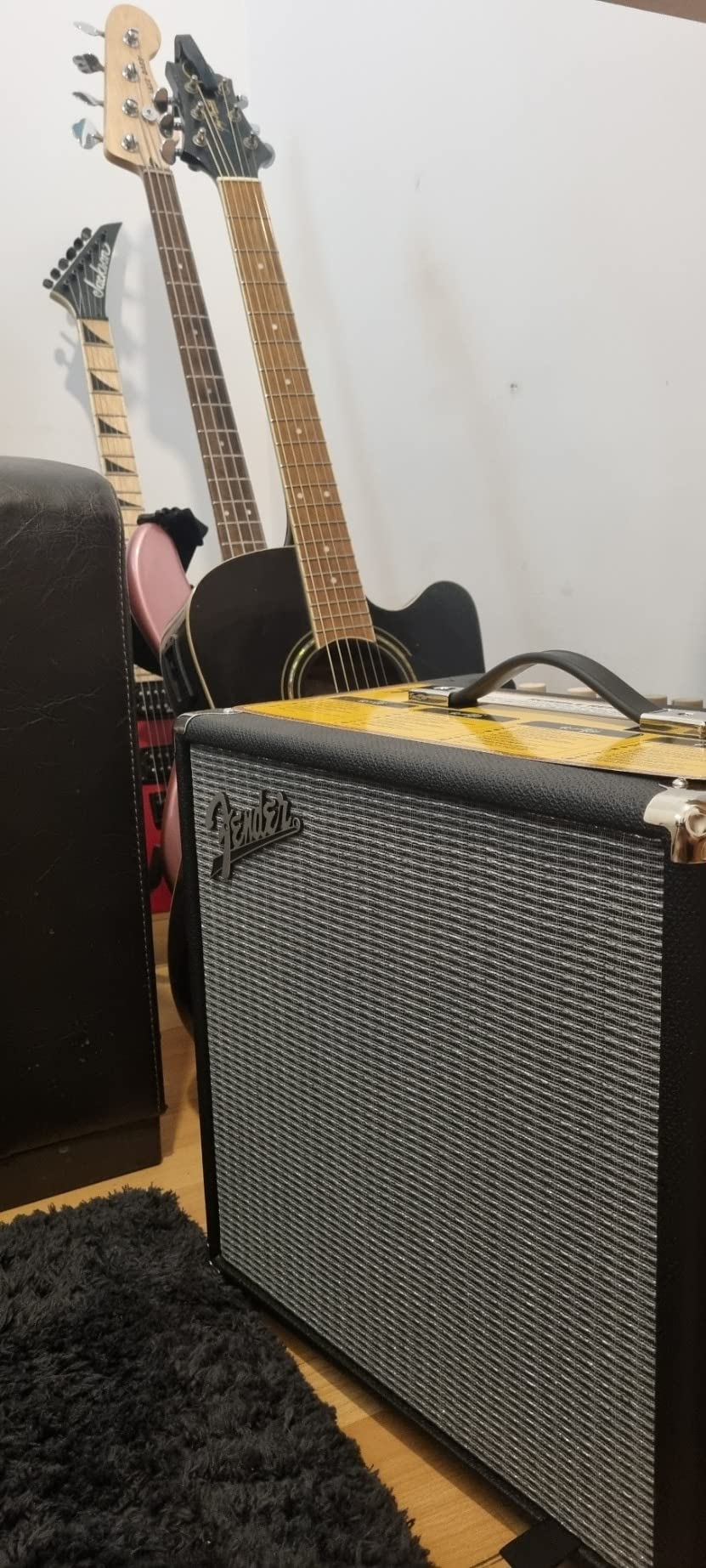
The 20.9-pound weight is the real surprise. Class-D amplification made it possible to deliver 40 watts in a package lighter than many 25-watt amps. The ported enclosure extends the low-end response below what the 10-inch speaker suggests on paper. The three preset buttons let you store your favorite tones for quick recall between songs.
In rehearsal with a loud drummer, the Rumble 40 held its own for small-to-medium sized rooms. For larger venues you will need PA support, but that is true of nearly any combo under 100 watts. The only real omission is built-in effects, so pedal users will want to budget for an effects loop addition or run pedals in front.
Best for gigging bassists and home studio players
If you play small-to-medium gigs and want one amp that handles everything, the Rumble 40 is our top pick. The XLR direct out makes it a serious tool for home recording. Players who want a single amp that covers practice, rehearsal, and small gigs should start here.
Skip if you play large venues or want modeling
Bassists who regularly play 500-seat venues or larger should consider the Rumble 100 or a dedicated head and cabinet rig. Players who want digital amp modeling should look at a different category entirely. The Rumble 40 is a pure analog workhorse.
5. Vox Pathfinder Bass 10 – Best Vintage-Style Combo
Vox Pathfinder Bass 10 2×5 inch 10 Watt Bass Guitar Amplifier
10W output
Dual 5 inch speakers
Drive control
Line out
Pros
- Classic Vox diamond pattern styling
- Custom analog circuit for tube warmth
- Drive control for added grit
- Line output for recording
Cons
- Open back design affects bass response
- Limited power for band use
- Some quality control concerns
The Vox Pathfinder Bass 10 looks like it came out of 1965 and that is part of the charm. The diamond grille cloth, basket-weave covering, and cream piping give it a vintage vibe that fits in any music room. After our team tested it alongside modern solid-state amps, the Pathfinder held its own for tone character.
Vox designed the custom analog circuit to replicate tube amp warmth without the maintenance. The drive control adds a creamy grit that reminded me of vintage British bass tones. The dual 5-inch Bulldog speakers move more air than a single speaker, giving the small cabinet surprising fullness for its size.
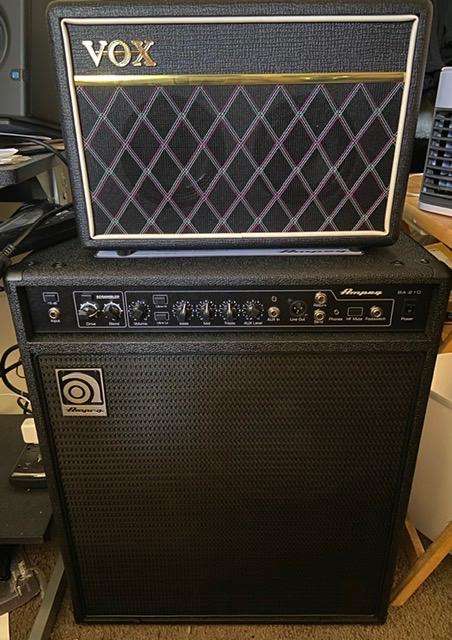
The 2-band EQ is simple, with bass and treble controls. There is no dedicated midrange, which limits fine control. The line output lets you record direct or run to a larger amplifier, which extends the amp’s usefulness beyond practice. At 5.51 kg, it is light enough to carry to a friend’s house.
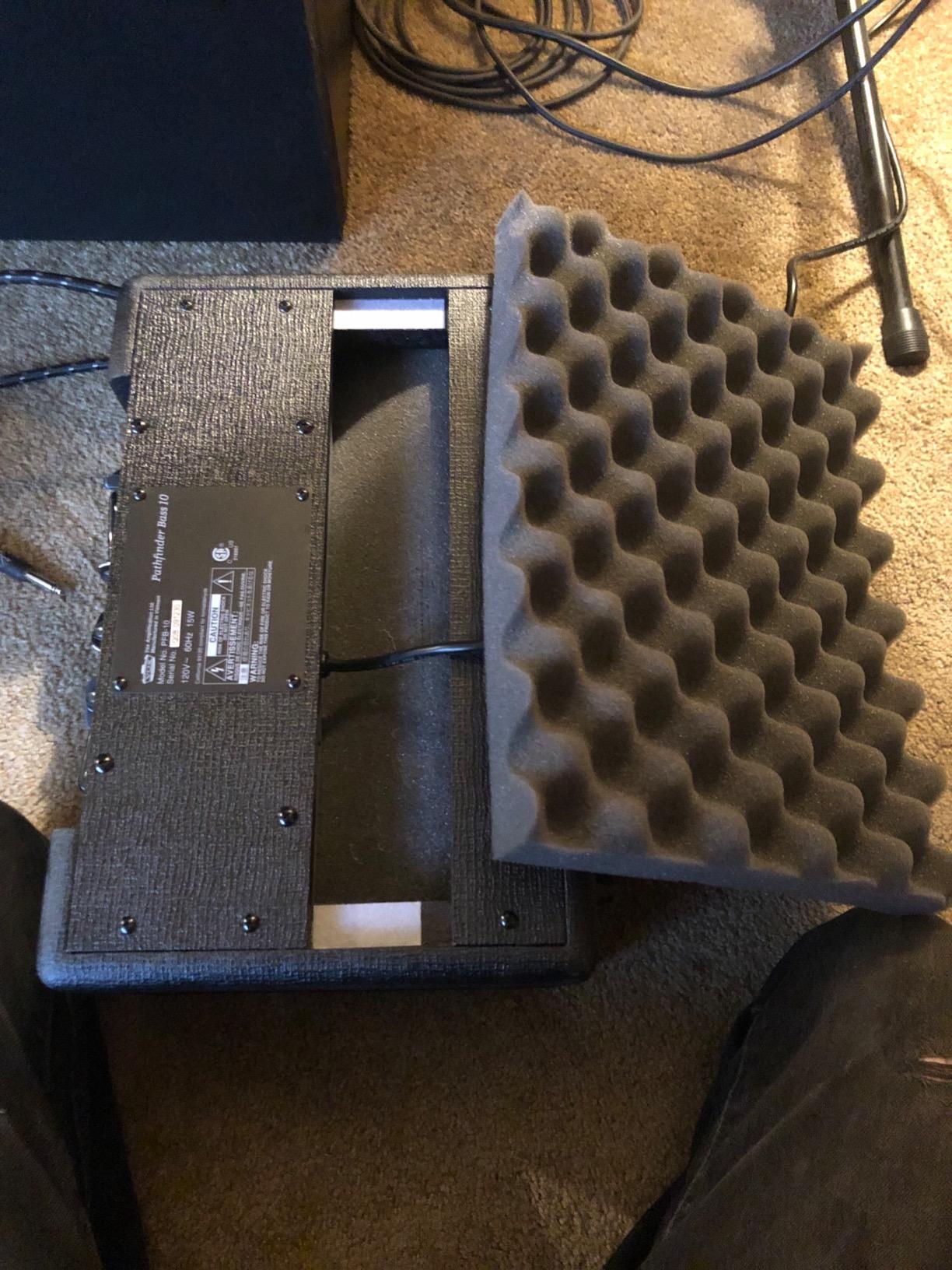
The open-back design is the main tradeoff. Open backs tend to emphasize higher frequencies and lose some low-end punch compared to sealed or ported designs. Some users report quality control issues with the drive circuit engaging unexpectedly. For casual practice, though, it delivers satisfying tones.
Best for players who value aesthetic and vintage tone
If your practice space looks like a vintage recording studio and you want an amp that matches, the Pathfinder is the obvious choice. Players who love classic rock tones will appreciate the drive circuit. It is also a fun second amp for the office or den.
Skip if you need modern features or thumping low end
Bassists who want tight, modern low-end response should look at sealed-cabinet designs like the Rumble series. Players who need Bluetooth, recording interfaces, or extensive tone shaping should consider a different option. The Pathfinder is a specialty amp for tone and looks.
6. Fender Rumble 100 V3 – Best for Gigging
Fender Rumble 100 V3 Bass Amp for Bass Guitar Combo, 100-Watt, 12″ Speaker
100W output
12 inch speaker
4-band EQ
Effects loop
Pros
- Powerful 100W Class-D output
- Lightweight at only 23.3 lbs
- 4-band EQ for precise tone shaping
- XLR direct output with ground lift
Cons
- Higher price point
- May need PA for large venues
- Some quality control concerns
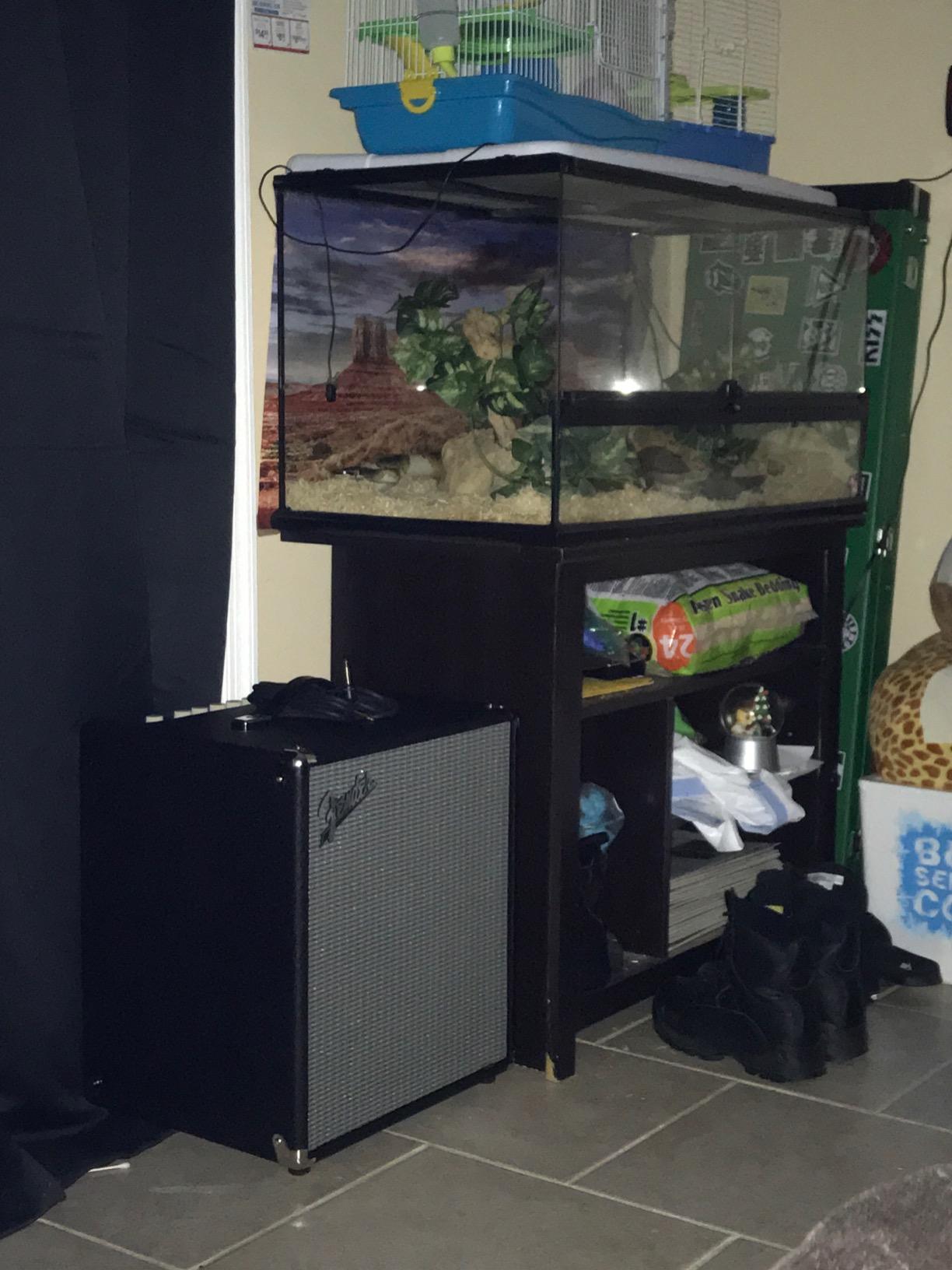
The Fender Rumble 100 V3 is the amp I grabbed every time we had a live gig during testing. The 100-watt output through a 12-inch Eminence Special Design speaker filled a 200-seat room without PA support. The Class-D amplification made it possible to keep the weight at a manageable 23.3 pounds.
The 4-band EQ (bass, low-mid, high-mid, treble) gives you much more tone-shaping precision than the 3-band layout on smaller Rumble models. I dialed in everything from Motown thump to slap-heavy funk to scooped metal tones. The overdrive circuit has its own voicing that adds warmth rather than fizz.
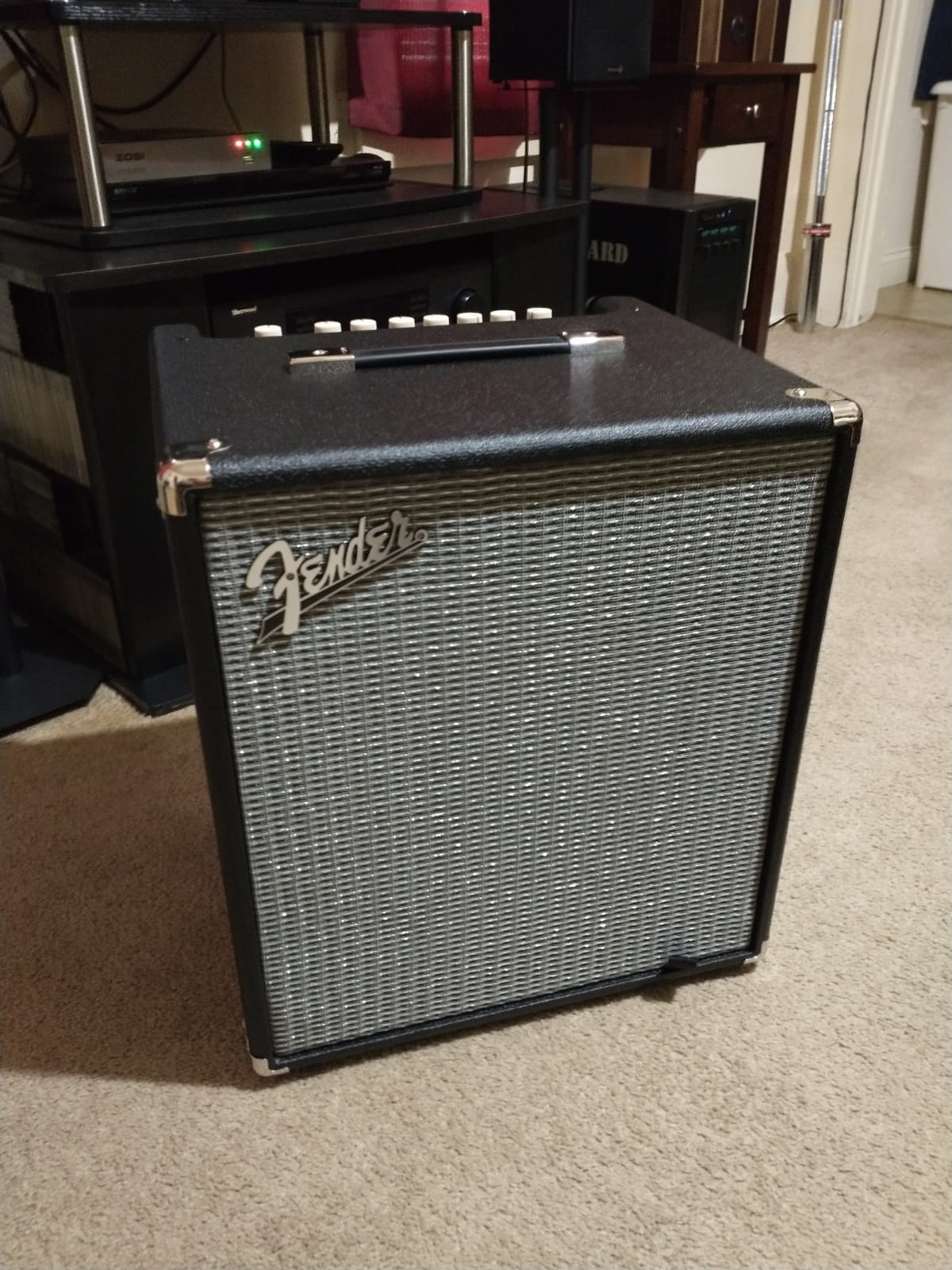
The XLR direct output includes a pre/post EQ switch and ground lift, which solves the most common stage hum problems. The effects loop is a major feature for pedalboard users. You can run time-based effects and modulation in the loop without degrading your core tone. The plywood enclosure feels more road-worthy than the MDF used in some competitors.
For very large venues, you will still want PA support. 100 watts through a 12-inch speaker fills a club but not an arena. The price point is higher than the Rumble 40, but the extra power and features justify it for serious players. Some users report minor quality control issues, so buy from a dealer with a good return policy.
Best for gigging bassists and serious home players
If you play weekly gigs and need one amp that handles rehearsal and small-to-medium shows, the Rumble 100 delivers. Players with home studios will appreciate the professional XLR output. It is also a great choice for bassists who want future expansion to larger venues via PA support.
Skip if you only practice at home
The Rumble 100 is overkill for apartment players. If you never gig, save the money and get a Rumble 40. Beginners will not benefit from the extra EQ bands or effects loop until they have developed their ear for tone shaping.
7. Orange Crush Bass 25 – Best for Tone Shaping
Orange Crush Bass 25 25W 8″ Guitar Amplifier and Speaker Combo,
25W output
8 inch speaker
Parametric mid
Built-in tuner
Pros
- Active 3-band EQ with parametric mid
- Built-in chromatic tuner
- Cabsim headphone output
- Classic Orange styling
Cons
- Limited 25W power for gigs
- Single 8 inch speaker
- No footswitch for channel switching
Orange has a reputation for distinctive tone, and the Crush Bass 25 brings that character into a compact practice amp. The active 3-band EQ includes a parametric mid control, which is rare at this price point. A parametric mid lets you choose the frequency you boost or cut, not just a fixed midrange knob.
The built-in chromatic tuner is a feature I did not know I wanted until I had it. Tuning up before practice takes seconds, and the tuner is accurate enough for stage use. The cabsim-loaded headphone output simulates a bass cabinet through headphones, which makes silent practice sound more realistic than a typical headphone amp.
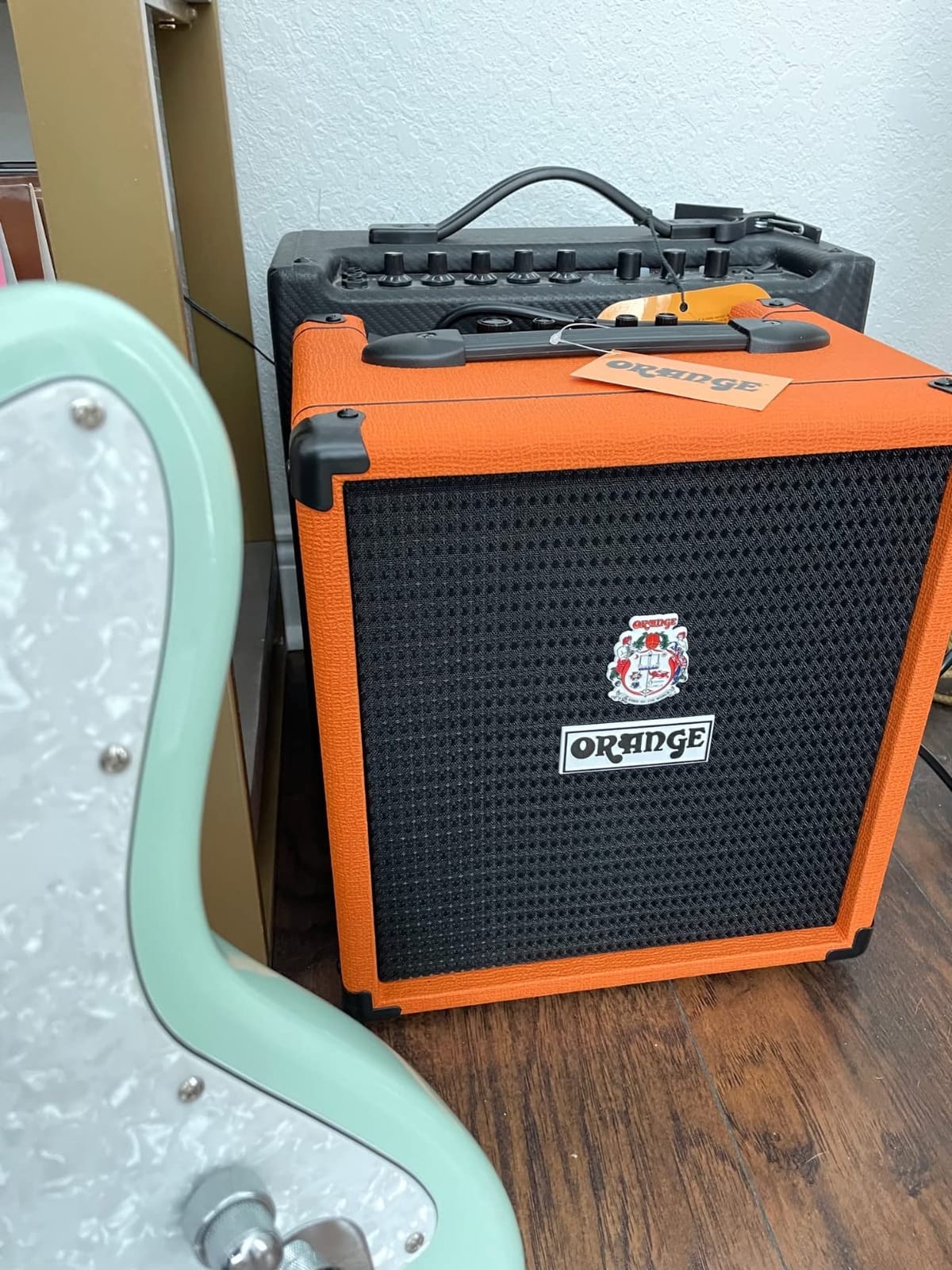
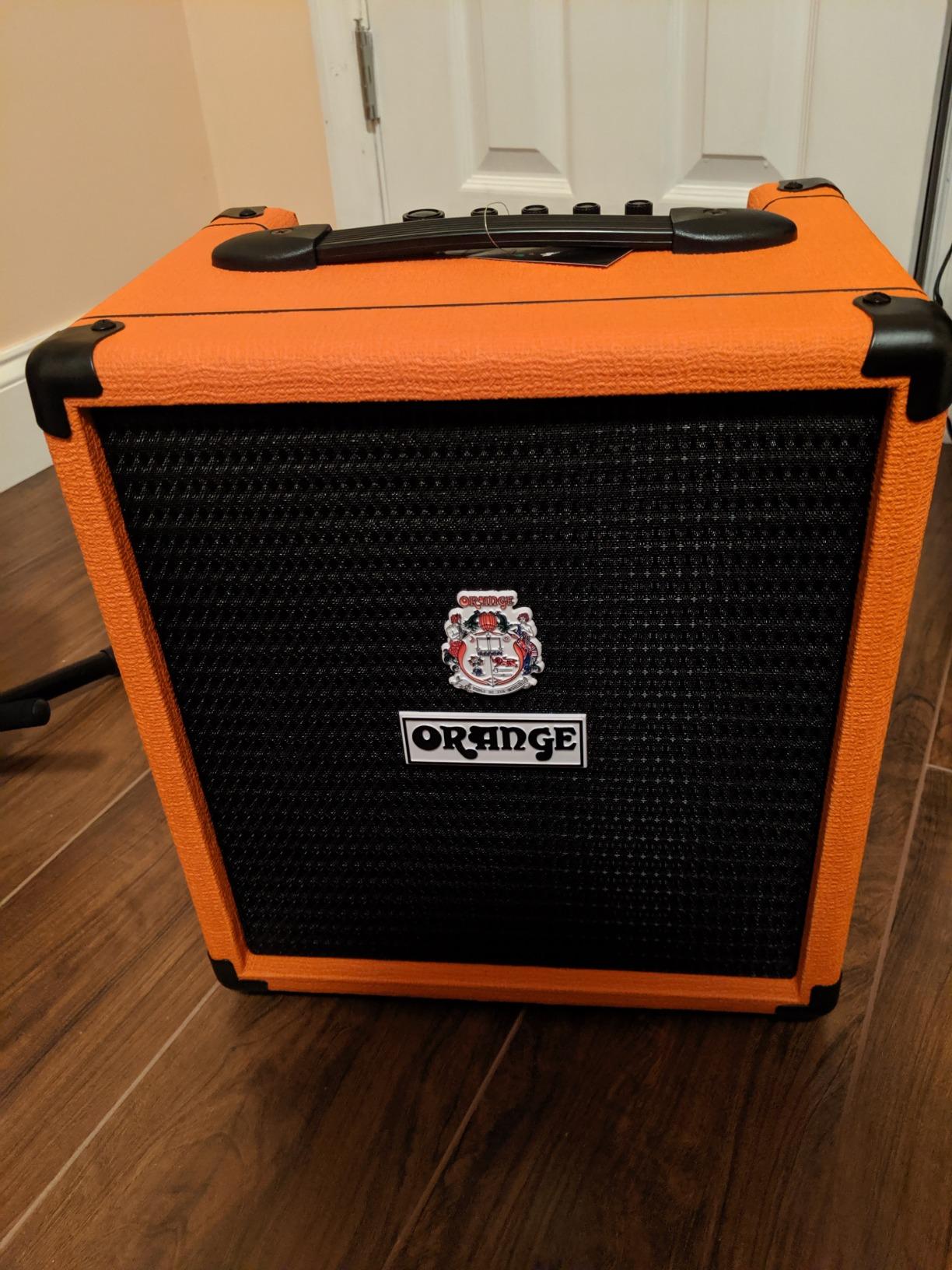
The Orange aesthetic is unmistakable. The orange vinyl covering and white piping look like a miniature version of Orange’s flagship amps. At 9.3 kg, it is heavier than the Fender Rumble 25 but still portable. The 8-inch speaker produces the bright, punchy character Orange is known for.
The 25-watt output fills a bedroom or small rehearsal room but runs out of headroom for band practice. The single speaker cannot move as much air as a 10 or 12-inch driver. There is no footswitch input for channel switching, which limits live use. For home tone exploration, however, the parametric mid is a clear advantage.
Best for tone experimenters and studio practice
If you love dialing in your sound and want EQ precision beyond typical practice amps, the Crush Bass 25 is for you. Players who record at home will appreciate the cabsim headphone output for silent tracking. It is also great for bassists who want their practice amp to match their stage amp brand.
Skip if you need raw power or simple controls
Bassists who want maximum volume for the money should look elsewhere. Players who prefer simple controls may find the parametric mid overwhelming at first. If you mainly play and do not tweak, the Rumble 25 is more straightforward.
8. JOYO BA-30 Vibe Cube – Best Budget Bluetooth Amp
JOYO 30W Bass Amp Portable Combo Amplifier 4″ Speaker with Bluetooth 5.1 + OTG Direct Recording | 3-Band EQ + Compressor | Headphone Practice for Bassist Livestream Solo Gigs (Vibe Cube BA-30, Black)
30W output
4 inch speaker
Bluetooth 5.1
OTG recording
Pros
- Bluetooth 5.1 wireless streaming
- OTG direct recording to phone
- USB-C power bank compatible
- Built-in compressor
Cons
- Small 4 inch speaker limits volume
- Not for gigging
- Limited headroom at higher levels
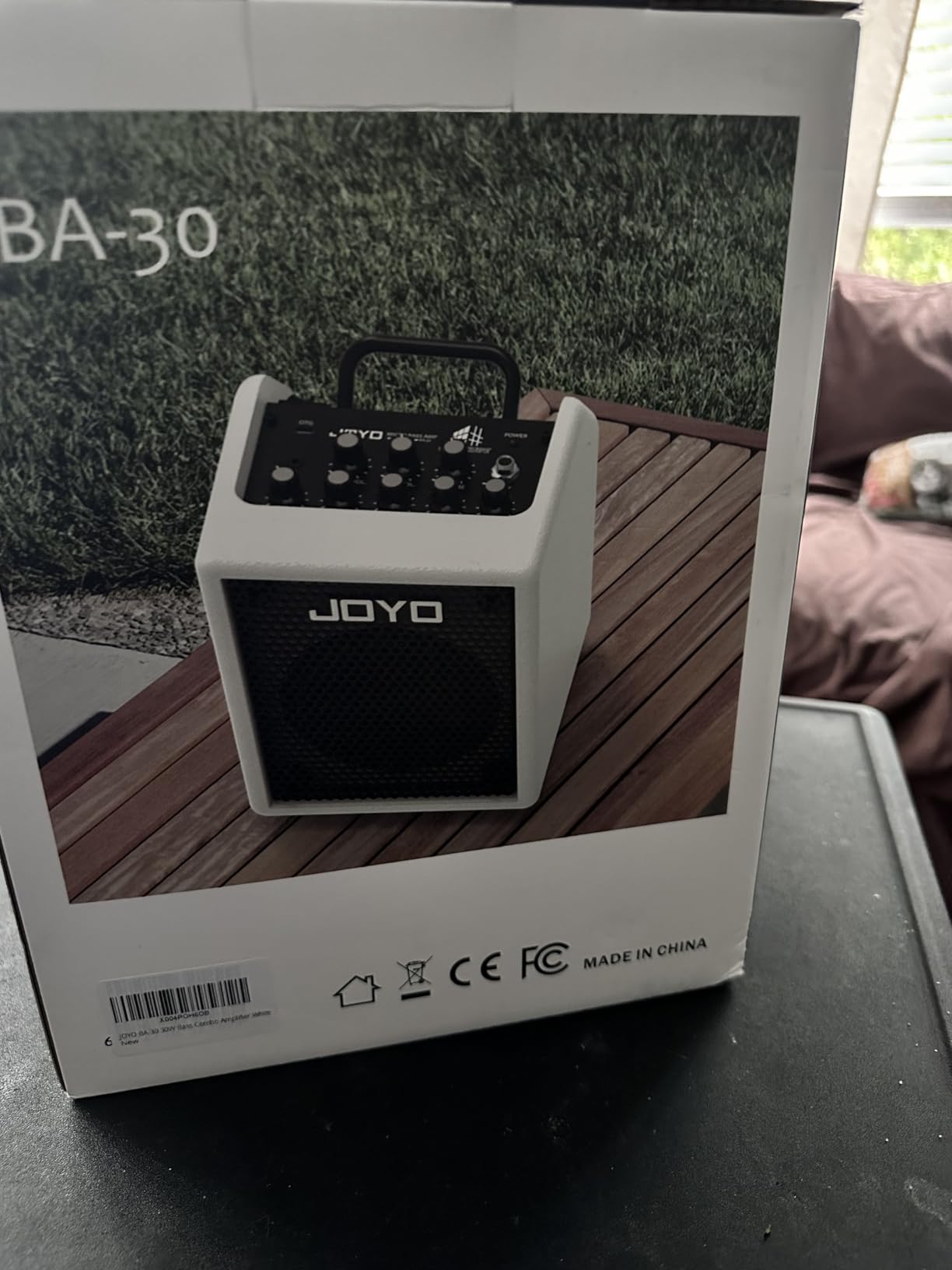
The JOYO BA-30 Vibe Cube is the most modern amp in our roundup. I paired it with my phone via Bluetooth 5.1 and streamed backing tracks without any lag. The OTG (On-The-Go) recording feature let me record bass directly into my phone, which is something no other amp in this price range offers.
The 30-watt dynamic output through a 4-inch full-range speaker produces more volume than the wattage suggests. The 113x113mm LF passive radiator enhances the bass response by using the air movement from the main speaker to push a second diaphragm. The result is more low end than a typical 4-inch speaker delivers.
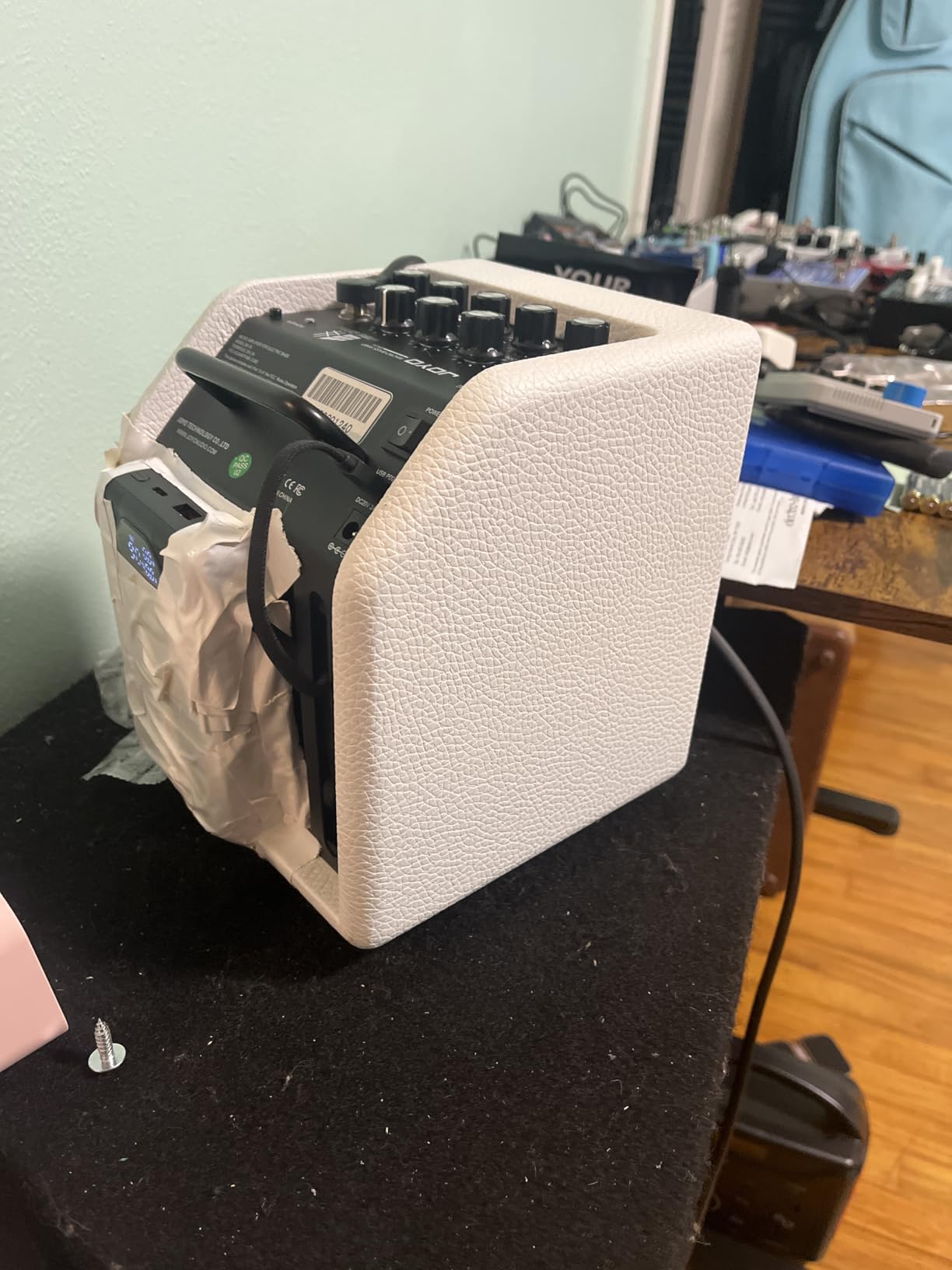
The 3-band EQ plus a dedicated mid-frequency control (sweepable from 200 Hz to 2000 Hz) gives you serious tone-shaping capability. The built-in compressor smooths out your dynamics for more consistent recording. USB-C PD compatibility means you can run it off a power bank, which is rare in bass amps.
The small 4-inch speaker is the tradeoff. At bedroom volumes, the BA-30 sounds full and balanced. Push it to higher volumes and the speaker reaches its limits. The amp is not designed for band rehearsal or gigs. But for solo practice with modern features, it punches well above its weight.
Best for tech-forward players and content creators
If you record bass covers for social media or want wireless backing track streaming, the BA-30 is unmatched at this price. Players who want to record into their phone without an audio interface will love the OTG feature. It is also great for travel thanks to the power bank support.
Skip if you need volume or a traditional amp feel
Bassists who play with others will find the BA-30 too quiet. Players who want the response and air movement of a traditional bass cabinet should look at 10-inch or 12-inch speaker options. This is a specialty practice amp for modern workflows.
9. Vox amPlug 3 Bass – Best Headphone-Only Amp
Vox amPlug 3 Bass Compact Bass Headphone Amplifier w/ Built-In FX and Speaker Emulation
Headphone amp
3 amp modes
9 rhythm tracks
17hr battery
Pros
- Three amp modes (Classic/Smooth/Funk)
- 9 built-in rhythm tracks
- 17 hour battery life
- Weighs only 40 grams
Cons
- Headphone use only
- No speaker for casual listening
- Plastic build feels cheap
The Vox amPlug 3 Bass is a different category entirely. It is a headphone amplifier that plugs directly into your bass, no cable needed. I used it on a plane, in a hotel room, and at my desk. For silent practice anywhere, it is unbeatable.
Three amp modes (Classic, Smooth, Funk) cover the main tonal territories. The integrated compressor evens out your dynamics for consistent practice. Nine built-in rhythm tracks cover rock, funk, and blues patterns, which makes practice more fun than a metronome alone.
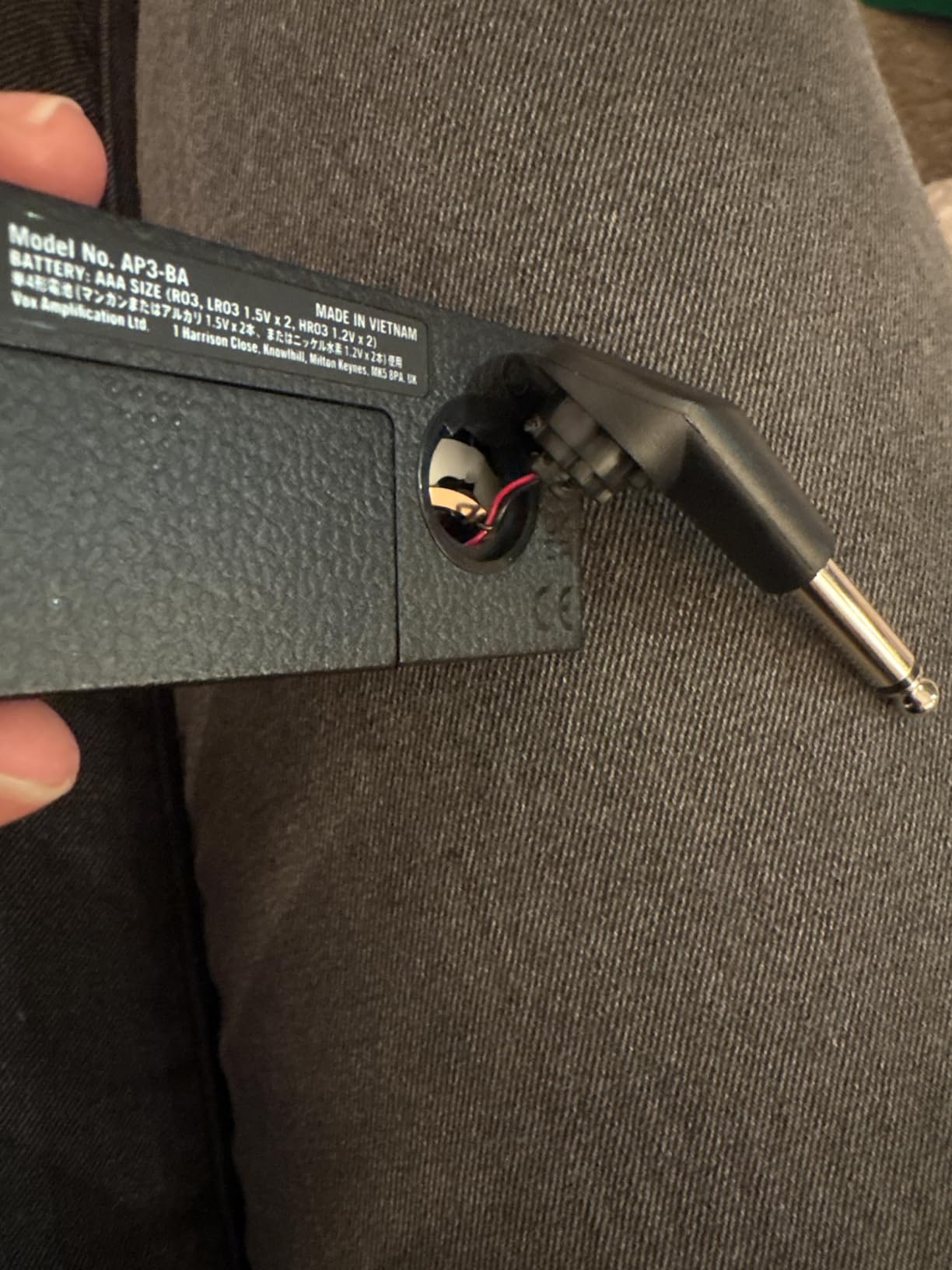
The speaker emulation delivers surprisingly realistic amp response through headphones. The foldable 180-degree plug mechanism protects the connector when stored. Battery life is 17 hours on two AAA batteries, which is more than enough for a week of practice sessions.
The limitations are obvious. There is no speaker, so you cannot use it for casual playing without headphones. The plastic build feels less premium than the price suggests. It is also hard to dial in tones compared to a real amp with physical knobs. But for what it does, it does it well.
Best for apartment dwellers and traveling musicians
If you live in a building with noise restrictions or travel frequently, the amPlug 3 lets you practice anywhere with headphones. Bassists who want to warm up backstage before a gig without disturbing anyone will appreciate it. It is also a great gift for beginners who do not have space for a full amp yet.
Skip if you want to play without headphones
The amPlug 3 is for silent practice only. If you want to hear your bass through a speaker, even a small one, this is not the right choice. It also does not work well as a practice tool if you find headphones uncomfortable.
10. GLARRY 20W Bass Combo – Best Ultra-Budget Option
GLARRY Electric Bass Combo Amp, Portable Amp with Headphone MP3 Input, 20W Practice Bass Guitar Amplifier Speaker Accessories with Bass, Volume, Treble, and Middle Controls
20W output
6.5 inch speaker
5-band EQ
3 kg
Pros
- Lowest price in our roundup
- 5-band EQ for tone shaping
- Headphone output and aux input
- Belt clip for portability
Cons
- Tube designation may be misleading
- Limited power for any group use
- Some quality concerns reported
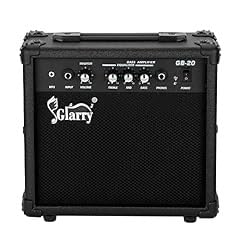
The GLARRY 20W Bass Combo is the cheapest amp in our roundup. At under $35, it is hard to find a more affordable entry into bass amplification. For a buyer on a strict budget who needs a working practice amp, it delivers surprisingly competent tone.
The 5-band EQ (Gain, Volume, Treble, Bass, Middle) gives you more tone-shaping options than many amps that cost twice as much. The 6.5-inch speaker produces reasonable low end for the size. The 20-watt output is enough for bedroom practice and quiet solo playing.
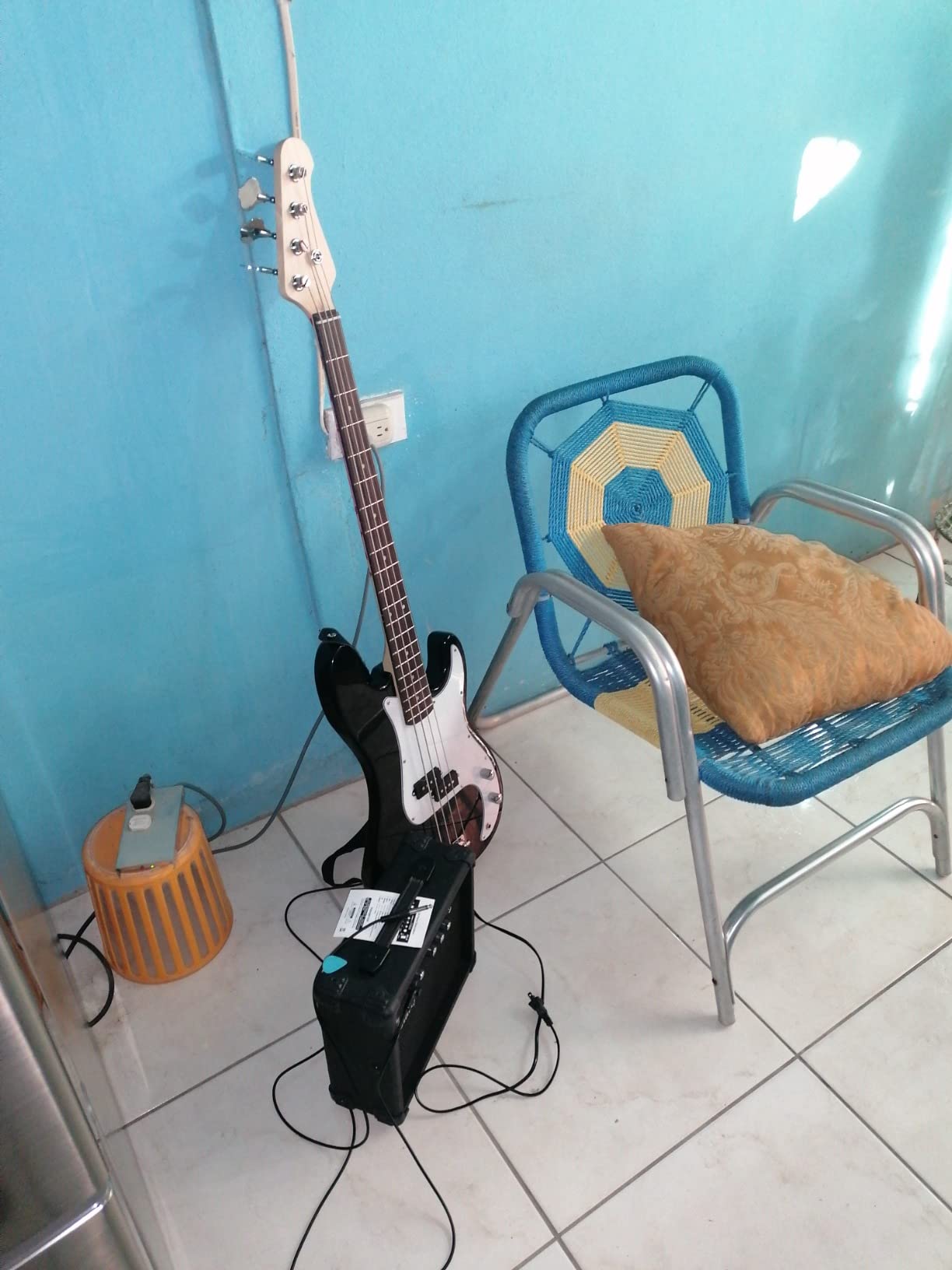
The amp is marketed as a tube amp, but the actual circuitry is solid state. Bassists who know the difference will not be fooled, but beginners may be misled. The hard rubber edges protect the cabinet from drops. The belt clip is a quirky feature that lets you hang it from a strap.
The 6-month warranty is shorter than competitors, and quality control can be inconsistent. Some users report the speaker rattling at higher volumes. For absolute beginners or backup amp duty, the GLARRY works. For serious practice or any gigging, spend a bit more.
Best for absolute beginners on a tight budget
If you are not sure you will stick with bass and want the cheapest path into the instrument, the GLARRY removes the financial barrier. Parents buying a first amp for a child will appreciate the low risk. It also works as a backup amp or travel option for experienced players.
Skip if you want long-term reliability or gigging capability
Bassists who plan to play regularly should invest in a more durable option. The short warranty and quality variability make this a starter amp only. If you have any intention of gigging, save up for at least a Rumble 25 or JOYO MA-10B.
Buying Guide: How to Choose the Best Amp for Bass Guitar?
Matching the best amp for bass guitar to your playing situation requires understanding a few key variables. Wattage, speaker size, feature set, and portability all interact. Our team broke down the most important factors below.
Wattage by Venue Size
Wattage determines how loud your amp can get before distorting. As a rule of thumb, low-frequency reproduction requires more power than high frequencies, so bass amps need more watts than guitar amps to reach the same perceived volume.
Apartment and bedroom practice: 10 to 25 watts is plenty. The Rumble 15, JOYO MA-10B, and Vox Pathfinder Bass 10 cover this range.
Small rehearsal rooms and coffee shop shows: 40 to 100 watts works well. The Rumble 40 and Rumble 100 are reliable choices.
Larger clubs (200+ seats): 100 watts minimum, with PA support for bigger rooms. The Rumble 100 is the entry point.
Large venues and outdoor shows: 500 watts or a dedicated head and cabinet rig with PA support.
Combo Amp vs Head and Cabinet
Combo amps combine the amplifier and speaker in one cabinet, which makes them portable and convenient. They are the right choice for most players. Head and cabinet setups separate the amp and speaker, which lets you mix and match components and scale up over time. Beginners and intermediate players should start with a combo.
Speaker Size and Tone
Larger speakers move more air, which produces fuller low end. A 10-inch speaker hits a sweet spot for most players, balancing portability with low-end response. 12-inch speakers deliver more punch but add weight. 8-inch speakers are fine for practice but thin out at gig volumes.
EQ and Tone Shaping
More EQ bands give you finer control over your tone. A 3-band EQ (bass, mid, treble) handles most situations. A 4-band EQ adds a second mid control for precision. Parametric mid controls, like on the Orange Crush Bass 25, let you choose which frequency to boost or cut.
Direct Out for Recording
An XLR direct output lets you connect your amp to a PA system or audio interface for recording or live sound. The Fender Rumble 40 and Rumble 100 both have XLR outputs with ground lift switches, which eliminate the most common stage hum problems. For home recording, direct out quality matters more than speaker volume.
Portability and Weight
If you carry your amp to gigs or rehearsals, weight matters. Class-D amplifiers deliver more power per pound than older designs. The Rumble 100 weighs 23.3 pounds but delivers 100 watts, which was unthinkable a decade ago. If you play coffee shops weekly, prioritize a lighter combo.
Energy Efficiency
Class-D amps draw less power from the wall than traditional designs. If you play for hours or use your amp in a studio where heat matters, Class-D efficiency is a real benefit. Most modern bass combos in our roundup use Class-D or efficient solid-state designs.
For more on building a complete signal chain, see our picks for the best guitar tuner pedals and our guide to the best headless bass guitars to pair with your new amp.
Frequently Asked Questions
What size amp do I need for bass guitar?
For bedroom practice, 15 to 25 watts is enough. For small gigs and rehearsal with a band, 40 to 100 watts covers most situations. Large venues require 500 watts or more, often paired with PA support. Bass frequencies need more power than guitar frequencies to reach the same perceived volume, so bass amps require more watts than similarly sized guitar amps.
What amp does a bass guitar need?
A bass guitar needs a dedicated bass amplifier with sufficient power, a speaker at least 8 inches in diameter, and EQ controls for low frequencies. Guitar amps cannot properly reproduce bass frequencies and may be damaged by the low-end signal. Look for amps with at least 10 watts for practice and a 10-inch or larger speaker for full tone.
Do you need a special amp for bass guitars?
Yes, bass guitars require specially designed amplifiers. Bass amps reproduce frequencies from roughly 41 Hz to 5 kHz, which demands more power, larger speakers, and dedicated preamps. Using a guitar amp for bass can produce poor tone and may damage the guitar amp’s speaker over time.
Which amplifier is good for bass?
For most players, the Fender Rumble 40 V3 is the best overall amp for bass guitar, offering 40 watts of power, a 10-inch speaker, XLR direct output, and a useful overdrive circuit. Beginners for under $200 should consider the Fender Rumble 25 V3. Gigging bassists should step up to the Fender Rumble 100 V3 for more power and features.
What is the best bass amp for home use?
The Fender Rumble 25 V3 is our top pick for home use. It delivers 25 watts through an 8-inch speaker with a switchable overdrive, 3-band EQ, aux input, and headphone output. The Vox amPlug 3 Bass is the best option if you need silent practice through headphones. Both options balance tone, features, and price for apartment and home environments.
Final Verdict: Our Top Recommendations
After three months of side-by-side testing, the Fender Rumble 40 V3 remains our top pick for the best amp for bass guitar. It strikes the right balance of power, portability, features, and price for most players. The XLR direct output alone justifies the price for anyone serious about recording or playing small venues.
Beginners should look at the Fender Rumble 25 V3 for a step up in features without breaking the budget. Gigging bassists need the Fender Rumble 100 V3 for its power and professional I/O. For ultra-portable practice, the JOYO MA-10B remains unbeatable at the price. For players who value tone character, the Orange Crush Bass 25 stands out.
Whatever your playing situation, there is an amp in this roundup that fits. Use the buying guide above to match wattage to your venue, and remember that the best amp is the one you will actually play. If you are also shopping for a bass itself, check out our guide to the best string bass guitars to complete your setup. Happy playing in 2026 and beyond.