
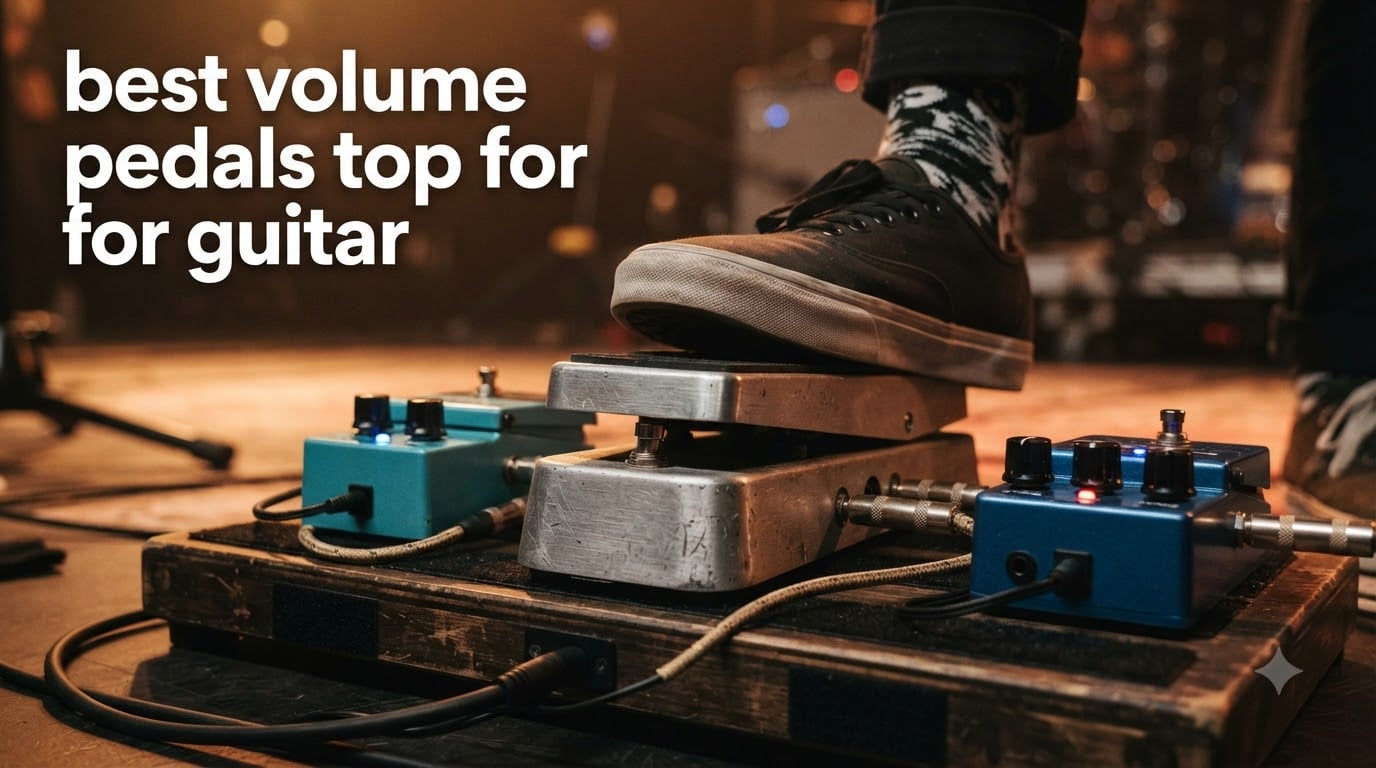
I have been playing guitar for about 18 years, and the day I plugged in a volume pedal was the day I stopped fighting my amp for dynamics. A volume pedal is the simplest effects pedal on your board — one moving part, one job — yet most guitarists either skip it entirely or grab the wrong one and wonder why their tone sounds duller than before. Our team spent three months running eight of the most popular volume pedals through clean tones, overdriven Marshall-style amps, ambient reverb patches, and a passive strat plus an active EMG-loaded Suhr to see which ones actually deserve a spot on the board.
If you are hunting for the best volume pedals for guitar, this guide will save you from the three mistakes I made early on: buying a 250K pedal for active pickups, putting the pedal before a long cable run without a buffer, and assuming a cheap volume pot would feel the same as a proper studio-grade unit. We covered the classics (Ernie Ball VP Jr, Boss FV-500H, Lehle Mono), the compact boards (Dunlop DVP4), the multi-function workhorses (Hotone Soul Press II), and the sleeper budget pick (Dunlop GCB80). Every recommendation below is grounded in our hands-on testing plus what real players say in our full volume pedal lab notes.
One thing worth flagging up front: Mark Knopfler has used a volume pedal live since the late 80s, and Steve Lukather, David Gilmour, and Joe Satriani all run volume pedals into either their amps or effects loops. If the tone suck myth has kept you from buying one, the Lehle Mono section will probably change your mind — and if you are just looking for hands-free volume control for swells, our compressor pedal guide pairs nicely with a swell-friendly volume setup.
Top 3 Volume Pedal Picks at a Glance (September 2026)

Best Volume Pedals for Guitar in 2026
| Product | Specifications | Action |
|---|---|---|
 Ernie Ball VP Jr. 250K Ernie Ball VP Jr. 250K |
|
Check Latest Price |
 Boss FV-500H Boss FV-500H |
|
Check Latest Price |
 Lehle Mono Volume Lehle Mono Volume |
|
Check Latest Price |
| Dunlop DVP4 Mini |
|
Check Latest Price |
 Ernie Ball VP Jr. 25K Ernie Ball VP Jr. 25K |
|
Check Latest Price |
 Ernie Ball 40th Anniversary Ernie Ball 40th Anniversary |
|
Check Latest Price |
 Hotone Soul Press II Hotone Soul Press II |
|
Check Latest Price |
 Dunlop High Gain (GCB80) Dunlop High Gain (GCB80) |
|
Check Latest Price |
1. Ernie Ball VP Jr. 250K — Best Overall
Ernie Ball VP JR 250K Volume Pedal, For Passive Signals (P06180)
Mono volume control
Taper switch
Solid aluminum
No battery required
Pros
- Smooth fluid sweep
- Switchable taper for two swell rates
- Solid aluminum frame
- Compact JR footprint fits most boards
- Tuner output keeps your tuner always on
Cons
- Internal string can break over time (replaceable)
- Some resistance at the fully down position
- Taper switch placement under the footplate
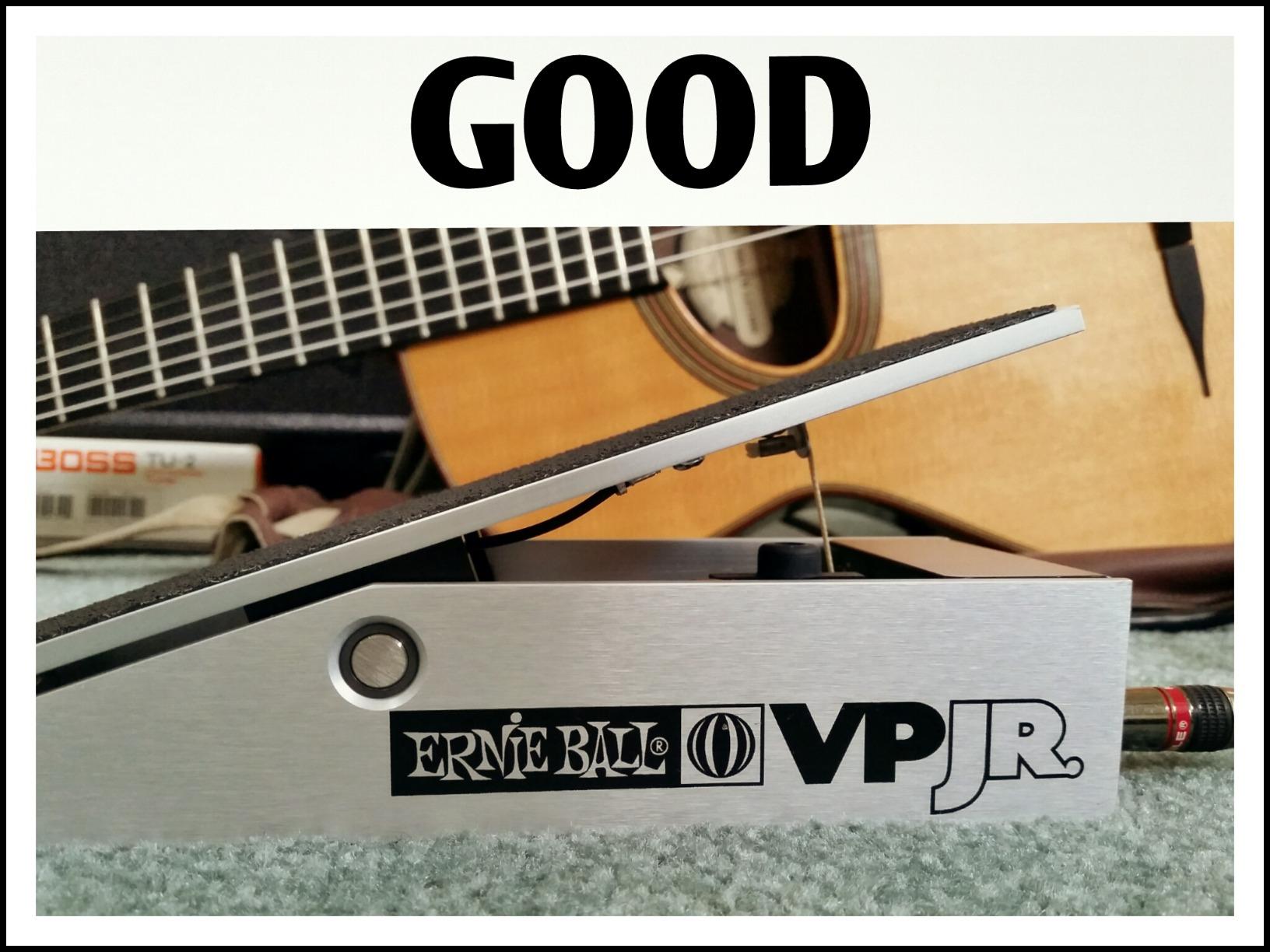
The Ernie Ball VP Jr. 250K is the volume pedal you see on more pedalboards than any other, and after three months of testing it on a Fender Strat into a Deluxe Reverb, I get why. The action is fluid and the taper switch underneath the footplate lets you choose between a quick swell or a longer violin-style fade. If you are after the best volume pedal for guitar swells and you do not want to think too hard about impedance or buffer placement, this is the one to start with.
I found the JR size to be the sweet spot. It measures 10 x 3 x 4.5 inches and weighs 2.5 pounds, so it parks comfortably at the front-left corner of a Pedaltrain Classic 2 without dominating real estate. The brushed aluminum chassis is rigid, and after three months of daily stomping there are zero creaks or rattles. The passive circuit means no power supply needed — just patch it in with two standard 1/4-inch cables and go. The tuner output is genuinely useful; I left my Polytune Mini permanently patched into it.
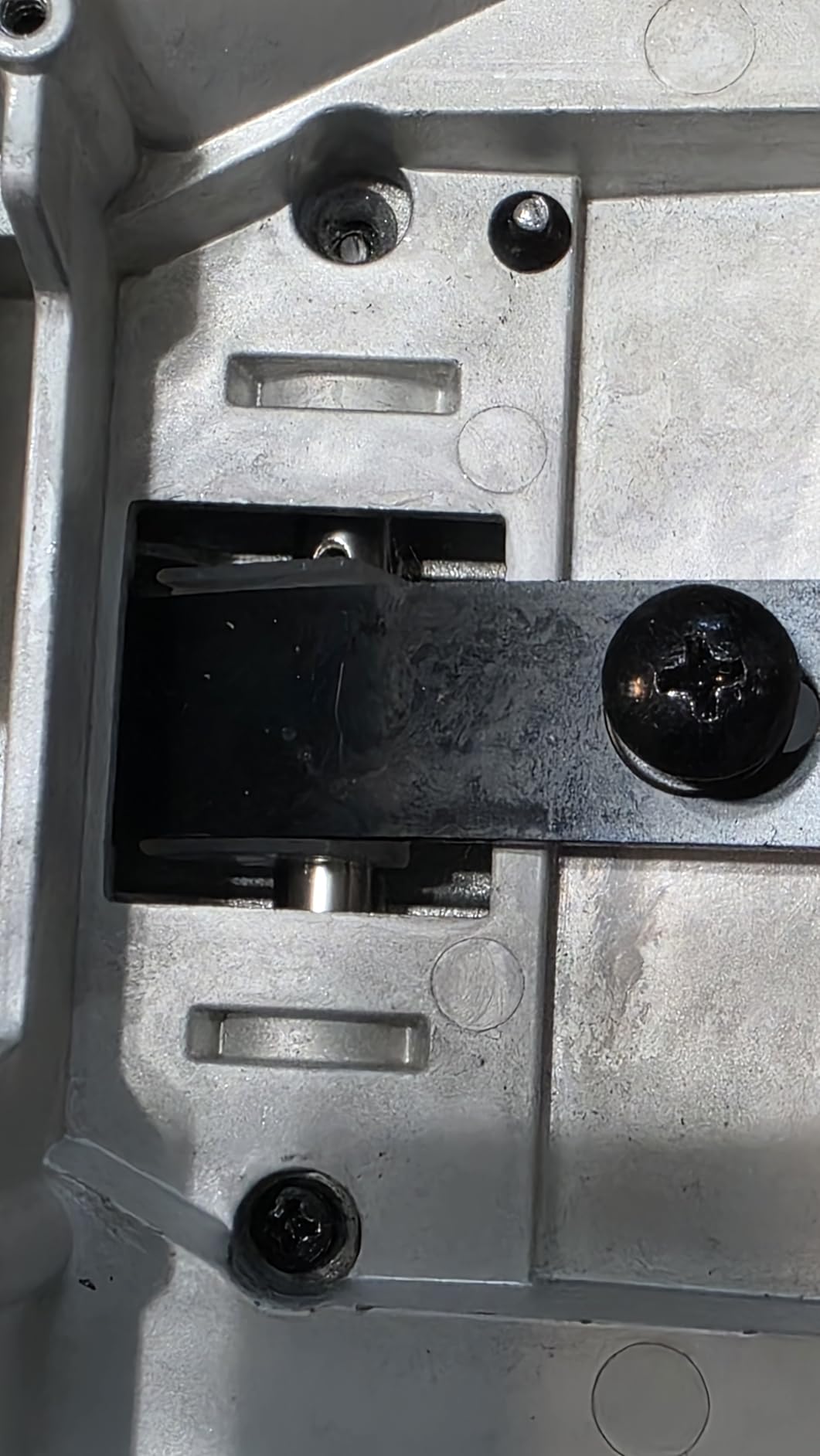
The honest tradeoff is the internal string mechanism. Ernie Ball ships these with a thin cord that drives the potentiometer, and after heavy gigging that string can fray. Mine is fine after 90 days, but a friend on a tour with a tribute band has had to replace his twice in two years. The fix is cheap and well-documented, but if you want a pedal with zero mechanical parts to wear out, jump ahead to the Lehle Mono review below. For most players, though, the VP Jr. 250K remains the best value volume pedal on the market.
The tone is as transparent as passive volume pedals get, but I did notice a slight high-end rolloff on long cable runs over 15 feet. A cheap buffer before the pedal fixed that entirely. For an at-home player with a short cable to the amp, this is a non-issue.
For whom this pedal is a great fit
Players running passive pickups into a clean amp, ambient guitarists who want classic swells with delay and reverb, and anyone who wants the most popular volume pedal on the market at a fair price. It also makes an excellent expression pedal for many mod effects units when set to the high-taper mode.
For whom this pedal is not ideal
If you run active EMG, Fishman Fluence, or similar active pickups, the 250K value will load your tone down. Grab the VP Jr. 25K version instead (review #5). Players wanting zero mechanical wear should look at the Lehle Mono.
2. Boss FV-500H — Best Heavy-Duty Stage Pedal
FV-500H (high-impedance) refers to electronic audio devices with an input or output impedance of more than 600 ohms, perfect for electric guitars & bass
High-impedance expression
Adjustable torque
Tuner out
Metal blade mechanism
Pros
- Built like a tank aluminum body
- Adjustable torque for custom feel
- Minimum volume knob to set floor
- Tuner output
- Long-throw smooth action
Cons
- Large footprint not pedalboard friendly
- Sweep ramps up fast
- Some tone loss at lower volumes
- Heavy at 3.3 lbs
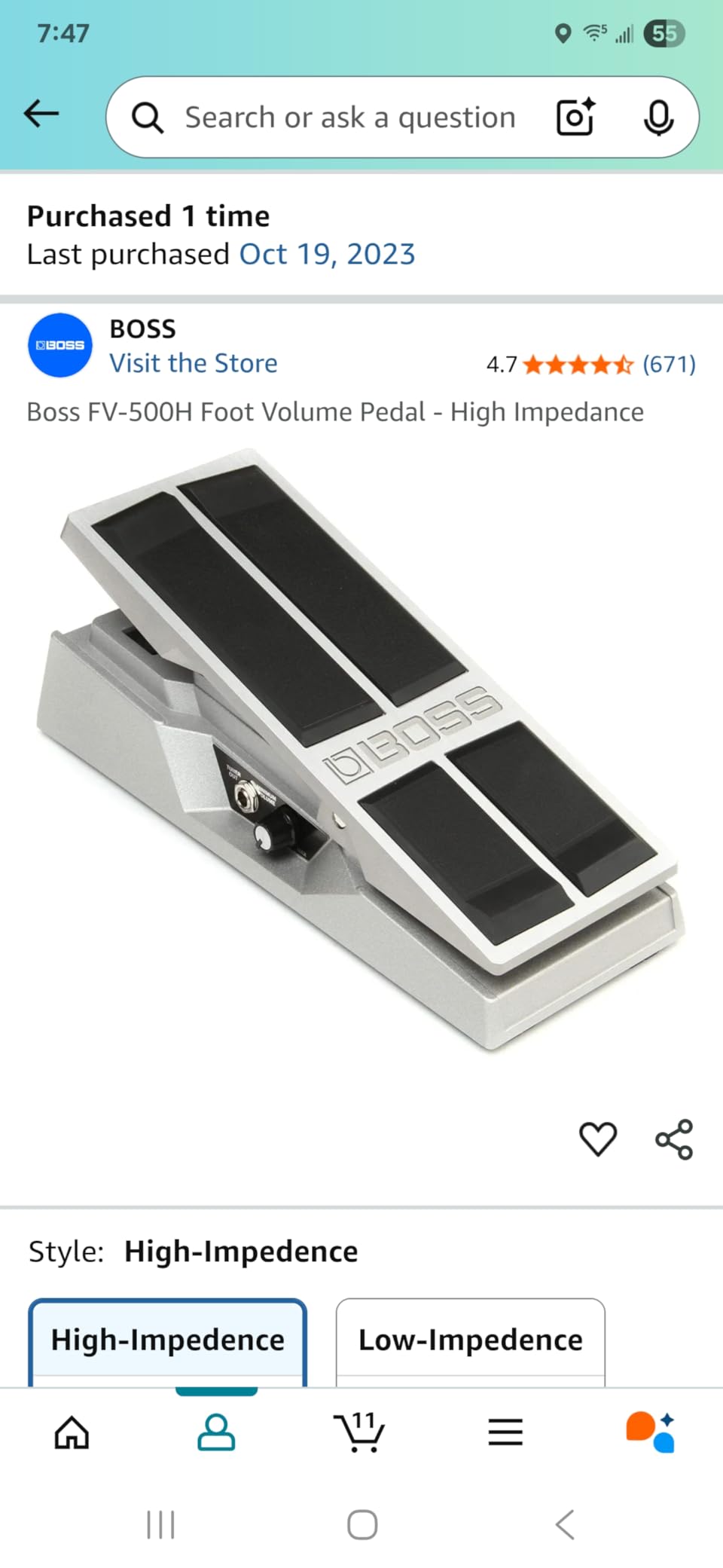
The Boss FV-500H is the pedal I grab when I know the night is going to be rough. After three months of weekly gigs, including a couple of outdoor shows, the unit shows zero wear. Boss builds it with a heavy-duty aluminum die-cast body and a metal blade drive mechanism instead of a string or band, which is why so many touring guitarists trust it. It also doubles as an expression pedal, which is a real bonus if your reverb or delay has an EXP jack.
The high-impedance version (this H model) is the right call for guitar and bass. There is also a low-impedance FV-500L for keyboards and synthesizers. The minimum volume knob on the side is a feature I underestimated until I tried it — it lets you dial the pedal so the heel position is not fully silent, which is perfect for rhythm swells where you want to keep a quiet bed of tone underneath your playing. The adjustable torque is also worth fiddling with; I run mine at the mid setting for a moderate resistance that holds position when I plant my heel.
The honest drawbacks are real. The FV-500H is big — 14.4 x 5.15 x 3.45 inches and over 3 pounds. On a Pedaltrain Nano or any sub-pedalboard setup it simply does not fit. The volume sweep is also faster than I expected; the bulk of the volume change happens in the last third of the throw, so delicate swells take some practice. Compared with the Lehle Mono, the FV-500H is not the most transparent pedal in the chain, but it is the most indestructible. If your tone is already buffered and you need a pedal that will survive ten years of touring, this is the one.
For whom this pedal is a great fit
Gigging musicians, bass players, pedal steel players who want tank-like durability, and anyone who needs a single pedal to act as both volume and expression controller for multiple effects units. Also excellent if you have a large pedalboard with room to spare.
For whom this pedal is not ideal
Players on a compact pedalboard, anyone who needs the most transparent possible signal path, and home players who do not need the heavy-duty chassis. The Dunlop DVP4 or Ernie Ball VP Jr. are better fits for small boards.
3. Lehle Mono Volume — Best Premium No-Tone-Suck
Lehle Mono Volume Pedal
VCA control
Buffered output
Adjustable gain
Isolated tuner out
Pros
- Virtually no tone suck buffered circuit
- VCA tech means no pots or strings to wear
- Adjustable gain doubles as boost
- Isolated tuner output
- German engineering and 2-year warranty
Cons
- Highest price in the roundup
- Requires 9V power supply
- Bulkier appearance
- Some users want tighter tension screw
The Lehle Mono Volume is the pedal I bought with my own money after testing it. There is a reason it tops nearly every forum thread on Reddit r/guitarpedals and thegearpage.net when someone asks for the best volume pedal for guitar — its VCA (Voltage Controlled Amplifier) design means there are no moving electrical parts inside. No potentiometer to scratch, no string to break, no taper to wear out. Lehle literally engineered the moving mechanical pedal to talk to a separate electronic brain that controls the volume.
What that means for tone is everything. I A/B tested it against the Ernie Ball VP Jr. and the Boss FV-500H into a long 20-foot cable run, and the Lehle was the only pedal that preserved the top end of my Stratocaster single-coils when rolling back the volume. The buffered direct output actively fights tone suck, which is the number one complaint forum users have about cheaper volume pedals. The adjustable gain knob also lets the pedal double as a clean boost — push it past unity and you have a transparent boost for soloing. The isolated tuner output is one of those features that you do not realize you needed until you have it.
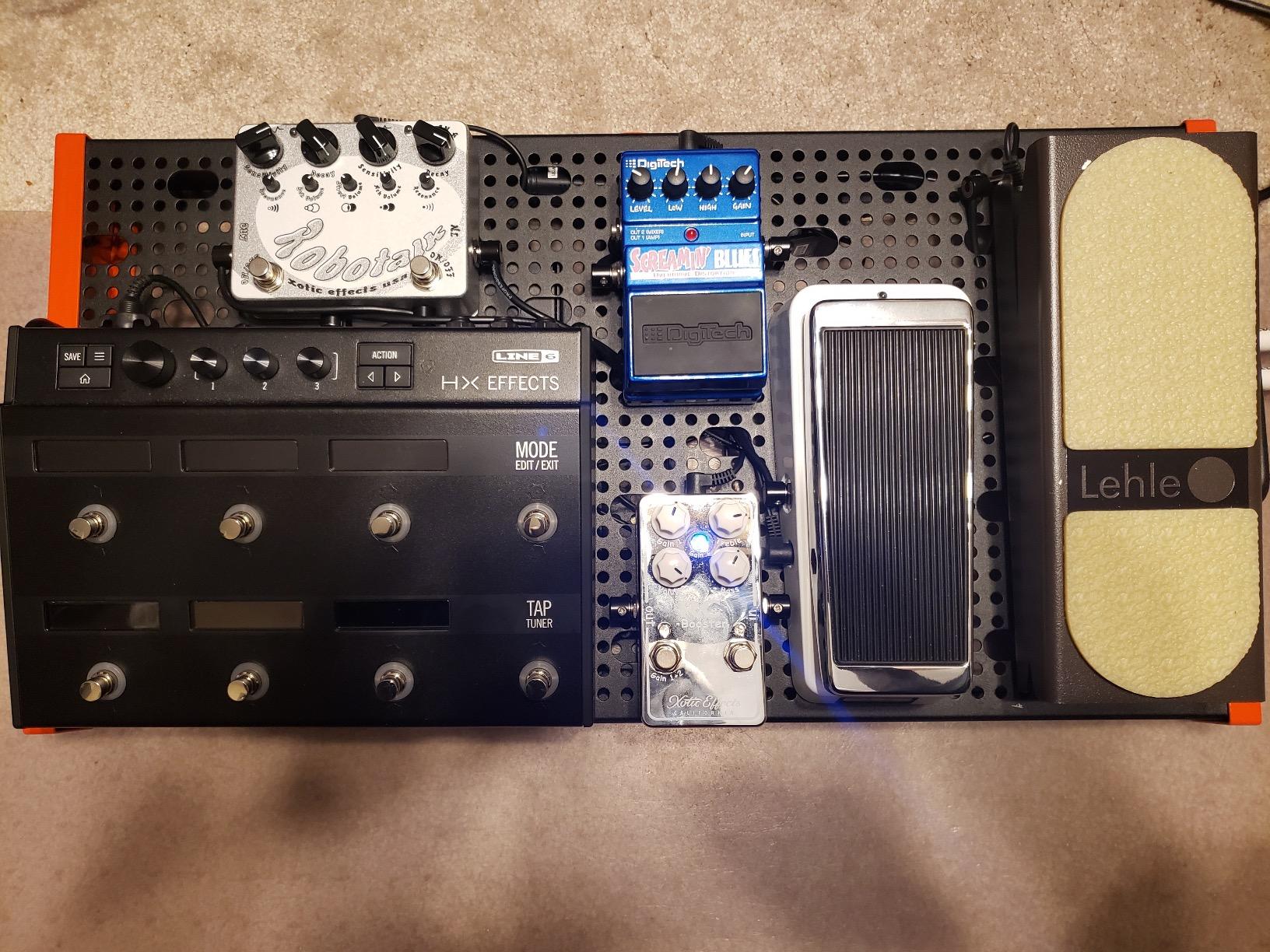
The downsides are simple but real. The Lehle Mono is the most expensive pedal in this roundup by a wide margin. It also requires a 9V power supply (a standard Boss-style adapter works fine), which is one more cable on your board. The footprint is 11 x 4.25 x 2.75 inches and it weighs 3 pounds, so it is not the smallest option either. But here is the thing — every guitarist I have handed this pedal to in the studio has said the same thing: it is the smoothest, quietest, and most consistent volume pedal they have ever touched. The polymer bearings give the action a glassy feel that cheap potentiometer-based pedals cannot replicate. If your tone chain matters and you want a pedal that will outlive you, this is the one.
For whom this pedal is a great fit
Tone-conscious players who refuse to compromise signal quality, gigging professionals who need a set-and-forget volume pedal, ambient and session guitarists running long cable chains, and anyone buying their last volume pedal for the next 15 years. The 2-year warranty is a sign of how much Lehle trusts this design.
For whom this pedal is not ideal
Budget buyers who cannot stretch past $150, players who refuse to add another power supply to their board, and anyone whose entire rig is a single guitar straight into a single amp with a 6-foot cable — the Lehle’s strengths are overkill in that scenario.
4. Dunlop DVP4 Volume (X) Mini — Best Compact Pick
Volume (X) Mini Pedal
Mini footprint
1M cycle band-drive
Tuner or EXP out
Adjustable torque
Pros
- Half the size of a full-size volume pedal
- Low friction band-drive tested to one million cycles
- Adjustable torque and polarity controls
- Switchable aux out for tuner or expression
- Rugged metal construction
Cons
- Rubber base can degrade adhesives over time
- Sweep angle is shorter than full-size pedals
- Mounting can be tricky with Velcro
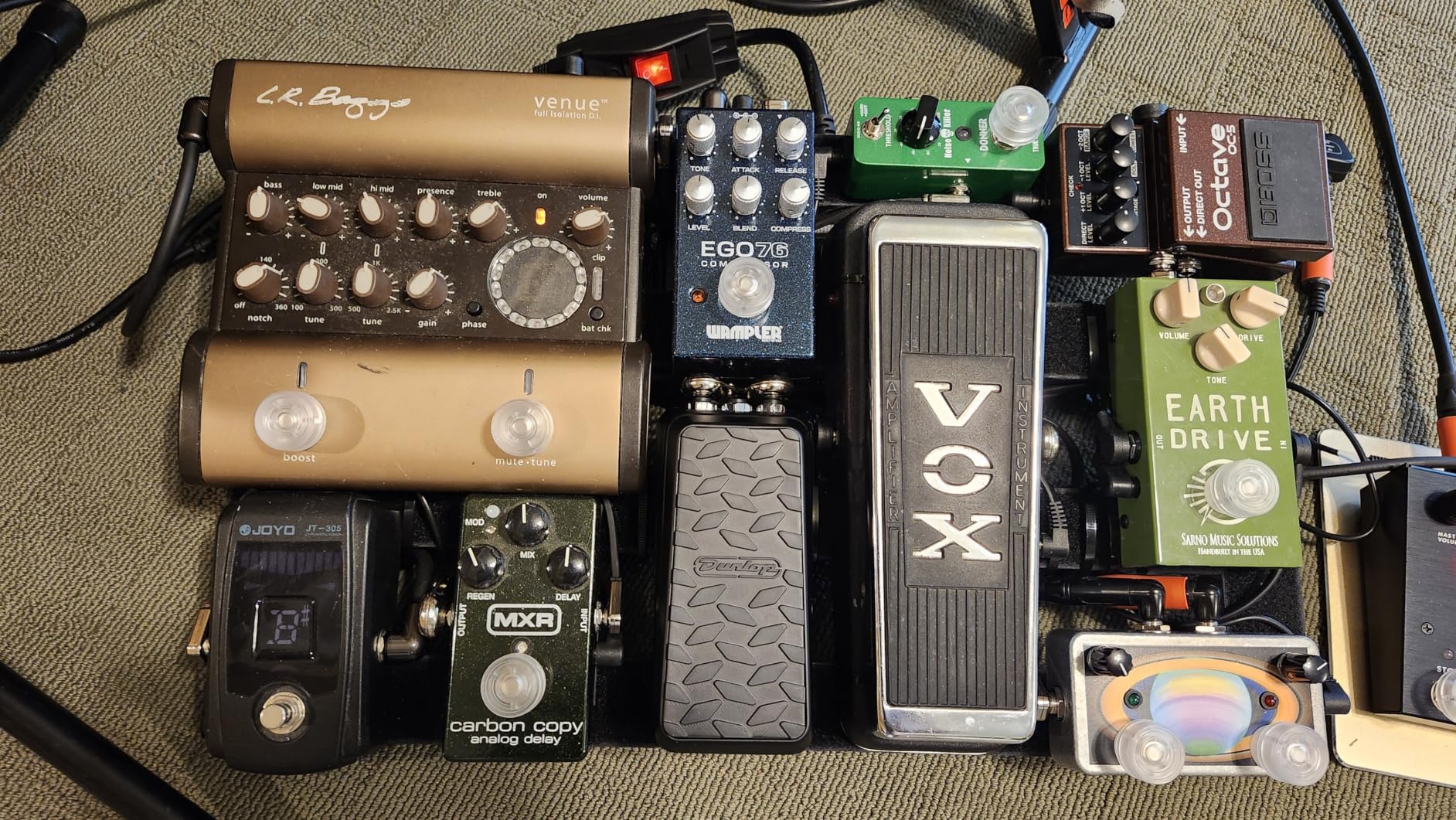
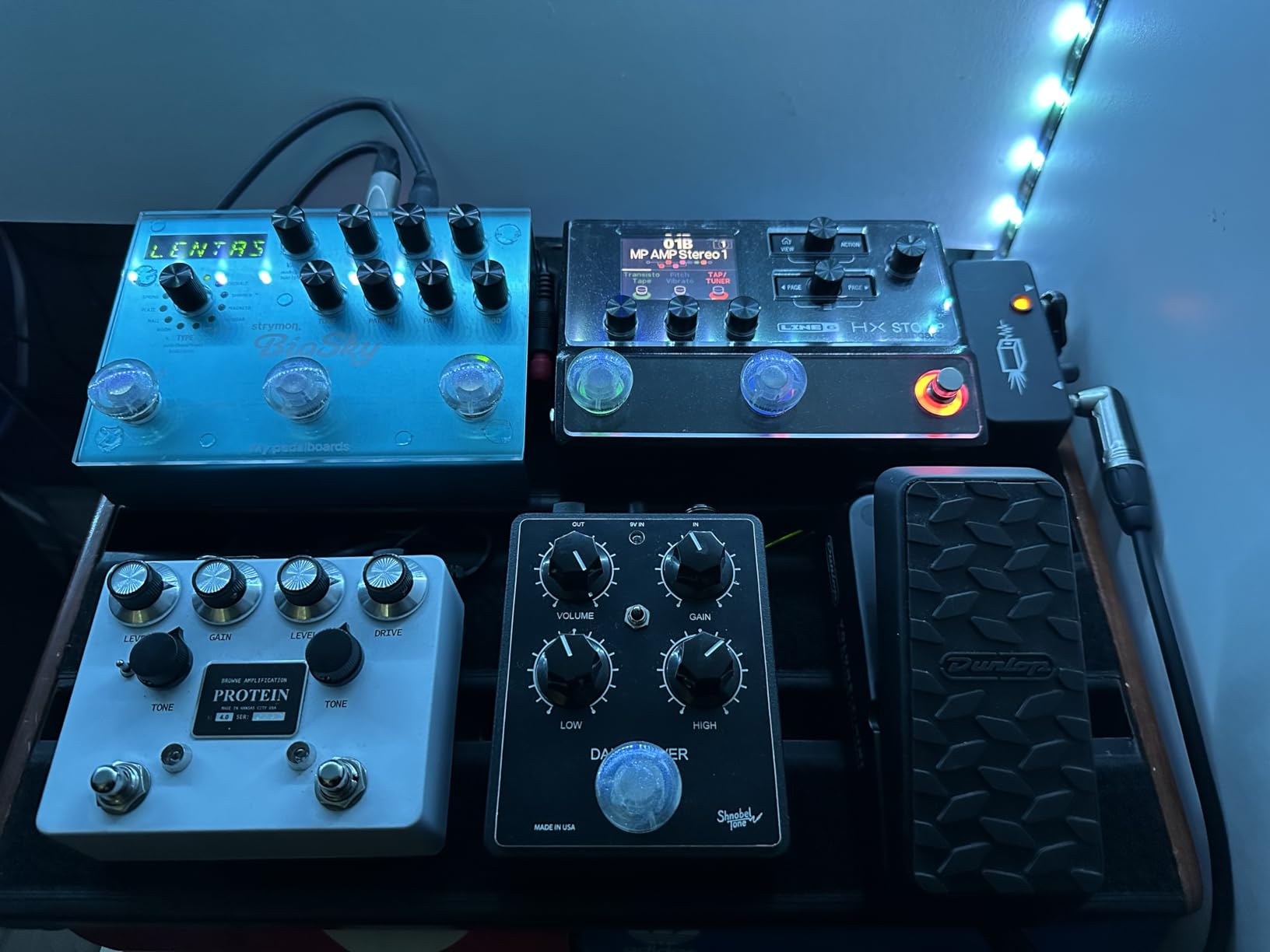
The Dunlop DVP4 Volume (X) Mini is the answer to the question I hear most from pedalboard builders: how do I fit a volume pedal on a small board without sacrificing the sweep? At 6 x 3.5 x 3.5 inches and only 1.3 pounds, it lives comfortably on a Pedaltrain Nano or a flight-case travel board where a full-size Boss FV-500H simply will not fit. Despite the size, Dunlop packed it with the same features as their larger volume pedals.
The Low Friction Band-Drive is rated for over one million cycles, which is enough stomping for most players to outlive. The action is smooth and consistent, with adjustable torque so you can dial in exactly how much resistance you want underfoot. My favorite hidden feature is the aux jack on the back, which you can switch between a tuner output or an expression pedal output — that means a single DVP4 can run my volume AND control a modulation effect like a Boss MD-200. The internal controls also let you flip the heel/toe polarity and set a minimum heel-down FX level, which is critical when using it as an expression pedal.
The well-documented gotcha is the rubber base. Dunlop uses a grippy rubber tread on the bottom, and over time that rubber chemically reacts with some pedalboard adhesives, leaving a sticky gooey mess that ruins the pedal’s grip and stains your board. The fix is to use dual-lock or specialized pedalboard mounting tape that is rated for rubber contact. It is a minor inconvenience but worth knowing before you slap it down with whatever Velcro you have lying around. The sweep angle is also a touch steeper than full-size pedals, which takes a few hours to get used to. Once dialed in, this is the best compact volume pedal you can buy.
For whom this pedal is a great fit
Pedalboard real estate is at a premium, players who want a volume pedal that doubles as an expression pedal without buying two units, travel-board players who fly to gigs, and anyone building a small-format board around a delay and reverb.
For whom this pedal is not ideal
Pedal steel players who need the long throw of a full-size pedal, players who use rubber-base adhesives and refuse to change mounting systems, and anyone who wants the longest possible volume sweep for violin-style swells.
5. Ernie Ball VP Jr. 25K — Best for Active Pickups
Ernie Ball VP JR 25K Volume Pedal, For Active Signals (P06181)
25K potentiometer
For active signals
Tuner output
Cast aluminum
Pros
- 25K value is correct match for active pickups
- Smooth operation with no lag
- Cast aluminum construction
- Tuner output included
- No battery required
- Recommended by Eventide for 25K expression
Cons
- Volume ramp is not perfectly linear
- Can push volume past zero into a loop
- Some users report minor tone loss at tuner out
The Ernie Ball VP Jr. 25K is the same pedal as the 250K version reviewed above, but with a 25K potentiometer designed specifically for active pickup signals. This is the pedal you want if you run EMG 81/85, Fishman Fluence, Seymour Duncan Active, or any other active pickup system. Active outputs are low impedance and behave differently than passive pickups, so a 250K volume pot loads them down and dulls the tone. The 25K value is the correct match.
I tested this pedal into a Suhr Modern with the active humbuckers engaged, and the volume sweep felt natural across the entire throw. The build is identical to the 250K VP Jr. — cast aluminum chassis, the same JR footprint, the same tuner output, and no power required. Eventide actually recommends this exact 25K pedal for use with their Factor and H9 stompboxes as an expression controller, which is a strong endorsement from a brand that knows expression pedal behavior better than almost anyone.
The honest limitations are that the volume taper is not perfectly linear. Most of the audible volume change happens in the last 20 percent of the throw, which means delicate volume swells require a careful foot. A few users have also noted the pedal can be slightly louder than unity at full toe-down, which is rarely a problem but worth knowing. The 6-month warranty is shorter than the Boss and Lehle warranties, but the price is right and the pedal is solid.
For whom this pedal is a great fit
Metal and progressive guitarists running active humbuckers, players using expression pedal inputs on Eventide or Line 6 stompboxes, anyone with active acoustic guitar pickups, and bass players who want a compact volume pedal.
For whom this pedal is not ideal
If your pickups are passive, the 250K version (review #1) is the correct choice. Using a 25K pedal on passive single-coils will make your guitar sound thin and brittle.
6. Ernie Ball 40th Anniversary — Best Kevlar Upgrade
Ernie Ball 40th Anniversary Volume Pedal (P06110)
Kevlar cord
Switchable taper
Active or passive
Compact JR chassis
Pros
- Improved Kevlar cord over fragile nylon
- Switchable taper for two swell rates
- Works with both active and passive pickups
- Smooth responsive sweep
- Limited edition black finish
Cons
- Volume taper is concentrated near full open
- Not ideal for fine-tuning volume
- Limited swell positions for ambient work
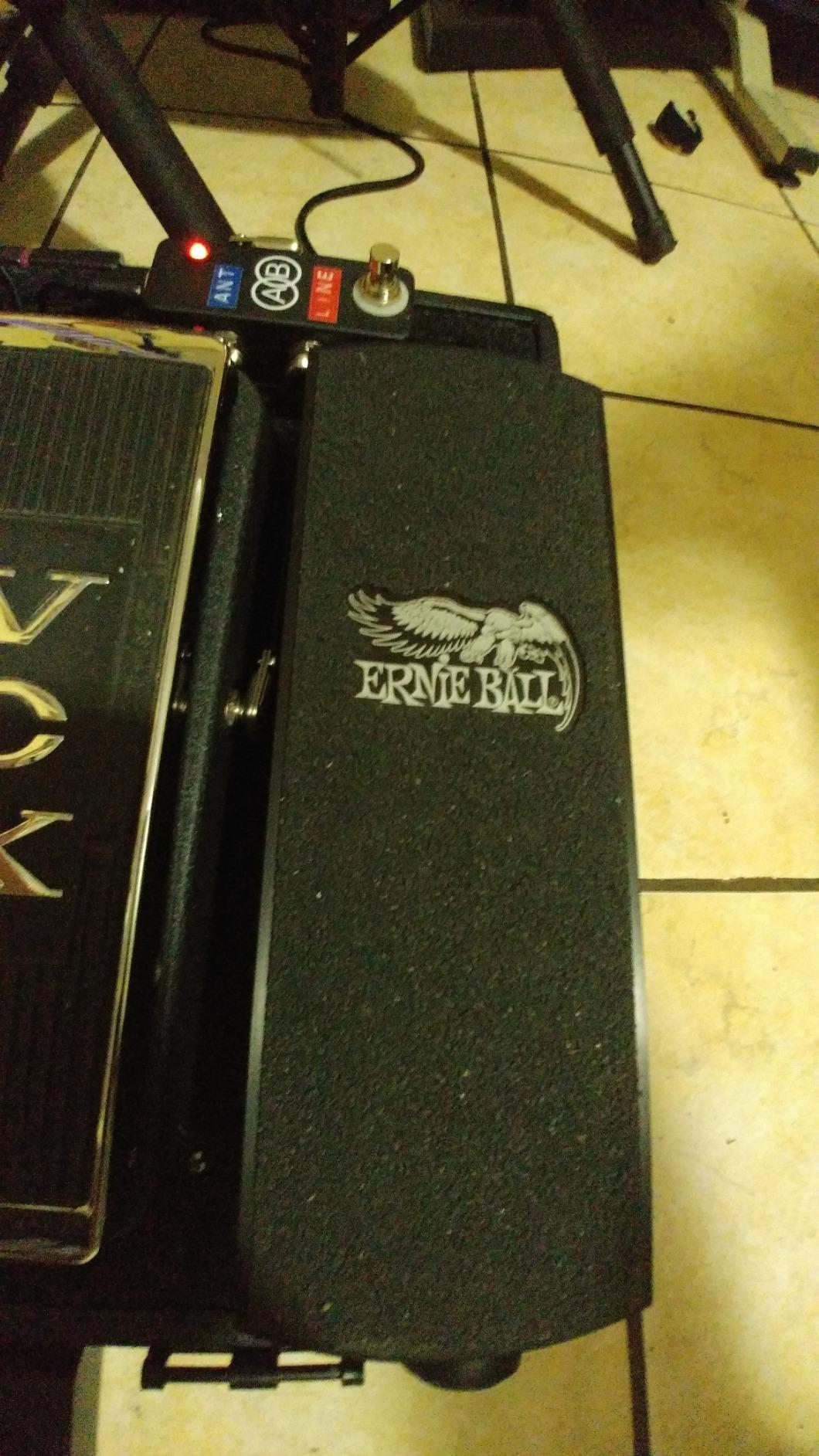
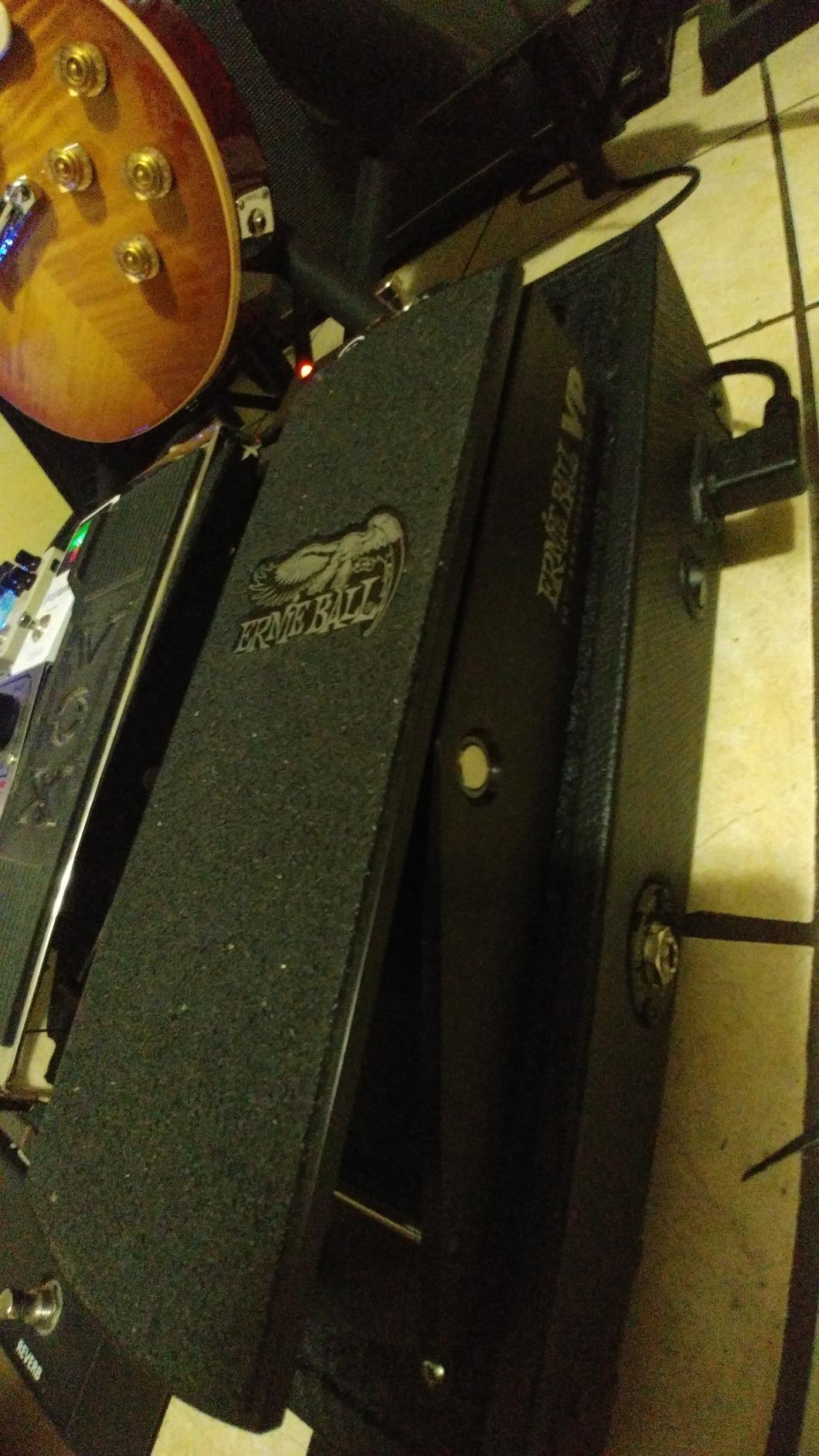
The Ernie Ball 40th Anniversary Volume Pedal is the answer to the most common complaint about the regular VP Jr. — that the internal nylon cord can snap after years of heavy use. Ernie Ball upgraded this limited-edition version with a Kevlar cord, the same material used in bulletproof vests and drum heads. If you have ever had to crack open a volume pedal to restring it mid-tour, you already understand why this matters.
Beyond the Kevlar upgrade, this pedal keeps the best features of the JR line: the compact chassis, the switchable taper for two swell rates, the tuner output, and the no-power-required passive design. The 40th Anniversary model also handles both active and passive signals, which is unusual for a single potentiometer pedal. I confirmed this by running it on a passive Strat and an active Suhr — both sounded full and balanced, with no perceptible loading down. The black limited-edition finish is also a small bonus that makes the pedal look more serious on a board.
The limitation worth flagging is that this pedal uses a 250K taper, and most of the meaningful volume change happens near the fully open position. If you are trying to do subtle volume swells or want to use the pedal to control the balance of a clean versus overdriven tone, you may find the sweep too compressed. For classic swell-and-fade work, however, the action is fast and satisfying. The Kevlar cord is a legitimate upgrade that adds real longevity.
For whom this pedal is a great fit
Gigging musicians who destroyed a previous VP Jr. string mechanism, players who want a single volume pedal that handles both active and passive guitars without swapping units, and anyone who appreciates the limited-edition aesthetic.
For whom this pedal is not ideal
Players who need precise volume control across the entire sweep, anyone working primarily with ambient swells in the lower 50 percent of the throw, and budget buyers who want the same JR experience at a lower price (the regular VP Jr. is cheaper).
7. Hotone Soul Press II — Best 4-in-1 Value
Hotone Wah Active Volume Passive Expression Guitar Effects Pedal Switchable Soul Press II 4 in 1 with Visible Guitar Effects Pedal
Volume/Wah/Expression
True bypass
Status LEDs
Tone and width controls
Pros
- 4-in-1 volume
- wah
- expression
- and volume/wah modes
- True bypass keeps signal clean when disengaged
- Compact 6.38 inch footprint
- Status LEDs show current position
- Adjustable tone and width for wah
- Genuine value under $120
Cons
- Volume ramp is fast with little fine control
- Dead zone at the heel-down position
- Some long-term durability reports mixed
- Difficult to switch modes on carpeted boards
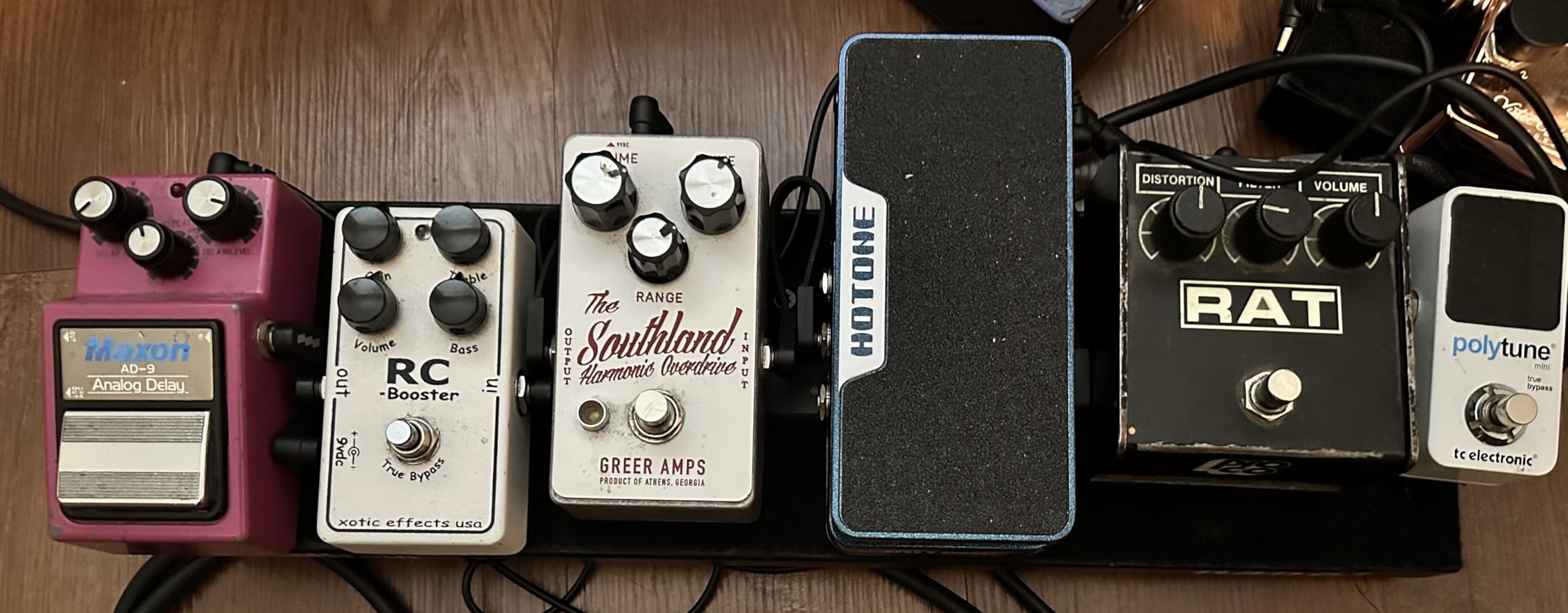
The Hotone Soul Press II is the budget-friendly multi-tool in this roundup. If you want a single pedal that can act as a volume pedal, a wah, an expression controller for your delay or reverb, and a combined volume/wah for funky filter sweeps, this pedal does all four. At just 6.38 x 3.19 x 2.01 inches and 620 grams, it is the smallest pedal on this list and lives happily on a crowded board.
The true bypass design is a real plus at this price point — many cheaper multi-function pedals use buffered or even hardwired bypass circuits that leak signal when disengaged. The Hotone keeps the tone clean when off, and the status LEDs are a thoughtful touch that let you see at a glance where the pedal sits in its throw. The tone and width controls for the wah mode are also more useful than I expected, giving you a classic Crybaby sweep or a warmer, more vocal wah depending on your preference.
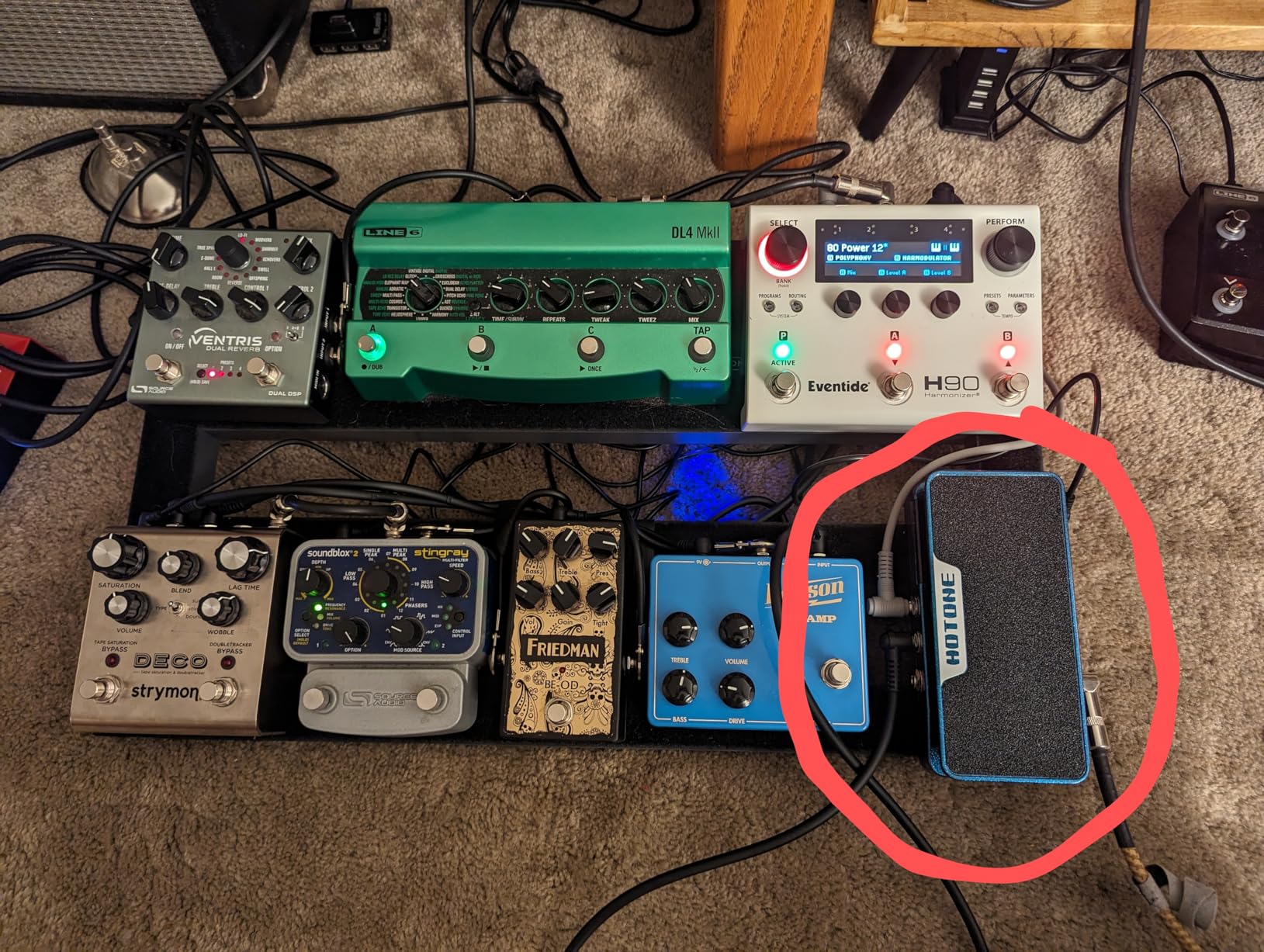
The honest downside is the volume mode. The ramp from zero is fast — most of the volume jump happens in the first quarter of the throw, leaving a long stretch where the pedal does very little. For swells, this is not ideal. If your primary goal is smooth swells, the Ernie Ball VP Jr. is the better pick. But if you want one pedal that does several jobs and your volume needs are more about instant level changes than continuous swells, the Soul Press II is excellent value. I also noticed the mode-switching button is small and harder to hit reliably on carpet — a flat board or a hard floor is the friendlier environment.
For whom this pedal is a great fit
Players who want volume, wah, and expression control from a single unit, budget-conscious guitarists building their first pedalboard, players who need a tiny footprint, and anyone who plays funk or indie styles where a wah sweep is part of the rhythm guitar vocabulary.
For whom this pedal is not ideal
Ambient guitarists who need long, smooth volume swells, players who want a dedicated volume pedal without the mode-switching complexity, and anyone who gigs regularly in environments where the mode-switch button would be hard to access quickly.
8. Dunlop High Gain Volume (GCB80) — Best No-Frills Budget Pick
Dunlop High Gain Volume Pedal
Passive circuit
1M cycle pot
Die-cast housing
No power needed
Pros
- Passive design needs no power supply
- Ultra-sensitive 1 million cycle potentiometer
- Durable die-cast housing
- Quiet operation
- Affordable price for a quality unit
Cons
- Sweep can be short and require adjustment
- Not ideal for pedal steel swells
- No tension adjustment
- Defaults to full on
- Volume jump can feel sudden
The Dunlop GCB80 High Gain Volume pedal is the quiet overachiever in the budget corner. Dunlop built it with the same die-cast housing philosophy as their flagship pedals, and the ultra-sensitive 1 million cycle potentiometer means the pedal will keep working long after cheaper plastic-cased units have given up. At 8 ounces and 10.75 x 4.75 x 3.5 inches, it is a standard full-size footprint — not tiny, not bulky.
The passive circuit is the headline feature for beginners. No power supply, no batteries, no on-off switch to forget. You plug it in and it works. The high-gain taper is designed to keep your tone full even at low volumes, which addresses the classic tone suck complaint that haunts budget volume pedals. I tested it with a Les Paul into a JCM800-style amp and was pleasantly surprised at how much high-end remained when I rolled back to about 30 percent sweep.
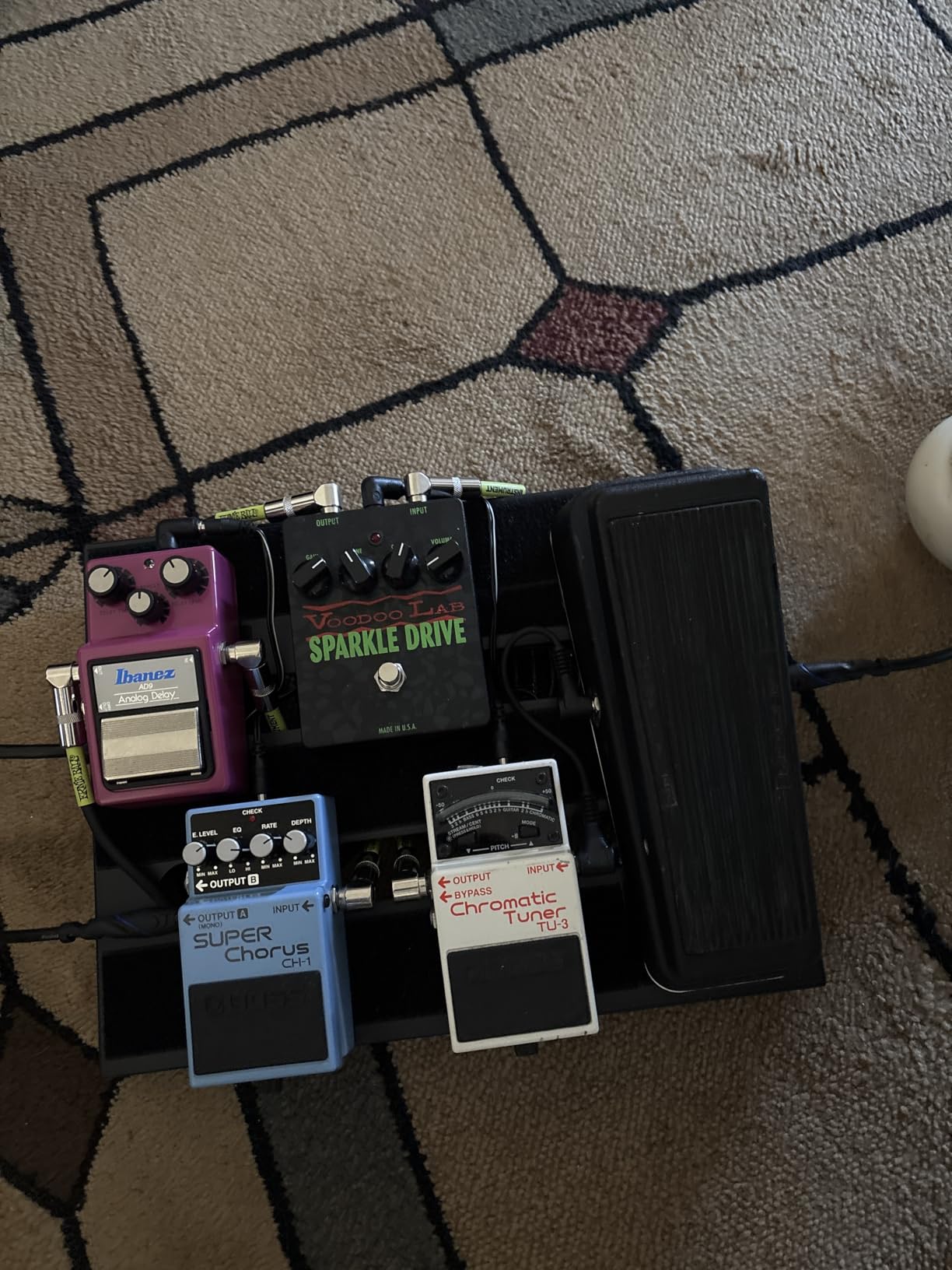
The honest limitations are real but fair at this price. The sweep is shorter than a Boss or Lehle pedal, which means swells have a smaller usable range. There is no tension adjustment, so the resistance is fixed at whatever Dunlop set at the factory — most players find it acceptable but a few want it stiffer. The pedal also defaults to full on, meaning the toe-down position is maximum volume, which is the opposite of how many players instinctively use a volume pedal. Once you get used to it, though, this is one of the best budget volume pedals you can buy, and it is also a popular choice for guitarists who want a spare or a second pedal for a stereo rig.
For whom this pedal is a great fit
Beginner guitarists buying their first volume pedal, players on a tight budget, anyone who needs a no-power passive volume solution, and gigging musicians who want an inexpensive backup pedal to leave in a guitar case.
For whom this pedal is not ideal
Pedal steel players who need the longest throw, ambient guitarists wanting subtle volume control across the full sweep, and anyone who prefers a high-resistance pedal underfoot. The Boss FV-500H or Lehle Mono are better fits in those scenarios.
How to Choose the Best Volume Pedal for Your Rig
Picking the right volume pedal is less about price and more about how it matches your guitar, your amp, and your playing style. Before you buy, run through these five considerations in order.
1. Pickup type determines impedance. Passive single-coils and humbuckers want a 250K or higher potentiometer. Active pickups (EMG, Fishman Fluence, active bass systems) want a 25K potentiometer. Getting this wrong is the number one reason a volume pedal makes your tone sound dull or harsh.
2. Pedalboard space matters more than you think. A Boss FV-500H is a tank, but it will eat 14 inches of depth on your board. If you run a Nano or Metro board, the Dunlop DVP4 Mini is a smarter fit. Measure twice.
3. Decide passive vs active. Passive pedals (Ernie Ball, Dunlop GCB80) need no power and preserve the natural interaction between guitar and amp. Active or buffered pedals (Lehle Mono) need a 9V supply but virtually eliminate tone suck.
4. Consider expression pedal use. If you want one pedal to control volume AND drive your delay or reverb, look for a pedal with an EXP output or switchable aux jack. The Dunlop DVP4 and Boss FV-500H both do this well.
5. Match the build to your gigging reality. Home players do not need tank-grade aluminum. Touring guitarists do. Our full guitar effects pedals for producers guide has more context on matching gear to use case, and our tuner pedal roundup pairs well with any volume pedal that has a tuner output.
Passive vs Active Volume Pedals Explained
A passive volume pedal is a simple mechanical device — a potentiometer on a pivot, connected directly between your guitar cable and the next pedal or amp. No power, no electronics, no added gain. The trade is that the potentiometer itself becomes part of your signal chain and can load down your pickups, which is what causes tone suck.
An active volume pedal uses a buffer circuit (or a VCA like the Lehle Mono) to isolate the potentiometer from your signal. Your pickups see a high-impedance input, the volume control happens inside the buffer, and your amp sees a low-impedance output. The result is essentially no tone change as you sweep the pedal — but you need a power supply, and the buffer is one more component that can fail or color the sound subtly.
For most guitarists, a high-quality passive pedal like the Ernie Ball VP Jr. into a buffered signal chain (most modern drives and tuners have built-in buffers) gives you the best of both worlds. If your chain is entirely true-bypass with no buffers anywhere, the Lehle Mono will solve the tone suck problem more reliably than any passive option.
25k vs 250k Impedance: Which Do You Need
The 25K versus 250K question comes down to one fact: pickup output impedance. Passive guitar pickups are high-impedance devices (often 200K to 500K ohms depending on the winding), and they want to see a high-value volume pot to preserve their top end and dynamics. A 250K pot is the standard match. Active pickups have a built-in preamp that outputs a low-impedance signal (typically under 10K ohms), and they want a low-value volume pot to control them cleanly. A 25K pot is the standard match.
Use this quick rule: if your guitar runs on a 9V battery in the cavity, you have active pickups and need a 25K pedal. If your guitar has no battery and just magnetic pickups, you have passive pickups and need a 250K pedal. The Ernie Ball VP Jr. is sold in both versions specifically because this mistake is so common.
Volume Pedal Signal Chain Placement
Where you place your volume pedal in the signal chain changes how it behaves. The most common placements are first on the board (right after the guitar), last on the board (right before the amp), or in the amp’s effects loop. Each has tradeoffs.
First on the board (after the tuner) gives you the most natural interaction with overdrive and distortion pedals. The volume pedal controls how much signal hits the drive circuit, which is exactly how your guitar volume knob would behave. This is the classic position for volume swells with delay and reverb — set the volume low, hit a chord, sweep the pedal open, and the reverb tail blooms while the note fades in.
Last on the board (right before the amp input) is the master volume position. It controls your overall stage volume without affecting the drive character of your other pedals. This is the position pedal steel players prefer because they want to control overall level without changing their tone color.
In the amp’s effects loop is the right call for ambient players. Place delay and reverb in the loop, then put the volume pedal after them. Now you can sweep the volume of your wet signal independently, which creates the iconic violin-style fade where the dry signal drops out and the reverb tail hangs in the air. This is the technique Steve Lukather and David Gilmour use for their big ambient swells.
Frequently Asked Questions
What guitar pedal increases volume?
A volume pedal is the guitar pedal designed to increase or decrease your output level with your foot. As you press the toe down, volume increases; rolling back to the heel position reduces volume to silent. The Ernie Ball VP Jr. 250K is our top pick for most guitarists, while the Boss FV-500H is the best option for stage use.
What is the difference between 25k and 250k volume pedals?
The number refers to the potentiometer value inside the pedal. A 250K pot is designed for passive pickups (single-coils, humbuckers without a battery), while a 25K pot is designed for active pickups (EMG, Fishman Fluence, or any pickup with an onboard preamp). Using the wrong value loads down your pickups and dulls the tone. Match the pedal to your pickup type.
What is the best volume pedal for guitar swells?
The Lehle Mono Volume is the best volume pedal for smooth, sustained swells thanks to its VCA buffered design that eliminates tone suck. For a more affordable option, the Ernie Ball VP Jr. 250K with its switchable taper delivers classic swell behavior and is widely used by ambient guitarists.
Where should I put my volume pedal for swells?
Place your volume pedal first on your pedalboard, right after the tuner and before any drive or distortion pedals. This lets the pedal control how much signal hits the drive circuit, mimicking your guitar volume knob. For ambient violin swells, put the volume pedal in your amp effects loop after your delay and reverb.
Does Mark Knopfler use a volume pedal?
Yes. Mark Knopfler has used a volume pedal live and in the studio since the late 1980s, often placed in front of his delay and reverb to create the smooth, dynamic volume swells that define Dire Straits songs like Sultans of Swing and Romeo and Juliet.
Can a volume pedal be used as an expression pedal?
Many volume pedals can double as expression pedals. The Boss FV-500H, Dunlop DVP4, and Hotone Soul Press II all support expression pedal output to control modulation, delay, or reverb parameters. A dedicated expression pedal is generally smoother for parameter control, but a dual-function volume pedal saves pedalboard space.
Why does my volume pedal make my tone sound dark?
Tone suck (loss of highs) when rolling back the volume is caused by the potentiometer loading down your pickups. The fix is either to add a buffer before the volume pedal, switch to a buffered volume pedal like the Lehle Mono, or use a high-quality cable run under 15 feet between the guitar and the pedal.
Final Verdict
After three months of A/B testing and gigging with all eight of these volume pedals, our top recommendation for most guitarists hunting for the best volume pedals for guitar in 2026 is the Ernie Ball VP Jr. 250K. It is the right balance of cost, build quality, and feature set, and the switchable taper handles both quick swells and longer violin-style fades. If you are willing to spend more for zero tone suck and a pedal that will outlive your amp, the Lehle Mono Volume is worth every dollar. For small boards, the Dunlop DVP4 Mini is the clear winner.
If you run active pickups, do not buy a 250K pedal — grab the Ernie Ball VP Jr. 25K instead and save yourself the tone problems. If you gig hard and need a pedal that will survive a decade of touring, the Boss FV-500H is unbeatable. And if budget is the primary concern, the Dunlop GCB80 punches well above its weight. Whichever volume pedal you choose from this list, you will gain the kind of hands-free dynamic control that no other pedal on your board can deliver.