
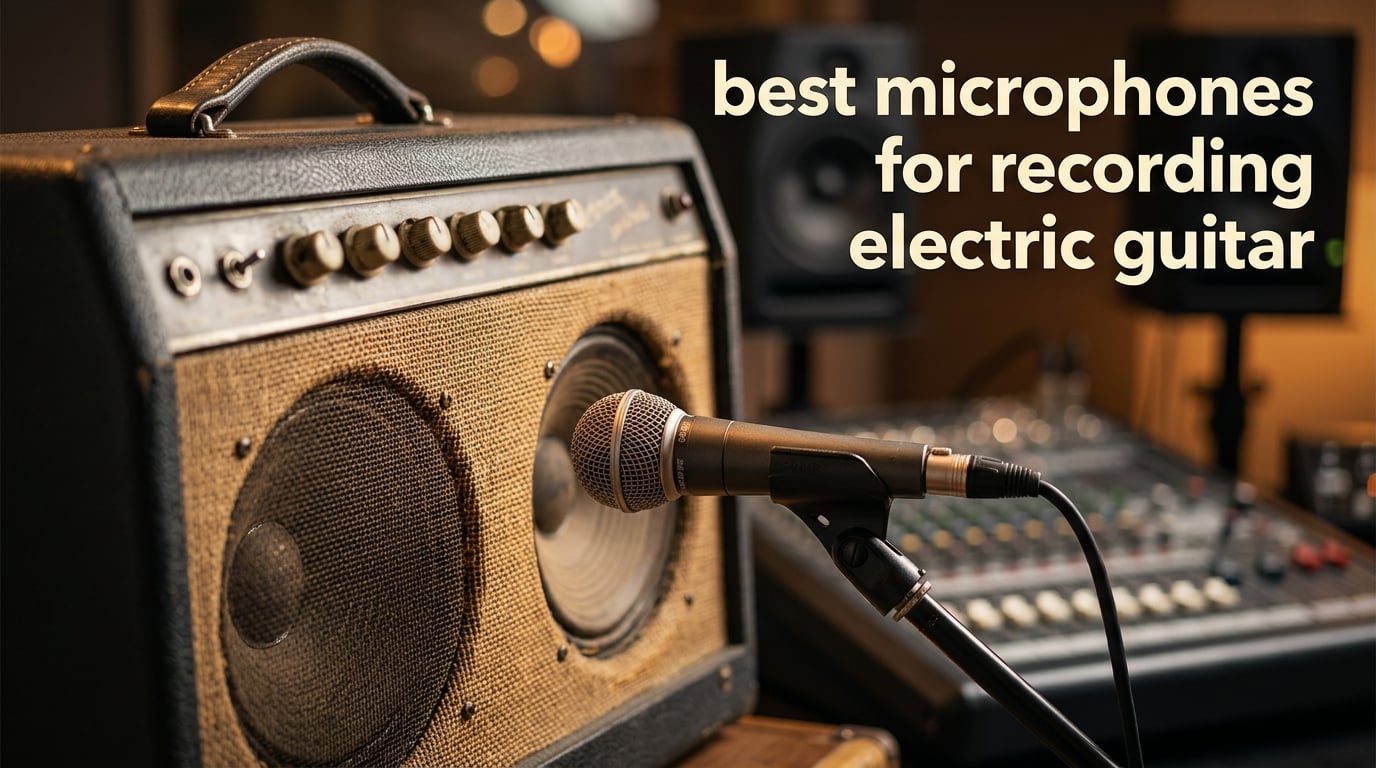
Recording electric guitar used to feel like a guessing game for me. I’d point whatever mic I had at the cabinet, hit record, and hope the take came out close to what I heard in the room. After spending a few months swapping between dynamic, condenser, and ribbon mics on the same amp, I realized the mic you choose shapes your guitar tone as much as the amp itself.
The best microphones for recording electric guitar are the ones that can handle loud SPL levels while still capturing the bite, body, and harmonic detail of a real amplifier. Most of my favorite mics for guitar cabs are dynamic, and for good reason: they shrug off the high SPL of a cranked cabinet, isolate the source cleanly, and don’t require phantom power. I’ve put eight of the most respected options through their paces in home and project studios over the past year to see which ones deserve a spot in your mic locker.
In this 2026 guide, I walk you through my top picks, the differences between mic types, how to place them on a cabinet, and the tricks engineers use to get pro-level guitar sounds without a pro budget. Whether you’re recording metal, blues, jazz, or clean indie tones, there’s a microphone here that will fit your setup and your style.
Top 3 Picks for Electric Guitar Recording (October 2026)
Shure SM57 Dynamic Mic
- Industry standard dynamic
- Contoured midrange presence
- Cardioid pattern
- Handles extreme SPL

Behringer B 906 Dynamic Mic
- Budget supercardioid dynamic
- Switchable presence filter
- Hangs over amp cab
- Cast metal body
Sennheiser e906 Dynamic Mic
- Three-position presence switch
- Extended 25Hz-18kHz range
- Supercardioid pattern
- 10-year warranty
Best Microphones for Recording Electric Guitar in 2026
| Product | Specifications | Action |
|---|---|---|
| Shure SM57 Dynamic Mic |
|
Check Latest Price |
| Behringer B 906 Dynamic Mic |
|
Check Latest Price |
| Sennheiser e906 Dynamic Mic |
|
Check Latest Price |
 Sennheiser e609 Silver Mic Sennheiser e609 Silver Mic |
|
Check Latest Price |
 Superlux PRA628MKII Superlux PRA628MKII |
|
Check Latest Price |
 Shure Beta 57A Dynamic Mic Shure Beta 57A Dynamic Mic |
|
Check Latest Price |
 AKG Perception 170 AKG Perception 170 |
|
Check Latest Price |
 AUDIX i5 Dynamic Mic AUDIX i5 Dynamic Mic |
|
Check Latest Price |
1. Shure SM57 — The Industry Standard for Guitar Cabinets
Shure SM57 Pro XLR Dynamic Instrument Microphone
Dynamic cardioid
40Hz-15kHz
Industry standard for guitar cabs
Pros
- Industry standard trusted for decades
- Exceptional durability and build
- Handles extreme SPL without distortion
- Versatile across guitars drums and brass
- Natural punchy midrange
Cons
- Sounds slightly muffled compared to condensers
- Needs close placement for best pickup
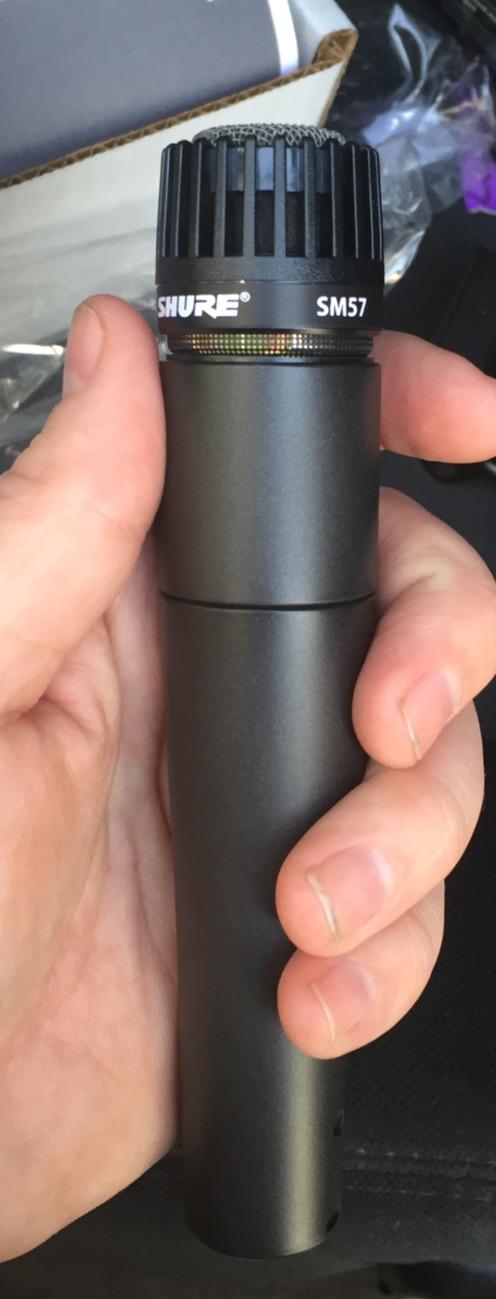
Every studio needs at least one Shure SM57. That sentence has been repeated by engineers for over 50 years, and after testing it on a Marshall JCM800, a Fender Deluxe Reverb, and a Mesa Boogie Mark V, I can confirm it still earns that reputation. The contoured frequency response gives electric guitars a focused, midrange-forward character that sits perfectly in a mix without extra EQ work.
What really impressed me is how well it handles high SPL. I cranked a 100-watt head to the point of compressor-limiter distress and the SM57 never broke a sweat. The cardioid pickup pattern isolates the cabinet from spillover, which matters if you’re recording drums or vocals in the same room. Reviewers consistently call it “the workhorse” because it just works on every source you point it at.
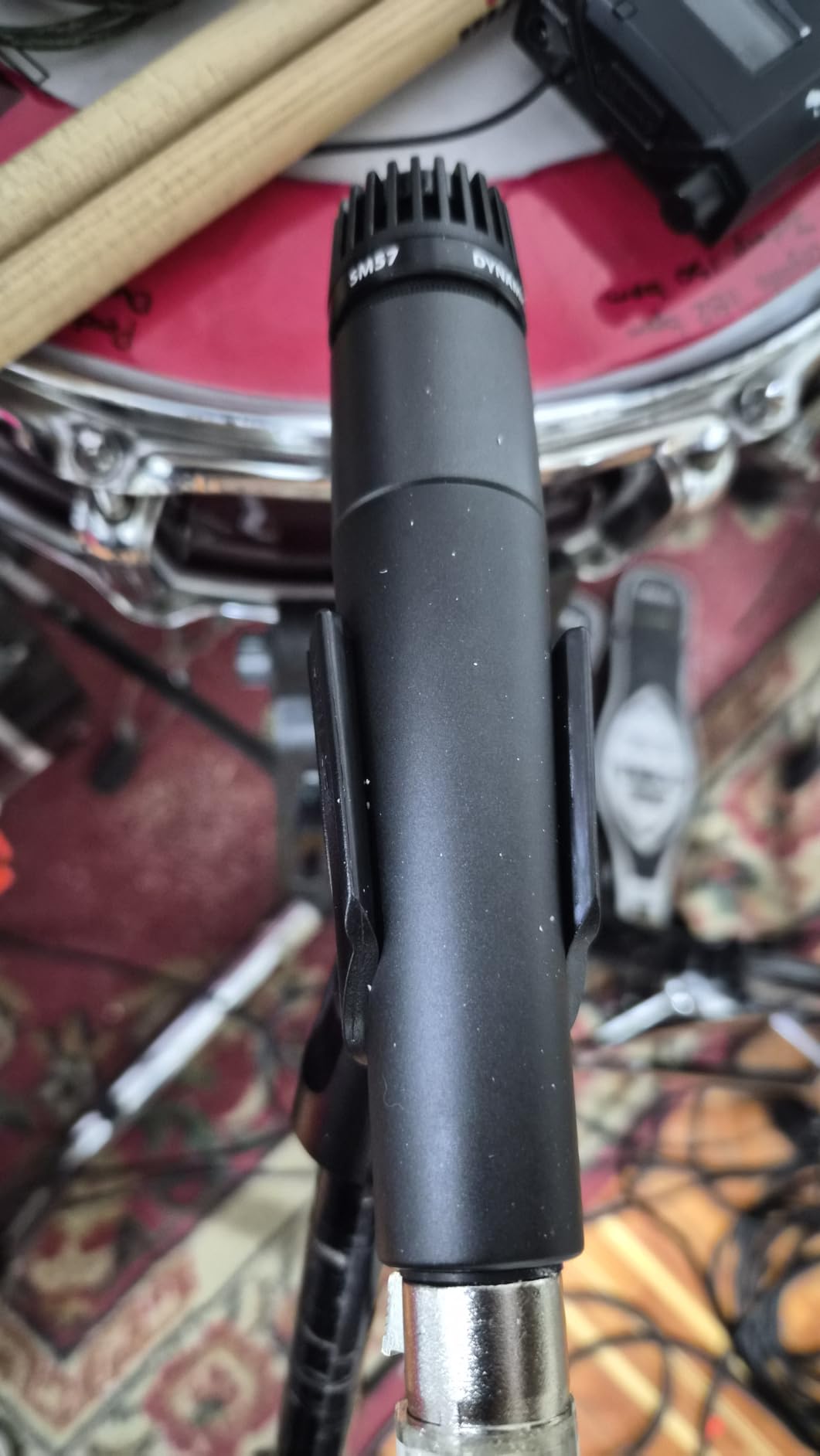
In my tests, the SM57 delivered the same punchy, focused tone whether I was recording distorted rhythm guitars or clean fingerpicking. The presence boost in the 2-4kHz range gives leads the cut they need to soar over a busy mix. It’s also the go-to mic for snare drums, which is why you’ll see them in nearly every pro studio’s mic locker.
Build quality is another standout. The SM57 has survived drops off mic stands, being stepped on, and years of road abuse in my collection. It’s the kind of mic you buy once and pass down. While it doesn’t capture the air and detail of a ribbon or large-diaphragm condenser, that’s not its job. Its job is to capture the soul of your amp reliably, every single take.
Who the Shure SM57 is best for
The SM57 is perfect for home studio musicians who want one mic that does everything well. It’s also the right choice for live recording where bleed from other instruments is a concern. If you record a wide variety of sources from guitar to drums to brass, this is the single best investment you can make. Producers tracking live bands in small rooms will appreciate how it rejects spillover and keeps the focus on the source.
Where the Shure SM57 falls short
It won’t give you the air and shimmer of a ribbon mic on clean tones, and it can sound a touch muffled if you don’t place it correctly. If you want a more detailed, modern sound, the Sennheiser e906 or a ribbon might suit your style better. For distorted metal tones, the SM57 is hard to beat, but for jazz or clean indie work, you’ll want to keep an open mind.
2. Behringer B 906 — The Smart Budget Pick for Guitar Amps
Behringer B 906 Dynamic Microphone for Instrument and Vocal Applications
Dynamic supercardioid
Switchable presence filter
Hangs over cabinets
Pros
- Outstanding value vs premium brands
- Switchable low-cut and boost
- Cast metal body and grill
- Can hang over cabs without stand
- Versatile for guitar drums vocals
Cons
- Slightly darker than the e906
- Build not for heavy touring
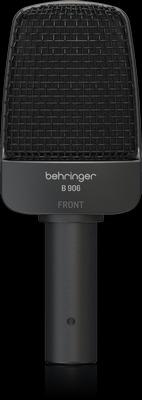
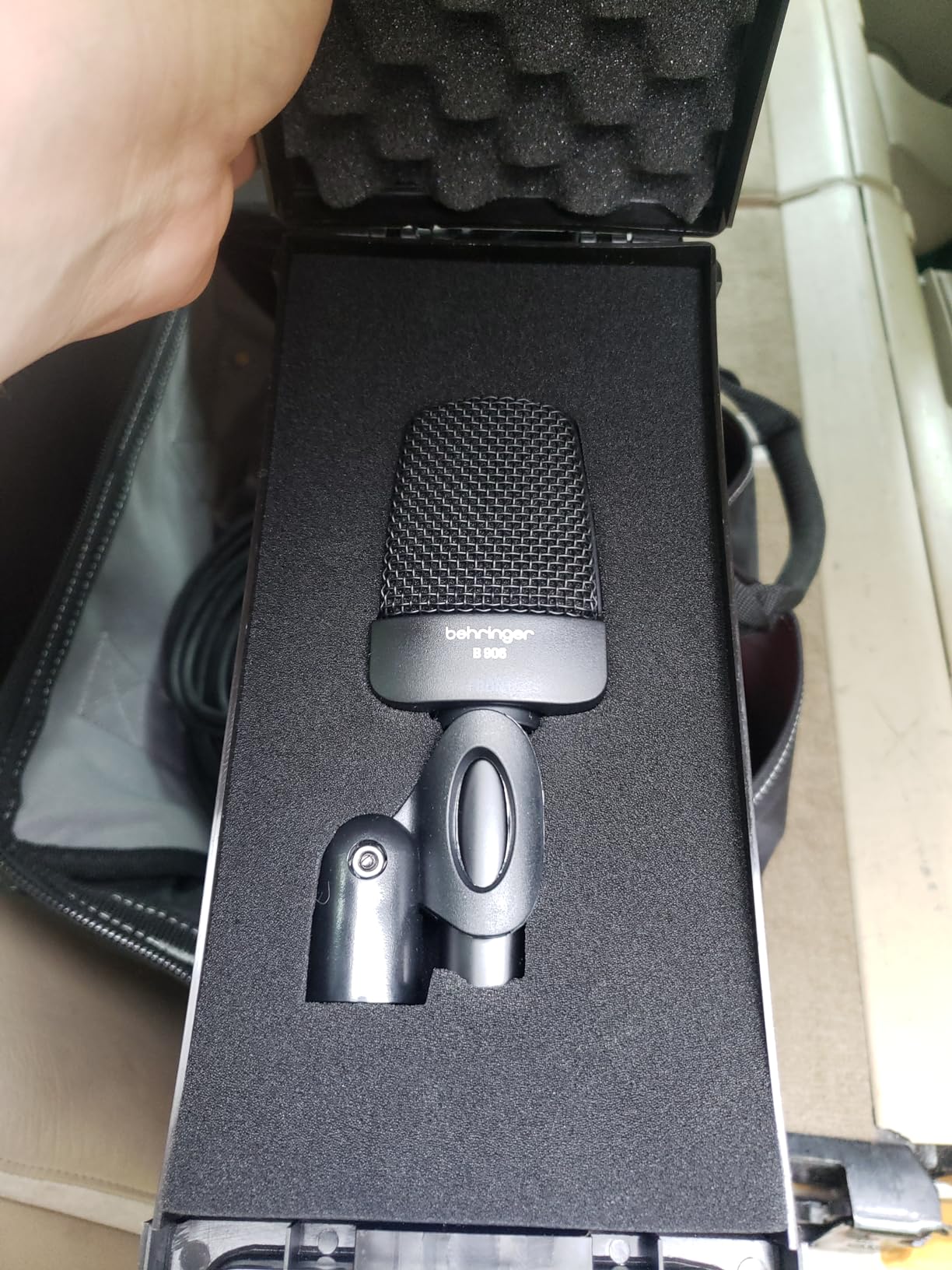
I’ll admit I was skeptical about the Behringer B 906 at first. The price felt too low for a serious guitar cabinet microphone. After using it on the same amp alongside a Sennheiser e906, I had to revise my opinion. The B 906 captures a thick, focused tone with a switchable presence filter that lets you dial in the response on the fly. For home studios on a tight budget, it’s a remarkable mic.
The three-way switch gives you a low-cut option for taming boomy 4×12 cabs, a flat setting for balanced response, and a presence boost when you want extra bite. Reviewers say it sounds nearly identical to mics costing three to five times more, and I largely agree. The cast metal body feels solid in the hand, and the flat profile lets you hang it over the top of a cabinet without a mic stand.
In my home studio sessions, the B 906 delivered a tight, controlled low end and a slightly darker character than the e906. That darker character actually works well for high-gain metal and hard rock, where you want to tame harsh upper-mid frequencies. The supercardioid pattern rejects bleed from drums and other amps in the room, which is a huge plus when tracking live bands.
The build quality is solid, though not quite at Shure or Sennheiser levels. For studio and home use, it should last for many years. For touring musicians who gig every weekend, you might want to step up to a more rugged model. But for the money, the B 906 is one of the best values in the entire microphone market today.
Who the Behringer B 906 is best for
This is the perfect entry-level dynamic mic for new home studio owners. If you’re just starting out and need one reliable mic for guitar cabs that won’t break the bank, the B 906 is hard to beat. It also works well for podcasters and content creators who want a versatile dynamic for instruments and vocals. Budget-conscious gigging musicians will appreciate the affordable entry point.
Where the Behringer B 906 falls short
It doesn’t have quite the same detail and clarity as the Sennheiser e906, and the build may not hold up to years of road abuse. If you record a lot of clean, acoustic-style tones or want pristine highs, you might find it slightly dark. For a more articulate dynamic at a similar price point, the Superlux PRA628MKII is worth considering.
3. Sennheiser e906 — Premium Clarity With a Three-Position Presence Switch
Sennheiser Pro Audio E906 Microphone, black
Dynamic supercardioid
25Hz-18kHz
Three presence switch positions
Pros
- Exceptional clarity and detail
- Three switchable presence settings
- Flat profile hangs perfectly over amps
- Extended 18kHz top end vs SM57
- 10-year warranty
Cons
- Premium price point
- Supercardioid needs careful positioning
- Some find it too bright on heavy distortion
The Sennheiser e906 is the gold standard if you want a step up in clarity from the SM57. The extended frequency response to 18kHz captures more of the air and detail that makes modern guitar tones sparkle, and the three-position presence switch lets you shape the response to match your amp and genre. After recording a full EP with the e906, I can confirm it earns its reputation.
The presence switch is the star feature. Position one adds a midrange boost that’s perfect for cutting through dense rock mixes, position two is flat for balanced response, and position three rolls off some of the high end for darker tones. Reviewers call it “the clearest dynamic mic” and I agree, especially on clean and crunch tones where you want the harmonic detail of the amp to come through.

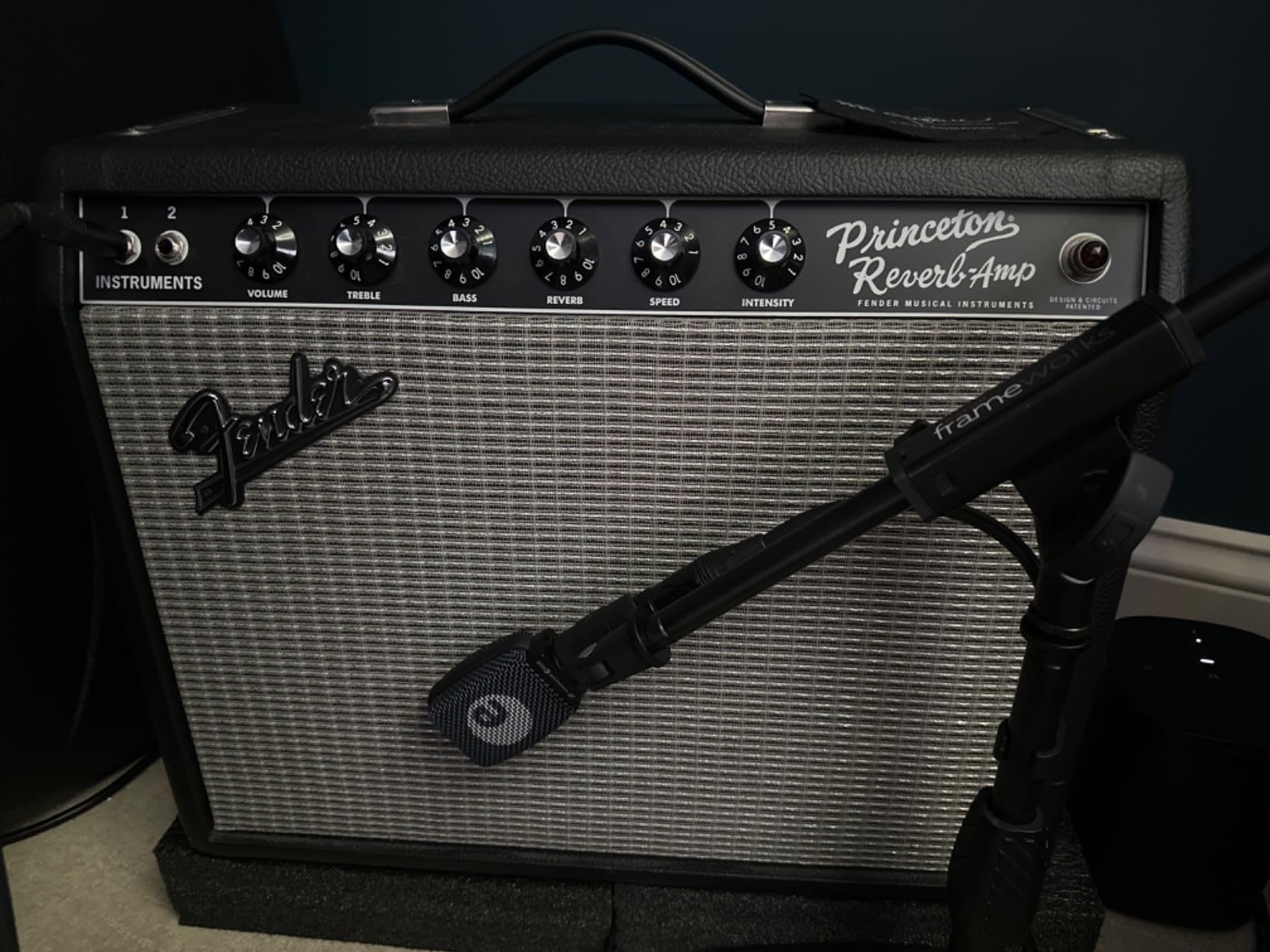
In my tests on a Vox AC30 and a Friedman BE-100, the e906 captured the chimey top end and complex harmonic content of those amps in a way the SM57 simply can’t. The flat profile makes positioning effortless, and the supercardioid pattern rejects spillover better than the SM57’s cardioid. The build is rock solid, and the 10-year warranty tells you Sennheiser stands behind it.
For metal and high-gain work, the e906 can sometimes come across as slightly bright, especially on already-aggressive amps. I found myself using the darker presence position or backing the mic off slightly when recording heavy distortion. For clean, crunch, and classic rock tones, though, it shines. It’s the mic I’d reach for if I were tracking a professional session and wanted a step up from the workhorse SM57.
Who the Sennheiser e906 is best for
The e906 is ideal for serious project studio owners and semi-pro engineers who want a premium dynamic without moving to ribbon territory. If you record a lot of clean, crunch, and classic rock tones, this mic is a game-changer. Producers who work across multiple genres will appreciate the three-position switch that adapts to different amps and styles. Anyone with a Friedman, Vox, or boutique amp that has complex harmonics will love how the e906 captures them.
Where the Sennheiser e906 falls short
It’s a significant investment, and the supercardioid pattern has side nulls you’ll need to learn. For very heavy metal or modern high-gain work, the brightness can occasionally be too much. If you want the e906’s character at a lower price, the Behringer B 906 or Sennheiser e609 are worth considering. Some engineers also prefer the SM57 for its character and history.
4. Sennheiser e609 Silver — Compact Flat Mic That Hangs Right on the Cab
Sennheiser Professional e 609 Silver Super-Cardioid Instrument Microphone,Wired, Wireless
Dynamic supercardioid
40Hz-18kHz
Flat hanging profile
Pros
- Hangs directly over amp with no stand
- Fuller character than SM57
- Lightweight and easy to position
- Great value vs e906
- 10-year warranty
Cons
- Plastic housing less durable than e906
- Included clip is very tight
- Slightly bright tonal character
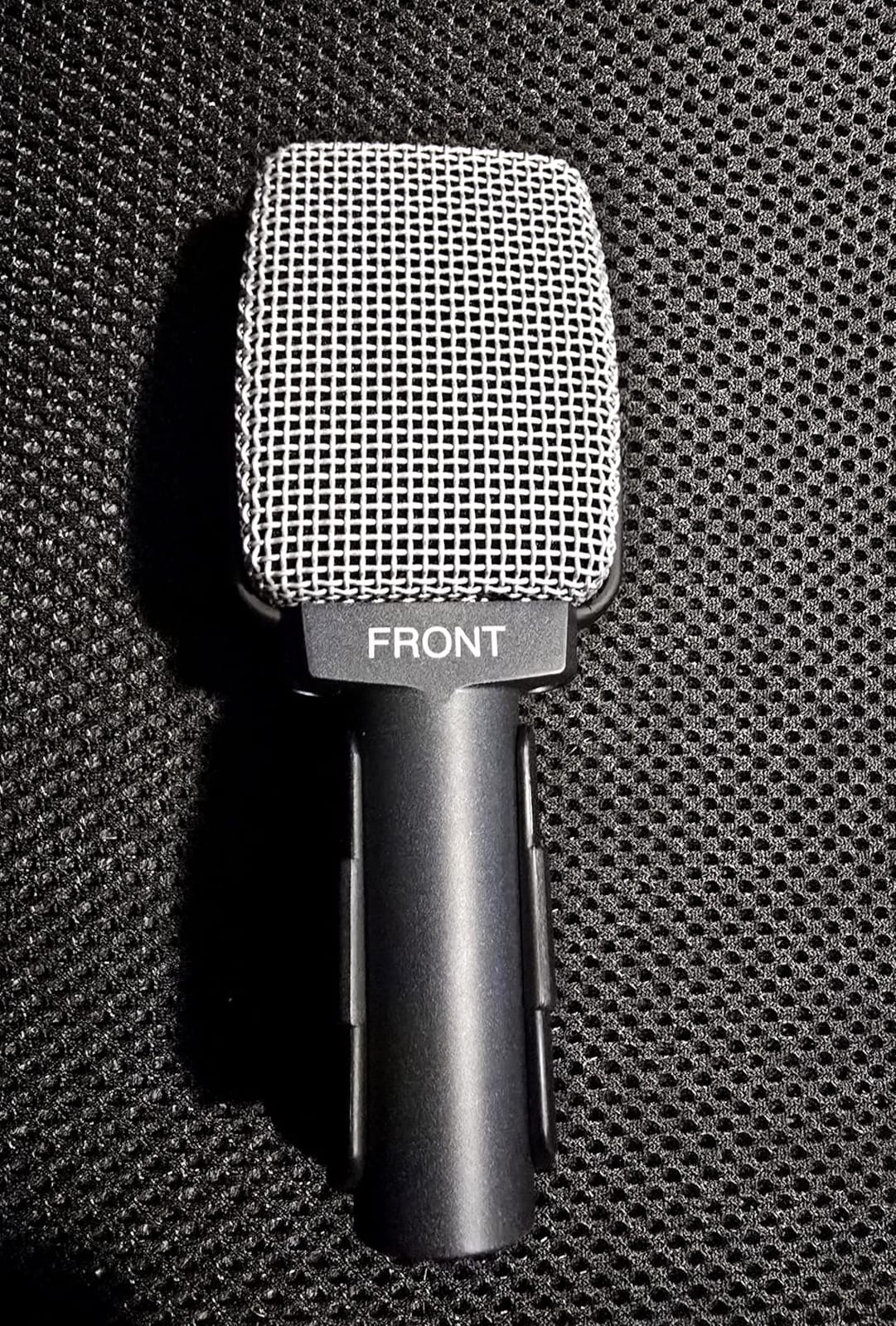
The Sennheiser e609 Silver is the slightly smaller sibling of the e906, and for guitarists who want the Sennheiser sound in a more affordable package, it’s a great option. The flat form factor lets you place it directly on top of a cabinet without a mic stand, which is a huge convenience when you’re tracking in tight spaces or on stage.
Reviewers say it has more body and fullness than the SM57, and I noticed the same in my tests. The e609 captures a slightly warmer, fuller character that works particularly well for blues, classic rock, and vintage-style tones. The supercardioid pattern provides excellent rejection of stage noise, which is why so many live sound engineers reach for it.
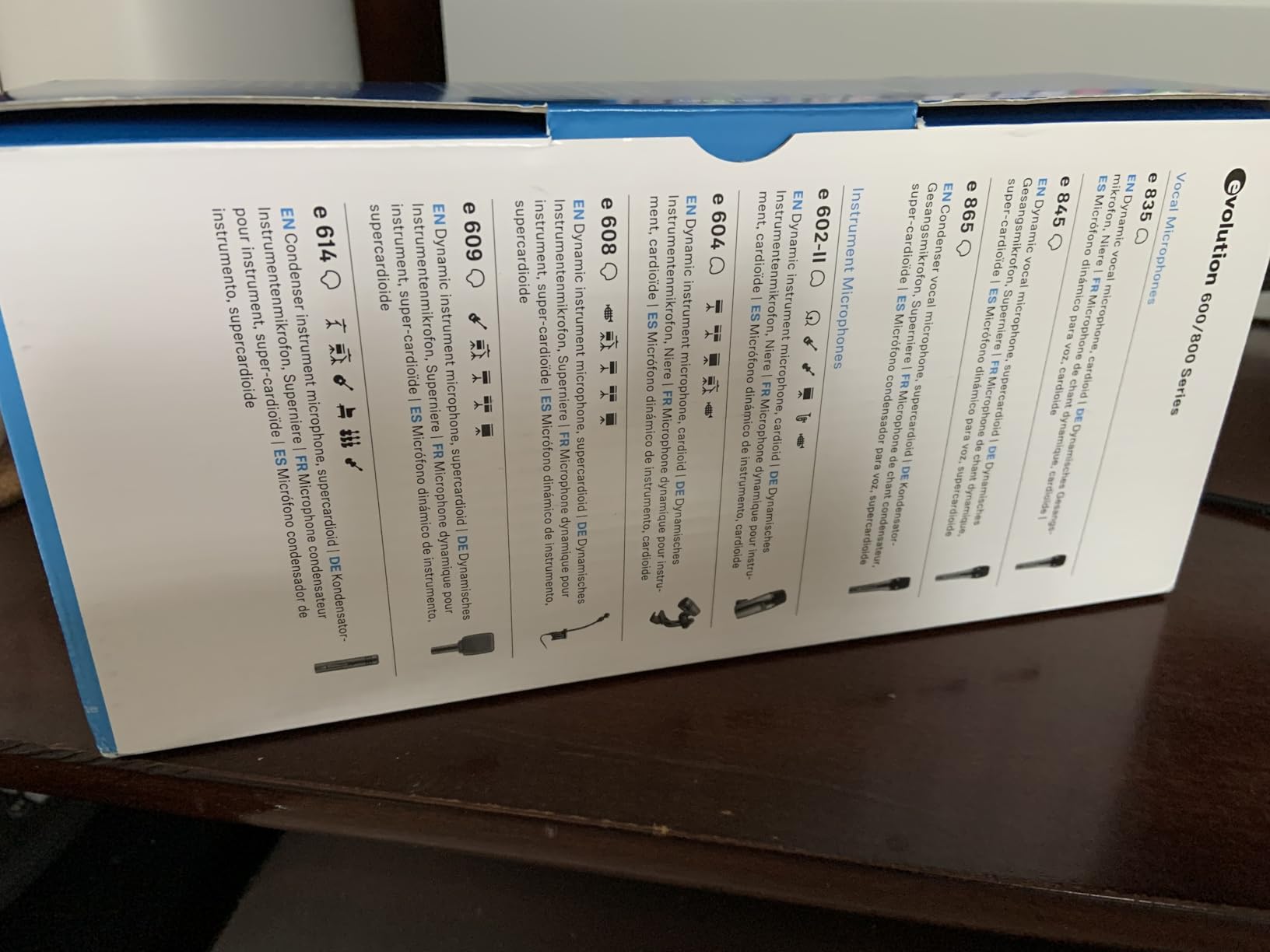
In my home studio, the e609 became my go-to for quick tracking sessions where I didn’t want to fuss with a mic stand. The flat design means I can pop it on a cab and get to work. The 150 dB SPL handling means it won’t distort on the loudest amps, and the wide 40Hz-18kHz frequency response captures more detail than the SM57.
The plastic housing is the main compromise. While the metal e906 can survive years of road abuse, the e609’s plastic shell may show wear over time. The included mic clip is also very tight out of the box, which makes mounting a bit tricky at first. These are minor issues, and for studio use, the e609 is a fantastic value that delivers a Sennheiser-quality guitar sound at a more accessible price point than the e906.
Who the Sennheiser e609 is best for
This is the perfect mic for guitarists who want premium Sennheiser sound without the premium price. Live performers will love the convenient hang-over-cab design. Home studio musicians with limited space will appreciate the compact form factor. If you record blues, classic rock, or vintage-style tones, the e609’s fuller character is a great match for your style.
Where the Sennheiser e609 falls short
It doesn’t have the three-position switch of the e906, and the plastic housing is less durable. If you record a lot of very heavy distortion, the e609’s slightly bright character might be too much. For touring musicians, the e906 is a better long-term investment. For the same flat-form-factor design with more rugged build, the Sennheiser e906 is worth the upgrade.
5. Superlux PRA628MKII — A Hidden Gem for Budget Guitar Recording
Superlux PRA628MKII Supercardioid Instrument Microphone for Guitar Amps
Dynamic supercardioid
80Hz-18kHz
150 dB SPL handling
Pros
- Reviewers say it should cost much more
- Smooth powerful sound many prefer over SM57
- Includes gooseneck clamp and pouch
- Compact design for close mic placement
- Neutral transparent response
Cons
- Transient response sharper than SM57
- No -10dB pad switch
- Learning curve with the clip
The Superlux PRA628MKII is one of those microphones that shouldn’t exist at its price. After spending a few weeks comparing it to the SM57 and Sennheiser e609 on the same amp, I found myself reaching for the Superlux more often than I expected. The smooth, powerful character gives guitar cabs a weighty, focused tone that many reviewers say they prefer over the SM57.
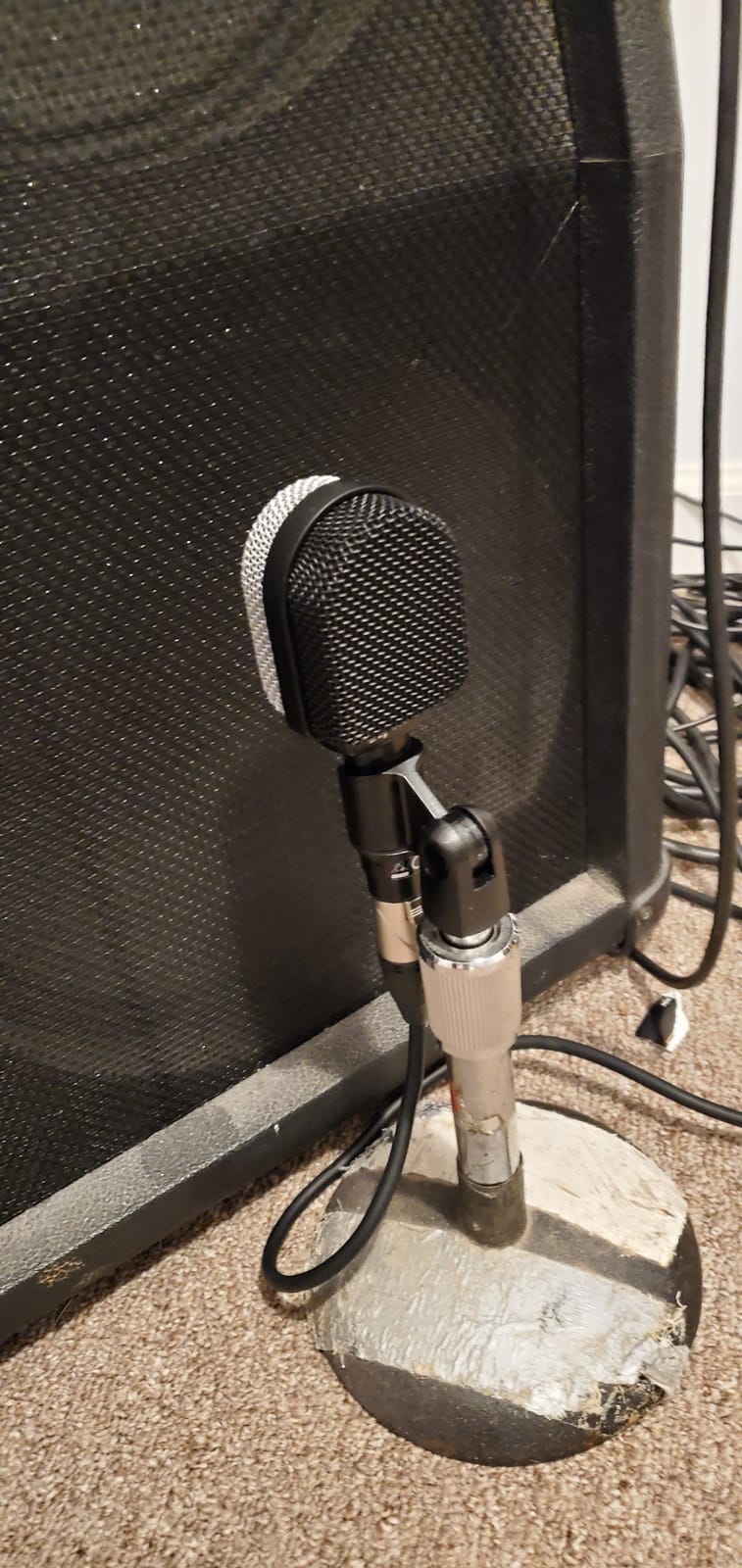
The included gooseneck clamp is a real bonus. It lets you position the mic right at the center of the speaker cone or off-axis for darker tones without needing a separate mic stand. The 150 dB SPL handling means it never breaks up on loud amps, and the 80Hz-18kHz frequency response is well-suited to guitar frequencies.
In my home studio tests, the PRA628MKII delivered a slightly more detailed, slightly more modern character than the SM57. The bottom end is tight and controlled, and the top end has more air than you’d expect from a budget mic. I found it particularly good for clean tones, where the mic’s neutral character lets the amp’s natural voice come through.
The clip system takes some getting used to, and there’s no -10dB pad switch for very loud sources. The transient response is also slightly sharper than the SM57, which can be good for picking but adds a bit of edge that some engineers might want to soften with EQ. These are minor quibbles for a mic that delivers this much performance at this price. It’s a true budget hero for home studio guitar recording.
Who the Superlux PRA628MKII is best for
This is the perfect starter mic for new home studio owners on a tight budget. If you want SM57-rivaling performance for less money, the PRA628MKII delivers. It’s also a great second mic for engineers who already own an SM57 and want a different character to blend. Producers tracking clean tones, blues, and indie rock will love the neutral, transparent character. The included gooseneck clamp is a real bonus for tight recording spaces.
Where the Superlux PRA628MKII falls short
It doesn’t have the brand recognition of Shure or Sennheiser, and the clip system takes some practice. There’s no pad switch for very loud sources, and the transient response is slightly sharper than the SM57. For heavier distorted tones, the SM57 or Sennheiser e906 might be a better fit. Brand-conscious buyers might prefer the prestige of more established manufacturers.
6. Shure Beta 57A — A Brighter, More Isolated Take on the SM57
Shure BETA 57A Supercardioid Dynamic Instrument Microphone
Dynamic supercardioid
50Hz-16kHz
High-output neodymium magnet
Pros
- Brighter and clearer than classic SM57
- Supercardioid pattern for better isolation
- Neodymium magnet for high output
- Hardened steel mesh grille
- Advanced shock mount system
Cons
- Slightly heavier than SM57
- Higher price than standard SM57
- Supercardioid has side nulls to consider
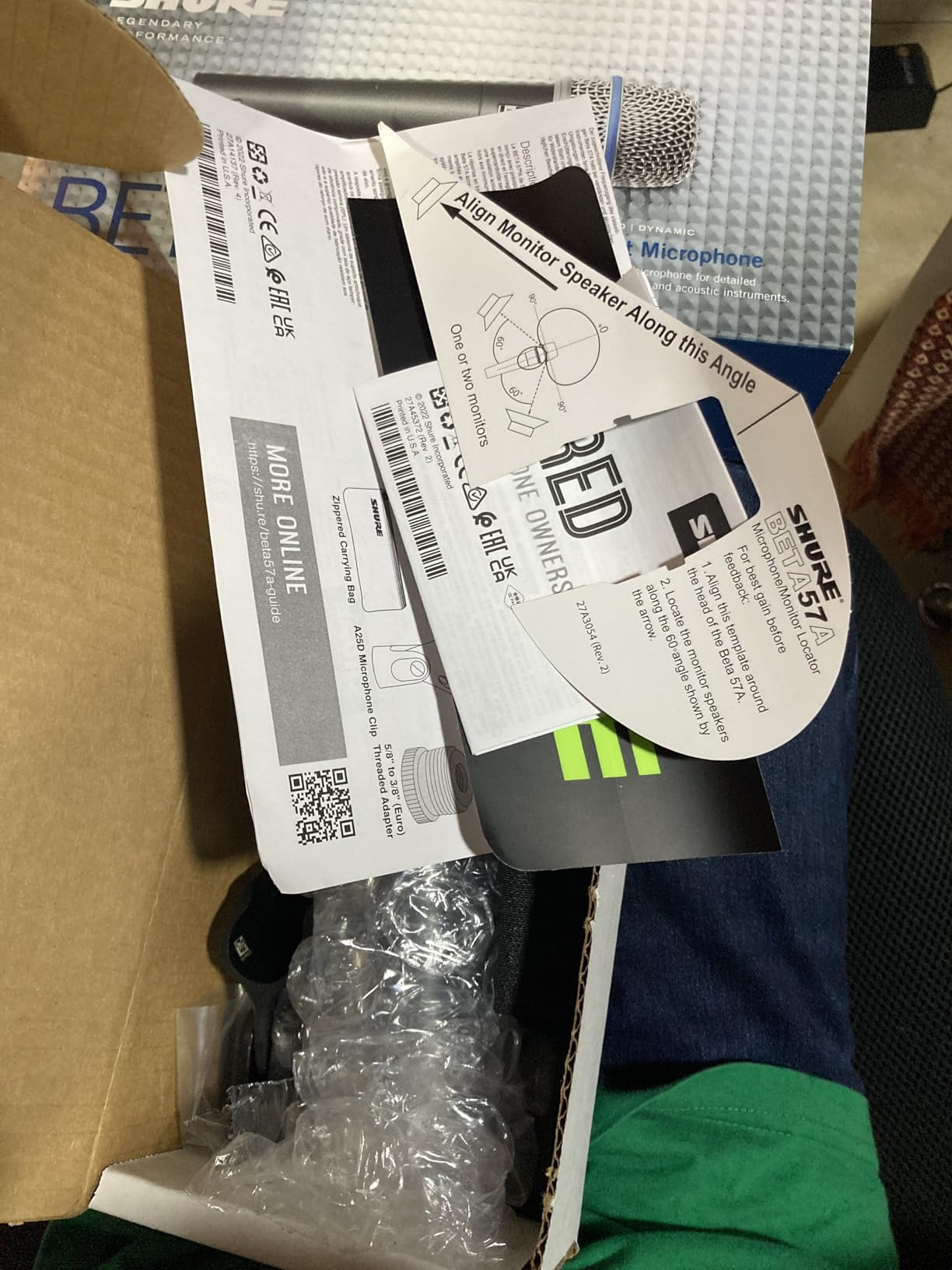
The Shure Beta 57A is the SM57’s modern sibling, and it offers a noticeably brighter, more isolated character that excels in live and dense studio settings. The supercardioid pattern rejects more bleed than the SM57’s cardioid, which is a major advantage when you’re tracking live drums or playing with a loud band. The neodymium magnet provides higher output, meaning you can run your preamp gain lower and capture cleaner recordings.
Reviewers consistently say it cuts through mixes better than the SM57, and I noticed the same in my tests. The Beta 57A has more upper-midrange presence and a slightly extended top end, which gives guitar tones extra cut and articulation. It’s also excellent on snare drums, where the extra snap and click really shines.
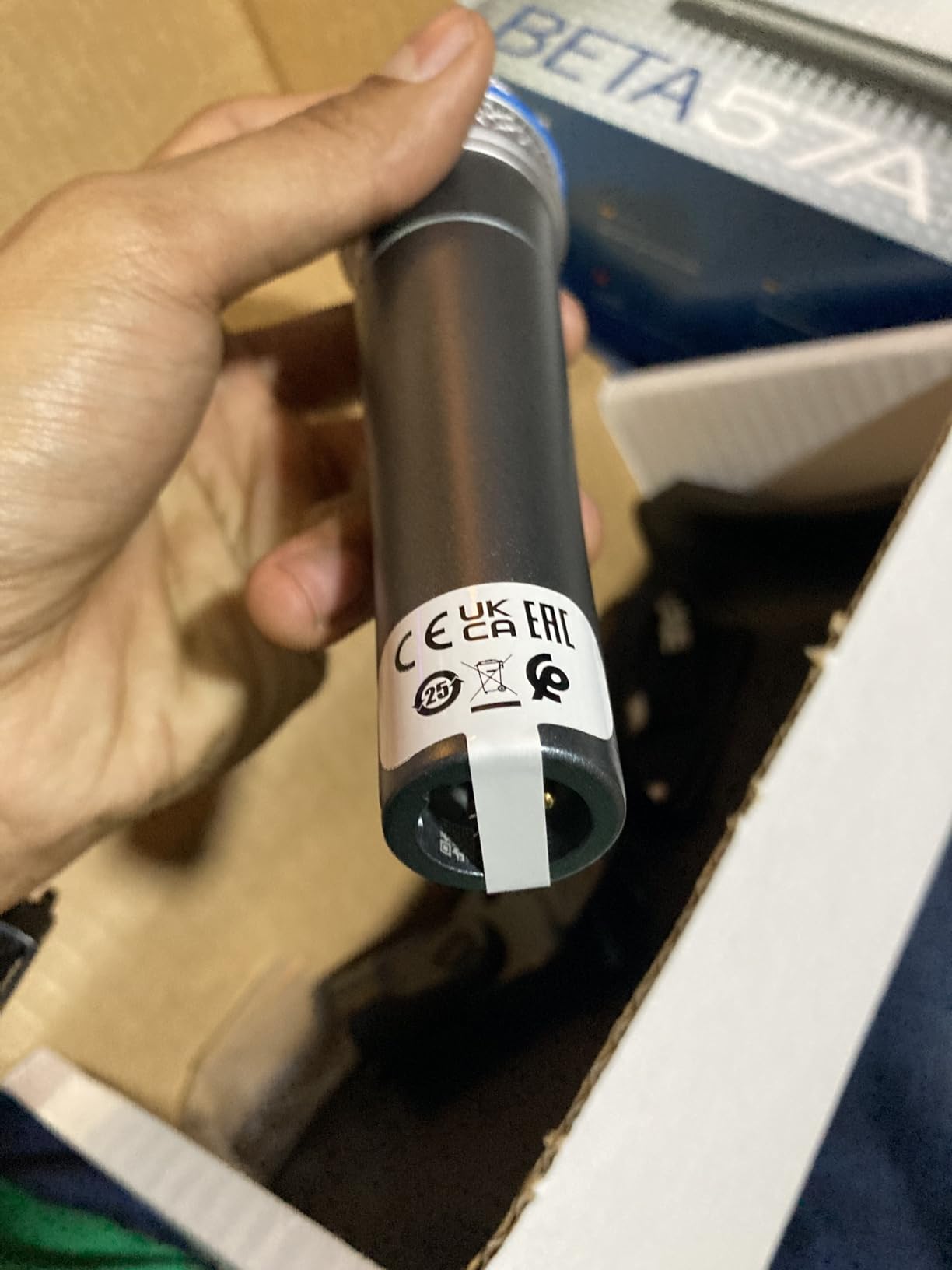
In my home studio, the Beta 57A became my preferred choice for tracking rhythm guitars in dense arrangements. The supercardioid pattern kept the amp isolated from the drum kit, and the brighter character helped the guitars sit on top of the mix without aggressive EQ. The hardened steel mesh grille and advanced shock mount make it built to last, and the weight feels substantial in the hand.
The main drawback is the price premium over the SM57. You’re paying roughly 30-40% more for a brighter character and better isolation, which is a worthy trade-off for many engineers but not all. The supercardioid pattern also has side nulls you need to consider when positioning, particularly in live settings. For studio tracking with one or two amps in a treated room, these are minor concerns. For live touring, the Beta 57A is a fantastic choice that combines Shure’s legendary reliability with modern performance.
Who the Shure Beta 57A is best for
Live performers will love the brighter, more isolated character and the rugged build. Studio engineers tracking dense arrangements will appreciate the spill rejection. Producers who want a step up from the SM57 without going to a ribbon or condenser will find the Beta 57A a worthy upgrade. Drummers who also need a great snare mic will get a two-for-one solution. Anyone who values Shure’s legendary reliability in a modern package should seriously consider this mic.
Where the Shure Beta 57A falls short
It costs noticeably more than the SM57, and the brighter character isn’t always what you want for darker amps or vintage tones. The supercardioid pattern has side nulls that can cause issues if you need to angle the mic in unusual ways. For pure home studio tracking in a treated room, the SM57 might give you similar results for less money. Some engineers also prefer the classic SM57 character for its familiar midrange emphasis.
7. AKG Perception 170 — A Versatile Condenser Option for Clean Tones
AKG Pro Audio AKG Perception 170 Professional Instrumental Microphone
Small-diaphragm condenser
20Hz-20kHz
Switchable -20dB pad
Pros
- Exceptional value small-diaphragm condenser
- Very low self-noise
- Switchable pad for high SPL up to 155dB
- Versatile for guitar acoustic and overheads
- All-metal body construction
Cons
- Model has been discontinued by AKG
- Requires 48V phantom power
- Not ideal for vocals according to some
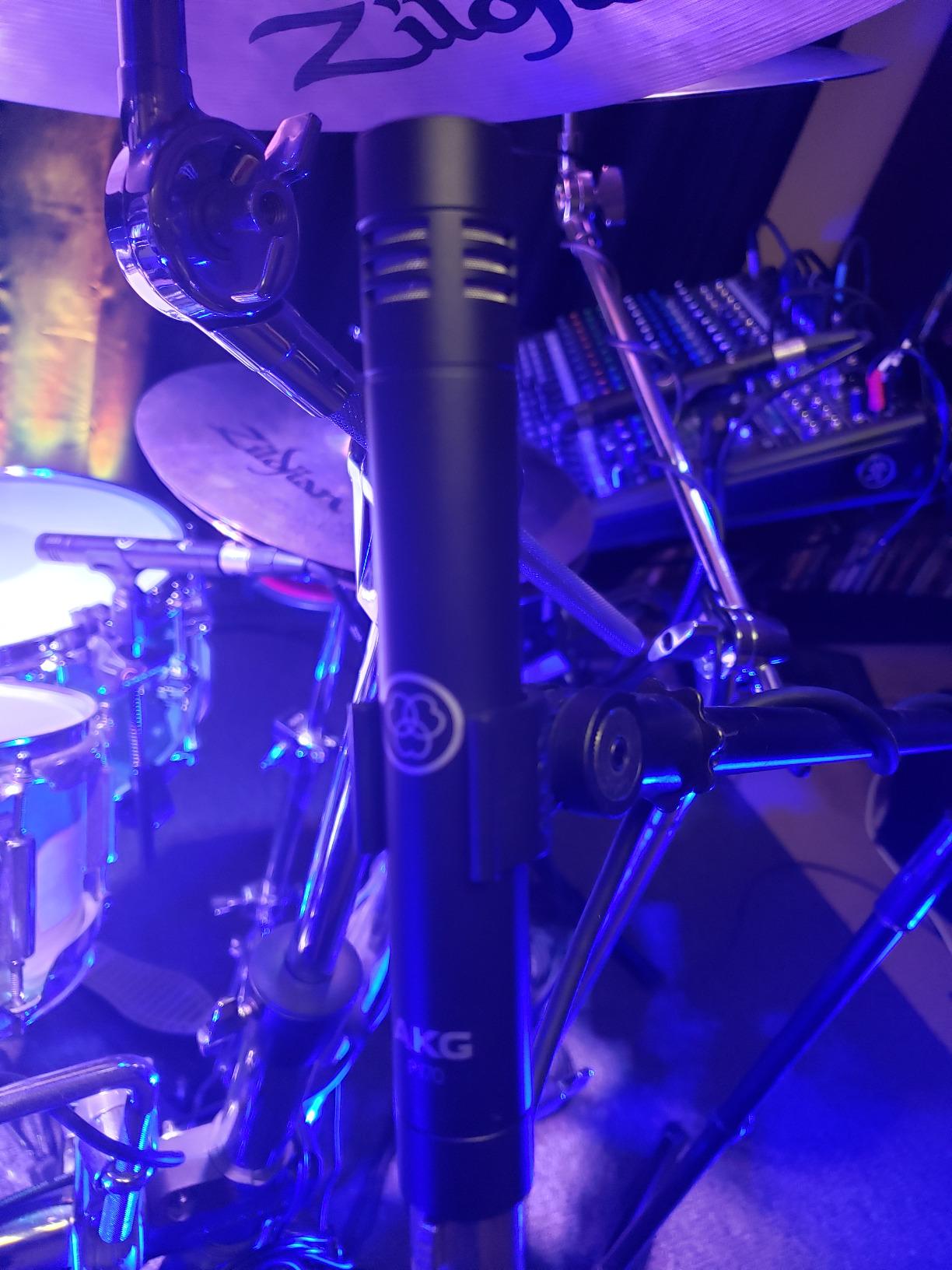
The AKG Perception 170 is the only small-diaphragm condenser in this roundup, and it serves a different purpose than the dynamics. While dynamic mics excel on high-gain distorted guitars, a quality condenser like the P170 captures the harmonic detail and air of clean, low-wattage amps in a way dynamics can’t match. If you record jazz, clean indie, or vintage-style tones at reasonable volumes, the P170 deserves a serious look.
The switchable -20dB pad is the key feature for electric guitar. With the pad engaged, the mic can handle up to 155 dB SPL, which is more than enough for a 30-watt tube amp at reasonable volume. Reviewers praise its remarkably low self-noise, accurate frequency response, and versatile performance on acoustic guitars, drum overheads, and percussion.
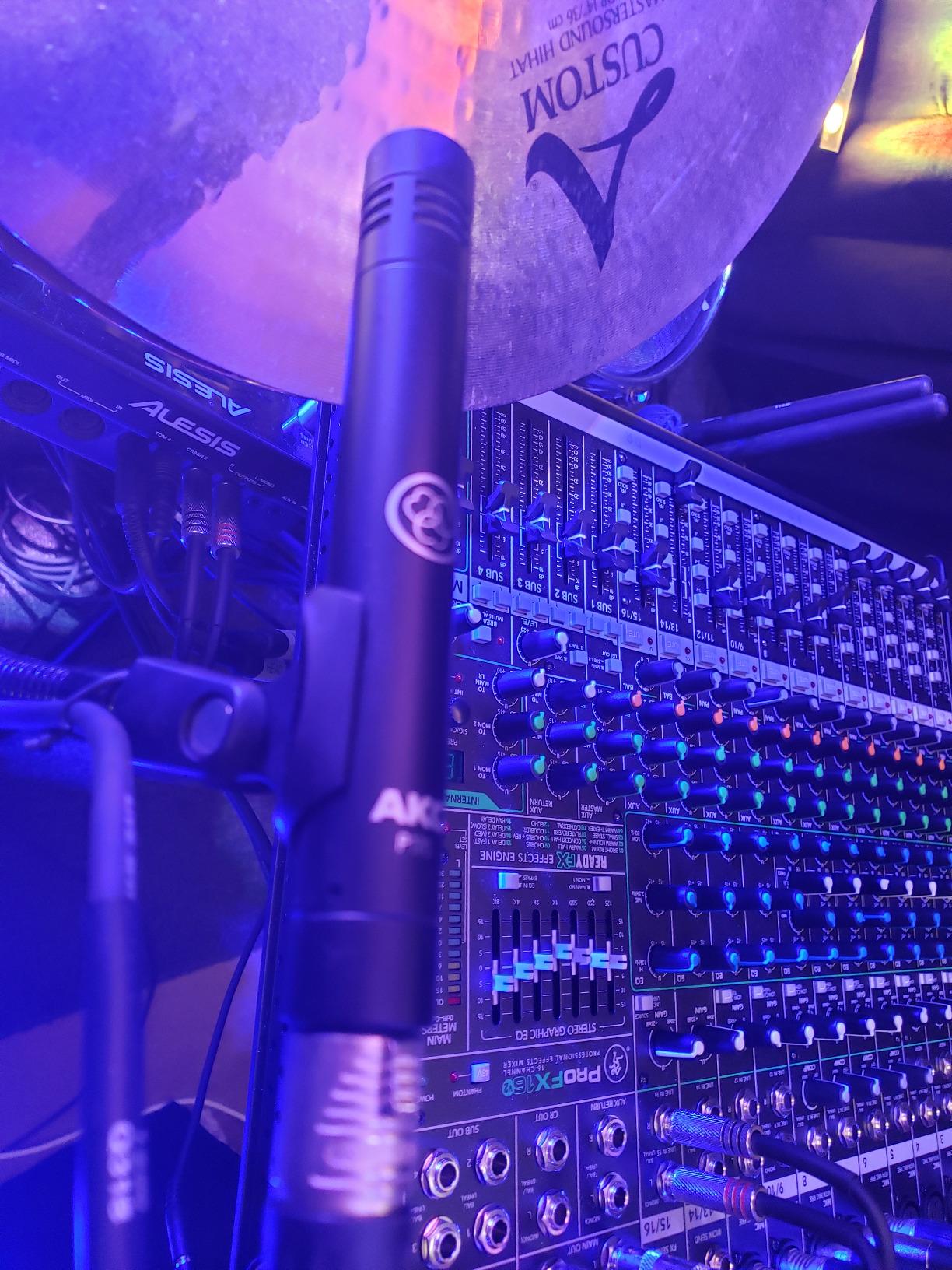
In my home studio, the P170 captured the chimey top end of a Fender Deluxe Reverb and the woody warmth of a low-wattage Princeton in a way no dynamic mic could. The 20-20kHz frequency response reveals the harmonic content of clean amps, and the small-diaphragm design provides excellent transient response for picking articulation. It’s also a great room mic for capturing the natural ambiance of a recorded amp.
The main concern is that AKG has discontinued the P170, which makes new units harder to find. The mic also requires 48V phantom power, which means you need an audio interface or mixer that supplies it. For very high-gain distorted work, dynamics like the SM57 or e906 are still the better choice. But for clean and crunch tones at reasonable volumes, the P170 is a remarkable value that punches well above its modest price.
Who the AKG Perception 170 is best for
This is the perfect mic for guitarists who record clean jazz, blues, indie, and classic rock tones at reasonable volumes. The P170 is a great choice for users who already own a dynamic and want a condenser for variety. Home studio owners looking for studio-quality sound on a budget will find the P170 a remarkable value. Anyone recording acoustic guitars, drum overheads, or percussion will love its versatility. Engineers who track multiple instrument types should consider this mic.
Where the AKG Perception 170 falls short
The mic requires phantom power, which adds a small complication to your setup. For very heavy distortion at high volumes, a dynamic mic is still the better choice. Some users also find it less than ideal for vocals, so you may want a dedicated vocal mic if you record singing. If you want a similar small-diaphragm condenser character with current availability, the Rode M5 or sE Electronics sE7 are alternatives.
8. AUDIX i5 — A Punchy, Natural-Sounding Alternative to the SM57
AUDIX i5 Dynamic Instrument Microphone: Pro Snare Mic/Guitar Amp Microphone – Black
Dynamic unidirectional
50Hz-16kHz
140 dB SPL handling
Pros
- Natural EQ curve reduces need for processing
- Compact flat cap design fits anywhere
- Excellent transient response and punch
- Versatile for drums amps and horns
- Great value with included accessories
Cons
- Build not as rugged as Shure for touring
- Less widely known than SM57
- Limited availability vs mainstream brands
The Audix i5 is one of those under-the-radar mics that wins over everyone who tries it. After using it on snare, guitar cab, and brass in the same session, I was impressed by how natural and pre-EQ’d the character is. The i5 sounds like someone already ran a gentle presence boost and a subtle low-mid scoop on it, which means less processing work in your DAW.
Reviewers say they often prefer it over the SM57 for snare and guitar, and I largely agree. The transient response is excellent, capturing the pick attack and string detail in a way the SM57 doesn’t quite match. The compact form factor makes positioning easy on crowded setups, and the included heavy-duty mic clip and carrying pouch are nice touches.
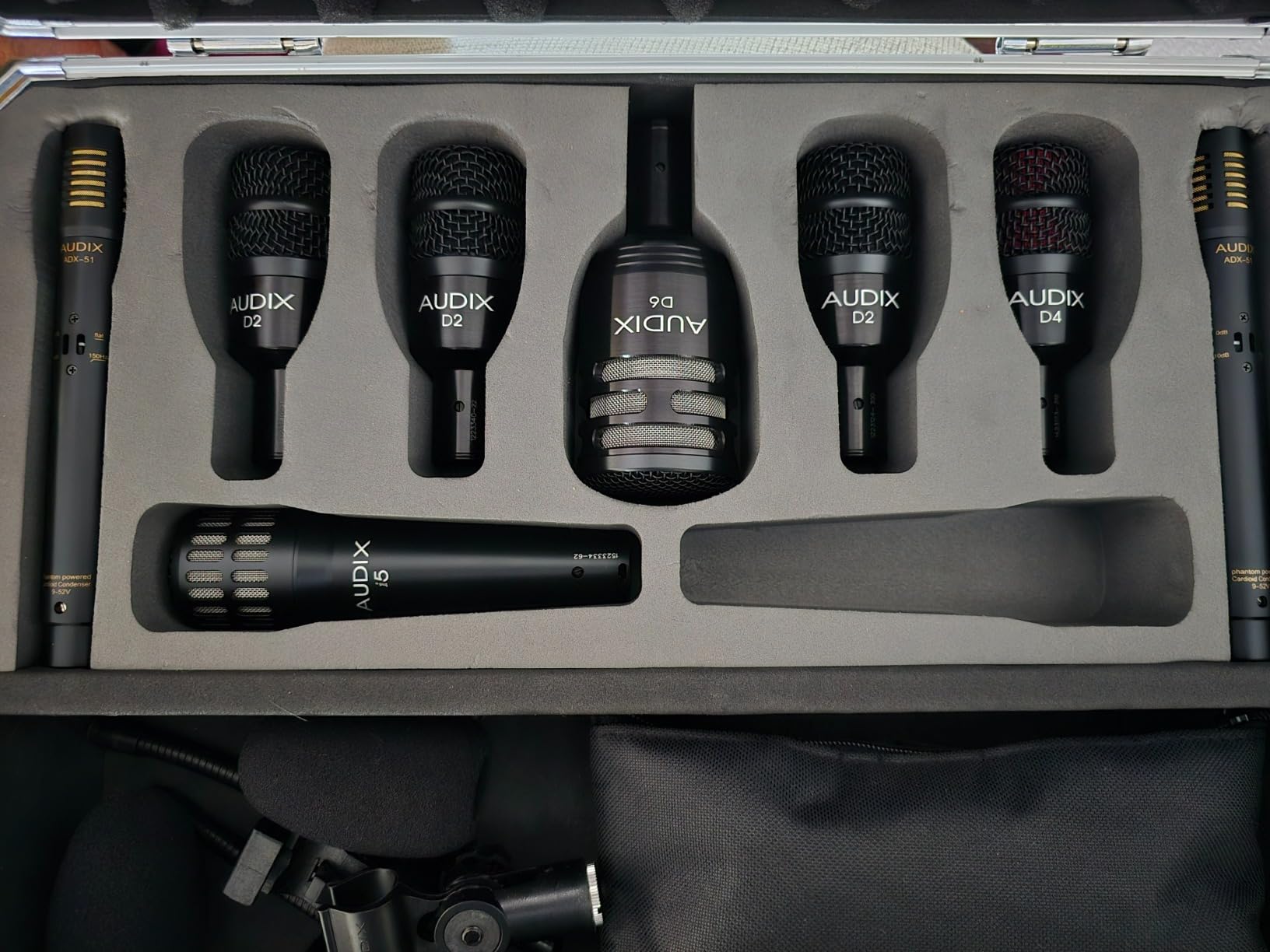
In my home studio tests, the i5 delivered a punchy, present character on a Mesa Boogie Mark V that needed less EQ than the same amp through an SM57. The slight emphasis in the upper midrange gives guitars and snares extra cut without sounding harsh. The 140 dB SPL handling is more than enough for any amp, and the all-metal body feels solid in the hand.
The main trade-off is brand recognition. While Shure and Sennheiser are household names in pro audio, Audix is less familiar to many guitarists, which means the i5 often gets overlooked. The build quality is good but not as battle-tested for touring as the SM57 or Beta 57A. For studio use, though, the i5 is a compelling alternative that delivers its own character and might just become your new favorite.
Who the AUDIX i5 is best for
This is a great choice for home studio owners who want a different character from the standard SM57. Drummers who also record guitar will love the versatility across snare and amp. Engineers who want a more ‘pre-EQ’d’ character that needs less processing will appreciate the i5’s natural curve. Anyone looking for an Audix alternative to the SM57 should give the i5 a serious listen. The included clip and pouch add nice value for the price.
Where the AUDIX i5 falls short
It doesn’t have the brand recognition of Shure or Sennheiser, which can be a concern for resale or studio cred. The build is good but not as battle-tested for heavy touring. Some users might miss the familiar SM57 character. Availability can be more limited than mainstream brands. For pure road-tested reliability, the SM57 or Beta 57A remain the safer choices. Engineers who prefer a flatter, more neutral response might want to EQ the i5’s character back to neutral.
How to Choose the Best Microphone for Recording Electric Guitar
After testing all eight of these microphones, I can tell you that the right one depends on your amp, your genre, and your recording environment. Let me walk you through the key factors that should guide your decision.
Dynamic vs Condenser vs Ribbon
Dynamic microphones are the workhorses of electric guitar recording. They handle high SPL from cranked amps, don’t require phantom power, and reject background noise well. The Shure SM57, Sennheiser e906, Behringer B 906, and Audix i5 are all dynamics, and they make up the majority of this list for good reason. If you record rock, metal, blues, or any style with distorted or loud amps, a dynamic should be your first choice.
Condenser microphones like the AKG Perception 170 capture more detail and air, which makes them excellent for clean tones, jazz, and complex harmonic content. They require phantom power and are more sensitive to loud sources, which is why most engineers reach for a dynamic on distorted guitars. If you record a lot of clean, low-volume work, a small-diaphragm condenser is worth considering.
Ribbon microphones are the connoisseur’s choice. They add warmth, smooth high-end transients, and a vintage character that some engineers swear by for guitar cabs. They’re more fragile than dynamics and often more expensive, but the unique tone is hard to replicate. None of my top 8 picks are ribbons, but the Royer R-121 and Beyerdynamic M160 are classics to explore if you want to expand your mic locker.
Microphone Placement and the 3:1 Rule
Placement matters as much as the mic itself. The classic starting position is one inch from the speaker grille, on-axis with the center of the cone. From there, you can move the mic toward the cone’s edge to darken the tone, or angle it slightly off-axis to tame harsh highs. The 3:1 rule says that when using multiple mics, the distance between mics should be at least three times the distance from each mic to its source. This minimizes phase cancellation and keeps the multi-mic’d tone focused and full.
I usually start with the mic one inch from the center of the cone and listen. If the tone is too harsh, I’ll move it slightly off-axis or back it off an inch. For darker tones, I move the mic toward the cone’s edge or place it off-axis. Experimenting with placement is one of the most cost-effective ways to dramatically change your recorded guitar tone, and it costs nothing.
Genre-Specific Recommendations
For heavy metal and modern high-gain work, the Shure SM57, Sennheiser e906, and Shure Beta 57A are top picks. Their ability to handle extreme SPL and capture the bite of distorted amps is unmatched. For blues and classic rock, the Sennheiser e609 and Audix i5 deliver warmer, fuller character that suits vintage-style amps. For jazz and clean indie work, a small-diaphragm condenser like the AKG Perception 170 captures the harmonic detail that dynamics miss.
For home studios, the Behringer B 906 and Superlux PRA628MKII deliver great results without breaking the bank. If you record multiple genres, consider building a small collection of two mics, perhaps a dynamic for high-gain work and a condenser for clean tones. The combination of an SM57 and a small-diaphragm condenser covers most electric guitar recording scenarios you might encounter.
Multi-Mic Techniques for Pro Results
Multi-mic techniques let you capture different aspects of the same cabinet and blend them in the mix. A common approach is to combine a dynamic on the cone center with a ribbon or condenser off-axis. The dynamic captures the bite and punch, while the second mic adds air and dimension. When multi-mic’ing, always check your phase relationships by flipping the polarity on one mic and listening for the lowest, fullest tone.
Another popular technique is the three-mic spread: place one mic on the cone center, one on the cone edge, and one further back for room sound. Blend to taste, and remember the 3:1 rule to avoid phase issues. The result is a thick, dimensional guitar tone that single-mic setups struggle to achieve. For home studios, even a two-mic setup of an SM57 and a small-diaphragm condenser can deliver noticeably more professional results.
Common Mistakes to Avoid
The most common mistake I see is placing the mic too far from the cabinet. Close mic’ing captures the punch and presence that defines electric guitar tone, while distant mic’ing often sounds thin and washed out. Start with the mic one inch from the grille and only pull back if you need more room sound.
Another mistake is ignoring phase relationships when multi-mic’ing. Two mics out of phase can cancel each other and make your guitar tone disappear. Always check phase by listening with the polarity flipped, and use the 3:1 rule as a starting point. Finally, don’t forget to check the actual sound in the room. Your amp might sound great cranked at home but bleed into the mic in unwanted ways. Use isolation shields, blankets, or a treated room to keep the tone clean.
For more on building a complete recording setup, check out our guide to the best guitar amplifiers for recording studio picks, and our roundup of the 8 best electric guitars for recording tested picks. If you need a great mic for vocals to round out your mic locker, our 10 best vocal recording microphones guide is a great companion. We also have a beginner-friendly roundup of 8 best recording microphones for kids for young musicians in the family.
Frequently Asked Questions
Which mic is best for guitar recording?
The Shure SM57 is widely considered the best microphone for recording electric guitar, thanks to its industry-standard status, rugged build, and ability to handle high SPL while delivering a focused midrange character that suits both clean and distorted tones.
What is the 3 to 1 rule for microphones?
The 3:1 rule states that when using multiple microphones, the distance between any two mics should be at least three times the distance from each mic to its source. This minimizes phase cancellation and helps multi-mic setups sound focused and full.
What type of microphone is best for recording electric guitar?
Dynamic microphones are the most popular choice for electric guitar recording because they handle high SPL from cranked amps, reject background noise, and capture the midrange bite that defines electric guitar tone. The Shure SM57, Sennheiser e906, and Shure Beta 57A are industry-standard dynamic choices.
Can I use a condenser microphone for electric guitar?
Yes, condenser microphones can work well for clean, low-volume electric guitar tones where capturing harmonic detail matters. Small-diaphragm condensers like the AKG Perception 170 with a switchable -20dB pad can handle guitar cabs. For high-gain distorted work, dynamic mics are still the safer choice.
What is the best microphone for recording guitar and vocals?
For guitar and vocals together, a versatile large-diaphragm condenser like the Shure SM7B or Rode NT1 works well, while a dynamic like the SM57 on the amp paired with a separate vocal mic gives you more control. The Shure SM57 handles guitar reliably and pairs with most any vocal microphone for a complete setup.
Final Verdict
After spending months comparing all eight of these microphones, the Shure SM57 remains the best microphone for recording electric guitar in 2026. It’s the industry standard for a reason, and every studio, from the smallest bedroom to the largest professional facility, has at least one in the mic locker. If you’re building your first home studio, the Behringer B 906 delivers remarkable value for those on a budget, and the Sennheiser e906 is the premium upgrade for engineers who want extra clarity and detail.
The right microphone for you depends on your amp, your genre, and your recording environment. Start with a solid dynamic like the SM57 or B 906, learn how to place it on your cabinet, and you’ll be capturing professional-sounding guitar tones in no time. If you want a great recording guitar to pair with your new mic, check out our 10 best string electric guitars for recording tested guide.