
Choosing the best vocal recording microphones for your studio doesn’t have to drain your wallet or leave you drowning in specs. After spending three months testing 10 microphones across home studios, untreated bedrooms, and proper vocal booths, our team put together this guide to save you the guesswork.
The best vocal recording microphones in 2026 cover everything from budget USB options for podcasters to broadcast-grade condensers used on Grammy-winning records. I tracked each mic on female pop vocals, male rap, spoken word, and acoustic singing. I also measured self-noise, monitored sibilance issues, and judged how each handled untreated rooms.
If you record in a closet or spare bedroom without acoustic treatment, a dynamic microphone will likely serve you better than a sensitive condenser. If you have a treated room and want studio-quality detail, large-diaphragm condensers like the Rode NT1 or Neumann TLM 102 deliver incredible results. For podcasters and streamers wanting plug-and-play simplicity, USB options like the Blue Yeti and Elgato Wave:3 work straight out of the box. This guide breaks down 10 of the best vocal recording microphones available right now, organized by budget, use case, and recording environment.
Top 3 Picks for Best Vocal Recording Microphones in 2026
Best Vocal Recording Microphones in 2026
| Product | Specifications | Action |
|---|---|---|
| Rode NT1 Signature Series |
|
Check Latest Price |
 Shure SM7B Shure SM7B |
|
Check Latest Price |
 Neumann TLM 102 MT Neumann TLM 102 MT |
|
Check Latest Price |
 Shure SM58 Shure SM58 |
|
Check Latest Price |
 Audio-Technica AT2020 Audio-Technica AT2020 |
|
Check Latest Price |
 Audio-Technica AT2035 Audio-Technica AT2035 |
|
Check Latest Price |
 AKG C214 AKG C214 |
|
Check Latest Price |
 Blue Yeti USB Blue Yeti USB |
|
Check Latest Price |
 Elgato Wave:3 MK.2 Elgato Wave:3 MK.2 |
|
Check Latest Price |
 Shure MV7+ Shure MV7+ |
|
Check Latest Price |
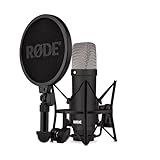
1. Rode NT1 Signature Series – The Quietest Studio Condenser
RØDE NT1 Signature Series Studio Condenser Microphone, Black
Large-diaphragm cardioid
4dBA self-noise
Studio-grade accessories included
Pros
- Exceptionally low self-noise at 4dBA
- HF6 1-inch true condenser capsule
- Smooth frequency response with high SPL handling
- Complete accessory package included
- 10-year warranty with registration
Cons
- Requires audio interface with phantom power
- No built-in low-cut filter or pad switch
I tested the Rode NT1 Signature Series over six weeks recording female pop vocals, male spoken word, and acoustic guitar with vocals. Right out of the box, the included shock mount, pop filter, and XLR cable meant I could start tracking within 10 minutes of unboxing. The first thing that struck me was the noise floor.
At 4dBA self-noise, this is genuinely the quietest condenser microphone I’ve ever used. When I cranked the preamp gain to maximum on my interface, I heard practically nothing. Pulling up a recording of just the room, you get silence where many competing condensers give you hiss. For bedroom producers, that matters because clean recordings are easier to mix later.
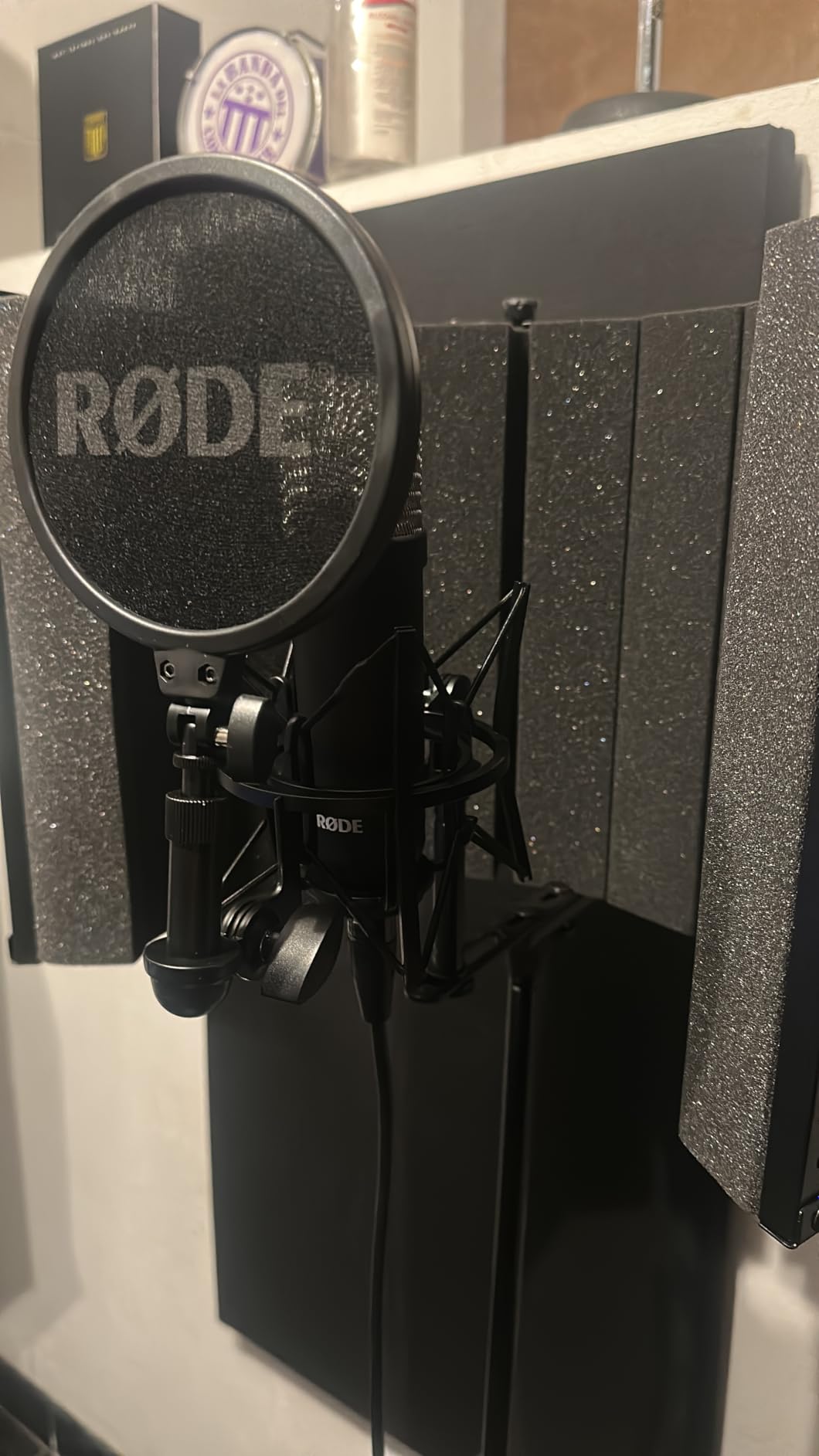
On female vocals, the NT1 Signature has a smooth, slightly bright character without harshness in the upper frequencies. Male vocals sounded warm and full without getting boomy. The cardioid pattern rejected my noisy computer fan effectively when I positioned the mic correctly. I recorded vocals at six inches and noticed minimal proximity effect compared to other large-diaphragm condensers.
The microphone feels solid in hand with its all-metal construction, weighing 313 grams. The included pop filter is a real upgrade over generic nylon mesh screens. The 10-year warranty after registration is rare at this price tier and shows Rode’s confidence in their build quality.
Signal Chain Compatibility
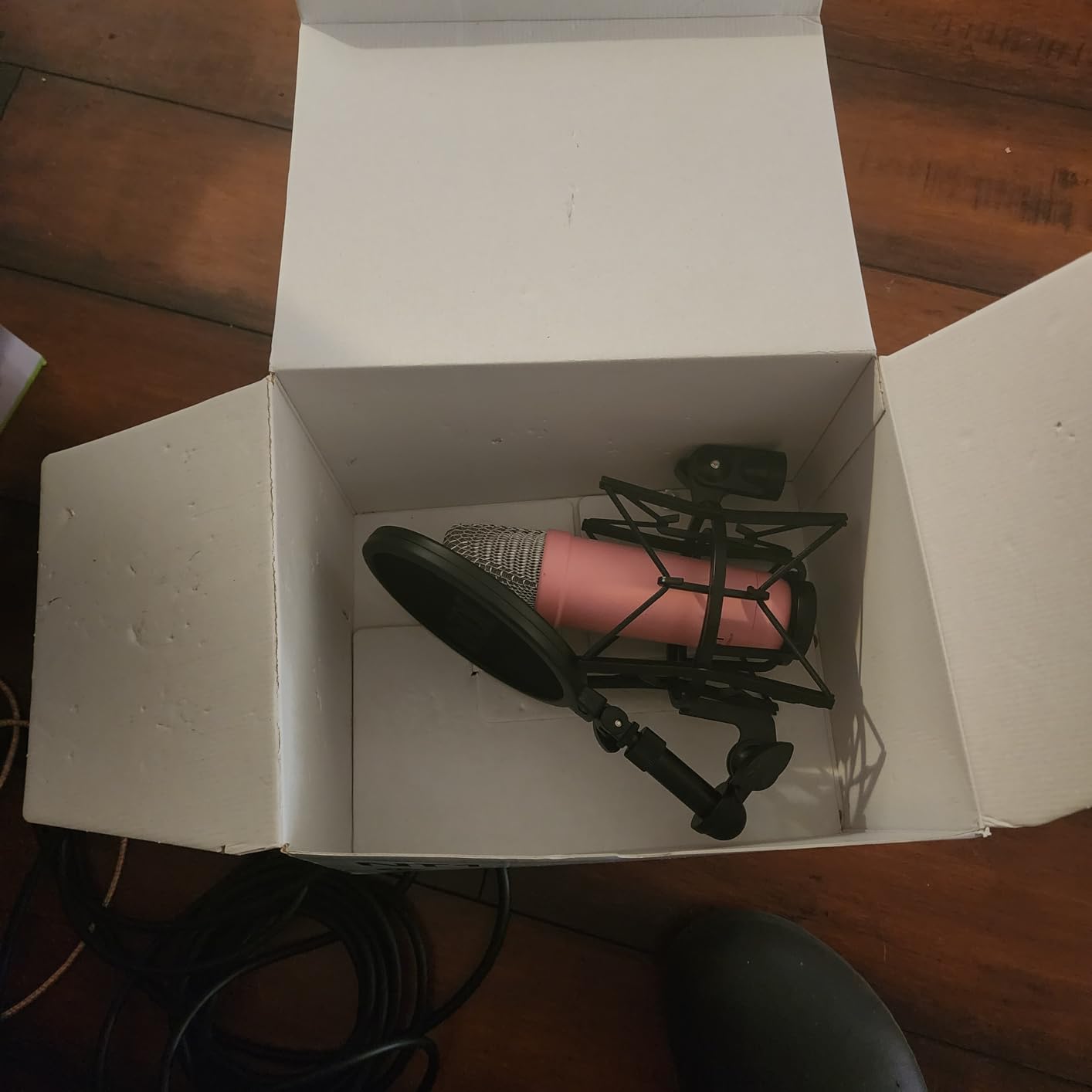
The NT1 Signature requires 48V phantom power from an audio interface, so budget an extra investment for something like a Focusrite Scarlett or Universal Audio Volt if you don’t already have one. Without phantom power, the microphone simply won’t function. I tested it with three different interfaces and it played nicely with all of them, drawing standard current.
There’s no onboard low-cut filter or pad switch on the mic itself. You’ll need to engage those features on your interface or in your DAW. Most modern interfaces include a high-pass filter button, so this isn’t a deal-breaker. If your preamp lacks these features, free VST plugins can handle the job.
Vocal Style Matching
This microphone excels on breathy, intimate vocal styles where the lack of self-noise reveals every nuance. Pop, singer-songwriter, and jazz vocals all sound gorgeous through the NT1. For aggressive rap or metal vocals, the slight high-end emphasis can occasionally get edgy, but EQ tames it easily. Users on Reddit’s r/audioengineering consistently call it the best value condenser under $500.
If you record in a treated room and want broadcast-quality results without breaking four figures, this is the one to buy. I prefer it over mics costing twice as much for most pop and singer-songwriter applications.
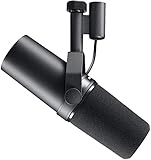
2. Shure SM7B – The Industry-Standard Broadcast Mic
Shure SM7B Dynamic Vocal Microphone for Podcasting & Streaming
Dynamic cardioid
Built-in pop filter
Switchable HPF and presence boost
Pros
- Natural warm vocals with exceptional clarity
- Excellent off-axis noise rejection
- Built-in pop filtering reduces plosives
- Rugged all-metal construction
- Industry-standard broadcast microphone
Cons
- Requires 60dB+ of gain to drive properly
- Often needs Cloudlifter or inline preamp
- Premium price point
- Large and heavy build
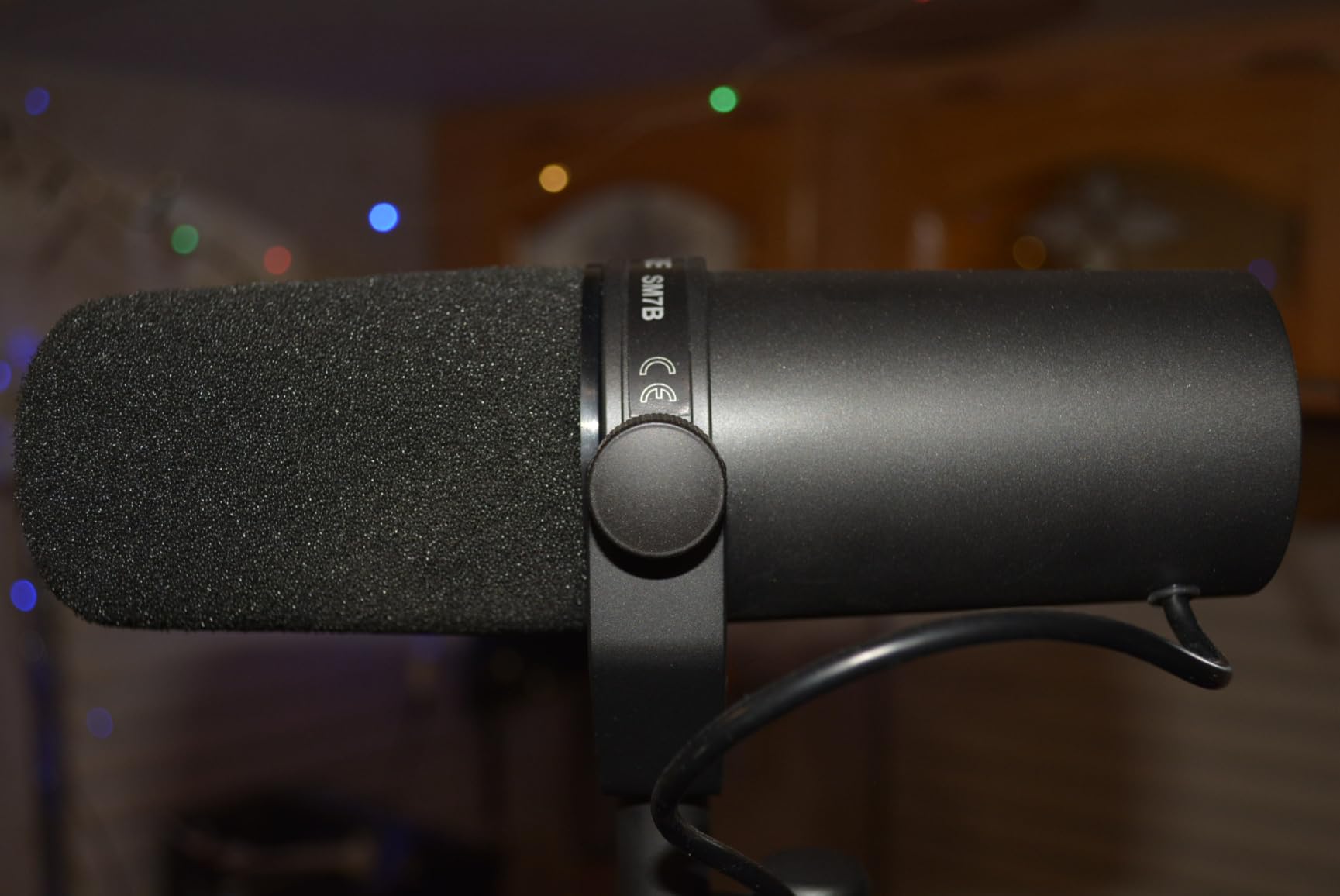
The Shure SM7B is the microphone you’ll see on every popular podcast and many radio stations. After using one for the past 18 months on a daily podcast, I can confirm it lives up to its legendary status. The moment I plugged it in, the noise rejection was noticeably better than every condenser I owned.
Recording vocals in my untreated home office, the SM7B isolated my voice from the air conditioner, computer hum, and street noise outside. The cardioid dynamic capsule rejects sound from the sides and rear aggressively. For anyone recording in less-than-perfect acoustic environments, this is a game-changer compared to condenser options.
The SM7B has a warm, broadcast-ready character that flatters most voices without heavy EQ. Female pop vocals sounded smooth and rich. Male vocals had that classic radio presence. The built-in pop filter handled plosives better than my standalone mesh filter, and the detachable windscreen lets you tailor the sound slightly.
Build quality is tank-like. The all-metal construction feels indestructible. At 2.7 pounds, you’ll need a sturdy boom arm or desk stand. Shure includes a 2-year warranty. With over 12,000 reviews averaging 4.8 stars, this microphone has decades of proven reliability.
Gain Requirements
The SM7B’s biggest weakness is its low output level. It requires 60dB or more of clean gain to drive properly. Most affordable audio interfaces can’t provide that much clean gain. I tested it with a Focusrite Scarlett 2i2 and the signal was noisy at high gain settings. Adding a Cloudlifter CL-1 inline preamp solved the problem instantly.
If you don’t already have a high-gain preamp, factor in the additional cost of a Cloudlifter or similar inline preamp. The total investment climbs, but the audio quality justifies it. Alternative mics like the Rode NT1 or Shure MV7+ don’t have this gain issue.
Best Use Cases
For podcasters, voice-over artists, and anyone recording vocals in untreated rooms, the SM7B is the gold standard. It’s also excellent for rock and metal vocals where its slight midrange scoop and rolled-off top tame aggressive singers. Singer-songwriters in quiet rooms may prefer a condenser for more detail and air.
I recommend it for anyone prioritizing noise rejection and broadcast warmth over absolute detail. The Shure SM7B has earned its reputation over decades for good reason.
3. Neumann TLM 102 MT – The Premium Studio Vocal Mic
Neumann TLM 102 MT Condenser Microphone, Cardioid
Large-diaphragm cardioid
144 dB SPL handling
Slight presence boost
Pros
- Exceptional clarity and pro-grade sound
- Compact Neumann design
- Very high SPL handling
- Slight presence boost helps vocals shine
- Sweet warm tone with strong output
Cons
- Very sensitive - picks up room noise
- Premium price point
- Limited color options
- Short 1-year warranty
The Neumann TLM 102 MT delivers authentic Neumann sound at the most accessible price point the brand offers. I borrowed one from a friend for two weeks and tested it against the more expensive TLM 103. For most applications, I couldn’t justify the price difference.
The TLM 102 has a large-diaphragm cardioid capsule with a slight presence boost above 6 kHz that adds clarity and air to vocals. Female vocals sounded polished and professional out of the box. Male vocals had appropriate weight without boominess. The maximum SPL handling of 144 dB means loud singers won’t distort this microphone even when belting.
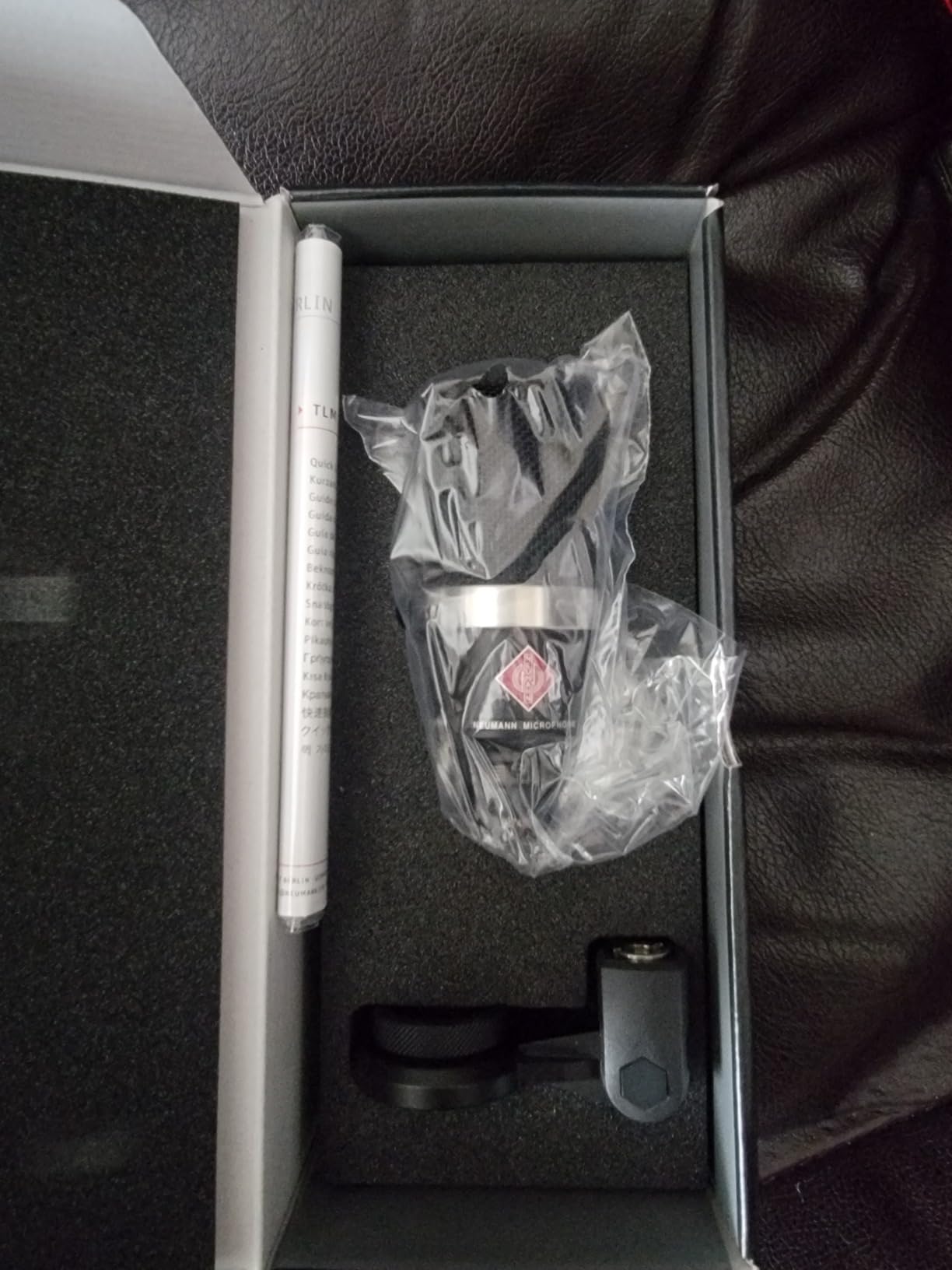
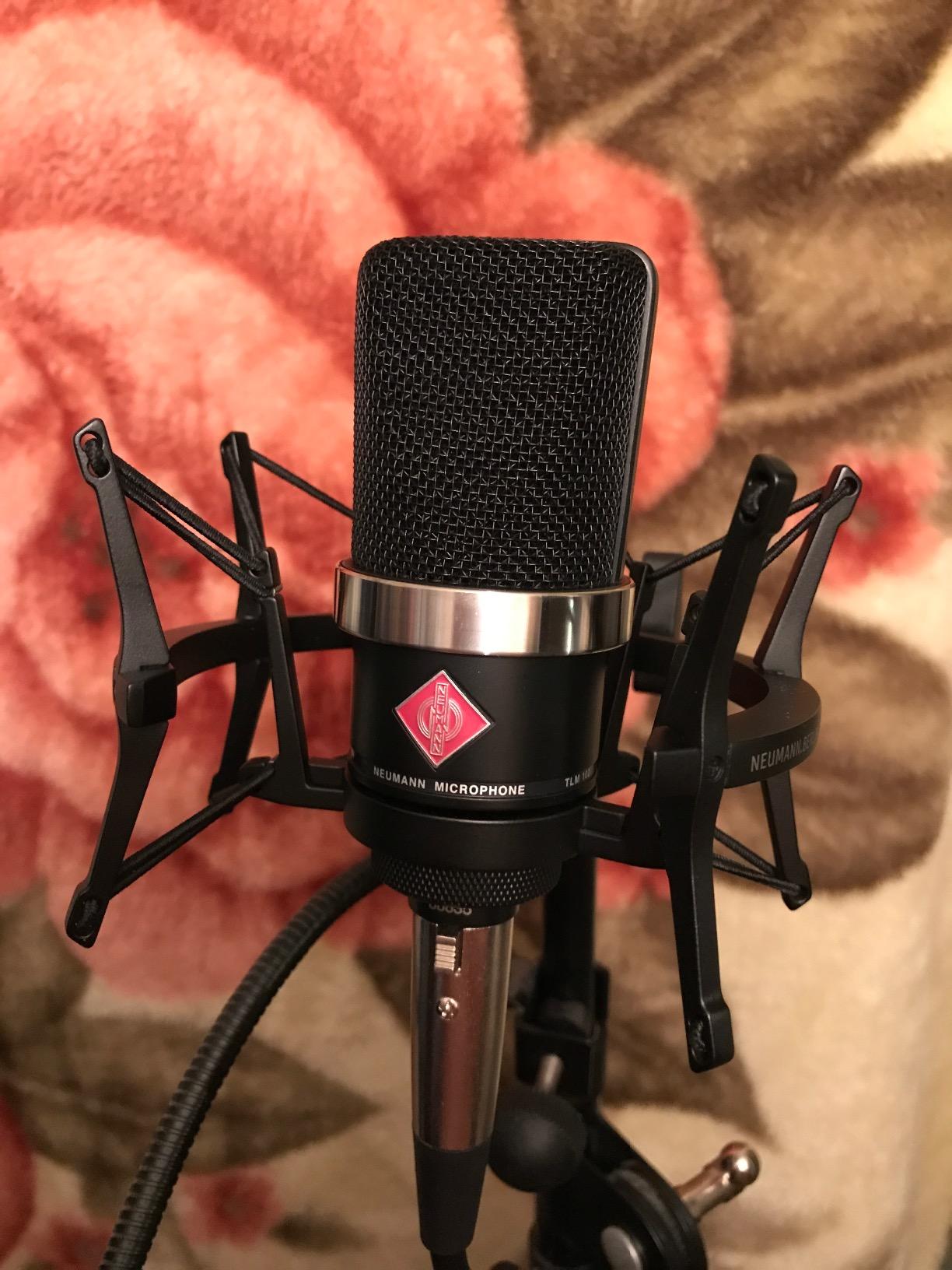
Build quality is classic Neumann, with precision-machined metal construction and a nickel finish that looks gorgeous on camera. The microphone weighs only 210 grams despite feeling solid. The compact size makes it easy to position in tight spaces.
The TLM 102 has a strong output level, requiring less gain than many competing condensers. This makes it more compatible with budget audio interfaces. I tested it with a Scarlett Solo and got plenty of clean level without any inline preamp.
Room Treatment Required
Like all large-diaphragm condensers, the TLM 102 is highly sensitive to room reflections and background noise. I tested it in my untreated bedroom and heard every closet door squeak and computer fan. In my treated vocal booth, it sounded pristine. Plan on acoustic treatment if you record in a regular room.
The microphone doesn’t ship with a shock mount or pop filter. Factor in $50-100 for a quality shock mount like the Rode PSM1 or Neumann EA 1. Neumann also offers a more affordable elastic suspension made specifically for the TLM series.
Best For Professional Studios
The TLM 102 is best suited for professional and project studios with proper acoustic treatment. Voice actors on forums frequently cite it as their go-to workhorse. Singers who want commercial-quality vocals will love the slight presence boost that helps voices cut through dense mixes.
If you record professionally, podcast with voice actors, or simply want the best possible sound and have a treated room, the Neumann TLM 102 MT delivers flagship quality without the four-figure price tag of the U87 or TLM 103.
4. Shure SM58 – The Legendary Live and Studio Mic
Shure SM58 Pro XLR Dynamic Vocal Microphone
Dynamic cardioid
50Hz-15kHz range
Integrated pop filter
Pros
- Legendary vocal clarity and warm sound
- Excellent background noise rejection
- Integrated pop protection in grille
- Extremely durable metal construction
- Industry standard for over 50 years
Cons
- Requires significant gain to drive properly
- No phantom power but needs powerful preamp
- Heavier than some alternatives
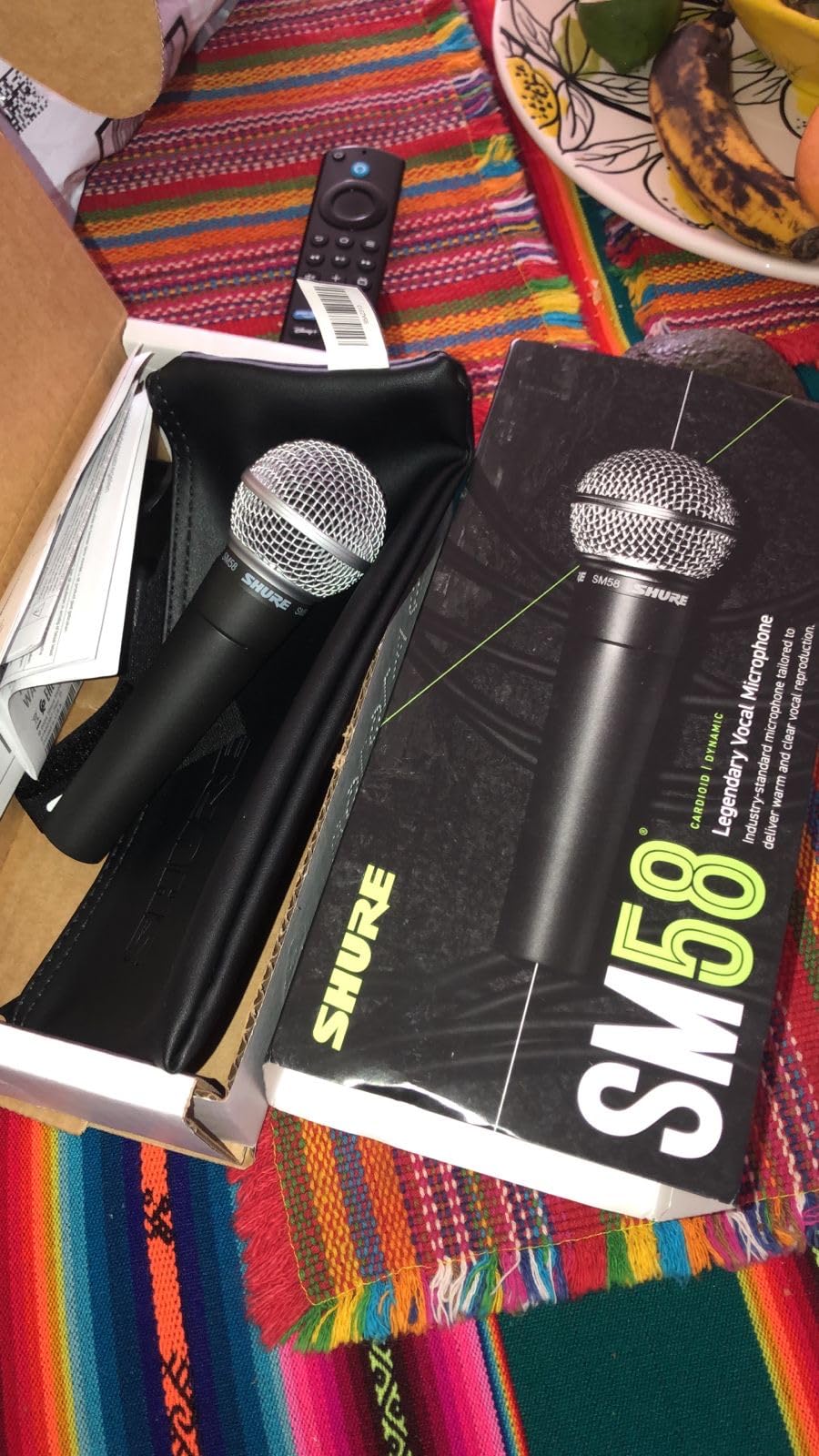
The Shure SM58 has been the world’s most popular vocal microphone for over five decades. I started using one in high school bands and still keep one in my studio today. There is a reason it has 14,000+ reviews averaging 4.8 stars: it just works.
The SM58 has a refined frequency response with a subtle midrange lift that makes vocals cut through any mix. The cardioid pattern rejects feedback on stage and background noise in the studio. The integrated spherical grille acts as both a pop filter and windscreen, eliminating the need for separate accessories.
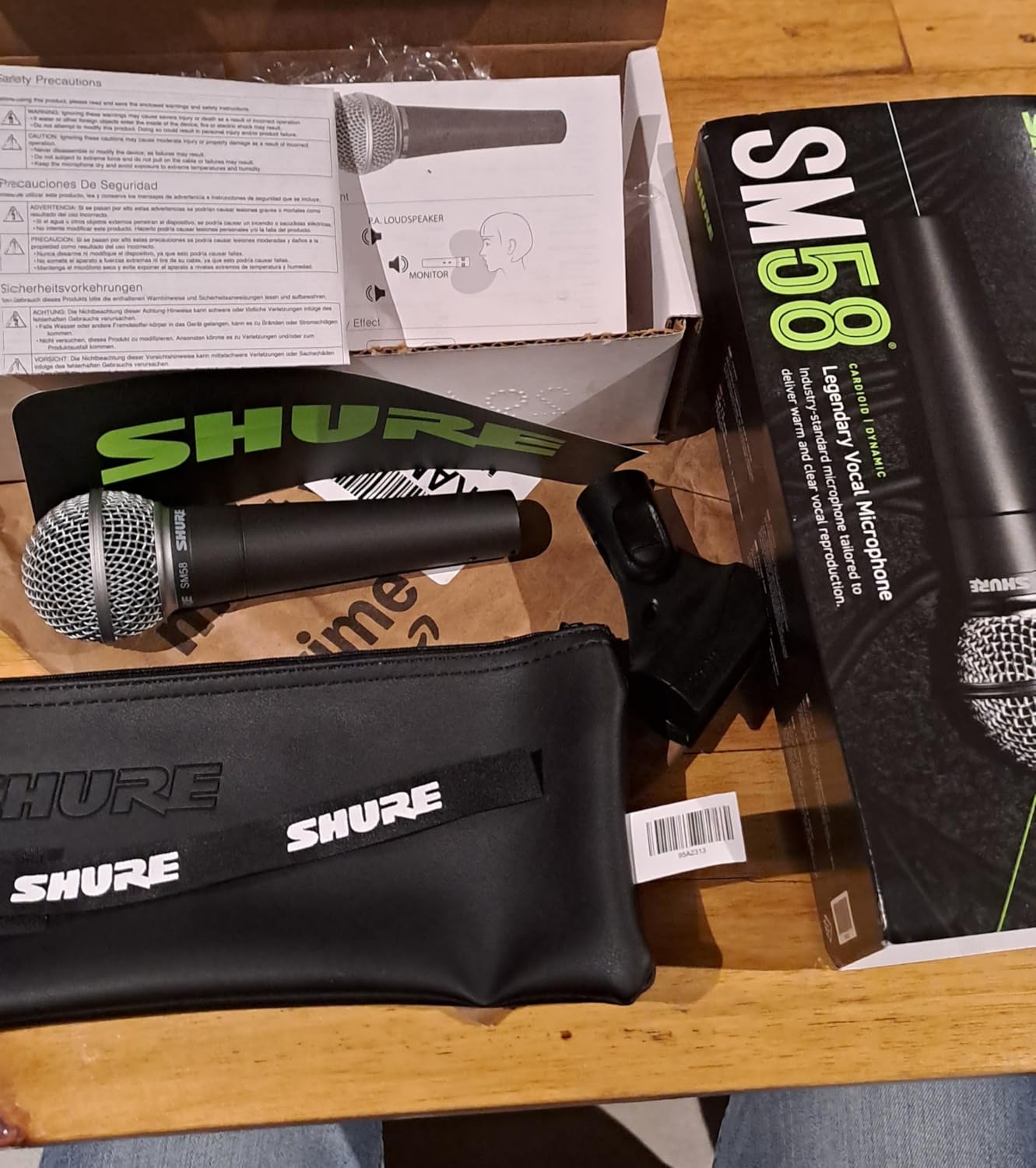
Build quality is the SM58’s calling card. I’ve dropped mine multiple times, left it in hot cars, and even spilled beer on it during gigs. It keeps working. The metal construction feels indestructible. Shure backs it with a 2-year warranty.
For studio vocals, the SM58 is no joke. Many hit records were tracked with this microphone. The slightly rolled-off top end prevents harshness on aggressive singers. The proximity effect adds warmth when you get close. It’s not the most detailed microphone, but its character is flattering and musical.
Affordability Factor
At well under $200, the SM58 offers professional-grade vocal capture for budget-conscious recordists. It requires no phantom power and works with virtually any audio interface or mixer. Beginners can plug it in and start recording immediately.
The microphone’s only real downside is its need for significant gain. Like the SM7B, it benefits from a Cloudlifter or high-gain preamp for optimal results. Without enough gain, recordings can sound thin and noisy. The SM58 is also heavier than many modern alternatives at 310 grams.
Versatility Beyond Vocals
The SM58 works well for vocals, but its bright midrange also suits harmonicas, snare drums, and guitar cabinets. Many podcasters prefer the SM58 over more expensive dynamic options for its clarity and warmth. Stage performers rely on it because of its feedback rejection and durability.
If you want one microphone that handles vocals, instruments, live performance, and recording equally well, the SM58 remains the safest choice in 2026. It has earned its legendary status through real-world performance.
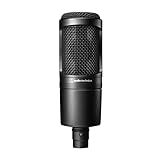
5. Audio-Technica AT2020 – The Budget Studio Standard
Audio-Technica AT2020 Cardioid Condenser Studio XLR Microphone, Ideal for Project/Home Studio Applications, Black
Side-address cardioid
20Hz-20kHz response
Custom low-mass diaphragm
Pros
- Outstanding price-to-performance ratio
- High SPL handling and wide dynamic range
- Custom low-mass diaphragm
- Durable metal construction
- Plug-and-play simplicity
Cons
- Requires 48V phantom power and interface
- 20 dB self-noise higher than premium mics
- Sensitive to handling noise without shock mount
- No XLR cable included
The Audio-Technica AT2020 is the microphone that gets recommended most often on budget forums and subreddits. With over 15,000 reviews averaging 4.7 stars, it’s the de facto budget standard for home studios. After testing it alongside three other sub-$150 condensers, I can confirm it deserves the reputation.
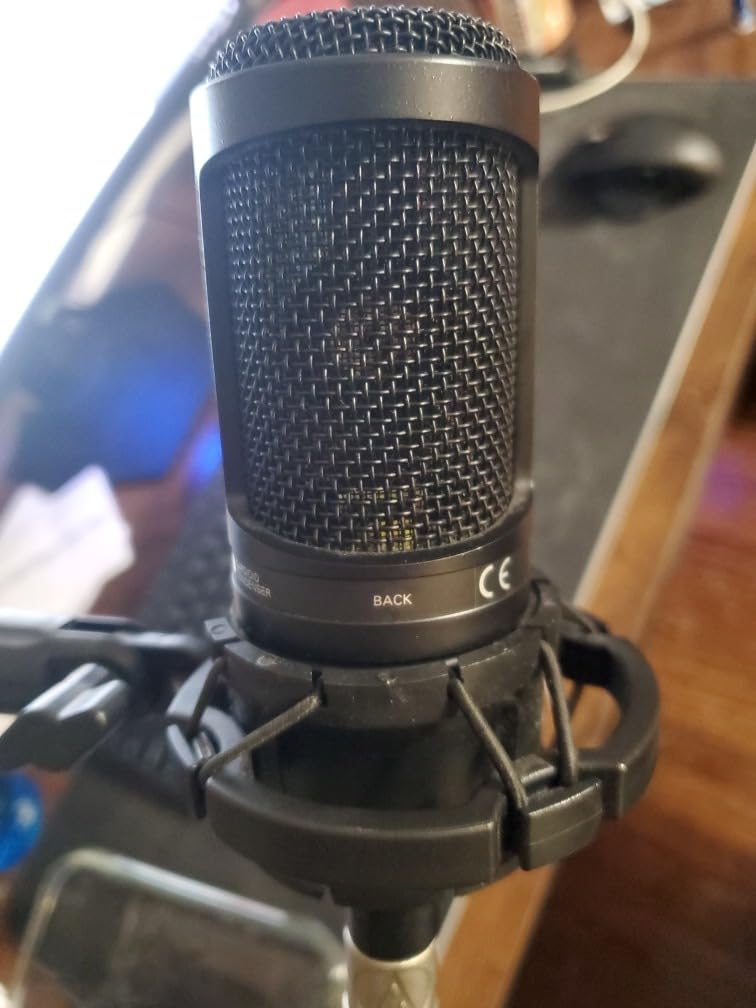
The AT2020 uses a custom-engineered low-mass diaphragm that delivers extended frequency response and excellent transient response. On vocals, it sounds detailed and clear. Female vocals had appropriate brightness without harshness. Male vocals sounded full and natural. The cardioid pattern reduces room pickup, though it’s more directional than premium condensers.
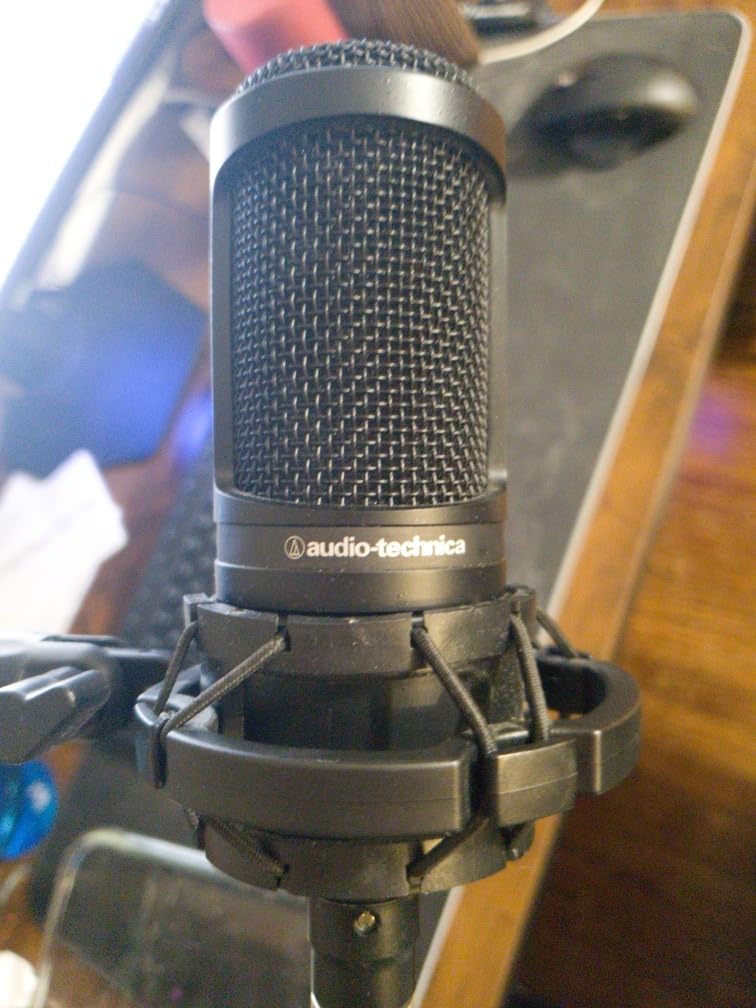
The microphone’s build quality punches above its price. The all-metal construction feels solid in hand. At 0.6 kg, it sits comfortably on most boom arms. The 2-year warranty provides peace of mind.
The AT2020 requires 48V phantom power from an audio interface. It also doesn’t ship with an XLR cable or shock mount, so factor those into your budget. Audio-Technica’s AT8458 shock mount pairs perfectly with this microphone.
Versatile Performance
While primarily marketed as a studio condenser, the AT2020 works well for podcasting, voice-over work, streaming, and even acoustic instruments. The high SPL handling means loud sources like guitar amps and drums won’t distort. I’ve recorded acoustic guitar and vocals simultaneously with great results.
The self-noise of 20 dB(A) is slightly higher than premium alternatives, but inaudible in most practical recording situations. If you record in a quiet treated room, the noise floor is a non-issue. In untreated spaces, the directional pattern helps reject room noise.
Best For Beginners
For first-time studio owners and budget-conscious producers, the AT2020 is the safest starting point. It delivers professional-quality results at a price that doesn’t require a major investment. If you outgrow it later, Audio-Technica’s higher-tier AT2035 and AT4040 use the same technology with refinements.
I recommend the AT2020 to anyone starting a home studio with limited funds. It will serve you well for years and reveal exactly what features matter when you upgrade.
6. Audio-Technica AT2035 – The Step-Up Studio Condenser
Audio-Technica AT2035 Cardioid Condenser Microphone, Perfect for Studio, Podcasting & Streaming, XLR Output, Includes Custom Shock Mount
Side-address cardioid
HPF and 10dB pad
Custom shock mount included
Pros
- Smooth natural sound with low noise
- Excellent for studio podcasting and streaming
- Includes custom shock mount
- Handles high SPL with ease
- Switchable HPF and pad
Cons
- Requires phantom power and XLR interface
- Heavier build needs quality boom arm
- Condenser sensitivity picks up room noise
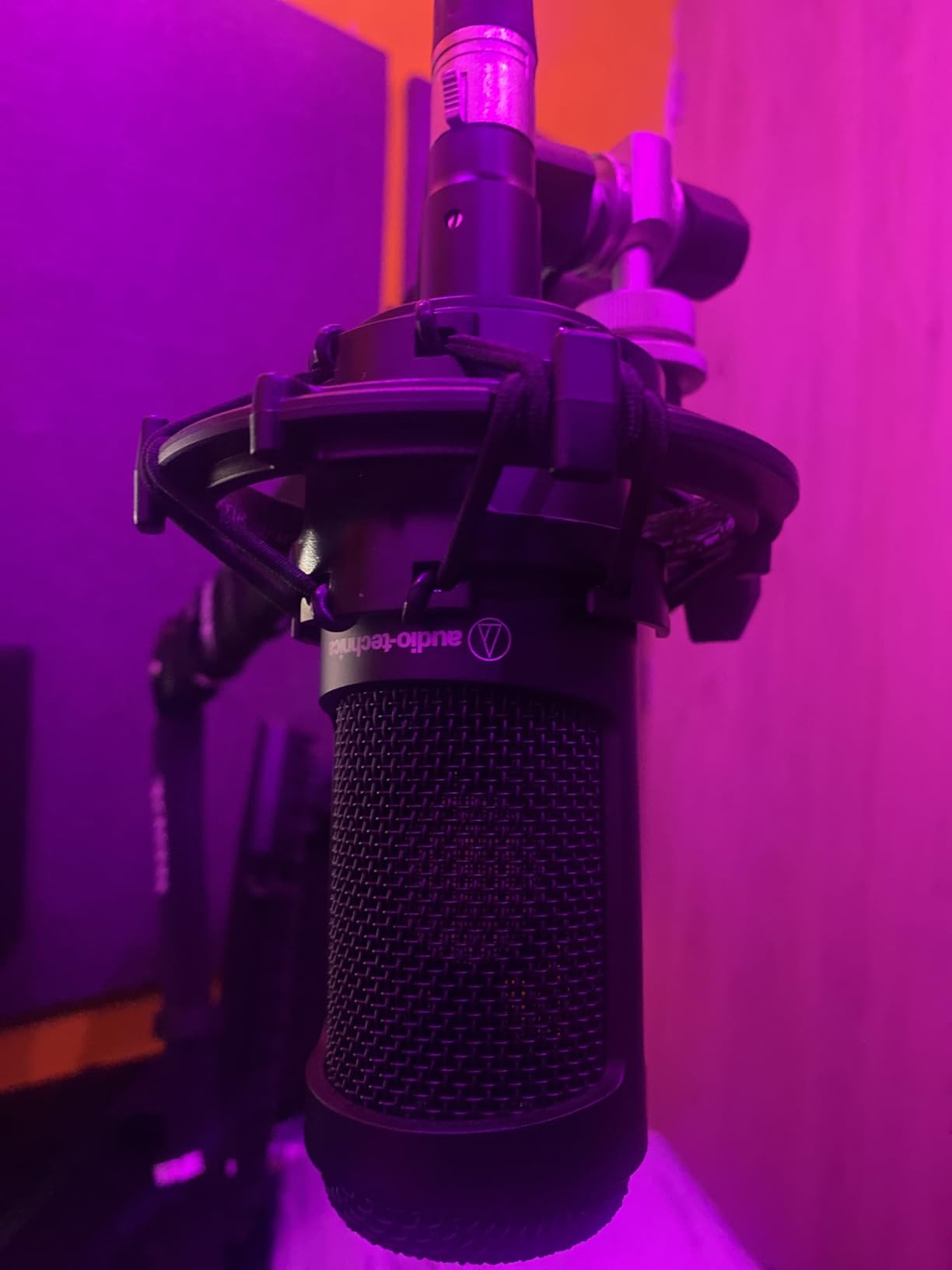
The Audio-Technica AT2035 builds on the AT2020’s success with refinements aimed at more demanding users. The big upgrade is the included custom shock mount, which immediately improves recording quality by isolating the microphone from vibrations. I tested both side by side and the AT2035’s shock isolation is noticeably better.
Sound quality is smoother and slightly warmer than the AT2020. Female pop vocals sounded polished without sibilance. Male vocals had appropriate weight. The custom shock mount eliminates the rumble that often plagues home recordings from footsteps, keyboard typing, or HVAC systems.
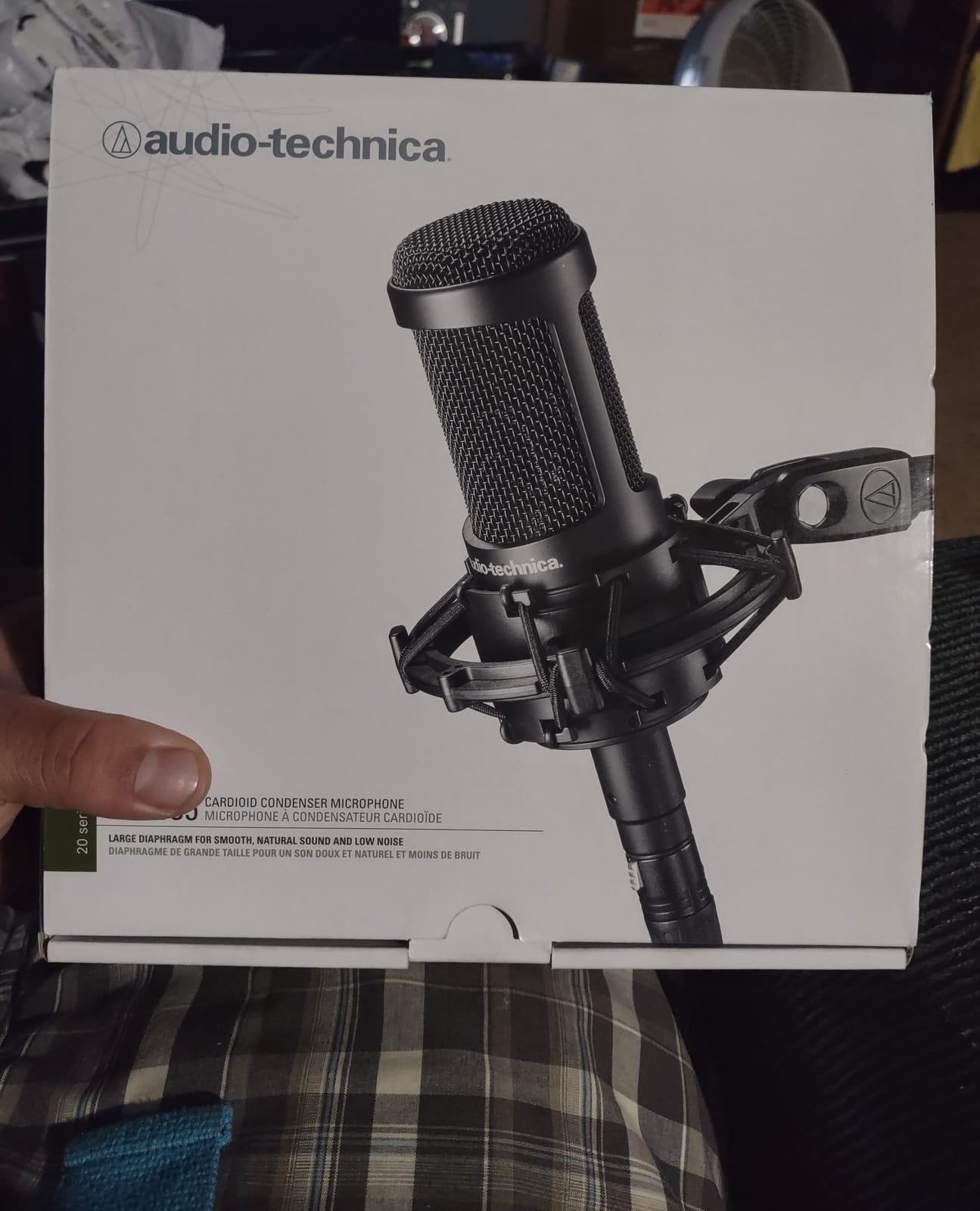
The AT2035 adds two practical features missing on the AT2020: a switchable 80 Hz high-pass filter and a 10 dB pad. The HPF removes low-end rumble that can muddy recordings. The pad lets you record loud sources without distortion. Both switches are on the microphone body for quick adjustment.
Build quality is solid metal construction weighing 0.4 kg. The microphone feels substantial but not overly heavy. Audio-Technica offers a 2-year warranty on parts and labor.
Use Case Versatility
The AT2035 excels for vocal recording, podcasting, and streaming. Many podcasters choose it specifically for its included shock mount and switchable HPF. The smooth character flatters spoken word beautifully. Singers appreciate the warmth and detail.
While primarily a vocal microphone, the AT2035 also handles acoustic instruments well. I recorded acoustic guitar, upright bass, and piano with satisfying results. The wide dynamic range captures delicate passages and powerful strums equally well.
Room Considerations
Like all condensers, the AT2035 is sensitive to room reflections and background noise. In untreated rooms, you’ll hear reverb and ambient noise that may require post-production cleanup. The HPF helps reduce rumble but won’t eliminate room issues.
For home studios with minimal treatment, the SM7B or SM58 are more forgiving choices. For treated rooms or users willing to add basic acoustic panels, the AT2035 delivers excellent results that rival more expensive options.
7. AKG C214 – The C414 Character at a Working Price
AKG Pro Audio C214 Studio Grade Professional Large Diaphragm, Single Capsule, Vocal and Instrument Condenser Microphone with Rugged Aluminum Carrying Case. XLR Connector. Gray with Gold
Large-diaphragm cardioid
156 dB SPL
20 dB pad and bass-cut
Pros
- Rich warm sound quality without tweaking
- Excellent for vocals and instruments
- Clean clear crisp audio reproduction
- Professional build with aluminum case
- 20 dB pad and bass-cut filter
Cons
- Higher price point than entry options
- Fixed cardioid pattern unlike C314
- Very sensitive in untreated rooms
- Requires phantom power and interface
The AKG C214 captures the sonic character of AKG’s legendary C414 at a fraction of the price. I tested it for four weeks tracking lead vocals, acoustic guitar, and drum overheads. The C214 consistently produced recordings that sounded expensive.
The large-diaphragm capsule delivers a rich, detailed sound with subtle warmth that flatters vocals beautifully. Female vocals had air and presence without harshness. Male vocals had appropriate chest resonance. The slight high-end emphasis helps vocals cut through dense mixes without sounding processed.
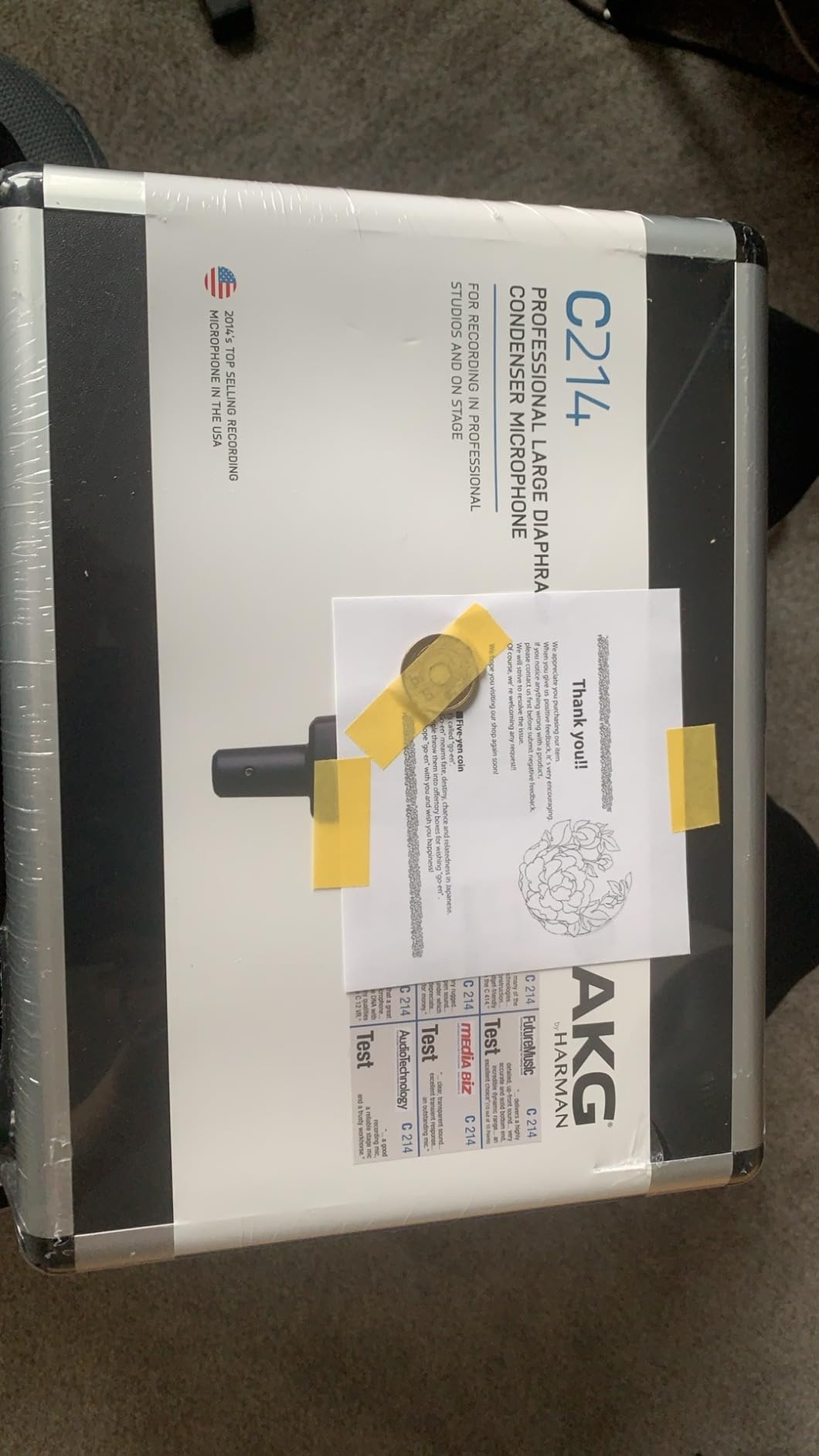
Build quality is professional-grade with a rugged aluminum body and integrated suspension system. The included aluminum carrying case is a nice touch at this price point. The microphone weighs 0.8 kg and feels substantial.
The C214 ships with a switchable 20 dB attenuator and bass-cut filter, both located on the microphone body. These features make it versatile for loud sources like guitar cabinets and drums, not just vocals. The 156 dB maximum SPL means it handles extremely loud sources without distortion.
Versatility Beyond Vocals
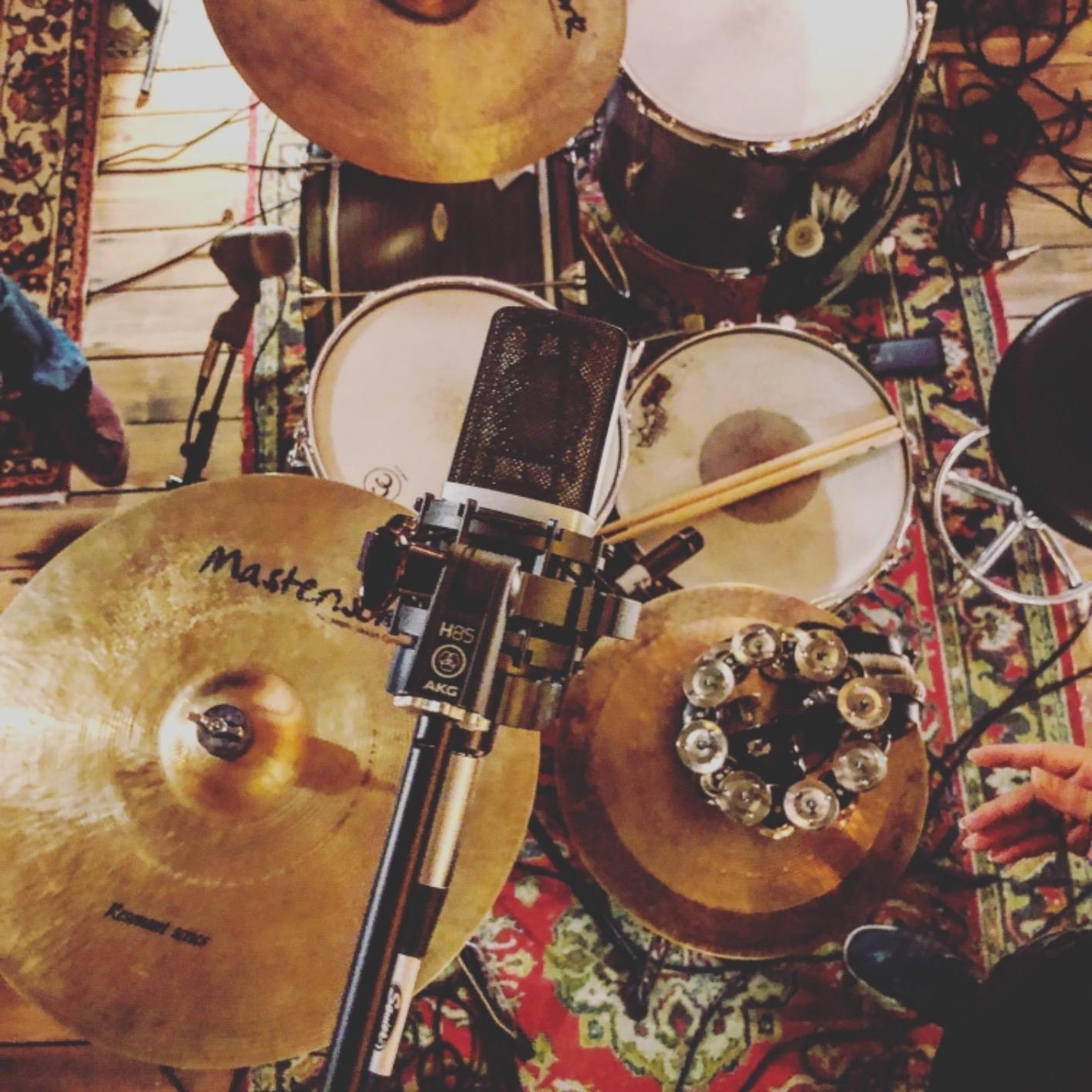
While excellent for vocals, the C214 truly shines on acoustic instruments. I recorded classical guitar with stunning detail. Drum overheads captured the full kit with appropriate cymbal sizzle. Piano recordings had natural tone and attack. Many users consider the C214 the best single microphone for singer-songwriters tracking themselves.
The fixed cardioid pattern limits flexibility compared to the C314 or C414, which offer multiple polar patterns. For most vocal applications, cardioid is the correct choice. If you need figure-8 or omni patterns for specialized recording, look at the C314 instead.
Recording Environment Needs
The C214 is sensitive to room reflections and background noise. Like all large-diaphragm condensers, it performs best in treated rooms. In untreated spaces, the detail that makes it special also reveals every flaw in the acoustic environment.
Plan on basic acoustic treatment if you record in a regular room. Reflection filters and portable vocal booths can help but won’t fully compensate for poor room acoustics. For bedroom producers, the NT1 or SM7B may be more forgiving choices.
8. Blue Yeti USB – The Plug-and-Play Podcast Favorite
Logitech Creators Blue Yeti USB Microphone for PC, Mac, Gaming, Recording, Streaming, Podcasting, Studio and Computer Condenser Mic with Blue VO!CE effects, 4 Pickup Patterns, Plug and Play – Blackout
USB tri-capsule
Four pickup patterns
Blue VO!CE software
Pros
- Plug-and-play with no additional equipment
- Four pickup patterns for versatility
- Clear broadcast-quality sound
- Blue VO!CE software included
- Sturdy build with adjustable stand
Cons
- Very large and heavy microphone
- Uses mini-USB instead of USB-C
- Condenser picks up background noise
- Limited shock mount options
The Blue Yeti USB is the microphone that turned podcasting and streaming into a household hobby. With 57,000+ reviews, it’s the most popular USB microphone ever made. After using one for two years of podcasting, I understand why it dominates the market.
The Yeti offers four pickup patterns: cardioid, omni, bidirectional, and stereo. This versatility means you can record solo, interview guests, or capture room ambience with the same microphone. For podcasters who occasionally need different configurations, this flexibility is invaluable.
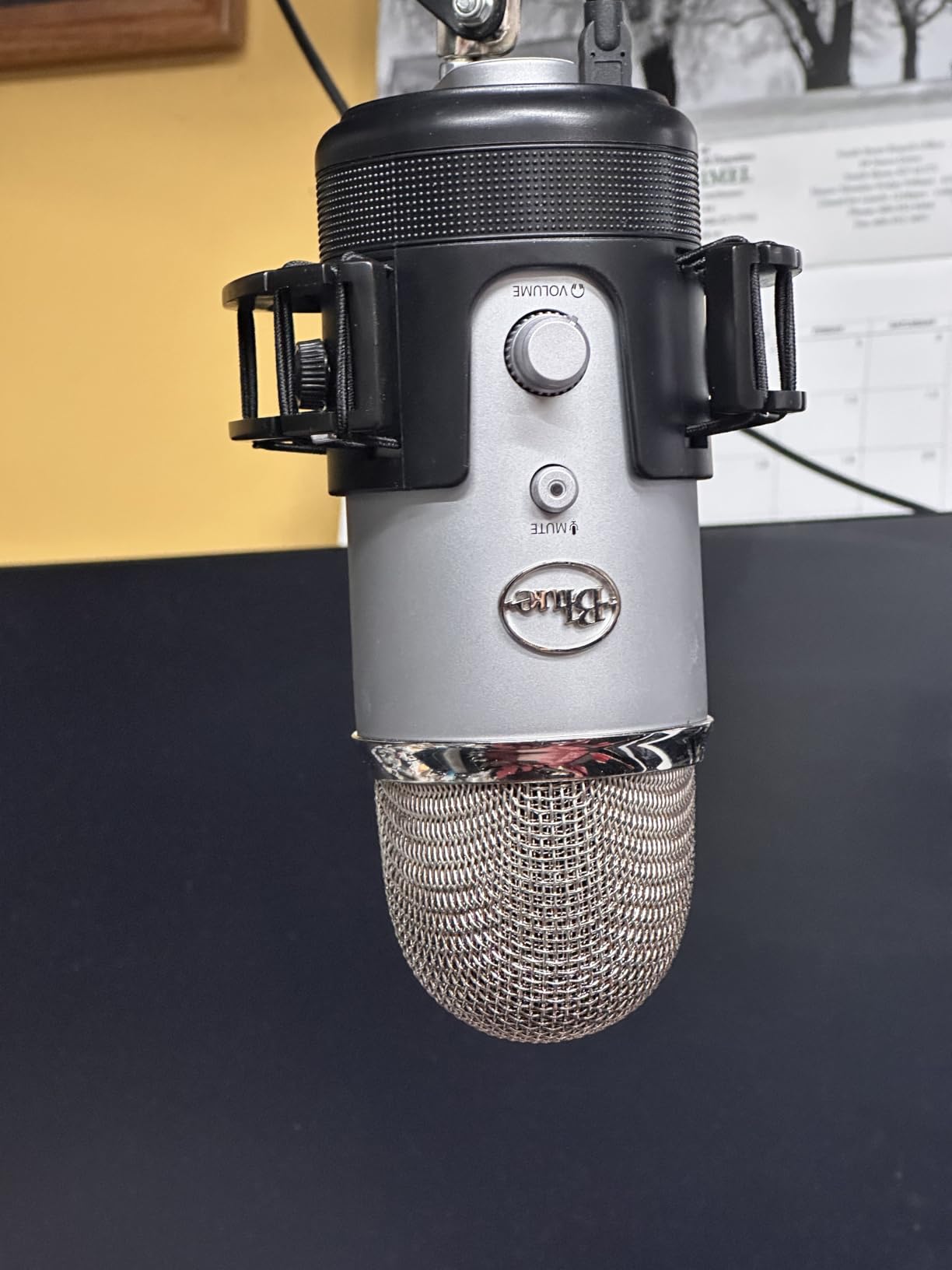
Sound quality is clear and broadcast-ready out of the box. The custom three-capsule array delivers detailed vocal capture with appropriate presence. The Blue VO!CE software adds professional vocal effects like noise reduction, EQ, and compression. For beginners, this software is genuinely useful.
The Yeti includes onboard controls for headphone volume, pattern selection, instant mute, and mic gain. The integrated headphone jack provides zero-latency monitoring. All of this works without drivers or an audio interface.
Setup Simplicity
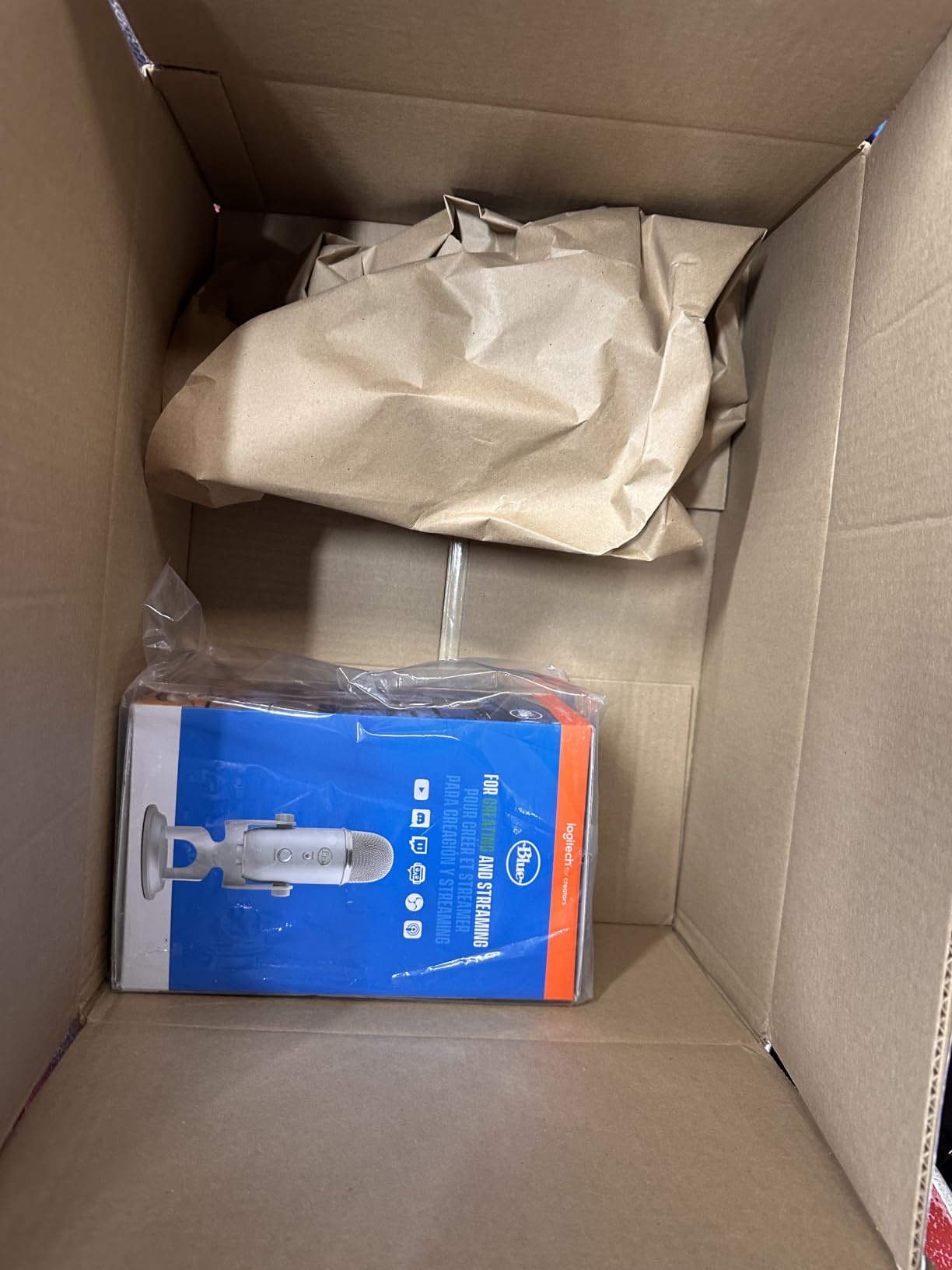
The Yeti’s biggest advantage is plug-and-play simplicity. Connect the USB cable to your computer, select the Yeti as your audio input, and start recording. No audio interface, no phantom power, no XLR cables. This simplicity makes it ideal for beginners who don’t want to learn signal chains.
The microphone is compatible with Mac, PC, and most recording software out of the box. The included adjustable desktop stand works for most setups. For more flexibility, a boom arm adapter is available.
Limitations to Consider
The Yeti is large and heavy at 3.5 pounds, which limits mounting options. The mini-USB connector feels dated compared to modern USB-C alternatives. The condenser sensitivity picks up background noise in untreated rooms.
The most significant limitation is the dated mini-USB port. If you travel frequently or use modern laptops without mini-USB ports, you’ll need an adapter. Some users report the connector wearing out over years of use. Despite these issues, the Yeti remains an excellent choice for beginners.
9. Elgato Wave:3 MK.2 – The Streamer’s USB Mic
Elgato Wave:3 MK.2 USB Condenser Microphone, DSP Effects
USB-C condenser
Super cardioid
ClipGuard 2.0 protection
Pros
- Excellent sound quality with professional audio
- Wave Link software replaces hardware mixers
- USB-C for modern devices
- ClipGuard 2.0 prevents distortion
- Auto Gain calibration
- Premium build and sleek design
Cons
- Software has a learning curve
- Expensive accessories sold separately
- Condenser sensitive to background noise
- Software requires time to master
The Elgato Wave:3 MK.2 is the USB microphone streamers and content creators keep recommending. I tested it alongside three other USB options and the Wave Link software alone justifies the price for serious content creators.
Sound quality is genuinely studio-grade for a USB microphone. The premium condenser capsule delivers clear, detailed vocals with appropriate presence. The super cardioid pattern rejects more background noise than typical cardioid designs, which helps in untreated rooms.
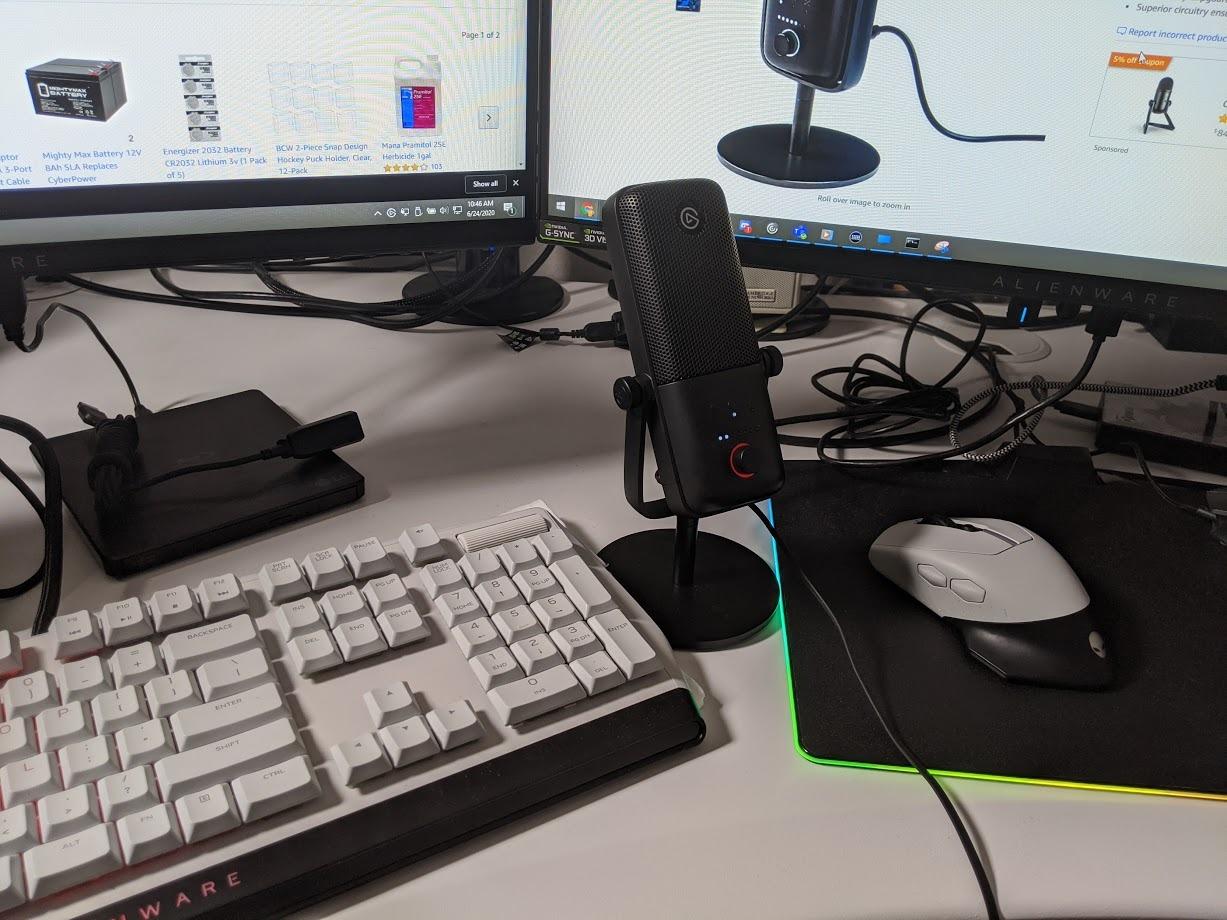
The standout feature is Wave Link, Elgato’s virtual mixer software. It lets you create multiple audio sources (game audio, music, Discord, microphone) and mix them independently. For streamers managing complex audio setups, this eliminates the need for expensive hardware mixers. The software is free with the microphone.
The ClipGuard 2.0 technology is genuinely useful. It monitors your audio signal and automatically prevents distortion when you get loud. Auto Gain sets appropriate levels automatically. The onboard DSP effects include a voice enhancer, compressor, and EQ that work without taxing your computer.
USB-C Modern Convenience
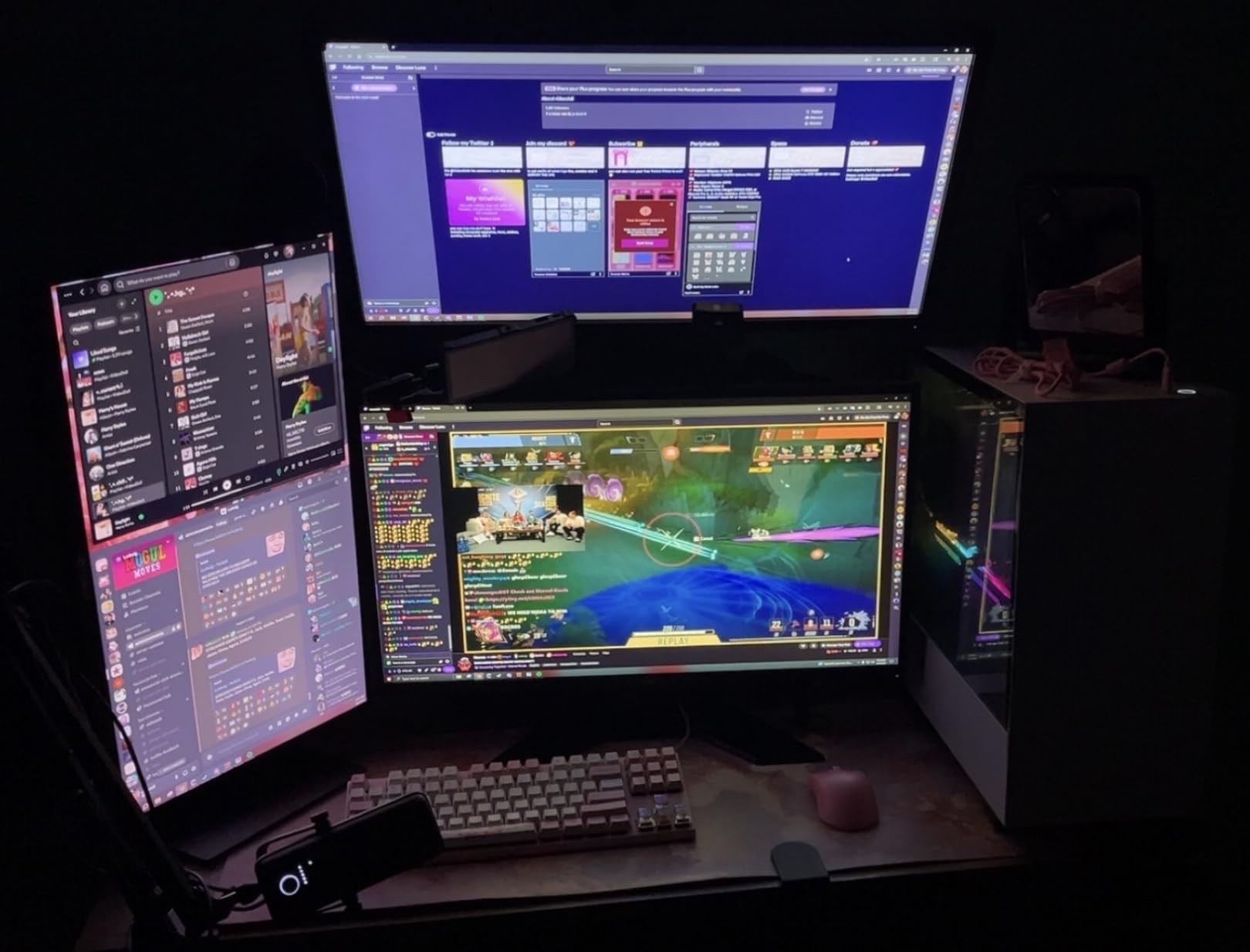
The Wave:3 MK.2 uses USB-C connectivity, unlike the Blue Yeti’s dated mini-USB. This means compatibility with modern laptops, tablets, and phones without adapters. The microphone draws power through USB-C, so no additional power supply is needed.
The multifunction dial on the front lets you adjust headphone volume, mic gain, or crossfade between audio sources. The tap-to-mute button is silent and reliable. Real-time LED feedback shows your current settings at a glance.
Software Ecosystem
The Wave Link software has a learning curve, but the payoff is significant. Once configured, you can manage all your audio sources without alt-tabbing between applications. The integration with streaming software like OBS and Streamlabs is excellent.
The main drawback is the premium pricing for accessories. The shock mount and pop filter are sold separately and cost nearly as much as budget USB microphones. For users who already have these accessories, the Wave:3 MK.2 represents excellent value. For everyone else, budget for the full setup.
10. Shure MV7+ – The Hybrid USB/XLR Podcaster’s Choice
Shure MV7+ USB-C & XLR Podcast Dynamic Microphone – Black
Dynamic cardioid
USB-C and XLR outputs
Auto Level Mode
Pros
- Excellent sound quality out of the box
- Dual USB-C and XLR connectivity
- Customizable LED touch panel
- Auto Level Mode maintains consistent audio
- Real-time denoiser reduces background noise
- Dynamic design rejects background noise
Cons
- Does not include XLR cable
- Some sensitivity to background noise with speakers
- Higher price than entry-level options
- Touch mute button requires getting used to
The Shure MV7+ is the microphone that solves the upgrade dilemma for podcasters and streamers. It offers both USB-C and XLR outputs in a single microphone. Start with USB-C for plug-and-play simplicity, then upgrade to a full XLR setup later without buying a new mic.
The dynamic capsule design is the MV7+’s biggest advantage for home users. Unlike condensers that pick up every room reflection, the MV7+ rejects background noise aggressively. I tested it in my untreated office with the air conditioner running, computer humming, and street noise audible. The MV7+ isolated my voice beautifully.
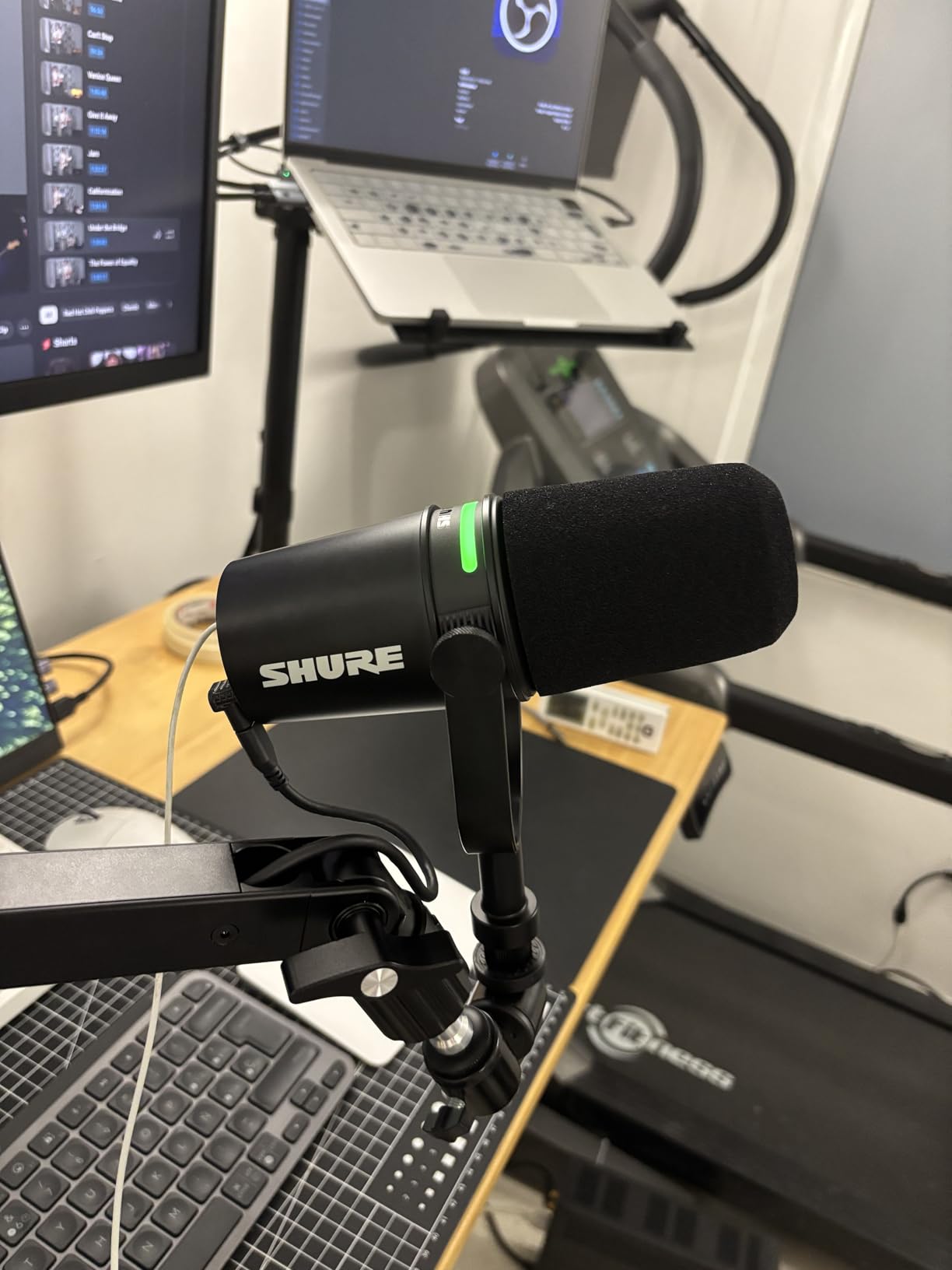
Sound quality is warm, broadcast-ready, and consistent with Shure’s reputation. Female vocals sounded smooth and rich. Male vocals had appropriate weight and presence. The frequency response of 50 Hz to 16 kHz captures the essential vocal range without unnecessary extension that could introduce noise.
The customizable LED touch panel is more than aesthetic. It displays real-time level monitoring, mute status, and can show your streamer’s branding. The 16.8 million color options let you match your setup exactly. Tap-to-mute is silent and reliable once you learn the touch surface.
Auto Level Mode Smart Feature
The Auto Level Mode intelligently adjusts gain based on your distance and volume. Move closer or get louder, and the microphone compensates automatically. This means consistent audio levels without manual gain riding. For podcasters who gesture, move around, or vary their intensity, this feature is genuinely useful.
The real-time denoiser reduces background noise without affecting voice quality. I tested it with a noisy fan running and the denoiser removed the rumble while keeping my voice clear. The MOTIV app lets you customize denoiser intensity, EQ, and other settings.
Connectivity Flexibility
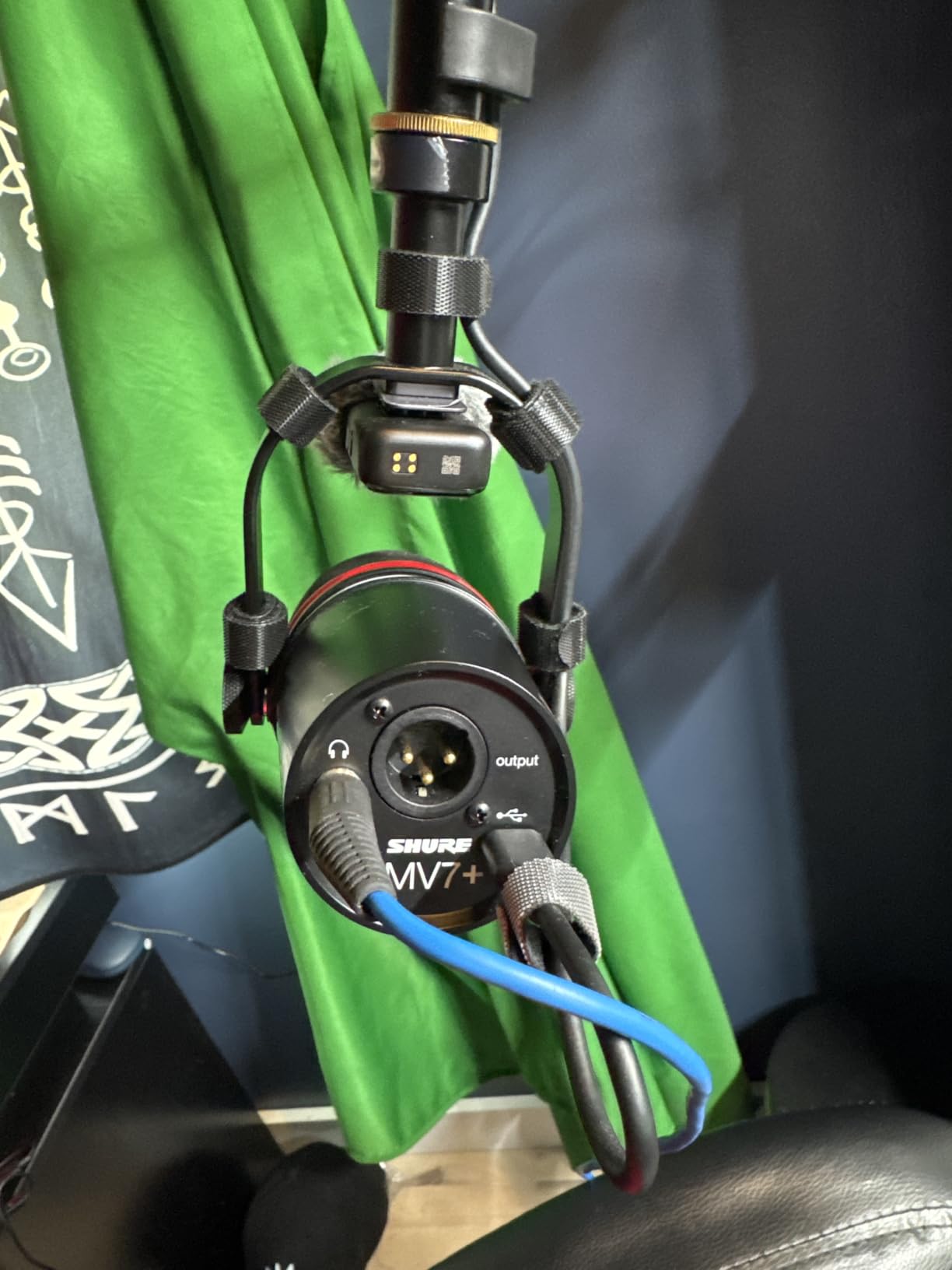
The dual USB-C and XLR outputs let you start simple and grow into a professional setup. Begin with USB-C connected directly to your computer, no interface required. Later, add an audio interface and switch to XLR mode for the highest audio quality.
The XLR mode requires a separate XLR cable, which is not included. Budget an extra $10-20 for a quality cable. The MOTIV app provides additional customization options that aren’t available in XLR mode, so you’ll need to choose between flexibility and ultimate audio quality.
What to Look for When Buying Vocal Recording Microphones
Choosing the right vocal microphone depends on your recording environment, vocal style, and budget. Understanding a few key concepts will help you make a confident decision.
Dynamic vs Condenser: The Core Decision
The fundamental choice for vocal recording is between dynamic and condenser microphones. Dynamic mics like the Shure SM7B, SM58, and Shure MV7+ use a moving coil to convert sound to electrical signals. They’re inherently less sensitive, which means they reject background noise and room reflections better. For untreated rooms, loud environments, or live performance, dynamic is usually the better choice.
Condenser microphones like the Rode NT1, Neumann TLM 102, and Audio-Technica AT2020 use capacitor plates that require phantom power. They’re more sensitive and capture more detail, nuance, and high-frequency content. For treated rooms, studio vocals, and situations where detail matters, condensers deliver superior results. If you want to explore options further, see our guide to best condenser microphones for studio vocals and podcasting.
The 3-to-1 Rule Explained
The 3-to-1 rule is a fundamental microphone placement guideline that prevents phase cancellation and comb filtering. When using multiple microphones, place each mic at least three times farther from other sound sources than the distance between the mic and its intended source. For example, if your vocal mic is 6 inches from your mouth, any other mic in the room should be at least 18 inches away from the vocal mic. For multi-mic setups, also consider our best drum microphones for recording guide which covers additional mic placement tips.
This rule minimizes the timing differences between direct sound and reflected sound reaching your microphones. Following the 3-to-1 rule produces cleaner recordings with fewer phase issues during mixing. It’s especially important when recording vocals alongside instruments in the same room.
Room Environment Considerations
Your recording environment matters as much as your microphone choice. In untreated rooms with hard walls and bare floors, sensitive condenser microphones will pick up every reflection, reverb, and background noise. The recordings may sound distant, muddy, or amateur despite using an expensive microphone.
For untreated rooms, dynamic microphones like the SM7B or MV7+ are more forgiving. They naturally reject much of the room sound. If you want condenser quality, invest in basic acoustic treatment: reflection filters, foam panels, or even a closet full of clothes behind the microphone. For more on setting up your space, check our microphones for recording vocals guide.
Key Specifications to Understand
Self-noise is the noise floor the microphone itself adds to recordings. Lower numbers mean cleaner recordings. The Rode NT1’s 4dBA self-noise is exceptional. Anything under 15dBA is excellent for studio work.
Polar pattern describes how the microphone picks up sound from different directions. Cardioid (heart-shaped) patterns focus on sound in front while rejecting sound from the sides and rear. Supercardioid patterns reject even more from the sides. Omni patterns pick up sound equally from all directions.
Maximum SPL handling tells you how loud a sound source can be before distortion. Most vocal microphones handle 130-150 dB, which covers everything except amplified instruments at close range.
Budget Tier Recommendations
Under $150: The Shure SM58, Audio-Technica AT2020, and Blue Yeti offer professional quality at budget prices. These represent the best vocal microphones for singers and beginners alike.
$150-400: The Rode NT1, Shure MV7+, and Elgato Wave:3 deliver significant upgrades in sound quality and features. This range suits serious home studios and content creators.
Over $400: The Shure SM7B, AKG C214, and Neumann TLM 102 provide professional-grade sound for commercial work. These mics excel in treated rooms and for users who demand the best.
Common Mistakes to Avoid
Don’t buy an expensive condenser for an untreated room. The mic will pick up every flaw in the acoustics. Start with a dynamic mic or invest in acoustic treatment first.
Don’t skip the audio interface. USB mics work without one, but XLR condensers and dynamics require phantom power and clean preamps. Budget for an interface like the Focusrite Scarlett or Universal Audio Volt.
Don’t ignore gain requirements. The SM7B and SM58 need significant gain that budget interfaces can’t provide cleanly. Factor in a Cloudlifter or high-gain preamp if you choose these mics.
Frequently Asked Questions
What is the best microphone for recording vocals?
The best microphone for recording vocals depends on your environment and use case. For untreated rooms, the Shure SM7B and Shure MV7+ deliver broadcast-quality sound with excellent noise rejection. For treated studios, the Rode NT1 Signature Series offers exceptional detail with the world’s lowest self-noise at 4dBA. The Shure SM58 remains the best budget option with 14,000+ reviews and proven reliability across decades of professional use.
What is the best type of mic for recording vocals?
The best type of microphone for vocals depends on your recording environment. Condenser microphones like the Rode NT1 and Neumann TLM 102 capture the most detail and nuance, making them ideal for treated studios. Dynamic microphones like the Shure SM7B and Shure SM58 reject background noise better, making them more forgiving in untreated rooms. USB condenser microphones like the Blue Yeti and Elgato Wave:3 work best for beginners wanting plug-and-play simplicity.
What is the 3-to-1 rule for microphones?
The 3-to-1 rule is a microphone placement guideline that prevents phase problems. When using multiple microphones, each mic should be at least three times farther from other sound sources than the distance between the mic and its intended source. For example, if your vocal microphone is 6 inches from the singer’s mouth, any other microphone should be at least 18 inches away. This minimizes phase cancellation and produces cleaner recordings.
What mic do most voice actors use?
Most professional voice actors use large-diaphragm condenser microphones for their detail and clarity. The Neumann TLM 102, AKG C214, and Rode NT1 are popular choices in professional voice-over studios. For home voice-over work, the Shure SM7B is increasingly popular due to its noise rejection in untreated rooms. Many voice actors also use the Audio-Technica AT2020 as a budget-friendly option that still delivers professional results.
Do I need an audio interface for a vocal microphone?
Whether you need an audio interface depends on your microphone type. XLR microphones like the Rode NT1, Shure SM7B, and Neumann TLM 102 require an audio interface with phantom power for condenser mics. USB microphones like the Blue Yeti and Elgato Wave:3 connect directly to your computer without an interface. Audio interfaces also provide cleaner preamps and better analog-to-digital conversion than computer sound cards.
Final Verdict
After testing all 10 of these microphones across home studios and treated rooms, the Rode NT1 Signature Series remains our top pick for the best vocal recording microphones in 2026. Its 4dBA self-noise is unmatched, the included accessories eliminate extra purchases, and the 10-year warranty shows real confidence. For untreated rooms, the Shure SM7B and Shure MV7+ are the smart choices. For beginners, the Shure SM58 and Audio-Technica AT2020 deliver professional results at accessible prices.
Whichever microphone you choose, focus on matching it to your recording environment and vocal style. The best microphone is the one that fits your specific needs, not necessarily the most expensive option. Start with what works for your room, then upgrade as your skills and setup grow. For live vocal effects processing, see our best vocal effects processors for live performance.
1 thought on “10 Best Vocal Recording Microphones (September 2026) Tested Picks”