
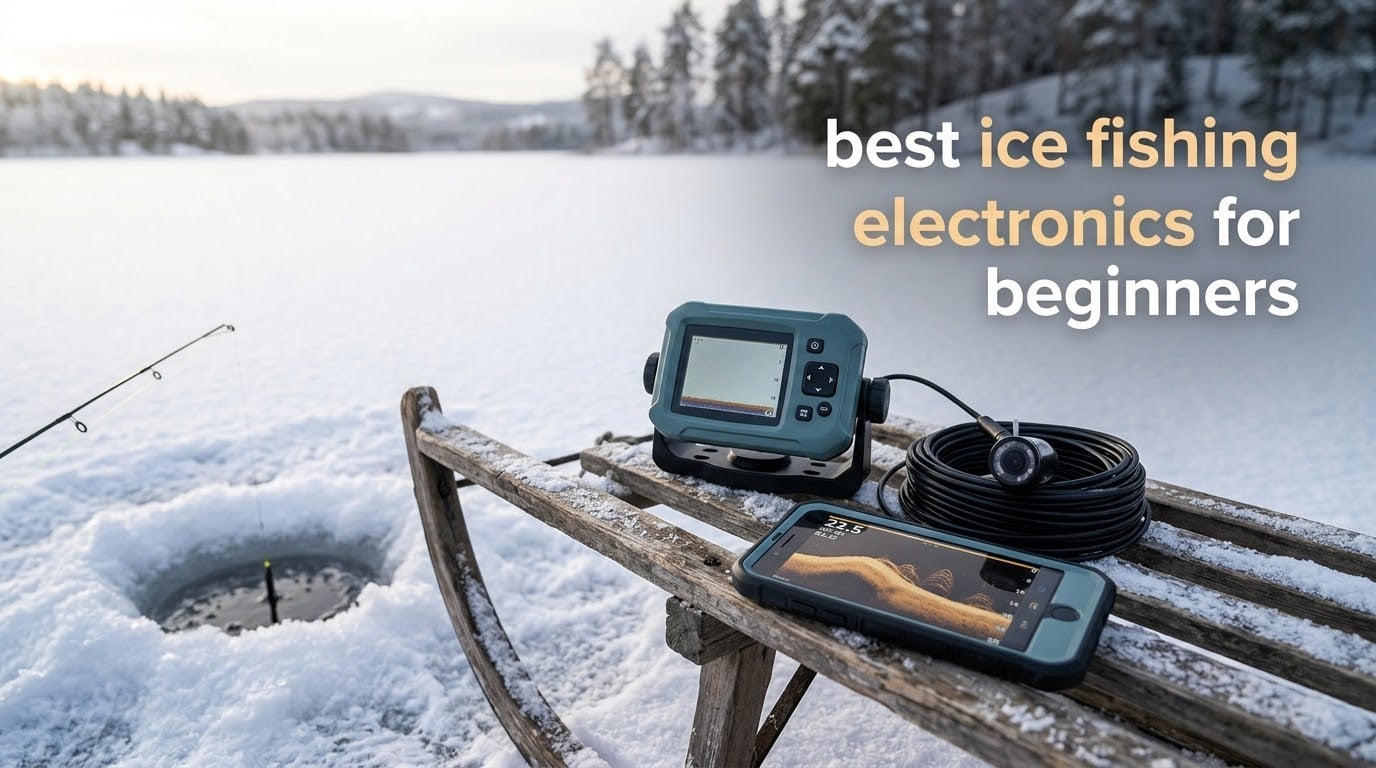
Fishing a lake in winter without electronics is a strange way to spend an afternoon. You drill, you drop a line, you jig, and after twenty minutes you have no idea whether you are over a weed edge or forty feet of dead water. Long-term owners on the ice fishing forums keep saying the same thing: they wish they had bought a unit years earlier instead of fishing blind for a season first.
That is the whole argument for the best ice fishing electronics for beginners. A sonar pulse goes down through the ice, the echo comes back off a fish, a weed tip or the lake bottom, and the unit turns the time of that echo into a picture. Instead of guessing, you mark productive structure and walk to the next hole. The four categories you will run into are flashers, ice sonar and graph units, underwater cameras, and phone or app sonar, and they differ far more in price and learning curve than most first-time buyers expect.
We compared ten units across all four categories, from a handheld depth finder to a complete ice bundle with a rechargeable battery and carrying case, and read the buyer feedback closely rather than the marketing copy. The Garmin STRIKER 4 came out on top because it does the three things that matter on ice – depth accuracy, sunlight-readable screen, a flasher mode – in a package a beginner can carry without a sled full of accessories. If you only buy one thing, that is where we would start.
Top 3 Picks: Ice Fishing Electronics Picks for Beginners in 2026
These three cover the range most beginners actually need: a proven all-rounder, a complete ready-to-drill bundle, and a low-cost first step for anyone fishing shallow water.

Garmin STRIKER Plus 4 Ice Bundle
- Dual Beam-IF ice transducer
- 4-inch color screen
- Rechargeable battery included
Best Ice Fishing Electronics for Beginners (October 2026)
Ten units, ten different answers. Read the key features column first, then jump to the review for the one that matches the water you fish.
| Product | Specifications | Action |
|---|---|---|
| Garmin STRIKER 4 |
|
Check Latest Price |
 ReelSonar iBobber ReelSonar iBobber |
|
Check Latest Price |
 LUCKY 1108 Kayak Fish Finder LUCKY 1108 Kayak Fish Finder |
|
Check Latest Price |
 Venterior Wireless Fish Finder Venterior Wireless Fish Finder |
|
Check Latest Price |
| LUCKY Ice Fishing Sonar |
|
Check Latest Price |
 Garmin STRIKER Cast Garmin STRIKER Cast |
|
Check Latest Price |
 Eyoyo 7 Inch Underwater Camera Eyoyo 7 Inch Underwater Camera |
|
Check Latest Price |
 FishPro Underwater Camera FishPro Underwater Camera |
|
Check Latest Price |
| Garmin STRIKER Plus 4 Ice Bundle |
|
Check Latest Price |
 Deeper PRO+ 2 Deeper PRO+ 2 |
|
Check Latest Price |
1. Garmin STRIKER 4 – the easiest first unit to learn
Garmin 010-01550-00 Striker 4 with Transducer, 3.5″ GPS Fishfinder with Chirp
3.5 inch LCD
CHIRP sonar
Built-in flasher mode
1600 ft max depth
8 oz
Pros
- Accurate depth and fish arches at trolling speed
- Screen readable in full sunlight
- Clicks in and out of the tilt swivel mount
- GPS speed water temp and depth alarm in one box
Cons
- No battery included
- Supplied power wires are thin and fragile
- 3.5 inch screen is small for split-screen use
This is the unit we would hand a beginner first, and the reason is simple: it has a flasher mode built into a fishfinder that already works well in a boat. On ice you set depth, read the screen, and jig. Off the ice the same box is a conventional depth finder with a Clear Vu scanning sonar and a CHIRP sweep of frequencies for crisper fish arches.
The buyer feedback on this one is unusually consistent. Owners call out depth accuracy that holds up even at trolling speed, a screen they can read in direct sunlight, and a tilt and swivel mount that clicks in and out without fuss. The GPS adds waypoint mapping, so you can mark a brush pile, a stump line or a dock and come back to it next weekend instead of re-drilling the same circle of holes.
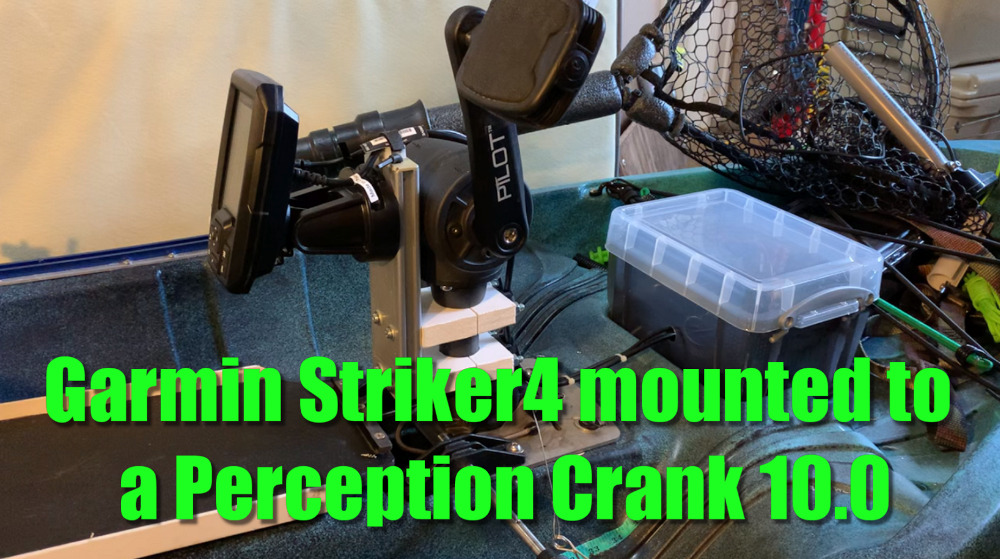
Specs worth knowing before you commit: 3.5 inch color LCD, maximum depth of 1600 feet in freshwater, a 0.23 amp draw at 12 volts, panel mounting, IPX7 water rating and a one-year limited warranty. It weighs 8 ounces, which is why it moves between a sled and a transom without a second battery.
The awkward part for a first-time ice angler is power. No battery is included, and a separate 12 volt deep-cycle pack is the normal way to run it. The supplied hookup wires are thin, so plan on a proper pack rather than a spare set of AA cells.
What works in the first ten minutes
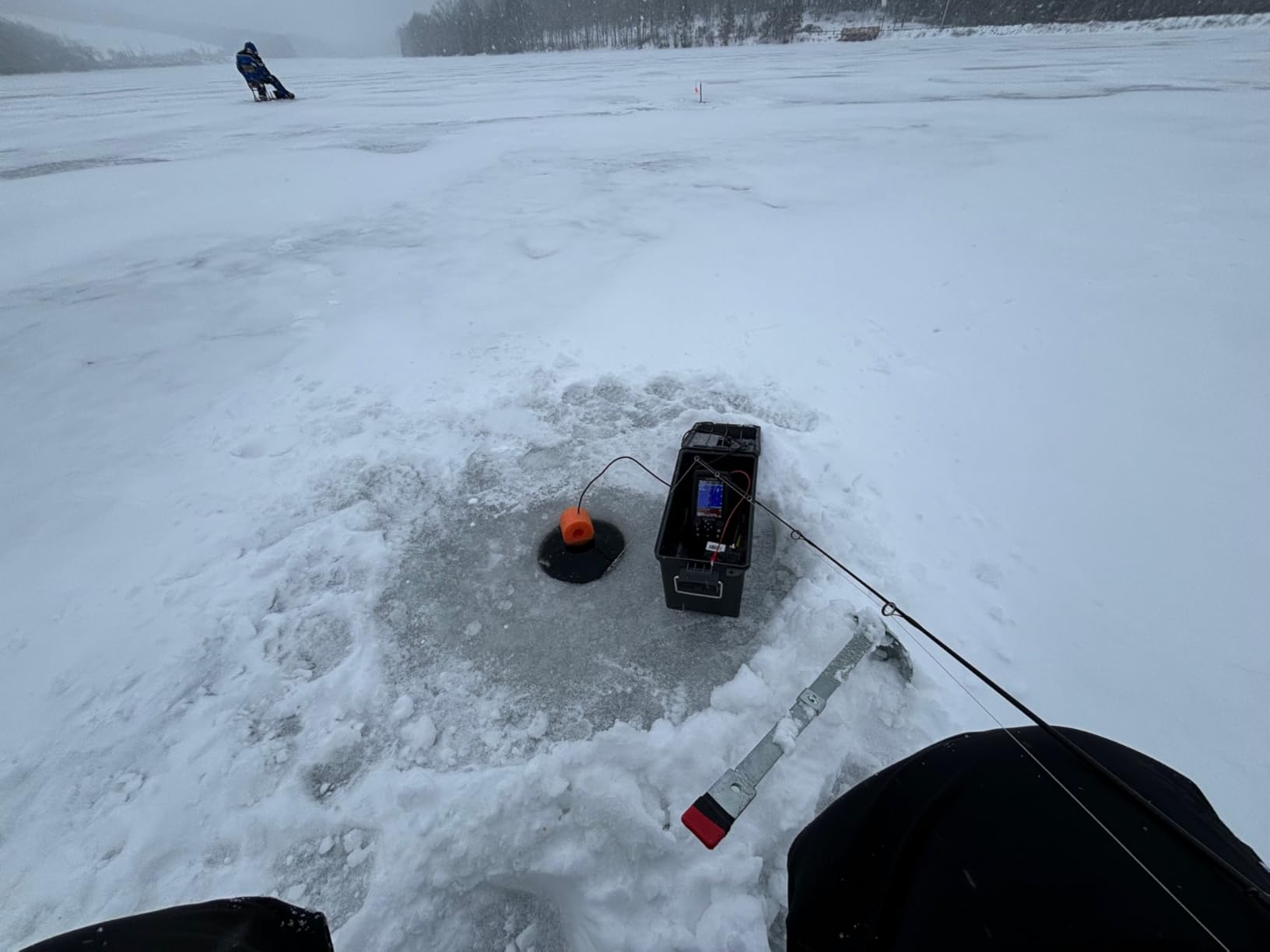
Power it, set the depth to what the lake reads, and leave the sensitivity alone for one trip. The flasher mode gives you one target at a time, which is exactly what a beginner needs to build confidence reading an arc and reacting to it. Mark the spot with the waypoint button and you have a reason to come back.
Sunlight readability is the other quiet win. Washout on a bright snowy afternoon is the most common reason cheap screens get binned after a season, and this one does not wash out.
Where it falls short
The 3.5 inch screen is genuinely small if you want to split the display between the flasher and a bottom view, and the stock transducer is built for open water. Owners who moved to an ice-specific transducer reported better results on the ice.
Most people who use only one of these do not also use the other, so the depth number and bottom structure are what decide the purchase.
2. ReelSonar iBobber – a phone unit you cast at night
Reelsonar Portable Fish Finder Accurate Fish Depth Finder with Depth Range of 135 feet 10+ Hours Battery Life with iOS & Android App Wireless
135 ft depth range
10+ hour rechargeable
Phone and watch app
Fishing line mount
Pros
- Pocket sized and casts easily
- Intuitive app with demo mode
- Bottom contour mapping finds structure
- Blinking LED ring is easy to find at night
Cons
- Bluetooth range only 40 to 50 feet
- Connection drops often on aluminum
- Needs at least 5 feet of water
- Sonar is tethered to the line
The iBobber is the answer to a specific question: what can I carry on a long walk across a frozen lake and still see fish? It is a small float you hang on your line, it sends a sonar reading to your phone over Bluetooth, and the app draws depth-tagged fish icons colored by size. Owners like the demo mode, because you can learn the screen indoors before you drill anything.
At 135 feet of range it covers most panfish and trout lake fishing and a good share of a typical walleye lake. It runs about 10 hours on a charge, works in fresh or salt water, and the fish and strike alarms mean you can watch a screen under a blanket instead of staring at an ice hole.
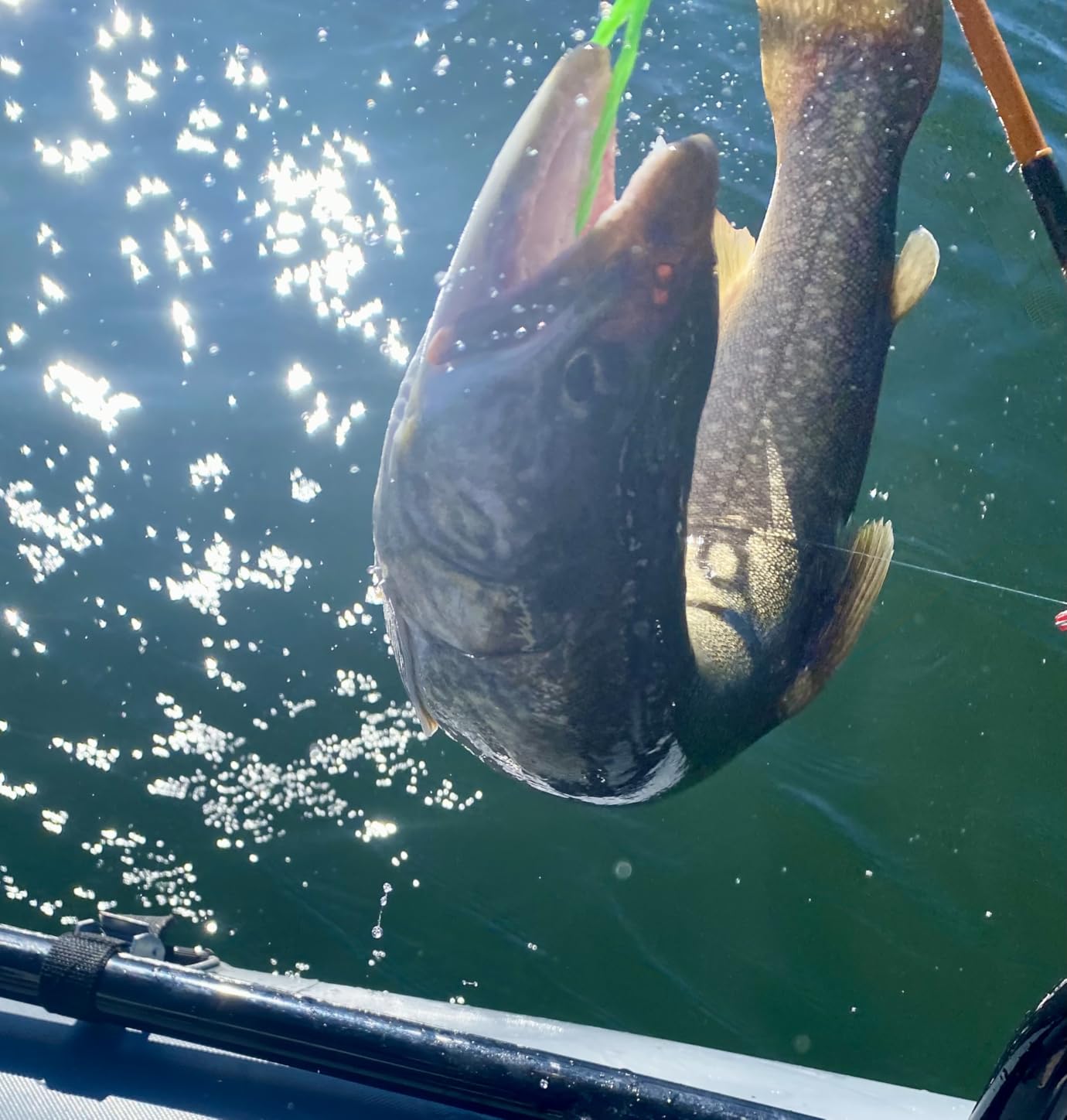
The blinking LED ring gets more praise than you would expect, because the one real failure mode of night fishing is losing your gear down a dark hole. Owners also report that the bottom contour view is genuinely useful for finding structure rather than just depth.
Reviewers are candid about the limits. Bluetooth range is roughly 40 to 50 feet even with a clear line of sight, which is fine on a lake and a problem if your shelter is set back from the hole. Connections drop, especially around aluminum boats.
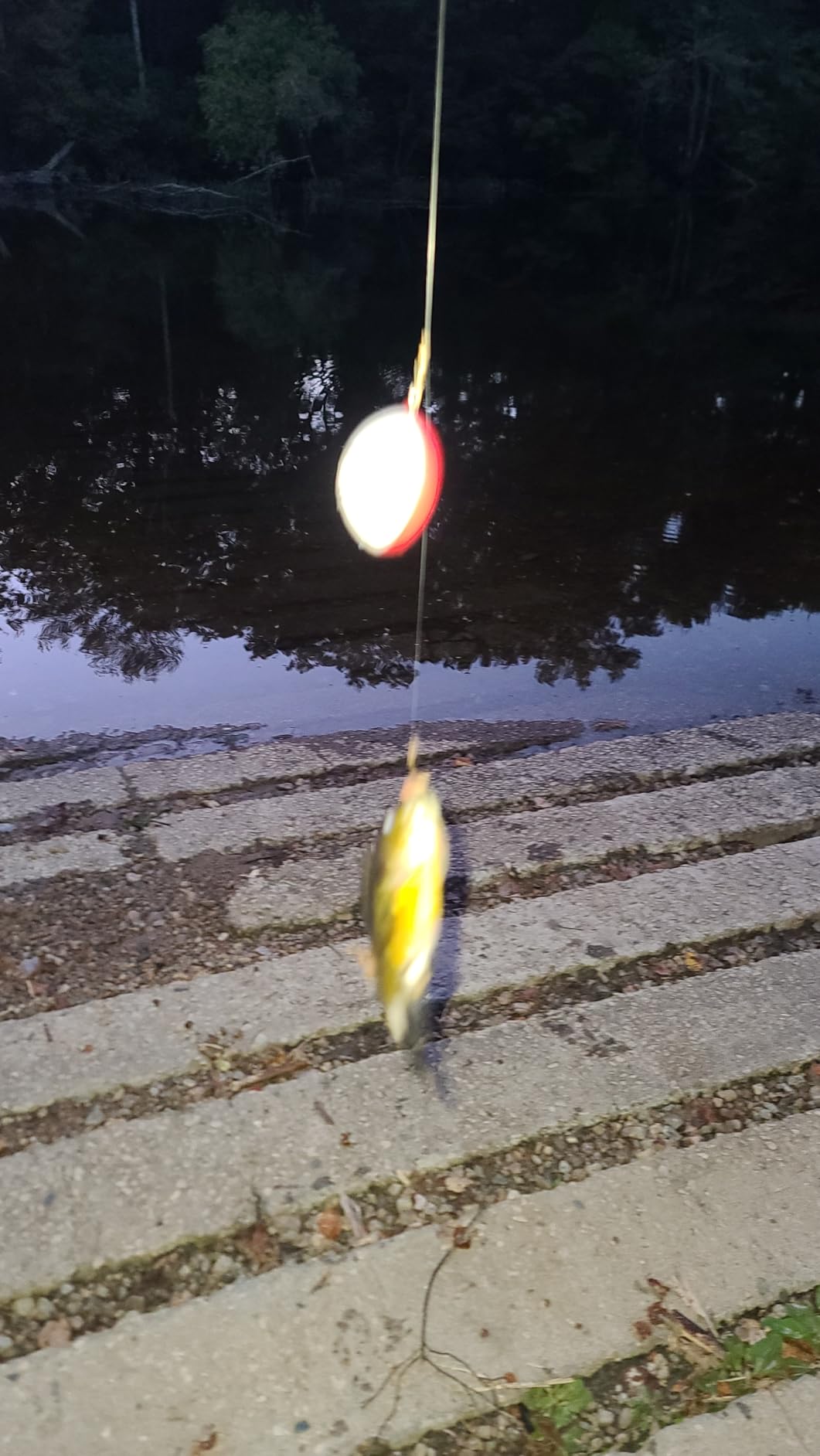
Why it works better than expected on ice
Because the float rides the surface and the sensor hangs below, the sonar cone stays out of the slush at the bottom of the hole where cheaper setups struggle. Many owners use it from shore, from a kayak and at night, and the 10 hour runtime covers a full day without a spare battery.
It is also the least intimidating way into electronics, since you learn on a phone interface rather than a waterproof keypad.
Where it falls short
There is a hard floor of about 5 feet of water, so it does nothing on a shallow pan lake. Readings get unreliable in chop and when the sensor is towed behind a moving boat, and the real battery life is shorter than the claimed figure when it runs continuously.
Because it hangs from your line, it can be lost down the hole, and it is the lowest average rating of the ten units we tested. It is a smart second purchase, not a complete sonar package.
3. LUCKY 1108 Kayak Fish Finder – handheld depth readings you can trust
LUCKY Kayak Portable Fish Depth Finder Water Handheld Fish Finder Sonar Castable Kayak Boat Fishfinder Transducer Fishing LCD Display FFC1108
3 to 328 ft range
Bottom composition
5-level sensitivity
Backlit 2 inch LCD
Pros
- Accurate depth readings for ledges and drop-offs
- Neck strap included for hands-free use
- Backlit screen reads in sun and darkness
- Can mount through a kayak hull
Cons
- Fish identification is basic and picks up minnows
- Not effective from shore
- Accuracy drops in very shallow water
- Transducer is unreliable through fiberglass
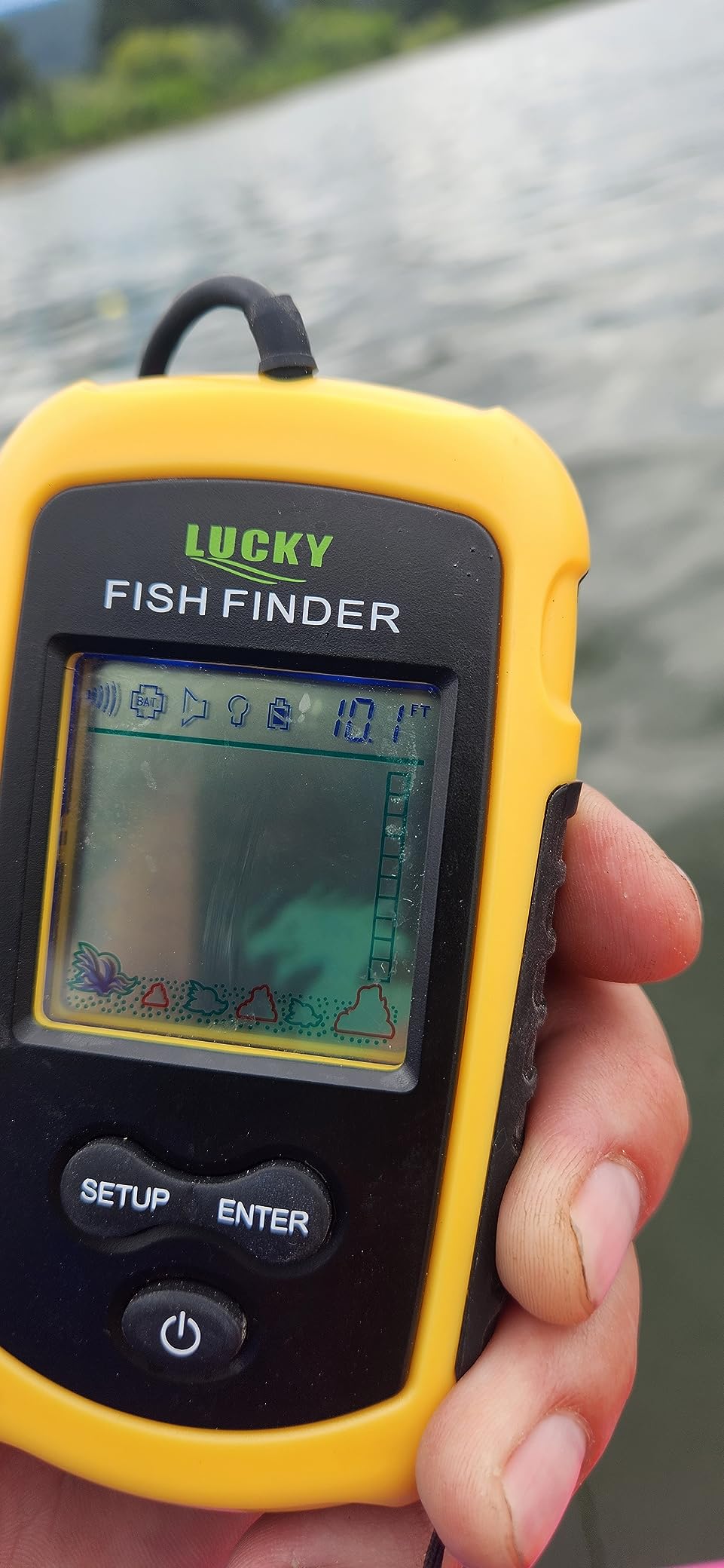
This is the simplest thing in the lineup that still gives you a real number: how deep is the water here. It reads from 3 feet to 328 feet, shows weed, sand or rock bottom, and a neck strap lets you hang it while you paddle. The five-level sensitivity adjustment matters more than it sounds, because it is what separates a clean bottom line from a screen full of junk in stained water.
Kayak owners report that the depth readings match a much more expensive in-water transducer, which is the main reason this unit keeps getting recommended for small craft. It also carries on open water, so it is not stranded when the ice goes away.
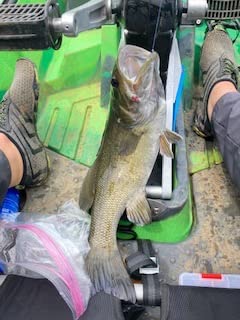
Runtime is 4 to 5 hours of continuous use, longer in battery saver mode, and the backlight covers both the bright lake and the dark hour before dawn. That is a full trip for most people, but it is shorter than the runtimes the phone-based units in this group claim.
The honest limitation is that it is a depth finder first and a fish finder second. The fish and school alarms fire, but the identification is basic and minnows show up constantly, so a beginner should learn to read the bottom line rather than chase every arc.
What makes it a good first tool
Finding the drop-off is one of the most useful things a new angler can do, and this does that job for very little money. The feet or meter toggle, backlight and sensitivity control are all there, and none of them require a manual.
For anyone who fishes a kayak or a small boat and also wants a rough idea of depth on the ice, it covers both seasons with one device.
Where it falls short
It has to be deployed from a boat or kayak. Owners who tried to use it from shore report poor results, because the transducer needs to be in the water and pointed. Accuracy also drops in very small or very shallow water, which is where a lot of first ice trips happen.
The transducer does not read reliably through a fiberglass hull, and a minority of owners reported units that would not power on after light use. If your first target is panfish in 10 feet of water, this is the wrong tool.
4. Venterior Wireless Fish Finder – cast it from the bank
Venterior Portable Rechargeable Fish Finder Wireless Sonar Sensor Fishfinder Depth Locator with Fish Size, Temperature, Bottom Contour, Color Display
Wireless 262 ft range
2.6 inch color TFT
2.6 to 164 ft depth
2-year warranty
Pros
- Casts from shore kayak or boat with no hull work
- Color screen is clear in bright sun
- Accurate depth and bottom contour readings
- Easy menus with no real learning curve
Cons
- Ice readings are erratic from the wide 105 degree beam
- Receiver battery lasts 3 to 4 hours
- Not accurate beyond about 120 feet
- False readings at trolling speed
The Venterior is built around a simple idea: a wireless sensor you cast like a lure, and a handheld color screen that receives it from up to 262 feet away. You get depth, water temperature, bottom contour and a small, medium or big fish size call, and the sensor powers itself on when it hits the water and off when it comes out.
For shore anglers this is the whole appeal. No hull to drill, no boat required, and you can work a shoreline by walking. The 2.6 inch color TFT has selectable black and white backgrounds, which is a small detail that matters when you are switching between a bright afternoon and a dusk session.
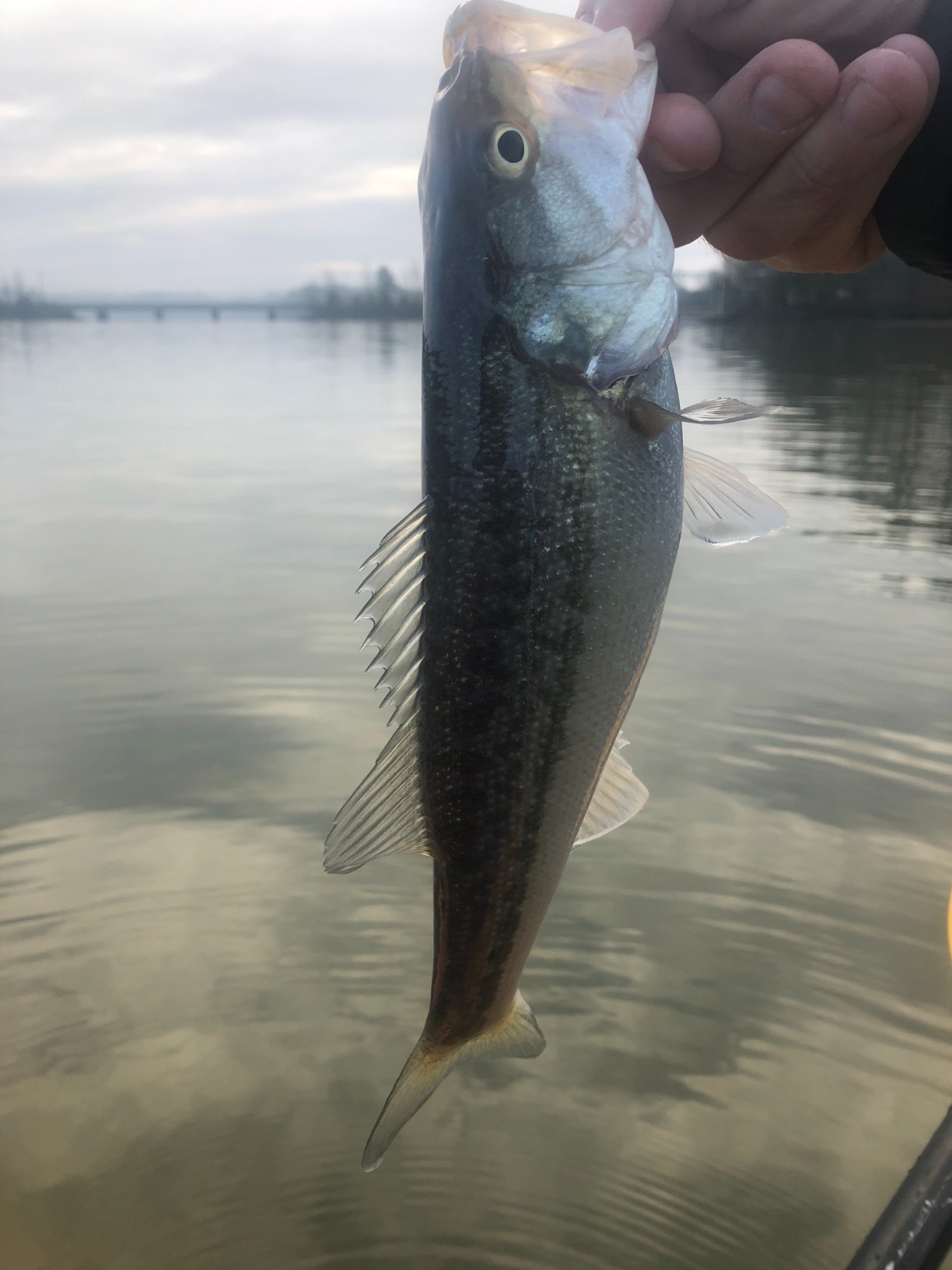
It is light at about 15 ounces, rechargeable, and backed by a 2-year warranty. The beam angle is 105 degrees and the depth range is 2.6 to 164 feet, so it covers a lot more water than a handheld unit.
Getting it right on ice takes patience. Because the beam is wide, it bounces off the walls of the hole and the reading bounces with it. Reviewers who got it to settle report good results, but the first few minutes on a new hole are adjustment time.
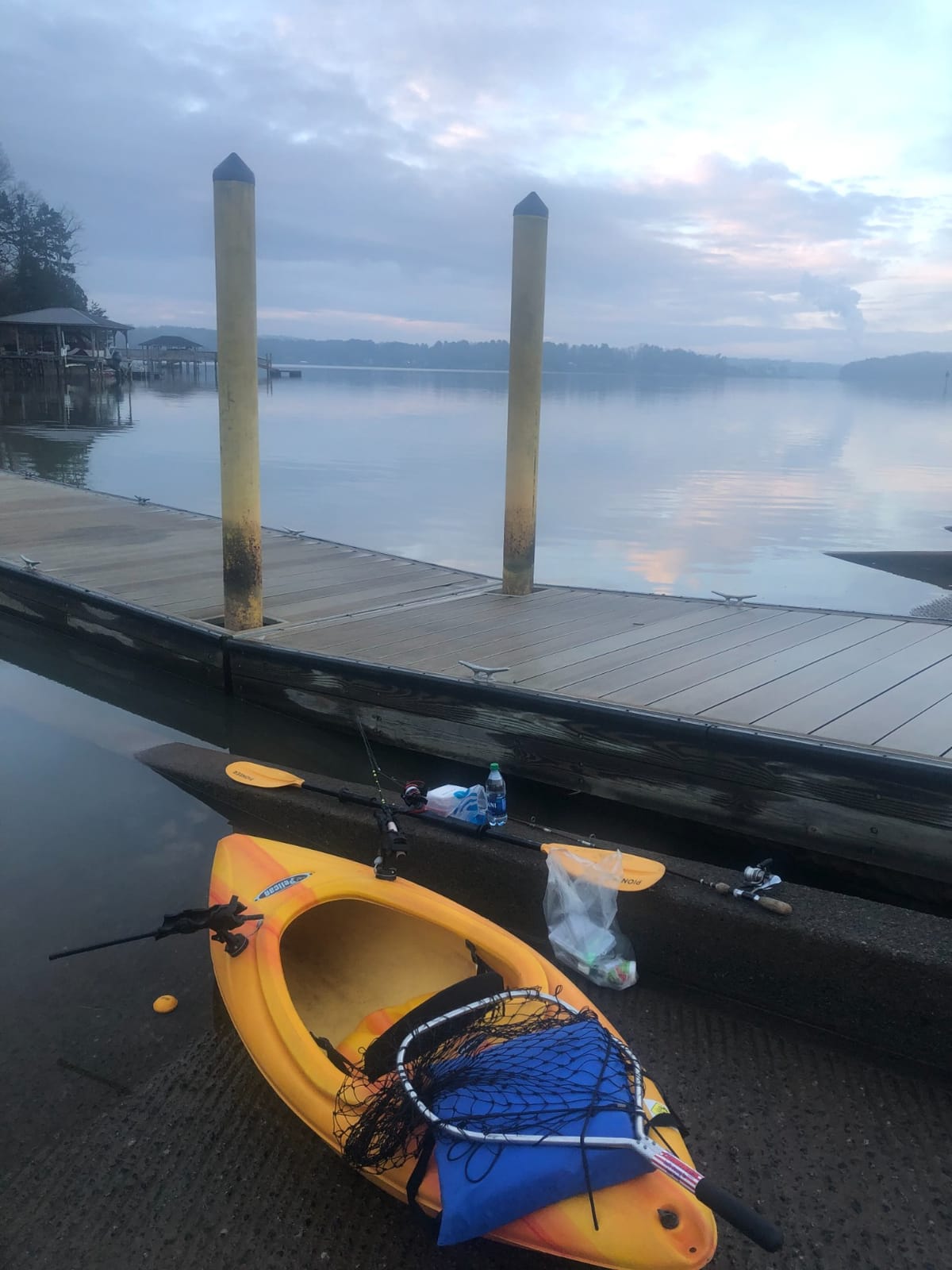
Why the wireless design is the deciding factor
Nothing has to be mounted anywhere. A new angler can go from a packed vehicle to a reading in a couple of minutes, which removes the most common reason people never start using electronics at all. The simulation mode even lets you learn the menus before you get wet.
Bottom contour readout is also more useful on ice than it looks, because you can find the edge of a drop-off and then jig it repeatedly instead of drilling randomly.
Where it falls short
The receiver battery is the weak point. Owners report roughly 3 to 4 hours of continuous use, and cold weather shortens that further, so a spare charge is part of the kit. Accuracy falls off beyond about 120 feet even though the stated range is higher.
It is also not a boat unit. Readings go false when the sensor is dragged at trolling speed, which rules out towing it behind a moving boat for deeper water.
5. LUCKY Ice Fishing Sonar – a low-cost way to stop fishing blind
LUCKY Small Portable Fish Finder Kayak Sonar Handheld Fish Finders Ice Fishing Castable Depth Finder Boat Fisherman Gifts
Ice-optimized transducer
3 to 328 ft range
45 degree beam
Power saving mode
Pros
- Depth readings match pricier flashers
- Very affordable entry into ice electronics
- Works for ice and open water
- Lightweight and quick to learn
Cons
- Needs sensitivity adjustment before it marks fish
- Not accurate in small or very shallow water
- Handheld display is not waterproof
- Cannot filter out small baitfish
This is the pick for anyone who wants to know what is under the ice without a large commitment. The selling point is the blue transducer housing, which the manufacturer says improves ice performance by around 30 percent compared with the standard version, and reviewers broadly agree that the depth readings hold up against more expensive flashers.
It covers 3 to 328 feet with a tighter 45 degree beam than the LUCKY 1108, which is the right shape for fishing a hole rather than scanning a lake. Fish and fish-school alarms, a sensitivity control and a blue backlight for night reading round out a simple package.
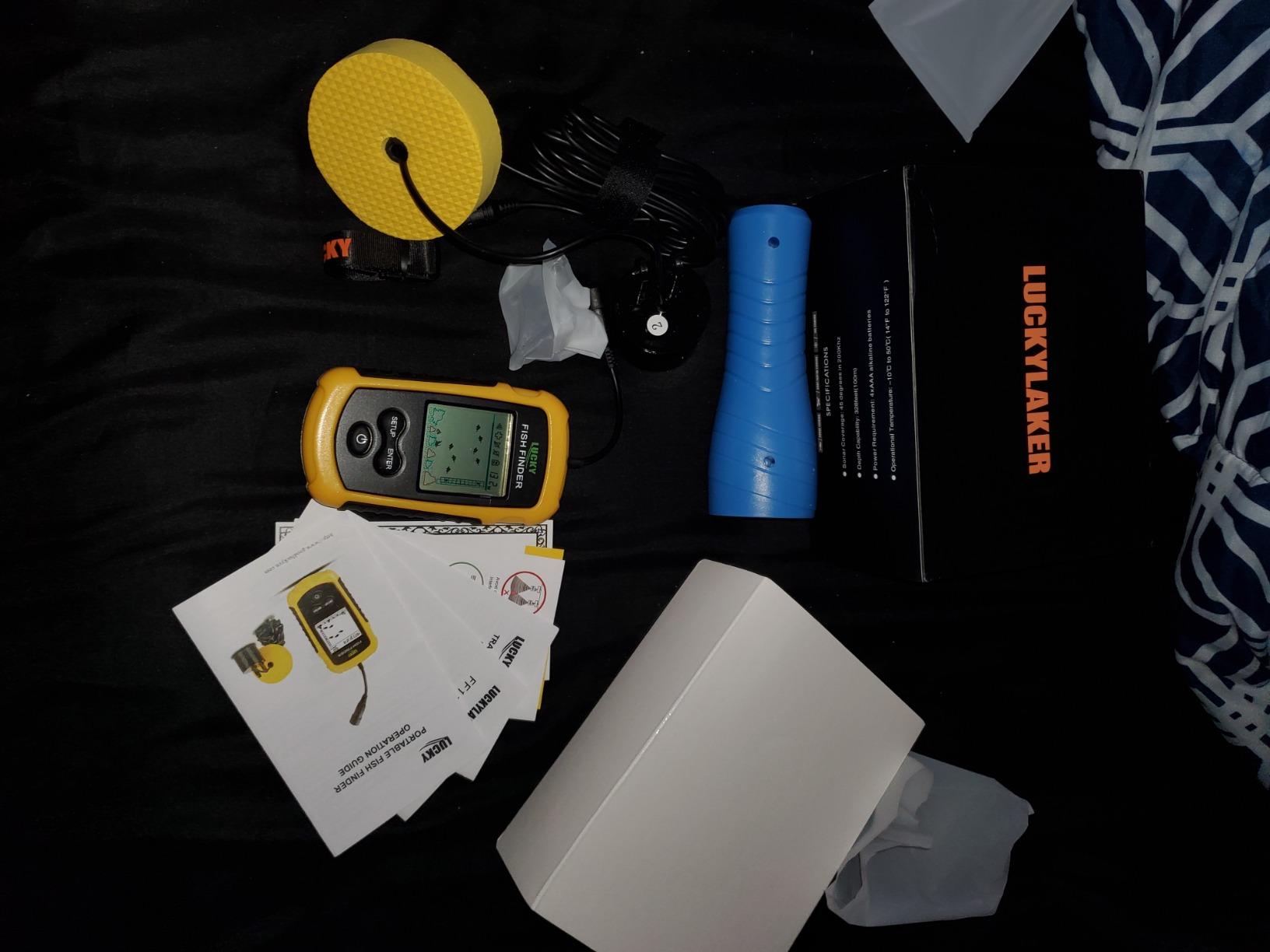
Runtime is 4 to 5 hours in power saving mode, and it doubles as an open-water unit from a canoe or dock. Owners mention responsive replacement service, which matters more than it sounds for a device in this price bracket.
Be realistic about the fish side. This unit shows you depth reliably and depth structure well, but it cannot separate a walleye from a minnow, and it will happily mark every baitfish in the column as if it were a dinner plate.
Where this budget pick earns its place
It answers the beginner question that matters most: where is the bottom, and is there a drop-off here. Those two answers are the difference between drilling twenty holes and drilling four. The 45 degree beam is narrow enough to give you a focused read straight down the hole.
For a first season on shallow water, where the goal is finding structure and learning to jig over it, that is enough. It is also the easiest way to find out whether you enjoy using electronics at all.
Where it falls short
It needs sensitivity adjustments before it marks fish consistently, and it is effectively a shallow-water device. Small lakes and very shallow water are where owners report it struggling. A minority of buyers got a model that did not work on ice at all, so keep the return policy in mind.
The handheld display is not waterproof, which in a snowstorm is a real limitation. The average rating of 4.1 on 493 reviews reflects a well-liked budget tool rather than a premium one.
6. Garmin STRIKER Cast – flasher mode on the phone you already own
Garmin Striker Cast, Castable Sonar with GPS, Pair with Mobile Device and Cast from Anywhere, Reel in to Locate and Display Fish on Smartphone or Tablet (010-02246-02)
Flasher and 2-D modes to 200 ft
Built-in GPS
10+ hour battery
IPX6 and IPX7
Pros
- Pairs with a phone in minutes
- Built-in GPS for marking and returning to spots
- 10+ hour rechargeable battery
- Powers on in water and off when removed
Cons
- Needs a compatible phone or tablet at all times
- Will not work without the free Garmin app
- Included 20 ft tether is short for ice
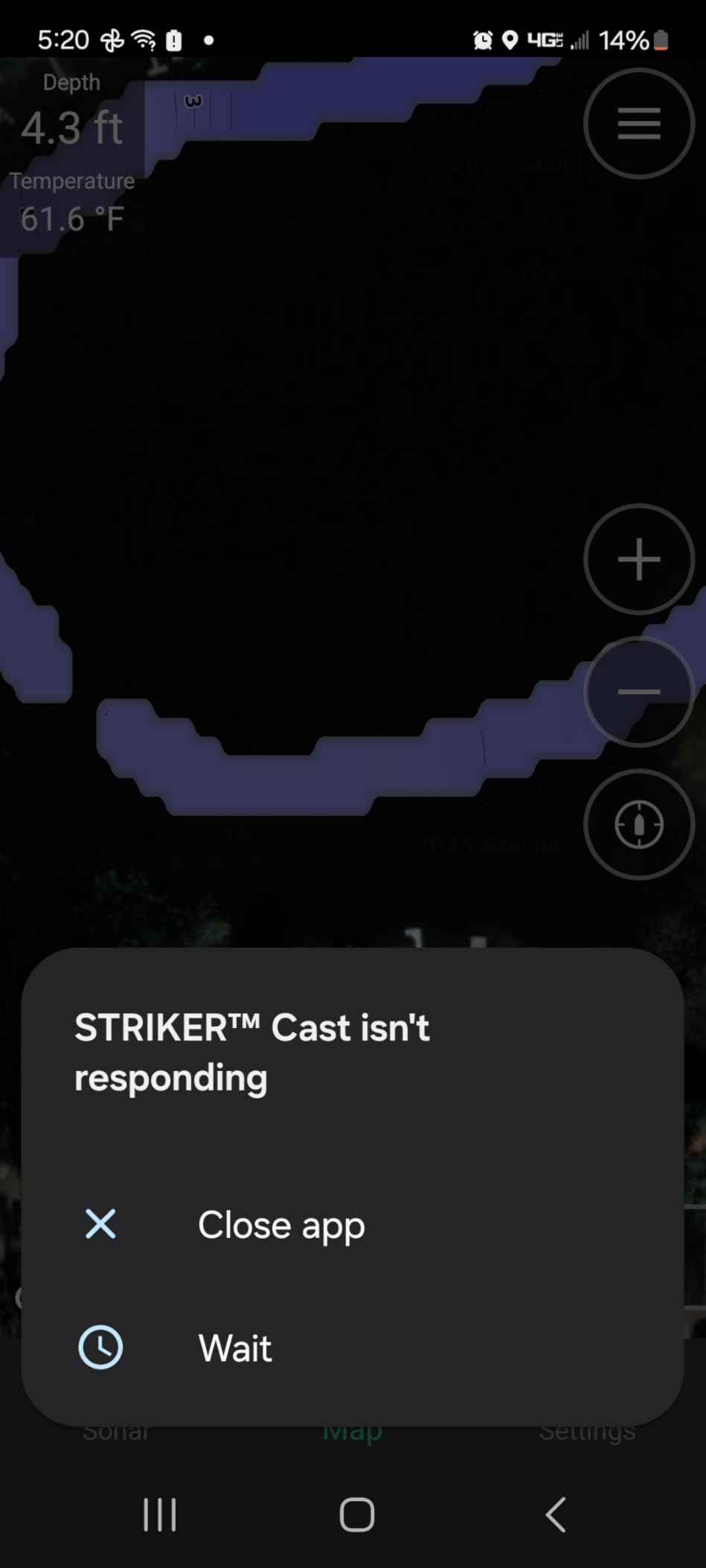
The STRIKER Cast puts a flasher on your phone. Traditional 2-D and ice flasher modes stream wirelessly from up to 200 feet, so you get the classic single-target ice reading on a screen most people already own, and there is no separate box to lose on a sled.
What separates it from a generic app sonar is the built-in GPS. Quickdraw Contours lets you draw custom maps at 1 foot intervals, save them, and return to the same spot next week. Owners rate the pairing speed highly, and several describe the mapping as the reason they bought it rather than the fish arches.
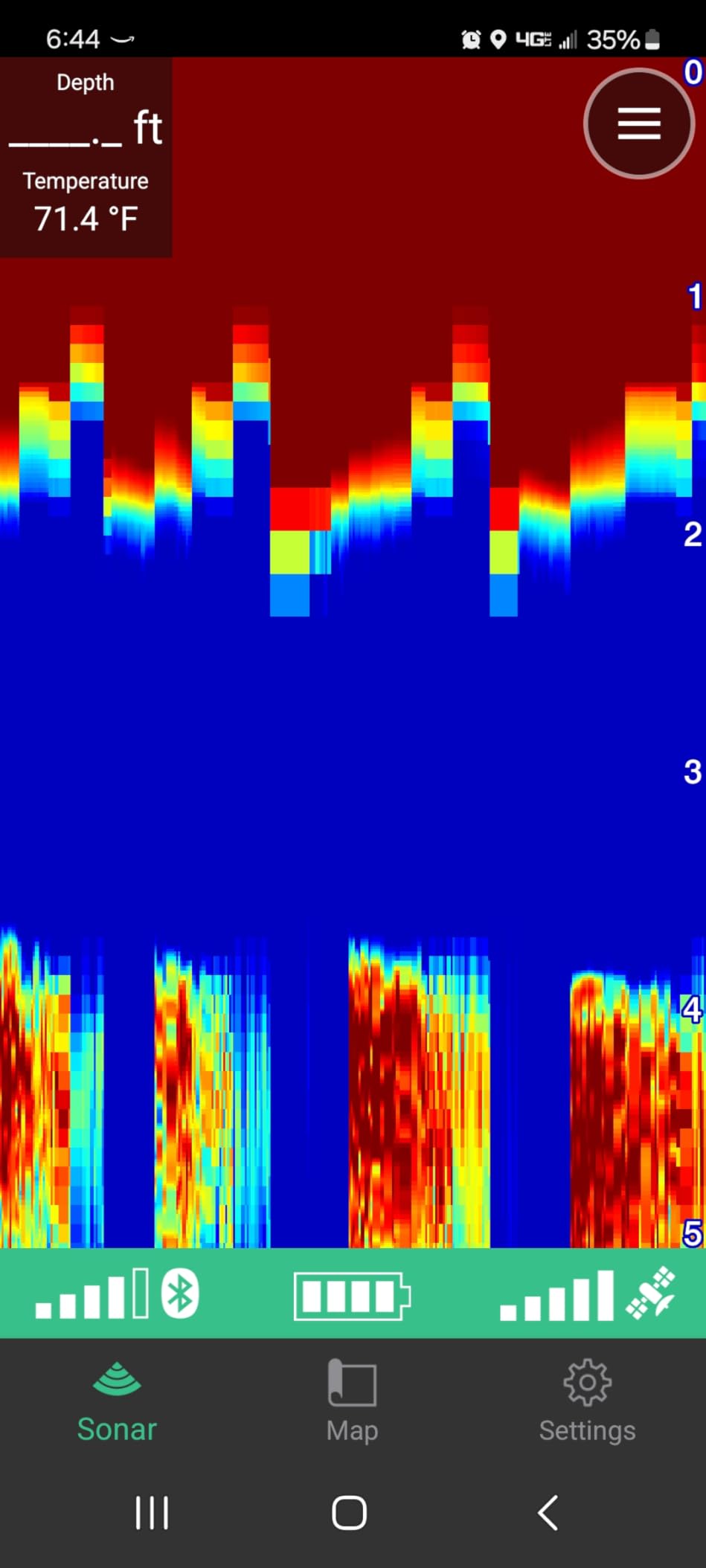
Specs: maximum depth of 200 feet, 10+ hour rechargeable battery, IPX6 and IPX7 water resistance, a 2-year limited warranty and a weight of 75 grams. A carrying bag, USB cable and 20 foot tether come in the box, and the unit is rated for 20 pound test line or heavier.
It works in shallow and deep water and handles both a boat and an ice hole, which makes it an easy choice if your summer and winter fishing are on the same water.
Why mapping matters more than most buyers expect
Ice fishing rewards repeatability. A GPS-enabled sonar lets you mark a productive edge, walk away, and come back to the same coordinates instead of guessing with a sonar pattern. For beginners who do not yet know what a good spot looks like, that repeatability is worth more than a larger screen.
It also travels well. At 75 grams with a bag and a short cable, it is the easiest unit here to move between a truck, a sled and a kayak.
Where it falls short
It is completely dependent on a phone or tablet and the free Garmin app. If your device is not compatible, or the app misbehaves in the cold, the unit does nothing. Cold also drains a phone battery faster, so a spare power bank matters on a long day.
The included 20 foot tether is short for ice fishing setups, so plan to buy a longer line or cable. And 200 feet of maximum depth is fine for most ice lakes but not for deep northern structure.
7. Eyoyo 7 Inch Underwater Camera – a screen the whole shelter can see
Eyoyo Underwater Fishing Camera 7 inch LCD Monitor Fish Finder 1000TVL
7 inch color TFT
1000TVL camera
12 infrared lights
Up to 8 hours
Pros
- Large screen is easy to watch while kneeling
- Sharp 1000TVL image with natural color
- Infrared lights handle night and murky water
- Sun visor helps in bright daylight
Cons
- Bulky to pack on a sled
- Cable and reel add weight and tangle
- View degrades in heavily stained water
- 720p recording resolution is modest
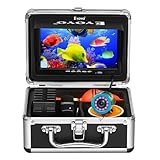
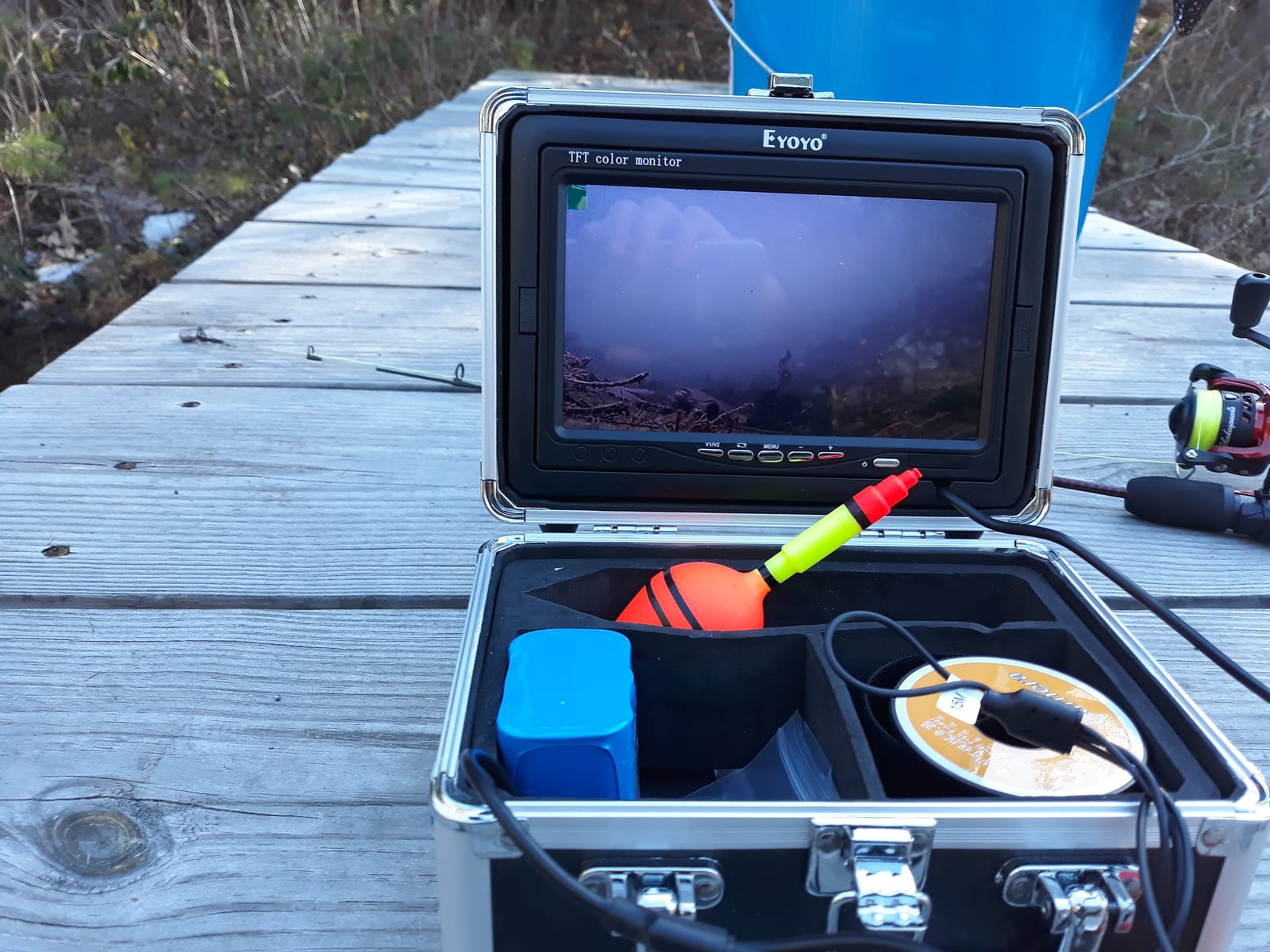
A camera answers a different question from sonar: not how deep and how big, but what is it. The Eyoyo pairs a 1000TVL camera with a 92 degree view on a 7 inch color TFT monitor, and that screen size is the entire point. Owners mention over and over that a 7 inch display can be watched while you are kneeling over the hole, instead of leaning into a 4 inch screen at eye level.
The 12 infrared lights switch the picture to black and white in dark or murky water, which turns a useless daytime-only tool into something you can fish at night. The sun visor handles the opposite problem on a bright snow day.
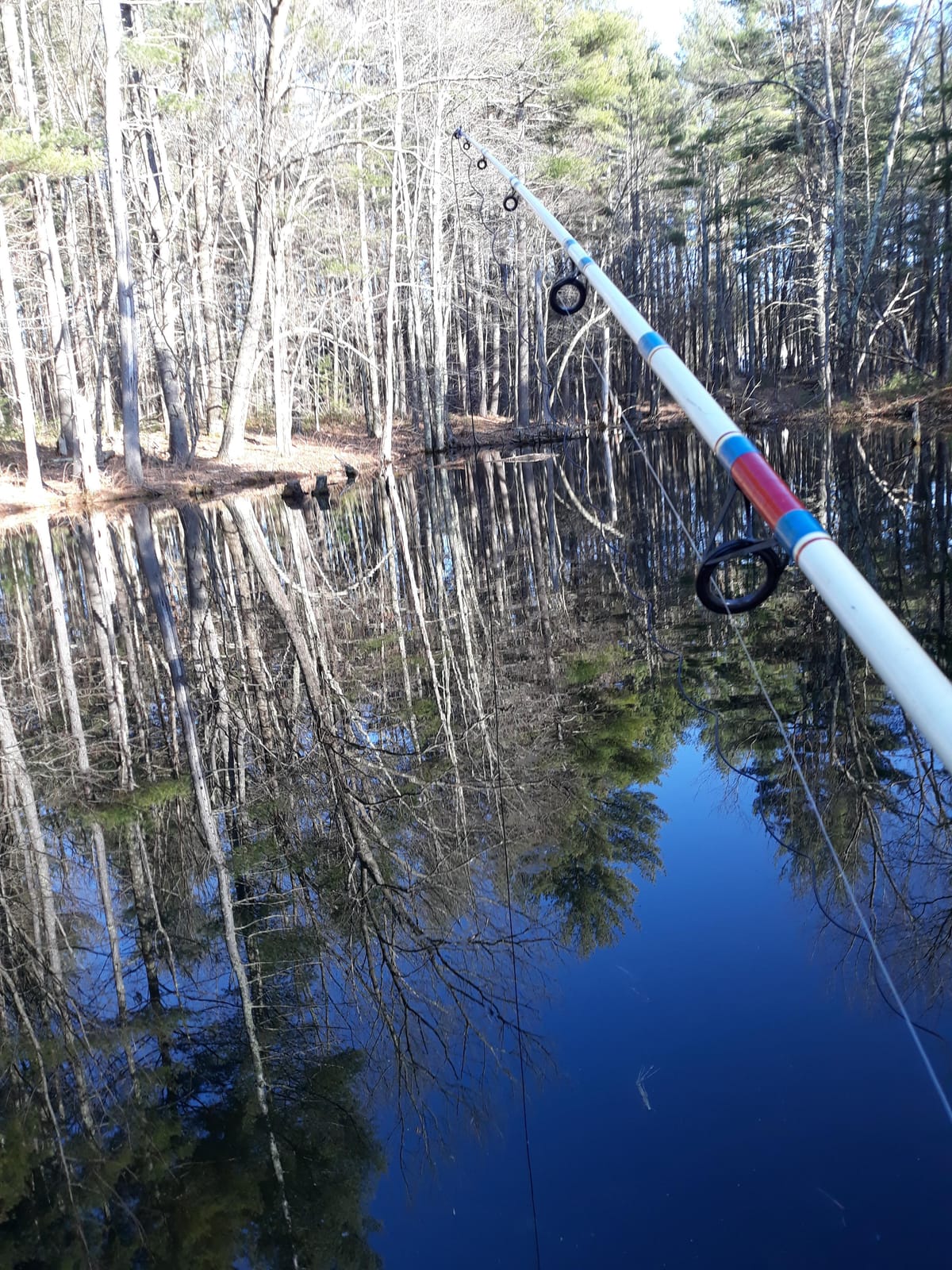
Power is a 4500mAh battery for up to 8 hours of continuous use, with a separate battery box that improves cold-weather stability. Cable options run from 49 feet to 164 feet, so deeper scouting is available if your lake needs it. The camera is fixed focus at 4mm with ISO 100 to 800 and captures MP4 and JPEG.
The box includes the monitor, a battery, the camera with cable and reel, a carrying case, a charger and a set of metal clips. Two-year warranty.
It is also the easiest item here to hand to a young angler. A camera screen needs no interpretation at all, so a child can watch the hole and call fish while an adult works the sonar.
When a camera beats sonar
Use a camera when you need species ID, when you are targeting structure you can see and want to confirm, or when you are introducing someone new to fishing. Watching a walleye drift in under the ice ends more arguments about whether sonar works than any amount of screen reading.
It also works as a scouting tool. Find a ledge on camera, note the depth, then move holes with a sonar or a jig. The two categories are complements, not rivals.
Where it falls short
Size and weight are the real costs. A 7 inch monitor, a battery box, a reel and a long cable are a meaningful load on a sled, and owners specifically mention cable tangles. The picture also degrades badly in heavily stained water, where the infrared lights help but cannot create clarity.
It is a confirmation tool, not a search tool. If you have no idea where the structure is, a camera will simply show you empty water for an hour.
8. FishPro Underwater Camera – the compact all-in-one camera
[FishPRO® 2026 Upgrade] Underwater Fishing Camera 4.3” [Proven Since 2017] Ice Fishing Camera 1000 TVL w/ 65ft Magnetic-Spool, IR, USB-C, 5000mAh, Portable Fish Finder for Ice Lake Boat Kayak Fishing
4.3 inch IPS screen
1000TVL with 4x zoom
65 ft magnetic spool
5000mAh USB-C
Pros
- IPS panel stays visible from the top-down viewing angle
- Battery and IR are integrated with no extra wiring
- USB-C lets you fish while charging
- 65 ft aramid cable rated to 88 lb
Cons
- Does not record video
- Tripod is not included
- 4.3 inch screen is smaller than larger models
- 65 ft is the maximum cable length
Where the Eyoyo is a big screen, the FishPro is a better-designed small one, and for most anglers the IPS panel is the reason to pick it. IPS keeps the image visible from the steep top-down angle you actually look at when you are kneeling over a hole, while cheaper TN panels wash out from the same position.
Everything is built in. The 1000TVL camera has 4x zoom with adjustable brightness, contrast and saturation, the infrared lighting is one button with three brightness levels instead of a separate light bar and cable, and the battery is built into the monitor with USB-C charging that lets you fish while it charges or run it from a power bank.
![[FishPRO® 2026 Upgrade] Underwater Fishing Camera 4.3'' [Proven Since 2017] Ice Fishing Camera 1000 TVL w/ 65ft Magnetic-Spool, IR, USB-C, 5000mAh, Portable Fish Finder for Ice Lake Boat Kayak Fishing customer photo 1](https://lockah.net/wp-content/uploads/2026/10/B07KP7QR77_customer_1.jpg)
The cable is a 65 foot magnetic spool with a 1.8 mm aramid core rated to 88 pounds, so losing it down a hole is unlikely. Adjustable 45, 90 and 180 degree fins and standard 1/4-20 tripod mounts let you aim the camera at a ledge, a weed edge or straight down a drop-off.
A flip-up screen cover doubles as a sunshade and there is a backlight for night fishing. The 5000mAh battery runs up to 8 hours, and the kit weighs about 1.8 pounds in total.
![[FishPRO® 2026 Upgrade] Underwater Fishing Camera 4.3'' [Proven Since 2017] Ice Fishing Camera 1000 TVL w/ 65ft Magnetic-Spool, IR, USB-C, 5000mAh, Portable Fish Finder for Ice Lake Boat Kayak Fishing customer photo 2](https://lockah.net/wp-content/uploads/2026/10/B07KP7QR77_customer_2.jpg)
Why the design details matter on ice
Setup speed is the difference between fishing the camera and packing it away. Owners praise how quickly the integrated battery and one-button infrared mean there is no wiring to freeze or tangle, and the adjustable fins mean fewer descents with the camera pointing at the wrong thing.
USB-C is a genuine advantage in cold weather. A unit that can run from a power bank or charge while in use is not the unit that dies at hour four.
Where it falls short
It does not record video, which is a real loss if you want to review a strike or show someone what was under the ice. The tripod is sold separately, and 65 feet is the maximum cable, so deep scouting is limited.
The 4.3 inch screen is smaller than the Eyoyo, so it is less shareable in a shelter with more than one person. It carries a 12-month limited warranty, shorter than the two years on the Eyoyo.
9. Garmin STRIKER Plus 4 Ice Bundle – everything in one bag
Garmin Striker Plus 4 Ice Fishing Bundle, Includes Portable Striker Plus 4 Fishfinder and Dual Beam-IF Transducer
4 inch WVGA color
Dual Beam-IF ice transducer
Rechargeable battery included
2-year warranty
Pros
- Highest satisfaction rating in the roundup
- Dual beam ice transducer gives strong target separation
- Color 4 inch screen reads in a hut or on a sled
- Rechargeable battery case and foam float included
Cons
- Bigger and heavier than handheld and castable units
- Overkill if you only want depth readings
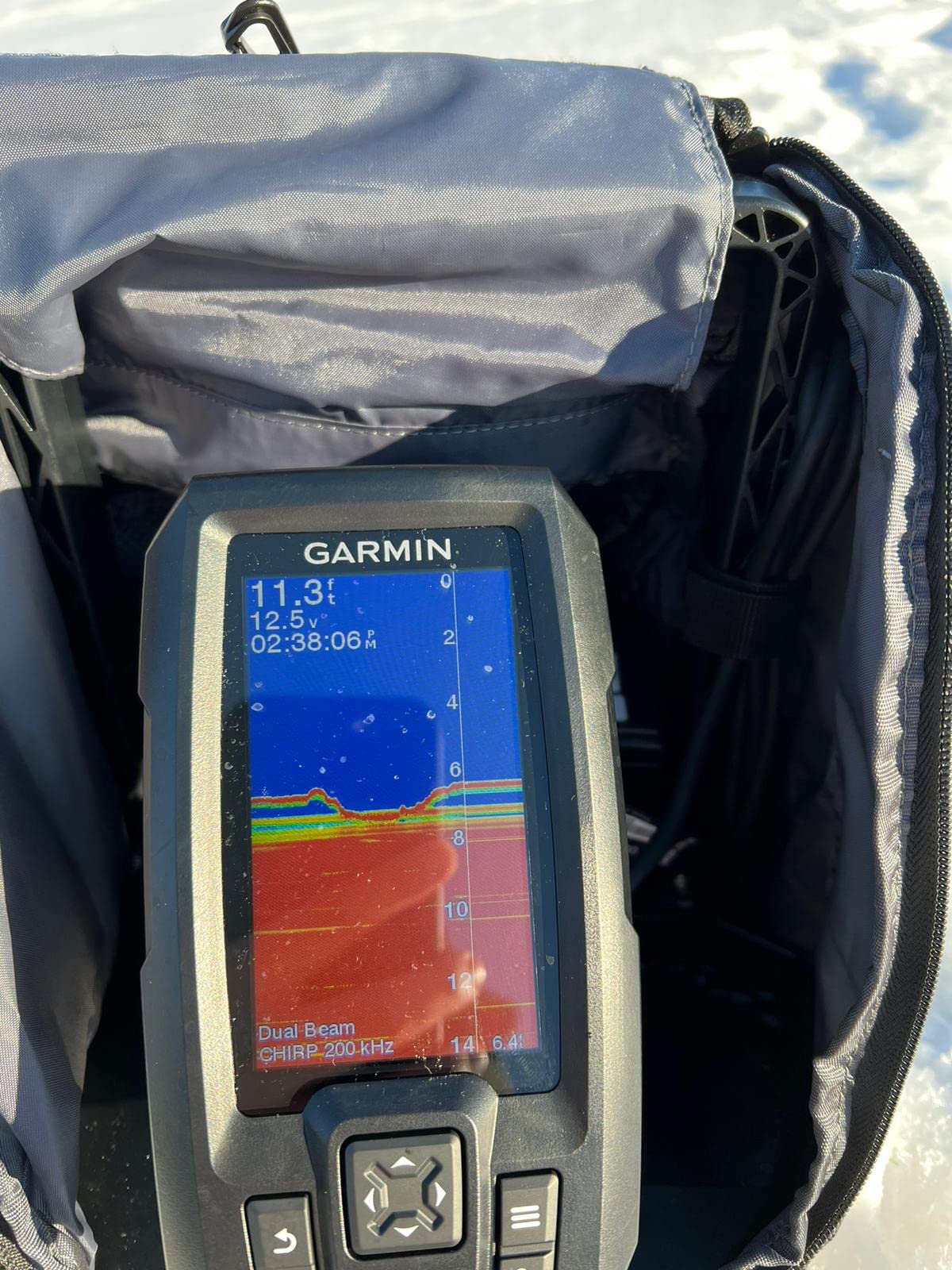
This is the only unit in the group that arrives as a complete ice package, and the 4.7 average across 464 reviews is the highest rating here. The centerpiece is the Dual Beam-IF ice transducer, which fires two beams and gives genuinely good target separation, the ability to tell two nearby fish apart rather than merging them into one arc.
Everything else is designed for the ice specifically. A 4 inch WVGA color screen, a built-in high-sensitivity GPS, Quickdraw Contours for saving your own maps, a rechargeable battery with an AC charger, a foam float to help you place the hole, a base and handle, and a rugged portable case for the accessories.
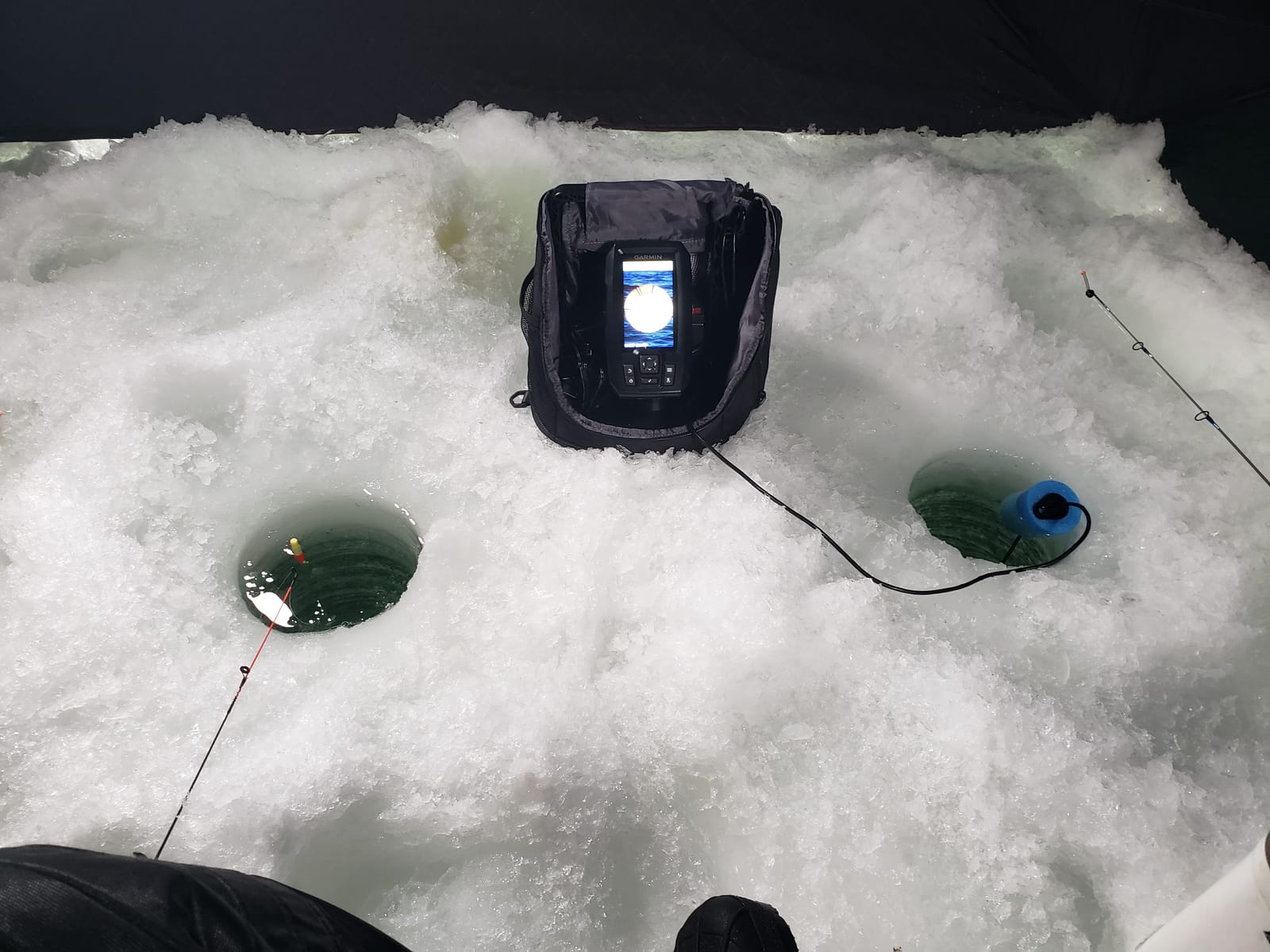
Two-year limited warranty, and the bundle measures about 13 by 10 by 8 inches. That is not a pocket device, and if you walk a long way across a lake on a solo sled, the extra bulk is real.
Owners consistently describe it as ready to use, which is the whole argument. No separate transducer purchase, no separate battery, no missing cable discovered at the first hole. If you have never owned an ice transducer before, this removes the single most common first-time buyer mistake.
Who should spend up for this
The bundle makes sense if you fish deeper structure, if you intend to keep the same box for a boat in summer, or if you simply do not want to assemble a system from three parts. For a beginner who already knows they will be on the ice for a decade, buying the complete package once is usually cheaper and less frustrating than buying a cheap unit and replacing it in year two.
The dual-beam transducer is the real upgrade. Target separation is the feature that separates a serious ice sonar from a novelty, and it is what lets you track a single fish holding just off a ledge.
Where it falls short
It is the biggest hardware purchase in the group, and for someone who wants nothing more than a depth number, it is more hardware than the job requires. It is also bulkier and heavier than the handheld and castable options, which matters when you are carrying everything a long way onto a lake.
At 464 reviews, the sample is smaller than the STRIKER 4’s, so treat the rating as strong but less deeply tested. And the dual beam is genuinely overkill if you never intend to fish structure in more than about 15 feet of water.
10. Deeper PRO+ 2 – featherweight sonar with built-in GPS
Deeper PRO+ 2 Sonar Fish Finder – Portable Fish Finder and Depth Finder For Kayaks, Boats and Ice Fishing with GPS Enabled | Castable Deeper Fish Finder with FREE User Friendly App
330 ft accuracy
Wide mid and narrow beams
Built-in GPS mapping
3.2 ounces
Pros
- Weighs 3.2 ounces and fits a tackle box
- Built-in GPS saves custom bathymetric maps
- Selectable beams for wide scans or close work
- Target separation down to 0.4 inches on narrow beam
Cons
- Requires a phone or tablet with no standalone screen
- Wi-Fi connection can drop and needs re-pairing
- Some app features need a paid subscription
- Battery is not user replaceable
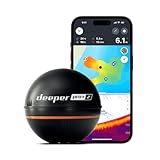
The Deeper PRO+ 2 weighs 3.2 ounces and is small enough to live in a tackle box, so it is never the thing you have to leave behind. Accuracy runs to 330 feet, and unlike most castable sensors it offers wide, mid and narrow beam options, so you can scan a flat fast or zoom in on a single fish.
Target separation of 0.4 inches on the narrow beam is the number that matters for jigging, because it means you can follow your own lure coming up. The built-in GPS records bathymetric maps, and the Fish Deeper app gives you both a sonar view and a mapping view of what you have surveyed.
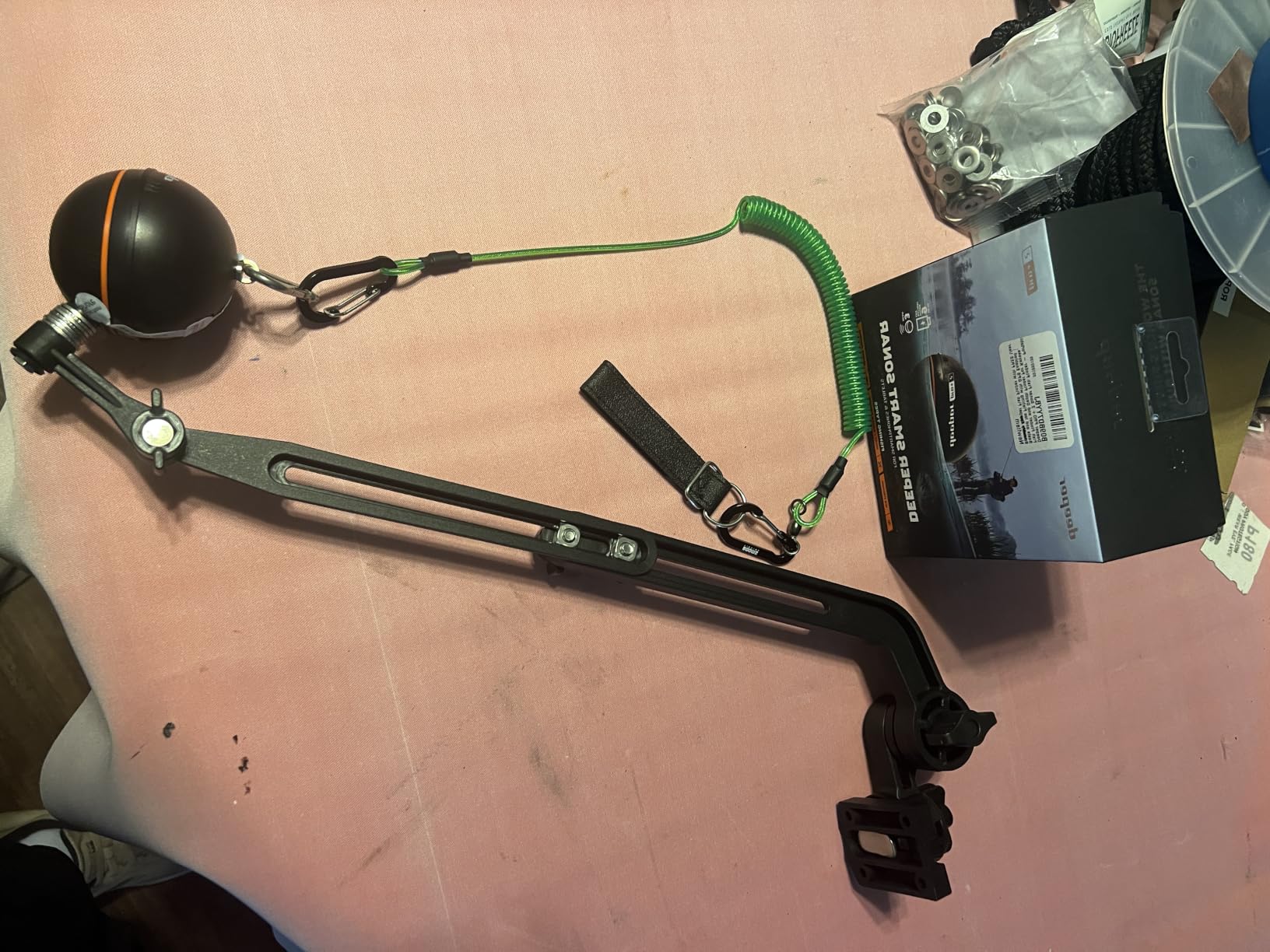
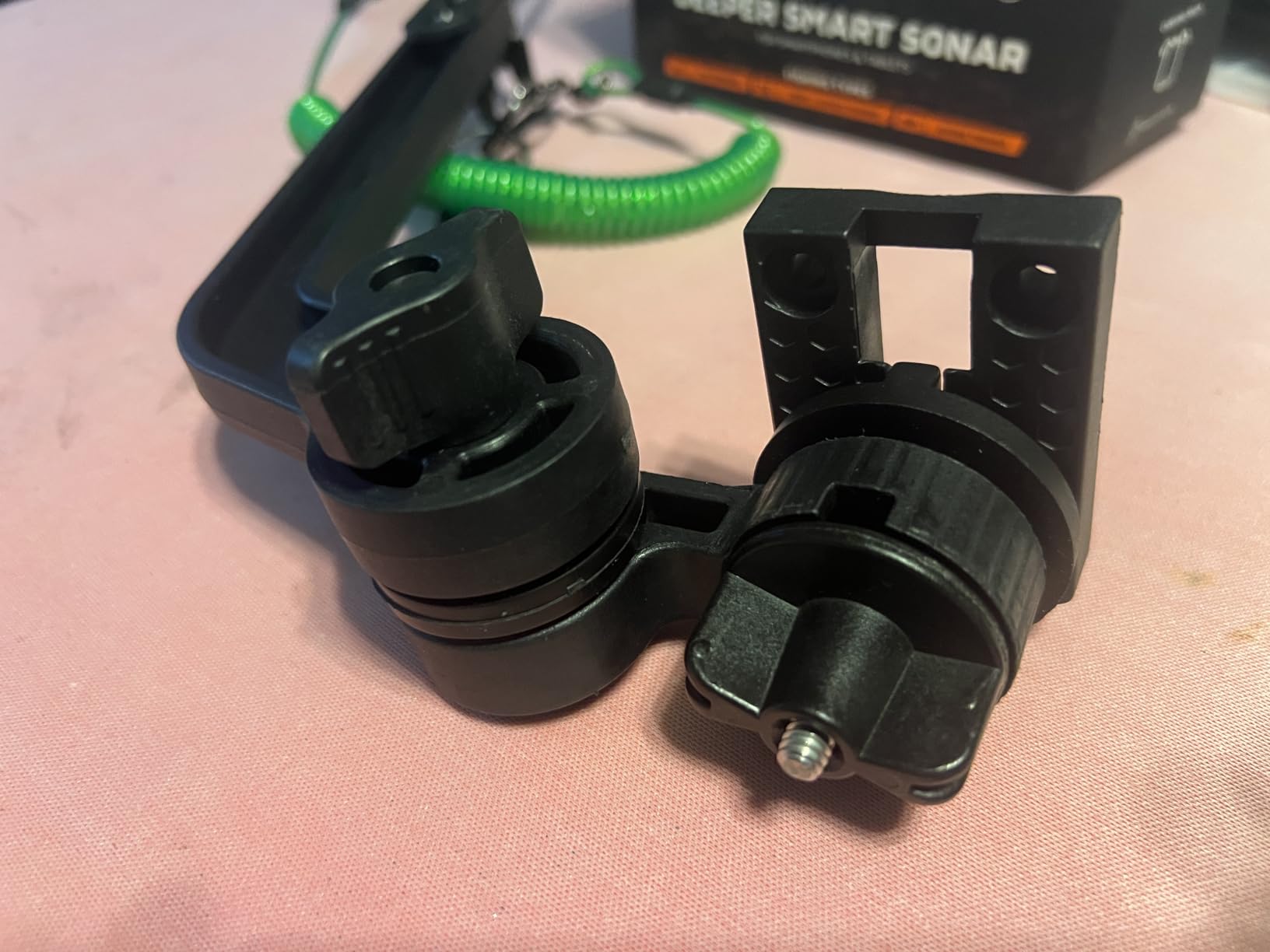
It is rated for vertical jigging and ice fishing, runs on its own Wi-Fi network rather than Bluetooth, and comes with attachment bolts, a neoprene pouch and a USB cable. The manufacturer warranty is 2 years limited.
Anglers who like mapping rate it highly for the combination of GPS, beam choice and a phone-based display, and the featherweight form is a genuine advantage in a kayak.
The catch is the same one that applies to every phone-based unit here. You are dependent on a device, a connection and an app, and the best mapping features sit behind a subscription that renews.
Where the narrow beam earns its keep
On ice, switching to the narrow beam and watching a jig rise through a few feet of water is the closest a beginner gets to understanding what sonar is telling them. It is a good teaching tool, and 0.4 inches of separation is enough to see the lure itself.
For mapping a new lake from a kayak, the wide beam and the saved contours let you return to a spot you found rather than a spot you vaguely remember.
Where it falls short
No standalone screen means a frozen phone ends your fishing, and the Wi-Fi connection drops often enough that owners re-establish it regularly. The battery is not user replaceable, so runtime drops to zero when it fails.
Maps live in the app rather than on the device, and some of the mapping tools require a paid subscription. At 2.4 inches the screen is a phone screen, so cold hands and gloves are a real usability issue.
How to Choose Ice Fishing Electronics: Six Criteria
Most first-time buyers lose money on features they will never use. GPS mapping, Bluetooth apps and side imaging are real, but they are not what makes a first season successful. These six criteria are.
1. Zoom and target separation. Zoom that isolates the bottom 6 to 12 feet is the feature forum users praise most, because that is the zone where most fish are found. Target separation is the ability to show two nearby fish as two separate targets instead of one merged mark. If a unit has neither, it is a depth finder, not an ice fishing tool.
2. Screen brightness and low light mode. A screen that washes out on a bright snowy afternoon is worse than useless, because you cannot tell fish from rock. A backlight or night mode matters just as much for the hours around dawn and dusk. The LUCKY units and the FishPro camera each handle one side of this problem with a backlit display, and the Eyoyo uses a physical sun visor.
3. Transducer and cable. This is where first-time buyers get caught, because transducers and ice cables are frequently sold separately and the omission is only discovered after delivery. A transducer built for open water does not read as well through ice as an ice-specific one. Check the box contents before you buy, and note whether the cable is long enough for your deepest hole. The STRIKER Plus 4 bundle is the easiest example of getting this right in one purchase.
4. Battery and cold-weather runtime. Cold is the most common field complaint in this category: units dying mid-session. Stated runtime is usually measured at room temperature. The 4 to 5 hour figures on the LUCKY units and the 3 to 4 hours on the Venterior receiver are honest numbers, but they are not full-day numbers on ice. Built-in rechargeable batteries with USB-C, as on the STRIKER Cast and FishPro camera, are the easiest cold-weather answer because you can top them up from a power bank.
5. Depth range that matches your water. Shallow-water beginners routinely overpay for deep-water zoom they cannot use. If you fish a pan lake under 20 feet, a unit with a 328 foot range and a 45 degree beam is already more than enough, and you should spend the difference on a better screen instead. If you are chasing walleye on structure in 40 feet, you want zoom, beam options and target separation.
6. Dual ice and open-water use. If you also fish a boat or kayak in summer, buy one unit that does both. Owners who fish both seasons consistently prefer a graph or sonar style unit for exactly this reason, and it is the strongest argument for the STRIKER 4, the STRIKER Plus 4 bundle and the Deeper PRO+ 2 over an ice-only device.
On brand families, the honest summary is that Garmin and Lowrance lead on mapping and app integration, Vexilar and Marcum have the deepest ice-flasher pedigree, and Humminbird sits between them. Which of those brands is better is largely a question of which ecosystem you already own a phone in.
What Comes in the Box, and What You Have to Buy Separately
Bundle confusion causes more first-season frustration than any other issue. Here is what a typical ice setup actually contains, and where the gaps are.
A transducer sends the sonar pulse and is the part that determines whether the unit reads well through ice. An ice cable is the length of line between the transducer and the display, and you need enough for your deepest target plus a few feet of slack. A power source is the third piece, either a battery pack or a set of cells. A case and, on the better bundles, a foam float to help you locate the hole.
Now the gaps. The STRIKER 4 includes a transducer, power and data cable, tilt and swivel mount, and transom and motor mounts, but no battery, so you need a 12 volt deep-cycle pack. The LUCKY units are handheld and need only cells. The phone-based units – iBobber, STRIKER Cast, Deeper PRO+ 2 – include a charging cable but depend entirely on your phone or tablet. The FishPro camera includes weights, adjustable fins and mounts; the tripod is sold separately.
Battery chemistry deserves its own note because it is the least discussed buying criterion in this category. Alkaline cells are cheap and lose capacity in the cold, so they are a poor choice for a long day. Lithium-ion cells hold their output when it is cold and are the right answer for anything rechargeable, which is why the STRIKER Cast and both underwater cameras ship with built-in lithium batteries. Lead-acid packs are heavy but will run a hardwired unit all day, and the STRIKER Plus 4 bundle includes a rechargeable pack with an AC charger for exactly that reason.
Factory-reconditioned units are worth considering in this category, and forum buyers treat them as a legitimate route. The condition that matters is the warranty: a manufacturer-refurbished unit with a full warranty is a sensible way to buy a better tier of hardware on a first purchase, while a marketplace unit with no return path is not worth the saving. If you are not sure how to judge an electronics purchase, our beginner electronics kit guide covers the general principles of buying a first setup.
Before you spend on a first multimeter to test your battery pack under load, our multimeter roundup explains how to check voltage and continuity safely.
One more practical tip: keep your electronics dry and separated. Slush and loose batteries in the same bag is how a good unit gets retired early, and a simple waterproof case is cheap insurance for a long walk across a frozen lake.
Frequently Asked Questions
What are the best electronics for ice fishing?
The four categories are flashers, ice sonar and graph units, underwater cameras, and phone or app sonar. For most beginners, an entry-level unit with zoom and target separation is enough. In this roundup the Garmin STRIKER 4 takes the overall spot for depth accuracy and a built-in flasher mode, the STRIKER Plus 4 ice bundle is the most complete package, and the LUCKY ice sonar is the most straightforward useful first step.
What is the best fish flasher for ice fishing?
A flasher is the simplest type: one narrow beam, one target, a depth number and an alert when a fish enters the beam. Among the units we reviewed, the Garmin STRIKER 4 and the Garmin STRIKER Cast both provide a flasher mode, and the STRIKER Plus 4 ice bundle adds a dual-beam ice transducer for better target separation. Dedicated Vexilar and Marcum flashers remain popular with experienced anglers but were not part of this tested group.
What is the best gear for ice fishing for beginners?
If you only buy one thing, buy a portable unit with a flasher or depth mode, a sunlight-readable screen and a working power source. The Garmin STRIKER 4 is our single recommendation because it doubles as an open-water fishfinder, has GPS waypoint mapping and runs on 8 ounces of hardware. Budget matters less than avoiding a unit that needs a separate transducer and battery you have to track down separately.
Which is better for fishing, Vexilar or Livescope?
They answer different questions. A Vexilar flasher shows a single target directly under the hole, which is the classic ice experience and the simpler option. Live sonar such as LiveScope shows a continuous picture of what is moving around your lure in real time, which is far more information and far more hardware. For a beginner on a pan lake, a flasher is enough. Live sonar makes most sense once you are fishing structure consistently and want to see the fish react.
Is Garmin better than Humminbird?
Both are strong general-purpose marine brands and the difference for a beginner is ecosystem rather than capability. Garmin is generally easier to pair with a phone and has broader mapping and app support, which suits anglers who also fish from a boat or kayak. Humminbird has a long ice-flasher history and strong traditional sonar. The practical test is which brand your phone and existing equipment already work with.
Are ice cameras worth buying for beginners?
They are worth it for species identification, for introducing someone new to fishing, and for confirming that structure is worth staying on. They are not a search tool, so a camera alone will not find you fish in empty water. The FishPro camera is the more compact and better-viewed design, while the Eyoyo has the larger screen that is easier to share. Neither replaces a sonar for locating structure.
How much should I spend on ice fishing electronics?
Spend enough to get a working transducer, a usable power source and a screen you can read in sunlight, and not much more until you know what you need. The budget units in this roundup give you accurate depth and bottom readings, which is where most beginners start. Mid-range units add flasher mode, zoom, target separation and a rechargeable battery. Live sonar and premium bundles are year-two purchases for most anglers.
The Verdict: What to Buy First in 2026
The Garmin STRIKER 4 is the best ice fishing electronics for beginners pick because it does the job without an assembly project. It has accurate depth readings, a screen that works in sunlight, a flasher mode for the ice, GPS for marking spots, and it weighs 8 ounces. You need to add a battery, and that is the only assembly required.
If you would rather buy it complete, the STRIKER Plus 4 ice bundle includes the ice transducer, rechargeable battery, charger, foam float and case in one package, and it carries the highest satisfaction rating of the group. If you are starting on shallow water and want the most straightforward step, the LUCKY ice sonar gives you dependable depth and bottom readings for very little.
The underwater cameras are the best second purchase, once you know where the structure is and want to see what is holding on it. Whatever you choose, carry a spare power source, keep the display dry, and give it two trips before you judge it. That is the version of this hobby people wish they had started.