
The best hot air brushes for fine hair are the ones with a low temperature ceiling, soft or epoxy-tipped bristles that will not snag, and enough barrel tension to lift the roots without clamping them. Our top pick is the REVLON One-Step Volumizer, which pairs a 2.8 inch oval barrel with pin and tufted bristles and holds a 4.6 rating across more than 350,000 reviews, the deepest evidence base in the category. Below it we rank eight brushes by how gently they treat thin, low-density strands, not by how big the box looks.
Fine hair is a specific problem, not a general one. It is low in density and often low in porosity, so it shows heat damage faster than any other type: split ends, breakage at the temples, and a loss of body that lasts longer than the style did. It is also the hair type with the most to gain from a hot air brush, because airflow through a bristled barrel is the one way to get blowout volume without the clamping tension of a flat iron or wand.
That is why the picks below are filtered on heat cap, bristle softness, barrel size, and whether a genuine cool-shot setting exists, rather than on wattage alone. If you also cut your own hair at home, our guide to the best hair clippers for home haircuts covers the trimming side of a short fine-hair routine.
Top 3 Picks for Fine Hair (October 2026)
REVLON One-Step Volumizer
- 2.8 inch oval barrel
- Nylon pin and tufted bristles
- Cool Low and High settings
- 1.57 lb body

Conair All-in-One Hot Air Brush
- 136 epoxy-tipped bristles
- Ionic frizz control
- 1000W with cool shot
- 1.6 lb

HOT TOOLS 24K Gold Blow Dryer Brush
- True round brush tension
- 24K Gold even heat
- Ionic static control
- 2 heat and speed settings
The REVLON is the safest all-round answer for fine hair because the oval shape lifts without the tight clamp a round barrel imposes, and the tension comes from the pin and tufted bristles rather than from squeezing the strand. The Conair is the gentlest detangler in the group, and the HOT TOOLS brush is the one to buy when smooth, frizz-free finish matters more than speed.
Best Hot Air Brushes for Fine Hair in October
| Product | Specifications | Action |
|---|---|---|
| REVLON One-Step Volumizer |
|
Check Latest Price |
| Conair All-in-One Hot Air Brush |
|
Check Latest Price |
| HOT TOOLS 24K Gold Blow Dryer Brush |
|
Check Latest Price |
 TYMO 4.0 Hair Blow Dryer Brush TYMO 4.0 Hair Blow Dryer Brush |
|
Check Latest Price |
 Shark SpeedStyle HD331 Shark SpeedStyle HD331 |
|
Check Latest Price |
 L’ANGE HAIR Le Volume L’ANGE HAIR Le Volume |
|
Check Latest Price |
 Shark FlexFusion HD642S Shark FlexFusion HD642S |
|
Check Latest Price |
 Dimecano 4-in-1 Hot Air Brush Dimecano 4-in-1 Hot Air Brush |
|
Check Latest Price |
Read that table as a heat-safety ranking, not a power ranking. Only one of these tools publishes an actual temperature ceiling, and only three state a wattage figure. Everything else you will have to learn by feel on your own hair, which is exactly where fine-haired readers get into trouble.
1. REVLON One-Step Volumizer: Best Overall for Fine Hair
REVLON One-Step Volumizer Hair Dryer and Styler, 2.8 in Barrel, Black
2.8 inch oval barrel
Nylon pin and tufted bristles
Cool Low and High settings
1.57 lb
Pros
- Deepest review base in the category
- Oval barrel lifts without clamping
- Enough bristle tension to smooth fine hair
- One tool instead of dryer plus brush
Cons
- Barrel runs hot and can feel intense on fine hair
- Bristles wear with heavy long-term use
- 2.8 inch barrel is awkward on shorter fine hair
We put this brush first because the evidence behind it is enormous. A 4.6 average across more than 350,000 reviews means that almost every fine-hair failure mode people worry about has already been reported, tested, and survived by somebody. That is worth more than any spec sheet when you are styling hair that breaks easily.
The oval barrel is the detail that matters most for fine hair. Because it is wider than it is deep, a section sits in the cup of the brush rather than being wound tightly around a cylinder, so you get lift and a curled-under ends effect without squeezing the strand between layers of itself. Owners describe the surface as gliding rather than catching.
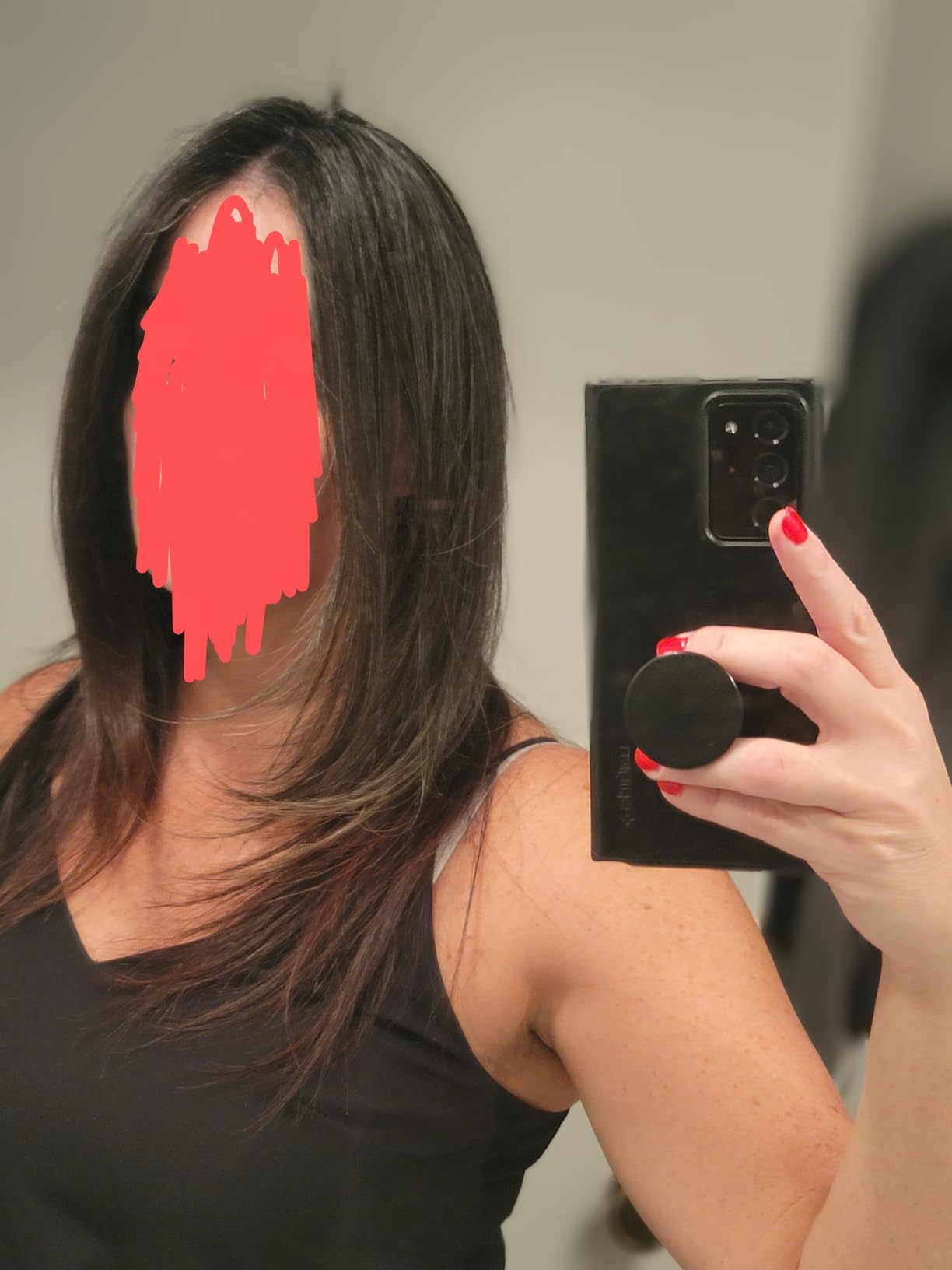
The pin and tufted bristle mix is what gives this brush real control on fine hair. There is enough tension to smooth a limp section and hold a bend at the root, but the tufting means a fine strand wraps around the pins instead of being dragged between them. On a Houzz thread, a user with shoulder-length fine hair styles with this brush specifically because it lets them change the heat level to match what their hair is doing that day.
Three settings give you cool, low, and high, plus airflow control, which is the minimum sensible configuration for this hair type. On Reddit r/Sephora, reviewers using Revlon and Hot Tools brush dryers reported great results but said the ends were fried even on the lowest setting with protectant applied, so treat low as the starting point and not the safe harbour. The barrel is hot enough that you want the nozzle a few inches off the ends.
What fine hair will notice first
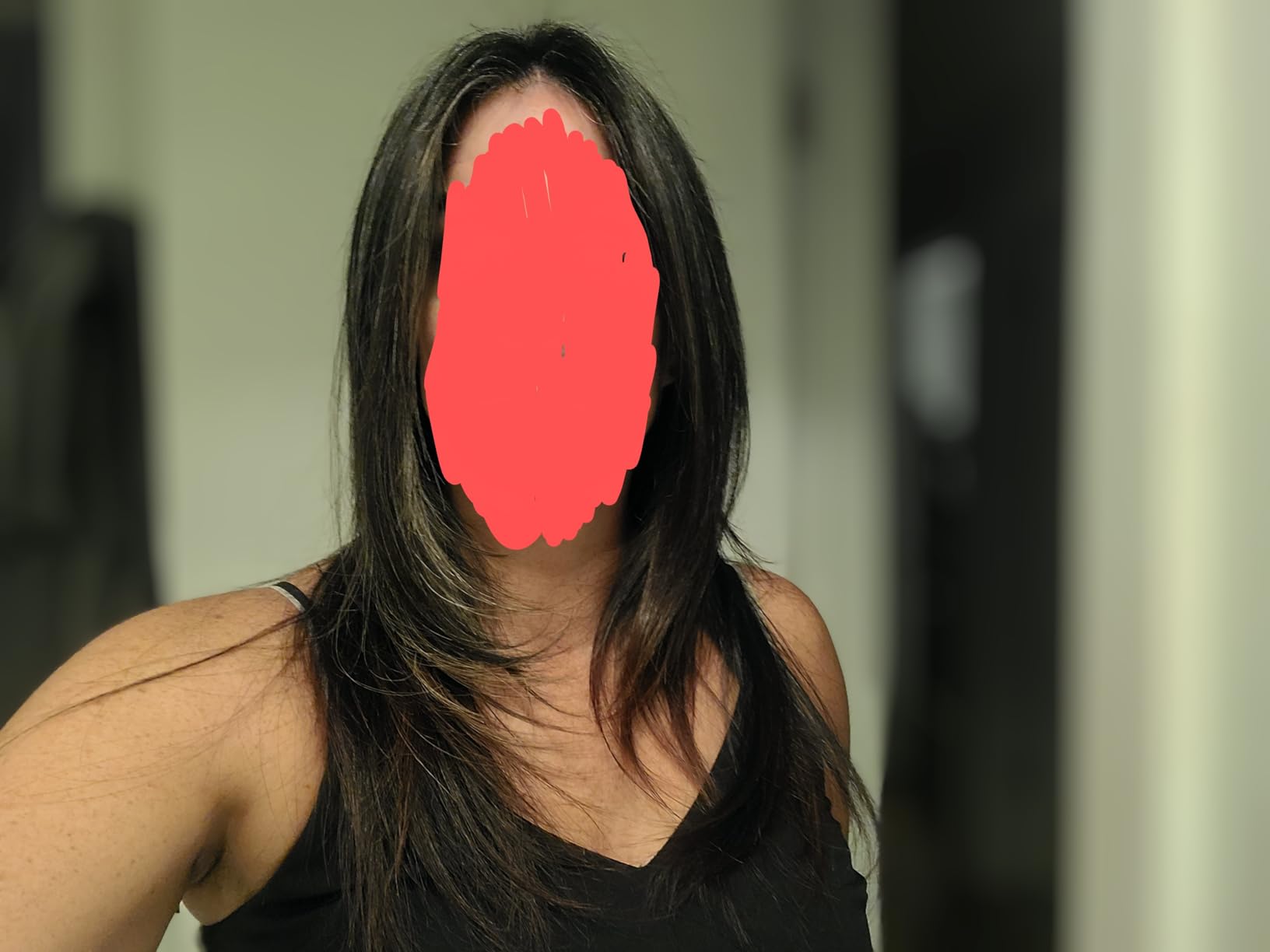
The fastest difference is at the root. Because the oval edge pushes hair up and back as you lift away, one pass from mid-length to root gives a bend that a flat iron physically cannot produce, since a flat iron clamps instead of lifting. Two passes, one to dry and one to set the shape, is usually enough for fine hair.
Expect a soft wave and a bend at the ends rather than a tight curl. The tool is designed for mid-length to long hair, and on shoulder-length fine hair it behaves best when you lift high at the front and keep the barrel more horizontal at the back.
Where it falls short
Heat is the real caveat. Owners consistently call the barrel hot, and fine or heat-sensitive hair can find low setting intense. Work heat protectant through damp lengths before you start, and never park the brush against your ear or scalp while you section.
Two more practical notes. The bristles wear, bend, or break with heavy use, and some users report pulling or mechanical damage on fine hair over time, so detangle first. And a 2.8 inch barrel is genuinely large: if your hair is above the chin, expect it to feel like you are maneuvering a lot of empty brush.
2. Conair All-in-One Hot Air Brush: Top Rated Ionic Pick
Conair All-in-One Hot Air Brush, Ionic Technology, Mixed Bristles, 1000W
136 epoxy-tipped bristles
Ionic generator
1000W with cool shot
1.6 lb, 6 ft cord
Pros
- Epoxy tips detangle without pulling
- Ionic output cuts frizz and static
- Lightweight with a long cord
- Works on damp or dry hair
- 4.6 across more than 4000 reviews
Cons
- 1000W is slow on very thick hair
- Root lift is modest
- No temperature readout
- Less polished finish than premium tools
This is the brush we would hand to someone whose fine hair is frizzy rather than straight, because the ionic generator is doing work that heat alone cannot. Negative ions keep the hair surface at a neutral charge, which is what stops flyaways and static puffing during the dry.
The 136 epoxy-tipped flexible nylon bristles are the quiet hero. Epoxy tips are smooth, rounded ends rather than the raw cut nylon used on cheaper brushes, and on fine hair that difference shows up as detangling rather than plucking. Reviewers with fine hair call out the painless bristle layout by name more often than anything else about this tool.
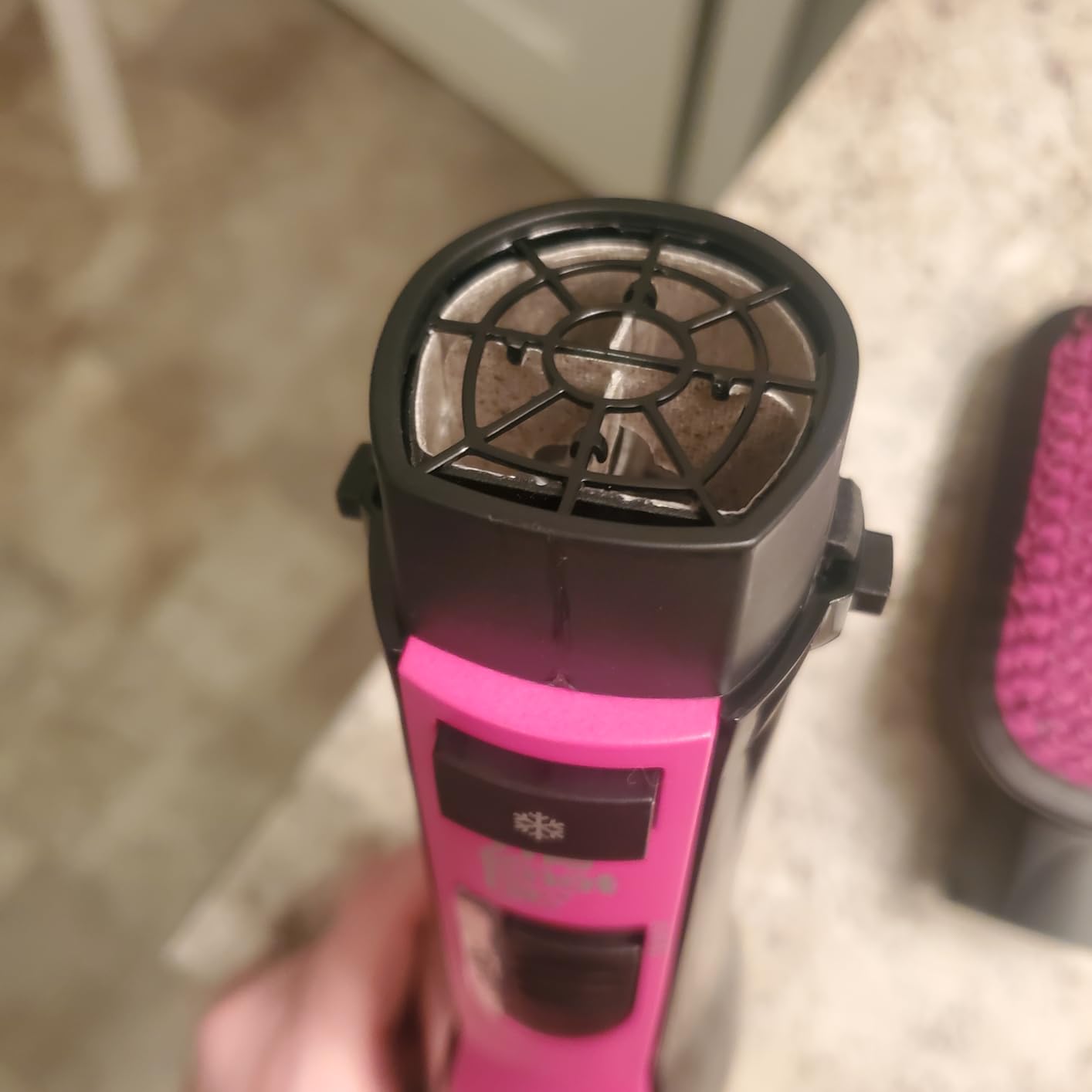
At 1.6 pounds with a 6-foot cord, it is comfortable for a full head of fine hair without the wrist ache that heavier brush dryers cause. The cord length matters more than it sounds: most of the awkwardness in styling fine hair comes from fighting a short cable, and the extra reach means you can keep the barrel moving in one direction without wrapping yourself around it.
Multiple heat settings plus a cool shot are built in, which is what fine hair needs to be able to finish a set without more heat. There is no numeric temperature readout, so you are still choosing by feel, but the cool setting is what seals the cuticle and locks the volume in.
What fine hair will notice first
Shine. Ionic output on fine, low-porosity hair produces a noticeably smoother, glossier finish than a non-ionic brush of the same class, and it does that at the same time as the drying. For hair that frizzes the moment it dries, that is the single most visible difference in the mirror.
It also handles the wet-to-dry handoff well. You can use it straight from the shower or on dry hair to refresh a second-day style, which makes it a realistic tool for fine hair that gets washed often and does not want heat every morning.
Where it falls short
1000W is on the lower end of the group, so very thick or very wet hair takes longer. If your hair is fine this hardly matters, but it is worth knowing if you also have dense ends. Root lift is more modest than a dedicated volumizing barrel delivers, and the finish is less polished than a premium multi-tool on the same hair.
A separate note on expectations: a reviewer on beautyheaven, writing about a different Conair spin brush, described fine hair going poof and frizzy with it. That is a barrel and technique story, not an ionic story, and it is the reason we would always start on the cool or low setting with this brush and use a prep product.
3. HOT TOOLS 24K Gold Blow Dryer Brush: Best for Smooth, Frizz-Free Finish
HOT TOOLS 24K Gold Blow Dryer Brush, Round Brush Blow Dryer for Salon-Worthy Blowouts in One Step, Fast Styling & Long-Lasting Results
24K Gold heating
Ionic charge control
Round brush barrel
Two heat and speed settings
1.9 lb
Pros
- Real round brush tension for blowouts
- Even 24K Gold heat
- Ionic static and frizz control
- Owners report 3 to 5 years of use
Cons
- Dense bristles snag on thick curly hair
- Barrel gets hot near the ear
- On off switch is awkward one-handed
- Bulky with no retracting cord
Of everything here, this is the brush with the most convincing case for fine straight hair specifically. Owners with straight, thin, or fine hair rate it very highly for smoothing frizz and producing a salon-style blowout in about ten minutes, and the round barrel gives more genuine tension than any of the oval designs.
Tension is the point. A true round brush wraps the section around a cylinder, and the resulting friction is what polishes the cuticle flat. That is why a round-brush blowout looks different from an oval one, and on fine hair that extra smoothness is often more valuable than extra volume, because fine hair reflects light off a flat cuticle instead of a raised one.
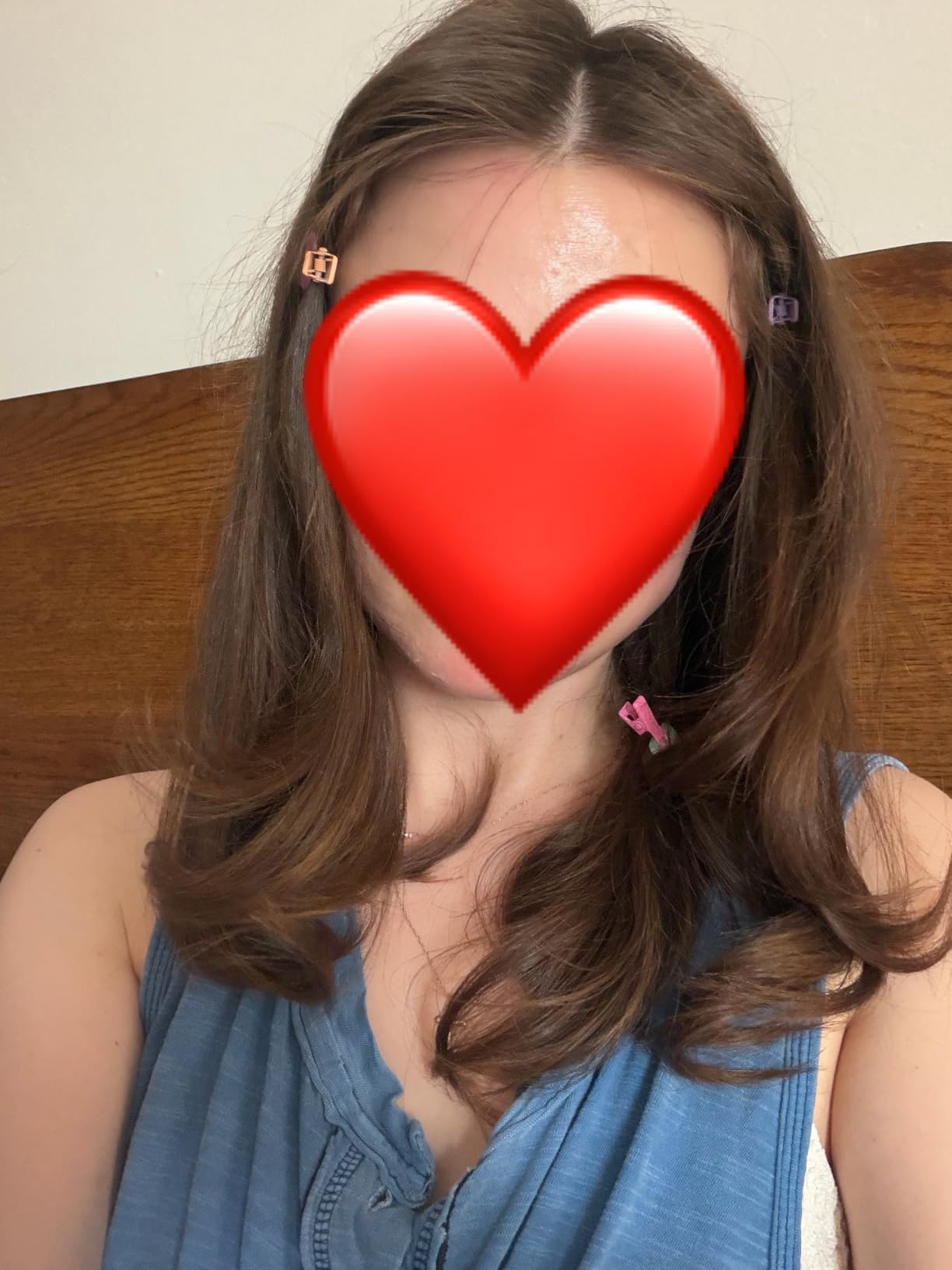
24K Gold technology spreads heat evenly rather than leaving hot spots, and ionic technology holds a neutral charge on the hair surface to keep static down through the styling. Long-term owners report three to five years of continuous use with metal construction that outlasts plastic-bristle competitors, which matters if you dread replacing tools.
Two heat and speed settings with rotating temperature control is thinner than the REVLON’s three, and the barrel does get hot enough to be felt near the ear. Keep it moving and away from the head, particularly on fine hair that shows heat quickly at the temples.
What fine hair will notice first
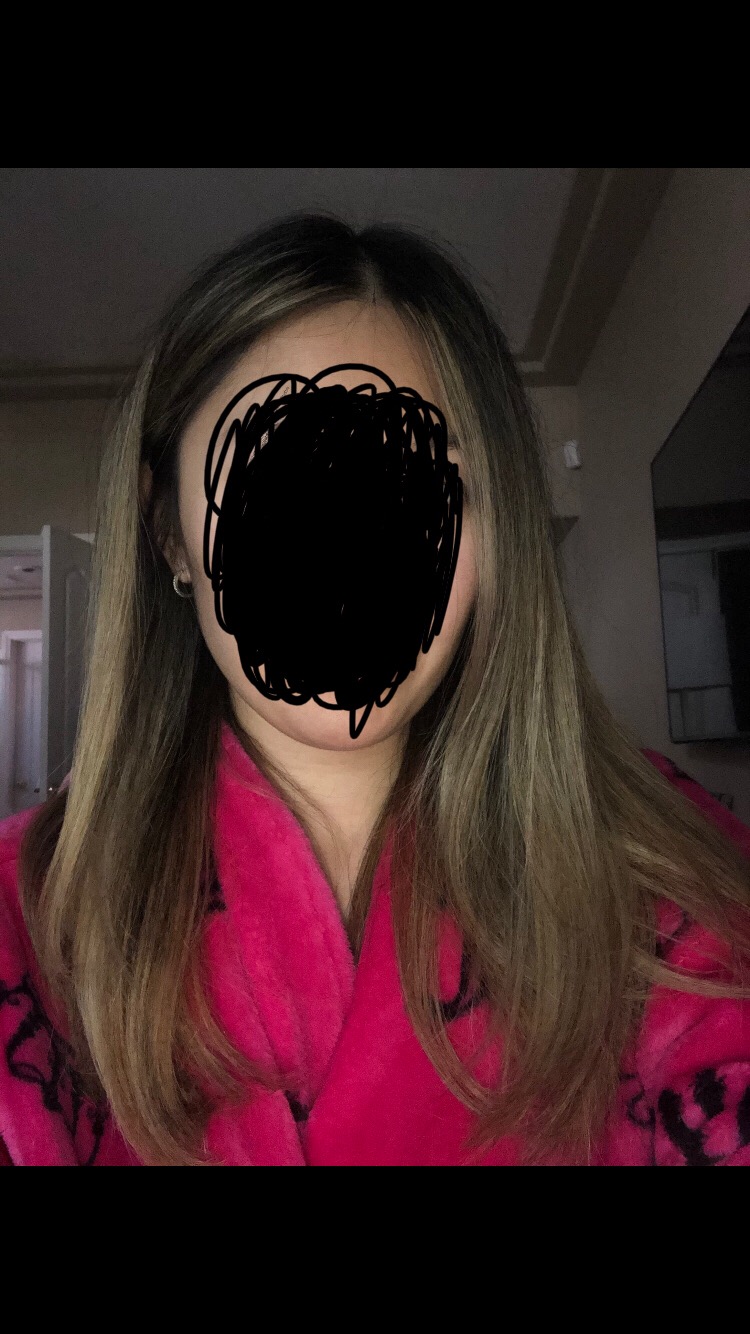
The finish, plain and simple. Fine hair that has been heat-styled tends to go matte and slightly fuzzy at the ends, and the combination of brush tension plus a neutral charge is what brings back a smooth, conditioned look. The 4.4 average is backed by more than 27,000 reviews, and the five-star share of 74% is consistent across long-term and new owners.
It is also the brush we would pick for the back of the head and the underside of layers, where a shorter section wraps faster and the round shape gets purchase on hair that a regular brush slides off.
Where it falls short
The dense bristles snag on thick curly hair, so this is not the tool for a coarse curl pattern. The on and off switch is awkwardly placed and hard to operate one-handed, which is genuinely annoying mid-blowout, and the body is bulky with a non-retractable cord and no hanging hook, so it does not pack well.
On Reddit r/Sephora, users styling with Revlon and HOT TOOLS brush dryers reported that the ends were fried even on the lowest setting with thermal protectant. That is a fair warning for fine hair: treat the low setting as a starting point, keep the barrel moving, and finish on cool.
4. TYMO 4.0 Hair Blow Dryer Brush: Best Low-Heat Option
TYMO 4.0 Hair Blow Dryer Brush, Lightweight Ionic Blowout Hair Dryer Brush
100 to 210F T-Sensor range
110000 RPM motor
Dual bristle layout
1.32 lb slim handle
Pros
- Lowest and most even heat in the group
- Fastest drying times
- Lightest body with a slim handle
- Quieter than most brush dryers
- Hard plastic bristles resist wear
Cons
- Weak volumizing performance
- Does not hold a curl
- Barrel can be large for short fine hair
- Power switch is hard to grip
- Can pull hair
This is the brush to buy if heat is your main fear, because it is the only one in the group that publishes its temperature range. The T-Sensor regulates three heat settings from 100 to 210F, and multiple fine-haired owners cite the low, even heat as the reason they stopped worrying about damage.
A 210F ceiling is a meaningful difference from a barrel that simply says high. It is closer to a heated styling cushion than to a curling wand, and it is why reviewers with fine hair who are trying to avoid breakage keep coming back to this one even though it is not the highest rated product here.
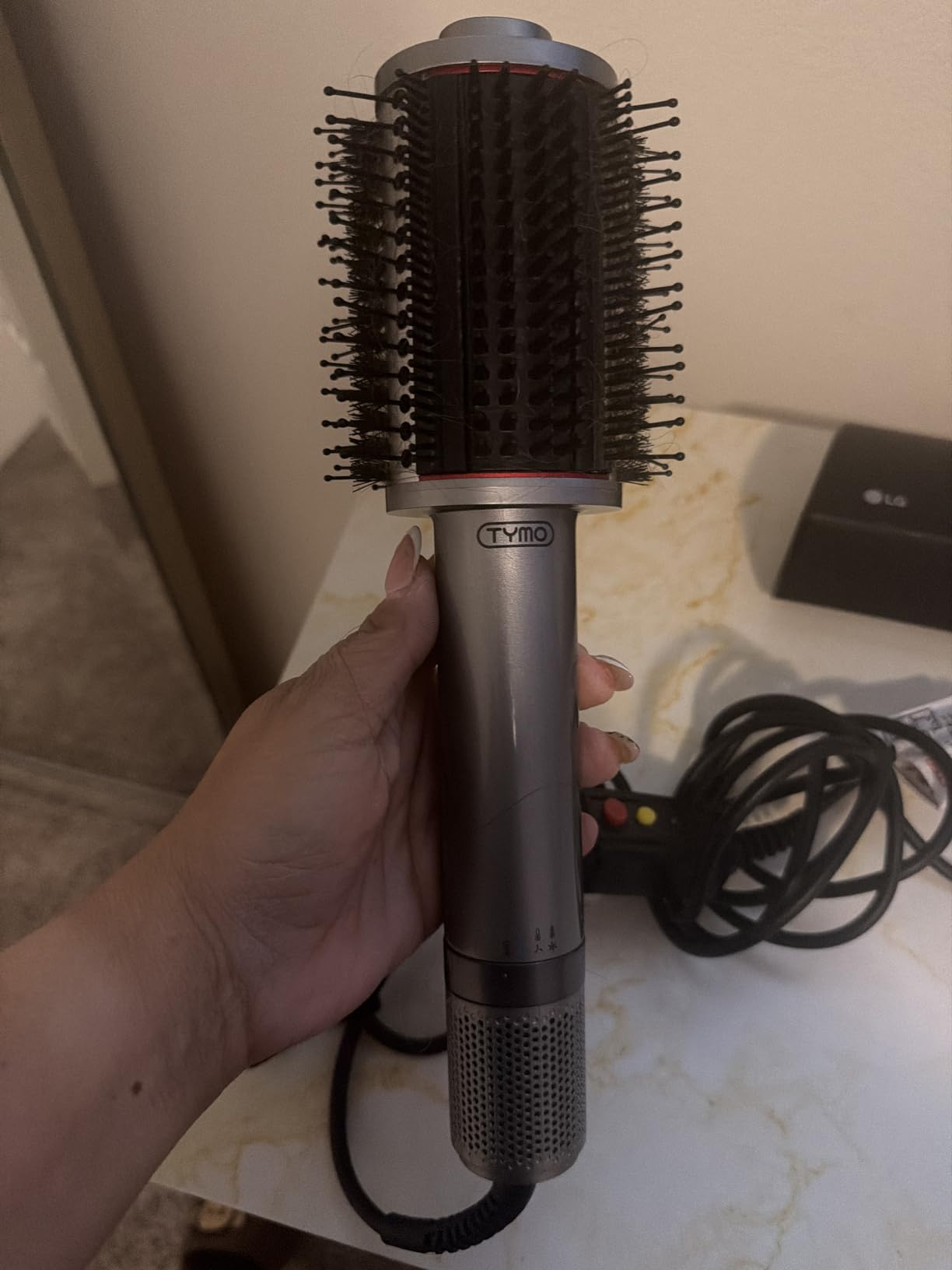
The 110,000 RPM motor is the fastest drying in the group and owners repeatedly report cutting dry time roughly in half. At 1.32 pounds with a slim 1.57 inch handle against a traditional 2.75 inch handle, it is the easiest of the eight to control precisely, and fine-haired reviewers tend to value precision more than power.
The dual-bristle layout, a smoothing comb combined with volumizing bristles, is designed to straighten and dry in one pass. Hard plastic bristles hold their strength far better than nylon-pin designs, and 500 million negative ions add the frizz control fine hair needs.
What fine hair will notice first
How little heat you get away with. Fine hair that frizzes, dulls, or breaks at the ends under a normal blow dryer often styles perfectly at this temperature range. It is also markedly quieter than most brush dryers, which matters if you style early.
For anyone who has read about high-heat tools and worried, this is the most defensible purchase in the roundup. On Reddit r/Naturalhair there is a strong skepticism toward very high heat tools, and a 210F cap is the concrete answer to that concern.
Where it falls short
Volumizing is weak, particularly for very fine or thin hair, and reviewers are blunt that it does not hold a curl. The 3.9 average is the lowest here with a 14 percent one-star share, and the split is entirely about expectations: people buying it as a volumizer are disappointed, people buying it as a fast low-heat dryer are not.
The barrel can also be too large for shorter or shoulder-length fine hair, the power twist switch is hard to grip, and the slim handle is short enough that a hand can cover the base air vent. It can pull hair and leave it caught in the brush, so section small and detangle first.
5. Shark SpeedStyle HD331: Fastest for Fine to Medium Hair
Shark SpeedStyle Hair Dryer, 3 Styling Tools, Fine to Medium Hair, HD331
Heat regulated below 230F
Three smart attachments
Four heat settings and cool shot
1.69 lb
Pros
- Stays below 230F automatically
- Very light at 1.69 lb
- Dries fine hair in 5 to 10 minutes
- Attachments adjust heat and airflow
- Compact and quiet
Cons
- Round brush attachment lacks tension
- Attachments run hot after several minutes
- Results depend on which attachment you use
- Noisy on highest airflow
This one is explicitly built for fine to medium hair, and the headline spec is the one fine-haired readers care most about: temperature is regulated a thousand times per second and kept below 230F. That is a hard ceiling, not a low setting that you have to trust.
Three attachments come in the box, and the tool auto-adjusts heat and airflow based on which one is fitted. For fine hair that is a real advantage, because the drying attachment, the round brush, and the RapidGloss finisher do not want the same combination of heat and speed, and the machine handles that instead of you guessing.
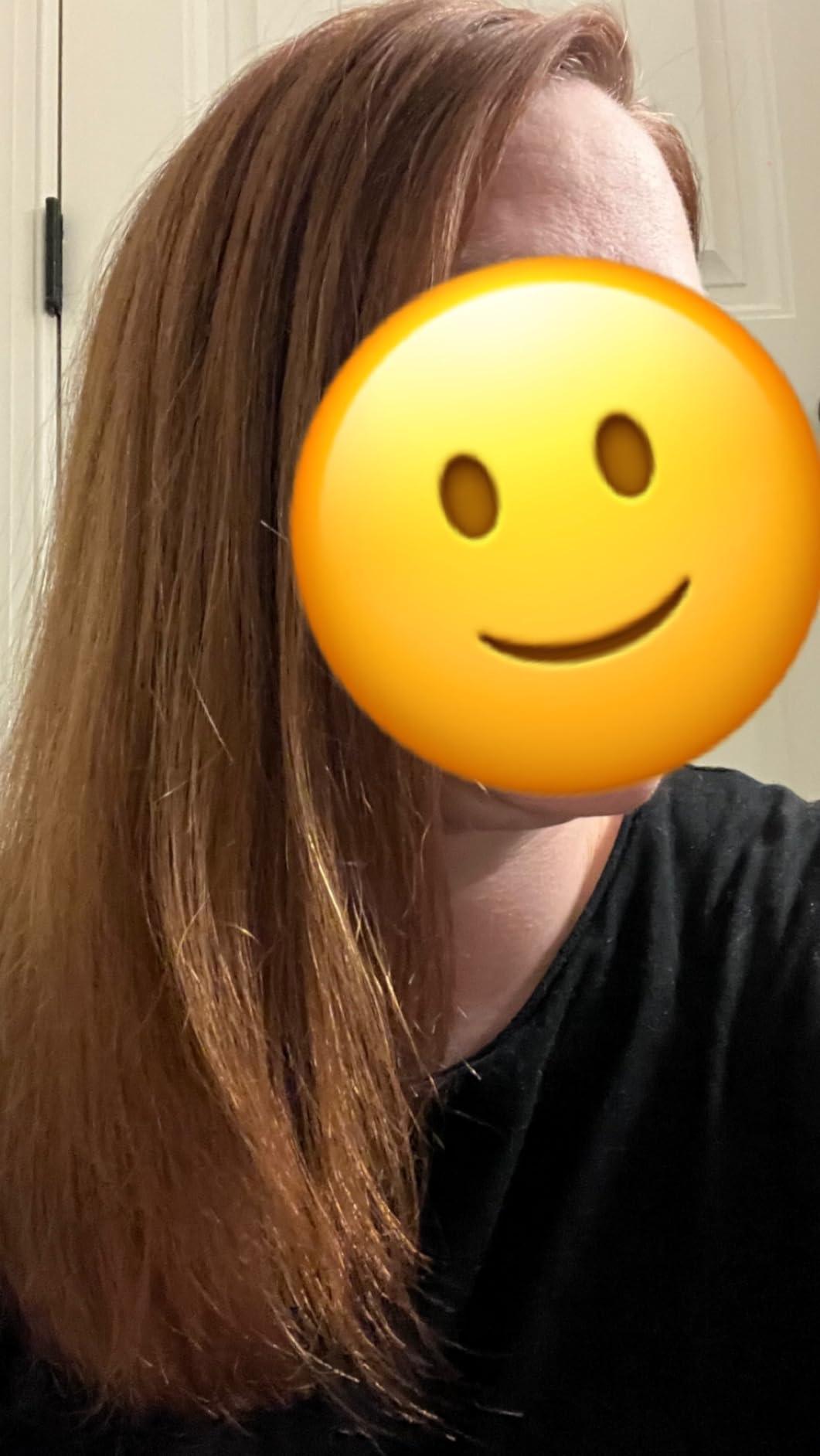
Owners report five to ten minute blowouts on fine to medium hair, with 75 percent five-star ratings across more than 1,500 reviews. The 1.69 pound body is light enough that long sessions do not fatigue the arm, and it is compact and quiet relative to high-powered dryers in its class.
The RapidGloss finisher is the attachment fine hair actually benefits from. It uses dual high-speed airflow to smooth flyaways and add shine after the root-lifting pass, which on low-density hair is often the difference between a style that reads as styled and one that reads as slightly messy.
What fine hair will notice first
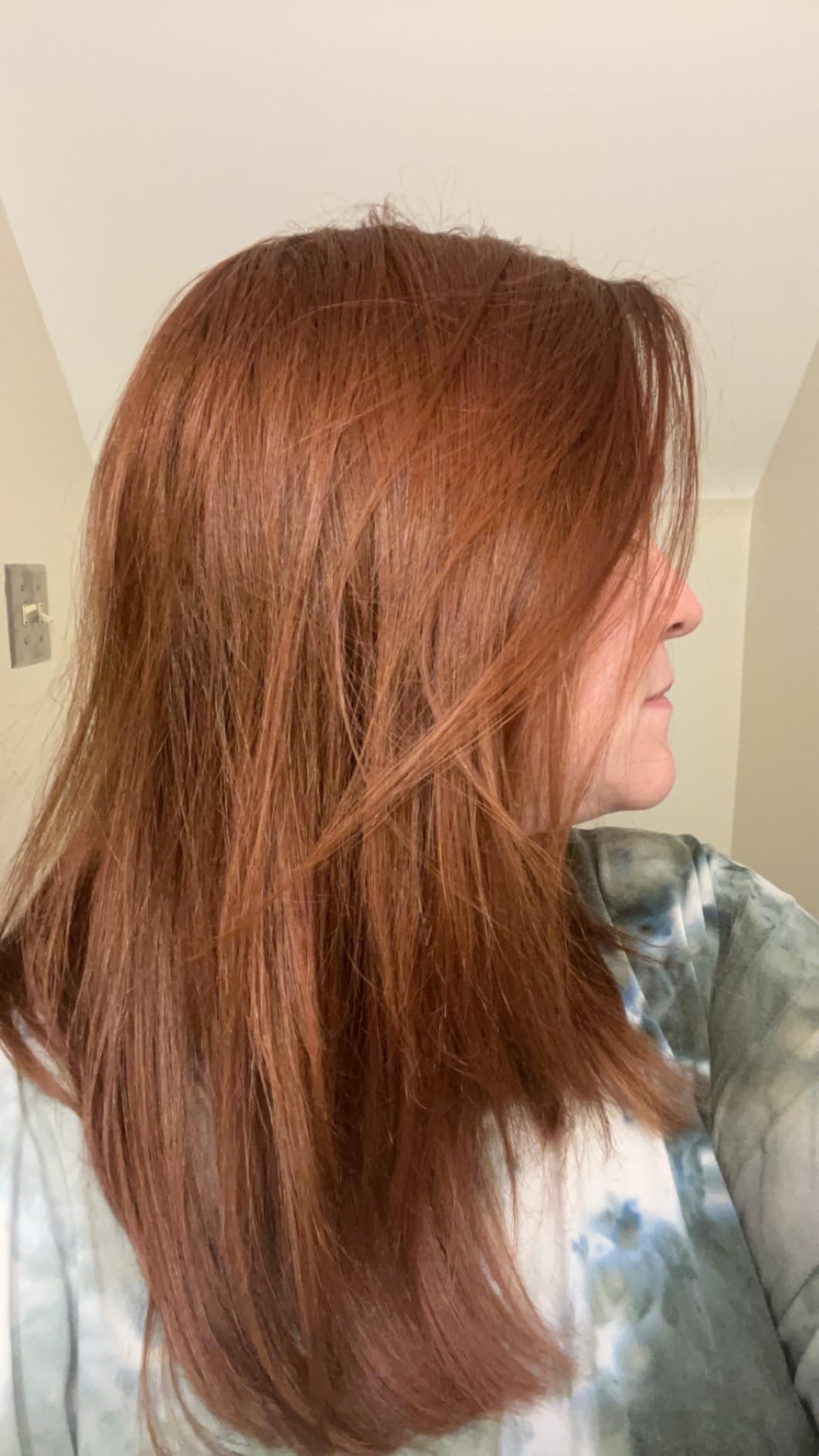
Speed, and the temperature ceiling underneath it. A five to ten minute blowout on fine hair is a real result, and it gets there because the airflow is doing the drying while the temperature stays capped rather than climbing.
Four heat settings, three airflow speeds, and a cool shot give more control than most of the roundup. On fine hair the useful move is the highest airflow with the lowest heat, which this tool’s auto-adjustment makes easy to land on by accident.
Where it falls short
The round brush attachment lacks tension and does little for smoothing or styling for some users, which is a real limitation if root volume is the whole point. Attachments also run very hot after several minutes at maximum heat and airflow, so the 230F cap does not describe the tool once it has been running at maximum.
Because results vary with the attachment, you have to actually use the finisher and smoothing heads to get the finish reviewers describe. The dryer body is also noisy on the highest airflow setting. On Reddit r/Hair, an owner of a different premium brush dryer was underwhelmed and found it took almost twice as long as hoped, so manage expectations on time even though this one is fast.
6. L’ANGE HAIR Le Volume: Lightest Titanium Barrel Pick
L’ANGE HAIR Le Volume 2-in-1 Titanium Blow Dryer Brush | Frizz Control Blowout Hair Dryer Brush for Drying and Styling | Volumizing Hot Air Styler for All Hairstyles | Oval Barrel | Black – 75mm
75mm titanium oval barrel
360 degree airflow
Adjustable heat
360 degree swivel cord
1.3 lb
Pros
- Titanium coating glides with less pulling
- Lightest body in the group
- Swivel cord prevents tangles
- Smooths under-layers well
- Low heat setting available
Cons
- Bulky and awkward to hold
- On off switch easy to bump
- Hotter and slower than some alternatives
- Less tension than a true round brush
The L’Ange is the one we would pack. At 1.3 pounds it is the lightest body in the roundup, and the 360 degree rotating swivel cord means you can style upside down, sideways, and at the back of your head without the cable twisting into a knot, which is the single most common reason a good tool gets abandoned on a trip.
The 75mm oval barrel with 360 degree airflow is built for lift. Titanium finish spreads heat evenly and protects the hair, and the advanced frizz-free technology is aimed squarely at sealing the cuticle, which is what stops fine hair from puffing up as it dries.
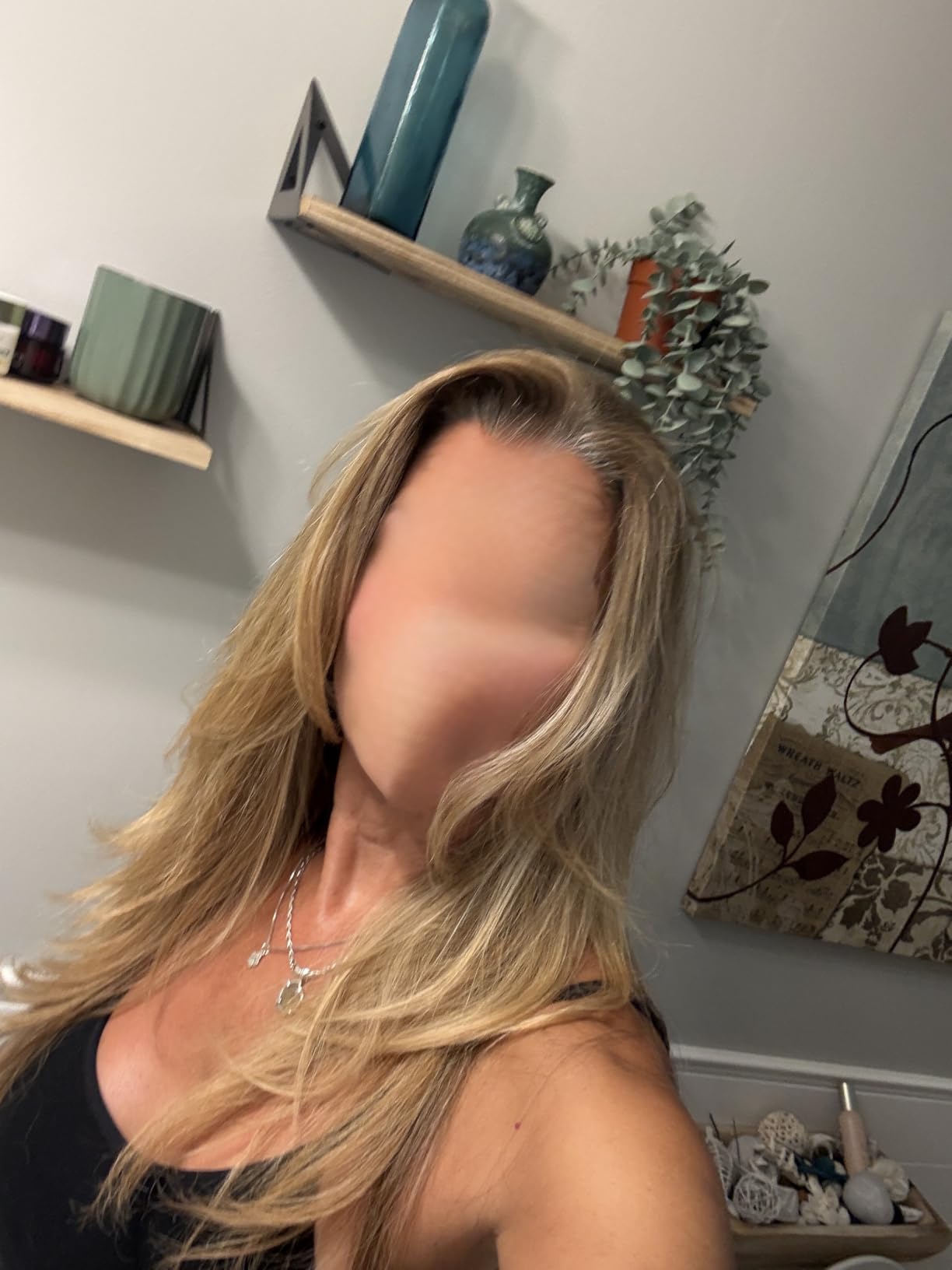
Reviewers single out how smoothly the titanium barrel glides through hair with less pulling and breakage, and several mention how well it smooths underneath layers that a regular brush cannot reach. Adjustable heat includes a low setting suitable for fine hair, and at more than 23,000 reviews it holds the number two position in its category.
It is also the one brush here where reviewers mention finish rather than power. The trade is deliberate: less tension, more glide, and a much lighter tool for people styling fine hair with tired arms.
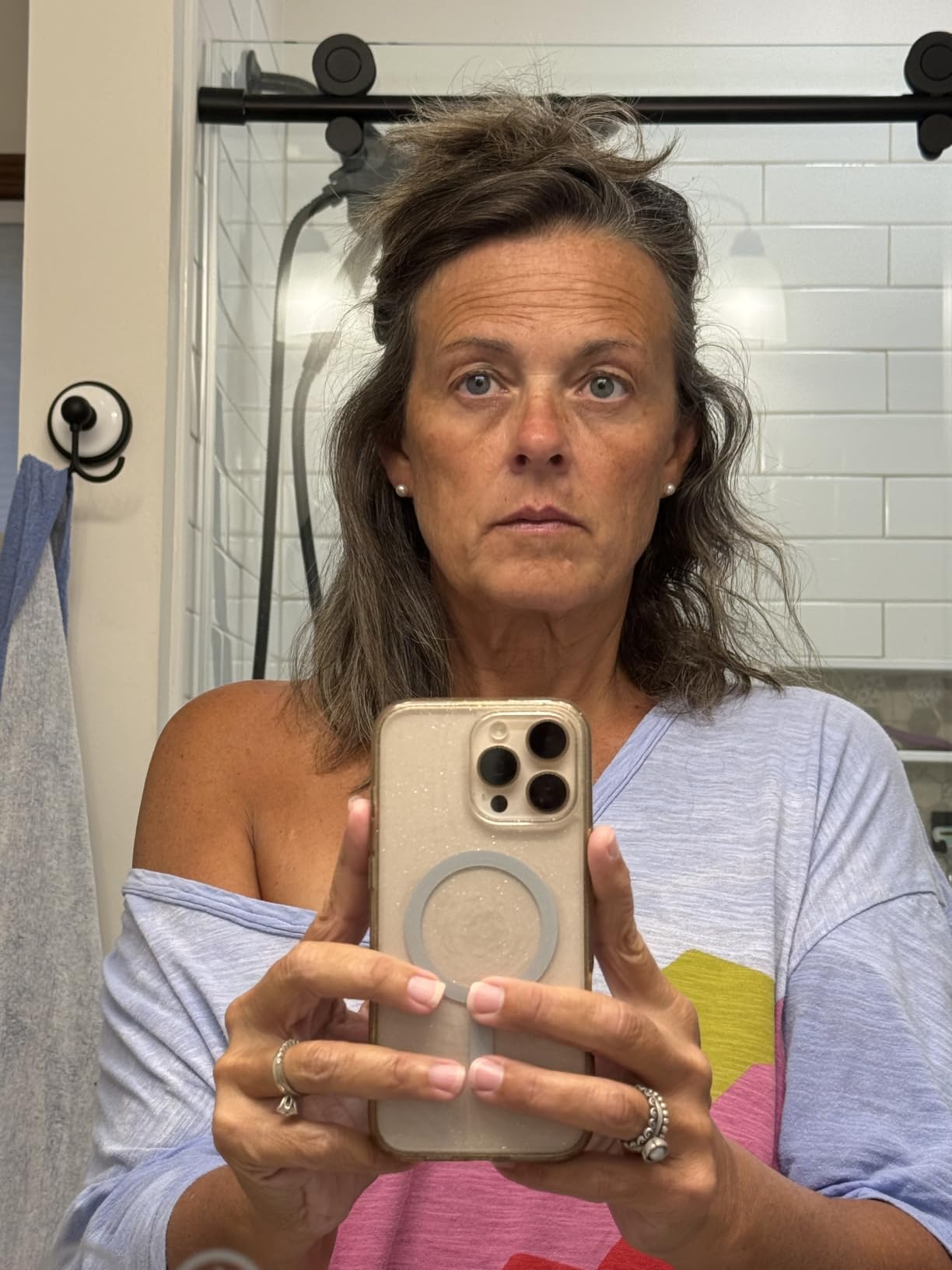
What fine hair will notice first
Comfort over a long session. A 1.3 pound tool held at the ends for ten minutes is a genuinely different experience from a 1.9 pound one, and fine hair is usually the hair type that gets styled most often because it collapses fastest.
The glide of the titanium coating is the second thing. Fine strands wrap around bristles and drag; a smoother barrel surface reduces that drag, and owners describe less pulling and breakage as a consistent result.
Where it falls short
The body is bulky and awkward to hold, especially after extended use, and the on and off switch is easy to hit accidentally while hair is wrapped around the barrel. It also runs hotter than some alternatives and takes longer to dry than a Revlon-style brush, and a small number of units have been reported defective out of the box.
Less tension than a true round brush means limited styling definition, so this is a volume and smoothness tool rather than a curl tool. At 4.3 it also sits below the leaders on rating, with a 72 percent five-star share and a higher one-star group than the top picks.
7. Shark FlexFusion Ceramic Air Styler: Best Multi-Tool
Shark FlexFusion Ceramic Air Styler, Straightner+Diffuser, HD642S
Style-Safe ceramic heat control
Scalp Shield
Interchangeable heads
Wet-to-dry mode
1.74 lb
Pros
- Wet-to-dry styling halves total time
- Straightener head avoids flat iron frying
- Curl barrels hold waves for days
- Scalp Shield cuts heat exposure
- Replaces four tools in one
Cons
- Most expensive option here
- Bulky and heavy for long sessions
- Real learning curve with the heads
- Runs hot so protectant is required
- Smallest review base
This is the pick for someone whose fine hair needs more than volume, because it is not only a brush. Interchangeable straightener, round brush, and curling attachments mean one device replaces a dryer, a straightener, a brush, and a curler, and the wet-to-dry mode means you can go from damp hair to a finished style without a separate blow-dry step.
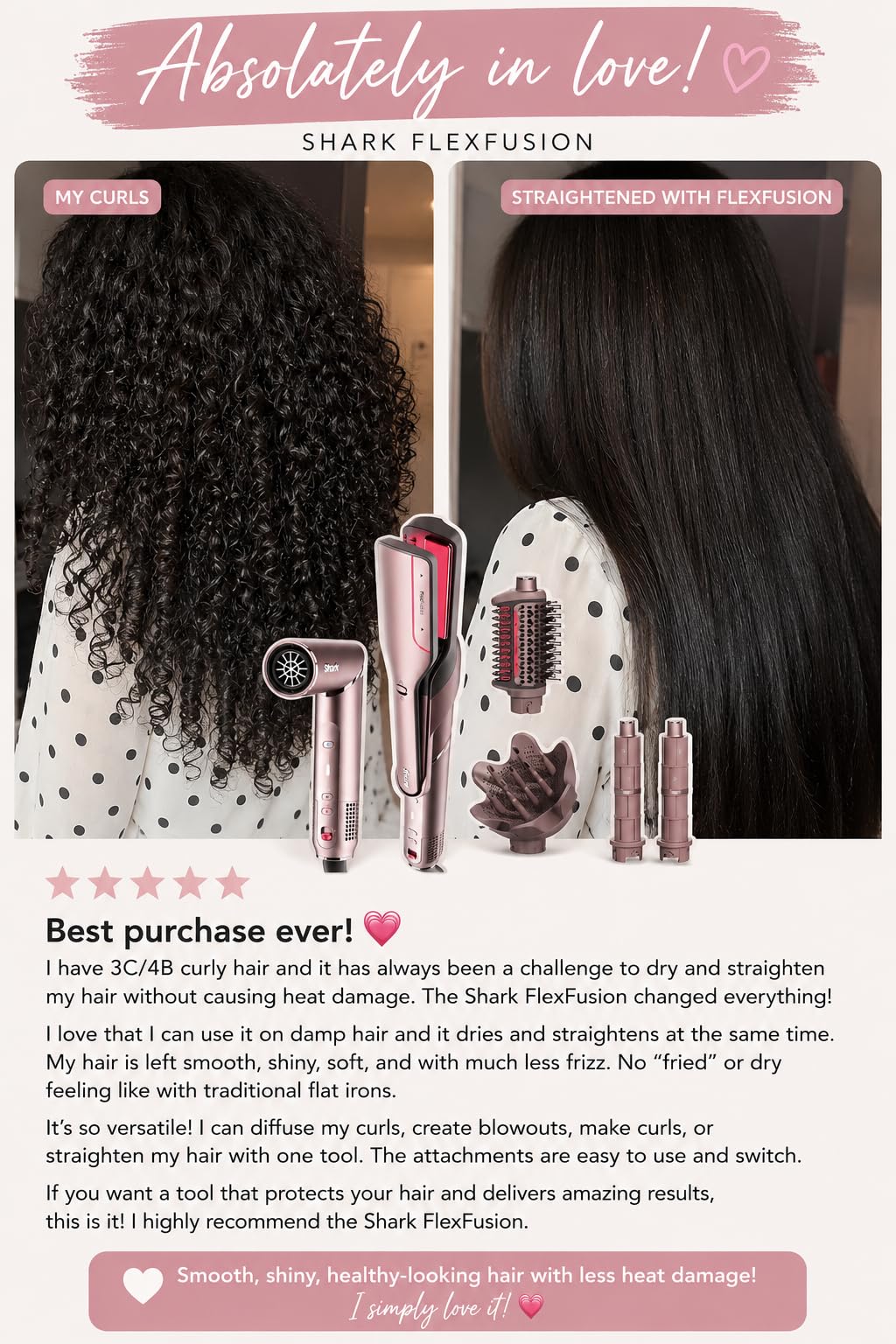
For fine hair, the straightener attachment is the interesting one. Owners report it leaves hair smooth and shiny without the fried feeling of a flat iron, because the airflow and ceramic heat control work together instead of clamping a hot plate on the strand. Style-Safe technology and Scalp Shield, which adjusts temperature instantly, are built to reduce heat exposure.
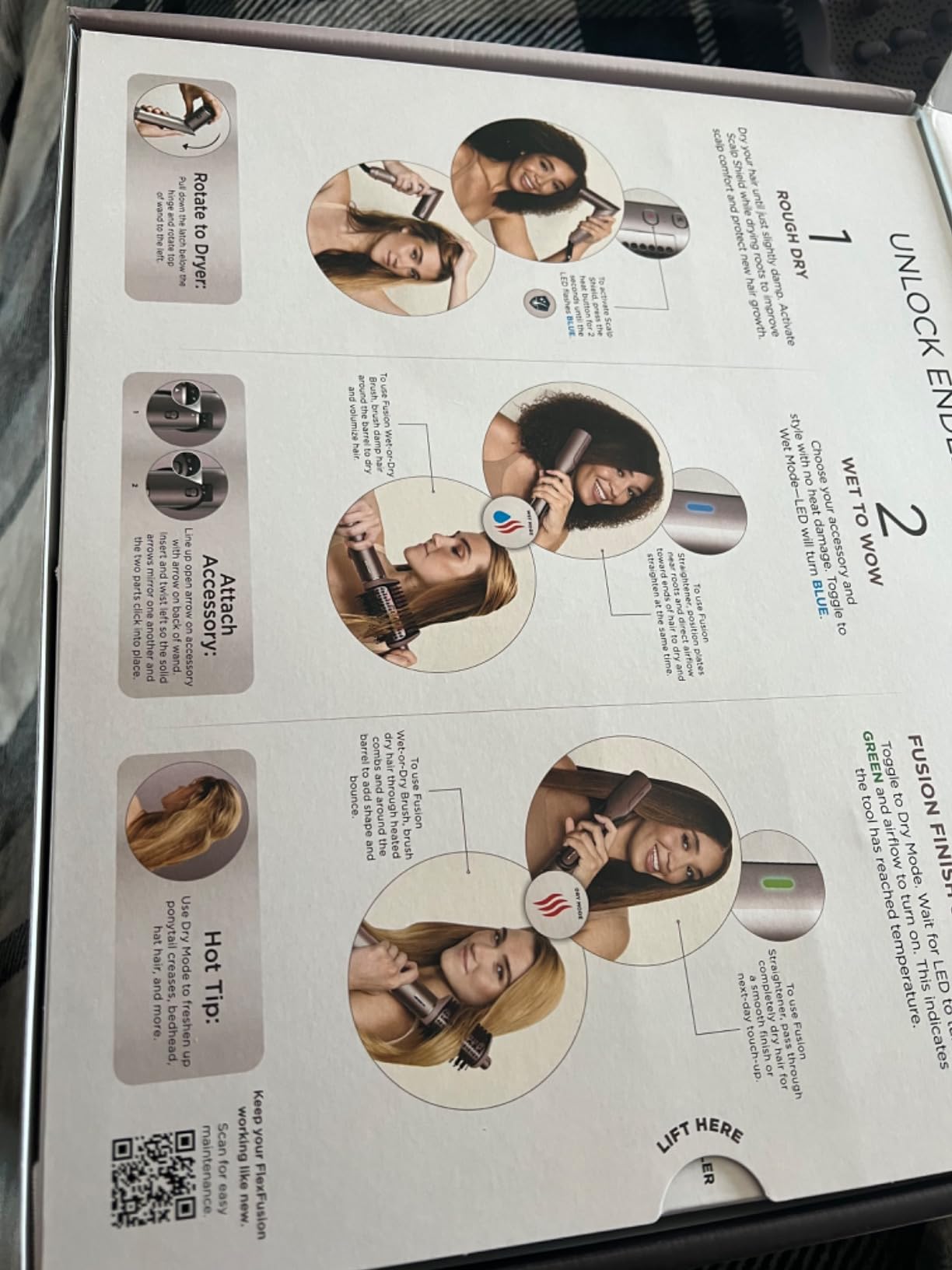
The round brush attachment produces a genuine salon-style blowout, and the curling barrels create soft waves that owners say hold for days. That last point matters for fine hair, which usually loses any bend within hours, so the curling heads have more value here than the marketing suggests.
It works on wet hair and for re-styling dry hair, which means it earns its counter space twice a day. On fine hair, cut the heat lower than you think and use heat protectant, because reviews note it runs hot and protectant is effectively required.
What fine hair will notice first
Fewer steps. Eliminating the separate blow-dry cuts styling time roughly in half, and for fine hair that is not a small thing, because every additional hot tool pass is another pass of heat through a low-density strand.
The straightener head is the part fine hair will appreciate most, since smooth, shiny results without the flat-iron feel is exactly the outcome low-density hair struggles to reach.
Where it falls short
It is the least proven pick here, with 193 reviews, and its 4.2 average comes with a 13 percent one-star share. There is a learning curve with the interchangeable attachments, and the unit is bulky and heavy enough to be tiring over a long session.
A small number of units reported motor or airflow failure within months, and it is the costliest tool in the roundup by a wide margin, which is a real consideration for anyone who weighs a high-ticket appliance they cannot service. Fine hair also needs a lower setting than most people will instinctively choose.
8. Dimecano 4-in-1 Hot Air Brush: Best Budget Ceramic-Coated Pick
Dimecano Hair Dryer Brush, 4 in 1 One Step Hair Dryer and Styler Volumizer, Professional Hot Air Brush with Negative Ion Anti-frizz Blowout for Drying, Straightening, Salon, Black Pink
Ceramic coated oval barrel
Negative ion output
Three settings plus cool
1200W
1.4 lb
Pros
- Entry price point with a 4.5 average
- Ceramic coating spreads heat evenly
- Negative ions tame frizz and static
- Light at 1.4 lb
- ETL certified with overheat protection
Cons
- 120V US outlets only
- Build is less refined than premium brushes
- Basic straightening and curling
- Oval barrel gives less tension
Two features on this brush are the ones fine hair actually needs, and both are the right ones. The ceramic coating distributes heat evenly and limits over-styling, which is a gentler heating approach than a bare metal barrel, and the negative ion output reduces frizz and static so fine hair does not puff as it dries.
At 1.4 pounds it is light, and the oval body shape suits volumizing. Three heat and speed settings plus a cool option give enough control to work low, which is where fine hair should live. The 4.5 average across nearly 2,900 reviews is a good result for a tool at this end of the market.
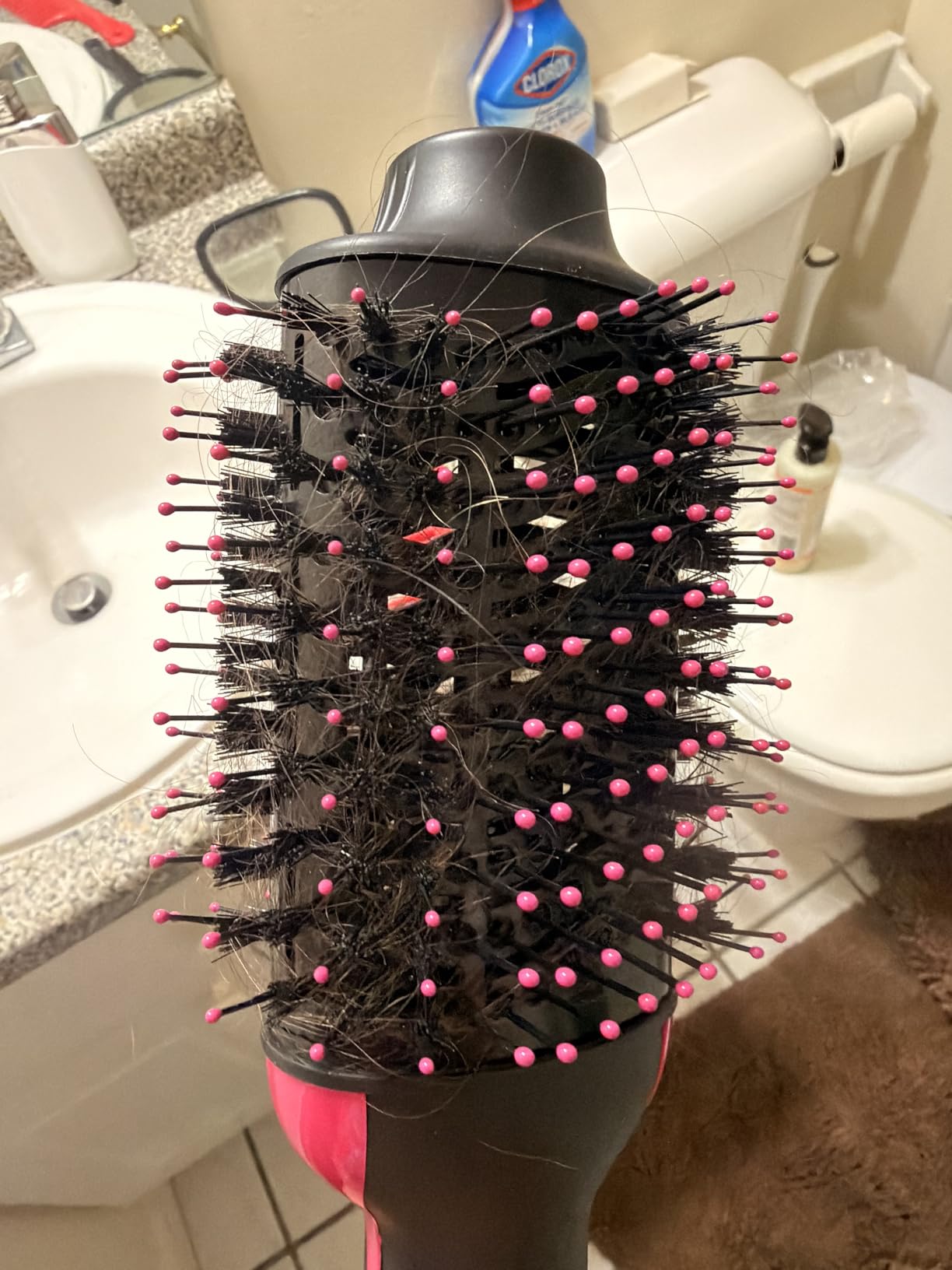
It is also ETL certified, UL859 compliant, and fitted with overheating and power-failure protection, which is reassuring on a device that puts a hot barrel close to your head every morning. Reviewers treat it as a solid value option that delivers noticeably smoother, less frizzy results.
The 4-in-1 claim covers drying, straightening, volumizing, and blowout styling in one pass, which is the standard promise for this shape of tool. Used as a dryer and volumizer it does the job well.
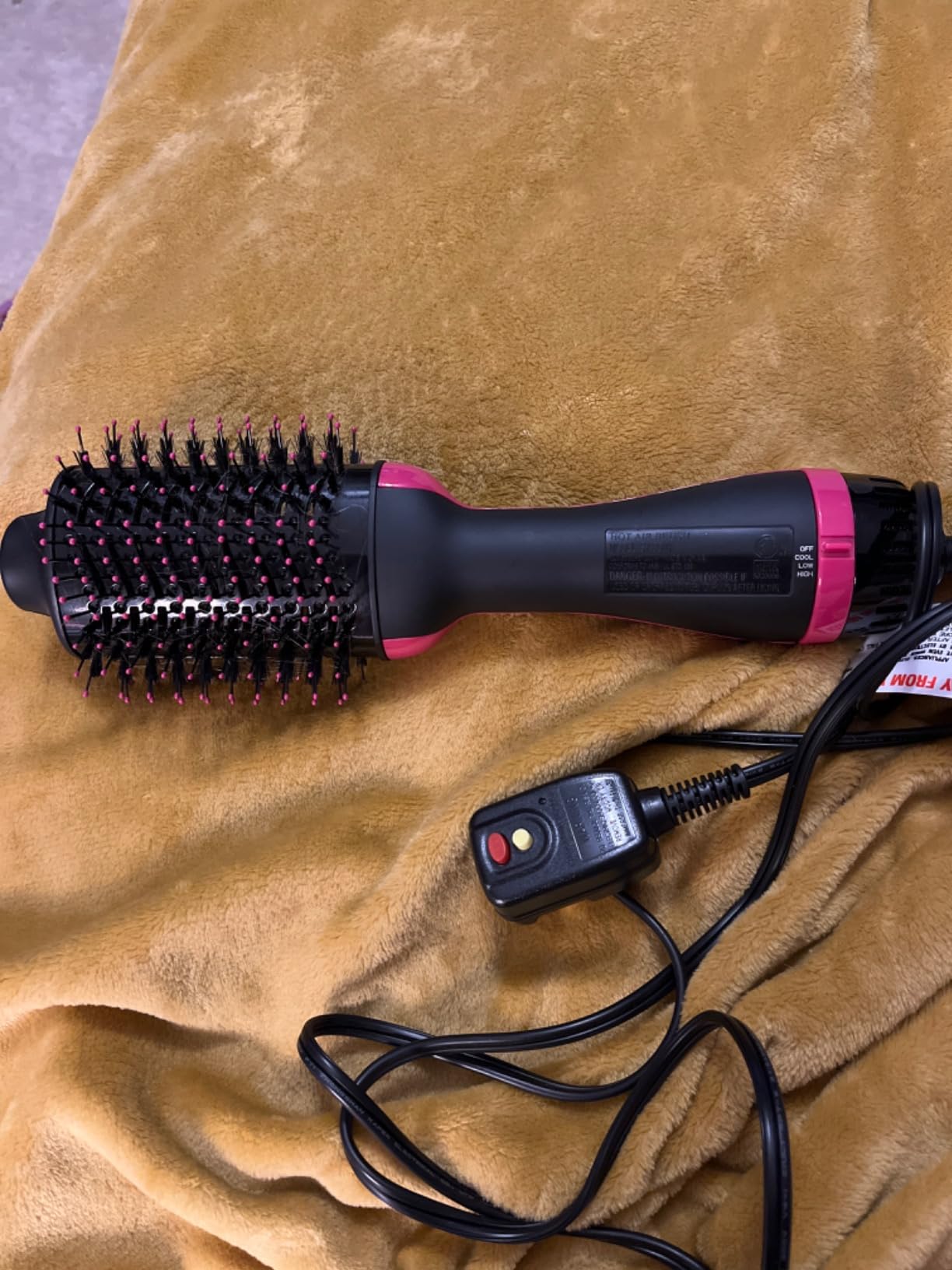
What fine hair will notice first
The ionic finish. Negative ion output on fine hair reduces the static puff that makes thin strands look larger than they are, and combined with even ceramic heat you get a smoother result than a bare-metal budget brush usually delivers.
It is a genuinely good first hot air brush, because it is light, it has a cool option, and it will not punish a beginner who runs it too hot. The 77 percent five-star share reflects that.
Where it falls short
It is rated 120V for US outlets only, so it will not work on 220V international power, which is the single most concrete limitation in the data. Build and finish are less refined than premium-tier brushes, and straightening and curling performance is basic next to dedicated hot tools.
The oval barrel gives less tension than a round brush, so definition is limited. With 6 percent one-star ratings, a minority of owners found it underwhelming, and for fine hair the deciding factor is whether you need volume or a true smooth.
How to Choose a Hot Air Brush for Fine Hair
Start with the temperature cap, not the wattage. Only the TYMO in this roundup publishes an actual range, 100 to 210F, and only the Shark SpeedStyle enforces a hard ceiling below 230F. For every other tool you are choosing by feel, so plan to start on the lowest setting and work up slowly. Fine hair that has been colored or highlighted is the most heat-sensitive of all, and it should live on the cool and low settings permanently.
Barrel size is the second decision, and it is the one most buyers get wrong. A 1 inch barrel suits short and pixie cuts, a 1.5 inch barrel is the sweet spot for bob and shoulder-length fine hair, and a 2 inch or larger barrel is for long hair with enough body to wrap it. The oval barrels in this roundup, 2.8 inches on the REVLON and 75mm on the L’Ange, are large. If your hair ends above your chin, those barrels are harder to maneuver than you expect.
Bristle type decides whether the tool snags. Nylon pin and tufted bristles give the most tension and the smoothest result, which suits fine straight hair. Epoxy-tipped flexible bristles, like the 136 on the Conair, are the gentlest and are the right call if you detangle as you style or if breakage at the ends is your main complaint. Hard plastic bristles resist wear better than nylon, and any brush with raw cut nylon tips is a step up in snagging risk. If bristle feel is the deciding factor for you, the soft-versus-firm bristle breakdown in our roundup of the best facial cleansing brushes covers the same physics at a much smaller scale.
Look for a real cool shot. Every tool in this roundup has one, and for fine hair it is not optional. A cool shot sets the shape and seals the cuticle, which is the difference between volume that lasts a few hours and volume that survives the day. Also check wattage against hair density, not length: 1000W is plenty for fine hair and will feel fast, while very thick hair needs more.
Ionic technology is worth paying for if your hair frizzes or holds static. It keeps the hair surface at a neutral charge so strands lie flatter as they dry. The Conair, Dimecano, HOT TOOLS, and TYMO all include it. Static is a charge problem in any material, which is the thread running through our guide to the best anti-static record brushes too. Swivel cord and weight matter more than people expect, and if you have fine-motor wrists, anything above 1.7 pounds will start to feel heavy by the second section.
How to Use a Hot Air Brush on Fine Hair
The single biggest factor is not the tool, it is the moment you switch from dryer to brush. The consistent forum advice from fine-haired users is to wait until hair is almost dry before the brush goes anywhere near it, and that is the point most people miss. On damp hair, a hot barrel boils the water inside the strand instead of evaporating it, and fine hair has too little mass to survive that.
Here is the routine we would use, in order:
Work heat protectant through damp lengths before you turn anything on. Fine hair needs it more than thick hair, not less, and the ends need the most.
Add a volumizing mousse or light spray mousse to damp hair. Prep product is the answer to the question fine-haired users ask most often, and dry hair has nothing to hold volume.
Dry with your normal hair dryer until the hair is roughly 70 to 80 percent dry. Squeezing a section should still leave it cool and slightly damp.
Section. Take a 1 inch section near the crown first, clip everything else out of the way.
Set the tool to the lowest heat setting and the highest airflow. Fine hair should start cool and get warmer only if it will not hold a shape.
Lift at the root. Place the barrel almost vertical at the roots, so the section is lifted away from the scalp before anything else happens.
Slide down to the ends, keeping the barrel tilted slightly so the round or oval edge can catch the ends and flip them under.
Hit the cool shot for ten to fifteen seconds without moving, then let the section fall. That sets the bend and seals the cuticle.
Work from the back of the head forward so you are not styling over finished hair. One pass to dry, one pass to set, and a cool shot to finish is enough for fine hair, and more passes than that is where damage accumulates.
Why Your Hot Air Brush Is Not Giving You Volume
If the brush leaves your hair flat, the tool is rarely the problem. Across fine-hair forum threads the same complaint repeats, and the fixes are almost always technique, not hardware.
You switched too early. If you use the brush on wet or very damp hair, the barrel cooks the strand and the section ends up limp and heavy. Wait until 70 to 80 percent dry. This is the most common cause by a wide margin, and it is the reason users on Mumsnet consistently say to let fine hair get almost dry first.
You used no prep product. Volume needs something to hold it. Mousse on damp hair gives the section body before the heat sets it, and fine hair has no natural body to work with. A heavier prep is often the answer; users ask directly whether hot round brushes make hair greasy, and the honest response is that mousse applied properly and removed with a rinse will not.
Your barrel is too big. A 2.8 inch barrel on shoulder-length fine hair cannot get close enough to the root to lift it. Go smaller, or change your technique so the brush sits at the root rather than mid-length.
You did not lift at the root. The volume comes from the angle, not from the heat. Start the barrel vertical at the roots and lift away from the head; wrapping the section horizontally from mid-length produces smoothness and no lift at all.
You skipped the cool shot. A hot set relaxes as you finish. Without a ten to fifteen second cool shot, the bend drops as your body heat sets into it, which is why some people get one good pass and then nothing.
You expected the volume to last. Be realistic here. A writer on beautyheaven described fine hair as only temporarily sleek before waving and frizzing again, and another said curls do not last long at all. Hot air brush volume is a same-day effect, usually through the working day, and a flat iron is genuinely longer-lasting for some people. If longevity is your priority, use the brush for volume and treat smoothness separately.
You over-brushed. Repeated passes on a fine strand add heat each time. Two passes is a treatment, five is damage. If you are fighting a section that will not cooperate, let it go instead of re-wrapping it.
Frequently Asked Questions
What is the best heated hair brush for fine hair?
The REVLON One-Step Volumizer is the best overall pick for fine hair. Its 2.8 inch oval barrel lifts the roots without the tight clamp of a round brush, and its pin and tufted bristles give enough tension to smooth fine hair without snagging it. It holds a 4.6 rating across more than 350,000 reviews and weighs 1.57 pounds, with cool, low, and high settings so you can finish on cool.
Can a hot air brush damage my hair?
Yes, but heat damage to fine hair is about time and temperature, not about the tool alone. Fine strands show breakage and split ends sooner than thick hair, and reviewers on Reddit r/Sephora report fried ends from brush dryers even on the lowest setting. Work heat protectant through damp lengths, keep the brush moving, and only use it when hair is 70 to 80 percent dry.
Which hot brush is the least damaging to hair?
The TYMO 4.0 is the least damaging option in this roundup because it is the only tool that publishes its temperature range, regulating three heat settings from 100 to 210F with a T-Sensor. The Shark SpeedStyle is the next safest because heat is regulated a thousand times per second and kept below 230F. Both also run cool, which seals the cuticle instead of cooking it.
Do thermal brushes work on thin hair?
They do, and thin hair is where root volume makes the biggest visible difference. The limitation is not effectiveness but technique: a barrel larger than 1.5 inches is hard to place at the root on short fine hair, and a rotating or tight brush can snag. Choose a 1 to 1.5 inch barrel, use soft or epoxy-tipped bristles, and lift vertically at the roots before sliding down.
Is it better to let fine, thin hair air dry?
Let it air dry to the point where it is roughly 70 to 80 percent dry, then finish with the brush. Styling fine hair fully wet exposes the strand to boiling water inside the cuticle rather than evaporating it, and fine hair does not have the mass to handle that. Forum consensus from fine-haired users is consistent on this: wait until the hair is almost dry, then use the brush for volume.
How often can I use a hot air brush on fine hair?
Most fine-haired users get results styling 3 to 5 days a week, with a heat protectant applied every time. Daily use is possible on a low or cool setting with a tool that has a genuine cool shot, but the risk accumulates rather than appearing suddenly, and fine hair shows it as breakage at the temples and split ends. If your ends feel brittle between washes, cut the frequency before the tool.
Conclusion
After working through all eight, the REVLON One-Step Volumizer remains the best hot air brush for fine hair, because it is the only one combining oval-barrel lift, real bristle tension, three heat settings, and a review base large enough that its weaknesses are well documented and manageable. Buy it for the barrel shape, use the cool setting as often as the high one, and never touch it before your hair is nearly dry.
If your fine hair is frizzy rather than limp, the Conair All-in-One with its ionic generator and epoxy-tipped bristles is the better buy. If heat frightens you, go straight to the TYMO 4.0 for its 100 to 210F range, or the Shark SpeedStyle for its sub-230F ceiling and attachments. And if the flat result is what frustrates you most, work through the troubleshooting list before you blame the tool, because in most fine-hair cases the brush is fine and the timing is not.