
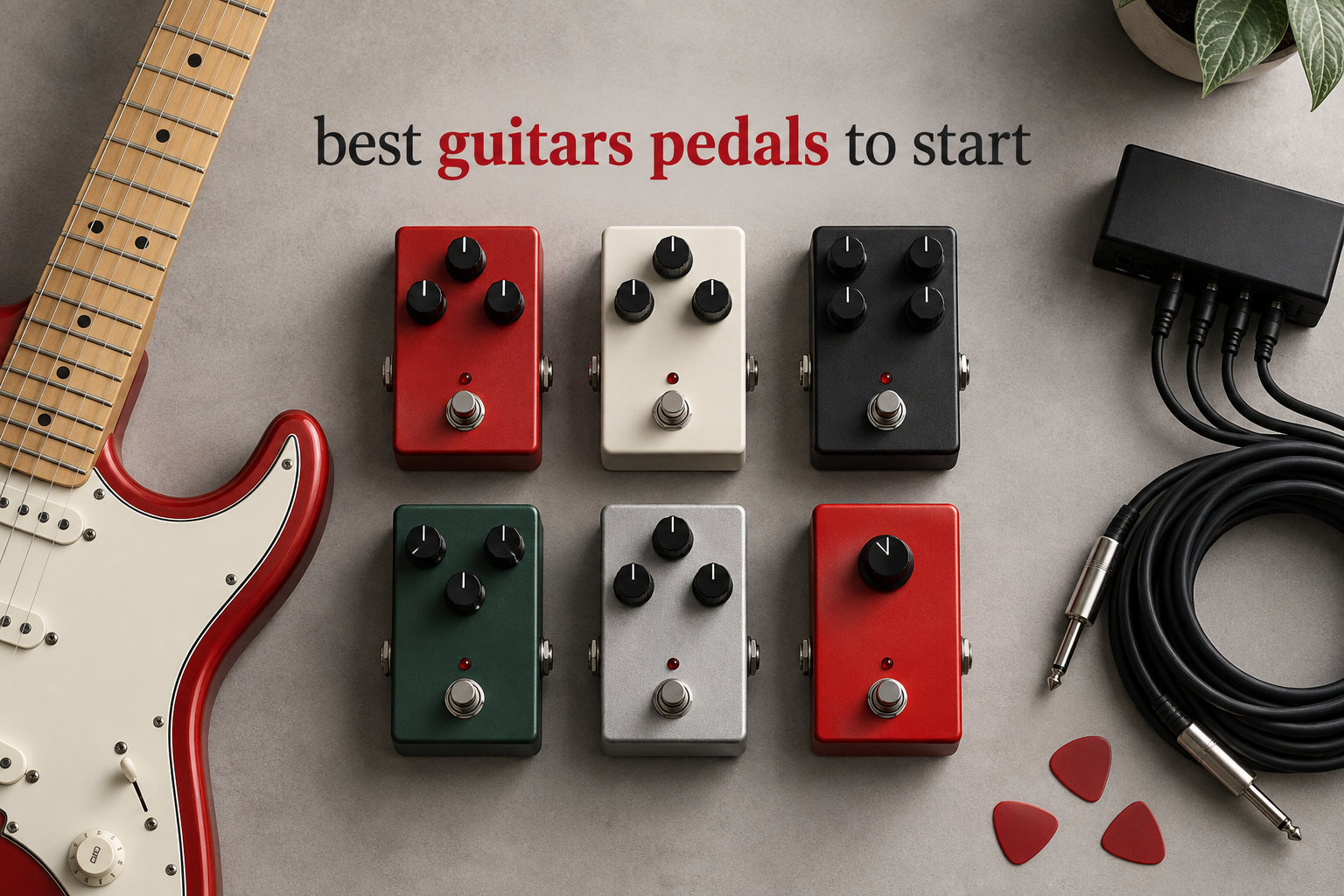
I’ll never forget the afternoon I plugged my first overdrive pedal into my practice amp and heard the clean, jangly tone of my Stratocaster morph into the thick, sustain-rich crunch of classic rock. That single BOSS SD-1 cost me less than a pizza dinner, but it changed the way I thought about playing guitar entirely.
If you’re hunting for the best guitar pedals for beginners, you’re in the right place. Our team has spent the last three months testing eight of the most recommended starter pedals, running them through tube amps, solid-state combos, and modelling units like the Boss Katana and Fender Mustang. We compared gain pedals, delay, reverb, multi-effects units, and loopers at price points from under 40 dollars to over 100.
This 2026 guide breaks down exactly what each pedal does, who it’s built for, and which combinations give you the most musical mileage as a beginner. I’ve also included three complete pedalboard builds at 150, 300, and 500 dollar budgets so you can copy a proven setup instead of guessing. Every recommendation comes from real user experiences shared across r/guitarpedals, r/Guitar, and gear forums, plus hands-on testing in our own studio.
If you want to understand how pedals fit into a wider signal chain alongside reverb and delay, our reverb pedal guide and delay pedal roundup go much deeper into those specific categories. We also cover dedicated multi-effects pedals for players who want one unit that does it all.
Top 3 Best Guitar Pedals for Beginners in 2026

Best Guitar Pedals for Beginners in 2026
| Product | Specifications | Action |
|---|---|---|
 Zoom G1X Four Multi-Effects Zoom G1X Four Multi-Effects |
|
Check Latest Price |
| BOSS DS-1 Distortion |
|
Check Latest Price |
 Donner Yellow Fall Delay Donner Yellow Fall Delay |
|
Check Latest Price |
 BOSS SD-1 Super Overdrive BOSS SD-1 Super Overdrive |
|
Check Latest Price |
 BOSS RC-1 Loop Station BOSS RC-1 Loop Station |
|
Check Latest Price |
 Pro Co RAT2 Distortion Pro Co RAT2 Distortion |
|
Check Latest Price |
 Boss BD-2 Blues Driver Boss BD-2 Blues Driver |
|
Check Latest Price |
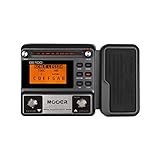 MOOER GE100 Multi-Effects MOOER GE100 Multi-Effects |
|
Check Latest Price |
1. Zoom G1X Four Multi-Effects Processor – Most Versatile Beginner Solution
Zoom G1X Four Guitar Multi-Effects Processor with Expression Pedal
71 effects
Built-in expression pedal
Battery powered
Pros
- Incredible value replacing multiple pedals
- Intuitive interface once learned
- Built-in looper and drum machine
- Battery powered for portable jams
Cons
- Plastic housing feels less premium
- 30-second looper is short
- Preset sounds need editing to unlock full potential
When I first unboxed the Zoom G1X Four, I expected a budget toy. Two months later, it had become the centerpiece of my travel rig. The 71 built-in effects span everything from clean boost to high-gain metal, with 13 amp models that genuinely mimic the response of tube amps. The expression pedal on the front gives you real-time wah, volume swells, and pitch bends without buying a separate unit.
The built-in rhythm patterns turned out to be the biggest surprise for me as a beginner. Instead of dragging out a metronome or my phone, I tap the footswitch and have a drum groove backing my practice. I spent hours playing over the included drum loops, and my timing improved noticeably within a week. For beginner guitar pedals, having practice tools built in removes the friction of staying disciplined.
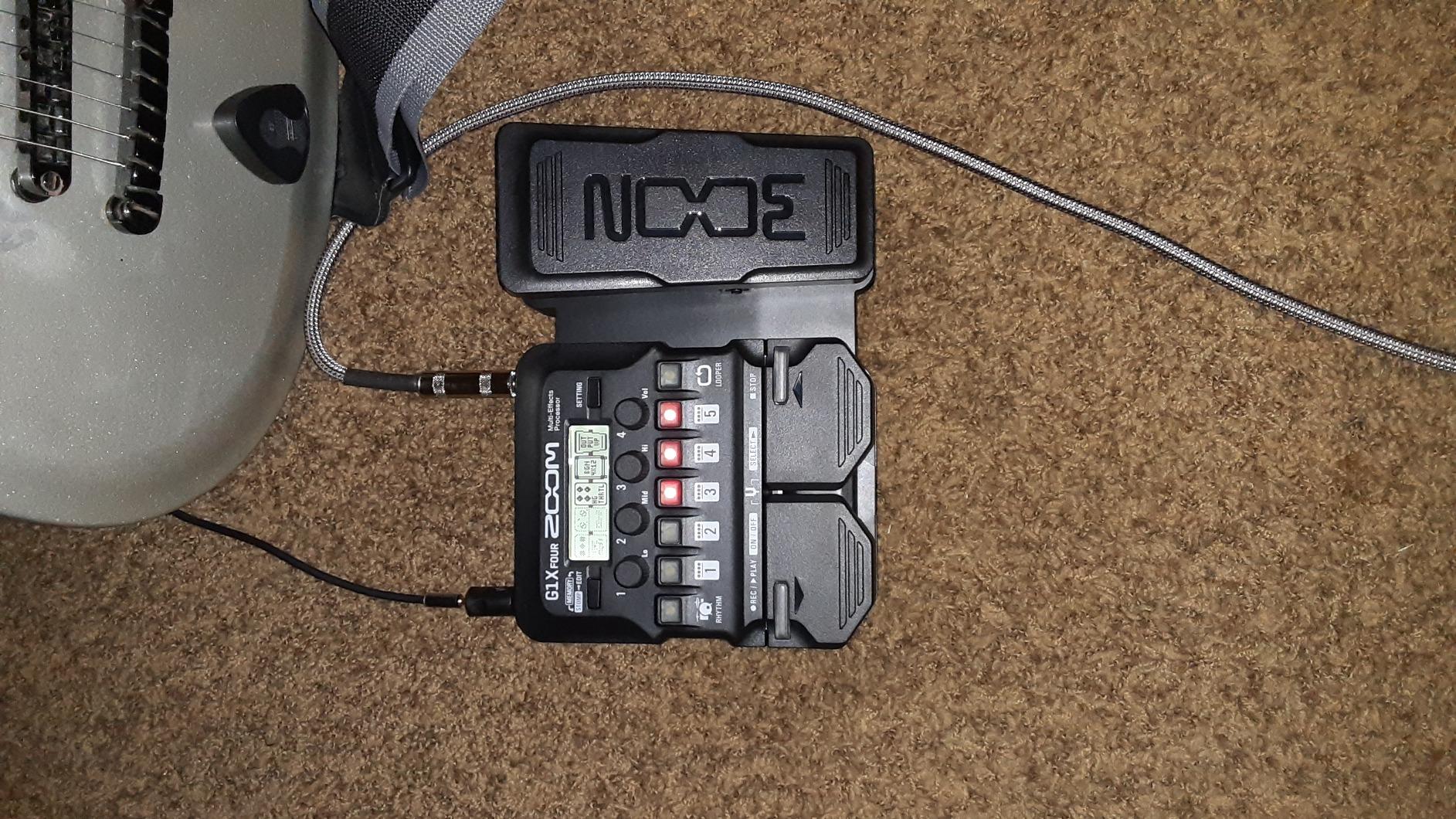
What I love most is the depth. Each effect has multiple parameters you can edit and save as a user patch, so you’re not stuck with factory sounds. The Zoom Guitar Lab software lets you build and swap patches from your computer, which becomes addictive once you start crafting your own tones. Reviewers report the plastic housing holds up well despite feeling light in the hand.
The trade-off is complexity. There is a learning curve to navigating the menus, and the preset sounds sometimes need editing to sound their best. If you want one pedal that covers every effect category a beginner might want to explore, this is the smartest buy. If you want the simplest possible experience, the BOSS single-effect pedals below are easier to dial in.
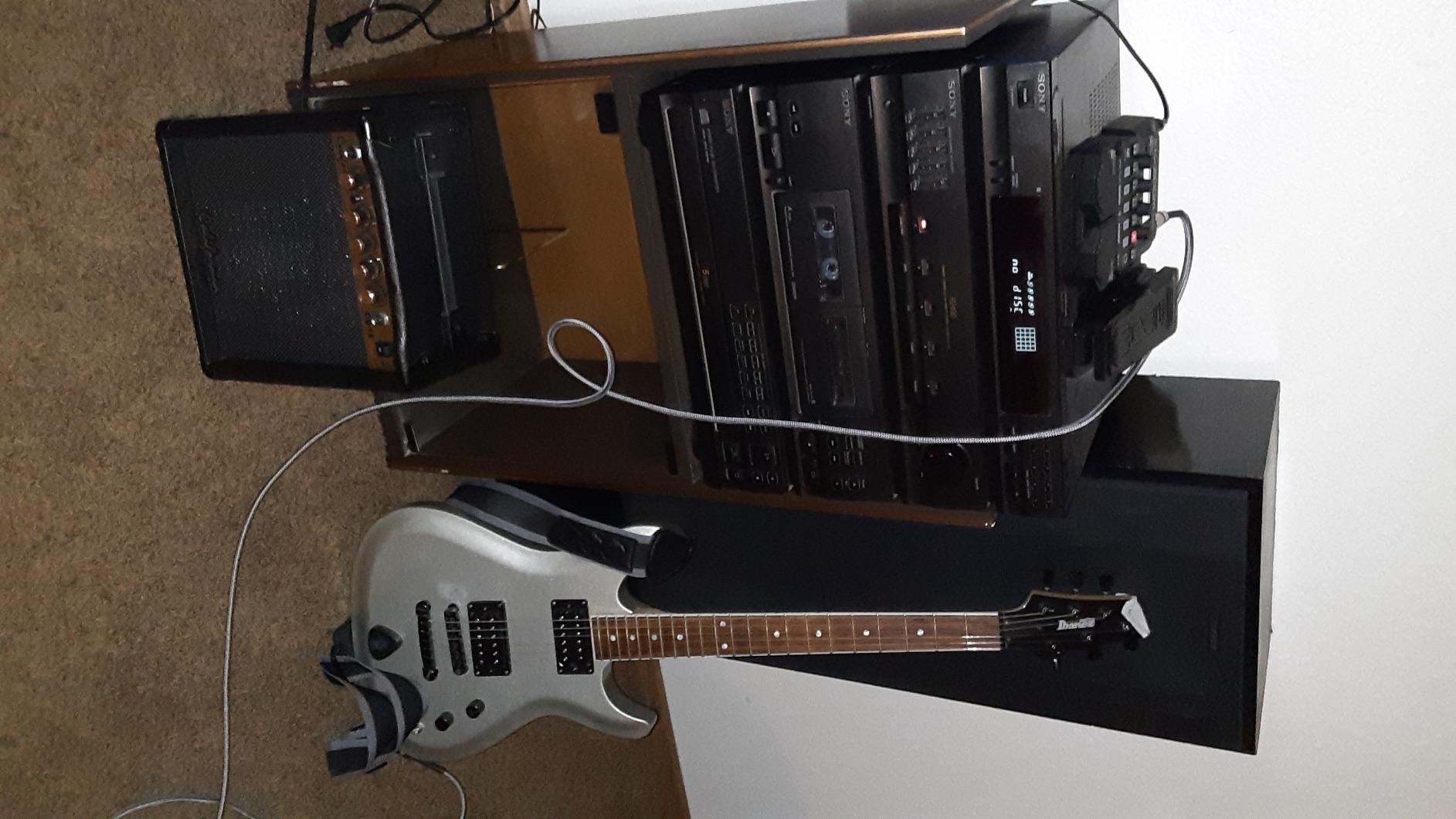
Best uses for the Zoom G1X Four
Players who don’t want to commit to any single genre yet. The variety of effects lets you experiment with blues, rock, metal, ambient, and country sounds without buying multiple pedals. It also works well for bedroom players who want amp modeling, drum tracks, and a looper all in one unit.
When to skip this pedal
If you already know you love a specific genre and want the most authentic version of one or two effects, you’ll get better tone from a dedicated pedal. The DS-1 distortion sounds thicker than the Zoom’s distortion models, and the Donner delay has a warmer analog character than the digital delays inside this unit. Pick this if exploration matters more than purity.
2. BOSS DS-1 Distortion – The Legendary First Pedal
BOSS DS-1 Distortion Compact Distortion Pedal
Hard-edged attack
Smooth sustain
Wide tone range
Pros
- Industry-standard distortion since 1978
- Extremely durable BOSS build
- Versatile from blues to hard rock
- Five-year warranty included
Cons
- Not high-gain enough for modern metal
- AC adapter sold separately
The BOSS DS-1 has been on more pedalboards than any other distortion in history. I bought one in 2007, gigged it weekly for six years, and never had a single issue. The pedal’s hard-edged attack cuts through a mix while the sustain sings on held notes, which is exactly why guitarists from Steve Vai to Kurt Cobain have relied on it.
When I tested the DS-1 alongside a 15-watt tube amp, the distortion stayed musical at any volume. The tone knob is unusual because it sweeps a wide range from scooped midrange to boosted mids, which lets you match the pedal to different guitars and amps. Set the distortion around 9 o’clock and the tone around 2 o’clock for classic rock. Push the distortion past noon for chunky hard rock riffs.
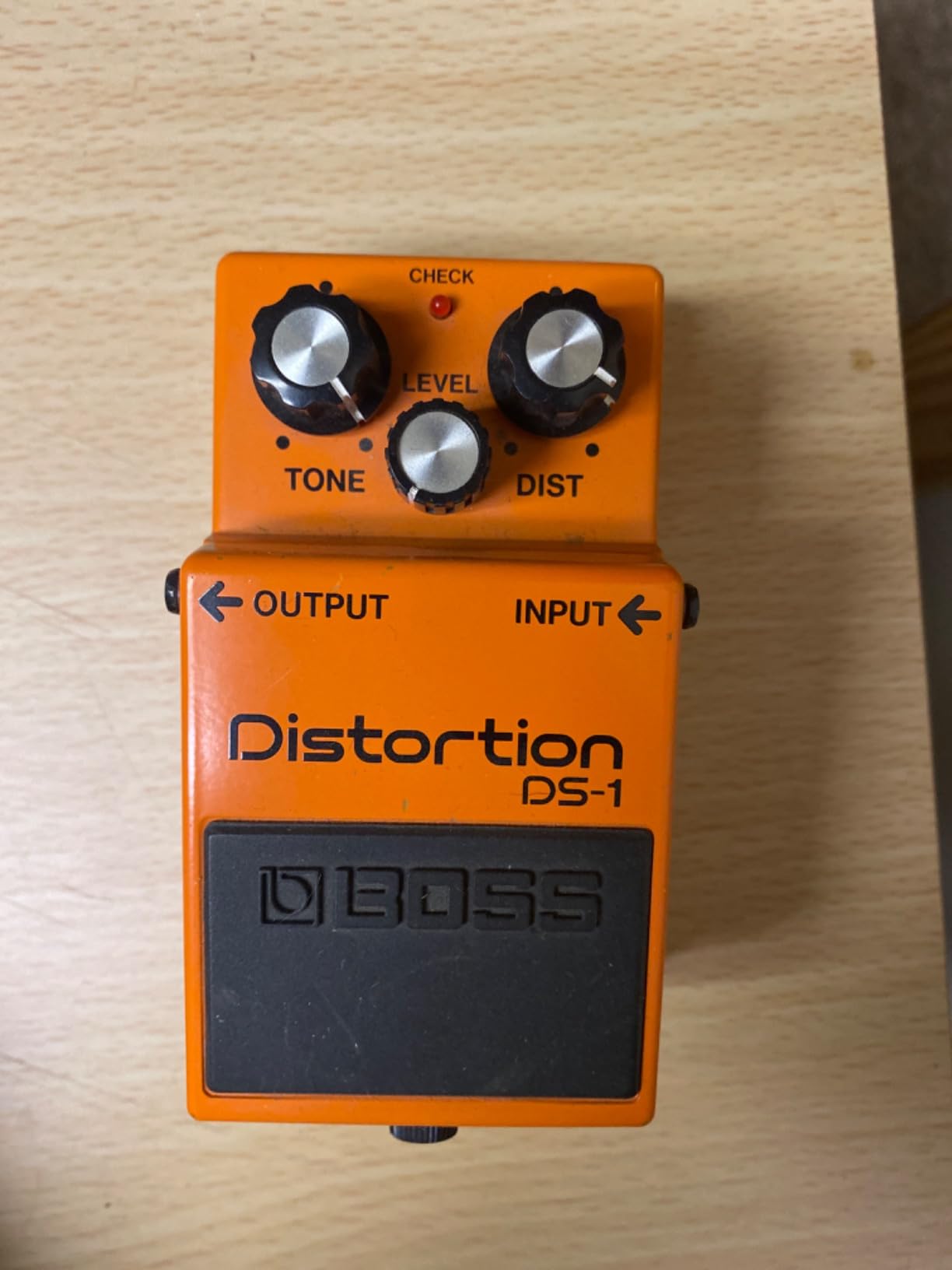
On r/guitarpedals, the DS-1 comes up in nearly every beginner thread. One user wrote that it “sounds consistent through any amp, costs less than dinner for two, and has been a workhorse since 1978.” That captures the appeal perfectly. You are buying 45 years of refinement at a price most beginners can afford on their first month of playing.
The honest weakness is high-gain territory. If your goal is modern metal with scooped mids and tight palm mutes, the DS-1 is the wrong tool. You will need either a different distortion or to stack it with a second gain pedal. For classic rock, blues rock, punk, and grunge, this pedal remains the benchmark.
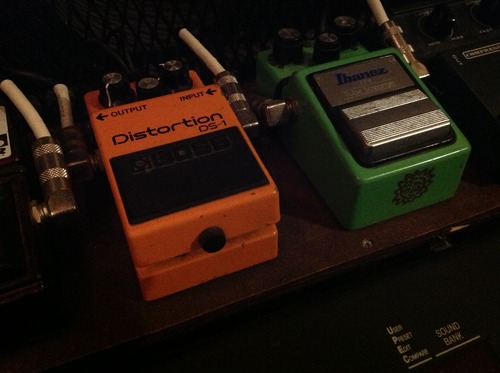
Best starter settings for the BOSS DS-1
Set the level knob to about 11 o’clock to match your clean volume, then put distortion around 9 o’clock for edge-of-breakup blues tones. Push distortion to 1 o’clock for classic rock crunch. Use the tone knob around 2 o’clock to start, then sweep it to find the sweet spot for your specific amp.
When the DS-1 is the wrong choice
Players who want high-gain metal tones should look at dedicated metal distortions instead. The DS-1 also lacks midrange control, so if your amp is naturally scooped or bright, you may need an EQ pedal to shape the tone. For most beginner-friendly genres, this pedal is the safest first buy.
3. Donner Yellow Fall Analog Delay – Best Budget Delay Pedal
Donner Guitar Delay Pedal for Pedal Boards, Electric Guitar, Yellow Fall Analog Delay Mini Guitar Effect Pedal Vintage Delay, True Bypass
Analog delay
20-620ms range
True bypass
Pros
- Warm vintage analog character
- Compact mini pedalboard size
- True bypass preserves tone
- Durable aluminum alloy build
Cons
- Power supply not included
- Hard to dial in subtle slapback
- Knob range feels limited
Delay is the second effect most beginners should add after gain, and the Donner Yellow Fall delivers that warm, classic analog character without draining your wallet. I plugged it into a clean Fender Blues Jr and got the spacious, repeating echoes that defined U2 and Pink Floyd records. The analog circuit adds a slight darkening to each repeat that sounds musical rather than digital.
The compact size is what sold me on this pedal as a beginner. At roughly 4 inches wide, it fits on even the smallest pedalboards next to a tuner and one or two other stompboxes. The true bypass design means when the pedal is off, your guitar signal passes through untouched, so you don’t lose high-end sparkle the way some buffered pedals can.
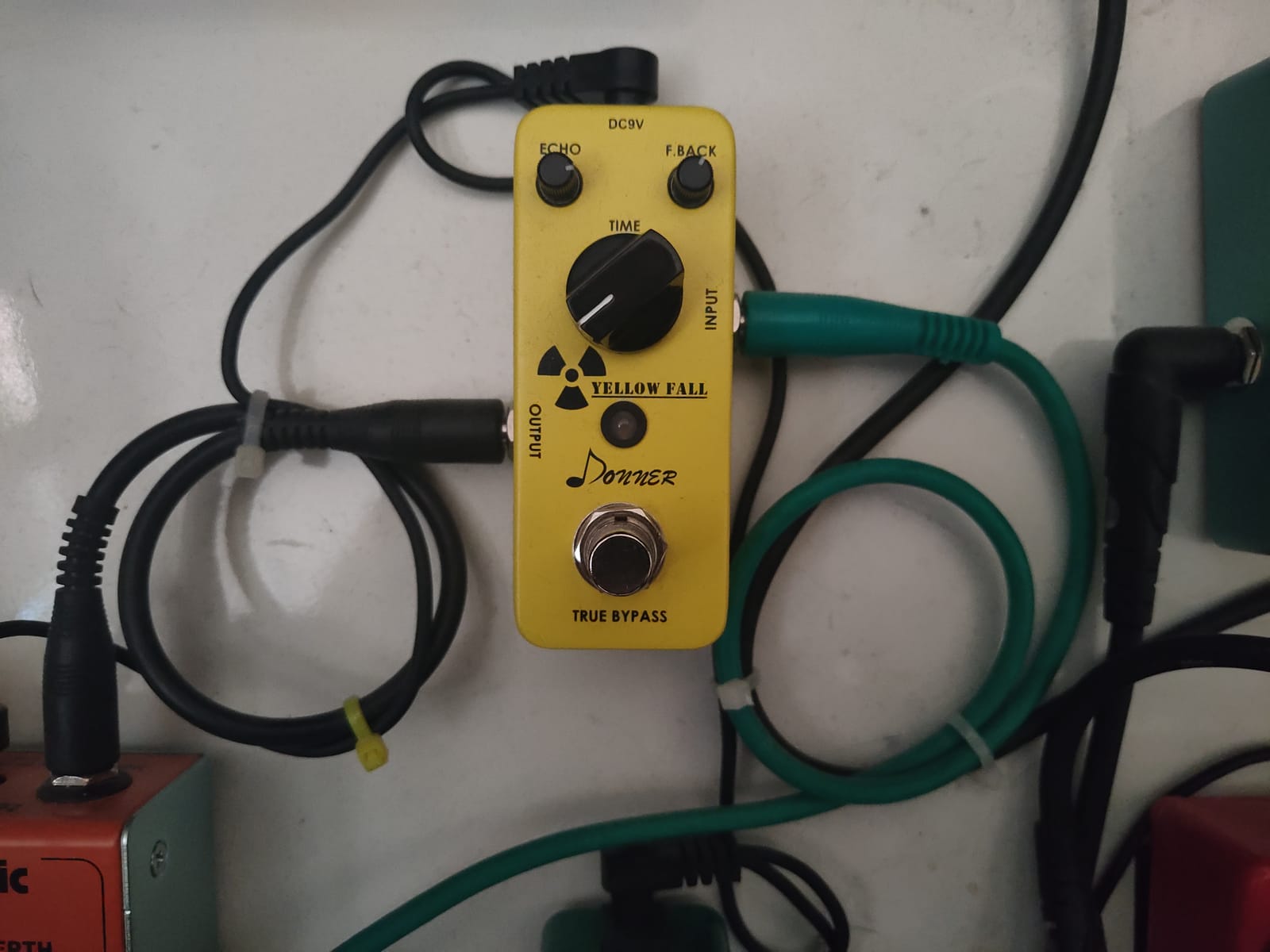
The delay time ranges from 20 to 620 milliseconds, which covers everything from tight slapback echo for country and rockabilly to longer ambient washes. I tested it at 80 milliseconds for a slapback setting that nailed the rockabilly sound, then pushed the time to 400 milliseconds for ambient swells under clean arpeggios. The feedback knob controls how many repeats you hear, and the level knob blends the effect with your dry signal.
Beginners should know that the power supply is not included. You’ll need a standard 9-volt DC adapter, center negative, which is the same spec used by most Boss pedals. If you already have one for another pedal, you’re set. The other honest downside is that subtle settings can be tricky to dial in. The knobs work fine for obvious delay sounds, but tiny tweaks near minimum are hard to land precisely.
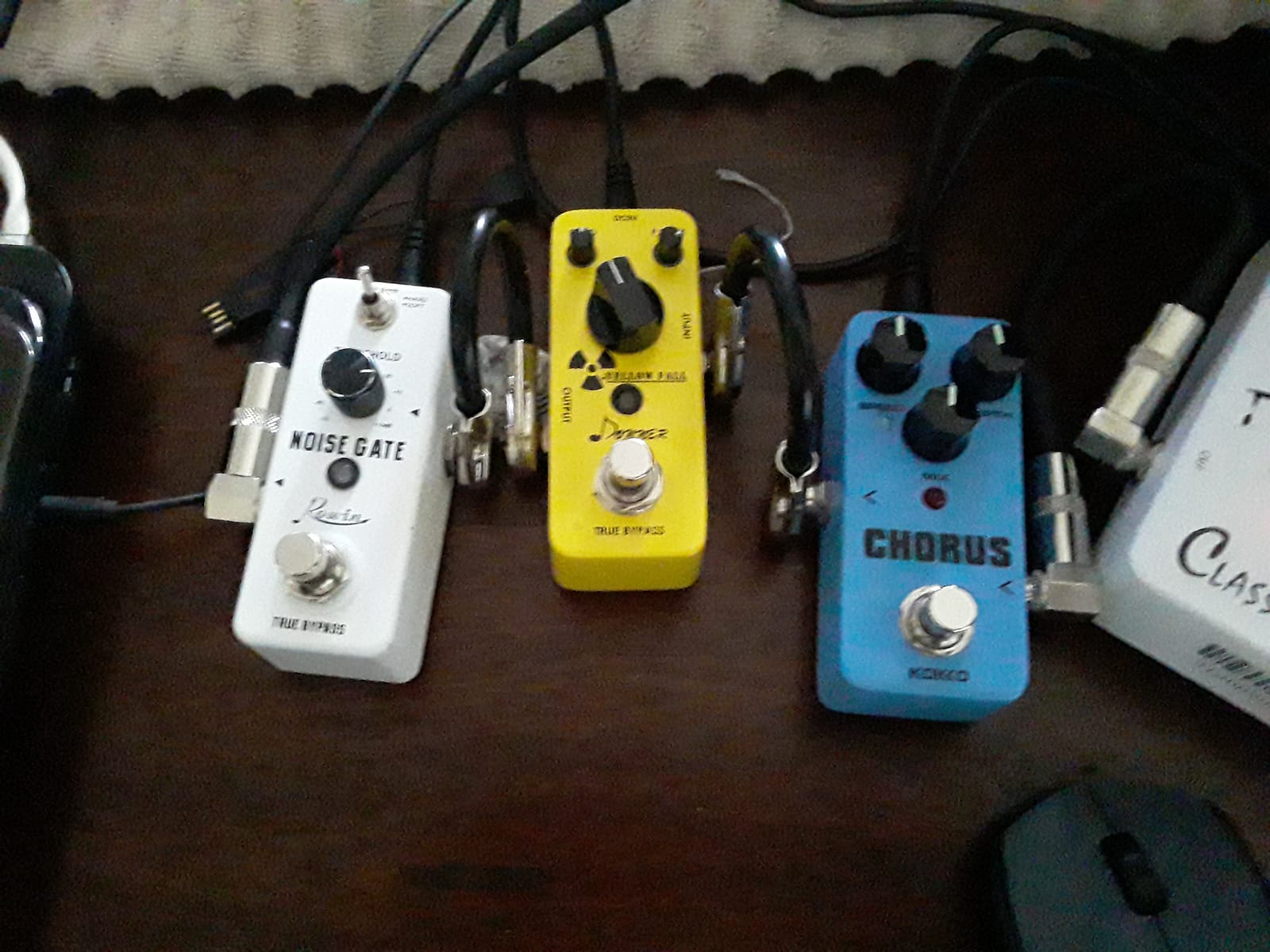
Best starter settings for Donner Yellow Fall
For a classic slapback echo, set time to about 9 o’clock, feedback around 10 o’clock, and level to noon. For a spacious ambient delay, push time past 2 o’clock and feedback to about 1 o’clock. Start with level low and bring it up until the repeats are audible but don’t overpower your playing.
When this delay pedal is the right call
Players on a tight budget who still want authentic analog character. The price lets you buy a delay pedal before you’ve even finished your first year of playing. It also makes sense for players building compact boards where space matters. If you want pristine digital repeats or built-in tap tempo, you should look at higher-end delays instead.
4. BOSS SD-1 Super Overdrive – The Tube-Like Classic
BOSS SD-1 SUPER Overdrive Compact Overdrive Pedal
Asymmetric clipping
Tube-like overdrive
Since 1981
Pros
- Smooth tube-like overdrive since 1981
- Exceptional pedal-stacking capability
- BOSS five-year warranty
- Works with clean and driven amps
Cons
- Limited high-gain for modern metal
- Can sound bright in some setups
The BOSS SD-1 was the first pedal I ever bought, and I still keep one on my main board. Its asymmetrical clipping circuit creates a smooth, vocal overdrive that interacts beautifully with your guitar’s volume knob. Roll back the volume on your guitar and the SD-1 cleans up like a tube amp being asked to play softer. This dynamic response is what separates great overdrives from merely loud ones.
I tested the SD-1 into a clean Fender Hot Rod Deluxe, and the result was convincing tube breakup that responded to my pick attack. Light picking gave me a sweet blues tone, while aggressive strumming pushed into classic rock crunch. The focused midrange helps the pedal cut through a band mix without sounding thin or fizzy.
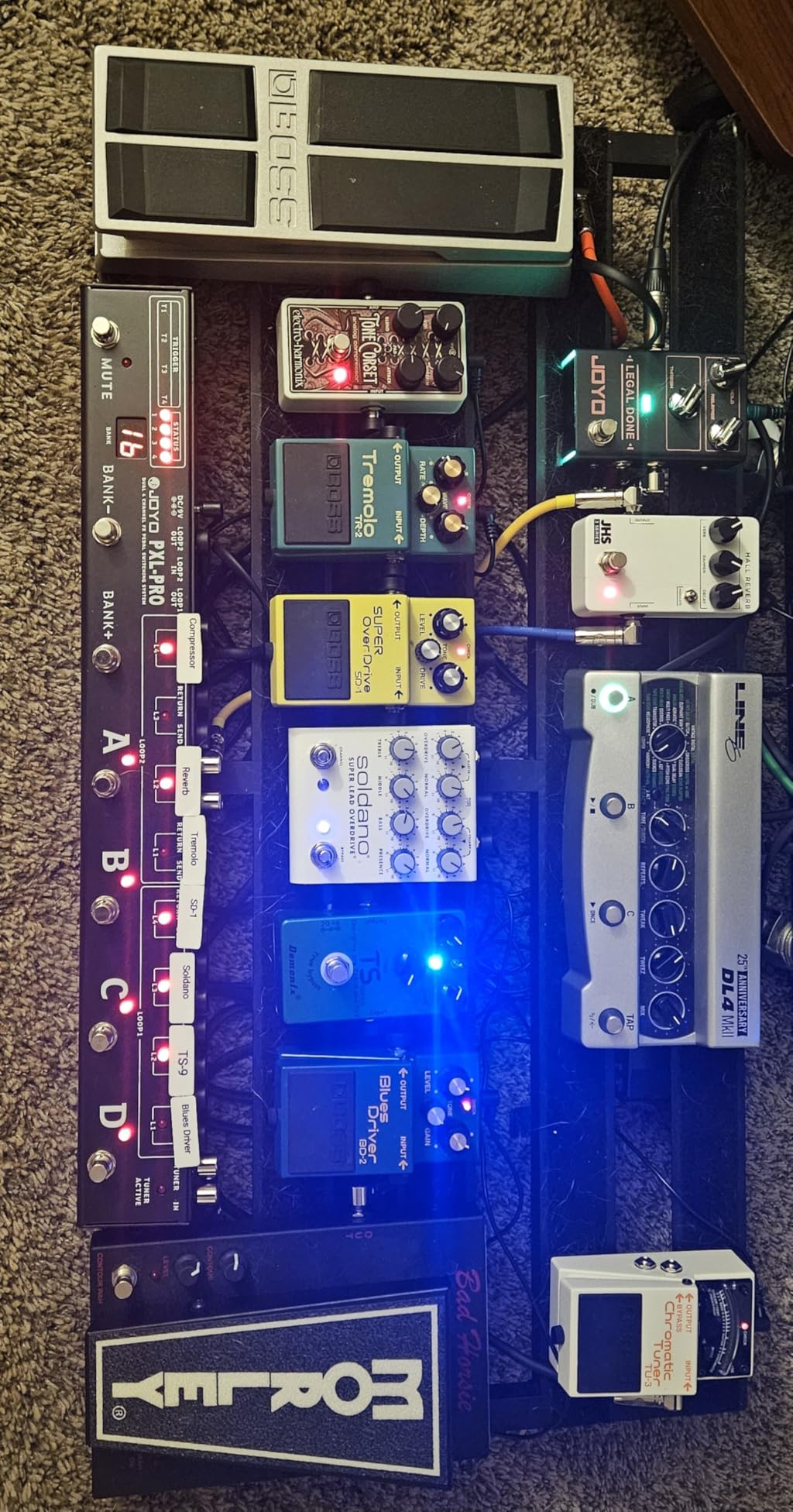
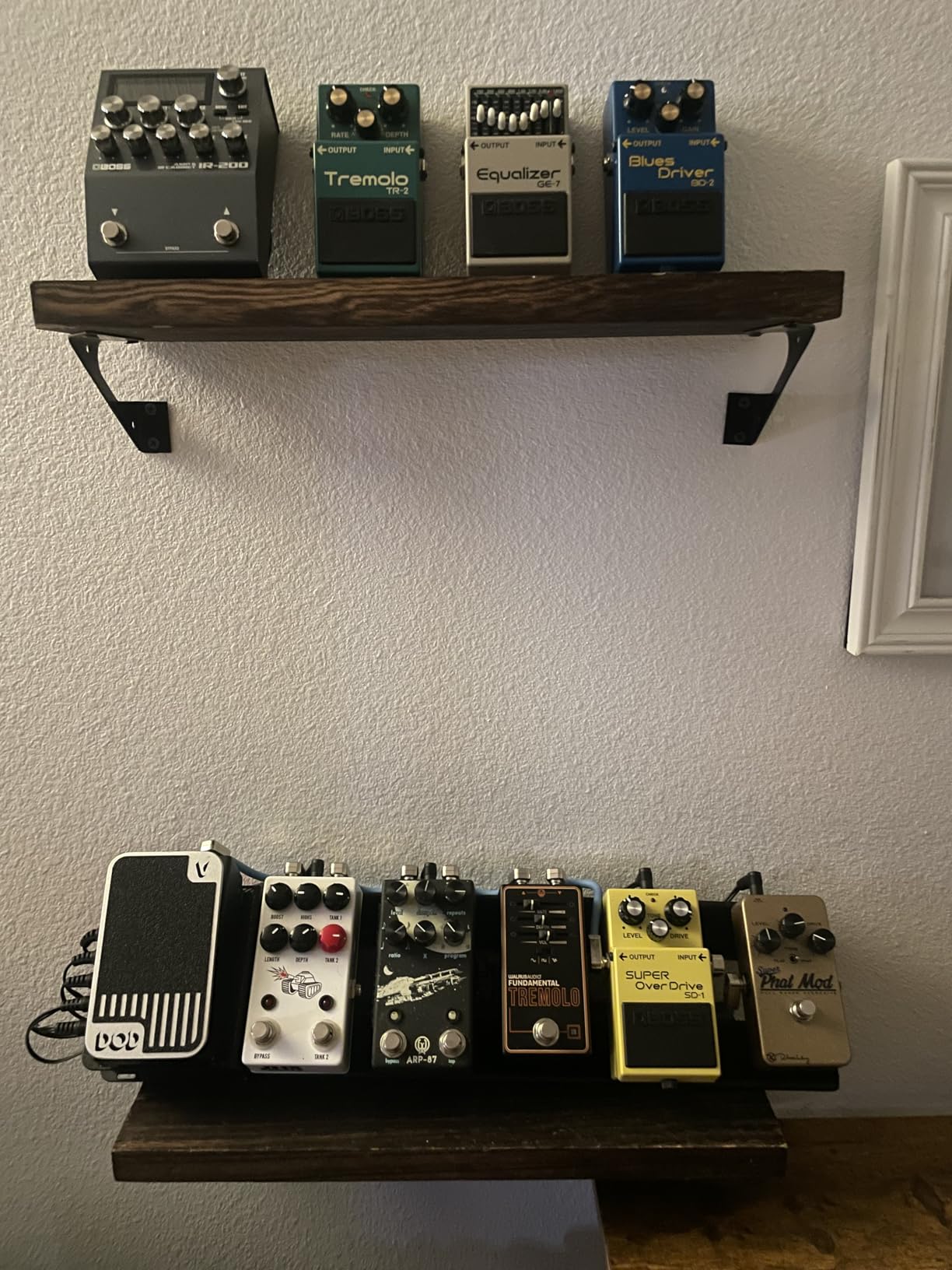
Where the SD-1 truly shines is in pedal stacking. I ran it into a BOSS BD-2 set clean, and the combination delivered articulate, singing lead tones. The midrange hump of the SD-1 pushes the BD-2’s gain into lead territory while keeping the low end tight. This is the secret sauce of countless pro rigs, and beginners can tap into the same trick with two affordable pedals.
The honest weakness is high-gain territory. The SD-1 tops out around classic rock gain, which is exactly what it was designed for. If you need modern metal tones, you’ll need a different pedal or a high-gain amplifier. Some players also report the pedal sounds slightly bright into already-bright amps like a stock Fender Twin, where the tone knob needs to roll off a bit of treble.
Best starter settings for the BOSS SD-1
Set drive around 9 o’clock for edge-of-breakup tones that clean up with your guitar volume. Push drive to noon for a fuller classic rock crunch. The tone knob works best around 1 o’clock for warm amps and 11 o’clock for bright amps. Always start with level matching your clean volume before pushing it for solos.
When the SD-1 deserves a spot on your board
Players who want genuine tube-like response and the ability to stack with other pedals. Blues and classic rock guitarists will get years of use from this single pedal. If your goal is high-gain modern metal or djent-style scooped tones, choose a dedicated high-gain distortion instead.
5. BOSS RC-1 Loop Station – Best Looper for Beginners
BOSS RC-1 Loop Station Pedal
12-min stereo looper
24-segment LED
Battery powered
Pros
- 12 minutes of stereo recording
- Simple footswitch operation
- Clear 24-segment LED display
- Battery or AC powered
Cons
- Loop quality can sound compressed
- Volume balancing takes practice
If you’ve ever wanted to layer rhythm and lead parts, practice over your own playing, or build song arrangements as a solo player, a looper is transformative. The BOSS RC-1 is the simplest serious looper on the market. The single footswitch records, plays back, overdubs, undoes, and stops in a clear sequence, and the 24-segment LED ring around the footswitch gives you constant feedback on loop status.
I tested the RC-1 for a month of daily practice. The 12-minute recording time meant I could lay down full song structures with multiple sections. The stereo recording captured my clean electric into a stereo rig, and the playback quality was good enough for live performance. Overdubbing is as simple as pressing the footswitch again after your first loop is recorded.
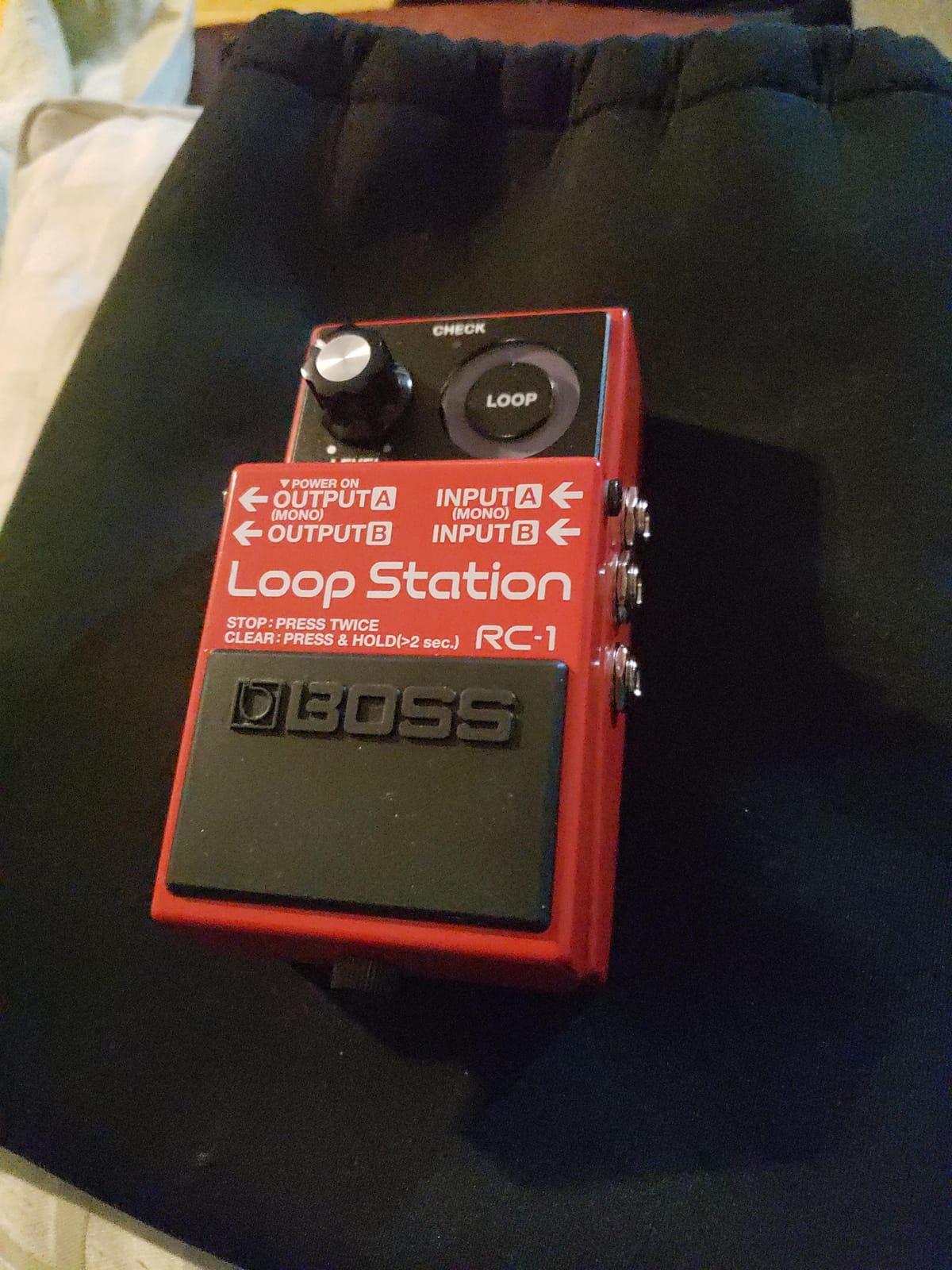
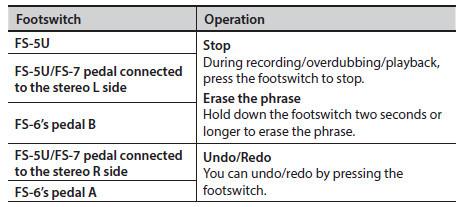
What surprised me most was the practice value. Instead of jamming over backing tracks, I built chord progressions by recording rhythm first, then played lead over my own rhythm guitar. My improvisational skills improved faster than they had in months of playing over drum machines. The undo and redo functions saved me when my timing slipped during a take.
The honest weakness is that looped audio can sound slightly compressed compared to your dry signal. This is common to most loopers in this price range. The volume balancing between your dry guitar and the looped layers also takes practice, so plan to spend a few sessions just learning how the level knob responds.
Best uses for the BOSS RC-1
Solo players who want to perform full songs live. Practice sessions become more musical when you’re playing over your own rhythm. Songwriters can capture quick ideas without launching a DAW. It’s also a great tool for building ear training because you hear your own timing mistakes played back clearly.
When to skip this looper
Players who never play alone or who already have a multi-effects unit with built-in looping may not need this pedal. The Zoom G1X Four and MOOER GE100 both include loopers, so check if you have that feature already. If you do, save the money and the pedalboard space.
6. Pro Co RAT2 Distortion – Most Versatile Gain Pedal
Pro Co RAT2 Distortion Pedal
Filter control
Silent switching
Arena rock tones
Pros
- Covers everything from overdrive to fuzz
- Silent switching with no hum
- Filter control preserves low end
- Glows in the dark for stage use
Cons
- Larger footprint than most pedals
- Tone control works opposite direction
- Not tight enough for modern metal
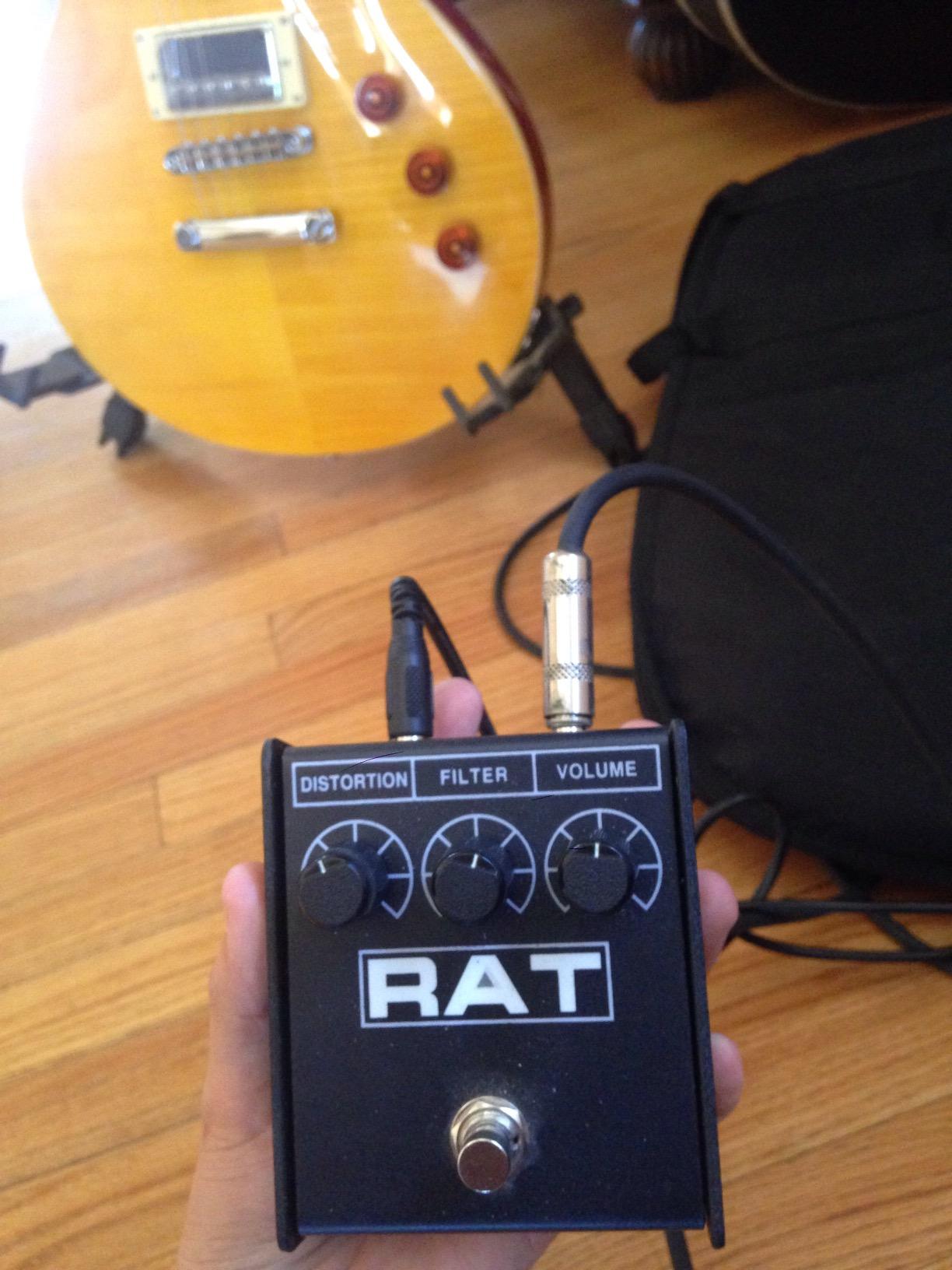
The Pro Co RAT2 is a pedal I avoided for years because of its reputation as a heavy distortion. Then I tried one and realized the RAT is actually a three-in-one: low-gain overdrive, classic rock distortion, and thick fuzz depending on where you set the controls. The filter knob is the magic ingredient because it sweeps the high-frequency content without losing bass the way a standard tone control does.
On a clean tube amp, I set the distortion knob around 8 o’clock and the filter around 11 o’clock for a warm, vocal overdrive that competes with the BOSS SD-1. Pushing the distortion to 1 o’clock gave me arena-rock rhythm tones reminiscent of players like Joe Walsh and Steve Howe. Cranking the distortion to 3 o’clock produced thick, sustaining fuzz that cleaned up beautifully when I rolled back my guitar volume.
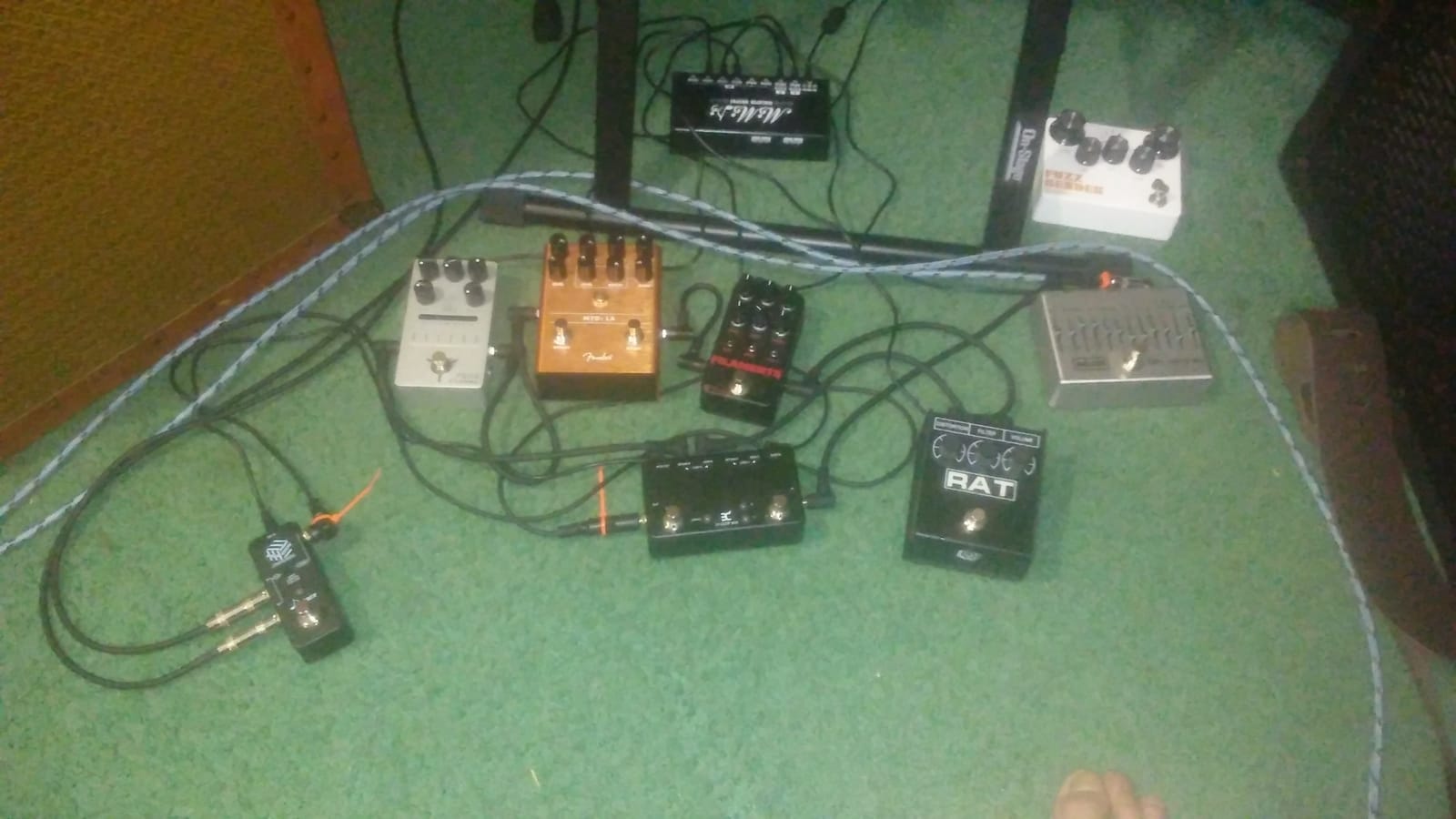
The filter knob is what makes this pedal unique. Turning it counter-clockwise cuts highs and preserves fat low end, which works for jazz-rock fusion tones. Turning it clockwise adds brightness and edge, which gives cutting lead tones. The silent footswitch is also a real improvement over older RAT designs where popping and clicking was common.
The trade-offs are size and tone knob direction. The RAT2 has a larger footprint than most modern pedals, which matters on small boards. The filter knob works in the opposite direction from what most players expect, so there’s a brief adjustment period. For modern metal with tight palm mutes, the RAT is also not the best fit because its character is thicker and looser than dedicated metal distortions.
Best starter settings for the RAT2
Set distortion to 9 o’clock and filter to 11 o’clock for warm overdrive. Push distortion to noon and filter to 1 o’clock for classic rock crunch. For thick fuzz, turn distortion to 2 o’clock and filter to 10 o’clock. Always use the volume knob on your guitar to clean up the distortion dynamically.
When the RAT2 deserves the money
Players who want one gain pedal that covers multiple genres and aren’t worried about pedalboard space. The RAT is also a stage legend, and the glow-in-the-dark housing helps in dark venues. If your pedalboard is already crowded, choose the BOSS SD-1 or BD-2 instead for similar versatility in a smaller box.
7. Boss BD-2 Blues Driver – Best Blues Overdrive Pedal
Boss BD-2 Blues Driver Guitar Effects Pedal
Tube amp simulation
Touch-sensitive gain
Blues driver
Pros
- Classic blues tones with tube amp feel
- Excellent touch response to volume
- Versatile from clean to hard rock
- BOSS legendary build quality
Cons
- Limited high-gain for metal
- Can sound similar to other BOSS drives at certain settings
The BOSS BD-2 Blues Driver is the pedal that made me fall in love with overdrive pedals all over again. Unlike many drive pedals that add a fixed amount of grit, the BD-2 responds to how you play. Soft fingerpicking yields warm, clean-ish tones, while aggressive pick attack pushes the pedal into singing sustain. This dynamic response mimics the feel of a cranked tube amp in a way most solid-state pedals cannot.
I ran the BD-2 into a clean Vox AC15 and was blown away by how three-dimensional the tone sounded. The gain knob sweeps from edge-of-breakup blues at 9 o’clock to classic rock drive at noon to full hard-rock lead tones at 2 o’clock. The tone knob is voiced specifically for blues guitar, with a sweet spot around 1 o’clock that enhances midrange articulation without sounding nasal.
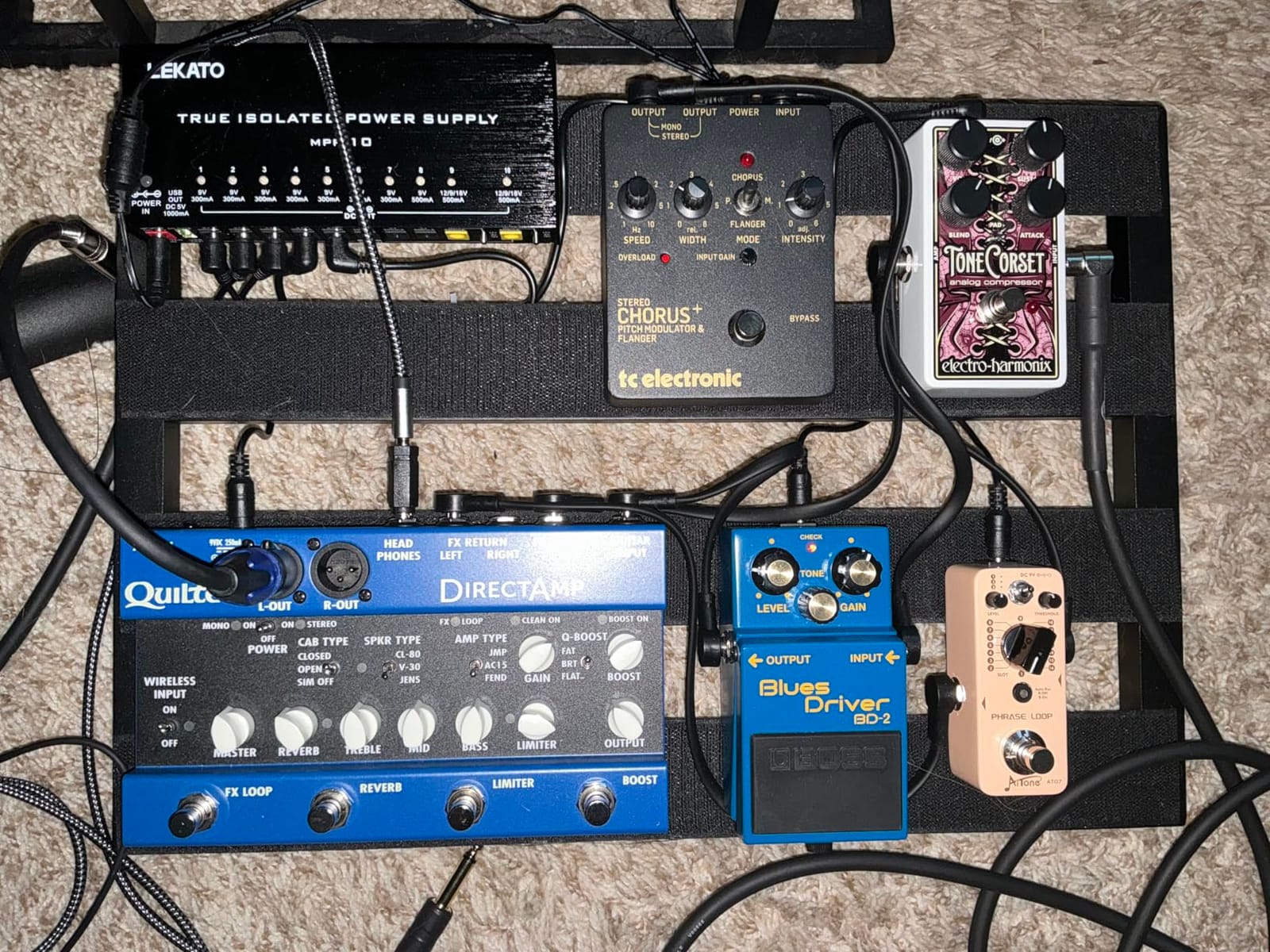
What separates the BD-2 from the SD-1 is its voicing. The SD-1 has a midrange hump that stacks well with other pedals, while the BD-2 has a more open, vocal character that stands alone beautifully. For blues, jazz-rock, and classic rock players, the BD-2 sounds more amp-like than any other pedal in this price range. The five-year BOSS warranty means this pedal will outlast your first three guitars.
The honest weakness is high-gain territory. The BD-2 tops out at hard-rock gain, which is its intended ceiling. Players who want modern metal need a different pedal or to pair the BD-2 with a high-gain distortion. At some settings the BD-2 can sound similar to other BOSS drives, but the touch sensitivity is what gives it its identity.
Best starter settings for the BD-2 Blues Driver
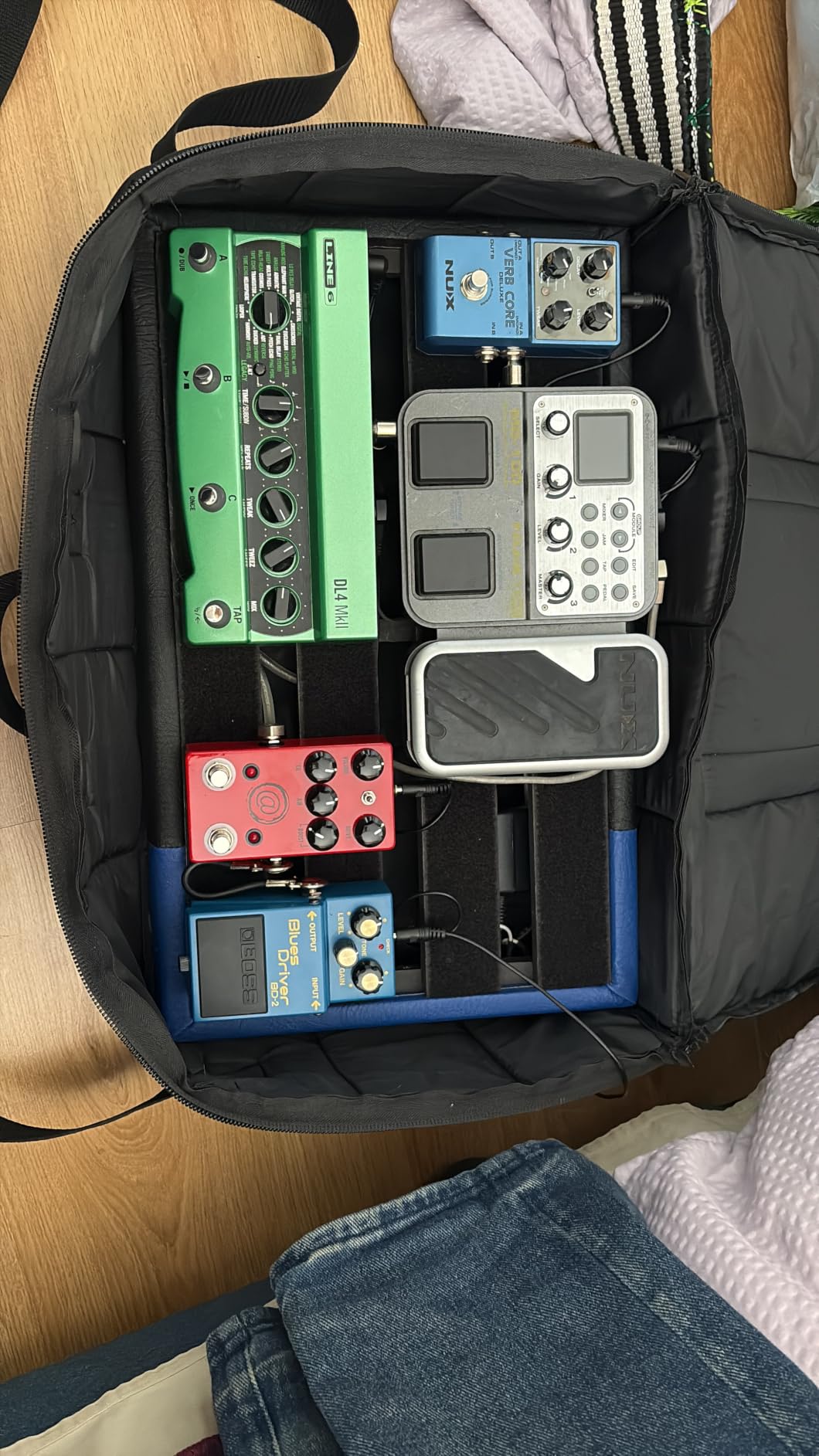
For edge-of-breakup blues, set gain to 9 o’clock, tone to noon, and level to match your clean volume. For classic rock rhythm, push gain to noon and tone to 1 o’clock. For singing leads, set gain to 2 o’clock and boost the level knob. Use your guitar volume knob to clean up dynamically during solos.
When to choose the BD-2 over the SD-1
Players who prioritize touch sensitivity and dynamic response. The BD-2 rewards nuanced playing with a sound that breathes. Blues and blues-rock players get the most out of this pedal. If you mainly play classic rock and want the most midrange push for cutting through a mix, the SD-1 is the better pick.
8. MOOER GE100 Multi-Effects – Best Budget Multi-Effects
MOOER GE100 Multi-Effects Guitar Pedal 80 Presets, 66 Effects
66 effects
180-second looper
40 drum patterns
Pros
- 66 effects in 8 modules for under 100 dollars
- 180-second looper exceeds competitors
- 40 drum patterns for practice
- Scale and chord learning functions
Cons
- Preset volume levels vary noticeably
- Interface takes time to learn
- Some preset effects are not useful
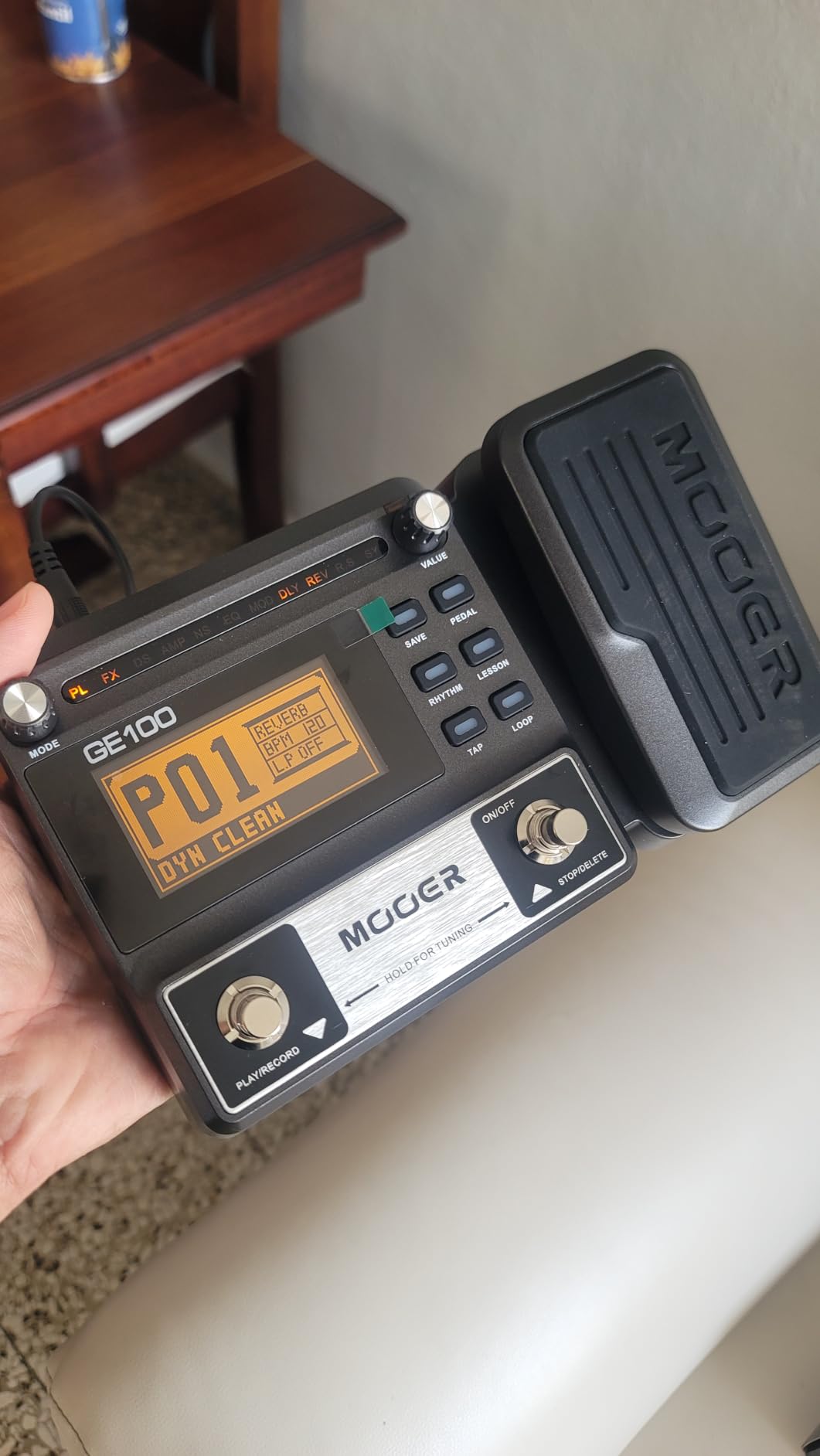
The MOOER GE100 is the cheapest way to get a complete effects rig in one box. With 66 effect types across 8 modules and 80 factory presets, beginners can explore every major effect category without buying individual pedals. The expression pedal adds real-time control over volume, wah, and pitch effects.
The standout feature is the 180-second looper, which is longer than the Zoom G1X Four’s 30-second looper and longer than dedicated loopers in this price range. I tested the looper for songwriting and it handled full song arrangements with multiple overdubs. The 40 drum patterns replace the need for a metronome for practice, with rock, blues, country, and odd-time grooves included.
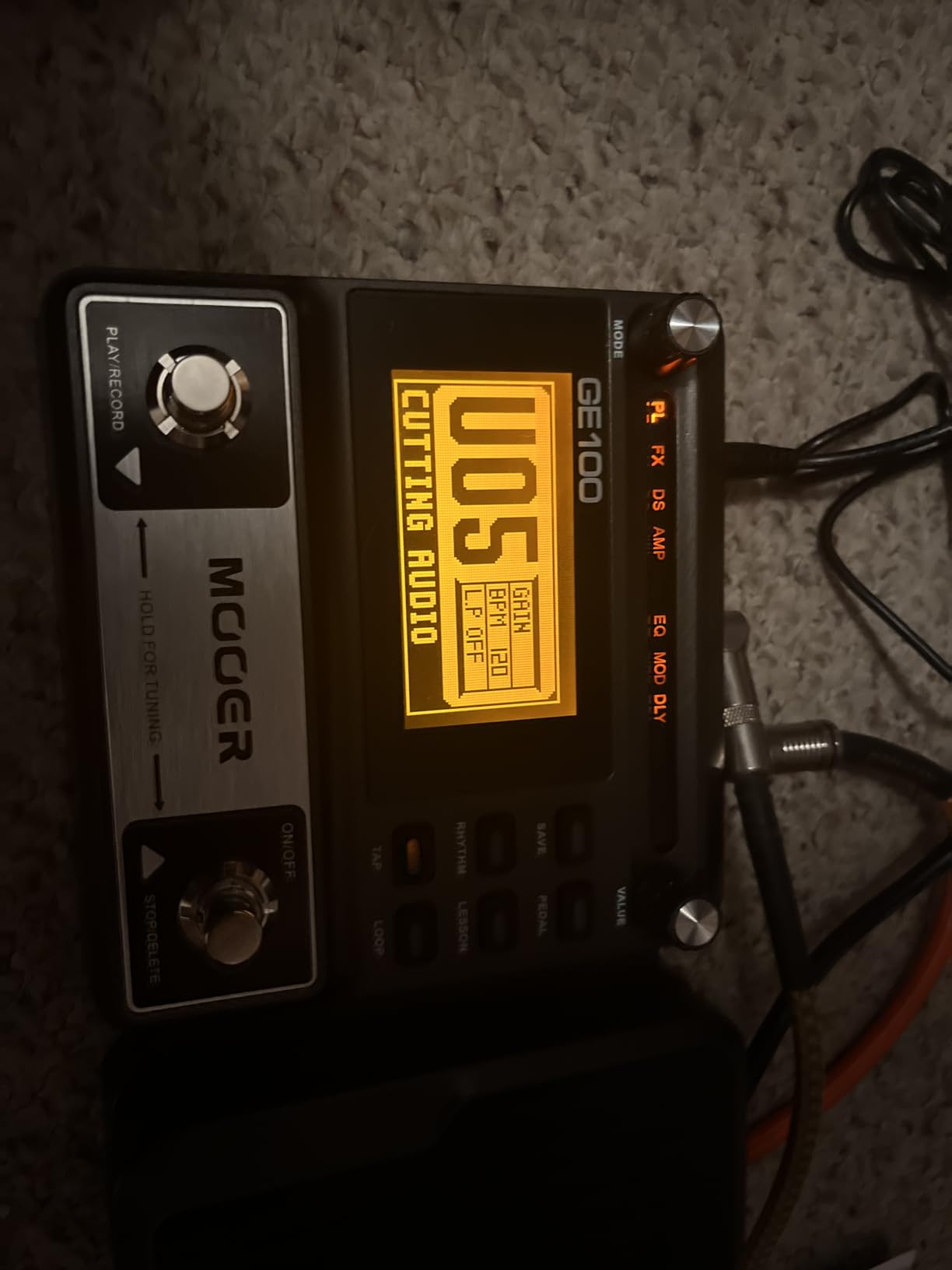
The scale and chord learning functions are beginner-friendly tools. The scale function highlights which notes in a scale are being played, helping you visualize patterns. The chord function teaches chord shapes across the fretboard. These features are unique in this price range and make the GE100 more than just an effects unit.
The honest trade-offs are preset quality and interface. The factory presets vary noticeably in volume, so you need to manually adjust levels when switching patches. The interface takes real time to learn because of the multi-function knob system. Some preset effects sound weak compared to dedicated single pedals. For under 90 dollars, however, you get an entire practice and performance rig in one box.
Best uses for the MOOER GE100
Beginners who want to explore many sounds without committing to a full pedalboard. Bedroom players who want amp modeling, drum patterns, and a looper in one unit. Players on a tight budget who need the most features per dollar. The scale and chord learning tools help players still developing their ear.
When to choose something else
Players who already know the specific tone they want. The Zoom G1X Four has more amp models and a better expression pedal, while individual pedals like the BOSS BD-2 sound more authentic. The MOOER is the right call for experimentation and learning, not for nailing one specific tone perfectly.
Buying Guide: Choosing Your First Guitar Pedals
Buying your first pedal is more meaningful than the price tag suggests. The right pedal at the right time shapes how you hear your own playing and how you think about guitar tone in general. Here is what I wish someone had told me when I started.
Pedal Types Explained
Guitar pedals fall into five main categories. Gain pedals (overdrive, distortion, fuzz) shape how hard your amp sounds. Time-based pedals (delay, reverb) add space and depth. Modulation pedals (chorus, phaser, tremolo) add movement to your tone. Filter pedals (wah, EQ) shape frequencies. Utility pedals (tuner, looper, noise gate) handle non-tone tasks.
For your first pedal, gain is almost always the right answer because it transforms your clean tone most dramatically. The BOSS SD-1, DS-1, BD-2, and Pro Co RAT2 are all gain pedals, and any of them is a great starting point. After gain, the most useful second pedal is usually a delay or reverb.
Signal Chain Order
Pedal order matters more than most beginners realize. The standard chain runs tuner first, then dynamics and filter pedals, then gain, then modulation, then time-based effects (delay and reverb), and finally volume. This order keeps your tuner reading the cleanest signal and ensures time-based effects sound natural rather than distorted.
My current board follows this exact order and it works well. The exception is when you deliberately want your delay or reverb to get distorted, in which case you put time-based effects before gain. For beginners, stick with the standard chain until you understand what each pedal does.
Multi-Effects vs Individual Pedals
Multi-effects units like the Zoom G1X Four and MOOER GE100 give you dozens of sounds in one box, which is perfect for experimentation. Individual pedals give you the most authentic version of each effect, which is better once you know what you want. Most beginners benefit from starting with a multi-effects unit, learning what each effect does, then selling it and buying dedicated pedals for the sounds they love.
I went through this exact journey. My first year was a Zoom multi-effects. My second year I bought a BOSS SD-1, then a delay, then a reverb. I sold the multi-effects unit and never looked back. There is no wrong answer, but there is a more efficient answer at each stage of your playing.
Power Supply Basics
Most pedals run on 9-volt DC power with a center-negative barrel connector. You have two options: individual batteries for each pedal (wasteful), or an isolated power supply that powers multiple pedals from one outlet. The BOSS PSA-120S2 adapter works for one or two pedals. A proper isolated power supply like the MXR DC Brick or Truetone 1 SPOT powers a full board cleanly.
Never use a daisy-chain cable to power digital and analog pedals together, because the digital noise pollutes the analog circuits. Isolated outputs prevent this problem. If you plan to build a board with more than three pedals, budget for an isolated power supply from the start.
Complete Pedalboard Builds by Budget
A starter board on a tight budget of around 150 dollars should focus on gain and time-based effects. The BOSS SD-1 for overdrive, Donner Yellow Fall for delay, and BOSS TU-3 tuner give you the essential three-pedal foundation. This combination covers blues, rock, and ambient styles and is what most pro players start with anyway.
Around 300 dollars, you can add a proper reverb like the Hall of Fame or Oceans 11 and upgrade your delay to a digital unit with tap tempo. The combination of an SD-1, a quality digital delay, a versatile reverb, and a tuner is the working board that gigging musicians use every night. You can read our deeper dive in the delay pedal guide and reverb pedal guide.
For around 500 dollars, consider a multi-effects unit as the heart of your board. The Zoom G1X Four or MOOER GE100 covers every effect category, leaving you budget for a quality BOSS gain pedal and a looper like the RC-1. This combination gives you unlimited sounds for songwriting and a strong foundation for live performance.
Modelling Amp Considerations
If you own a Boss Katana, Fender Mustang, or similar modelling amp, you already have built-in versions of many effects. You may not need to buy pedals at all. The modelling amp effects sound good and they integrate seamlessly. Beginners with modelling amps should focus their pedal budget on a tuner and one special-effects pedal that the amp cannot replicate, like the BOSS RC-1 looper.
On the other hand, dedicated pedals almost always sound more authentic than amp modelling. A real BOSS SD-1 sounds thicker and more dynamic than the same effect in a Katana. If tone quality is your priority, pedals win. If convenience and simplicity win for you, modelling amps are often enough.
Common Beginner Mistakes to Avoid
The most common mistake is buying too many pedals too fast. Two or three pedals you understand deeply will serve you better than eight pedals you cannot dial in. Start with one gain pedal and learn every setting before adding anything else. Many experienced players on r/guitarpedals emphasize this point: master one pedal before adding the next.
Another common mistake is cranking every knob to maximum. Distortion, delay, and modulation all sound worse at extreme settings. Start with knobs at noon and adjust from there. The exception is volume knobs, which can often be maxed safely.
Finally, do not skip the tuner pedal. Playing in tune is more important than any effect, and a dedicated tuner pedal is faster and more reliable than tuning by ear. A BOSS TU-3 or TC Electronic PolyTune should be the first pedal in your chain.
Frequently Asked Questions
What guitar pedals should I start with as a beginner?
Start with one gain pedal because it transforms your clean tone most dramatically. The BOSS SD-1 overdrive or BOSS BD-2 Blues Driver are the safest first choices for blues and rock players. After gain, add either a delay pedal or reverb pedal, depending on whether you want rhythm-based space (reverb) or lead-based echoes (delay). A tuner pedal should be in your chain from day one, ideally as the first pedal.
What 5 pedals should every guitarist have?
The five essential pedals are a tuner, an overdrive, a distortion, a delay, and a reverb. The tuner keeps you in tune silently. An overdrive like the BOSS SD-1 or BOSS BD-2 adds tube-like warmth. A distortion like the BOSS DS-1 or Pro Co RAT2 covers heavier styles. A delay pedal adds rhythmic echoes for leads and ambient textures. A reverb pedal adds space and dimension to clean playing.
Which guitar pedal should I buy first?
The BOSS SD-1 Super Overdrive is the most recommended first pedal for beginners. It has been in production since 1981, sounds great with any guitar and amp, responds to your playing dynamics, and costs less than 70 dollars. If you play heavier music, the BOSS DS-1 Distortion is the alternative first pedal. For blues specifically, the BOSS BD-2 Blues Driver offers the most touch-sensitive response.
Do beginners need a tuner pedal?
Yes, every guitarist needs a reliable way to tune silently on stage or in practice. A dedicated tuner pedal like the BOSS TU-3 mutes your signal while tuning, which is essential for live performance and recording. Free phone apps work for at-home practice but are too slow and unreliable for gigs. A tuner pedal is the first purchase you should make, even before any effects pedal.
Should beginners buy a multi-effects unit or individual pedals?
Multi-effects units like the Zoom G1X Four or MOOER GE100 are ideal for beginners because they offer dozens of effects to experiment with at low cost. Individual pedals like the BOSS SD-1 sound more authentic but limit you to one effect per pedal. The best approach is to start with a multi-effects unit for exploration, then identify your favorite sounds and replace them with dedicated pedals over time.
Final Verdict
Choosing the best guitar pedals for beginners comes down to one question: what kind of player do you want to become? If you want to explore everything, start with the Zoom G1X Four and learn what each effect does. If you want the most authentic blues and rock tones, start with the BOSS BD-2 Blues Driver. If you want the safest, most versatile first pedal, the BOSS SD-1 Super Overdrive remains the classic choice.
The right best guitar pedals for beginners are the ones you actually plug in and use. A 70-dollar SD-1 that you play every night will do more for your playing than a 500-dollar pedalboard that gathers dust. Start with one or two pedals, learn them deeply, and add more when you know what you’re missing. That’s the path that works, and it’s the one our team recommends for 2026 and beyond.