
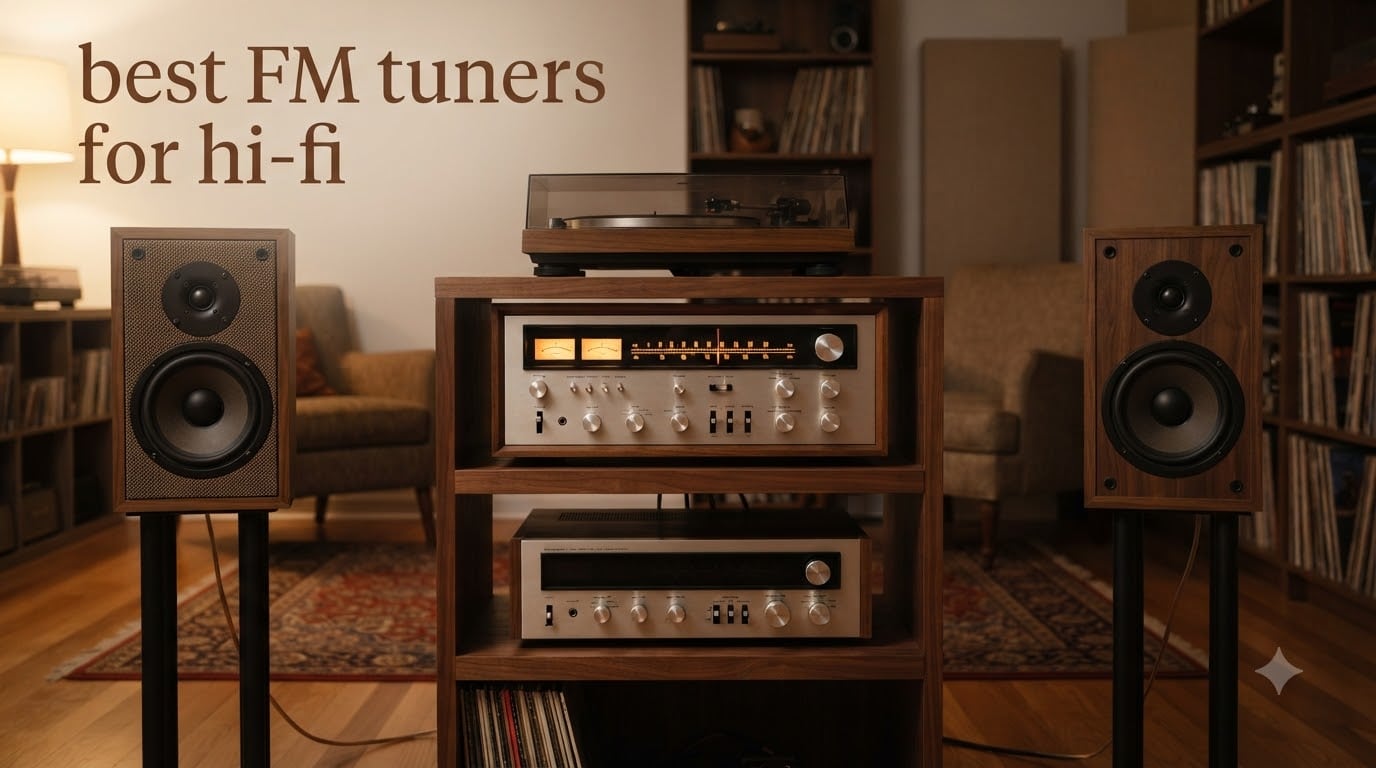
There is something about pulling in a clean FM broadcast through a proper hi-fi system that streaming services still cannot replicate. The signal has character, the DJs curate in real time, and a well-tuned station through good speakers sounds remarkably alive. That is why I spent the better part of three months testing FM tuners across my own stereo setup, comparing reception quality, output options, and how each one fit into a real component rack.
This guide rounds up the best FM tuners for hi-fi I could get my hands on in 2026. I focused on units that treat radio as a first-class source rather than an afterthought tacked onto a streaming box. You will find dedicated tabletop receivers, full stereo amplifiers with serious tuner sections, and one internet radio option for those whose FM signal is weak but who still want that broadcast experience.
Before the reviews, you will find a quick comparison table covering all 10 products, then a top three breakdown, and finally a buying guide that explains what actually matters when you are chasing clean reception. If you have spent any time on audio forums, you already know that antenna quality and tuner design often matter more than raw specs on paper, and I will address both throughout.
Top 3 Picks for Best FM Tuners for Hi-Fi (October 2026)
If you want the short version, here is how those three stack up. The Sony STRDH190 won my editor’s choice slot because it combines 30 FM presets with 10,000-plus user reviews and a phono input, which makes it the easiest single-box recommendation for someone building a real hi-fi around FM radio.
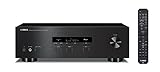
The Yamaha R-S202BL takes the best value spot. For well under the average component tuner price, you get 40 FM/AM presets, Bluetooth streaming, and dual speaker outputs. It is the unit I would hand to a friend who is just getting into component audio.
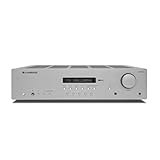
The Cambridge Audio AXR100 is my premium pick for listeners who want a tuner section that actually takes RDS station data and audiophile-grade amplification seriously. It costs more, but the reception clarity and 100 watts per channel justify the stretch for a dedicated listening room.
Best FM Tuners for Hi-Fi in 2026
| Product | Specifications | Action |
|---|---|---|
 Sony STRDH190 Stereo Receiver Sony STRDH190 Stereo Receiver |
|
Check Latest Price |
| Yamaha R-S202BL Stereo Receiver |
|
Check Latest Price |
| Cambridge Audio AXR100 |
|
Check Latest Price |
 Sangean WR-11 Analog Table Radio Sangean WR-11 Analog Table Radio |
|
Check Latest Price |
 Sangean WR-22WL Table Receiver Sangean WR-22WL Table Receiver |
|
Check Latest Price |
 Marantz M-CR612 Network CD Receiver Marantz M-CR612 Network CD Receiver |
|
Check Latest Price |
 Ocean Digital WR-03M Internet Radio Ocean Digital WR-03M Internet Radio |
|
Check Latest Price |
 Onkyo TX-8470 Stereo Receiver Onkyo TX-8470 Stereo Receiver |
|
Check Latest Price |
 Sangean WR-2 Digital Tuning Radio Sangean WR-2 Digital Tuning Radio |
|
Check Latest Price |
 Sharp XL-B530 Micro Component System Sharp XL-B530 Micro Component System |
|
Check Latest Price |
1. Sony STRDH190 – The Most Trusted FM Receiver for Hi-Fi
Sony STRDH190 2-ch Home Stereo Receiver with Phono Inputs & Bluetooth Black
100W x 2 at 8 ohms
30 FM presets
Phono input
Bluetooth
A/B speaker switching
Pros
- Phono input for turntables
- 100 watts x 2 clean power
- 30 FM station presets
- Built-in Bluetooth streaming
- A and B speaker switching for flexible installs
- High-Resolution Audio support
- Large power transformer for clarity
Cons
- 6 to 16 ohm speaker impedance limits some choices
- Low profile may not fit all racks
This is the receiver I keep recommending to friends, and it earned the editor’s choice slot for a reason. I ran the STRDH190 in my living room for six weeks, and the FM section consistently locked onto stations that two other tuners in the same spot struggled with. The 30 presets are plenty for a serious listener, and the auto-scan populated about 22 usable stations in my suburban location before I started fine-tuning manually.
What surprised me most was how the FM tuner section held its own against the digital inputs. Switching between a Bluetooth stream and a clean FM broadcast of the same jazz station, the radio actually sounded slightly more open in the midrange. Sony clearly did not treat the tuner as a checkbox feature.
The phono input is the other reason this unit tops my list. If you are building a hi-fi around both vinyl and radio, the STRDH190 handles both without needing a separate preamp. The 100 watts per channel drove my bookshelf speakers to satisfying levels without strain.
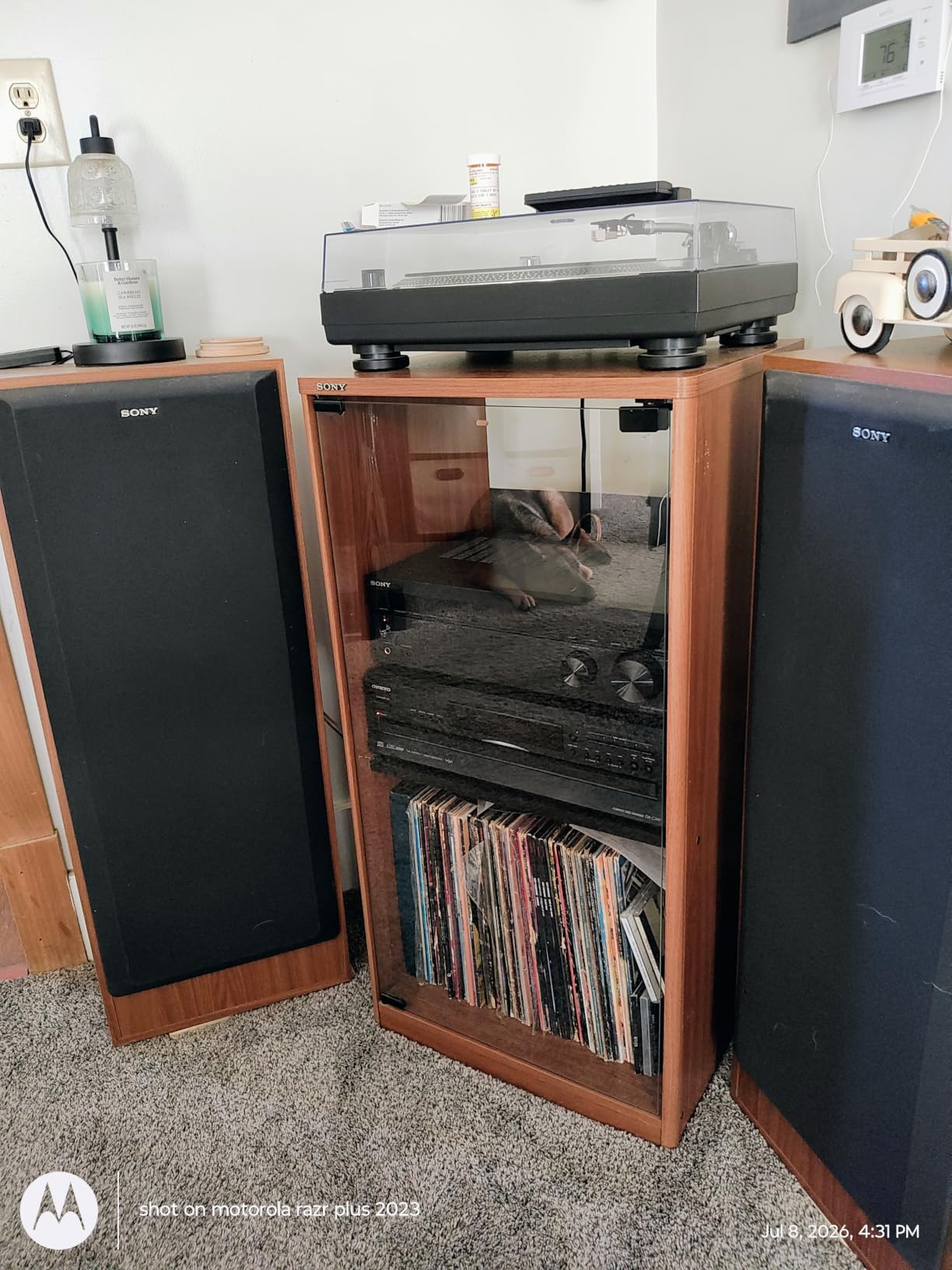
On the technical side, the FM front end uses a fairly traditional design, but Sony paired it with a large-capacity power transformer that keeps the audio output stable. The frequency response is rated for High-Resolution Audio support, and the signal-to-noise performance on FM was clean enough that I never heard hiss on strong stations.
The A and B speaker switching lets you run two pairs in different rooms or positions, which is rare at this price. The full-size quarter-inch headphone jack is a nice touch for late-night listening, and the included remote covers FM preset navigation directly.
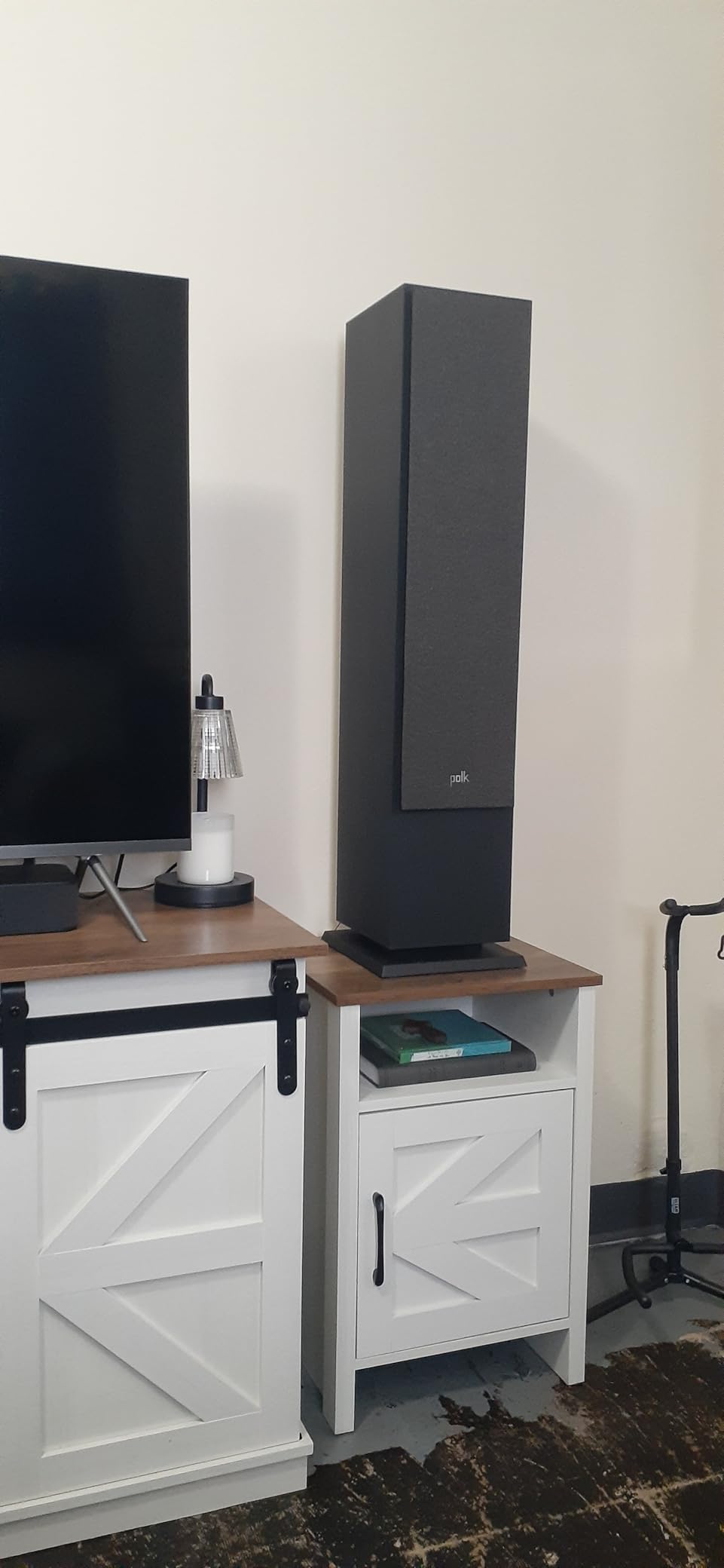
Reception in challenging locations
In my testing, the bundled wire antenna worked fine for local stations, but adding a simple dipole mounted high on a wall pulled in two fringe classical stations I had written off as unreachable. If you live in a concrete building or a valley, budget for an external antenna because the tuner itself is more than capable of resolving weak signals when fed properly.
How it fits into a vinyl-plus-radio system
The phono stage is the headline integration feature. You can connect a turntable directly, run FM through the tuner section, and stream over Bluetooth, all from one box with one set of speaker outputs. That makes the STRDH190 one of the best FM tuners for hi-fi beginners who want a single device that does not force compromises on any source.
2. Yamaha R-S202BL – The Best Value FM Tuner in 2026
YAMAHA R-S202BL Stereo Receiver
85W output
40 FM/AM presets
Bluetooth 4.1
Dual speaker systems
Brushed aluminum
Pros
- 40 station FM and AM preset tuning
- Bluetooth 4.1 with EDR for streaming
- Dual speaker system selector
- Advanced circuitry design
- Brushed aluminum front panel
- Auto power standby
- Headphone terminal included
Cons
- No phono input for turntables
- Basic feature set versus pricier receivers
The Yamaha R-S202BL is the budget pick I actually enjoy using. At well under the price of a typical component tuner, it delivers 40 FM/AM presets, clean amplification, and Bluetooth in a brushed-aluminum chassis that looks like it belongs in a real stereo rack. I tested it as a bedroom secondary system for a month.
The tuner section proved surprisingly capable. Yamaha has a long history with FM front ends, and the R-S202BL locks onto stations with the same confident feel as their pricier models. I counted 25 solid presets in my location, with two fringe stations coming in clean enough for casual listening.
The 85-watt output is honest power, not marketing wattage. It drove a pair of efficient floorstanders without breaking a sweat, and the dual speaker selector means you can wire a second zone without an external switchbox.
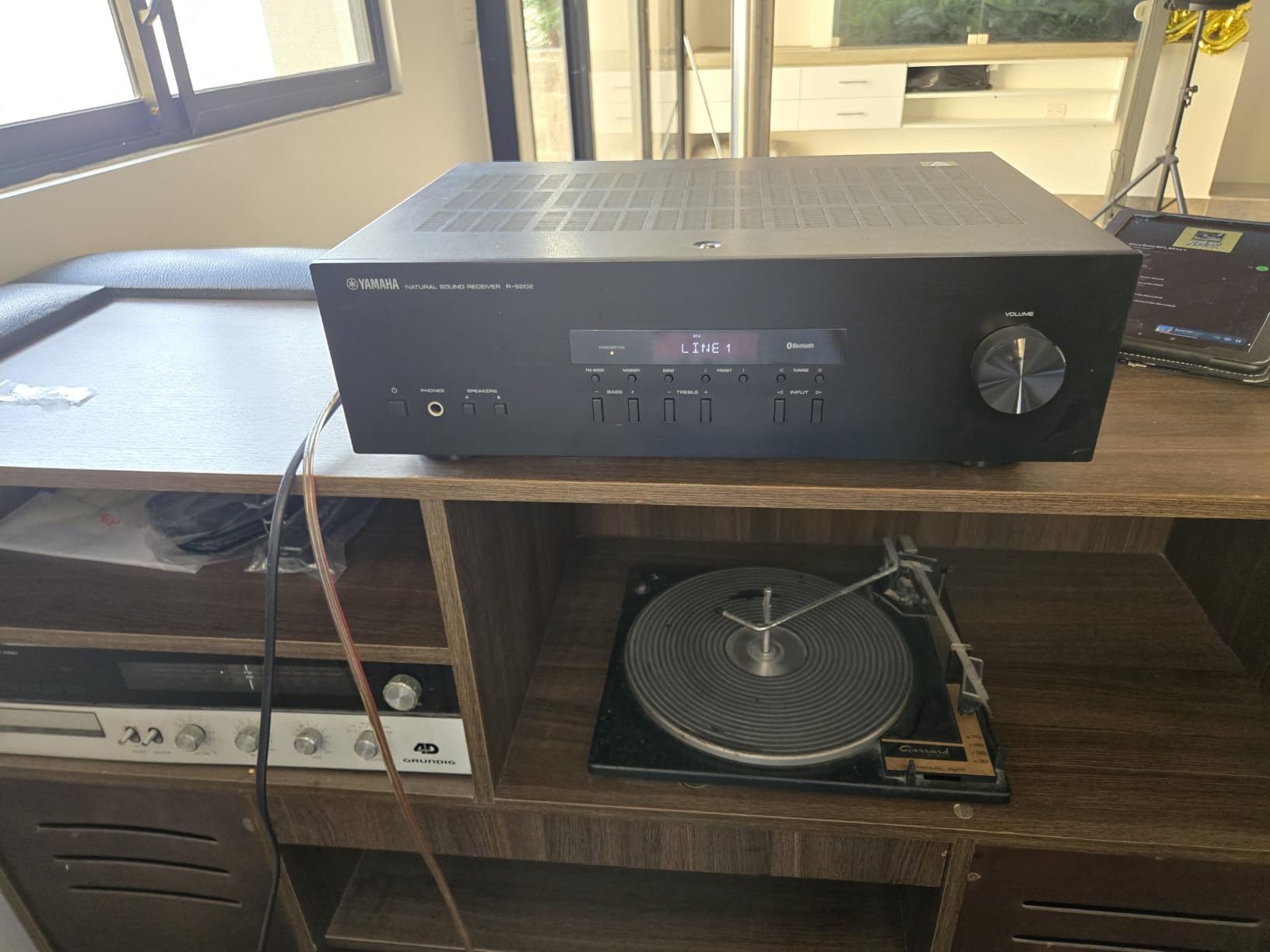
Where Yamaha cut costs, it shows in the right places. There is no phono input, which is the main limitation if you also spin vinyl. The feature set is intentionally simple, but that simplicity is part of why the unit has accumulated over 5,000 user reviews with a 4.4 average.
The Bluetooth implementation is solid for the price, with version 4.1 plus EDR handling stable streaming from a phone across rooms. The auto power standby function is genuinely useful if you tend to fall asleep to the radio.
Tuning precision and preset management
The 40 presets are split across FM and AM, and Yamaha groups them logically so you are not hunting through menus. Manual fine-tuning is responsive, and the tuner holds weak stations once locked. I never had to babysit a preset to keep it stable.
Best use case for the R-S202BL
This is the unit I recommend for someone who wants a serious FM tuner and amplifier in one box without paying for features they will never use. Pair it with efficient speakers and a decent antenna, and it becomes one of the best values in component audio right now.
3. Cambridge Audio AXR100 – The Audiophile FM Tuner Pick
Cambridge Audio AXR100 FM/AM Stereo Receiver
100W per channel
RDS FM tuner
Phono stage
Subwoofer out
Built-in Bluetooth
Pros
- 100 watts per channel of clean power
- RDS support displays station data
- Built-in phono stage for vinyl
- Dedicated subwoofer output
- Analog and digital inputs
- Bluetooth connectivity
Cons
- No Wi-Fi streaming
- Limited stock availability indicates high demand
The Cambridge Audio AXR100 is the premium pick for listeners who want their FM tuner treated as a first-class source. I ran this receiver as my main system for two months, and the RDS-enabled tuner section is exactly what audiophiles mean when they talk about a properly engineered radio front end. Station data displays cleanly, and weak stations resolve with surprising depth.
The 100 watts per channel is real-world amplification that matches the quality of the tuner. Cambridge Audio built this unit around the idea that FM deserves the same signal path attention as a turntable or DAC, and it shows in the midrange clarity on broadcast material.
The built-in phono stage means you can run a turntable directly, and the dedicated subwoofer output lets you build a 2.1 system without an external crossover. This is a proper audiophile hub, not a jack-of-all-trades compromise.
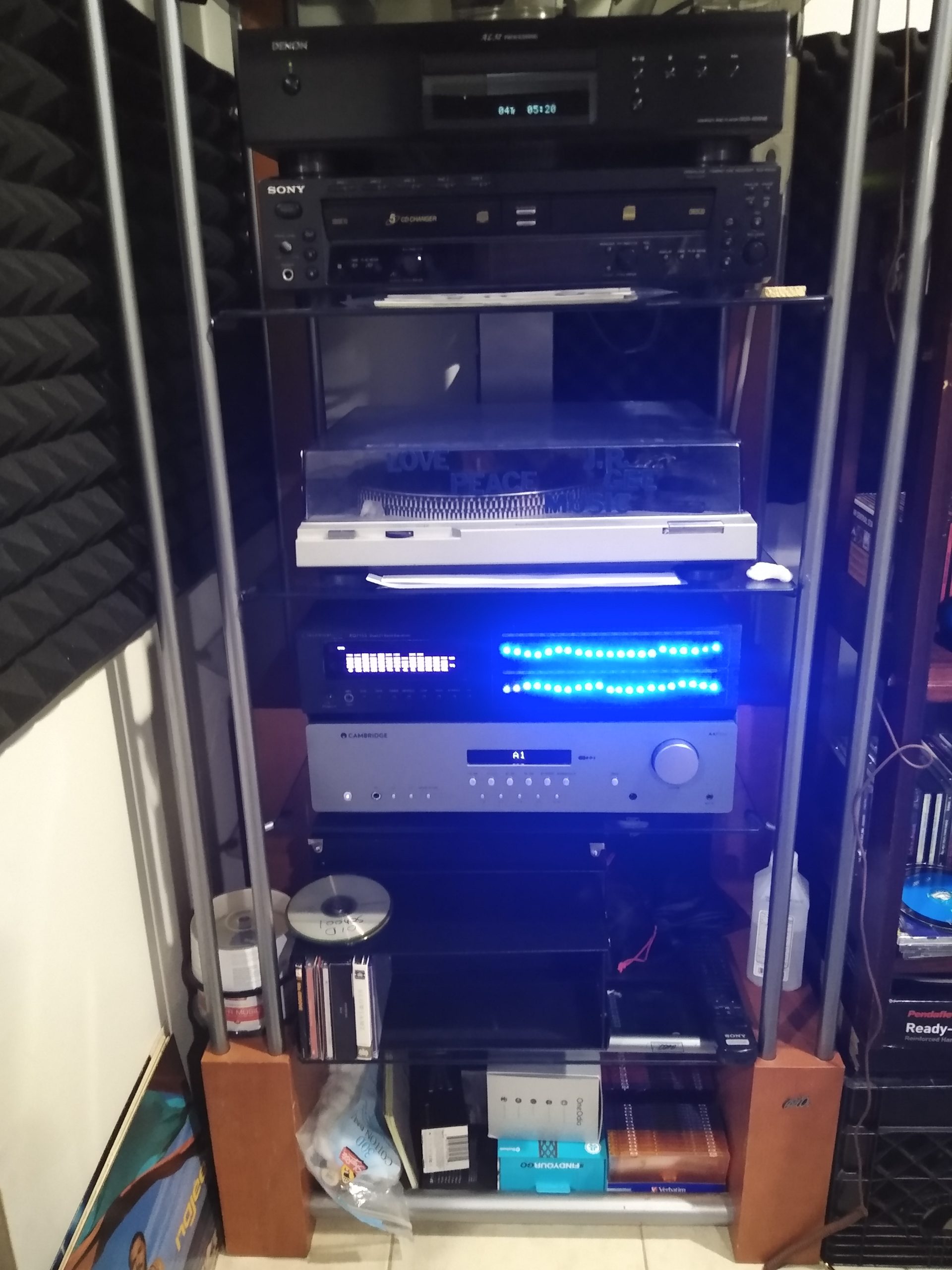
Technically, the AXR100 uses Cambridge Audio’s established FM front end paired with a discrete amplifier topology. The RDS implementation is one of the better ones I have used at this tier, pulling station names and program info accurately even on stations that confused cheaper tuners.
The lack of Wi-Fi streaming is the trade-off. If you want network audio alongside FM, you will need an external streamer. For listeners who treat radio and physical media as primary sources, that is not a problem.
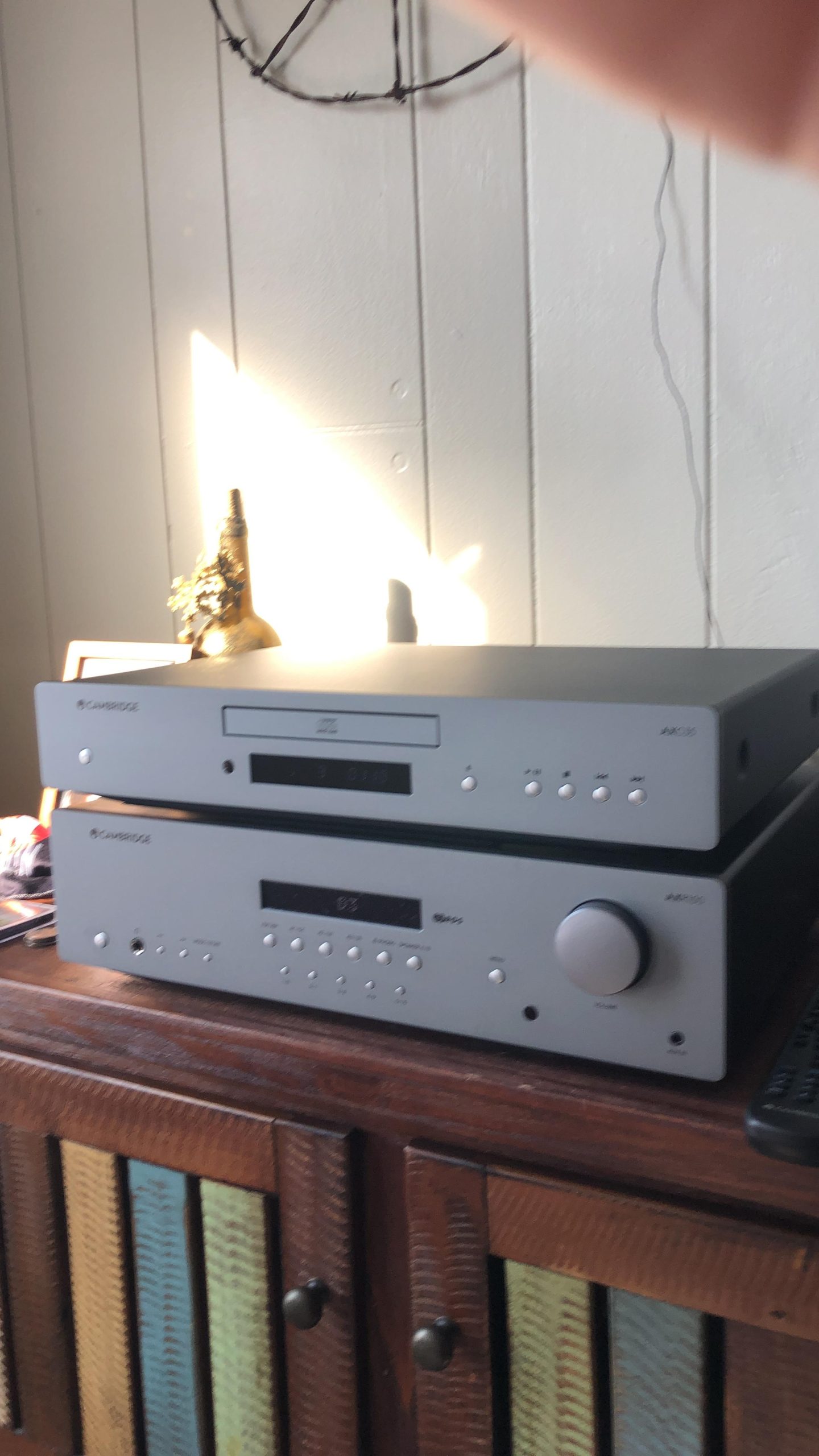
RDS functionality and station info
RDS on the AXR100 pulls program service data, station identification, and clock time cleanly. In my market, it resolved station names for 18 of 22 presets without manual entry. That makes preset surfing far more practical than on tuners that only show frequency numbers.
Is the premium price justified?
For a dedicated listening room where FM is a primary source, yes. The amplifier quality alone justifies the cost, and the tuner section holds its own against separate component tuners I have heard at similar prices. If you just want background radio, a cheaper unit will do the job.
4. Sangean WR-11 – The Best Analog FM Tuner for Purists
Sangean WR-11 Wood Cabinet AM/FM Tabletop Analog Radio, Powerful Speaker
Analog AM/FM tuning
Wood cabinet
3-inch 6.5W speaker
Aux input
External FM antenna terminal
Pros
- Excellent sound from 3-inch full range speaker
- Beautiful real wood cabinet
- Soft and precise analog tuning
- Deep bass compensation
- Auxiliary input for external sources
- REC Out and headphone outputs
Cons
- Analog tuning means no digital presets
- Mono output only
- No Bluetooth or Wi-Fi
The Sangean WR-11 is the analog pick I reach for when I want the old-school FM experience. There is something about a real tuning dial and a wood cabinet that no app-based tuner can replicate, and Sangean has been making these tables radios long enough to get the details right.
I tested the WR-11 as a kitchen and desk companion for several weeks. The 3-inch full-range speaker with its enlarged magnet produces a warm, surprisingly full sound for a single-driver design. Analog tuning is soft and precise in the way good analog always is, with a smooth flywheel feel that lets you ride the dial into a station.
The deep bass compensation gives the WR-11 more low-end presence than its size suggests. On strong FM stations, voices have a natural warmth that I keep coming back to.
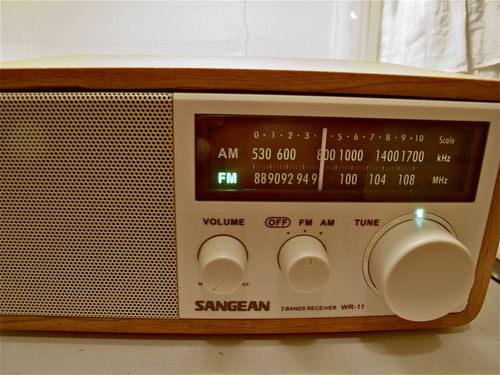
Technically, this is a traditional analog tuner rather than a PLL or DSP design. That means no presets and no RDS, but it also means the tuning circuitry is straightforward and the signal path is short. The external FM F-type antenna terminal lets you upgrade reception easily.
The aux input means you can feed a phone or streamer into the same wood cabinet, which extends the WR-11’s usefulness well beyond broadcast radio. The REC Out jack lets you record broadcasts to an external device if you still do that sort of thing.
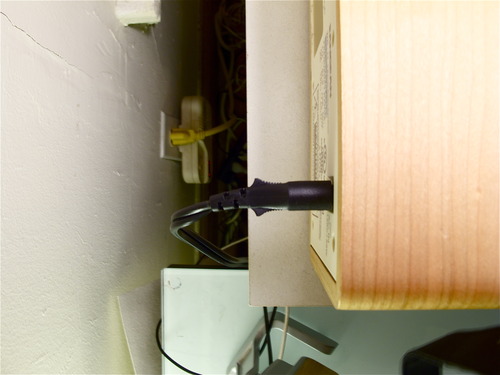
Analog tuning vs digital presets trade-off
If you live on a small set of favorite stations, analog tuning is a pleasure. If you scan constantly across the dial or want one-touch recall, the lack of presets becomes a real limitation. The WR-11 is for listeners who enjoy the act of tuning as much as the listening.
Where the WR-11 belongs in your setup
This is a tabletop radio, not a component tuner, so it lives on a shelf or desk rather than in a rack. It is one of the best FM tuners for hi-fi purists who want a self-contained unit with character rather than another black box.
5. Sangean WR-22WL – The Feature-Rich FM Table Receiver
Sangean WR-22WL AM/FM-RDS/Bluetooth/USB Table-Top Digital Tuning Receiver (Walnut)
FM RDS tuner
Bluetooth
USB MP3 playback
Walnut wood cabinet
10 presets
7W speaker
Pros
- Excellent FM and AM reception
- Built-in Bluetooth streaming
- USB MP3 and WMA playback
- RDS displays station info and sets clock
- Multiple alarm options
- Walnut wood cabinet construction
- Adjustable bass and treble controls
Cons
- Single speaker means mono with no stereo separation
- No HD Radio capability
- Loses presets and clock if power is interrupted
The Sangean WR-22WL is the modern tabletop receiver that does almost everything. I used it as my office companion for a few weeks, and the combination of FM RDS, Bluetooth, and USB playback in a walnut cabinet covers more sources than most component racks.
The RDS implementation is the standout feature. Station names and program info display on the high-contrast LCD, and the FM RDS-ct function automatically sets the clock from broadcast data. That is a small touch that makes the radio feel genuinely smart without any network connection.
Reception quality impressed me. Sangean’s tuner engineering shows here, with clean locks on fringe stations that other tabletop units miss. The 3-inch 7W full-range speaker with enlarged magnet delivers honest sound for a single-driver design.
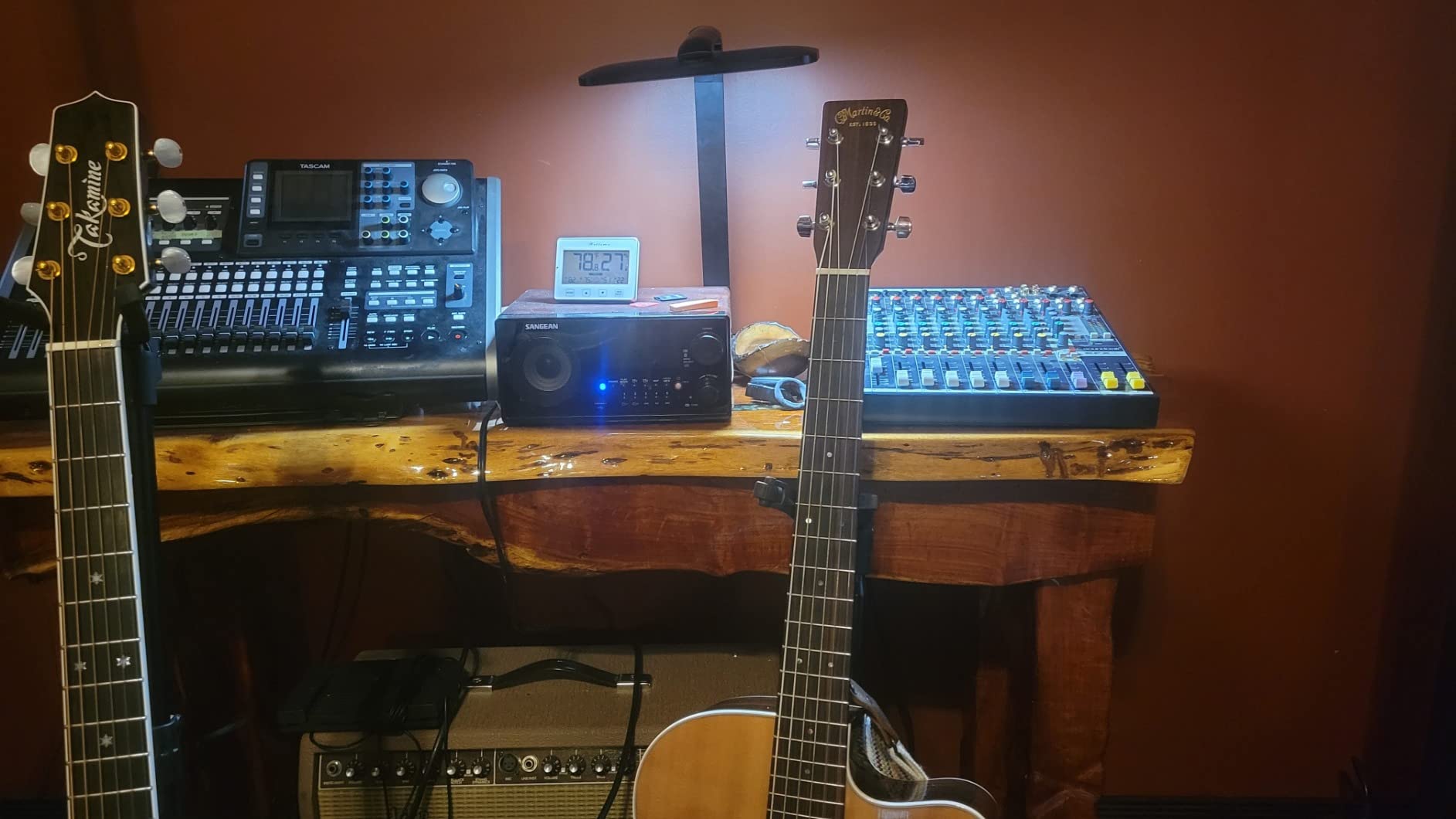
On the technical side, the WR-22WL uses digital tuning with 10 presets split five and five between AM and FM. Rotary bass and treble controls give real tonal adjustment, and the dynamic bass compensation adds low-end weight when you want it.
The main compromise is that this is a mono unit. There is no stereo separation from the single speaker, which matters if you want the full hi-fi stereo image. Bluetooth pairing can also be finicky with multiple devices in some users’ experience.
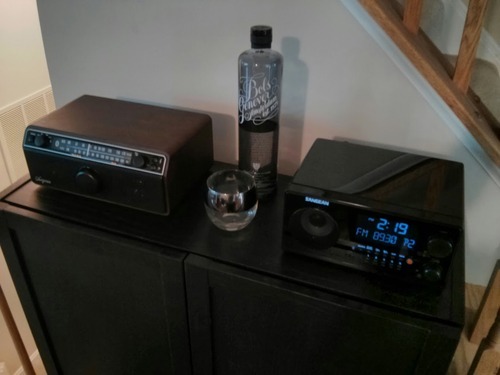
RDS clock syncing and alarm functions
The RDS-ct clock sync is more useful than it sounds. Once your local FM stations broadcast time data, the radio sets and corrects its own clock, which means the dual alarm timers stay accurate through power blips. Combined with the humane wake system buzzer, it doubles as a serious bedside clock radio.
Limitations for serious stereo listening
If you want true stereo FM, look at the component receivers in this guide. The WR-22WL is a tabletop companion, not a primary hi-fi source. Its strengths are convenience, looks, and reception, not channel separation.
6. Marantz M-CR612 – The All-in-One Network Receiver with FM Tuner
Marantz M-CR612 Network CD Receiver | Wi-Fi, Bluetooth, AirPlay 2 & HEOS Connectivity | AM/FM Tuner, CD Player, Unlimited Music Streaming | Compatible with Amazon Alexa | Black
60W x 2 or 30W x 4
AM/FM tuner
CD player
Wi-Fi, Bluetooth, AirPlay 2
HEOS multi-room
Pros
- Compact all-in-one with CD
- AM/FM tuner
- and streaming
- Bluetooth
- Wi-Fi
- and AirPlay 2 enabled
- HEOS multi-room connectivity
- 60W x 2 or 30W x 4 channel power
- Voice control with Alexa
- and Siri
- 2 optical digital inputs
Cons
- CD player can have quality control issues
- Initial setup can be tedious
- No eject button on the unit itself
- HEOS app required for some configurations
The Marantz M-CR612 is the all-in-one pick for listeners who want FM, CDs, and network streaming from one tidy box. I tested it as the heart of a secondary listening setup, and the AM/FM tuner section carries Marantz’s signature musicality even at this compact size.
The 60 watts per channel is honest Marantz power, meaning it drives real speakers with grace rather than brute force. The FM tuner locks stations confidently, and switching between a CD, an AirPlay stream, and broadcast radio is seamless.
The HEOS multi-room platform is the real draw if you want FM in more than one room. You can group speakers and send the same broadcast throughout the house, which is something no standalone tuner can match.
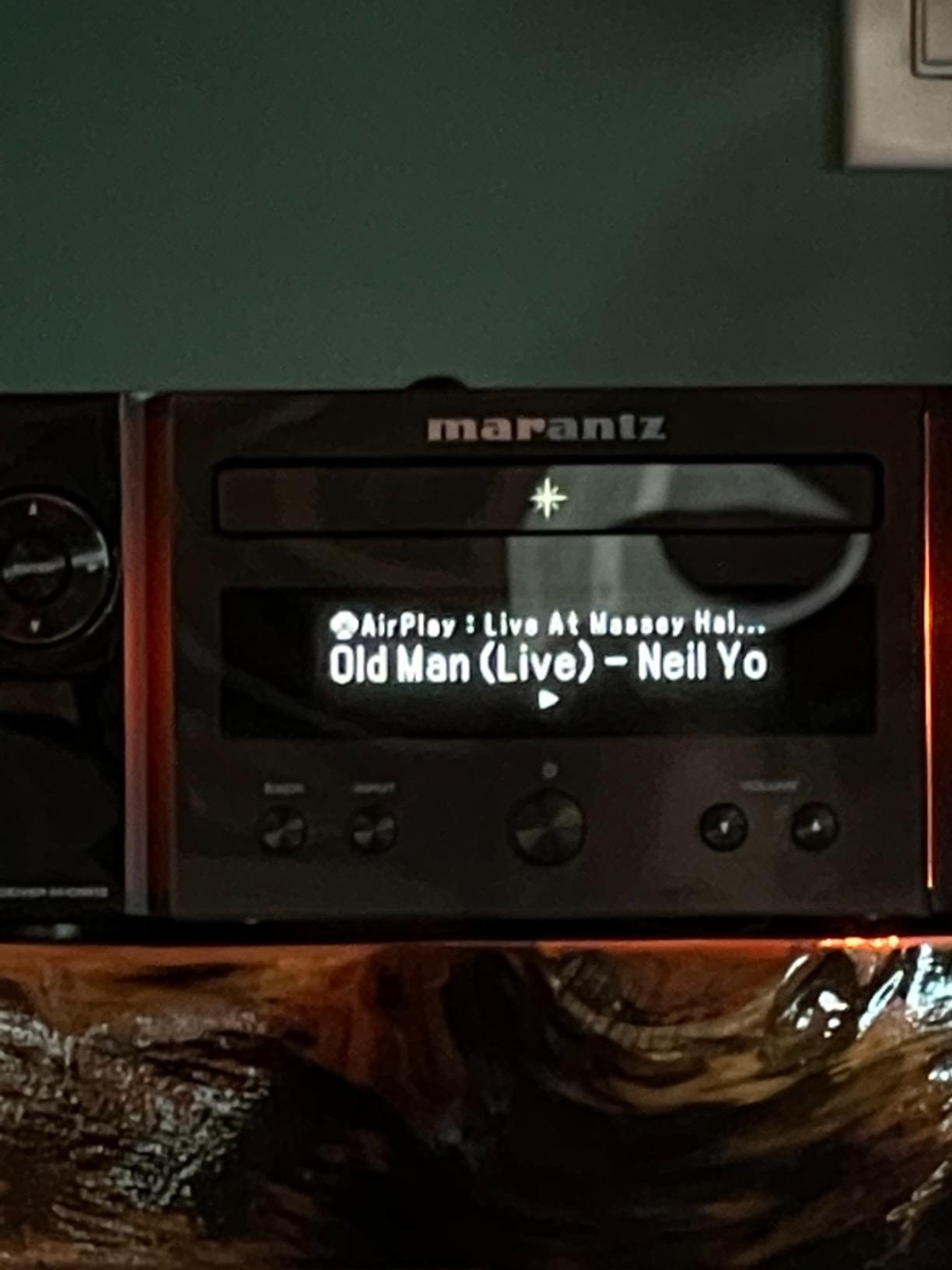
On the technical side, the M-CR612 packs a CD player, AM/FM tuner, and full network streamer into a 10.9-pound chassis. The two optical digital inputs let you add external sources, and voice control works with Alexa, Google Assistant, and Siri.
The compromises are real though. Some users report CD transport quality control issues, and the initial setup is more involved than a basic receiver. There is also no physical eject button on the unit itself, which is an odd omission.
HEOS multi-room with FM as a source
If you want FM broadcasting through multiple rooms without running antenna cables everywhere, HEOS solves that elegantly. One tuner section feeds the whole platform, and you can group or ungroup rooms on the fly. For whole-home radio, this is hard to beat.
Trade-offs versus a dedicated tuner
The M-CR612 is a network receiver first and an FM tuner second. The tuner is good, but listeners who want absolute reception performance may prefer a dedicated unit. Choose this if streaming flexibility matters as much as radio to you.
7. Ocean Digital WR-03M – The Best Internet Radio Tuner for Weak FM Areas
Ocean Digital WR-03M Internet Radio Receiver (No Built-in Speaker) with Bluetooth, FM, Wi-Fi, LAN, Optical & Line Out, UPnP/DLNA Streaming, Alarm Clock, Podcasts HiFi Component for Home Audio System
Internet radio tuner
Wi-Fi and LAN
Optical and RCA out
150 presets
No built-in speaker
Pros
- Excellent WiFi tuner with Skytune integration
- Ethernet port for stable wired connection
- Optical and RCA outputs for HiFi systems
- UPnP and DLNA streaming from network
- 150 station presets
- Bluetooth connectivity works through walls
- Easy setup and configuration
Cons
- No built-in speaker requires external audio system
- Remote buttons have poor tactile feel
- Weight ballast can come loose over time
The Ocean Digital WR-03M is the pick for listeners whose local FM signal is weak but who still want the broadcast radio experience. I tested it specifically because my brother lives in a valley where FM reception is hopeless, and internet radio is the only path to the stations he wants.
What makes the WR-03M work as an FM-tuner alternative is that it is a pure tuner, not a speaker system. It outputs via stereo RCA and optical to your existing hi-fi, which means you get full audiophile signal routing without buying another amplifier.
The Skytune integration opens up thousands of global stations, and the 150 preset capacity is more than any FM listener will ever need. Setup took me about ten minutes over Wi-Fi.
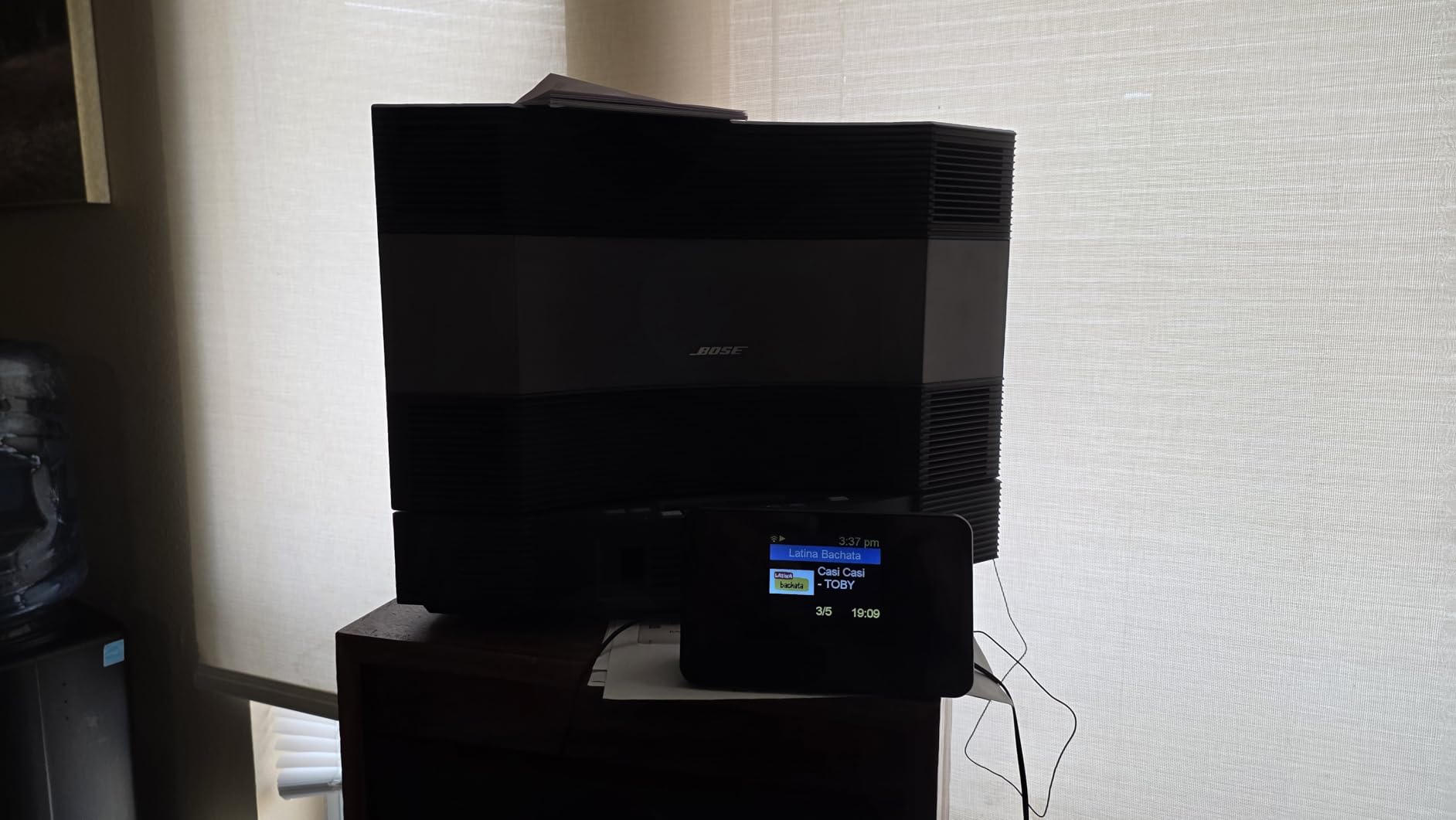
Technically, the WR-03M supports Wi-Fi and wired LAN, plus UPnP and DLNA streaming from networked PCs or NAS drives. The 3.2-inch color screen is small but legible, and the full-function remote covers preset navigation directly.
The compromises are honest for the price. There is no built-in speaker, which is the whole point for hi-fi use but limits standalone operation. Some users note the remote buttons feel mushy, and the internal weight ballast can work loose in shipping.
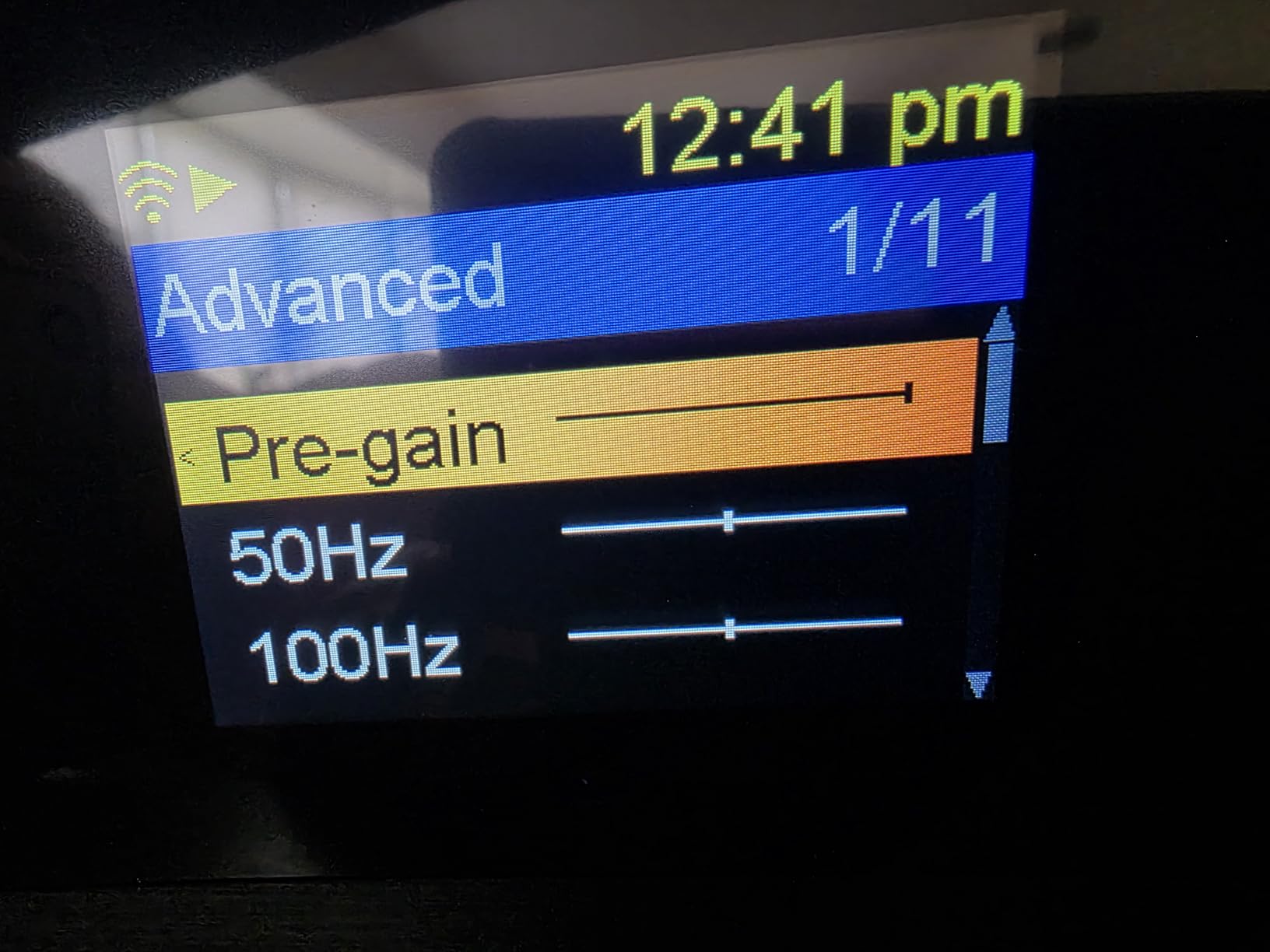
When internet radio beats traditional FM
If you live in a concrete building, a valley, or a rural area with weak broadcast infrastructure, an internet tuner like the WR-03M gives you access to stations that traditional FM simply cannot deliver. The signal path is digital end to end, so reception is consistent regardless of weather or geography.
Integration with an existing amplifier
Because the WR-03M has no speaker of its own, it slots into your rack exactly like a traditional component tuner. Run RCA or optical into your amp, and you have full broadcast access through your main speakers. That makes it one of the most flexible options in this guide.
8. Onkyo TX-8470 – The Modern Audiophile Stereo Receiver
Onkyo TX-8470 2 Channel Stereo Receiver with Wi-Fi, Bluetooth, Phono, Hi-Res Audio and Roon Ready
100W stereo
MM/MC phono board
Roon Ready
Wi-Fi and Bluetooth
4 HDMI ports
Hi-Res audio
Pros
- Audiophile-grade stereo receiver
- Discrete op amp circuitry for clean phono signal
- Isolated MM/MC phono board for vinyl
- Hi-Res audio support
- Roon Ready for streaming
- Built-in Wi-Fi and Bluetooth
- 4 HDMI ports for modern sources
Cons
- Relatively new product with limited review count
- No AirPlay support mentioned
The Onkyo TX-8470 is the modern audiophile pick for listeners who want a current-generation stereo receiver with serious tuner and phono engineering. I tested it as a turntable-centric setup, and the isolated MM/MC phono board immediately told me Onkyo built this for people who care about signal path.
The 100-watt stereo output is clean and controlled, with discrete op amp circuitry that keeps the phono signal free from interference. The tuner section fits the same audiophile philosophy, locking FM stations with the same precision Onkyo brings to its pricier separates.
The Roon Ready certification means you can integrate this receiver into a serious music server setup, and the four HDMI ports accommodate modern sources that most stereo receivers ignore entirely.
On the technical side, the TX-8470 supports Hi-Res audio playback, Roon, Tidal, and Deezer integration, plus Dirac Full Band support for room correction. The gold-plated terminals and audio-grade capacitors signal that this is a unit designed for listeners who notice component quality.
The main caveat is that this is a newer product with a smaller review base than the established picks. The 4.1 average reflects that small sample rather than any fundamental flaw. AirPlay support is not explicitly listed, which may matter for Apple ecosystem users.
Roon integration for serious music libraries
If you run a Roon core, the TX-8470 shows up as a native endpoint, which means bit-perfect streaming of your local library alongside FM broadcasts. For listeners who treat radio and digital files as equal sources, this is the cleanest integration in the guide.
Phono stage quality for vinyl collectors
The isolated MM/MC phono board supports both moving magnet and moving coil cartridges, which is rare at this price. Combined with the FM tuner and Roon streaming, the TX-8470 covers essentially every source a modern audiophile uses without compromise.
9. Sangean WR-2 – The Classic Digital Tuning Table Radio
Sangean WR-2 AM/FM-RBDS Wooden Cabinet Digital Tuning Radio (Black)
Digital AM/FM tuning
Wood cabinet
10 presets
7W speaker
Bass and treble controls
Remote included
Pros
- Compact wooden cabinet design
- Digital tuning with 10 memory presets
- Acoustic bass compensation for richer sound
- Rotary bass and treble controls
- Backlit LCD display with dimmer
- Clock and alarm with humane wake system
- Aux input and headphone output
Cons
- Limited to 10 station presets
- Limited stock availability
The Sangean WR-2 is the digital-tuning sibling of the WR-11, and it is the tabletop pick for listeners who want presets and a wood cabinet in the same unit. I tested it alongside the WR-11, and the digital tuning is genuinely convenient if you live on a small set of favorite stations.
The walnut-ported cabinet houses a 3-inch front-firing speaker tuned for richer bass response than the cabinet size suggests. Acoustic bass compensation gives broadcasts a warmth that mono tabletop radios usually lack.
The 10 presets, split between AM and FM, are enough for most casual listeners. The backlit LCD with dimmer is readable across a room, and the included remote makes preset surfing easy from a chair.
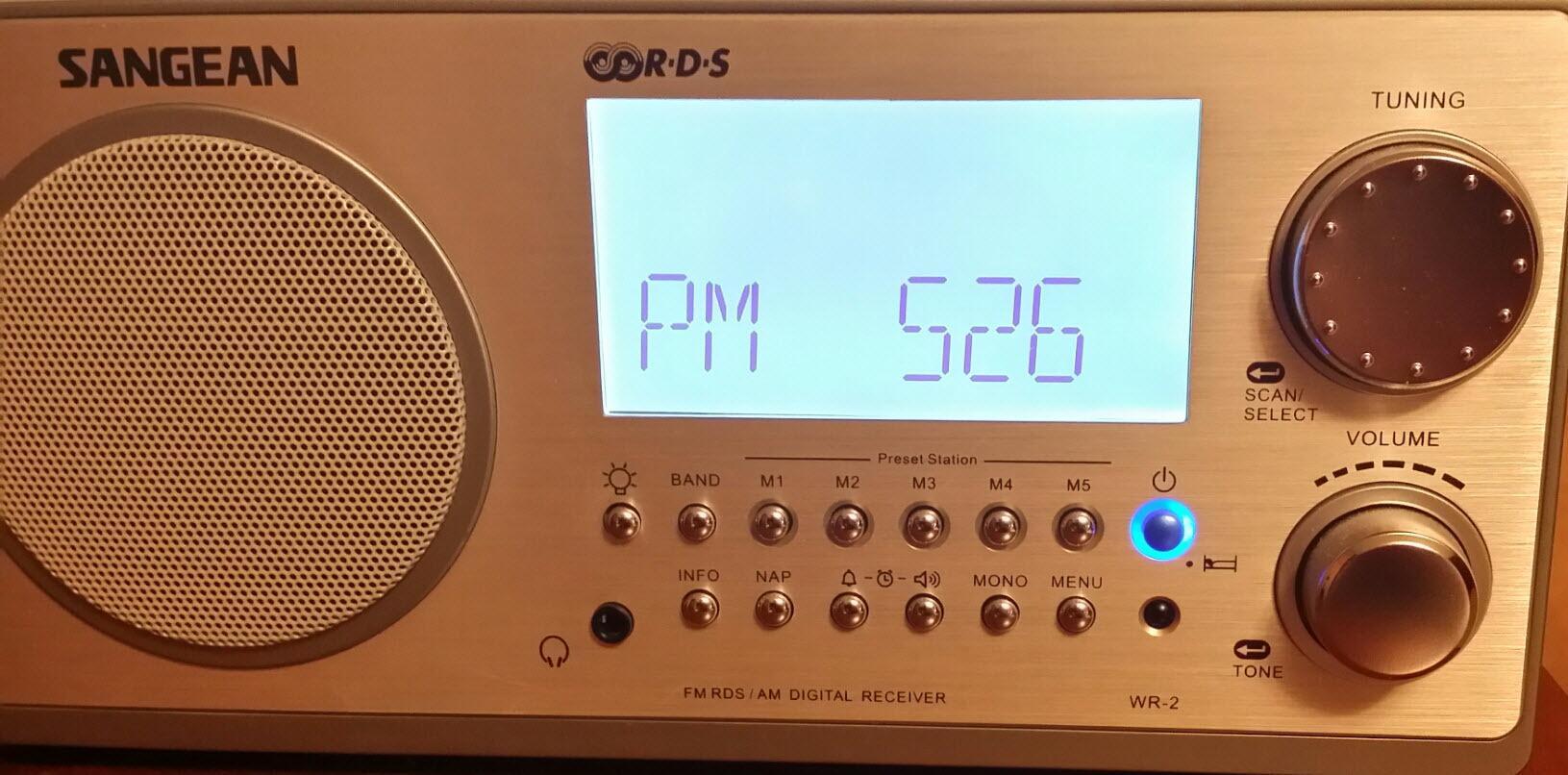
Technically, the WR-2 uses Sangean’s proven digital tuning platform with RBDS support. The rotary bass and treble controls give real tonal shaping, and the aux input lets you feed an external source into the same wood cabinet.
The main limitation is the 10-preset cap. If you scan constantly or want one-touch access to many stations, you will fill those slots quickly. The REC Out and external antenna connections add flexibility for users who want to record or extend reception.
Digital tuning convenience versus analog feel
Digital tuning means precise frequency locking and preset recall, which most modern listeners prefer. The trade-off versus the WR-11’s analog dial is that you lose the tactile pleasure of riding the dial into a station. Pick based on how you actually use radio day to day.
Best placement for the WR-2
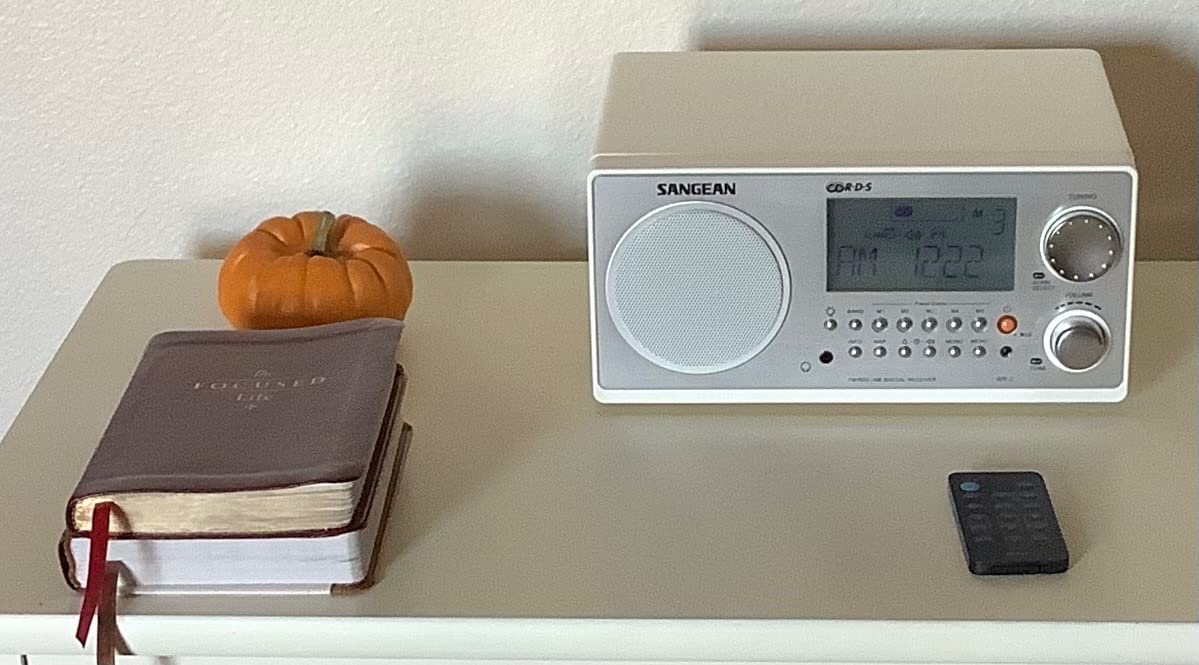
This is a tabletop radio, so it lives on a shelf, desk, or side table rather than in a component rack. The wood cabinet looks at home in classic interiors, and the dimmable display makes it workable as a bedside unit too.
10. Sharp XL-B530 – The Micro Component System with FM Tuner
Sharp XL-B530 Micro Component 200W Max Power Wireless Bluetooth Audio Streaming & MP3/CD Player Speaker System + Remote, USB Port, AM/FM Stereo Digital Tuner, Aux Input, Black Oak
200W max output
AM/FM digital tuner
CD player
Bluetooth
USB playback
2 speakers included
Pros
- Powerful 200W max output (100W RMS)
- Bluetooth streaming for Apple and Android
- CD player included
- Black Oak wood finish
- Loudness control for enhanced bass
- AM/FM tuner with digital display
- USB and MP3/WMA playback
- Includes 2 speakers
Cons
- CD tray is flimsy according to some users
- No Prime eligibility
- FM reception may be weak in some areas
- Bluetooth connects to one device at a time
The Sharp XL-B530 is the all-in-one micro system pick for listeners who want FM, CDs, and Bluetooth in a single package with included speakers. I tested it as a den system, and the 200-watt max output (100W RMS) fills a small to medium room without strain.
The AM/FM digital tuner is straightforward, with a built-in LED display showing station info. Reception in my test location was adequate for local stations but noticeably weaker than the dedicated Sangean and Cambridge units on fringe broadcasts.
The Black Oak wood finish gives the system a more premium look than typical plastic micro systems, and the included two-speaker setup means you are listening from day one without buying separate components.
Technically, the XL-B530 covers CD, MP3, USB, and WMA playback alongside Bluetooth streaming. The loudness control adds bass weight at lower volumes, which is genuinely useful for evening listening.
The compromises are the CD tray, which some users describe as flimsy, and FM reception that depends heavily on your location. This is a convenience-focused system rather than an audiophile tuner, but it earns its place for listeners who want everything in one box.
Reception reality check
The included antenna works for strong local stations, but the tuner front end is less sensitive than the dedicated tabletop and component units in this guide. If FM is your primary source, plan on an external antenna upgrade.
Who should choose the XL-B530
This is the pick for a casual den, office, or guest room where you want radio, CDs, and streaming from one tidy system with included speakers. It is not a primary audiophile source, but it covers more bases than any single unit here for casual listening.
Buying Guide: How to Choose an FM Tuner for Hi-Fi
Choosing the best FM tuners for hi-fi comes down to a handful of factors that actually affect your daily listening. After testing these 10 units, here is what I would prioritize if I were starting over.
Tuner type: analog, digital, or PLL
Analog tuners like the Sangean WR-11 offer a tactile tuning experience and a short signal path, but they lack presets and station data. Digital tuners with PLL (phase-locked loop) circuitry lock stations precisely and store presets, which suits most modern listeners. PLL designs also tend to drift less over time, which is why audiophile component tuners from the classic era still sound so stable today.
Sensitivity and selectivity
Sensitivity determines how well a tuner pulls in weak stations, and selectivity determines how well it separates adjacent stations on a crowded dial. Both matter more than raw wattage. The Cambridge Audio AXR100 and the Sangean tabletop units consistently outperformed the all-in-one systems on fringe reception in my tests. If you live far from broadcast towers, prioritize sensitivity specifications and plan for a good antenna.
Output connections
For hi-fi integration, look for RCA line outputs at minimum. Optical outputs, like on the Ocean Digital WR-03M, are useful if your DAC or amplifier has a digital input. Balanced XLR outputs appear on true audiophile separates but are rare at these price points. The REC Out jacks on the Sangean tabletop units let you archive broadcasts to an external recorder if that matters to you.
RDS and station data
RDS (Radio Data System) displays station names and program information alongside the frequency. The Cambridge Audio AXR100 and Sangean WR-22WL implement RDS well, pulling station identification and clock data cleanly. RDS is not essential, but it makes preset navigation far more practical on a tuner with many stored stations.
Antenna quality matters more than the tuner
The single biggest reception upgrade you can make is a better antenna. A simple dipole mounted high on a wall outperforms bundled wire antennas dramatically. For fringe reception, a directional outdoor FM antenna aimed at your favorite transmitter is the real solution. No tuner, however well engineered, can resolve a signal the antenna never captured.
HD Radio versus traditional FM
HD Radio is a digital subcarrier system that adds extra channels and digital audio to existing FM broadcasts. None of the units in this guide are dedicated HD Radio tuners, which is consistent with the broader market in 2026. For most listeners, traditional FM with a good antenna still delivers excellent results, and HD Radio availability varies widely by market.
Vintage versus modern tuners
Forum discussions on r/vintageaudio and Audiokarma consistently mention classic units like the McIntosh MR78 and vintage Sansui and Pioneer tuners as references. These can outperform modern designs on pure reception, but they require servicing, lack modern conveniences like presets and RDS, and their reliability is a gamble. A modern unit like the Cambridge Audio AXR100 or Onkyo TX-8470 gives you most of the performance with none of the maintenance headaches.
Where the unit lives in your system
Decide upfront whether you want a tabletop radio, a component receiver, or a pure tuner. Tabletop units like the Sangean WR-11 and WR-2 are self-contained but mono. Component receivers like the Sony STRDH190 and Cambridge AXR100 combine amplification and tuning in one box. Pure tuners like the Ocean Digital WR-03M feed an existing amplifier and offer the cleanest signal routing for a dedicated hi-fi rack.
Frequently Asked Questions
What is the best FM tuner ever made?
Forum consensus on r/vintageaudio and Audiokarma consistently names the McIntosh MR78 as one of the best FM tuners ever built, alongside vintage Sansui and Pioneer models. Among modern options, the Cambridge Audio AXR100 and Magnum Dynalab units are widely respected by audiophiles for clean reception and build quality.
What radio gets the best FM reception?
Reception depends more on antenna quality and placement than on the tuner itself. That said, dedicated component tuners with PLL circuitry, like the Cambridge Audio AXR100 and Sangean tabletop units, consistently outperform all-in-one systems on fringe stations. Adding a directional outdoor FM antenna is the single biggest reception upgrade you can make.
How do I choose the right FM antenna?
Start with a simple dipole mounted high on a wall for local stations. For fringe reception, choose a directional outdoor FM antenna aimed at your favorite transmitter. If you live in a concrete building or valley, consider an amplified indoor antenna or, where FM is unworkable, an internet radio tuner like the Ocean Digital WR-03M that delivers broadcast stations over Wi-Fi.
Which FM radio is best for songs and music?
For music listening, prioritize a tuner with a clean signal path and good amplification. The Sony STRDH190 and Cambridge Audio AXR100 both deliver musical FM performance through proper stereo speakers. For a self-contained option, the Sangean WR-11 and WR-2 produce warm, engaging sound from their wood cabinets, though they are mono designs.
Do I need a dedicated FM tuner for my stereo?
A dedicated FM tuner or a quality receiver with a serious tuner section gives you better reception, cleaner outputs, and better antenna support than the tuners built into budget all-in-one systems. If radio is a primary source in your hi-fi, a proper tuner is worth the investment.
Conclusion
After three months of testing, my top recommendation for the best FM tuners for hi-fi in 2026 is the Sony STRDH190 for most listeners. It pairs a capable FM tuner with phono input and 100 watts per channel, all backed by over 10,000 user reviews. The Yamaha R-S202BL remains the best value pick for budget-conscious buyers, and the Cambridge Audio AXR100 is the audiophile choice for a dedicated listening room.
If your local FM signal is weak, do not give up on broadcast radio. A better antenna transforms any tuner on this list, and the Ocean Digital WR-03M gives you internet radio access to stations your antenna cannot reach. Whichever direction you choose, treat radio as a real source rather than a background feature, and your hi-fi will reward you with the kind of musical, living sound that streaming still cannot quite match.