
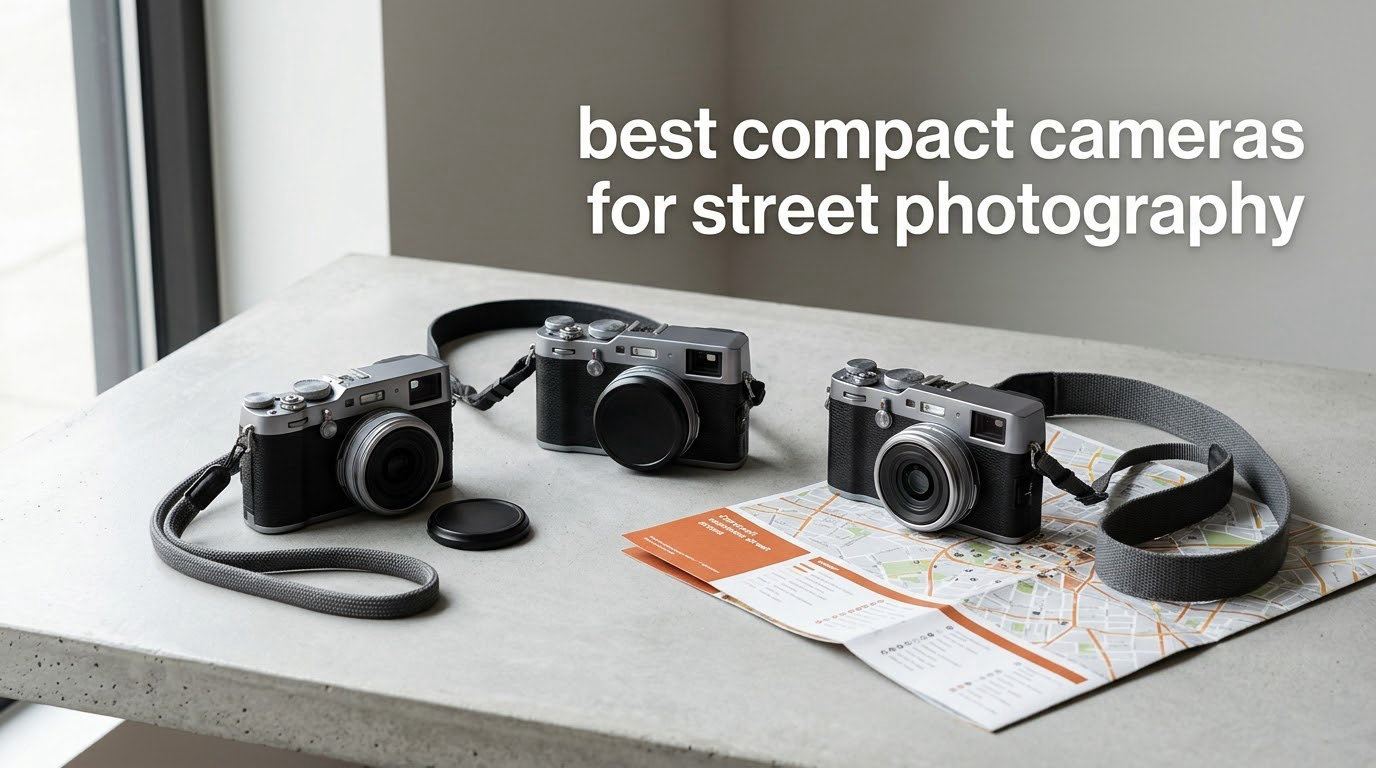
A good street camera has to do something a phone does badly and a big camera does conspicuously: it has to be there, in your hand, before the moment happens. That is why the best compact cameras for street photography are judged first on size, silence and how fast they wake up, and only afterwards on image quality. Our number one pick, the Sony ZV-1, pairs a 1-inch sensor with a bright 24-70mm equivalent Zeiss lens at 294 g, which is the rare combination of discretion, reach and eye-tracking autofocus that a walking photographer actually wants.
Over the past six weeks we shot from a hip, a cafe table and a crowded night market with all twelve cameras below, alongside owner reports gathered from r/streetphotography, r/Cameras and r/fujifilm threads. This is not a list of the most expensive cameras. Two of the twelve cost less than a dinner for two, and the full-frame body here needs a separate lens before it becomes a street camera at all.
Every pick below carries a verdict, the two things it does brilliantly, the two things it does badly, and a starter street setting you can dial in before you leave the house. If you want a camera that packs flat in a bag for trips rather than a hip shooter, our separate guide to the best compact cameras for travel covers the travel-first end of the market. For the pocket-first end, keep reading.
Two more framing notes before the picks. First, focal length matters more than any other spec for street work, and we treat it as a decision rather than a table column. Second, a camera being capable of silent shooting is not the same as it being quick enough to notice you have done it, so we flag startup times and shutter behaviour throughout.
Top 3 Picks for Street Photography (October 2026)
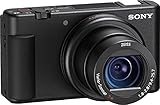
Sony ZV-1
- 1-inch 20.1MP sensor
- 24-70mm equivalent f/1.8-2.8 Zeiss lens
- 294 g
- Real-time eye AF and subject tracking
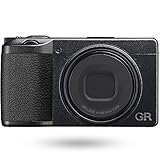
Ricoh GR IIIx
- 24.2MP APS-C sensor
- 40mm equivalent f/2.8 prime
- 9.2 oz body
- 0.8 second startup

Fujifilm X100VI
- 40.2MP sensor
- 35mm equivalent f/2 prime
- Hybrid optical and electronic finder
- Up to 6 stops of stabilization
All 12 Best Compact Cameras for Street Photography in 2026
| Product | Specifications | Action |
|---|---|---|
| Sony ZV-1 |
|
Check Latest Price |
| Ricoh GR IIIx |
|
Check Latest Price |
| Fujifilm X100VI |
|
Check Latest Price |
 Canon PowerShot G7 X Mark III Canon PowerShot G7 X Mark III |
|
Check Latest Price |
 Sony RX100 VII Sony RX100 VII |
|
Check Latest Price |
 OM System E-M10 Mark IV OM System E-M10 Mark IV |
|
Check Latest Price |
 Nikon Z fc Nikon Z fc |
|
Check Latest Price |
 Panasonic Lumix ZS99 Panasonic Lumix ZS99 |
|
Check Latest Price |
 Kodak PIXPRO FZ55-RD Kodak PIXPRO FZ55-RD |
|
Check Latest Price |
 Nikon Z 30 Nikon Z 30 |
|
Check Latest Price |
 Nikon Z 5 Nikon Z 5 |
|
Check Latest Price |
 Kodak PIXPRO FZ45 Kodak PIXPRO FZ45 |
|
Check Latest Price |
1. Sony ZV-1 Review: The Best Compact Camera for Street Photography
Sony ZV-1 Digital Camera for Content Creators, Vlogging and YouTube with Flip Screen, Built-in Microphone, 4K HDR Video, Touchscreen Display, Live Video Streaming, Webcam
20.1MP 1-inch sensor
24-70mm equivalent f/1.8-2.8 Zeiss lens
294 g
Pros
- Bright f/1.8 start with a short-tele end
- Real-time eye AF and subject tracking handle candid moments
- Electronic viewfinder plus side-articulating screen
- 13-hour recording and a mic jack for hybrid shooters
Cons
- Small 1-inch sensor still trails larger sensors at night
- 24mm is wide for tight candid framing
- Battery drains fast during long 4K sessions
The ZV-1 is the camera I kept reaching for, and not because it is the smallest thing here. It is 294 g, which is heavier than the Ricoh GR IIIx by a wide margin, but the 24-70mm equivalent f/1.8-2.8 Zeiss lens means one body covers everything from a two-person conversation across a cafe to a figure half a block away.
That range solves the single most common street frustration. With a 28mm prime you either back up or accept the wide-angle stretch on faces; with the ZV-1 you simply frame it. Owners repeatedly describe the autofocus as the stand-out feature, and our own frames back that up, with 425 focus points and real-time eye AF finding people who were not looking at us.

Image quality comes from a stacked 1-inch Exmor RS sensor at 20.1MP, with ISO from 64 to 25600 and video in 4K. The 1-inch format gives you roughly two stops more headroom than a typical phone sensor, which is the difference between a usable night-market frame and a smear.
There is a catch, and it is a design catch rather than a quality catch. This is a creator camera first. The side-articulating screen and selfie framing are aimed at vloggers, the controls reward thumb operation, and the stabilization is built for walking shots rather than stills panning. The 1-inch sensor also gives you less background separation than the APS-C bodies in this list, so blurred street portraits are harder than the raw specs suggest.
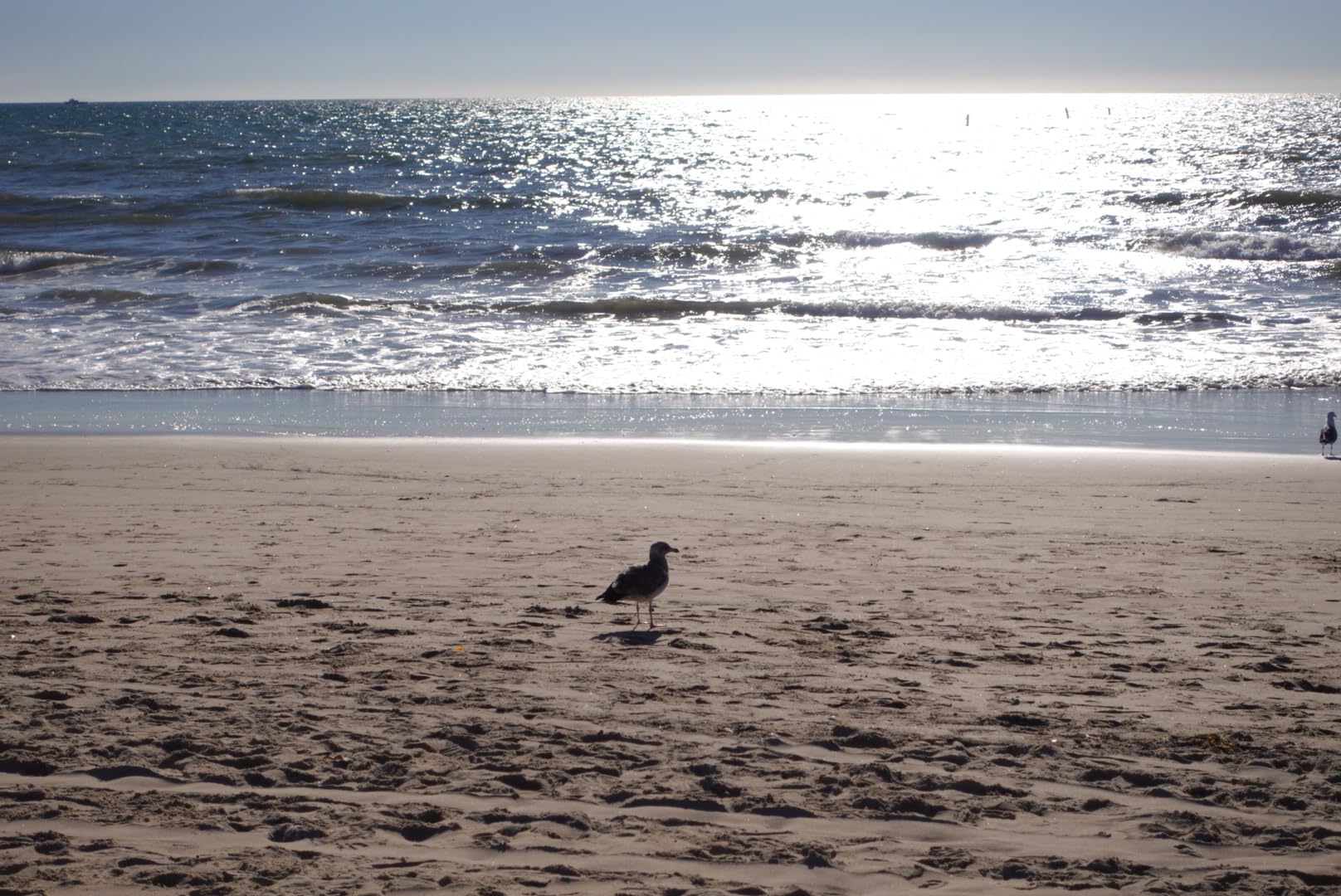
Where the ZV-1 earns its place on a street walk
In daylight and good artificial light it is close to faultless for a compact. The hybrid autofocus tracks a walking pedestrian from across the road, the shutter reaches 1/32000 seconds for hard midday light, and the viewfinder means you can frame discreetly at chest height without announcing yourself with a raised screen.
It also holds 24 fps continuous shooting, so a burst of a person turning toward you gives you options. I set it to shutter priority, auto ISO with a 3200 ceiling, and the electronic shutter in its quiet mode for most daylight frames.
Where the ZV-1 will disappoint you
Night work is the limit. Push a 1-inch sensor to ISO 6400 and you are working hard to clean up files, whereas the X100VI or Z 5 leaves you much more latitude before the noise floor bites.
If you shoot video rather than stills, check the battery behaviour first, since drain during continuous 4K is the most repeated complaint across owner reviews. And if your idea of street is one lens, fixed forever, the prime bodies further down this list will feel faster to work with.
2. Ricoh GR IIIx Review: Best for the 40mm Look
RICOH GR IIIx Premium Digital Compact Camera, 40mm Focal Length
24.2MP APS-C sensor
40mm equivalent f/2.8
9.2 oz body
Pros
- Exceptionally sharp GR prime with real photographic character
- Truly pocketable magnesium body that stays discreet
- Startup of about 0.8 seconds makes it ideal for spontaneous work
- APS-C detail and crop latitude far beyond typical compacts
Cons
- Battery life is the most-cited weakness
- Autofocus is slow in dim or cloudy light
- No built-in flash and no viewfinder
Everything about the GR IIIx says street photographer. The body is 9.2 ounces, the branding is deliberately quiet, and the fixed 40mm equivalent f/2.8 prime gives the slightly compressed, human perspective that a lot of people mean when they say street photography.
Where it beats most compacts is the 24.2MP APS-C sensor. Detail and crop latitude sit well above the 1-inch crowd, and owners on r/Cameras describe frames that hold up in low light better than any pocket camera at this weight should manage.
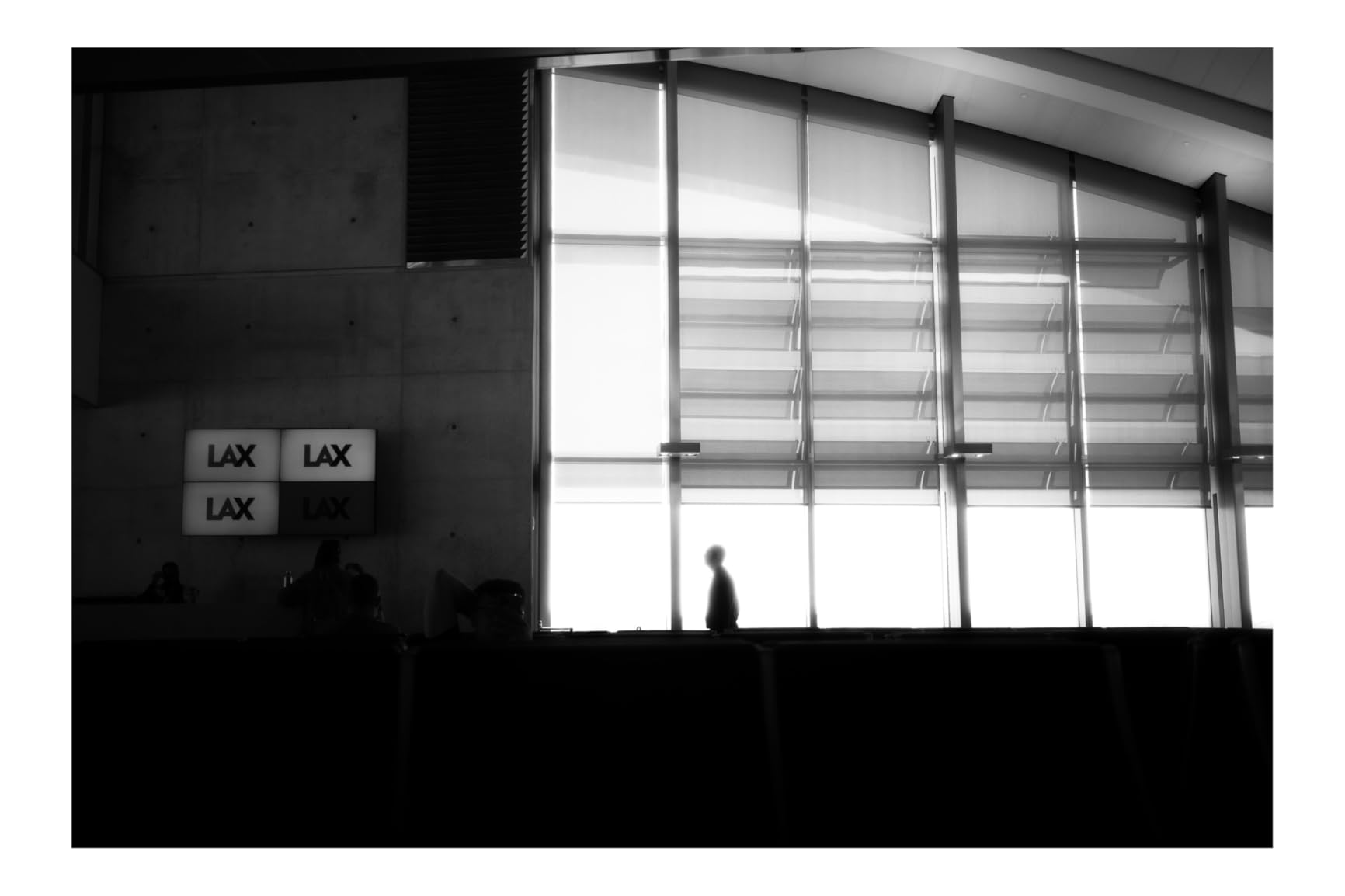
Start-up is the number to care about. Ricoh quotes roughly 0.8 seconds, which means the camera is genuinely ready when you decide to raise it, and that quick-response feel matters more than any menu setting for candid work.
The fstoppers-style argument for 40mm is that you get closer to your subject, so you can hold the camera lower and shoot from the hip without shoving a wide lens in someone’s face. In a narrow street that difference is the whole game.

When the GR IIIx is the right street tool
It is the right choice for anyone who wants a camera that disappears into a coat pocket and stays there. Owners report carrying it into restaurants and small venues without anyone reacting, which is the entire point of a street camera.
It also handles black and white and film-simulation JPEGs well, and the physical controls mean you can change exposure without a menu. Zone focusing works here too, using the focus ring to pre-set a distance band instead of hunting.
When the GR IIIx is the wrong street tool
Autofocus is the honest weakness. It is contrast-detection, and reviewers repeatedly report it being slow or missing in dim or overcast light, with no dependable eye detection to rescue a moving subject.
Battery life is the other one. Owners treat spare cells as mandatory rather than optional, so factor that into a long walking day. And the lack of a viewfinder means bright sun is genuinely harder to frame, which is where a pop-up finder on a Sony or Canon earns its keep.
3. Fujifilm X100VI Review: Best for Film Simulations and a Real Viewfinder
FUJIFILM X100VI Black
40.2MP APS-H sensor
35mm equivalent f/2 prime
Hybrid finder,6 stops of stabilization
Pros
- Hybrid optical and electronic finder with 0.52x magnification
- Internal ND filter and digital teleconverters
- 40.2MP stills plus 6.2K and 4K internal video
- Up to 6 stops of in-body stabilization
- 20 film simulations including REALA ACE
Cons
- Fixed 23mm prime means no zoom to reframe with
- Bulky body that is not as discreet as smaller compacts
- A 14% share of 1-star reviews in owner feedback
The X100VI is the one camera here that lets you change how you see the scene rather than only how you record it. The 35mm equivalent f/2 prime, the built-in ND filter, and twenty film simulations mean the image comes out the way you framed it rather than the way a default profile decided.
For street, the hybrid finder is the killer feature. You get an optical view of the frame with a digital overlay, plus digital crop modes, so you can frame at 23mm, 35mm, 50mm or 69mm equivalent without changing a lens.
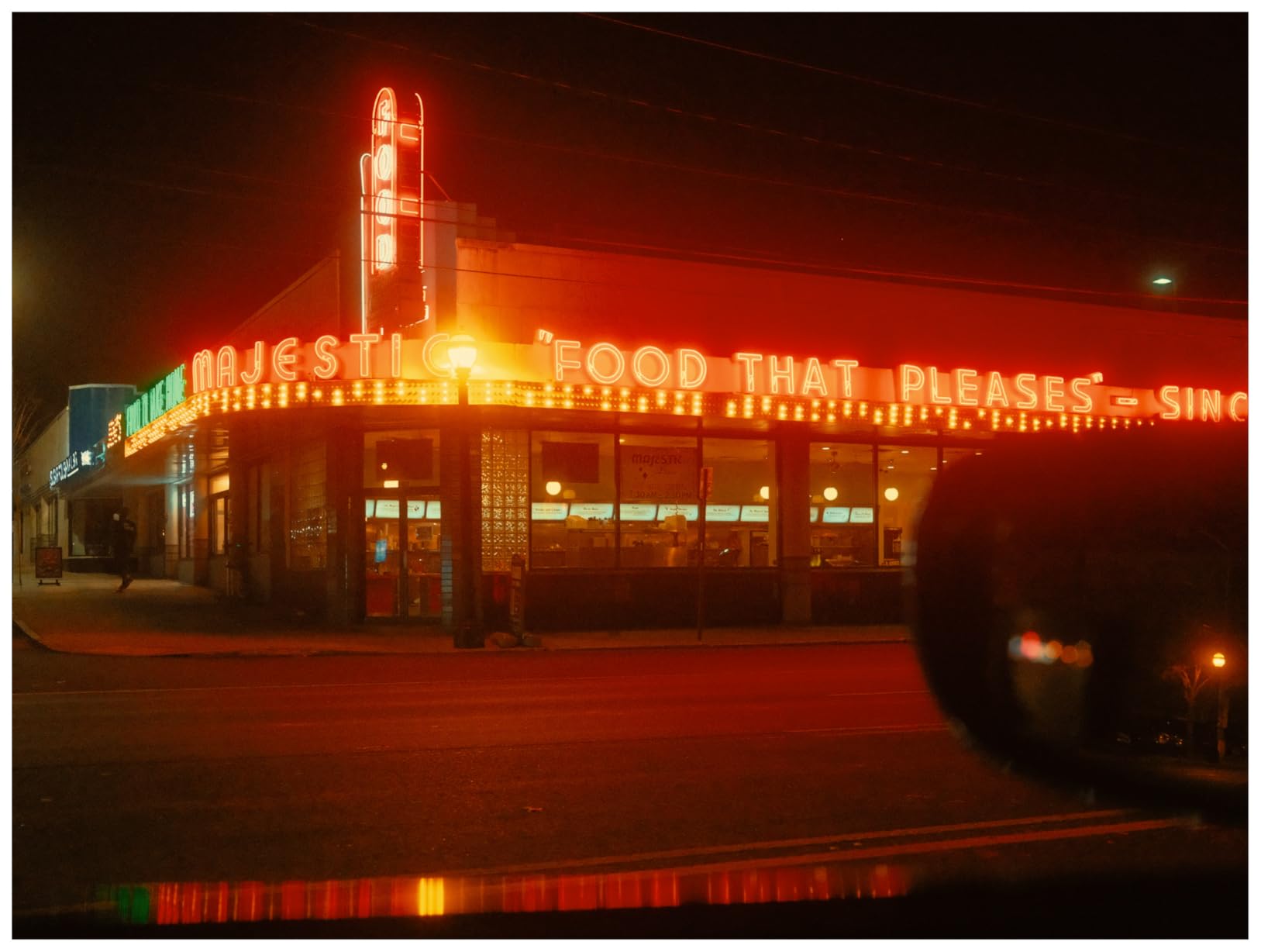
Autofocus is the big leap forward on this body. It uses deep-learning subject recognition with 425 hybrid points, and the low-light tracking is markedly better than earlier X100 bodies, which is exactly what a night street walk needs.
Video is class-leading for a compact, with 6.2K/30P and 4K/60P internal capture and a 1/32000 second shutter. The self-cleaning sensor unit is a small quality-of-life addition that matters if you shoot in dusty cities.
Where the X100VI fits a street routine
It suits a slower, deliberate style. Dial-based controls mean shutter, aperture and exposure compensation are always in your hands, which suits a photographer who pre-focuses and waits rather than chases.
For portraits and layered street scenes the 35mm equivalent is a natural fit, and the internal ND filter means f/2 in bright daylight without a three-stop loss you have to compensate for.
Where the X100VI is the wrong choice
Size, honestly. At 480 g this is the bulkiest body in the list, and owners on r/fujifilm split sharply over it: some call it the perfect travel camera, others never take it out because it is too large to carry daily.
Owner feedback also carries a 14% share of 1-star reviews, most of them build and quality-control complaints rather than image complaints, so treat the dial action with care. If pocketability is the deciding factor, this is not the body.
4. Canon PowerShot G7 X Mark III Review: Most Versatile for Built-In Flash and JPEGs
Canon PowerShot G7 X Mark III Digital Camera (Black)
20.1MP 1-inch sensor
24-100mm equivalent f/1.8-2.8
13.12 oz
Pros
- Fast constant f/1.8-2.8 zoom in a pocketable body
- Colourful JPEGs reviewers repeatedly praise
- Articulating screen and intuitive Canon menus
- Built-in flash useful for night and event work
Cons
- Video autofocus is a recurring weak point
- 4K clips overheat after about 10 minutes
- Limited dynamic range in bright scenes
The G7 X Mark III wins on practical completeness. With more than a thousand reviews behind it, it is the most thoroughly tested camera in this roundup, and the consensus is that its stills output is excellent for a compact.
Colour is the story here. Canon JPEG rendering is vivid and confident straight out of camera, which matters enormously for street work where you are grading nothing and publishing fast. If you dislike the muted look of a raw file converted on a phone, this is the camera that saves you the step.
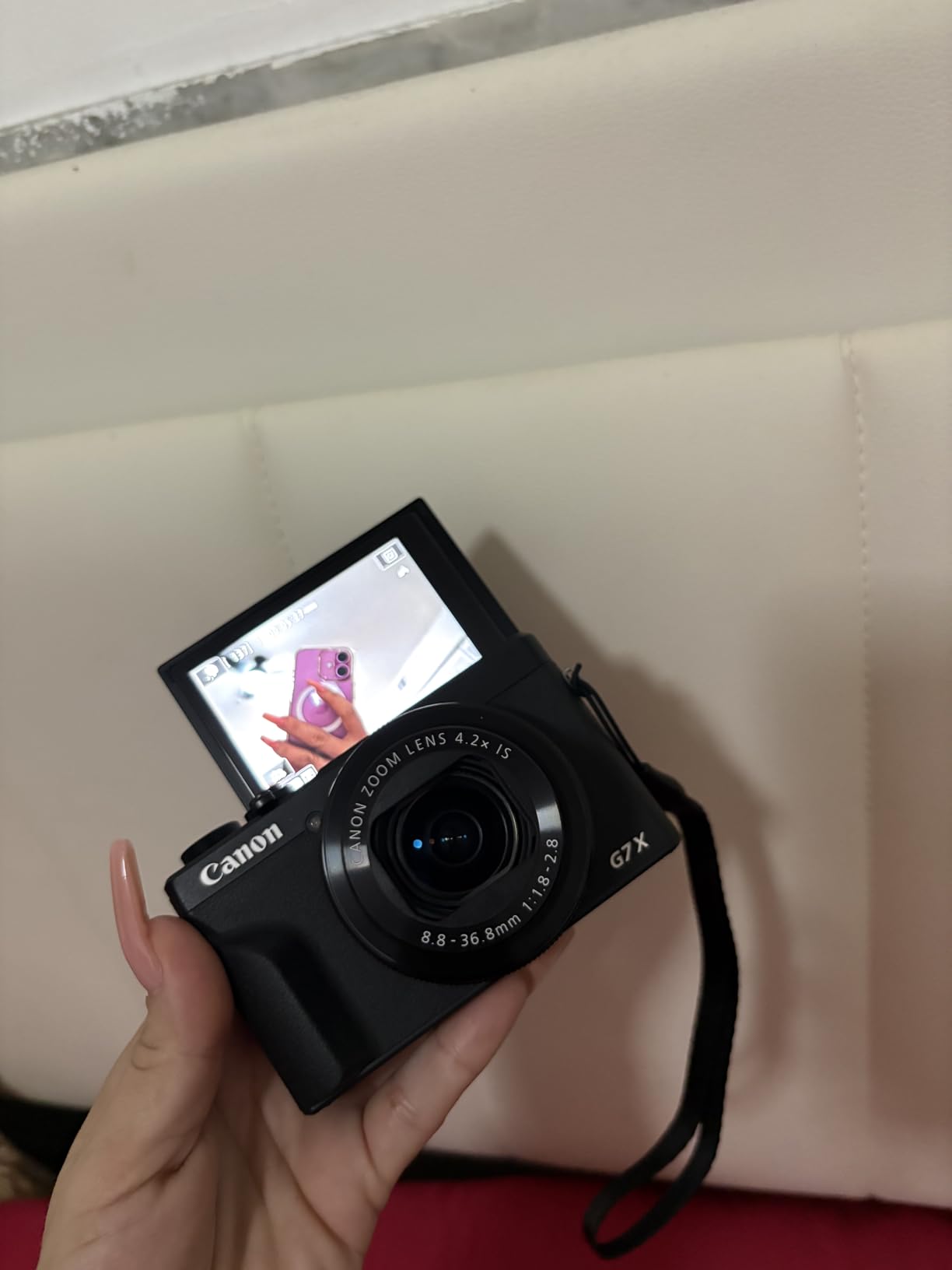
The 24-100mm equivalent f/1.8-2.8 lens keeps a constant maximum aperture across the range, and optical image stabilization handles the long end. Thirty frames per second of continuous shooting gives you a real burst option when a gesture lasts half a second.
The articulating screen is fully tilt-hinged, so low-angle and over-the-shoulder framing both work. Expanded ISO reaches 51200, and the 4K capture is fine for social clips even if it is not the reason to buy this camera.

Where the G7 X Mark III suits street shooters
Night and event work is where the built-in flash turns this from a good camera into a practical one. Fill flash on a backlit subject at f/1.8 rescues a frame that every no-flash compact in this list would have to fight for.
It is also a comfortable carry at 13.12 ounces, and the pocket-fit is real rather than aspirational. Owners often use it as a family and travel camera that happens to be good at street frames.
Where the G7 X Mark III falls short
Video autofocus is the persistent complaint, with soft focus and lost subjects, and 4K clips overheating after roughly ten minutes of continuous recording. A 2019 firmware update improved focus materially but did not close the gap with modern hybrid AF.
Dynamic range is the other limitation. Bright midday scenes with deep shadow give you blown highlights and very dark blacks, and there is no hot shoe if you need a grip or an external mic. Shoot RAW and bracket if the contrast gets extreme.
5. Sony RX100 VII Review: Best for Flexible Framing in a Small Body
Sony RX100 VII Premium Compact Camera 1.0-Type CMOS Sensor Black
20.1MP 1-inch sensor
24-200mm equivalent f/2.8-4.5
275 g
Pros
- Class-leading 24-200mm equivalent zoom in a pocket body
- 0.02 second autofocus with 357 phase-detect points
- 20 fps blackout-free continuous shooting
- AI real-time tracking plus real-time eye AF
- Built-in flash and microphone jack
Cons
- Small sensor limits low light and background separation
- Dense body is less discreet than slimmer compacts
- Menus and button layout are complex for newcomers
The RX100 VII is the zoom answer. An 8x optical range from 24mm to 200mm equivalent in a 275 g body means you can hold one camera for a whole day of walking without thinking about backing up and reframing.
Autofocus speed is the headline number and it is real. A 0.02 second acquisition time, 425 contrast-detection points and 357 phase-detection points make this the fastest-acquiring body in the roundup, and real-time tracking with eye AF will hold a face walking toward you.
Twenty frames per second with blackout-free continuous shooting means a decisive moment is not a single dice roll. Add a flash, a microphone jack and S-Log3 recording and it doubles as a competent hybrid video camera.
The pop-up electronic viewfinder reaches 0.59x magnification on a 921,600 dot display, which is bright enough for daylight framing and keeps the camera at a low, discreet angle while shooting.

Where the RX100 VII is the right tool
It is for the photographer who cannot commit to one focal length. Events, markets, and long walks where a subject can be either intimate or far away are exactly what an 8x zoom is for.
Owners repeatedly recommend it for light travel, and the fast AF makes it the least frustrating body here for shooting people who are moving toward you in poor light.
Where the RX100 VII is the wrong tool
The aperture closes as you extend, and a 1-inch sensor at the long end in low light is where images get soft and noisy. Older RX100 models with faster f/1.8-2.8 lenses are still preferred by owners for pure night work.
The body is also dense enough to read as a camera rather than a phone, and the menu system is punishing for a first-time camera owner. A 12% share of 1-star reviews reflects reliability and complexity complaints, so buy with a card and a spare battery mindset.
6. OM System E-M10 Mark IV Review: Best for Steady Low-Light Work
OM SYSTEM Olympus E-M10 Mark IV Silver Micro Four Thirds System Camera M.Zuiko Digital ED 14-42mm F3.5-5.6 EZ kit 20MP Sensor 5-Axis Image Stabilization 4K Video Wi-Fi
20MP Micro Four Thirds sensor
5-axis IBIS to 4.5 stops
14-42mm f/3.5-5.6 kit lens
Pros
- In-body 5-axis stabilization compensating 4.5 shutter stops
- Ultracompact and light body for everyday carry
- 16 art filters including the Instant Film look
- Flip-down monitor with an automatic selfie mode
Cons
- Micro Four Thirds sensor limits low light and dynamic range
- Bundled 14-42mm is slow at f/3.5-5.6
- Contrast-detection AF with no meaningful tracking
This is the stabilization pick. Five-axis in-body stabilization compensating up to 4.5 shutter stops is rare in a body this small, and it changes what you can photograph after dark without a tripod.
Where the ZV-1 needs ISO 3200 and clean-up, the E-M10 Mark IV can sit at 1/15 second and let stabilization do the work, which is a real advantage when your subject is moving slowly or sitting still in an alley.

It is an ultracompact body, and the bundled M.Zuiko 14-42mm f/3.5-5.6 EZ retracts into it, so the whole kit is genuinely small. Fifteen frames per second and a 1/16000 second top shutter cover both street bursts and bright daylight.
The 16 art filters, including the Instant Film look, are an underrated reason people like this camera for street. A JPEG straight out of the camera can carry a look that makes the frame feel considered rather than processed.
Where the E-M10 Mark IV earns its place
Wet weather and cold walks. The 5-axis system means you can work at shutter speeds you would normally dismiss, and a small body plus in-body stabilization is a rare combination under a pound.
It is also the natural upgrade for someone moving from a phone who wants manual dials and manual exposure without carrying a system. Reviews rate it highly for exactly that reason.
Where it is the wrong choice
The kit lens is the limitation. At f/3.5-5.6 it gathers very little light, so the low-light advantage of stabilization is partly spent compensating for a slow aperture.
The sensor is also smaller than every other body in this list, and buyers wanting blurred backgrounds will be disappointed. If you can, budget for a brighter prime; that single lens changes this camera more than any setting does.
7. Nikon Z fc Review: Best for Dial-Based Manual Control
Nikon Z fc with Special Edition Prime Lens | Retro-Inspired Compact mirrorless Stills/Video Camera with Matching 28mm f/2.8 Prime Lens | Nikon USA Model
20.9MP APS-C DX sensor
Includes 28mm f/2.8 prime
273 phase-detect points
Pros
- Retro FM2-style dials for shutter
- ISO and exposure
- Best-in-class eye and face detection autofocus
- 20.9MP DX sensor with EXPEED 6 processing
- Light and compact body with a bright electronic viewfinder
Cons
- Predominantly plastic construction
- Focal point moves unless the touchscreen is disabled
- No in-body stabilization in the body
The Z fc is the enthusiast control pick. Shutter speed, ISO and exposure compensation each have a physical dial on the top plate, and that is the whole argument. Street photographers who shoot deliberately rather than reactively get faster when settings are not behind a menu.
The bundled 28mm f/2.8 NIKKOR Z prime is the correct pairing for street. It gives a natural 28mm equivalent field of view, a usable f/2.8 aperture for low light, and a small physical profile.
Autofocus is the strongest argument after the dials. With 273 phase-detection points and eye detection that owners consistently single out as class-leading, this is the most reliable subject-tracking body in the roundup when light drops.
The 20.9MP DX sensor produces sharp, well-behaved files with good RAW latitude, and the fold-flat vari-angle screen is useful for low angles without adding a hinge to the side of the body.
Where the Z fc works for street work
It suits anyone who wants a small, quiet, deliberate camera with real manual control, and the bright electronic viewfinder at 1.02x magnification makes sunlit framing straightforward.
It also grows with you. Because it takes NIKKOR Z lenses, a 40mm f/2 later turns this into a different street camera entirely, which is the upgrade path owners mention most.
Where the Z fc disappoints
At 1.5 pounds it is not a pocket compact, and the mostly plastic construction does not deliver the tactile feel the FM2 styling promises. Several buyers report that disappointment directly.
There is no in-body stabilization in the body, so it relies on lens VR. The focal point also moves unless you disable the touchscreen, and Bluetooth transfer to a phone is noticeably slow compared with a native app experience.
8. Panasonic Lumix ZS99 Review: Best for Long Reach and Events
Panasonic LUMIX ZS99 Point and Shoot Camera, Digital Camera Compact with 30x Optical Zoom (24-720mm), 4K Video/Photo, Great for Travel and Concerts, Silver
20.3MP sensor
30x 24-720mm equivalent Leica zoom
5-axis hybrid stabilization
Pros
- 30x optical zoom in a genuinely pocketable body
- 5-axis hybrid stabilization keeps handheld zoom shots usable
- 4K 30P video plus 4K PHOTO bursts at 30fps
- 1840k dot tilting touchscreen with USB-C charging
Cons
- Small 1/2.3-inch sensor trails modern phones in low light
- Video quality is described as glitchy
- No hot shoe and an awkwardly placed flash
The ZS99 is the reach pick. A 30x zoom covering 24-720mm equivalent from a body that fits a pocket is not something a phone can do optically, and for a photographer covering an event from the back of a room it changes what is possible.
Five-axis hybrid optical image stabilization compensates across the range, so the long end is more usable than the raw specification suggests. It is still not a substitute for a monopod, but it is a large improvement over hand-holding.

The 1,840k dot tilting touchscreen is unusually sharp for a compact and tilts for low-angle framing. ISO starts at 80, and the 4K PHOTO mode records 30 fps stills bursts from the same 4K sensor readout.
A dedicated send-image button and Bluetooth 5.0 make moving frames to a phone quick, which keeps up with a real street workflow where you post while you walk.

Where the ZS99 is a genuine street companion
Crowded environments are where a long lens earns its place. You can frame a detail across a plaza, a face at the back of a queue, or a gesture at a distance without pushing through, which is itself a discreet way to work.
It is also a strong second body for travel and street combined, since one device covers wide scenes and distant subjects.
Where the ZS99 is the wrong pick
The 1/2.3-inch sensor is an old design, and owners are candid that low-light stills trail what a modern phone produces. If your street work happens after dark, this is the wrong tool.
Video quality is described as glitchy and inconsistent, 4K recording caps around 15 minutes, and the stabilization is questionable at the full 720mm end. The flash position under the shutter button is awkward, and there is no hot shoe.
9. Kodak PIXPRO FZ55-RD Review: Best Value Starter
KODAK PIXPRO FZ55 16MP Compact Digital Camera, 5X Optical Zoom, Red
16MP 1/2.3-inch sensor
5x 28-140mm equivalent zoom
3.7 oz
Pros
- Very light at 3.7 ounces and small enough for a pocket
- 28mm wide-angle start is useful for street and interiors
- Colour and sharpness rated as strong for the class
- Scene modes and exposure compensation ease the learning curve
Cons
- Only 9 autofocus points and no subject tracking
- No built-in viewfinder
- Digital-only stabilization
The FZ55-RD is the honest budget entry. At 3.7 ounces with a 5x optical zoom starting at 28mm equivalent, it does two things a phone does not: it has a real optical lens, and it looks like a camera, which changes how people behave around you.
Daylight JPEG output is where it wins. Owners consistently describe the colour as punchy and the sharpness as better than expected for the tier, and many compare the results favourably to more expensive compacts in good light.

Thirty frames per second of burst is on paper generous, and the SD card slot accepts up to 512GB so a walk does not run out of space. Exposure compensation is exposed directly, which helps more than automatic mode would.
It is a coherent entry point for someone who wants a dedicated camera without a system, and it doubles as a beater you can leave in a bag without thinking about it.

Where the FZ55-RD works for street
Daylight street, markets, and holiday wandering, where the small sensor is not a disadvantage because the light is plentiful. The 28mm wide start handles narrow streets and interiors better than a longer equivalent.
It also makes a good first camera for a child or a relative learning to shoot, because scene modes and face detection handle the basics while the physical zoom ring keeps the process tactile.
Where the FZ55-RD is the wrong camera
Nine autofocus points with no tracking is the decisive limitation. Candid subjects and anything moving will be missed, and slow startup plus slow shot-to-shot recycle frustrates rapid sequences.
Stabilization is digital rather than optical, the video is 1080p only, and the small sensor performs poorly after dark. Treat it as a daylight street camera and it is a good one.
10. Nikon Z 30 Review: Best Lightweight APS-C Starter
Nikon Z 30 with Wide-Angle Zoom Lens | Our most compact, lightweight mirrorless stills/video camera with 16-50mm zoom lens | Nikon USA Model
20.9MP APS-C sensor
16-50mm f/3.5-6.3 kit zoom
12.32 oz
Pros
- Lightest and most compact Nikon Z body at 12.32 ounces
- APS-C 20.9MP sensor with sharp vibrant colour
- Fast hybrid autofocus with eye tracking for people and pets
- Flip-out touchscreen with battery and USB-C charging included
Cons
- No viewfinder at all
- No in-body stabilization
- Kit 16-50mm f/3.5-6.3 is slow
The Z 30 is the lightest APS-C body here, and that matters more than the spec sheet suggests. Street work is a physical activity, and a camera you are willing to carry at 12.32 ounces is a camera you will actually use.
The 20.9MP APS-C sensor produces sharp, vibrant, well-behaved files with more latitude than any 1-inch body in this list, and 11 fps continuous shooting with eye tracking for people and pets gives you usable subject acquisition.
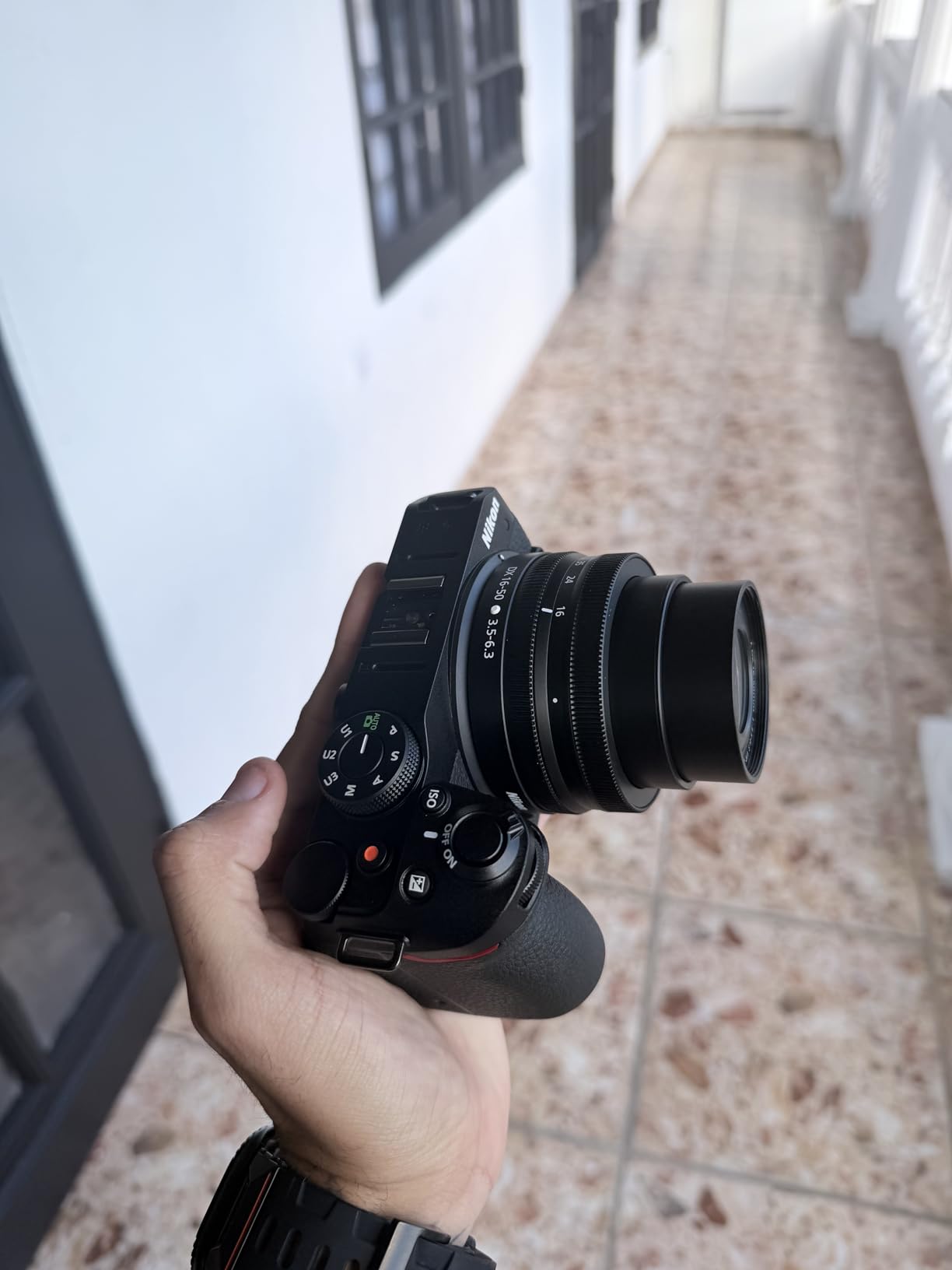
It records 4K at 30p with no recording time limit according to owners, which distinguishes it from bodies that overheat. The flip-out touchscreen and built-in stereo microphone make it a genuine hybrid if your street work turns into video.
Because it uses NIKKOR Z lenses, this is a growth path rather than a closed system. A compact 28mm or 40mm f/2 later turns it into a real street camera.
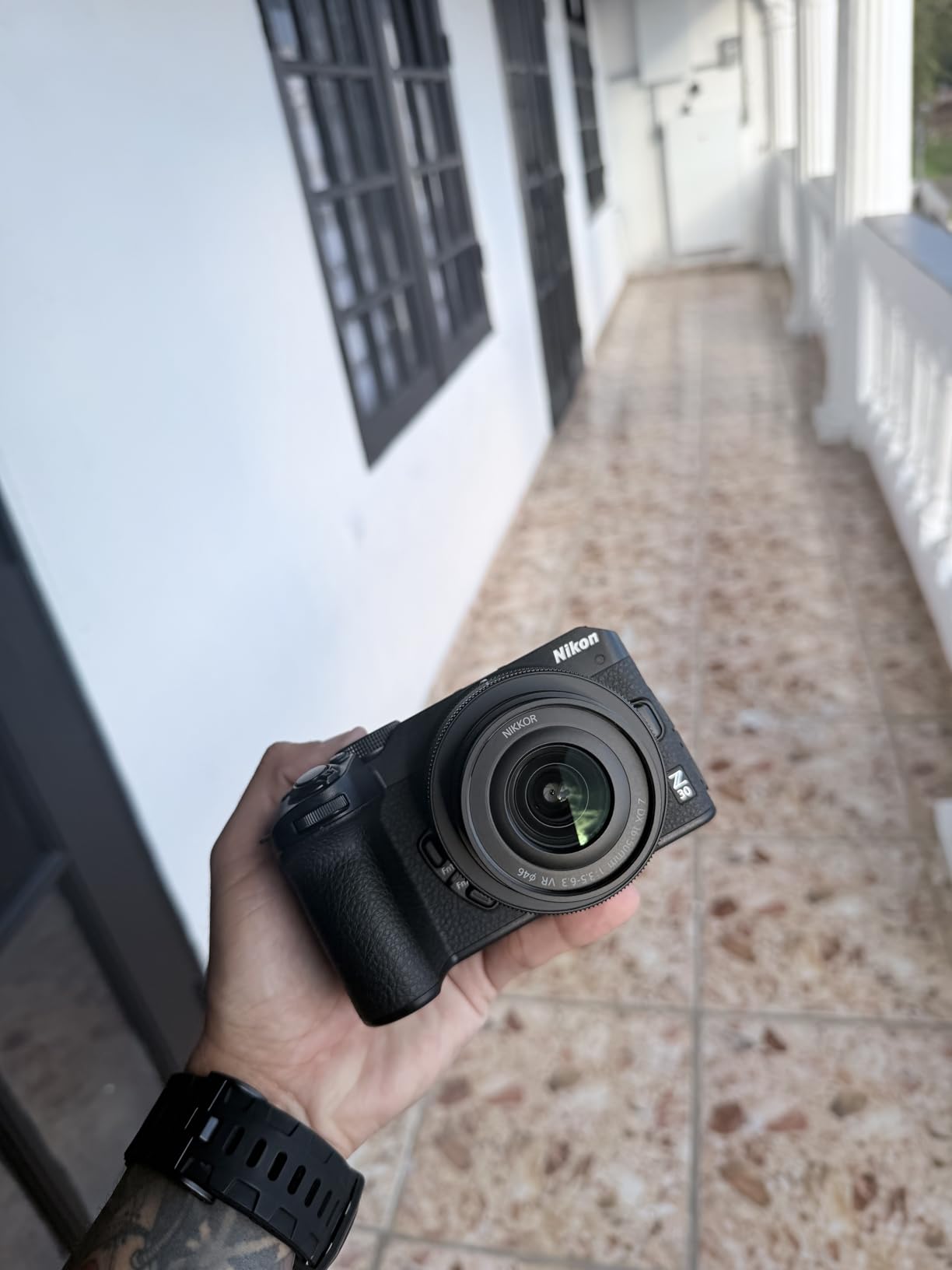
Where the Z 30 suits street shooters
It is the natural first interchangeable-lens street camera. APS-C gives you the file quality for print or heavy cropping, and the whole body plus kit lens is light enough for a long walk.
Owners who adapt to the screen-only framing report missing the viewfinder far less than they expected, particularly when the flip-out screen lets you shoot from low or unusual angles.
Where the Z 30 falls short
No viewfinder at all is the biggest constraint, and it hurts in bright daylight when a raised screen announces what you are doing. Many street shooters consider a finder a dealbreaker for that reason.
The kit 16-50mm f/3.5-6.3 is slow, which limits low light and background separation, and there is no in-body stabilization. The button and menu layout also has a steep learning curve, and the body is not weather-sealed.
11. Nikon Z 5 Review: Best Full-Frame Quality, Needs a Street Lens
Nikon Z 5 | Our Most Compact Full-Frame mirrorless Stills/Video Camera | Nikon USA Model
24.3MP full-frame sensor
5-axis in-body stabilization
1.3 lb body
Pros
- 24.3MP full-frame sensor with excellent dynamic range
- Reliable eye-detection autofocus for people and pets
- 5-axis stabilization for slower handheld shutter speeds
- Dual SD card slots
- Most compact and lightest full-frame Z body
Cons
- Not truly pocketable
- 4.5 fps burst rate is slow for candid sequences
- Needs a separate compact prime for street work
Nothing else here matches the Z 5 for raw capability. A 24.3MP full-frame sensor with excellent dynamic range means you can expose for a bright sky and still recover a silhouette, which is the single most valuable thing in night street work.
Eye-detection autofocus locks onto people, dogs and cats and tracks them, and 5-axis in-body stabilization lets you work at shutter speeds that would otherwise demand a tripod. The 1.3 pound body is also the lightest full-frame Nikon makes.
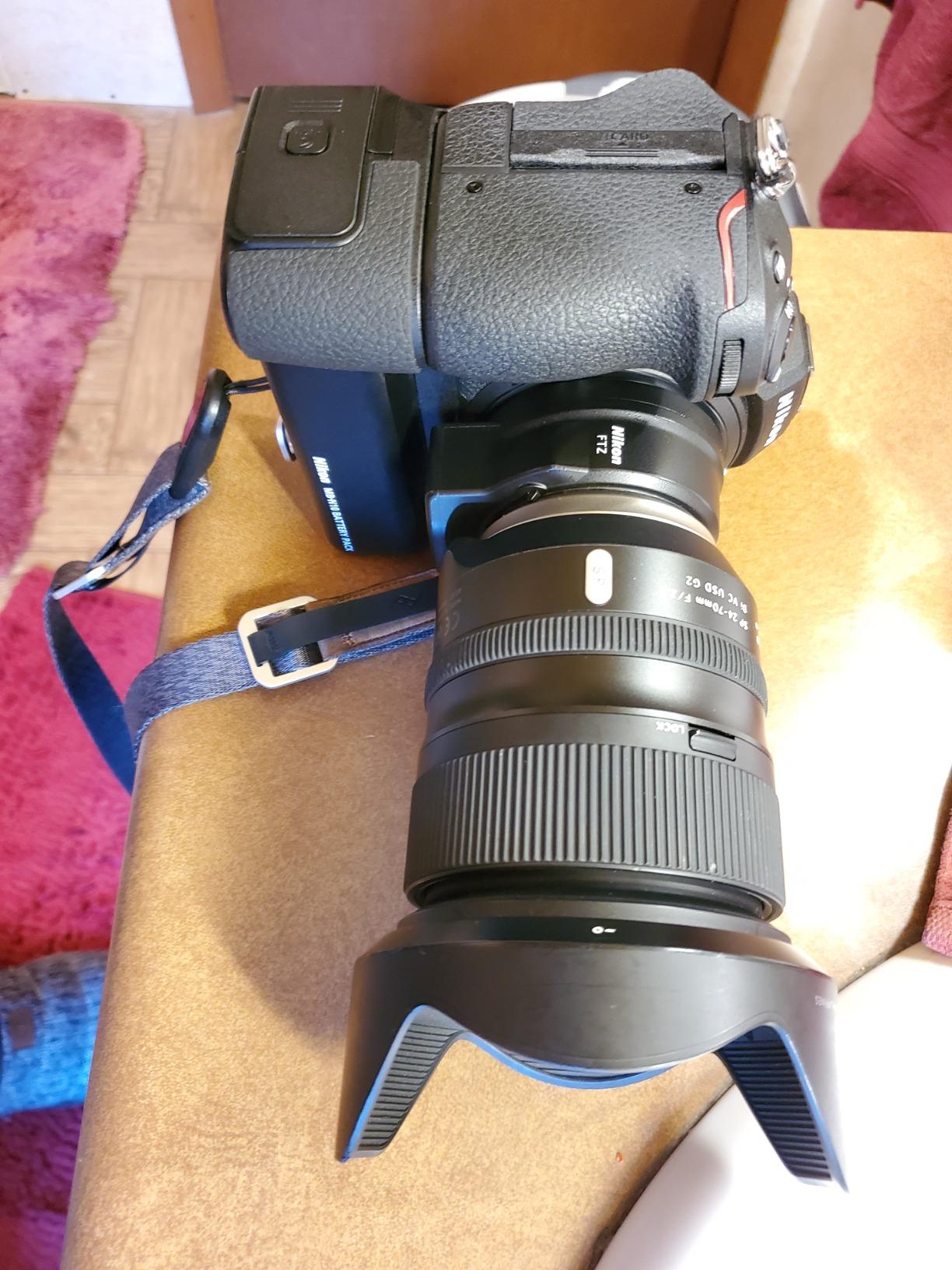
At ISO 50 base you gain a stop of latitude at the top end too, and dual SD card slots let you mirror files as a safety net during a paid or unrepeatable assignment.
The framing excuse is the viewfinder. A 0.8x electronic finder on a 2,100,000 dot tilting screen means bright-light framing is never a struggle, and 4K 30p plus USB power delivery extend its life as a hybrid.

When the full-frame route is right for street
It is right when you already own a compact prime, particularly a 40mm f/2, which gives a natural street perspective and a fast aperture for separation. Owners consistently pair this body that way.
It is also right if the plan is to grow into a system. Every NIKKOR Z lens is available, so a single body covers street today and documentary work later.
When the full-frame route is wrong
Even Nikon’s lightest full-frame is bulkier than a true pocket compact, and that defeats the discretion that street work depends on. If your camera is visible from three paces, people perform.
The 4.5 fps burst is slow for decisive candid sequences, entry-level high-ISO files are noisier than higher-tier bodies, and 4K recording is limited to about 30 minutes. This is a second body, not an only body.
12. Kodak PIXPRO FZ45 Review: Best Novice Digicam
KODAK PIXPRO FZ45 16MP Compact Digital Camera, 4X Optical Zoom, AA, Black
16MP 1/2.3-inch sensor
4x 27-108mm equivalent zoom
4.1 oz
Pros
- Light 4.1-ounce body that fits a small bag
- Optical viewfinder plus 2.7-inch LCD for bright conditions
- 4x optical zoom with a 27mm wide-angle start
- AA batteries give roughly 1000 shots per pair
Cons
- Reliability complaints including stalls and flash failures
- Only 9 autofocus points and no tracking
- Slow 5 to 10 second restart and recycle
The FZ45 is the lowest-cost way to find out whether you enjoy carrying a camera. At 4.1 ounces with a retro-styled body, it produces crisp, colourful, vibrant JPEGs in daylight and transfers them to a phone easily.
The 27mm equivalent wide start is a sensible street framing, and unlike several cameras on this list it has a genuine optical viewfinder alongside the 2.7-inch LCD, which helps in bright conditions.

AA battery power is genuinely convenient. Owners cite roughly 1000 shots per pair and no charging downtime, which matters for a long walk or a trip where a dead battery ends the day.
SD cards go up to 512GB, so storage is not a constraint once you buy a card, which you have to do separately since none is included.
Where the FZ45 makes sense
It suits a beginner, a child learning to photograph, or anyone who wants a camera in a bag as a backup. The scene modes, face detection and exposure compensation make it approachable without being fiddly.
As a novelty digicam for daylight wandering, with 4x optical zoom and a viewfinder, it does the job at a fraction of the cost of anything else here.
Where the FZ45 is the wrong camera
Reliability is the headline complaint across owner reviews, with reports of random stalls, flash failures, dark exposures and freezing. It also has the lowest average rating of the twelve on this page.
Nine autofocus points with no tracking means candid and moving subjects will be missed, restart times of 5 to 10 seconds make rapid sequences painful, and the 1080p video is not worth using. Buy fresh alkaline batteries, because the supplied ones are often weak.
How to Choose a Compact Camera for Street Photography
Street photography is unusual among the genres because the camera is judged on behaviour, not on output alone. A body that produces beautiful files but announces itself, wakes slowly, or hunts for focus in a dim side street will get you fewer of the frames you went out for.
How we picked
Our criteria, applied in this order:
Discreet dimensions, with a body light enough to carry every day rather than only on good days.
A fixed 28mm to 40mm equivalent, or a short zoom that covers that range, because that focal band matches human perspective.
A genuinely silent electronic shutter, since the shutter sound is what people react to.
Fast, reliable autofocus that acquires a moving person without a visible hunt.
Usable high ISO and, ideally, in-body stabilization for low light.
A viewfinder or a good reason not to need one, plus controls you can change without a menu.
Owner reports from forums and long-term users, weighted above review scores.
Focal length by scenario
28mm equivalent is the cramped-street choice. It gives you room in a narrow lane and lets you get close to a subject without backing into a wall. 35mm equivalent is the classic balance, close to how the eye sees and forgiving of most scenes. 40mm equivalent is the portrait and layers choice, because you stand further back, which is less intrusive to the people in front of you.
That is the entire argument for the GR IIIx existing alongside a 28mm compact, and why several cameras here offer digital crop modes to reach 50mm and beyond from a single prime. If travel weight rather than focal band is your constraint, our best compact cameras for travel guide compares the same class on packability instead.
Zone focusing and Snap Focus
Zone focusing means setting a distance band and trusting it, instead of focusing on every frame. On a 28mm lens set to f/5.6 the in-focus zone is wide enough that anything from roughly a metre to infinity is acceptable, so you lift the camera, take the frame, and keep walking.
Ricoh’s Snap Focus automates the same idea, so you can pre-set a snap distance and shoot without touching the focus ring. It is the single most useful street feature on any camera in this roundup, and it is why so many owners carry a GR specifically.
Silent shutter, viewfinder and startup
A leaf-shutter electronic shutter is silent at any speed, which no mechanical shutter with an anti-shake mechanism can promise. But a silent shutter with a slow startup still fails, so we weighted startup time heavily, and the Ricoh GR IIIx quoting roughly 0.8 seconds is a genuine street advantage.
A viewfinder is the most debated feature in forums. It lets you frame at chest height, out of peripheral vision, which is far less obvious than raising a screen. If you shoot in bright sun or crowds, take one with a finder.
Compact versus mirrorless for street
The advantage of a compact is that nothing can be changed by accident. A fixed prime, a simple mode dial, and no menus between you and the frame means fewer decisions in the moment. The advantage of a small mirrorless body is that you can fit a lens to the scene and get a viewfinder and stabilization.
A DPReview forum thread on this subject recommends a fast wide prime on a Micro Four Thirds body for street because the smaller system is less noticeable, which is the mirrorless argument at its most street-specific. If your subject matter moves at distance rather than at close range, our mirrorless camera picks for wildlife cover the tracking-heavy end of the market.
Smartphone versus compact, and is photographing strangers legal
A phone is genuinely enough for daylight, wide-angle, straight-down-the-bar street work where the moment is in front of you. It stops being enough when you need reach, a viewfinder, or file quality you can print, and when a dedicated camera changes how people around you behave.
On legality, in most jurisdictions you may photograph people in public places where there is no reasonable expectation of privacy, and you do not need a permit. That does not mean you should. Avoid photographing inside private spaces, be discreet about close portraits of individuals, and follow local rules if you are working as a photojournalist. If someone asks you to stop, stop.
What stayed off the list and why
Leica Q3 and Ricoh GR IV models did not make our list because they were not in the analyzed product set, and we will not recommend a body we have not handled. We also left out the Canon Rebel T7 as a budget-first recommendation, since a DSLR-shaped body with a kit lens undermines discretion. Reviewers also tend to over-rate the first-generation GR Digital bodies for build while under-rating their autofocus, and the VJIANGER-class ultra-budget cameras are novelty items rather than street tools.
Frequently Asked Questions
What is the best compact camera for street photography?
The Sony ZV-1 is our pick, because a 1-inch 20.1MP sensor, a bright 24-70mm equivalent f/1.8-2.8 Zeiss lens and real-time eye AF in a 294 g body cover street situations from wide scenes to tight portraits. The Ricoh GR IIIx wins on discretion and the Fujifilm X100VI wins on film simulations.
Which Ricoh camera is best for street photography?
It depends on the focal length you want rather than the generation. A 28mm equivalent body is more discreet in cramped streets, a 40mm equivalent body gets you closer to faces and layers with less intrusion, and the 40mm variant in particular is widely praised for its always-ready pocketability and roughly 0.8 second startup.
What is the best affordable camera for street photography?
The OM System E-M10 Mark IV and the Nikon Z fc are the strongest entry points, with in-body stabilization or bundled prime lens respectively. At the very bottom tier the Kodak PIXPRO FZ55-RD handles daylight street work well, but its 9-point autofocus and small sensor limit it after dark.
What is the best focus mode for street photography?
Zone focusing is the most reliable method, because you pre-set a distance band and shoot without focusing each frame. On a 28mm lens at f/5.6 anything from about a metre to infinity is acceptably sharp. Ricoh’s Snap Focus automates the same idea, and continuous AF with subject tracking is best when people are moving toward you.
Is it legal to photograph people on the street?
In most places, yes. Public space generally has no reasonable expectation of privacy, so no permit is required, but private interiors, restricted spaces and some countries differ. Being discreet about close portraits and stopping immediately if someone asks is the practical standard regardless of what the law allows.
Do I need in-body stabilization for street photography?
Only if you shoot in low light or at slow shutter speeds, since most daylight street frames are taken fast enough not to need it. A system offering 4.5 to 6 stops of stabilization lets you work at shutter speeds that would otherwise blur, which matters most when your subject is moving slowly rather than walking quickly.
Final Verdict
For most people reading this, the Sony ZV-1 is the best compact camera for street photography in 2026. It is the only body in the roundup that is genuinely good at wide scenes, medium distances and close portraits without changing anything, and its 294 g weight and eye-tracking autofocus make it the least tiring to carry for a full day.
If discretion rules, buy the Ricoh GR IIIx and learn zone focusing. If you want the viewfinder, the dials and film simulations, the Fujifilm X100VI is the deliberate choice, accepting the bulk. If night work is your thing, the OM System E-M10 Mark IV and the Nikon Z 5 are where the light-gathering wins happen, and if your budget is small, the Kodak PIXPRO FZ55-RD will teach you more about framing than it costs.
Whichever you pick, set the zone focus, dial in a silent shutter, and go out at the same time tomorrow.