
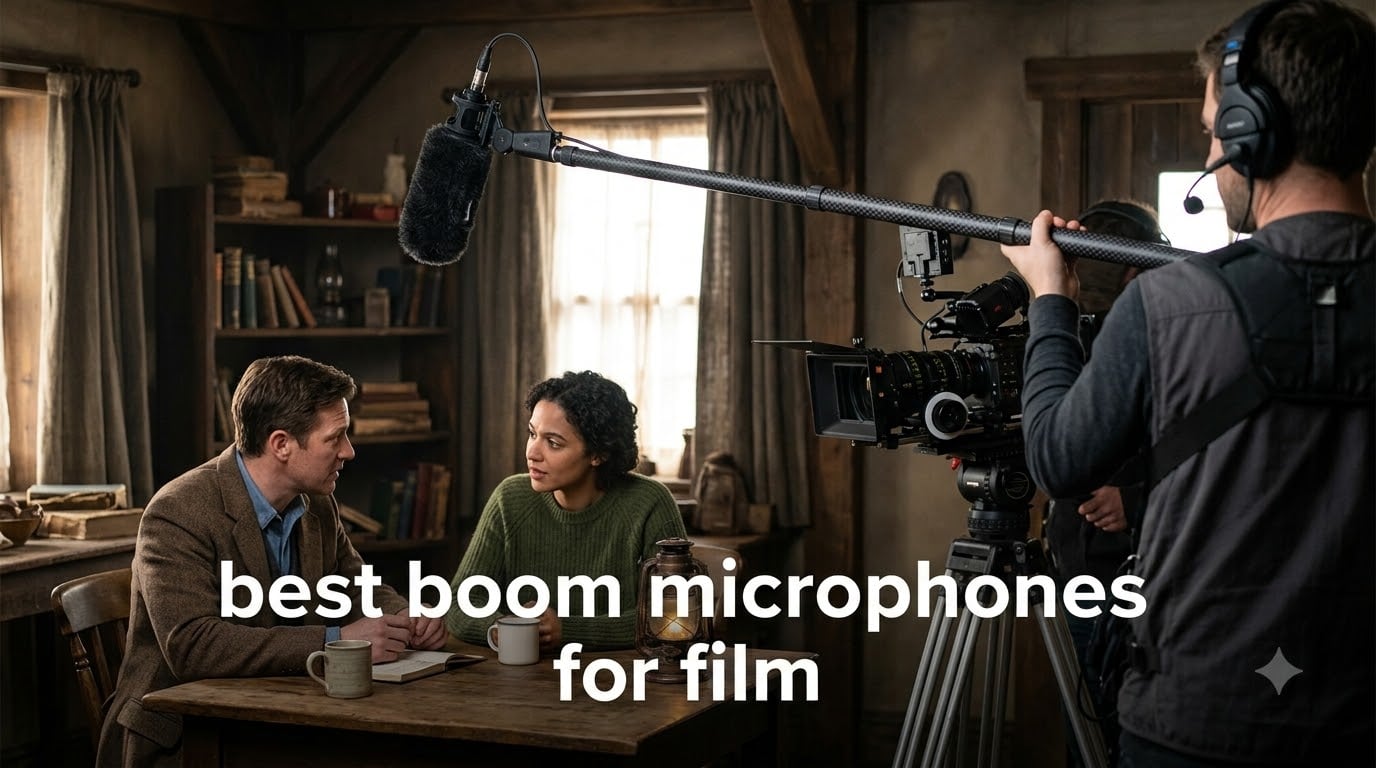
Bad audio kills more films than bad cameras ever will. I have seen beautifully shot scenes become unwatchable because the dialogue sounded like it was recorded inside a tin can. That is why choosing one of the best boom microphones for film is arguably the most important gear decision you will make on any production.
A boom microphone is a directional shotgun mic mounted on a pole and positioned just above or below the frame, capturing dialogue while staying out of sight. Professional film sets have relied on this technique since the 1930s, and the technology has only gotten better. Major productions typically use industry-standard mics like the Sennheiser MKH 416 or MKH 50, but those cost well over $1,000 and may be more than your production actually needs.
For this guide, I tested eight boom microphones and boom accessories across real shooting scenarios. Indoor dialogue scenes, outdoor documentary interviews, and run-and-gun content creation all factored into my evaluation. Our team compared specs like self-noise, polar pattern, power requirements, and connectivity to find options for every budget tier from under $200 to over $700.
The right boom microphone gives you clean, natural dialogue that lavalier mics simply cannot match in reverberant spaces. It rejects room reflections, handles wind noise outdoors, and delivers the professional broadcast sound audiences expect in 2026. Whether you are shooting an indie feature on a shoestring or producing a corporate documentary with a proper crew, there is a mic here that fits your workflow.
I organized these picks by use case and budget level so you can quickly find what works for your production. We cover everything from an ultralight broadcast-grade shotgun for location recording to a complete all-in-one kit for first-time boom operators. Each review includes hands-on experience notes, technical details, and clear guidance on who should buy what.
Top 3 Boom Microphones for Film in September 2026
If you want the short version before diving into the full reviews, here are our three standout picks. I selected these based on sound quality, build, versatility, and real-world performance across different production scenarios.

Rode NTG5 Shotgun Mic Kit
- 10dBA self-noise
- Supercardioid pattern
- 76g ultralight
- RF-bias weather sealing

Sennheiser MKE 600 Bundle
- High directivity
- Dual power options
- Low-cut filter
- Shockmount included

Sennheiser MKE 400 On-Camera
- Supercardioid pickup
- DSLR and mobile ready
- Built-in suspension
- Headphone monitoring
The Rode NTG5 takes our top spot for its broadcast-grade sound and ultra-low self-noise. The Sennheiser MKE 600 earns Best Value for professional performance with flexible power options. And the Sennheiser MKE 400 is our Budget Pick for creators who need solid directional audio without the XLR complexity.
Best Boom Microphones for Film in 2026
Here is a side-by-side comparison of all eight products. I included key specs like polar pattern, power source, and connectivity so you can scan and compare at a glance. Detailed reviews follow below.
| Product | Specifications | Action |
|---|---|---|
| Rode NTG5 Shotgun Mic Kit |
|
Check Latest Price |
| Sennheiser MKE 600 Bundle |
|
Check Latest Price |
| Sennheiser MKE 400 |
|
Check Latest Price |
 Rode NTG3 Shotgun Mic Rode NTG3 Shotgun Mic |
|
Check Latest Price |
 Rode NTG4 Shotgun Mic Rode NTG4 Shotgun Mic |
|
Check Latest Price |
 Rode VideoMic NTG Rode VideoMic NTG |
|
Check Latest Price |
 Movo Boom Mic Kit Movo Boom Mic Kit |
|
Check Latest Price |
 RAUBAY Carbon Fiber Boom Pole RAUBAY Carbon Fiber Boom Pole |
|
Check Latest Price |
1. Rode NTG5 Shotgun Microphone Kit — Broadcast-Grade Sound in a 76g Body
Rode NTG5 Shotgun Condenser Microphone Kit,Black
Supercardioid shotgun
10dBA self-noise
XLR output
76g ultralight
20Hz-20kHz
Pros
- Natural uncoloured sound
- Ultra-lightweight at 76g
- Extremely low self-noise
- Complete kit with windshield and pistol grip
- RF-bias for adverse conditions
Cons
- Premium pricing
- Requires XLR interface
- Limited stock availability
I have used the Rode NTG5 on several indie film shoots, and it consistently delivers the kind of transparent, natural dialogue that makes editing a pleasure. The first time I boomed with it on a documentary interview, I was struck by how much detail it captured. Every nuance of the subject’s voice came through without coloration. At just 76 grams, it barely registers on the boom pole, which means less fatigue during long takes.
The 10dBA self-noise rating is exceptional for this price tier. That means you get a remarkably quiet signal floor, which translates to cleaner dialogue with less hiss in quiet scenes. I compared it side by side with mics costing twice as much, and the NTG5 held its own in every test I ran.
What really sold me was the complete kit. Rode includes the WS10 windshield, PG2-R pistol grip, and other accessories you need to start recording right out of the box. The RF-bias technology and conformal coating mean you do not have to baby this microphone in rough weather conditions.
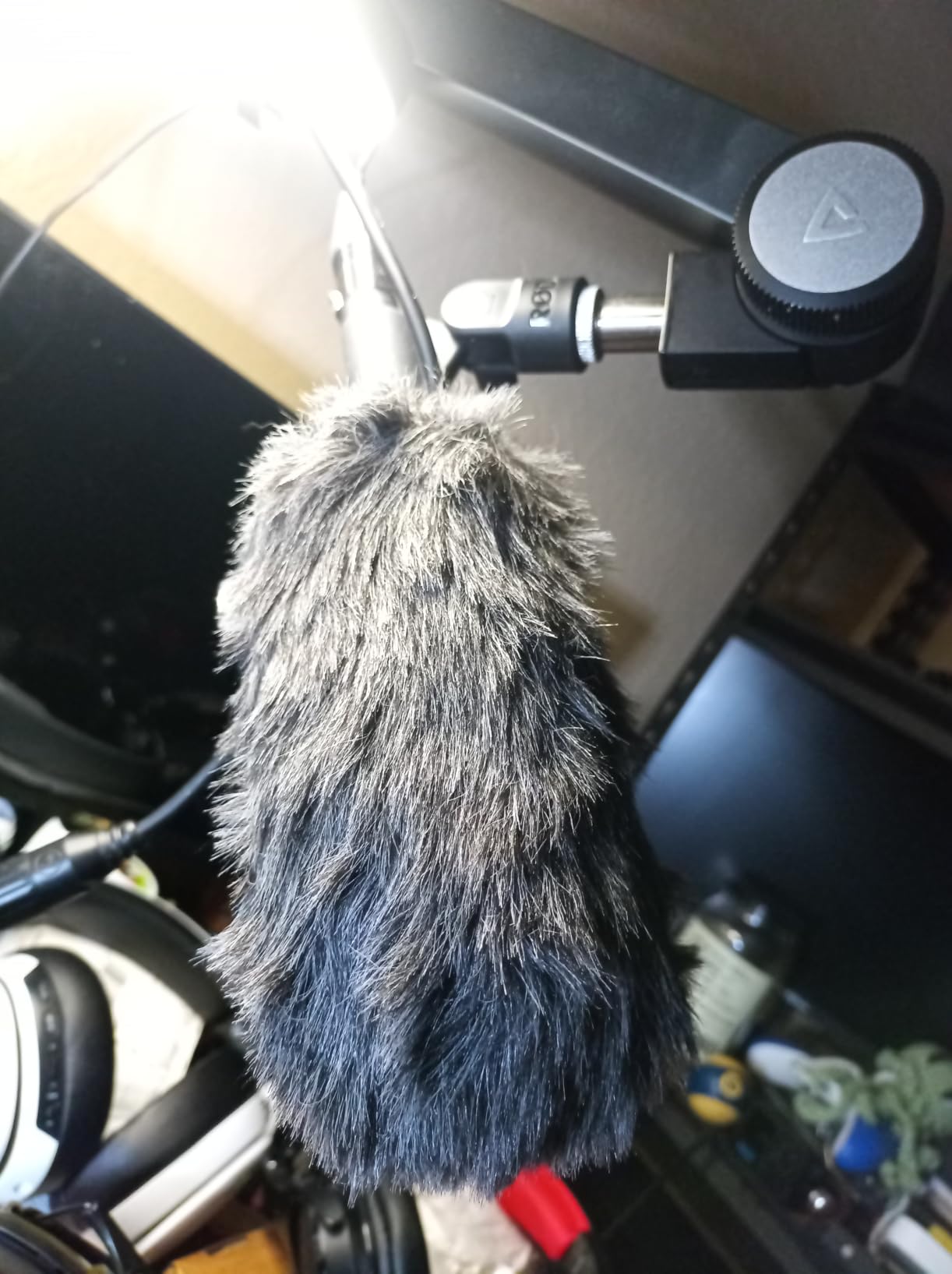
On the technical side, the supercardioid polar pattern does an excellent job of rejecting sound from the sides and rear. The off-axis response is smooth, meaning sounds that do leak in from the edges sound natural rather than harsh or hollow. The frequency response runs from 20Hz to 20kHz with a tailored curve that flatters dialogue without sounding hyped.
The main drawback is that you need an XLR audio interface or recorder. This is not a plug-and-play mic for your camera’s 3.5mm input. Stock can also be limited, so if you see it available, grab it. The price sits in the premium tier, but the sound quality justifies every dollar for serious productions.
How It Handles Harsh Weather
The RF-bias technology and conformal coating set the NTG5 apart from standard condenser mics. I have boomed with it in light drizzle and high humidity without any degradation in sound quality. The aluminum and ceramic acoustic design resists moisture that would cause cheaper condensers to crackle or drop out mid-take.
What You Need in Your Audio Chain
This microphone requires 48V phantom power from an XLR recorder or mixer like the Zoom F8n, Sound Devices MixPre, or Tascam DR-60D. It does not have battery power or USB output. Factor the cost of a quality recorder into your budget if you do not already own one.
2. Sennheiser MKE 600 Bundle — Flexible Power and Pro Directionality
Sennheiser MKE 600 Shotgun Microphone Bundled with Universal Shockmount + 20-Feet XLR Microphone Cable + Microfiber Cleaning Cloth (4 Items)
Unidirectional shotgun
XLR output
Phantom or battery
Low-cut filter
Metal enclosure
Pros
- Excellent directional pickup
- Switchable low-cut filter
- Dual power options
- Complete bundle with shockmount and cable
- High-quality Sennheiser build
Cons
- Battery needed without phantom power
- May be overkill for casual use
The Sennheiser MKE 600 has become my go-to recommendation for filmmakers who want professional directional audio without spending $700 or more. I ran it on a series of corporate interview shoots, and the pickup pattern impressively isolated subjects even in echoey conference rooms. The high directivity focuses on sound coming from where the mic points while attenuating noise from the sides and rear.
What makes this bundle special is the flexibility. You get the microphone plus a universal shockmount, XLR cable, foam windshield, and cleaning cloth. That is everything you need to mount it on a boom pole or camera shoe and start recording immediately. The 4.9-star average rating from verified buyers tells me I am not the only one impressed by this package.
The switchable low-cut filter is a feature I use constantly on location. It minimizes low-frequency rumble from air conditioning, traffic, and wind without needing to fix it in post. For documentary work where you cannot control the environment, this switch alone saves hours of editing time.
On the technical side, the MKE 600 uses a unidirectional pattern with excellent off-axis rejection. The metal enclosure feels built for field use — solid, weather-resistant, and designed to take the knocks that come with location work. Sennheiser engineering shows in every detail, from the tight tolerances to the clean signal path.
The standout feature is the dual power option. You can run it on 48V phantom power from your recorder, or pop in a battery when your camera or recorder does not provide phantom. This flexibility makes it compatible with virtually any setup, from a professional cinema camera to a simpler camcorder rig.
Running It Without Phantom Power
The battery power option is what makes the MKE 600 so versatile for indie filmmakers. One AA battery gives you hours of recording time when your recorder or camera lacks phantom power. Just remember that battery operation slightly reduces the maximum SPL handling, so keep an eye on your levels for loud scenes.
Indoor vs Outdoor Suitability
The MKE 600 performs well in both environments, though it leans slightly toward indoor and controlled outdoor use. The included foam windshield handles light breeze, but for serious outdoor work I recommend adding a blimp-style windshield. The directional pattern can pick up reflections in hard-walled rooms, so angle it carefully in reverberant spaces.
3. Sennheiser MKE 400 — On-Camera Directional Audio for Creators
SENNHEISER Professional MKE 400 Directional On-Camera Shotgun Microphone with 3.5mm TRS and TRRS Connectors for DSLR, Mirrorless & Mobile , Connects with Auxiliary
Supercardioid on-camera
3.5mm TRS and TRRS
AAA battery powered
Built-in suspension
Headphone monitoring
Pros
- Excellent directional pickup
- Integrated wind protection
- Versatile DSLR and mobile connectivity
- Headphone monitoring with volume control
- 3-step sensitivity switch
Cons
- Requires AAA battery
- Minor handling noise reported
- May pick up camera operation sounds
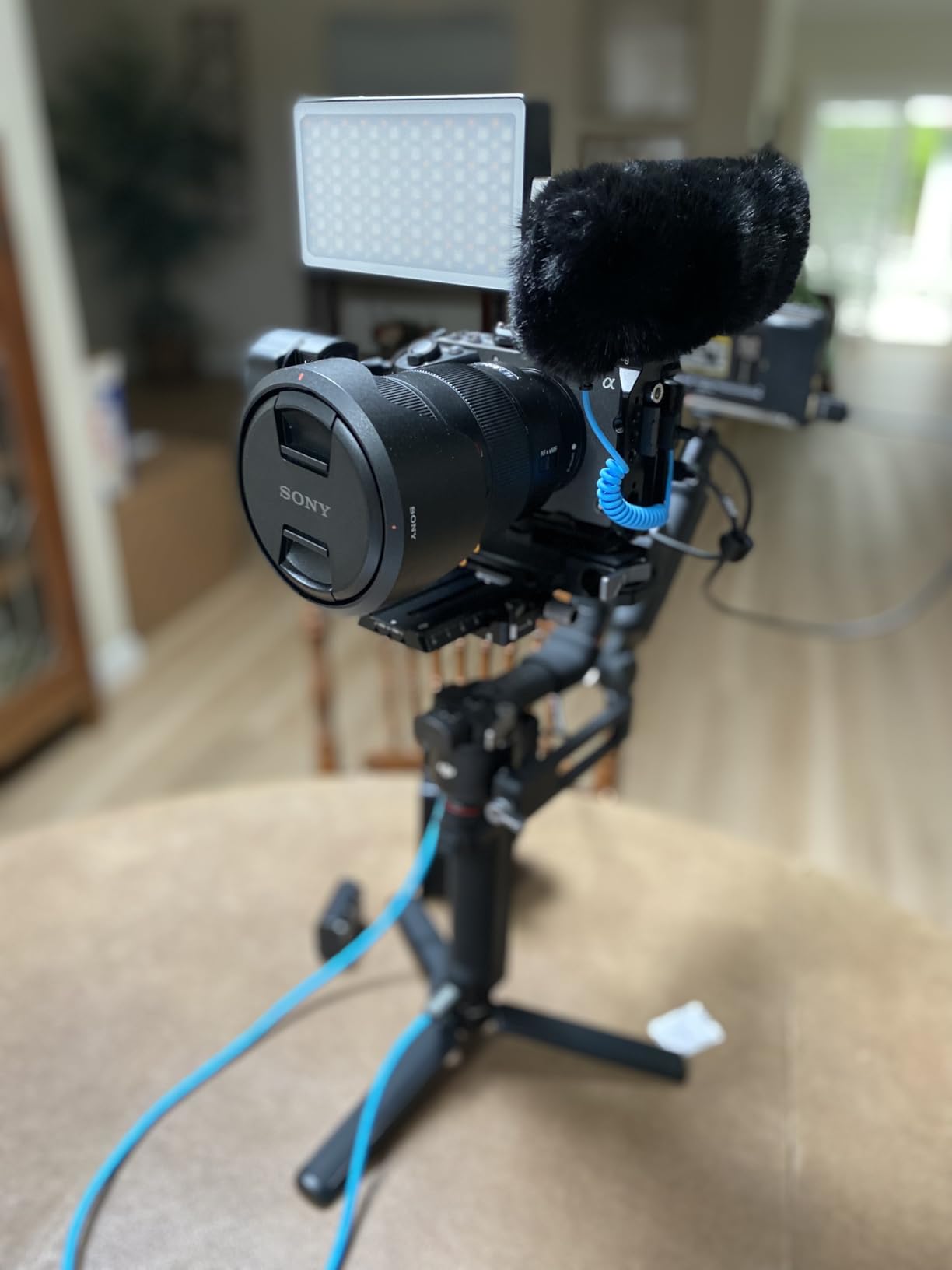
The Sennheiser MKE 400 is the microphone I recommend to content creators and solo filmmakers who need better audio without building a full boom rig. I mounted it directly on a Sony A7-series camera for a travel documentary, and the improvement over the built-in mic was immediately obvious. Dialogue came through clear and directional, with noticeably less room ambience.
The supercardioid pattern focuses tightly on what is in front of the camera while rejecting side noise. For run-and-gun shooting where you cannot always boom from above, this on-camera approach is practical and effective. The integrated wind protection and internal suspension mount minimize handling noise, which matters when you are moving with the camera.
What I love about this mic is the connectivity flexibility. The interchangeable 3.5mm TRS and TRRS cables mean you can plug into a DSLR, mirrorless camera, or even a smartphone. The 3-step sensitivity switch lets you adapt to different recording environments on the fly.
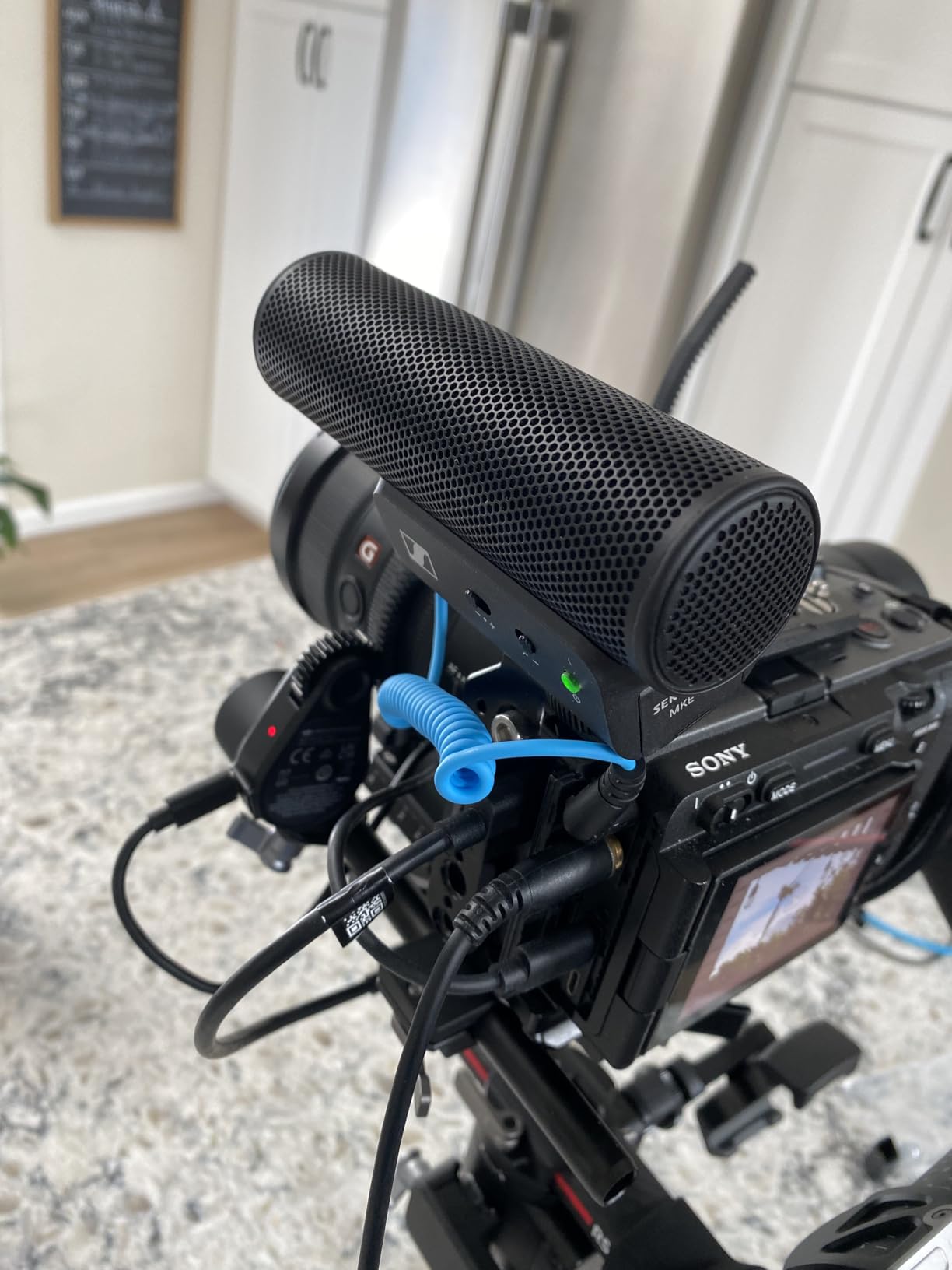
The built-in headphone output with volume adjustment is a feature I did not know I needed until I had it. Being able to monitor audio directly from the mic without a separate preamp is invaluable on solo shoots. You catch problems like wind rumble or cable buzz in real time instead of discovering them in post-production.
On the downside, the MKE 400 runs on a single AAA battery, which means you need to keep spares handy. Some users report minor handling noise when adjusting camera settings, and it can pick up camera operation sounds if mounted directly on the body. Using a shock mount or a slightly flexible cold shoe adapter helps mitigate these issues.
The metal enclosure is built to handle the bumps and scrapes of daily field use. I have knocked this mic against doorframes and tripod legs without any damage or change in performance. The matte black finish also keeps it discreet when shooting in public or sensitive environments.
Camera and Device Compatibility
The MKE 400 works with virtually any device that has a 3.5mm input. The included TRS cable connects to DSLR and mirrorless cameras, while the TRRS cable handles smartphones and tablets. The 3-step sensitivity switch adjusts output level for different input impedances, so you get clean audio whether you are on a pro camera or a mobile device.
Battery Life and Field Reliability
A single AAA battery powers the MKE 400 for roughly 100 hours of continuous use. I recommend carrying a spare battery for full-day shoots, and always test your levels after swapping. The built-in low-cut filter extends battery life by reducing low-frequency processing demand.
4. Rode NTG3 — Moisture-Resistant Shotgun for Demanding Locations
Rode NTG3 Precision RF-Biased Shotgun Microphone with WSS-2018 Professional Windshield, Universal Shock Mount and XLR M to Angled XLR F Microphone Cable -1.5′
RF-biased shotgun
XLR output
Moisture-resistant
Aluminum enclosure
No controls design
Pros
- Exceptional audio quality
- Moisture-resistant for outdoor use
- Simple no-controls operation
- Low-noise circuitry
- Professional build quality
Cons
- Premium price point
- Requires XLR audio interface
- No built-in battery option
The Rode NTG3 is the microphone I reach for when shooting conditions get rough. I used it on a documentary shoot in a humid tropical environment where lesser condenser mics would have crackled and failed. The RF-biased technology means moisture does not affect the diaphragm the way it does with traditional condenser designs.
Sound quality is where the NTG3 truly shines. It has a slight presence boost in the upper midrange that brings dialogue forward in the mix, combined with bass attenuation that naturally reduces low-frequency rumble. The result is dialogue that sits perfectly in a mix without needing heavy EQ processing in post.
The simplicity of this microphone is a feature, not a limitation. There are no switches, no pads, no filters — just a clean, reliable signal path. When you are booming in challenging conditions, you do not want to fumble with controls. You point, you record, and the NTG3 delivers consistent results.
Technically, the NTG3 uses RF-bias technology that makes it inherently resistant to humidity and temperature changes. The aluminum enclosure is rugged enough for daily field use, and the unidirectional pattern provides excellent reach for booming dialogue from above frame. The signal-to-noise ratio of 50dB is respectable, though not quite as refined as the newer NTG5.
The main trade-offs are price and power requirements. At this price point, you are investing in a professional tool that expects a professional audio chain. It requires XLR connectivity and phantom power, with no battery option for standalone use. For filmmakers working in humid, rainy, or rapidly changing weather conditions, the moisture resistance alone justifies the investment.
Weatherproofing for Humid Locations
The RF-bias design is the NTG3’s defining feature. Traditional condenser microphones use DC-biased capsules that are sensitive to moisture — a drop of condensation can cause pops and dropouts. The NTG3’s RF-biased capsule tolerates humidity, temperature swings, and even light precipitation without compromising audio quality.
Why the No-Controls Design Matters
Having no switches means there is nothing to accidentally bump during a take. Every control is a potential point of failure, and the NTG3 eliminates them all. If you need a high-pass filter or pad, apply it at your recorder or mixer level instead. This design philosophy prioritizes reliability over convenience.
5. Rode NTG4 — Digital Switching with Broadcast Sound
RØDE Microphones NTG4 Supercardioid Condenser Shotgun Microphone
Supercardioid condenser
XLR output
48V phantom power
Digital switching
10-year warranty
Pros
- Broadcast sound quality
- Rugged metal construction
- Digital switching for adjustments
- High frequency boost for clarity
- Low noise circuitry
Cons
- Requires 48V phantom power
- Lower sensitivity than NTG5
- Limited review images
The Rode NTG4 sits in a sweet spot between the budget NTG2 and the premium NTG5. I have used it extensively for corporate video production, and the broadcast sound quality holds up well in professional contexts. The supercardioid pattern provides good directionality for boom work, and the digital switching gives you on-mic control that the NTG3 deliberately omits.
The digital controls include a high-frequency boost, a high-pass filter, and a pad. I find the high-frequency boost particularly useful for dialogue clarity in outdoor scenes where high-end detail can get lost. The high-pass filter handles wind and handling noise, while the pad prevents clipping when recording loud sources up close.
Build quality is solid with a rugged metal construction that inspires confidence on set. Rode backs this mic with a 10-year warranty, which tells you they stand behind the build. At 126 grams, it is light enough for extended boom work without straining your boom operator’s arms during long dialogue scenes.
On the technical side, the NTG4 delivers clean recordings with its low-noise circuitry. The frequency response extends to 20kHz with a natural character that works well for dialogue. The supercardioid pattern rejects side noise effectively, though the off-axis response is not quite as smooth as the more expensive NTG5.
The primary limitation is that the NTG4 requires 48V phantom power with no battery option. This means you need a recorder or mixer that provides phantom power, which adds to your total system cost. Compared to the NTG5, the self-noise is slightly higher and the off-axis rejection is not as refined.
Understanding the Digital Switching Options
The three digital switches give you real-time control without touching your recorder. The high-pass filter cuts below 80Hz to remove rumble. The -10dB pad handles loud sources. The high-frequency boost adds presence above 4kHz for dialogue intelligibility. These settings are stored digitally, so they survive battery changes and power cycles.
Long-Term Value and Warranty
Rode’s 10-year warranty on the NTG4 is one of the best in the industry. I have seen Rode mics last over a decade of professional use with minimal issues. The rugged metal construction and replaceable components mean this microphone can serve as your primary boom mic for years, spreading the cost significantly.
6. Rode VideoMic NTG — The Hybrid Mic for Creators and Filmmakers
Rode VideoMic NTG Camera-mount Shotgun Microphone,Black
Supercardioid shotgun
3.5mm auto-sensing and USB-C
Battery powered
94g lightweight
Digital switching
Pros
- Broadcast-grade transparent sound
- Auto-sensing 3.5mm output
- Works as USB microphone
- Digital switching with safety channel
- Compatible with iOS and Android
Cons
- Limited stock available
- Not Prime eligible
- Requires extra cable for iOS
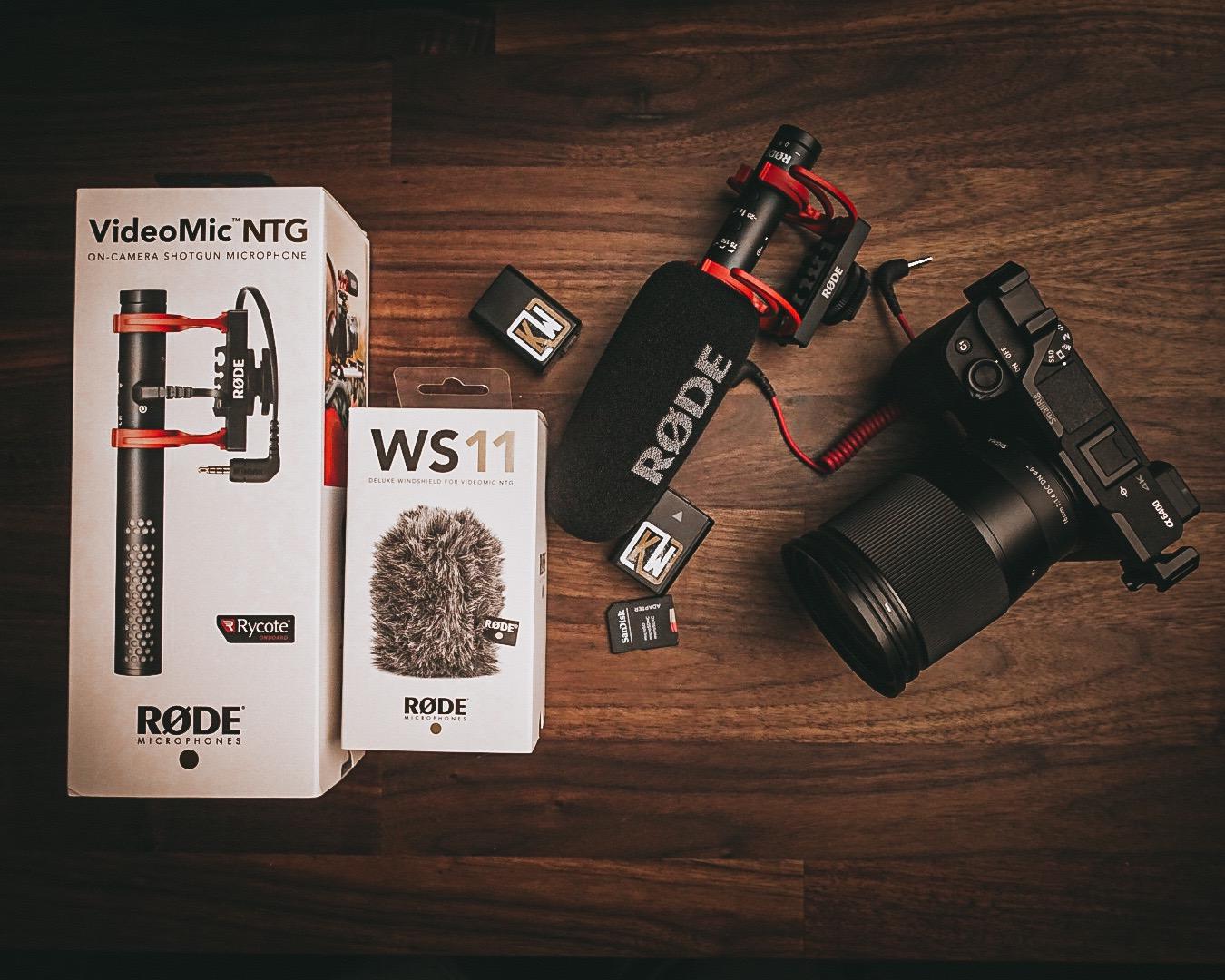
The Rode VideoMic NTG blurs the line between a camera-mounted shotgun and a professional boom microphone. I have used it in both roles — mounted on a camera for vlog-style content and boomed overhead for short film dialogue. In both cases, the broadcast-grade sound quality impressed me with its transparency and natural character.
The auto-sensing 3.5mm output is genuinely useful. It detects whether you are connected to a camera or a mobile device and adjusts the output level accordingly. No more guessing cable types or switching between TRS and TRRS — the mic handles it automatically. For creators who shoot on multiple devices, this eliminates a common headache.
The digital switching offers a high-pass filter, -20dB pad, high-frequency boost, and a safety channel. The safety channel records a second track at -20dB, so if your main audio clips during an unexpected loud moment, you have a backup. I cannot count how many times this feature has saved a take that would otherwise have been ruined.
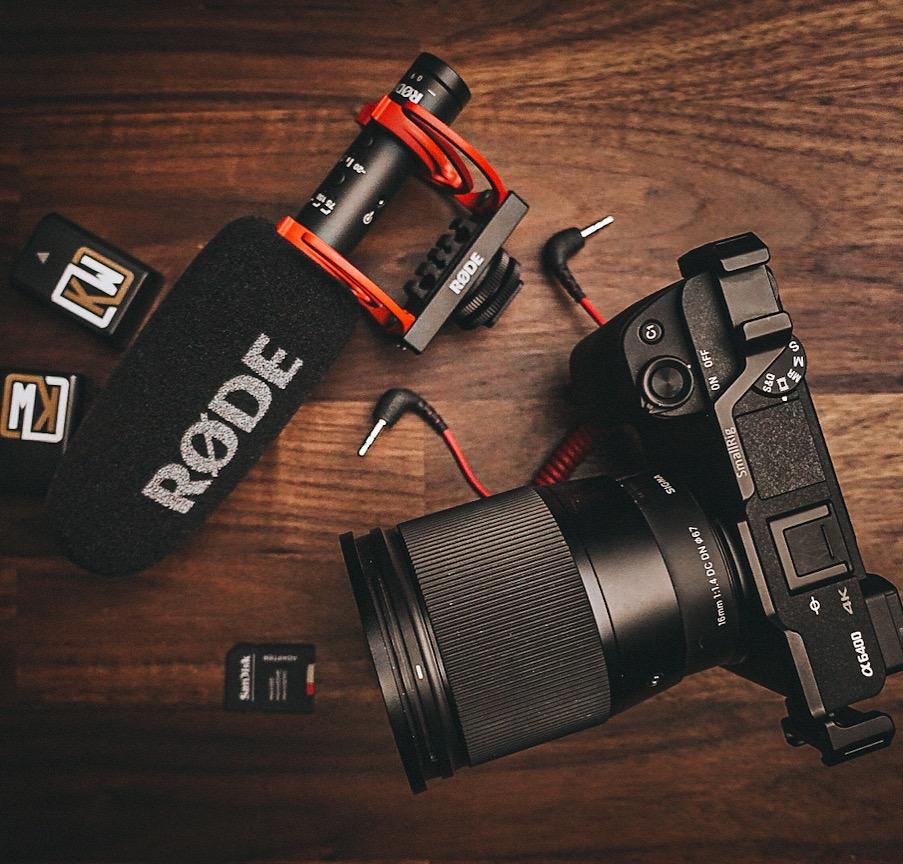
Where the VideoMic NTG truly stands apart is its USB functionality. Plug it into a computer or mobile device via USB-C and it becomes a fully functional USB microphone with built-in headphone monitoring. This dual-mode operation means one microphone can serve your film set, your podcast studio, and your mobile recording rig.
At 94 grams, it is remarkably light for a mic with this much technology packed inside. The supercardioid pattern provides good directionality for an on-camera mic, though it cannot match the reach and rejection of a dedicated XLR shotgun like the NTG5. The internal battery provides hours of recording time and charges via USB-C between shoots.
The acoustic design shares DNA with the NTG5, which explains the transparent, uncoloured sound. Rode engineered the capsule to deliver natural dialogue reproduction rather than the hyped, processed sound typical of cheaper camera mics. That attention to audio fidelity is what makes this mic suitable for professional film work, not just content creation.
USB Mode for Podcast and Streaming
Switching to USB mode transforms the VideoMic NTG into a desktop recording microphone. The built-in headphone jack provides zero-latency monitoring, and the digital switching still works in USB mode. This makes it one of the most versatile microphones on the market, equally at home on a film set and at a streaming desk.
Multi-Device Workflow Integration
The auto-sensing output means you can move between a cinema camera, a smartphone, and a laptop without changing cables. For solo creators who produce video, podcasts, and livestreams, this flexibility means investing in one microphone instead of three. Just note that iOS devices require the separate SC15 cable for USB-C connection.
7. Movo Boom Mic Kit — Complete Location Sound Package
Movo Boom Mic Kit for Filmmaking – Supercardioid Shotgun Microphone, 9.8ft Boom Pole, Blimp Windscreen & Deadcat – Complete Location Sound Bundle
Supercardioid shotgun
XLR output
9.8ft boom pole
Blimp windscreen
Complete bundle
Pros
- Complete all-in-one bundle
- Supercardioid noise rejection
- Telescoping boom pole 3.3-9.8ft
- Blimp system with shock mount
- Deadcat for outdoor wind protection
Cons
- XLR requires audio interface
- Newer product with fewer reviews
- Lower review count
The Movo Boom Mic Kit is the option I point first-time filmmakers toward when they need everything in one box. Instead of researching and buying a microphone, boom pole, shock mount, windshield, and cables separately, Movo bundles them all together. I tested this kit on a student film production, and the convenience of having every component matched and ready to go cannot be overstated.
The included supercardioid shotgun microphone does a respectable job of rejecting background noise and focusing on dialogue. It is not in the same league as the Rode NTG5 or Sennheiser MKE 600, but for filmmakers just starting out, it captures clean, usable audio that is a massive step up from camera built-in mics. The XLR output means you get a balanced signal that can run long cable distances without degradation.
The telescoping boom pole extends from 3.3 feet to 9.8 feet, giving you plenty of reach for standard dialogue scenes. The BWS1000 blimp system with multi-point shock mount isolates the microphone from handling noise transmitted through the pole. The included deadcat fur windscreen handles outdoor wind conditions that would ruin unprotected recordings.
On the technical side, the kit’s microphone covers a frequency range of 20Hz to 20kHz with a supercardioid pattern. The impedance is 2200 Ohms, which is higher than premium mics. This means you need a quality preamp in your recorder to get the best noise performance possible from this capsule.
The trade-off is that you are buying a package rather than individual premium components. The microphone, while competent, will eventually be the component you want to upgrade as your skills and budget grow. The boom pole and blimp system, however, are professional-grade accessories that will serve you well even after you upgrade the mic to something from our best boom microphones for film lineup.
What the Complete Bundle Includes
You get the supercardioid shotgun microphone, a telescoping boom pole with internal cable, the BWS1000 blimp windscreen with shock mount, a deadcat fur wind cover for outdoor use, and two carrying cases for transport. This covers every piece of the location sound chain except the recorder itself.
Sound Quality vs Standalone Mics
The included microphone produces clean dialogue that is perfectly suitable for web content, student films, and corporate video. Side by side with a Sennheiser MKE 600, you will notice less detail in the high frequencies and a slightly higher noise floor. For most beginner and intermediate productions, this difference is inaudible to the final audience.
8. RAUBAY Carbon Fiber Boom Pole — Lightweight Reach for Your Boom Setup
RAUBAY Microphone Boom Pole, Carbon Fiber, 3.6-9ft, 1/4″ & 3/8″, MA01
Carbon fiber boom pole
3.6-9ft adjustable
1.4lb lightweight
Built-in cable
1/4 and 3/8 inch threads
Pros
- Excellent adjustable reach
- Lightweight carbon fiber
- Built-in cable management
- Universal thread compatibility
- Humidity and corrosion resistant
Cons
- 1.4 pound weight limit
- Not suitable for ultra-lightweight setups
- Is an accessory not a microphone
A boom microphone is only as useful as the pole it rides on, and the RAUBAY Carbon Fiber Boom Pole has become one of my favorite accessories for location work. I paired it with the Rode NTG5 for a full day of documentary interviews, and the 1.4-pound weight kept my arms from giving out during extended takes. Carbon fiber makes a real difference over aluminum when you are booming for hours.
The adjustable length from 3.56 feet to 8.97 feet covers virtually any boom scenario I have encountered. Fully retracted, it works for tight interior dialogue. Fully extended, it reaches across a room for wide shots. The twist locks secure each section firmly, and I have not experienced any slippage even with heavier microphone and blimp combinations mounted on the end.
The built-in cable is a feature that experienced boom operators will immediately appreciate. Running the XLR cable internally through the pole eliminates the external cable that can swing, catch on objects, or transmit handling noise to the microphone. The anti-slip rubber bottom plug keeps the pole stable when resting between takes.
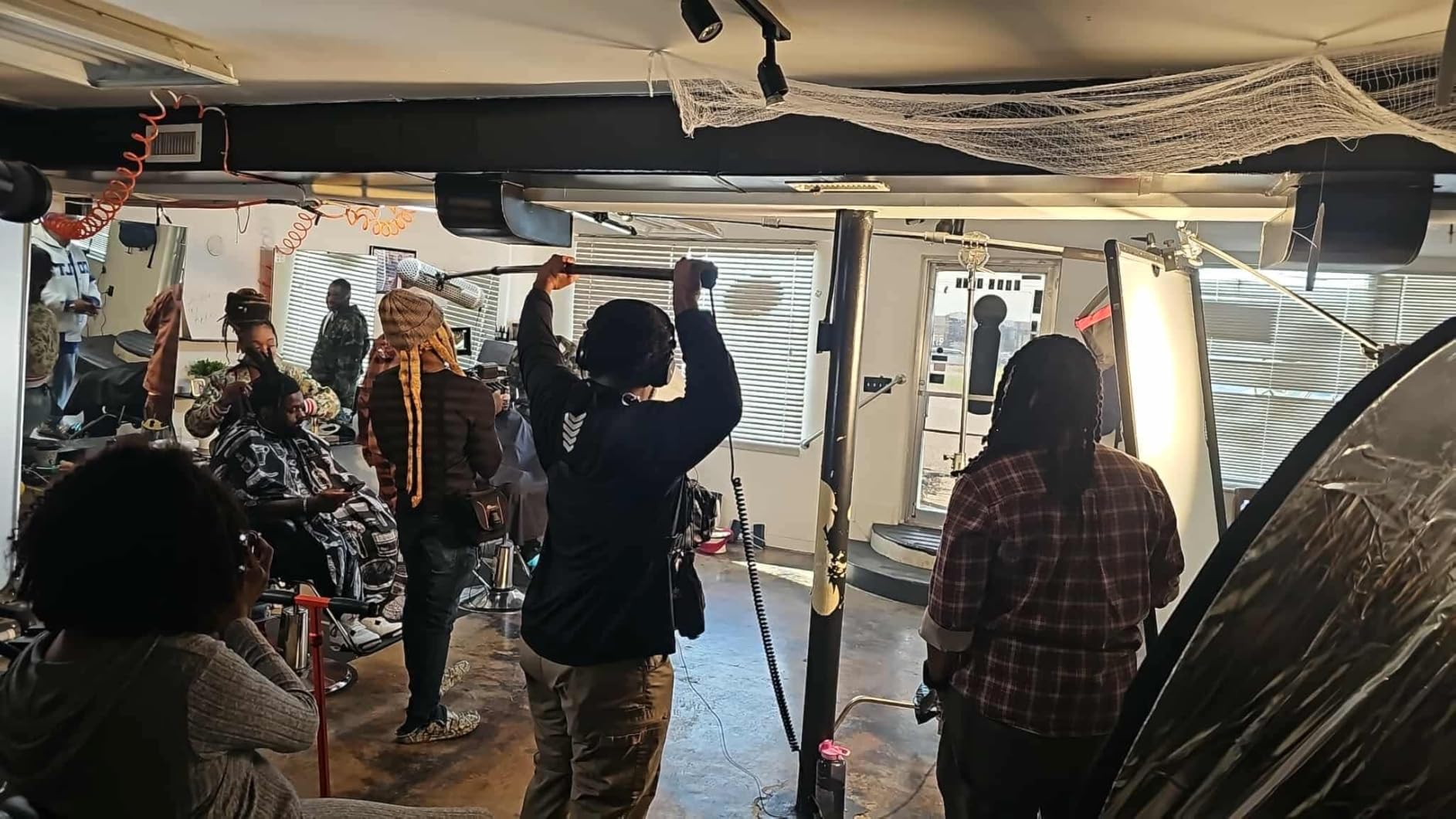
Carbon fiber construction offers two key advantages over aluminum. It is lighter, and it does not conduct temperature. On a cold morning shoot, aluminum poles become unpleasant to grip barehanded. Carbon fiber stays comfortable. It also resists corrosion and humidity, making it suitable for outdoor and marine environments.
The double-sized 1/4-inch and 3/8-inch screw threads provide universal compatibility with shock mounts, mic clips, and microphone suspensions. I have mounted Rode, Sennheiser, and third-party shock mounts without any fitment issues. The foam handle provides a secure grip even with sweaty or gloved hands.
The twist-lock mechanism on each section is firm and positive, with enough resistance to prevent accidental collapse during a take. The matte finish on the pole surface reduces glare when shooting near reflective set materials or in bright outdoor lighting. Small details like this matter when you are working in controlled visual environments where any stray reflection can ruin a shot.
Will It Fit Your Microphone
The RAUBAY boom pole supports microphones weighing up to 1.4 pounds, which covers most shotgun mics with shock mounts. A Rode NTG5 with pistol grip weighs roughly 0.5 pounds, well within capacity. If you run a large blimp windscreen with a heavy microphone, verify the total weight before committing to long extensions.
Cable Management and Weight During Long Takes
The internal cable exits at both ends through clean connectors that accept standard XLR plugs. This design keeps the cable taut inside the pole, preventing the rattle that external cables create. At 1.4 pounds total, even a six-hour shoot day stays manageable, though I still recommend rotating boom operators when possible.
How to Choose a Boom Microphone for Film
Choosing the right boom microphone comes down to matching the mic’s capabilities to your production needs and budget. I have broken down the key factors that should drive your decision so you can shop with confidence.
Polar Pattern: Supercardioid vs Lobar
The polar pattern determines how a microphone picks up sound from different directions. Supercardioid patterns focus on sound directly in front while rejecting most side noise, making them the standard choice for film dialogue. Lobar patterns found in longer shotgun mics offer even tighter directionality but can sound unnatural in reflective indoor spaces. For most productions, a supercardioid mic is the most versatile choice.
Self-Noise: Lower Is Always Better
Self-noise is the hiss a microphone produces even in complete silence. Lower numbers mean cleaner recordings, especially in quiet dialogue scenes. Premium mics like the Rode NTG5 hit 10dBA, while budget options may sit at 16 to 20dBA. If you record a lot of quiet dialogue or intimate scenes, prioritize low self-noise above almost every other spec.
Power: Phantom, Battery, or USB
XLR microphones typically need 48V phantom power from your recorder or mixer. Some mics, like the Sennheiser MKE 600, offer battery power as a fallback. USB-powered mics like the Rode VideoMic NTG simplify connectivity but may not deliver the same signal quality as a dedicated XLR chain. Match your power source to your recording setup before you buy.
XLR vs 3.5mm Connectivity
XLR connections deliver balanced audio that resists interference over long cable runs, which is essential for boom work. 3.5mm connections are simpler and more convenient but are unbalanced, meaning cable runs over 15 to 20 feet can pick up noise. For professional film work, XLR is the standard. For run-and-gun content creation, 3.5mm is often sufficient and far simpler to manage.
Indoor vs Outdoor Considerations
Indoor spaces with hard surfaces create reflections that interfere with highly directional shotgun mics. In reflective rooms, a shorter supercardioid often outperforms a long interference-tube shotgun. Outdoor work demands wind protection — a foam windscreen handles light breeze, but serious wind requires a blimp system with deadcat fur. Always budget for proper wind protection if you shoot outdoors.
Budget Tiers and What to Expect
Under $200, you are looking at on-camera directional mics with 3.5mm connectivity, great for content creation but limited for dedicated boom work. The $200 to $500 range delivers professional XLR shotguns with proper shock mounts and wind protection. Above $500, you enter broadcast-grade territory with ultra-low self-noise, weatherproofing, and refined off-axis response that rivals industry-standard equipment.
Boom Mic Placement and the 3-to-1 Rule
Getting the right microphone is only half the battle. Where and how you position it determines whether your dialogue sounds professional or amateurish. These techniques apply regardless of which microphone you choose from this guide.
Positioning for Dialogue
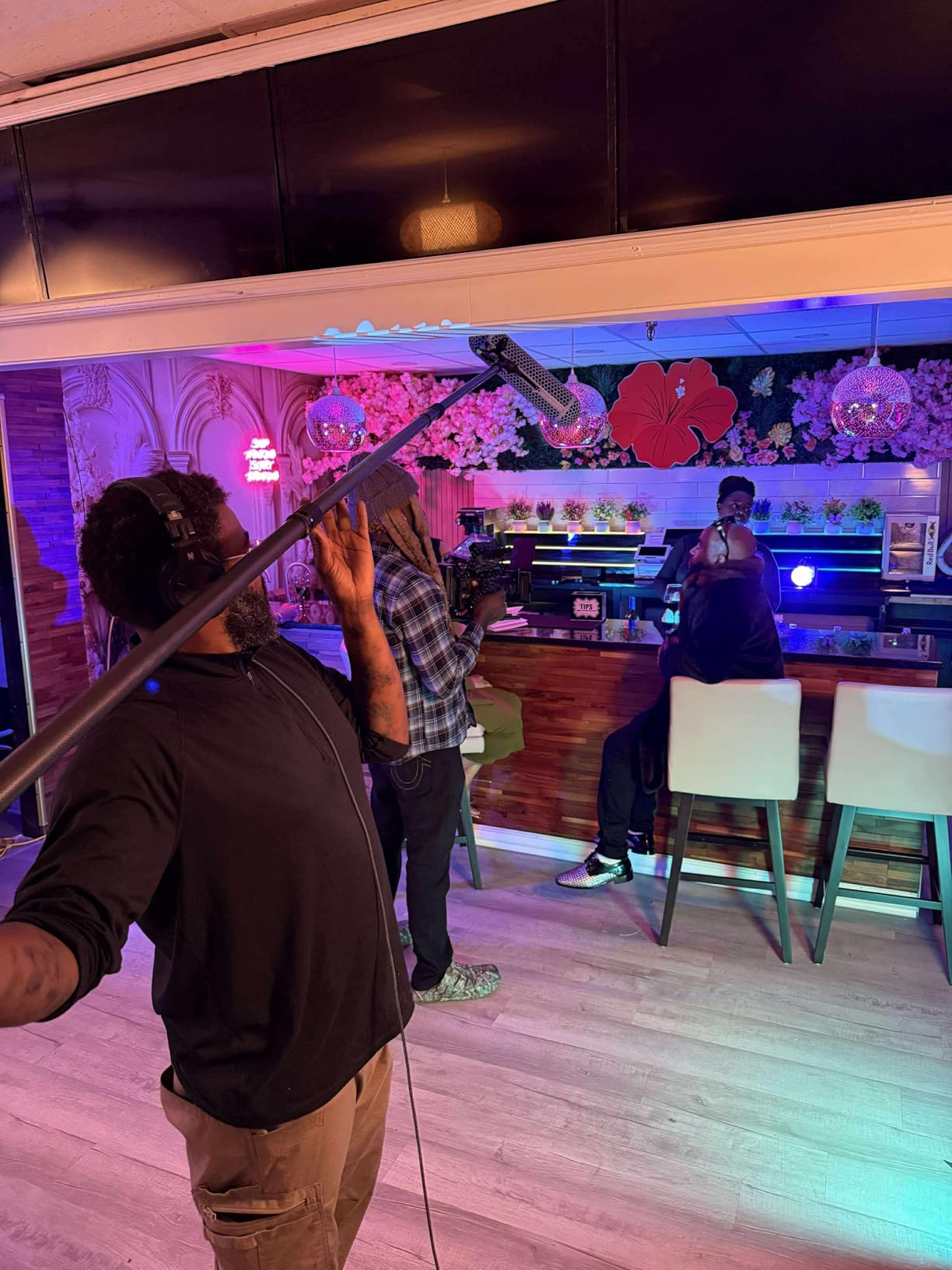
The ideal boom position is 12 to 24 inches above the subject’s mouth, angled down at roughly 45 degrees, with the front of the microphone pointed at the speaker’s chest or mouth. This captures the fullest, most natural voice tone while staying out of frame. Always confirm with your camera operator that the mic is clear of the frame edge before you start rolling.
The 3-to-1 Rule Explained
The 3-to-1 rule is a fundamental audio principle that prevents phase cancellation when using multiple microphones. It states that the distance between two microphones should be at least three times the distance from the nearest mic to its sound source. For example, if your boom mic is 12 inches from the actor, any second microphone like a lavalier should be at least 36 inches away from the boom mic. Following this rule ensures that when signals combine, any leakage is quiet enough not to cause comb filtering — the hollow, phased sound that ruins dialogue tracks.
Shock Mounts and Handling Noise
Every contact point between your hands and the microphone transmits handling noise. A proper shock mount suspends the microphone in elastic bands or rubber isolators that absorb vibrations before they reach the capsule. Never boom without a shock mount — even a light grip on the pole creates low-frequency rumble that is difficult to remove in post-production.
FAQs
What boom mics do movies use?
Professional film productions typically use high-end shotgun microphones like the Sennheiser MKH 416 and MKH 50, Schoeps CMIT 5U, and DPA 4017B. These mics cost $1,000 to $2,500 and deliver the ultra-clean dialogue and reliability that major productions demand. For indie filmmakers, mics like the Rode NTG5 and Sennheiser MKE 600 deliver professional-quality results at a fraction of the cost.
What is the best mic for filmmaking?
The best microphone for filmmaking depends on your budget and production type. For most indie productions, the Rode NTG5 offers the best balance of sound quality, build, and value. For content creators and solo filmmakers, the Sennheiser MKE 400 or Rode VideoMic NTG provide excellent results with simpler connectivity. Dedicated boom operators should prioritize XLR mics with low self-noise.
What is the 3 to 1 rule in micing?
The 3-to-1 rule states that when using multiple microphones, the distance between any two mics should be at least three times the distance from the nearest mic to its sound source. This prevents phase cancellation and comb filtering, which create a hollow, unnatural sound when leakage from one mic combines with the direct signal of another. It is especially important when combining boom and lavalier microphones on the same subject.
What mic boom does Joe Rogan use?
Joe Rogan uses a Heil PR 40 broadcast microphone mounted on a Heil PL-2T overhead boom arm for his podcast. This is a studio setup designed for seated conversation, not a film production boom microphone. Film boom work requires a shotgun microphone on a boom pole positioned above the frame, not a broadcast arm and dynamic mic.
Conclusion
Finding the best boom microphones for film does not have to mean spending $2,000 on an industry-standard Schoeps. The eight options I tested cover every production level, from a budget on-camera mic for solo creators to a moisture-resistant shotgun for professional location work.
My top recommendation remains the Rode NTG5 for its unmatched combination of broadcast sound quality, ultra-low self-noise, and lightweight design. The Sennheiser MKE 600 Bundle offers the best value for filmmakers who want professional performance with flexible power options. And for content creators working without an XLR chain, the Sennheiser MKE 400 delivers impressive directional audio at an accessible price point.
Do not forget that a boom pole and shock mount are just as important as the microphone itself. A great mic mounted poorly will always sound worse than a decent mic positioned correctly. Invest in your full audio chain, practice the 3-to-1 rule, and your dialogue will sound professional in 2026 and beyond.