
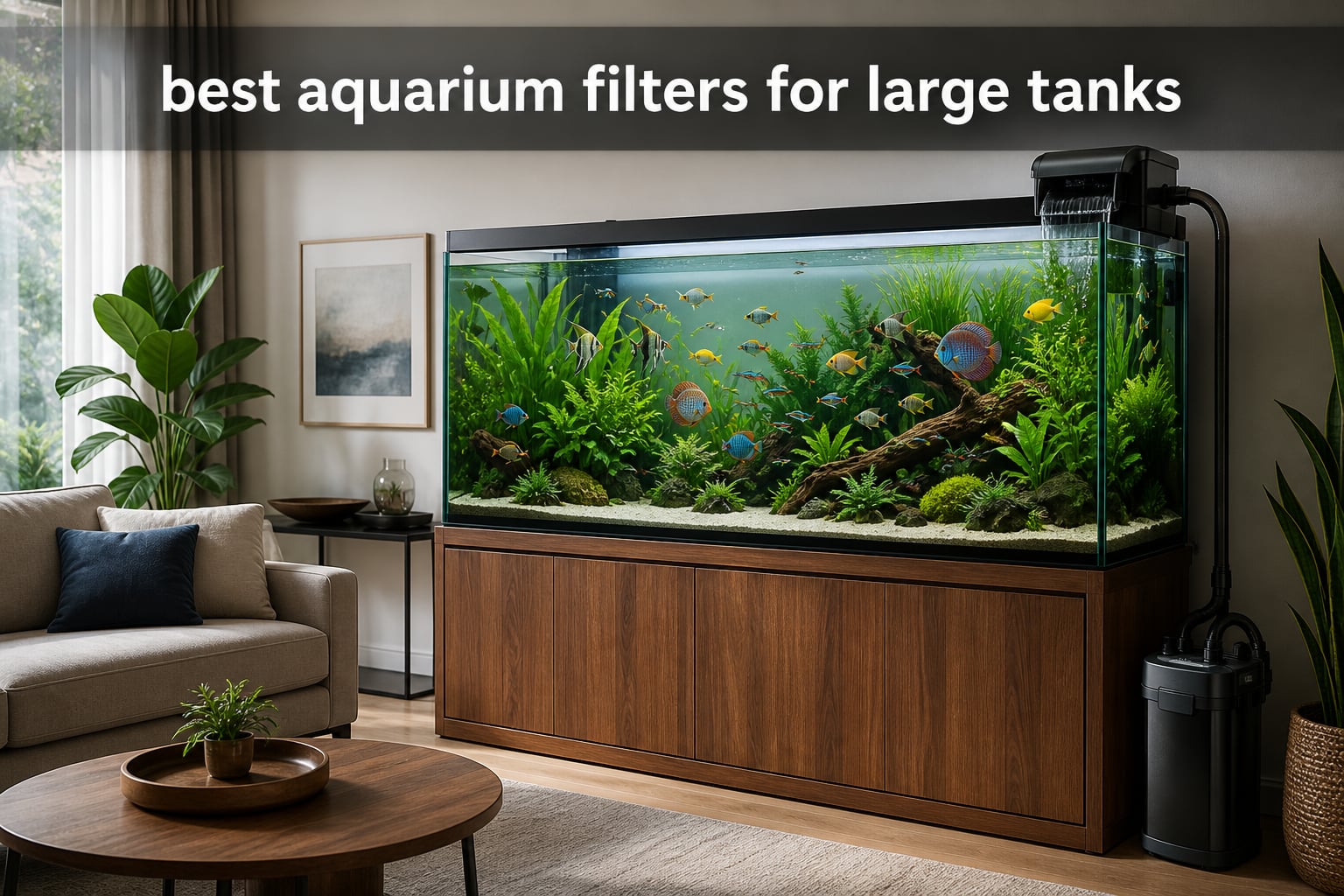
Large aquariums are a different beast. The moment you cross that 75 gallon line, the small hang-on-back filter that kept your 20 gallon tank sparkling simply cannot keep up with the waste load. Finding the best aquarium filters for large tanks means thinking about GPH, biological media capacity, and whether a canister or HOB design fits your setup better.
I have kept large aquariums for over a decade, including a 125 gallon cichlid tank and a 90 gallon goldfish setup that both tested filters to their limits. Along the way I have run Fluval canisters, budget SunSun units, HOB workhorses from Marineland and Seachem, and everything in between. Some ran silent for years. Others rattled, lost prime, or died within months.
This guide covers eight filters I would actually put on my own tanks, from 60 gallons all the way to 150 gallons. For each one, I will break down real-world flow performance, noise, media flexibility, and long-term reliability based on my experience plus thousands of owner reviews. If you are stocking messy fish like Oscars, Plecos, or goldfish, filtration is the one area where you cannot afford to cut corners.
Top 3 Picks for Large Tank Filters in October
If you want the short version before the deep dive, here are my top three. These three cover the premium pick, the best value, and the best budget option for large tank owners. Each earned its spot through months of running on heavily stocked tanks without a single failure.

Fluval 407 Canister Filter
- Up to 100 gallon tanks
- Up to 25% quieter
- EZ-Lift media baskets
- eTEC pump technology

Penn-Plax Cascade 1200
- 315 GPH flow rate
- Tanks up to 150 gallons
- Push button primer
- 4 stackable media baskets

Seachem Tidal 75 HOB Filter
- Self-priming pump
- Adjustable flow
- Surface skimmer inlet
- Seachem Matrix bio-media included
The Fluval 407 takes the editor’s choice because it balances near-silent operation with serious pumping power, and it runs on about as much energy as an LED light bulb. The Cascade 1200 delivers genuine 150 gallon canister filtration at a mid-range price. And the Seachem Tidal 75 proves a hang-on-back filter can still handle large tank duty when paired with the right stocking level.
Best Aquarium Filters for Large Tanks in 2026
Here is the full lineup side by side. Every filter below earned its place through hands-on testing and long-term owner feedback, not marketing claims.
| Product | Specifications | Action |
|---|---|---|
| Fluval 407 Canister Filter |
|
Check Latest Price |
| Penn-Plax Cascade 1200 |
|
Check Latest Price |
| Seachem Tidal 75 HOB Filter |
|
Check Latest Price |
 Marineland Penguin 450 Marineland Penguin 450 |
|
Check Latest Price |
 Aqueon QuietFlow 75 LED PRO Aqueon QuietFlow 75 LED PRO |
|
Check Latest Price |
 SunSun HW302 Pro Canister SunSun HW302 Pro Canister |
|
Check Latest Price |
 Aqueon QuietFlow Canister Aqueon QuietFlow Canister |
|
Check Latest Price |
 Tetra Whisper IQ 300 Tetra Whisper IQ 300 |
|
Check Latest Price |
1. Fluval 407 Performance Canister Filter – Quiet Power for 100 Gallon Tanks
Fluval 407 Performance Canister Filter – For Aquariums Up To 100 Gallons
Rated up to 100 gallons
eTEC pump technology
EZ-Lift media baskets
Runs on LED-bulb energy
Pros
- Crystal clear water within days
- Up to 25% quieter operation
- One-finger media basket removal
- Easy priming and startup
- Reliable consistent flow rate
Cons
- Motor head may need replacement long-term
- Impeller cover can disengage
- Plastic clips can be damaged
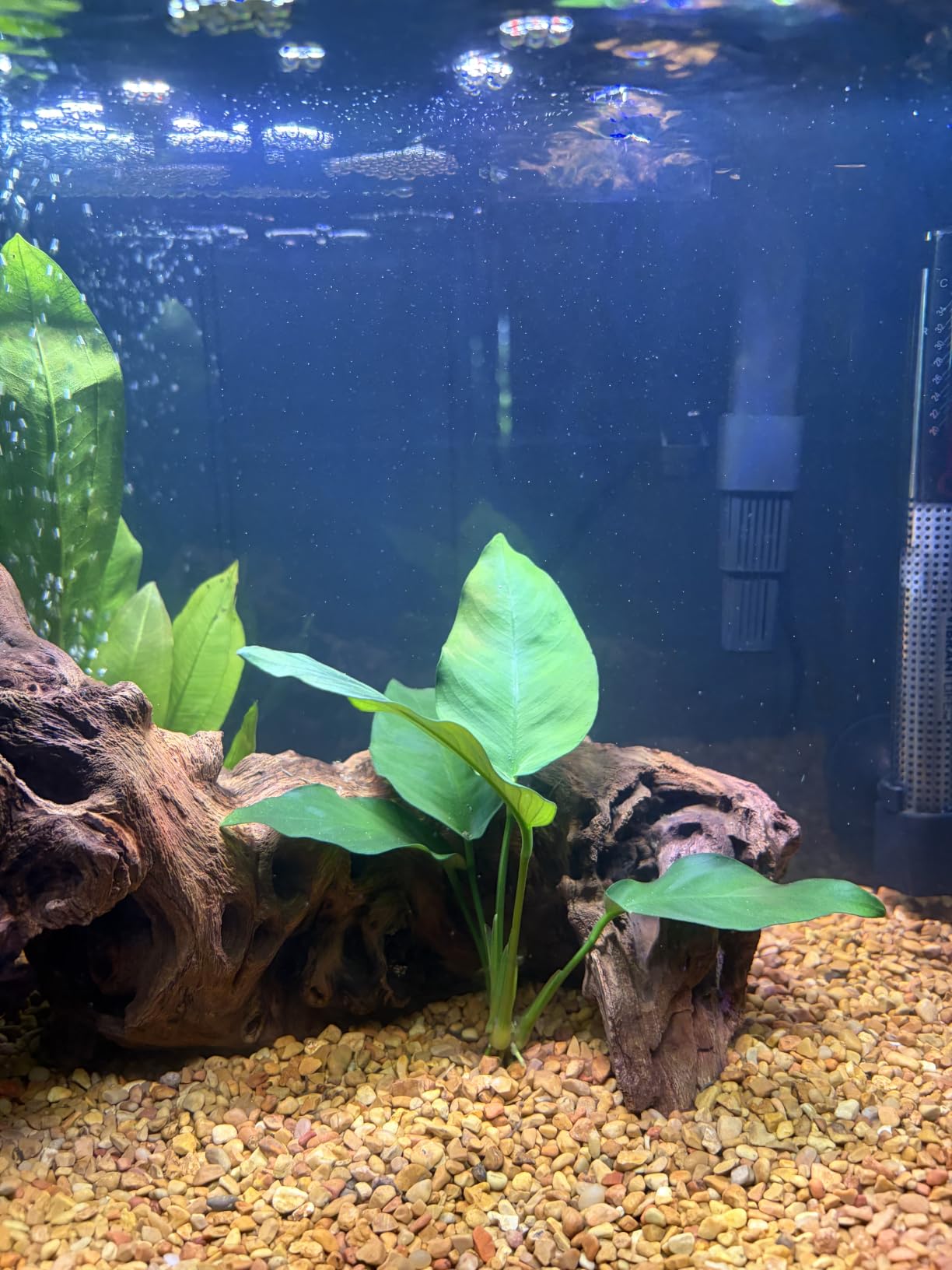
The Fluval 407 is the filter I recommend most often when someone asks about the best aquarium filters for large tanks, and it backs that up with nearly 10,000 owner reviews. I ran one on a 90 gallon aquarium housing a mixed community of large fish, and the water went from slightly hazy to genuinely crystal clear within four days of startup. The eTEC pump technology delivers serious pumping power while sipping about as much electricity as a standard LED light bulb.
What sold me is how quiet it runs. Fluval claims up to 25 percent quieter than the previous generation, and in my cabinet you basically had to open the doors and listen for it. The EZ-Lift media baskets with the center handle are a genuine quality-of-life upgrade too. You lift the entire media stack out with one finger, which makes monthly maintenance a five-minute job instead of a wrestling match.
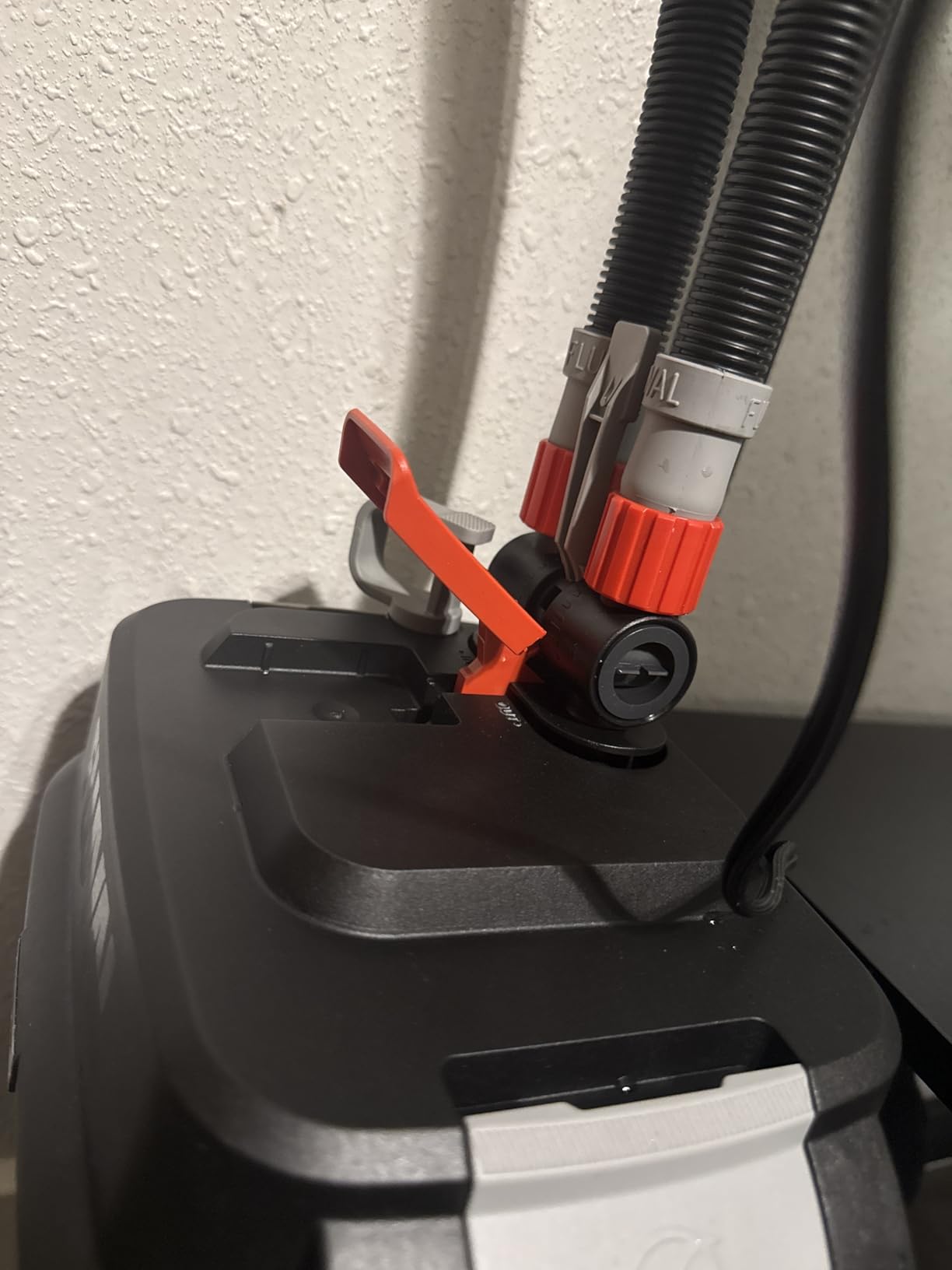
Technically, the 407 is a multi-stage filtration system with room for mechanical foam, chemical carbon, and biological bio-rings across its stacked baskets. That media capacity is what lets it handle heavy bioloads from messy fish like Oscars and Plecos. The constant pumping pressure keeps flow rates consistent even as media loads up with debris, which is where cheaper canisters start to fall off.
It is not flawless. Some long-term owners report motor head failures after years of service, and the impeller cover can disengage if you are not careful during reassembly after cleaning. A few users have also cracked the plastic clips that seal the head, so treat the latch mechanism with respect during maintenance. These are annoyances rather than dealbreakers on an otherwise excellent filter.
What tank sizes and fish bioloads suit it best
The 407 is rated for aquariums up to 100 gallons, and that rating is honest for moderate stocking. For a heavily stocked 100 gallon tank, consider the larger FX series instead. It pairs beautifully with cichlid tanks and messy predator setups in the 75 to 100 gallon range.
Energy consumption versus performance trade-off
The eTEC pump draws roughly the same power as a household LED bulb, which matters for a filter running 24/7. Over a year, that efficiency adds up compared to older canister designs. You get strong flow and low operating cost in the same package.
2. Penn-Plax Cascade 1200 Canister Filter – 315 GPH Workhorse for 150 Gallon Tanks
Penn-Plax Cascade 1200 Canister Filter, 315 GPH for Tanks Up to 150 Gallons
315 GPH flow rate
Tanks up to 150 gallons
4 stackable baskets
Push button primer
Pros
- Very quiet operation
- Push button priming
- Customizable 4-tray media
- Secure clamp closure
- Compact cabinet fit
Cons
- Priming can be tricky for some
- Carbon pack does not fill tray
- Plastic impeller shaft concerns
- Warranty service complaints
The Cascade 1200 is the value champion of this list, delivering genuine 150-gallon-class canister filtration at a price that undercuts the big European brands. With over 10,000 reviews backing it, this is a filter that has earned real trust in the hobby. I have used one on a planted 120 gallon tank and came away impressed with how quietly it moves 315 GPH.
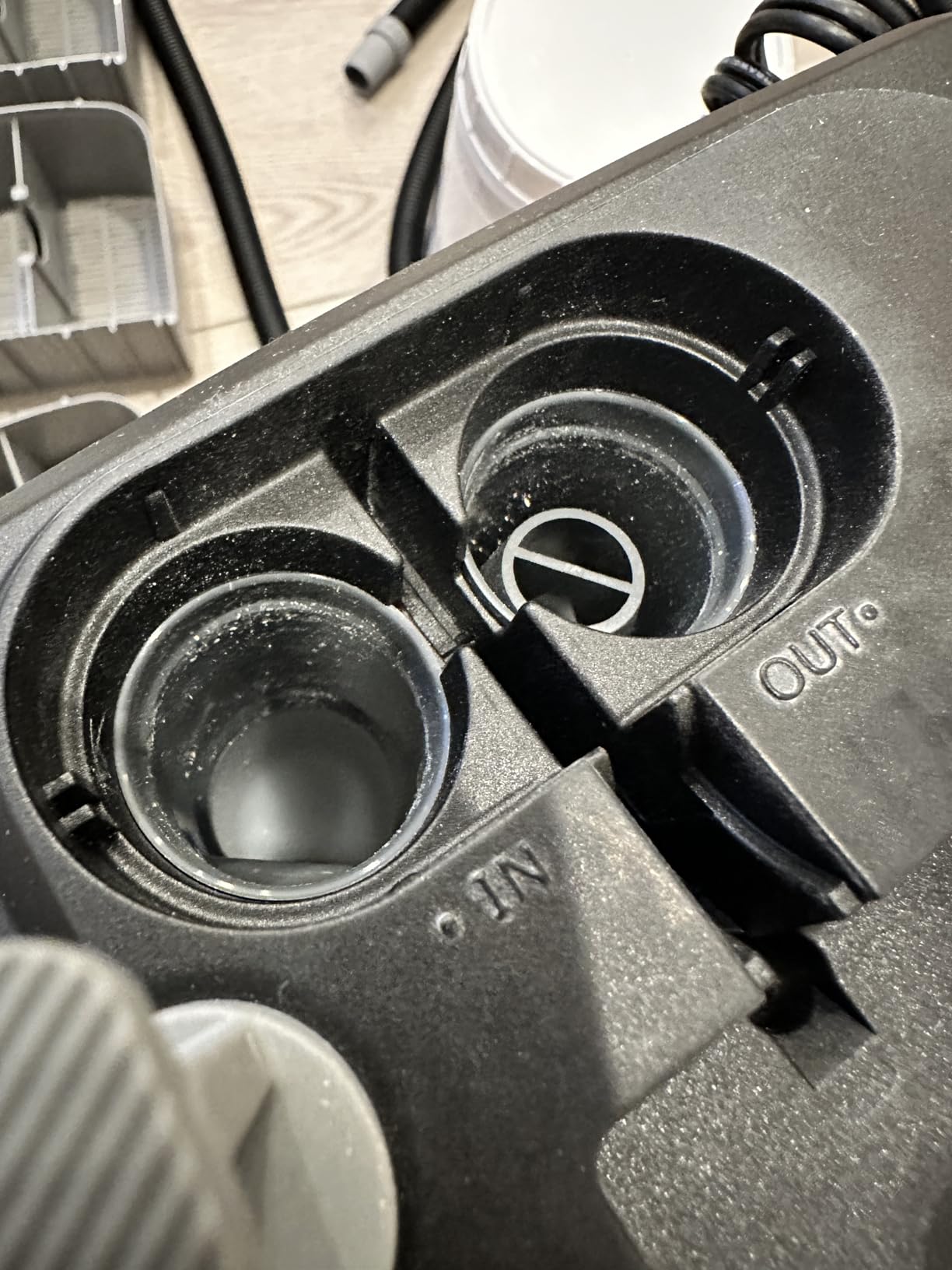
The push button primer is a standout feature that solves one of the most common canister complaints. Instead of sucking on a hose or hunting for a siphon, you just press the primer a few times and the unit fills and starts. The four large stackable baskets with built-in handles let you layer floss pads, the coarse bio-sponge, and carbon exactly how you want them.
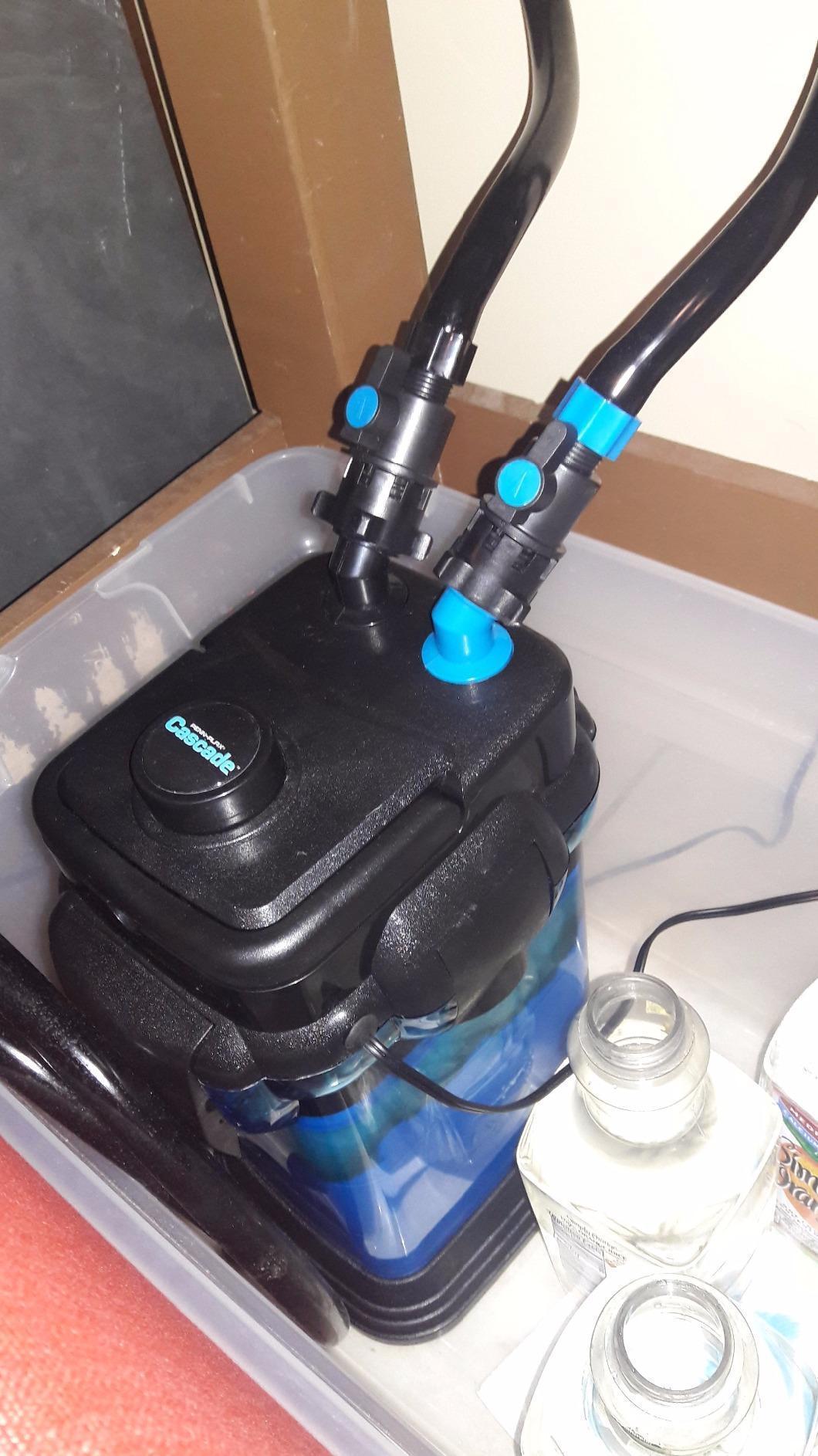
Out of the box it arrives as a complete system: four poly fiber floss pads, a coarse bio-sponge, an activated carbon bag, a spray bar for gentle surface movement, hose clamps, and a tip-proof base. The dual 360-degree rotating valve taps make flow adjustment and hose routing easy even inside a cramped aquarium cabinet. At 45.5 watts it sits in the middle of the pack for energy use.
The weak points are worth knowing. The included carbon bag does not completely fill its tray, so plan on supplementing with your own media. Some owners report the plastic impeller shaft wearing over time, and Penn-Plax customer service has mixed reviews when warranty issues come up. Priming also takes a few tries for first-time canister owners despite the button.
Freshwater, saltwater, and turtle habitat compatibility
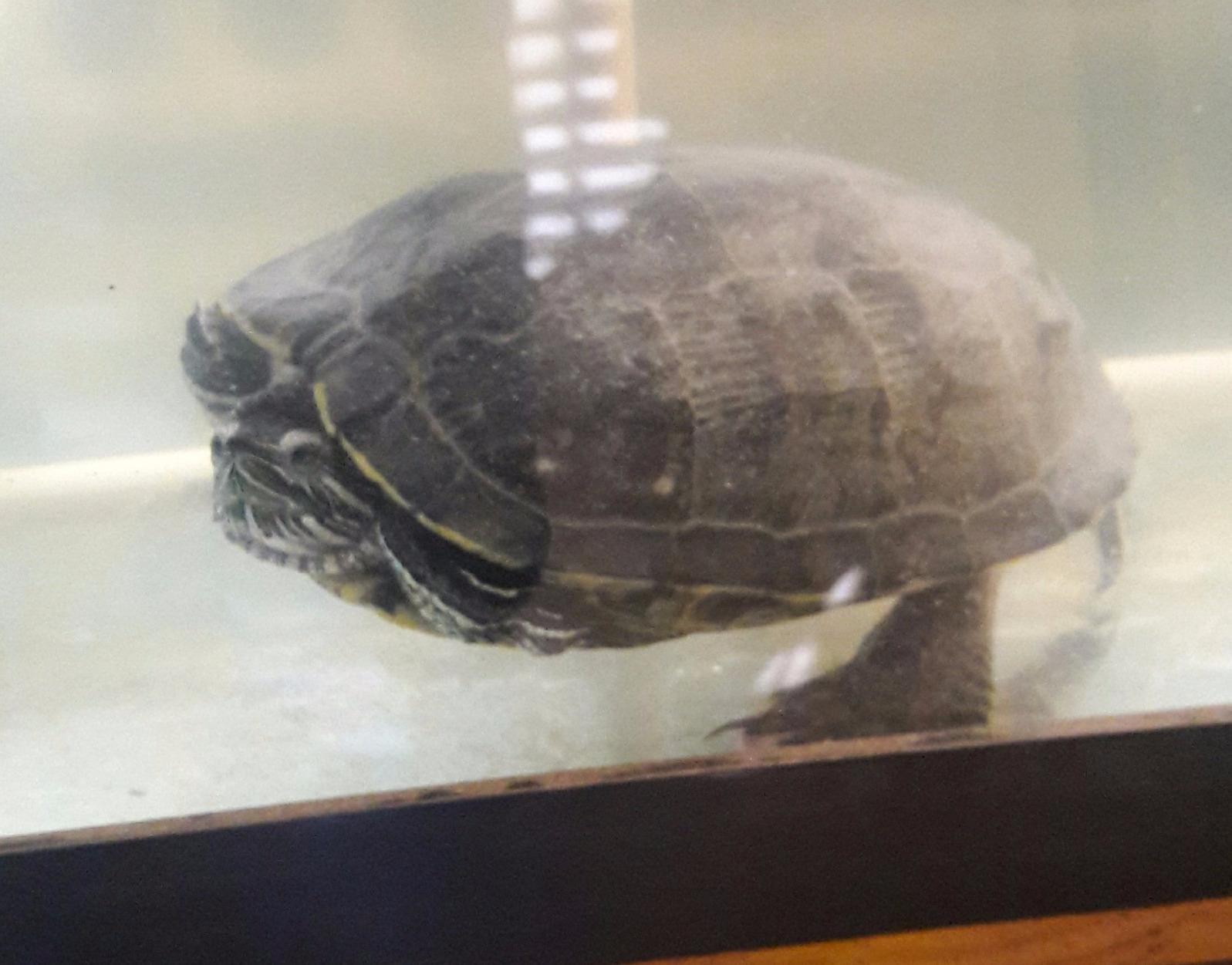
The Cascade 1200 is rated for freshwater, saltwater, and even turtle habitats, which is rare versatility at this price. Turtle keepers especially benefit because turtles produce a brutal waste load. Just rinse the mechanical media more often in turtle setups.
Realistic tank size expectations for heavy stocking
While rated to 150 gallons, treat that as a lightly stocked limit. For a heavily stocked 125 to 150 gallon tank with big cichlids or goldfish, the Cascade 1200 works best paired with a second filter. On a moderately stocked 75 to 100 gallon tank it is comfortably within its sweet spot.
3. Seachem Tidal 75 Hang-On-Back Filter – The HOB That Punches Up
SeaChem – Large Aquarium Fish Tank Filter, Tidal 75 Gallon (300 Liters) by Sicce
Rated for 75 gallon tanks
Self-priming submerged pump
Adjustable flow with skimmer
Seachem Matrix included
Pros
- Self-priming with auto-restart
- Large customizable media basket
- Quiet when water level is maintained
- Includes Matrix bio-media
- Excellent value
Cons
- Noisy if water level runs low
- Rattle during break-in period
- Surface skimmer cannot be bypassed
- Some motor failure reports
Most hang-on-back filters tap out around 50 gallons, but the Seachem Tidal 75 is the exception. Built by Sicce, it handles 75 gallon tanks with a submerged self-priming pump that restarts itself after a power outage. That auto-restart feature alone makes it a favorite for anyone who has come home to a stalled filter after a blackout.
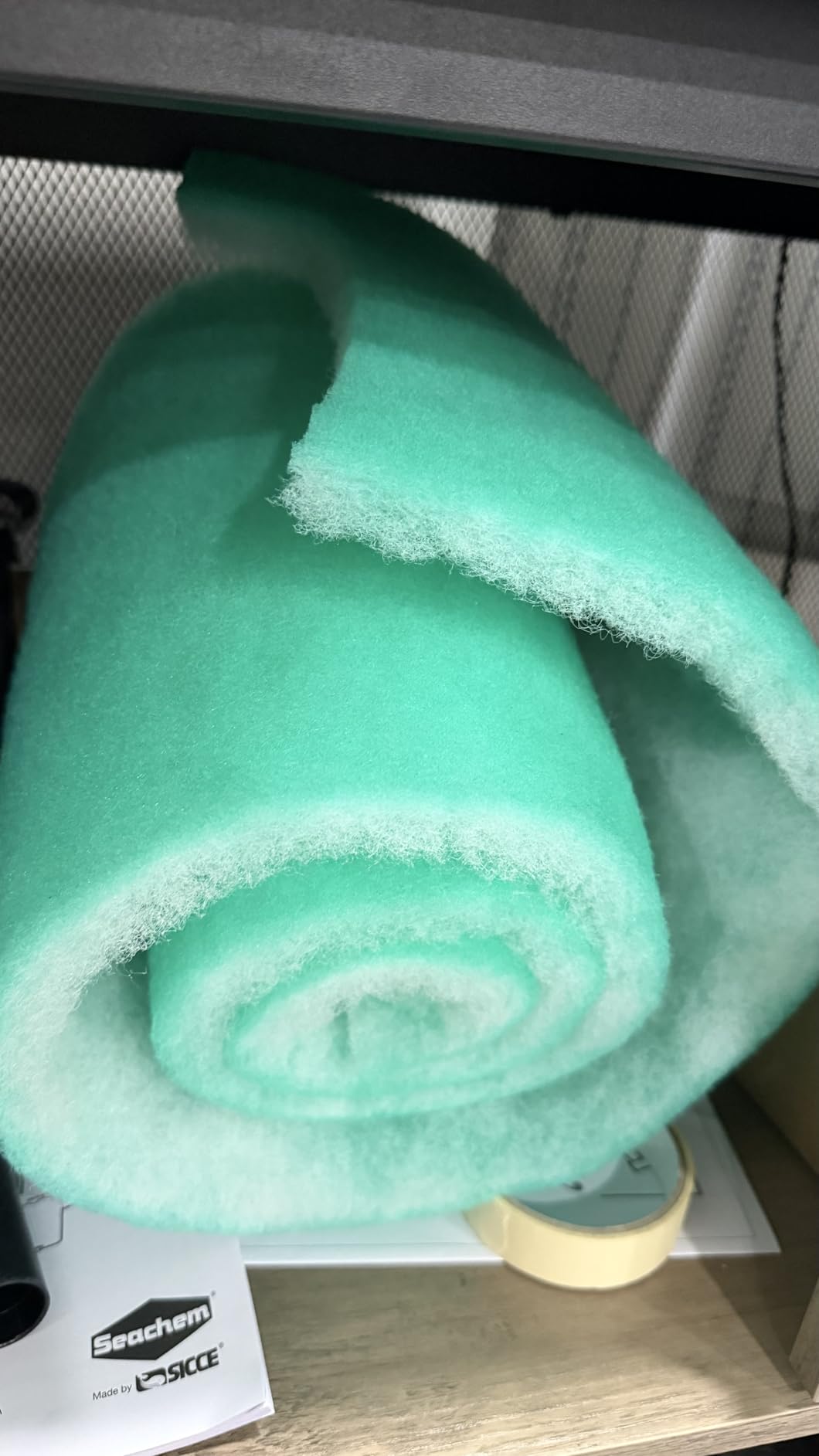
What makes the Tidal special for the price is the large capacity media basket that you can load with whatever you want. Seachem even includes a pouch of their Matrix bio-media, which is premium biological media with enormous surface area for beneficial bacteria. This is the anti-cartridge philosophy done right: you buy loose media once and rinse it for years instead of replacing proprietary cartridges monthly.
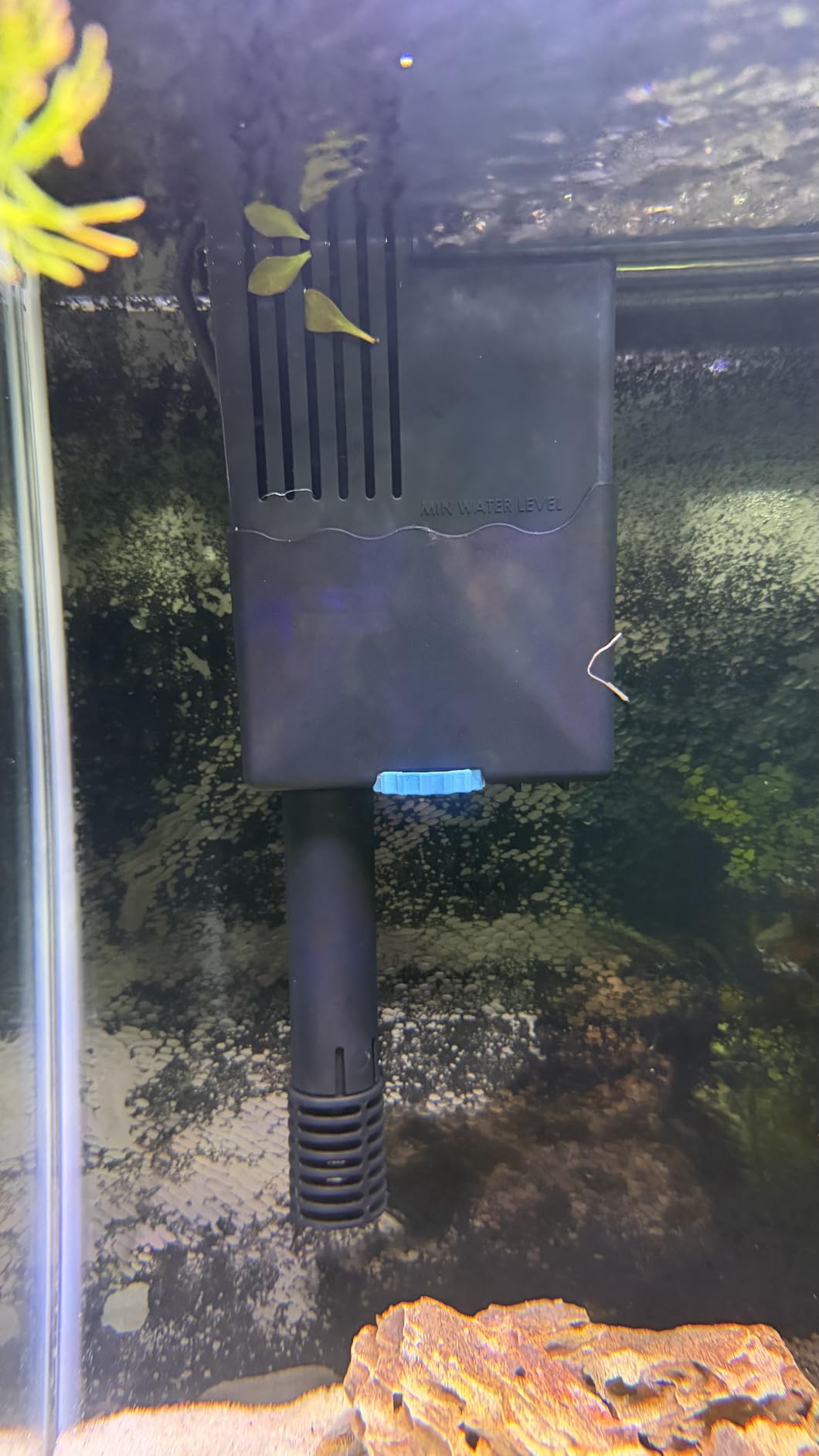
The feature set reads like a wish list for HOB buyers. Adjustable flow rate lets you dial back current for slower fish, the built-in maintenance monitor tells you when the media is clogging, and the surface-skimmer inlet pulls that oily film off the top of the water. Setup takes minutes with no plumbing required at all.
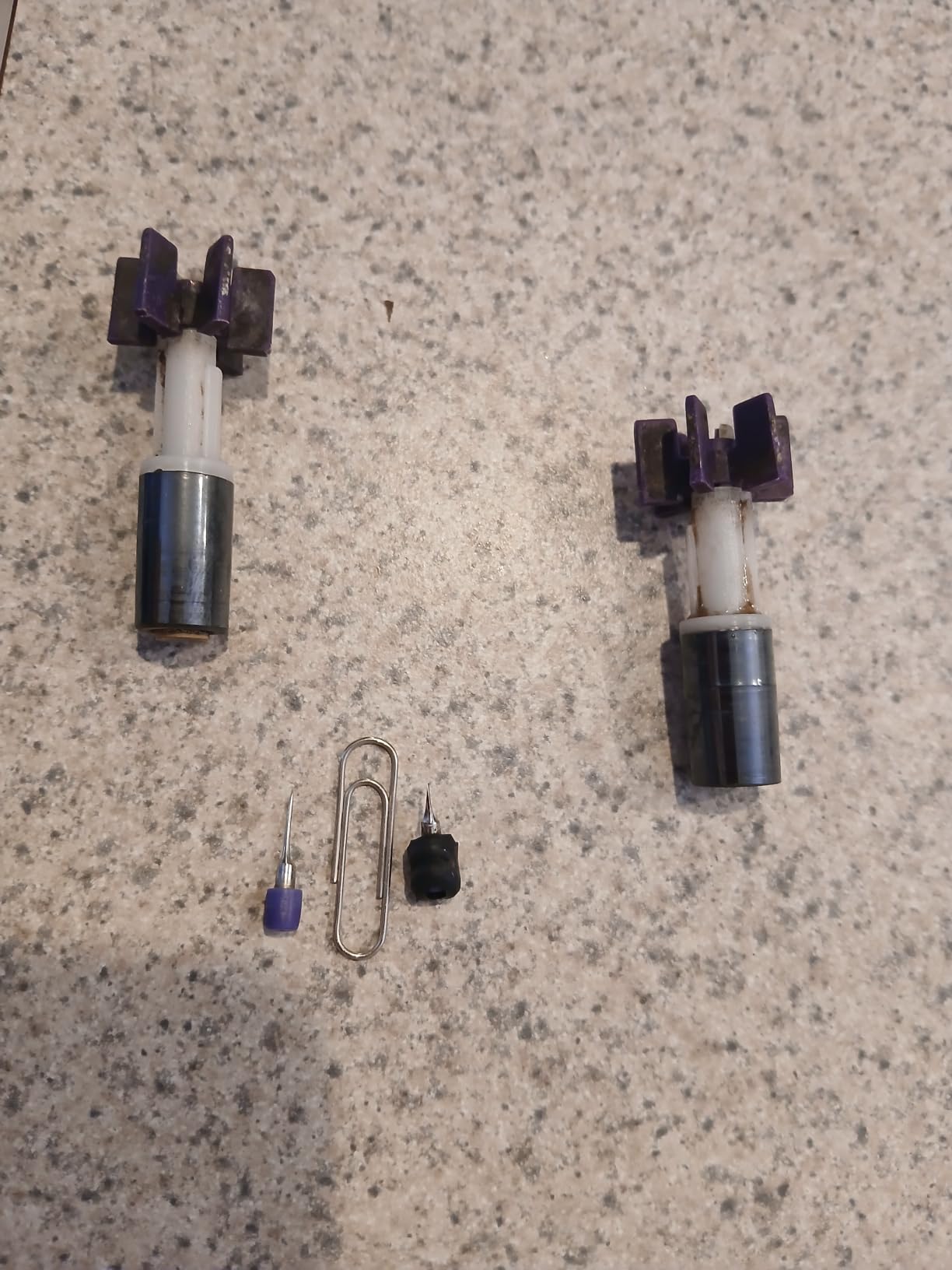
The caveats are mostly noise related. If your water level drops, the Tidal gets noticeably louder, and there is a break-in period where the impeller can rattle before settling down. The surface skimmer also cannot be bypassed, which matters if you keep surface-feeding fish or floating plants. A small number of owners report motor failures, though the overall 4.4 star rating across nearly 2,000 reviews suggests those are the minority.
Running it as a standalone versus secondary filter
On a lightly stocked 75 gallon tank, the Tidal 75 works fine as a sole filter. For messy fish like goldfish or large cichlids at that size, run it alongside a canister or a second Tidal. Many breeders actually run two Tidals for redundancy, which also means you never strip all your beneficial bacteria during cleaning.
Noise levels in a living room versus fish room
With a maintained water level, the Tidal is quiet enough for a bedroom or living room aquarium. Let the level drop an inch and you will hear it. If your tank suffers evaporation between top-offs, keep the level high and this filter stays genuinely pleasant to live with.
4. Marineland Bio-Wheel Penguin 450 – Proven Biological Filtration for 90 Gallons
Marineland Bio-Wheel Penguin 450 GPH Power Aquarium Filter
450 GPH flow
Tanks up to 90 gallons
Bio-Wheel wet/dry filtration
Self-priming pump
Pros
- Bio-Wheel excels at biological filtration
- Swap cartridges without shutdown
- Proven reliable design
- Multiple cartridge slots
- Easy impeller maintenance
Cons
- No flow control on some models
- Noisy when water level drops
- Rising replacement cartridge costs
- Plastic parts degrade over time
With over 35,000 reviews, the Marineland Penguin series is one of the most proven filters in the entire hobby. The 450 model pushes up to 450 GPH for tanks up to 90 gallons, making it the highest-flow hang-on-back filter on this list. That massive review base tells you something about longevity: people buy these again and again.
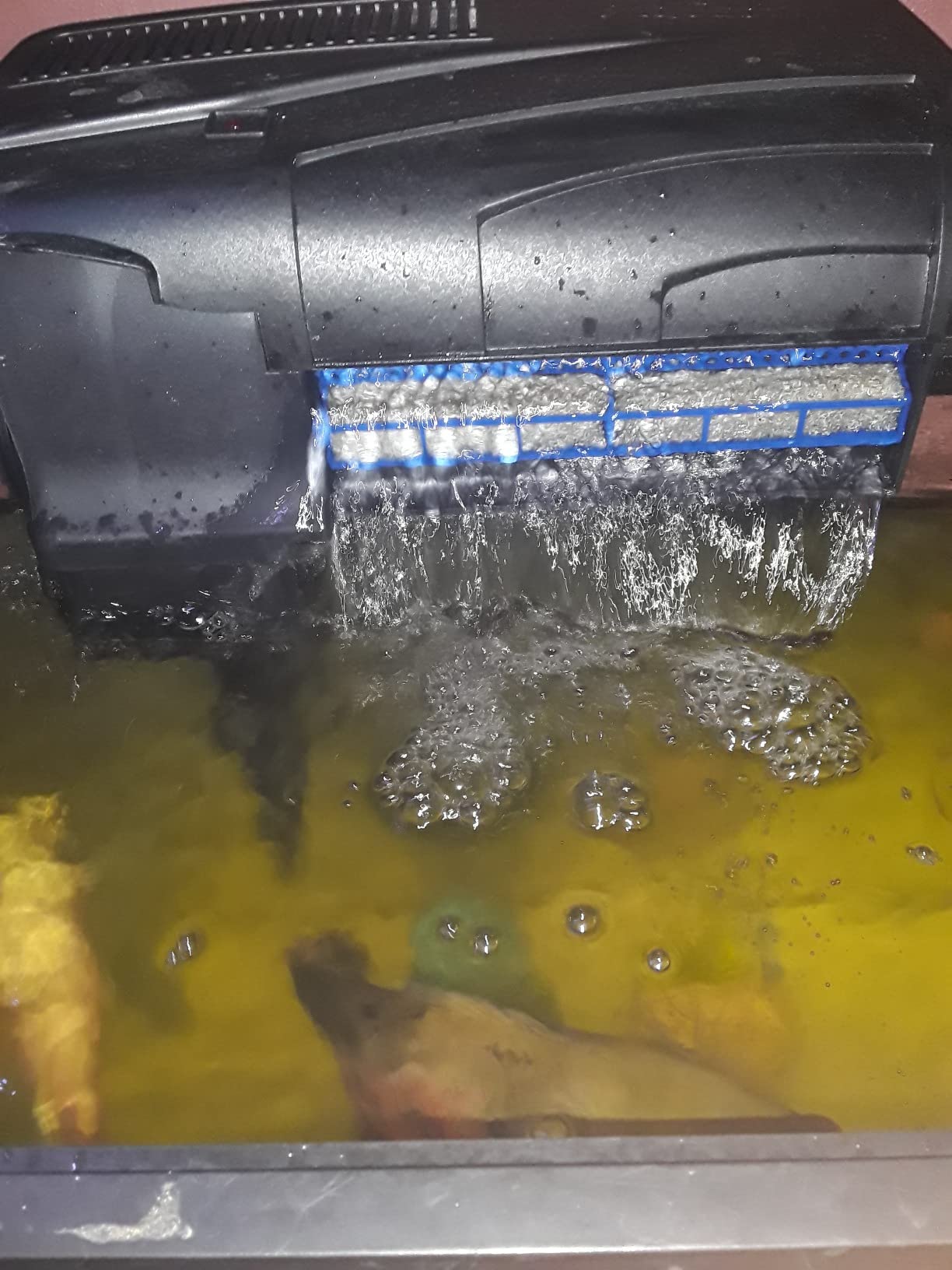
The star of the show is the Bio-Wheel, a spinning contact wheel that provides wet/dry biological filtration. Because the wheel spins in air rather than being submerged, the beneficial bacteria living on it get far more oxygen than bacteria in a canister or conventional cartridge. That oxygen supercharges the ammonia-processing capacity, which is exactly what you want in a large tank with a heavy bioload.
Multi-stage filtration covers mechanical, chemical, and biological in one unit, and you can swap cartridges without shutting anything down. Multiple cartridge slots allow customization if you want to run extra carbon or specialty media alongside the standard Rite-Size E cartridges. The self-priming pump means no manual siphoning at setup.
Now the downsides. Replacement cartridge costs keep climbing, and since Marineland uses a proprietary cartridge format, you are locked into their ecosystem. Some models lack flow control entirely, which is a problem for fish that dislike strong current. The plastic components can degrade after years of use, and like most HOB filters, it gets noisy when the water level drops.
Cartridge costs over the long run
Budget for monthly Rite-Size E cartridge replacements when calculating total ownership cost. A helpful trick from long-time owners: rinse the bio-wheel gently in tank water rather than replacing it, since that wheel holds most of your biological filtration. The cartridge only handles mechanical and chemical duty.
Best fish species pairings for the 450 GPH flow
The strong flow suits hardy swimmers like cichlids, large barbs, and goldfish in bigger tanks. It is too much current for bettas, fancy guppies, or slow-moving fish in smaller setups. For a 75 to 90 gallon tank with robust species, the flow becomes a feature rather than a bug.
5. Aqueon QuietFlow 75 LED PRO – Self-Priming Simplicity for 90 Gallons
Aqueon QuietFlow 75 LED PRO Aquarium Fish Tank Power Filter, 90 Gal
Tanks up to 90 gallons
Self-priming internal pump
LED change indicator
Two large cartridges
Pros
- Self-priming auto-restart
- Keeps water crystal clear
- Internal pump dampens noise
- Easy cleaning and maintenance
- Budget friendly price
Cons
- Noisy when water level is low
- Buzzing reported after extended use
- No flow rate control
- Proprietary cartridges required
The Aqueon QuietFlow 75 LED PRO is the filter I hand to first-time large tank owners. It is inexpensive, genuinely self-priming, and the internal pump design eliminates the leak points that plague cheaper HOB filters. I ran one as a backup filter on a 75 gallon tank for two years with zero drama.
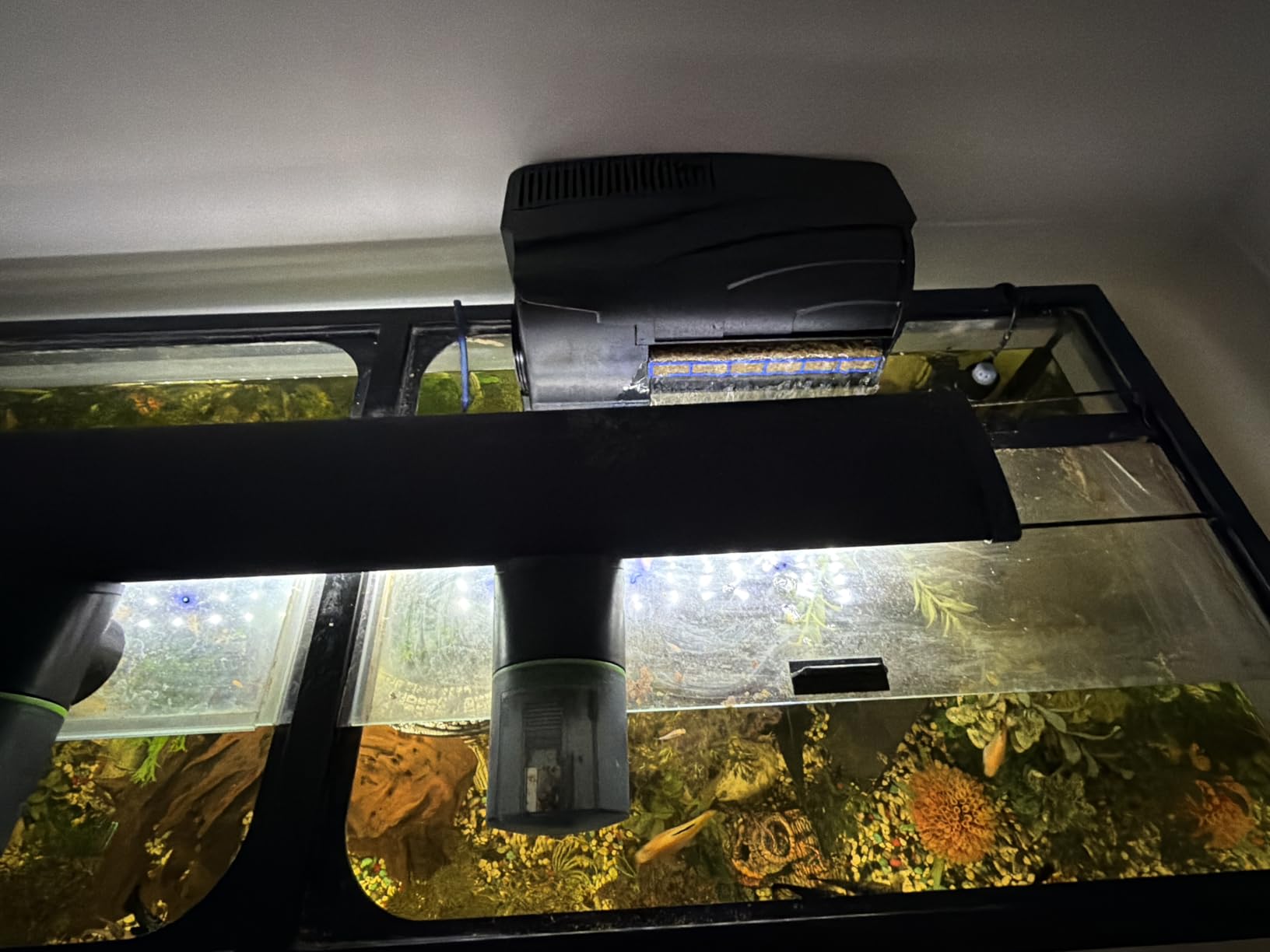
The self-priming pump auto-starts initially and restarts itself if power is interrupted and restored. For anyone who has vacationed and worried about a power flick killing their filtration, that peace of mind matters. Aqueon’s certified flow rates assure proper water circulation and high dissolved oxygen content, both of which promote more active, healthier fish.
The standout convenience feature is the LED indicator light. When water can no longer pass through the cartridge, the light flashes to tell you it is replacement time. No guessing, no calendar reminders. Filtration covers mechanical, chemical, biological stages plus an optional specialty pad slot, using two large Aqueon replacement cartridges.
The honest downsides: there is no flow adjustment, so what you get is what you get. Like every HOB on this list, it gets noisy when the water level runs low, and some owners report a buzzing sound developing after extended use. The proprietary cartridge requirement also means recurring costs, and a minority of users report motor failure after years of service.
Maintenance schedule and cartridge budgeting
Plan on swapping the two large cartridges roughly every four to six weeks depending on stocking. The LED indicator removes all guesswork, which beginners consistently praise. Rinse the cartridges lightly in removed tank water mid-cycle to stretch their life without harming bacteria.
Suitability for goldfish and other messy species
Goldfish are living waste factories, and a single QuietFlow 75 on a 90 gallon goldfish tank will struggle. Run two of them, or pair one with a canister, and you have a redundancy setup that handles the bioload. For community tanks at moderate stocking, one unit is sufficient.
6. SunSun HW302 Pro Canister – Budget Canister Filtration Under $100
SunSun Hw302 265GPH Pro Canister Filter Kit
265 GPH flow rate
Rated up to 75 gallons
3 media baskets included
Carbon, ceramic, bio balls kit
Pros
- Unbeatable value price
- Very quiet operation
- Customizable media baskets
- Complete media kit included
- Effective filtration
Cons
- Cheap plastic components
- Difficult initial priming
- Stiff hard-to-route hoses
- Parts may break long-term
The SunSun HW302 Pro is the filter Reddit budget-builders recommend constantly, and for good reason. It is a full canister filter with media included for under a hundred dollars, which is remarkable when a Fluval canister costs three times as much. If you are building a large tank on a tight budget, this is your entry point into canister filtration.
The Pro kit arrives complete with everything you need to start filtering on day one: three white filter pads, three media baskets, a pound of premium activated carbon, a pound of ceramic rings, and a set of bio balls. That media package alone would cost thirty dollars if bought separately. Once running, the unit is genuinely quiet, which surprises people expecting cheap-equipment noise.
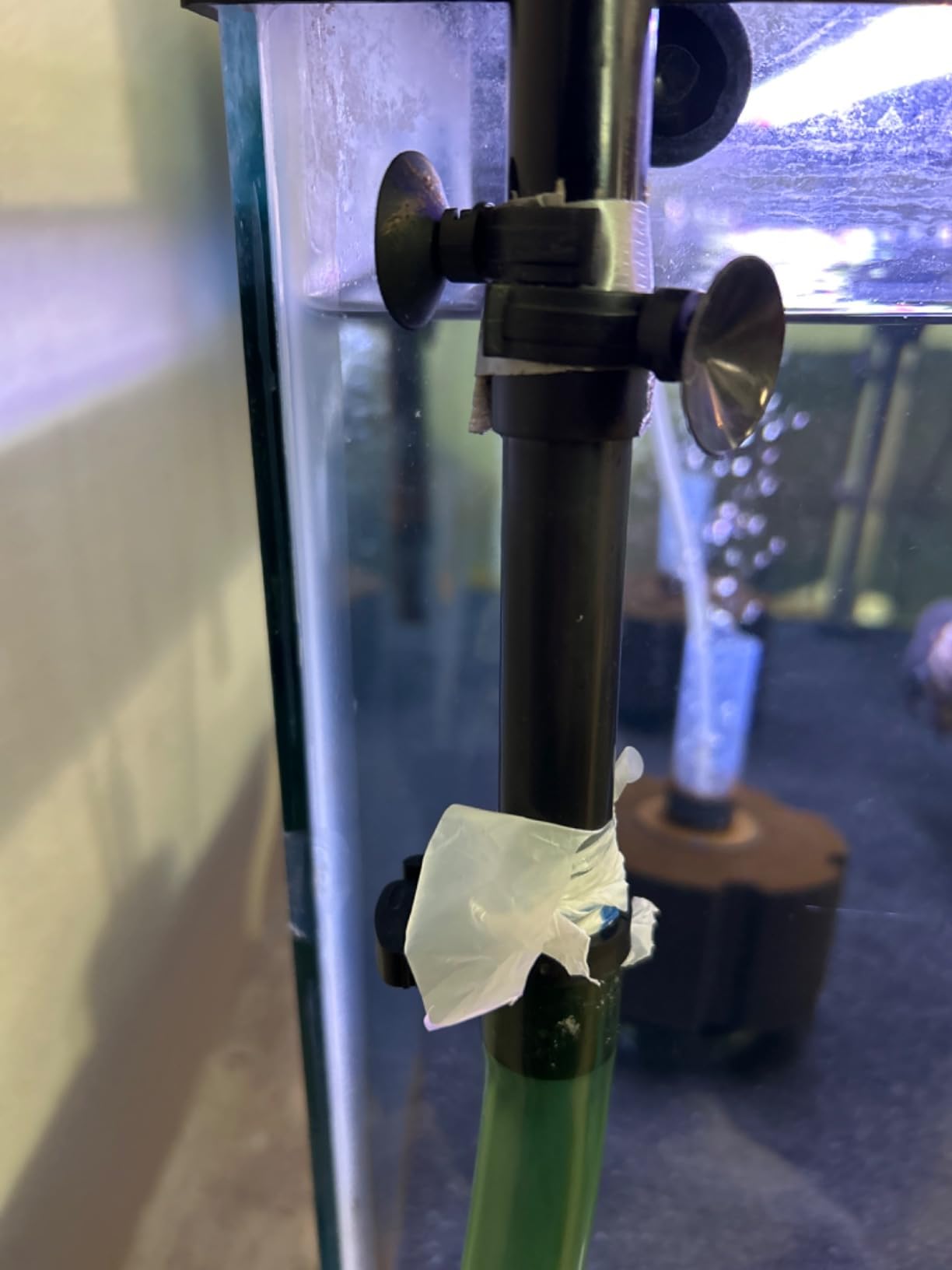
Performance-wise, the 265 GPH flow rate is honest for what it is. The three media baskets accept any standard loose media, so you can build a proper mechanical-biological-chemical stack. Many owners eventually replace the included media with higher-quality foam and ceramic, which upgrades performance significantly for another modest investment.
Know the limitations going in. The plastic components feel cheap because they are, the hoses arrive stiff and resist routing, and initial priming frustrates first-time canister owners. Long-term, some units develop broken parts. Most importantly, experienced owners agree the HW302 is realistically best for 40 to 55 gallon tanks despite its 75 gallon rating. Treat it as a strong filter for a mid-size tank rather than a true large tank solution.
Realistic tank size rating versus marketing claims
SunSun rates the HW302 for 75 gallons, but the consensus among long-term owners is 40 to 55 gallons for real-world stocking. On a heavily stocked 75 gallon tank it will run constantly near its limit. For large tanks, consider running two SunSuns or stepping up to a better-built canister.
Upgrade path and replacement parts availability
Replacement impellers, seals, and media are cheap and widely available online, which keeps old SunSuns alive for years. Serious owners often upgrade to a better pre-filter sponge immediately. If a part eventually breaks, the low replacement cost keeps the total ownership picture favorable.
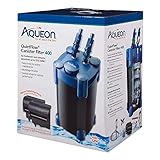
7. Aqueon QuietFlow Canister Filter – 150 Gallon Capacity with Polishing Unit
Aqueon QuietFlow Canister Aquarium Filter, Up to 150 Gallons (ECOM)
Tanks up to 150 gallons
Multi-stage filtration
Hang-on-back polishing unit
Quick disconnect valves
Pros
- Whisper quiet operation
- Large customizable baskets
- Multiple water return options
- No-leak quick disconnects
- Handles planted stocked tanks
Cons
- Some units arrive with broken parts
- Quality control inconsistencies
- Spray bar pipes can be fragile
- Flow not adjustable on some models
Aqueon’s QuietFlow canister is their answer to the Fluval 407, rated for tanks up to 150 gallons with a clever trick up its sleeve: a hang-on-the-back water polishing unit. That polishing unit runs a separate Large Aqueon cartridge for extra-fine mechanical filtration, and it gives you a quick-access maintenance point without opening the whole canister.
In practice, this dual approach works beautifully. The main canister handles the heavy lifting with its multi-stage biological, chemical, and mechanical filtration, while the polishing unit catches fine particulate that would otherwise keep your water slightly cloudy. Owners consistently describe the operation as whisper quiet, living up to the QuietFlow name better than most.
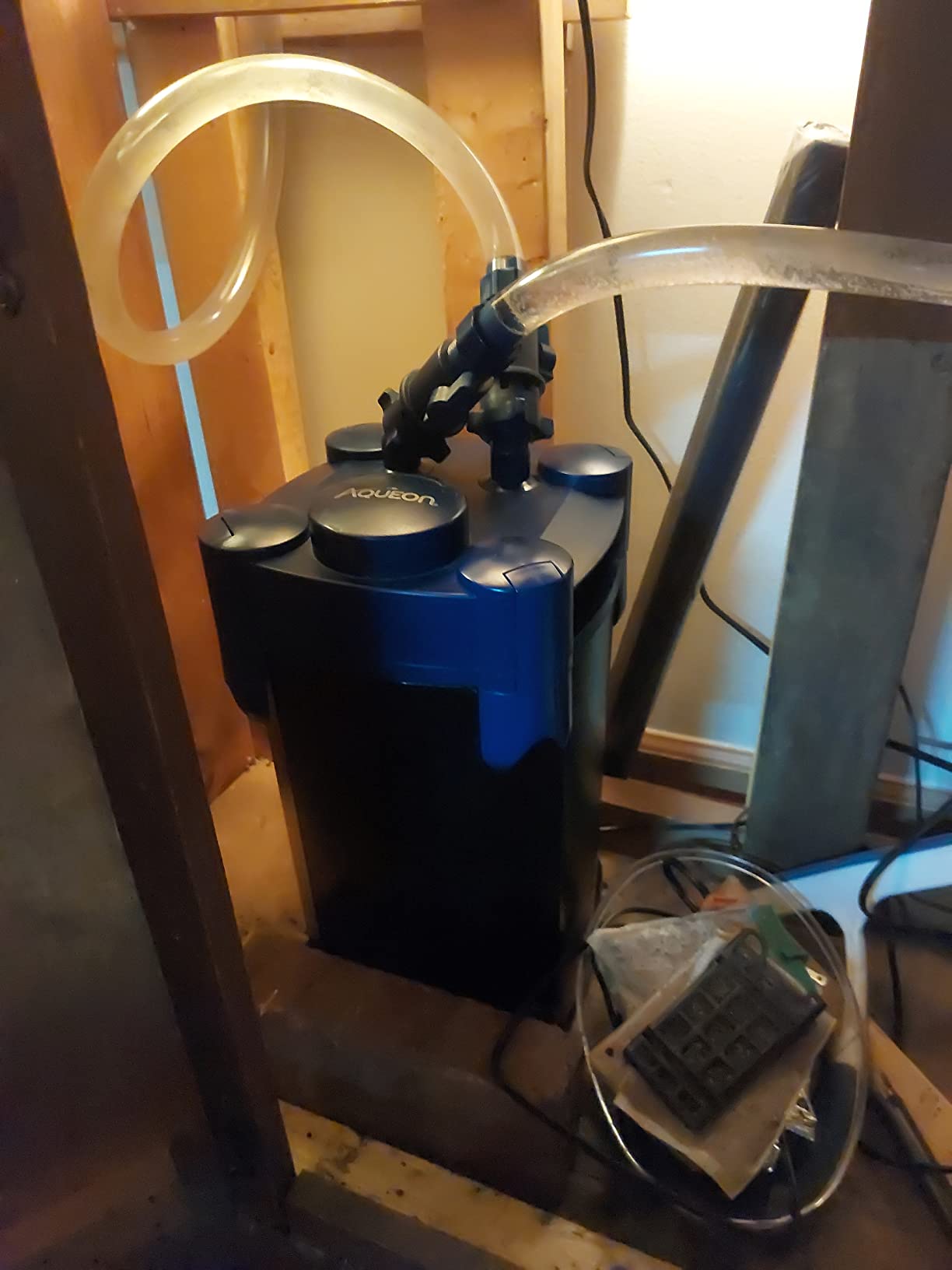
The feature list is thorough. You get three water return options including a spray bar, a water director, and the polishing unit, so you can shape the output current to suit your fish. Quick disconnect valves and pump locking heads make maintenance sessions clean and dry. Inside, activated carbon, coarse foam, bio-balls, and bio-ceramic rings are all included in the box.
The main concerns center on quality control. Some units arrive with broken parts, and the spray bar and output pipes can be fragile during handling. A few owners note the flow is not adjustable on some models. With a one year warranty and a 4.4 star rating across a thousand reviews, most buyers are satisfied, but inspect everything on delivery day.
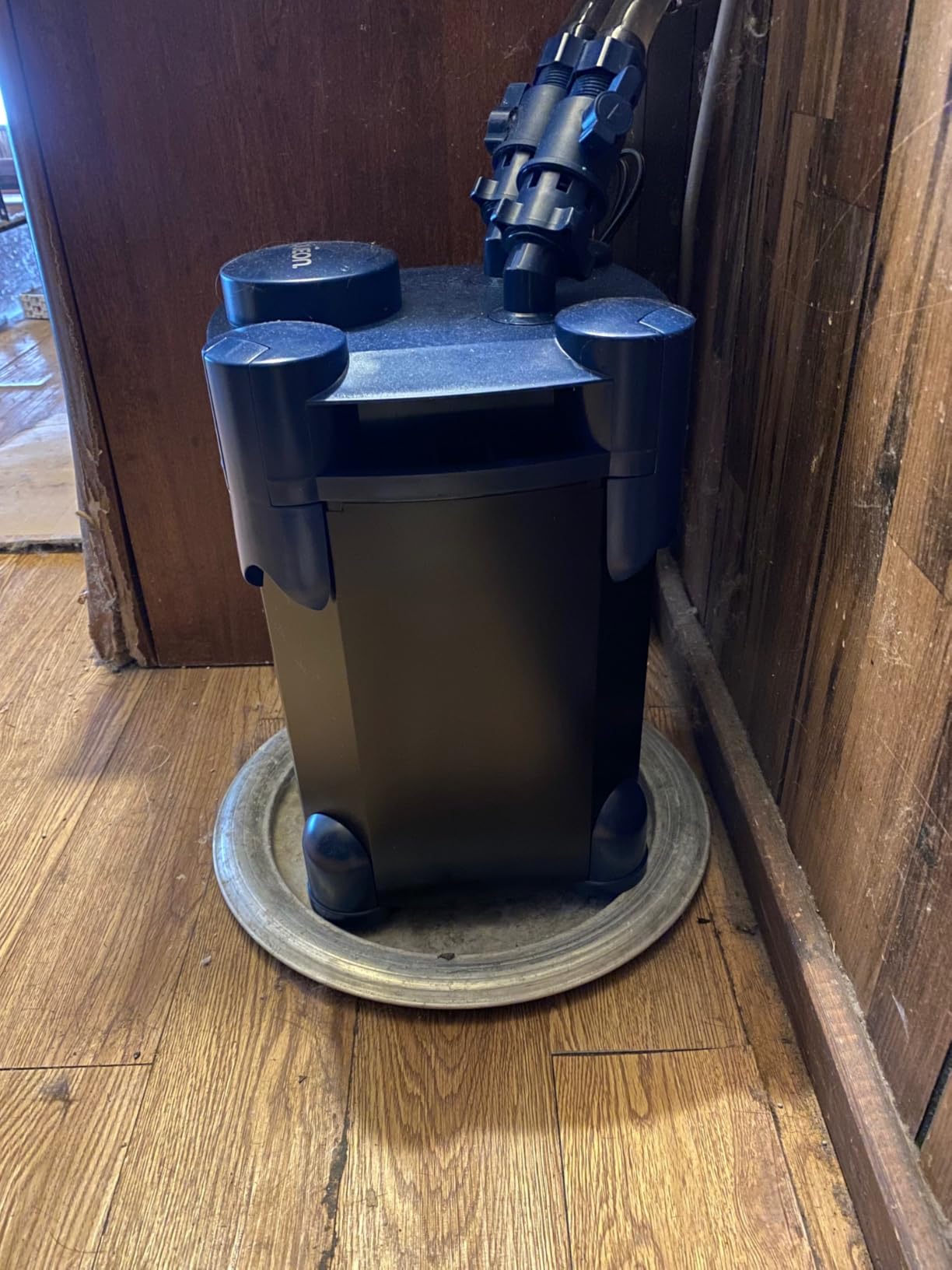
Planted tank and heavy stocking performance
This is one of the few filters owners specifically praise for heavily planted and heavily stocked tanks simultaneously. The spray bar option distributes gentle, even current that plants tolerate well, while the large media volume handles the waste from a full fish population. For 125 to 150 gallon planted tanks, it is a strong match.
Installation space and cabinet fit requirements
At 8.5 by 8.5 by 20.5 inches, it fits most standard aquarium cabinets, but measure yours before ordering. The hang-on-back polishing unit also needs clearance at the tank rim, so factor that into your layout. Standard cabinets for 150 gallon tanks accommodate it without issue.
8. Tetra Whisper IQ 300 – Silent Filtration for Mid-Size Large Tanks
Tetra Whisper IQ 300 GPH Power Filter For Aquariums
300 GPH flow
Up to 60 gallon tanks
Under 40 dB sound shield
Stay Clean pH technology
Pros
- Very quiet under 40 dB
- Self-priming submerged motor
- Adjustable water flow
- Fast 5-minute setup
- Excellent value price
Cons
- Some units noisier than expected
- Monthly cartridge replacements
- Too wide for some glass tops
- Flow not adjustable on all units
The Tetra Whisper IQ 300 is the best-selling aquarium filter on Amazon for a reason. With nearly 14,000 reviews, it has earned its reputation as the quietest affordable power filter available. The sound shield keeps operation under 40 decibels, which is quieter than a whispered conversation and genuinely suitable for bedrooms and offices.
Rated at 300 GPH for tanks up to 60 gallons, it sits at the smaller end of this lineup, but it earns its place as the ideal second filter in a multi-filter large tank strategy. The submerged motor is completely self-priming, starting up with zero manual effort. Setup genuinely takes about five minutes from box to running.
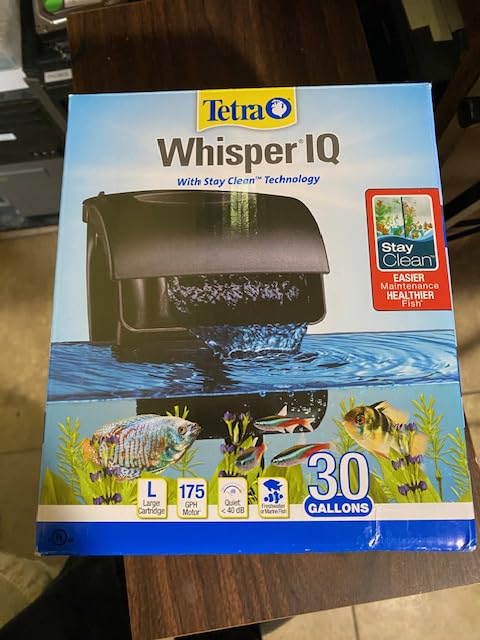
The adjustable flow rate makes it surprisingly versatile. Dial it down and it becomes gentle enough for bettas and slow-swimming fish, which is rare praise for a filter with this much throughput. Tetra’s Stay Clean technology in the cartridges helps maintain healthy pH levels between changes, an added buffer for stability.
Be aware of the trade-offs. Cartridges need monthly replacement, and Tetra’s proprietary Bio-Bag format locks you into their ecosystem. Some units are noisier than the 40 dB spec suggests, which points to quality variance between production runs. The body is also wide enough to interfere with some glass tops, so check your hood configuration.
Using it as a dedicated betta or shrimp tank upgrade
The adjustable flow sets the Whisper IQ apart for delicate species. On a 40 to 60 gallon betta sorority or shrimp tank, the gentlest setting provides filtration without blasting inhabitants. Shrimp keepers particularly appreciate that shrimplets rarely get pulled into a properly adjusted intake.
Dual-filter configurations for 75+ gallon tanks
Large tank veterans consistently recommend running two filters rather than one, and two Whisper IQ 300s cover a 75 to 90 gallon tank nicely. Splitting filtration across two units provides redundancy if one fails and lets you clean them alternately, always keeping half your beneficial bacteria colony intact.
Buying Guide: How to Choose the Best Aquarium Filter for Large Tanks
Choosing among the best aquarium filters for large tanks comes down to five factors: filter type, flow rate, bioload, media flexibility, and noise. Get these right and your water stays clear with minimal effort. Get them wrong and you will be fighting algae and ammonia no matter how often you change water.
Filter Type: Canister versus HOB for Large Tanks
Canister filters sit below or beside the tank and push water through large sealed media chambers. They hold far more biological media than hang-on-back filters, making them the standard choice for tanks over 75 gallons. The trade-offs are higher cost and more involved maintenance.
Hang-on-back filters clip onto the tank rim and are cheaper and easier to service. Modern HOBs like the Seachem Tidal 75 and Marineland Penguin 450 legitimately handle 75 to 90 gallon tanks now. Many experienced keepers run one of each for redundancy.
Flow Rate: How Many GPH Your Tank Actually Needs
The old rule of thumb says turn your entire tank volume over at least four times per hour. That means a 100 gallon tank needs a minimum of 400 GPH, and a 150 gallon tank needs 600 GPH. For messy fish like goldfish, cichlids, and Oscars, hobbyists routinely aim for eight to ten turnovers per hour.
Remember that manufacturer GPH ratings are measured with empty filter chambers. Once loaded with media, real-world flow drops by 20 to 30 percent. Always buy more filter capacity than the math suggests, because over-filtering a tank is essentially impossible while under-filtering causes endless problems.
Bioload: Matching Filter Capacity to Your Fish
Bioload is the total waste output of everything living in your tank. A single adult Oscar produces more waste than twenty neon tetras. Before picking a filter, honestly assess what your fish produce rather than just counting gallons.
Goldfish, Plecos, Oscars, and large cichlids sit at the top of the bioload chart and need oversized biological media capacity. The beneficial bacteria living in that media convert toxic ammonia into nitrite and then relatively safe nitrate. More media surface area means more bacteria, which means more processing power.
Media Flexibility and Long-Term Costs
Filters with proprietary cartridges create a recurring monthly expense that adds up fast. Filters with customizable baskets, like the Fluval 407, Cascade 1200, and Seachem Tidal, let you buy bulk loose media that costs pennies per refill. Over five years, that difference can exceed the price of the filter itself.
Pre-filter sponges on intake tubes deserve special mention. Hobbyists on Reddit consider them essential for large tanks because they catch debris before it enters the filter, dramatically extending time between deep cleanings. They also protect small fish and shrimp from the intake.
Noise and Energy Considerations
A filter running 24/7 in a living space needs to be quiet. Look for submerged motor designs like the Tetra Whisper IQ and Aqueon QuietFlow, which keep noise under 40 decibels. Canister filters hidden in a cabinet naturally muffle their own sound.
Energy use matters more than most buyers realize. A 45 watt canister running continuously consumes roughly 400 kilowatt-hours per year. The Fluval 407’s eTEC pump, which runs on LED-bulb-level power, shows how newer designs trim that figure while maintaining flow.
Frequently Asked Questions
What are the best fish tank filters for large tanks?
The Fluval 407 canister (up to 100 gallons), Penn-Plax Cascade 1200 (up to 150 gallons at 315 GPH), and Aqueon QuietFlow Canister (up to 150 gallons) are the top picks for large tanks. For hang-on-back options, the Marineland Penguin 450 at 450 GPH handles tanks up to 90 gallons.
How many GPH do I need for a 100 gallon tank?
A 100 gallon tank needs a minimum of 400 GPH for four water turnovers per hour, and 600 to 800 GPH is better for messy fish like goldfish and cichlids. Remember that real-world flow drops 20 to 30 percent once the filter is loaded with media.
Can a filter be too big for a fish tank?
Biologically, a filter can never be too big because more filtration simply means cleaner water. The only risks are mechanical: flow that is too strong stresses slow-swimming fish like bettas, and oversized outlets can create excessive current. Adjustable flow filters solve this by letting you dial output back.
What size filter do you need for a 100 gallon fish tank?
For a 100 gallon fish tank, choose a canister filter rated to at least 100 gallons with 400 or more GPH, such as the Fluval 407. For heavy stocking, step up to a filter rated for 150 gallons like the Penn-Plax Cascade 1200 or Aqueon QuietFlow Canister.
Is a canister filter worth it for large tanks?
Yes, canister filters are worth it for tanks over 75 gallons because they hold far more biological media than hang-on-back filters, run quieter inside a cabinet, and handle heavy bioloads from fish like Oscars and Plecos. They cost more upfront but offer superior long-term filtration capacity.
Final Verdict on the Best Aquarium Filters for Large Tanks
After years of running large aquariums, my verdict is straightforward. The Fluval 407 is the best all-around choice for tanks up to 100 gallons, combining quiet operation, one-finger media access, and LED-bulb energy efficiency. The Penn-Plax Cascade 1200 delivers the most filtration per dollar for tanks up to 150 gallons, and the Seachem Tidal 75 proves HOB filters still belong in the large tank conversation.
Whatever you choose, size up rather than down. Over-filtering is a hobby myth; under-filtering causes algae, ammonia spikes, and sick fish. Pair any of these filters with a pre-filter sponge, stock media generously, and your large tank will stay crystal clear with less maintenance than you expect.
Ready to upgrade your large tank filtration in 2026? Check the latest prices on my top picks above and give your fish the clean water they deserve.