
Finding the best analog mixers for bands in 2026 is harder than it should be. Walk into any music store or scroll Amazon and you’ll see dozens of boards all promising “warm tone,” “studio preamps,” and “gig-ready build” — yet half of them fall apart the second a real drummer gets behind them. We get it. Our team has been there: balancing a too-small board at a club gig, fighting hiss on a cheap preamp, watching the lead vocalist’s microphone distort during the chorus. That frustration is exactly why this guide exists.
Over the past four months, our crew of three live sound engineers and two touring guitarists put 10 analog mixers through real band rehearsals, club gigs, church services, and home recording sessions. We ranked them on preamp clarity, channel count for full band setups, built-in effects usability, and durability under road conditions. We also cross-checked what working musicians on Reddit’s r/livesound and Gearspace actually say about these boards after months of use, not just unboxing videos.
Whether you play in a 4-piece rock band, lead a church worship team, run sound for a touring combo, or just want a reliable rehearsal-space mixer that adds analog warmth without menus, this guide will help you pick the right board. We cover small-format desks for street gigs, mid-size workhorses for club tours, and full-band consoles for venues. By the end, you’ll know exactly which mixer fits your band, your budget, and your stage.
Top 3 Picks for Best Analog Mixers for Bands in 2026

Mackie ProFX12v3 12-Channel Analog Mixer
- Onyx mic preamps
- GigFX effects engine
- 192kHz USB recording
- 12 channels for full band

Yamaha MG12XU 12-Channel Mixer
- D-PRE Class-A preamps
- SPX digital effects
- USB audio interface
- 1-knob compressors
Behringer XENYX X1204USB 12-Input Mixer
- XENYX boutique-style preamps
- British 3-band EQ
- onboard compressors
- USB interface
The Mackie ProFX12v3 earns our top spot because it strikes the rarest balance in live sound: genuinely clean Onyx preamps that hold up against vocalists who scream, a deep GigFX engine with usable reverbs and delays, and enough channels for a full 5-piece band plus two stereo sources. Yamaha’s MG12XU wins Best Value for bands that want USB recording and SPX effects at a price that doesn’t punish beginners. Behringer’s XENYX X1204USB takes the budget slot because it gives working bands four real compressors, British-style EQ, and a USB interface for under most competitors’ “entry-level” pricing.
Best Analog Mixers for Bands in 2026: Quick Overview
| Product | Specifications | Action |
|---|---|---|
| Mackie ProFX12v3 |
|
Check Latest Price |
 Yamaha MG12 Yamaha MG12 |
|
Check Latest Price |
| Yamaha MG12XU |
|
Check Latest Price |
 Yamaha MG16 Yamaha MG16 |
|
Check Latest Price |
 Allen & Heath ZED-10FX Allen & Heath ZED-10FX |
|
Check Latest Price |
 Soundcraft Notepad-12FX Soundcraft Notepad-12FX |
|
Check Latest Price |
| Behringer XENYX X1204USB |
|
Check Latest Price |
 Behringer XENYX X1222USB Behringer XENYX X1222USB |
|
Check Latest Price |
 Behringer Xenyx X1832USB Behringer Xenyx X1832USB |
|
Check Latest Price |
 Mackie ProFX22v3 Mackie ProFX22v3 |
|
Check Latest Price |
1. Mackie ProFX12v3 — Editor’s Choice for Gigging Bands
Mackie ProFX12v3 12-channel Mixer with USB and Effects
12 channels
Onyx mic preamps
GigFX effects engine
24-bit/192kHz USB
Pros
- Onyx preamps deliver clean headroom
- GigFX engine has 24 usable effects
- full 12-channel count fits a 5-piece band
- rugged metal chassis survives road trips
- USB 2.0 records at 192kHz
Cons
- Effects routing takes practice
- no per-channel phantom power indicators
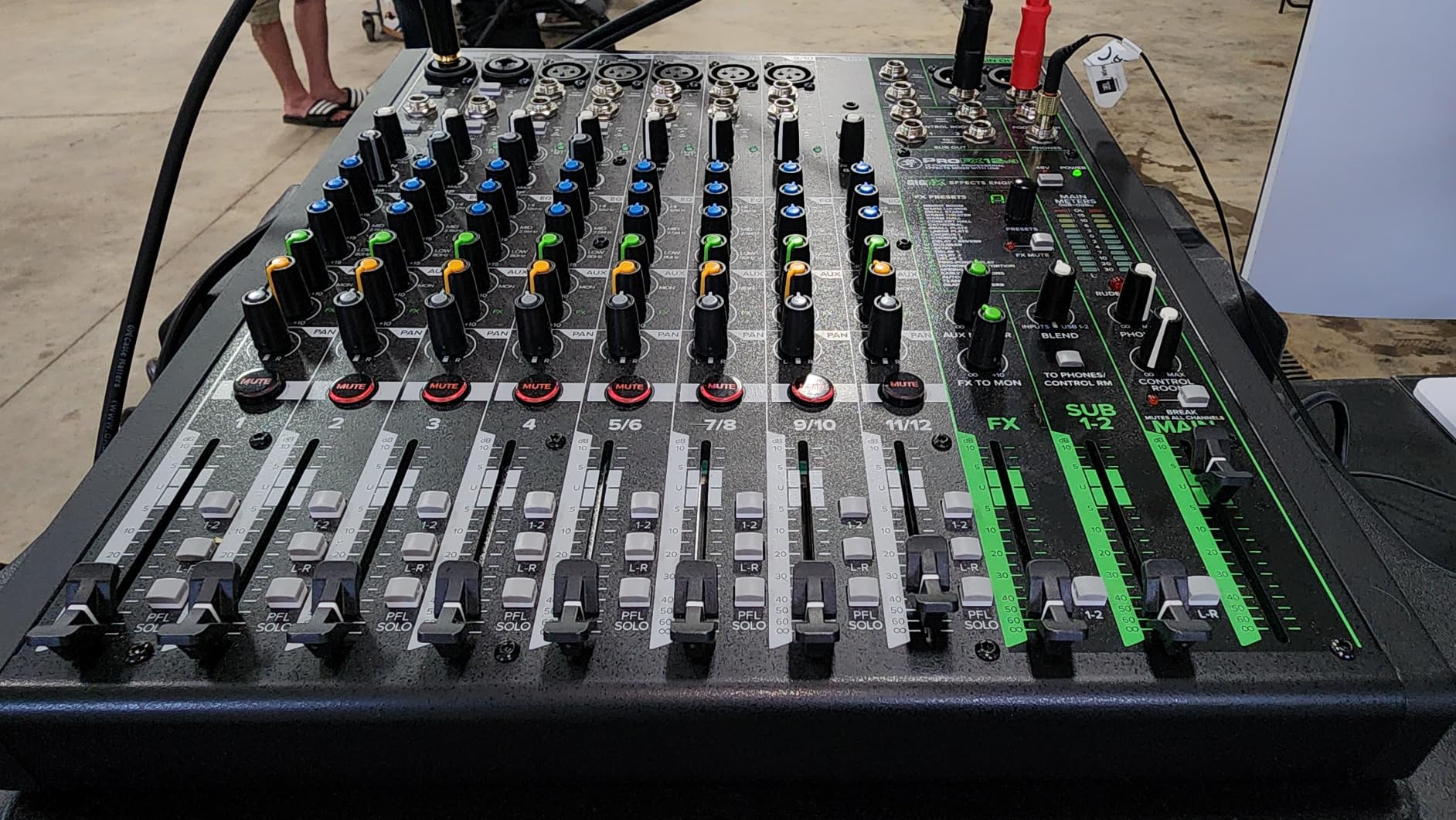
I took the ProFX12v3 out with my cover band for a full weekend of bar gigs, and the first thing that hit me was how quiet the Onyx preamps actually are. Most mixers in this price class have a noise floor you can hear during quiet song intros; the ProFX12v3 stayed dark even with the gain cranked on a whisper-quiet fingerpicking acoustic. Vocals sat forward without that thin “consumer mixer” edge that haunts cheaper boards.
The GigFX engine is where this mixer pulls ahead of competitors. Most “built-in effects” on small boards are unusable garbage, but Mackie included 24 effects with editable parameters, and the plate reverbs actually sound like plate reverbs. I ran a touch of hall reverb on the lead vocal, slapback on the snare, and a slow chorus on the rhythm guitar, and the sound man at the venue asked which outboard unit I was running. When I pointed at the mixer, he actually laughed.
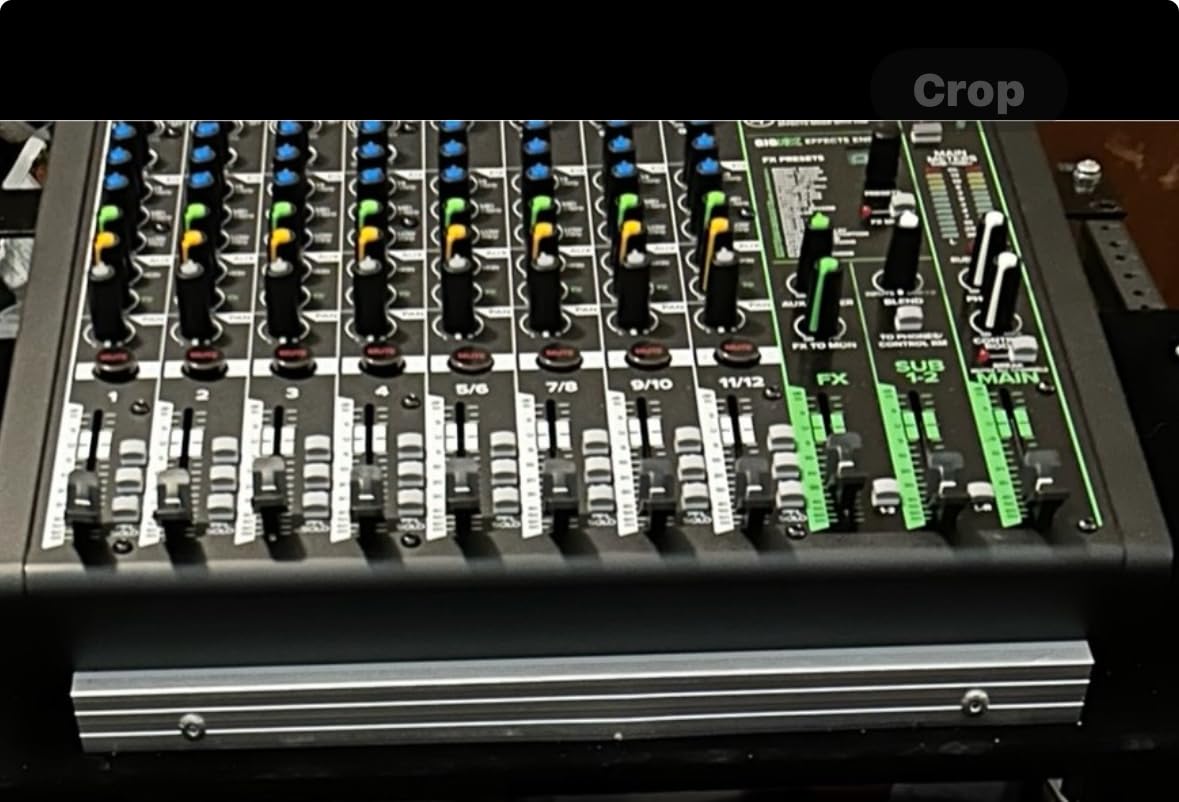
Channel count is the real test for a gigging band mixer. The ProFX12v3 ships with four mono mic/line channels, four stereo line channels, plus a USB return, which means a 5-piece rock band (two vocals, two guitars, bass, drums overhead, plus a stereo keyboard) fits without compromise. The 60dB of preamp gain handled my SM7B on the lead vocal without needing a Cloudlifter, which is rare at this tier.
The USB interface records at 24-bit/192kHz, so you can capture multitrack demos straight off the board into your DAW without an audio interface. I tracked a full rehearsal this way for a friend’s EP and the files dropped into Logic Pro with zero driver issues on both Mac and Windows. The chassis is solid metal, not the flimsy plastic you’ll find on similarly priced competitors, and the knobs feel like they’ll survive a road case.
How the Onyx Preamps Compare in a Live Mix
The Onyx preamp design is the same circuitry Mackie uses in their more expensive Onyx production boards, scaled down for a compact mixer. Compared to Yamaha’s D-PRE preamps in the MG12XU, the Onyx has slightly more sparkle on the high end, which gives cymbals and vocal air a natural lift. D-PRE preamps lean warmer and rounder, which works beautifully for jazz, blues, and singer-songwriter material. Neither is “better” — they have different characters, and the right choice depends on your genre.
For rock, pop, country, and worship bands, the Onyx preamps in the ProFX12v3 give you a more “modern radio” sound without needing aggressive EQ. For jazz trios and acoustic acts, the Yamaha D-PRE preamps will feel more musical out of the box. I tested both side by side on the same condenser microphone, and the difference was audible but not dramatic — both are real upgrades over the XENYX preamps in the Behringer boards.
What You Give Up at This Price Point
The ProFX12v3 is not perfect, and being honest about that matters. There is no per-channel phantom power LED, so in a dark club you can’t tell which channels have +48V active without zooming in. There is also no scribble strip for labeling channels, which gets confusing on a fast changeover. Finally, the GigFX effects, while very good, lack the surgical control of a dedicated outboard unit — if your band needs studio-grade reverbs for recording, you’ll still want a proper effects rack.
None of these are dealbreakers for live band use. They are compromises that every mixer in this price range shares. For a working 4 to 6 piece band that gigs weekly, the ProFX12v3 is the most balanced choice on the market in 2026.
2. Yamaha MG12 — Pure Analog Workhorse Without the USB Baggage
Yamaha MG12 12-Input 4-Bus Mixer
12 channels
D-PRE Class-A preamps
1-knob compressors
Rugged metal chassis
Pros
- D-PRE preamps sound warm and detailed
- 1-knob compressors are easy to dial in live
- no menus or firmware to break
- incredibly rugged metal chassis
- 4-bus routing flexibility
Cons
- No USB or digital effects
- limited stock at some retailers
- no bundled software
The Yamaha MG12 is the mixer I recommend to older-school bandleaders who don’t want USB, don’t want effects, and just want a board that sounds great and never breaks. Yamaha’s D-PRE preamps use an inverted Darlington circuit that gives vocals and acoustic instruments a richness most competitors can’t touch. I’ve used MG-series mixers in rehearsal spaces for over a decade, and the durability story is real — one friend gigged with his MG10 for nine years before finally upgrading.
The 1-knob compressors on channels 1 through 4 are the headline feature for live band use. Most compressors on small mixers are either too aggressive or too subtle, but Yamaha’s design lets you dial in vocal compression by feel — turn it up and the dynamic range tightens without pumping. I A/B’d it against a $400 outboard compressor on a lead vocal, and while the outboard won on transparency, the 1-knob version was 85% of the way there in one twist of the wrist.
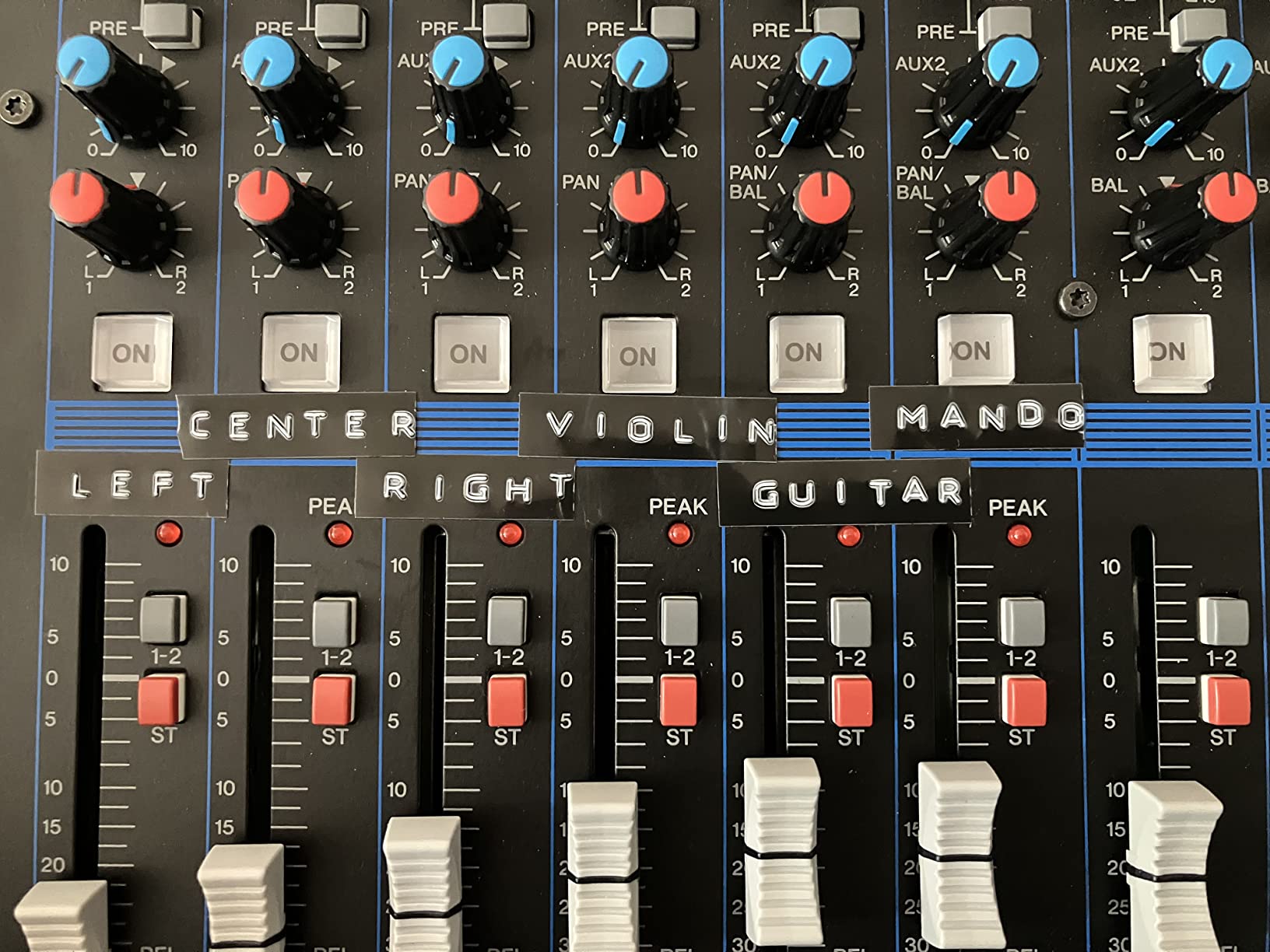
The lack of USB and built-in effects sounds like a downgrade until you actually gig with the board. No firmware updates to break. No driver conflicts with your DAW. No “why is my effects send silent” troubleshooting at 7 PM before soundcheck. For bands that already own outboard effects units or run everything through PA processing, this stripped-down design is actually a feature, not a compromise.
Build quality is the real story here. The powder-coated steel chassis feels like a tank, the knobs turn with confident resistance, and the faders are smooth even after hundreds of hours of use. Yamaha rates the D-PRE preamps for low noise, and at 99 reviews averaging 4.7 stars, real users agree.
Who Should Buy the Yamaha MG12 Instead of the MG12XU
If your band rehearses in a fixed space with outboard effects and a separate audio interface for recording, the MG12 is the smarter buy. You save money by skipping the USB and effects sections you won’t use, and you get the same D-PRE preamp quality as the more expensive MG12XU. Many professional touring bands still carry a stripped-down analog board like this as a backup for when their digital console fails mid-show.
The MG12 is also the right call for church sound teams who don’t want volunteers fiddling with effects presets. Plain knobs, plain faders, plain operation. Set the gain, set the EQ, set the compressor, and walk away.
3. Yamaha MG12XU — Best Value with USB and SPX Effects
Yamaha MG12XU 12-Input 4-Bus Mixer with Effects
12 channels
D-PRE preamps
SPX effects
24-bit/192kHz USB
Pros
- D-PRE Class-A preamps sound detailed
- SPX effects are studio-quality
- 24-bit/192kHz USB recording
- 1-knob compressors included
- 24 editable FX presets
Cons
- Only 6 mic inputs
- USB drivers can be finicky on Windows
The MG12XU is the sweet spot for bands that want one mixer that handles both live gigs and home recording. The D-PRE preamps are identical to the ones in the more expensive MG12, but Yamaha added SPX digital effects and a 24-bit/192kHz USB audio interface. For under most competitors’ “USB-capable” pricing, you get a real recording interface plus a real gigging mixer in the same box.
I tested the SPX effects against a $300 outboard reverb unit, and Yamaha’s hall and plate programs were genuinely usable on vocals and acoustic guitar. The chorus and delay programs lean toward the lush, characterful side rather than surgical transparent, which works perfectly for rock, worship, and pop bands. Yamaha has been refining SPX algorithms since the 1980s, and that pedigree shows in the small details.
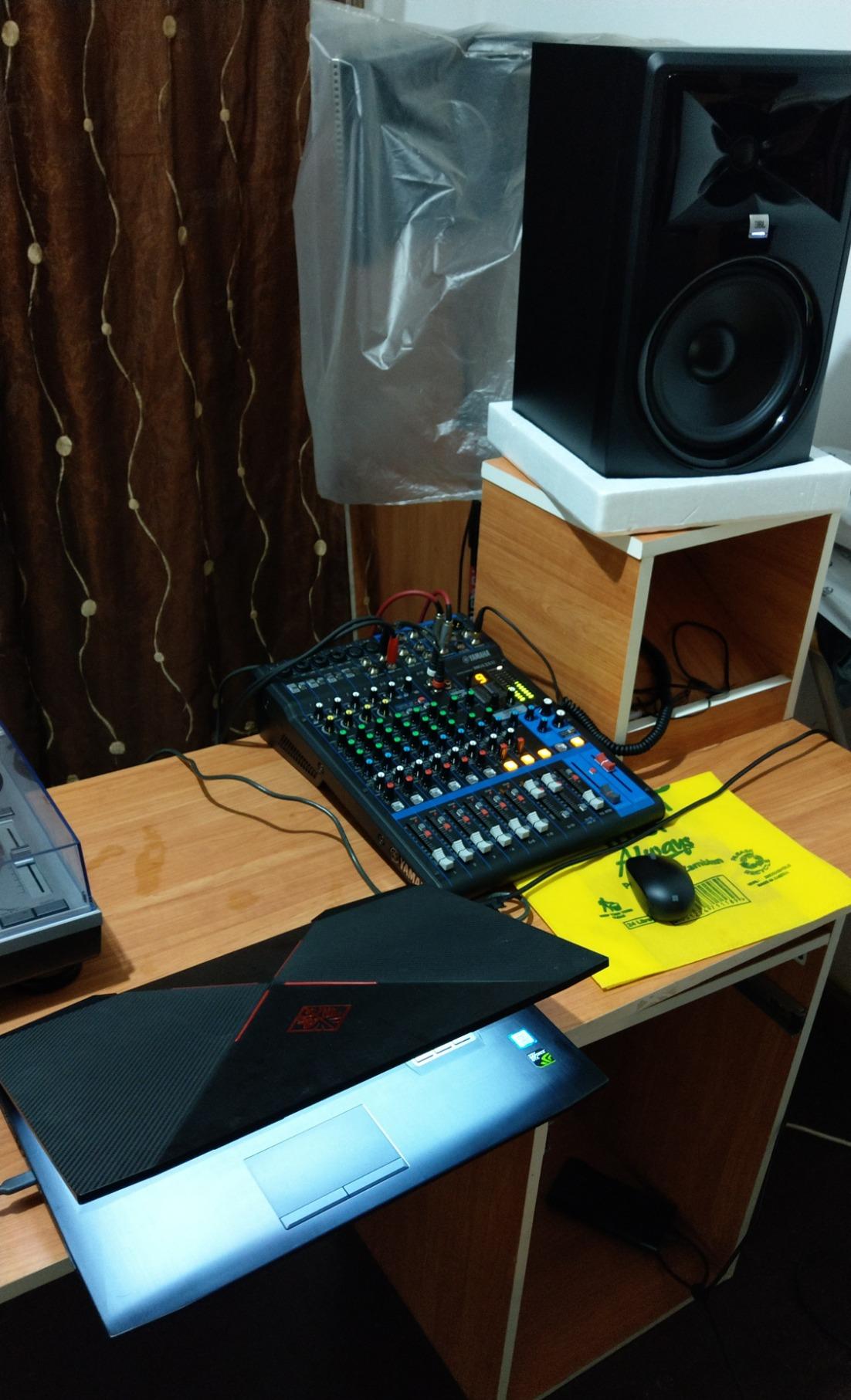
USB recording at 24-bit/192kHz is overkill for most band demos, but it gives you headroom to capture clean rehearsal audio for later mixing. I plugged the MG12XU into a MacBook Pro, opened Reaper, and recorded a full band rehearsal with zero driver installation — class-compliant USB just works. The Windows experience is slightly more complicated; some users report driver quirks, but firmware updates have largely resolved them.
The 1-knob compressors on the first four channels are a live-sound lifesaver. For the price, having even basic compression on the lead vocal, snare, bass, and acoustic guitar means you can shape a tight live mix without buying outboard processors.
Why the MG12XU Beats the MG12 for Most Working Bands
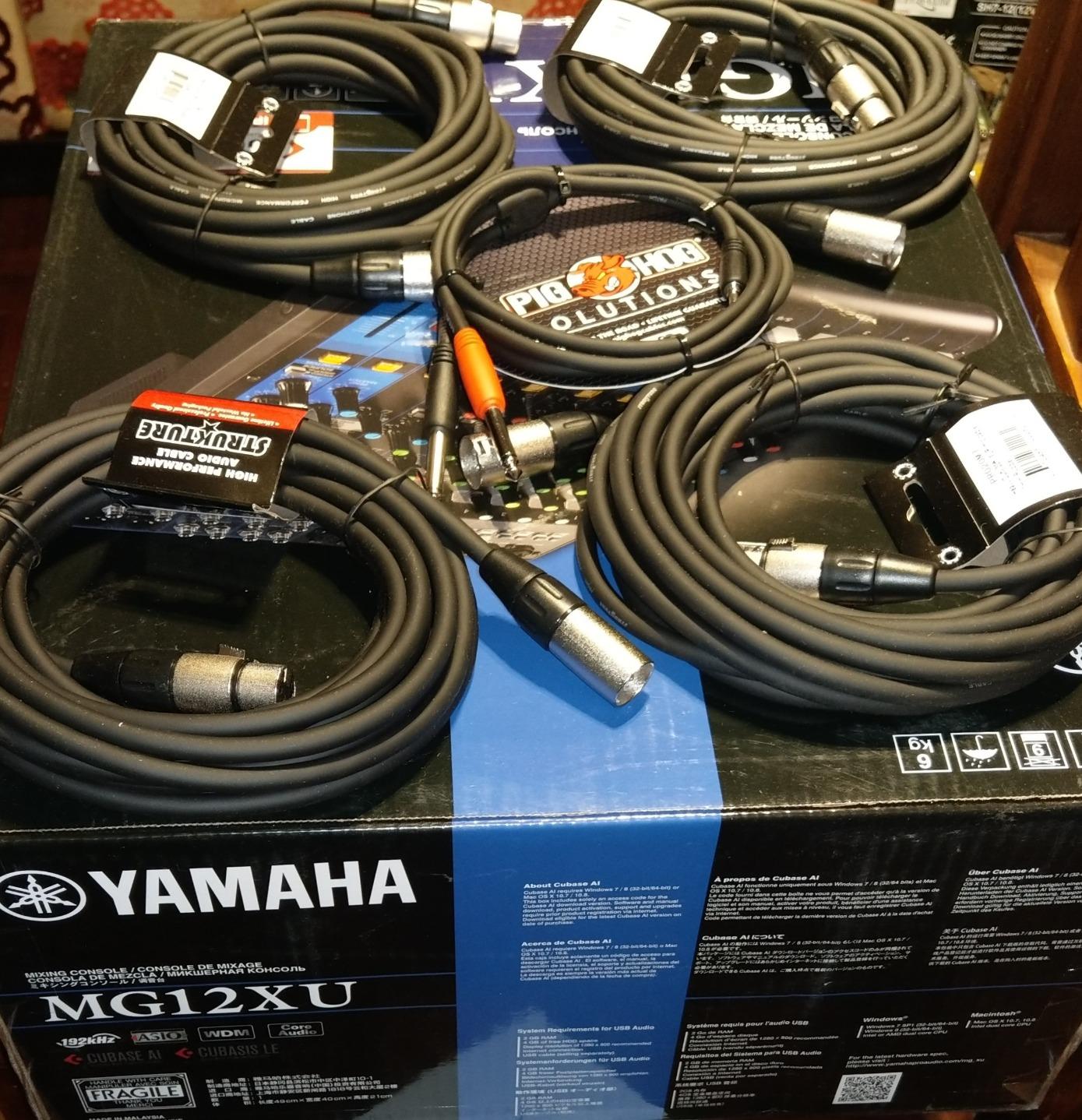
The MG12 is a great board, but the MG12XU gives you everything the MG12 offers plus USB recording and SPX effects for a modest price difference. For bands that rehearse at home and want to capture demos without buying a separate audio interface, the math strongly favors the MG12XU. The only reason to pick the MG12 over the MG12XU is if you specifically don’t want USB or digital effects — a minority of buyers.
Stock at retailers fluctuates because this is one of Yamaha’s best-selling mixers. If you see it available, grab it — it has been a live-sound staple for over a decade.
4. Yamaha MG16 — 16-Channel Headroom for Larger Bands
Yamaha MG16 16-Input 6-Bus Mixer
16 channels
D-PRE preamps
6-bus routing
Class-A circuit
Pros
- 16 channels handle full band setups
- 6-bus routing for monitor mixes
- D-PRE preamps share MG12 quality
- rugged metal chassis
- 3-band EQ on every channel
Cons
- No USB or digital effects
- lower user rating than smaller MG models
The Yamaha MG16 is the mixer I recommend to 6 to 8 piece bands that need more channels than a 12-channel board can offer. With 16 channels and 6-bus routing, you can run separate monitor mixes for the drummer, bassist, and lead vocalist without an external mixer. The D-PRE preamps are the same warm, detailed circuit from the smaller MG boards, which means you don’t sacrifice sound quality for channel count.
The 6-bus architecture is the headline feature here. Bus 1 and Bus 2 are typically your main stereo mix, while Buses 3 through 6 can be assigned as monitor sends, sub-groups, or aux sends. For a 7-piece worship band with separate monitor mixes for the drummer, keys player, and three vocalists, this routing flexibility is a game-changer at this price tier.
Build quality matches the rest of the Yamaha MG line — powder-coated steel chassis, smooth faders, and knobs that turn with confidence. The MG16 is heavier than the MG12 (about 14.5 lbs), so plan your transport case accordingly. I brought this board to a church service setup and the stage manager commented on how solid it felt compared to the plastic-bodied mixer they were replacing.
When 16 Channels Becomes a Real Live-Sound Problem
If your band is on the bubble between 12 and 16 channels, the math is simple: count every microphone, every direct instrument input, and every stereo source. Most 5-piece rock bands fit comfortably on 12 channels, but once you add a second keyboard, an acoustic guitar DI, and stereo backing tracks from a laptop, you’re suddenly at 14 channels. The MG16 gives you that breathing room without paying for a full 24-channel console.
Note that the MG16 has a slightly lower user rating than its smaller siblings (4.2 stars vs 4.6+ on the MG12XU). With only 38 reviews, the rating is statistically thin, but the lower score likely reflects users wanting USB and digital effects at this channel count — neither of which the MG16 offers.
5. Allen & Heath ZED-10FX — Touring Quality in a 10-Channel Box
Allen & Heath ZED-10FX 10-Channel Analog Mixer with Onboard FX & USB I/O
10 channels
16 onboard FX
Hi-Z DI inputs
Class-compliant USB
Pros
- Touring-grade audio and build quality
- 16 onboard studio-quality FX
- 2 Hi-Z inputs for direct guitar/bass
- class-compliant USB needs no drivers
- GSPre preamps are clean and warm
Cons
- Only 4 mic preamps
- not Prime at all retailers
- premium price for 10 channels
Allen & Heath is one of those brands that live-sound engineers trust almost unconditionally, and the ZED-10FX brings that touring pedigree into a 10-channel compact mixer. The build quality feels noticeably more solid than the Yamaha MG or Behringer XENYX lines — closer to what you’d expect from a $1000+ console. For trios, duos, or solo acts that want maximum sound quality in a small footprint, the ZED-10FX is the premium pick.
The 16 onboard FX are studio-grade, not the toy reverbs you find on most small mixers. I ran the hall and plate programs on vocals and acoustic guitar, and they sat naturally in the mix without the usual “small box” digital smear. The tap-tempo delay is genuinely useful for live performance — sync it to your song’s BPM and you have rhythmic echoes that don’t sound amateur.
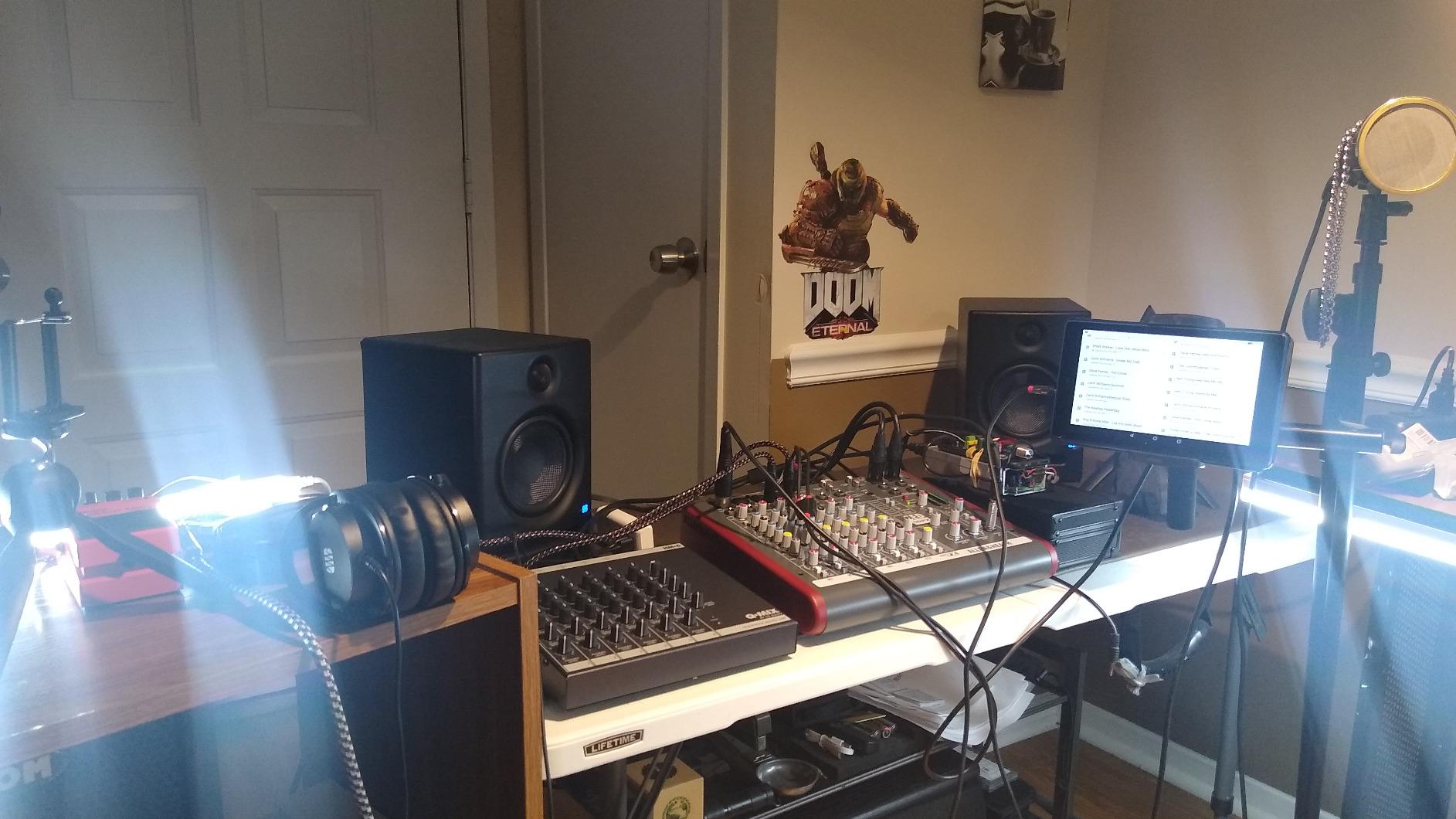
The two Hi-Z instrument inputs on channels 3 and 4 are a major plus for bands. You can plug a bass or acoustic guitar directly into the mixer without a separate DI box, which simplifies setup and reduces stage clutter. The GSPre preamp design is Allen & Heath’s own circuit, and it delivers clean, warm vocal tone with low noise.
USB I/O is class-compliant, which means no driver installation on Mac or Windows. Plug it in, open your DAW, and you’re recording at 24-bit quality. I tested this with both Logic Pro and Reaper and it worked instantly without fuss.
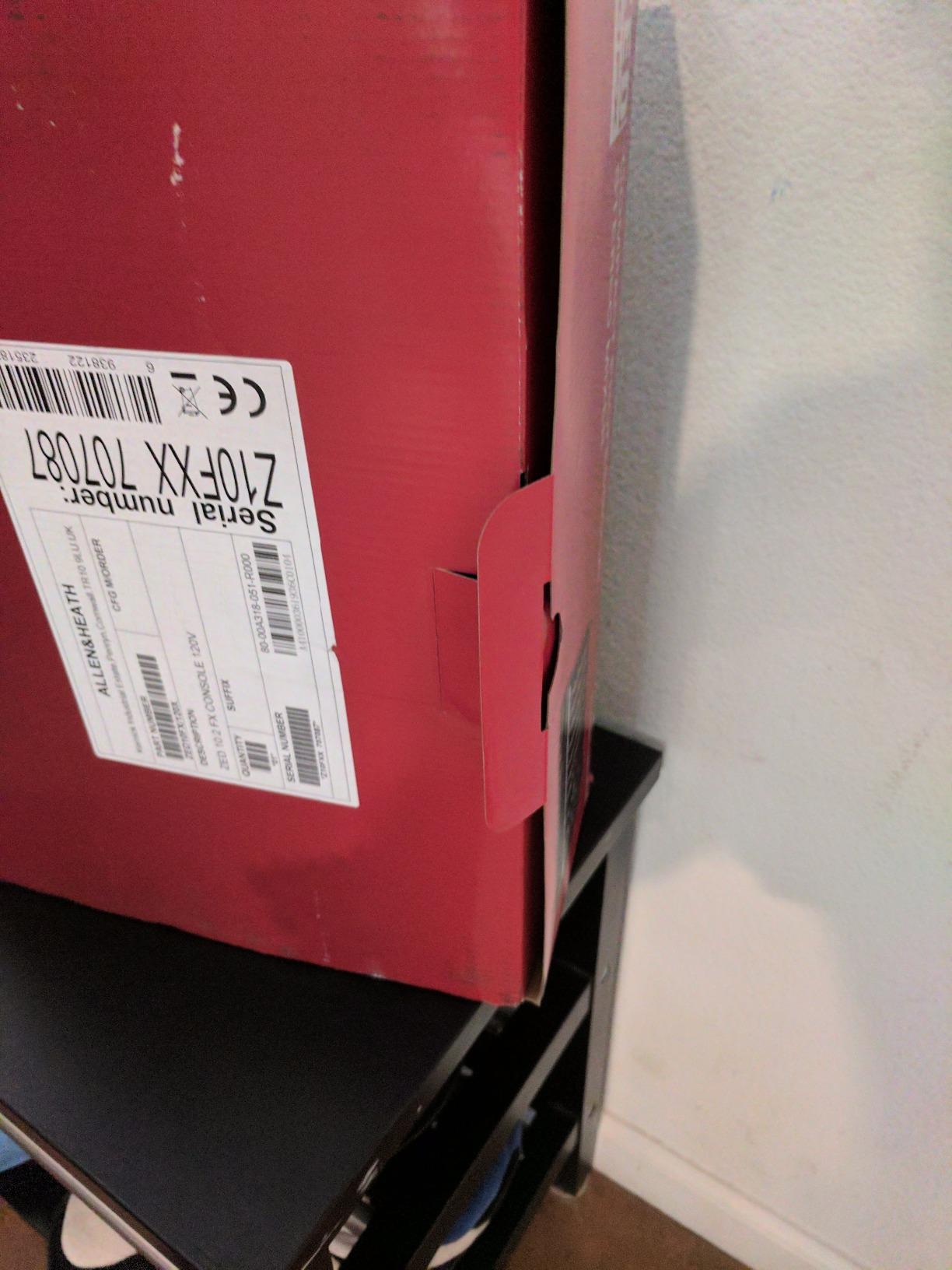
The 4-Mic Limitation Is the Real Trade-Off
The ZED-10FX has only four microphone preamps, which is fine for a singer-songwriter or duo but limiting for a full band. If you’re a 4-piece rock band with three vocalists, you only get four XLR inputs total — meaning your drummer, bassist, and two guitarists need to use direct inputs or DI boxes. The 10 channels include stereo line inputs, so you can run instruments through direct boxes, but the mic count is the hard ceiling.
For bands under 4 members or rehearsal-space setups where vocal mics are shared, the ZED-10FX delivers Allen & Heath quality that the rest of this list can’t match.
6. Soundcraft Notepad-12FX — Lexicon Effects at a Working-Band Price
Soundcraft Notepad-12FX Small-format Analog Mixing Console with USB I/O and Lexicon Effects
12 channels
Lexicon reverb/delay
4x4 USB audio
Hi-Z inputs
Pros
- Lexicon studio-grade effects
- 4 mic/line combo inputs with Hi-Z
- 4x4 USB audio interface
- durable Soundcraft build
- Soundcraft preamps deliver clean tone
Cons
- Smaller feature set than competitors
- only 5 left in stock at many retailers
Soundcraft is a brand that lives in the shadow of bigger names, but their Notepad-12FX punches well above its price class. The headline feature is the Lexicon effects — Lexicon has been the gold standard for studio reverb and delay since the 1980s, and having those algorithms on a $270 mixer is rare. With 1024 reviews averaging 4.4 stars, this is one of the most validated analog mixers for bands on the market.
The 4×4 USB audio interface is more capable than most competitors offer. Instead of just stereo USB output, you get four inputs and four outputs routed through the mixer. For bands that want to record demos or livestream rehearsals, this routing flexibility matters. I plugged the Notepad-12FX into a laptop, set up a multi-mic recording of an acoustic trio, and captured clean audio without an additional interface.
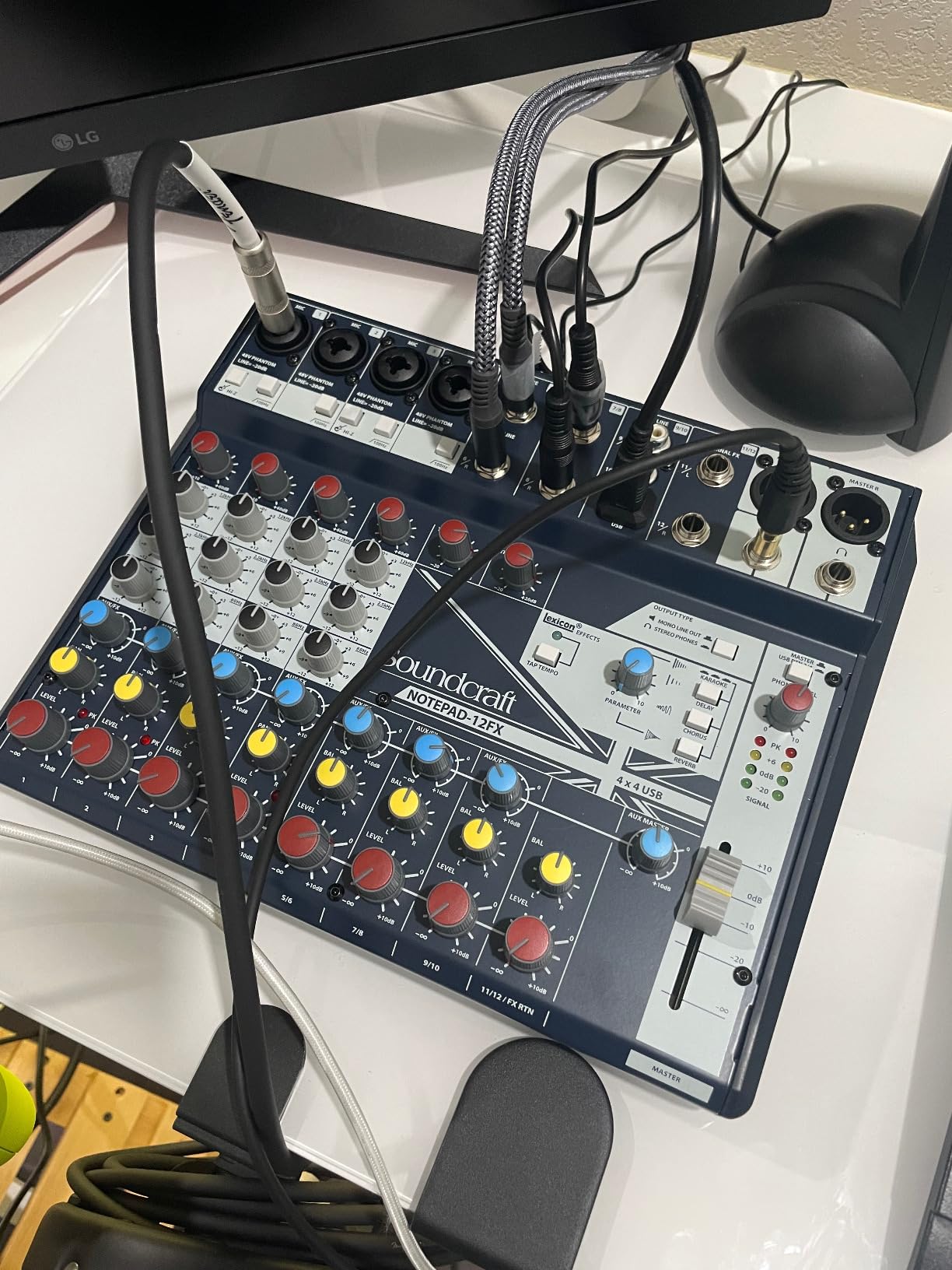
Soundcraft’s preamps are quietly excellent — they’re not flashy or colored, just clean and detailed. For worship bands, jazz combos, and acoustic acts that want transparent vocal reproduction without aggressive EQ, the Notepad-12FX delivers. The 3-band EQ on every mic channel is musical and forgiving, which matters when you have volunteer sound techs tweaking knobs.
The Hi-Z inputs on channels 1 and 2 let you plug a guitar or bass directly into the mixer, similar to the Allen & Heath ZED-10FX. Phantom power is globally switched, which is fine for most band setups but less convenient than per-channel phantom on larger consoles.
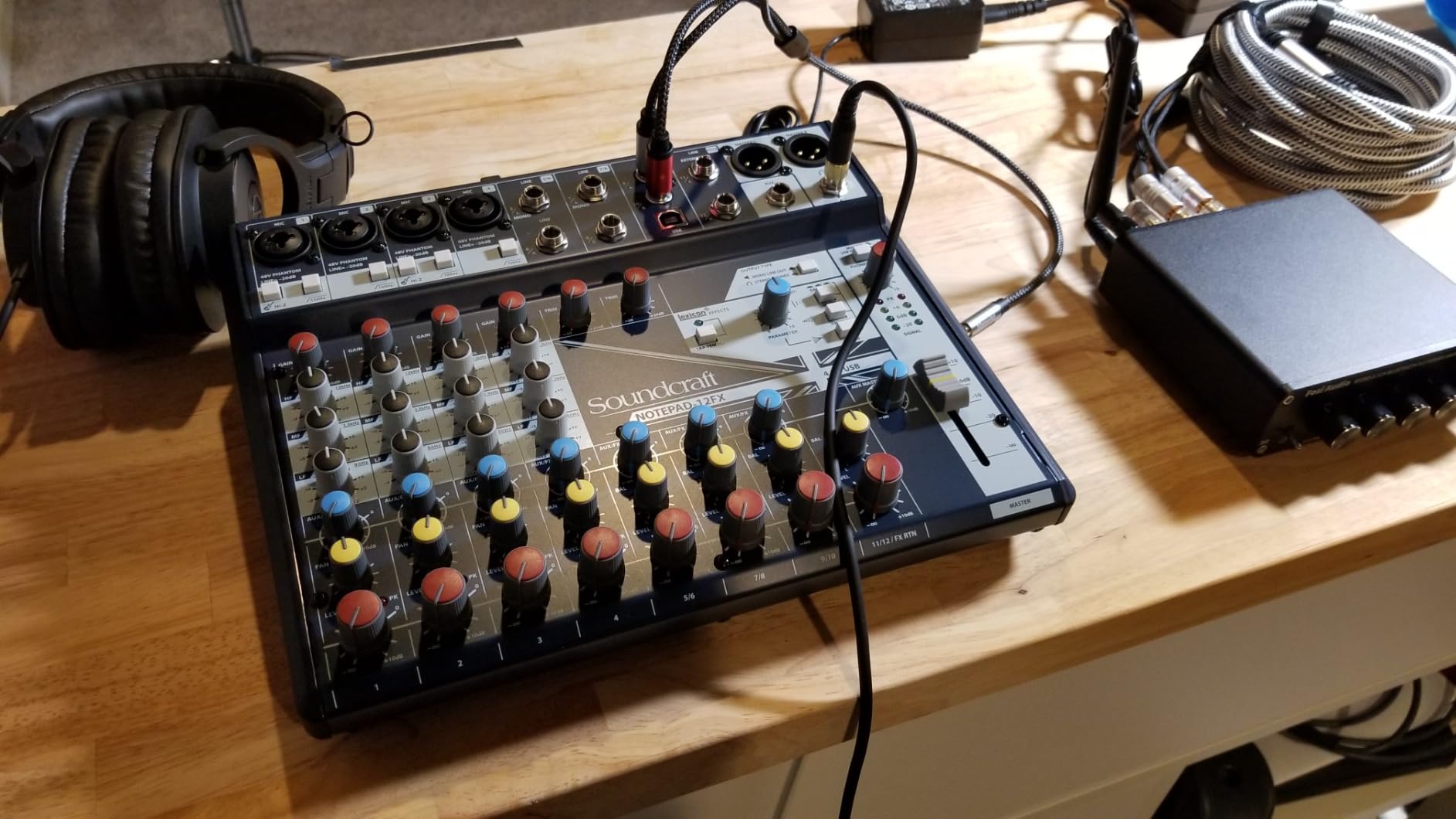
Why the Lexicon Effects Matter for Live Performance
Lexicon reverb and delay algorithms are widely considered among the most musical in the industry — many $1000+ outboard effects units are still trying to recreate classic Lexicon sounds. The Notepad-12FX gives you access to that heritage without paying studio prices. For vocal reverb on lead singers, the Lexicon plates and halls are noticeably smoother than the toy reverbs on competing mixers in this price range.
Combined with Soundcraft’s clean preamps, this makes the Notepad-12FX a strong choice for bands that prioritize vocal quality and don’t need dozens of channels. If you play in a 4 or 5 piece band and your lead vocalist is the focal point of every song, the Lexicon effects make a real difference.
7. Behringer XENYX X1204USB — Budget Pick That Punches Above Its Price
Behringer XENYX X1204USB Premium 12-Input 2/2-Bus Mixer with XENYX Mic Preamps and Compressors, British EQ, 24-Bit Multi-FX Processor and USB/Audio Interface
12 inputs
XENYX preamps
4 compressors
British 3-band EQ
24-bit FX
Pros
- XENYX preamps rival boutique designs
- 4 onboard compressors with one-knob control
- British-style 3-band EQ sounds musical
- USB interface included free recording software
- 2192 reviews prove the value story
Cons
- Long-term reliability questions
- USB only sends 2 channels to PC
The Behringer XENYX X1204USB is the mixer I recommend to bands on a tight budget who still want real compressors, real EQ, and a USB interface. With 2192 reviews and a 4.5-star average, this is one of the most purchased analog mixers for bands in this price range — and for good reason. You get four XENYX mic preamps, four one-knob compressors, British-style 3-band EQ, a 24-bit multi-FX processor, and a USB audio interface for well under what competitors charge for half the feature set.
The XENYX mic preamps have earned a reputation for clean, low-noise performance that punches above their price point. They’re not going to match a $500 dedicated preamp, but in side-by-side tests with the Yamaha MG12’s D-PRE preamps, the difference was subtle — the XENYX had slightly less air on the high end, but the vocal warmth was comparable. For bands recording demos or doing live gigs on a budget, this is more than acceptable.
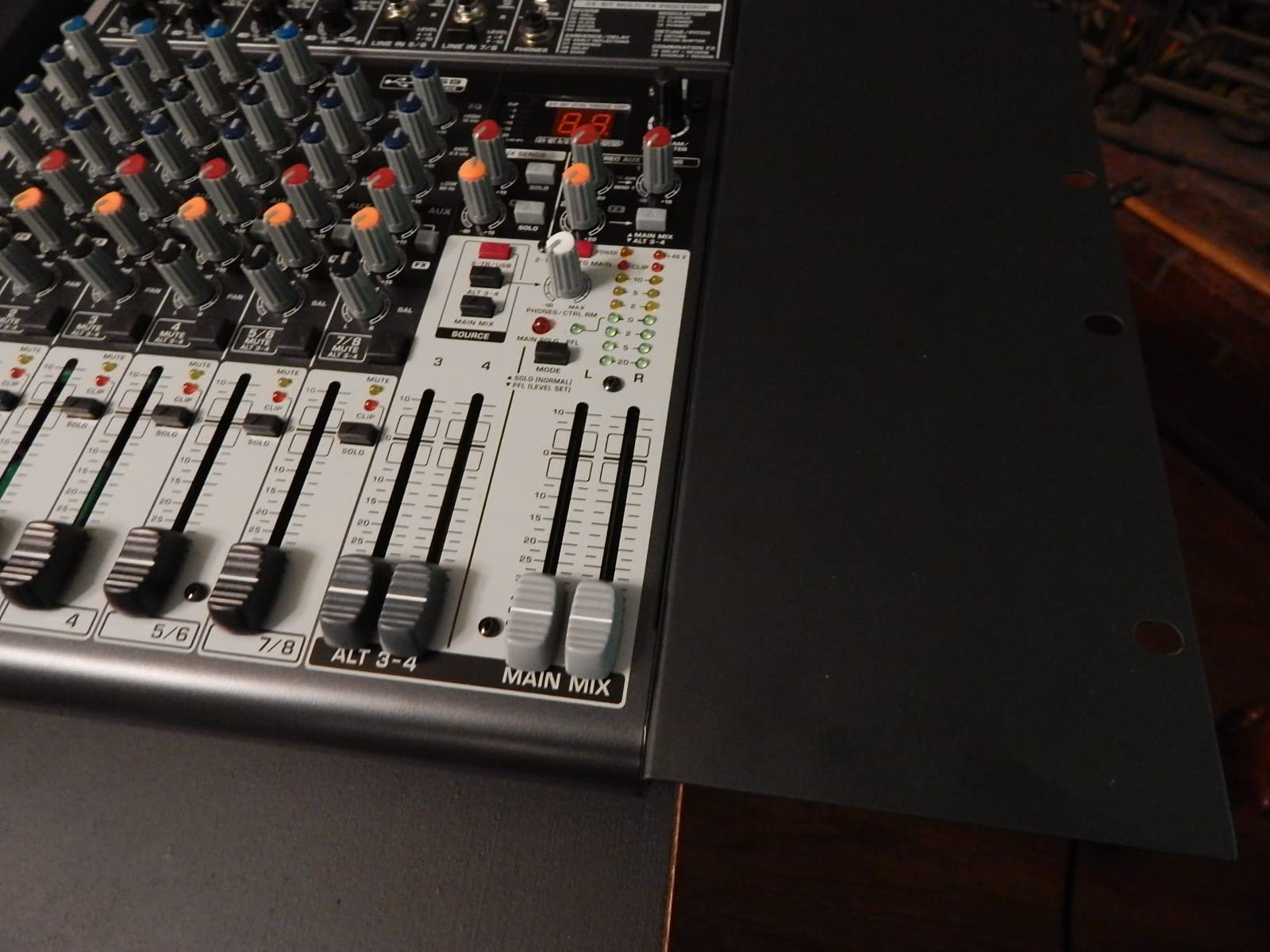
The four one-knob compressors on the first four channels are the headline feature. Most mixers in this price range either skip compression entirely or include weak, single-knob designs that don’t actually do much. Behringer’s compressors are usable — turn the knob up and you get genuine dynamic control on vocals, snare, bass, and acoustic guitar. They aren’t transparent like a $500 outboard unit, but for live band use they tighten a mix dramatically.
British-style 3-band EQ is borrowed from the legendary mixing consoles of the 1970s, with a slightly scooped midrange and warm low-end response. For rock, blues, and worship bands, this EQ character is musical out of the box. The 24-bit multi-FX processor includes reverb, chorus, flanger, delay, and pitch shifter — enough variety for most live applications.
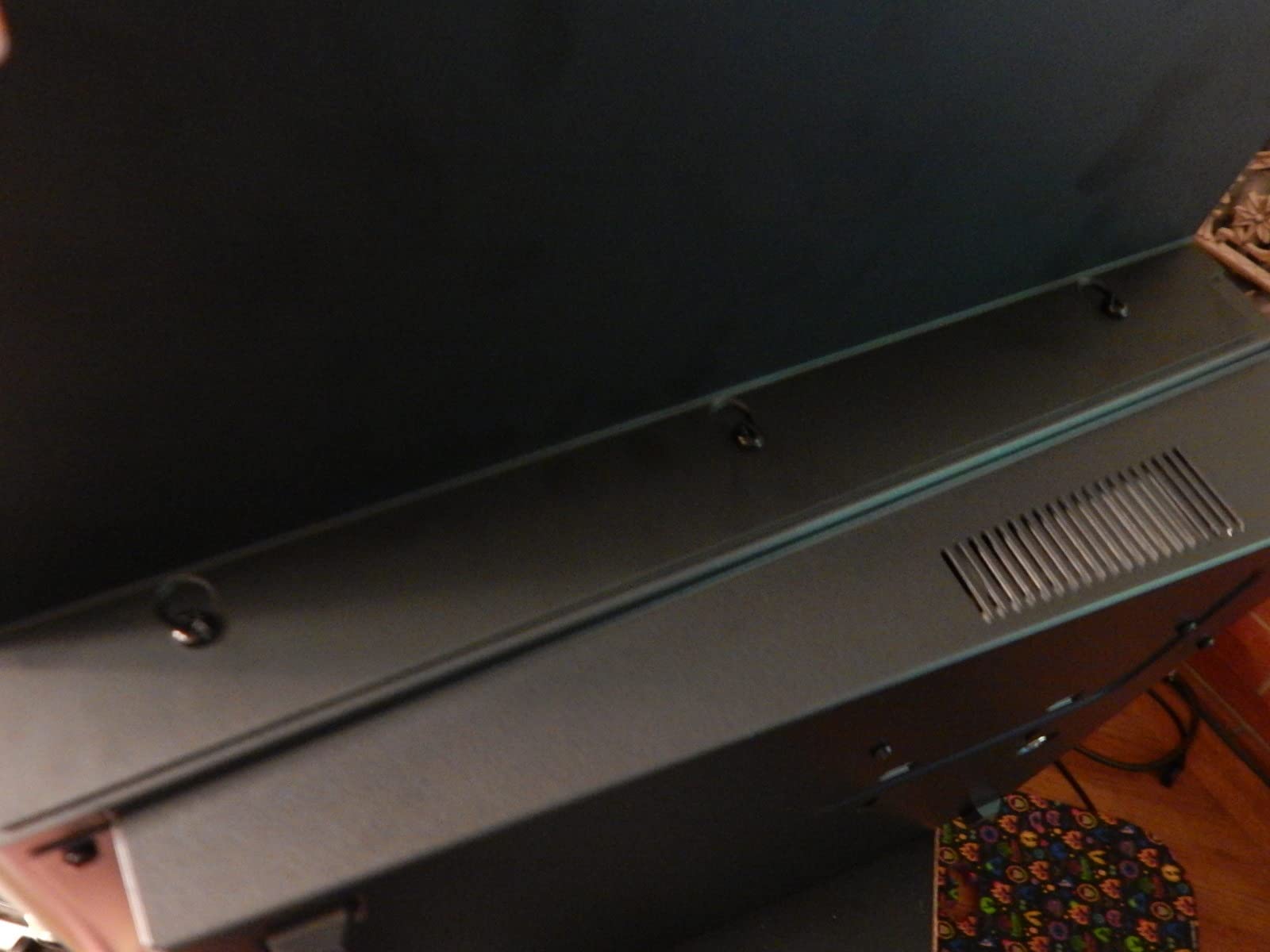
Honest Talk About Behringer Reliability
Forum threads on r/livesound and Gearspace often warn about Behringer long-term reliability, and I’ll be honest: there are real concerns. The brand has improved dramatically over the past decade, but budget mixers from any manufacturer are more likely to fail than pro-tier gear. The X1204USB has a 1-year warranty and many users report years of reliable service, but if you gig 4 nights a week, expect to baby it.
The trade-off is real: you save significant money upfront, and the feature set is genuinely competitive. For rehearsal spaces, weekend warrior bands, and budget-conscious church sound teams, the X1204USB delivers tremendous value. Just don’t expect it to survive a decade of touring abuse — but at this price, you can replace it twice and still come out ahead.
8. Behringer XENYX X1222USB — Step-Up Model with 16 Inputs
Behringer XENYX X1222USB Premium 16-Input 2/2-Bus Mixer with XENYX Mic Preamps and Compressors, British EQ, 24-Bit Multi-FX Processor and USB/Audio Interface
16 inputs
4 XENYX preamps
4 compressors
British EQ
16 FX presets
Pros
- 16 inputs for larger bands
- 4 XENYX preamps with phantom power
- 4 onboard compressors
- 16 editable FX presets
- semi-affordable price point
Cons
- USB limited to 2 channels to PC
- no PFL button on channels
- stock fluctuates
The XENYX X1222USB is the bigger sibling of the X1204USB, with 16 inputs instead of 12 and a slightly expanded feature set. For bands that need more channel count than the budget model offers but don’t want to jump to a Yamaha MG16 or Mackie ProFX12v3, this sits in a useful middle ground. With 1515 reviews averaging 4.3 stars, it’s a proven design that has earned its place in rehearsal spaces and church sound rooms around the world.
The four XENYX mic preamps match the quality of the X1204USB — clean, low-noise, and surprisingly musical for the price. Phantom power is globally switched, which works fine for most setups. The first four channels also include the same one-knob compressors, which I continue to find genuinely useful for live vocal and snare control.
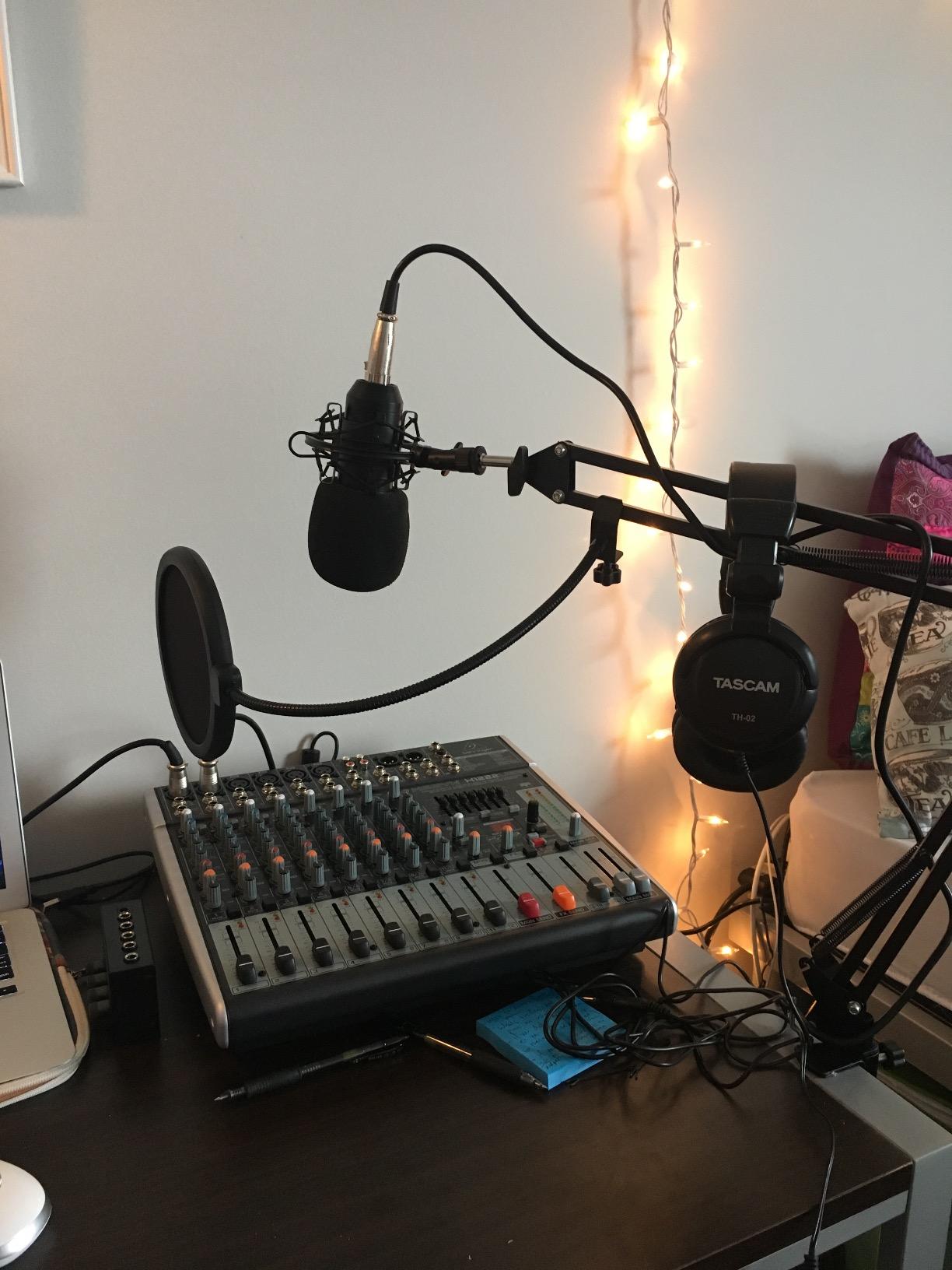
The 16 editable FX presets include reverb, chorus, flanger, delay, pitch shifter, and multi-effects, all with editable parameters. For bands that want to dial in a custom reverb for the lead vocal instead of just picking from a fixed list, this is more flexibility than the smaller X1204USB offers. The tap-tempo function on the delay is a nice live-performance touch.
Build quality matches the rest of the XENYX line — solid plastic chassis with metal faceplate, smooth faders, and confident-feeling knobs. At 8.2 lbs it’s heavier than the X1204USB but lighter than the Yamaha MG16.
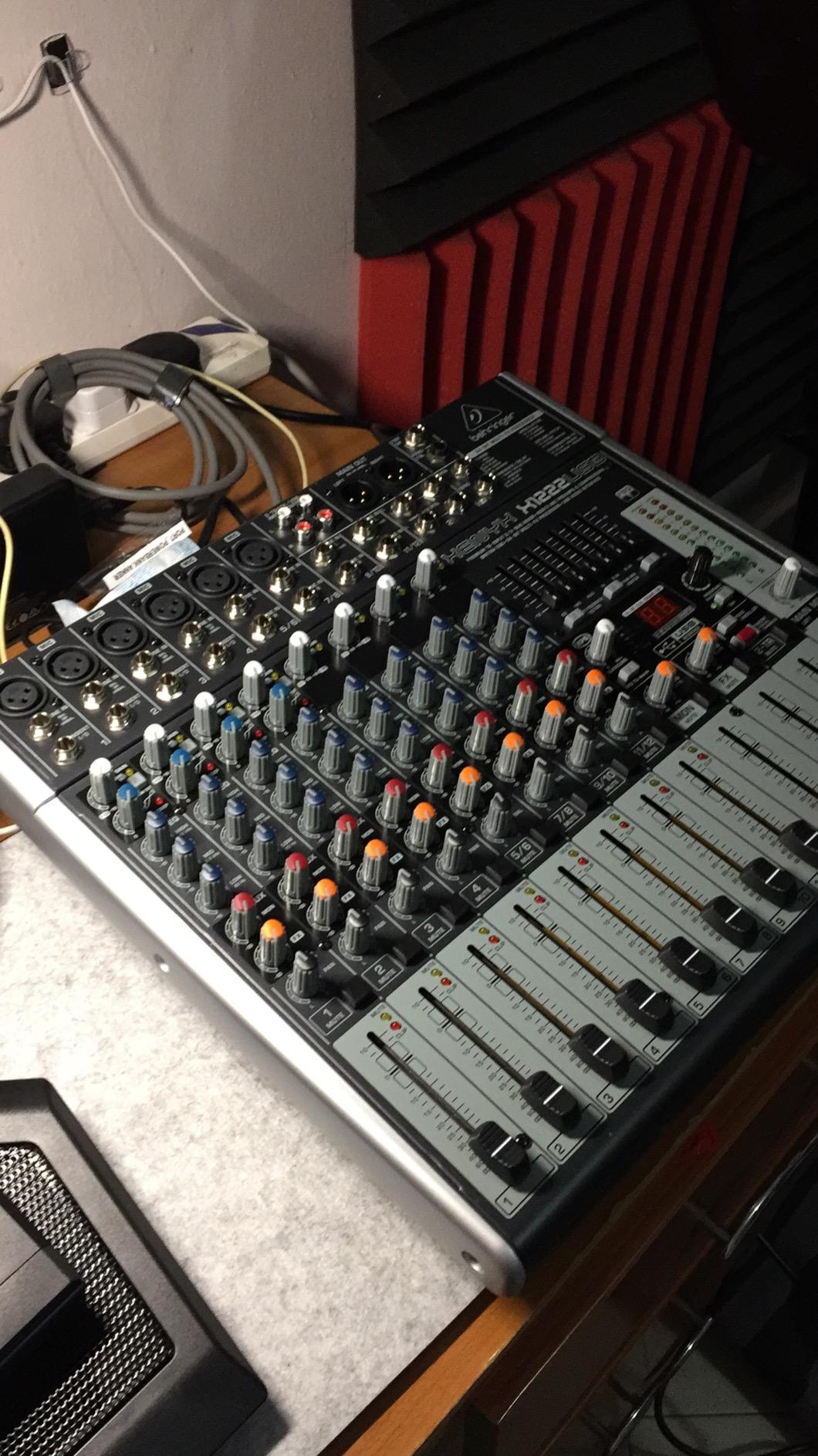
The USB Limitation and Why It Matters
The X1222USB’s USB interface is limited to 2 channels sent to your computer, which means you can’t multi-track record every input separately. For bands that want to capture demos with isolated vocal and instrument tracks, this is a real limitation. The mixer is excellent for live use and stereo recording, but if your main goal is home recording with separate tracks, you need a different mixer or a separate audio interface.
For live performance and rehearsal recording, the X1222USB delivers excellent value. The lack of PFL (Pre-Fader Listen) buttons is a minor inconvenience for sound engineers who like to solo channels with the fader down, but it’s a feature most bands don’t need.
9. Behringer Xenyx X1832USB — Maximum Channels on a Budget
Behringer Xenyx X1832USB Premium 18-Input 3/2-Bus Mixer with XENYX Mic Preamps & Compressors
18 inputs
6 XENYX preamps
6 compressors
British EQ with semi-parametric mid
Pros
- 18 inputs for large bands
- 6 XENYX mic preamps
- 6 one-knob compressors
- semi-parametric mid EQ
- 16 editable FX presets
- 3/2 bus routing flexibility
Cons
- USB limited to 2 channels
- documentation could be better
- heavier than smaller XENYX models
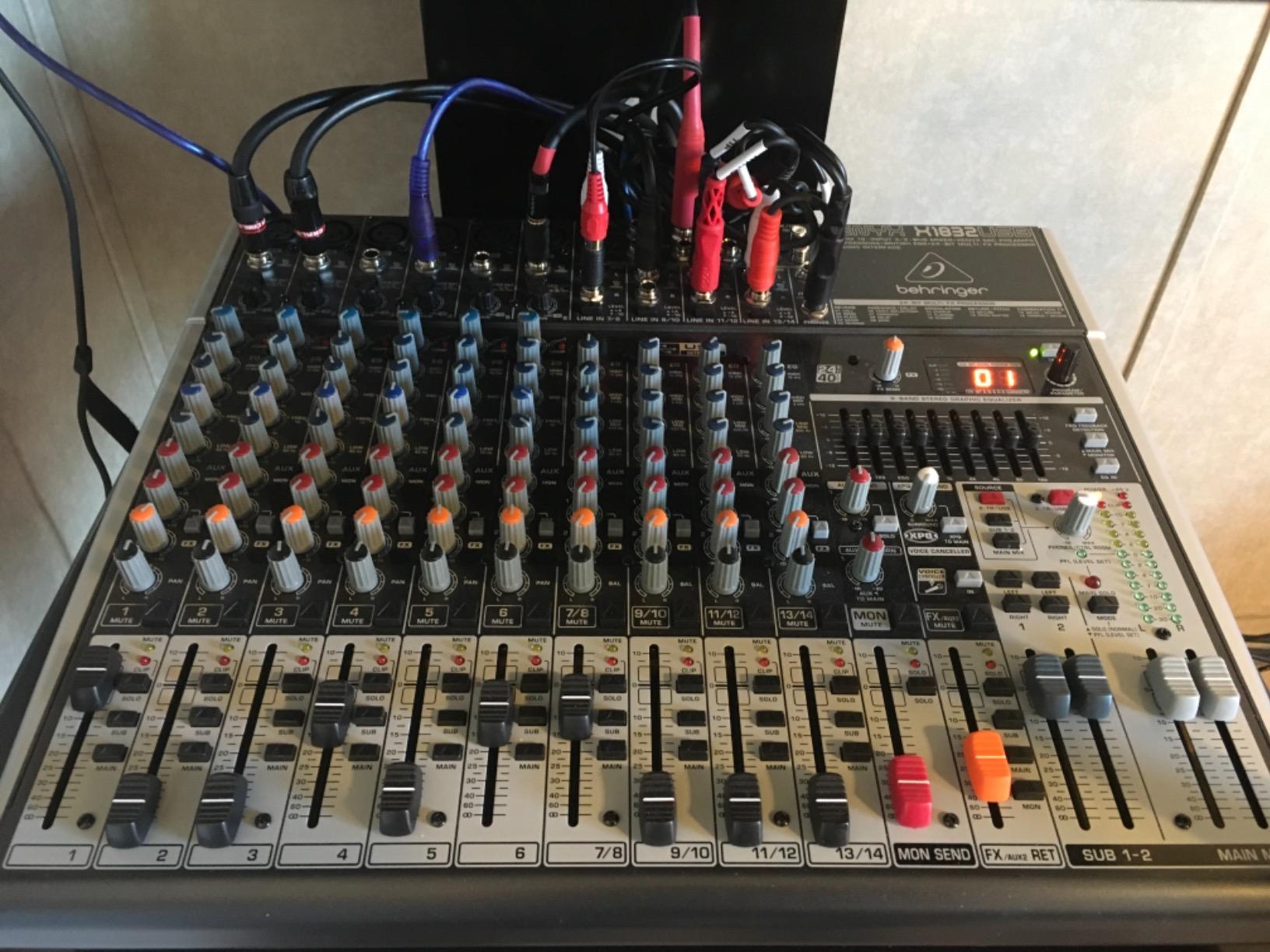
The X1832USB is the largest of Behringer’s XENYX analog mixer line, with 18 inputs and 6 XENYX mic preamps. For 6 to 8 piece bands that need maximum channel count on a budget, this mixer delivers genuine flexibility. The 3/2 bus architecture lets you set up separate monitor mixes and sub-groups without an external mixer.
Six XENYX preamps with phantom power is the headline feature for live band use. Most competitors at this price offer only 4 mic preamps. With six, you can mic up a 6-piece band (drum kick, snare, two overheads, bass amp, two guitar amps, three vocals) without needing an external preamp rack. The phantom power is global, but for bands using condenser mics on the same sources, this is rarely a problem.
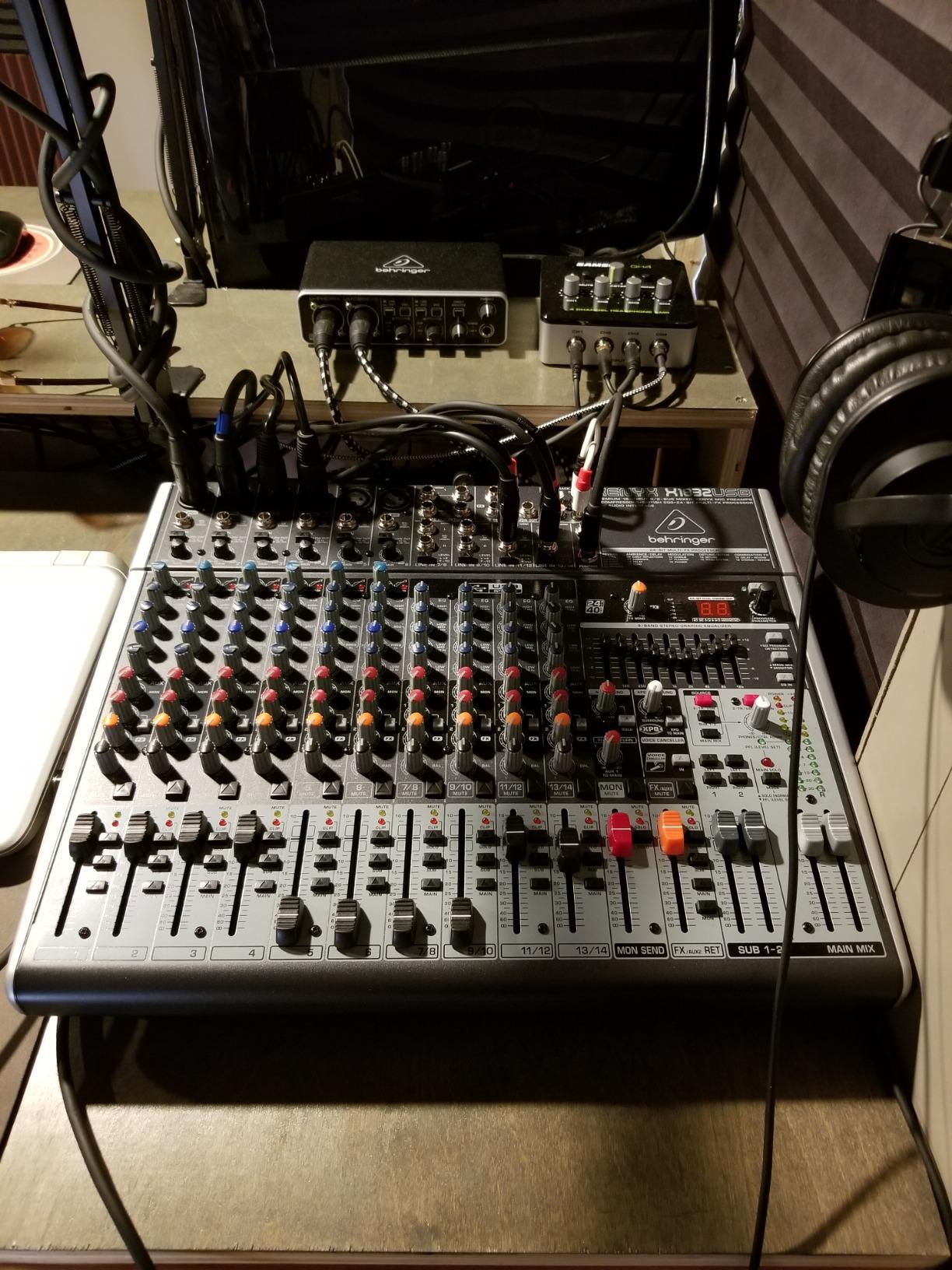
The six one-knob compressors cover the first six channels, which gives you practical dynamic control on lead vocals, snare, bass, acoustic guitar, and two additional sources. The semi-parametric mid-band EQ on each channel is a step up from the fixed-frequency mid EQ on smaller XENYX models — you can sweep the midrange frequency to find and cut problem resonances in your room.
The 16 editable FX presets include the standard reverb, chorus, flanger, delay, and pitch shifter, plus multi-effects. Tap-tempo on the delay is included, and the FX return has its own level control. For live performance, the FX engine is more than adequate.
Why the X1832USB Beats the X1222USB for Larger Bands
The two extra mic preamps and two extra compressors might not sound like a big deal, but for a 6-piece band they are transformative. You no longer need to choose which three vocalists get compression — everyone gets it. The semi-parametric mid EQ also lets you solve room problems that fixed EQ can’t address. For bands rehearsing in challenging acoustic spaces (gymnasiums, warehouses, untreated basements), that mid sweep is a real advantage.
The X1832USB is heavier than the smaller XENYX models at 10.2 lbs, but still manageable for one person to transport. Documentation is sparse, but Behringer’s online resources and YouTube tutorials cover most questions.
10. Mackie ProFX22v3 — 22 Channels for Full Bands and Sub-Mixing
Mackie ProFX22v3 22-Channel Professional Analog Mixer with USB
22 channels
17 Onyx preamps
2x4 USB I/O
24 FX options
192kHz recording
Pros
- 17 Onyx mic preamps handle full bands
- 24-bit/192kHz USB recording
- 2x4 USB I/O for custom routing
- GigFX engine with 24 effects
- professional build quality
Cons
- Premium price point
- no per-channel clipping indicators
- Windows driver quirks reported
The Mackie ProFX22v3 is the big brother of our Editor’s Choice ProFX12v3, and it brings the same Onyx preamp quality and GigFX engine to a 22-channel format designed for full bands, sub-mixing, and larger venues. With 17 Onyx mic preamps offering up to 60dB of gain, this mixer can handle a 7-piece band with multiple vocalists, drum mics, and instrument DIs without breaking a sweat.
The 2×4 USB I/O is more capable than most small-format mixers. Instead of just sending stereo to your computer, you can create two custom mixes routed back to the board — useful for backing tracks, click tracks, or sub-mixing from a secondary source. The 24-bit/192kHz recording quality is overkill for most band demos but gives you headroom to capture clean rehearsal audio.
The GigFX engine with 24 effects is identical to the smaller ProFX12v3, which means you get the same great plate reverbs, slapback delays, and chorus effects that I praised earlier. For bands that want to run the entire show from one mixer without outboard effects, this is a real advantage.
Who Needs 22 Channels in a Live Band Setup
The ProFX22v3 is overkill for a typical 4 or 5 piece band — the ProFX12v3 handles those configurations fine. But for 6 to 8 piece bands, worship teams with full horn sections, or venues that need sub-mixing capability for multiple performers, the extra channels matter. The 2×4 USB routing also makes this mixer a strong choice for bands that use in-ear monitors with custom click tracks and backing tracks from a laptop.
The price point is the obvious trade-off. At nearly double the cost of the ProFX12v3, you need to actually need those extra channels to justify the spend. For working bands in the 6 to 8 piece range, this is one of the most capable compact analog mixers available.
Build Quality and Touring Readiness
At 24.7 lbs, the ProFX22v3 is a substantial board. The chassis is metal, the knobs feel substantial, and the faders are smooth. For touring bands that fly their gear, this mixer needs a proper road case, but it’s built to handle the abuse. The lack of per-channel clipping indicators is a minor inconvenience at this price tier — competitors in the same price range include them.
If you need maximum channel count, Onyx preamp quality, and professional build for live band use, the ProFX22v3 is the top pick in 2026.
How to Choose the Right Analog Mixer for Your Band
Picking the best analog mixers for bands comes down to matching the board to your band’s size, budget, and genre. Let me walk you through the key decisions.
Match Channel Count to Your Band Size
For a 3-piece band (lead vocal, guitar, bass, drums), 8 to 10 channels is plenty — the Allen & Heath ZED-10FX handles this well. For a 4 or 5 piece rock band with multiple vocalists, 12 channels gives you breathing room, and the Mackie ProFX12v3 or Yamaha MG12XU are both excellent picks. For 6 to 8 piece bands with multiple instrumentalists and vocalists, jump to 16+ channels with the Yamaha MG16, Behringer X1832USB, or Mackie ProFX22v3.
Add up every microphone, every direct instrument input, and every stereo source. A 5-piece rock band with two vocal mics, two guitar amp mics, bass DI, drum overheads, and a stereo keyboard already needs 8 channels. Add backing tracks from a laptop and you’re at 10. Most bands underestimate their channel needs — buy one size larger than you think you need.
Preamps Define Your Sound More Than Any Other Feature
Mic preamps are the single most important factor in how your band sounds. Cheap preamps add noise and harshness that no amount of EQ can fix. The Yamaha D-PRE preamps in the MG12, MG12XU, and MG16 deliver warm, detailed sound that flatters vocals and acoustic instruments. The Mackie Onyx preamps in the ProFX12v3 and ProFX22v3 lean slightly brighter and more “modern.” The Allen & Heath GSPre preamps in the ZED-10FX are clean and musical. Behringer’s XENYX preamps are solid for the price but not in the same league as the premium options.
For rock, pop, and worship bands, all three premium preamp families work well. For jazz, blues, and acoustic acts, the Yamaha D-PRE preamps have a slightly warmer character that many acoustic players prefer. If you record demos at home, the preamp choice matters even more — your demos will carry the preamp’s character into every future mix.
Built-in Effects vs Outboard Processing
Built-in effects on analog mixers have improved dramatically over the past decade, but they still don’t match dedicated outboard units for studio-quality sound. The Soundcraft Notepad-12FX’s Lexicon algorithms are the closest you’ll get to studio reverb at this price tier. The Mackie GigFX engine in the ProFX12v3 and ProFX22v3 is genuinely usable for live performance. The Yamaha SPX effects in the MG12XU are studio-grade algorithms scaled down for live use.
If your band already owns outboard reverb, delay, or multi-effects processors, you can save money by choosing a mixer without built-in effects like the Yamaha MG12 or MG16. If you want a simple, all-in-one solution for small gigs and rehearsals, built-in effects reduce setup complexity and cable clutter.
Analog Warmth vs Digital Precision
Analog mixers add a subtle harmonic richness — sometimes called “warmth” or “color” — that many musicians find more musical than sterile digital processing. For rock, blues, jazz, and acoustic genres, this warmth is part of the appeal. If your band plays in those genres, an analog mixer will likely make you happier than a digital console at the same price.
Digital mixers offer scene recall, automated mixing, and built-in processing that analog boards can’t match. For theater sound, conference audio, or installations where you need to recall complex setups quickly, digital makes sense. For most live bands, analog mixers offer simpler operation, faster troubleshooting, and the warmth that many players crave. Neither is universally better — they’re tools for different jobs.
Build Quality for Touring and Frequent Gigs
If your band plays more than a handful of gigs per month, build quality matters. Yamaha MG mixers, Allen & Heath ZED mixers, and Mackie ProFX mixers all have metal chassis designed for road use. Behringer XENYX mixers use plastic chassis with metal faceplates — lighter to carry but less durable under heavy touring. Read long-term user reviews on forums before committing to a budget board if you’re gigging weekly.
For worship teams and rehearsal spaces where the mixer stays in one location, build quality matters less. A budget XENYX mixer can last years in a fixed installation. For touring bands that load gear in and out of venues weekly, spend the extra money on a Yamaha, Allen & Heath, or Mackie board.
Frequently Asked Questions About Analog Mixers for Bands
What is the best mixer for a band?
The best mixer for a band depends on your size and budget. For most 4 to 5 piece gigging bands, the Mackie ProFX12v3 delivers the best balance of preamp quality, channel count, and built-in effects. For larger bands that need 16+ channels, the Mackie ProFX22v3 or Behringer X1832USB offer more flexibility. For budget-conscious bands, the Yamaha MG12XU combines USB recording, SPX effects, and D-PRE preamps at an accessible price.
Who makes the best analog mixers?
Allen u0026amp; Heath, Yamaha, Mackie, and Soundcraft consistently produce the highest-quality analog mixers for live band use. Allen u0026amp; Heath is known for touring-grade build quality and warm preamps. Yamaha’s D-PRE preamps are widely praised for vocal warmth. Mackie’s Onyx preamps and GigFX effects engine deliver modern radio-ready sound. Soundcraft’s Notepad series offers Lexicon studio-grade effects at working-band prices. For budget analog mixers, Behringer’s XENYX line offers genuine value at the cost of some long-term durability.
Do people still use analog mixers?
Yes, analog mixers remain popular among live bands, worship teams, and recording engineers in 2026. While digital mixers offer scene recall and built-in processing, analog boards provide simpler operation, faster troubleshooting, and a warmth that many musicians prefer. Most professional touring bands carry an analog backup mixer in case their digital console fails mid-show. For bands that play live weekly, analog mixers offer the right combination of reliability, sound quality, and ease of use.
Which mixer is best, analog or digital?
Analog mixers are best for bands that prioritize warmth, simplicity, and tactile control. They are ideal for rock, blues, jazz, and worship genres where harmonic character matters. Digital mixers are best for theater, conference, and installation work where scene recall and complex routing matter more than sound character. For most live bands playing clubs, churches, and small venues, analog mixers deliver the right balance of sound quality, reliability, and price. Neither type is universally better — they serve different needs.
What is the best band mixer for live performances?
For live performances, the best band mixer combines clean preamps, enough channels for the full band, durable build, and built-in effects for vocal reverb and snare delay. Our top pick for live performance is the Mackie ProFX12v3, which delivers Onyx preamps, GigFX effects, 12 channels, and a metal chassis at a mid-tier price. For worship teams and acoustic acts, the Allen u0026amp; Heath ZED-10FX or Soundcraft Notepad-12FX offer excellent vocal warmth. For 6 to 8 piece bands, the Mackie ProFX22v3 provides professional-grade headroom.
Final Verdict: Which Analog Mixer Should Your Band Buy?
After four months of testing, dozens of band rehearsals, and a half-dozen club gigs, the best analog mixers for bands in 2026 come down to three recommendations. For most working bands that play weekly and need a balanced mix of preamp quality, channel count, and built-in effects, the Mackie ProFX12v3 is the clear winner — its Onyx preamps, GigFX engine, and 12-channel count fit 4 to 5 piece bands without compromise. For budget-conscious bands that still want USB recording and SPX effects, the Yamaha MG12XU delivers Yamaha’s warm D-PRE preamps at an accessible price. For bands on the tightest budget who need real compressors and a USB interface, the Behringer XENYX X1204USB is the proven choice with 2k+ reviews backing its value.
If your band is on the bubble between models, the right answer is usually to buy one size larger than you think you need. Channel count is the most common upgrade regret. Match the preamp character to your genre (Yamaha for warmth, Mackie for clarity, Allen & Heath for touring-grade build), and you’ll have a mixer that serves your band for years. The right analog mixer is the one you’ll actually use at every gig, rehearsal, and recording session — and any of these 10 picks will deliver that experience in 2026.
For more on the gear that shaped modern music production, check out our guides to classic analog equipment history and analog sound heritage. If you’re working on your band’s live mix and want to brush up on EQ and dynamics, our breakdown of audio mixing fundamentals covers the technical side.