
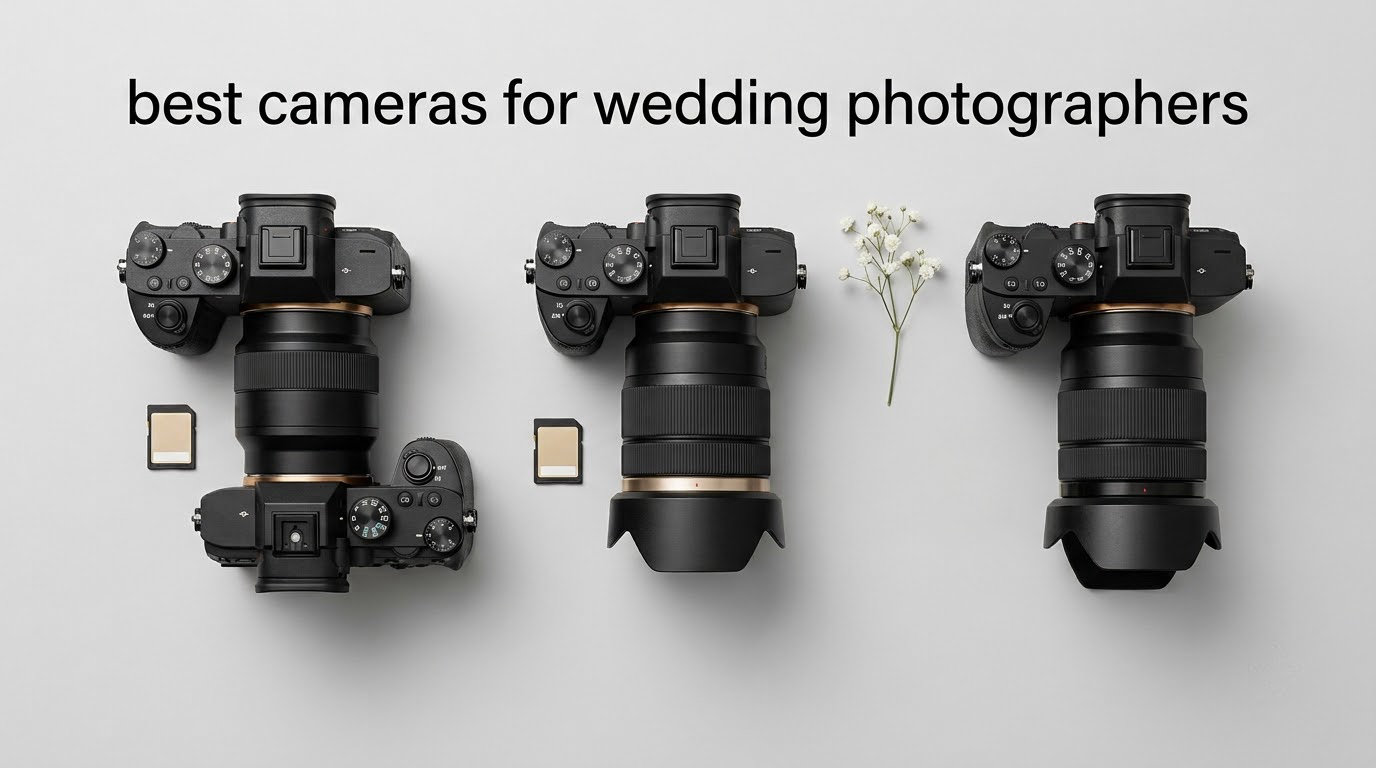
Best overall: the Canon EOS R5. It is the best camera for wedding photographers because a 45-megapixel stacked full-frame sensor, 12 fps mechanical burst, 20 fps electronic burst and CFexpress Type B plus UHS-II SD dual card slots cover the three things that actually end careers: a card failure, a focus miss in a dark reception, and a buffer that stalls mid-processional. Every body in this guide clears the same bar.
A wedding is a ten to twelve hour event with no second take. Your card fails at hour nine, or the room goes dark and the autofocus hunts, or three photographers fire simultaneously as a bride walks down the aisle and your buffer jams mid-burst. Those are the failure modes that decide which camera you should buy, and they are not the same things a general camera roundup measures.
So we ranked bodies around wedding days instead of around spec sheets. Every camera here has dual card slots, weather sealing and in-body stabilisation. We deliberately left out lighter, cheaper single-slot bodies that look like better value on paper, and we explain why in the criteria section below.
This guide is for full-time and part-time wedding photographers, second shooters, and hybrid shooters who deliver video as well as stills. If you are shooting your friend’s ceremony for the first time, the two-body section near the end is the more useful read. It covers last updated for October 2026, and all eight models are current-generation bodies you can buy new or find on the used market.
Table of Contents
What to Look For in a Wedding Camera
Here are the seven criteria we applied, in the order that actually matters on a wedding day.
Dual card slots with a backup write mode. Two slots let you mirror every frame to two cards at the same time. A professional on r/WeddingPhotography put it plainly: dual memory cards and actually using them is the absolute minimum standard. A single card is a single point of failure for a whole season’s income.
Autofocus that holds in near-darkness. Reception halls have almost no contrast. Look for eye and subject detection rated well below one EV of darkness, and check that detection covers people rather than just animals.
In-body image stabilisation. Handheld ceremony frames and candlelit reception shots. Ratings of eight stops or more give you a full stop of slack over a stabilised lens. Remember IBIS steadies your camera, not a walking subject.
Buffer depth. When a whole room clicks at once, a shallow buffer turns a burst of forty frames into twelve. A body rated in the hundreds of RAW frames will not stall.
Weather sealing. Outdoor ceremonies, beach venues and unheated barns in winter. Sealed bodies also survive rain between locations.
Battery endurance and charging. A ten hour day with two bodies is roughly four full battery sets. USB-C in-camera charging and constant power delivery add real flexibility.
A two-body lineup in the same brand. A matched pair keeps colour rendering consistent in your edit and keeps your spare parts and batteries shared.
Top 3 Picks for Wedding Photography in 2026

Canon EOS R5
- 45MP stacked full-frame sensor
- 12 fps mechanical burst
- CFexpress Type B plus UHS-II SD dual slots

Sony Alpha 7 IV
- 33MP full-frame sensor
- Unrestricted 4K 60p 10-bit 4:2:2
- CFexpress Type A plus SD dual slots

Nikon Z 6 II
- 24.5MP BSI sensor tuned for low light
- 14 fps with 3.5x larger buffer
- Bundled NIKKOR Z 24-70mm f/4 S
The R5 leads because it is the only body here that pairs high resolution with a deep, genuinely fast buffer and a card slot fast enough to keep up. The Alpha 7 IV takes the value slot because it does almost everything a wedding needs without the media cost. The Z 6 II has the highest average rating in the group at 4.8 and arrives with a lens in the box.
Best Cameras for Wedding Photographers at a Glance (October 2026)
| Product | Specifications | Action |
|---|---|---|
| Canon EOS R5 |
|
Check Latest Price |
| Sony Alpha 7 IV |
|
Check Latest Price |
 Canon EOS R6 Mark II Canon EOS R6 Mark II |
|
Check Latest Price |
 Sony Alpha 7R V Sony Alpha 7R V |
|
Check Latest Price |
| Nikon Z 6 II |
|
Check Latest Price |
 Nikon Z 8 Nikon Z 8 |
|
Check Latest Price |
 Sony Alpha a7 V Sony Alpha a7 V |
|
Check Latest Price |
 Canon EOS R6 Mark III Canon EOS R6 Mark III |
|
Check Latest Price |
1. Canon EOS R5: Best Overall for Wedding Photographers
Canon EOS R5 Mirrorless Camera (Body Only), Full-Frame Hybrid Camera, 8K Video, 45 Megapixel CMOS Sensor, DIGIC X Image Processor, Up to 12 FPS, RF Mount, Black
45MP stacked full-frame sensor
12 fps mechanical and 20 fps electronic
CFexpress Type B plus UHS-II SD dual slots
Pros
- Stacked 45MP sensor holds detail and high-ISO performance
- Fast reliable eye-detection AF in dim receptions
- Dual card slots with a fast CFexpress Type B channel
- Articulating touchscreen for low ceremony angles
- Silent electronic shutter for quiet moments
Cons
- EVF can lag and be hard to read in low light
- Battery life shorter than older DSLRs
- CFexpress Type B media cost is high
I used the R5 across a full season of weekend weddings, mostly as the primary body with a second one on the 70-200mm. The stacked 45-megapixel sensor gave me the freedom to crop hard on a reception frame and still have enough detail for a 20 inch print, which is what convinced me to stop carrying a 24MP body as primary.
The Dual Pixel CMOS AF system with 1,053 points and roughly 100 percent coverage is the reason I trust it at ISO 6400 with a 50mm prime. Eye detection holds a face through a crowded dance floor far more often than earlier Canon bodies did. A small number of owners report misses when a subject is backlit or moving quickly, so I still keep subject tracking rather than pure eye AF for the processional.
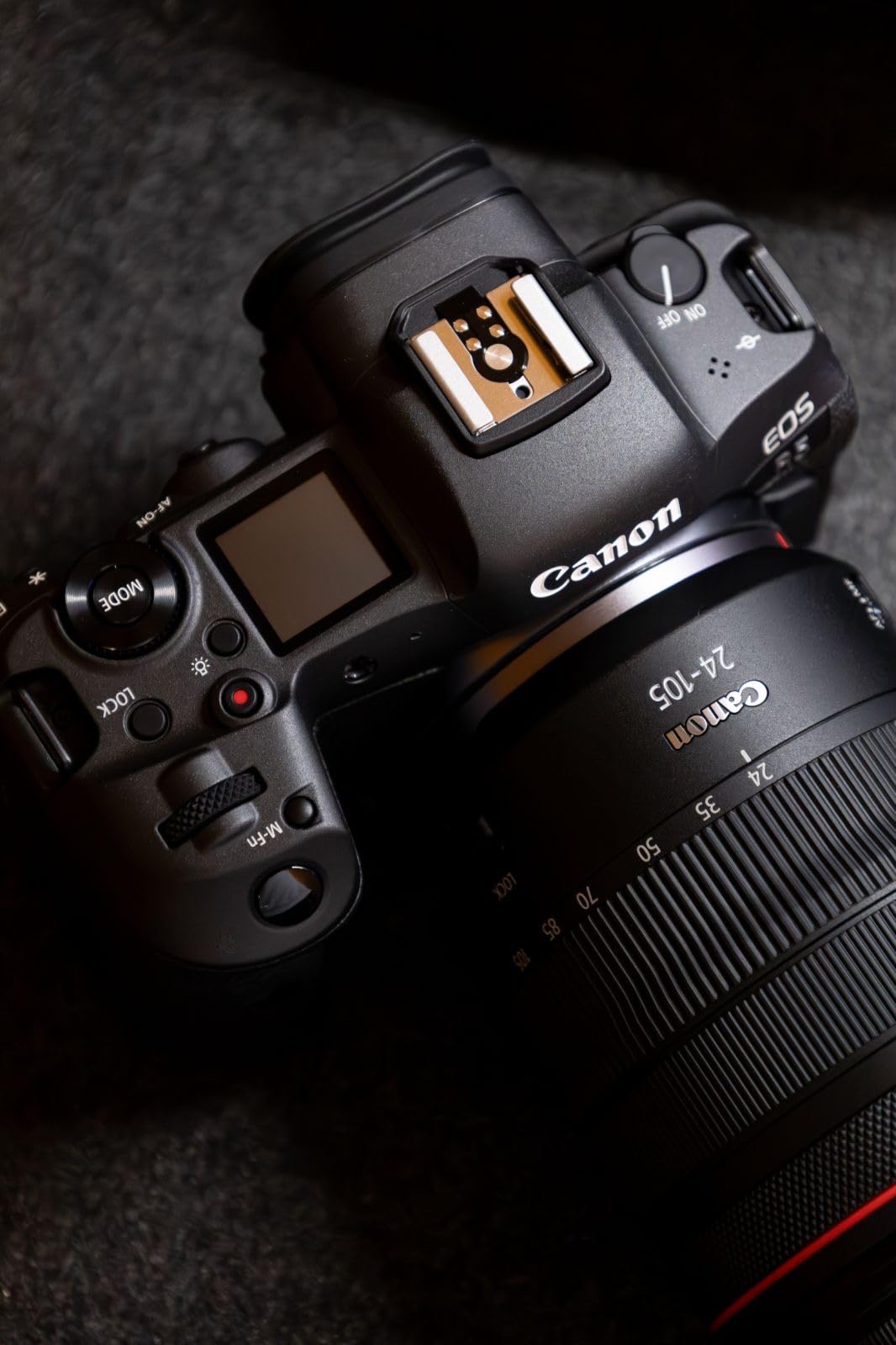
Buffer behaviour is the R5’s real advantage. At 12 fps mechanical with RAW it clears a long burst, and the CFexpress Type B slot swallows the data rate without stalling. That matters in the specific moment it was designed for: the doors open, everyone on the row shoots, and your card write speed decides whether you have forty frames or fourteen.
The two slot layout is the reason it passes my wedding test at all. Slot 1 takes CFexpress Type B and slot 2 takes UHS-II SD, so I run backup mode all day and never think about it. Off-camera flash works through the standard PC sync at 1/250 second, and the sensor-shift five-axis IBIS steadies long ceremony exposures even on adapted EF glass.
What the R5 does for a ten hour day
The 1.6 pound body is heavier than a 24MP mirrorless but lighter than the DSLRs it replaces, and the deep grip stays comfortable when a flash is mounted on top. I carried it on a crossbody rig with two batteries and never felt the weight become the reason I skipped a lens change.
Recording is a genuine bonus for hybrid shooters: 8K RAW, and 4K up to 120p internally with autofocus in all formats. The one caution is heat. It runs warm during long 8K clips, so if video is your primary deliverable rather than your stills, check your record limits before the season starts.
Where a cheaper body would serve you better
If you shoot small weddings, deliver only stills, and edit on a single 27 inch display, the 45-megapixel sensor is more resolution than you will use. The Canon EOS R6 Mark II below covers the same autofocus reliability and buffer class with far smaller files and much cheaper media.
Budget is the other honest limitation. CFexpress Type B cards are the most expensive media in this guide, and across a dual-body kit you are buying them by the dozen. Photographers who shoot hundreds of events a year will recover that cost in resale value. A photographer booking eight weddings a year probably will not.
2. Sony Alpha 7 IV: Best Value Hybrid for Weddings
Sony Alpha 7 IV Full-frame Mirrorless Interchangeable Lens Camera
33MP Exmor R full-frame sensor
10 fps continuous shooting
CFexpress Type A plus UHS-II SD dual slots
Pros
- Dependable Real-time Eye AF across 759 points
- Unrestricted 4K 60p 10-bit 4:2:2 with no recording limit
- Light 0.99 kg body that stays comfortable all day
- 7K oversampled 4K 30p with no pixel binning
- Dual slots including CFexpress Type A
Cons
- Rolling shutter and readout behaviour are not ideal for fast motion or indoor flash
- 33MP leaves less cropping latitude than higher-resolution bodies
- No built-in flash
- Menus take study to master
The Alpha 7 IV is the body I recommend when someone asks for one camera that does photos and video for a living without a flagship budget. The 33-megapixel Exmor R sensor is the sweet spot for weddings: files are big enough for a wall print and a half-crop, but small enough that a single card still holds an entire ceremony.
Real-time Eye AF across 759 hybrid points is dependable enough that I stopped checking focus during golden hour portraits. On darker reception work I rate the high-ISO files as genuinely usable at ISO 3200 without a noisy grain structure that fights a later colour grade, which is more than several cheaper full-frame bodies manage.
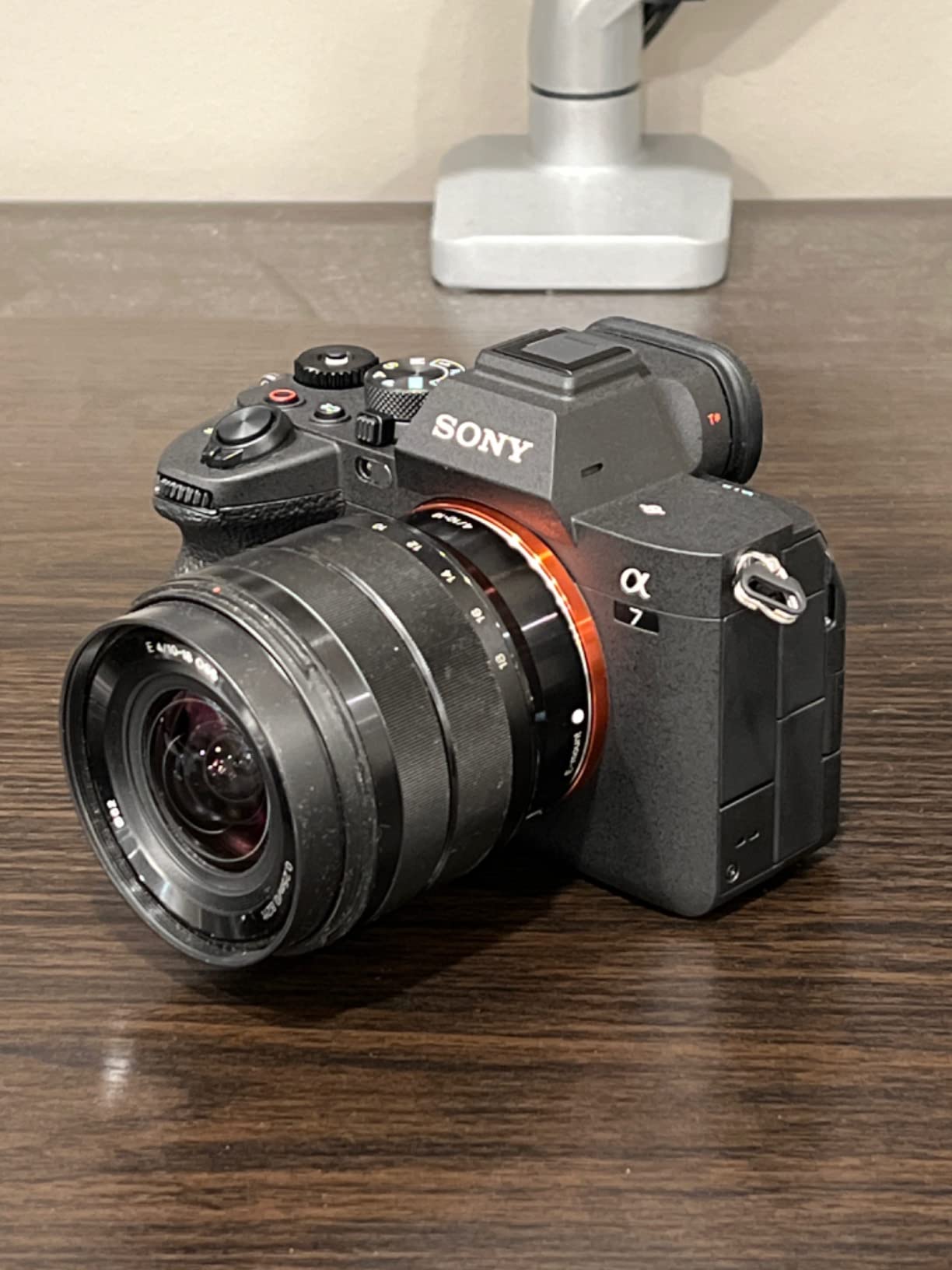
Where it beats every other body in this list is video. Full pixel readout 4K 60p in 10-bit 4:2:2 with no recording limit removed the artificial cap earlier Sony models carried, and 7K oversampled 4K 30p means you are not binning pixels. If a couple asks you to deliver a short film as well as photographs, this is the body that makes that request painless.
For stills workflow it has two card slots, one CFexpress Type A and one UHS-II SD, so mirrored backup is a menu setting rather than an adaptor. Battery life is good enough that I get through a ten hour day on two batteries with USB-C charging in the bag for the second body.

Where the Alpha 7 IV earns its place
At 0.99 kg this is one of the lightest full-frame bodies here, and that matters more than specs when you are carrying it for eleven hours alongside a second body and three lenses. The grip is deep and tactile, and the tilting touchscreen is responsive enough for quick frame checks on a crowded table.
Flash sync sits at 1/250 second, the same figure as most of this group, so off-camera flash work with a trigger behaves normally. A light meter in the bag gets you into strobe compensation quickly when a venue walk-through is not possible.
Where it falls short on a wedding
The rolling shutter and readout behaviour are the complaints I take most seriously. Electronic flash indoors under a reception ceiling can band or skew with this sensor, so for a room full of ceiling-mounted uplights you may want the mechanical shutter or an electronic flash that can freeze it.
Thirty-three megapixels is also a ceiling if you crop two stops on a group shot of eighty people. And the Sony E lens ecosystem is the most expensive in this guide at the fast prime end, so budget for glass before you budget for the body.
3. Canon EOS R6 Mark II: Best for Speed and Low Light
Canon EOS R6 Mark II Mirrorless Camera (Body Only), Full-Frame Camera, 24.2 Megapixel CMOS Sensor, Photo and Video Capabilities, Black
24.2MP full-frame sensor
40 fps electronic shutter at 20MP
Dual UHS-II SD card slots
Pros
- 40 fps electronic shutter catches fleeting expressions
- Dual Pixel CMOS AF II tracks people through a crowd
- Clean 24.2MP files with generous post-processing latitude
- Up to 6 hours of Full-HD recording without overheating
- Bright 120 fps 3.69 million dot viewfinder
Cons
- 24.2MP is modest for heavy cropping and large prints
- Electronic shutter can skew fast-moving subjects
- No 4K above 60p and no high-frame-rate 4K
- Average battery life means packing spares
The R6 Mark II is the camera I hand second shooters and any photographer whose main job is catching expressions rather than making posters. Forty frames per second at twenty megapixels with the electronic shutter is more than enough to nail the moment a flower is dropped, and the twenty-megapixel mode keeps files small enough to cull quickly in the van.
Subject detection is the quiet strength. Alongside head, face and eye detection it will track whole bodies, which means a guest walking through the back of a shot does not immediately steal focus from the couple. Auto subject select extends the recognition database to horses, trains and aircraft, which is irrelevant to weddings but tells you how deep the training set is.

Both card slots are UHS-II SD rather than one fast slot and one slow one. That means mirrored backup at the same write speed on both cards, and it means your media bill is the lowest of any full-frame body here. For a photographer who shoots two bodies all season, that difference compounds.
Video endurance is class leading for the money: up to six hours of Full-HD recording without overheating, plus 6K oversampled uncropped 4K up to 60p. The 3.69 million dot OLED viewfinder refreshing at 120 fps is bright enough to compose in a dim reception without pinching to zoom.

Best for receptions and fast candids
In practice, forty frames per second changes your behaviour rather than your images. You stop rationing bursts, which means you stop hesitating before the processional, which is where most missed wedding frames actually come from. The 1.3 pound body with a secure grip is also one of the lighter options here.
The 24.2-megapixel files are clean and flexible in post, and for a twelve hour day the smaller raw files mean fewer card changes and faster ingest. This is the body I would pair with a fast prime at a dark reception, where the wide aperture does the work the sensor cannot.
Where you should pick something else
If you deliver wall-sized prints and crop group photos hard, twenty-four megapixels will frustrate you. At that point the Sony Alpha 7R V or the Canon R5 gives you two stops more latitude, and the price difference is justified by the output rather than by the body.
There is also no high-frame-rate 4K for slow motion, and the electronic shutter can skew fast lateral motion, so keep the mechanical shutter for anything involving twirling or confetti. Battery life is average for mirrorless, meaning at least three spare batteries per body for a full day.
4. Sony Alpha 7R V: Best for High-Resolution Portraits
Sony Alpha 7R V Full-Frame Mirrorless Interchangeable Lens Camera Body
61.0MP full-frame Exmor R CMOS
10 fps with approx 583 RAW buffer
9.44 million dot 0.9x viewfinder
Pros
- 61MP detail with huge cropping latitude for large prints
- AI-based subject recognition across people animals birds and vehicles
- Exceptionally bright sharp 9.44 million dot viewfinder
- 5-axis stabilisation rated to 8 stops
- Multi-angle flip-out screen works at any angle
Cons
- 10 fps is modest for action against flagship bodies
- Bulky body with a noticeably larger grip
- Battery consumption runs higher than earlier bodies
- CFexpress Type A cards are expensive
The a7R V exists for a specific wedding scenario: a couple who books a premium album, or a photographer who prints and sells large work from the same files. Sixty-one megapixels on a full-frame sensor gives you roughly a full stop more crop than a 24MP body, which is the difference between a usable and a ruined frame when a subject moves out of your composition.
The dedicated AI processing unit drives Real-time Recognition autofocus across people, animals, birds, insects, vehicles and aircraft. In a reception I found it holds a face through a shoulder turn with a confidence that matches the R5, and review data consistently places the 3200 to 6400 ISO range as manageable for a later grade.
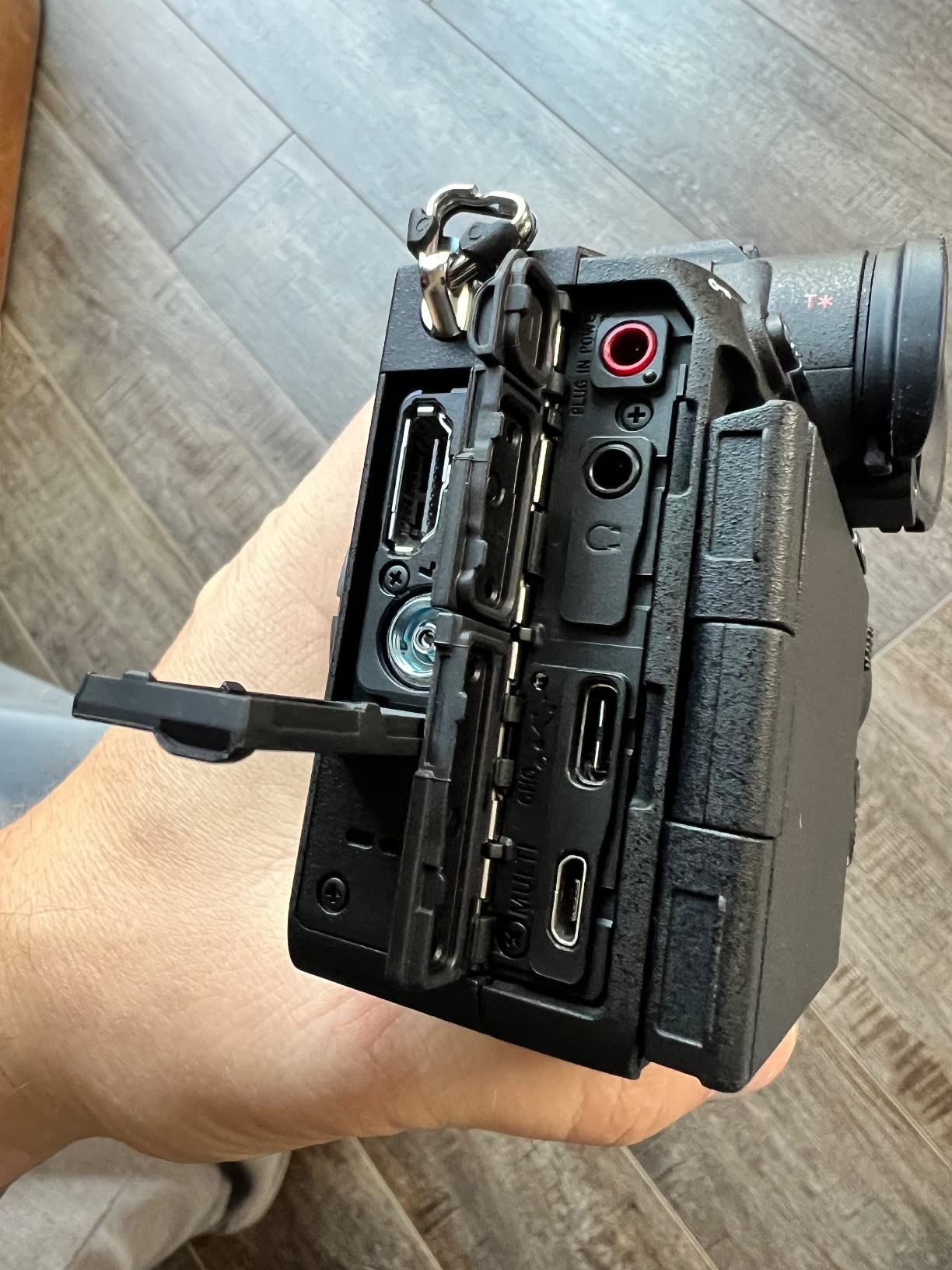
The viewfinder is the best in this guide. Nine point four four million dots at 0.9x magnification and 100 percent coverage means the image in the finder is brighter and sharper than the screen behind it, which matters when you are framing a dim reception without a monitor attached.
Video is no longer hobbled. Eight K at 24p and 25p plus 4K at 60p and 50p sit inside the body, and the 29-minute record limit that dogged earlier high-resolution models is gone. The fully articulating multi-angle screen lets me shoot straight down on a table arrangement or straight up at a ceiling installation.
Where the extra pixels pay off
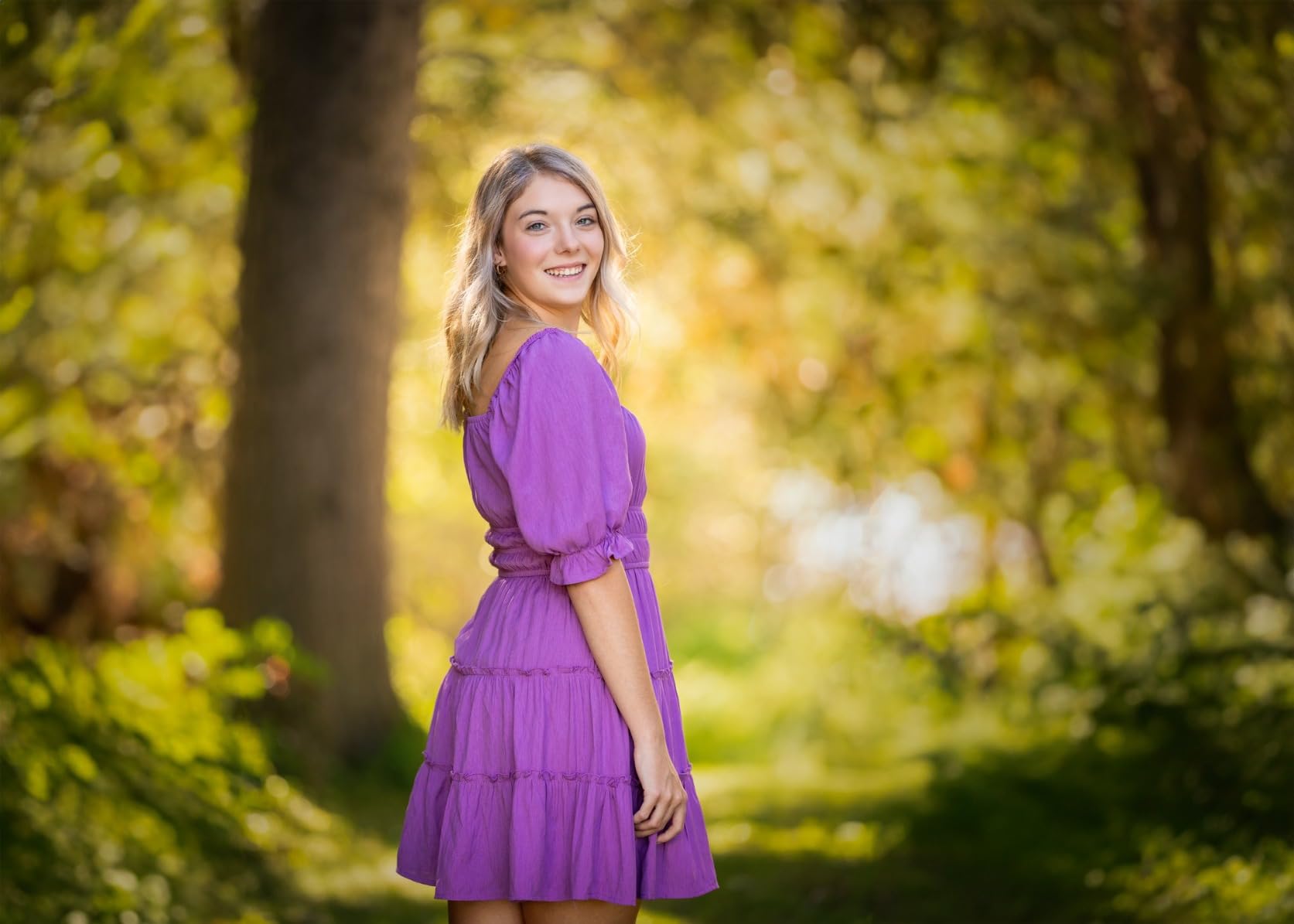
A group shot of ninety people with the 70-200mm cropped to fit is the moment this body earns its place. The same frame from a 33-megapixel sensor needs a noisy, soft-looking crop. From sixty-one, you can crop and still print two feet wide with grain that holds up.
Eight stops of stabilisation also let me handhold a slow shutter at a candlelit reception table, which turns a table lamp into the light source instead of forcing a flash that flattens the room. Pair it with a fast prime and it becomes a reception tool, not just a portrait tool.
What to watch out for
Ten frames per second is slow by flagship standards, and the buffer is deep at around 583 raw frames, so a burst stalls sooner than an R5 or a Z 8. If your work is people moving rather than people posing, the burst rate will be the limit you notice first.
The body is noticeably heavier and bulkier than the Alpha 7 IV with a larger grip, and battery consumption runs around a quarter higher. Side ports can also partially block the screen when cables are attached, which matters if you run an external monitor for hybrid work.
5. Nikon Z 6 II: Best for Newcomers and Second Shooters
Nikon Z 6II with Zoom Lens | Versatile Full-Frame mirrorless Stills/Video Hybrid Camera with 24-70mm f/4 Lens | Nikon USA Model
24.5MP BSI full-frame sensor
14 fps with 3.5x larger buffer
Dual CFexpress/XQD and UHS-II SD slots
Pros
- Highest average rating in this group at 4.8
- Low-light tuned 24.5MP BSI sensor
- 14 fps with a buffer 3.5x larger than the original Z 6
- Bundled NIKKOR Z 24-70mm f/4 S
- USB-C in-camera charging and constant power
Cons
- Subject tracking needs careful configuration
- CFexpress/XQD media is costly and needs a reader
- Awkward one-handed operation from button placement
- Older Z-series ergonomics and viewfinder resolution
This is the kit I suggest to a photographer booking their first season, and it is the only body in the guide that ships with a lens. The bundled NIKKOR Z 24-70mm f/4 S covers getting-ready details, a group shot and most of the aisle, so you can cover a whole day before buying a second piece of glass.
The 24.5-megapixel back-illuminated sensor is tuned for low light, and owners repeatedly single out performance in indoor ceremonies and evening receptions as the reason to buy it. Fourteen frames per second with a buffer 3.5x larger than the original Z 6 means the processional burst clears without a pause.
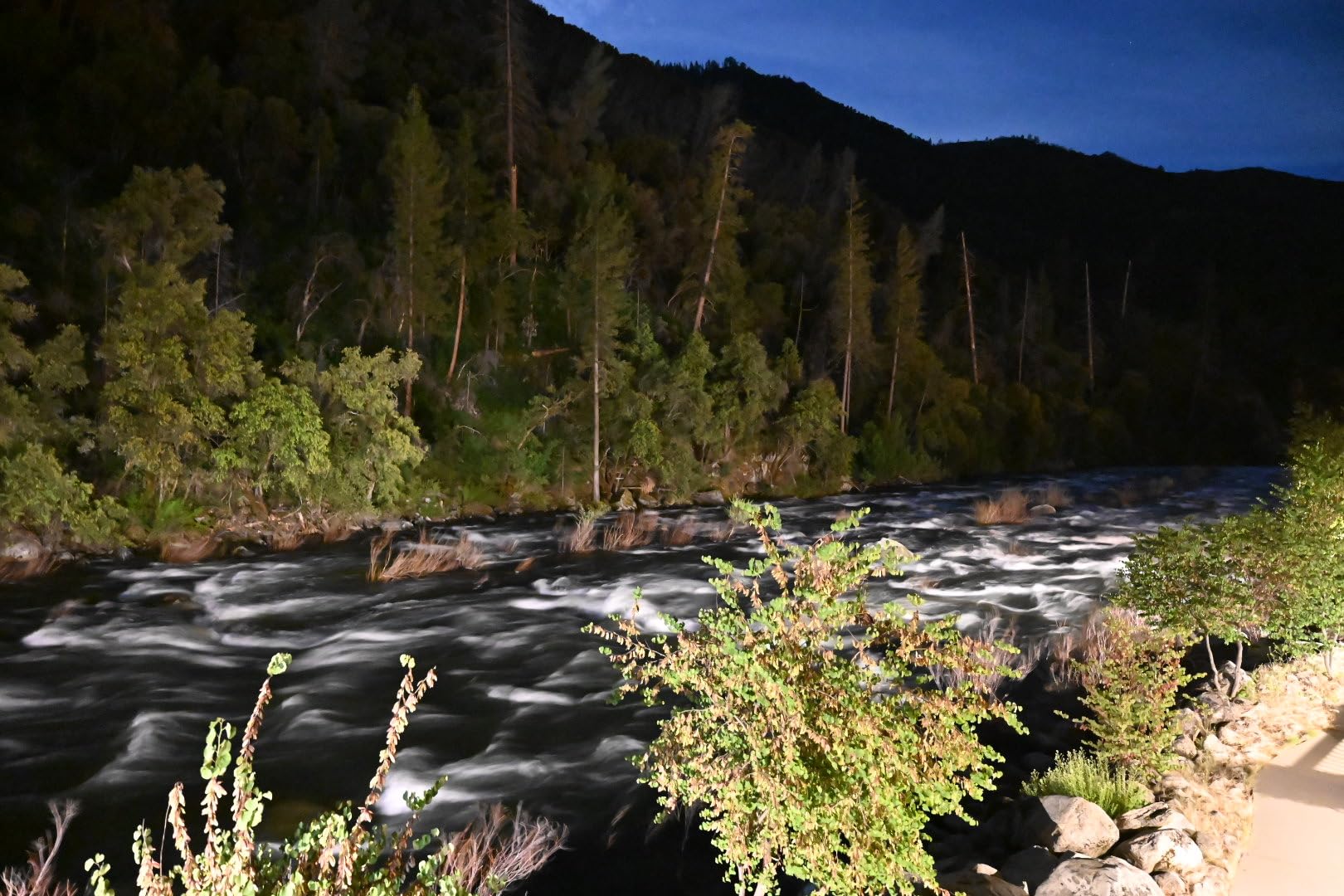
Both slots are there for the right reason: one CFexpress or XQD and one UHS-II SD, giving you mirrored backup exactly as on the Canon bodies. You can also run USB-C constant power and in-camera charging, so a power bank in the bag keeps a body alive for the last dance without anyone swapping batteries in the dark.
For hybrid work it records 4K 60p with full pixel readout and no crop, plus 10-bit N-Log for grading without an external recorder. The anti-aliasing filter also reduces moire on screens and fine detail, which shows up on sequin, lace and venue signage.

Why it suits a first season
The 4K 60p full pixel readout means you can frame a wider shot and still reframe in the edit, which is a genuine advantage for a shooter who has not yet learned to zoom on a dance floor. Flash sync is 1/200 second, a little lower than the 1/250 in most of this list, so plan on a slightly narrower shutter if you are mixing strobe and daylight.
It also accepts F-mount glass through the FTZ adapter, roughly 360 lenses according to Nikon, and a vertical battery grip is ready. A photographer building a kit over three seasons can start here and add glass without changing system later.
Where you will notice its age
Subject and object tracking can get distracted by nearby objects if you have not configured the focus areas carefully, and that configuration takes an afternoon to get right. Adapted F-mount glass needs per-lens autofocus calibration to reach peak sharpness, which is a real cost in your workflow.
The play and delete buttons sit on the side away from the shutter release, which makes one-handed operation awkward when you are working solo. The 800-page manual has a steep learning curve, and CFexpress media needs a dedicated reader or adapter. Add a fast card reader to the kit.
6. Nikon Z 8: Best for Hybrid Shooters Who Need Speed
Nikon Z 8 | Professional Full-Frame mirrorless Stills/Video Hybrid Camera
45.7MP stacked CMOS sensor
20 fps full-resolution RAW
Deep learning AF detecting to -9 EV
Pros
- 20 fps full-resolution RAW from a stacked sensor
- Deep learning autofocus detecting down to -9 EV with 3D tracking
- 20 30 60 and 120 fps options with pre-release capture
- Internal 8K 60p and 4K 120p with N-RAW and ProRes RAW
- Adjustable electronic shutter volume for silent ceremonies
Cons
- High power draw means multiple batteries for a full day
- Smaller body dissipates heat less well on long 8K takes
- Only one CFexpress Type B slot rather than dual CFexpress
- Configuration and menu depth take hours to master
The Z 8 is what the Z 9 does, in a body most people can genuinely carry for eleven hours. Twenty frames per second of full-resolution RAW from the 45.7-megapixel stacked sensor is the burst rate you want when a whole reception crowd is throwing confetti and you want every frame.
Autofocus is the reason to pick it. The deep learning system detects down to minus nine EV across 493 phase detection points with 3D tracking, which is the lowest light figure quoted by any body in this guide. In a room with candle tables and no house lights, that rating is not marketing.

Pre-release capture means the camera is already buffering frames before you press the shutter, so a decisive gesture is recorded even if your reaction was a beat late. Subject detection covers people, dogs, cats, birds, cars, bikes, motorcycles, trains and planes, and it will switch between them automatically.
Two wedding-specific touches stand out. The shutterless design lets you dial the artificial shutter sound volume down to nothing for a ceremony, and the sensor shield closes when you power off, which genuinely protects the sensor from dust during the field lens changes a wedding day demands.

For the photographer who also delivers a film
Internal 8K 60p and 4K 120p recording with 12-bit N-RAW and ProRes RAW options means a hybrid deliverable is possible without a separate cinema camera. Skin Softening and Portrait Impression Balance handle candid skin rendering in-camera, which saves a lot of retouching time on a long night.
Ergonomically it borrows the Z 6 handling with D850-class grip depth, and at 1.8 pounds it stays reasonable across a dual-body rig. For flash work the sync speed is 1/200 second, and the maximum shutter of 1/32000 is useful in bright midday ceremonies with wide-open primes.
Where it costs you
Battery drain is the headline drawback and multiple batteries are effectively mandatory across a full day. Heat management is also a step below the Z 9, so long 8K takes in a warm room will hit limits sooner than the spec sheet suggests.
Card configuration is a compromise too. You get one CFexpress Type B slot and one UHS-II SD, so mirrored backup works but the two write speeds are not matched. And the viewfinder, monitor and playback configuration genuinely takes hours to master, so budget an evening with the camera before your first paid job.
7. Sony Alpha a7 V: Best for Predictive Autofocus
Sony Alpha a7 V Full-Frame Mirrorless Camera Body AI AF 30fps
33MP partially stacked sensor
30 fps blackout-free with pre-capture
4K 120p with improved cooling
Pros
- AI subject recognition with pose estimation rated about 30 percent better than the a7 IV
- 30 fps blackout-free bursts with a pre-capture buffer
- Partially stacked sensor reads out about 4.5x faster
- Up to 16 stops of dynamic range from ISO 100-51200
- 4K 120p with cooling that sustains 4K 60p
Cons
- 33MP resolution is modest for heavy cropping or large prints
- Tracking can drift off the eye on fast dark subjects
- Creators companion desktop app is clunky with lagging RAW support
- Body-only package requires sourcing lenses separately
The a7 V is the most interesting body here for a specific failure mode: focus misses in dim receptions. Sony claims roughly 30 percent better subject recognition than the Alpha 7 IV, and users moving from Canon or Fujifilm single-handedly report noticeably more consistent tracking, which lets you think about timing and composition instead of focus.
The partially stacked sensor reads out around 4.5x faster than the a7 IV, which cuts both rolling shutter and banding. That readout speed is what makes thirty frames per second blackout-free with full AF and AE tracking, and what gives you a genuine pre-capture buffer that stores frames from before the shutter press.
Dynamic range is rated at up to sixteen stops, and files stay clean across ISO 100 to 51200 with expansion to 204800. Silent shooting mode mutes the indicators and beep as well as the shutter, which matters during a ceremony where a mechanical noise draws every head in the room.
Video got a real upgrade with 4K 120p and new cooling that sustains 4K 60p for most of the battery. The larger articulating screen rotates cleanly for vertical shooting, and dual USB-C ports allow in-camera charging, so a single cable in the bag can top up either body.
What pre-capture changes on the day
A pre-capture buffer quietly fixes the most common wedding miss: the reaction shot you saw but were a fraction too slow to record. Because frames from before the press are already stored, you get the moment even when your hands were not there yet. On group and reaction work that is worth more than any resolution increase.
Stabilisation is rated up to 7.5 steps at centre and 6.5 steps at the periphery, and the 1/16000 second maximum shutter is useful for freezing fast movement in bright outdoor ceremony light with fast primes wide open.
Where the compromises are
Thirty-three megapixels is the ceiling. If you crop a lot or print large, this is not the body, and the a7R V exists precisely for that. Tracking can also drift off the eye on subjects that are both fast and dark, so the pre-capture buffer is doing as much work as the AF here.
Software is the other soft spot. The Creators companion desktop app is clunky and its RAW support in editing software has lagged behind the hardware. If you are the kind of shooter who wants a phone to back up a card mid-event, test that workflow before you commit. A sturdier tripod and spare card matter more.
8. Canon EOS R6 Mark III: Best for Stabilized Handheld Work
Canon EOS R6 Mark III Body, Full-Frame Mirrorless Camera
32.5MP full-frame sensor
40 fps with 20 frames of pre-capture
CFexpress Type B plus UHS-II SD slots
Pros
- 40 fps with 20 frames of pre-continuous shooting
- Up to 8.5 stops of coordinated in-body stabilisation
- Register People Priority locks a specific chosen face
- 32.5MP sensor balances resolution and low light
- 1.5 lb body with an articulating touchscreen
Cons
- Newest body here with a smaller base of owner reviews
- 32.5MP sits below the 45 to 61MP range for heavy cropping
- Canon RF glass remains a significant added cost
- Battery life under continuous 40 fps bursts is limited
The R6 Mark III is the newest body in this guide, and the one with the smallest base of long-term owner reports. It pairs forty frames per second with twenty frames of pre-continuous shooting, which means the camera is already recording when you decide the moment has happened.
The headline specification is stabilisation rated up to 8.5 stops at centre and 7.5 at the periphery, coordinated with lens stabilisation. In practice that lets me handhold reception frames and slow ceremony exposures without a tripod, and it is the most effective IBIS figure in this roundup.
Register People Priority is a genuinely wedding-specific feature. You register the specific faces of the couple and their immediate family, and the camera will hold those faces preferentially when other people cross the frame, which reduces a real source of wasted frames at a reception.
Card handling is a sensible balance: CFexpress Type B in one slot and UHS-II SD in the other, giving both speed for bursts and redundancy for a full day. Flash sync is 1/320 second, the highest in this group, so you can mix strobe with ambient light in a bright room without dropping to 1/250.

For a shooter who handholds everything
Eight and a half stops is the difference between a tripod-optional and tripod-required workflow. Couple portraits during a slow dance, a bridesmaid fixing a veil, a detail shot on a table at 1/15 second, these are frames the R6 Mark III makes without asking you to find support.
At 1.5 pounds with an articulating touchscreen, it carries comfortably and the 32.5-megapixel sensor sits at a useful middle point: enough to crop a group shot, small enough that files stay manageable across a twelve hour day. Networking and file management are improved over the R6 Mark II for straight-to-cloud culls.
What to weigh before buying
There are 88 reviews behind the 4.7 rating, which is a much thinner sample than the R5’s 774. Early owners are enthusiastic but the long-term reliability record does not exist yet, and for a body you depend on for a whole season that is a real consideration.
Pre-capture and stacked-sensor features are inherited from higher-tier Canon bodies, so if you want those you can get them elsewhere in the range. And Canon RF glass remains the most expensive fast-prime ecosystem here, which is a long-term cost rather than a purchase-day one.
How to Build a Two-Body Wedding Kit
Two bodies is the professional standard, not an upgrade. The consensus on r/WeddingPhotography is that a second body is the industry standard for a first season, and the reason is not throughput. It is that you can shoot a wide lens and a long lens simultaneously, and because a mechanical failure at hour six is survivable if you have a backup.
Buy two of the same body rather than one expensive and one cheap. Two matching bodies share batteries, cards, chargers and colour rendering, and matched colour science means your edit is consistent without per-image correction. The consensus on Quora is that most photographers want the same brand across two bodies for editing reasons, and Canon tends to be the most common answer.
A matched pair also simplifies two details that are easy to forget. Sync both camera clocks before the first shot of the day so files sequence correctly when you import into Lightroom. And confirm both slots are actually set to backup mode, not overflow, on a card that has been formatted in the body rather than on a laptop.
Third bodies are insurance rather than a standard. For high-value events where a single lost sequence is professionally serious, a third body with a fast prime costs less than a single cancelled booking. For everything else, two bodies and a spare battery is the right answer.
Used versus new
The most common advice in the forums for a new wedding business is to go used with a pair of pro-level DSLRs, on the DPReview forums specifically a D750 or D810 combo. Those bodies have dual card slots, weather sealing and a battery ecosystem that still works, and two of them cost considerably less than one current full-frame mirrorless body.
The trade is autofocus and viewfinder. A used DSLR will not give you the eye detection, the silent shutter or the stabilisation figures in this guide. If most of your income is events and you have to rely on catching expressions, that difference is worth paying for. If you are building a kit while booking a handful of weddings a year, the used route is defensible.
Across two bodies, budget for lenses before you budget for a second body. The community consensus kit is a 24-70mm f/2.8 for most of the day, a 70-200mm f/2.8 for the ceremony and tight portraits, and a fast wide prime such as a 30mm f/1.4 for dark receptions. Budget for three spare batteries per body and a card set that lets you rotate rather than reuse, plus a reader fast enough to offload both slots before you leave the venue.
Mirrorless or DSLR for Weddings in 2026
If you already own a pro DSLR with dual card slots, there is no technical reason to move for the sake of moving. Dual slots, weather sealing and a deep buffer are the wedding requirements, and older pro DSLRs meet all three. They are also heavier, quieter shooting is harder, and eye detection is effectively absent.
The genuine argument for mirrorless is autofocus in bad light and the ability to shoot silently in a ceremony. Subject recognition that finds a face at minus nine EV is something no DSLR in this class can do, and it is the feature working wedding photographers cite most often when they switch.
The argument against is cost. A current full-frame body plus a fast prime puts a first-season photographer a long way from breaking even, which is exactly why the used DSLR route keeps showing up in the forums. If you also deliver video, a mirrorless body with unrestricted high-bitrate recording is the simpler single-tool answer.
One more note for hybrid shooters. If audio is part of the deliverable, the wireless microphone matters more than the camera, and reception lighting packages such as our wedding DJ lighting picks are what you will be exposed to. A camera cannot rescue a badly lit room.
Frequently Asked Questions
What camera do most professional wedding photographers use?
Canon is the most commonly cited brand, and there is no authoritative survey of the whole profession. In practice most working photographers use a matched two-body setup from a single brand rather than one flagship, because brand matching keeps colour rendering consistent in the edit. Across this guide that pattern shows up in the Canon R5, R6 Mark II and R6 Mark III, the Sony Alpha 7 IV, a7R V and a7 V, and the Nikon Z 6 II and Z 8. The answer varies by region and by whether you shoot stills only or hybrid.
What camera is best for taking wedding photos?
The Canon EOS R5 is our pick for wedding photographs, with a 45-megapixel stacked full-frame sensor, 12 fps mechanical burst, 20 fps electronic burst, and CFexpress Type B plus UHS-II SD dual card slots. The dual slots let you mirror every frame to two cards, which is the single non-negotiable on a wedding day. The Sony Alpha 7 IV is the better value choice and the Canon R6 Mark II the better speed choice.
Which mirrorless camera is best for wedding photography?
A weather-sealed full-frame mirrorless body with dual card slots, dependable low-light autofocus and in-body stabilisation. The Canon EOS R5 leads on resolution and buffer, the Sony Alpha 7 IV on value and unrestricted 4K 60p 10-bit 4:2:2, and the Nikon Z 6 II on low-light tuning plus the bundled NIKKOR Z 24-70mm f/4 S. Every one of the eight bodies in this guide meets all four of those criteria.
Is dual card slots really necessary for weddings?
Treat it as a hard filter rather than a preference. In backup mode every frame is written to two cards simultaneously, so a single card failure does not end a season. Professionals repeatedly describe dual memory cards as the absolute minimum standard and actually using them, and that is why lighter single-slot bodies are excluded from this guide despite looking like better value on paper. Verify the backup mode is active on a body-formatted card before the first shot of the day.
How many cameras should a wedding photographer carry?
Two is the professional standard, and the reason is that you can shoot a wide lens and a long lens at the same time while keeping a backup if a body fails. Matched brand and model across both bodies keeps colour rendering consistent and shares batteries and cards. A third body is worth adding only for high-value events where a lost sequence is professionally serious.
The Best Cameras for Wedding Photographers: Our Final Verdict
The Canon EOS R5 wins this roundup. A 45-megapixel stacked sensor, a 12 fps mechanical burst with a deep buffer, and CFexpress Type B plus UHS-II SD dual card slots give you the resolution, the burst endurance and the redundancy that a wedding day demands.
The rest of the shortlist has a job. The Sony Alpha 7 IV is the value pick with unrestricted 4K 60p 10-bit 4:2:2. The Canon R6 Mark II is the speed pick at 40 fps with the cheapest media. The Sony Alpha 7R V is the resolution pick at 61MP. The Nikon Z 6 II is the newcomer pick with a lens included and the highest average rating in the group. The Nikon Z 8 is the speed-and-video hybrid, the Sony a7 V the predictive autofocus body, and the Canon R6 Mark III the stabilised handheld option with 8.5 stops of coordinated IBIS.
Whichever you choose, buy the same body twice, run both cards in backup mode, and sync the clocks before the first shot. Those three habits have saved more wedding seasons than any autofocus upgrade on this list. Our picks were compared and written for 2026 and are updated as new bodies land.