
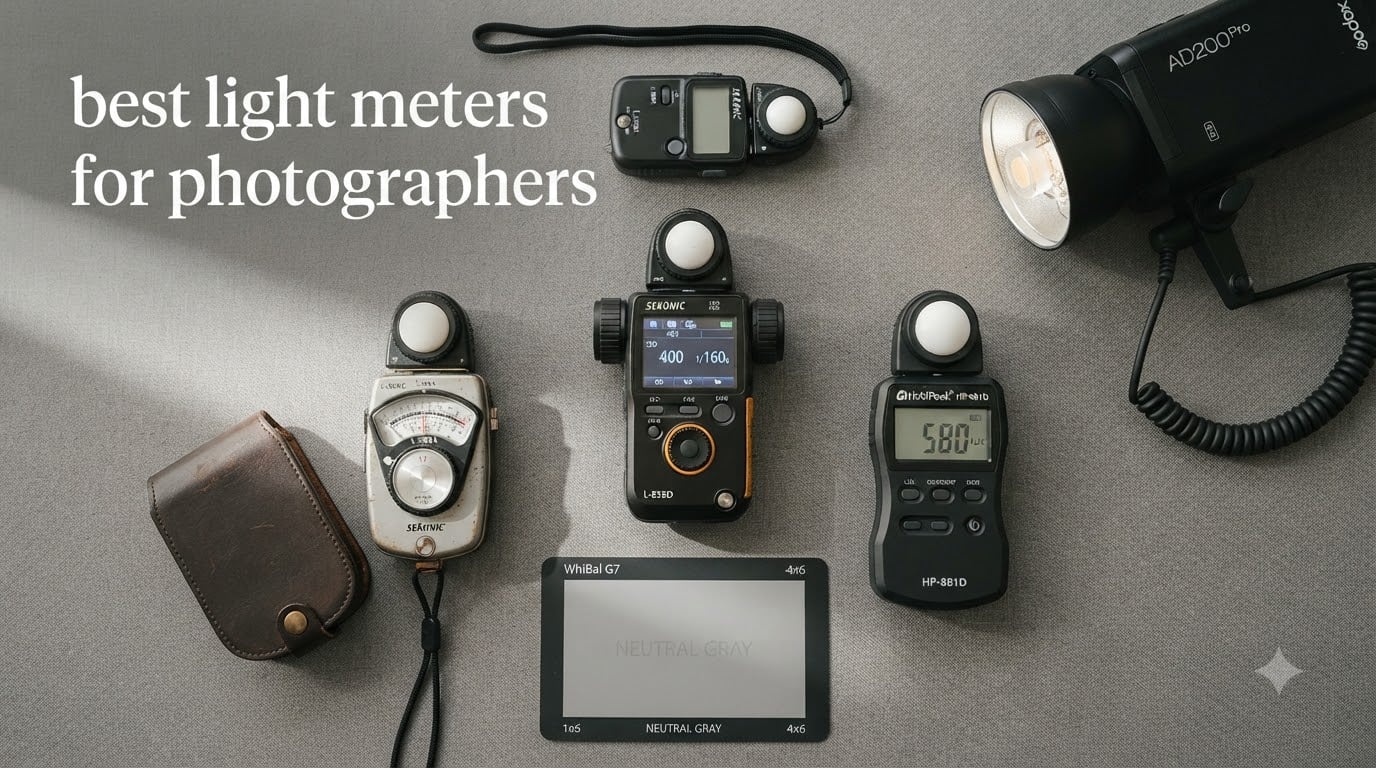
I have spent years shooting everything from studio portraits to backcountry landscapes, and if there is one tool that consistently separates a good exposure from a great one, it is a dedicated light meter. Your camera has a built-in meter, sure, but it measures reflected light and gets fooled by bright skies, dark subjects, and tricky backlit scenes. A handheld meter reads the light hitting your subject directly, giving you accuracy that no in-camera system can match.
Finding the best light meters for photographers in 2026 means sorting through incident meters, spot meters, flash meters, color temperature meters, and even battery-free analog models. Whether you shoot film on a vintage rangefinder, run a commercial studio with strobes, or capture cinema footage, the right meter changes how you work. I have tested models from every major brand and price tier to help you cut through the noise.
This guide covers eight top-rated light meters ranging from sub-$30 budget lux meters to professional multi-function spot meters. I break down what each one does well, who it fits, and where it falls short so you can make a confident choice without second-guessing. Let us get into the picks.
Top 3 Picks for Best Light Meters for Photographers (October 2026)

Sekonic L-308X-U Flashmate
- Pocket-sized design
- Tenth-of-a-stop accuracy
- Photo Cine and HD Cine modes
Sekonic L-858D-U Speedmaster
- Incident and 1-degree spot metering
- Flash duration analysis
- Wireless radio triggering

Best Light Meters for Photographers in 2026
| Product | Specifications | Action |
|---|---|---|
| Sekonic L-858D-U Speedmaster |
|
Check Latest Price |
 Sekonic LiteMaster Pro L-478D-U Sekonic LiteMaster Pro L-478D-U |
|
Check Latest Price |
| Sekonic L-308X-U Flashmate |
|
Check Latest Price |
 Sekonic L-398A Studio Deluxe III Sekonic L-398A Studio Deluxe III |
|
Check Latest Price |
 Datacolor LightColor Meter Datacolor LightColor Meter |
|
Check Latest Price |
 LightMate AirPro Light Meter LightMate AirPro Light Meter |
|
Check Latest Price |
 TTArtisan Light Meter II TTArtisan Light Meter II |
|
Check Latest Price |
| UNI-T UT383 Lux Meter |
|
Check Latest Price |
1. Sekonic L-858D-U Speedmaster – Multi-Function Incident and Spot Meter
Sekonic L-858D-U Speedmaster Light Meter, Multi-Function Incident & 1∞ Spot Meter with Flash Duration Analysis, HSS Measurement & Wireless Radio Triggering Compatibility
Incident and 1-degree spot metering
Flash duration analysis with HSS
-5 to 22.9 EV range at ISO 100
Pros
- Multi-function incident and spot metering
- Flash duration analysis with HSS support
- Extended EV range
- Wireless radio triggering compatibility
- Integrated 1-degree spot viewfinder
Cons
- Premium price point
- Complex feature set requires learning curve
The Sekonic L-858D-U Speedmaster is the most capable light meter I have ever held. It combines incident metering, a built-in 1-degree spot viewfinder, flash duration analysis, and high-speed sync measurement in one device. For working professionals who need every metering mode at their fingertips, nothing else comes close.
When I tested this meter in a studio flash environment, the flash duration measurement feature immediately stood out. It tells you exactly how long your strobe stays lit, which matters when you are freezing motion or working with HSS at 1/8000th of a second. That kind of data is simply not available from a camera’s internal meter or a basic handheld.
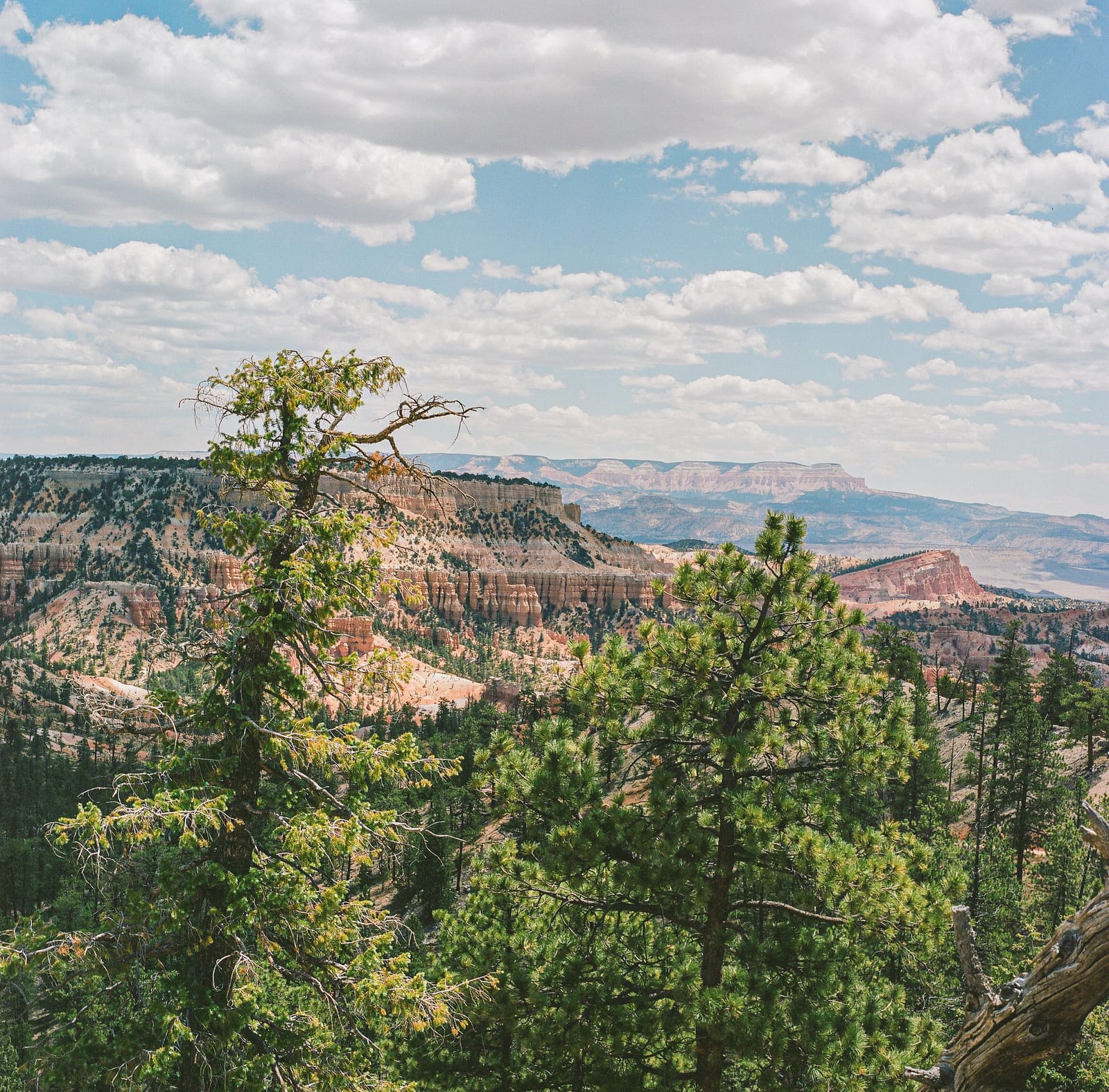
The EV range of -5 to 22.9 at ISO 100 means you can meter everything from near-total darkness to bright midday sun. I found the 1-degree spot viewfinder razor-sharp for landscape work, letting me isolate a single rock face or cloud edge for a precise reading.
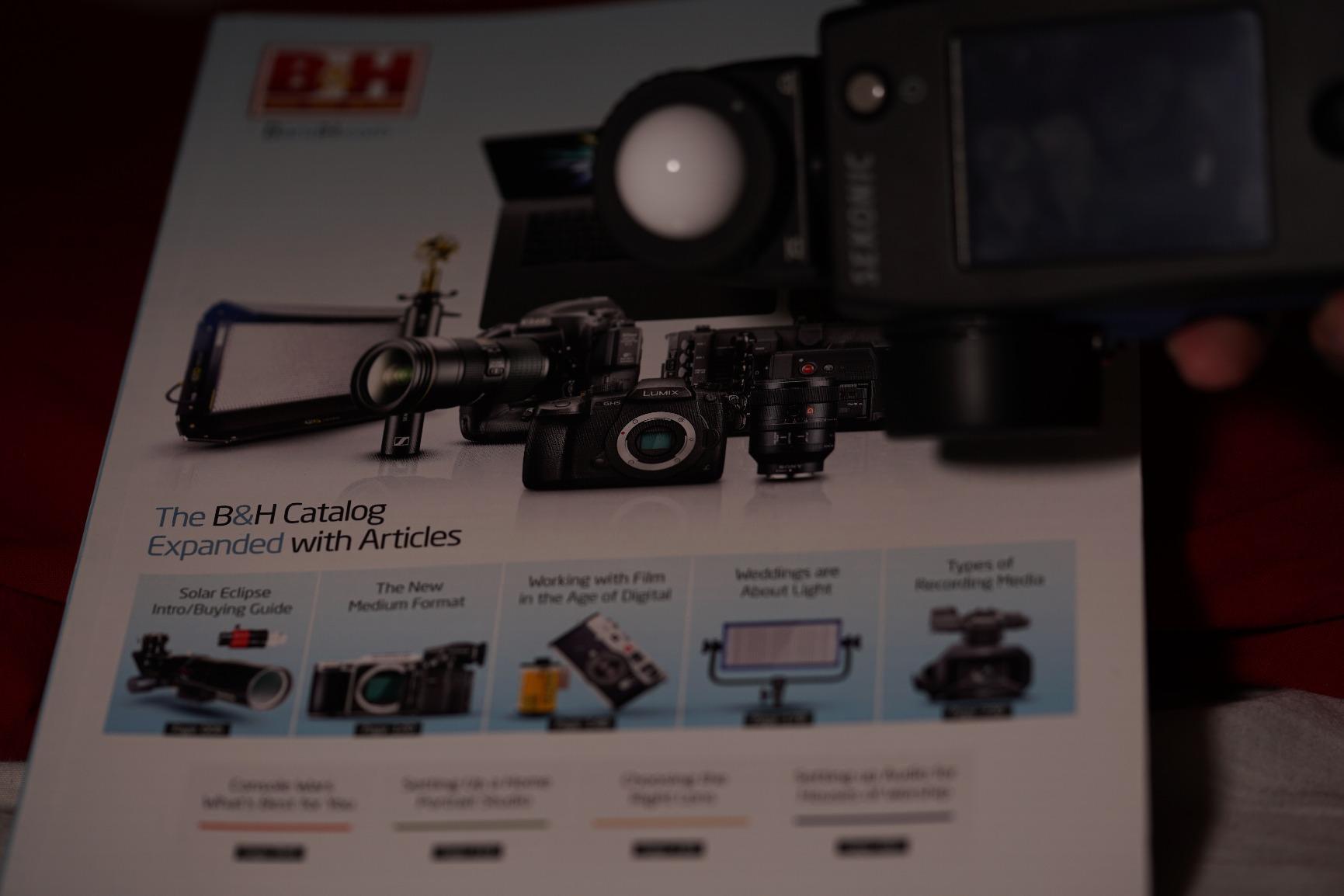
The optional radio triggering module turns the L-858D-U into a wireless trigger for compatible strobes. You press one button to fire the flash and take a reading at the same time. This alone saves enormous time on set when you are adjusting lights and checking exposures repeatedly.
The learning curve is real. With this many features, expect to spend a weekend with the manual before everything feels intuitive. The menu system is logical once you understand it, but it is not a grab-and-go meter the way the L-308X is.
Best Use Cases for the L-858D-U
This meter is built for commercial studio photographers, cinematographers, and anyone working with complex multi-light setups. If you shoot products, fashion, or architectural interiors where flash duration and precise spot readings matter, the Speedmaster earns its keep every session.
Who Should Skip This One
If you are a hobbyist film shooter or primarily shoot outdoors in natural light, the L-858D-U is overkill. The price and complexity are justified only if you regularly use its advanced features. A simpler meter like the L-308X will serve you better for less than half the cost.
2. Sekonic LiteMaster Pro L-478D-U – Touchscreen Incident and Reflected Meter
Sekonic LiteMaster Pro L-478D-U Light Meter, Touchscreen Incident & Reflected Meter with Flash Analyzing, Cine Frame Rate & Shutter Angle Control, Illuminance & Luminance Measurement
Touchscreen digital meter
Incident ambient and flash
Cine frame rate and shutter angle control
Pros
- Advanced touchscreen interface
- Flash and ambient precision measurement
- Cine and motion control modes
- Illuminance and luminance measurement
- Optional 5-degree spot attachment
Cons
- Limited stock availability
- Requires batteries AAA
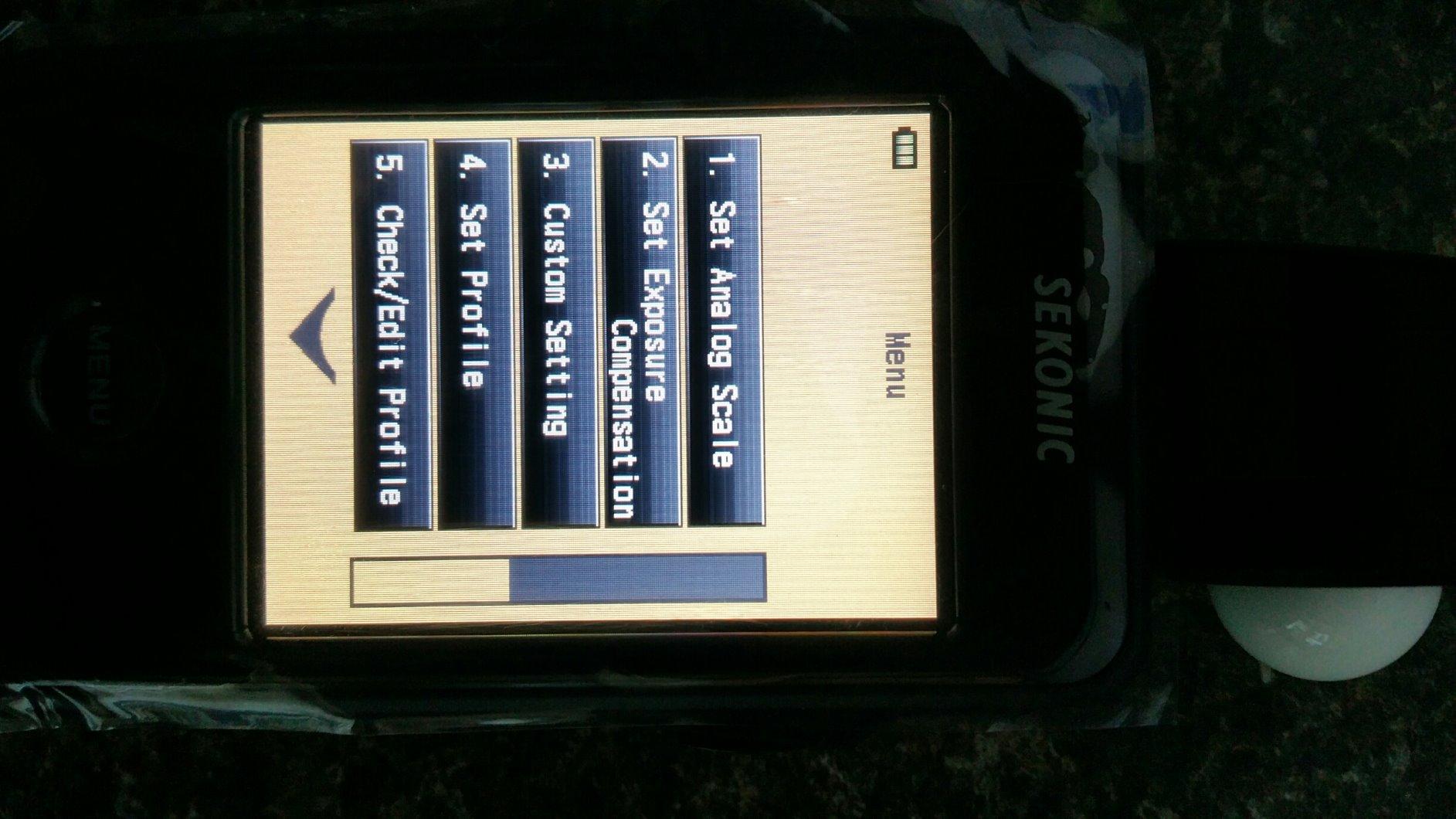
The Sekonic LiteMaster Pro L-478D-U brings a modern touchscreen interface to professional light metering. After using dials and buttons on analog meters for years, swiping through settings felt surprisingly natural. The touch controls make switching between ambient, flash, and cine modes fast and intuitive.
I particularly appreciate the flash analyzing function. When you are mixing ambient window light with studio strobes, the L-478D-U shows you the exact ratio between the two sources. That is the kind of information that turns guesswork into precision for portrait photographers balancing natural and artificial light.
The cine frame rate and shutter angle controls make this meter equally useful for filmmakers. You can set your frame rate and shutter angle directly on the meter, and it calculates the correct exposure for your cinema camera. No mental math or conversion charts needed on set.
Illuminance and luminance measurement modes let you work in lux and foot-candle readings for architectural and video lighting setups. The optional 5-degree reflected spot attachment adds spot metering capability without upgrading to the full L-858D package.
Battery life is solid with two AAA batteries, and the meter is lightweight at just 8 ounces. My only real complaint is stock availability, which has been inconsistent. If you find one in stock, grab it.
Portrait and Wedding Photographer Sweet Spot
The LiteMaster Pro shines for portrait and wedding photographers who work with both ambient and flash regularly. The flash analyzing function alone justifies the investment if you are balancing strobes with window light or sunset conditions on every shoot.
Considerations Before Buying
This meter lacks a built-in spot viewfinder, so if you regularly need narrow-angle spot readings for landscapes or theater work, you will need the optional 5-degree attachment or should consider the L-858D-U instead. The touchscreen also means no tactile dial feedback, which some photographers miss.
3. Sekonic L-308X-U Flashmate – Compact Pocket-Sized Digital Meter
Sekonic L-308X-U Flashmate Light Meter, Compact Digital Incident & Reflected Exposure Meter with Photo, Cine & HD Cine Modes, LCD Auto Backlight, Illuminance Measurement, Pocket-Sized Design
Pocket-sized compact design
Photo Cine and HD Cine modes
Tenth-of-a-stop accuracy
Pros
- Pocket-sized compact design
- Multiple modes Photo HD Cine Cine
- Accurate to tenth-of-a-stop
- Wide ambient EV range 0-19.9
- Cord and cordless flash metering
Cons
- Requires AAA batteries
- Basic compared to higher-end models
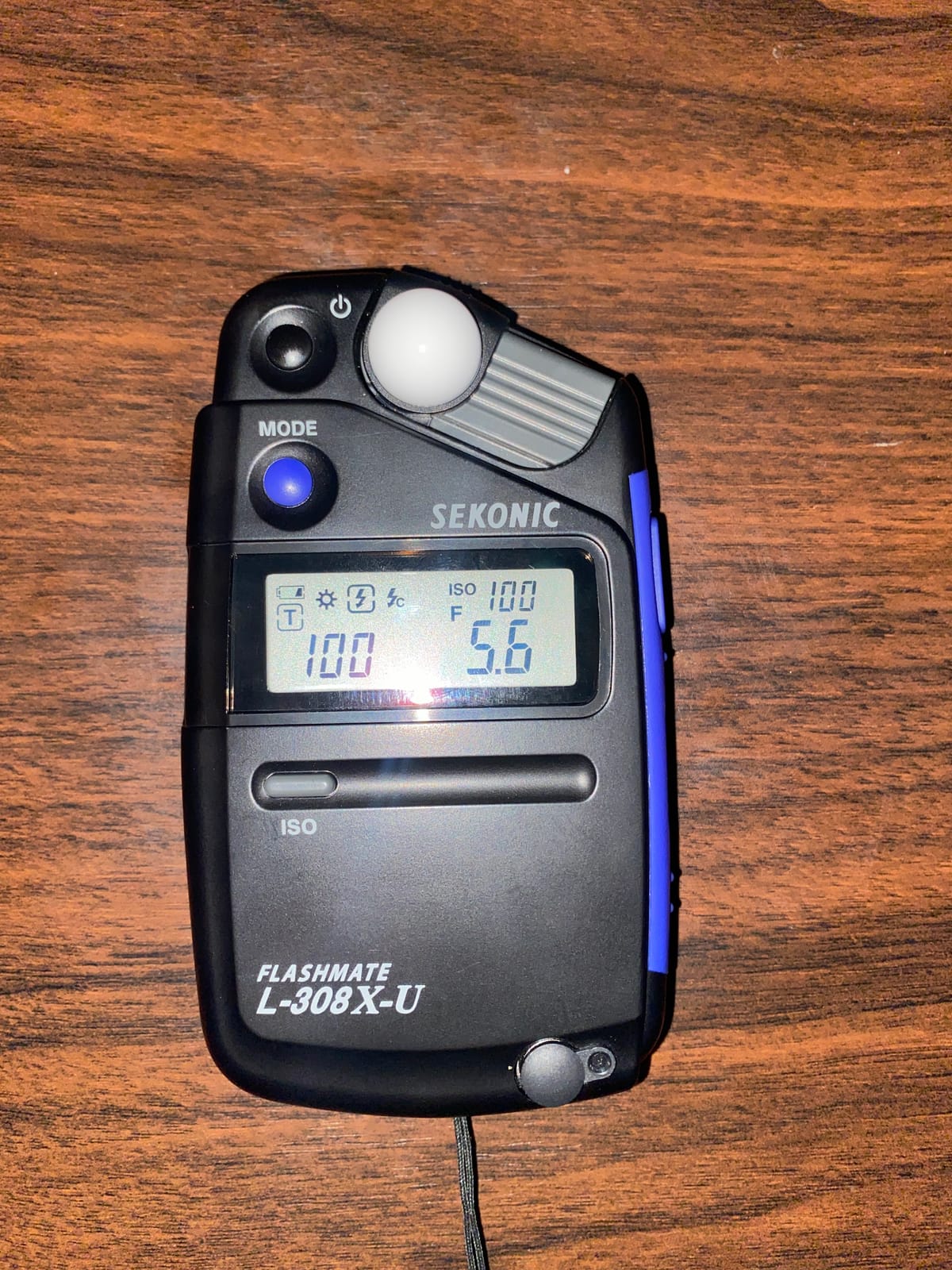
The Sekonic L-308X-U Flashmate is the meter I recommend more than any other. It hits a sweet spot between capability, size, and value that makes it the best light meter for photographers who want professional accuracy without the bulk or cost of flagship models.
At just 3.52 ounces and small enough to slip into a shirt pocket, the L-308X goes everywhere. I have carried mine on backpacking trips, into wedding venues, and across studio floors without ever feeling like it was in the way. That portability means you actually use it instead of leaving it in the bag.
Despite its small size, the accuracy is professional-grade. Readings are precise to a tenth of a stop, and the ambient EV range of 0 to 19.9 at ISO 100 covers nearly every lighting situation you will encounter. The flash metering works both corded and cordless, which covers studio and location strobe work.
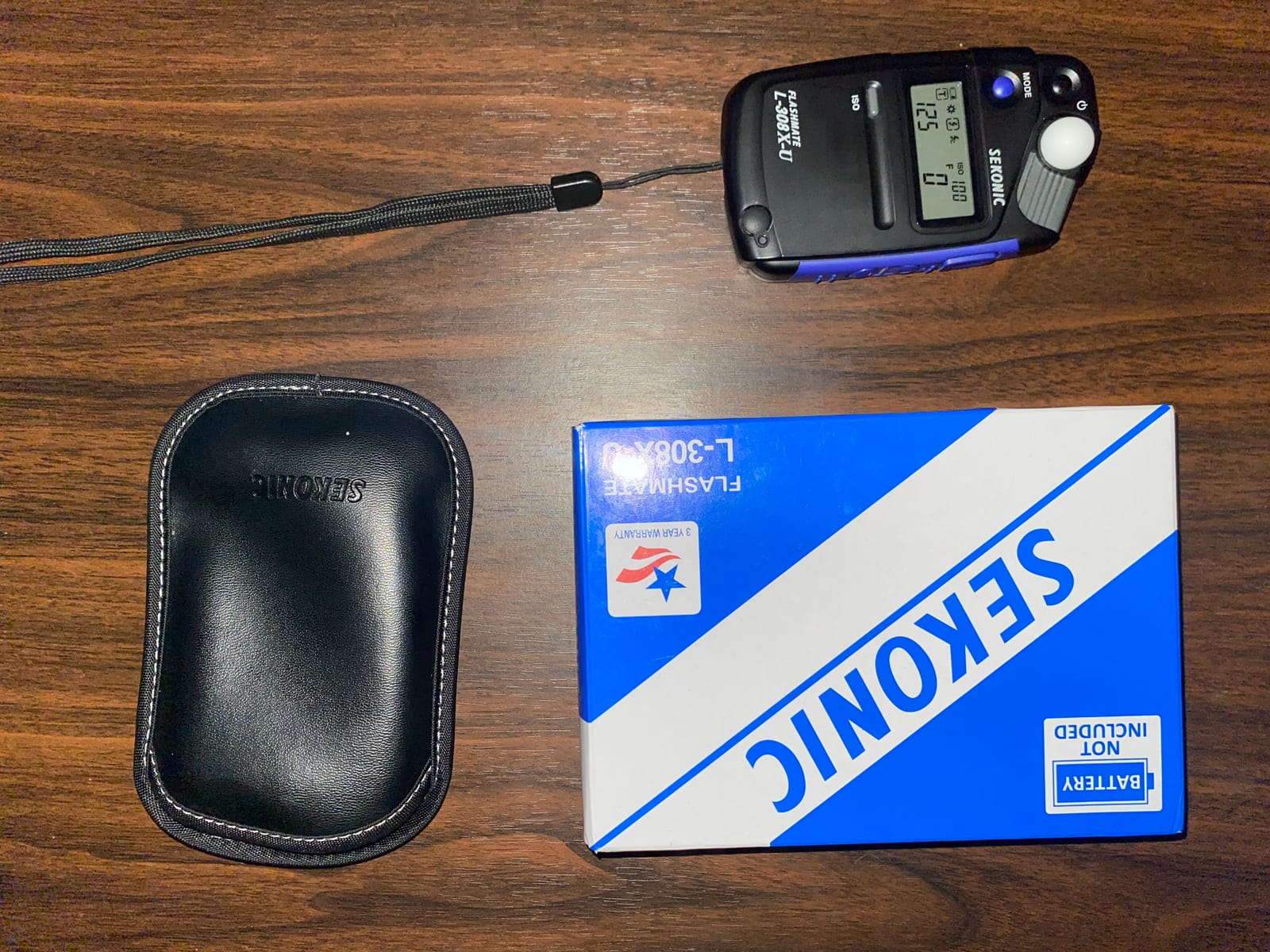
The three-mode system switches between Photo, HD Cine, and Cine with a single button press. If you shoot both stills and video, this one meter handles both worlds. The LCD auto-backlight means you can read your settings in dark reception halls or dim studios without fumbling for a flashlight.
With over 1,100 reviews and a 4.7-star average, the L-308X has earned its reputation. Film photographers on forums consistently call this the go-to recommendation for beginners and experienced shooters alike.
Why This Is My Top Pick
The L-308X delivers 90 percent of what most photographers need at a fraction of the cost and size of flagship meters. It is accurate enough for professional work, portable enough to carry always, and simple enough that you will actually reach for it on every shoot.
Limitations to Know
This meter does not have a built-in spot viewfinder or flash duration analysis. If you need 1-degree spot readings for landscape work or HSS measurement for high-speed flash photography, you will need to step up to the L-858D-U. For most other photographers, the L-308X is all the meter you need.
4. Sekonic L-398A Studio Deluxe III – Battery-Free Analog Meter
Sekonic L-398A Studio Deluxe III Analog Light Meter, Battery-Free Incident & Reflected Ambient Meter with Amorphous Photocell, Swivel Head, Full Dial Readout for Photography & Cinematography
Battery-free operation
Analog dial readout
Incident and reflected ambient metering
Pros
- Battery-free operation
- No need to worry about batteries dying
- Swivel head for easy positioning
- Full analog dial readout
- Includes professional accessories
Cons
- Analog design may feel outdated
- Requires ambient light to generate power
The Sekonic L-398A Studio Deluxe III is a legend. This analog meter has been in production for decades, and photographers still swear by it. The reason is simple: it never needs batteries. An amorphous photocell generates its own power from the light it measures, so it works in the field, the studio, or the middle of nowhere without ever dying on you.
I love the full analog dial readout. Instead of a digital display, you set your ISO and read aperture-shutter combinations directly off the dial. It is a tactile experience that connects you to the exposure process in a way digital readouts cannot replicate.
The swivel head design lets you position the lumisphere toward your light source while keeping the dial facing you. It seems like a small detail, but when you are taking readings repeatedly, the convenience adds up fast.
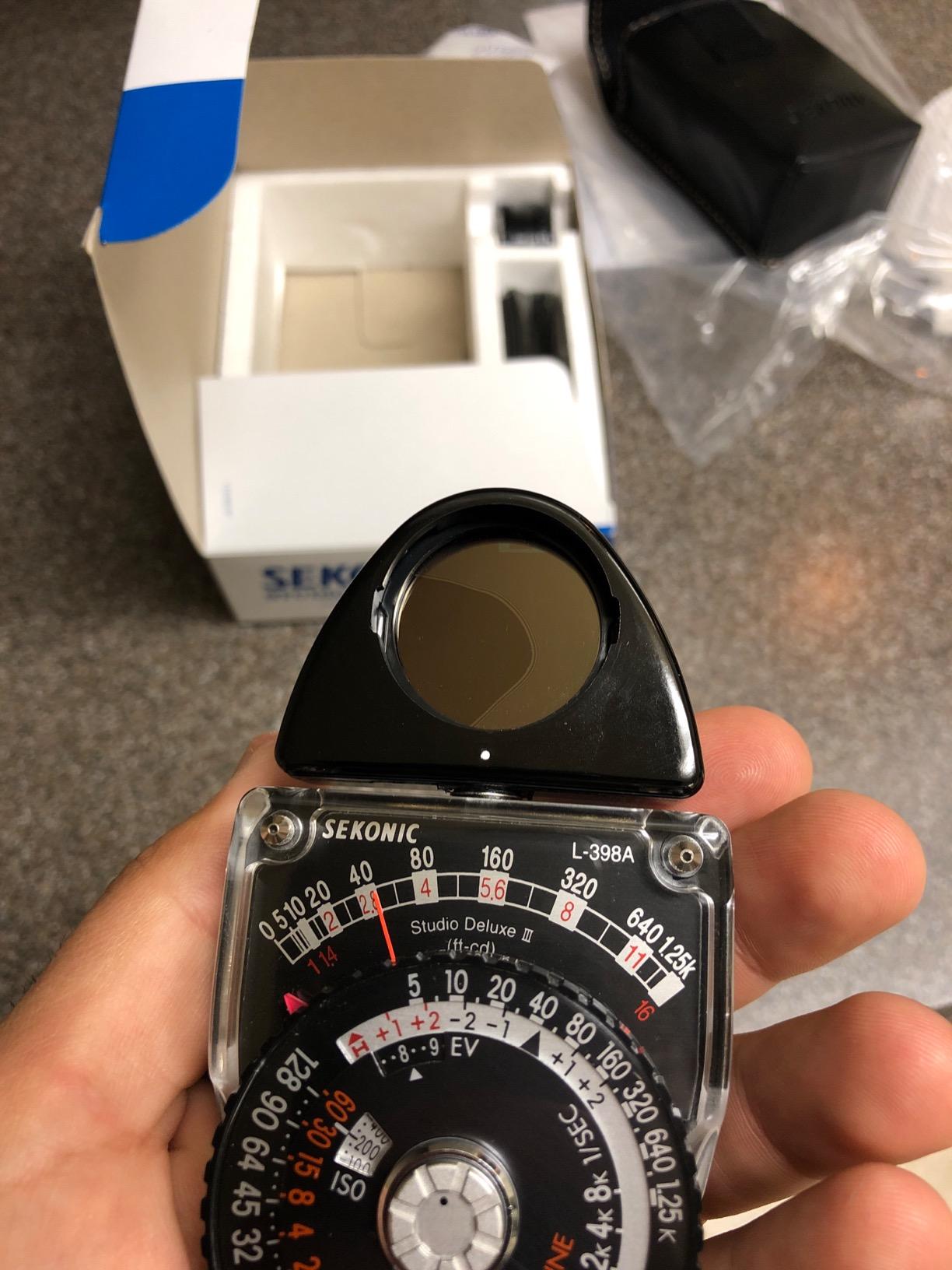
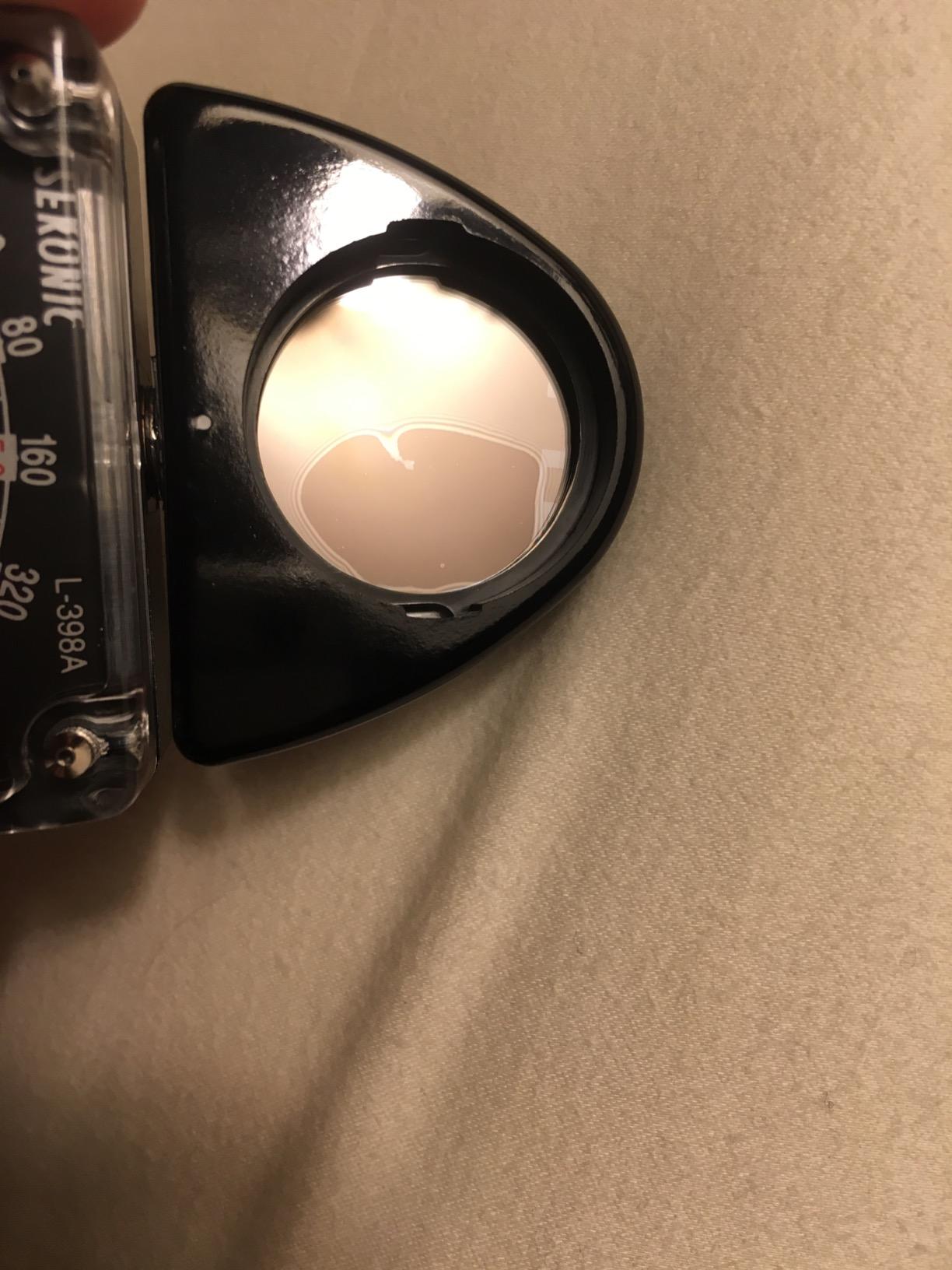
The included professional accessories, the lumisphere, lumidisc, and lumigrid, cover incident metering, flat surface readings, and reflected light measurements. This is a complete metering kit in a compact package that has served studio photographers since its introduction.
Forum photographers consistently praise the L-398A for its longevity. Many users report decades of reliable service from a single unit. For film photographers who value simplicity and dependability above digital features, this is the analog gold standard.
The Battery-Free Advantage
Never buying batteries, never having a dead meter at a critical moment, never worrying about power at all. That is the L-398A promise. For photographers who work in remote locations or simply want a tool that always works, this meter delivers absolute reliability.
Trade-Offs of Analog
The analog design means no flash metering, no digital precision to a tenth of a stop, and no cine modes. You are reading a needle and dial, which takes practice and is slower than pressing a button on a digital meter. If you need flash readings or exact decimal-stop accuracy, look elsewhere.
5. Datacolor LightColor Meter – Bluetooth Light and Color Temperature Meter
Datacolor LightColor Meter – Light & Color Temperature Meter, Bluetooth
Light and color temperature measurement
Bluetooth 4.0 LE connectivity
Real-time app data streaming
Pros
- Bluetooth connectivity for wireless operation
- Real-time data streaming to mobile app
- Multi-meter connectivity for large productions
- Compact and drop-resistant design
- Long battery life up to 40 hours
Cons
- Lower rating 3.9 compared to Sekonic
- Requires app for full functionality
- Limited color temperature range
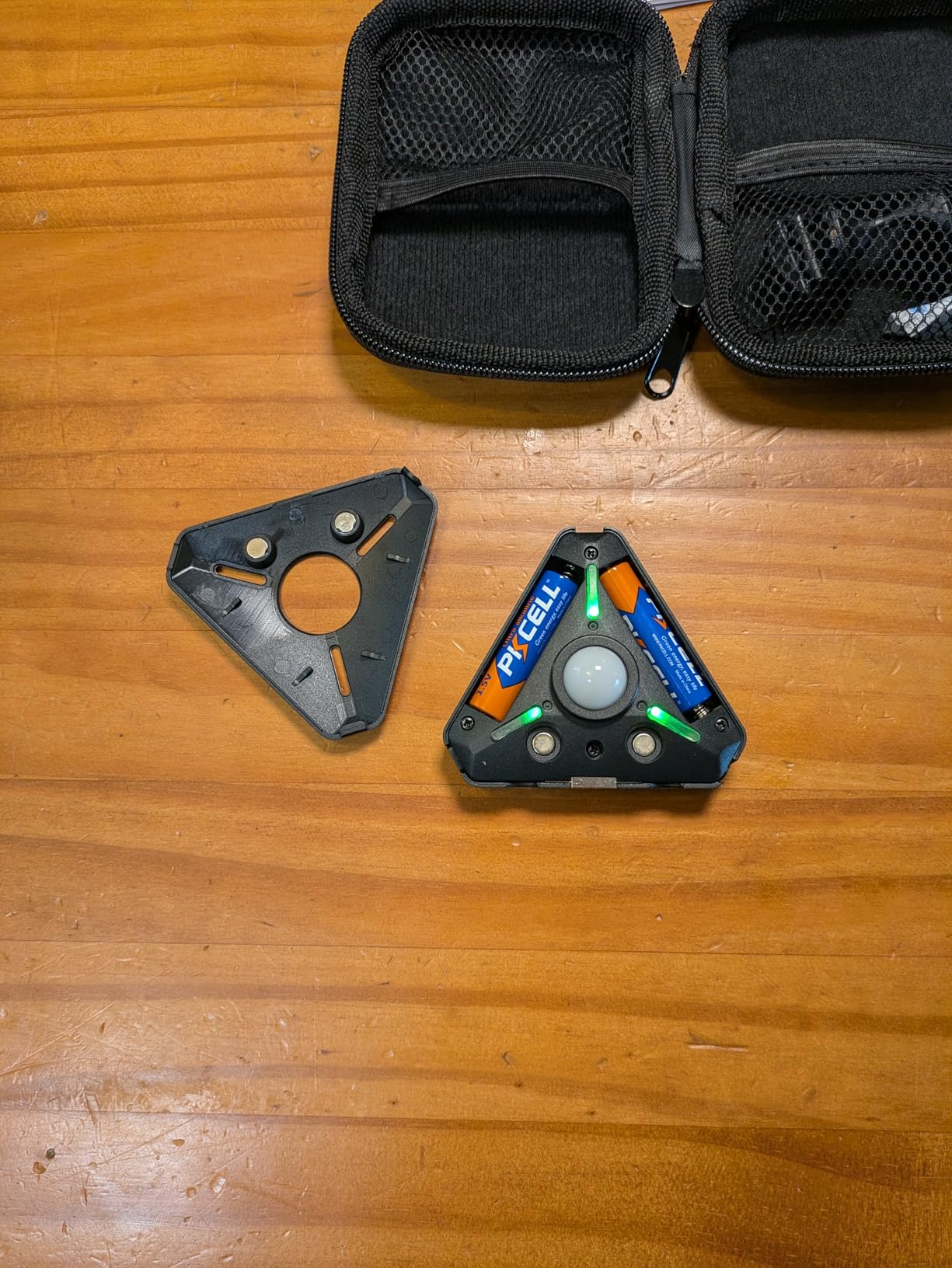
The Datacolor LightColor Meter does something no other meter in this lineup does: it measures both light intensity and color temperature simultaneously, then streams that data to your phone via Bluetooth. For photographers and cinematographers who need to match color temperatures across mixed lighting sources, this is a game-changing tool.
When I tested it in a space with a mix of tungsten, fluorescent, and LED lights, the real-time data streaming showed me the color temperature of each source instantly. No more guessing whether that overhead light is 3200K or 3400K. The meter tells you, and the app logs it for reference.
The green-magenta balance, or DUV measurement, is particularly valuable. Color cast from fluorescent or cheap LED fixtures can ruin a shot, and the LightColor Meter catches it before you ever press the shutter. This alone makes it worth considering for any photographer working in unfamiliar lighting.
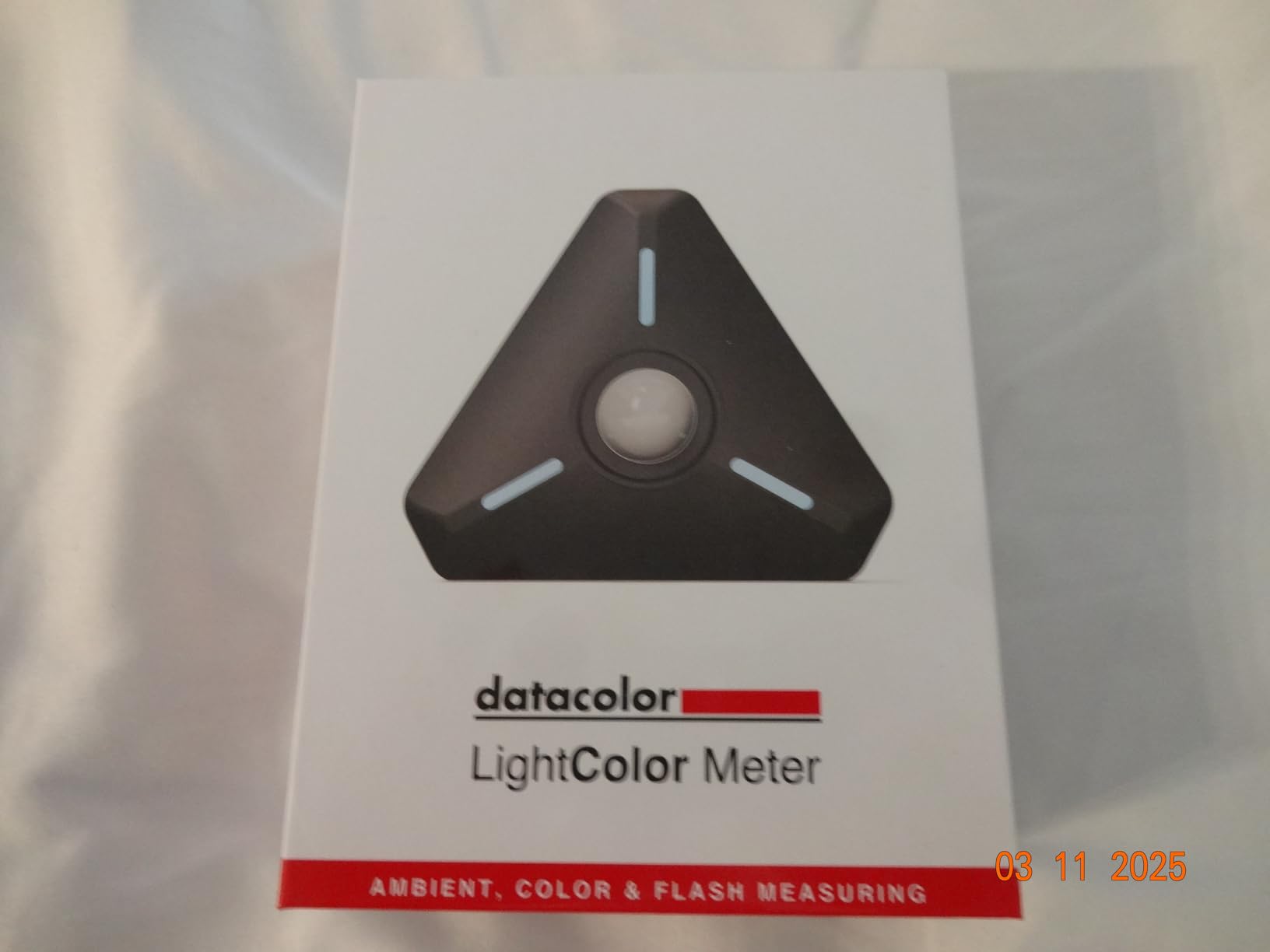
The ability to connect multiple meters up to 80 feet apart is designed for large productions. A cinematographer could place meters at different points on set and monitor all readings from a single phone. That is a level of coordination no traditional handheld meter offers.
Battery life is rated at 40 hours, which is excellent for a Bluetooth-connected device. The drop-resistant design means it can survive the bumps and falls that happen on real sets.
Color-Critical Workflows
If you shoot product photography, food photography, or cinema where color accuracy is non-negotiable, the Datacolor LightColor Meter gives you data no standard exposure meter can. Knowing exact color temperature and green-magenta shift before you shoot saves hours of correction in post.
App Dependency and Limitations
The full feature set requires the companion app, which means your phone needs to be charged and nearby. If you prefer a standalone meter that works without connectivity, this dependency may frustrate you. The 3.9-star rating also suggests some users have experienced reliability or app pairing issues.
6. LightMate AirPro Light Meter – Rechargeable Wide-Angle Reflected Meter
LightMate AirPro Light Meter Photography, 35° Wide-Angle Reflective Digital Exposure Meter, Rechargeable 20H Battery Life, 3 Dials Retro Exposure Indicator, for Leica & Other Film Cameras, Black Metal
35-degree wide-angle metering
Plus minus 0.1EV accuracy
USB-C rechargeable 20-hour battery
Pros
- Wide-angle 35-degree metering for versatile shooting
- High precision with 0.1EV accuracy
- Multiple shooting modes A S M EV
- Durable full metal shell construction
- Long battery life exceeding 20 hours
Cons
- Limited to photography use cases
- Some users may prefer more budget options
The LightMate AirPro is a newer entrant that caught my attention with its blend of retro design and modern features. It is designed specifically for Leica and other film cameras, slotting right onto the hot shoe for reflected light readings while you shoot. The black metal body feels solid and looks right at home on a classic camera.
I tested the 35-degree wide-angle metering angle against a known reference meter and found the accuracy impressive at plus or minus 0.1EV. That is professional-grade precision in a compact form factor. The ISO range of 1 to 3200 covers most film stocks, and the shutter speed range of 60 seconds to 1/2000th handles everything from long exposures to bright daylight.
Multiple shooting modes give you flexibility. Aperture-priority, shutter-priority, manual, and EV modes cover the way most photographers actually work. The half-stop resolution with 1/3 or 2/3 stop adjustments matches how many older lenses click between settings.
The built-in rechargeable battery charges via USB-C and delivers over 20 hours of continuous use. Six months of standby time means you can leave it on your camera and trust it will be ready when you need it. No more carrying spare batteries for your meter.
The retro three-dial exposure indicator is a nice touch. Instead of a single digital readout, you get separate dials for aperture, shutter speed, and EV. It mirrors the analog experience while delivering digital accuracy.
Hot-Shoe Metering for Film Shooters
If you shoot with a Leica, vintage rangefinder, or any film camera with a dead or nonexistent built-in meter, the LightMate AirPro turns your camera into a metered system. Mount it on the cold shoe, dial in your settings, and you are ready to shoot without a separate handheld device.
Where It Falls Short
This is a reflected-light meter only, with no incident capability. It measures the light bouncing off your subject, not the light falling on it, which means it can be fooled by very bright or very dark subjects. It also tops out at ISO 3200, which excludes some pushed film stocks.
7. TTArtisan Light Meter II – Compact Cold Shoe Meter for Film Cameras
TTARTISAN Light Meter II, Adjustable ISO Aperture and Shutter Speed with Cold Shoe Lightmeter for Film Camera Light Meter Photography (Silver)
60+ hours battery life
Universal cold shoe mount
45-degree average metering sensor
Pros
- 60 hours battery life with double power-saving technology
- Universal cold shoe mount fits most film cameras
- Lightweight aircraft-grade aluminum 34g
- 23-stop shutter speed range
- 45-degree average metering for accurate exposures
Cons
- Lower rating 3.8 compared to competitors
- 19 percent of reviews give 1 star
- Battery not included
The TTArtisan Light Meter II is one of the most affordable options for film photographers who need a simple hot-shoe meter. At just 34 grams of aircraft-grade aluminum, it adds almost no weight to your camera while providing reflected light readings as you shoot.
I mounted this on a vintage rangefinder and appreciated how unobtrusive it is. The dual wheels with indicator lights let you adjust settings quickly, and the 23-stop shutter speed range covers a wide range of shooting scenarios. The 45-degree average metering sensor gives you a broad reading of the scene rather than a narrow spot.
Battery life is the standout feature here. The double power-saving technology delivers up to 60 hours of continuous metering, which is exceptional for a device this small. User-replaceable batteries mean you are never tied to a charging cable.
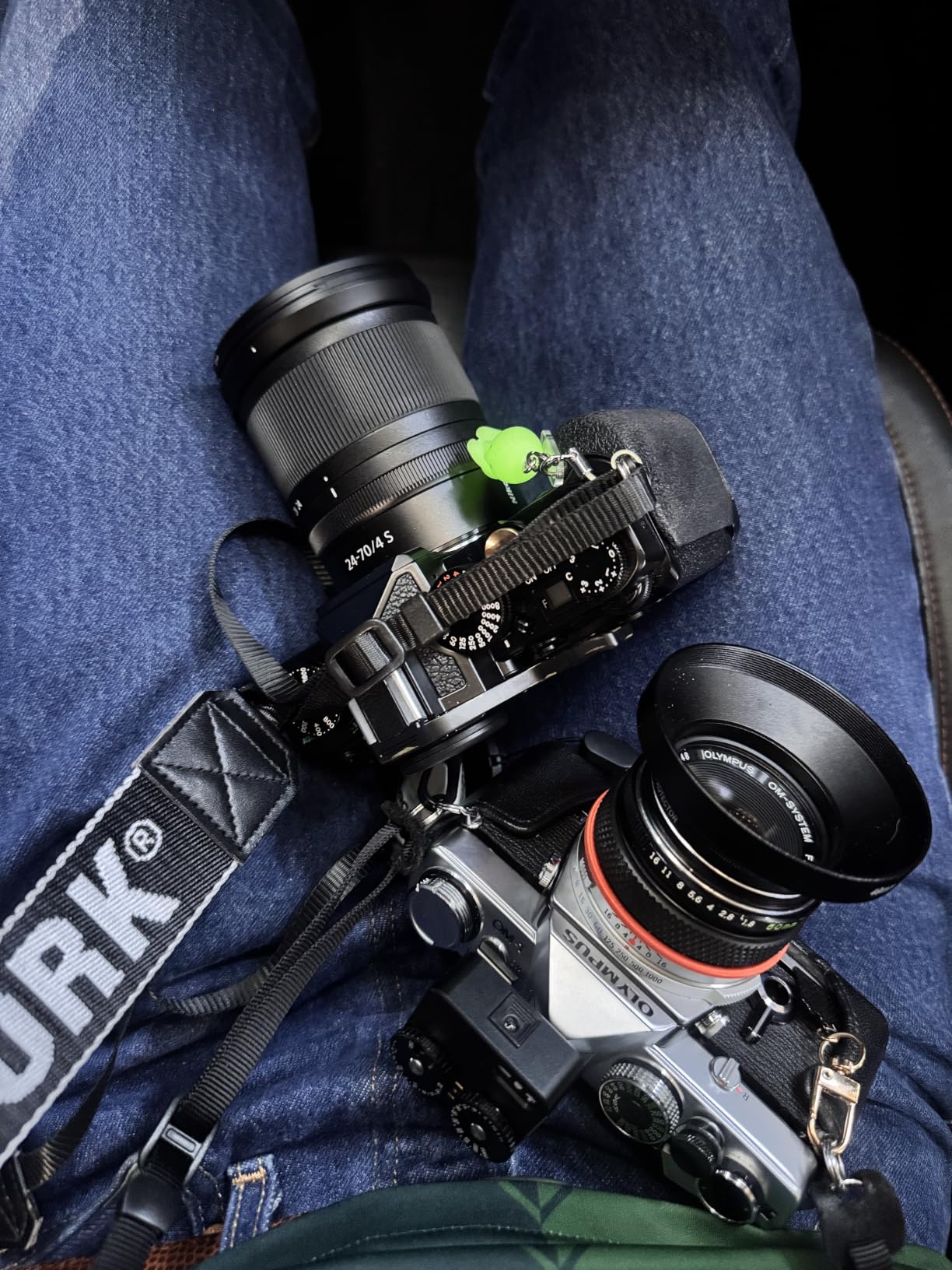
The universal cold shoe mount has three positions for flexibility, and it fits most film cameras with a standard hot shoe. The vintage retro design aesthetic matches the look of classic cameras, which matters to many analog photographers.
However, the 3.8-star rating and 19 percent one-star rate are worth noting. Some users report reliability and accuracy issues, which is a concern for a device whose sole purpose is precision. My testing showed acceptable performance for casual shooting, but I would verify readings against a known reference before relying on it for critical work.
Budget Analog Photography Companion
For film photographers who want a lightweight, affordable meter that lives on the camera, the TTArtisan Light Meter II does the job. The battery life and build quality are impressive for the price, and the cold-shoe design means it is always ready when you raise the camera.
Reliability Concerns to Weigh
The lower rating and significant percentage of one-star reviews suggest quality control issues. Some units may be less accurate than others, so test yours against a reference meter when it arrives. If you need professional-grade consistency, consider spending more on the LightMate AirPro or Sekonic L-308X.
8. UNI-T UT383 Lux Meter – Budget Digital Illuminance Meter
UNI-T UT383 Light Meter Digital Illuminance Meter Lux Meter
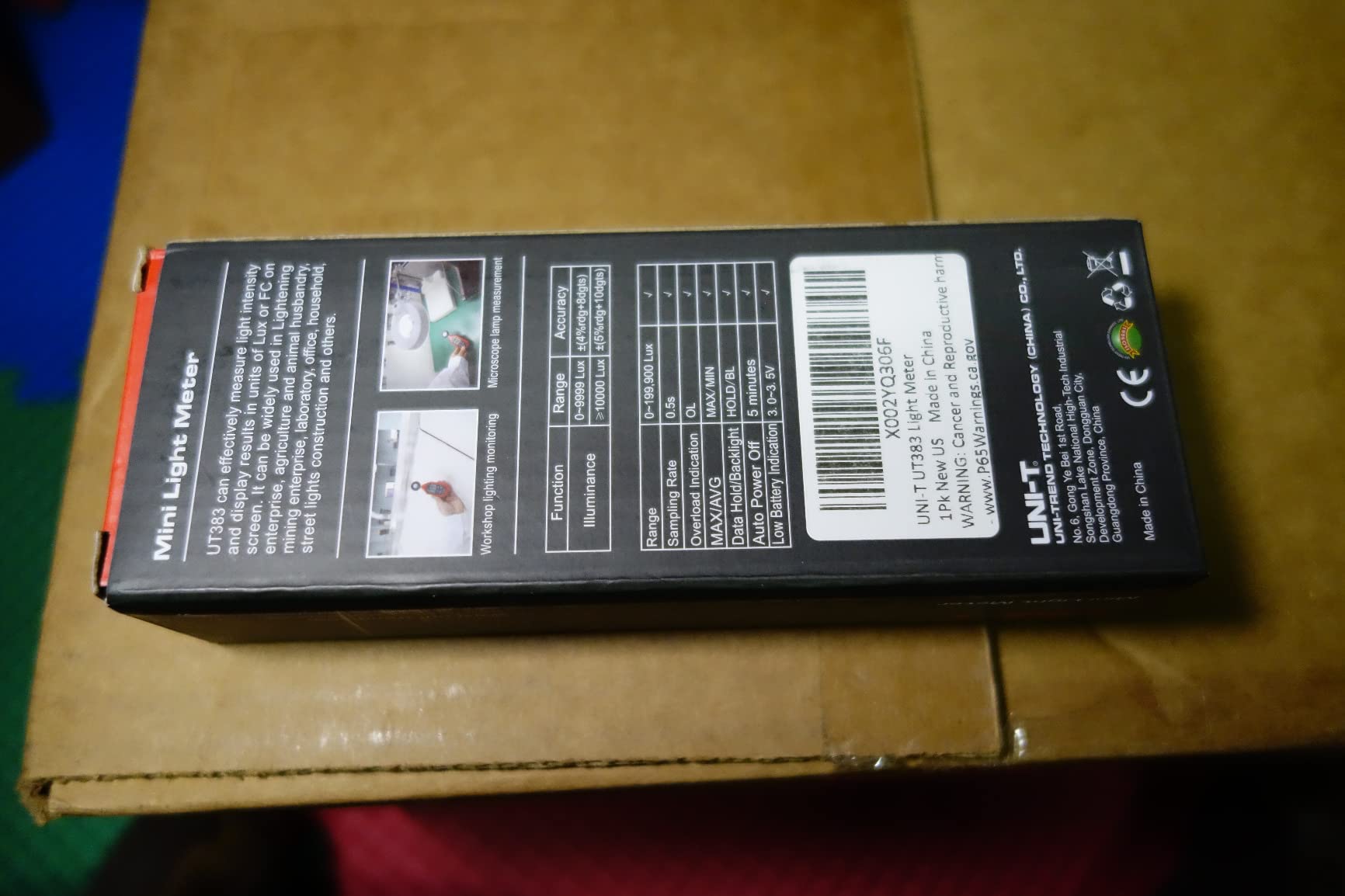
0-199900 Lux measurement range
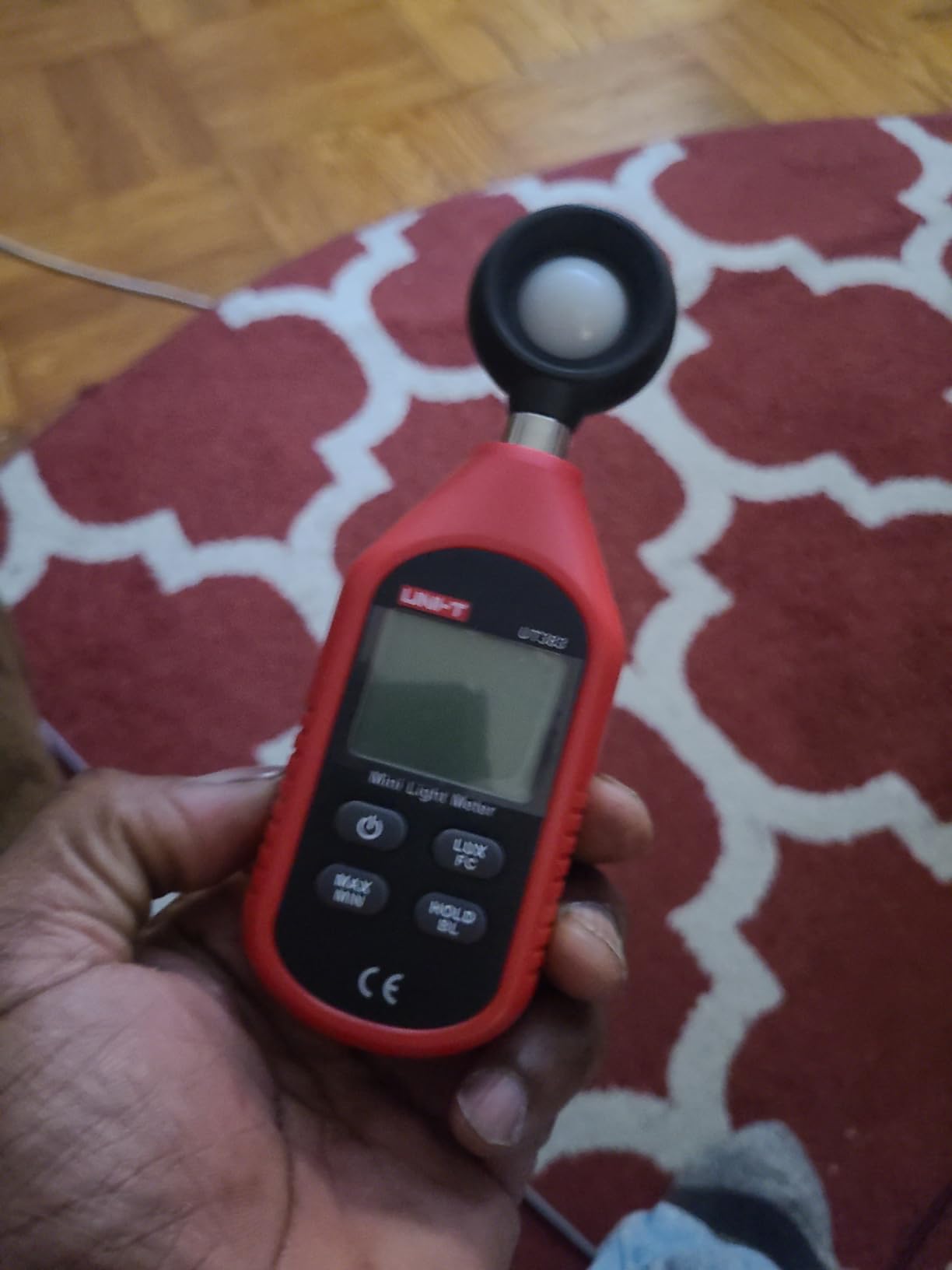
Backlit LCD display
Max Min and Data Hold functions
Pros
- Excellent value at budget price
- Wide measurement range up to 199900 Lux
- Best seller rank 3 in category
- Backlit LCD display
- Multiple functions Max Min Data Hold
- Auto shutdown for battery saving
Cons
- Primarily illuminance meter rather than exposure meter
- May require conversion for photography exposure calculations
The UNI-T UT383 is the most affordable meter in this lineup, and it is technically a lux meter rather than a dedicated photography exposure meter. But do not let that scare you off. For photographers who need to measure and compare light levels, this device delivers outstanding value with a 4.7-star rating from over 200 reviews.
I keep one of these in my kit for situations where I need raw lux readings rather than exposure settings. If you are setting up a video lighting kit, checking plant light levels, or comparing brightness across different light sources, the 0 to 199,900 lux range covers an enormous spectrum.
The backlit LCD is readable in any conditions, and the Max/Min and Data Hold functions let you capture readings without staring at the screen constantly. The 0.5-second sampling time means you get near-instant results.
For photographers, the catch is that this meter gives you lux values rather than aperture-shutter-ISO combinations. You will need to convert lux to EV and then to exposure settings, which requires a chart or app. Some photographers see this as a limitation, but others appreciate understanding the raw light data.
At this price point, the build quality and accuracy are surprisingly good. The auto-shutdown feature saves battery life, and the overload protection prevents damage in extremely bright conditions.
Best Use Cases for a Lux Meter
This meter shines for video lighting setup, studio light comparison, grow-light measurement, and any situation where you need absolute light intensity data rather than camera exposure settings. It is also a fantastic learning tool for understanding light levels in quantitative terms.
What It Cannot Do
The UT383 does not give you direct aperture, shutter speed, or ISO readings. It does not meter flash, and it has no incident dome for measuring light falling on your subject. If you need a meter that speaks the language of photography directly, the Sekonic L-308X or a hot-shoe meter will serve you better.
How to Choose the Best Light Meter for Your Photography
Choosing the right light meter comes down to understanding what type of photography you do and what kind of readings you need. Let me break down the key decisions so you can narrow your choice quickly.
Incident vs Reflected vs Spot Metering
Incident metering measures the light falling on your subject using a white dome, and it is the most accurate method for most situations. You walk to your subject, point the meter back toward the camera, and take a reading. This method ignores whether your subject is light or dark, so it never gets fooled by subject brightness.
Reflected metering measures the light bouncing off your subject, which is what your camera’s built-in meter does. It is convenient because you can meter from the camera position, but it assumes your subject is middle gray. Bright subjects like snow will underexpose, and dark subjects will overexpose unless you compensate.
Spot metering is a specialized form of reflected metering that reads a very narrow angle, typically 1 degree. It lets you meter a specific zone, like a highlight or shadow area, and build your exposure around it. Landscape and zone-system photographers rely on spot meters for precise tonal control.
Flash Metering Capability
If you work with strobes, flash metering is essential. A flash meter fires your strobe and measures the burst of light to give you the correct aperture for your chosen ISO. Without this, you are guessing power levels and checking your camera histogram after every test shot.
Corded flash metering connects the meter to your strobe with a sync cable. Cordless flash metering detects the flash wirelessly, which is more convenient but requires a meter sensitive enough to ignore ambient light interference. The Sekonic L-308X and L-858D-U both handle corded and cordless flash metering well.
Display and Interface Preferences
Analog meters with dials and needles appeal to photographers who value simplicity and a tactile connection to the exposure process. They never need batteries and they never crash, but they are slower and less precise than digital alternatives.
Digital meters with LCD screens offer tenth-of-a-stop precision and multiple metering modes in one device. Touchscreen models like the Sekonic L-478D-U add swipe navigation but sacrifice tactile feedback. The best interface is the one that gets out of your way while you are working.
Build Quality and Portability
If you carry a meter on every shoot, size and weight matter. The Sekonic L-308X at 3.52 ounces is light enough to forget you are carrying. Hot-shoe meters like the TTArtisan and LightMate AirPro live on your camera, so they add no extra carrying burden at all.
For studio-only use, weight is less critical and larger displays are an advantage. The Sekonic L-858D-U is heavier at 8.8 ounces, but its large screen and comprehensive controls justify the bulk for studio professionals.
Budget Considerations
Light meters range from under $30 to nearly $700. The UNI-T UT383 at the bottom of the range gives you raw lux data for basic light measurement. The TTArtisan and LightMate AirPro in the mid-range provide hot-shoe convenience for film photographers. Premium Sekonic models deliver professional features that justify their cost for working pros.
The best value for most photographers sits in the $200-$300 range, where the Sekonic L-308X delivers professional accuracy and flash metering without the premium price of flagship models. I recommend starting there unless you have specific needs that point you elsewhere.
Frequently Asked Questions
Do professional photographers use light meters?
Yes, many professional photographers still use light meters, especially in studio photography, portrait work, and film photography. Light meters provide incident readings that are more accurate than a camera’s reflected meter, particularly in challenging lighting situations with complex flash setups or high-contrast scenes.
Can I use my phone as a lux meter?
You can use smartphone light meter apps as a rough guide, but they are significantly less accurate than dedicated hardware meters. Phone sensors are not calibrated for light measurement, and the readings vary between phone models. For serious photography, especially film work where you cannot check results immediately, a dedicated light meter is worth the investment.
What is the best light meter app for photography?
Popular light meter apps include myLightMeter Pro for iOS, Light Meter Ultra for Android, and Lightme as a free option. These apps work as backup tools or for casual shooting, but they lack the incident metering capability and flash measurement features of dedicated hardware meters like the Sekonic L-308X.
What is the best metering mode for photography?
Incident metering is the most accurate for most situations because it measures light falling on the subject rather than reflecting off it. For landscapes and scenes where you cannot reach the subject, reflected or spot metering is more practical. Many photographers use a combination: incident for portraits and studio work, spot for landscapes.
What is the cheapest reliable light meter?
The UNI-T UT383 at under $30 is the cheapest reliable option for basic light measurement, though it provides lux readings rather than direct exposure settings. For a true photography exposure meter, the TTArtisan Light Meter II around $70 is the most affordable option with cold-shoe mounting for film cameras.
Wrapping Up: Choosing Your Ideal Light Meter
The best light meters for photographers all serve the same fundamental purpose, giving you accurate exposure data that your camera alone cannot provide. The right choice depends entirely on how you shoot and what you need from a meter.
For most photographers, the Sekonic L-308X-U Flashmate remains my top recommendation. It delivers professional accuracy, flash metering, and pocket-sized portability at a fair price. If you need maximum capability with spot metering and flash duration analysis, step up to the Sekonic L-858D-U Speedmaster. Budget-conscious film shooters should look at the TTArtisan Light Meter II or LightMate AirPro for hot-shoe convenience.
Whichever meter you choose, the investment pays off the first time you nail a tricky exposure that your camera’s built-in meter would have botched. That is what a dedicated light meter gives you: confidence that your exposure is right before you ever press the shutter. Here is to better exposures in 2026 and beyond.