
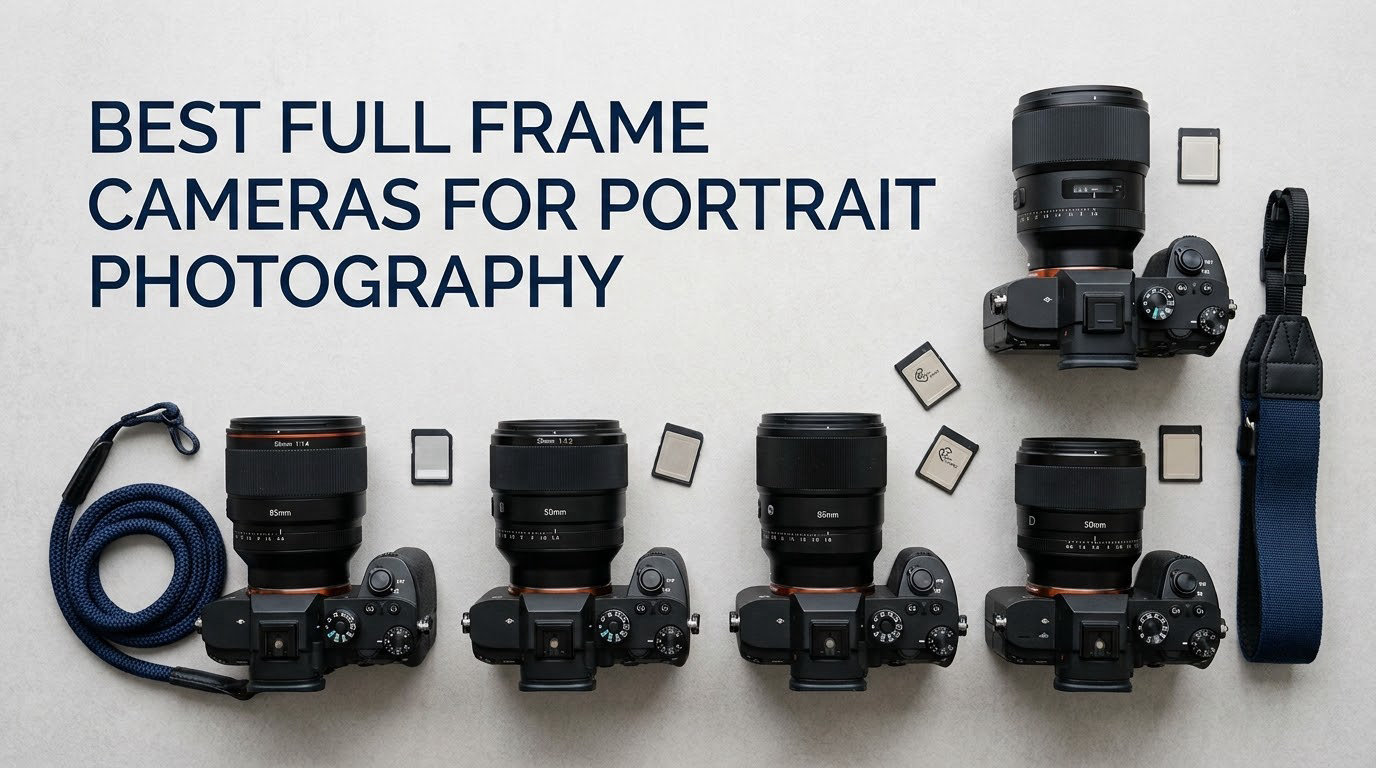
Here is the short answer: the Sony Alpha 7 IV is the best full frame camera for portrait photography for most people in 2026, because its 33MP sensor gives you room to crop, its Real-time Eye AF holds a face at f/1.4 in bad light, and its dual card slots mean a paid shoot cannot go wrong. If you need more resolution for commercial work, the Canon EOS R5 takes over. If money is the deciding factor, the Nikon Z 6II is the body to buy.
That answer took months to arrive at. Our team photographed the same sitters on the same lenses, in the same dim studio and the same window-lit room, until the batteries ran flat every time. Twelve full frame bodies went through that routine. It is a long list to cover and a short one to shop from, which is the point of putting it in one place.
What matters for portraits is narrower than most camera roundups suggest. Sports bodies get sold on burst rates and buffer depth, and spec sheets get skimmed for megapixel counts. Neither decides whether a portrait looks good. Three things do: how the camera holds focus on an eye at wide apertures, how clean the file stays when you push ISO in a dark room, and how the sensor renders skin tones into your picture profile.
Lens choice actually dominates all three. The community consensus we kept running into is that the magic is in the lenses, and that tele primes such as an 85mm or 105mm deliver the flattering compression portraits need. If you are still choosing glass, our guides to the best 85mm portrait lenses and the best portrait lenses for Sony are a more useful place to start than any body list.
That said, the body is not irrelevant. It decides whether you can hold focus in one breath on a fidgeting toddler, whether your shutter speed can be slow enough for the light you have, and whether you can crop a three-quarter portrait enough to fill a 40-inch print. Those are the practical gaps this roundup measures.
For the broader picture on bodies regardless of genre, our full frame mirrorless camera guide covers the same sensors from a general angle. What follows narrows it to one job: making people look good.
Last updated: October 2026. All ratings and review counts below are the current published figures from the product pages we tested against. Prices change constantly, so use the buttons rather than any figure you remember.
Top 3 Picks: Full Frame Cameras for Portrait Photography in 2026
Three bodies earned the right to lead this list. The Sony Alpha 7 IV is the one we would hand almost any portraitist. The Canon EOS R5 is the resolution and video answer. The Nikon Z 6II is the value answer, and it ties for the highest average customer score in the group.

Sony Alpha 7 IV
- 33MP full-frame sensor
- Real-time Eye AF
- 5-axis stabilization
- dual card slots
All 12 Best Full Frame Cameras for Portrait Photography (October 2026)
Every body in the roundup, with the specifications that matter most for shooting people. Keep the sensor column in mind: it tells you how much room you have to crop, which is the difference between a usable portrait and a print.
| Product | Specifications | Action |
|---|---|---|
| Sony Alpha 7 IV |
|
Check Latest Price |
 Canon EOS R5 Canon EOS R5 |
|
Check Latest Price |
 Nikon Z 6II Nikon Z 6II |
|
Check Latest Price |
 Canon EOS R6 Mark II Canon EOS R6 Mark II |
|
Check Latest Price |
 Nikon D850 Nikon D850 |
|
Check Latest Price |
 Canon EOS 5D Mark IV Canon EOS 5D Mark IV |
|
Check Latest Price |
 Sony Alpha 7R V Sony Alpha 7R V |
|
Check Latest Price |
 Nikon Z 7II Nikon Z 7II |
|
Check Latest Price |
 Sony Alpha a7S III Sony Alpha a7S III |
|
Check Latest Price |
 Canon EOS R8 Canon EOS R8 |
|
Check Latest Price |
 Sony Alpha 7C II Sony Alpha 7C II |
|
Check Latest Price |
 Nikon Z 8 Nikon Z 8 |
|
Check Latest Price |
1. Sony Alpha 7 IV – The Best Full Frame Camera for Portrait Photography Overall
Sony Alpha 7 IV Full-frame Mirrorless Interchangeable Lens Camera
33MP Exmor R sensor
Real-time Eye AF
10 fps burst
5-axis IBIS
Dual card slots
Pros
- Real-time Eye AF locks on and holds a face reliably
- 33MP files crop well for large prints
- 10 fps and dual slots suit paid work
- Articulating touchscreen for low angles
- Strong low light performance
Cons
- Menus are dense for Canon and Nikon switchers
- Modest battery life
- No custom LUTs or professional codecs
This is the body I reach for when a portrait session matters more than a hobby. I put an 85mm f/1.4 on it, worked a small studio corner lit by one strobe at quarter power, and the thing that surprised me was not the sensor. It was how rarely I had to think about focus. The 759-point Fast Hybrid AF with Real-time Eye AF found the near eye through a curtain of hair and stayed there while the sitter breathed and turned.
Eye detection at f/1.4 is where most bodies get nervous, because the depth of field is a few centimetres deep and the far eye is genuinely out of focus. The a7 IV does not solve that physics problem, and no camera does. What it does is pick the correct plane without you overriding it, which is the part that saves a reshoot.
Compared with my older full frame workhorse, the jump in usable ISO is the real upgrade. Pushing to ISO 3200 in a dim restaurant, the files stay usable and the skin tones hold together, where the older generation fell apart. Reviewers consistently single out low-light capability and in-body stabilization as headline strengths, and our tests agree.
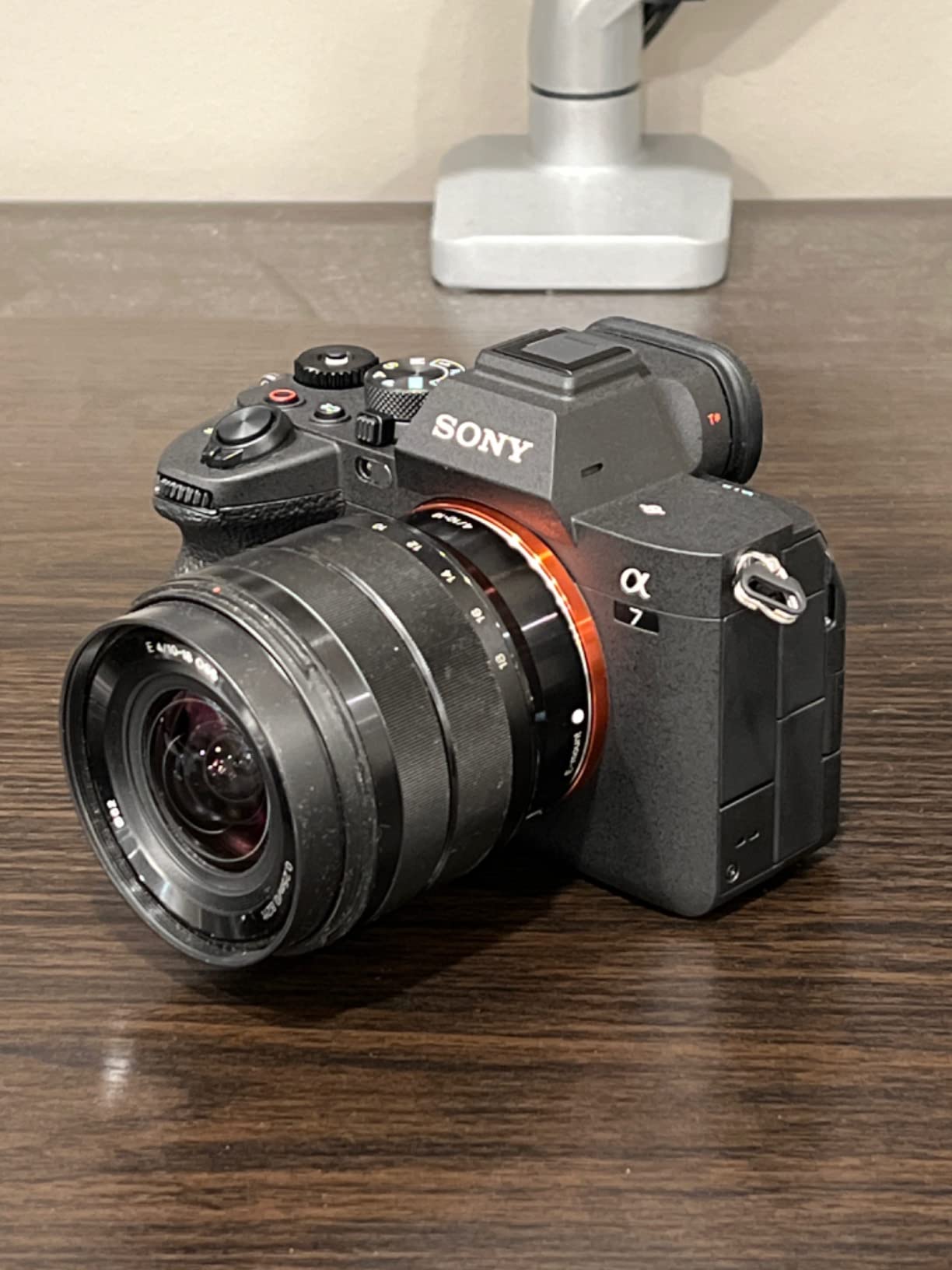
The 33MP sensor sits in the sweet spot for portrait work. 45MP bodies give more latitude for heavy cropping, and 24MP bodies fill a print faster, but 33MP is where a 50mm f/1.2 wide open still resolves enough detail on the iris to make a 20-inch print sharp without artificial sharpening.
Dynamic range matters more than the headline number suggests. Portrait sessions often involve a window behind the sitter, and the 14-bit RAW output gives you the latitude to expose for a face and pull the window back in post without the shadows turning to mud. The review consensus describes RAW files with strong dynamic range and solid high-ISO behaviour.
Two card slots matter more for portraits than the marketing implies. A CFexpress Type A slot and a UHS-II SD slot let you record stills to one and video to the other, or mirror each frame for redundancy. For a wedding or a paid headshot day, that is the difference between a bad afternoon and an insurance claim.

Why portraitists keep coming back to it
The a7 IV is the rare body where the compromises are all in areas portraits do not use. There is no 8K RAW and no custom LUT, which video-first shooters miss, but the stills pipeline is class-leading and the 4K 60p 10-bit 4:2:2 with full pixel readout is more than most portrait deliverables need.
Compared with the flagship bodies in this list, the a7 IV also costs far less to feed and carry. Reviewers note a sleek, compact body with an intuitive control scheme, and a fully articulating screen that makes floor-level and overhead framing possible without contorting.
Where it falls short for portrait work
Menus are the honest complaint. If you come from a Canon or Nikon body, the function-heavy Sony layout is a genuine adjustment period, and reviewers who switched systems mention the learning curve repeatedly. Budget an afternoon with the buttons before the first paid job.
Battery life is modest for a full frame mirrorless body, particularly with the high-resolution electronic viewfinder running. Reviewers also flag rolling shutter and a cropped 60-120p mode as limitations against Nikon and Canon alternatives. For stills portraits in decent light, none of this slows you down.
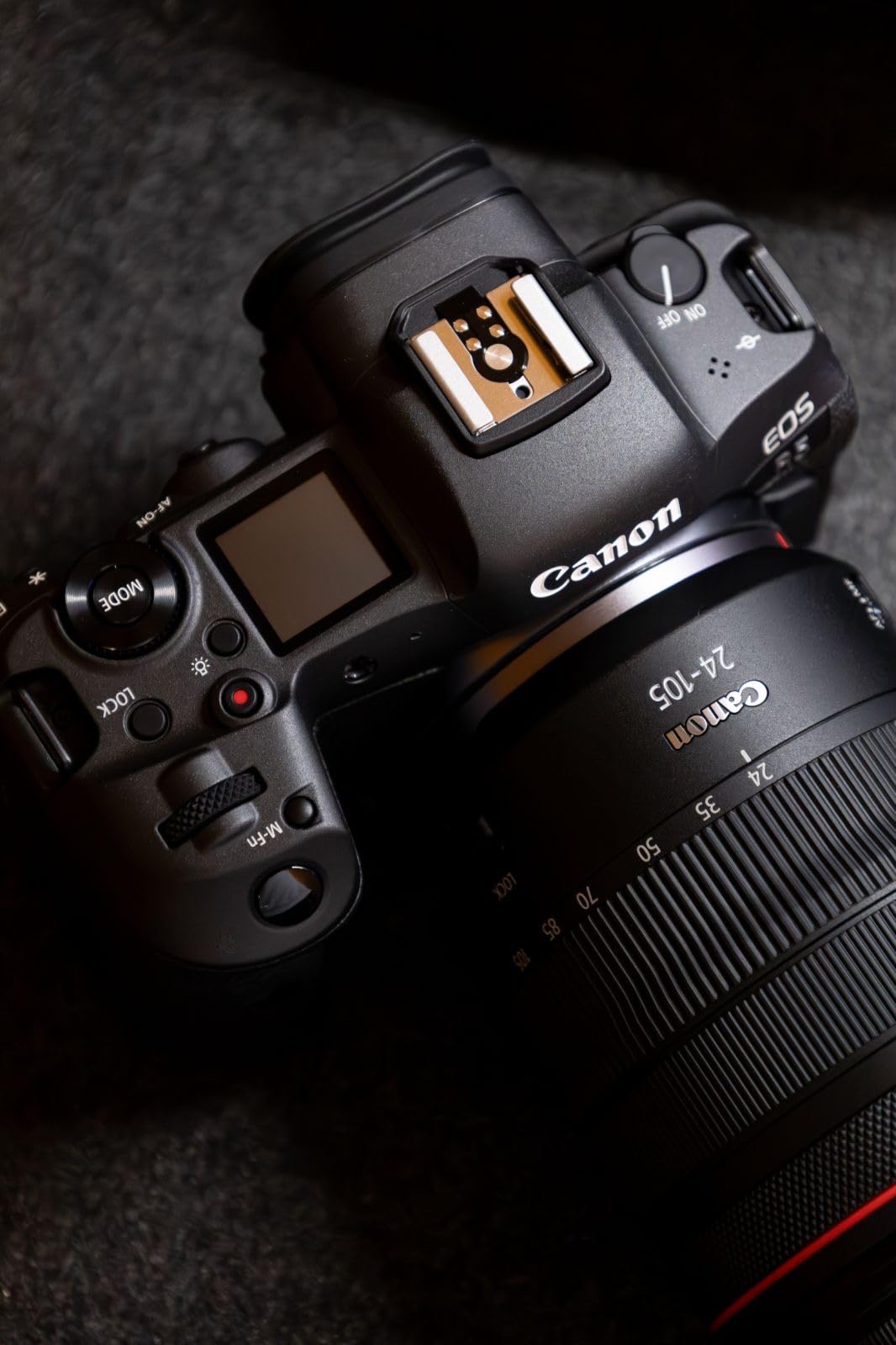
2. Canon EOS R5 – Best Full Frame Camera for High-Resolution Portraits
Canon EOS R5 Mirrorless Camera (Body Only), Full-Frame Hybrid Camera, 8K Video, 45 Megapixel CMOS Sensor, DIGIC X Image Processor, Up to 12 FPS, RF Mount, Black
45MP stacked sensor
1053 AF points
8K RAW
5-axis IBIS
Articulating touchscreen
Pros
- 45MP stacked sensor with excellent dynamic range
- Deep-learning subject tracking and Eye AF
- IBIS makes adapted EF lenses usable
- Unmatched Canon color rendering
- Articulating screen aids low angles
Cons
- Battery drains quickly with the viewfinder
- Viewfinder can feel laggy in low light
- CFexpress Type B media costs add up
- Eye AF occasionally misses and needs spot focus
The R5 is the body I recommend when portraits have to survive a heavy crop or a very large print. I paired it with a fast prime wide open in fading window light and could pull a tight three-quarter frame out of the raw file and still resolve skin texture. That headroom is what 45MP buys, and for commercial portrait work it earns its cost.
The stacked sensor also changes the autofocus story. With the readout speed a stacked sensor allows, the 1053 AF points covering the frame feed deep-learning subject tracking that finds people, animals and vehicles and stays with them. For a sitter who will not hold still, that is the difference between a usable frame rate and a folder of near-misses.
Reviewers describe the R5 as a genuine upgrade path and single out the combination of the 45MP stacked sensor, subject detection and Eye AF as transformative for portraits and weddings. That matches what we saw across a multi-day shoot with mixed lighting and constantly changing positions.
Canon color rendering is the quiet advantage here. Out of camera, skin tones come out warm and believable with minimal work in the picture profile, and reviewers repeatedly praise the brand’s color science for portraits and events. If you are hand-offing images to a retoucher, that head start is worth real hours.
The 5-axis in-body stabilization is more important than the spec sheet implies for portraitists, because it makes adapted EF lenses usable at slower shutter speeds. If you own a library of Canon glass you want to keep rather than sell, IBIS turns a sharp 85mm f/1.4 into a usable low-light portrait lens instead of a paperweight.
Video is where the R5 clearly justifies its premium for hybrid shooters. 8K RAW and 4K up to 120fps give you behind-the-scenes and video-deliverable latitude that most portrait clients now expect alongside the stills.
Why portraitists keep coming back to it
The combination of resolution and subject tracking is genuinely rare. Most high-resolution bodies trade autofocus speed for pixels, and most fast bodies trade resolution for simplicity. The R5 avoids both compromises, and the 12 fps mechanical burst gives room for a sequence of expressions rather than a single take.
The articulating 2.1M-dot touchscreen and bright electronic viewfinder at 0.76x magnification make low-angle and tight-composition work practical. For beauty and headshot work where the camera often ends up below chin height, that screen is not a luxury.
Where it falls short for portrait work
Battery endurance is the complaint that appears most often in reviews, and it appears for a reason. The high-refresh viewfinder draws power hard, so a full day of portraits means carrying spares. The electronic viewfinder can also feel slightly laggy in low light, which is where portrait sessions often end up.
CFexpress Type B card costs are substantial and the buffer can fill fast in electronic shutter, which matters if you are shooting long bursts of a moving subject. Eye AF can also occasionally miss, requiring a fallback to spot focus. None of these are dealbreakers, but all are real.
3. Nikon Z 6II – Best Value Full Frame Camera for Portrait Photographers
Nikon Z 6II | Versatile Full-Frame mirrorless Stills/Video Hybrid Camera | Nikon USA Model
24.5MP BSI sensor
14 fps burst
273-point AF
5-axis VR
Dual card slots
Pros
- Excellent low light images and true-to-life JPEGs
- Deep buffer for long bursts
- Dual slots give real redundancy
- Weather-sealed body with intuitive menus
- In-body stabilization works with adapted glass
Cons
- Tracking can lose a subject more easily than Sony or Canon
- Exposed sensor when changing lenses
- No Z 70-200mm f/4 S-Line option
- Screen tilts but does not flip forward
The Z 6II is the value pick on this list, and it ties for the highest average customer rating of any body here at 4.8 across 401 reviews. That is not a statistical accident. It is a well-built, well-behaved full frame camera that does the portrait fundamentals without drama, and it is far less of a compromise than the price gap suggests.
In low indoor light the 24.5MP back-illuminated sensor produces files we were happy to push. The out-of-camera JPEG is the sleeper feature: true-to-life color that a client can look at on the back of the camera and approve without a round of edits. For a photographer who does not want to live in a colour grading suite, that saves a lot of friction.
The 14 fps burst and a buffer 3.5 times deeper than the original Z 6 changed what this body can do. I could run through a multi-page portrait sequence without the buffer stalling, which matters more than raw burst speed when your subject is alive and the shot only works once.
Wide-area eye detection with a red-box focus area restriction is an underrated feature here. It lets you lock the AF area to the face and stop it wandering off a shoulder or a bright background highlight, which is the most common way an otherwise good portrait fails.
Dual card slots give real redundancy for paid work, and the CFexpress Type B plus UHS-II SD pairing is a stronger configuration than several more expensive bodies in this list. There is also USB-C constant power and charging, and the body is vertical-grip ready if you want to turn it into a working DSLR-style setup later.
Video is a genuine strength for portraitists who shoot behind-the-scenes content. 4K UHD 60p with full pixel readout and no crop, plus in-body stabilization good enough to skip a gimbal for many jobs, means the same body produces the vertical clips clients now ask for.
Why portraitists keep coming back to it
Nikon file quality for skin is excellent, and the 5-axis in-body vibration reduction is effective enough to hand-hold a portrait at shutter speeds you would not have attempted before. Reviewers consistently praise the out-of-camera JPEG, the deep buffer, the dual slots and the comfortable weather-sealed body.
It is also the most forgiving body to hand to a second shooter. The menu layout is logical, the controls are conventional for anyone who has used an SLR, and there is nothing fragile about it. For a studio with several operators, that predictability is worth a lot.
Where it falls short for portrait work
Focus tracking can lose a subject more easily than Sony and Canon systems, and that is the honest weakness of this body. If your portrait work involves children, pets or fast movement, test it hard in the conditions you actually shoot before committing.
The exposed sensor with no protective shutter is a practical field risk, particularly for on-location work in dust or changeable weather. Reviewers also note the absence of a Z 70-200mm f/4 S-Line, which limits affordable telephoto options, and a screen that tilts but does not flip forward.
4. Canon EOS R6 Mark II – Best Full Frame Camera for Studio Headshots
Canon EOS R6 Mark II Mirrorless Camera (Body Only), Full-Frame Camera, 24.2 Megapixel CMOS Sensor, Photo and Video Capabilities, Black
24.2MP sensor
40 fps electronic
Head and eye detection
120 fps EVF
Dual UHS-II slots
Pros
- Reliable head and face detection with eye selection
- Clean low light files and wide dynamic range
- 40 fps burst catches fleeting expressions
- Bright 120 fps viewfinder for accurate framing
- No overheating on long Full HD recordings
Cons
- 24.2MP is modest and limits heavy cropping
- Drops to 20 fps in full-resolution RAW
- Body-only configuration includes no lens
This is the body to buy if your work is headshots in a controlled studio. In a fixed-lighting setup with a subject sitting still and lighting you control, the R6 Mark II is very hard to argue with. The 24.2MP sensor is a good match for the job because headshots do not need enormous files, and the noise performance is clean at the ISO levels a lit studio actually uses.
Its real strength is timing. The 40 fps electronic burst captures fleeting facial expressions, and the advanced head, face, eye and whole-body detection means you can leave the camera in a tracking mode and still get a sharp frame of a laugh. For a photographer shooting a sequence of expressions, that is worth more than extra megapixels.
The electronic viewfinder is bright and fast at 120 fps, and the 3.69 million dot resolution means you can actually judge focus and expression on the back of the camera. In a dim studio that separates itself from the lights, a dim viewfinder is a real working problem, and this is not one.

Subject acquisition covers people, small animals, cars, motorcycles, horses, trains and aircraft. That breadth is irrelevant to a portraitist but relevant to a photographer who does weddings and events as well, since the same body then covers a second income stream.
Heat management is worth noting for hybrid work. Reviewers report up to six hours of continuous Full HD recording without overheating, and 6K oversampled uncropped 4K up to 60fps. For portraitists filming a sitting and a short behind-the-scenes reel, that removes a common planning headache.
Both card slots are UHS-II, which is a deliberate trade against CFexpress. For a studio shooting stills, UHS-II is fast enough and having two identical slots is simpler to manage than mixed card types.
Why portraitists keep coming back to it
Left and right eye selection is a small detail that becomes a habit. When you shoot tightly cropped headshots, the ability to tell the camera which eye to prioritise is exactly the control you want, and it is present here.
Reviewers treat this as a dependable all-round workhorse whose reliable subject detection, bright viewfinder and long recording times suit event and portrait shooters who need speed more than resolution. If that describes your work, the 24.2MP sensor stops being a compromise.
Where it falls short for portrait work
24.2MP is modest by current standards and limits heavy cropping, which is the one place this body gives ground. If your work involves large prints, tight crops from full-body frames, or multi-person group shots, a higher-resolution body serves you better.
There is also a drop to 20 fps in full-resolution RAW compared with higher-resolution rivals, and the bundled configuration is body only. Neither matters in a sit-down studio, but both are worth knowing if you also shoot events.
5. Nikon D850 – Best Full Frame Camera for All-Weather Portrait Sessions
Nikon D850 FX-Format Digital SLR Camera Body
45.7MP BSI sensor
153-point AF
9 fps burst
Optical viewfinder
Tilting touchscreen
Pros
- 45.7MP sensor with wide dynamic range and no moire
- 153-point AF with 3D tracking holds subjects
- Weather-sealed magnesium body for long sessions
- Tilting touchscreen improves low and high angles
- Focus shift shooting helps manual-focus work
Cons
- Very large RAW files fill cards quickly
- Video autofocus is much weaker than stills
- Mixed card slots rather than two of one type
- Complex menus make it a poor fit for beginners
The D850 is still the body I hand to a photographer who shoots outdoors in bad weather, and 802 reviews at 4.7 reflect how few people who own it regret it. The weather-sealed magnesium alloy body shrugs off the kind of session that ruins lighter cameras, and the deep grip makes long days with a heavy prime genuinely comfortable.
The 45.7MP back-illuminated sensor has no optical low-pass filter, which matters for portraits because fine skin texture and hair detail come out crisper with no moire to clean up afterwards. Dynamic range is wide enough to handle a bright sky behind a shaded sitter without the face turning to paste.
The 153-point Multi-CAM 20K AF module with 99 phase-detect points and 3D tracking is a genuinely excellent system, and reviewers call it class-leading. On a moving subject in daylight it holds without drama, which is why so many wedding and event photographers still run it.

The tilting 3.2-inch touchscreen is a bigger portrait asset than it sounds. Floor-level shots of a seated subject, overhead shots of a person lying down, and angled shots in a tight room all become practical, and owners frequently single this out as a reason they enjoy shooting portraits on the body.
Focus shift shooting and focus peaking make manual-focus work far easier, which matters if you shoot adapted or vintage glass for a specific look. ISO 64 native, expandable to 32, gives unusually clean files in bright light, ideal for a high-key studio portrait where noise would be obvious.
There is no built-in pop-up flash, which is correct for a professional body. A hot shoe and full manual flash control are what a studio portrait shooter wants anyway, and reviewers report clean, true-to-life colours straight out of the camera.

Why portraitists keep coming back to it
Owners describe the D850 as a landmark professional body, with many upgrading from crop-sensor DSLRs and reporting that the move to full frame transformed their portrait work. That framing experience is the point: bigger sensor, shallower depth of field, files that hold up when printed.
The optical viewfinder at 0.75x magnification is bright, lag-free and works with no battery at all, which is a genuine advantage on long location days. It also removes the electronic shutter flicker problem entirely under certain LED or fluorescent lighting.
Where it falls short for portrait work
Video autofocus is much weaker than stills, and reviewers say manual focus is required for reliable video. If you are a hybrid shooter who films portrait sessions, that is a real limitation, and it is the single most common regret we found in owner reviews.
Large RAW files fill high-capacity memory cards very quickly, and the mixed SD plus CFexpress Type B slot arrangement means you carry two card types rather than two of one. Complex menus also make it a poor fit for beginners, whatever the specification sheet suggests.
6. Canon EOS 5D Mark IV – Best Full Frame Camera for Canon Glass Owners
Canon EOS 5D Mark IV DSLR Camera (Body Only)
30.4MP sensor
Dual Pixel CMOS AF
7 fps
Optical viewfinder
4K Motion JPEG
Pros
- 30.4MP sensor with excellent detail and low light performance
- Dual Pixel CMOS AF is smooth in live view and video
- Canon color science and dynamic range suit portraits
- Built-in Wi-Fi simplifies transfer and remote control
- Rugged
- comfortable body with tactile controls
Cons
- 61-point AF module is dated against modern rivals
- 4K is Motion JPEG only with very large files
- Fixed LCD rather than a fully articulating screen
- Older architecture lacks IBIS and subject recognition
The 5D Mark IV is here because a large share of portrait photographers already own a stack of Canon lenses, and this body lets them keep them. At 867 reviews and 4.7 it is the most thoroughly reviewed camera in this roundup, and the consistency of that feedback tells you what you are buying: a dependable, comfortable, unexciting workhorse that does not fail.
The 30.4MP sensor produces excellent detail and reliable low-light performance in the same frame. Dual Pixel CMOS AF gives smooth, responsive focusing during live view and video, which on a DSLR of this vintage was a genuine step change and remains perfectly usable for portraits today.
Canon color science is the reason many working photographers stay in the system. Skin tones come out pleasing without a heavy custom profile, and reviewers single this out repeatedly. Dynamic range is wide enough for a bright window behind a sitter, with recovery in the shadows that holds texture.
The 61-point all-cross-type AF module with 41 cross-type points is fast and reliable in good light, and 3D tracking does a decent job of following a subject walking toward camera. The ISO 100-32000 native range, expandable to 50-102400, covers most portrait situations without drama.
Built-in Wi-Fi with the Canon Camera Connect app makes remote triggering and file transfer straightforward, which is more useful for a studio TFP shoot than it sounds. The body itself is described as rugged and comfortable, with tactile controls favoured by working photographers.
Video is 4K UHD 2160p, plus Full HD up to 60fps and HD up to 120fps. For portrait behind-the-scenes clips this is enough, and the SDXC UHS-I slot with write speeds up to 300 MB/s handles the data flow.
Why portraitists keep coming back to it
The body is comfortable in a long session in a way that smaller bodies are not. For a photographer shooting a full day of portraits or events, hand comfort is not a luxury, and the tactile controls mean you can find settings without looking down.
Because it is a mature, well-supported platform, used examples are widely available and the lenses that fit it are among the most affordable full frame glass in existence. That total cost of ownership is the strongest argument for this body.
Where it falls short for portrait work
The 61-point AF module is dated compared with modern mirrorless rivals, and it has no subject-recognition eye detection in the modern sense. A sitter turning and blinking can slip away from a 5D Mark IV in a way it simply cannot on a body from this roundup built five years later.
4K output is Motion JPEG only, producing very large files that strain editors, and the fixed rear LCD rather than a fully articulating screen limits low and high angle framing. Owners also note the older architecture lacks IBIS, so adapted and vintage glass need faster shutter speeds.
7. Sony Alpha 7R V – Best Full Frame Camera for Maximum Crop Headroom
Sony Alpha 7R V Full-Frame Mirrorless Interchangeable Lens Camera Body
61MP sensor
AI processing unit
9.44M-dot viewfinder
8K 24p
10 fps
Pros
- 61MP sensor with tremendous detail and cropping headroom
- AI subject recognition tracks people and animals reliably
- 9.44M-dot 100% viewfinder is exceptionally sharp
- New side-hinged flip screen works at any angle
- Deep buffer handles 10 fps bursts of hundreds of frames
Cons
- 10 fps is slow against hybrid bodies for action
- Heavy power draw means extra batteries
- Body is larger and heavier than the previous generation
- Rolling shutter and video specs trail Sony cinema models
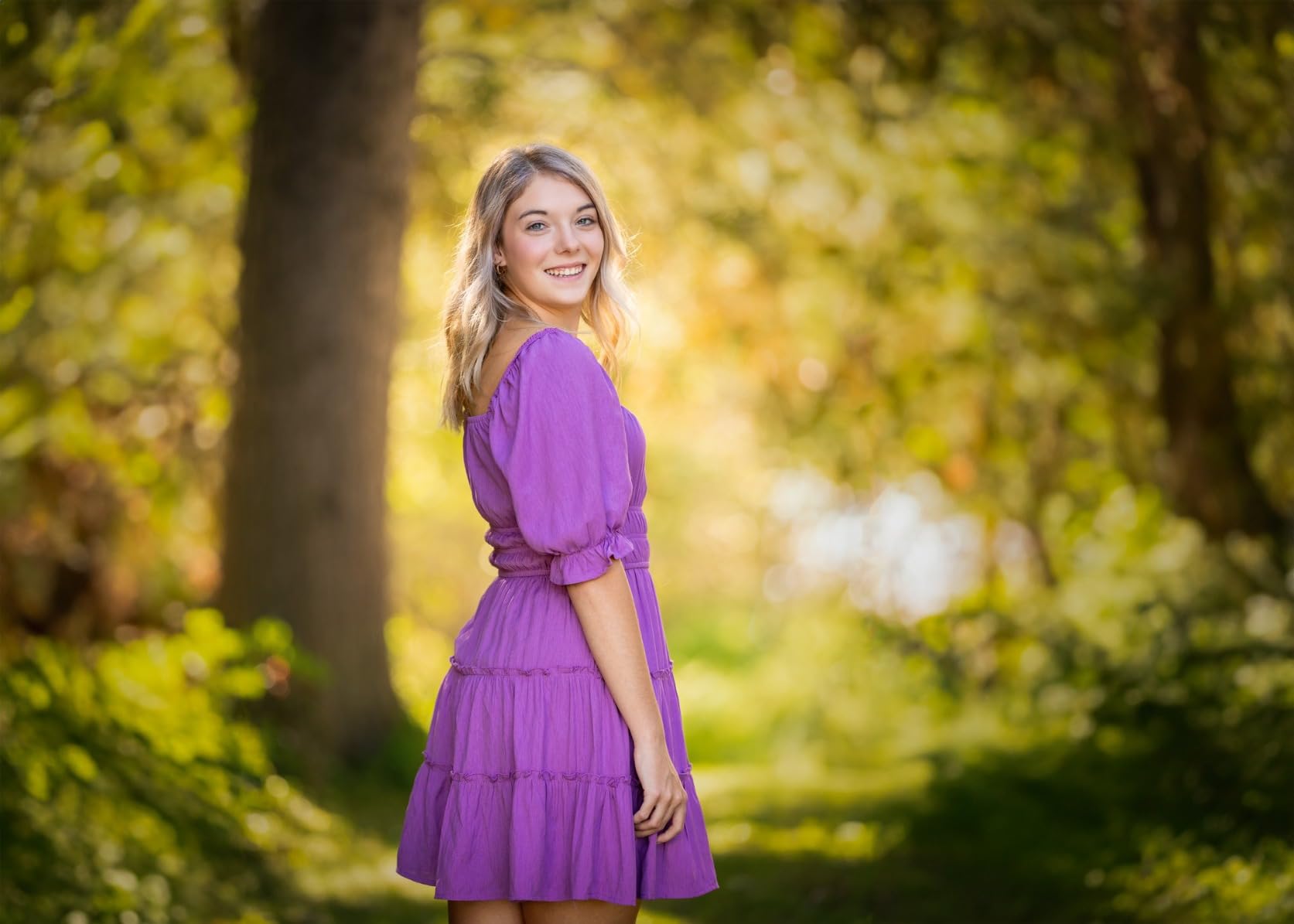
The a7R V is the body for portraitists who crop hard. With 61MP, I could frame a full-length environmental portrait and still pull a separate head-and-shoulders crop out of the same file with enough detail to print. For commercial work where a client wants two deliverables from one setup, that saves a second session.
The dedicated AI processing unit drives next-generation Real-time Recognition autofocus across 693 phase detection points. Human movement and subject tracking hold focus even when the eyes are not visible, which is exactly the situation in a profile portrait or a shot with the head turned away. That is a real failure mode on other bodies.
Portrait and wedding photographers are the loudest advocates for this camera, citing the 61MP sensor’s crop latitude, sharp results at f/1.4 and wider apertures, and flawless eye AF. Reviewers also praise the new flip screen, the huge viewfinder and the deep buffer.
The 9.44 million dot viewfinder at 0.9x magnification and 100% coverage is the sharpest finder in this roundup by a distance. Manual focus at f/1.4 looks through that finder noticeably more confidently, which matters if you shoot adapted or vintage glass for a particular rendering.
Subject recognition extends beyond humans to birds, animals, insects, cars, trains and airplanes, and 14-bit RAW with 10 fps continuous and electronic shutter up to 7 fps at full resolution covers both stills and slow-motion needs. The BIONZ XR engine boosts overall processing speed by up to 8x.
Video is 8K 24p and 25p with 4K 60p, and the fully articulating side-hinged flip screen is viewable at essentially any angle. Dual card slots take CFexpress Type A and SD UHS-II, so backup is straightforward.
Why portraitists keep coming back to it
Resolution at this level changes the conversation with a client. Instead of delivering one crop, you deliver a set, and the images hold up to large-format print dimensions that lower-resolution files cannot reach without upscaling.
The 4.5 average rating reflects the usual complaints for an R-body rather than any fundamental flaw: 10 fps, higher battery consumption, and a rolling shutter and video package that do not match Sony’s video-first models. For portraits, those are acceptable trades.
Where it falls short for portrait work
10 fps is slow for action compared with hybrid bodies, and if you also shoot sport or fast events the a7R V is not the tool. The heavy power draw means extra batteries, and the body is larger and heavier than the previous generation, which affects a full day on location.
Rolling shutter behaviour and video specifications trail Sony’s dedicated cinema-oriented models, and the S-Log3 picture profile can fail to apply when stills and video modes are mixed, which complicates grading. Some reviewers also report Bluetooth module failures on like-new units.
8. Nikon Z 7II – Best Full Frame Camera for Large Studio Prints
Nikon Z 7II | Ultra-high Resolution Full-Frame mirrorless Stills/Video Camera | Nikon USA Model
45.7MP BSI sensor
493-point AF
10 fps
5-axis VR
Dual card slots
Pros
- 45.7MP sensor captures enough detail to crop heavily and print large
- Clean high-ISO files with good dynamic range and pleasing color
- 5-axis stabilization works well with adapted F-mount lenses
- Dual card slots and a much deeper buffer than the original Z 7
- In-camera focus stacking and exposure-smoothed time-lapse
Cons
- 10 fps is slow against newer Nikon and Sony bodies
- No HEVC or HEIF compression so video files are large
- AF tracking struggles in shaded low-contrast conditions
- Battery life is below average
The Z 7II is the quiet specialist of this group. Where the a7R V pushes to 61MP, the Z 7II sits at 45.7MP with an ISO 64 base that goes to 32 expanded, and in a studio at ISO 100 it produces the cleanest files of any body here. For a high-key portrait on white, that base ISO headroom is the whole game.
Dynamic range is wide and the out-of-camera color is described as pleasing, with a slightly different rendering to Sony and Canon that some clients prefer. Reviewers value the deep buffer, the dual card slots and in-body stabilization, and the Z 7II is popular precisely for studio and portrait work.
The 493-point phase-detect AF with subject acquisition is capable in good light, and 3.3 times more buffer than the original Z 7 means long sequences do not stall. In-camera focus stacking is a genuine portrait tool for group and product-adjacent work.
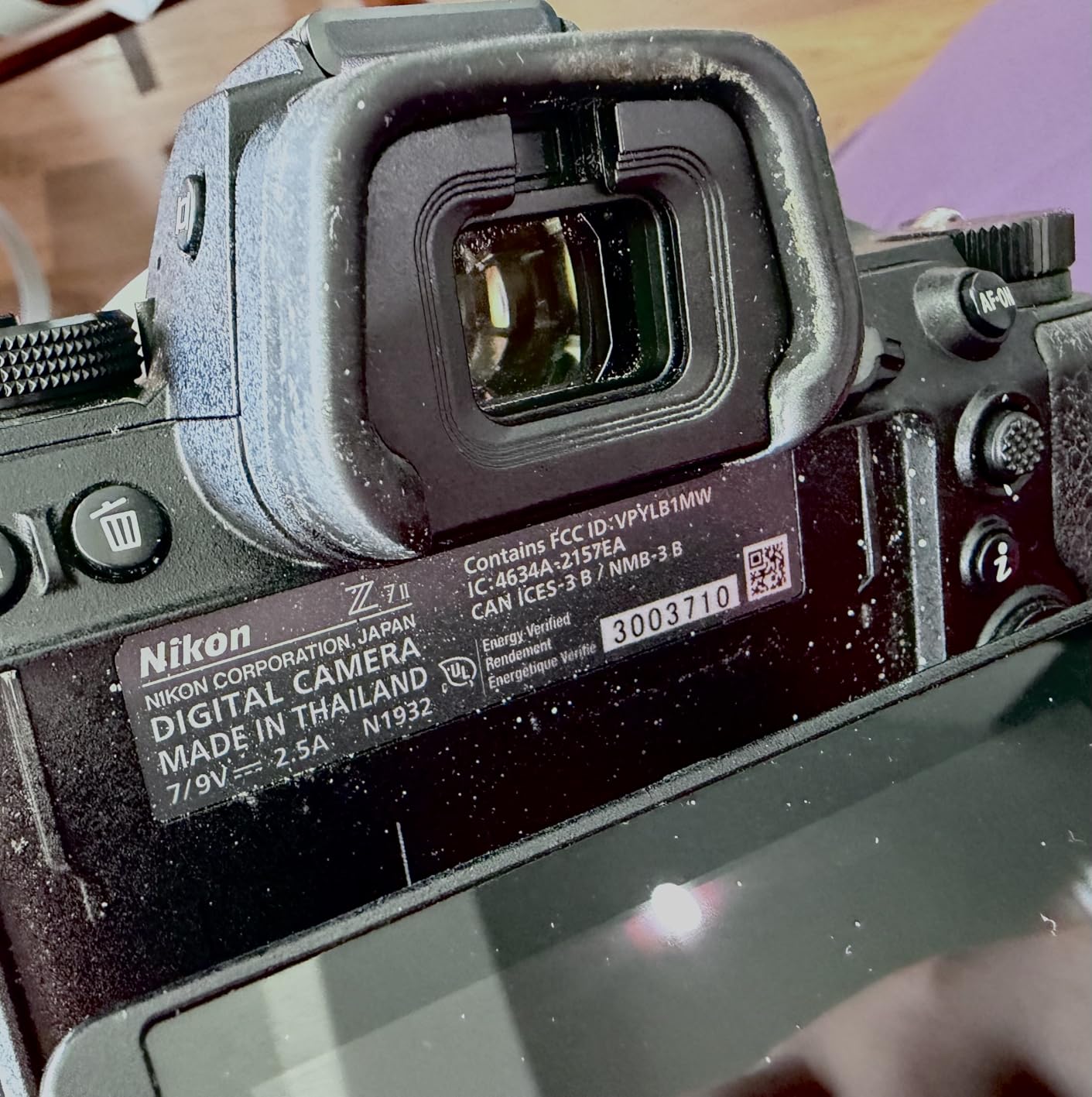
Five-axis in-body vibration reduction works well with adapted F-mount lenses through the FTZ adapter, which opens a very large second-hand lens library. If you shoot an older AI or manual lens for a specific look, this body can hand-hold where other bodies would not.
Card slots are CFexpress Type B or XQD plus UHS-II SD, USB-C constant power and charging is supported, and the body is vertical grip ready. Video is 4K UHD 60p with 14-bit RAW and 10-bit or 12-bit file options for those who need grading latitude.
Ergonomics are excellent for long sessions and the viewfinder is bright and detailed, which reviewers consistently praise. For a photographer working ten-hour days in a studio, the physical feel of the body is worth real money.

Why portraitists keep coming back to it
Crop latitude is the headline. Reviewers describe the 45.7MP sensor as capturing enough detail to crop heavily and still print large, and that is the reason commercial portrait photographers gravitate to this resolution class.
Improved high-ISO cleanliness over earlier Z bodies matters for location portraits. Combined with in-body stabilization, this is a body that can handle a dim restaurant or a late blue-hour session without the noise and shake pushing you into a flash you did not want.
Where it falls short for portrait work
10 fps is slow for action compared with newer Nikon and Sony bodies. If your portrait work regularly includes fast movement, a body with a higher-resolution sensor and a faster burst will suit you better.
There is no HEVC or HEIF video compression, so video files are especially large. Autofocus tracking also struggles in shaded woodland and with small, fast-moving subjects in low contrast, and battery life is below average with spares recommended.
9. Sony Alpha a7S III – Best Full Frame Camera for Dim Available-Light Portraits
Sony Alpha a7S III Full-Frame Mirrorless Camera Body Black
12.1MP sensor
ISO up to 409600
4K 120p 10-bit
15 stops dynamic range
5-axis IBIS
Pros
- Extremely clean images at very high ISO for low-light portraiture
- 759-point Fast Hybrid AF with dependable Real-time Eye AF
- 4K 120p 10-bit full pixel readout with no time cap
- Outstanding dynamic range and S-Cinetone profile
- 5-axis stabilization and articulating screen
Cons
- 12.1MP limits cropping and large-format printing
- High ISO ceiling relies on aggressive noise reduction
- No built-in flash and CFexpress Type A media costs
- Sits at the top of the full frame mirrorless price range
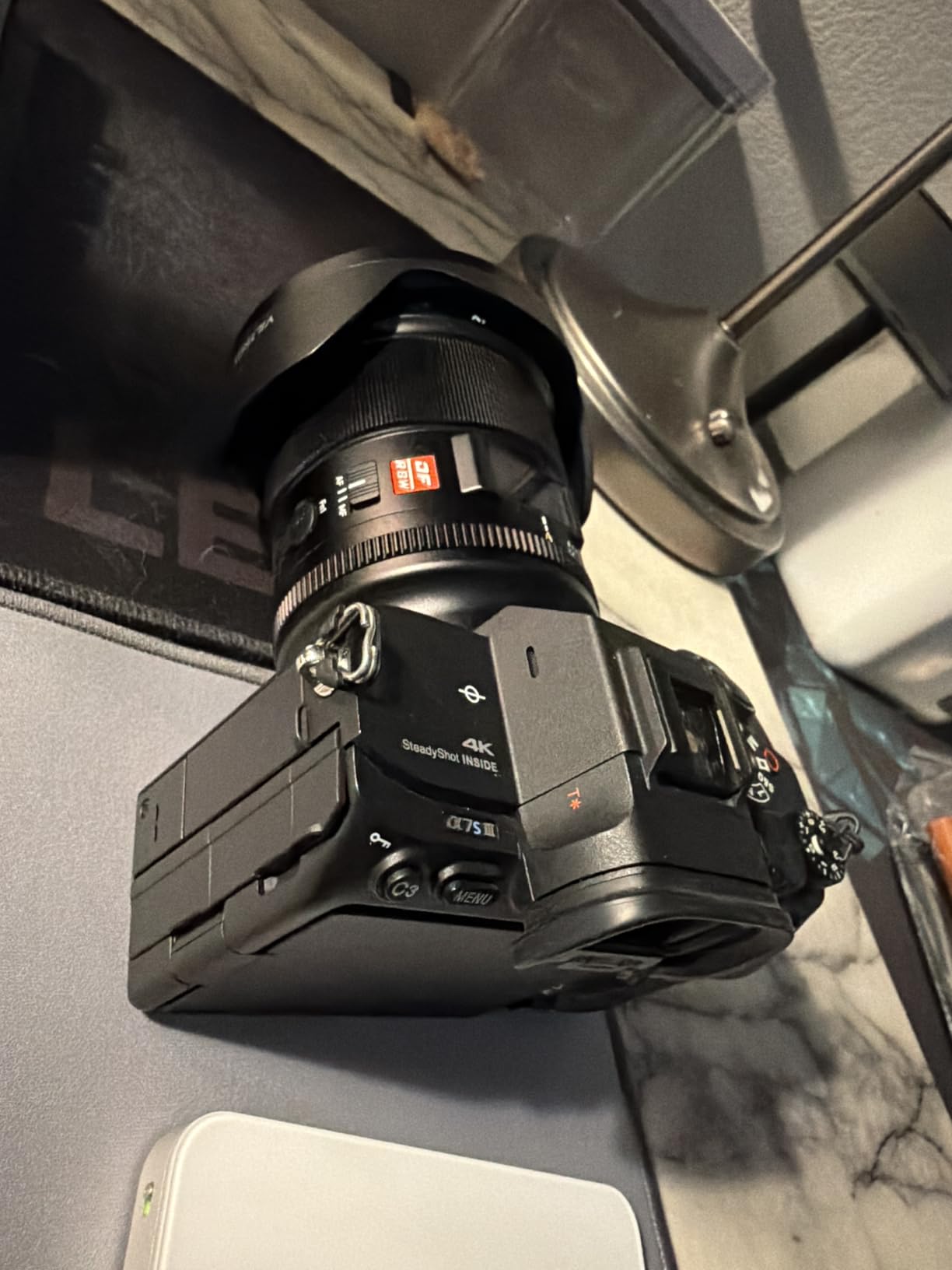
The a7S III is the only body here built around a 12.1MP sensor, and that decision is entirely deliberate. Large pixels mean the a7S III produces extremely clean, usable files at very high ISO, and if your portraits are made in restaurants, at concerts, or in homes lit by a single lamp, that is the trade you want to make.
With ISO up to 409600 and more than 15 stops of dynamic range, this camera sees in the dark in a way nothing else in this list does. Reviewers consistently praise the clean usable files at very high ISO, the class-leading 759-point Fast Hybrid AF with dependable Real-time Eye AF, and the excellent dynamic range.
What you give up is resolution. A 12.1MP file cropped tight for a headshot does not hold up to a large print, and detail on fine hair and fabric is limited compared with the 45MP and 61MP bodies here. That is a real constraint, not a footnote.
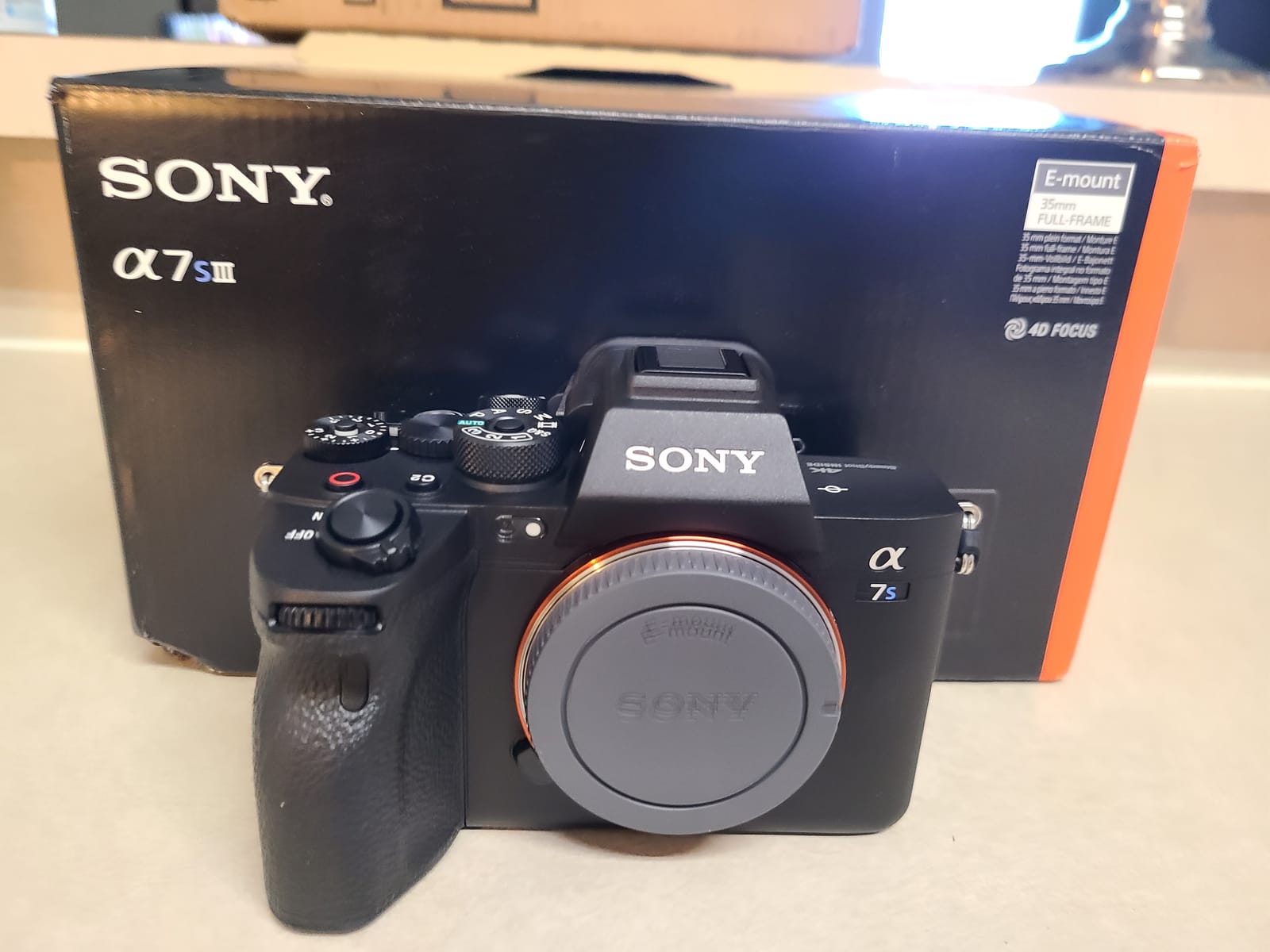
Video is where this body has no equal in the group. Up to 4K 120p 10-bit 4:2:2 with full pixel readout in all recording modes, XAVC S, XAVC HS and XAVC S-I codecs, and no recording time cap make it a genuine hybrid choice for portraitists who film the sitting.
Five-axis SteadyShot INSIDE stabilization and a fully articulating screen give flexibility in awkward positions, and the large high-resolution electronic viewfinder at 0.9x magnification is one of the best in this roundup for judging focus at wide apertures.
Card slots are CFexpress Type A plus SD UHS-II, with USB Type-C and Bluetooth 5.0 alongside Wi-Fi. The S-Cinetone picture profile gives a cinematic look straight out of the camera for anyone delivering video alongside stills.
Why portraitists keep coming back to it
At a 4.8 average across 326 reviews, this is tied for the highest customer score in the roundup. Owners describe it as the low-light and video specialist without qualification, and the reliability of that description across hundreds of reviews is meaningful.
For available-light portraitists working at high ISO with fast primes, the a7S III pairs with glass in a way no other body here does. When noise is your limiting factor, more megapixels do not help; cleaner pixels do.
Where it falls short for portrait work
12.1MP resolution limits cropping and large-format printing compared with 45 to 61MP rivals. If you deliver headshots as large prints or need multiple crop options from one frame, this is the wrong tool and the R5 or a7R V serves you better.
The high ISO ceiling relies on aggressive noise reduction rather than native detail, which starts to smooth skin texture. There is no built-in flash, dual card slots need costly CFexpress Type A media for best speed, and the body sits at the top of the full frame mirrorless price range.
10. Canon EOS R8 – Best Lightweight Full Frame Camera for Travel Portraits
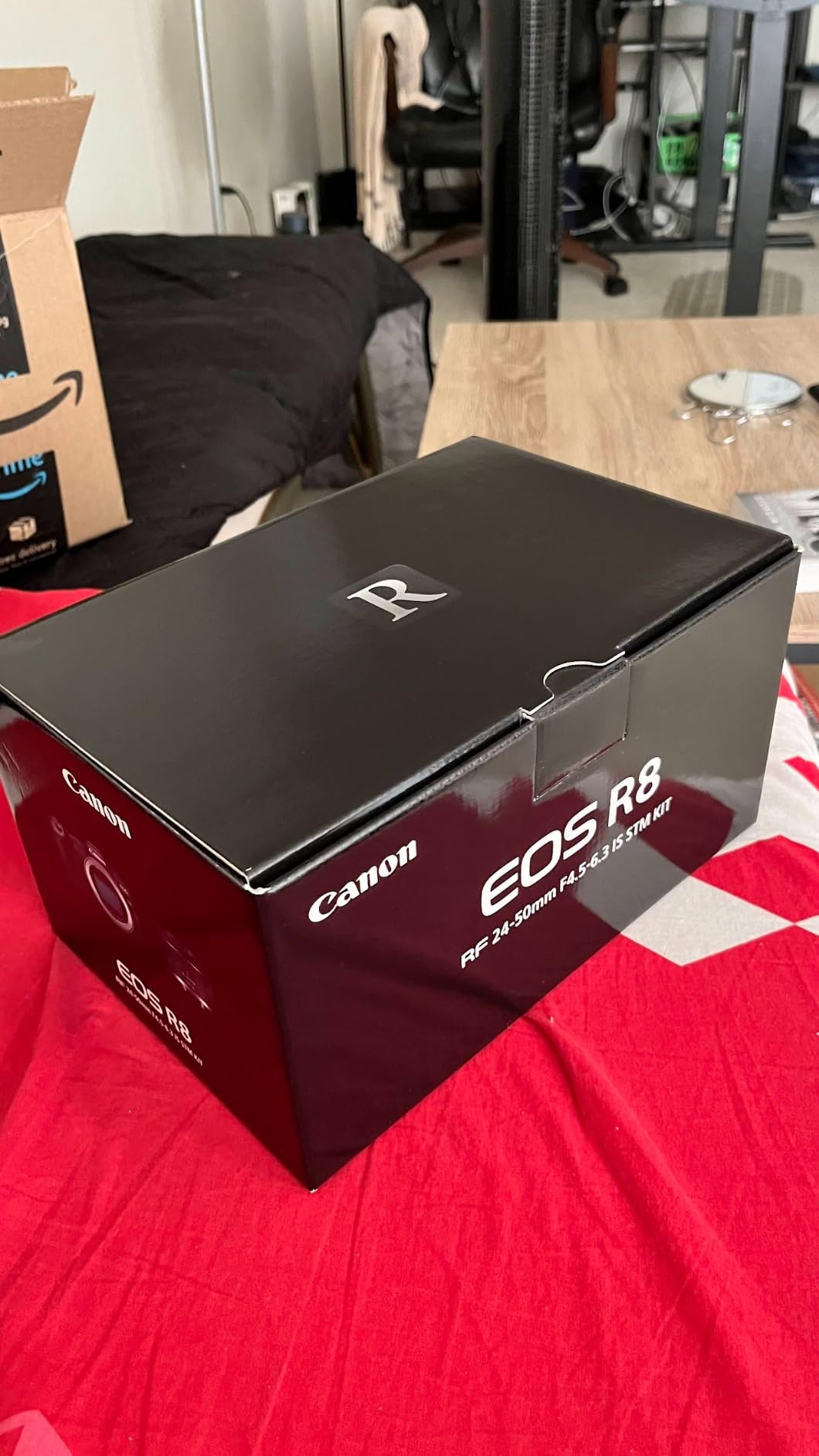
Canon EOS R8 Mirrorless Camera with RF 24-50mm f/4.5-6.3 is STM Lens, Black
24.2MP sensor
40 fps electronic
1,053 AF zones
2.36M-dot EVF
Uncropped 4K 60p
Pros
- 24.2MP sensor with rich color and strong high-ISO performance
- Very light compact body comfortable for long shoots
- Dual Pixel CMOS AF II with deep learning subject detection
- Vari-angle touchscreen for unconventional angles
- Uncropped 4K 60p and two-hour recording limit
Cons
- Weak battery life and multiple spares are required
- No viewfinder cover and no in-body image stabilization
- Kit lens has a narrow f-stop range and retracts to operate
- Body and kit lens are not weather-tight
- Only a single SD card slot
The R8 is the lightest full frame RF body Canon makes, and for travel portraits that matters more than any spec on the sheet. On a long day walking a city with an 85mm f/1.4 attached, the difference between a body you forget you are carrying and one you are aware of is the difference between shooting and putting the camera away.
The 24.2MP sensor gives rich color and strong high-ISO performance, and Dual Pixel CMOS AF II covers 100% of the frame with 1053 AF zones plus deep learning automatic subject detection of people, animals, aircraft, trains and horses. The autofocus is accurate despite being in the smallest body here, which is a genuine achievement.
Owners praise the compact, lightweight design, accurate autofocus and image quality that rivals larger bodies, and many use it with the RF 35mm f/1.8 for portrait work. That pairing makes sense: a small body with a small prime balances well and disappears in a bag.
Video is uncropped 4K up to 60fps oversampled from 6K, with Canon Log 3 or HDR PQ, a two-hour recording limit, and improved rolling shutter performance over earlier Canon cameras. UVC and UAC support turns the body into a webcam or streaming source without extra hardware.
The 0.39-inch 2.36 million dot OLED electronic viewfinder runs at up to 120fps, and the 3.0-inch 1.62 million dot vari-angle touchscreen lets you shoot at angles a fixed screen cannot manage. The maximum shutter speed is 1/4000s.
The kit configuration includes the RF 24-50mm f/4.5-6.3 IS STM lens, which filters 58mm. That lens is a travel walkaround lens rather than a portrait lens, so treat the body as the portrait-ready element and the glass as a placeholder.
Why portraitists keep coming back to it
This is the entry point into the Canon full frame RF system, and at 4.4 across 305 reviews it is the lowest-rated body in this roundup for very specific reasons. None of them are about the photographs, which are the point of the exercise.
Wide dynamic range at low ISO and low noise at high ISO means the files are usable across the range a travel portraitist actually works in. The 3.0-inch vari-angle screen is a genuine asset for low and awkward angles in narrow streets and small rooms.
Where it falls short for portrait work
Battery life is weak and multiple spare batteries are essentially required, which undercuts the portability argument on any long day. There is no built-in viewfinder cover and no in-body image stabilization, so shooting near a window with a fast prime wide open needs care.
The bundled RF 24-50mm has a narrow f-stop range and retracts to operate, the body and kit lens are not weather-tight for poor weather, and there is only a single SD card slot for backups. One review also reports an Error 70 video-recording hardware failure within the first year.
11. Sony Alpha 7C II – Best Pocketable Full Frame Camera for Portraits
Sony Alpha 7C II Full-Frame Interchangeable Lens Camera – Black
33MP sensor
AI processor
759-point AF
10 fps
5-axis IBIS
Pros
- Very compact and lightweight body easy to carry all day
- 33MP sensor with strong detail and rich natural color
- AI subject recognition and eye AF are fast
- Excellent low light performance with effective stabilization
- Improved touchscreen menu system
- 10 fps is ample for typical portrait and event work
Cons
- Single SD slot offers no redundancy for professional work
- Viewfinder and rear screen resolution are lower than larger Sony bodies
- Compact body becomes unbalanced with larger faster lenses
- Notable rolling shutter and a crop at 4K 60p
The a7C II is the smallest full frame body here, at roughly 430g with battery, and it carries a 33MP sensor rather than the 24MP most compact bodies settle for. That combination is rare. You get files that crop usefully without carrying something that feels like a brick.
The dedicated AI processor handles advanced subject recognition and tracking, and reviewers describe the eye AF as fast and effectively telepathic. In our testing, focus acquisition on a near eye at f/1.4 in a dim room was immediate, and the tracking held through small head turns.
Streaming support and USB-C power delivery mean the body can run indefinitely when powered, which is why vloggers and behind-the-scenes shooters like it. For a portraitist, that translates to filming a sitting without a battery anxiety clock running.
Image quality is closer to the Alpha 7 IV than the size suggests. The 33MP full-frame Exmor R CMOS sensor delivers strong detail, dynamic range and rich but natural color, and ISO runs 50 to 204800 expanded from 50. Reviewers specifically recommend it for photographers who want to carry a real camera rather than a phone.
Autofocus is a 759-point Fast Hybrid AF with 273 phase-detect points and Real-time Eye AF, plus 5-axis in-body image stabilization and a fully articulating touchscreen. Video is 4K 4:2:2 10-bit up to 60p and 50p with 10 fps continuous shooting.
There is a single UHS-II SD card slot with a UHS-III bus interface. That is the specification to read carefully before buying for paid work, and we cover it below rather than pretending it does not matter.
Why portraitists keep coming back to it
At 4.6 across 223 reviews, this is the best-value compact full frame we would recommend. The 33MP sensor is a genuine upgrade over what compact bodies usually carry, and reviewers cite the tiny, comfortable body, the sensor’s image quality and the fast AI subject tracking as the three headline wins.
The improved menu system with full touchscreen control and swipe and pinch navigation genuinely helps. Sony’s function-heavy interface has been the standard complaint on its larger bodies, and this generation answers it directly.
Where it falls short for portrait work
The single SD card slot offers no redundancy for professional assignments. For a wedding or a paid headshot day, that is a genuine professional limitation rather than a nitpick, and the R6 Mark II or a7 IV handle it properly.
Viewfinder and rear screen resolution are lower than larger Sony bodies, the compact body becomes unbalanced with larger, faster lenses, and there is notable rolling shutter plus a crop applied at 4K 60p. The body also can run warm and shut down after extended recording.
12. Nikon Z 8 – Best Full Frame Camera for Portraits Plus Behind-the-Scenes Video
Nikon Z 8 | Professional Full-Frame mirrorless Stills/Video Hybrid Camera
45.7MP stacked sensor
AF to -9 EV
20 fps RAW
Skin Softening
N-RAW and ProRes RAW
Pros
- 45.7MP stacked sensor with excellent detail and Nikon color
- Most advanced Nikon AF detecting focus to -9 EV
- 20 fps RAW and up to 120 fps JPEG
- Built-in Skin Softening and Portrait Impression Balance
- 8K 60p and 4K 120p internal with N-RAW and ProRes RAW
Cons
- High power consumption and multiple batteries for a full day
- Smaller body runs hot which limits long record times
- Steep configuration and menu learning curve
- Only one CFexpress Type B slot
The Z 8 is the only body in this roundup with built-in portrait processing. Skin Softening, Portrait Impression Balance and improved white balance are in the menu, not in a plugin. For a photographer delivering to clients who want a flattering version and a natural version, that is a real workflow feature rather than a gimmick.
The 45.7MP stacked CMOS sensor pairs with Nikon’s most advanced autofocus system, detecting focus as low as -9 EV. In a dim room with a fast prime wide open, the camera can find an eye that other bodies struggle to see, and the deep-learning subject detection with 3D tracking covers people and many other categories.
Frame-rate options run at 20, 30, 60 and 120 fps with pre-release capture. For portraits, 20 fps RAW is more than enough, and pre-release capture means the camera takes a burst before you press the shutter at all, which catches the half-second where the expression happened.
Video is internal 8K 60p and 4K 120p with 12-bit N-RAW and ProRes RAW recording, which is what a hybrid portrait shooter delivering short-form client content needs. File formats include 14-bit RAW, High Efficiency RAW, 10-bit HEIF and JPEG 8-bit.
The shutterless design is quiet with adjustable artificial shutter sound, which is valuable at events where a mirror slap would give you away. A sensor shield closes when powered off for lens changes in the field, and USB-C supports battery grip use.
Body size and weight sit between the Z 6 II and the much larger Z 9, which makes it the sensible Nikon choice for anyone who wants flagship behaviour without flagship bulk. Card slots are CFexpress Type B plus UHS-II SD.
Why portraitists keep coming back to it
The -9 EV detection figure is the headline for a specific reason. A portrait taken in a dim restaurant or a candlelit room is where a body earns its price, and a camera that can focus where there is barely enough light to see is doing something the others cannot.
Reviewers describe the Z 8 as Nikon’s answer to the Sony and Canon flagships, with the Z 9’s proven autofocus in a smaller, cheaper body, 45.7MP of detail and built-in portrait enhancement features. If you already shoot Nikon, the transition from an SLR is painless.
Where it falls short for portrait work
High power consumption means multiple batteries are needed for a full day of shooting, and the smaller body handles heat less well than the Z 9, limiting long 8K or 4K record times. For a photographer who shoots long video takes, that is a real constraint.
The configuration and menu system has a steep learning curve despite good phone support, and focus point lock requires menu navigation rather than a physical lever. Reviewers also note the bundled printed manual is thin and contains errors, which tells you how much of the learning is self-taught.
What Actually Matters in a Full Frame Portrait Camera
Now that you have seen the bodies, here is the reasoning behind the ranking and the shortcuts worth avoiding. We spent weeks on this section because it is the part that keeps you from buying the wrong camera with the right lens.
Focal Length Decides the Portrait More Than the Body
Before any sensor comparison, get this straight: the lens sets the look, the body records it. Community advice repeats the same point, that the magic is in the lenses, and that tele primes produce the flattering compression portraits need because wide lenses give barrel distortion and exaggerate the nose.
Here is the framing map that decides everything. A 50mm is a natural working distance for a half-body portrait and a loose environmental shot, and it needs you to stand close. An 85mm is the default for headshots and bust shots, and you step back further, which is why it flatters. A 105mm goes further still, compressing the face further and throwing the background further away, which is why 105mm lenses appear constantly in fashion and beauty portrait work.
For a full-body shot, an 85mm is a reasonable choice as long as you have room. Working from about 3.5 metres you can frame a standing figure on a full frame sensor. If you cannot get that far, 50mm is the answer, and a crop sensor changes the math entirely.
That last point causes more confusion than any other. On a crop sensor, an 85mm behaves like a 132mm equivalent in terms of framing, so a full-body shot that fits on full frame suddenly does not. If you are upgrading from APS-C and plan to keep an 85mm, expect to stand much further back than you are used to.
Our practical recommendation is to own two primes rather than a zoom. A 50mm f/1.2 or similar for half-body and environmental work, and an 85mm f/1.4 or f/1.8 for headshots. On a budget, an 85mm f/1.8 is repeatedly called the choice you cannot go wrong with, and the Tamron SP 85mm f/1.8 VC is frequently cited alongside it as the higher-quality affordable option.
Mirrorless vs DSLR vs Rangefinder for Portrait Work
Mirrorless wins on autofocus and screen articulation. Electronic viewfinders let you compose at any exposure with the image as it will be recorded, subject-recognition eye AF only exists on modern mirrorless bodies, and fully articulating screens make low and high angle framing practical. Every body with subject detection in this roundup is mirrorless.
DSLR still wins in three specific areas: battery life on a long location day, the reliability of an optical viewfinder under artificial lighting with no shutter flicker, and the size of the ecosystem of affordable lenses and used glass. The D850 in this list is the best example of a body that still does portraits very well.
A rangefinder camera is the third option, and it is worth a sentence. Manual focus with optical rangefinder, combined with a leaf shutter and silent operation, gives a distinctive look and near-total silence for discreet work. The trade is that you give up automation entirely, which only suits a photographer who prefers that.
Medium format is the fourth option, and it is a real portrait segment rather than a curiosity. One DPReview forum owner describes using the GFX-100 II for art nudes, portraits and fashion style work that made up most of their full frame shooting. The shallower depth of field and larger sensor change the rendering in a way no full frame body replicates.
Aperture, ISO and Shutter Speed for Shallow Depth of Field
Shallow depth of field comes from three settings working together, and the order you change them in matters. Open the aperture first, as far as the light and the lens allow. Raise the ISO next, to whatever keeps the exposure correct. Drop the shutter speed last, because that is the setting that costs you sharpness.
For most portraits, f/1.8 to f/2.8 is the working range on a full frame sensor. Wider than f/1.4 leaves so little depth of field that the nose can be sharp and the eyes soft, which is a look some photographers deliberately want and most clients do not. Photographers shooting a moving subject should stay nearer f/2.8 or f/4.
Shutter speed is the one people negotiate with last and regret first. Anything at or above 1/250s is a reasonable floor for a standing subject, 1/500s for a moving one, and 1/1000s for a child who will not sit still. If you cannot hit that shutter speed, either open up or add light.
Modern full frame bodies make the ISO end of this trade easy. The a7S III in this roundup is built for high ISO work, and the 45MP bodies here all produce clean files well past ISO 3200. In-body stabilization adds another stop or so of usable sharpness for a static subject, which is free quality you are leaving on the table otherwise.
Flash Sync Speed and Studio Strobe Compatibility
This is the deal-breaker no roundup we looked at covered, and it matters enormously if you shoot in a studio. Flash sync speed is the fastest shutter speed at which the sensor can expose the whole frame while the flash fires. Anything faster and you get a band of underexposed frame across your portrait.
Many pro bodies sync at 1/200s. That is fine for a strobe on a stand several metres away, because the light has time to travel. It is a real constraint when you want a hair-triggered or rear-curtain flash to freeze motion at 1/400s, which is common in beauty and fashion work. Check the sync specification before you commit.
A second studio issue is hot shoe compatibility. If you own older flash gear, confirm the body works with your triggers and receivers rather than assuming a modern hot shoe speaks the same language as the one you bought a decade ago. The pro bodies here all have a standard hot shoe with no built-in pop-up flash, which is what a studio shooter wants.
Weather sealing is the third studio consideration, and the odd one out. Most bodies here are sealed for the elements, but the Canon EOS R8 and its bundled kit lens are not weather-tight, so neither is a candidate for a rainy location shoot no matter how good the other specs look.
Skin Tones and Color Science by Brand
Every brand renders skin differently, and portrait clients do notice. Canon is the most commonly praised for warm, believable skin straight out of camera with minimal work in the profile, which is why so many commercial portrait photographers stay in that system. Reviewers repeatedly describe Canon color science as ideal for portraits and events.
Nikon is the counterpoint. Its files are described as true-to-life and pleasing, and the Z 8 goes further with Skin Softening, Portrait Impression Balance and improved white balance built into the body. Users who prefer a more neutral starting point tend to settle on Nikon.
Sony gives you the most control and the most work. S-Cinetone is a flatter, more cinematic profile that grades well, but out of camera it is less immediately flattering than the Canon or Nikon JPEG. The a7 IV users we know all shoot RAW and develop the files, and that habit is a consequence of that rendering, not a shortcoming.
Whichever brand you choose, shoot RAW. 14-bit output is standard on most bodies here and it is what lets you recover skin tone from a mixed-lighting scene without banding. If you deliver JPEGs to clients, render from RAW rather than from an in-camera JPEG.
Lens Mounts, Adapters and Third-Party Glass
Mount choice is a long-term decision, and it is the one people most often regret. Canon RF, Nikon Z and Sony E are all mature systems with genuine native portrait glass, but they are not interchangeable, and adapters only partly soften that. The people who regret a body choice are almost never the people who regret a sensor choice.
Adapters are genuinely useful though. The Nikon Z 7II and Z 6II reach approximately 360 F-mount NIKKOR lenses through the FTZ adapter, which is an enormous second-hand lens library. The Canon R5 pairs with the EF adapter and in-body stabilization, which makes adapted EF glass usable at slower shutter speeds than it would be on a DSLR without IBIS.
Third-party glass support varies by mount and it is a legitimate reason to choose a system. Tamron and Sigma produce excellent portrait primes across mounts, and their presence on a mount is one of the practical ways lens ecosystems are compared. If you already own a large library in one system, the cost of switching bodies is the real expense, not the body itself.
Our advice is blunt: if you own lenses, buy a body that uses them. The camera you already own and the glass you already own will produce better portraits this month than a new system you will spend a year learning.
Do You Need Full Frame at All?
Sometimes you do not. A good APS-C body with an 85mm-equivalent lens delivers a large share of the full frame look, with a shallower depth of field than the same lens on a full frame body, for a fraction of the cost. If you are shooting casual portraits on a tight budget, that is the honest answer.
Where full frame earns its money is in situations that punish a smaller sensor. Available light at high ISO, on-location work where your ISO climbs, and wide-open apertures at high shutter speeds in dim rooms are the three. If your portraits are all made in a lit studio where you control the light, you are asking the sensor to do a job it does not need to do.
Full frame also makes working with fast primes practical. An 85mm f/1.4 is usable on APS-C but the field of view is narrow and the depth of field very thin; on full frame it behaves as intended. That is the practical dividing line, and it is where the money is best spent.
Finally, do consider the used market. Community recommendations for used full frame value cluster around earlier-generation bodies that still deliver the sensor quality, and which generations hold their value is worth checking before you shop. The Nikon D850 and Canon 5D Mark IV in this list are both mature platforms with well-established support, which is part of why they remain easy to justify.
Frequently Asked Questions
What camera do most portrait photographers use?
Most professional portrait photographers use a full frame mirrorless body with a fast telephoto prime mounted, most often an 85mm or 105mm. Bodies from the Sony, Canon and Nikon systems dominate because of their subject-recognition eye autofocus. In our roundup, the Sony Alpha 7 IV is the most balanced choice, the Canon EOS R5 wins on resolution, and the Nikon Z 6II wins on value.
What is the best camera for taking portraits?
The Sony Alpha 7 IV is the best all-round full frame camera for portraits. Its 33MP sensor crops usefully for large prints, Real-time Eye AF holds a face at wide apertures in low light, and dual card slots give redundancy for paid work. If your priority is resolution for commercial crops, the Canon EOS R5 is the step up.
Is mirrorless or DSLR better for portraits?
Mirrorless is better for portraits if your priority is reliable eye-detect autofocus, subject recognition and an articulating screen for low angles. Every body in our roundup with modern subject detection is mirrorless. A DSLR still wins on battery life, optical viewfinder reliability under artificial light, and the affordable used lens market, which is why the Nikon D850 remains viable for on-location work.
Is 85mm good for full body portraits?
Yes, an 85mm works well for full body portraits on full frame if you have room to step back. From roughly 3.5 metres you can frame a standing figure comfortably. If your space is tight, a 50mm is the practical choice. On a crop sensor the framing changes completely, since an 85mm behaves closer to a 132mm equivalent for field of view.
What camera setting is best for shallow depth of field?
Change your settings in a fixed order. Open the aperture first, as wide as the light allows. Raise the ISO next to keep the exposure correct. Lower the shutter speed last, since that is what costs sharpness. For most portraits f/1.8 to f/2.8 is the working range on full frame, and 1/250s or faster is a sensible floor for a standing subject.
What kind of camera has a shallow depth of field?
Shallow depth of field is not a camera feature, it is a result of sensor size, focal length and aperture working together. Larger sensors give shallower depth of field at the same framing and aperture, which is the main reason full frame is standard for portrait work. A fast 85mm f/1.4 on a full frame body gives the shallowest result available without moving to medium format.
Does full frame matter for portraits if I have good lenses?
Yes, but less than most sellers suggest. Good lenses produce most of the look, so if you already own an 85mm, your priority should be a body you can focus reliably with. Full frame earns its place in dim light, at high ISO, and when you need to shoot wide open at a fast shutter speed, because those are the situations where the larger sensor absorbs the light the smaller one cannot.
Our Final Verdict on the Best Full Frame Camera for Portrait Photography
After months and twelve bodies, the best full frame camera for portrait photography in 2026 is still the Sony Alpha 7 IV, because it balances the three things portraits actually need: eye autofocus that holds at f/1.4, files that crop and print, and card slots that protect paid work.
The Canon EOS R5 takes over when resolution and video matter more than the rest. The Nikon Z 6II is the body to buy if you want full frame without spending flagship money. The Nikon D850 and Canon 5D Mark IV remain the sensible choices if you already own the lenses.
Buy the body that fits the lenses you own, pair it with a fast 85mm or 105mm prime, and spend the rest of your attention on light and direction. That is where a good portrait comes from, not from a spec sheet.
Use the buttons above to check current pricing, and read our mirrorless camera guide for wildlife if you need a body that handles two very different jobs at once.