
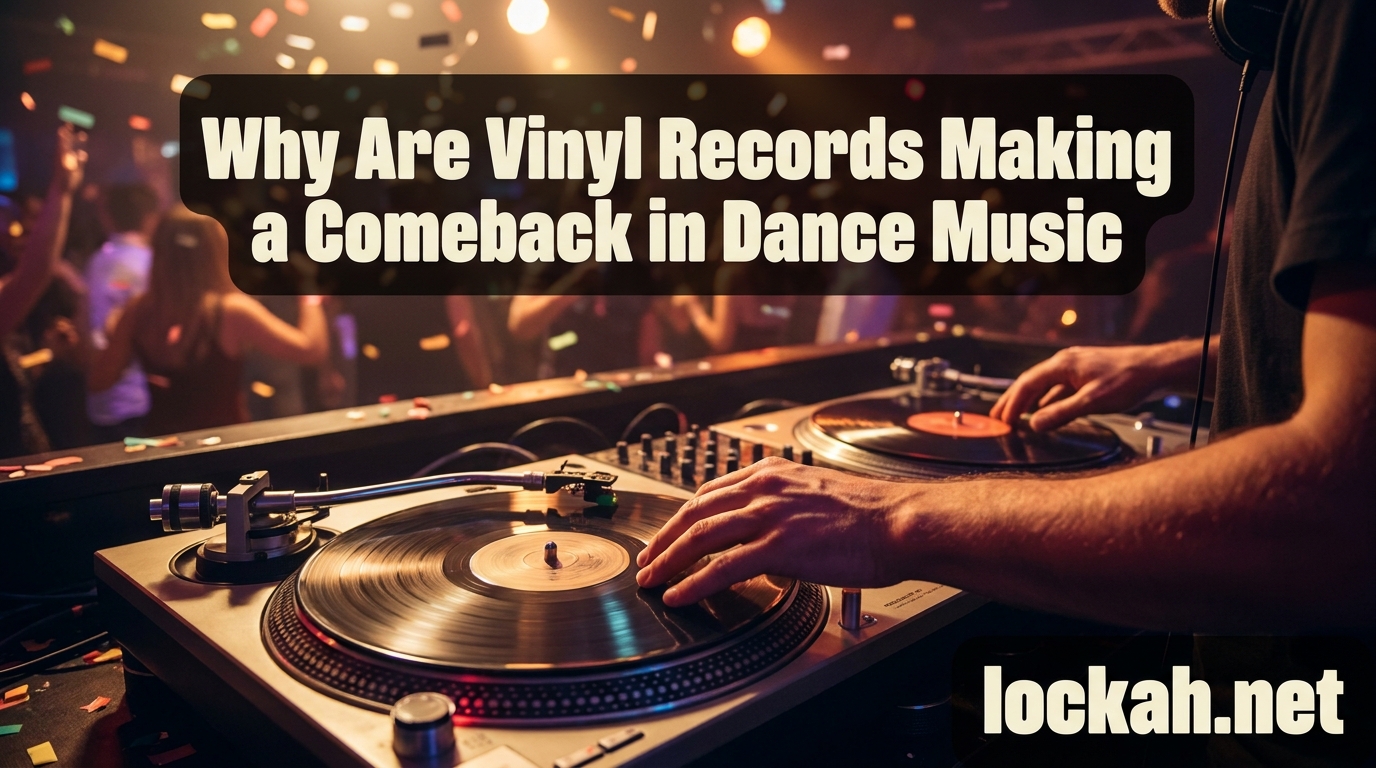
Walk into any underground club in Berlin, London, or Detroit in 2026, and you will notice something that would have seemed impossible a decade ago. DJs are spinning vinyl records again. The black discs that many declared dead in the early 2000s have returned to the heart of dance music culture with surprising force.
I have spent the last three years tracking this resurgence, speaking with collectors, DJs, and label owners across the electronic music spectrum. What I discovered goes far beyond nostalgia. The vinyl records comeback in dance music represents a fundamental shift in how we value music as a cultural object, sonic experience, and artistic medium.
Streaming platforms now dominate music consumption, yet vinyl sales for dance and electronic genres have grown steadily for eight consecutive years. This is not a fleeting trend. It is a rejection of passive listening in favor of intentional, physical engagement with sound. Let me break down exactly why vinyl records are making a comeback in dance music and what this means for the culture.
Table of Contents
Why Are Vinyl Records Making a Comeback in Dance Music?
Vinyl records are returning to dance music for four interconnected reasons that address what digital formats cannot provide. The analog warmth creates a superior sonic experience for bass-heavy genres. The physical ritual forces intentional listening in an age of digital distraction. The DJ culture values the skill and craft of manual mixing. And the collectibility offers tangible ownership that streaming services cannot replicate.
Each factor reinforces the others, creating a cultural movement that spans generations from veteran collectors to Gen Z newcomers discovering physical media for the first time.
The Analog Warmth That Digital Cannot Replicate
Dance music lives and dies by its low end. The kick drum, the bassline, the sub frequencies that you feel in your chest before you hear them. This is where vinyl records demonstrate their most immediate advantage over digital formats.
Analog recordings capture sound as continuous waveforms rather than the discrete samples used in digital formats. When a vinyl record plays back, the physical groove variations create subtle harmonic distortions and frequency responses that digital compression algorithms smooth away. Engineers call this analog warmth, but dancers experience it as something more visceral. The bass hits deeper. The drums crack with more presence. The entire frequency spectrum breathes in ways that digital files struggle to replicate.
Mastering for vinyl requires different approaches than digital distribution. Vinyl mastering engineers must manage dynamic range carefully, knowing that excessive limiting and compression that works for streaming will cause the needle to jump out of the groove. The result is dance music mastered with more dynamic headroom, preserving transients and micro-dynamics that get crushed in the loudness wars of digital platforms.
Many producers now create vinyl-specific masters alongside their digital releases. These versions often contain more detail in the upper frequencies and a rounder, fuller low end. When DJs play these pressings on quality sound systems, the difference becomes immediately apparent. The crowd responds to the enhanced physical presence of the music.
Frequency response extends differently on vinyl as well. While digital formats technically measure wider frequency ranges, vinyl playback through quality phono preamps and sound systems creates a perceived openness in the midrange that flat digital files lack. This midrange clarity matters enormously for dance music, where synth leads, vocal samples, and percussion elements must cut through dense mixes.
The Physical Ritual of Vinyl Listening (2026)
Streaming music requires almost no engagement. You tap a button and sound emerges, identical every time, immediate and forgettable. Vinyl demands participation. The ritual begins with selection, flipping through records, reading labels, feeling the weight of the disc in your hands.
This tangible experience transforms music consumption from background noise into foreground activity. You must place the needle carefully, hear the surface noise before the track drops, flip the record after twenty minutes. These actions create temporal boundaries around listening that streaming obliterates. You cannot multitask vinyl listening easily. The format forces attention.
Crate digging represents perhaps the purest expression of this physical relationship with music. Hours spent in dusty basements, thrift stores, and specialty shops, pulling records from bins, examining cover art, discovering hidden gems. The hunt becomes as meaningful as the find. Many collectors describe the serotonin hit of unearthing a rare white label pressing in a forgotten corner of a record shop.
Album artwork and liner notes add another dimension entirely. Dance music producers often commission striking visual designs for their vinyl releases, knowing the 12-inch sleeve provides canvas space that digital thumbnails cannot match. Collectors display these records as art objects, the covers becoming part of home decor and personal identity expression.
Digital fatigue drives much of this return to physical formats. After years of staring at screens, endless scrollable playlists, and algorithmic recommendations, many listeners crave disconnection from devices. Vinyl offers a screen-free music experience. The record player does not push notifications. It does not suggest what to hear next. It simply plays the music you chose, then stops, waiting for your decision to continue.
Vinyl DJing: Skill, Craft, and Authenticity
The craft of vinyl DJing separates enthusiasts from casual listeners in ways that digital controllerism cannot replicate. Beatmatching by ear, riding the pitch fader, manually adjusting for drift, these skills require months or years of practice to master. Digital DJing automates these functions, making mixing accessible but removing the physical dialogue between DJ and medium.
Underground clubs worldwide have embraced this authenticity. Venues like Robert Johnson in Frankfurt, Panorama Bar in Berlin, and clubs across Detroit’s techno scene increasingly feature nights dedicated to all-vinyl sets. The message is clear: selecting and mixing records demonstrates commitment to the art form that digital convenience undermines.
Is vinyl DJing harder? Without question. The physical limitations create both challenges and creative opportunities. You cannot instantly jump to any point in a track. You must plan your sets more carefully, knowing that mixing vinyl requires precise timing and preparation. Mistakes happen. Records skip. Needles wear out. But these imperfections become part of the performance character, humanizing the experience in ways that perfectly quantized digital sets often lack.
The direct drive turntable technology that powered dance music’s first golden age remains relevant today. Modern decks from Technics, Pioneer, and others have refined the torque and stability that DJs need for precise cueing and scratching. The tactile feedback of vinyl, the ability to physically manipulate the record, creates expressive possibilities that digital controllers with jog wheels only approximate.
Many working DJs describe their vinyl sets as more satisfying personally, even when the crowds might not consciously detect the difference. The physical engagement keeps them present and focused. They cannot simply sync and check their phones. The records demand their full attention, and that focus translates to better set programming and reading of the room.
Collectibility, Limited Editions, and Exclusivity
Scarcity creates value, and vinyl pressing runs inherently limit supply. When a label announces a limited edition of 300 copies for a hot underground house track, collectors know they must act quickly. This urgency drives a vibrant secondary market where desirable releases appreciate in value, sometimes dramatically.
White labels and test pressings occupy the highest tier of collectibility. These pre-release versions, often distributed only to DJs and industry insiders, become holy grails for completists. Owning a white label of a track that later breaks through to wider recognition confers status within collecting communities and can represent significant financial investment.
Supporting artists and independent labels represents another powerful motivation for vinyl collecting. Streaming royalties pay fractions of pennies per play. A single vinyl record sale might generate the equivalent revenue of thousands of streams. Conscious buyers know this, choosing to purchase physical releases from their favorite underground producers as a direct form of patronage.
Record fairs have exploded in popularity alongside vinyl’s resurgence. Events like the NYC Record Fair, Berlin’s Record Sale, and countless regional gatherings draw thousands of collectors hunting for specific wants and unexpected discoveries. These events function as community gatherings, connecting buyers with sellers, new collectors with old hands, creating networks of relationships that purely digital consumption cannot foster.
The investment angle attracts some buyers as well. Rare dance records from the 1990s and 2000s now command hundreds or thousands of dollars. Savvy collectors watch contemporary releases for similar potential, buying multiple copies of promising records, keeping one sealed for future resale. While speculation carries risk, the tangible asset nature of vinyl provides security that digital files, which can be delisted at any time, cannot match.
How Gen Z Is Driving Vinyl’s Dance Music Revival?
Perhaps the most surprising dimension of vinyl’s resurgence involves its adoption by Gen Z listeners who grew up with streaming as the default. Born into a world where every song was instantly accessible, these younger collectors have discovered that abundance creates its own form of poverty. When everything is available, nothing feels special.
Vinyl records provide the scarcity and intentionality that Gen Z craves. Owning a physical object in an increasingly virtual world carries intrinsic value. The large format artwork appeals to visual sensibilities shaped by Instagram and TikTok. The retro aesthetic photographs well, spreading through social media and inspiring further adoption.
Why is Gen Z buying vinyl? The reasons combine rebellion against algorithmic culture, desire for tangible ownership, and discovery of listening rituals that their parents experienced. Many young collectors report buying their first record player after attending a club night where vinyl sets impressed them with their sonic power and visual presence.
This generational bridge creates fascinating dynamics at events and in shops. Fifty-year-old techno veterans and twenty-year-old newcomers browse the same bins, share recommendations, and discover common ground through physical formats that transcend age differences. The records become neutral territory where musical taste matters more than birth year.
Social media amplifies this cross-generational pollination. Vinyl collection videos, unboxing content, and crate digging documentation spreads across platforms, inspiring viewers who might never have considered physical media to explore record shops and begin their own collections. The tactile satisfaction of handling records translates effectively to video format, creating aspirational content that drives real-world behavior.
How to Start Your Dance Music Vinyl Collection?
Beginning a vinyl collection in 2026 requires some upfront investment, but the barrier to entry remains lower than many assume. A quality entry-level turntable from Audio-Technica, Pro-Ject, or Fluance costs between $200 and $400. Pair this with powered speakers or a modest amplifier and speaker combination, and you have a system capable of revealing vinyl’s sonic advantages.
Genre selection matters for new collectors. House music and techno offer particularly rich vinyl ecosystems, with thriving independent labels pressing dance floor weapons monthly. Drum and bass, ambient, and electro also maintain strong vinyl cultures. Choose one genre to focus on initially, learning its key labels, influential producers, and pressing patterns before expanding.
Where to buy dance vinyl depends on your location and patience. Local record shops remain the best option for hands-on discovery, supporting community businesses, and immediate gratification. Online retailers like Juno, Red Eye Records, and Hard Wax ship worldwide with extensive dance music selections. Discogs serves as both marketplace and price guide, essential for tracking down specific releases.
Budget realistically. New dance vinyl typically costs $12 to $20 per 12-inch single, with albums running $25 to $40. Used records vary wildly based on condition and rarity. Plan to spend $50 to $100 monthly for meaningful collection growth. This investment supports artists directly while building a personal archive that appreciates over time.
Care and maintenance ensures longevity. Store records vertically, never flat. Keep them in inner sleeves and outer sleeves to protect against dust and ring wear. Clean records before each play with a carbon fiber brush. Clean your stylus regularly. These simple habits preserve both sound quality and resale value.
Start with current releases from working labels rather than chasing expensive classics immediately. Build relationships with shop staff who can recommend new arrivals matching your taste. Attend local nights featuring vinyl DJs to hear records in their intended context before purchasing.
Frequently Asked Questions
Why are vinyl records coming back?
Vinyl records are returning because listeners crave analog warmth, physical ownership, and intentional listening experiences that streaming cannot provide. The tactile ritual of playing records, superior sound quality for bass-heavy music, and collectibility all drive renewed interest across generations.
Why are LPs popular again?
LPs offer large-format artwork, liner notes, and a complete album experience that encourages listening to full releases rather than individual tracks. For dance music specifically, the 12-inch single format remains ideal for club play and DJ culture.
Is electronic music worth getting on vinyl?
Electronic music often benefits significantly from vinyl’s analog characteristics. The format’s handling of bass frequencies, dynamic range preservation during mastering, and the cultural connection to DJ history make it particularly valuable for house, techno, and related genres.
Why did vinyl lose popularity?
Vinyl declined in the late 1990s and 2000s due to the convenience of CDs and later digital downloads and streaming. The physical bulk, maintenance requirements, and higher costs made digital formats more practical for casual listeners during that period.
Is vinyl DJing harder?
Yes, vinyl DJing requires skills that digital systems automate. Beatmatching by ear, manual pitch adjustment, and cueing without visual waveforms demand practice and concentration. However, many DJs find these challenges creatively rewarding and prefer the tactile control vinyl provides.
Why is Gen Z buying vinyl?
Gen Z embraces vinyl as a reaction to digital saturation, seeking tangible ownership in a virtual world. The format offers intentional listening, collectible art objects, and discovery of musical experiences their parents enjoyed. Social media also spreads vinyl culture effectively to younger audiences.
Is vinyl worth it in 2026?
Vinyl remains worthwhile for listeners who value sound quality, physical collections, and artist support. While more expensive and less convenient than streaming, the format provides experiences and ownership benefits that justify the investment for dedicated dance music enthusiasts.
Are vinyl record players making a comeback?
Turntable sales have grown consistently alongside record sales, with manufacturers reporting strong demand across price points. New collectors need players, and existing vinyl enthusiasts upgrade their systems, driving a parallel resurgence in turntable technology and sales.
Conclusion
The vinyl records comeback in dance music reflects deeper cultural currents than mere nostalgia. It represents a collective recognition that convenience often comes at the cost of experience. Streaming offers access to everything but connection to nothing. Vinyl provides the opposite: limited access, profound connection.
Analog warmth, tangible ritual, DJ craft, collectibility, and generational rediscovery all converge to make vinyl an enduring force in electronic music culture. As we move further into 2026, this resurgence shows no signs of slowing. The dance floor still responds to the needle drop. The crate diggers still hunt. The culture continues, one revolution at a time.