
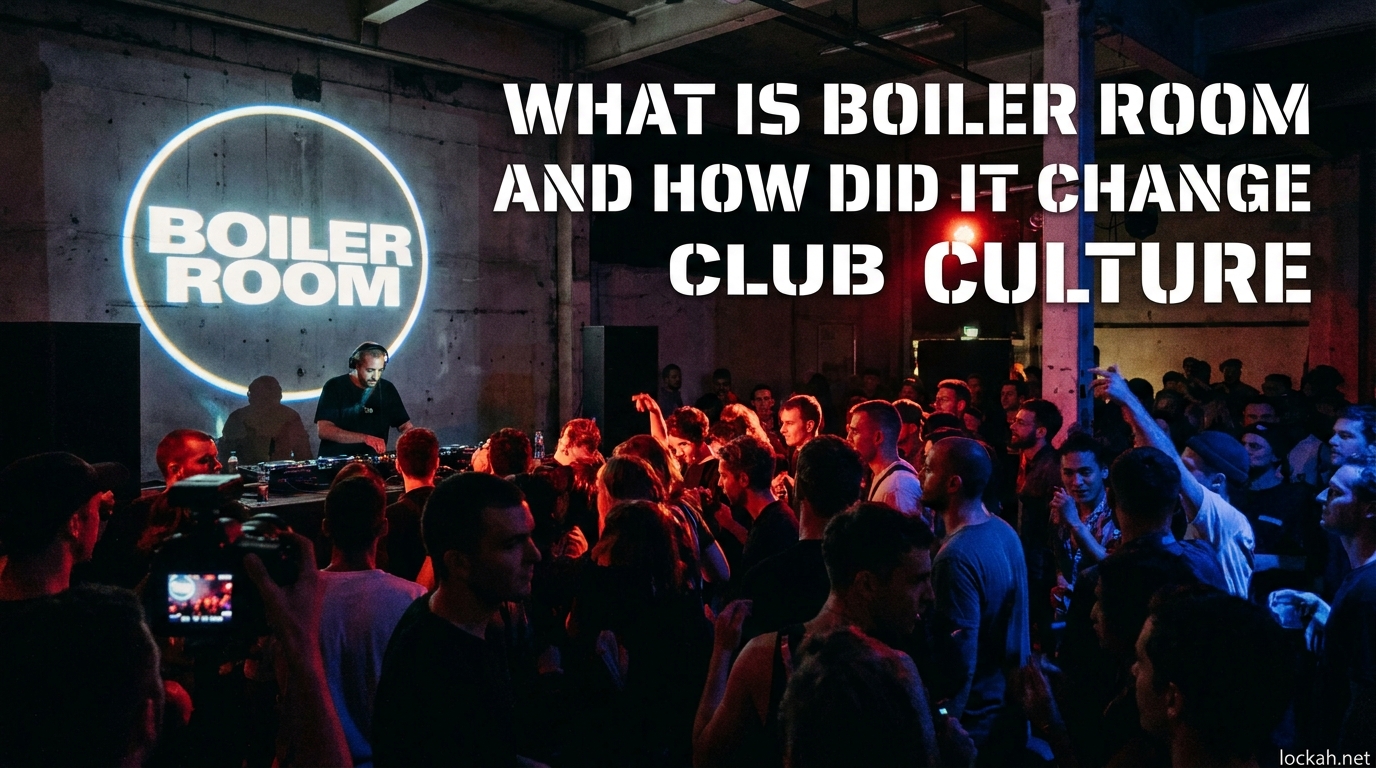
Picture this: a cramped London warehouse in 2010, a webcam duct-taped to the wall of an actual boiler room, and a DJ playing to a handful of ravers while thousands of people watch online. That single, scrappy broadcast launched what would become one of the most influential forces in modern electronic music culture. What is Boiler Room and how did it change club culture? The answer is more fascinating than you might expect.
Boiler Room is an independent London-based music platform and cultural curator founded by Blaise Bellville in 2010. It started as a simple experiment: stream intimate DJ sets from underground venues to anyone with an internet connection. Today, it has become a global phenomenon that has fundamentally reshaped how we discover, consume, and experience electronic dance music.
In this guide, I will walk you through the origins of this groundbreaking platform, explain the revolutionary 360-degree booth concept that became its signature, and show you exactly how Boiler Room changed club culture around the world in 2026.
Table of Contents
The Origins: How a Webcam Changed Music Forever?
The story begins with Blaise Bellville, a young entrepreneur who saw something missing in the music landscape of 2010. London’s underground club culture was thriving, but it remained invisible to the rest of the world. Bellville wanted to change that.
He set up a webcam in a warehouse space in East London, literally in the building’s boiler room. The first broadcasts were raw, unpolished, and completely unlike anything else available at the time. There were no professional camera crews, no slick graphics, just the energy of real underground parties streamed directly to the internet.
This DIY approach connected deeply with London’s pirate radio tradition. For decades, illegal radio stations had broadcast underground music from hidden locations across the city. Boiler Room took that same spirit of independence and applied it to video streaming. The result was immediate and powerful.
What is the history of the Boiler Room? It began with that single webcam in 2010, but it grew quickly. By 2012, the platform had already hosted sets from artists who would go on to become global superstars. The concept was simple but revolutionary: bring the audience inside the DJ booth, not just onto the dancefloor.
The 360-Degree Booth: A New Way to Experience DJ Culture (2026)
The signature Boiler Room format is instantly recognizable to anyone who has watched their broadcasts. The DJ stands in the center, surrounded on all sides by a small, energetic crowd. Cameras capture every knob twist, every fader move, every drop from multiple angles.
This 360-degree booth format did something unprecedented in DJ culture. It stripped away the mystique and put the artist’s skill on full display. Every technical decision became visible. The crowd could see the craft behind the music, not just hear it.
The psychology of this setup is fascinating. Traditional club layouts separate the DJ from the crowd, often literally elevating them on a stage. Boiler Room brought everyone to the same level. The crowd surrounds the DJ, creating an intimate, almost confrontational energy that pushes performers to their best.
I have spoken with DJs who have played these sets, and they describe the experience as both exhilarating and terrifying. The close proximity of the crowd means there is nowhere to hide. Every mistake is visible. But this pressure also creates moments of pure magic when a DJ locks into the perfect groove.
The warehouse aesthetic became part of the brand. These were not glamorous venues with expensive lighting rigs. They were raw, industrial spaces that felt authentic to the underground scenes Boiler Room sought to document. This visual language has been copied countless times but never quite replicated.
How Boiler Room Changed Club Culture Around the World?
Before Boiler Room, underground electronic music existed largely in the shadows. You had to be physically present in specific cities at specific times to experience these scenes. The platform changed that equation entirely.
Suddenly, a warehouse party in London could be experienced simultaneously by someone in Tokyo, Buenos Aires, or Lagos. This democratization of access had profound effects on how electronic dance music spread globally. Regional scenes that might have remained local secrets gained international audiences.
The impact on individual artist careers has been extraordinary. Sherelle’s 2019 Boiler Room set went viral and launched them into global recognition. Jaguar used their BBC Radio 1 residency, which followed their Boiler Room breakthrough, to amplify voices from marginalized communities within electronic music.
What is the Boiler Room known for? It is known for being a career launchpad. A Boiler Room set became a rite of passage for emerging DJs. The platform offered something no traditional media could match: authentic documentation of actual underground culture, not a polished, commercialized version of it.
Why is the Boiler Room so famous? Because it created a keyhole into subcultures that most people would never otherwise see. It did not just broadcast music; it broadcast entire ways of being. The fashion, the dancing styles, the social dynamics of different scenes all became visible to a global audience.
This visibility changed the economics of underground music. DJs who might have played exclusively to local crowds could now build international followings online. Record labels and booking agents started paying attention to who was killing it on Boiler Room streams. The platform became a tastemaker with real commercial influence.
But this influence came with complications. As Boiler Room grew, questions about authenticity and commercialization began to surface. The platform that had built its reputation on underground credibility was becoming mainstream. The tensions between growth and integrity would eventually lead to significant controversies.
From London Warehouses to Global Screens: Key Milestones
The evolution of Boiler Room from a scrappy London project to a global brand happened through several key phases. Understanding this timeline helps explain both its success and its growing pains.
2010: The first broadcast streams from a London warehouse. The concept is simple: webcam + DJ + small crowd = global access to underground culture.
2013: International expansion begins with the first events outside the UK. Australia becomes the first international territory, proving the concept works beyond London’s specific cultural context.
2015: A major platform shift occurs as Boiler Room moves from its own site to Facebook Live. This dramatically expands reach but also changes the nature of the audience interaction. The move away from their own chat system was partly driven by the toxic behavior that had developed in the platform’s early comment sections.
2019: The first Boiler Room festival takes place in Peckham, South London. This represents a significant evolution from streaming platform to live events producer. The festival brings the online community into physical space.
2021: Superstruct Entertainment acquires Boiler Room. This private equity investment brought significant resources but also raised questions about the platform’s independence. The acquisition by a company backed by KKR, a major investment firm, would later fuel boycott calls from some artists.
COVID Era: The Streaming From Isolation series keeps the platform active when physical events become impossible. These streams gain massive audiences as locked-down viewers seek connection through music.
Each of these milestones represents both growth and increased complexity. The platform that started with a webcam taped to a wall was now a corporate entity with global reach and major financial backing.
The Growing Pains: Criticism and Controversy (2026)
Success brought scrutiny, and Boiler Room has faced legitimate criticism on multiple fronts. Understanding these controversies is essential to understanding the full picture of the platform’s impact.
Why are DJs boycotting the Boiler Room? The most significant controversy emerged after the Superstruct Entertainment acquisition. KKR, the investment firm backing Superstruct, has faced criticism for its investments in various industries. Some artists called for boycotts, arguing that Boiler Room had sold out its underground roots.
What is the Boiler Room controversy beyond the acquisition? Corporate sponsorship has been a persistent concern. Partnerships with major brands like Coors Light and Budweiser felt antithetical to the platform’s DIY origins for many longtime fans. The question became: can you remain authentically underground while taking money from multinational corporations?
The early chat rooms developed a reputation for toxicity. Racist, misogynistic, and transphobic comments were common enough that the platform eventually abandoned its own chat system entirely. The move to Facebook Live was partly a response to this problem, though it introduced new issues around data privacy and platform dependence.
Some attendees and performers have complained about the camera presence changing the vibe of events. The knowledge that thousands are watching online creates a performative pressure that can feel inauthentic. The intimate, unguarded moments that made early broadcasts special became harder to capture.
There is also an ongoing debate about whether Boiler Room peaked years ago. Some fans of the platform feel that the curation has become less adventurous, the events less intimate, and the overall feeling more corporate. The question of whether Boiler Room is still underground or has become part of the mainstream music industry establishment has no clear answer.
Do Boiler Room DJs get paid? This question comes up frequently. While specific payment details are private, Boiler Room has stated that they do compensate artists for their performances. However, the real value for many DJs lies in the exposure rather than the direct payment. A viral Boiler Room set can lead to festival bookings, record deals, and career-defining opportunities.
Despite these controversies, the platform continues to operate at significant scale. The tensions between commercial success and underground credibility are not unique to Boiler Room; they reflect broader dynamics in the music industry. But Boiler Room’s specific position as a self-appointed documentarian of underground culture makes these questions particularly acute.
Frequently Asked Questions About Boiler Room
What is a Boiler Room at a club?
What is the history of the Boiler Room?
What is the Boiler Room known for?
Why are DJs boycotting the Boiler Room?
Do Boiler Room DJs get paid?
Why is the Boiler Room so famous?
The Legacy Continues
What is Boiler Room and how did it change club culture? The answer spans from a webcam taped to a London warehouse wall in 2010 to a global platform that has fundamentally altered how we experience electronic music. The 360-degree booth format, the democratization of underground access, the career launches of artists like Sherelle, and the documentation of grassroots scenes worldwide have all become part of music history.
Whether you view Boiler Room as a revolutionary force that opened up underground culture to the world, or as a commercialized entity that has lost touch with its roots, its impact is undeniable. The platform created a new format for experiencing DJ culture and changed the economics of electronic music careers in the process.
In 2026, Boiler Room continues to operate, stream, and evolve. The controversies around corporate ownership and authenticity remain unresolved. But the keyhole into underground culture that Blaise Bellville opened with that first webcam broadcast has become a permanent part of how we understand and experience electronic dance music.