
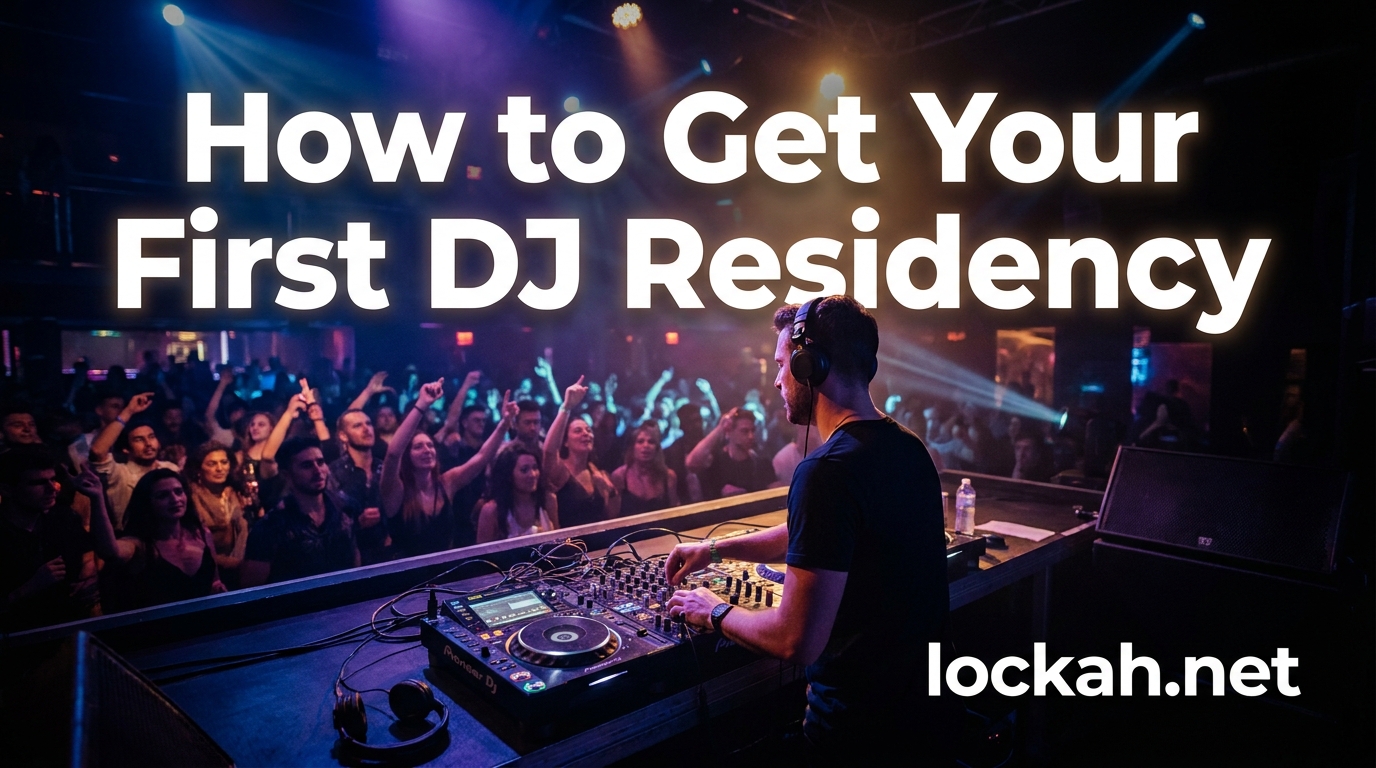
I remember standing outside that club for the first time, controller bag in hand, wondering if I was ready. Three months earlier, I had been playing to an empty bedroom. Now I was about to step into a residency that would transform my entire approach to DJing. That journey from practice space to regular club slot is what every aspiring DJ dreams about. And it is absolutely achievable with the right strategy.
In this guide, I will walk you through exactly how to get your first DJ residency 2026. You will learn the skills you need, how to build relationships that matter, and the specific steps to land that coveted regular slot at a venue. Whether you are just starting out or have been gigging occasionally without a home base, this roadmap will get you there.
Table of Contents
What Is a DJ Residency?
A DJ residency is a regular recurring gig at a specific venue. Unlike one-off bookings where you play a single night and move on, a residency gives you a consistent home base. You become the face of specific nights at that club.
There are two main types of residencies you should understand. Club residencies are arranged directly with the venue owner or management. The club books you regularly because they trust your ability to draw crowds and keep the dance floor moving. Promoter residencies work differently. A promoter rents the venue for specific nights and brings you on as their resident DJ. Both have advantages depending on your local scene.
Residencies matter because they provide stability in an otherwise unpredictable industry. You get predictable income, build a loyal following, and develop deeper relationships with the venue staff. Regulars start coming specifically to hear you play. That foundation makes everything else in your DJ career easier to achieve.
Building Your Foundation: Essential DJ Skills
Before you approach any venue, your technical skills need to be rock solid. Beatmatching is non-negotiable. You must be able to blend tracks smoothly without relying solely on software sync. Practice until you can mix by ear even when technology fails you.
EQ techniques separate bedroom DJs from club-ready performers. Learn when to cut lows, boost mids, and create space in the mix. Your transitions should feel intentional and musical, not just functional. Spend time mastering filter sweeps, echo throws, and creative blending that keeps energy flowing.
Music library organization is the hidden skill most beginners ignore. When you are in a loud booth with drunk people shouting requests, you need to find tracks instantly. Build a system that works for you. Tag by energy level, key, BPM range, and vibe. Create playlists for different moments of the night. The DJs who get residencies are the ones who never fumble for the right track.
Reading the crowd is what turns a good technical DJ into someone venues fight to book. Learn to scan the room and assess energy levels. Watch for people checking their phones versus losing themselves in the music. Adjust your selections based on what the floor needs, not just what you want to play. This adaptability is what keeps crowds coming back week after week.
Creating Your DJ Brand and Press Kit
Your DJ name and identity matter more than you might think. Choose something memorable, easy to spell, and searchable. Avoid names that are impossible to find on Google or social media. Your brand should reflect the style of music you play and the vibe you bring to a room.
An Electronic Press Kit, or EPK, is your professional calling card. This single document should contain everything a venue needs to book you. Include a short bio that tells your story, high-quality photos that show your professional image, and links to your demo mixes. Add any press coverage or notable gigs you have played, even if they were small.
Your demo mix is arguably the most important piece of your press kit. Create a thirty to sixty minute recording that showcases your best work. Mix across genres if that is your style, or go deep in one sound if you have a specific niche. Record it live or in one take if possible. Venues can hear the difference between a polished studio mix and a real performance.
Keep your online presence professional and current. Your social media should reflect the DJ you want to be seen as, not your personal life. Post consistently about your music, gigs, and the scene. A dormant Instagram or SoundCloud page signals to venues that you are not serious about your craft.
Researching Venues and the Local Scene
Not every venue is right for every DJ. Start by identifying clubs that play your style of music. Go out and experience their nights firsthand. Pay attention to the crowd, the sound system, and how the resident DJs program their sets. This research will save you from wasting time approaching venues where you do not fit.
Understanding venue programming is essential. Most clubs have specific nights dedicated to different genres. A venue might have hip hop on Thursdays, house on Fridays, and techno on Saturdays. Figure out which night aligns with your sound. That is your target.
Study the current resident DJs at your target venues. What do they play? How do they interact with the crowd? Look for gaps in their programming where your style might fit. If a club has deep house residents but no one playing disco, that could be your angle. Venues often want variety within their overall brand.
Based on forum discussions from real DJs, showing up consistently to local venues is more effective than cold emails. Become a regular at the nights where you want to play. The staff will start recognizing you. Other DJs will see you supporting the scene. This presence matters more than mix quality when you are first starting out.
How to Approach Clubs and Promoters?
Building relationships comes before asking for gigs. This is the biggest mistake new DJs make. They walk into a club and immediately ask to speak to the booker about playing. That approach rarely works. Instead, focus on becoming part of the community first.
Start by getting to know the bar staff, door people, and regulars. These relationships create goodwill that eventually reaches decision makers. Attend nights regularly. Support the venue beyond just wanting something from them. Buy drinks, tip well, and be a positive presence.
When you do send your EPK, timing matters. Avoid busy nights when the staff is overwhelmed. Early weekdays or afternoon hours are better for dropping off physical materials or having brief conversations. If emailing, send mid-week when inboxes are less flooded. Include a personal note referencing specific nights you have attended and enjoyed.
Following up is where most opportunities are won or lost. If you do not hear back after two weeks, send a polite follow-up. Reference your previous message and express continued interest. One follow-up shows persistence. Three follow-ups without response suggests you should move on to other venues.
One Reddit user shared that they accepted a seasonal residency at a French Alps nightclub with only party and radio experience but no long club sets behind them. The key was persistence and showing up ready to prove themselves. This reinforces that you do not need a massive resume to start. You need reliability and the right attitude.
Proving Your Value: The Free Gig Strategy
Playing for free is a controversial topic, but it remains one of the most effective paths to a paid residency. When you have no club experience to reference, venues take a risk booking you. Removing the financial barrier makes that risk easier to accept.
Warm-up slots and opening sets are the traditional entry points. These earlier time slots have lower stakes and smaller crowds. They let you prove you can handle a club sound system, read a developing room, and keep your nerves under control. Do not dismiss these opportunities as beneath you. Every established DJ started here.
Demonstrating reliability is just as important as showing technical skill. Show up on time, every time. Bring backup equipment. Have your music organized and ready. Handle the unexpected with professionalism. The DJs who get regular residencies are the ones venue managers never worry about.
Based on real experiences shared in DJ forums, having a production career alongside DJing strengthens your booking chances significantly. If you produce your own tracks, you bring something unique to the venue. Your original music becomes part of your brand and gives the club marketing angles they cannot get from DJs who only play other people’s records.
Maintaining and Growing Your Residency
Once you land your first residency, the real work begins. Consistency is everything. Show up prepared every single night. Treat your warm-up slot with the same seriousness as a peak time set. The venue is watching to see if you are worth keeping around.
Professionalism extends beyond your actual performance. Communicate clearly with the venue about scheduling, promotion, and any issues that arise. Be easy to work with. The entertainment industry is small. Your reputation spreads quickly, for better or worse.
After proving yourself, you can start thinking about growth. Maybe you move from opening to closing slots. Perhaps you negotiate for better pay or additional nights. Some DJs use their first residency as a springboard to better venues in the same city. Your first residency is rarely your last.
Quick Start Checklist: Your Action Plan (2026)
Here is exactly what you need to do to land your first DJ residency. Print this out and check items off as you complete them.
- Master beatmatching by ear without software assistance
- Organize your music library with clear tagging and playlists
- Record a thirty to sixty minute demo mix that showcases your style
- Create your DJ name and social media accounts
- Build your Electronic Press Kit with bio, photos, and links
- Identify five to ten venues that match your musical style
- Attend nights at these venues regularly for at least a month
- Get to know staff members and become a recognizable face
- Send your EPK to venue bookers with personalized notes
- Follow up after two weeks if you do not hear back
- Accept opening slots or warm-up gigs to prove yourself
- Deliver consistent, professional performances every time
- Build relationships with other DJs and promoters in the scene
- Consider learning music production to strengthen your brand
Work through this list systematically. Each completed item brings you closer to that first residency. Some steps take days. Others take months. Stay patient and persistent.
Frequently Asked Questions
What is the rule of 32 in DJing?
The rule of 32 is a mixing guideline suggesting you should mix out of a track approximately every 32 beats to keep energy flowing and maintain crowd interest. It helps create consistent transitions and prevents tracks from dragging on too long.
Is $100 an hour good for a DJ?
$100 per hour is considered respectable pay for beginner to intermediate DJs at smaller venues. Established DJs at major clubs typically earn more. Your rate should reflect your experience, the venue size, and your ability to draw crowds.
Is 25 too old to become a DJ?
25 is absolutely not too old to become a DJ. Many successful DJs started in their late twenties or thirties. The industry values skill, reliability, and crowd connection over age. Your life experience can actually be an advantage in reading rooms and building relationships.
Is 27 too old to start DJing?
27 is a fine age to start DJing. While some DJs begin young, plenty build successful careers starting in their late twenties. The scene respects talent and professionalism regardless of when you begin. Focus on skill development and networking rather than worrying about age.
How long does it take to get a DJ residency?
Most DJs need six months to two years of consistent effort to land their first residency. This includes building skills, networking in the local scene, and proving yourself through smaller gigs. Timeline varies based on your location, genre, and how aggressively you pursue opportunities.
Conclusion: Your Path to How to Get Your First DJ Residency
Getting your first DJ residency 2026 is a journey that combines skill development, relationship building, and persistent effort. You now have a complete roadmap covering everything from technical preparation to the final approach with venues. The information in this guide comes from real experiences of working DJs who have walked this same path.
Remember that everyone starts somewhere. The DJs headlining major clubs tonight once stood where you are now, wondering how to break in. They succeeded by showing up consistently, improving their craft, and building genuine connections in the scene. You can do the same.
Start with your skills. Master your technical foundation and organize your music library. Create your brand and press kit. Then get out into your local scene and become a familiar face. The opportunities will come when you have built the trust that makes venues want to book you.
Your first residency is closer than you think. Take action today using the checklist provided. Every step forward brings you closer to that moment when you step into the booth as a resident DJ, ready to make the night unforgettable.