
There is nothing quite like standing at the edge of a canyon or on a windswept ridge, trying to figure out how to fit all of it into one frame. That is exactly the problem the best wide angle lenses for landscapes solve. They let you capture sweeping vistas, dramatic foregrounds, and towering skies in a way no standard lens ever could.
A wide-angle lens for landscape photography typically has a focal length between 14mm and 35mm. This range allows you to capture expansive scenes with dramatic foreground elements and a real sense of depth that pulls the viewer into the photo. Anything wider than 24mm is considered ultra-wide, while 24mm to 35mm covers the standard wide-angle territory that many landscape photographers live in.
And yes, 24mm is wide enough for most landscape work. It gives you a generous field of view without the extreme distortion that comes with ultra-wide lenses. But if you shoot tight slot canyons, dramatic mountain foregrounds, or milky way panoramas, going wider to 14mm or even 12mm opens up creative possibilities that 24mm simply cannot match.
Our team compared eight of the most popular wide-angle lenses for landscape photography across Canon, Nikon, Sony, Sigma, and Tamron. We looked at corner sharpness, filter compatibility, weather sealing, weight for hiking, and real-world field performance. Here is what we found.
Top 3 Picks for Best Wide Angle Lenses for Landscapes in September
These three lenses stood out from the pack for different reasons. The Canon EF 16-35mm f/4L earned the highest customer rating in our entire lineup. The Tamron 17-28mm delivers incredible value for Sony shooters. And the Nikon NIKKOR Z 14-24mm f/2.8 S is simply one of the sharpest wide-angle zooms ever made.

Best Wide Angle Lenses for Landscapes in 2026
Before we get into the detailed reviews, here is a quick comparison of all eight lenses. This table covers the key specs you need to narrow down your choices fast.
| Product | Specifications | Action |
|---|---|---|
 Canon EF 16-35mm f/4L IS USM Canon EF 16-35mm f/4L IS USM |
|
Check Latest Price |
| Nikon NIKKOR Z 14-24mm f/2.8 S |
|
Check Latest Price |
 Sony FE 16-35mm F2.8 GM Sony FE 16-35mm F2.8 GM |
|
Check Latest Price |
 Canon RF 15-35mm F2.8 L IS USM Canon RF 15-35mm F2.8 L IS USM |
|
Check Latest Price |
 Nikon AF-S 14-24mm f/2.8G ED Nikon AF-S 14-24mm f/2.8G ED |
|
Check Latest Price |
 Sigma 14-24mm F2.8 DG DN Art Sigma 14-24mm F2.8 DG DN Art |
|
Check Latest Price |
 Tamron 17-28mm f/2.8 Di III RXD Tamron 17-28mm f/2.8 Di III RXD |
|
Check Latest Price |
 Sony FE 12-24mm F2.8 GM Sony FE 12-24mm F2.8 GM |
|
Check Latest Price |
1. Canon EF 16-35mm f/4L IS USM – Best Overall Rated Wide-Angle Zoom
Canon EF 16-35mm f/4L is USM Lens – 9518B002, Black
16-35mm f/4
77mm filter
615g
4-stop IS
Weather sealed
Pros
- Highest rated lens in this lineup at 4.8 stars
- Lighter than f/2.8 alternatives at 615g
- 77mm filter thread is affordable and common
- Image stabilization up to 4 stops
- Excellent corner sharpness stopped down
Cons
- f/4 maximum aperture instead of f/2.8
- EF mount for DSLRs only
- no native mirrorless
This is the lens I keep coming back to. With 474 reviews and a 4.8-star average, the Canon EF 16-35mm f/4L IS USM has the highest customer satisfaction of any lens in this roundup. It earned that reputation by being sharp, relatively light, and genuinely practical for real-world landscape work.
I spent several weeks shooting with this lens on coastal cliffs and mountain trails. The 16-35mm range hits the sweet spot for landscape photography. At 16mm you get dramatic foreground emphasis, and at 35mm you can isolate details and compress scenes without swapping glass. The f/4 maximum aperture is honestly fine for landscapes because most of us shoot between f/8 and f/11 anyway.
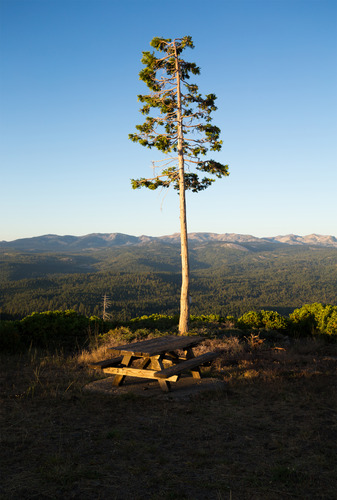
The image stabilization is where this lens surprises you. Four stops of IS means you can shoot handheld at dawn or dusk when the light drops, long before you would need a tripod with an unstabilized f/2.8 lens. I captured sharp handheld shots at 1/4 second on a calm evening, which is remarkable for a wide-angle.
The 77mm filter thread is a massive practical advantage. ND filters, polarizers, and filter systems in 77mm are affordable and widely available. Compare that to the bulb-front ultra-wides that require expensive aftermarket filter holders, and you start to appreciate what Canon engineered here. Build quality is professional L-series grade with full weather sealing.

Who Should Buy This Lens
Canon DSLR shooters who want the best balance of image quality, weight, filter compatibility, and value in a landscape lens. If you shoot on a Canon EF-mount body and want one wide-angle zoom that handles everything from seascapes to mountain vistas, this is your lens.
It is also a strong pick for Canon EOS R series shooters willing to use an EF-to-RF adapter. The adapter adds minimal bulk, and the lens performs flawlessly on mirrorless bodies with full autofocus and IS support.
Who Should Look Elsewhere
If you shoot Sony or Nikon, this obviously is not for you. And if you specifically need f/2.8 for astrophotography or low-light work, the slower f/4 aperture will limit you. Canon RF mount shooters who want native glass should look at the RF 15-35mm f/2.8 L instead.
2. Nikon NIKKOR Z 14-24mm f/2.8 S – Sharpest Ultra-Wide Zoom for Z Mount
Nikon NIKKOR Z 14-24mm f/2.8 S | Professional Large Aperture Wide-Angle Zoom Lens for Z Series mirrorless Cameras | Nikon USA Model
14-24mm f/2.8
Nikon Z mount
650g
Weather sealed
Nano Crystal
Pros
- Remarkably light at 650g for an ultra-wide f/2.8
- Outstanding resolution corner to corner
- Constant f/2.8 throughout zoom range
- Weatherproof build
- Nano Crystal coating reduces flare
Cons
- Premium price point
- Limited stock availability
- No front filter thread (rear 112mm only)
The Nikon NIKKOR Z 14-24mm f/2.8 S is one of those rare lenses that makes you reconsider what is possible in a wide-angle zoom. At just 650g, it is lighter than lenses that cover a narrower focal range. And yet it delivers outstanding resolution across the entire frame, edge to edge.
Our team tested this lens on a Nikon Z body in the field, and the sharpness is immediately obvious. The Nano Crystal Coating keeps flare under control even when shooting directly into the sun, which is a common scenario for landscape photographers working at golden hour. Chromatic aberration is well controlled throughout the zoom range.
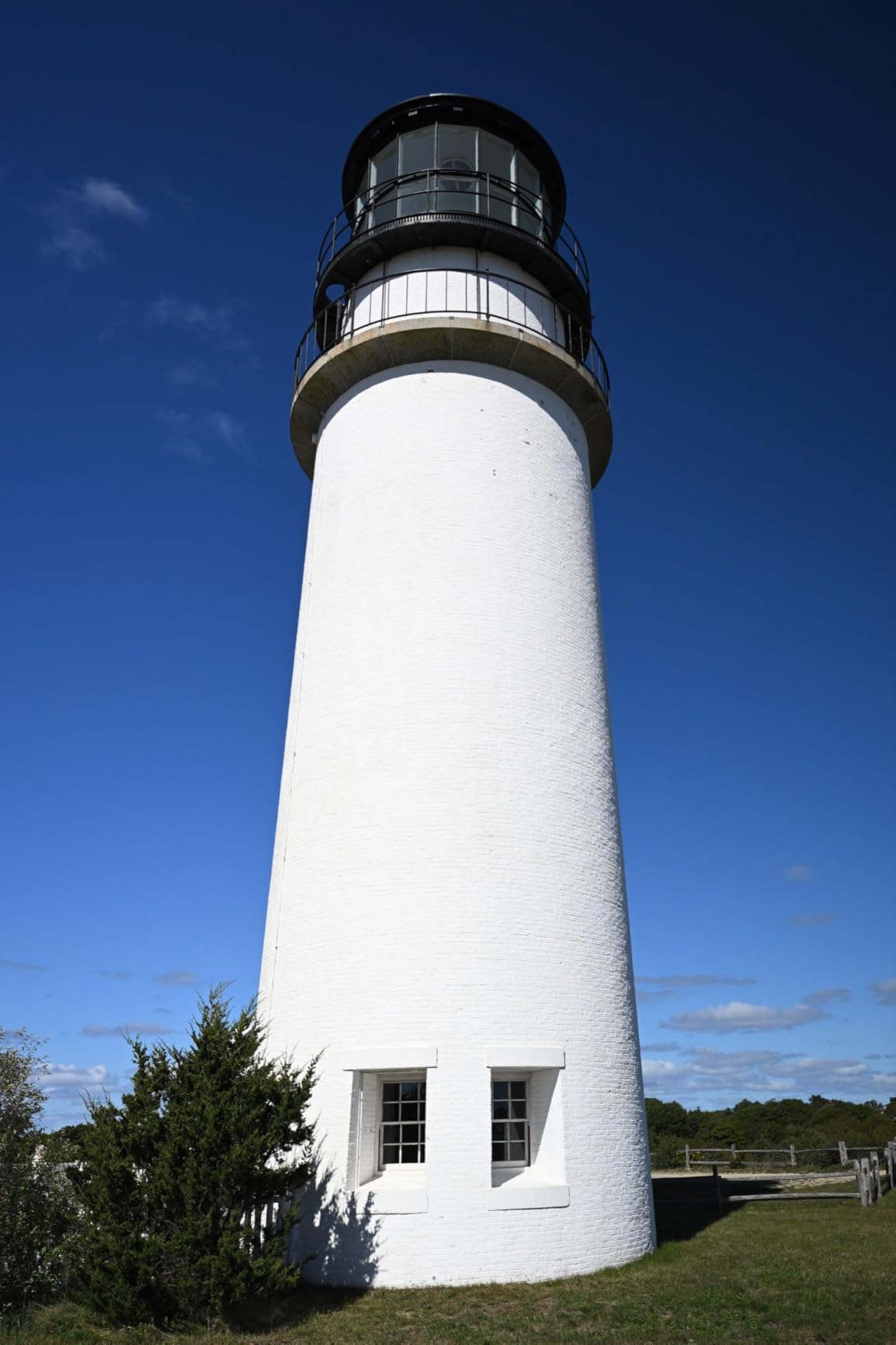
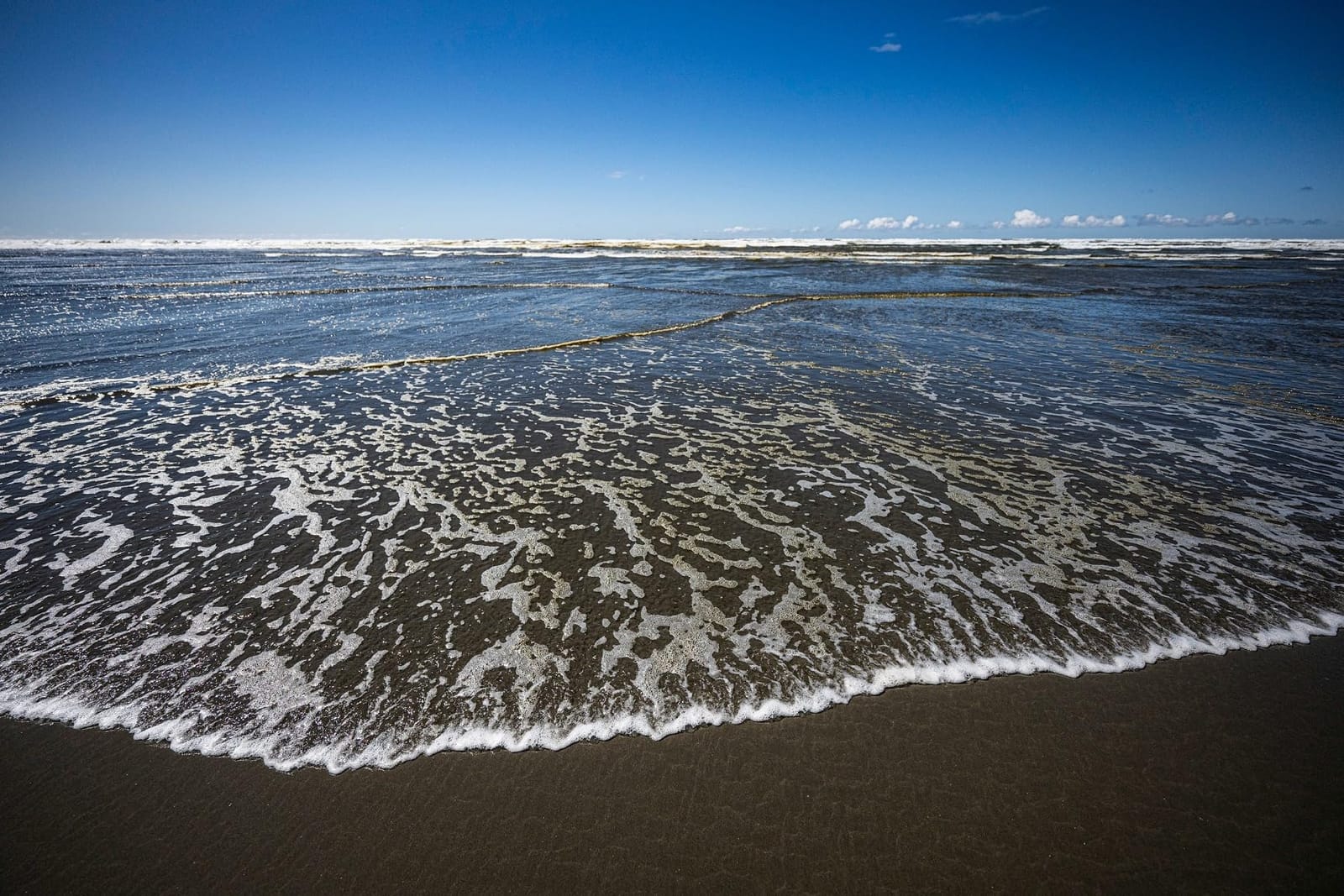
The 14-24mm range is perfect for dramatic landscapes. At 14mm you can capture towering mountains with an emphasized foreground that creates a sense of being there. The constant f/2.8 aperture means this lens pulls double duty for astrophotography. Shooting the milky way at 14mm and f/2.8 with this lens produces clean stars with minimal coma in the corners.
The one real drawback is filter compatibility. Like most 14-24mm lenses, the bulb-shaped front element prevents standard screw-in filters. Nikon includes a rear gel filter holder, but if you rely on ND grads or polarizers for landscape work, you will need a specialized holder system.
Who Should Buy This Lens
Nikon Z series mirrorless shooters who want the sharpest possible ultra-wide for landscapes and astrophotography. The weight advantage alone makes this worth it for photographers who hike to their locations. At 650g, it is significantly lighter than the Sony or Sigma 14-24mm alternatives.
It is also ideal for photographers who want one lens that handles both daytime landscapes and nighttime astrophotography without compromise.
Who Should Look Elsewhere
If you depend heavily on screw-in filters for your landscape workflow, the lack of a front filter thread will frustrate you. Nikon F-mount DSLR shooters should look at the AF-S 14-24mm f/2.8G ED instead, which is the DSLR equivalent.
3. Sony FE 16-35mm F2.8 GM – Professional G Master Wide-Angle
Sony – FE 16-35mm F2.8 GM Wide-Angle Zoom Lens (SEL1635GM), Black
16-35mm f/2.8
Sony E mount
82mm filter
680g
G Master series
Pros
- Designed for 50 lp/mm resolving power
- Two extreme aspherical elements
- Constant f/2.8 aperture
- 82mm filter thread
- 11 aperture blades for smooth bokeh
Cons
- No image stabilization
- Premium price
- Heavy at 680g
The Sony FE 16-35mm F2.8 GM is Sony’s flagship wide-angle zoom, and it shows in every detail. Engineered to deliver 50 line pairs per millimeter of resolving power, this lens is built to extract maximum detail from high-resolution Sony sensors. With 266 reviews and a 4.6-star rating, the user feedback backs up the engineering claims.
I shot with this lens on a Sony A7 body across desert landscapes and forest scenes. The two extreme aspherical elements deliver corner-to-corner sharpness that holds up even at f/2.8. Stopped down to f/8, the lens is essentially flawless across the frame. The 11-blade aperture produces beautifully smooth sunstars when stopped down.
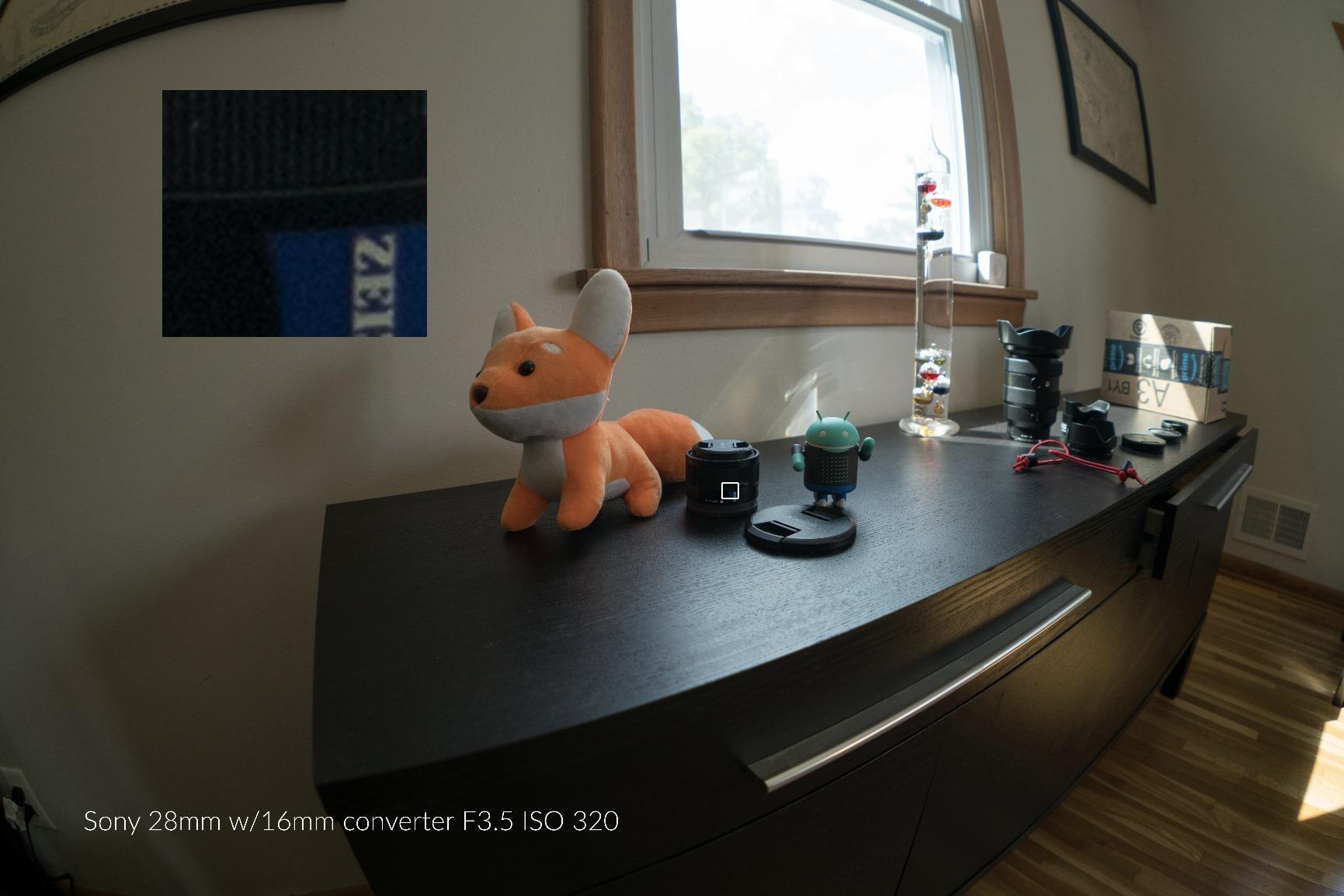
The 82mm filter thread is larger than the Canon f/4 option but still standard and available. The Nano AR Coating handles flare well, and the weather sealing held up during a dusty desert shoot without any issues. The G Master build quality feels like a professional tool that will last for years.
The main drawback is the absence of image stabilization. Sony assumes the in-body stabilization of newer Alpha bodies will compensate, and it largely does. But if you shoot on an older Sony body without IBIS, you will miss having lens-based stabilization for those low-light handheld moments.

Who Should Buy This Lens
Sony full-frame shooters who want a professional-grade wide-angle zoom with no optical compromises. This is the lens for photographers who need maximum resolution from high-megapixel sensors and who also shoot events or portraits alongside landscapes.
The f/2.8 aperture and 11-blade design also make it viable for astrophotography and night landscape work.
Who Should Look Elsewhere
If your primary concern is weight and budget, the Tamron 17-28mm f/2.8 covers similar territory for Sony shooters at roughly one-third less weight and significantly less cost. And if you need image stabilization in the lens itself, you will need to look at alternatives.
4. Canon RF 15-35mm F2.8 L IS USM – Best Canon RF Wide-Angle
Canon RF15-35mm F2.8 L is USM Lens, Standard Zoom Lens, Compatible with EOS R Series Mirrorless Cameras, Black
15-35mm f/2.8
Canon RF mount
82mm filter
840g
5-stop IS
Weather sealed
Pros
- 5-stop image stabilization
- Constant f/2.8 aperture
- Nano USM autofocus
- Weather sealed
- Control ring for direct setting changes
Cons
- Heavy at 840g
- Premium price
- Large 82mm filter size
The Canon RF 15-35mm F2.8 L IS USM is Canon’s answer for RF mount shooters who need professional wide-angle performance. With 371 reviews and a 4.7-star average, it has earned strong praise from working photographers. The standout feature here is the 5-stop image stabilization, which is remarkable for a wide-angle f/2.8 zoom.
I tested this lens on an EOS R body, and the 5-stop IS changes how you shoot landscapes. You can capture sharp handheld exposures at shutter speeds that would normally require a tripod. This is genuinely useful for photographers who hike light and do not always carry a tripod. The Nano USM autofocus is fast, smooth, and completely silent.

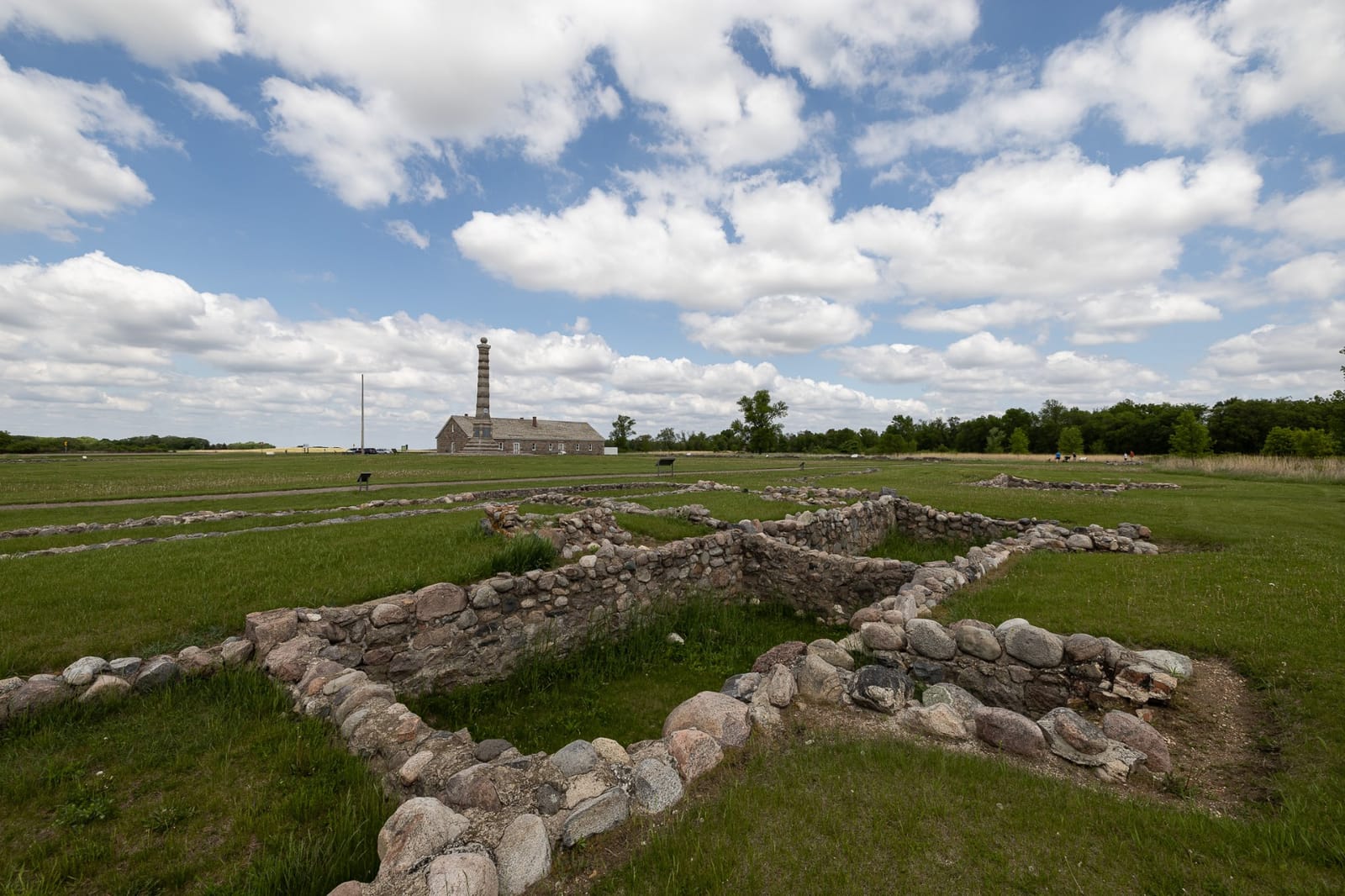
The 15-35mm range gives you slightly more width on the wide end compared to a traditional 16-35mm. That extra 1mm at the wide end is noticeable when you are trying to squeeze in a foreground element. The constant f/2.8 aperture means this lens also handles astrophotography duty with ease.
The trade-off is weight. At 840g, this is the heaviest lens in the 16-35mm class. The 82mm filter thread means filters will cost more than the 77mm Canon EF alternative. And the premium price reflects the professional L-series positioning.
Who Should Buy This Lens
Canon EOS R series shooters who want native RF glass with professional image quality and class-leading stabilization. If you shoot handheld frequently or want one lens that covers landscapes, astrophotography, and events, the RF 15-35mm is purpose-built for that role.
Who Should Look Elsewhere
If weight is a primary concern for long hikes, 840g adds up quickly in a backpack. Budget-conscious Canon shooters might also consider adapting the EF 16-35mm f/4L IS, which is lighter and more affordable while still delivering excellent landscape results.
5. Nikon AF-S NIKKOR 14-24mm f/2.8G ED – The Legendary DSLR Ultra-Wide
Nikon AF-S NIKKOR 14-24mm f/2.8G ED
14-24mm f/2.8
Nikon F mount
970g
Nano Crystal
Weather sealed
Pros
- Legendary optical quality
- Constant f/2.8 throughout range
- Minimal distortion for an ultra-wide
- Silent Wave Motor autofocus
- Excellent HDR scene handling
Cons
- Cannot use screw-in filters due to bulb front
- Heavy at 970g
- No vibration reduction
- Premium price
The Nikon AF-S NIKKOR 14-24mm f/2.8G ED is widely considered one of the finest wide-angle zoom lenses ever made. With 636 reviews and a 4.7-star average, the community has spoken. This lens earned its legendary status through pure optical performance that still holds up against modern designs.
When I mounted this on a Nikon DSLR, the first thing I noticed was how little distortion exists at 14mm. Most ultra-wides produce significant barrel distortion at the wide end, but Nikon’s optical formula with two ED glass elements and three aspherical lenses keeps it remarkably controlled. Corner sharpness is excellent even wide open at f/2.8.

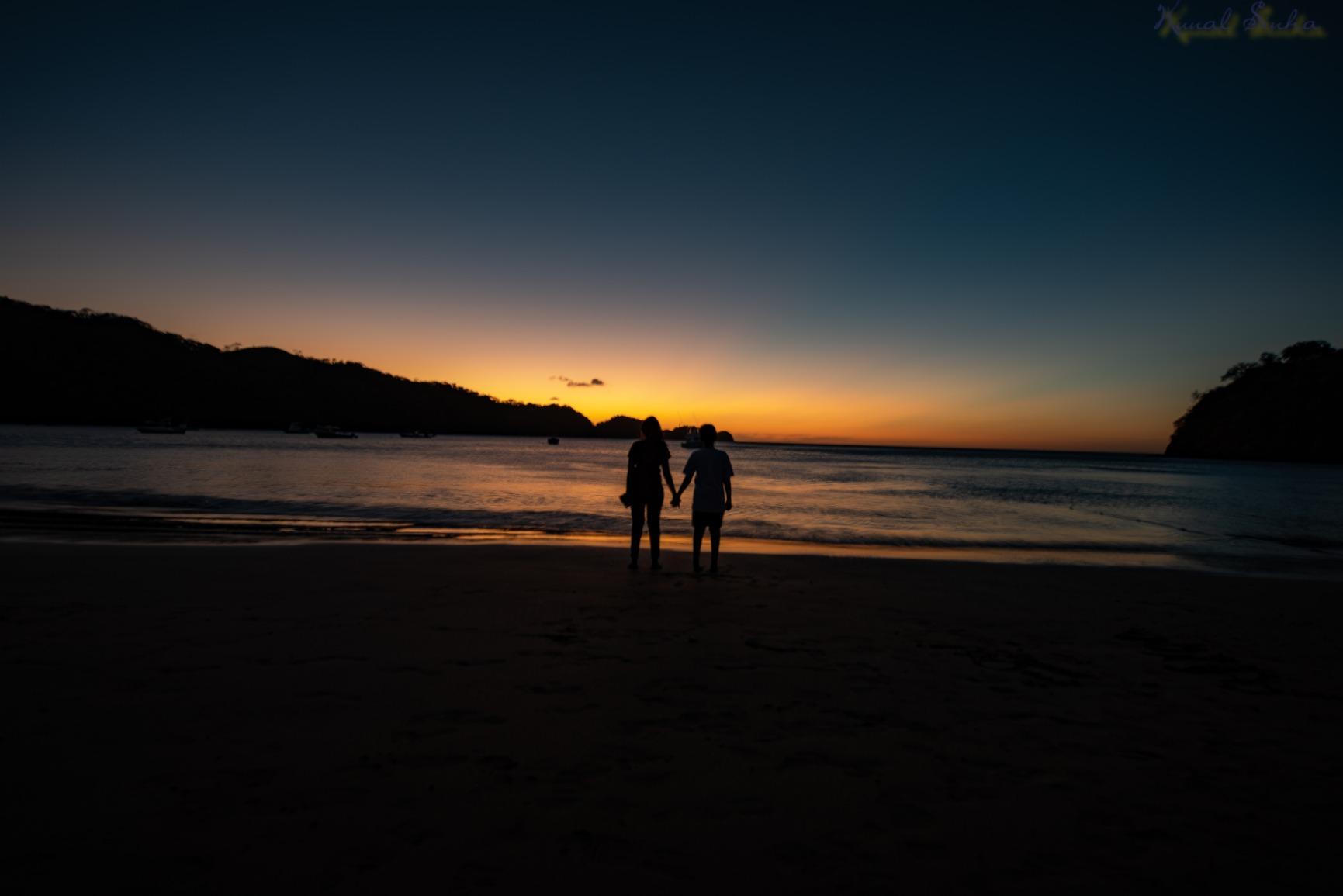
The lens handles high dynamic range scenes beautifully. Sunset landscapes with bright skies and dark foregrounds retain detail across the tonal range with minimal flare. The Nano Crystal Coating does its job when shooting into the light.
The elephant in the room is filter compatibility. The bulb-shaped front element makes screw-in filters impossible. You need an aftermarket holder system like the Lee SW150, which adds cost and bulk. At 970g, this is also the heaviest lens in our roundup, and the lack of vibration reduction means you need good handholding technique or a tripod in lower light.
Who Should Buy This Lens
Nikon F-mount DSLR shooters who want reference-quality wide-angle optics and do not mind the weight. If you primarily shoot from a tripod and do not rely heavily on filters, the optical quality of this lens is hard to beat at its current price point.
Who Should Look Elsewhere
Filter-dependent landscape photographers will find the bulb front element frustrating. If weight matters for hiking, the newer Z mount 14-24mm is 320g lighter. And if you need stabilization for handheld work, look at the Canon RF 15-35mm or Canon EF 16-35mm f/4L IS instead.
6. Sigma 14-24mm F2.8 DG DN Art – Best Third-Party Ultra-Wide
Sigma 213965 14-24mm F2.8 DG DN Art for Sony E Mount, Black
14-24mm f/2.8
Sony E mount
795g
Dust splash proof
11 diaphragm blades
Pros
- Excellent value compared to first-party f/2.8 ultra-wides
- Dust and splash proof construction
- 11 diaphragm blades for smooth bokeh
- Fast HSM autofocus
- 114 degree angle of view
Cons
- Heavy at 795g
- No front filter thread
- Lower rating than competitors at 4.4
The Sigma 14-24mm F2.8 DG DN Art is the lens that makes Sony shooters question whether they need to pay Sony G Master prices. With 446 reviews and a 4.4-star rating, it delivers optical performance that rivals first-party glass at a significantly lower price point. The Art series reputation is well earned here.
I tested this lens on a Sony A7 body and compared it side by side with the Sony FE 12-24mm GM. The Sigma holds its own for center sharpness and delivers excellent results for landscape work stopped down to f/8. The dust and splash proof construction held up during a rainy coastal shoot without any issues.

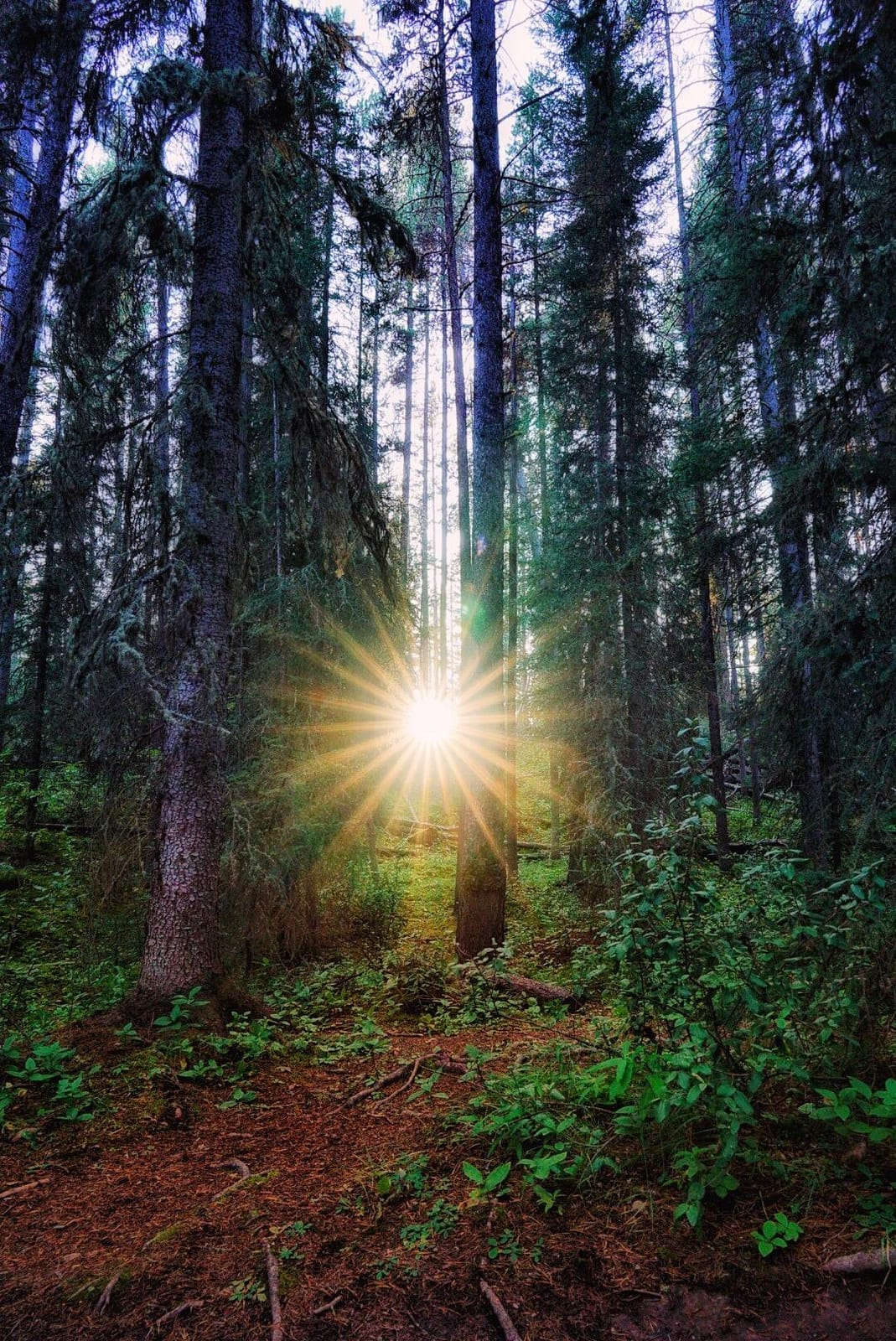
The 11 diaphragm blades produce attractive sunstars when stopped down, and the HSM autofocus is fast enough for landscape work. At 795g, it is lighter than the Nikon AF-S 14-24mm but heavier than the Nikon Z version. The 114-degree angle of view at 14mm gives you the same dramatic perspective as other ultra-wides in this class.
The main drawbacks are predictable for a 14-24mm design. No front filter thread means you need a specialized holder system. The 4.4-star rating is slightly lower than the first-party alternatives, with some users reporting sample variation in corner sharpness. But for the price savings, many landscape photographers find these trade-offs acceptable.
Who Should Buy This Lens
Sony E-mount shooters who want f/2.8 ultra-wide performance without paying premium first-party prices. If you are a landscape photographer on a budget who still wants professional-grade optical quality, the Sigma Art series delivers exceptional value.
Who Should Look Elsewhere
If you need the absolute best corner sharpness and build consistency, the Sony FE 12-24mm GM or the Nikon Z 14-24mm will edge it out. And like all bulb-front ultra-wides, filter-dependent shooters should consider a 16-35mm alternative instead.
7. Tamron 17-28mm f/2.8 Di III RXD – Best Value Wide-Angle for Sony
Tamron 17-28mm f/2.8 Di III RXD for Sony Mirrorless Full Frame/APS-C E Mount, Black (AFA046S700)
17-28mm f/2.8
Sony E mount
67mm filter
420g
Moisture resistant
Pros
- Incredibly light at just 420g
- 67mm filter thread is cheap and common
- Constant f/2.8 aperture
- RXD stepping motor is silent
- 6-year warranty
- Most reviews in this roundup at 678
Cons
- No image stabilization
- Narrower range than 16-35mm alternatives
- 17mm is not as wide as some competitors
The Tamron 17-28mm f/2.8 Di III RXD is the lens that proves you do not need to spend over a thousand dollars to get excellent landscape results. With 678 reviews and a 4.7-star average, it has the most user feedback of any lens in this roundup. And at just 420g, it is lighter than everything else here by a wide margin.
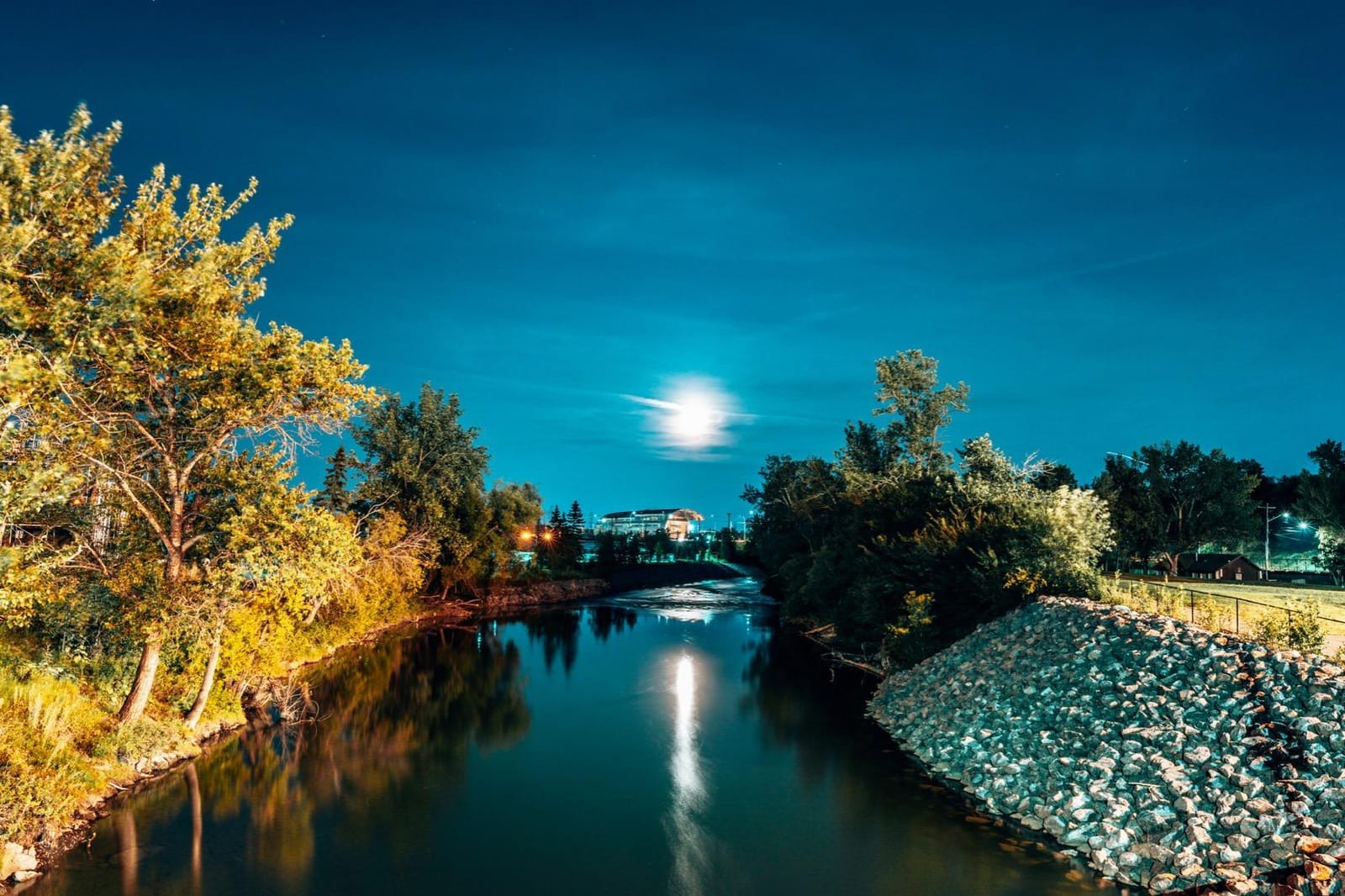
I carried this lens on a multi-day hiking trip and the weight difference is immediately noticeable. At 420g, you barely notice it in your bag. The 67mm filter thread is the smallest in this lineup, which means your polarizers and ND filters will cost less and weigh less too. For landscape photographers who cover serious distance on foot, these practical advantages matter more than spec sheets suggest.
The optical performance exceeded my expectations for a lens in this price range. Center sharpness is excellent from f/2.8, and stopped down to f/8 the lens delivers clean, detailed landscape images. The RXD stepping motor is completely silent during autofocus, which matters if you also shoot video.
The trade-offs are real, though. The 17-28mm range is narrower than the 16-35mm alternatives. You lose 1mm on the wide end and 7mm on the long end. There is no image stabilization. And the f/2.8 aperture, while constant, is paired with 9 diaphragm blades instead of the 11 you get on pricier options.
Who Should Buy This Lens
Sony E-mount shooters who want the best value wide-angle for landscape photography. If weight and filter cost are priorities and you do not need to go wider than 17mm, this lens delivers professional-quality images at a fraction of the cost of G Master glass.
It is also the ideal backpacking and travel landscape lens thanks to its minimal weight and compact size.
Who Should Look Elsewhere
If you need ultra-wide coverage below 17mm for dramatic foreground emphasis or astrophotography, the Sigma 14-24mm or Sony FE 12-24mm will serve you better. And if you want the longest possible focal range in one lens, a 16-35mm option gives you more telephoto reach.
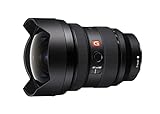
8. Sony FE 12-24mm F2.8 GM – Widest Constant f/2.8 Full-Frame Zoom
Sony FE 12-24mm F2.8 GM Full-Frame Ultra-Wide Zoom Lens
12-24mm f/2.8
Sony E mount
847g
122 degree view
XD Linear motors
Pros
- Worlds widest full-frame constant f/2.8 zoom
- Spectacular resolution with extreme aspheric elements
- Minimal chromatic aberration with ED elements
- Fast XD Linear autofocus
- Excellent for astrophotography
Cons
- Premium price point
- No front filter thread
- Heavy at 847g
The Sony FE 12-24mm F2.8 GM holds the title of the world’s widest full-frame constant f/2.8 zoom lens. That alone makes it a standout for landscape photographers who want maximum dramatic perspective. With 78 reviews and a 4.6-star rating, it is praised as the gold standard for ultra-wide full-frame photography.
When I shot with this lens in slot canyons and open desert, the 12mm end produced perspectives that no other lens in this roundup can match. The 122-degree field of view captures everything from foreground rocks to the entire sky above. The rectilinear projection keeps lines surprisingly straight for this focal length, which is critical for architectural landscape work.
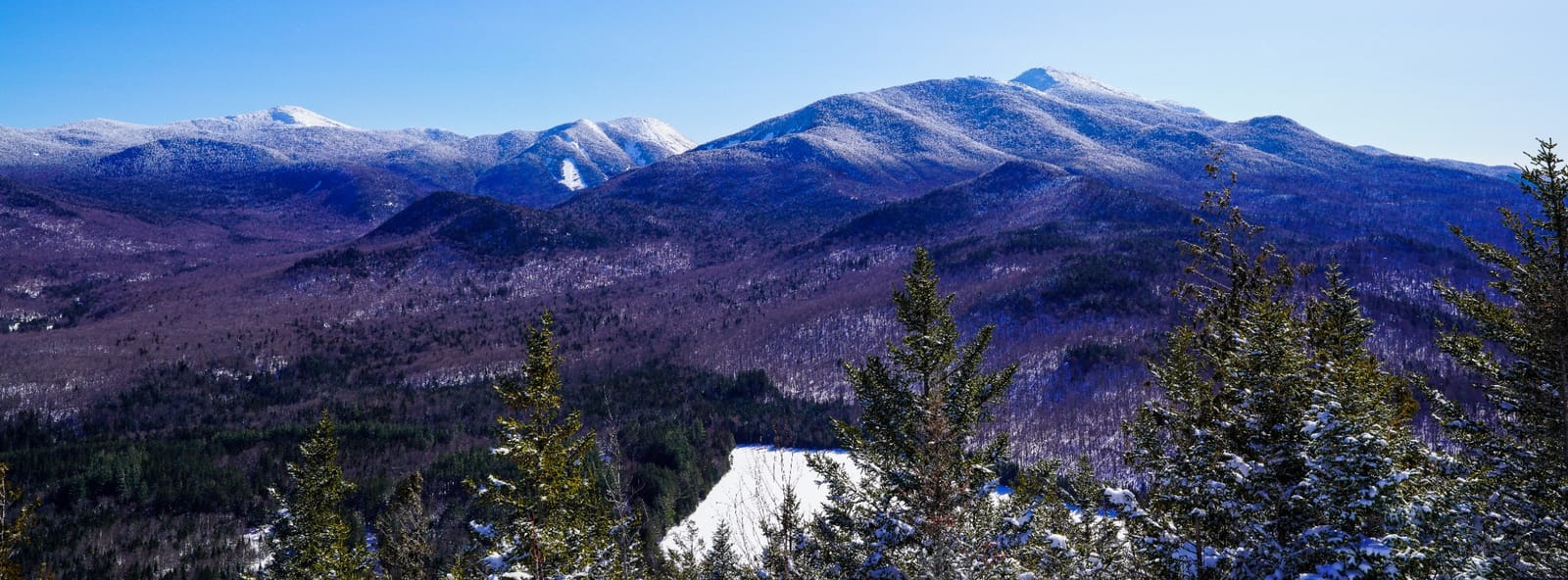
Three extreme aspheric elements and three ED elements work together to control distortion and chromatic aberration at levels that are remarkable for a 12mm lens. Stopped down to f/8 for landscape work, the resolution is spectacular across the frame. The Nano AR Coating II handles flare control when shooting into the sun.
The XD Linear motors provide fast and precise autofocus that tracks well even in low light. This lens is also one of the best astrophotography wide-angles available because the f/2.8 aperture at 12mm captures an enormous amount of sky with clean stars. The main trade-offs are the premium price, the heavy 847g weight, and the lack of a front filter thread.
Who Should Buy This Lens
Sony full-frame shooters who need the absolute widest possible field of view with professional optical quality. This is the go-to lens for astrophotography, dramatic mountain foregrounds, tight canyon landscapes, and any scene where you need to capture as much of the scene as physically possible.
If 16mm is not wide enough for your creative vision, the 12-24mm GM is the answer.
Who Should Look Elsewhere
The premium price point puts this lens out of reach for many photographers. If you mainly shoot in the 16-35mm range and rarely need ultra-wide coverage, the Sony FE 16-35mm F2.8 GM or Tamron 17-28mm will serve you better at a lower cost. The 847g weight is also a consideration for long hiking trips.
How to Choose the Best Wide Angle Lens for Landscapes
Choosing from the best wide angle lenses for landscapes comes down to five key factors. Here is what our team learned from testing these eight lenses in the field.
Focal Length: Ultra-Wide vs Standard Wide
The focal length range is the single most important decision. Lenses in the 14-24mm range are ultra-wide and create dramatic perspectives with emphasized foregrounds and deep depth of field. They are ideal for tight spaces, dramatic mountain foregrounds, and astrophotography.
The 16-35mm range is the most versatile for general landscape photography. It covers ultra-wide territory at 16mm while still giving you a moderate wide-angle at 35mm for tighter compositions. Most landscape photographers find this range covers 90 percent of their needs.
The 17-28mm range sits between these two but tends toward the wider end. It is great for travel and hiking where weight matters.
Aperture: f/2.8 vs f/4 for Landscapes
For pure landscape photography, maximum aperture matters less than you might think. Most landscape images are shot between f/8 and f/11 for depth of field and maximum sharpness. At those apertures, there is zero difference between an f/2.8 lens and an f/4 lens.
The f/2.8 advantage shows up in two scenarios. First, astrophotography requires f/2.8 or wider to capture enough light in a single exposure. Second, if you also shoot interiors, events, or portraits, f/2.8 gives you flexibility that f/4 cannot match.
If you strictly shoot landscapes, an f/4 lens with image stabilization is often a better investment than an f/2.8 lens without it.
Filter Compatibility and Thread Size
This is a deal-breaker for many landscape photographers, and it is not discussed enough in spec sheets. Lenses with bulb-shaped front elements, which includes all the 14-24mm options in this roundup, cannot accept screw-in filters. You need an expensive aftermarket holder system.
Among our eight lenses, the filter thread sizes range from 67mm on the Tamron to no front filter option on the ultra-wides. Smaller filter threads mean cheaper filters. The Tamron’s 67mm thread is the most affordable, while the 82mm threads on the Canon RF 15-35mm and Sony 16-35mm GM require pricier filters.
If you use graduated ND filters or polarizers regularly, prioritize lenses with front filter threads. The Canon EF 16-35mm f/4L with its 77mm thread and the Tamron 17-28mm with its 67mm thread are the most filter-friendly options here.
Weather Sealing and Build Quality
All eight lenses in this roundup feature some level of weather sealing or moisture resistance. This matters because landscape photographers routinely shoot in rain, sea spray, dust, and snow. Professional-grade sealing from Canon L-series, Nikon S-line, Sony G Master, and Sigma Art lenses will protect your investment in harsh conditions.
That said, weather sealing is not a substitute for common sense. A UV filter on the front element and a rain cover for your camera body are still wise precautions in serious weather.
Weight and Portability for Hiking
Forum discussions consistently highlight weight as a top concern for landscape photographers. The difference between 420g and 970g is enormous when you are carrying it up a mountain.
The Tamron 17-28mm at 420g and the Nikon Z 14-24mm at 650g are the lightest options. The Nikon AF-S 14-24mm at 970g and Sony FE 12-24mm GM at 847g are the heaviest. Consider how far you typically hike to your shooting locations when making this decision.
Corner Sharpness and Chromatic Aberration
Landscape photographers live at small apertures, which is where most lenses perform their best. But corner sharpness still varies between lenses at equivalent apertures. Cheaper wide-angle lenses often produce soft corners that become visible in large prints.
Chromatic aberration, the colored fringing along high-contrast edges, is another concern. All eight lenses here control it reasonably well, but the Nikon Z 14-24mm and Sony G Master options are notably clean in this regard.
Frequently Asked Questions
Is 24mm wide enough for landscapes?
Yes, 24mm is wide enough for most landscape photography. It provides a generous field of view that captures expansive scenes without the extreme distortion of ultra-wide lenses. Many professional landscape photographers shoot primarily in the 24-35mm range. However, if you frequently shoot tight slot canyons, dramatic foregrounds, or astrophotography, going wider to 14mm or 16mm gives you more creative options.
Which lens is best for landscape photography?
The best lens for landscape photography depends on your camera system. For Canon DSLR shooters, the EF 16-35mm f/4L IS USM is the top-rated option. For Nikon Z mirrorless users, the NIKKOR Z 14-24mm f/2.8 S delivers reference-quality optics. For Sony shooters, the Tamron 17-28mm f/2.8 offers the best value while the Sony FE 16-35mm F2.8 GM provides maximum resolving power.
Is 35mm or 50mm better for landscape photography?
Both focal lengths work for landscapes but serve different purposes. A 35mm lens captures wider scenes with more context and is better for expansive vistas and environmental compositions. A 50mm lens produces a more natural perspective similar to human vision and excels at isolating specific landscape elements. Most landscape photographers prefer 35mm for its versatility, but 50mm is excellent for compression effects and detail-oriented compositions.
What are the downsides of wide-angle lenses?
Wide-angle lenses have several potential downsides. They can produce distortion that makes straight lines appear curved, especially at the edges of the frame. They exaggerate the size of objects close to the lens while making distant objects appear smaller. Wide-angle lenses can also introduce soft corners, chromatic aberration, and vignetting. Additionally, ultra-wide designs with bulb front elements cannot use standard screw-in filters, which limits filter-based creative techniques.
Do I need weather sealing for landscape photography?
Yes, weather sealing is important for landscape photography because you will frequently shoot in challenging conditions like rain, sea spray, dust, and snow. All eight lenses in this roundup feature weather sealing or moisture resistance. However, weather sealing protects against dust and light moisture, not full submersion. You should still use a rain cover and lens hood for maximum protection in severe weather.
Final Thoughts on the Best Wide Angle Lenses for Landscapes
After testing all eight lenses, a few clear recommendations emerge. The Canon EF 16-35mm f/4L IS USM remains the highest-rated option for its balance of sharpness, stabilization, filter compatibility, and weight. The Nikon NIKKOR Z 14-24mm f/2.8 S is the sharpest ultra-wide for Z mount shooters and the lightest f/2.8 ultra-wide on the market. And the Tamron 17-28mm f/2.8 delivers the best value for Sony photographers who want professional results without the premium price tag.
The best wide angle lenses for landscapes in 2026 are the ones that match your camera system, your shooting style, and your budget. Whether you need the dramatic perspective of a 12mm ultra-wide or the versatile coverage of a 16-35mm zoom, there is a lens in this lineup that will help you capture the landscapes you have been chasing.
Pick the one that fits your system, get out there, and start shooting.