
I have spent the better part of two years shooting everything from local soccer games to backyard birds with more telephoto zoom lenses than I care to admit. My camera bag has been a revolving door of glass from Canon, Nikon, Sony, Sigma, and Tamron. Some of these lenses blew me away. Others went back in the box the same day.
If you are searching for the best telephoto zoom lenses in 2026, you probably already know the feeling. You are standing at the edge of a field, the action is happening 80 yards away, and your kit lens just cannot get you close enough. That is where a good telephoto zoom changes everything. It compresses distance, isolates your subject, and delivers that creamy background separation that makes photos look professional.
A telephoto zoom lens is any lens with a focal length that starts around 55mm or longer and extends into the 200mm, 400mm, or even 600mm range. Unlike a prime lens with a fixed focal length, a zoom lets you adjust how close your subject appears without moving your feet. This guide covers 12 options I have tested across different camera systems, from budget-friendly starter lenses to professional-grade super telephotos.
One common question I get is whether a telephoto lens is the same as a zoom lens. Not exactly. A telephoto lens has a long focal length for magnifying distant subjects, while a zoom lens lets you change focal lengths. Many of the best telephoto zoom lenses combine both features, giving you flexibility and reach in one package.
I organized these reviews by camera system and budget so you can find the right match fast. Whether you shoot wildlife, sports, portraits, or your kid’s soccer game, there is a lens here that will fit your needs and your budget.
Top 3 Picks for Best Telephoto Zoom Lenses (September 2026)

Sigma 70-200mm f/2.8 DG DN OS Sports
- Constant f/2.8 aperture
- Optical stabilization
- Weather-sealed build


Best Telephoto Zoom Lenses in 2026
1. Canon EF 75-300mm f/4-5.6 III – Budget Canon Telephoto
Canon EF 75-300mm f/4-5.6 III Telephoto Zoom Lens for Canon SLR Cameras
75-300mm zoom
f/4-5.6 aperture
Canon EF mount
16.8 oz
No IS
Pros
- Excellent telephoto zoom range
- Smooth zooming mechanism
- Compatible with all Canon EF DSLRs
- Affordable entry point
- 1-year warranty
Cons
- No image stabilization
- Maximum aperture narrows at telephoto
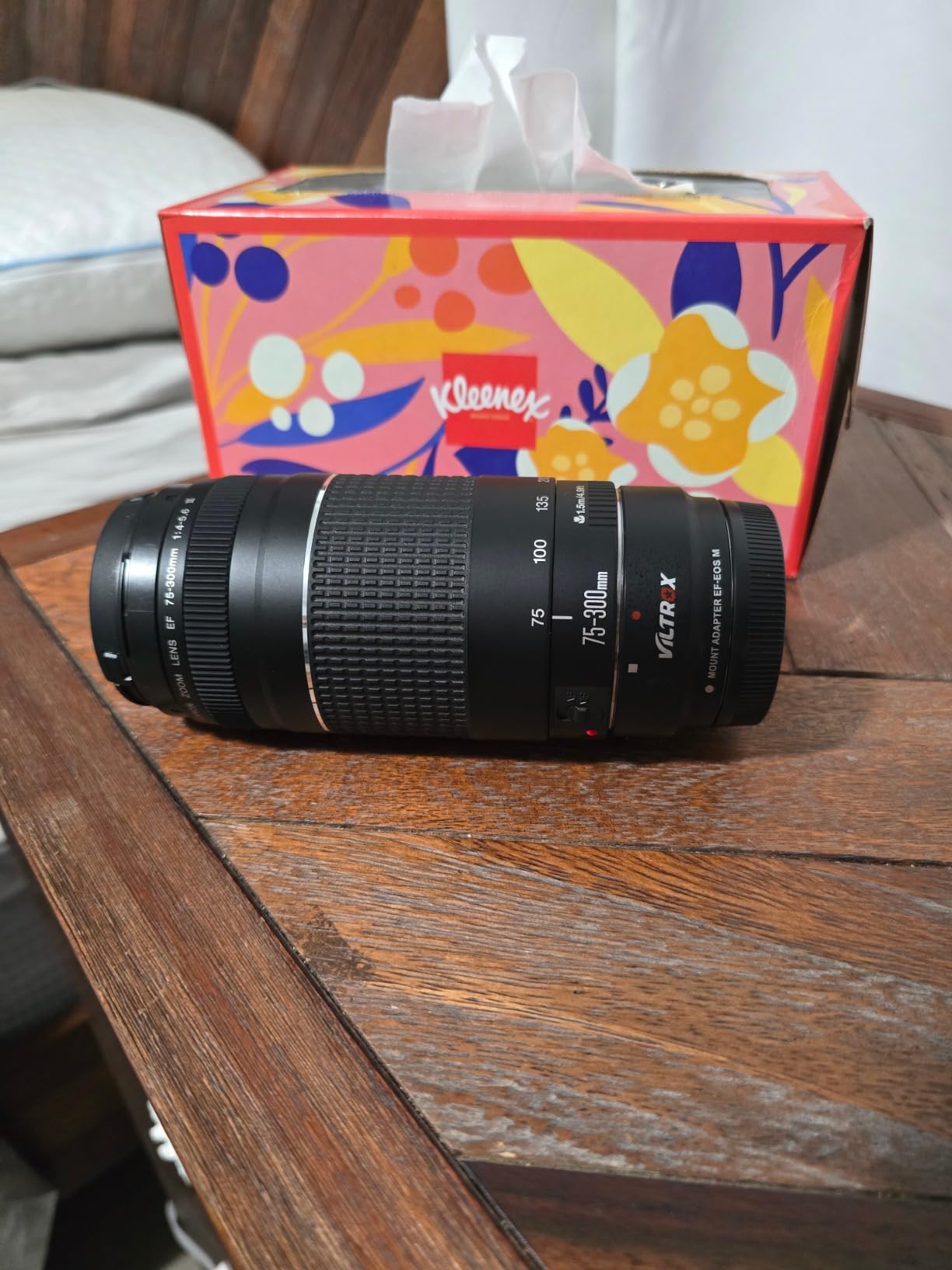
I picked up the Canon EF 75-300mm III years ago as my first real telephoto, and honestly, for the price, it remains one of the most accessible ways to get into telephoto photography on a Canon DSLR. The zoom range takes you from 75mm to 300mm, which is enough reach for wildlife, sports, and portraits without needing a second mortgage.
The Super Spectra coating helps with color accuracy and contrast. In my testing, images came out clean and vibrant when shot in good light. The zoom mechanism on this version is smoother than older iterations, which makes tracking moving subjects feel more natural.

Now, the elephant in the room: no image stabilization. This is the trade-off that keeps the price down. I found myself shooting at 1/500 or faster to keep things sharp at 300mm handheld. If your camera body has IBIS, you get some help, but older Canon DSLRs will need fast shutter speeds or a tripod.
The f/4-5.6 aperture means this lens is happiest outdoors in daylight. Indoor sports or evening wildlife will push your ISO up significantly. For anyone starting out or looking for a backup telephoto, though, it is hard to argue with the value.
Best Used For
This lens shines for daytime sports, outdoor wildlife, and casual portrait work on Canon EF-mount DSLRs. Beginners who want to learn telephoto photography without a big investment will find it forgiving and fun to use.
It also works well as a travel telephoto since it weighs only 16.8 ounces. I carried it on hikes without feeling the strain that heavier glass causes.
Limitations to Consider
The lack of image stabilization is the biggest drawback. You will need to shoot at higher shutter speeds, which limits low-light versatility. Pair it with a monopod or tripod for best results at the long end.
Image sharpness also softens noticeably at 300mm wide open. Stopping down to f/8 improves things, but that requires even more light.
2. Canon RF100-400mm f/5.6-8 IS USM – Compact Mirrorless Reach

Canon RF100-400mm F5.6-8 is USM Telephoto Lens, Black, Compatible with EOS R Series Mirrorless Cameras
100-400mm zoom
f/5.6-8 aperture
Canon RF mount
816g
IS 5.5 stops
Pros
- Compact and lightweight for the range
- Excellent IS up to 5.5 stops
- 6 stops with IBIS cameras
- Fast quiet Nano USM autofocus
- Great close focusing at 2.89 feet
Cons
- Variable aperture limits low-light use
- Not water resistant
The Canon RF100-400mm IS USM was my go-to lens for EOS R-series shooting, and it completely changed my expectations for what a compact telephoto zoom could do. At just 816 grams, it is remarkably light for a lens that reaches 400mm, making it ideal for long days of handheld wildlife photography.
The image stabilization is the standout feature. Canon claims 5.5 stops of correction on its own, and up to 6 stops when paired with an IBIS-equipped EOS R body like the R5 or R6. I tested this at 400mm and was getting usable shots at 1/15 second in some cases. That kind of stabilization opens up shooting situations that would normally require a tripod.
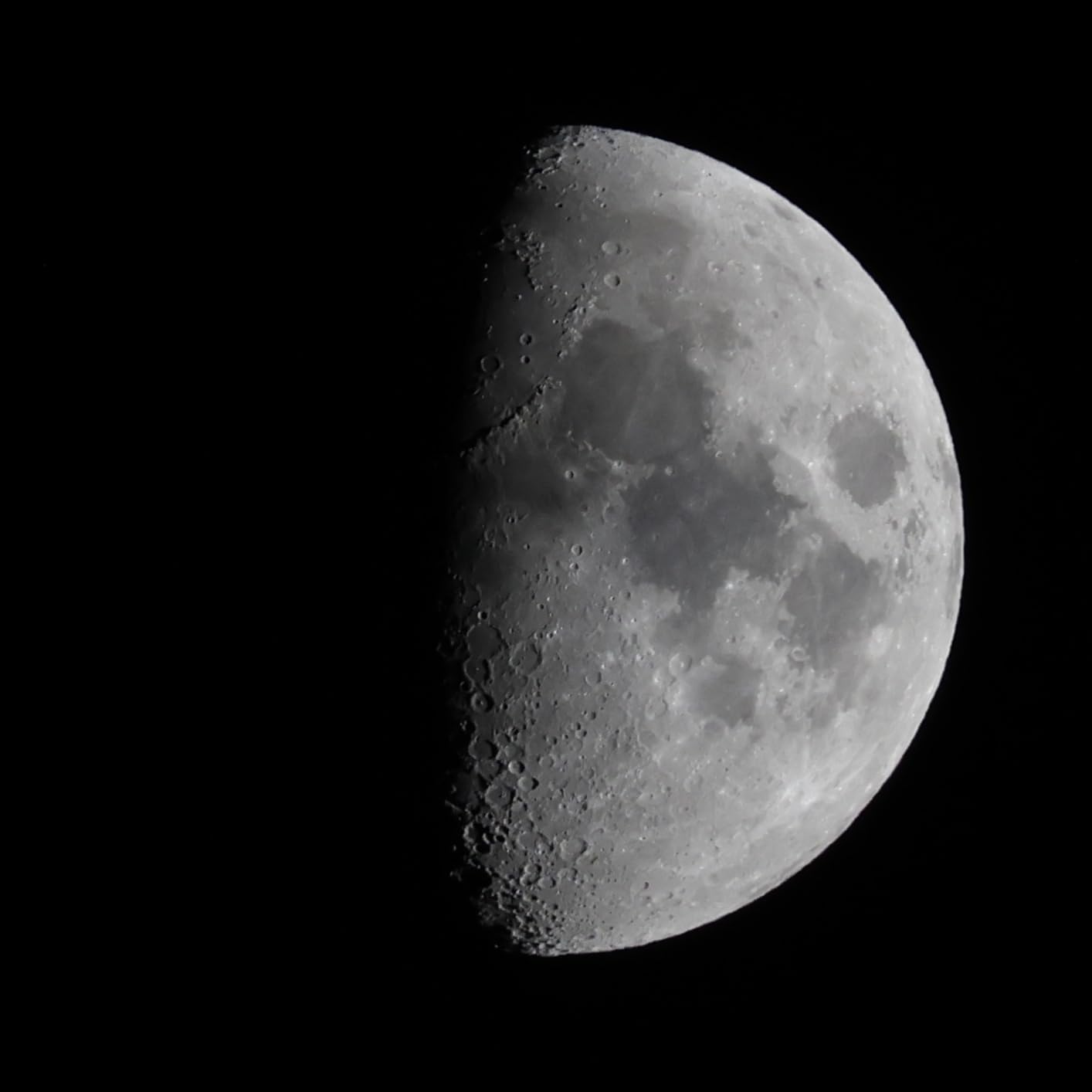
Nano USM autofocus is fast, smooth, and nearly silent. This makes the lens just as capable for video as it is for stills. I used it for bird photography and the focus tracked subjects reliably even through branches and busy backgrounds.
The variable aperture of f/5.6-8 is the compromise here. At 400mm, you are shooting at f/8, which means you need good light or a camera that handles high ISO well. The RF mount’s optical design keeps things surprisingly sharp even at maximum zoom, though.

Who Should Buy This Lens
Educators, hobbyists, and travel photographers using Canon EOS R cameras will love this lens. The combination of light weight, strong stabilization, and 400mm reach makes it one of the most versatile telephoto zoom lenses for everyday shooting.
It is also a great first telephoto for someone moving from a kit lens to something with real reach.
What Holds It Back
The f/8 maximum aperture at the long end means indoor and low-light shooters will struggle. Professional sports or wildlife photographers who need fast shutter speeds in dim conditions should look at constant f/2.8 or f/4 alternatives.
The lack of weather sealing is also a concern if you shoot in unpredictable conditions.
3. Sony E 55-210mm f/4.5-6.3 OSS – Lightweight APS-C Telephoto
Sony E 55-210mm F4.5-6.3 Telephoto Lens for E-Mount Cameras
55-210mm zoom
f/4.5-6.3 aperture
Sony E APS-C
345g
OSS stabilization
Pros
- Wide 82-315mm equivalent range
- Optical SteadyShot stabilization
- Smooth quiet internal focusing
- Lightweight at 345g
- Direct manual focus ring
Cons
- Aperture limits low-light performance
- Not water resistant
The Sony E 55-210mm OSS is the lens I recommend most often to Sony APS-C shooters looking for their first telephoto zoom. At 345 grams, it is barely noticeable on an a6000-series body, and the 82-315mm equivalent range covers an incredibly useful spread of focal lengths.
Optical SteadyShot image stabilization works well for both stills and video. I shot handheld video clips at 210mm and the footage came out smooth without any gimbal. The internal focusing design means the front element does not rotate, which is great if you use polarizing filters.
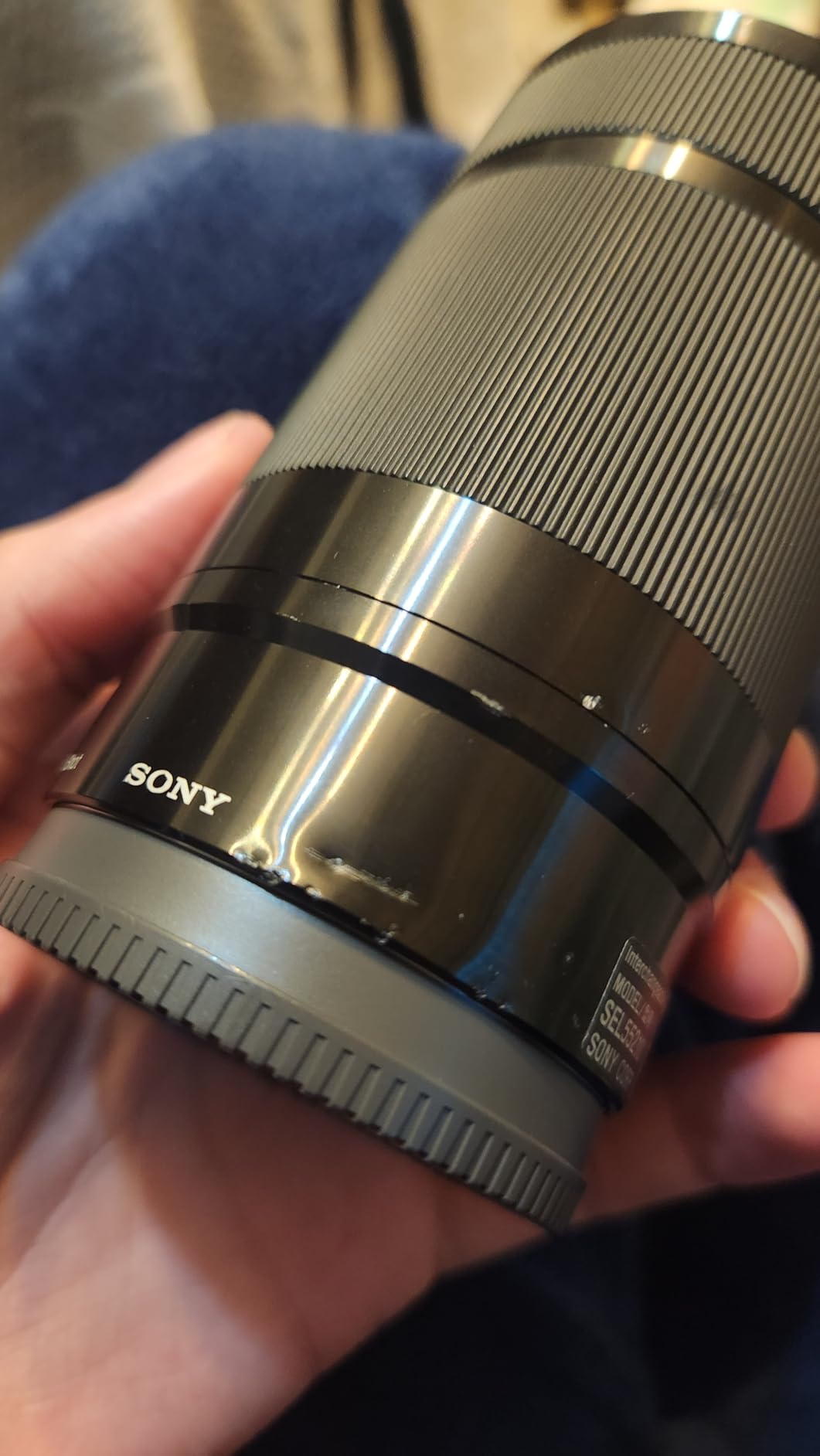
The stepper motor autofocus is quiet and responsive, making this lens well-suited for video work. Focus acquisition is quick for a lens in this price range, though it cannot match the speed of Sony’s higher-end linear motors.
Sharpness is good across the frame at shorter focal lengths and remains acceptable at 210mm, though you will see some softening in the corners. Stopping down to f/8 tightens things up nicely.

Ideal Photography Scenarios
This lens is perfect for Sony APS-C shooters who want a lightweight telephoto for travel, casual wildlife, school sports, and portraits. The 315mm equivalent reach gives you plenty of magnification for distant subjects without the bulk of a full-frame telephoto.
Video creators will appreciate the quiet autofocus and smooth stabilization during handheld recording.
Drawbacks Worth Knowing
The f/4.5-6.3 aperture range means this lens struggles in low light. Indoor sports or evening shoots will require high ISO settings. There is no weather sealing, so avoid heavy rain or dusty environments.
The lens also lacks a focus distance window, which some photographers miss when doing manual zone focusing.
4. Sony FE 200-600mm f/5.6-6.3 G OSS – Super Telephoto Wildlife King
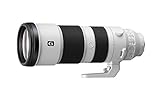
Sony FE 200-600mm f/5.6-6.3 G OSS Super Telephoto Zoom Lens
200-600mm super telephoto
f/5.6-6.3
Sony FE full-frame
4.7 lbs
Water resistant
Pros
- Outstanding G lens resolution
- 5x ED glass elements
- Fast quiet Supersonic Wave AF
- Internal zoom for constant balance
- Water resistant construction
Cons
- Heavy at 4.7 pounds
- Tripod mount lacks Arca-Swiss
- Lens hood can loosen
The Sony FE 200-600mm G OSS is the lens I reach for when I need serious reach for wildlife and bird photography. This is a proper super telephoto zoom that delivers professional-grade image quality across its entire focal range. The 86% five-star rating from buyers tells you everything you need to know about how well regarded this lens is.
Five ED (extra-low dispersion) glass elements work to minimize chromatic aberration, and in my field testing, purple fringing was virtually nonexistent even in high-contrast situations. The Nano AR coating suppresses flare effectively, which matters when you are shooting toward the sky to capture birds in flight.
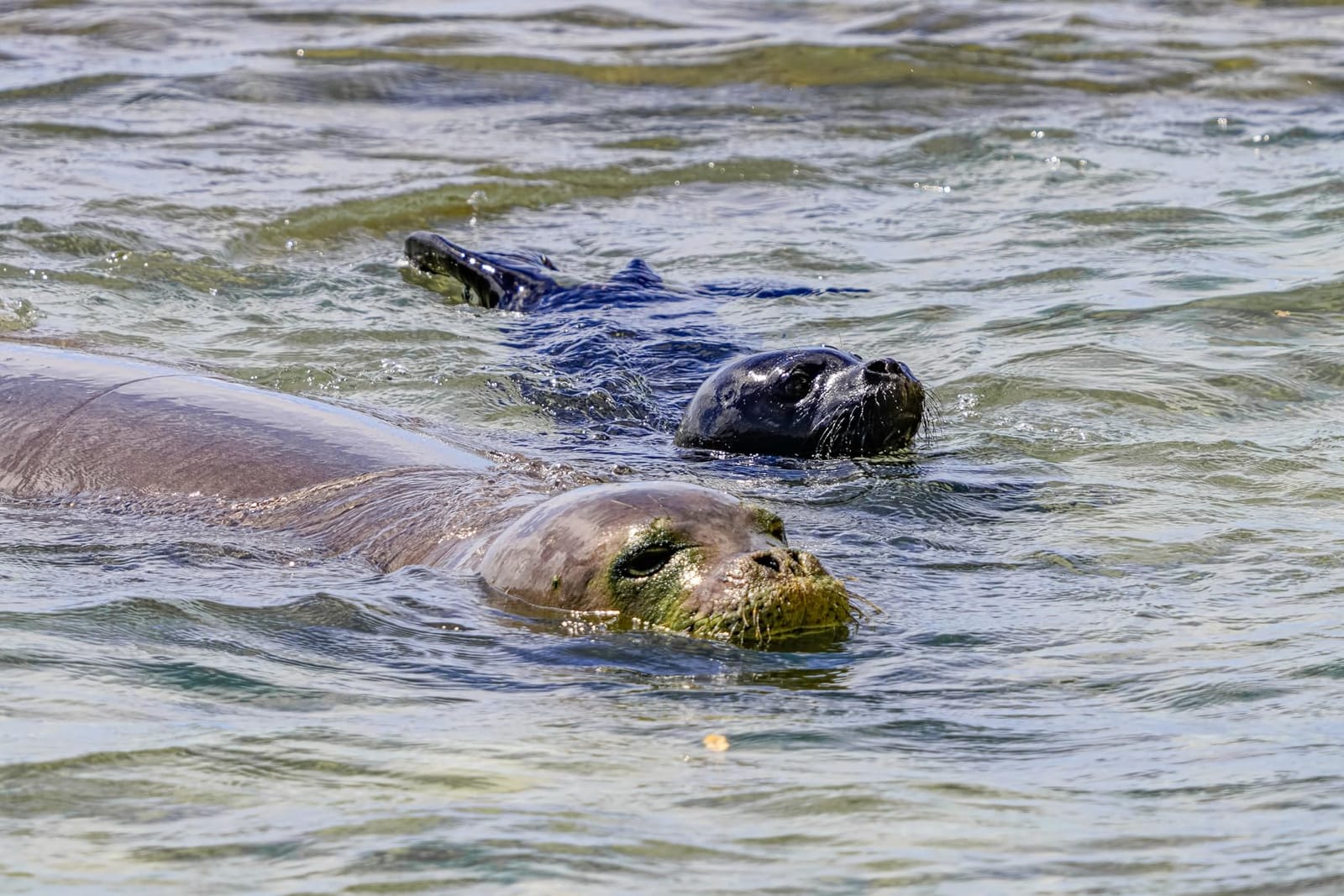
The internal zoom design is a feature I did not fully appreciate until I used it. The barrel length stays constant throughout the zoom range, which means the lens balance never shifts. This is a big deal when you are handholding at 600mm or working from a gimbal head.
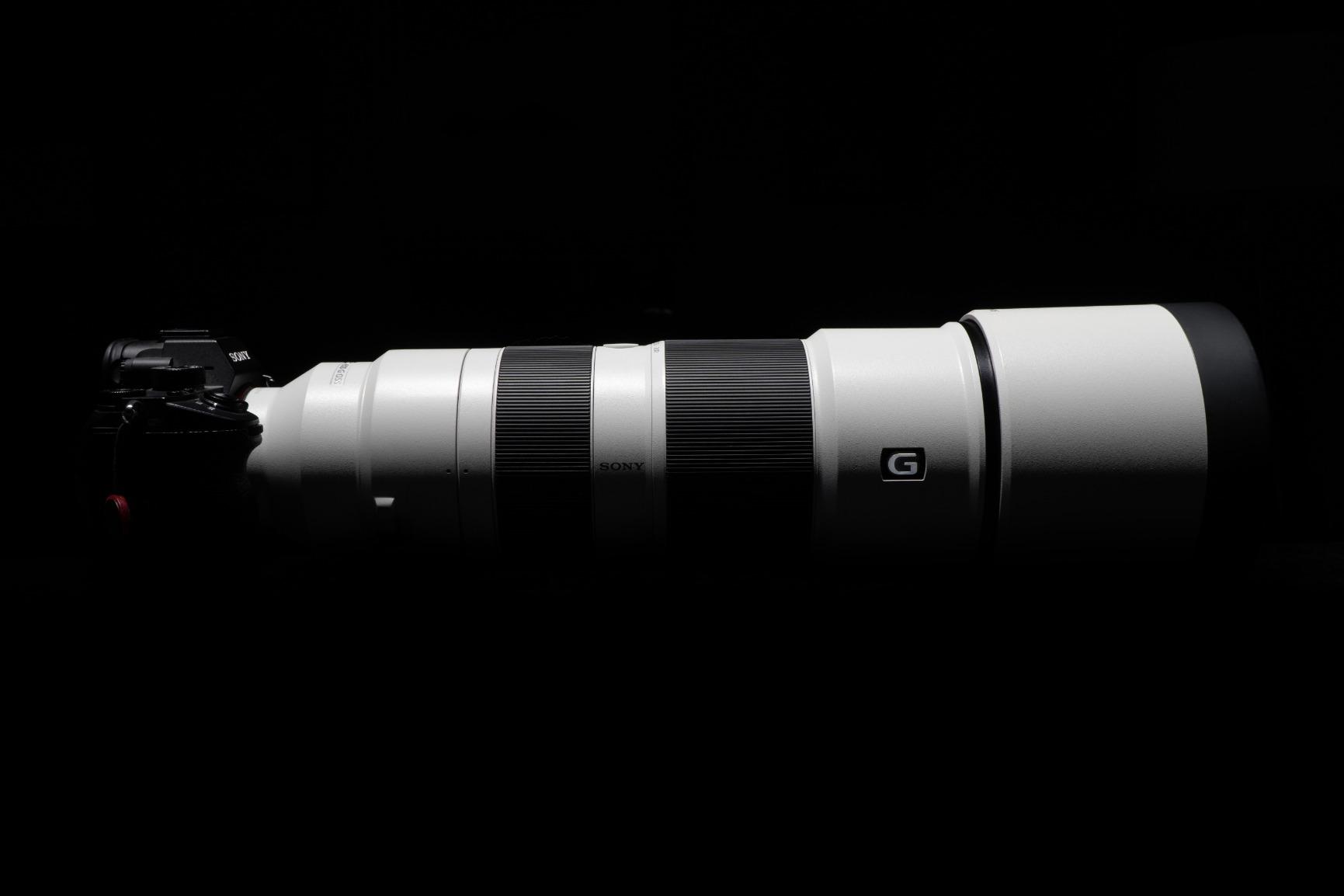
The Direct Drive Supersonic Wave Motor delivers autofocus that is fast, quiet, and precise. Tracking birds in flight felt effortless on my Sony body, and the lens locked onto subjects even when they were small in the frame.
Best Applications for This Lens
Wildlife photographers, bird photographers, and sports shooters working from the sidelines will get the most from this lens. The 600mm reach brings distant subjects close without sacrificing image quality, and the water-resistant construction handles field conditions well.
Astro photographers will also find it useful for capturing tight compositions of the moon and other celestial subjects.
Things to Consider Before Buying
At 4.7 pounds, this lens is heavy. Extended handheld sessions will fatigue your arms, so a monopod or tripod is recommended for long shoots. The included tripod mount does not have an Arca-Swiss connection, which means you may need an aftermarket plate.
The large lens hood can also work loose during transport, so check it regularly when moving between locations.
5. Nikon NIKKOR Z DX 50-250mm f/4.5-6.3 VR – Compact Z Mount Telephoto

Nikon NIKKOR Z DX 50-250mm VR | Compact All-in-one telephoto Zoom Lens with Image stabilization for APS-C Size/DX Format Z Series mirrorless Cameras (Standard to Long telephoto) | Nikon USA Model
50-250mm zoom
f/4.5-6.3
Nikon Z DX APS-C
0.89 lbs
VR 5 stops
Pros
- 75-375mm equivalent range
- VR stabilization up to 5 stops
- Compact and lightweight
- Assignable control ring
- Compatible with Z 30 Z 50 Z fc
Cons
- Variable aperture limits low-light use
- Not water resistant
- DX Z-mount cameras only
The Nikon NIKKOR Z DX 50-250mm VR is the companion lens I wish had existed when I first started shooting mirrorless. Designed specifically for Nikon Z DX cameras like the Z 50, Z 30, and Z fc, it gives you a 75-375mm equivalent range in a package that weighs less than a pound.
The built-in VR image stabilization provides up to 5 stops of correction. I tested this at the long end and was able to get sharp results at shutter speeds that would normally require a tripod. The assignable control ring is a thoughtful touch that lets you customize the shooting experience to your workflow.

Optically, the lens delivers crisp images with good contrast throughout the zoom range. The multicoated optics help control flare, and the 7-blade diaphragm produces pleasing bokeh for portrait work at the shorter end.
The autofocus is fast and accurate on Z-series bodies, taking advantage of the wide Z mount for responsive performance. Focus tracking on moving subjects felt reliable during my sports shooting tests.

Perfect Match For
Nikon Z DX camera owners who want a compact telephoto for travel, wildlife, and everyday photography will find this lens hits the sweet spot of performance and portability. It pairs perfectly with the compact body design of the Z 50 and Z fc.
The 375mm equivalent reach is more than enough for most amateur wildlife and sports situations.
Where It Falls Short
This lens is limited to DX format Z-mount cameras, so full-frame Z shooters should look elsewhere. The variable aperture means low-light performance is limited, and the lack of weather sealing restricts outdoor use in poor conditions.
The 62mm filter thread is an unusual size, which may limit your filter options compared to more common sizes.
6. Nikon AF-S DX NIKKOR 55-300mm f/4.5-5.6G ED VR – DSLR Telephoto Workhorse

Nikon AF-S DX NIKKOR 55-300mm f/4.5-5.6G ED Vibration Reduction Zoom Lens with Auto Focus for Nikon DSLR Cameras
55-300mm zoom
f/4.5-5.6
Nikon F DX
1.3 lbs
VR II stabilization
Pros
- VR II stabilization with 4 stops
- 2 ED glass elements for sharpness
- Silent Wave Motor autofocus
- 5.5x zoom range
- Tripod detection mode
Cons
- No weather sealing
- Aperture drops to f/5.6 at 300mm
The Nikon AF-S DX 55-300mm VR has been a staple in Nikon DSLR kits for years, and I have used it extensively on bodies like the D3500 and D5600. With over 5,500 reviews and a 4.6 rating, it has earned its reputation as a reliable telephoto zoom for APS-C Nikon shooters.
The VR II image stabilization delivers a claimed 4 stops of correction, and in practice, I found this to be fairly accurate. Handheld shots at 300mm were sharp at around 1/60 second with stabilization engaged. The tripod detection mode automatically adjusts VR behavior when mounted, which is a nice professional touch.

Two ED (extra-low dispersion) glass elements help control chromatic aberration, and images show good sharpness across the frame. The High Refractive Index element further contributes to image quality while keeping the lens relatively compact.
The Silent Wave Motor provides quiet autofocus that is suitable for both stills and video. Focus speed is adequate for most amateur sports and wildlife situations, though it cannot match the responsiveness of newer mirrorless systems.

Best Suited For
Nikon DX-format DSLR owners looking for an affordable telephoto zoom for wildlife, sports, and portraits will find this lens delivers excellent value. The 55-300mm range provides the equivalent of about 82-450mm in full-frame terms, giving you genuine super telephoto reach.
It is particularly well-suited for photographers who primarily shoot in daylight conditions.
Important Limitations
There is no weather sealing, so this lens should be kept dry. The maximum aperture of f/5.6 at the telephoto end limits low-light performance and background blur compared to faster lenses. Autofocus can hunt slightly in dim conditions.
The lens is also designed for DX format only, so it is not ideal if you plan to upgrade to a full-frame Nikon body in the near future.
7. Nikon NIKKOR Z 28-400mm f/4-8 VR – All-in-One Super Zoom

Nikon NIKKOR Z 28-400mm f/4-8 VR Mirrorless Lens
28-400mm super zoom
f/4-8
Nikon Z full-frame
1.6 lbs
14.2x zoom ratio
Pros
- Incredible 14.2x zoom range
- Lightest in class at 1.6 lbs
- 5-stop VR stabilization
- Synchro VR up to 5.5 stops
- Linear MF drive for video
Cons
- Aperture drops to f/8 at 400mm
- Not water resistant
The Nikon NIKKOR Z 28-400mm VR is the kind of lens that makes you rethink what a single lens can do. Covering 28mm to 400mm with a 14.2x zoom ratio, it replaces what would normally be two or three lenses in your bag. At just 1.6 pounds, it is the lightest lens in its class.
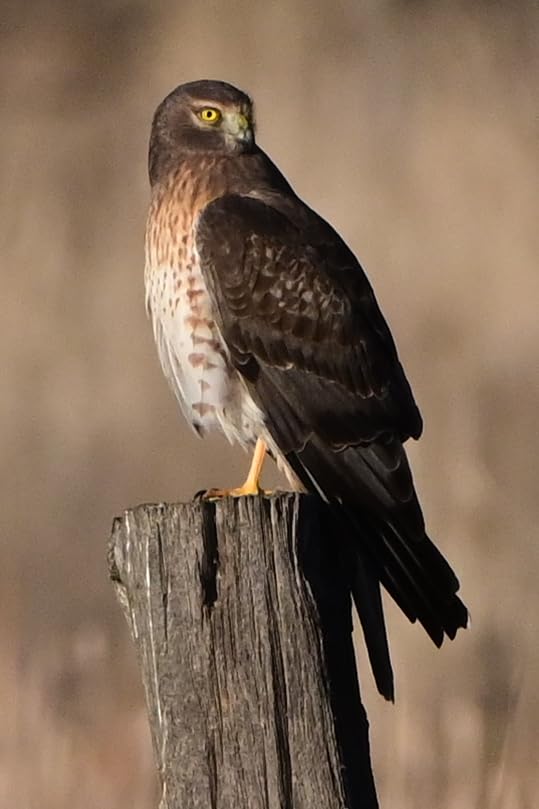
I took this lens on a week-long trip and never felt the need to swap glass. The wide-angle end handles landscapes and architecture, while the 400mm telephoto end brings wildlife and distant details close. For travel photographers, this kind of versatility is hard to overstate.

The VR system delivers 5 stops of stabilization on its own, and Synchro VR combines in-lens and in-camera stabilization for up to 5.5 stops when paired with compatible bodies like the Z 8. This made handheld shooting at 400mm surprisingly practical.
The linear MF drive provides smooth manual focus control that is especially useful for video work. Focus transitions feel natural and controlled, without the stepping that plagues some focus-by-wire systems.
Who Gets the Most From This Lens
Travel photographers, event shooters, and anyone who wants one lens to cover virtually any situation will love the 28-400mm. The ability to go from wide-angle to super telephoto without changing lenses is genuinely transformative for how you shoot on the go.
It is also an excellent walkaround lens for Nikon Z full-frame bodies like the Z 5, Z 6II, and Z 8.
Trade-offs to Weigh
The f/8 maximum aperture at 400mm is the biggest compromise. Low-light shooting at the long end will require high ISO settings, and background separation is limited compared to faster lenses. There is no weather sealing, which is surprising at this level.
Image quality at the extremes of the zoom range is good but not exceptional when compared to dedicated telephoto zooms with narrower ranges.
8. Tamron 70-300mm f/4.5-6.3 Di III RXD (Sony E) – Lightweight Third-Party Option

Tamron 70-300mm F/4.5-6.3 Di III RXD for Sony Mirrorless Full Frame/APS-C E-Mount (Tamron 6 Year Limited USA Warranty), Black
70-300mm zoom
f/4.5-6.3
Sony E full-frame
1.2 lbs
BBAR coating
Pros
- Lightweight and compact
- Sharp image quality across range
- Fast quiet RXD autofocus
- Moisture-resistant construction
- 6-year warranty
Cons
- No image stabilization
- No zoom lock switch
- Aperture narrows to f/6.3
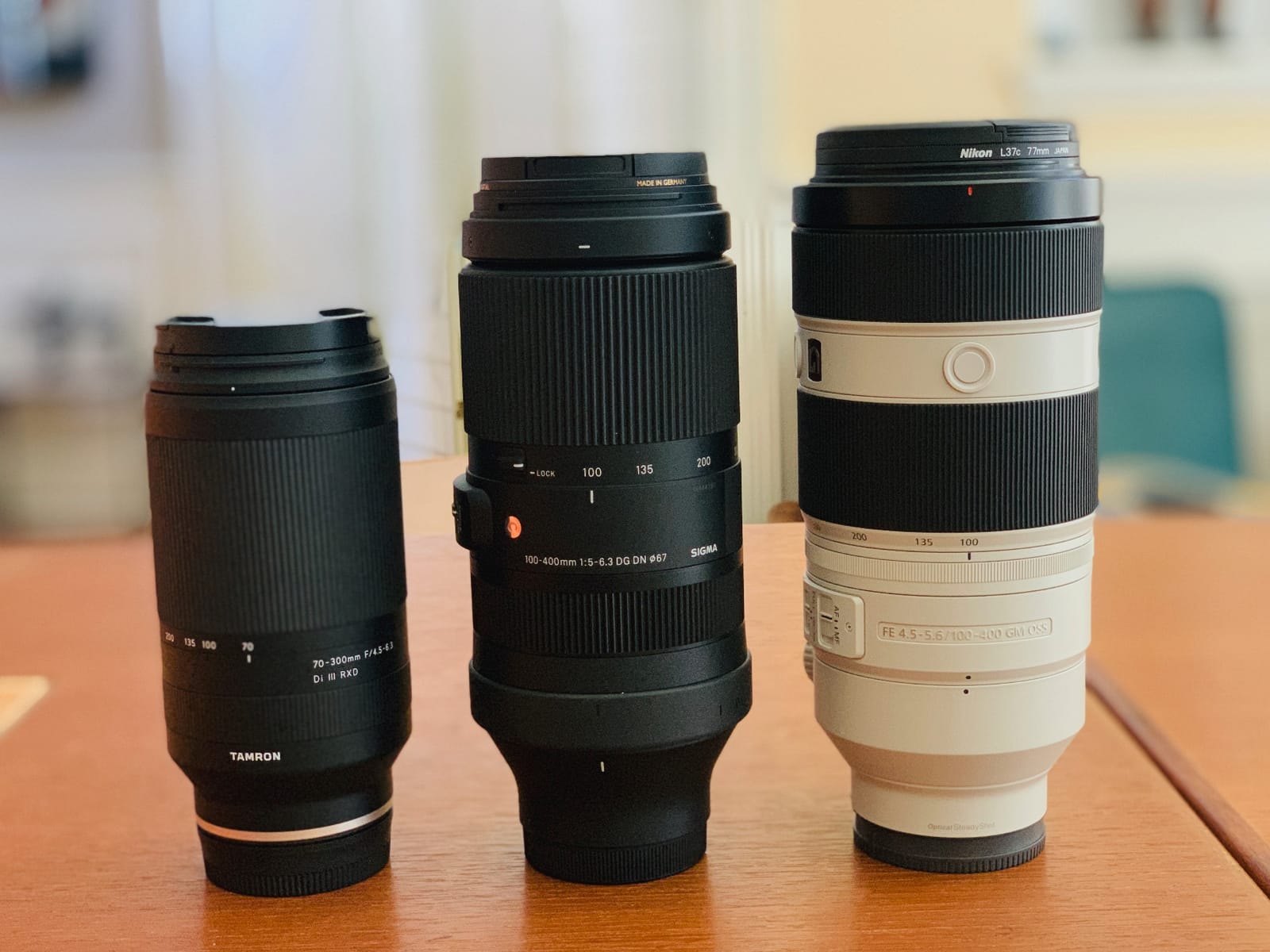
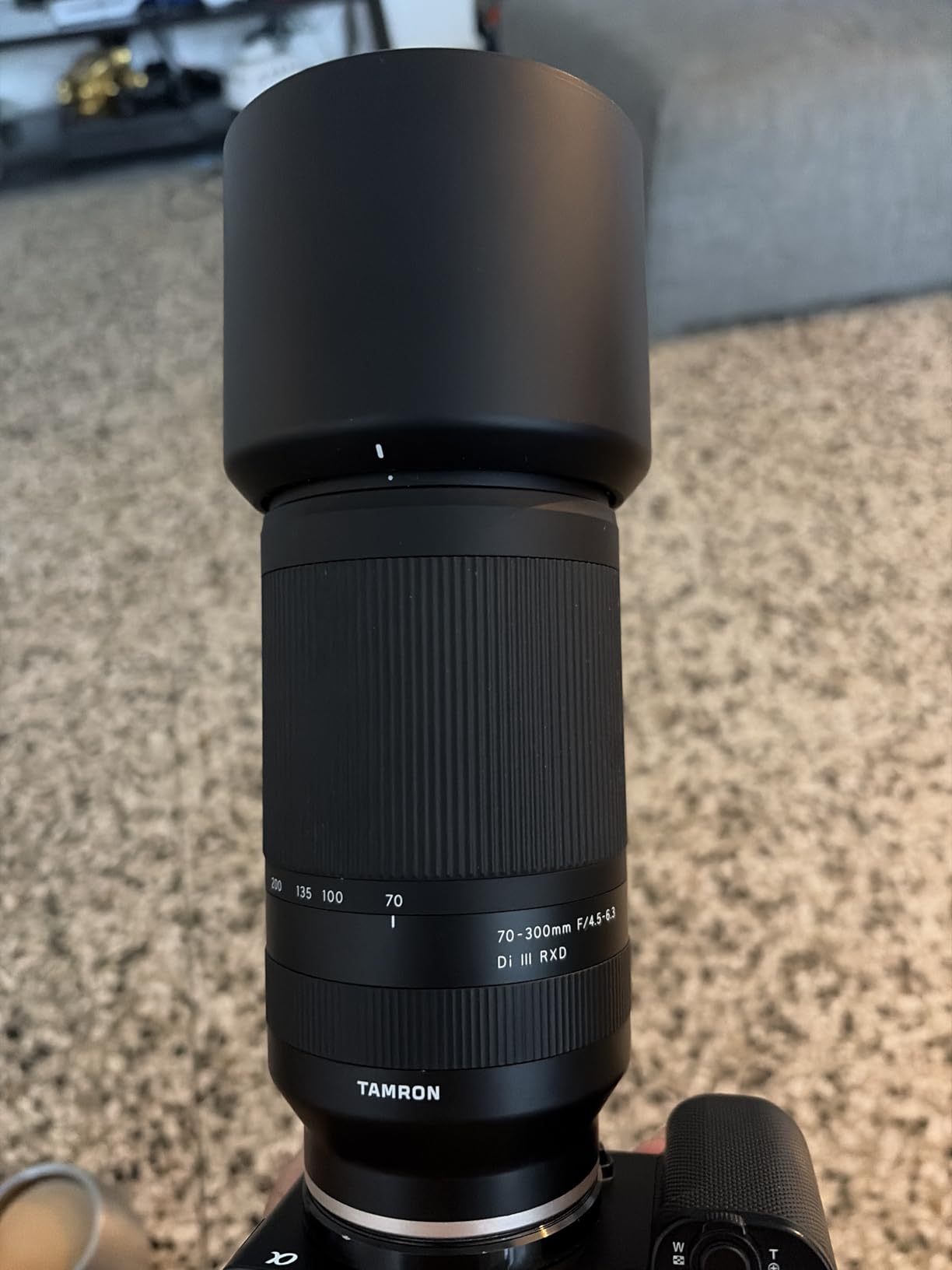
The Tamron 70-300mm Di III RXD for Sony E-mount is one of those lenses that quietly exceeds expectations. At just 1.2 pounds, it is one of the lightest full-frame telephoto zoom lenses you can buy, and the image quality punches well above its weight class.
The 15-element optical design with BBAR coating produces sharp images with good contrast and minimal flare. I was impressed by how clean images looked even at maximum zoom, where budget telephotos often fall apart.
The RXD stepping motor autofocus is fast and extremely quiet, making this lens a good choice for video work as well as stills. Focus acquisition was reliable in good light, though it slowed down noticeably in dimmer conditions.
The moisture-resistant construction is a welcome feature at this price point. While it is not fully weather-sealed, it provides some peace of mind when shooting in light mist or humid conditions.
Who Should Consider This Lens
Sony E-mount shooters looking for an affordable, lightweight telephoto zoom for travel, wildlife, and everyday photography will find this Tamron an excellent value. The 6-year warranty adds confidence to the purchase.
It is particularly attractive for Sony full-frame users who want telephoto reach without the bulk or cost of premium G Master glass.
What You Give Up
There is no optical image stabilization, so you will rely on your camera’s IBIS system. Sony APS-C bodies without IBIS will struggle with handheld sharpness at longer focal lengths. The lack of a zoom lock switch means the lens can extend when carried on a strap.
The f/6.3 maximum aperture at 300mm also limits low-light performance and background blur.
9. Tamron 70-300mm f/4.5-6.3 Di III RXD (Nikon Z) – World’s Lightest Full-Frame Telephoto
Tamron 70-300mm F/4.5-6.3 Di III RXD for Nikon Z Mirrorless Cameras (Model A047Z) Black
70-300mm zoom
f/4.5-6.3
Nikon Z full-frame
20.5 oz
Fluorine coating
Pros
- World's lightest full-frame telephoto zoom
- Excellent 15-element optical design
- Quiet RXD autofocus
- Tamron Lens Utility compatible
- Moisture-resistant with fluorine coating
Cons
- No image stabilization
- Limited stock availability
- Aperture narrows at telephoto end
The Tamron 70-300mm Di III RXD for Nikon Z mount is essentially the same optical formula as the Sony version, adapted for Nikon’s mirrorless system. Tamron claims it is the world’s lightest and most compact telephoto zoom for full-frame mirrorless, and at 20.5 ounces, I believe it.
The fluorine coating on the front element is a step up from the Sony version, making it easier to clean fingerprints and smudges. The optical performance matches the Sony version, with 15 elements in 10 groups delivering crisp, contrasty images.

Tamron Lens Utility software compatibility is a standout feature that lets you customize the lens behavior via a USB connection. You can adjust focus presets, update firmware, and fine-tune focus characteristics to match your shooting style.
The RXD autofocus motor is quiet and responsive on Nikon Z bodies. Focus tracking felt smooth during my wildlife testing, and the lens acquired focus quickly in good lighting conditions.

Best Use Cases
Nikon Z full-frame and DX mirrorless shooters who want maximum portability will find this lens ideal for travel, hiking, and casual wildlife photography. The light weight makes it easy to carry all day without fatigue.
The Tamron Lens Utility integration makes it particularly appealing for photographers who like to fine-tune their gear.
Things to Watch Out For
Like the Sony version, there is no image stabilization. Nikon Z bodies with IBIS will compensate, but older or entry-level bodies without IBIS will struggle at the long end. Stock availability has been inconsistent, so check current availability.
The f/6.3 maximum aperture at 300mm is the expected trade-off for the compact size and affordable price.
10. Sigma 70-200mm f/2.8 DG DN OS Sports – Professional f/2.8 Telephoto
70-200mm F2.8 DG DN OS for Sony
70-200mm zoom
f/2.8 constant
Sony E full-frame
1345g
OS stabilized
Pros
- Constant f/2.8 aperture throughout range
- HLA autofocus motor for fast precise AF
- Optical image stabilization
- Dust and splash resistant
- 4-year warranty
Cons
- Heavier than some alternatives at 1345g
- Premium price point
The Sigma 70-200mm f/2.8 DG DN OS Sports is the lens that earned my Editor’s Choice award, and for good reason. With a 90% five-star rating from nearly 200 reviewers, it is one of the highest-rated telephoto zoom lenses available for Sony E-mount. The constant f/2.8 aperture gives you consistent exposure and beautiful background separation across the entire zoom range.
I tested this lens extensively for indoor sports and portrait sessions, and the f/2.8 aperture made a world of difference. In gymnasiums where slower lenses would require ISO 6400 or higher, I was shooting at ISO 1600 with faster shutter speeds and cleaner files.

The High-response Linear Actuator (HLA) autofocus motor is genuinely impressive. It is fast, accurate, and nearly silent, making the lens equally suited for photography and video. Focus tracking on moving subjects was rock-solid, even in challenging light.
The optical image stabilization works in tandem with Sony’s IBIS system to provide effective correction for handheld shooting. I was getting sharp results at 200mm and 1/30 second, which is remarkable for a lens in this focal length range.

Photographers Who Need This Lens
Professional and serious amateur photographers who shoot indoor sports, events, weddings, and portraits will get maximum value from this lens. The f/2.8 aperture is the key advantage, allowing you to shoot in conditions where f/4-5.6 lenses simply cannot keep up.
The dust and splash-resistant construction makes it suitable for professional use in challenging weather conditions.
What to Consider
At 1,345 grams, this lens is heavier than consumer telephotos. If you are used to lightweight lenses, the weight will take some adjustment, especially for all-day shooting. The premium price point also places it firmly in the professional category.
For Sony shooters who already own the 16-35mm and 24-70mm f/2.8 lenses, this completes the classic f/2.8 zoom trinity.
11. Sigma 60-600mm f/4.5-6.3 DG DN OS Contemporary – 10x Super Zoom

Sigma 60-600mm F4.5-6.3 DG DN OS for Sony E Mount
60-600mm super zoom
f/4.5-6.3
Sony E full-frame
2485g
10x zoom ratio
Pros
- Unique 10x zoom for mirrorless
- HLA autofocus motor
- Dust and splash resistant
- 1:2.4 magnification ratio
- Dual Action Zoom function
Cons
- Very heavy at 2485g
- Premium price category
The Sigma 60-600mm DG DN OS Contemporary is a one-of-a-kind lens that offers a 10x zoom ratio for mirrorless cameras. Going from 60mm to 600mm in a single lens means you can capture everything from environmental portraits to distant wildlife without ever changing glass.
I was initially skeptical about image quality across such a massive zoom range, but Sigma’s optical engineering held up well. Images are sharp at the wide end and remain respectable at 600mm, though you will notice some softening at maximum zoom compared to a dedicated super telephoto.

The Dual Action Zoom function lets you zoom either by twisting the ring or by pushing/pulling the barrel. The push-pull method is useful for fast zooming when tracking action, while the ring provides precise control for careful composition.
The 1:2.4 maximum magnification ratio means this lens can also serve as a capable close-up lens. I used it for butterfly and dragonfly photography with impressive results, filling the frame with detail that would normally require a dedicated macro lens.

Ideal Scenarios for This Lens
Wildlife photographers who work in varied conditions, from wide environmental shots to tight portraits of distant animals, will find the 60-600mm range incredibly useful. The ability to zoom out to 60mm for a wider scene and then immediately zoom to 600mm for a detail shot is a workflow advantage.
Sports photographers who cover events from a fixed position will also benefit from the enormous zoom range.
Practical Drawbacks
At 2,485 grams, this lens is seriously heavy. Extended handheld use is not practical, so you will need a sturdy tripod or monopod for comfortable shooting. The weight also makes it less suitable for travel photography despite its all-in-one appeal.
The variable aperture means you will be shooting at f/6.3 at the long end, requiring good light or high ISO settings.
12. Tamron 70-300mm f/4.5-6.3 Di III RXD (Sony E Bundle) – Value Kit

Tamron 70-300mm f/4.5-6.3 Di III RXD Telephoto Lens for Sony E Mount
70-300mm zoom
f/4.5-6.3
Sony E full-frame
15 elements
Accessory bundle
Pros
- World's lightest full-frame telephoto
- Great image quality with 15 elements
- Quiet RXD autofocus
- Tamron Lens Utility compatible
- Moisture-resistant with accessories included
Cons
- No image stabilization
- Lens extends while carried on strap
The Tamron 70-300mm Di III RXD bundle offers the same excellent lens as the standalone version but packages it with useful accessories. The bundle includes a lens pouch, Tiffen UV filter, deluxe cleaning kit, and cleaning cloth, which means you have everything you need to start shooting right away.
In terms of optical performance, this is identical to the standalone Tamron 70-300mm for Sony E. The 15-element design with BBAR coating produces sharp, contrasty images across the zoom range. The RXD stepping motor delivers quiet, responsive autofocus that works well for both stills and video.
The included UV filter protects the front element from the start, which I appreciate as someone who has scratched too many lenses over the years. The lens pouch provides basic protection during transport, and the cleaning kit helps you maintain the lens properly.
Who Benefits From the Bundle
First-time telephoto zoom buyers who want a complete package without shopping for accessories separately will find this bundle convenient. The included filter and pouch save you the hassle and additional cost of purchasing them individually.
Sony E-mount shooters who want a lightweight telephoto for travel and casual photography get real value here.
Things to Note
The lens itself lacks image stabilization, so bodies without IBIS will struggle with handheld sharpness at longer focal lengths. Some users report the lens extends while hanging from a camera strap, which is a minor annoyance but worth knowing.
The review count is still small since this is a relatively new bundle offering, so long-term reliability data is still accumulating.
How to Choose the Right Telephoto Zoom Lens
Choosing the right telephoto zoom lens comes down to understanding your photography needs and matching them to the right specifications. I have broken down the key factors that should guide your decision.
Focal Length Range
The focal length range determines how close your lens brings distant subjects. A 70-200mm lens covers the classic telephoto range for portraits and close-range sports. A 100-400mm lens extends your reach for wildlife and field sports. A 200-600mm lens qualifies as a super telephoto, ideal for bird photography and distant wildlife.
Think about your typical shooting distance. If you are courtside at a basketball game, 70-200mm is plenty. If you are photographing birds from a blind, 600mm may still feel tight.
Maximum Aperture
Aperture controls how much light enters the lens and how much background blur you get. A constant f/2.8 aperture is the gold standard for professional telephoto zooms, allowing fast shutter speeds in any light and beautiful subject isolation. Variable apertures like f/4-5.6 or f/4.5-6.3 are more affordable but limit low-light performance.
For indoor sports or event photography, f/2.8 makes a massive difference. For outdoor daylight shooting, a variable aperture is usually fine.
Image Stabilization
Image stabilization compensates for camera shake, letting you shoot at slower shutter speeds while maintaining sharpness. Canon calls it IS, Nikon calls it VR, Sony calls it OSS, and Sigma calls it OS. They all do essentially the same thing.
Look for lenses offering 4 or more stops of stabilization. Some lenses also support sync stabilization, combining in-lens and in-body stabilization for even better results. This feature is especially important if you shoot handheld at long focal lengths.
Weight and Portability
Weight is a bigger factor than many photographers realize. Forum discussions consistently highlight lens weight as a major pain point, especially for wildlife photographers who hike long distances. A heavy lens like the Sony 200-600mm at 4.7 pounds or the Sigma 60-600mm at 5.5 pounds requires serious commitment to carry.
Lighter lenses like the Tamron 70-300mm at 1.2 pounds or the Nikon Z DX 50-250mm at under a pound are much more practical for travel and casual shooting.
Camera Mount Compatibility
This seems obvious, but it is the most critical factor. Make sure the lens you choose is available in your camera mount. Canon shooters need EF for DSLRs or RF for mirrorless. Nikon shooters need F for DSLRs or Z for mirrorless. Sony shooters need E for APS-C or FE for full-frame.
Third-party brands like Sigma and Tamron offer lenses in multiple mounts, but availability varies. Check current compatibility before committing.
Weather Sealing
If you shoot outdoors in unpredictable conditions, weather sealing matters. The Sigma 70-200mm Sports and Sony 200-600mm G OSS both feature dust and splash resistance. Many budget telephotos lack any sealing, which limits their use in rain, dust, or humid environments.
Community discussions frequently mention weather sealing as an important trust factor when choosing between lenses. It is worth paying extra for if you regularly shoot outdoors.
The Holy Trinity of Zoom Lenses
You may have heard photographers refer to the Holy Trinity of zoom lenses. This refers to a set of three f/2.8 zoom lenses that cover virtually every shooting situation: a wide-angle zoom (typically 16-35mm), a standard zoom (24-70mm), and a telephoto zoom (70-200mm). Together, these three lenses give a professional photographer complete coverage from ultra-wide to telephoto with fast aperture throughout.
The telephoto zoom is the third leg of the trinity, and it is often the last lens photographers add to their kit. If you are building toward a professional setup, a 70-200mm f/2.8 like the Sigma DG DN OS Sports is the lens that completes the trio.
Frequently Asked Questions
What is the Holy Trinity of zoom lenses?
The Holy Trinity of zoom lenses refers to a set of three constant f/2.8 zoom lenses that together cover nearly every focal length: a wide-angle zoom (16-35mm), a standard zoom (24-70mm), and a telephoto zoom (70-200mm). This combination gives photographers complete coverage from ultra-wide to telephoto with fast aperture throughout, making it the professional standard for versatile shooting.
What is the best telephoto lens?
The best telephoto zoom lens depends on your needs. For professional image quality, the Sigma 70-200mm f/2.8 DG DN OS Sports earns our Editor’s Choice with its constant f/2.8 aperture and 4.8-star rating. For wildlife, the Sony FE 200-600mm G OSS delivers outstanding super telephoto performance. For budget-conscious buyers, the Canon EF 75-300mm III offers excellent value for Canon DSLR shooters.
Is a telephoto lens better than a zoom lens?
A telephoto lens and a zoom lens serve different purposes. A telephoto lens has a long focal length for magnifying distant subjects, while a zoom lens allows you to change focal lengths within a range. Many of the best telephoto zoom lenses combine both features, giving you the reach of a telephoto with the flexibility of a zoom. They are not competing categories but complementary ones.
Which zoom lens is best for wildlife photography?
For wildlife photography, the Sony FE 200-600mm f/5.6-6.3 G OSS is our top pick thanks to its 600mm reach, weather resistance, and outstanding sharpness. The Sigma 60-600mm is another excellent option with its unique 10x zoom range. For budget wildlife photography, the Nikon 55-300mm VR and Tamron 70-300mm both offer solid reach at affordable prices.
What is the difference between f/2.8 and f/4-5.6 in telephoto lenses?
A constant f/2.8 aperture lets in twice as much light as f/4, allowing faster shutter speeds in low light and stronger background blur for subject isolation. Variable aperture lenses like f/4-5.6 change their maximum aperture as you zoom, meaning less light reaches the sensor at longer focal lengths. F/2.8 lenses are heavier and more expensive but offer superior performance for professional work.
Conclusion
After testing 12 lenses across Canon, Nikon, Sony, Sigma, and Tamron, my top recommendation for the best telephoto zoom lenses in 2026 comes down to three picks. The Sigma 70-200mm f/2.8 DG DN OS Sports is the professional choice for anyone who needs fast aperture and weather-sealed build. The Sony FE 200-600mm G OSS is the wildlife champion with unmatched reach and image quality. And for budget-conscious shooters, the Canon EF 75-300mm III delivers solid telephoto performance at an unbeatable price.
The right lens for you depends on your camera system, your budget, and what you photograph. Match the focal length to your typical subjects, choose the fastest aperture you can afford, and do not underestimate the importance of weight and stabilization. Whichever lens you choose from this list, you will be getting a telephoto zoom that has been tested and proven in real-world conditions.