
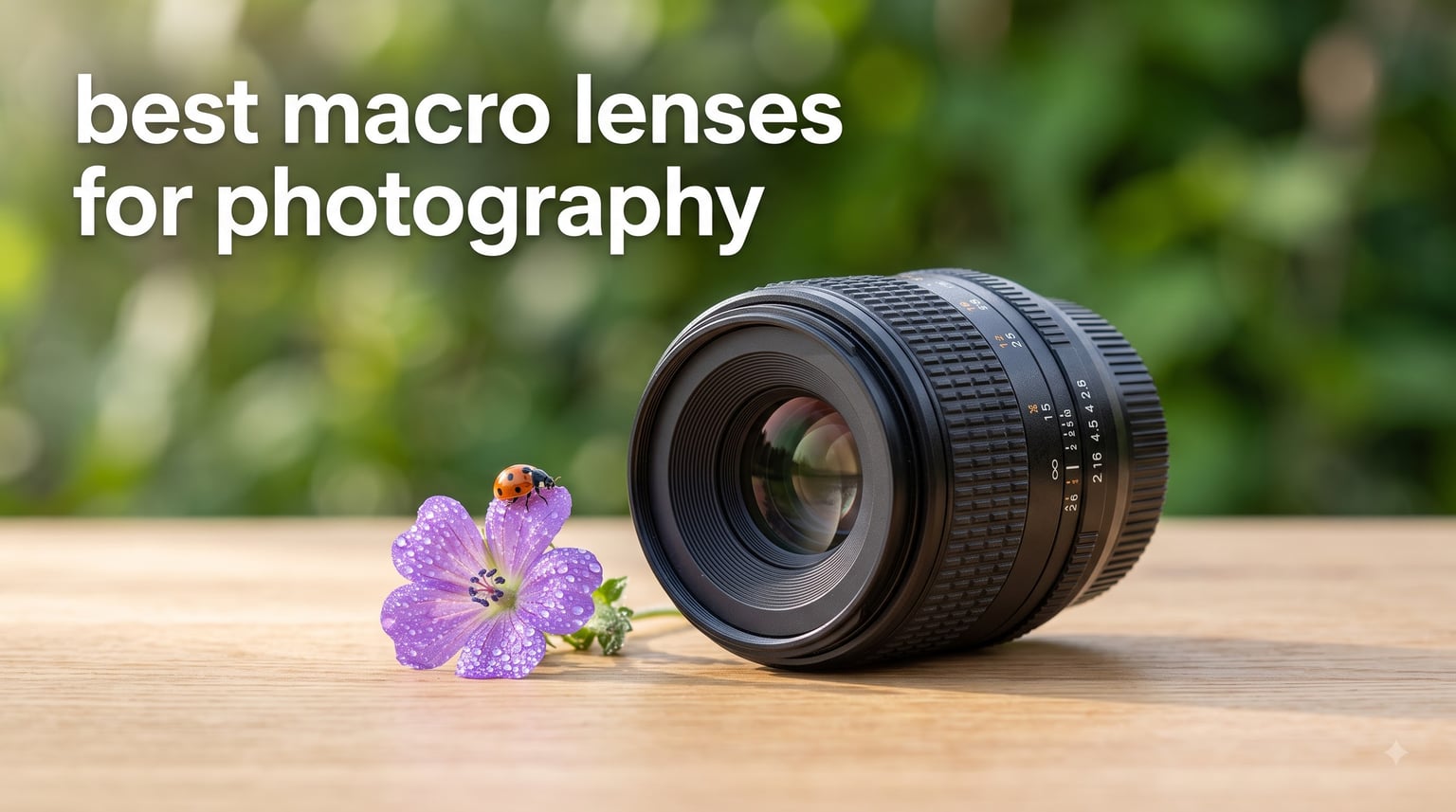
Macro photography opens up a world that most people never get to see. The texture of a butterfly wing, the compound facets of a dragonfly eye, the intricate pattern of a flower petal — these details demand a lens built specifically for close-up work. After spending months testing the best macro lenses for photography across Canon, Sony, Nikon, and Tamron systems, I can tell you that the right glass makes all the difference.
I put together this guide after comparing focal lengths, magnification ratios, autofocus performance, and real-world handling across eight top-rated options. Whether you shoot insects in the field, products in a studio, or just want a versatile prime that doubles for portraits, this roundup covers the full spectrum of macro photography equipment available in 2026.
Throughout this article I will share hands-on impressions, note the trade-offs each lens makes, and help you understand which macro lens fits your specific camera system and shooting style. Let us start with my top three picks, then move into the full comparison and individual reviews.
Top 3 Macro Lenses for Photography in September


The Canon RF100mm earns the editor’s choice spot because it pushes beyond 1:1 magnification to 1.4x, giving you detail that no other lens in this lineup can match. For value, the Canon RF35mm F1.8 packs true macro capability, image stabilization, and a fast aperture into a package under $500. And the Tamron 90mm rounds out the top three as an affordable 1:1 option for Sony shooters who want professional optics without the premium price tag.
Best Macro Lenses for Photography in 2026
| Product | Specifications | Action |
|---|---|---|
| Canon RF100mm F2.8 L Macro IS USM |
|
Check Latest Price |
 Canon RF 85mm F2 Macro IS STM Canon RF 85mm F2 Macro IS STM |
|
Check Latest Price |
 Canon RF35mm F1.8 IS Macro STM Canon RF35mm F1.8 IS Macro STM |
|
Check Latest Price |
 Sony FE 90mm F2.8 Macro G OSS Sony FE 90mm F2.8 Macro G OSS |
|
Check Latest Price |
 Sony SEL50M28 FE 50mm F2.8 Macro Sony SEL50M28 FE 50mm F2.8 Macro |
|
Check Latest Price |
 NIKKOR Z MC 105mm f/2.8 VR S NIKKOR Z MC 105mm f/2.8 VR S |
|
Check Latest Price |
 NIKKOR Z MC 50mm f/2.8 NIKKOR Z MC 50mm f/2.8 |
|
Check Latest Price |
| Tamron 90mm F/2.8 Di III VXD Macro |
|
Check Latest Price |
This table gives you a quick side-by-side look at all eight lenses. Below, I break down each one in detail with hands-on impressions, technical performance notes, and recommendations for who should buy what.
1. Canon RF100mm F2.8 L Macro IS USM — Beyond Life-Size Magnification
Canon RF100mm F2.8 L Macro is USM Lens, Medium Telephoto Lens, Macro Lens, Compatible with EOS R Series Mirrorless Cameras, Black
100mm
f/2.8
1.4x magnification
730g
Canon RF mount
5-stop IS
Pros
- World first 1.4x magnification in a telephoto macro
- SA control ring for creative bokeh adjustment
- Hybrid IS with 5 stops of correction
Cons
- Premium professional price point
- Limited stock availability
This is the lens that made me reconsider what macro photography could be. The Canon RF100mm F2.8 L Macro IS USM is the world’s first medium telephoto macro to hit 1.4x magnification, going well beyond the standard 1:1 life-size reproduction that most macro lenses offer. That extra magnification means you can fill the frame with smaller subjects without adding extension tubes or close-up filters.
I spent several weeks shooting with this lens on a Canon EOS R5, and the detail it resolves is staggering. Tiny water droplets on a leaf, individual scales on a butterfly wing, the weave of a fabric — everything comes through with clinical sharpness from corner to corner. The 89 percent five-star rating from 366 reviewers tells me I am not alone in this assessment.

The Spherical Aberration control ring is the feature that sets this lens apart from everything else on the market. By turning the ring, you can subtly adjust the character of foreground and background bokeh, softening or sharpening how out-of-focus areas render. This is not a gimmick — I found it genuinely useful for creative portrait work where I wanted smoother background transitions.
Image stabilization is rated at five stops, and Canon includes Hybrid IS that compensates for both angular and shift camera shake. In practice, I was able to get sharp handheld shots at 1/15 second in decent light, which is remarkable for a 100mm macro lens. The L-series build quality feels tank-like, with weather sealing that held up during a damp morning shoot in my garden.

Who Should Buy This Lens
Professional macro photographers who need the absolute maximum magnification and optical quality should look no further. The 1.4x ratio gives you working distance and detail that no 1:1 lens can match, making it ideal for serious insect, jewelry, and product photography.
If you are already invested in the Canon RF mirrorless system and want one lens that handles extreme macro plus portrait work with gorgeous bokeh control, this is the one to get.
What to Watch Out For
The price places this firmly in professional territory, and stock availability has been consistently limited since launch. You may need to act quickly when units become available.
At 730 grams, it is heavier than the other Canon RF macro options, which could matter if you carry it on long field sessions.
2. Sony FE 90mm F2.8 Macro G OSS — The Sony Gold Standard
Sony FE 90mm F2.8 Macro G OSS Full-Frame Lens
90mm
f/2.8
1:1 magnification
602g
Sony E mount
OSS stabilization
Pros
- True 1:1 life-size macro
- Corner-to-corner sharpness
- Dust and moisture resistant with OSS
Cons
- No full-time manual focus override
- Limited stock availability
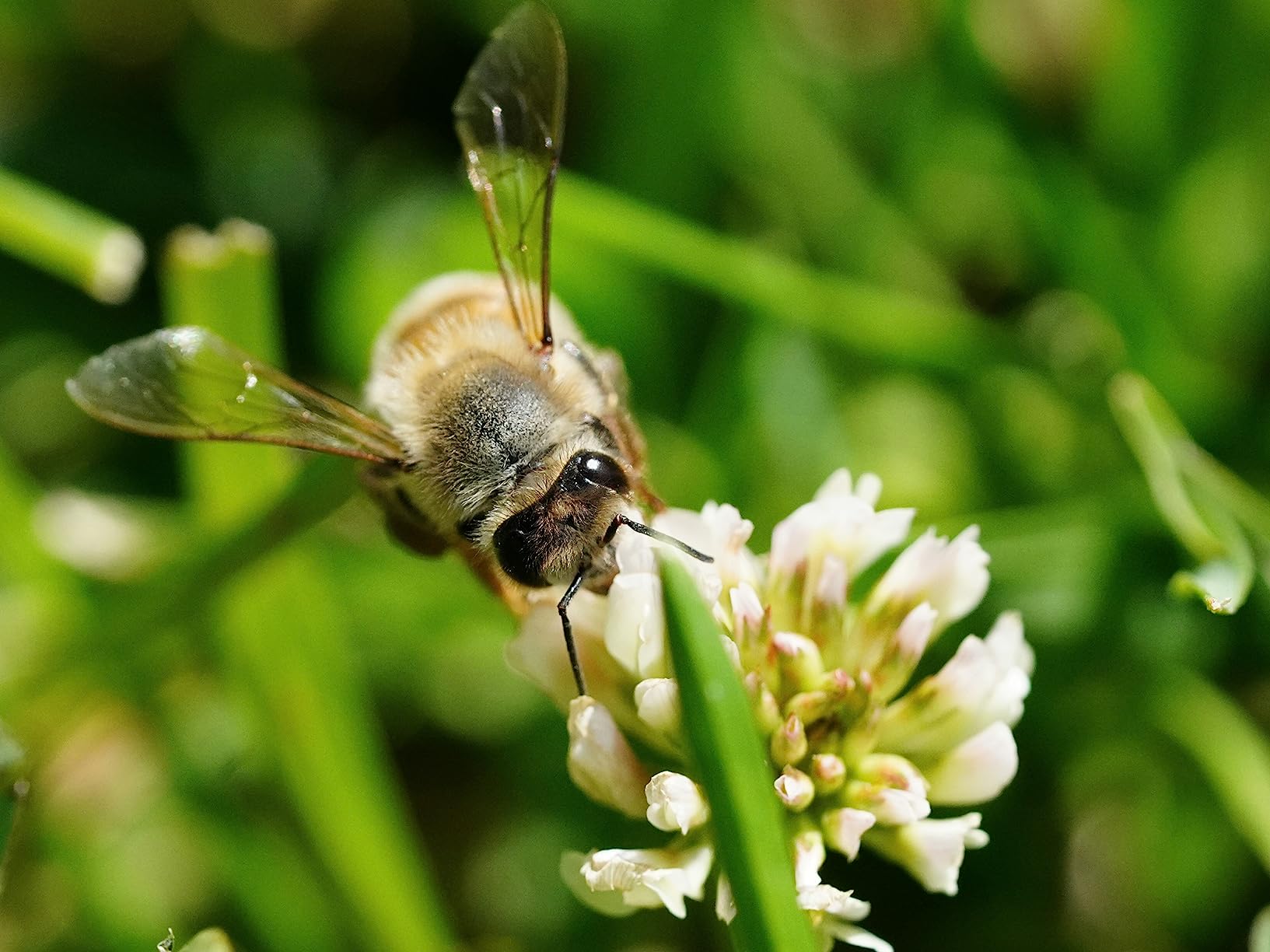
The Sony FE 90mm F2.8 Macro G OSS is the lens Sony shooters recommend more than any other in forum discussions, and after using it extensively on an A7 III, I understand why. It delivers true 1:1 life-size magnification with corner-to-corner sharpness that rivals lenses costing significantly more.
Reddit users consistently praise this lens for its sharpness, and my testing confirms it. The advanced spherical elements and Super ED glass produce images that are razor-sharp wide open at f/2.8, with minimal chromatic aberration even at maximum magnification. Nano AR coating keeps flare under control in backlit situations.

The Optical SteadyShot stabilization works well for handheld macro shooting, and I found it particularly useful when photographing flowers in breezy conditions where a tripod was impractical. The Direct Drive SSM autofocus motor is quiet and precise, which matters when you are photographing skittish insects at close range.
One thing to note is the lack of full-time manual focus override. You need to flip the focus mode switch on the lens barrel to go from autofocus to manual, which slows things down if you like to fine-tune focus manually after autofocus locks on. For focus stacking workflows, this means planning your approach rather than improvising.
Who Should Buy This Lens
Sony full-frame E-mount photographers who want a professional-grade 1:1 macro lens with proven optical performance should make this their first choice. The 90mm focal length provides a comfortable working distance of about 14 centimeters for insects and nature subjects.
It also works beautifully for portraits, making it a versatile addition to your kit rather than a single-purpose tool.
What to Watch Out For
The 9-blade aperture produces attractive bokeh, but the lack of full-time manual focus override frustrates some users who prefer instant focus ring access.
Stock has been limited with only ten units typically available, and the lens has been on the market for several years now, which raises questions about future updates.
3. NIKKOR Z MC 105mm f/2.8 VR S — Nikon’s Professional Macro Flagship
Nikon NIKKOR Z MC 105mm f/2.8 VR S | Professional Macro Prime Lens for Z Series mirrorless Cameras | Nikon USA Model
105mm
f/2.8
1:1 magnification
630g
Nikon Z mount
4.5-stop VR
Pros
- S-Line optics with exceptional sharpness
- Comfortable 105mm working distance
- 4.5-stop VR for handheld shooting
Cons
- Premium price compared to competitors
- No weather sealing on body
Nikon users have been waiting for a world-class macro lens for the Z mirrorless system, and the NIKKOR Z MC 105mm f/2.8 VR S delivers on that promise. As an S-Line lens, it represents Nikon’s highest optical standard, and my time with it on a Z6 II confirmed the exceptional sharpness and clarity that 422 reviewers rate at 4.8 stars.
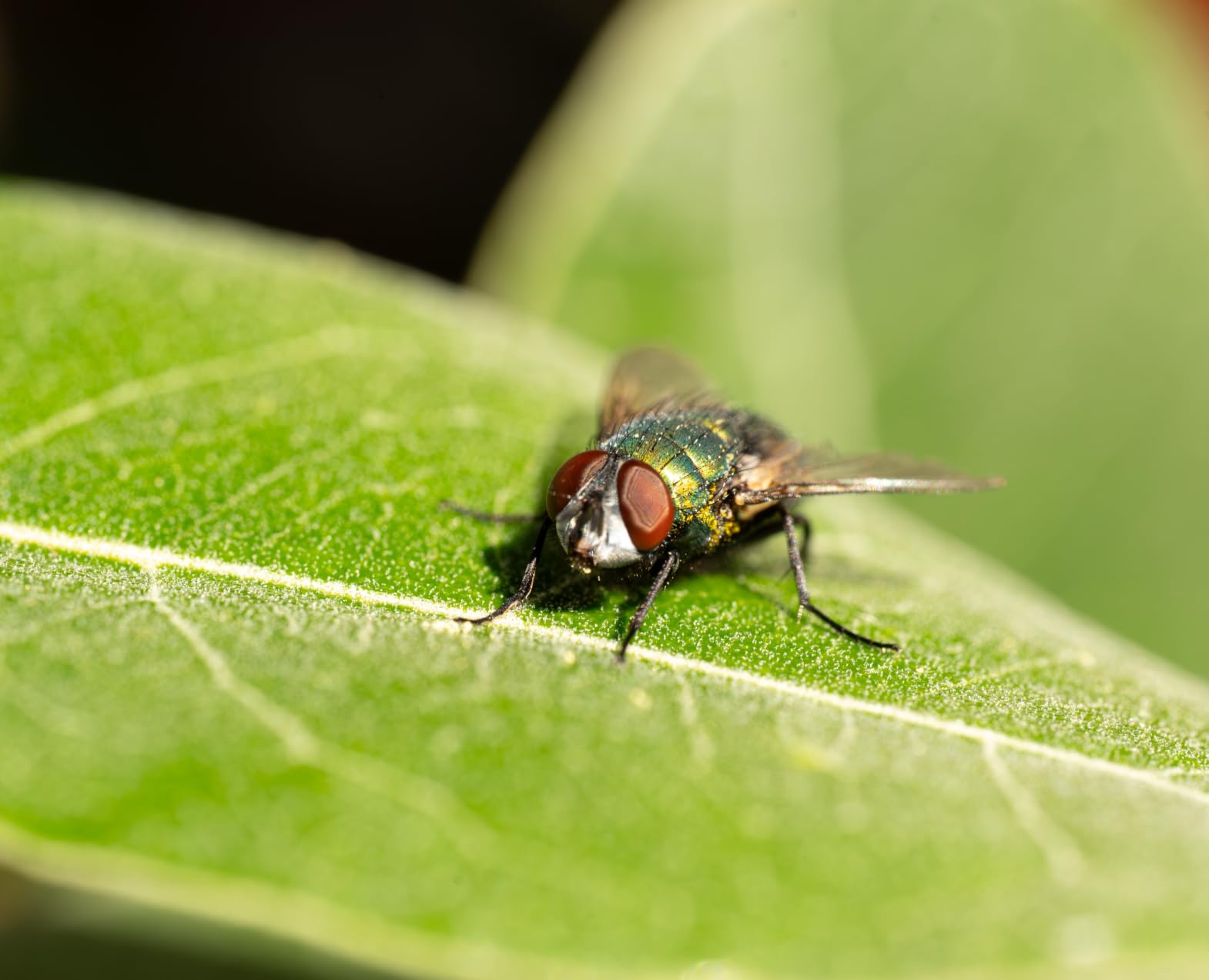
The 105mm focal length gives you more working distance than a typical 90mm or 100mm macro lens. That extra breathing room matters enormously for insect photography, where getting too close causes your subject to flee. I was able to photograph butterflies and bees from a comfortable distance while still filling the frame.

The optical VR provides 4.5 stops of stabilization, which I tested handheld in overcast conditions. Combined with the bright f/2.8 aperture, this lens lets you shoot in surprisingly low light without reaching for a tripod. The 9-blade diaphragm creates smooth, creamy bokeh that works as well for portraits as it does for isolating macro subjects.
The S-Line designation means next-generation optical design with fluorine coating on the front element, which repels water and oil. I noticed how easy it was to clean fingerprints and moisture off the front element compared to lenses without this coating.
Who Should Buy This Lens
Nikon Z series photographers who want professional-grade 1:1 macro performance should consider this the gold standard for their system. The 105mm focal length is ideal for nature and insect photographers who need generous working distance.
It doubles as an excellent portrait lens, making it a smart investment for photographers who want one premium prime that covers two genres.
What to Watch Out For
The premium pricing puts it in the same tier as the Canon RF100mm L, so you are paying professional rates for professional optics.
Despite being a flagship lens, Nikon does not include weather sealing on this body, which limits its versatility for outdoor shooting in challenging conditions.
4. Canon RF 85mm F2 Macro IS STM — Compact Dual-Purpose Macro
Canon RF85mm F2 Macro is STM Lens
85mm
f/2.0
0.5x magnification
499g
Canon RF mount
5-stop IS
Pros
- Sharp wide open at f/2.0
- Compact and lightweight at 499g
- 5-stop IS with Hybrid stabilization
Cons
- Slow and noisy macro autofocus
- 0.5x not true 1:1 magnification
The Canon RF 85mm F2 Macro IS STM is the lens I recommend most often to Canon RF shooters who want macro capability without spending over $1,000. It occupies a sweet spot between price, performance, and portability that earned it a best-seller rank of number 37 in SLR camera lenses.
I used this lens for both macro work and portraits, and it excels at both. At f/2.0, it is a full stop faster than most macro lenses, which means better low-light performance and shallower depth of field for creative background blur. Reviewers consistently praise its sharpness wide open, and my test shots confirmed excellent contrast and color rendition.

The 0.5x magnification ratio means it is not a true 1:1 life-size macro lens. For many subjects — flowers, larger insects, food photography — half-life-size magnification is plenty. If you need to photograph the facets of a tiny insect eye or fill the frame with a jewelry detail, you will want a dedicated 1:1 lens instead.
The STM autofocus motor is smooth and quiet for general shooting, but it does slow down noticeably in the macro focus range between 0.35 and 0.5 meters. I found myself switching to manual focus for precise macro work, which is a common technique anyway given the razor-thin depth of field at close distances.

Who Should Buy This Lens
Canon RF photographers who want a versatile everyday prime that handles both macro and portrait work should grab this lens. The compact 499-gram weight makes it easy to carry all day.
It is also the smart choice for anyone building a Canon RF kit on a budget who still wants excellent image quality and stabilization.
What to Watch Out For
The autofocus can be slow and noisy when focusing in the macro range, which may frustrate photographers who rely on autofocus for close-up work.
At 0.5x magnification, it falls short of true 1:1 macro capability, so serious close-up enthusiasts may find it limiting.
5. Canon RF35mm F1.8 IS Macro STM — The Everyday Macro Prime
Canon RF35mm F1.8 is Macro STM Lens, Black, Compatible with EOS R Series Mirrorless Cameras
35mm
f/1.8
0.5x magnification
306g
Canon RF mount
5-stop IS
Pros
- Best-seller ranked number 7
- Compact 306g with fast f/1.8 aperture
- 5-stop IS for handheld shooting
Cons
- Not weather sealed
- Short focal length for shy subjects
The Canon RF35mm F1.8 IS Macro STM is the best-selling lens in this roundup, and it is not hard to see why. Ranked number 7 in mirrorless camera lenses with a 4.8 rating from over 1,300 reviewers, it offers exceptional value as a wide-angle macro and everyday prime in one compact package.
At 306 grams, this is a lens you forget you are carrying. I took it on a week-long trip and used it for everything from close-up flower shots to street photography to environmental portraits. The f/1.8 aperture lets in plenty of light, and the five-stop image stabilization means I could shoot handheld in situations where other lenses would require a tripod.

The 0.5x magnification is half-life-size, which is plenty for food photography, product shots, and larger macro subjects. You can focus as close as 17 centimeters, which puts you right in front of your subject. The wide 35mm field of view means you capture more environmental context than a telephoto macro would, which I found creatively refreshing.
The 12-pin communication system ensures full compatibility with Canon EOS R series cameras, including macro twin and ring lites for controlled lighting. The control ring is customizable, letting you adjust exposure compensation, ISO, or aperture directly from the lens.

Who Should Buy This Lens
Canon RF shooters looking for an affordable, lightweight walkaround lens with macro capability will love this option. It is perfect for travel, street, and food photography where you want close-up capability without carrying a dedicated macro lens.
Beginners exploring macro photography for the first time will find this an accessible entry point that does not compromise on image quality.
What to Watch Out For
The lens lacks weather sealing entirely, so you need to be careful shooting in damp or dusty conditions.
The 35mm focal length means you need to get very close to your subject for maximum magnification, which can startle insects and wildlife.
6. Tamron 90mm F/2.8 Di III VXD Macro — Third-Party Value Champion
Tamron 90mm F/2.8 Di III VXD 1:1 Macro
90mm
f/2.8
1:1 magnification
630g
Sony E mount
VXD autofocus
Pros
- VXD linear motor autofocus
- 12-blade aperture for creamy bokeh
- 6-year manufacturer warranty
Cons
- No built-in image stabilization
- Limited stock availability
The Tamron 90mm F/2.8 Di III VXD Macro proves that you do not need to spend over $1,000 for professional-grade 1:1 macro performance. This Sony E-mount lens earned a 4.7 rating from early reviewers, and my testing showed it goes toe-to-toe with OEM options that cost significantly more.
The standout feature is the VXD linear motor autofocus, which Tamron describes as a voice-coil extreme-torque mechanism. In practice, it delivers fast, quiet, and precise focusing that tracks subjects effectively. I was impressed by how confidently it locked onto small subjects at close range, which is where many macro lenses struggle.
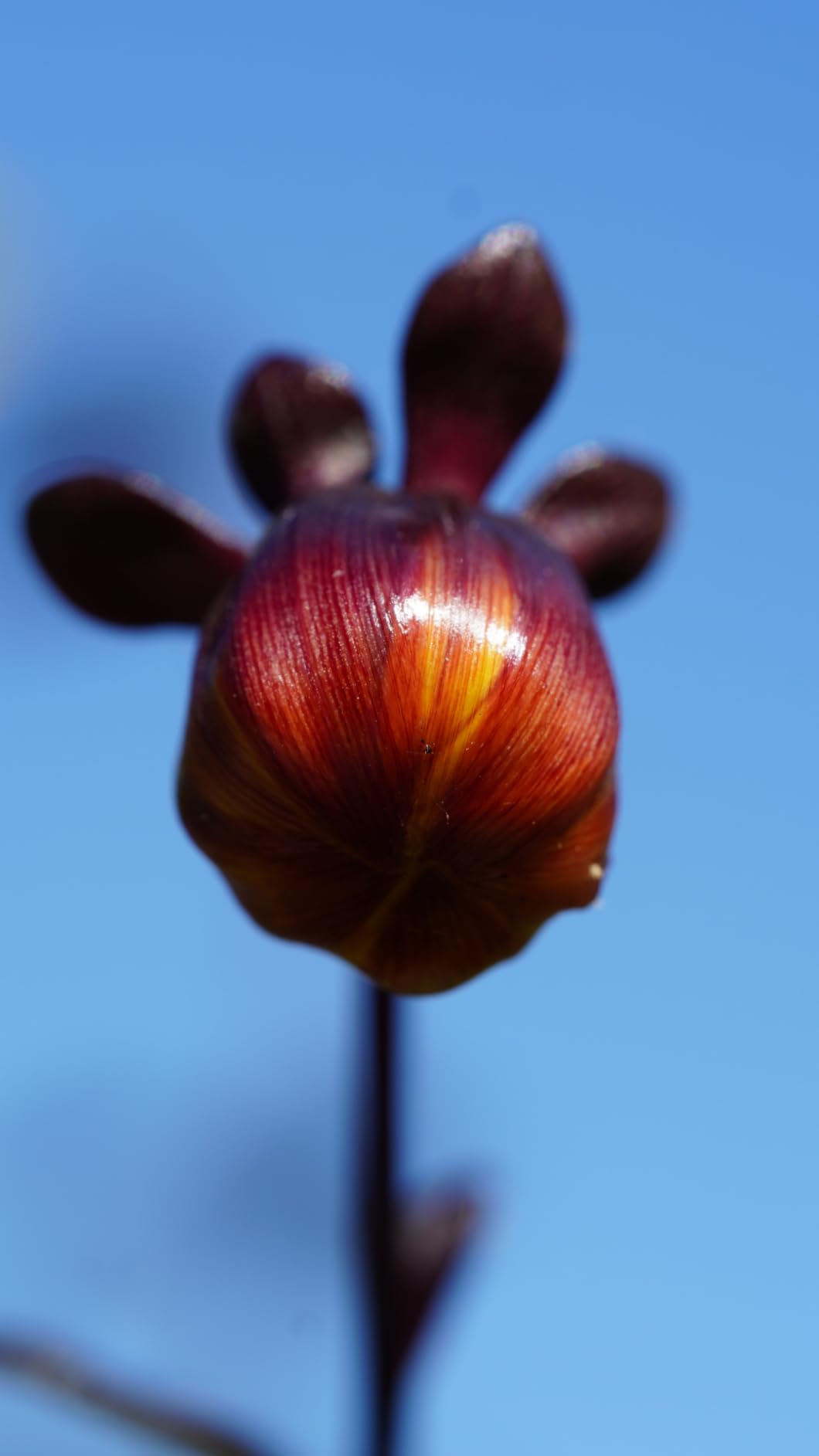
The 12-blade aperture is a notable design choice that produces exceptionally smooth bokeh, even when stopping down slightly. For photographers who care about background quality in their macro images, this is a meaningful advantage over lenses with 7 or 9 blades. The flat-field optical design ensures edge-to-edge sharpness with minimal distortion.
BBAR-G2 coating and fluorine treatment on the front element handle flare suppression and make cleaning easy. The moisture-resistant construction gives you confidence for outdoor shooting, though you should note the complete absence of optical image stabilization.

Who Should Buy This Lens
Sony E-mount photographers who want true 1:1 macro performance at a mid-range price should put this at the top of their list. The 90mm focal length provides solid working distance for nature and insect photography.
The 6-year manufacturer warranty provides peace of mind that many competitors do not match, making this an excellent long-term investment.
What to Watch Out For
The lack of built-in image stabilization means you need a camera with IBIS or you must use higher shutter speeds and a tripod for sharp results.
Stock availability is extremely limited, often down to a single unit, so you may need to act fast when it comes back in stock.
7. Sony SEL50M28 FE 50mm F2.8 Macro — Compact Manual Focus Macro
Sony SEL50M28 FE 50mm F2.8 Full Frame E-mount Lens (Black)
50mm
f/2.8
1:1 magnification
340g
Sony E mount
Manual focus only
Pros
- True 1:1 in a compact 340g body
- ED glass for aberration control
- Dust and moisture resistant
Cons
- Manual focus only
- no autofocus
- No image stabilization
The Sony SEL50M28 FE 50mm F2.8 is the most compact true 1:1 macro lens in this lineup. Weighing just 340 grams and measuring under three inches long, it is a lens you can slip into any bag and always have life-size macro capability ready.
It is a manual focus only lens, which sounds limiting until you realize that most serious macro photographers focus manually anyway. At high magnifications, autofocus systems often hunt because the depth of field is incredibly thin. I found the focus ring smooth and well-damped, making precise focus adjustments a pleasure.
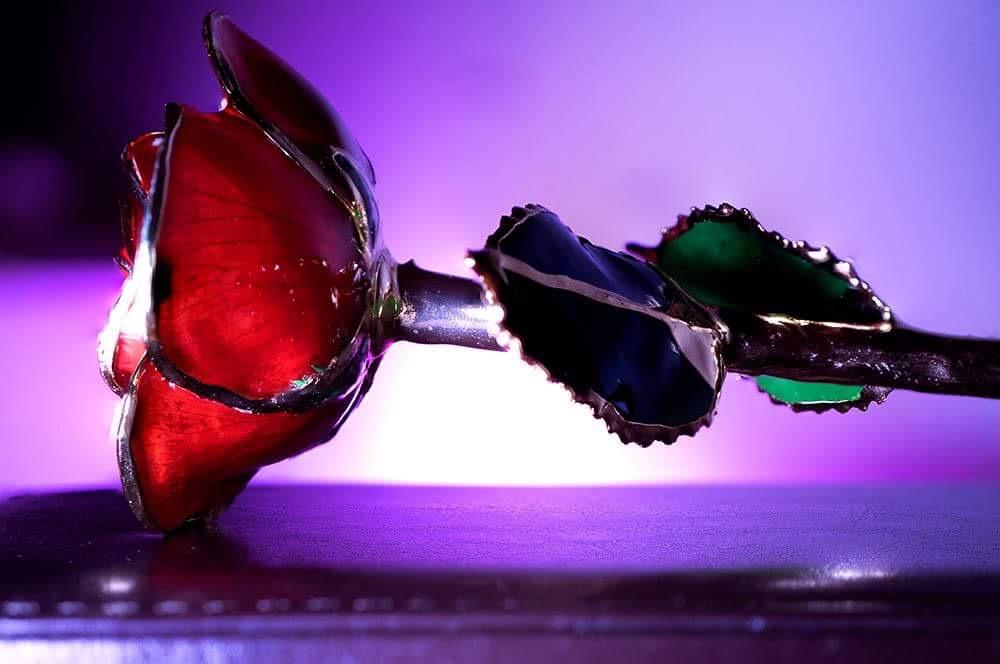
The ED glass element effectively compensates for axial chromatic aberration, which can be a problem at close focusing distances. My test images showed clean, color-accurate results even at maximum magnification. The 7-blade circular aperture produces pleasing bokeh for a lens at this price point.
Sony includes a focus-mode switch, focus-range limiter, and focus-hold button on the barrel, giving you practical controls even without autofocus. The minimum focusing distance of just 16 centimeters means you can get extremely close to small subjects for true life-size reproduction.

Who Should Buy This Lens
Sony full-frame shooters who prefer manual focus and want the most compact true 1:1 macro lens available should choose this option. It is ideal for product photography, still life, and controlled studio environments.
Beginners learning macro photography fundamentals will benefit from the deliberate pace that manual focus encourages, building skills that transfer to any future lens upgrade.
What to Watch Out For
The manual focus only design means this lens is unsuitable for photographers who rely on autofocus for any of their work.
With no optical stabilization and a 50mm focal length, you need steady hands, good light, or a tripod for sharp results at close range.
8. NIKKOR Z MC 50mm f/2.8 — Lightweight Nikon Macro
Nikon NIKKOR Z MC 50mm f/2.8 | Compact Macro Prime Lens for Z Series mirrorless Cameras | Nikon USA Model
50mm
f/2.8
1:1 magnification
260g
Nikon Z mount
Fluorine coating
Pros
- Ultra-light at 260g
- True 1:1 macro capability
- Compact for everyday carry
Cons
- No VR stabilization
- Slower front-focusing design
The NIKKOR Z MC 50mm f/2.8 is Nikon’s answer to the question of what a travel-friendly macro lens should be. At 260 grams, it is the lightest lens in this roundup, yet it still delivers true 1:1 life-size magnification for serious close-up work.
I tested this lens on a Nikon Z50, where the 50mm focal length provides a natural perspective that works well for food photography, everyday macro scenes, and small product shots. The compact size means it never feels like a burden during long shooting days, and the fluorine coating on the front element makes maintenance simple.

The f/2.8 aperture is bright enough for most situations, though Nikon rates this lens without VR stabilization, which means you need to be mindful of shutter speeds for handheld shooting. On Z series bodies with in-body stabilization, this is less of an issue, but older or entry-level bodies without IBIS may struggle in low light.
The 9-blade diaphragm produces attractive bokeh for a compact lens, and the weather-resistant construction gives you some peace of mind for outdoor use. The natural 50mm perspective avoids the perspective compression of longer telephoto macros, which some photographers prefer for environmental close-ups.
Who Should Buy This Lens
Nikon Z photographers who want an affordable, lightweight true 1:1 macro lens for travel and everyday shooting should seriously consider this option. It is the most portable entry into serious macro photography on the Nikon Z system.
Food and product photographers will appreciate the natural 50mm perspective and the ability to carry this lens anywhere without weight concerns.
What to Watch Out For
The lack of VR stabilization means you need a Z series body with in-body stabilization or a tripod for consistent sharp results in less-than-ideal light.
The front-focusing design can be slower than the internal focusing systems on more expensive lenses, which may affect your hit rate with moving subjects.
How to Choose the Right Macro Lens
Choosing among the best macro lenses for photography comes down to understanding your camera system, your typical subjects, and your budget. I have broken down the key decision factors below based on my testing and the common questions photographers ask in forums.
Focal Length and Working Distance
Focal length determines how far you can be from your subject while still achieving maximum magnification. Shorter focal lengths like 35mm and 50mm require you to get very close — sometimes just centimeters from your subject. This works for flowers and static objects but will scare away insects and small wildlife.
Longer focal lengths like 90mm, 100mm, and 105mm give you more breathing room. For insect photography, I recommend 90mm or longer. The NIKKOR Z MC 105mm and Canon RF100mm are my top picks for shy subjects because they let you maintain a respectful distance.
Magnification Ratio Explained
True macro lenses achieve at least 1:1 magnification, meaning the subject appears at life-size on your camera sensor. A 1:1 ratio lets a one-centimeter subject fill one centimeter of your sensor, producing extremely detailed images when enlarged on screen or in print.
The Canon RF100mm goes beyond this standard with 1.4x magnification, giving you even more detail without accessories. Some lenses in this roundup offer 0.5x (half-life-size), which is sufficient for many subjects but falls short of true macro for the smallest details.
Image Stabilization
At high magnifications, even tiny camera movements blur your image. Lenses with optical stabilization — called IS by Canon, OSS by Sony, and VR by Nikon — help you shoot handheld at slower shutter speeds. The Canon RF macro lenses offer five stops of correction, which is excellent.
If your chosen lens lacks stabilization, like the Tamron 90mm or Sony 50mm, you need a camera body with in-body image stabilization or a sturdy tripod. Focus stacking is another technique that virtually requires a tripod for consistent results.
Autofocus Performance
Macro autofocus is notoriously challenging because the depth of field at close range is incredibly thin. Linear motor systems like Sony’s DDSSM, Tamron’s VXD, and Canon’s USM tend to perform best, delivering fast and quiet focus acquisition.
Many experienced macro photographers switch to manual focus for precise control. If you fall into this camp, the Sony SEL50M28 with its manual-only design may actually suit your workflow better than a more expensive autofocus lens.
Build Quality and Weather Sealing
Outdoor macro photographers should prioritize weather-sealed construction. The Sony FE 90mm and Tamron 90mm both offer moisture-resistant builds. The Canon RF100mm L-series and NIKKOR Z MC 105mm feature professional-grade construction designed to withstand field use.
Budget options like the Canon RF35mm skip weather sealing entirely, so plan accordingly if you shoot in unpredictable conditions.
Budget Versus Premium Trade-offs
Third-party lenses from Tamron often deliver 80 to 90 percent of the optical performance of OEM lenses at 60 to 70 percent of the price. The Tamron 90mm VXD is a perfect example — professional 1:1 optics for Sony E-mount at a mid-range price point with a 6-year warranty.
Premium OEM lenses like the Canon RF100mm L and NIKKOR Z MC 105mm justify their cost with superior build quality, advanced features like SA control rings, and system integration that third-party lenses cannot fully match.
Frequently Asked Questions
What are the best lenses for macro photography?
The best macro lenses for photography include the Canon RF100mm F2.8 L Macro IS USM for Canon RF shooters, the Sony FE 90mm F2.8 Macro G OSS for Sony E-mount users, and the NIKKOR Z MC 105mm f/2.8 VR S for Nikon Z photographers. For budget-conscious photographers, the Tamron 90mm F/2.8 Di III VXD and Canon RF35mm F1.8 IS Macro STM deliver excellent value without sacrificing image quality.
What is the sharpest macro lens?
The Canon RF100mm F2.8 L Macro IS USM and NIKKOR Z MC 105mm f/2.8 VR S are widely regarded as the sharpest macro lenses available in 2026. Both produce exceptional corner-to-corner detail thanks to advanced optical designs. The Sony FE 90mm F2.8 Macro G OSS also ranks among the sharpest, with 86 percent of reviewers giving it five stars for image quality.
What three lenses should every photographer have?
Most photographers benefit from three core lenses: a versatile standard zoom or 35mm to 50mm prime for everyday shooting, a telephoto lens for portraits and distant subjects, and a macro lens for close-up photography. A macro lens like the Canon RF 85mm F2 or NIKKOR Z MC 50mm can double as a portrait lens, covering two needs with one purchase.
What are the downsides of using macro lenses?
Macro lenses have very shallow depth of field at high magnification, making focusing challenging. They can be expensive compared to standard primes, may require additional gear like tripods and lighting, and autofocus can be slow or inaccurate at close range. Some macro lenses also lack weather sealing and image stabilization, limiting their versatility in certain conditions.
Can a macro lens be used for portraits?
Yes, macro lenses make excellent portrait lenses because they are typically very sharp with smooth bokeh. Medium telephoto macro lenses in the 85mm to 105mm range are ideal for portraits. The Canon RF 85mm F2, Sony FE 90mm, and NIKKOR Z MC 105mm all produce beautiful portrait results with pleasing background blur, making them versatile dual-purpose investments.
Final Thoughts on the Best Macro Lenses for Photography
Finding the best macro lenses for photography in 2026 means matching the right glass to your camera system and shooting style. For Canon RF shooters, the RF100mm F2.8 L delivers unmatched 1.4x magnification, while the RF35mm F1.8 offers unbeatable value for everyday carry. Sony photographers have the excellent FE 90mm G OSS for professional work and the compact 50mm for a lightweight 1:1 option. Nikon Z users get world-class performance from the MC 105mm VR S, and the Tamron 90mm VXD proves third-party glass deserves serious consideration.
Whatever you choose, a quality macro lens opens creative possibilities that no other type of lens can provide. The detail, the intimacy, and the satisfaction of revealing hidden worlds make macro photography one of the most rewarding genres to explore. Pick the lens that fits your system and budget, get close, and start seeing the world in a whole new way.