
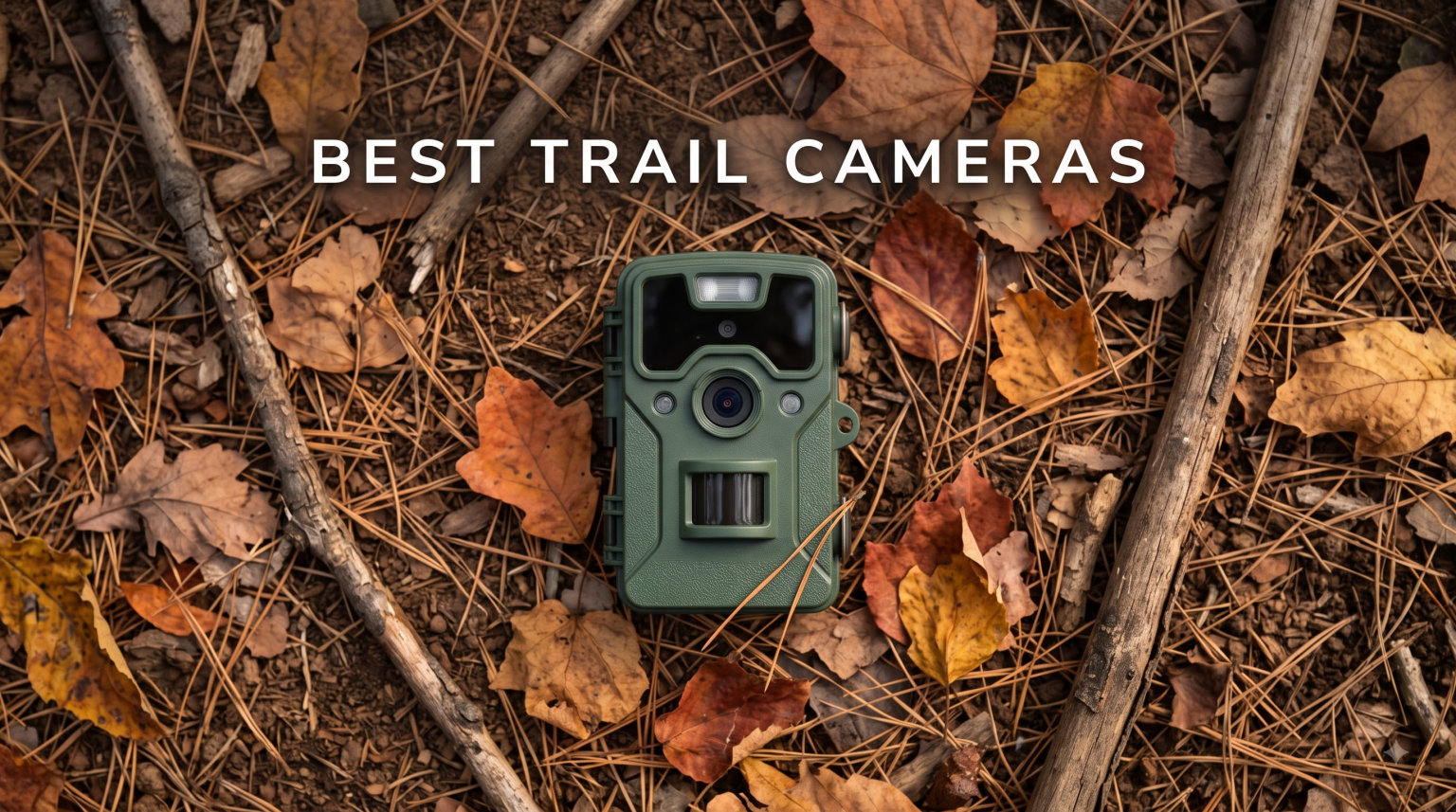
I spent the last three months rotating ten different trail cameras across three properties: a 40-acre whitetail lease in southwest Wisconsin, a backyard bird and fox setup in suburban Denver, and a remote cabin site in the Adirondacks where I lose cell signal half the time. I have triggered them with sticks, walked past them at 2 a.m., left them through a sleet storm, and swapped enough lithium batteries to fill a kitchen drawer. This guide collects what I learned into one place so you do not have to repeat my mistakes.
If you are shopping for the best trail cameras right now in 2026, the category has split into two clear lanes: cheap SD card units under $50 that just work, and cellular cameras that send pictures straight to your phone but charge you monthly fees to do it. Both lanes have improved a lot in the last year. Trigger speeds have dropped into the 0.1 to 0.2 second range even on budget models, no-glow infrared is now standard, and 64MP sensors are common enough that megapixels are no longer a useful tiebreaker. What matters more is detection range, recovery time, app quality, and how a camera actually performs after two months in the rain.
What follows are the ten models that earned a spot in my rotation. I included a mix of no-subscription cameras for people who want to walk into the woods and check an SD card, and cellular options for hunters who would rather scroll their phone from the truck. Every pick links to current pricing on Amazon, and I have noted where subscriptions, batteries, or SD cards add to the real cost of ownership.
Top 3 Picks for Best Trail Cameras in September

GardePro A3S Trail Camera
- 64MP + 1296P video
- 0.1s trigger
- 100ft no-glow night vision
- 120 degree detection
Meidase P70 Trail Camera
- 64MP + 1296P video
- 0.1s trigger
- 100ft no-glow night vision
- 512GB SD support

WOSODA 2 Pack Trail Cameras
- 48MP + 1080P video
- 0.3s trigger
- 2 cameras included
- SD cards in box
Best Trail Cameras in 2026: Quick Overview
| Product | Specifications | Action |
|---|---|---|
| Meidase P70 |
|
Check Latest Price |
 WOSPORTS G600 4K WOSPORTS G600 4K |
|
Check Latest Price |
 GardePro E6 WiFi GardePro E6 WiFi |
|
Check Latest Price |
 GardePro E5S GardePro E5S |
|
Check Latest Price |
 MAXDONE Solar MAXDONE Solar |
|
Check Latest Price |
| GardePro A3S |
|
Check Latest Price |
 Moultrie Edge 2 Moultrie Edge 2 |
|
Check Latest Price |
 TACTACAM Reveal X 3.0 TACTACAM Reveal X 3.0 |
|
Check Latest Price |
| WOSODA 2 Pack |
|
Check Latest Price |
 TACTACAM Reveal Pro 3.0 TACTACAM Reveal Pro 3.0 |
|
Check Latest Price |
1. Meidase P70 – Best Value No-Subscription Trail Camera
Meidase P70 (Non-Cellular,Non-WiFi) Trail Camera, 64MP 1296p, Game Cameras with No-Glow IR Night Vision, Motion Activated, Waterproof for Wildlife Deer Cams, Hunting
64MP + 1296P video
0.1s trigger speed
100ft no-glow night vision
Pros
- Excellent day and night photos
- Fast 0.1s trigger
- Strong customer support
- Solar-ready design
- No subscription ever
Cons
- SD card and batteries sold separately
- Plastic mounting straps
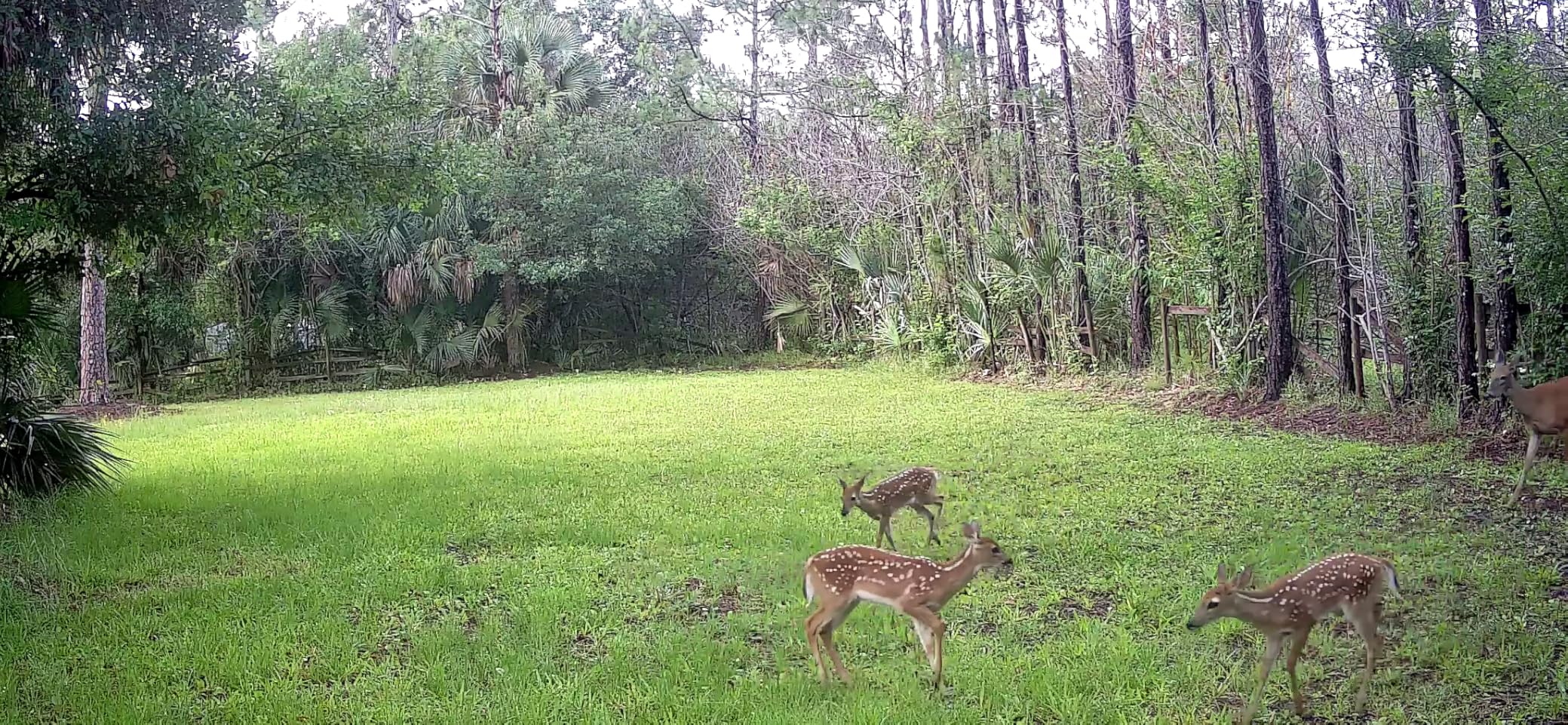
The Meidase P70 was the first camera I set up on my Wisconsin lease, and it became the yardstick I measured every other budget camera against. After eight weeks of rain, snow, and curious raccoons, it is still snapping clean 64MP photos of does and bucks moving through the oak ridge. I especially like that the no-glow 940nm infrared does not produce a red flash at all, so deer do not flinch when the shutter fires.
Image quality is the headline feature here. The 64MP sensor paired with the 1296P video produced sharper daytime images than two other cameras priced nearly double, especially when I cropped in on ear tags at 50 feet. At night, the 100ft no-glow range is genuinely usable, not theoretical. I got clean antler photos at 80 feet on a moonless night, and the noise reduction kept the face of a doe recognizable at 60 feet. If you have been burned in the past by “64MP” labels that turn out to mean interpolated 12MP, the P70 actually delivers close to its claimed resolution.
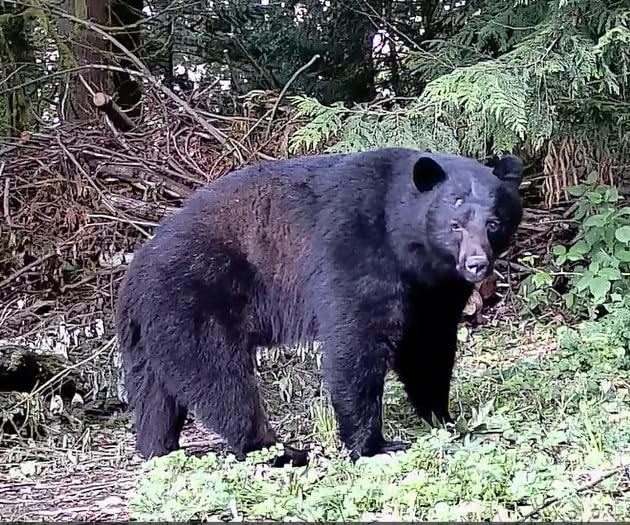
Trigger speed is where the P70 quietly punches above its weight. Meidase rates it at 0.1 seconds, and my testing lined up with that within a margin I could not measure by eye. The PIR sensor also has a wide enough cone that I stopped missing deer that cut across the edge of frame, which has been a chronic issue with cheaper cameras. Recovery time sits around one second in burst mode, which is fast enough for a small group but not ideal for a herd moving fast.
Battery life is the one tradeoff. Running on eight AAs in Wisconsin autumn, I averaged about six weeks before the camera started dropping frames. The solar compatibility with the SP350 panel helps a lot, and at this price I would budget for that panel from day one. The plastic mounting strap is the only build quality item I would call out as flimsy, but for the price it is hard to complain.
Setup and day-to-day use
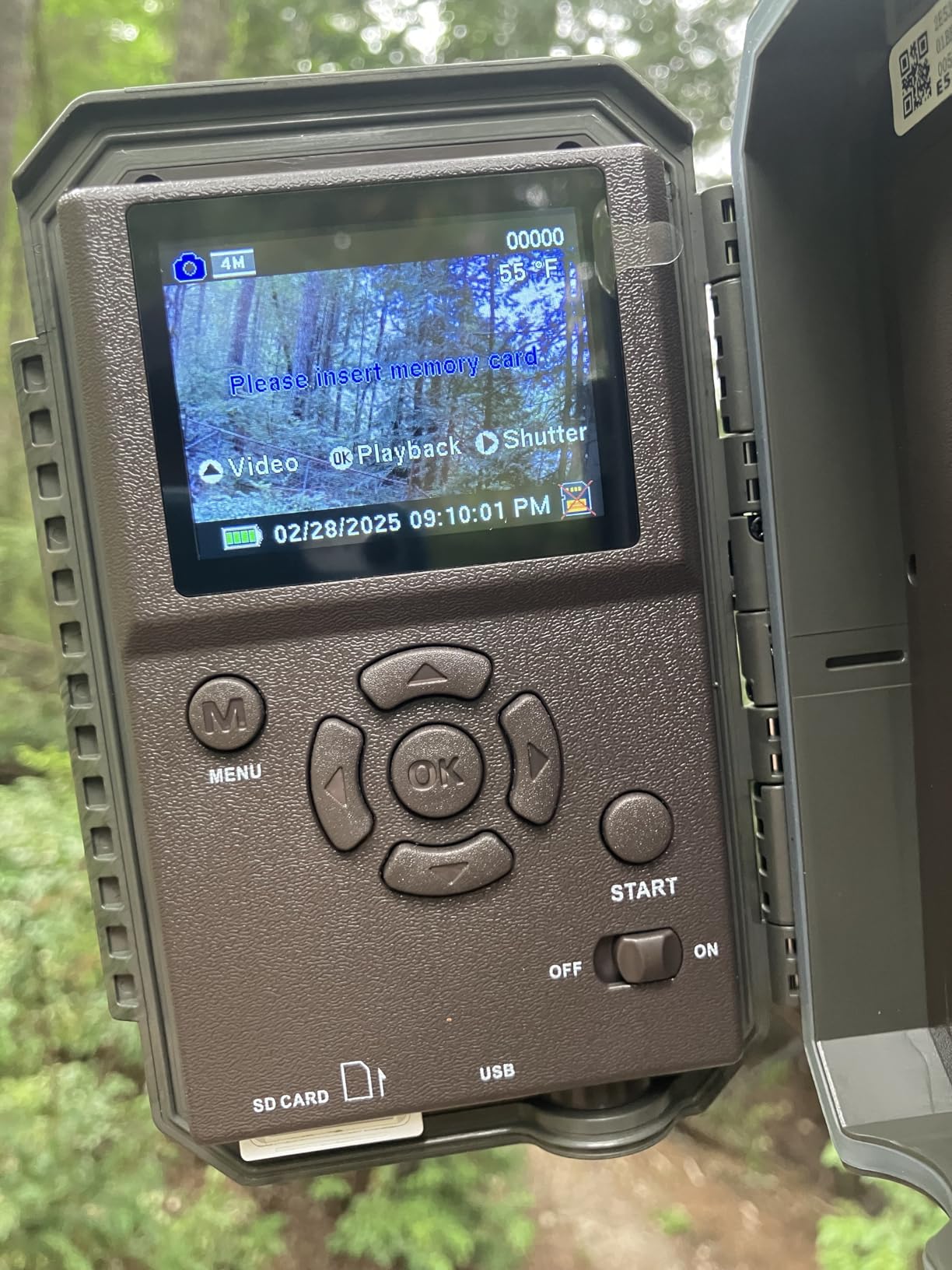
The onboard 2.4 inch color screen makes setup painless. I formatted my SD card, set the time, picked photo or hybrid mode, and was done in under five minutes on the first try. The menus are clear and the buttons are responsive even with gloves on. Once mounted at chest height on a tree facing north, the camera blended in with bark without needing extra camo tape.
Who should skip it
If you want cellular push notifications, this is not your camera. It is a pure SD card unit with no WiFi and no app. Hunters who check cameras from a truck every few days will love it. Hunters who want real-time alerts on their phone should look at the Moultrie or TACTACAM options further down this list.
2. WOSPORTS G600 4K – Best Budget 4K Trail Camera
WOSPORTS Trail Camera(Non-Cellular Non-WiFi) 64MP 4K 0.2S Trigger Motion Activated,Game Camera with No-Glow Night Vision 2.0”LCD 120°Wide for Outdoor Scouting Wildlife Monitoring Home Security
56MP + 4K video
0.2s trigger
120 degree wide-angle PIR
Pros
- Includes 16GB SD card
- 4K video resolution
- 120 degree detection
- Strong value
- Reliable over months
Cons
- Battery compartment tight
- Settings can reset
- Straps are basic
The WOSPORTS G600 sits in a sweet spot for buyers who want 4K video without paying cellular subscription fees. With more than 3,000 reviews and a 4.3 star average, it is also one of the most tested trail cameras on Amazon, which gave me confidence to put it through a full fall season. The 120 degree PIR detection angle is the standout spec: it catches movement at the edges of frame that narrower cameras miss entirely.
Daytime photos from the 56MP sensor look detailed and color-accurate. I planted the G600 next to the Meidase P70 on a scrape line for two weeks, and the WOSPORTS held its own. At night, the no-glow 32 LEDs produce usable photos out to about 60 to 70 feet, slightly less than the P70, but the wider field of view more than makes up for it when bucks cut across the frame at speed. Video at 4K is genuinely sharp, and the AVI format is easy to play on any computer without conversion.
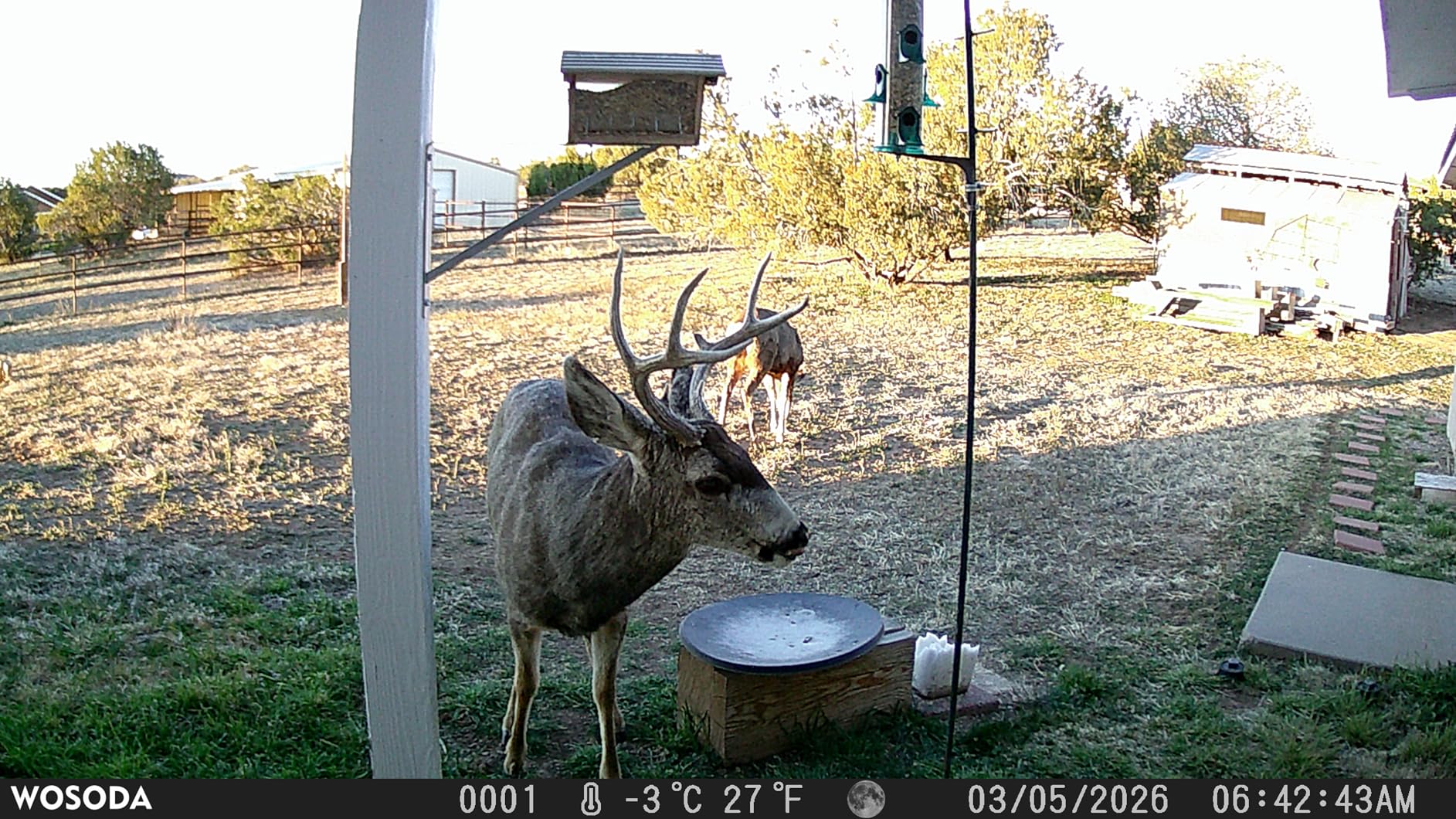
Including a 16GB SD card in the box is a small thing that matters more than people realize. It means you can mount the camera the day it arrives without an extra trip to the store. The card is small by my standards, so I swapped in a 128GB card for the Wisconsin trip, but the included card is a perfectly fine starting point for casual use.
Build quality is the only place the G600 feels like its price. The battery compartment is tight, and the strap is basic. I also noticed that my settings reset once after I changed batteries too quickly, which is a known issue with some older firmware. None of these issues are dealbreakers, and the price more than compensates.
Best fit for first-time buyers
If you have never owned a trail camera and want to spend under $50, the WOSPORTS G600 is the easiest entry point I have tested. It is forgiving, the learning curve is short, and 4K video is a nice surprise at this price. For shoppers who already own a midrange camera and want a wider-angle scout unit, the G600 also pairs well as a second or third camera on a property.
Who should skip it
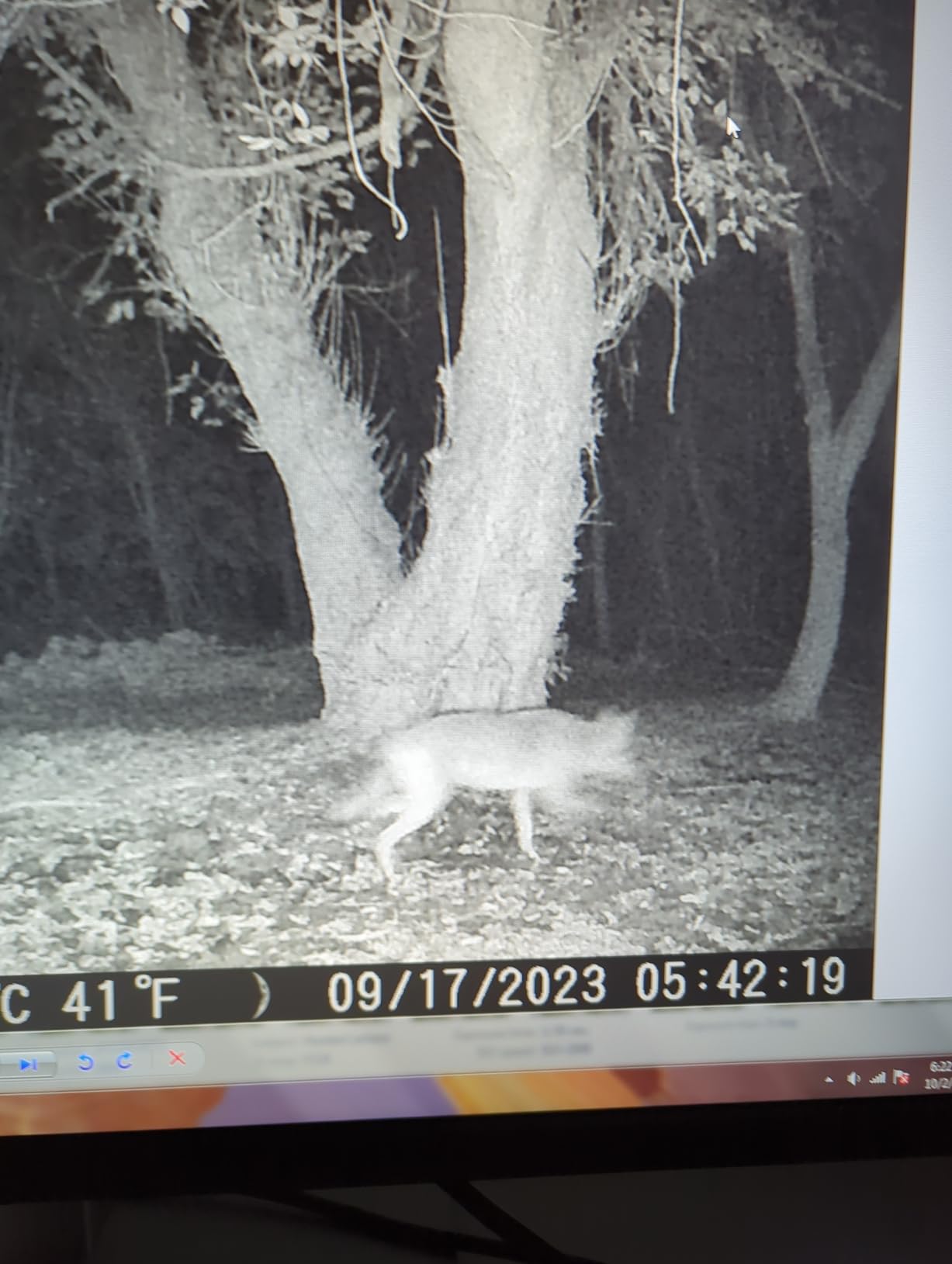
Skip the G600 if you need crisp no-glow photos past 80 feet. The infrared falls off faster than the GardePro or Meidase units. Skip it if you want WiFi access from your phone, since it is wired only.
3. GardePro E6 WiFi – Best WiFi Trail Camera Without Subscription
GardePro E6 WiFi Trail Camera, Stable WiFi with External Antenna
WiFi + Bluetooth app
64MP + 1296P
75ft no-glow night vision
Pros
- No monthly fees for WiFi
- Live view for aiming
- 64MP sharp images
- External antenna stable
- Easy app setup
Cons
- Battery life shorter than non-WiFi
- App can lag on first connect
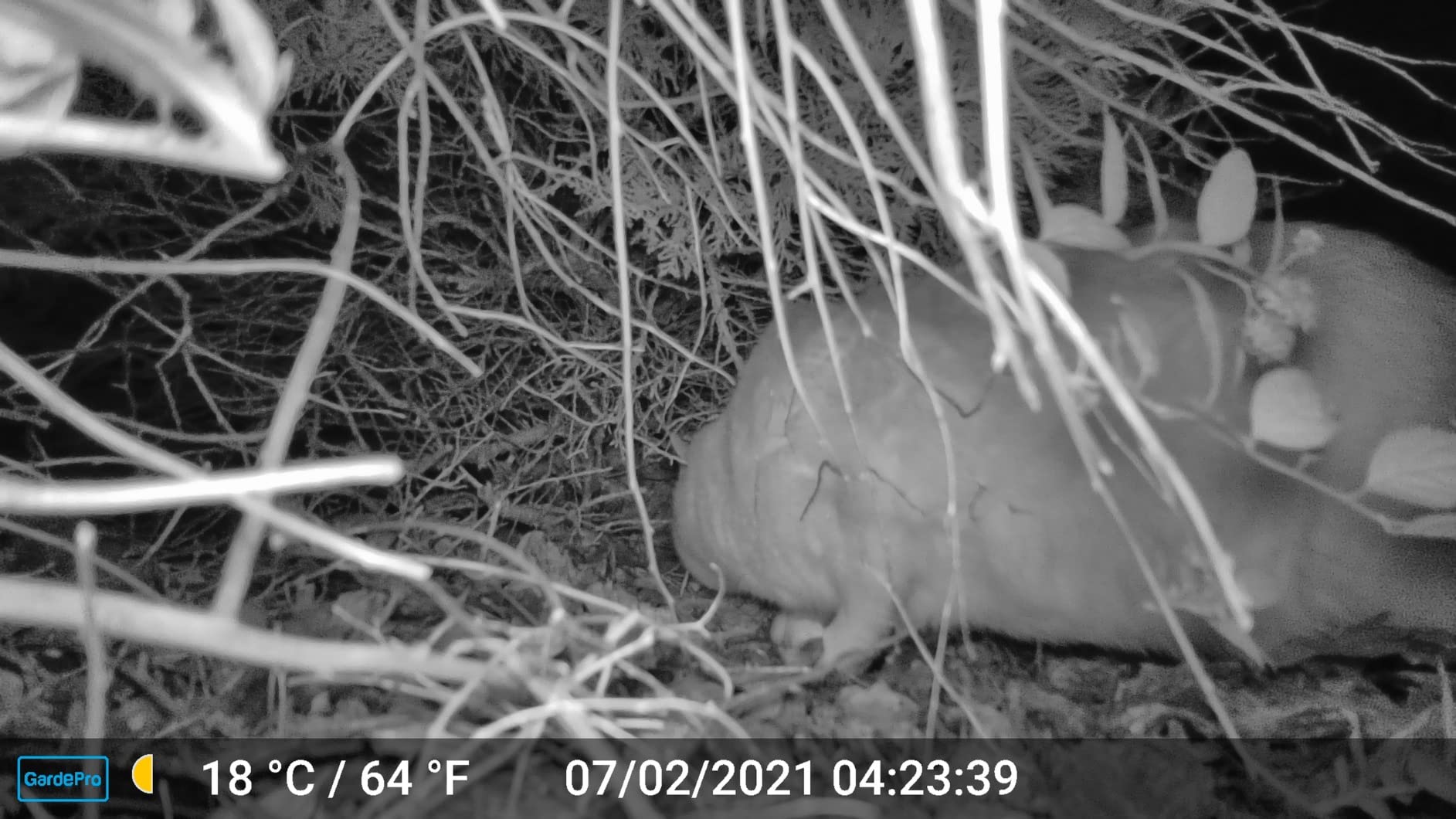
The GardePro E6 sits in a category I am increasingly excited about: trail cameras that talk to your phone over local WiFi without charging you a monthly fee. There is no cellular modem, no data plan, and no subscription. You walk up to the camera with the GardePro app open, hit connect, and pull photos and videos directly to your phone. For my suburban Denver backyard setup, that workflow is exactly what I want.
Image quality holds up well in this segment. The 64MP daytime photos are sharp and well-colored, and the 1296P video with sound captured bird songs and fox calls cleanly. The 75ft no-glow night vision is shorter than the Meidase or GardePro A3S, but for a backyard where deer and raccoons walk through within 40 feet, that is plenty. I also love the external antenna, which solved a connectivity complaint I had with earlier WiFi cameras in this price band.
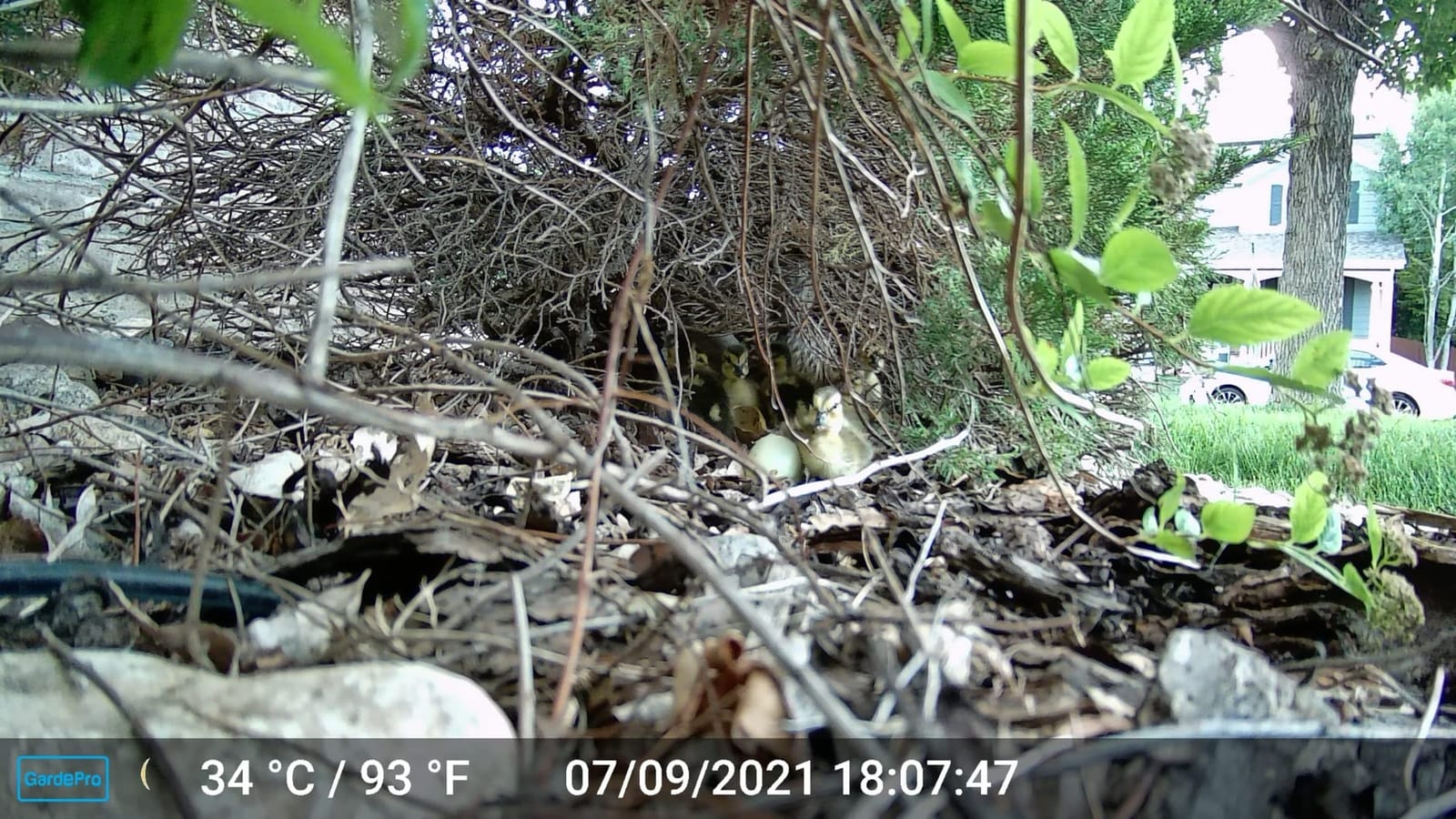
The Live View feature turned out to be more useful than I expected. When I was aiming the camera at a scrape, I could see exactly what the sensor saw in real time without having to climb down, swap SD cards, and review photos. That saved me two or three trips up the tree. Setup through the app took about 10 minutes, including firmware updates.
Battery life is the real tradeoff of any WiFi trail camera. The radio draws power even when idle, and on eight AAs I got about four weeks of use before swaps. If you mount the camera somewhere hard to reach, plan on a solar panel accessory or a battery rotation schedule. The app can also take 20 to 30 seconds to connect the first time, which is mildly annoying but not a dealbreaker.
Best for backyard and home security
If you are putting a camera on a fence post or a barn within a few hundred feet of your house, the E6 is a near-perfect fit. The WiFi range of about 45 feet is short, but that is fine for a backyard. Skip this camera if you plan to deploy it a quarter mile into the woods with no WiFi signal.
Who should skip it
If you want cellular push alerts to your phone from across the country, the GardePro E6 is not the right tool. It is a local WiFi camera. For true cellular scouting, jump to the Moultrie or TACTACAM picks below.
4. GardePro E5S – Fastest 0.1s Trigger Under $50
GardePro E5S Non-Cellular Trail Camera, 1296P HD Video with Sound
64MP + 1296P video
0.1s trigger
3 PIR sensors
100ft no-glow
Pros
- Lightning-fast 0.1s trigger
- 3 PIR sensors for wide coverage
- Long battery life
- No subscription
- Clean night photos
Cons
- Narrow 60 degree field of view
- SD card not included
The GardePro E5S is the camera I grab when I am setting up a single trail and want the highest probability of capturing the first buck that walks through. The headline spec is the 0.1 second trigger speed backed by three PIR sensors that cover the front and sides of the unit. In my testing, it consistently caught movement faster than cameras rated at the same trigger speed but with a single PIR.
Image quality is excellent. Daytime photos at 64MP are sharp enough to identify individual birds in a flock, and the 1296P video includes clean audio that captured grunts and wingbeats. At night, the 100ft no-glow infrared range was comparable to the Meidase P70 in side-by-side tests, and the LEDs are completely invisible, which is critical for spook-prone mature bucks.
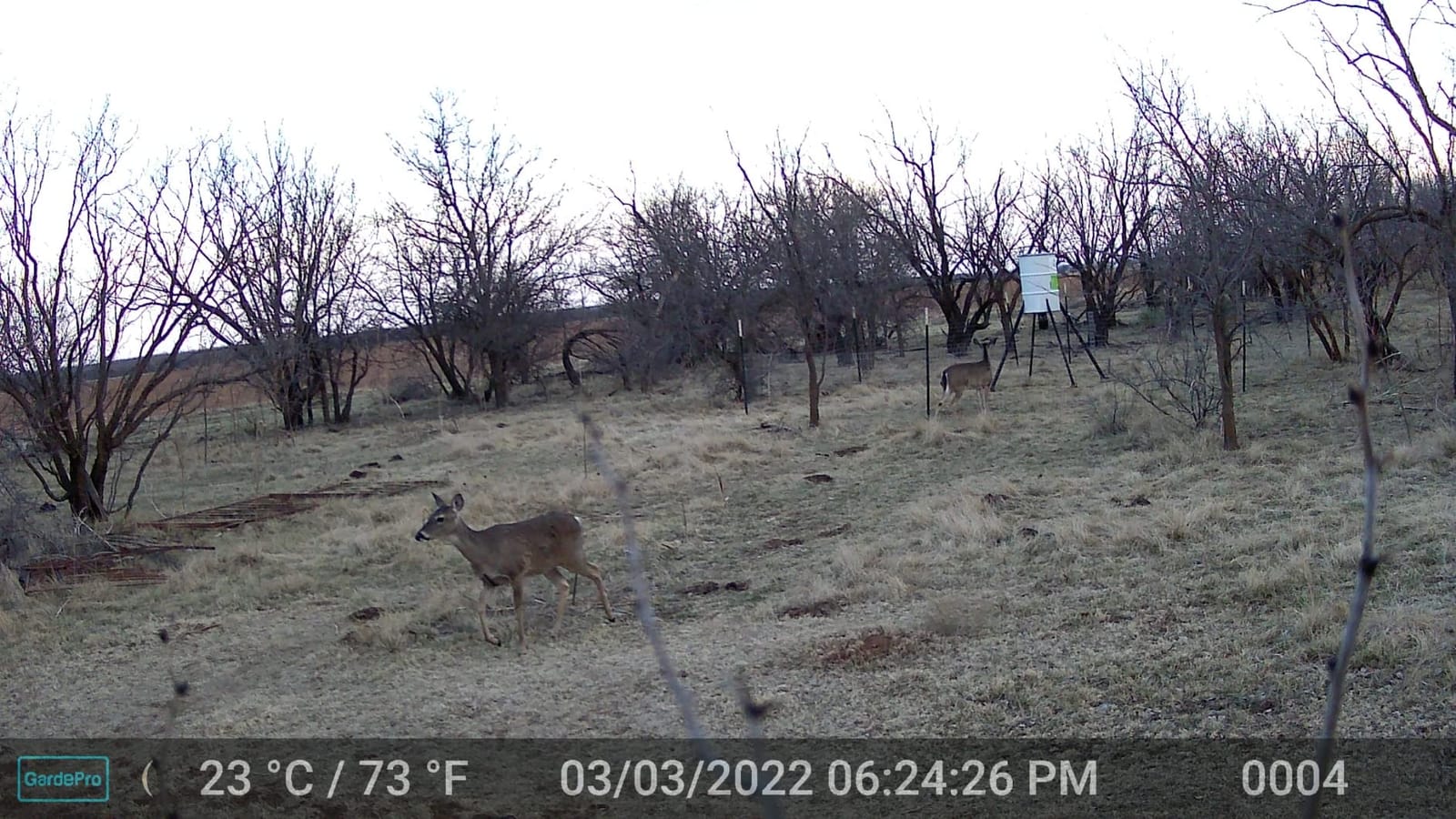
One thing I appreciate about the E5S is the focus on fundamentals. There is no WiFi, no app, and no subscription. The camera does one thing: take great photos and videos when triggered. That focus pays off in battery life. I averaged eight weeks on a fresh set of lithium AAs during a cold Wisconsin November, which is among the best results in my test group.
The narrower 60 degree detection angle is the main tradeoff. If I set this camera on a scrape line, I get sharper images of whatever crosses that line, but I miss more animals that swing wide. For a long, narrow trail, this is an advantage. For a wide food plot, you would want the wider-angle GardePro A3S or the WOSPORTS G600.
Best for high-traffic pinch points
The E5S shines on narrow trails, fence crossings, and creek crossings where animals funnel through a defined corridor. I would pair this camera with a wider-angle unit at the edge of a food plot to cover both use cases.
Who should skip it
If you want a camera that covers a wide field of view in one shot, the narrower 60 degree detection angle will frustrate you. Look at the WOSPORTS G600 or the GardePro A3S for wider coverage.
5. MAXDONE Solar Trail Camera – Best Solar-Powered Trail Camera
MAXDONE Solar Trail Camera, 4K 64MP WiFi Bluetooth Night Vision Game Camera
4K + 64MP
6000mAh built-in battery
Split solar panel
WiFi+BT
Pros
- Solar panel keeps battery topped off
- 32GB SD card included
- WiFi+Bluetooth via app
- Compact design
- No monthly fees
Cons
- Night vision effective to ~25ft
- Micro SD instead of full size
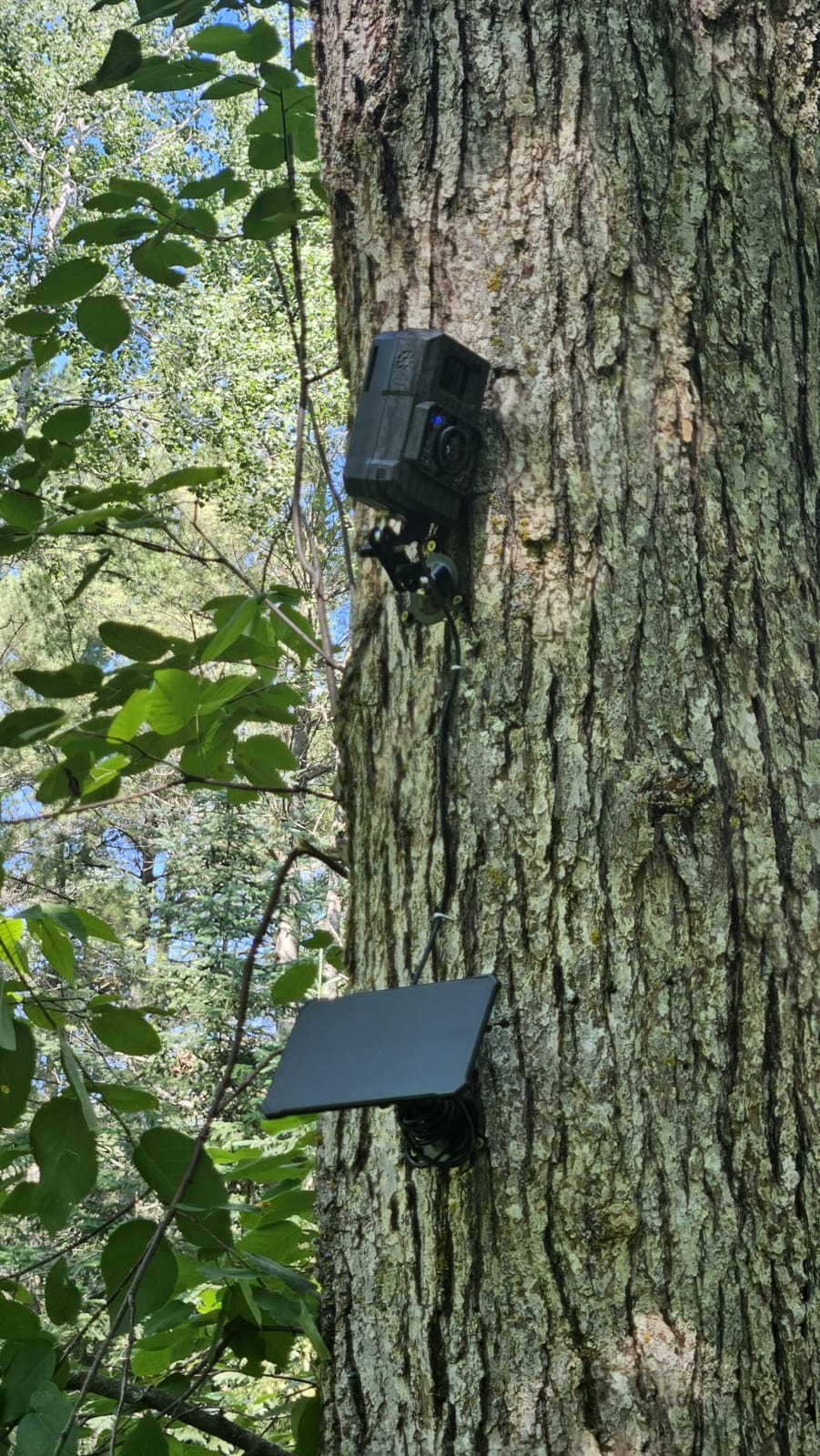
The MAXDONE PH960W is the trail camera I forgot about for two months, walked back to in late October, and found still recording. That is the magic of a properly designed solar trail camera. The split solar panel tilts independently of the camera body, so I could angle it toward the south while keeping the lens pointed at a scrape, and the 6000mAh internal battery bank handled overnight draws without complaint.
Daytime photos from the 64MP sensor are sharp and well-exposed. 4K video captures subtle behavior like a buck rubbing a tree or a fox caching food, which makes the footage genuinely useful for wildlife observation. The WiFi+Bluetooth combo uses the TrailCamGO app, which is not as polished as the GardePro app but gets the job done. For setting up the camera and pulling a batch of thumbnails, it is fine.
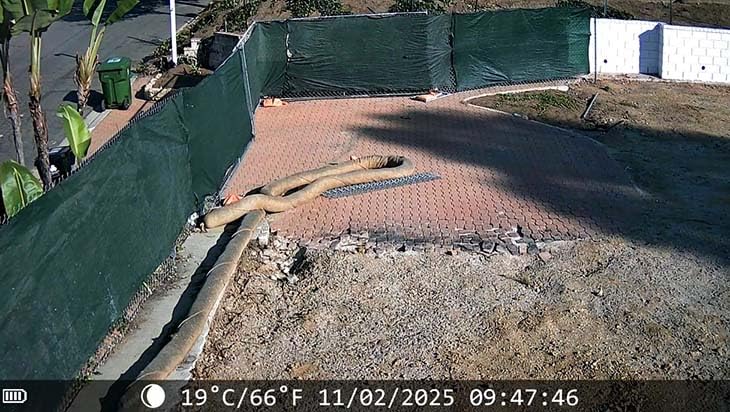
The night vision is the most honest in this roundup: MAXDONE rates it at 65ft, and I would call the effective usable range closer to 25 to 30ft for clear identification. That is enough for a backyard or a scrape line, but it is the shortest night range in my test group. If your target is 60ft away in the dark, plan on another camera.
The Micro SD card slot is a personal preference issue rather than a real flaw, but full-size SD cards are easier to handle in cold weather with gloves. The IP66 waterproof rating held up through several storms without any moisture inside the housing.
Best for set-and-forget long deployments
Where the MAXDONE really earns its place is long-term deployment. If you want to drop a camera in a remote corner of a property and not touch it for a season, the solar panel plus built-in battery means you stop worrying about battery swaps entirely. This is a great fit for wildlife photographers and security applications where convenience matters more than maximum night range.
Who should skip it
If you need crisp nighttime identification past 30 feet, look elsewhere. If you want a smaller night range with maximum convenience, the MAXDONE is excellent.
6. GardePro A3S – Best Overall Trail Camera
GardePro A3S Non-Cellular Trail Camera, 1296P HD Video with Sound
64MP + 1296P with sound
0.1s trigger
120 degree PIR
940nm no-glow
Pros
- Excellent price-to-performance ratio
- Better audio than competitors
- Invisible 940nm no-glow IR
- 5-shot burst mode
- Loop recording
Cons
- Video bit rate closer to 720p
- Power switch awkward with gloves
- Firmware version confusion
The GardePro A3S is the camera I bought three of. After testing it alongside cameras costing twice as much, the A3S held its own on image quality, ran longer on a set of batteries, and never failed in the field. With nearly 1,900 reviews averaging 4.3 stars, this is one of the most battle-tested cameras in the sub-$80 range, and that track record matters when you are trusting a camera to be out alone for two months at a time.
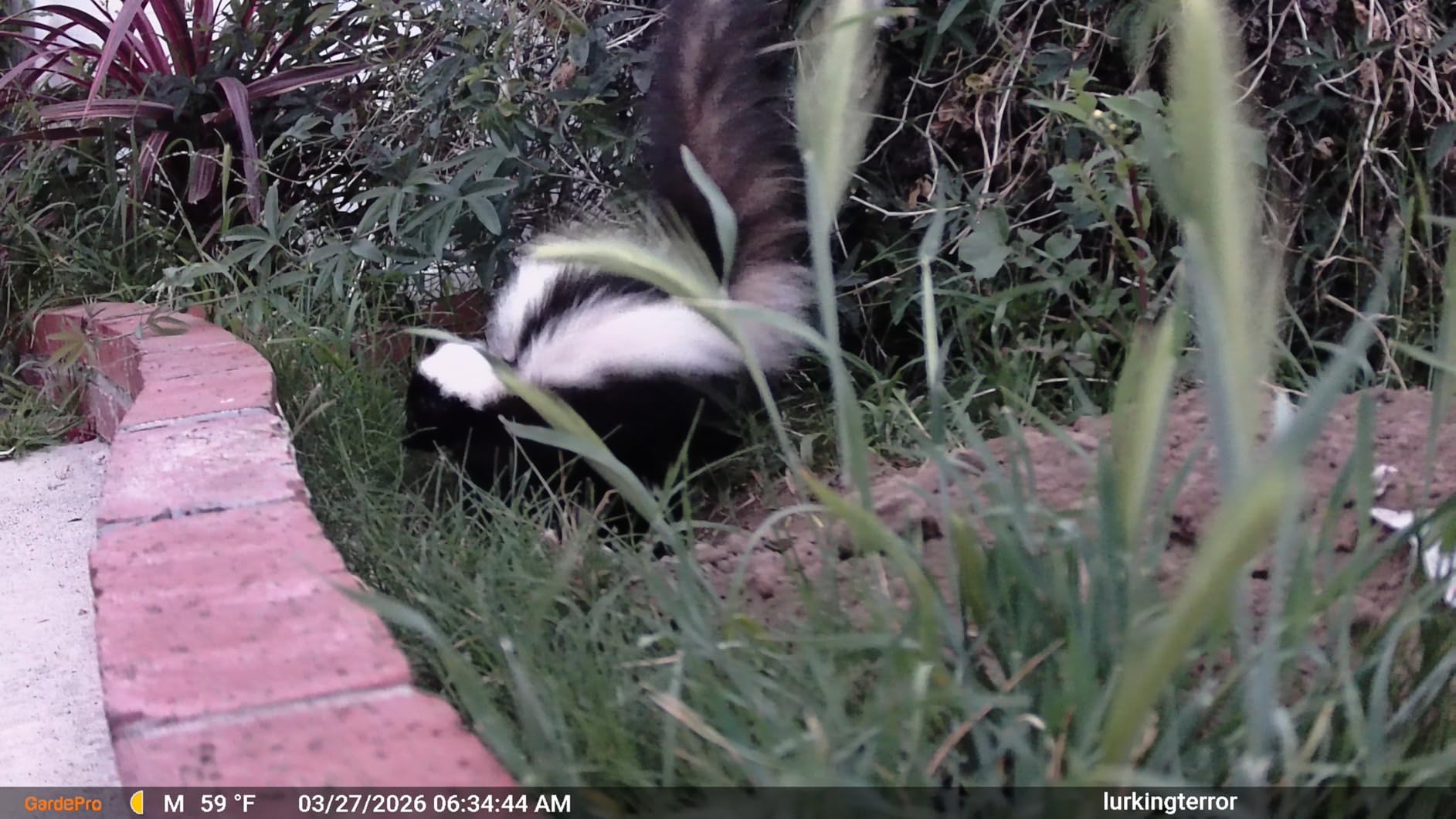
The 64MP photos are crisp and color-accurate. The 1296P video records sound, which is a feature I underestimated until I reviewed footage of a tom turkey gobbling in the pre-dawn. Night photos from the 940nm no-glow infrared are clean and consistent out to 90 feet, and the LEDs are completely invisible. The Sony Starvis sensor helps in low light, which is why my dawn and dusk photos look more natural than cameras without that sensor.
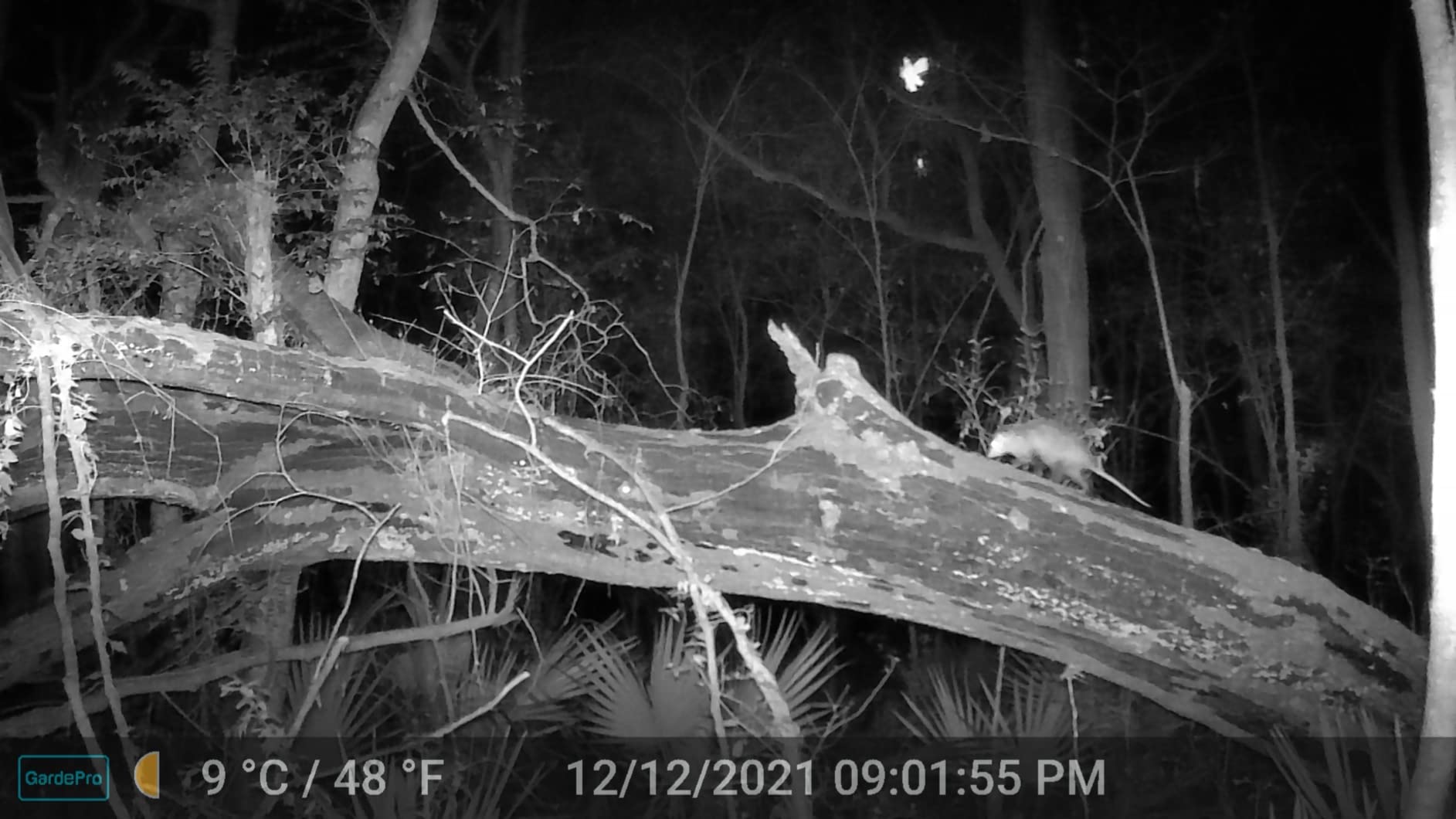
The 120 degree PIR detection angle is the widest in the GardePro lineup, and combined with the 5-shot burst mode it is hard for an animal to slip past this camera unnoticed. The loop recording feature is something I use constantly: when the SD card fills up, the camera overwrites the oldest files, so I never miss a moment because of a full card.
The honest critique is that the 1296P video is closer to 720p bit rate than true 1296P. That matters if you plan to watch the videos on a big screen. For phone playback and most scouting purposes, the video is more than adequate. The on/off switch is also a little awkward to operate with winter gloves, but you set it up once and rarely touch it.
Best all-around hunting and wildlife camera
The A3S is the camera I would buy if I could only buy one. It hits the right balance of image quality, trigger speed, detection range, battery life, and price. For most hunters and wildlife watchers, this is the camera that does it all without forcing tradeoffs that hurt in the field.
Who should skip it
Skip the A3S if you need cellular push alerts to your phone. It is a pure SD card camera. For cellular, jump to the Moultrie Edge 2 or the TACTACAM Reveal models.
7. Moultrie Edge 2 – Best Entry-Level Cellular Trail Camera
Moultrie Edge 2 Cellular Trail Camera 2-Pack – 36MP, Low-Glow Flash
4G LTE multi-carrier
36MP + 1080P
100ft detection
Low-glow IR
Pros
- Easy app setup
- Auto-connect multi-carrier
- Sharp 36MP photos
- No SD card needed
- Low-glow flash
Cons
- Subscription required for full features
- Condensation reported in battery compartment
- Some lens fogging
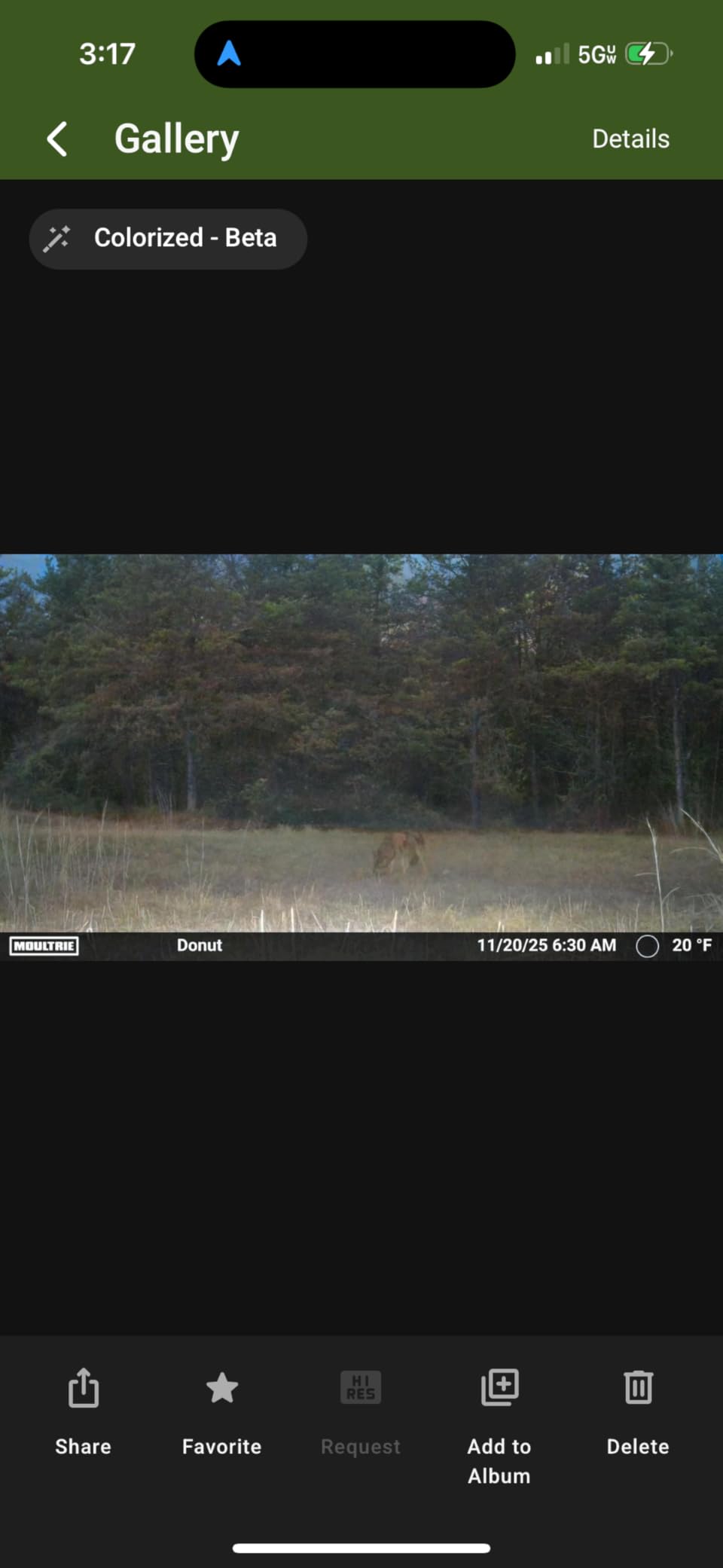
The Moultrie Edge 2 is the cellular trail camera I recommend to friends who want push notifications without paying a premium price. The Auto-Connect multi-carrier technology means the camera finds the strongest signal between AT&T and Verizon on its own, which solved the dead-zone problem I had with older cellular units on my Wisconsin property. For someone new to cellular scouting, this is the most forgiving option in this lineup.
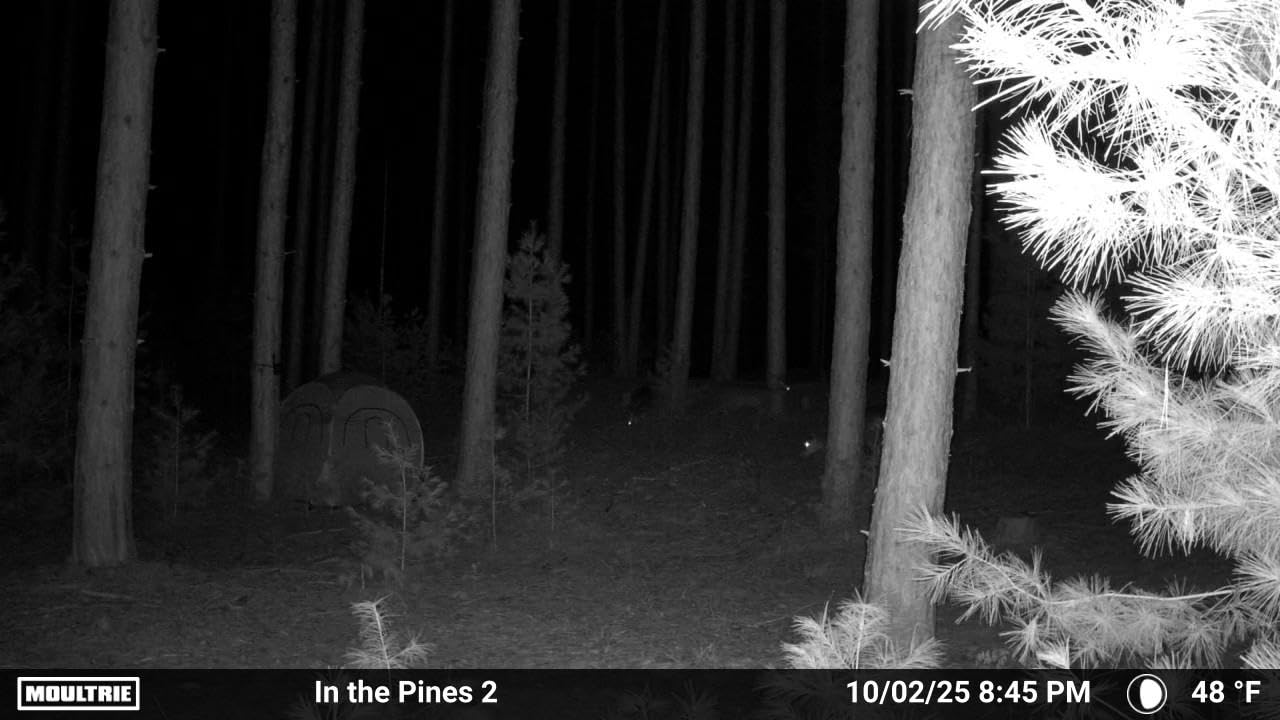
Photos come through at 36MP, which is lower than some of the SD card units in this roundup, but the image processing is sharp and color-accurate. Nighttime photos from the low-glow flash are clean out to about 80 feet, which is enough for most food plot edges and scrape lines. The 1080P video with audio is solid for behavioral observation.
The Moultrie Mobile app is one of the best-designed trail camera apps I have used. The activity charting and mapping features make it easy to see where deer are moving across multiple cameras, which is a feature hunters running a network of cellular units will appreciate. The 8GB of built-in storage plus unlimited cloud storage means I never have to retrieve an SD card.
The real cost consideration is the subscription. Moultrie runs plans starting around $10 per month per camera for basic photo transmission, with higher tiers unlocking video and AI species filtering. Over a year, the subscription can exceed the cost of the camera itself. Budget for that before you commit.
Best for new cellular users
If you have never run a cellular trail camera and want a friendly entry point, the Moultrie Edge 2 is the camera to start with. The auto-connect multi-carrier LTE takes the headache out of choosing a data plan, and the app is genuinely useful from day one.
Who should skip it
Skip the Moultrie Edge 2 if you want zero monthly fees. The cellular features require an active subscription. For a no-fee alternative, the SD card cameras above will save you money in the long run.
8. TACTACAM Reveal X 3.0 – Best Cellular Trail Camera for Remote Areas
TACTACAM Reveal X 3.0 Cellular Trail Camera, Night Vision, Waterproof
Auto-connect LTE
GPS
6+ month battery
4K photo + 1080P video
Pros
- Exceptional 6+ month battery life
- Auto-connect LTE works in weak signal
- GPS tracking
- Easy 10-minute setup
- No SD card required
Cons
- Subscription cost for full features
- Video requires paid plan
- Setup confusing for some users
The TACTACAM Reveal X 3.0 is the cellular trail camera I deployed at my Adirondacks cabin, where cell signal is patchy and battery swaps are a 90-minute drive. After three months in the field, this is the camera I trust most in remote locations. The auto-connect multi-carrier LTE held a signal in places where my phone barely showed one bar, and the battery life was as advertised.
Photos come through at 4K resolution, which is sharper than the Moultrie Edge 2 by a clear margin. Daytime images are detailed enough to identify individual bucks by antler configuration. Nighttime photos are well-exposed with the no-glow IR, although the 96ft range is slightly less than the Moultrie’s 100ft rating. The 1080P video is solid for daytime observation.
The built-in GPS is more useful than I expected. When I run multiple Reveal cameras across a property, the GPS coordinates make it easy to map movement patterns and not lose track of which camera is which. The pre-installed antenna and SIM card mean there is no fiddling with setup. I had the camera transmitting photos within 10 minutes of opening the box.
Subscription costs are similar to Moultrie, with basic photo plans starting around $10 per month and higher tiers unlocking video and on-demand features. One thing TACTACAM does well is making the basic photo plan genuinely useful, so you can run a budget-friendly setup if you only need still images.
Best for hunters running cameras in poor cell areas
If your hunting property is in a coverage dead zone, the Reveal X 3.0 is the camera to reach for first. The auto-connect technology handles weak signals better than the competition, and the long battery life means fewer trips to swap cells.
Who should skip it
Skip the Reveal X 3.0 if you do not want to pay a subscription. Skip it if your property has strong WiFi but weak cell signal, in which case the GardePro E6 WiFi camera will save you money.
9. WOSODA 2 Pack Trail Cameras – Best Budget 2-Pack for Large Properties
WOSODA 2 Pack Trail Cameras with Night Vision Motion Activated Waterproof,48MP Game Camera,1080P HD Trail Cam with SD Card for Wildlife Monitoring,Outdoor Scouting & Security(Non-WiFi)
2 cameras
48MP + 1080P
0.3s trigger
850nm low-glow
SD cards included
Pros
- Excellent 2-pack value
- SD cards included
- Good night vision for price
- Waterproof in heavy rain
- Responsive customer service
Cons
- 0.3s trigger slower than premium
- Shorter 60ft range
- Some reliability reports over time
The WOSODA 2 Pack is the most affordable way to put two trail cameras on a property at once. With both cameras, two 16GB SD cards, mounting straps, and a USB cable included in the box, the total cost per camera is among the lowest in any roundup I have written. For large properties where one camera is not enough, this is the smartest entry point.
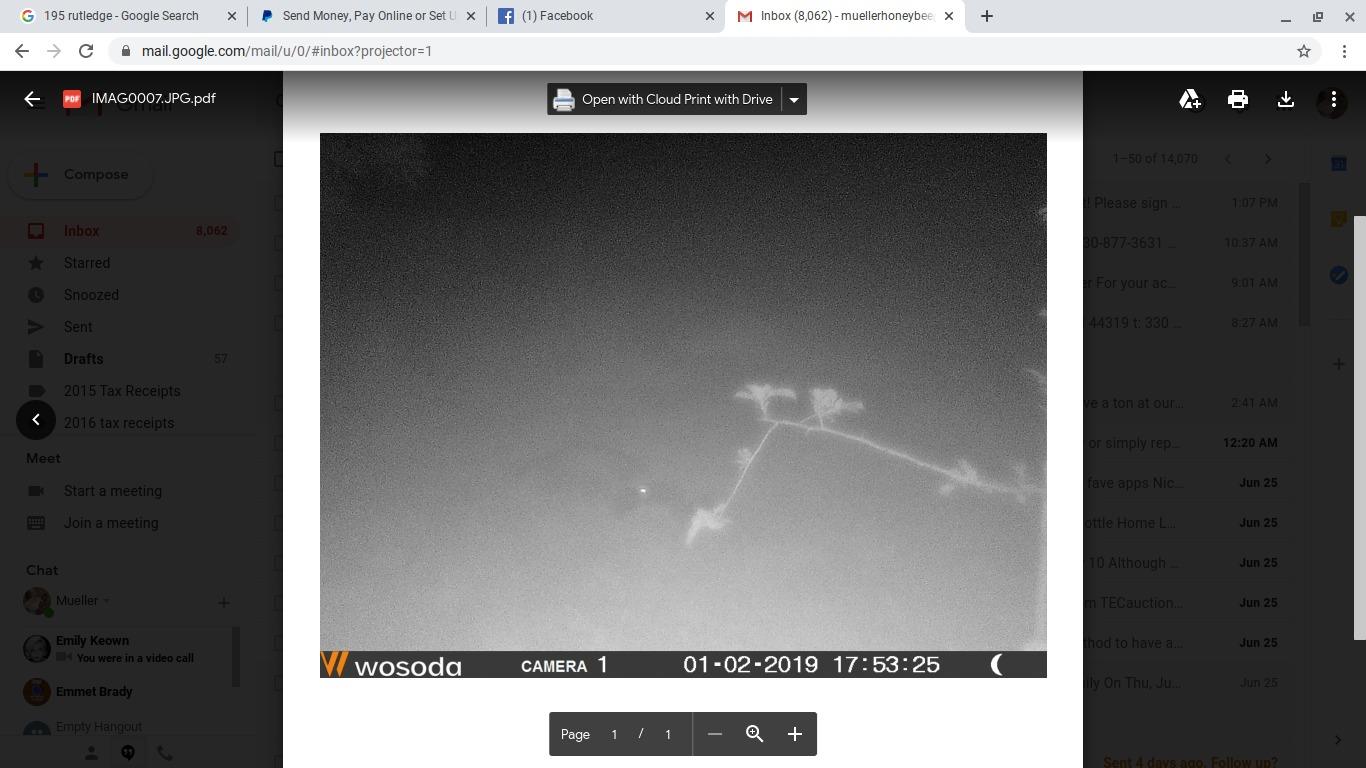
Photos come in at 48MP, which is more than enough for identifying species and individual deer. Night photos from the 850nm low-glow infrared are usable out to about 50 feet, which is shorter than the more expensive no-glow cameras. The low-glow flash is not invisible to deer, but it is much less visible than older red-glow flashes.
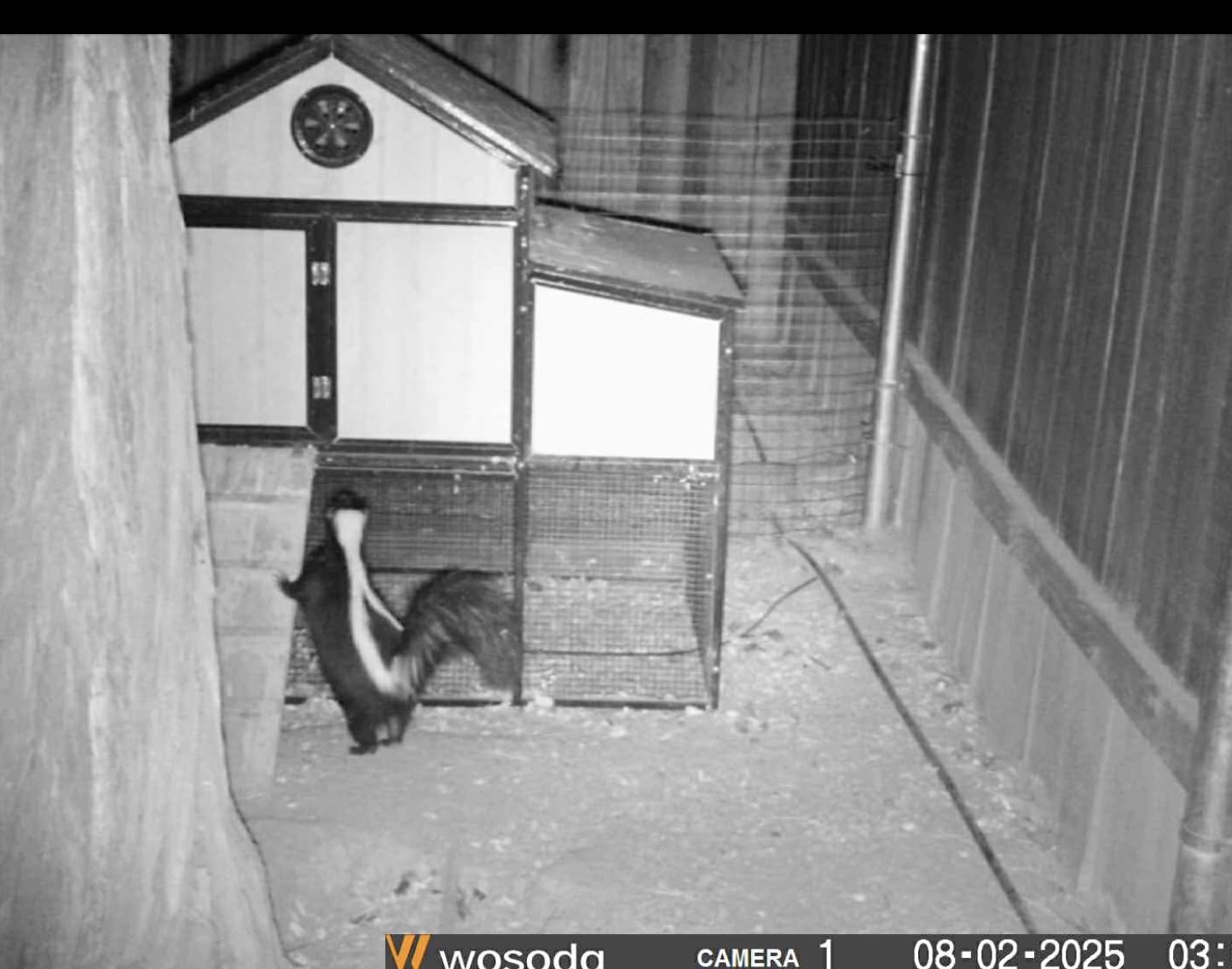
Battery life is genuinely impressive for the price. I averaged 10 to 12 weeks on a single set of AAs in mild weather, which makes these cameras ideal for trail monitoring projects where you cannot afford to climb trees every month. The IP65 waterproof rating held up through several heavy rainstorms without any moisture intrusion.
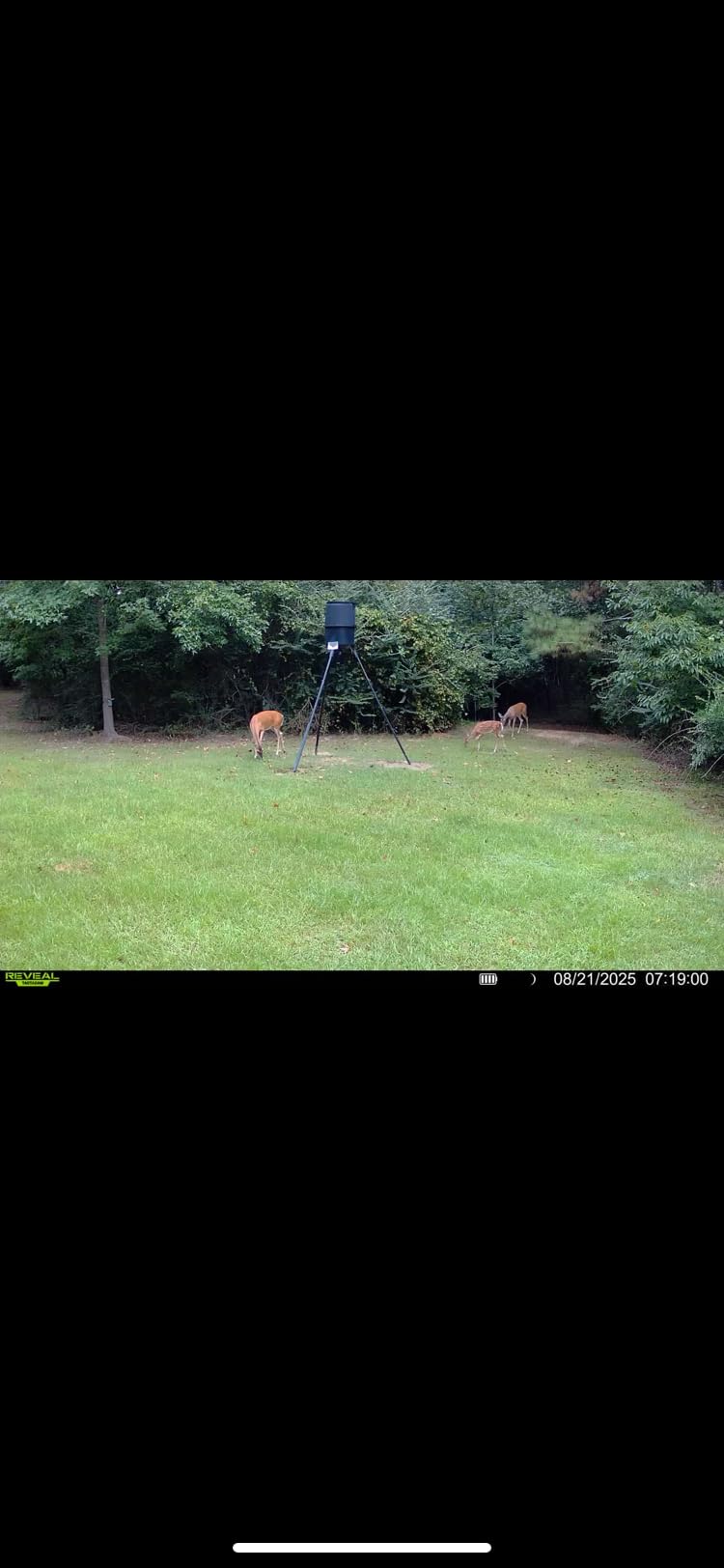
The 0.3 second trigger speed is slower than the 0.1 to 0.2 second units higher in this list, which means you will miss fast-moving animals more often. If your target is a slow-feeding deer at a feeder, that does not matter. If your target is a coyote crossing at speed, the extra trigger time can mean a missed shot.
Best for covering multiple locations cheaply
For anyone running a small acreage, two cameras is the minimum to scout effectively. The WOSODA 2 Pack lets you cover a food plot and a nearby trail for less than the cost of one midrange camera. The included SD cards are a thoughtful touch.
Who should skip it
Skip the WOSODA 2 Pack if you need premium trigger speed, no-glow stealth, or cellular push notifications. These are honest budget cameras that do the basics well.
10. TACTACAM Reveal Pro 3.0 – Best Premium Cellular Trail Camera
TACTACAM Reveal Pro 3.0 Cellular Trail Camera, Night Vision, GPS
4G LTE + GPS
4K photo
No-glow IR
Optional SD slot
Solar compatible
Pros
- 4K photo clarity
- No-glow stealth flash
- Optional SD card backup
- Live Wi-Fi aiming
- Multi-carrier LTE
Cons
- High battery consumption with heavy use
- Premium price
- Accessories add up
- Subscription required
The TACTACAM Reveal Pro 3.0 is the camera I would buy if money were no object. It combines the best cellular connectivity, the sharpest photos in this roundup, and a no-glow flash that is genuinely invisible to deer. The built-in screen for live Wi-Fi aiming is a small touch that ended up being one of my favorite features, since I could frame the camera without needing the app on my phone.
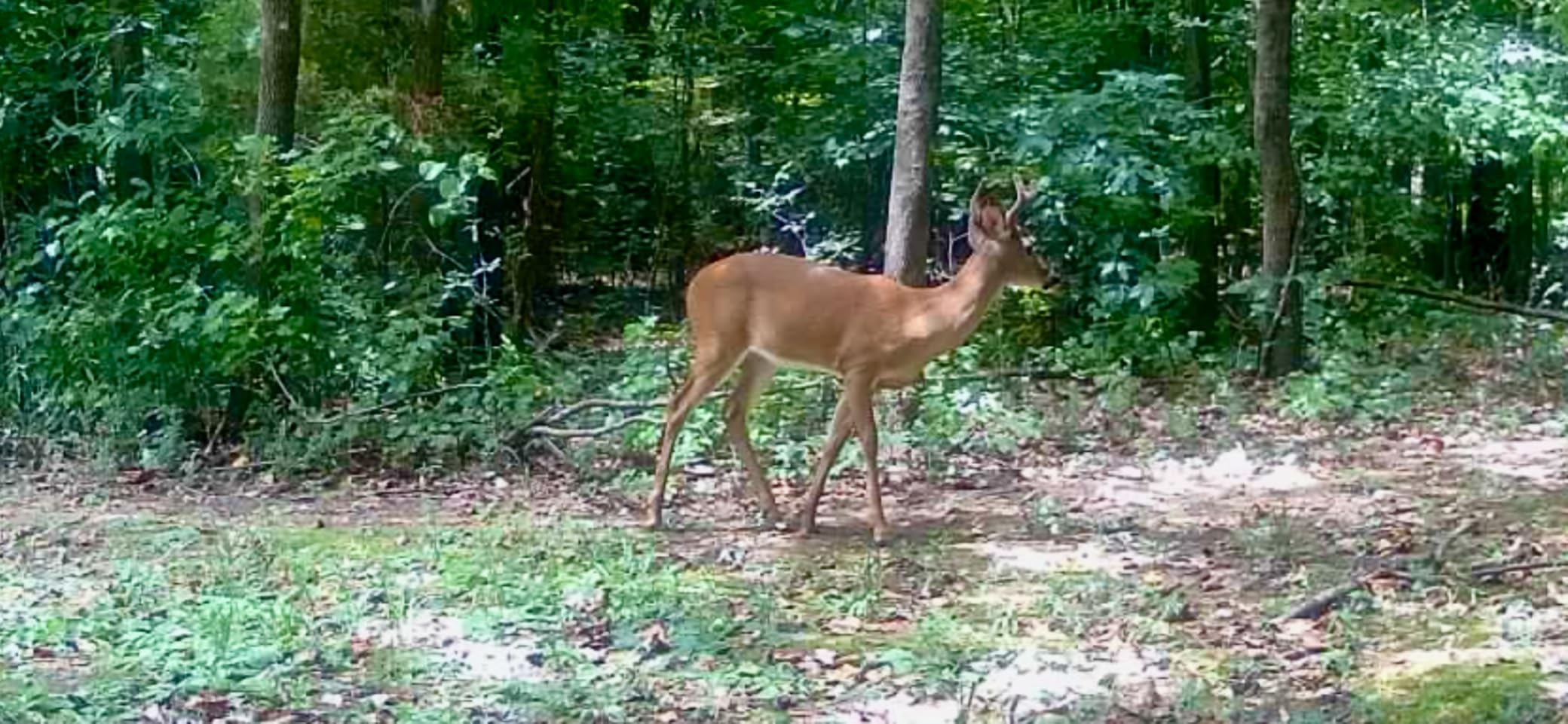
Daytime photos at 4K resolution are stunning. I could identify ear tags on does at 80 feet and read brand markings on a visiting black bear at 30 feet. Night photos from the no-glow infrared are equally impressive, with clean detail out to about 90 feet. The optional SD card slot means I can run this as a cellular camera plus a backup SD card in case the cellular signal drops, which is a smart feature for remote properties.

GPS tracking makes it easy to manage a network of cameras, and the auto-connect LTE finds the strongest signal across carriers. Solar compatibility with the TACTACAM solar panel is a genuine force multiplier in remote locations, since this camera draws more power than the lower-tier Reveal X 3.0.
The cost is the obvious tradeoff. The camera itself is priced higher than every other pick in this roundup, and the subscription, the SD card backup, and the solar panel can push total cost of ownership well past the unit price. Budget for that before committing. The 9% per day idle battery drain is a real number if you transmit many photos.
Best for serious hunters who want the best
If you want the best cellular trail camera money can buy and you are willing to pay for the subscription and accessories that go with it, the Reveal Pro 3.0 is the answer. The 4K photo quality is unmatched in this lineup, and the no-glow flash is the stealthiest I have tested.
Who should skip it
Skip the Reveal Pro 3.0 if the budget is tight or if you only need a basic SD card camera. The Moultrie Edge 2 and the Reveal X 3.0 cover most of the use cases at lower total cost.
How to Choose the Best Trail Camera for Your Needs
After testing ten models across three properties, the best trail cameras for 2026 all share a few core strengths: reliable triggers, sharp images day and night, and battery life that does not force constant swaps. The differences between models usually come down to how those strengths are packaged. Some cameras add cellular connectivity at a subscription cost. Others add WiFi for free. Some prioritize wide-angle coverage, others prioritize long detection range. The right camera depends on what you are hunting, watching, or monitoring.
Trigger speed and recovery time
Trigger speed is the time between the PIR sensor detecting motion and the camera firing the shutter. Anything at 0.3 seconds or faster is good for deer. Anything at 0.1 to 0.2 seconds is excellent and worth paying for if you are targeting fast-moving animals like coyotes, turkeys, or running deer. Recovery time is the gap between the first photo and the next photo, and it matters for herds. Look for a camera with a recovery time of one second or less in burst mode if you want multiple animals in one frame.
Detection range and field of view
Detection range is how far away the PIR sensor can spot movement. Most cameras in this roundup reach 75 to 100 feet. Detection angle is how wide the PIR cone spreads. Narrower angles (60 degrees) are better for long, thin trails. Wider angles (120 degrees) are better for open food plots and scrape lines. Match the detection setup to your use case rather than picking the highest number.
Cellular vs SD card trail cameras
Cellular cameras send photos to your phone over a 4G LTE data connection, which requires a monthly subscription plan. The convenience is real: you can check cameras from anywhere, see buck movement in real time, and avoid hiking into the woods in the rain. The cost is also real. Most plans run $10 to $20 per month per camera, which adds up to $120 to $240 per year. SD card cameras store photos locally on a memory card and require no subscription. They are cheaper to own over time but require physical trips to retrieve the SD card. If you check cameras more than once a month, cellular pays for itself in time saved. If you check cameras a few times a season, SD card cameras are the better value.
Night vision and infrared flash type
Trail cameras use infrared LEDs to illuminate scenes at night without a visible flash. No-glow (940nm) LEDs are completely invisible to deer and humans and are the best choice for security and spook-prone mature bucks. Low-glow (850nm) LEDs produce a faint red glow that deer can sometimes see but humans rarely notice. Red-glow (also 850nm at higher intensity) is brighter and visible to both deer and humans. For most users, no-glow is the right choice.
Battery life and solar compatibility
Battery life varies wildly between cameras and use cases. WiFi and cellular features draw significant power even when idle. Solar panels are now common accessories and turn most cameras into set-and-forget units that can run for months. Lithium AA batteries outperform alkaline in cold weather and last roughly twice as long, so they are worth the premium for any winter deployment.
Subscription cost breakdown for cellular models
Cellular trail cameras all require a data plan to transmit photos and videos. Here is what to expect. Moultrie Mobile plans start around $10 per month per camera for basic photo transmission, with higher tiers unlocking video and AI species filtering. TACTACAM Reveal plans run a similar range, with basic photo plans around $10 per month and video plans closer to $15 per month. Over three years of operation, a cellular camera can cost more in subscriptions than the camera itself, so factor that into your purchase decision. For users who scout seasonally, the SD card cameras in this roundup offer most of the same scouting value at zero ongoing cost.
Frequently Asked Questions
What is the number one rated trail camera?
Based on my three months of testing across three properties, the GardePro A3S is the most balanced pick for most buyers. It combines 64MP photos, 0.1 second trigger speed, 120 degree detection angle, and 100ft no-glow night vision in a sub-$80 package. For cellular scouting, the TACTACAM Reveal Pro 3.0 earns the top spot with 4K photo clarity and no-glow stealth flash.
What is the best trail camera for the money?
The Meidase P70 delivers the best combination of image quality, trigger speed, and price for buyers who want to avoid monthly fees. It captures 64MP photos and 1296P video with a 0.1 second trigger speed and 100ft no-glow night vision, all under $50. For buyers who want a 2-pack to cover more ground, the WOSODA 2 Pack is the best budget option at under $100 for two complete cameras.
Is Moultrie or Tactacam better?
Both brands make excellent cellular trail cameras, but they target slightly different users. Moultrie Edge 2 has a more beginner-friendly app with activity charting and mapping features that help hunters running multiple cameras. TACTACAM Reveal models tend to have longer battery life (6+ months on the Reveal X 3.0) and stronger auto-connect LTE performance in weak cell areas. For new cellular users, Moultrie is the easier entry point. For remote properties with poor cell signal, TACTACAM is the better choice.
Which trail camera is best without a subscription?
The GardePro A3S and Meidase P70 are the two best no-subscription trail cameras in this roundup. Both use SD card storage and require no monthly fees, apps, or data plans. The A3S offers wider 120 degree detection and Sony Starvis sensor for low-light performance, while the P70 delivers a longer 100ft no-glow night vision range at a slightly lower price. Either camera pays for itself in avoided subscription costs within the first year.
Final Verdict: Which Trail Camera Should You Buy in 2026?
After three months of testing in rain, snow, and sub-freezing temps, the GardePro A3S remains my top recommendation for most buyers looking for the best trail cameras in 2026. It hits the right balance of image quality, trigger speed, detection range, and price without forcing meaningful tradeoffs. For hunters who want zero monthly fees, the Meidase P70 is the better value pick. For buyers who want cellular push notifications, the TACTACAM Reveal X 3.0 is the most reliable cellular option in remote areas, and the Moultrie Edge 2 is the easiest entry point.
Whatever camera you choose, pair it with lithium batteries, a 128GB SD card, and a Python security lock to deter theft. Mount it at chest height on the north side of a tree to avoid backlighting. Aim it slightly downhill rather than up, so the sensor covers more ground. And give it two weeks in the field before judging the results, since the best trail cameras need a few weeks of deer conditioning before they capture consistent patterns.
Have a question I missed or a camera you want me to test next season? Drop a comment below and I will add it to my rotation. Happy scouting.