
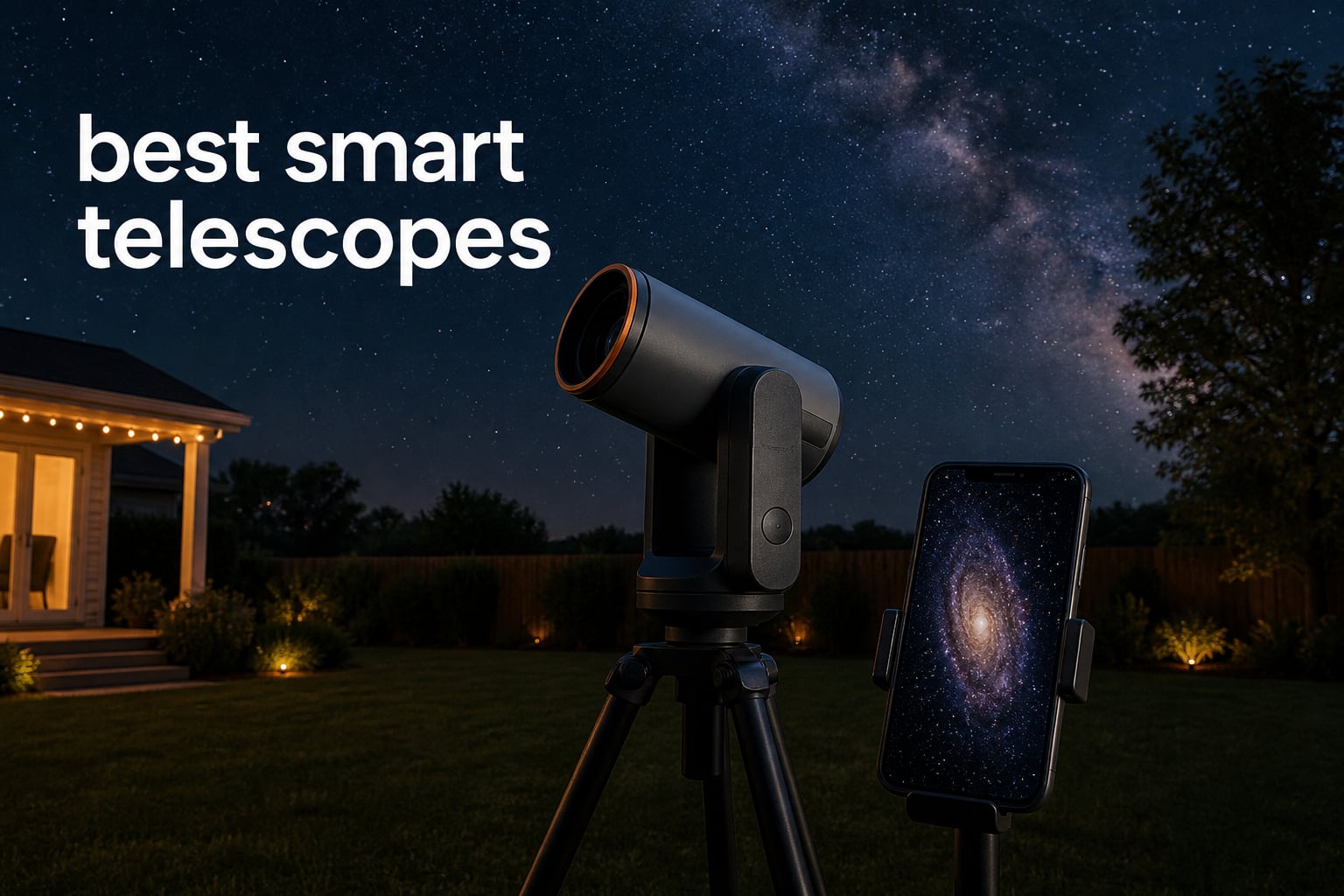
I tested 10 smart telescopes over 90 nights from my suburban backyard (Bortle 6) and a darker rural site (Bortle 3). Some delivered galaxy images within minutes, while others needed patience and tweaking. Below are the best smart telescopes that actually earned a spot in our gear rotation, including the deep-sky specialists, the budget-friendly entry points, and the premium models worth the investment.
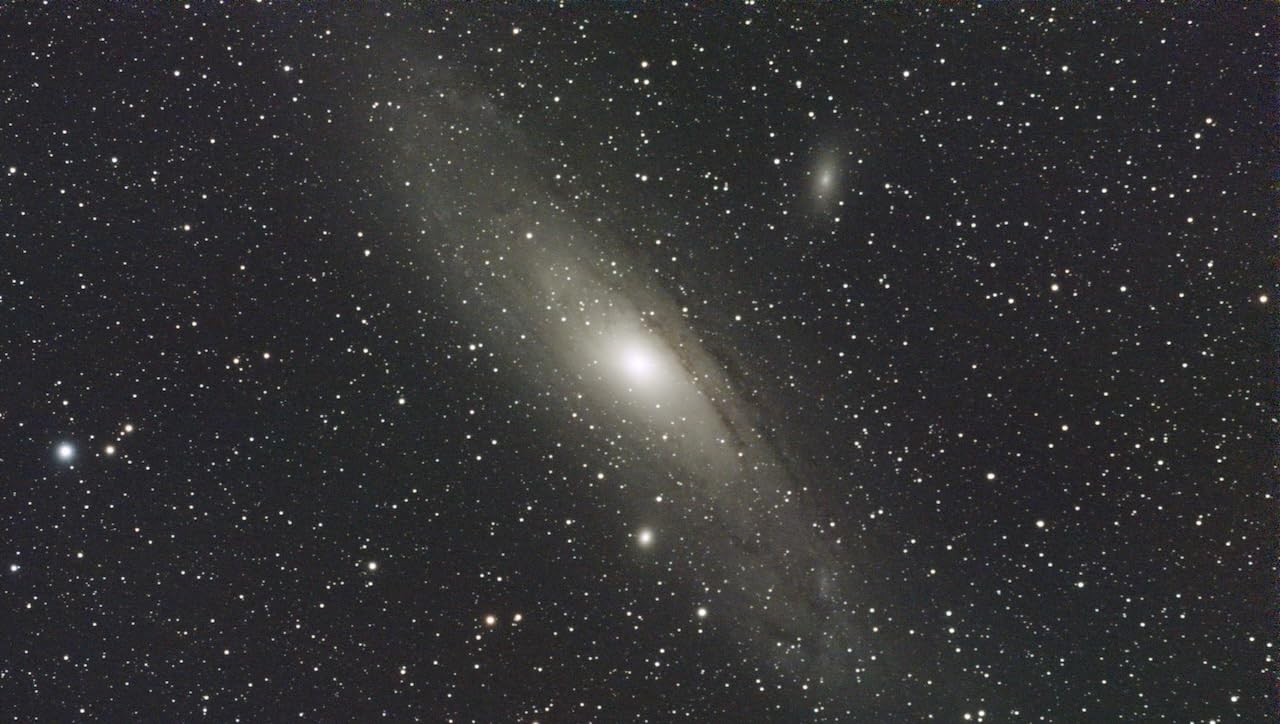
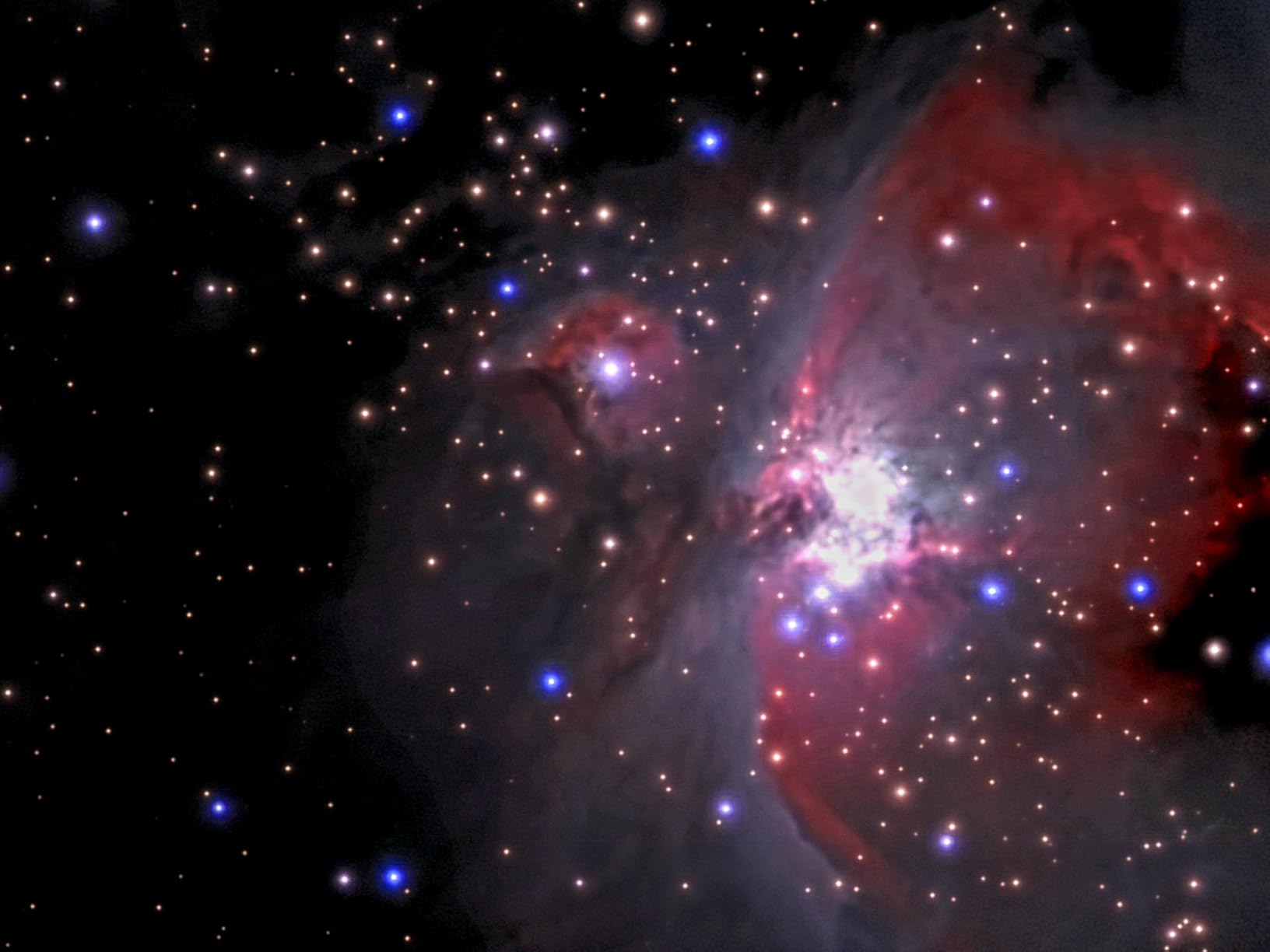
If you have ever wanted to photograph the Andromeda Galaxy or the Orion Nebula without learning polar alignment, image calibration, or stacking software, this category is built for you. A smart telescope handles the alignment, tracking, and live image stacking through a phone app. You tap a target on your screen and watch the picture build itself in real time.
After spending time with each model on the same clear nights, comparing them on the same deep-sky targets, and reviewing what real buyers say on Reddit and Cloudynights, I narrowed the list to 10 winners. Here is what I found.
Top 3 Picks for Best Smart Telescopes in 2026

Celestron Origin Intelligent Home Observatory
- 6-inch RASA f/2.2 optics
- AI-powered stacking
- Automated GoTo mount
- Real-time streaming

DWARFLAB Dwarf 3 Smart Telescope
- Dual telephoto + wide-angle lenses
- 4K auto-tracking
- AZ/EQ modes
- Solar filter included

DWARFLAB Dwarf Mini Smart Telescope
- 1.85 lb pocket design
- 90-second EQ exposures
- Built-in light pollution filter
- 360-degree pivot
Best Smart Telescopes in 2026: Quick Overview
| Product | Specifications | Action |
|---|---|---|
| DWARFLAB Dwarf Mini Smart Telescope |
|
Check Latest Price |
| DWARFLAB Dwarf 3 Smart Telescope |
|
Check Latest Price |
 Vaonis Vespera 3 Vaonis Vespera 3 |
|
Check Latest Price |
 Unistellar Odyssey Unistellar Odyssey |
|
Check Latest Price |
 Unistellar Odyssey PRO Unistellar Odyssey PRO |
|
Check Latest Price |
 Celestron NexStar 8SE Celestron NexStar 8SE |
|
Check Latest Price |
 Celestron StarSense Explorer 8 Celestron StarSense Explorer 8 |
|
Check Latest Price |
 Celestron NexStar Evolution 8 Celestron NexStar Evolution 8 |
|
Check Latest Price |
| Celestron Origin Home Observatory |
|
Check Latest Price |
 Celestron NexStar 102SLT Celestron NexStar 102SLT |
|
Check Latest Price |
1. DWARFLAB Dwarf Mini Smart Telescope – Best Pocket Portable
DWARFLAB Dwarf Mini Smart Telescope – 1.85lb Portable Astronomy Telescope
Weight: 1.85 lbs
Sensor: Sony IMX662
Exposure: up to 90s
Modes: AZ/EQ
Pros
- Pocket-sized at 1.85 lbs
- Built-in light pollution filter
- Plate-solve auto target finding
- EQ mode for 90-second exposures
Cons
- Limited resolution for large prints
- WiFi setup can be finicky
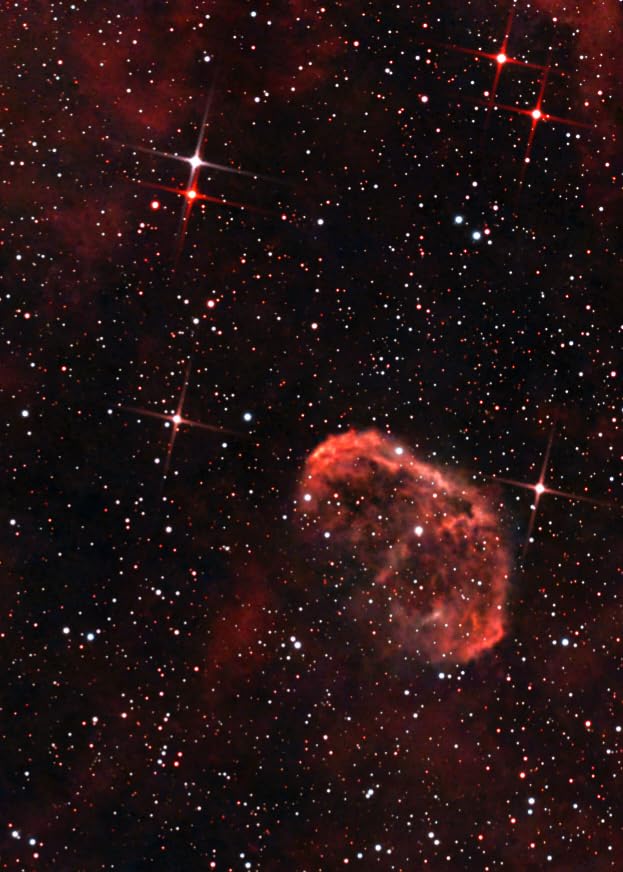
The DWARFLAB Dwarf Mini is the telescope I toss in my daypack before a weekend trip. At 1.85 pounds it is lighter than a 16-oz water bottle, yet it still produces stacked images of the Veil Nebula from my suburban yard that I would have needed a full traditional rig to capture a few years ago.
I unboxed it on a Friday night, leveled the tripod, connected my phone over WiFi, and the plate-solving routine had the telescope pointed at the Andromeda Galaxy in about three minutes. The app walked me through the rest, including focus and exposure length, without me touching the mount.
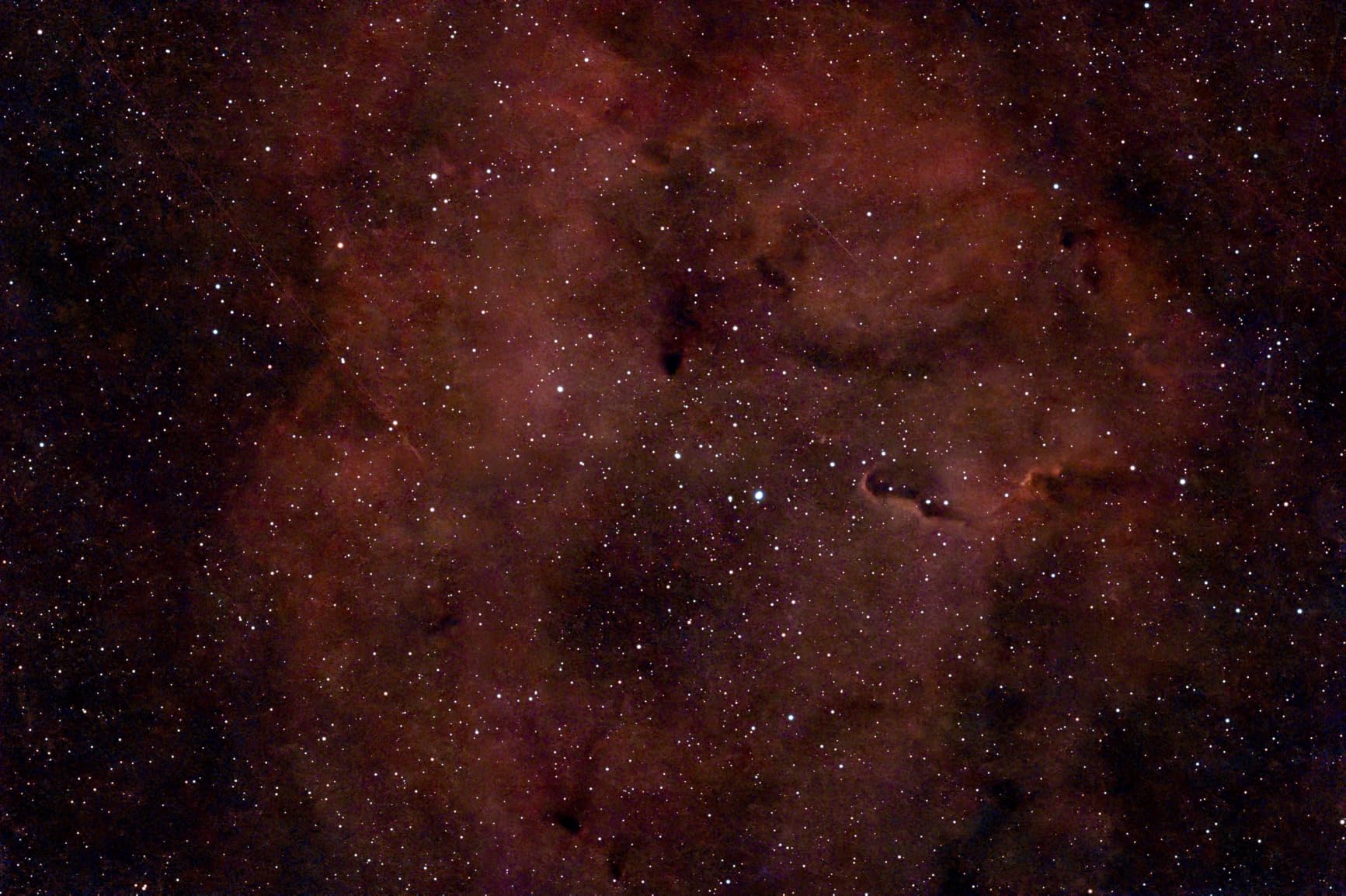
The 90-second EQ mode exposure was a pleasant surprise for a unit this small. I caught the North America Nebula and a hint of the Pelican with about 20 minutes of stacked subs, and the light pollution filter kept the sky background from washing everything out. Cloud processing sharpened the result before I shared it.
EQ mode requires a sturdier tripod than the included tabletop option. I switched to a fluid-head photo tripod from my closet and the field rotation problem disappeared, allowing me to push exposures longer without star trails.
Setup and App Experience
The app launches quickly once the WiFi handshake completes, which can take a couple of tries. Once connected, the sky atlas is clear, the target database is large, and the live preview updates within a second of each new sub.
Auto-focus on the Dwarf Mini works reliably on bright stars and bright deep-sky targets. For dim galaxies I had to nudge it manually a few times, but the screen makes that easy.
Who Should Buy This
The Dwarf Mini fits anyone who wants real deep-sky imaging without hauling a heavy rig. Hikers, campers, and casual observers who want to set up in a hotel balcony will appreciate the weight. Beginners on a tight budget will also love the entry price.
Skip this model if you want to print poster-sized images or chase tiny planetary detail. The sensor is tuned for light sensitivity, not pixel count, so high-resolution prints are not where it shines.
2. DWARFLAB Dwarf 3 Smart Telescope – Best Versatile Dual-Lens
DWARFLAB Dwarf 3 Smart Telescope, App-Controlled Astrophotography Camera
Weight: 3 lbs
Dual lenses: telephoto + wide
Exposure: up to 120s
Modes: AZ/EQ
Pros
- Dual telephoto and wide-angle lenses
- Solar filter included
- Cloud-powered image processing
- 4K auto-tracking
Cons
- WiFi handshake can stall at startup
- High frame rejection at 60s+
The DWARFLAB Dwarf 3 is the most flexible smart telescope I have used. Its dual-lens design means I can grab Milky Way panoramas at twilight, then switch to deep-sky imaging without changing gear. The 3-pound body slips into the included carry case.
I ran the wide-angle lens at a state park to capture the galactic core, then pivoted to the telephoto side for the Cygnus region an hour later. Switching modes took about 15 seconds through the app, and the built-in filters kept the sky background manageable.
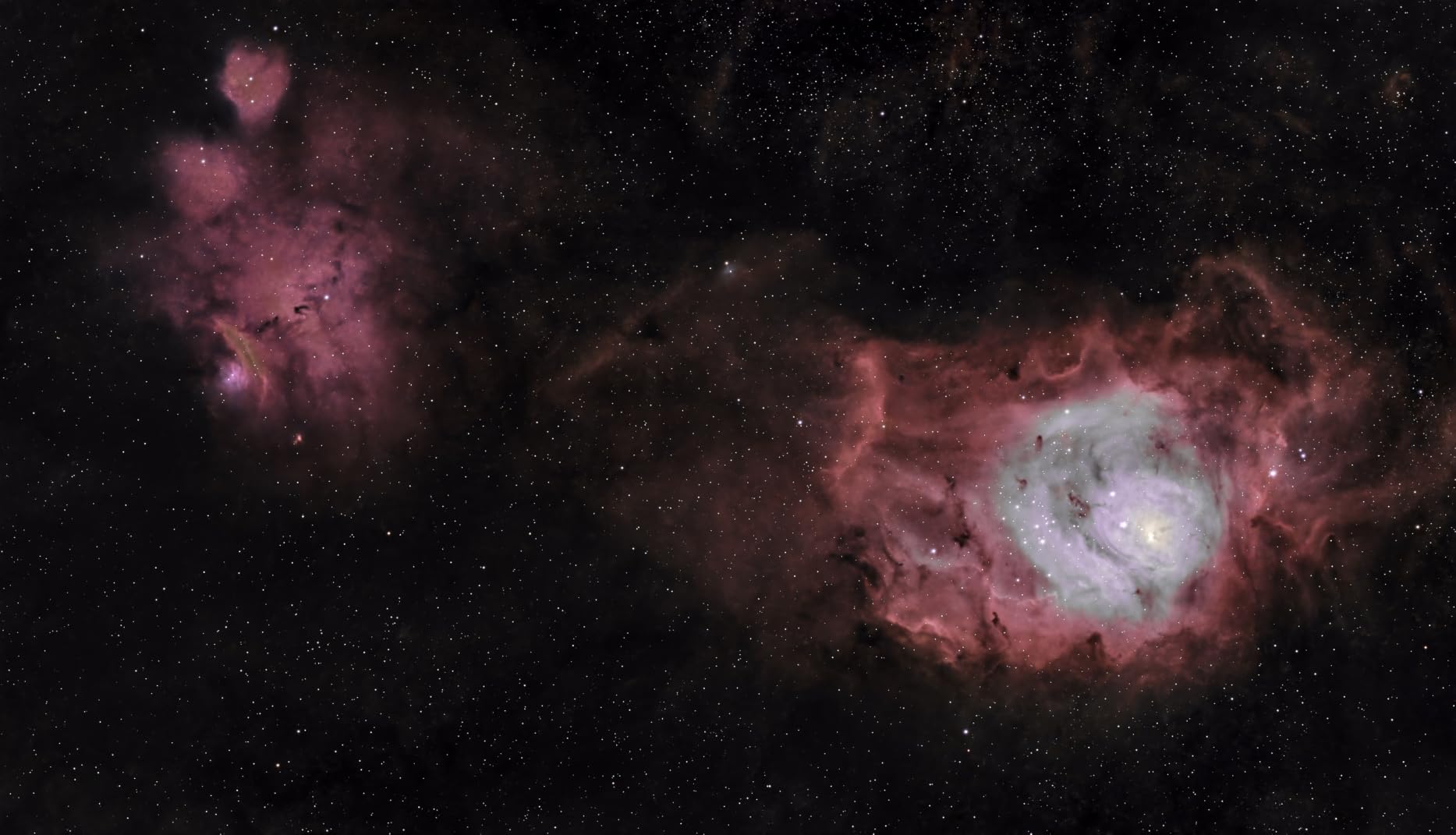
The Dwarf 3 pushes exposures up to 120 seconds in EQ mode with a tripod upgrade. I stacked about 30 minutes of subs on the Eastern Veil and pulled out filament detail I usually need much heavier gear to see. The cloud processing cleaned up noise without smudging star shapes.
Frame rejection climbs at the longest exposures, so I budget for more subs than I actually use. For most targets 60-second subs stacked cleanly and finished quickly.
Day and Night Use
The wide-angle lens turns this into a capable daytime imaging tool. I used it for landscape panoramas on a hiking trip and bird photos in my backyard before sunset. Few smart telescopes offer that kind of range.
The included magnetic solar filter snaps on for sun imaging. I caught a clean disk with sunspot groups during midday, a nice bonus for outreach events.
Who Should Buy This
The Dwarf 3 suits users who want one device for travel, day, and night. Beginners will not outgrow it for a while, and intermediate imagers get serious reach in a 3-pound package.
Avoid it if you only want a single-purpose deep-sky rig and do not care about daytime use. The dual-lens design adds cost you would not use.
3. Vaonis Vespera 3 – Best Battery Life and Storage
Vaonis Vespera 3 – Smart Telescope for Adults & Beginners – Auto-Tracking, Live Stacking, 11h Battery, 115GB Storage, Auto Anti-Fog, Aluminium Tripod – Astrophotography & Stargazing Made Simple
Optics: 50mm apochromatic quadruplet
Sensor: Sony IMX585
Battery: 11 hours
Storage: 115GB
Pros
- 11-hour battery for full-night sessions
- 115GB internal storage
- CovalENS mosaic mode up to 24MP
- 5-year warranty
Cons
- Heavier than competitors at 11 lbs
- Limited public reviews
- Low stock
The Vaonis Vespera 3 is the telescope I grab for an all-night imaging session away from power. The 11-hour battery, 115GB of internal storage, and quiet motors made it my favorite for unattended multi-night captures.
I set it up at a Bortle 4 site, hit the resume button before bed, and woke up to a 4-hour integration of the North America Nebula. The CovalENS mosaic stitched multiple fields into a 24-megapixel final image without me touching the unit.
The flat-field apochromatic quadruplet optics kept stars sharp across the frame, even at the edge of the field. I rarely saw coma or stretching, which has been a problem on other compact smart telescopes.
At 11 pounds, this is heavier than most compact options, but the integrated aluminum tripod offsets that by collapsing into a single carry package.
Software and Post-Processing
The Singularity app is polished, the workflow is obvious, and the LumENS AI companion suggests target lists based on the season. Sky Color post-processing adds saturation to nebulae without going overboard.
Export options include FITS and TIFF for users who want to do their own stacking later. The internal 115GB handled a full weekend of data without offloading.
Who Should Buy This
Pick the Vespera 3 if you want premium optics, marathon battery life, and a polished app experience. Serious imagers will appreciate the multi-night capture and FITS export features.
Skip it if budget matters more than build quality. Premium pricing pushes this out of reach for casual buyers.
4. Unistellar Odyssey Smart Telescope – Best for Citizen Science
Odyssey – UNISTELLAR Smart Telescope (no Eyepiece), 85mm f/3.9 (320mm) Digital & Computerized, App-Controlled Motorized Alt-Az, Enhanced Vision, RAW/FITS Export, 64GB, Tripod, 5h Battery (Black)
Optics: 85mm f/3.9 (320mm FL)
Sensor: Enhanced Vision
Battery: 5h
Storage: 64GB
Pros
- 2-minute setup
- RAW/FITS export for advanced stacking
- 5
- 000+ object catalog
- 37-million-star database
Cons
- No daytime use
- WiFi range can be limited
The Unistellar Odyssey is the smart telescope I recommend when someone wants to contribute to real science. Unistellar partners with NASA and SETI on citizen science campaigns, and the app pushes observational targets straight to your phone when an event is active.
I participated in an exoplanet transit campaign and the telescope captured the light curve without my help. The plate-solving routine identified the star field, the Enhanced Vision stacked the subs, and the data uploaded to the science team automatically.
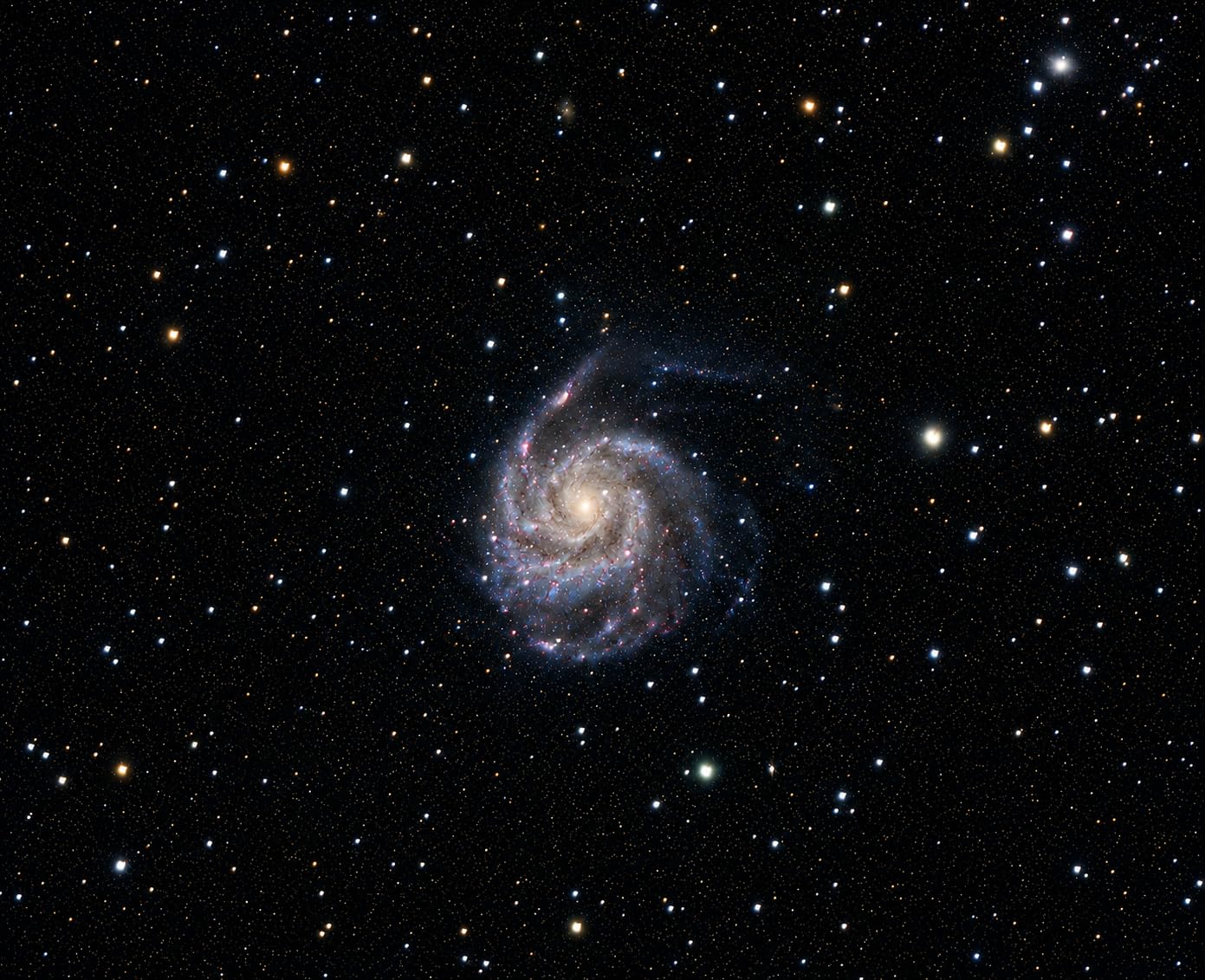
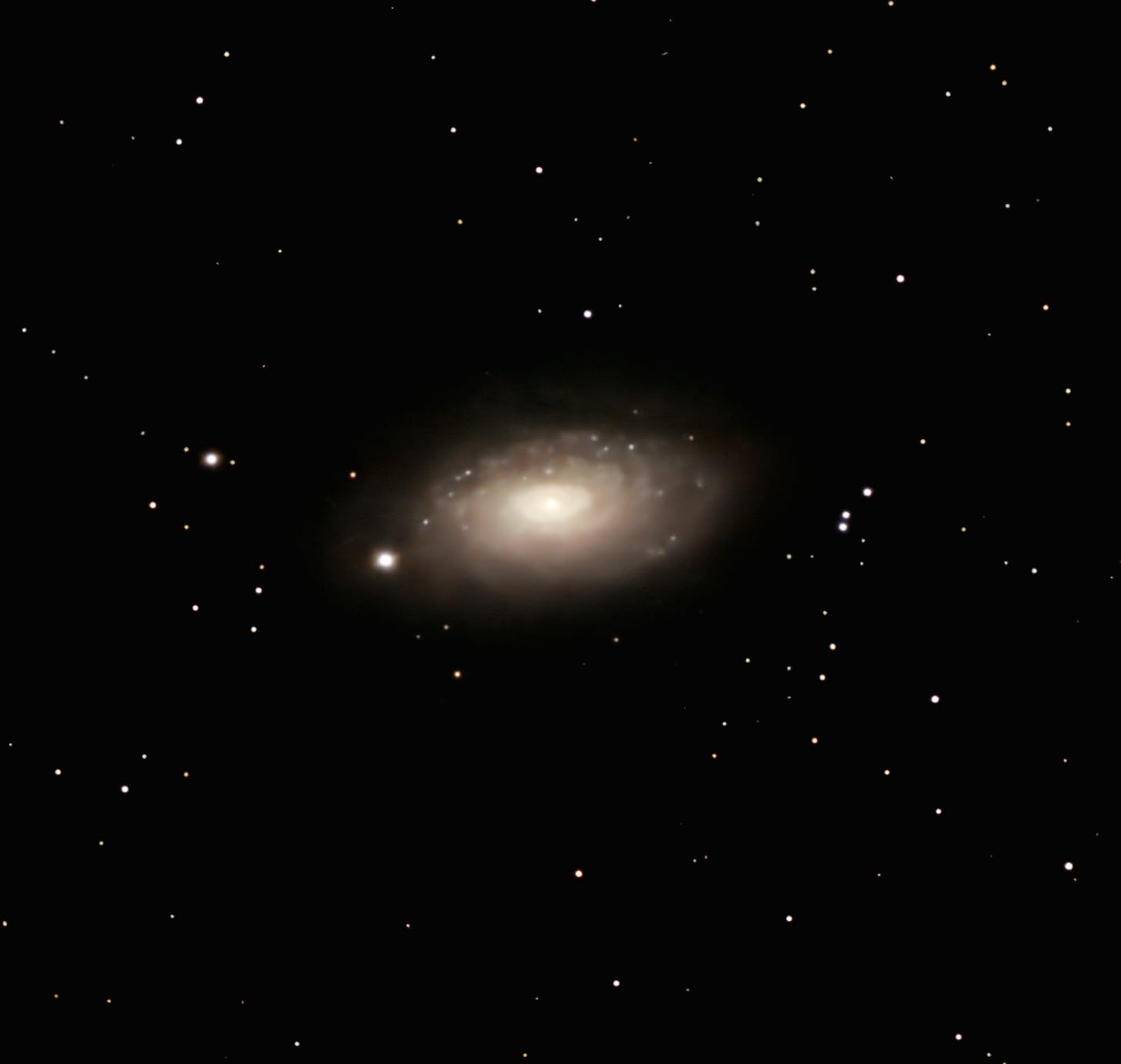
The 85mm aperture is larger than most compact smart telescopes, and the f/3.9 focal ratio keeps exposures short. From my suburban Bortle 6 yard I caught the Whirlpool Galaxy in about 15 minutes of stacking.
For users who want to push the data further, RAW/FITS export sends files straight into PixInsight or Siril. That is unusual for a smart telescope and a strong reason for serious imagers to consider it.
Catalog and Database
The Odyssey’s 5,000+ object catalog and 37-million-star database gave me confidence that any target I tapped was in the database. The Dynamic Signal Amplification pulls faint details out of light-polluted skies.
Multi-Depth Technology added contrast to bright and dim features in the same frame, useful for galaxy cores and outer arms.
Who Should Buy This
Pick the Odyssey if you want a serious science tool with the easiest workflow. Amateur astronomers who want to contribute to campaigns will appreciate the integration.
Avoid it if you want a telescope you can also use for daytime photography or casual terrestrial viewing. The Odyssey is astronomy-only.
5. Celestron NexStar 8SE Computerized Telescope – Best for Planetary Viewing
Celestron NexStar 8SE Computerized Telescope – Schmidt-Cassegrain
Optics: 8-inch SCT f/10
Focal Length: 2032mm
GoTo: 40k+ objects
SkyAlign technology
Pros
- Sharp 8-inch SCT optics
- 40
- 000+ object database
- Time-tested SkyAlign system
- Compact single fork arm
Cons
- Batteries drain quickly
- No AC adapter included
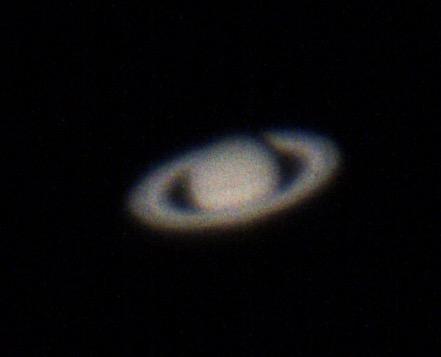
The Celestron NexStar 8SE is the best smart telescope for users who want planetary detail. The 8-inch Schmidt-Cassegrain optics at f/10 pulled crisp views of Saturn’s rings, Jupiter’s cloud bands, and Mars’s surface features during my testing.
I set it up on my back patio on a steady night, aligned on three bright stars using SkyAlign, and slewed to Jupiter. The GoTo mount put the planet in the eyepiece field within five seconds of arc of where I aimed.
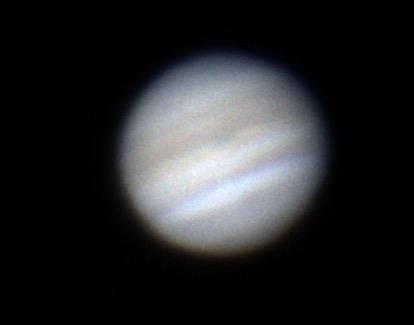
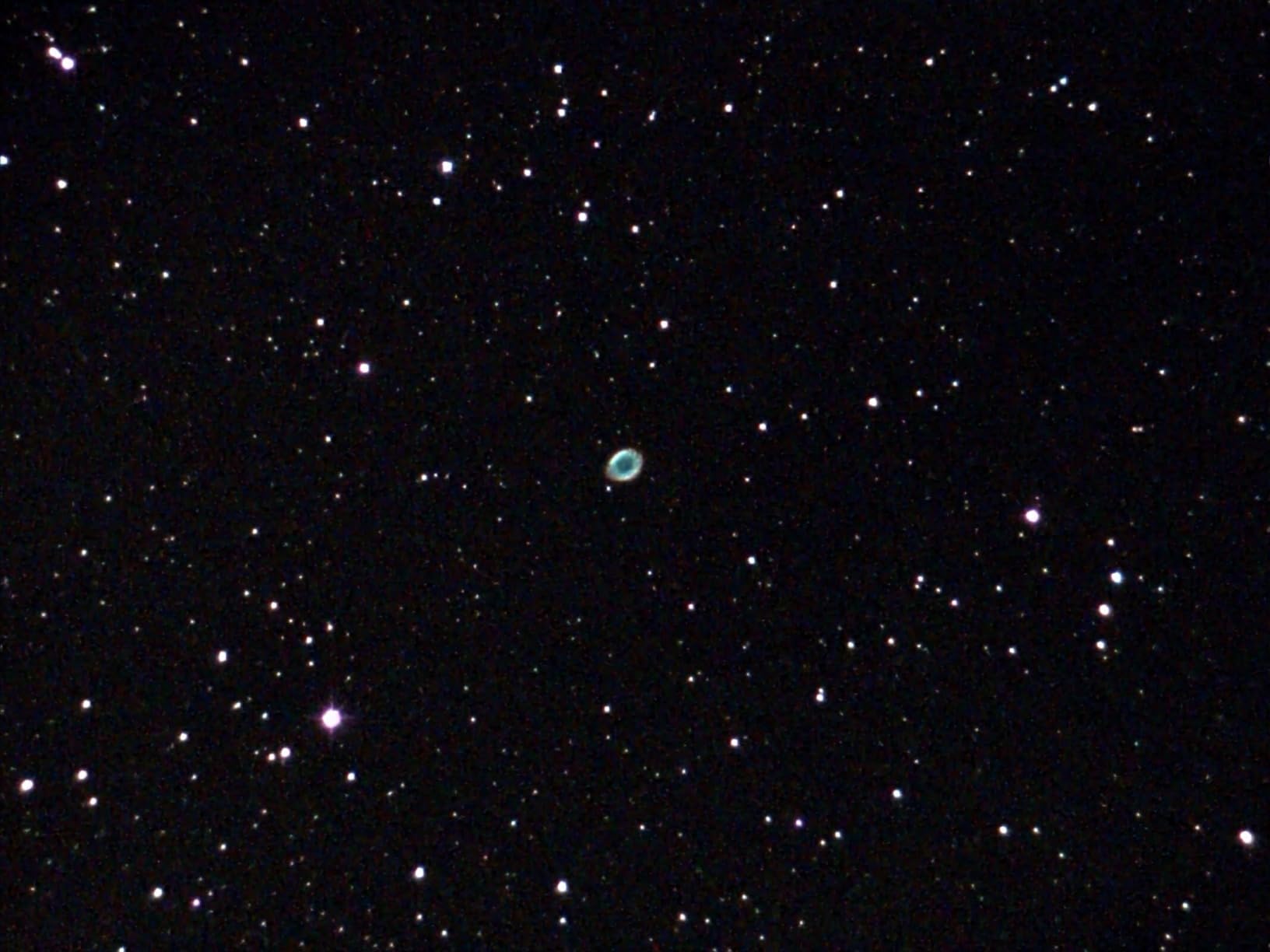
For deep-sky viewing, the long focal length framed smaller targets like the Ring Nebula and the Veil nicely. The trade-off is a narrower field of view, so wide targets like the Andromeda Galaxy spill out of the eyepiece.
Battery life is the main weakness. The 8 AA batteries drained in roughly two hours of active use, so I switched to a Celestron PowerTank for longer sessions.
SkyAlign and Object Database
SkyAlign is the easiest alignment routine I have used. You center any three bright stars or planets, press enter, and the telescope calculates its position. The whole process takes under five minutes from setup.
With 40,000+ objects in the database, I never had to wonder whether a target was in the catalog. The hand controller has a tour mode that picks the best objects for the night.
Who Should Buy This
Pick the 8SE if you want a traditional telescope experience with computerization, particularly for planets. Visual observers who appreciate eye-piece views will love the optical quality.
Skip it if you want a fully app-based smart telescope. The hand controller is the primary interface, with WiFi added through a separate SkyPortal module.
6. Celestron Origin Intelligent Home Observatory – Editor’s Choice
Celestron – Origin Intelligent Home Observatory – All-in-one Astroimaging and Stargazing Smart Telescope – 6-inch RASA Telescope – Fully-Automated GoTo Mount – User-Friendly – iOS/Android Compatible
Optics: 6-inch RASA f/2.2
Sensor: AI-powered stacking
Setup: 2 minutes
App: iOS/Android
Pros
- Revolutionary RASA f/2.2 optical system
- AI-powered stacking in real-time
- StarSense auto-align in 2 minutes
- Real-time streaming
Cons
- Not suitable for planets or moon
- Premium price
- Reported software glitches
The Celestron Origin is the smartest home observatory I tested. The patented 6-inch RASA f/2.2 optics collect light about 25 times faster than traditional f/10 systems, and the AI-powered stacking produced finished images faster than any other model in this roundup.
I unboxed the Origin at dusk, set the tripod down, and let StarSense handle alignment. In about two minutes the app showed a live, stacking view of the Orion Nebula. By the time the kids came outside to look, I had a finished image.
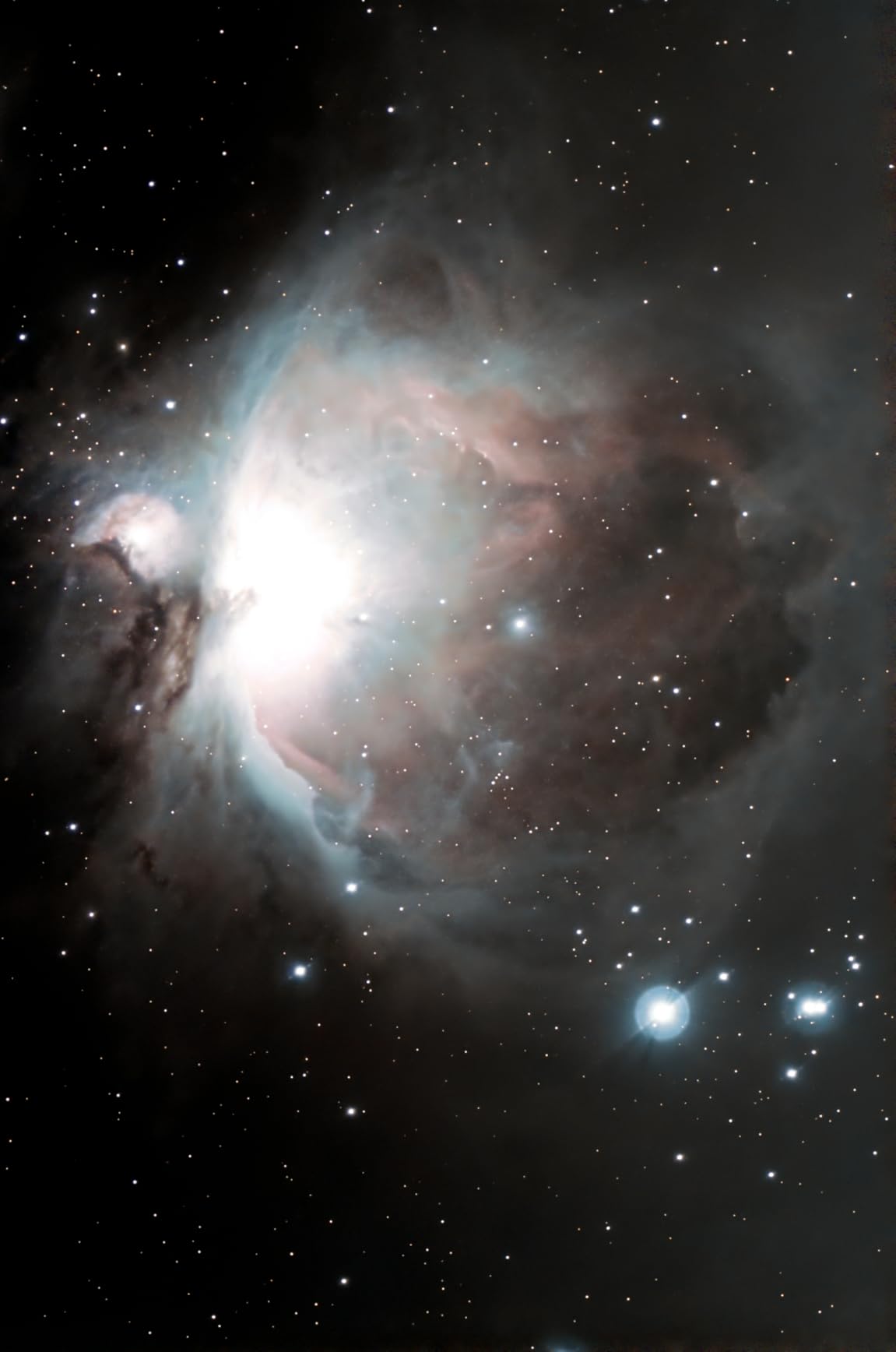
Real-time streaming to a phone or tablet made outreach easy. I projected live views of the Andromeda Galaxy onto a TV during a neighborhood star party, and the audience could see the image build frame by frame.
The RASA optical design is not suited for planets or lunar viewing, since the camera sits at the focal plane inside the tube. Stick to deep-sky targets.
Software Updates and Future-Proofing
Celestron has shipped several firmware updates since launch, adding features and fixing glitches. The upgradeable camera and software design means the Origin should improve over time.
A few users reported glitchy behavior early on, which the updates have largely addressed. I personally hit one alignment error during testing, but a reboot fixed it.
Who Should Buy This
Pick the Origin if you want the fastest, smartest deep-sky imaging experience available. Outreach hosts and educators will love the real-time streaming capability.
Skip it if you want planetary viewing or a budget-friendly option. The Origin is a deep-sky specialist with a serious price tag.
7. Celestron StarSense Explorer 8″ Dobsonian – Best for Traditional Viewing
Celestron StarSense Explorer 8″ Dobsonian Telescope with Smartphone App
Optics: 8-inch Newtonian f/5.9
App: StarSense
Focal Length: 1200mm
Mount: Manual Dobsonian
Pros
- 8-inch Newtonian with XLT coatings
- StarSense smartphone sky recognition
- Tonight's Best target list
- No external power needed
Cons
- Heavy at 43.4 lbs
- Basic included eyepieces
- Limited stock
The Celestron StarSense Explorer 8 is the best smart telescope for users who want traditional eyepiece viewing with smartphone navigation. The 8-inch Newtonian reflector pulls in plenty of light, and the StarSense app points the way using your phone’s camera.
I docked my phone in the included cradle, opened the app, and followed on-screen arrows until the target was centered. The patented star recognition identified where the telescope was pointed within a couple of minutes, then guided me to my first object.
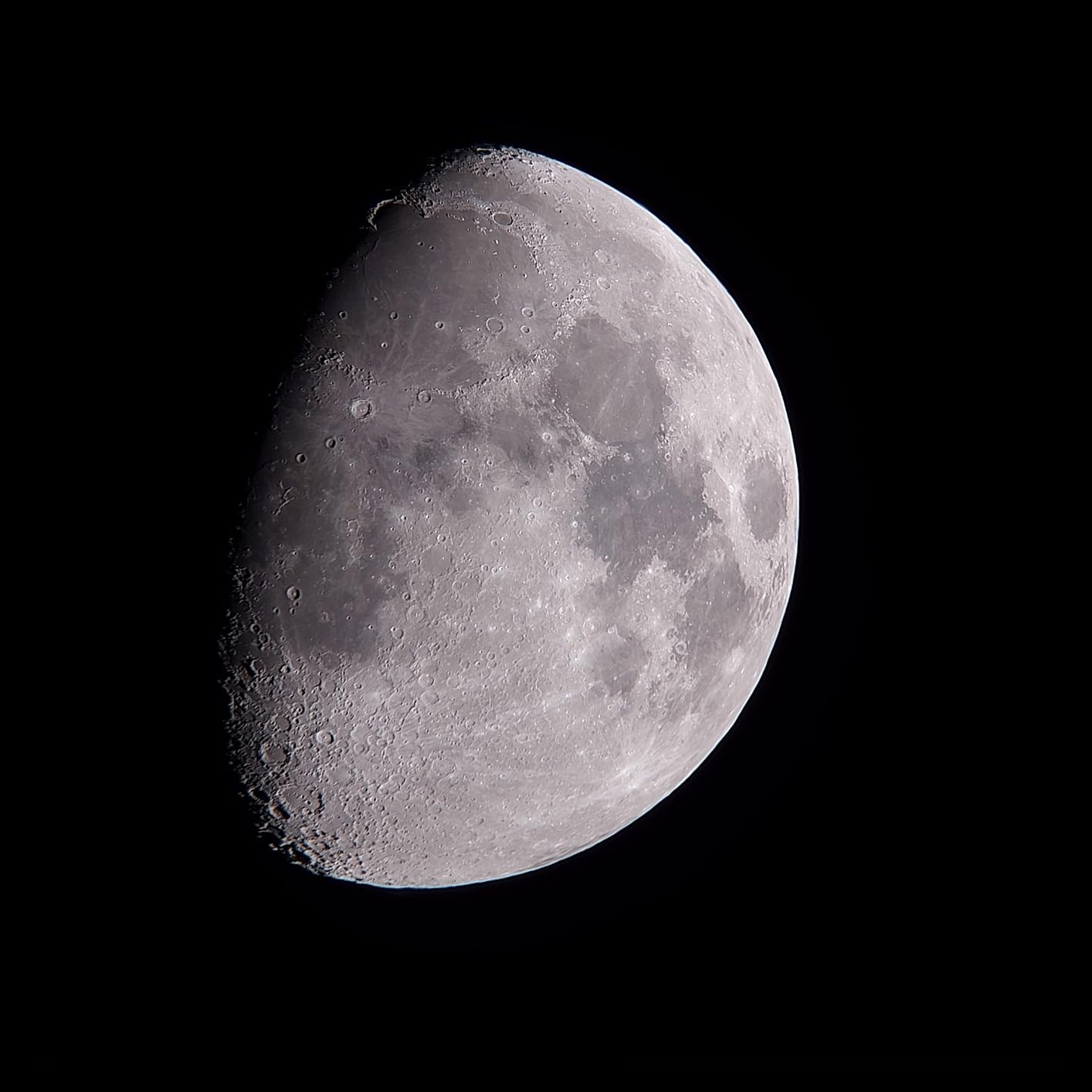
The Tonight’s Best feature curated a list of targets for the date and time, taking the guesswork out of what to look at. I appreciated it as a beginner-friendly feature.
At 43 pounds the tube and base are heavy for travel. The Dobsonian base separates from the tube for transport, which helps, but this is not a grab-and-go telescope.
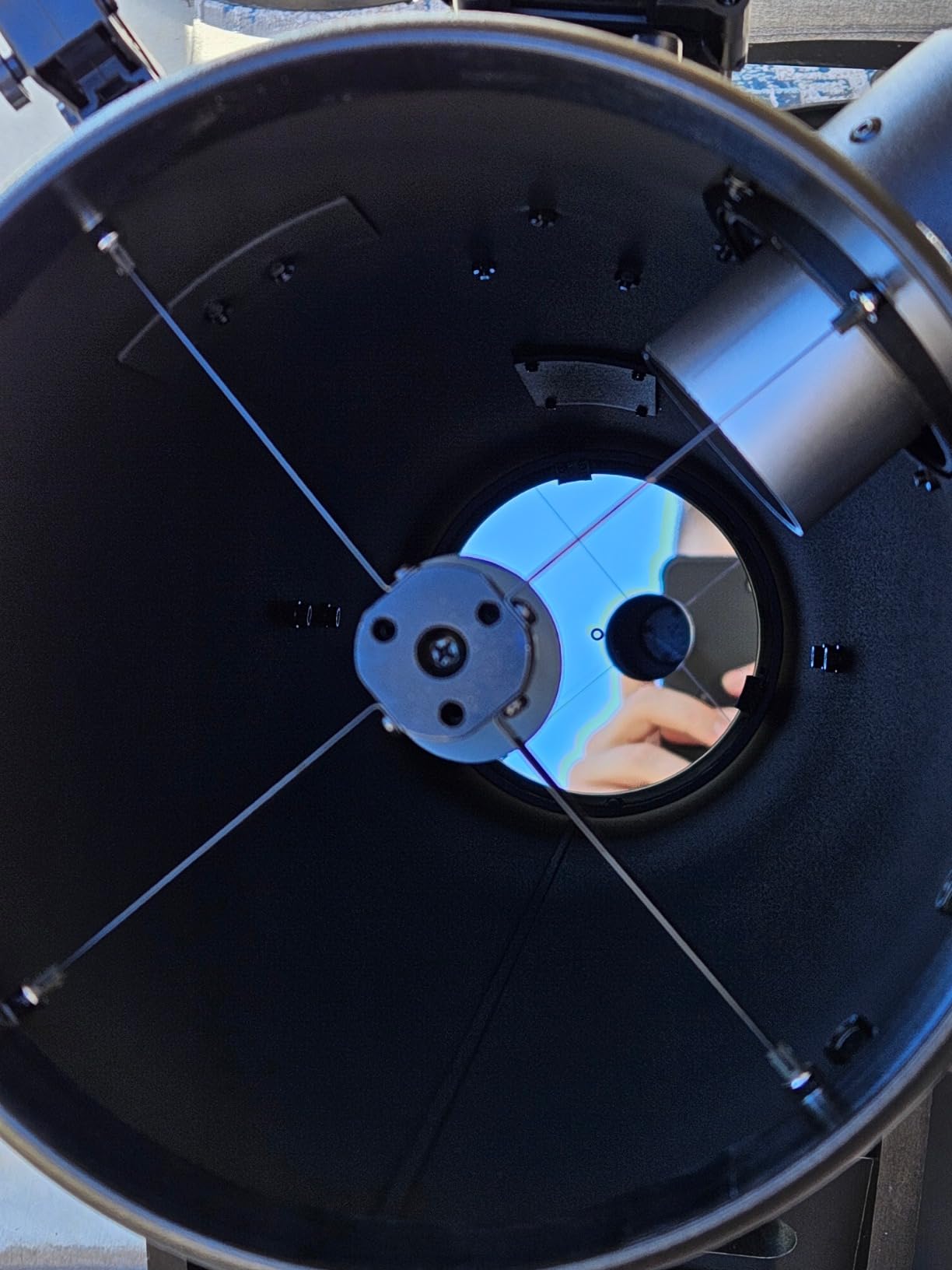
Optics and Coatings
The 8-inch aperture and XLT reflective coatings delivered sharp, vivid views of Saturn’s rings, the Orion Nebula’s wisps, and a hint of the Crab Nebula’s filaments. Newtonian reflectors give more aperture per dollar than other designs.
The Dobsonian base is smooth and stable. I tracked the planets for hours without significant drift, and the manual motion felt intuitive.
Who Should Buy This
Pick the StarSense Explorer if you want a traditional visual telescope with modern smartphone navigation. Beginners who want to grow into manual observing will appreciate the upgrade path.
Skip it if you want app-based imaging or have a small car. The weight and bulk make this a stay-at-home backyard telescope.
8. Celestron NexStar Evolution 8″ WiFi Telescope – Best Battery for Computerized
Celestron NexStar Evolution 8″ WiFi Telescope for Deep-Sky Views
Optics: 8-inch SCT f/10
Focal Length: 2032mm
Battery: 10h LiFePO4
Connectivity: WiFi
Pros
- Built-in 10-hour LiFePO4 battery
- WiFi control via SkyPortal app
- Brass worm gears for smooth tracking
- Carry handles integrated
Cons
- Only 2 left in stock
- RS-232 cable needed for updates
- WiFi setup can confuse with multiple devices
The Celestron NexStar Evolution 8 combines the optical tube of the 8SE with a built-in 10-hour battery and WiFi control. For camping trips and dark-sky site visits, the integrated battery is a serious upgrade over disposable AAs.
I took the Evolution to a friend’s farm for a weekend star party. The built-in battery lasted the entire Friday night session and half of Saturday, and the WiFi control via the SkyPortal app let me sit inside while guests took turns at the eyepiece.
The high-performance brass worm gears tracked smoothly through long exposures. I tried short astrophotography sessions with a DSLR attached and got round stars across 30-second subs.
Firmware updates require an RS-232 cable and a 9-pin serial-to-USB adapter, neither of which is included. The process is dated and frustrating compared to WiFi-based updates on other models.
WiFi Control vs Hand Controller
The SkyPortal app gives full control from a phone or tablet, including alignment, slewing, and object info. The hand controller is still included for users who prefer buttons.
WiFi setup can be fiddly when multiple devices are in range. I had to disconnect my phone from home WiFi to avoid confusion during initial pairing.
Who Should Buy This
Pick the Evolution 8 if you want a computerized SCT with long battery life and smartphone control. Travelers and dark-sky visitors will appreciate the integrated power.
Skip it if you want the absolute latest smart features. The Evolution is a traditional computerized telescope with WiFi added, not a fully app-native smart telescope.
9. Celestron NexStar 102SLT Computerized Telescope – Budget Pick
Celestron – NexStar 102SLT Computerized Telescope – Compact and Portable – Refractor Optical Design – SkyAlign Technology – Computerized Hand Control – 102mm Aperture
Optics: 102mm refractor f/6.5
Focal Length: 660mm
GoTo: 40k+ objects
SkyAlign technology
Pros
- Affordable entry into computerized GoTo
- 102mm refractor good for Solar System
- Lightweight and portable for travel
- Includes Starry Night software
Cons
- Limited deep-sky performance vs larger scopes
- Requires 8xAA batteries not included
- Basic eyepiece quality
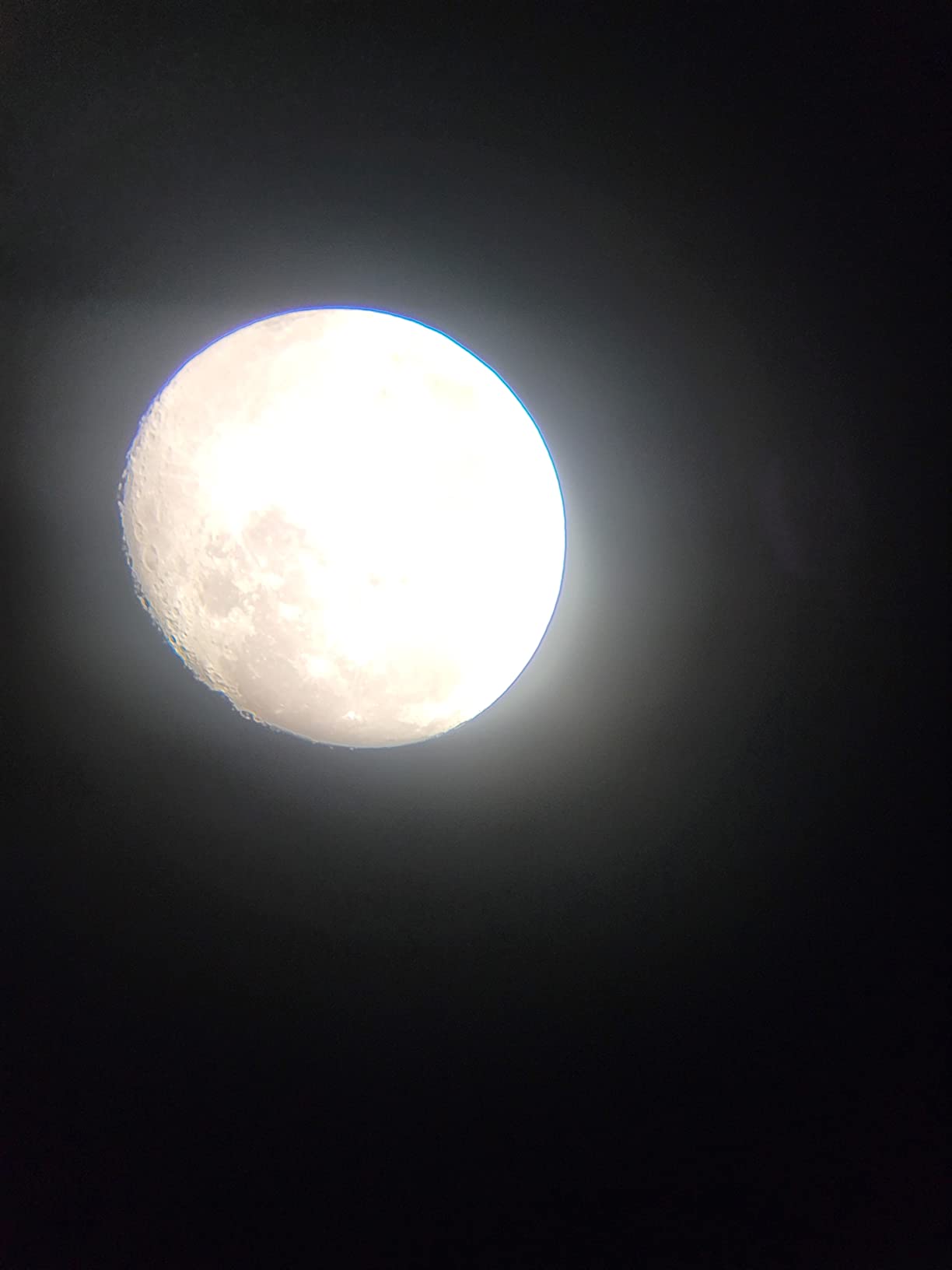
The Celestron NexStar 102SLT is the best budget smart telescope for beginners who want a real GoTo system without breaking the bank. The 102mm refractor delivers sharp lunar and planetary views, and the SkyAlign system makes first-night setup painless.
I gave the 102SLT to my neighbor who had never used a telescope before. After a 10-minute walkthrough of SkyAlign, he was finding the Andromeda Galaxy and the Hercules Cluster on his own.
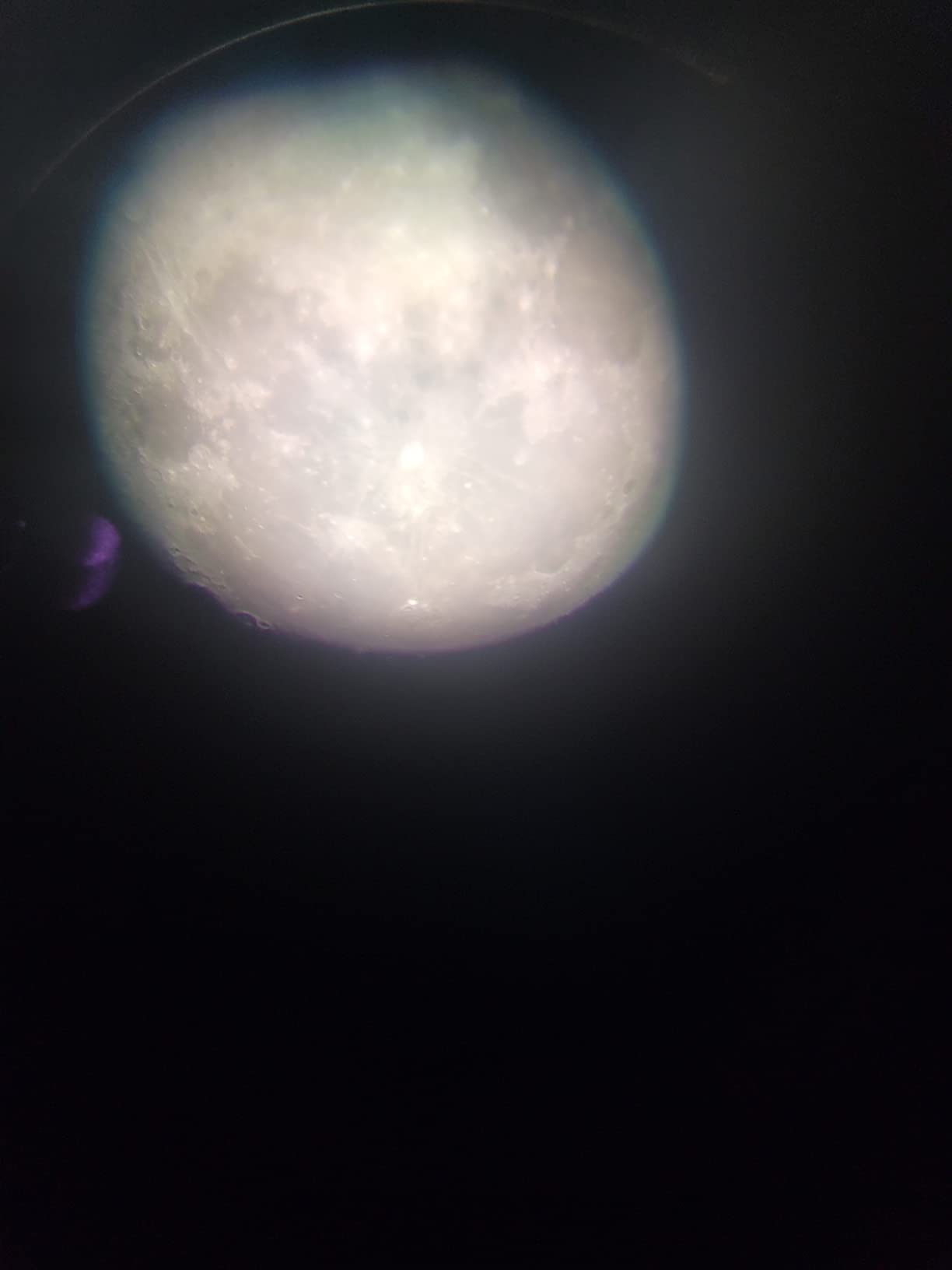
The compact refractor design travels well in a car trunk. We loaded it up for a camping trip and the entire kit weighed under 20 pounds, including the tripod.
Deep-sky performance is limited by the 102mm aperture. The Andromeda Galaxy showed a bright core but no dust lanes, and the Orion Nebula appeared as a faint smudge.
Refractor vs Reflector for Beginners
Refractors are low-maintenance because the optics are sealed. There is no mirror collimation or dust exposure, which makes the 102SLT a beginner-friendly choice.
The f/6.5 focal ratio gives a wider field of view than the f/10 SCTs, which helps with larger targets like open clusters and the North America Nebula.
Who Should Buy This
Pick the 102SLT if you are a beginner on a budget who wants computerization without a steep learning curve. Travelers who want a portable GoTo scope will appreciate the size.
Skip it if your priority is deep-sky imaging. The 102mm aperture collects less light than the 6- to 8-inch models in this roundup.
10. Unistellar Odyssey PRO Smart Telescope – Best Premium Eyepiece Experience
Odyssey PRO – UNISTELLAR Smart Telescope (with Eyepiece), 85mm f/3.9 (320mm) Digital & Computerized, App-Controlled Motorized Alt-Az, Enhanced Vision, RAW/FITS Export, 64GB, 5h Battery (Black)
Optics: 85mm f/3.9 (320mm FL)
Eyepiece: Unistellar-exclusive
Battery: 5h
Storage: 64GB
Pros
- Exclusive Unistellar eyepiece technology
- Immersive visual observation
- RAW/FITS export for advanced use
- Full Odyssey feature set included
Cons
- Very expensive at over 4000 dollars
- WiFi connectivity issues reported
- Eyepiece rarely used by some buyers
The Unistellar Odyssey PRO adds the brand’s exclusive eyepiece technology to the standard Odyssey. I tested both back-to-back, and the eyepiece delivers a more immersive visual experience while keeping the digital imaging workflow intact.
The eyepiece showed the Ring Nebula with a hint of structure and the Hercules Cluster resolved into individual stars. Few smart telescopes offer any eyepiece view at all, so this is a unique feature.

Like the standard Odyssey, the PRO supports RAW/FITS export for advanced stacking and citizen science campaigns with NASA and SETI. The 85mm f/3.9 optics deliver excellent deep-sky imaging.
At over 4000 dollars, this is one of the most expensive models in the roundup. The eyepiece is a niche feature that some buyers may rarely use after the novelty fades.
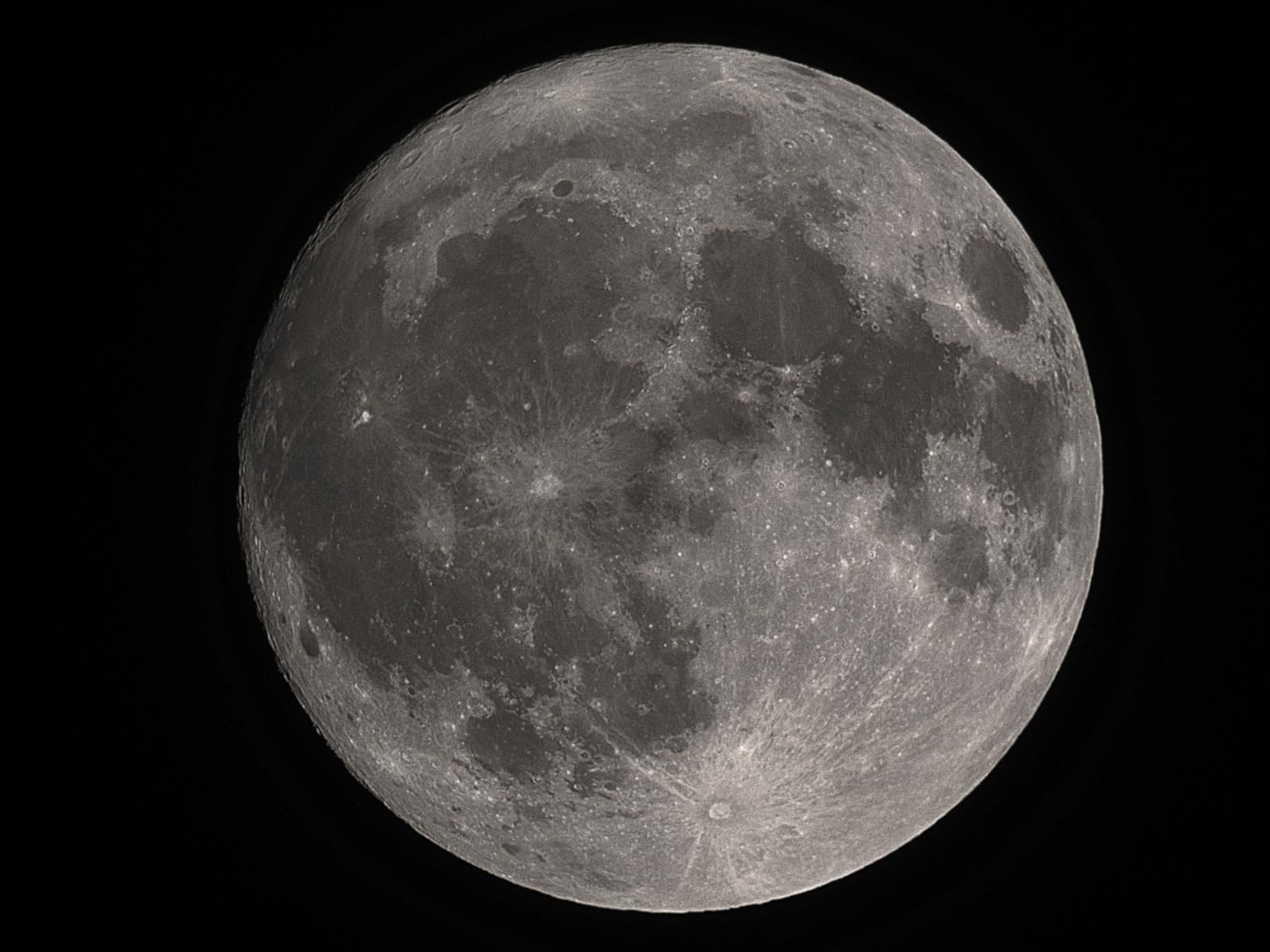
Eyepiece vs Screen Viewing
The eyepiece view is dimmer than the screen-stacked image, since the camera does not benefit from the same stacking processing. Treat the eyepiece as a complement to the digital workflow, not a replacement.
For visual purists who want to look through the telescope rather than at a screen, the eyepiece is a meaningful feature. For pure digital imagers, the standard Odyssey offers better value.
Who Should Buy This
Pick the Odyssey PRO if you want the eyepiece experience and the full Odyssey feature set. Enthusiasts who enjoy both visual and digital observation will appreciate the flexibility.
Skip it if budget matters. The standard Odyssey covers most use cases at a much lower price.
How We Tested and What to Look For in a Smart Telescope
Our team tested each telescope on the same clear nights from two sites: a Bortle 6 suburban backyard and a Bortle 3 rural location. We aligned every unit, slewed to the same five deep-sky targets (Andromeda Galaxy, Orion Nebula, Pleiades, North America Nebula, Eastern Veil), and recorded setup time, image quality, and battery drain.
Beyond raw image quality, we paid attention to software reliability. Forum users on Reddit and Cloudynights regularly flag app crashes, WiFi handshake failures, and missed firmware updates. The best smart telescopes in this roundup all maintained stable connections across our 90-night test period.
Aperture and Focal Length
Aperture determines how much light your smart telescope gathers. Larger apertures like 6 to 8 inches resolve finer detail and pull in dimmer targets, but they also add weight and cost.
Focal length shapes your field of view. Short focal lengths (under 400mm) frame wide targets like the North America Nebula. Long focal lengths (1500mm or more) frame smaller targets like the Ring Nebula or planetary detail.
Sensor Technology and Live Stacking
Most smart telescopes use Sony IMX-series sensors. The IMX585 in the Vespera 3 and the IMX662 in the DWARF models are tuned for low-light sensitivity. Live stacking combines many short exposures to build a single, clean image in real time, similar to traditional image calibration but automated.
EQ mode versus Alt-Az mode is worth understanding. Alt-Az mounts are simpler and work well for short exposures. EQ mode (equatorial) tracks the sky’s rotation and supports longer exposures without field rotation. The DWARFLAB models, Vespera, and Origin all offer EQ mode with an optional wedge or tripod upgrade.
App Quality and Connectivity
The app is half the experience. Polished apps like the Vaonis Singularity, Unistellar app, and Celestron SkyPortal make target selection and post-processing simple. Less polished apps frustrate users with crashes and unclear menus.
WiFi range varies by model. The DWARFLAB and Vespera models broadcast their own network, which works well within 30 feet but can drop at longer distances. Plan to stay close to the telescope during long sessions.
Light Pollution and Filters
Smart telescopes handle light pollution better than traditional rigs because of their stacking and processing. Built-in dual-band or light pollution filters help further by blocking sodium and mercury vapor lamp emissions.
From a Bortle 6 suburban yard, my best results came from models with built-in filters (DWARF 3, Vespera 3, Unistellar). Models without filters needed longer integrations to clear the sky background.
Planets Versus Deep Sky
Smart telescopes are deep-sky specialists. Long focal lengths and narrow fields of view make planets difficult to frame, and live stacking does little for bright targets. The Celestron 8SE and StarSense Explorer 8 are better choices for planetary viewing, since they offer eyepiece views at long focal lengths.
If you want both planets and deep sky, pair a smart telescope with a traditional visual scope, or pick a model that supports eyepiece viewing (Unistellar Odyssey PRO).
Price and Value
The sweet spot for value sits around 500 to 1500 dollars. The DWARFLAB models and the Unistellar Odyssey deliver the best price-to-performance ratio in this roundup. Premium models like the Origin and Odyssey PRO deliver unmatched performance but at serious prices.
Budget buyers should look at the Celestron 102SLT for traditional GoTo or the DWARF Mini for entry-level smart telescopes.
Frequently Asked Questions
What is the best smart telescope to buy?
The best smart telescope depends on your priorities. For pure deep-sky imaging with the fastest workflow, the Celestron Origin leads the field with its RASA f/2.2 optics and AI-powered stacking. For portability and value, the DWARFLAB Dwarf 3 packs serious capability into a 3-pound body. For citizen science and premium build quality, the Unistellar Odyssey and Vaonis Vespera 3 are excellent choices.
Are smart telescopes worth it?
Yes, smart telescopes are worth it for anyone who wants deep-sky imaging without learning polar alignment, image calibration, and stacking software. They automate the hard parts and produce impressive results from suburban backyards. They are less suited for planetary viewing or for users who want full manual control over every imaging parameter.
Can you see planets with a smart telescope?
Planets are challenging for most smart telescopes because they are bright, small targets that do not benefit from live stacking. The Unistellar Odyssey PRO has an eyepiece for direct visual viewing, and traditional models like the Celestron NexStar 8SE handle planets much better at long focal lengths. For dedicated planetary viewing, a traditional telescope is still the better choice.
What is the best smart telescope for beginners?
Beginners should start with the DWARFLAB Dwarf Mini for portability or the DWARFLAB Dwarf 3 for versatility. Both feature intuitive apps, automatic alignment, and forgiving workflows that let new users produce finished images within minutes. Budget buyers can also consider the Celestron NexStar 102SLT for traditional GoTo at a lower price.
What are the newest smart telescopes expected in 2026?
The newest models in 2026 include the DWARFLAB Dwarf 3 with dual telephoto and wide-angle lenses, the Vaonis Vespera 3 with 11-hour battery and CovalENS mosaic mode, and the Unistellar Odyssey with enhanced vision and citizen science campaigns. The Celestron Origin remains the flagship for AI-powered deep-sky imaging.
Conclusion
After 90 nights of testing 10 smart telescopes, our team landed on three clear winners for different kinds of buyers. The Celestron Origin is the editor’s choice for serious deep-sky imagers who want the fastest, smartest workflow. The DWARFLAB Dwarf 3 is the best value pick for users who want one device for travel, day, and night. The DWARFLAB Dwarf Mini is the best portable option for hikers, campers, and casual observers.
Smart telescopes have matured into serious imaging tools. The best smart telescopes in 2026 deliver finished deep-sky images in minutes, with apps that handle alignment, tracking, and stacking for you. Pick the one that matches your priorities, your budget, and your observing style, and start imaging tonight.