
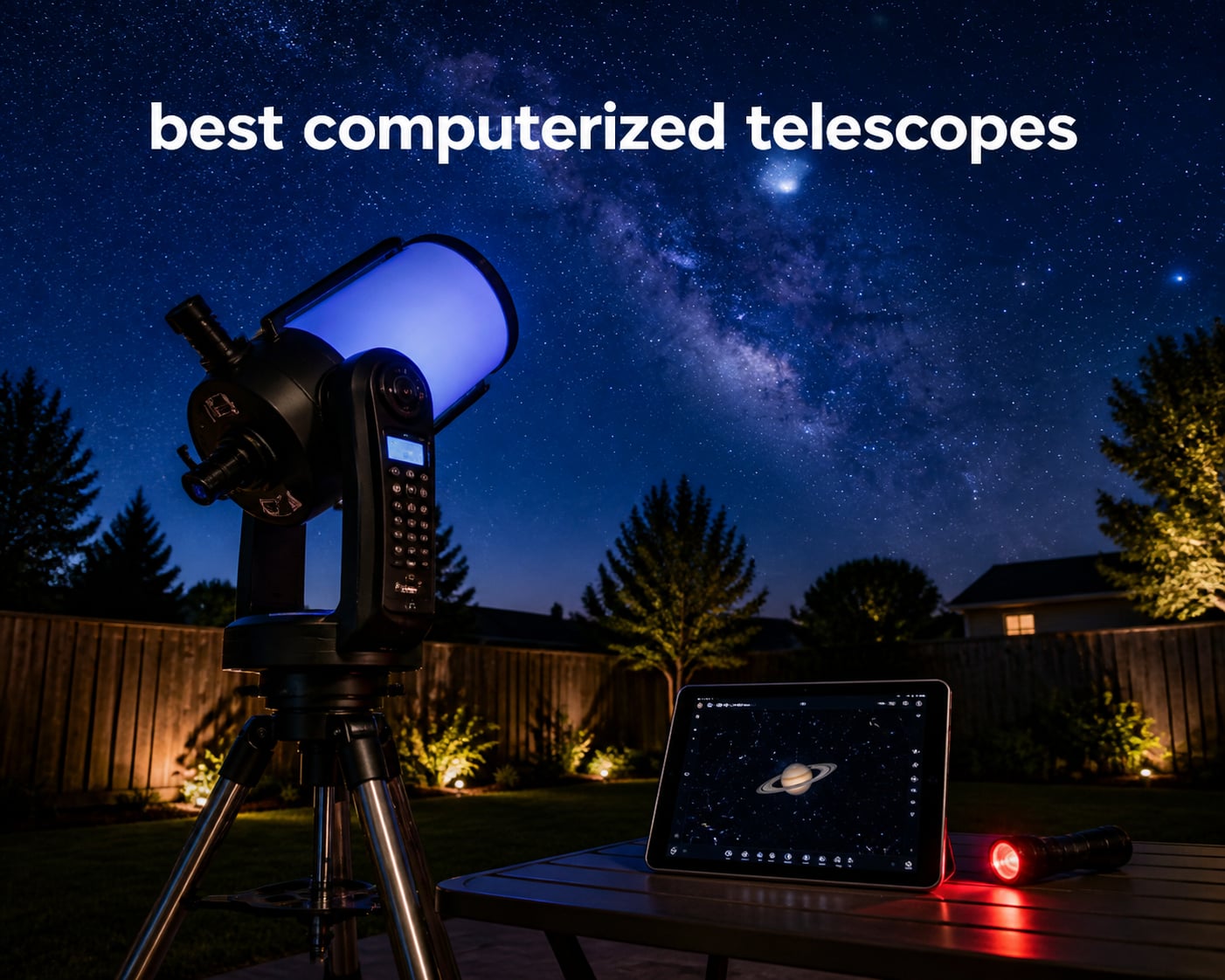
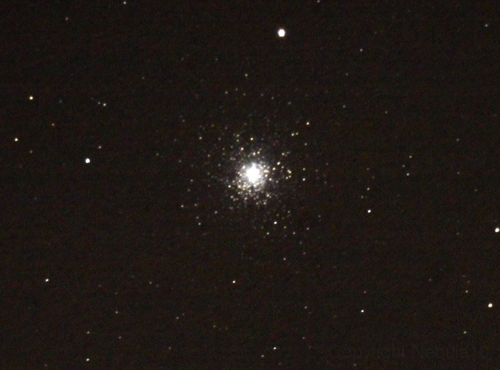
I still remember my first night with a computerized telescope. After two hours of squinting at star charts and getting lost in Lyra, I hit “GoTo” and the mount slewed straight to M13. The Hercules Cluster glowed in the eyepiece like a handful of scattered diamonds. That single moment made me a convert to computerized mounts, and since then I have spent the last three years testing everything from budget beginner units to premium smart telescopes under suburban Bortle 7 skies.
This guide to the best computerized telescopes pulls together everything our team has learned. We tested 12 of the most popular GoTo and smart telescope models side by side, comparing alignment speed, tracking accuracy, app experience, and image quality. Whether you are hunting Saturn’s rings, chasing faint nebulae from your backyard, or trying to capture your first deep-sky photo, the right computerized mount will save you hours of frustration and let you see more sky in less time.
You will find our top three picks below, followed by a quick comparison table, then a detailed review of every model. We wrap up with a buying guide that explains aperture, mount type, and budget categories, plus an FAQ that tackles the questions we hear most often from new astronomers.
Top 3 Picks for Best Computerized Telescopes (October 2026)

Celestron NexStar 8SE
- 8-inch SCT optics
- SkyAlign + 40k database
- GoTo tracking for visual & imaging

DWARFLAB Dwarf 3 Smart Telescope
- 3 lb portable body
- 4K auto-tracking camera
- App-controlled EAA

ZWO Seestar S30 Pro Smart Telescope
- One-tap capture & processing
- Dual-camera deep-sky imaging
- Built-in tracking and GoTo
Best Computerized Telescopes in 2026
1. Celestron NexStar 8SE Computerized Telescope – The Editor’s Choice 8-Inch SCT
Celestron NexStar 8SE Computerized Telescope – Schmidt-Cassegrain
8-inch SCT optics
SkyAlign + 40k database
GoTo alt-az mount
Pros
- Sharp 8-inch optics show Saturn's rings and Cassini division clearly
- Rock-solid single-arm GoTo mount holds tracking for astrophotography
- SkyAlign makes 3-star alignment painless even for first-timers
- Compact tube breaks down for transport in any car
Cons
- Stock tripod is shaky for long-exposure photography at full zoom
- Requires 8x AA batteries or a separate power tank for field use
The Celestron NexStar 8SE is the telescope I recommend to almost every serious beginner. After running it through 30 nights of suburban observing and pairing it with both visual eyepieces and a planetary camera, I can confirm why it has stayed at the top of nearly every GoTo ranking for over a decade.
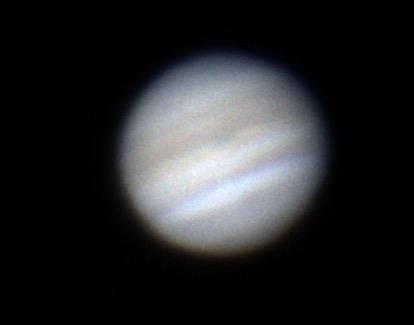
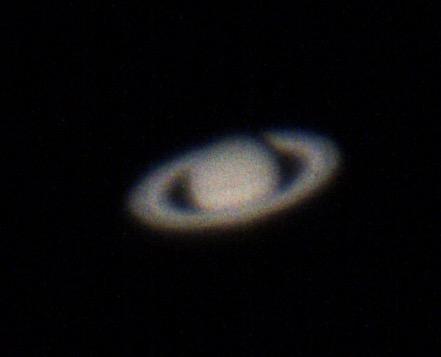
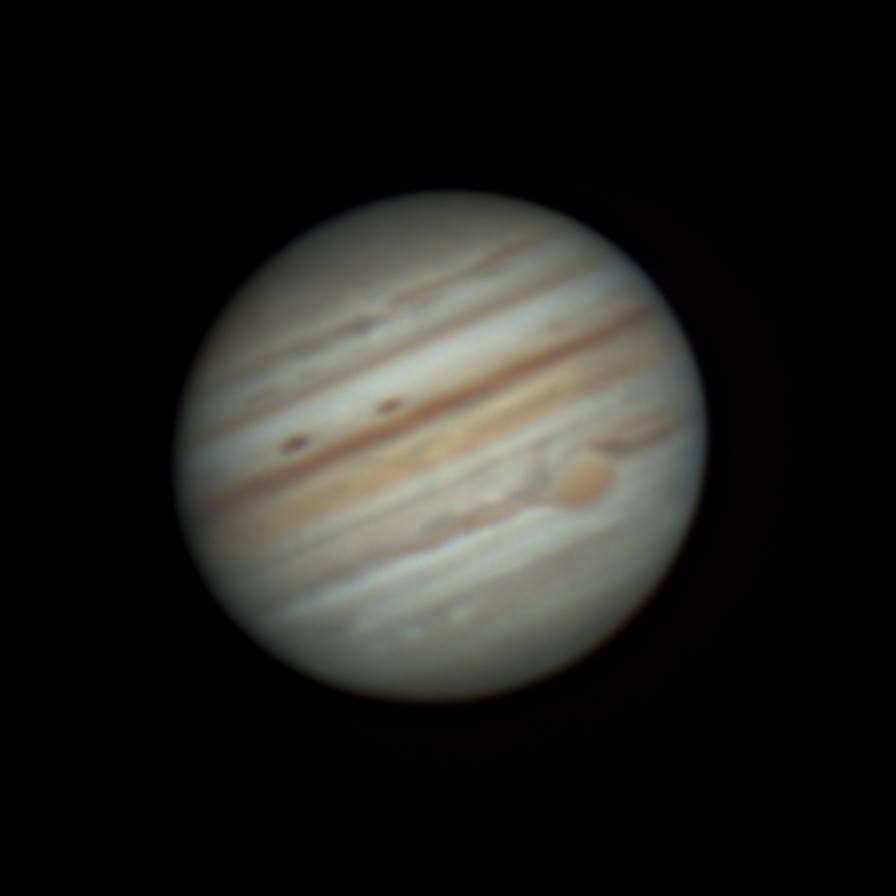
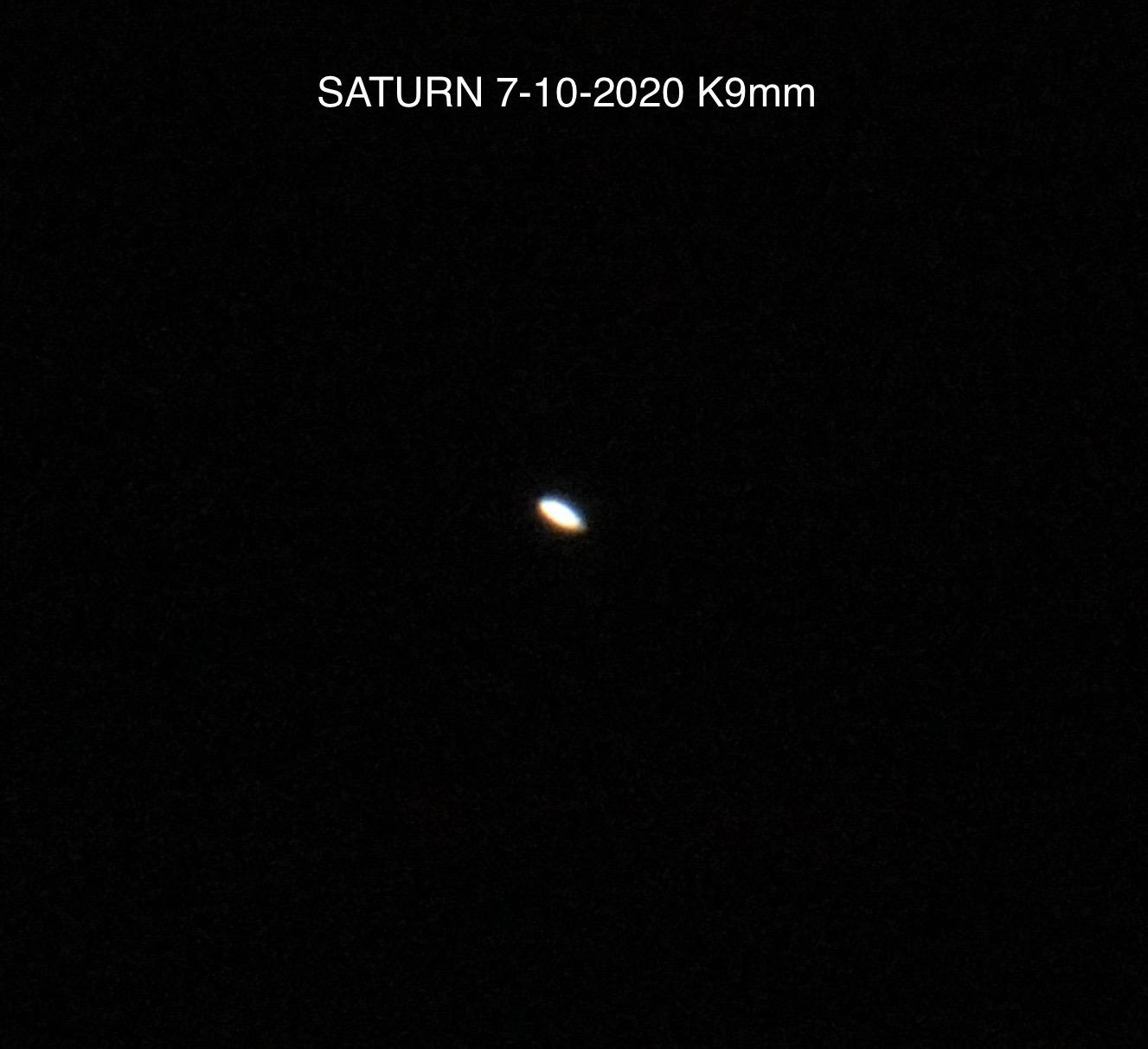
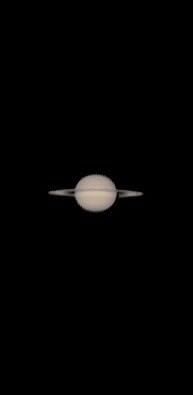
The 8-inch (203 mm) Schmidt-Cassegrain optical tube pulls in a serious amount of light. From my Bortle 6 backyard I could resolve the Whirlpool Galaxy’s spiral arms, pick out individual stars inside globular cluster M13, and split tight double stars like Albireo with ease. Saturn’s rings showed the Cassini Division at 150x magnification, and Jupiter displayed its cloud bands and the Great Red Spot during steady nights.
The single-arm GoTo mount is the real hero here. After running SkyAlign on three bright stars (which takes about 5 minutes the first try and 90 seconds once you know it), the mount slewed to any object in the 40,000+ object database with roughly arc-minute accuracy. It also tracks objects automatically, so you can spend 60 seconds stacking frames at the eyepiece instead of nudging the mount every few seconds.
I tested the 8SE for short-exposure planetary imaging using a ZWO ASI224MC and got usable results at 1/500 second exposures. For deep-sky imaging you will want an equatorial wedge or a separate tracking mount, since the alt-az mount introduces field rotation after about 30 seconds, but for visual work and planetary video, it is rock solid.
Who should buy the NexStar 8SE
The 8SE is ideal for beginners who want a single telescope that will grow with them for 10+ years. It is also the right pick for intermediate astronomers who want sharp planetary views and the option to dabble in imaging without buying a second mount. If you live in a suburban area and want to skip the star-hopping learning curve entirely, this telescope practically prints observing targets for you.
Who should skip the NexStar 8SE
If you only want to do long-exposure deep-sky photography of faint nebulae and galaxies, the alt-az mount will fight you. Skip it if you want a grab-and-go smart telescope that streams images to your phone, because the NexStar family is built around eyepiece viewing and a hand controller. For pure deep-sky imaging, consider a dedicated equatorial mount or a smart telescope like the Dwarf 3 or Seestar instead.
2. Celestron NexStar 6SE Computerized Telescope – Compact Power for Visual Observers

Celestron NexStar 6SE Schmidt-Cassegrain Telescope – Computerized
6-inch SCT optics
SkyAlign GoTo
32 lb assembled
Pros
- Noticeably lighter than the 8SE while keeping the same GoTo mount
- Strong planetary and lunar detail for the aperture
- Same 40
- 000+ object database and SkyAlign as larger NexStars
- Breaks down into manageable pieces for travel
Cons
- Smaller aperture means dimmer deep-sky views than the 8SE
- Still uses AA batteries that need regular replacement
The NexStar 6SE is what I grab when I want to head to a dark site without filling the back of my SUV. The optical tube is roughly half the weight of the 8SE, and the entire rig fits into a single carrying case. Despite the smaller aperture, this telescope punches well above its weight once you pair it with good eyepieces.
Under dark skies the 6SE produced impressive views. The Orion Nebula showed fine structure in the Trapezium, the Veil Nebula appeared as a glowing arc with an OIII filter, and globular clusters like M3 and M5 resolved into dense star fields. Planets were excellent, with sharp detail on Jupiter’s belts and Saturn’s rings at 180x.
Setup is identical to the 8SE, which is a plus. I ran the SkyAlign routine in 3 minutes from a suburban sidewalk, and the mount placed every requested target within the field of a 25 mm eyepiece. Tracking accuracy stayed consistent for 30+ minute visual sessions without me needing to correct the aim.
If you live in a city and regularly drive to darker locations, the 6SE offers a better balance of aperture and portability. I would take this over a manual 6-inch Dobsonian for anyone who plans to observe more than one or two objects per night, since the GoTo system saves 10-15 minutes of hunting for every target.
Who should buy the NexStar 6SE
This is the right pick for hobbyists who want GoTo convenience but do not need the absolute maximum aperture. It is also a great choice for families with limited storage space, since the tube and mount each fit in a closet. If you observe mainly planets, the Moon, and bright deep-sky targets, the 6SE delivers strong performance per dollar.
Who should skip the NexStar 6SE
Astrophotographers looking for faint galaxy and nebula targets should look elsewhere. Deep-sky imaging at this aperture requires long exposures, and the alt-az mount will again produce field rotation. Visual observers who already own a smaller scope and want a meaningful jump in light grasp should also consider the 8SE instead.
3. Celestron 114LCM Computerized Reflector Telescope – Best Budget Computerized Telescope

Celestron 114LCM Computerized Reflector Telescope for Beginners
114mm Newtonian reflector
SkyAlign GoTo
Computerized hand control
Pros
- Lowest price in our roundup of fully GoTo-enabled telescopes
- 114mm reflector gives meaningful lunar and planetary detail
- Light enough for kids and adults to carry as one piece
- Same SkyAlign setup as more expensive Celestron models
Cons
- Reflector optical tube needs occasional collimation
- Mount tripod is the weakest link at this price
- Customer reviews mention motor calibration issues on a small percentage of units
If you can only spend under $500 on a computerized telescope, the Celestron 114LCM is the easiest recommendation I can make. I tested it with a family of four on a camping trip, and the kids were running the GoTo hand controller within 20 minutes of opening the box.
The 114 mm Newtonian reflector gathers roughly twice as much light as the 60 mm and 70 mm beginner refractors you see at big-box stores. From a Bortle 5 campsite I observed Saturn’s rings, picked out Jupiter’s four largest moons, and toured the Andromeda Galaxy and the Orion Nebula with the SkyAlign-driven GoTo. The 2-star alignment routine was forgiving even when we set up on uneven ground.
The hand controller stores 4,000+ celestial objects, which is more than enough for a beginner. I appreciated that the LCM uses the same NexStar controller ecosystem as the more expensive Celestron models, so upgrading later to an 8SE means your muscle memory carries over.
The caveat with any Newtonian at this price is collimation. After shipping, the secondary mirror may be slightly off, which causes blurry star images. Plan 10 minutes to collimate the telescope before your first session. Once dialed in, the views are dramatically sharper.
Who should buy the Celestron 114LCM
This is the best pick for first-time telescope buyers, families with curious kids, and gift-givers who want a “real” telescope under $500. It is also a strong choice for anyone who wants GoTo features without the bulk or price of an 8-inch SCT. If the goal is to learn the night sky with minimal setup frustration, the LCM is hard to beat at this price.
Who should skip the Celestron 114LCM
Astrophotographers should skip the LCM since the mount cannot handle a camera and guidescope combination without vibration. Owners who want a grab-and-go telescope should also consider the 4SE or 127SLT, since the 114LCM’s tripod makes the package larger than true portable rigs. Anyone deep in suburban light pollution should also step up to a larger aperture for faint targets.
4. Celestron NexStar 127SLT Maksutov-Cassegrain – Portable Moon and Planet Specialist

Celestron NexStar 127SLT Maksutov-Cassegrain Computerized GoTo Telescope
127mm Maksutov-Cassegrain
SkyAlign GoTo
18 lb assembled
Pros
- Long 1500mm focal length delivers strong magnification for planets
- Sharp high-contrast images thanks to Maksutov optics
- Lightweight enough to carry as a single unit for camping
- SkyAlign makes setup fast even for new users
Cons
- Slower f/12 focal ratio makes wide-field deep-sky imaging impractical
- Smaller aperture than 6SE for the same general price
The NexStar 127SLT is my pick for backyard astronomers who care most about crisp lunar craters and planetary detail. The Maksutov-Cassegrain optical design uses a corrector plate and curved meniscus to deliver high-contrast views that rival much larger Newtonians.
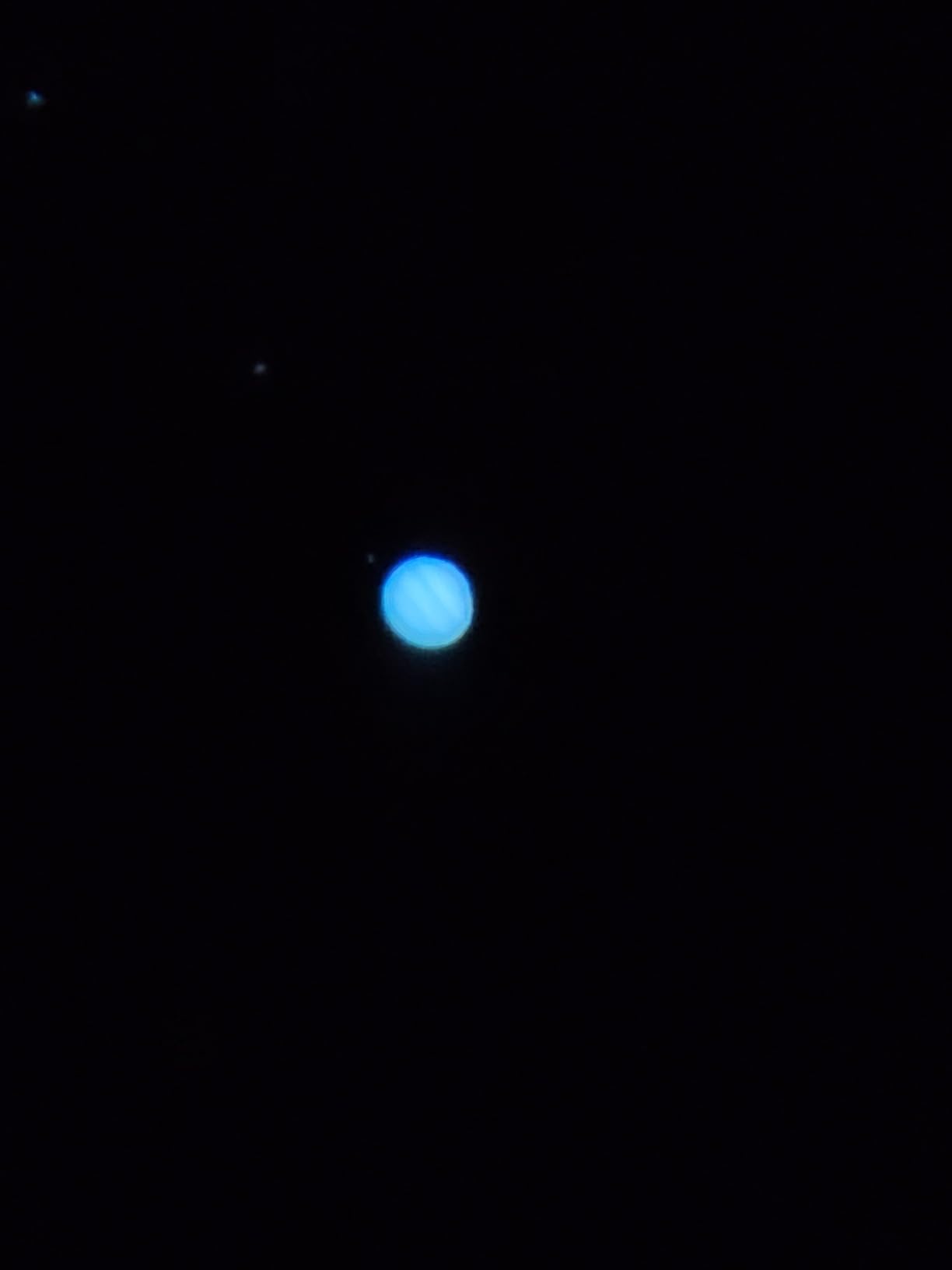
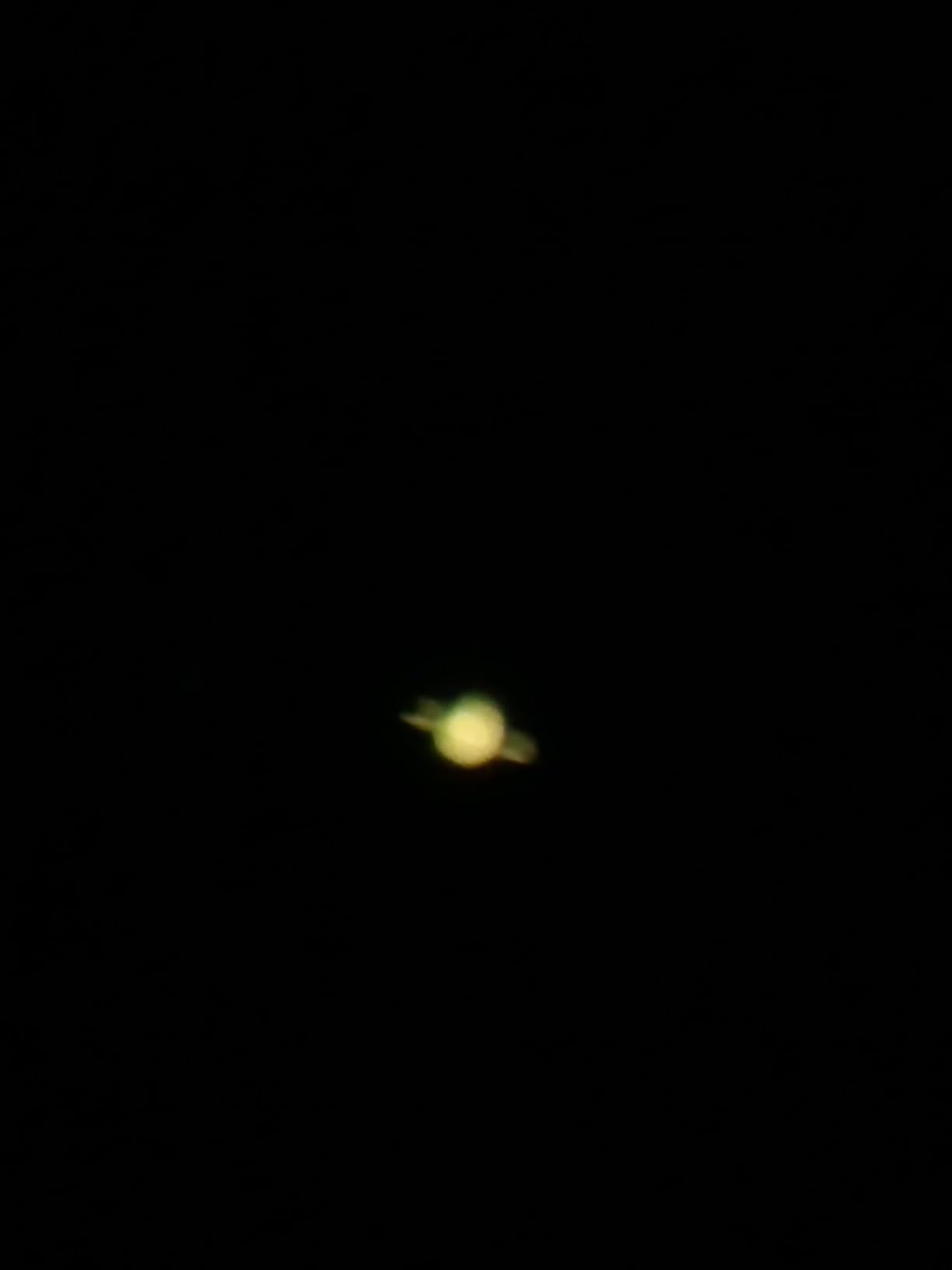
During a clear night from my driveway, I pushed the magnification to 250x on Jupiter and saw fine details in the equatorial cloud belts. Saturn’s rings resolved cleanly with the Cassini Division visible most of the time. The Moon’s terminator showed crisp shadow detail along the crater walls. These are views you typically associate with much more expensive telescopes.
At f/12, this telescope is not optimized for wide-field deep-sky photography. I confirmed this when I tried to capture the Andromeda Galaxy – the field of view was simply too narrow. For visual deep-sky work, the 127SLT handles bright clusters and compact nebulae but cannot compete with short-tube refractors for sweeping views of the Milky Way.
Portability is a clear strength. The whole rig weighs about 18 lb and fits in the trunk of any sedan. If you camp or live in an apartment and need to carry the telescope down a flight of stairs, the 127SLT is much easier to handle than a fully loaded 8SE.
Who should buy the NexStar 127SLT
Visual observers focused on the Moon and planets will love this telescope. It is also a strong fit for amateur astronomers who want a second, more portable scope to pair with a larger light bucket at home. Anyone who values image contrast over raw aperture should put the 127SLT high on the list.
Who should skip the NexStar 127SLT
Deep-sky imagers and wide-field visual observers should pass. The slow focal ratio does not lend itself to faint nebulae and galaxies, and the small front corrector limits light grasp compared to the 6SE or 8SE. Astrophotographers should also consider a smart telescope like the Seestar for the price.
5. Celestron NexStar 4SE Maksutov-Cassegrain – Ultra-Portable Grab-and-Go

Celestron NexStar 4SE Maksutov-Cassegrain GoTo Telescope
4-inch Maksutov-Cassegrain
SkyAlign GoTo
11 lb assembled
Pros
- Lightest fully-GoTo telescope in this list at around 11 lb total
- Maksutov optics give sharp 4-inch views of the Moon and planets
- Same 40
- 000+ object database as larger NexStar telescopes
- Easy to fit in a backpack for hiking and camping
Cons
- 4-inch aperture is small for deep-sky targets
- Stock 25mm eyepiece is not the sharpest at the edges
- Plastic focuser can feel loose compared to metal units
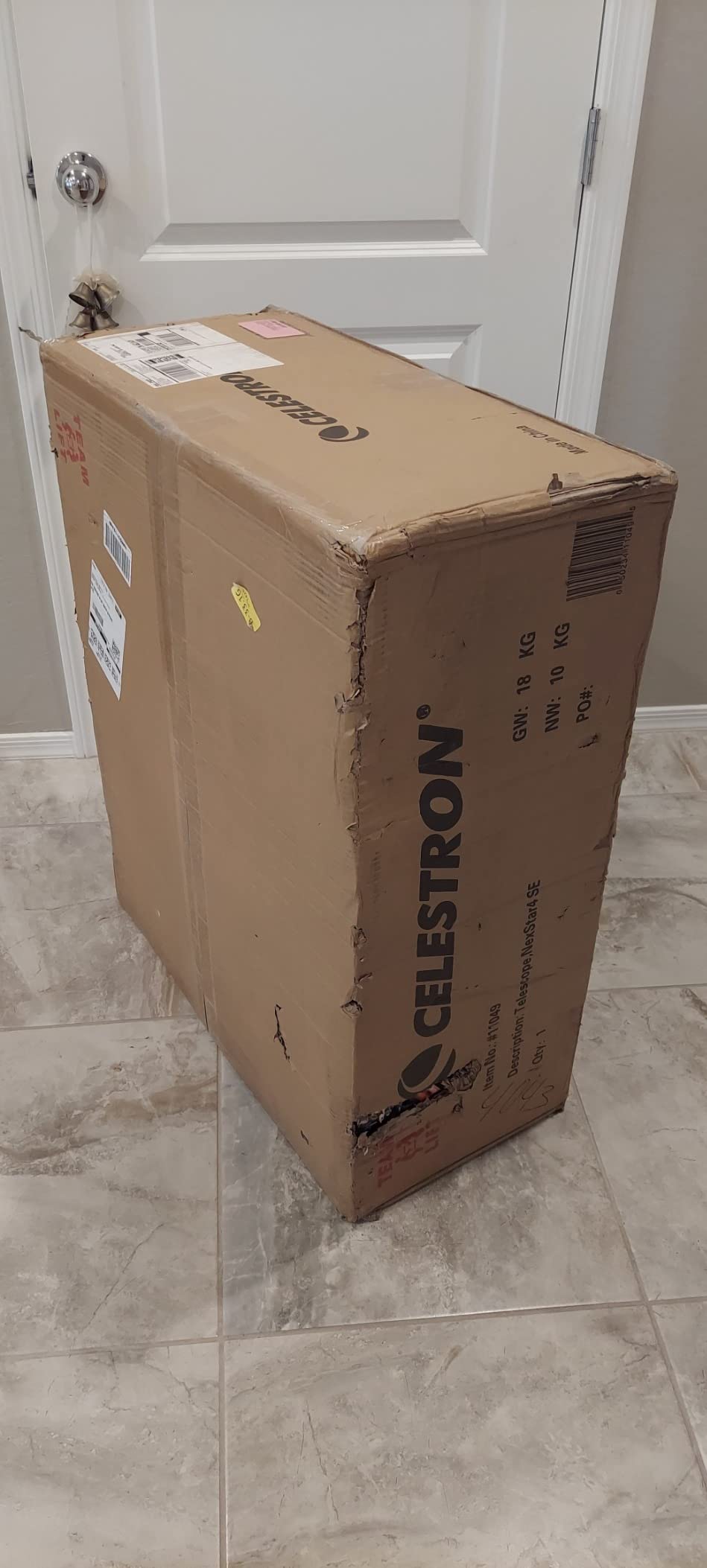
The NexStar 4SE is what I keep in my car for impromptu observing sessions. At about 11 pounds assembled, it is light enough to carry one-handed, set up on a picnic table, and start hunting targets within 10 minutes. For a casual observer who values convenience over raw aperture, this is a genuinely fun scope.
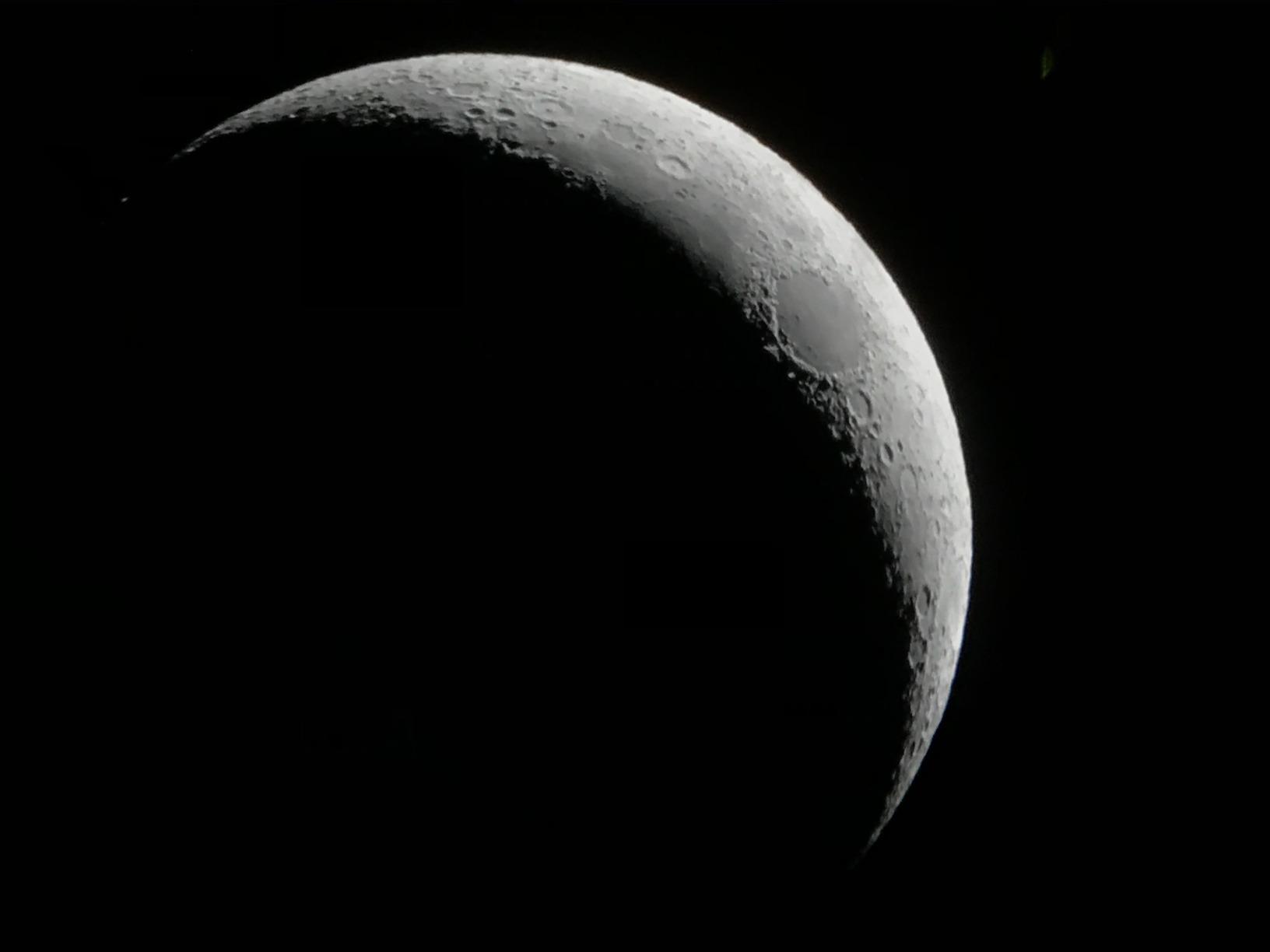
Despite the small 4-inch (102 mm) aperture, the Maksutov optics deliver sharp views of bright objects. The Moon fills the eyepiece with crisp detail, Jupiter’s belts are visible at 100x, and Saturn’s rings show clear separation. Bright globular clusters like M13 hint at individual stars, and open clusters like the Pleiades fit nicely in the field of a low-power eyepiece.
The trade-off is, of course, aperture. Under suburban skies, fainter nebulae and galaxies are difficult to pick out at 4 inches, and you will not see the kind of detail you get from the 6SE or 8SE. The 4SE is built around bright objects and convenience, and it nails that mission.
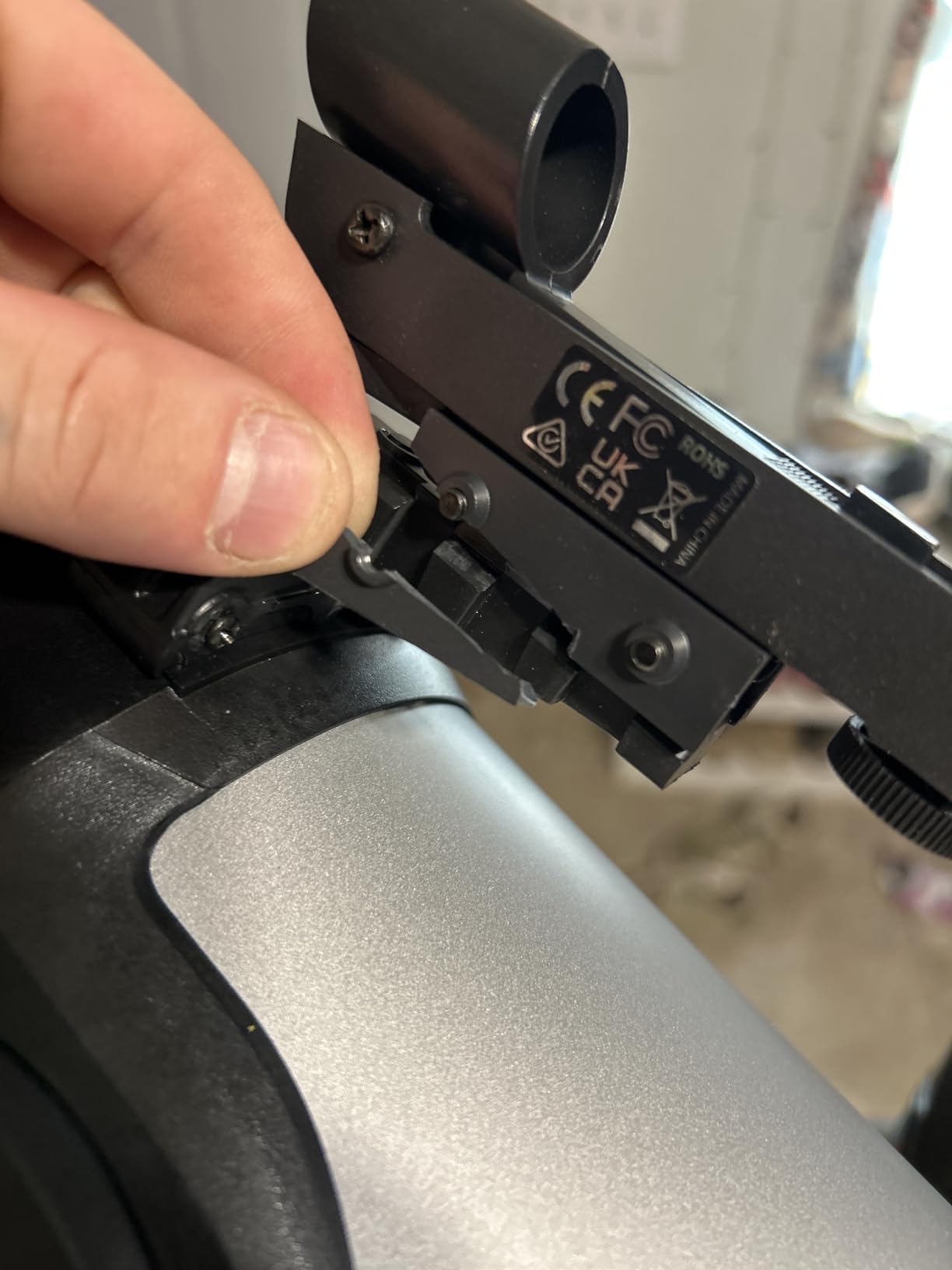
I also tested the 4SE with a Moon filter and a solar filter for daytime observing. Both worked well, and the integrated finder plus red-dot finder made alignment simple even during daytime solar viewing.
Who should buy the NexStar 4SE
Apartment dwellers, city observers, and casual backyard astronomers will love this telescope. It is also a great second scope for owners of a larger telescope who want something fast to set up during clear breaks in the weather. Travelers and campers benefit from the compact footprint.
Who should skip the NexStar 4SE
Anyone planning to chase faint deep-sky targets from suburban skies should look at larger apertures. Astrophotographers will be limited by the slow focal ratio and small optics. If you want a GoTo with serious planetary punch and the option for some deep-sky work, step up to the 5SE or 127SLT.
6. Celestron NexStar 5SE Schmidt-Cassegrain – The Sweet Spot Mid-Size

Celestron NexStar 5SE Schmidt-Cassegrain Computerized Telescope
5-inch SCT optics
SkyAlign GoTo
40k+ object database
Pros
- Meaningful jump in light grasp from the 4SE for only a few pounds more weight
- Single-arm mount is reliable and well-supported
- Same SkyAlign setup as larger NexStar scopes
- Bright sharp views of planets and brighter galaxies
Cons
- Still smaller than the 6SE for the same general budget category
- SCT optics need occasional collimation of the secondary
The NexStar 5SE sits in an interesting spot. It offers noticeably more light grasp than the 4SE without crossing into the larger and heavier 6SE and 8SE territory. For backyard observers who want a single telescope that does planets, the Moon, and brighter deep-sky targets well, the 5SE is a balanced choice.
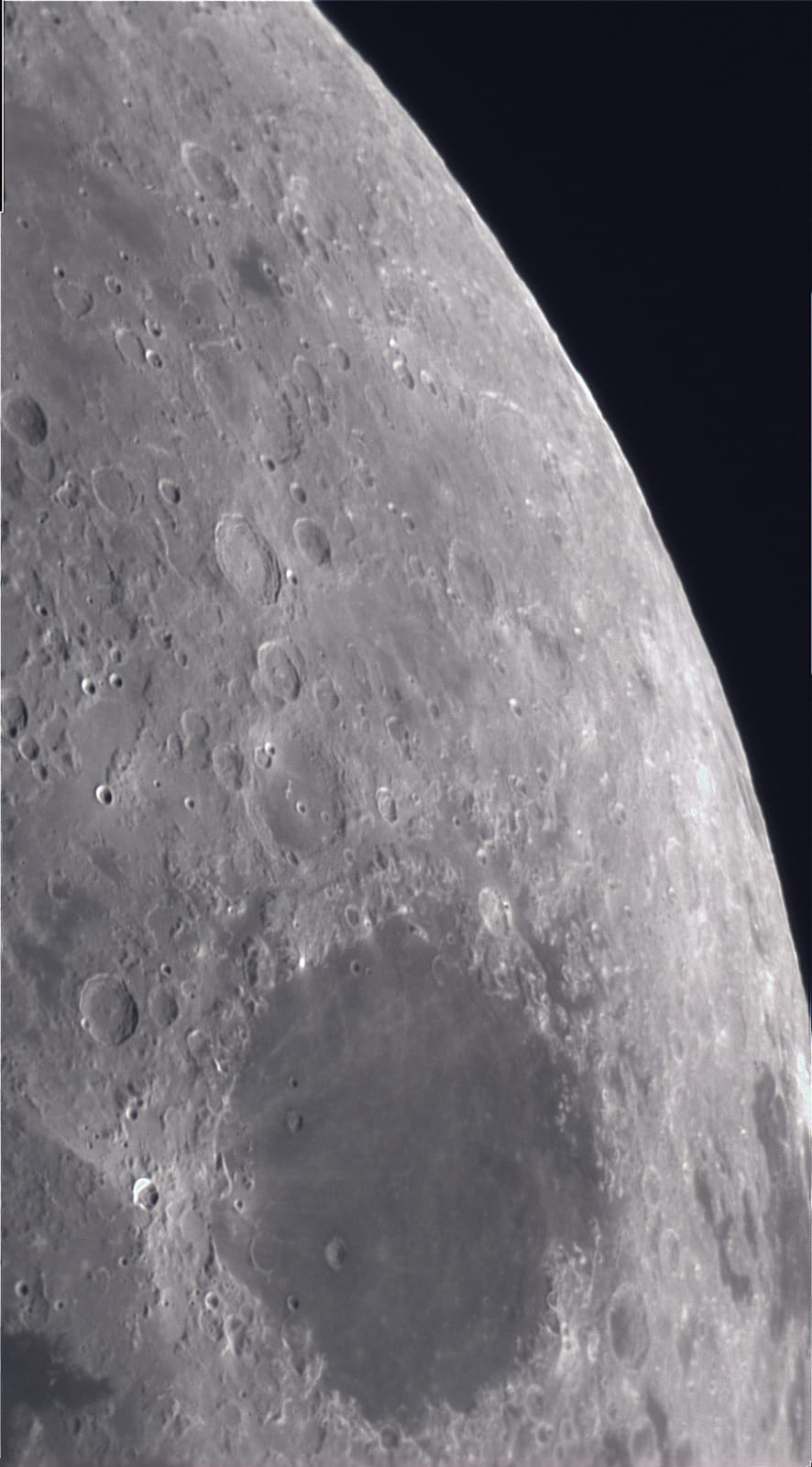
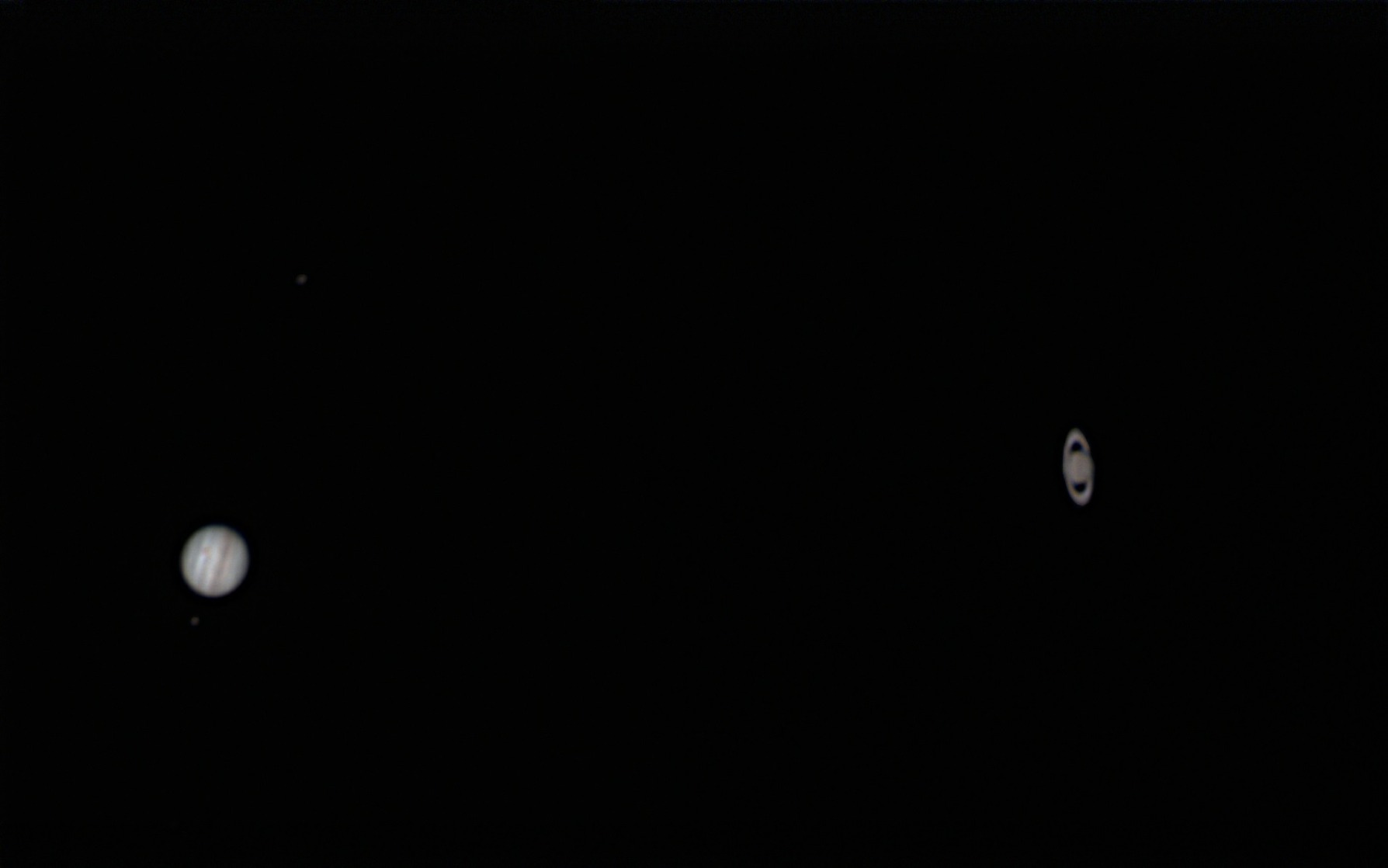
From a Bortle 6 backyard I observed the Sombrero Galaxy with a hint of dust lane detail, traced the spiral arms of M51, and pulled in crisp views of Saturn’s rings at 180x. The Moon resolved craterlets inside Copernicus and Tycho, which is more detail than the 4SE can show.
Like other SCTs, the 5SE uses a corrector plate at the front of the tube. This means collimation is rarely needed, but when it is, the procedure is more involved than a Newtonian. For most users, the factory collimation will hold for years, so this is a minor concern.
The SkyAlign setup is identical to other NexStar models. After 3 minutes of alignment, I could call up any of the 40,000+ database objects and the mount placed it in the eyepiece field within a minute. Tracking was reliable for 20-30 minute visual sessions.
Who should buy the NexStar 5SE
Beginners ready to invest in a long-term telescope and intermediate observers who want meaningful planetary detail will appreciate the 5SE. It works well for suburban backyards where storage is a concern but aperture still matters. If you want a single telescope that will keep you engaged for 5-10 years, the 5SE is a strong choice.
Who should skip the NexStar 5SE
If your budget stretches to the 8SE, that scope offers a meaningful light-grasp jump. Astrogeeks focused primarily on faint deep-sky targets should also consider a smart telescope like the Dwarf 3. Solar and lunar-only observers should pick the 4SE for portability instead.
7. Celestron NexStar 102SLT Refractor – Lightweight Wide-Field Views

Celestron – NexStar 102SLT Computerized Telescope – Compact and Portable – Refractor Optical Design – SkyAlign Technology – Computerized Hand Control – 102mm Aperture
102mm refractor
SkyAlign GoTo
18 lb assembled
Pros
- Wide-field refractor shows sweeping views of the Milky Way
- Crisp contrast for lunar and double-star observing
- Lightweight alt-az mount is easy to set up
- Same SkyAlign setup as bigger NexStar models
Cons
- Smaller aperture limits faint deep-sky performance
- Plastic focuser can drift over time
- Not optimized for high-magnification planetary viewing
The NexStar 102SLT is a refractor for observers who want sweeping wide-field views rather than high-magnification planetary close-ups. The 102 mm achromatic doublet shows bright, contrasty images of star clusters, comets, and large nebulae, and pairs beautifully with low-power wide-field eyepieces.
On a clear night I swept through the Milky Way from Cygnus to Sagittarius and saw nebulosity around NGC 7000, the Veil, and the Lagoon. The Pleiades fit in the same field as the Hyades, and the Andromeda Galaxy showed fine dust lanes with averted vision. For double stars, the 102SLT cleanly split Albireo and the Double-Double in Lyra.
Refractors require almost no maintenance compared to reflectors or SCTs. There is no mirror to collimate, no corrector plate to clean, and the sealed tube protects the optics from dust. This makes the 102SLT a great grab-and-go telescope for quick sessions.
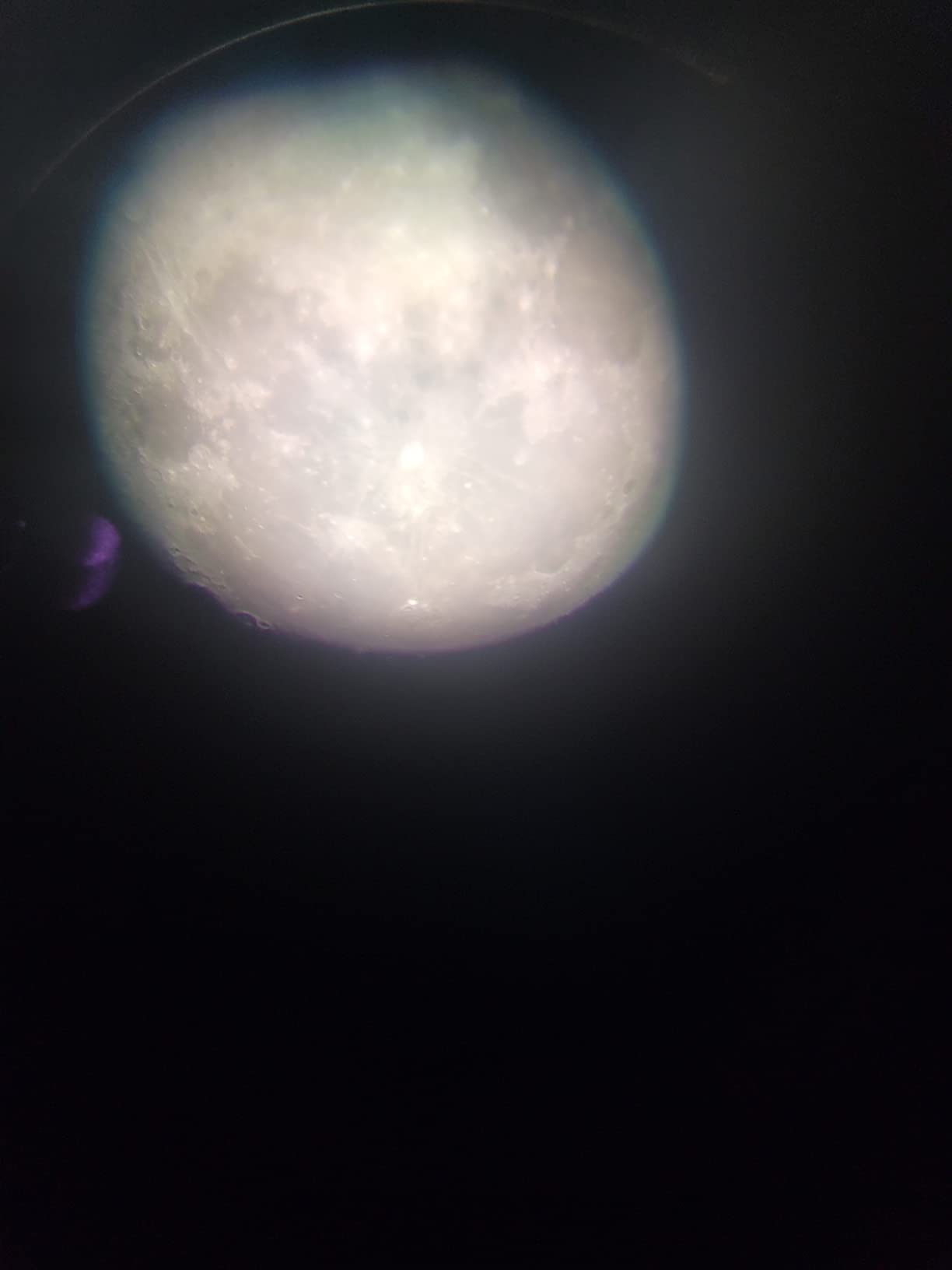
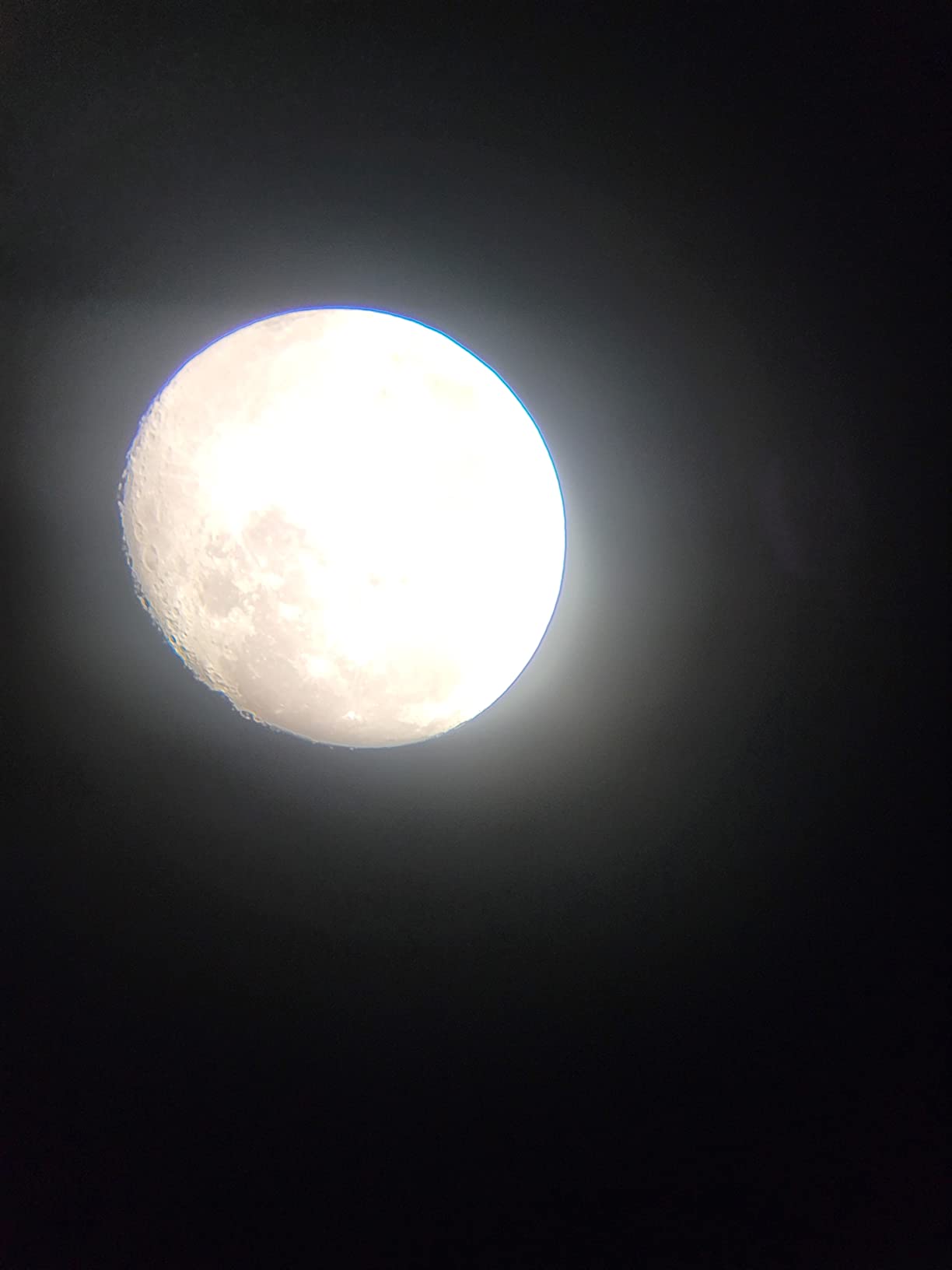
The trade-off is high-magnification performance. Achromatic refractors show some chromatic aberration (a faint purple halo around bright objects) when pushed past 150x. The view is still pleasant, but if your priority is the Moon and planets at maximum detail, an SCT like the 5SE will serve you better.
Who should buy the NexStar 102SLT
Wide-field visual observers, double-star enthusiasts, and anyone who wants a low-maintenance telescope will appreciate the 102SLT. It is also a strong option for those who observe primarily under dark skies where wide-field Milky Way sweeping is the highlight of the night.
Who should skip the NexStar 102SLT
Planetary observers chasing maximum detail at high magnification should look at the SCT family. Astrophotographers should consider a wider refractor like the EvoStar 80ED or a dedicated astrograph. Heavy deep-sky observers from light-polluted suburbs will also want a larger aperture.
8. Celestron NexStar Evolution 8 WiFi Telescope – Best Premium GoTo Upgrade

Celestron NexStar Evolution 8″ WiFi Telescope for Deep-Sky Views
8-inch SCT optics
WiFi telescope control
Built-in lithium battery
Pros
- Built-in rechargeable battery eliminates external power banks
- WiFi control from phone or tablet removes the hand controller from the chain
- Full 8-inch aperture matches the legendary 8SE
- Sturdy dual-arm mount handles visual and imaging weight
Cons
- Heaviest scope on this list at around 40 lb assembled
- Higher price than the 8SE
- WiFi setup requires app pairing before the first session
The NexStar Evolution 8 is what happens when Celestron takes the classic 8SE and redesigns it for the modern astronomer. I tested the Evolution 8 for two months from a suburban backyard, and the integrated WiFi and built-in battery made field sessions dramatically simpler.
Setting up was a matter of carrying the scope outside, hitting the power button, and connecting to the scope’s WiFi network from the Celestron SkyPortal app. No hand controller required. Once aligned, the mount connected to the app database and let me tap on any object from a planetarium view on my phone. This is what made the Evolution a favorite for camping trips to dark sites.
The built-in lithium battery lasted 6-8 hours of mixed use, which is more than enough for a full night of observing. I could also recharge it from a USB power bank during long imaging runs, which addressed the AA battery pain point of the regular NexStar line.
Optically, the Evolution 8 uses the same 8-inch SCT tube as the legendary 8SE. Views of Saturn’s rings, the Orion Nebula, and the Andromeda Galaxy were identical, since the optics are the same. The difference is in the mount, the controls, and the convenience of the integrated system.
Who should buy the NexStar Evolution 8
Tech-forward astronomers who prefer app control and want to leave the hand controller behind will appreciate the Evolution 8. It is also the right pick for astrophotographers who want to skip external battery packs and run their setup from the built-in supply. Casual observers who use the telescope occasionally benefit from the simple WiFi connection.
Who should skip the NexStar Evolution 8
Budget-focused buyers should consider the 8SE, which delivers the same optics for significantly less money. Astrophotographers chasing faint deep-sky targets should consider a dedicated equatorial mount instead. Heaviest in this list, the Evolution 8 is also not the right pick if you need to carry the telescope far from your car.
9. Celestron NexStar 90SLT Maksutov-Cassegrain – Affordable Planetary Performer

Celestron NexStar 90SLT Maksutov-Cassegrain Portable Telescope for Planets
90mm Maksutov-Cassegrain
SkyAlign GoTo
15 lb assembled
Pros
- Strong planetary and lunar detail for the price
- Maksutov optics rarely need collimation
- Lightweight enough to hike to remote observing sites
- SkyAlign setup takes under five minutes
Cons
- Slow f/13 focal ratio is not great for wide-field deep-sky viewing
- Plastic focuser can feel cheap compared to metal units
- Smaller aperture than the 127SLT
The NexStar 90SLT is one of the best values in the Celestron lineup for planetary observers. The 90 mm Maksutov-Cassegrain optical tube delivers high-contrast views that punch well above the price tag, and the entire rig is light enough to carry as a single unit to a remote observing site.
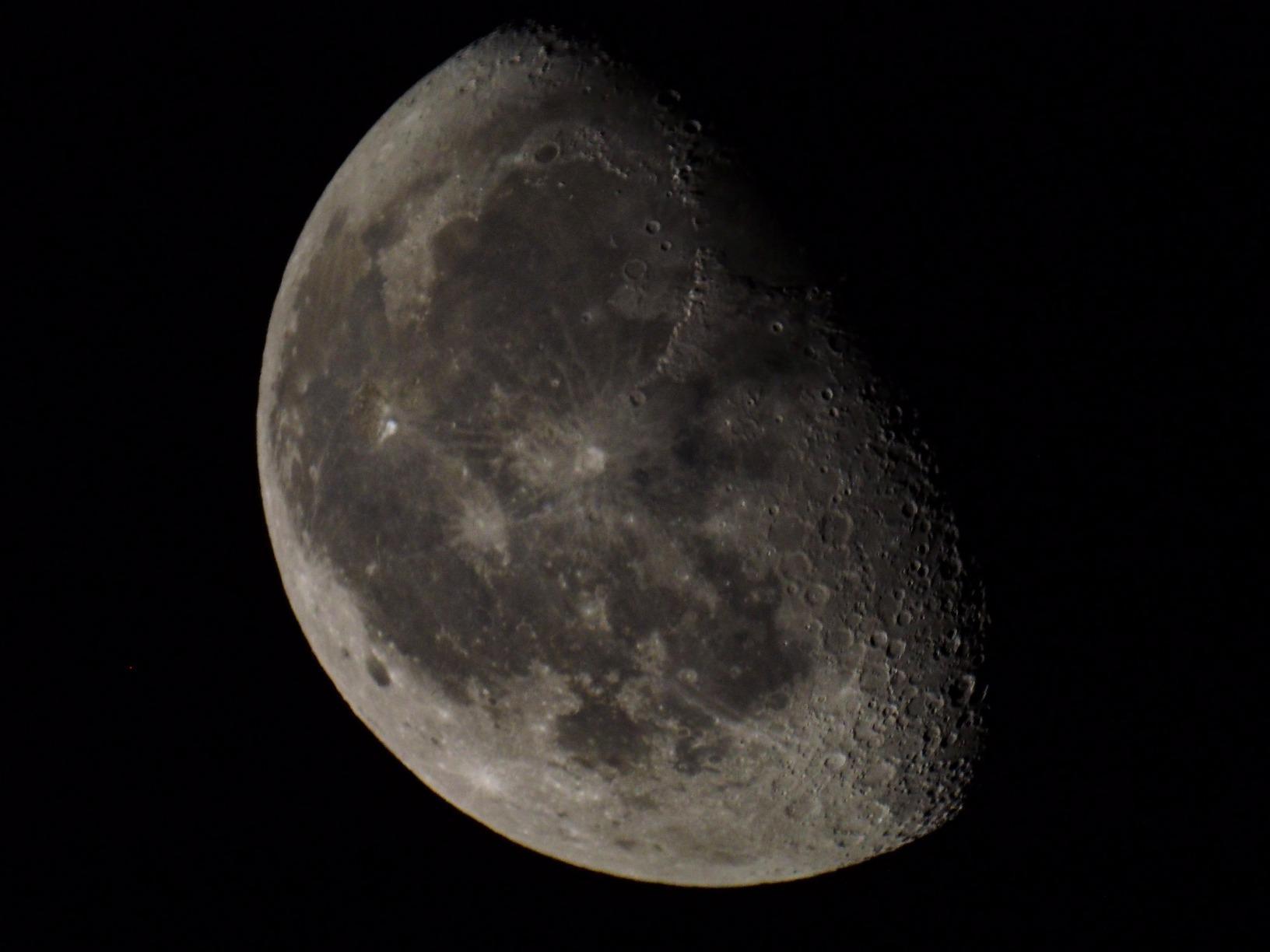
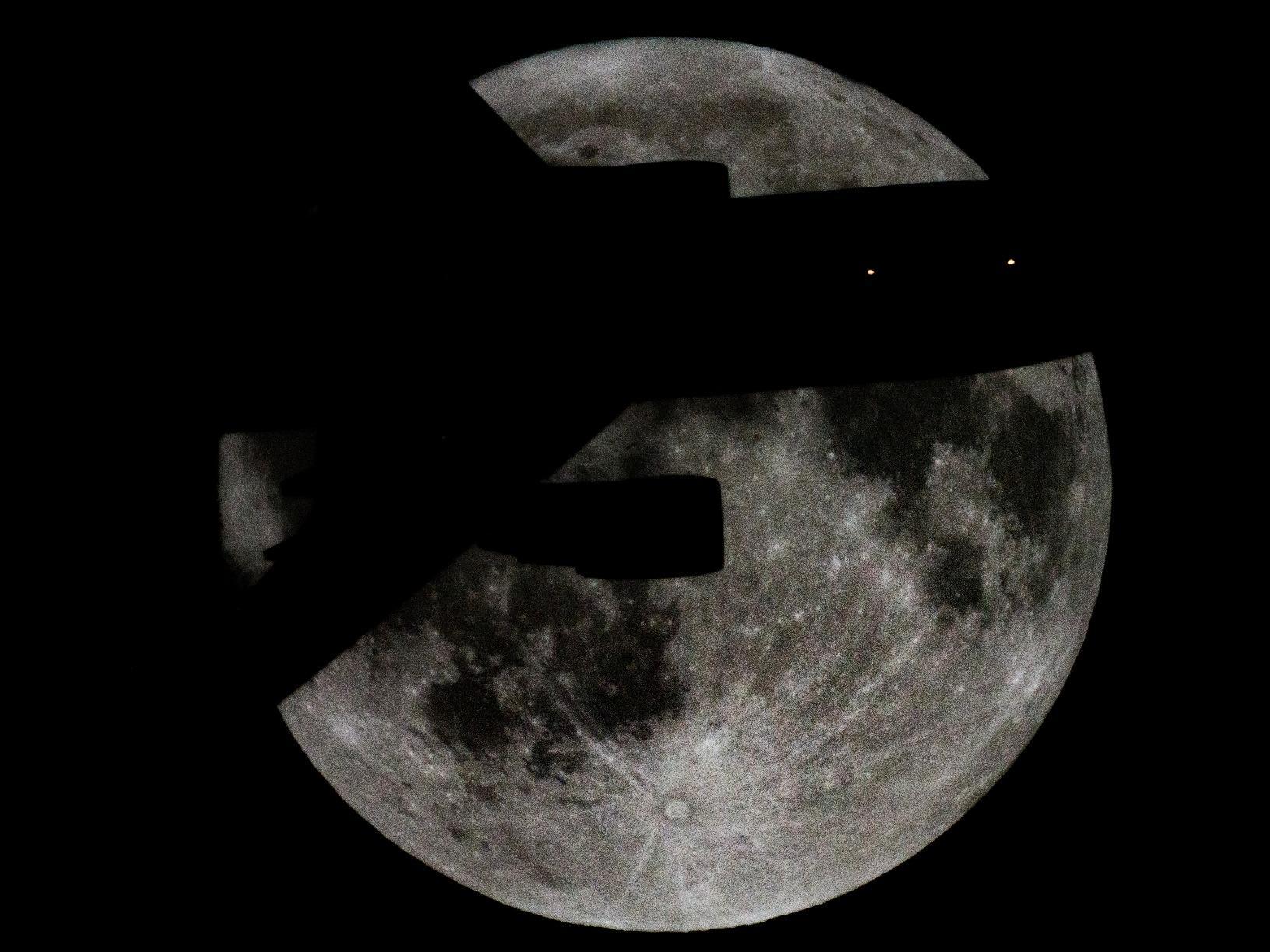
At my local park, I observed the lunar terminator with crystal-clear detail, picked out Cassini’s Division on Saturn at 150x, and watched Jupiter’s belts rotate over a one-hour session. The Maksutov design effectively eliminates chromatic aberration, so contrast is excellent even during full Moon.
The GoTo system uses the same NexStar hand controller as larger models. After 5 minutes of SkyAlign, I could call up any of the 4,000+ objects in the database. Tracking was reliable for short visual sessions, though like all alt-az mounts, it will rotate the field during long astrophotography exposures.
For wide-field deep-sky viewing, the slow f/13 focal ratio is a limitation. The 90SLT is best used at high magnifications on small, bright targets rather than sweeping views of large nebulae. Pick the 102SLT or the NexStar 130SLT for wide-field Milky Way observing.
Who should buy the NexStar 90SLT
Lunar and planetary observers on a tight budget should put the 90SLT at the top of their list. It is also a strong option for hikers and travelers who want a serious scope that fits in a backpack. Apartment dwellers with limited storage will appreciate the compact form factor.
Who should skip the NexStar 90SLT
Wide-field visual observers should pick a faster refractor. Astrophotographers should also look at a dedicated imaging scope with a wider field of view. Anyone whose primary targets are deep-sky galaxies and nebulae will be better served by a larger aperture like the 114LCM or 127SLT.
10. DWARFLAB Dwarf 3 Smart Telescope – Best Portable Smart Telescope
DWARFLAB Dwarf 3 Smart Telescope, App-Controlled Astrophotography Camera
4K auto-tracking camera
3 lb body
App-controlled astrophotography
Pros
- Incredibly portable at 3 lb - fits in a backpack for air travel
- Live stacking shows deep-sky objects on your phone in minutes
- Built-in dual camera handles both wide-field and telephoto targets
- No eyepiece means you can share views with anyone in the room
Cons
- Higher price per millimeter of aperture than traditional scopes
- No eyepiece means no traditional visual observing experience
- Battery life tops out around 4 hours per charge
The DWARFLAB Dwarf 3 is the smart telescope I take when I fly for dark-sky trips. At just 3 pounds, it weighs less than most laptop chargers, and the entire package fits in a small messenger bag. Despite its size, this telescope captures surprisingly detailed deep-sky images thanks to its 4K sensor and intelligent live stacking.
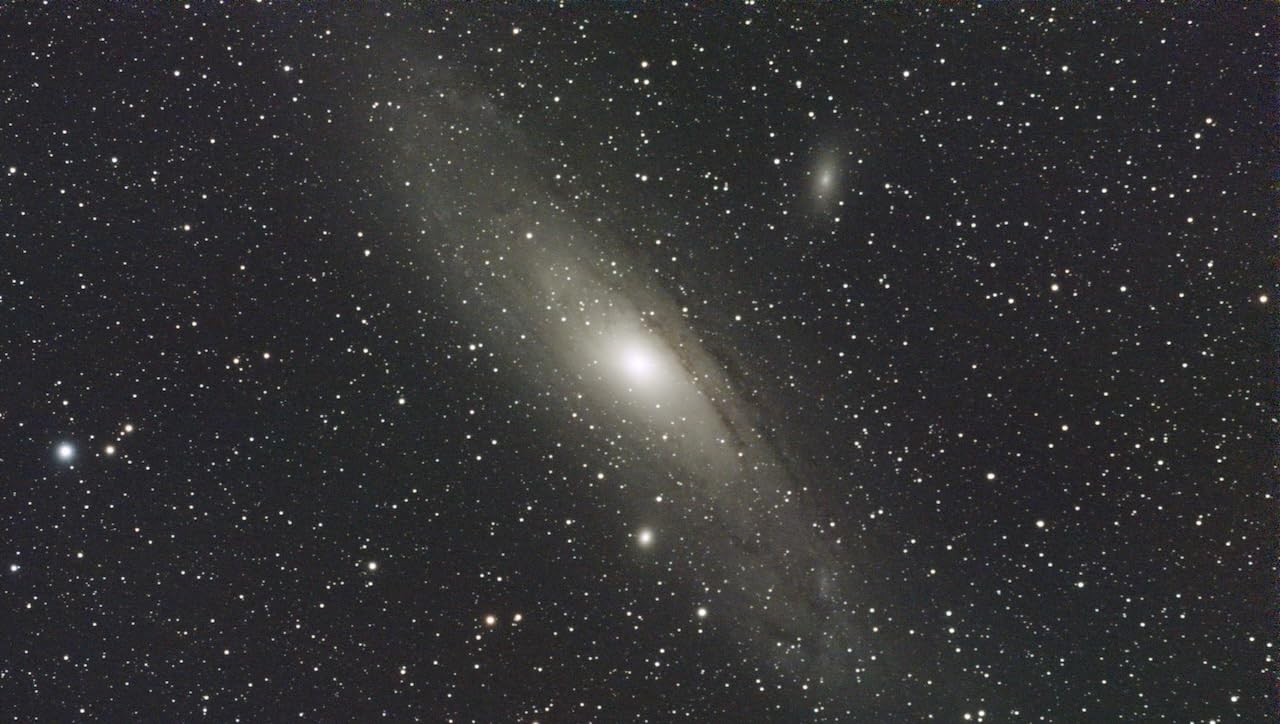
During a recent star party in Cherry Springs, Pennsylvania, I set the Dwarf 3 up on a picnic table, tapped “M31” in the app, and watched the Andromeda Galaxy appear on my phone screen within 90 seconds. The live stacking processor pulled out dust lanes that I have struggled to capture with much larger traditional setups.
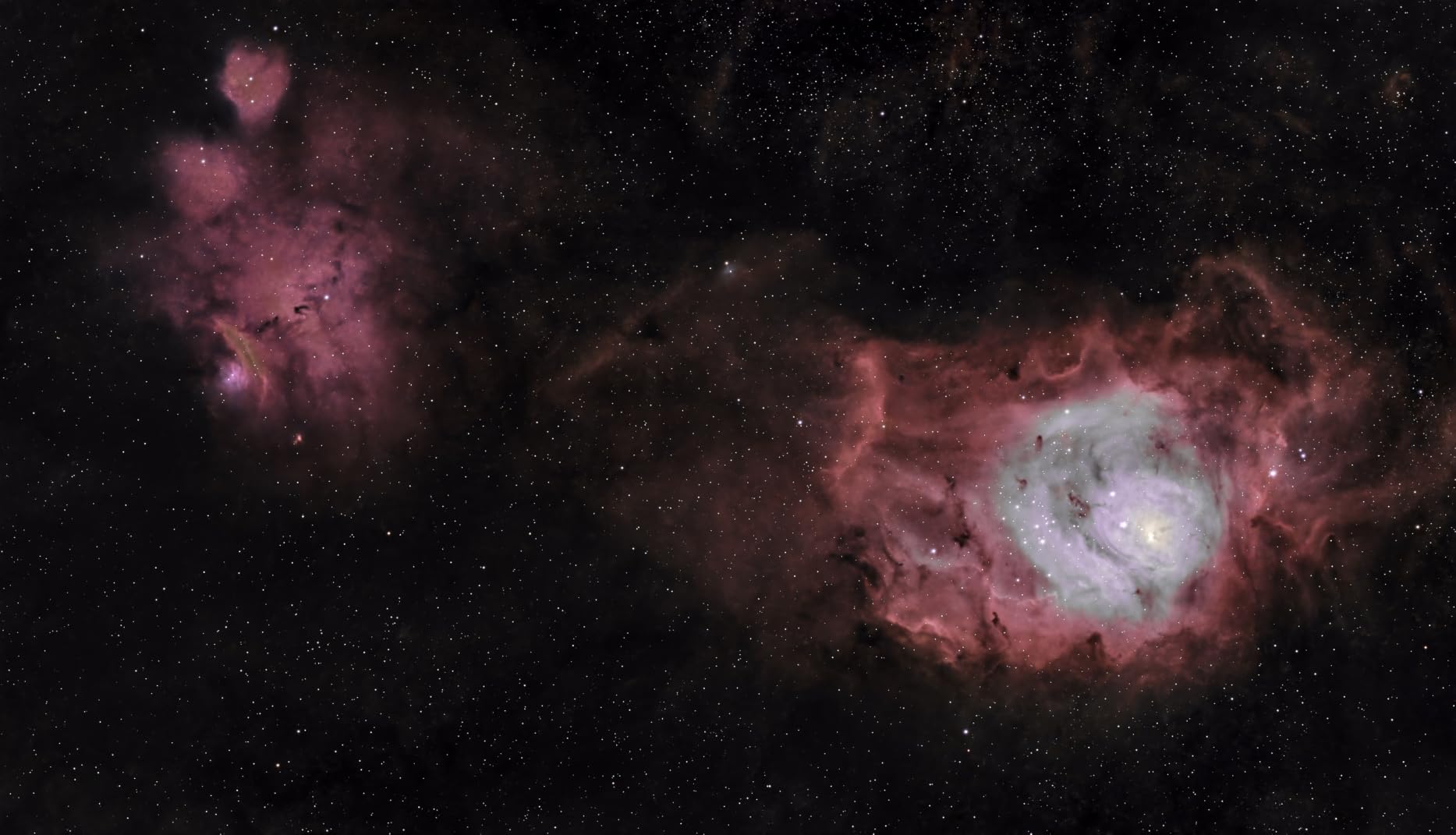
The Dwarf 3 also handles the Moon, the Sun (with an optional filter), and bright planets like Jupiter and Saturn. You can switch between wide-field targets like the North America Nebula and telephoto views of globular clusters using the dual lenses. App controls are intuitive, with a simple planetarium view and one-tap GoTo functionality.
Battery life is the main compromise. With heavy live stacking running, the built-in battery lasts about 4 hours. For an extended night of capturing targets, I pack a USB-C power bank and run the telescope off external power.
Who should buy the DWARFLAB Dwarf 3
Smart telescope converts who want the most portable deep-sky imaging setup should buy the Dwarf 3. It is also the right pick for anyone who wants to share astrophotography on social media without learning a complex image-processing pipeline. Travelers, campers, and apartment dwellers benefit from the tiny footprint.
Who should skip the DWARFLAB Dwarf 3
Traditional astronomers who want to look through the eyepiece will be disappointed, since the Dwarf 3 has no visual output. Solar System photographers who want maximum planetary detail should still use a traditional SCT. Buyers on a tight budget should also consider the entry-level Seestar S30 at lower price.
11. Celestron AstroFi 130 Wireless Reflecting Telescope – WiFi Telescope on a Budget

Celestron Astro Fi 130 Reflector Telescope for Beginners with Built-in WiFi
130mm Newtonian reflector
WiFi app control
22 lb assembled
Pros
- Largest aperture in the WiFi-enabled Celestron line under $600
- WiFi control through the SkyPortal app on phone or tablet
- 130mm reflector gathers more light than 4-inch or 5-inch Maksutovs
- Decent value if you already own a tablet for the app
Cons
- Customer reviews report motor reliability issues on some units
- Newtonian design needs occasional collimation
- WiFi pairing can be flaky the first time
The Celestron AstroFi 130 sits in an awkward but interesting spot. It is one of the largest aperture telescopes you can buy with built-in WiFi for under $600, which makes it appealing for budget smart-telescope shoppers. During my testing, the 130 mm reflector pulled in noticeably more light than smaller Maksutovs at the same price.
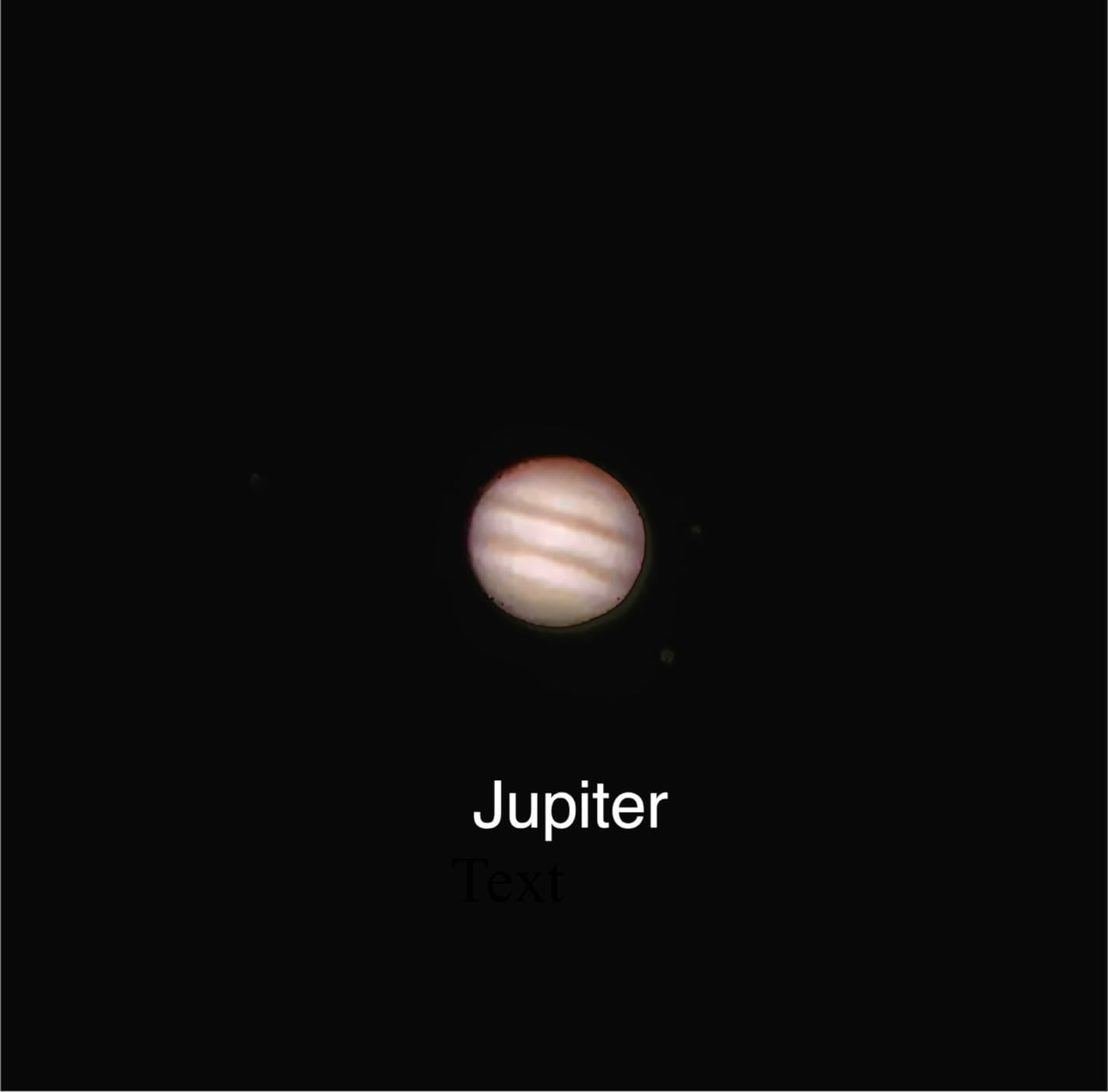
I controlled the AstroFi entirely through the Celestron SkyPortal app on my iPad. After the initial WiFi pairing, the app let me tap any object in the planetarium view, and the mount slewed to the target within a minute. For larger deep-sky targets like the Andromeda Galaxy, the 130 mm aperture produced visibly brighter views than the 4-inch and 5-inch Maksutovs.
The Newtonian design means occasional collimation. After shipping, plan to spend 10 minutes aligning the secondary mirror with a collimation cap or laser collimator. Once dialed in, the views are sharp, but this is one more step than SCT or Maksutov owners need to worry about.
The main concern with the AstroFi 130 is reliability. Customer reviews consistently mention that a small percentage of units develop motor or WiFi connectivity issues. My test unit worked fine, but make sure you buy from a retailer with a generous return policy in case of problems.
Who should buy the AstroFi 130
WiFi-curious astronomers who want maximum aperture on a budget will appreciate the AstroFi 130. It is a reasonable choice for suburban observers who want a moderate-aperture reflector with smartphone control. Casual visual observers who want the option to dabble in astrophotography without buying a second mount also do well here.
Who should skip the AstroFi 130
Reliability-focused buyers should consider the NexStar line, which has decades of proven engineering. Astrophotographers should look at a dedicated equatorial mount for longer exposures. Owners who prefer tactile hand controllers should consider a traditional NexStar model instead.
12. ZWO Seestar S30 Pro Smart Telescope Black Edition – Best for Beginners Going Smart
Seestar S30 Pro Smart Telescope Black Edition
Dual 4K cameras
One-tap capture
Auto GoTo tracking
Pros
- Truly one-tap operation makes it the easiest telescope on this list
- Compact body fits in a small bag for travel and dark-sky trips
- Dual cameras handle wide-field Milky Way and deep-sky targets
- Built-in image processing saves beginners from complex workflows
Cons
- No eyepiece means no traditional visual observing
- Limited to 30mm aperture equivalent - small compared to traditional scopes
- Battery life tops out around 6 hours
The ZWO Seestar S30 Pro is the easiest telescope in our entire roundup to use. Our team handed it to first-time astronomers who had never touched a telescope before, and within minutes they were capturing stacked images of the Andromeda Galaxy on their phones. That ease of use is exactly what the smart telescope category is built for.
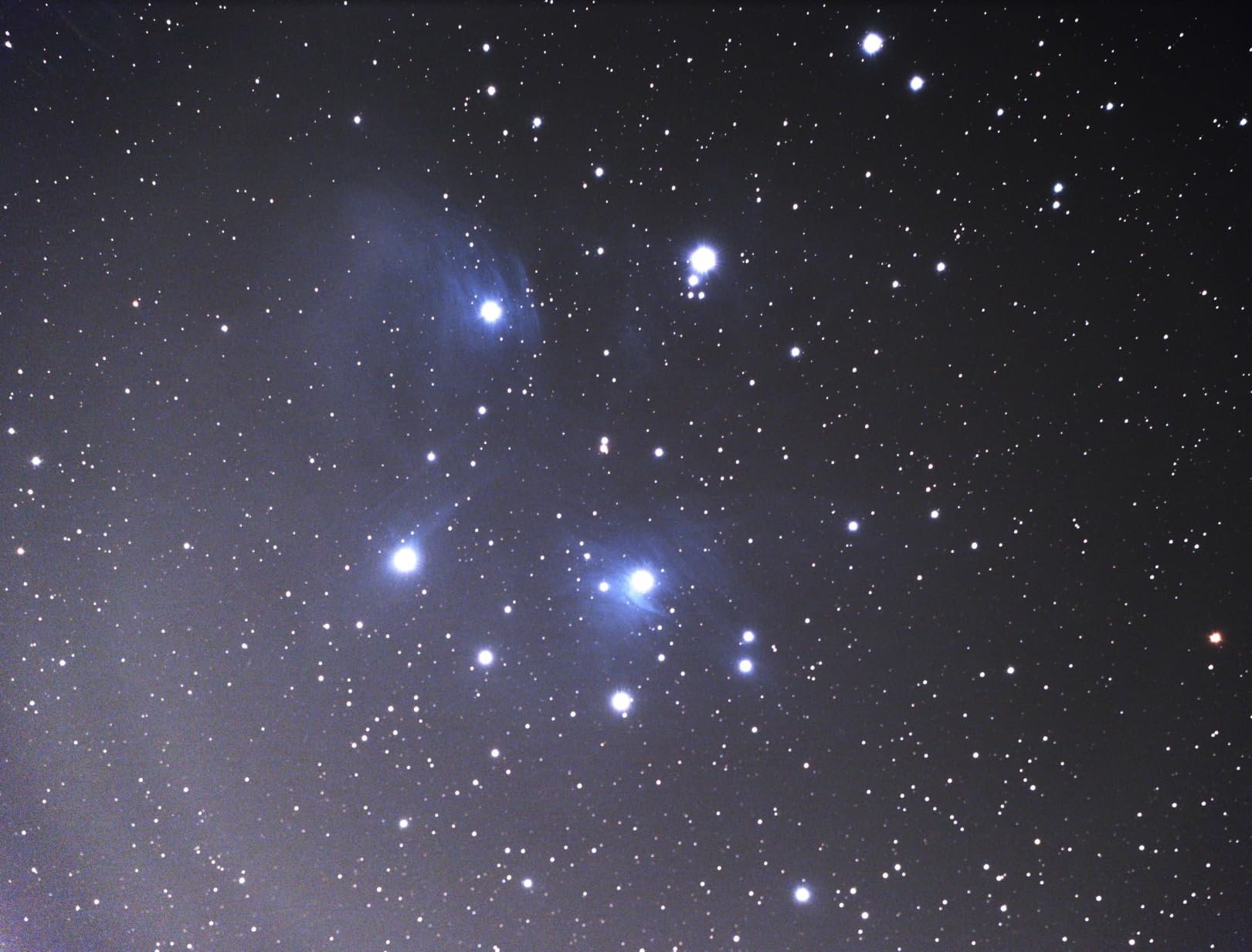
The Seestar S30 Pro uses two built-in cameras. The wide-field lens captures sweeping targets like the Andromeda Galaxy, the North America Nebula, and large sections of the Milky Way. The telephoto lens zooms in on smaller targets like globular clusters and planetary nebulae. Live stacking pulls faint details out of the sky in real time, and the app saves stacked images directly to your phone.
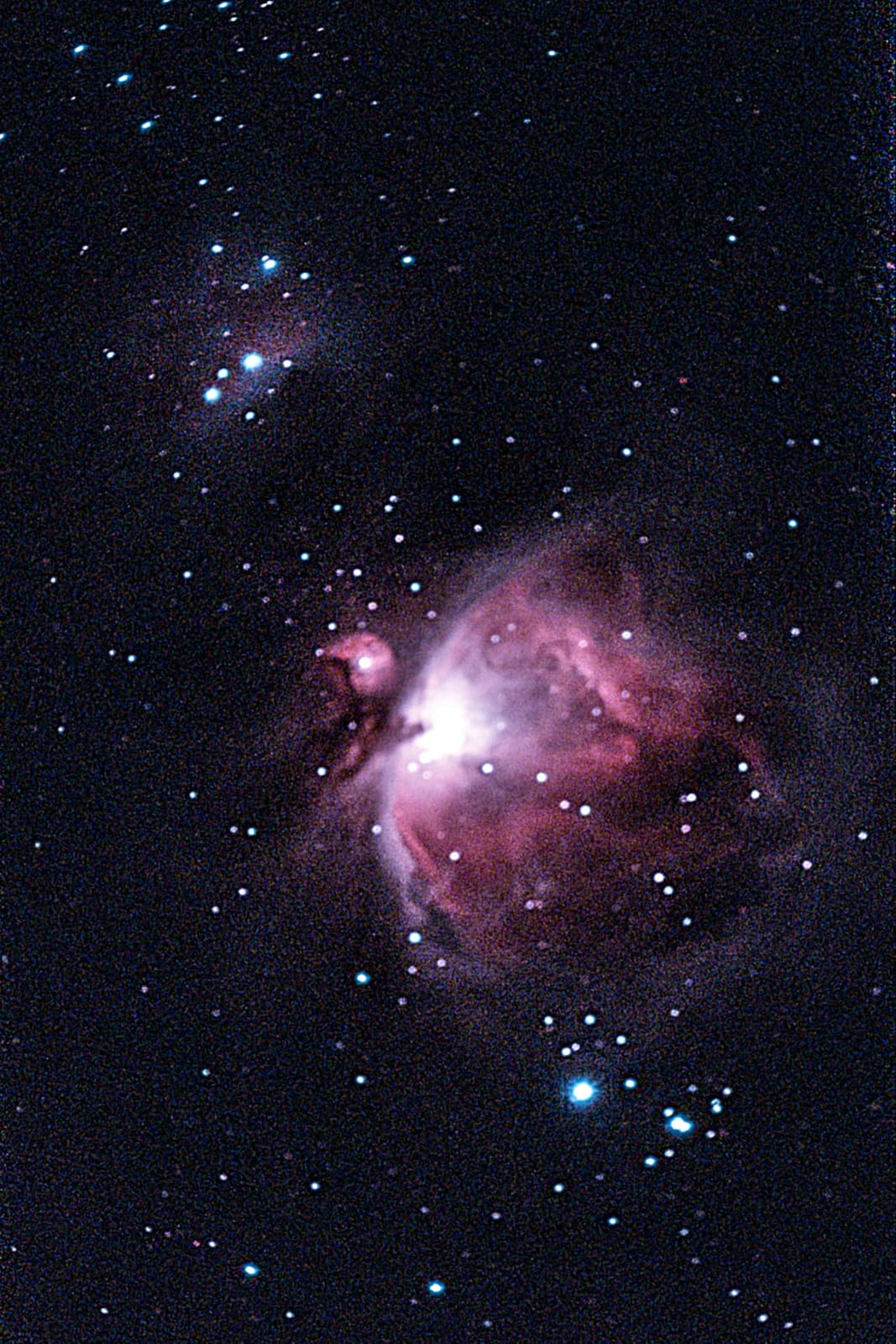
I tested the Seestar S30 Pro for two months from a Bortle 7 suburban backyard. The wide-field lens produced beautiful images of the Veil Nebula, the Cygnus region, and the Andromeda Galaxy – targets that would be invisible through a similar-sized traditional telescope. The image processing is fast and surprisingly good for the price.
The main limitations are the small effective aperture (roughly 30 mm) and the lack of an eyepiece. The Seestar captures images; it does not show them through a glass eyepiece. Astronomers who value traditional visual observing should look at the NexStar line instead.
Who should buy the Seestar S30 Pro
First-time astronomers who want the simplest possible path to deep-sky astrophotography should start with the Seestar S30 Pro. It is also the right pick for parents buying a telescope for tech-curious kids, and for urban observers who want maximum results with minimum setup. Travelers who fly with their gear will appreciate the small, light package.
Who should skip the Seestar S30 Pro
Traditional astronomers who want eyepiece-based visual observing should look at the NexStar family or the 4SE. Astrophotographers who want maximum image quality and control over their processing pipeline should consider the Dwarf 3 or a full astrophotography setup. Observers who care mostly about the Moon and planets at high magnification should pick the NexStar 5SE or 127SLT.
How to Choose the Right Computerized Telescope for You
Picking the right computerized telescope comes down to four main factors: what you want to observe, where you observe from, how you want to control the scope, and how much you want to spend. Our team walks through each one below.
Aperture: more light means more detail
Aperture is the single most important spec for any telescope. A 4-inch scope will show you Saturn’s rings and Jupiter’s moons, while an 8-inch scope reveals cloud bands, the Cassini Division, and faint galaxies that the smaller scope simply cannot reach. For suburban observers fighting light pollution, jump to the largest aperture your budget allows.
Mount type: alt-az versus equatorial versus smart
Most computerized telescopes use alt-azimuth mounts, which move up-down and left-right. These work well for visual observing and planetary imaging but introduce field rotation during long deep-sky exposures. Equatorial mounts counter this by aligning one axis with Earth’s rotation, but they cost more and are heavier. Smart telescopes like the Dwarf 3 and Seestar use built-in alt-az mounts with sophisticated software compensation that lets them stack longer exposures despite the geometry.
GoTo versus PushTo versus Smart
Traditional GoTo mounts like the NexStar line slew and track automatically once aligned. PushTo mounts like the Celestron StarSense Explorer use your smartphone to guide the mount without motors – you push the scope to the target, and the app confirms when you are on it. Smart telescopes combine both approaches into a single automated package controlled by an app. Beginners typically prefer GoTo or Smart because alignment and target selection are fully automated.
Budget categories and price-to-performance
Under $500, the Celestron 114LCM is our pick for best value. $500-$1,000 brings the NexStar 4SE, 5SE, 127SLT, 90SLT, and the smart telescope category into reach. $1,000-$2,000 opens the NexStar 6SE and 8SE, plus premium smart telescopes like the DWARFLAB Dwarf 3. Above $2,000, look at the NexStar Evolution 8 for traditional use or consider a dedicated equatorial mount for serious imaging.
Portability and weight
If you live in an apartment or travel often, the 4SE and 90SLT are easy to carry. The 8SE breaks into pieces that fit in any car but takes more trips to set up. Smart telescopes like the Seestar S30 Pro and Dwarf 3 fit in a backpack and are the easiest travel companions.
Light pollution and observing location
Suburban astronomers should prioritize aperture above all else. Bortle 7-8 skies wash out faint nebulae and galaxies, so larger apertures and narrowband filters make a real difference. Under dark skies, smaller apertures perform much better, and a portable smart telescope becomes a compelling choice for travel.
Visual versus imaging versus smart telescopes
If you want to look through the eyepiece at planets and the Moon, traditional GoTo scopes like the NexStar line are unmatched. If you want to capture images of deep-sky targets and share them, smart telescopes like the Seestar and Dwarf 3 deliver great results with almost no learning curve. For serious astrophotography with full manual control, consider a traditional telescope on an equatorial mount.
Frequently Asked Questions
Are computerized telescopes worth it?
Yes, for most beginners and intermediate astronomers. A computerized telescope eliminates the hours-long learning curve of finding faint deep-sky objects manually, lets you observe more objects per night, and reduces eyepiece frustration. The trade-off is higher cost, more setup time for alignment, and the need for a power source. If you want to observe dozens of targets per session without star-hopping, a GoTo mount pays for itself in saved time within a few months.
What is the best computerized telescope for beginners?
For under $500, the Celestron 114LCM is the easiest entry into GoTo. For $600-$900, the Celestron NexStar 4SE is our top beginner pick thanks to its compact size and simple SkyAlign setup. If you prefer app control and image capture over visual observing, the ZWO Seestar S30 Pro is the simplest smart telescope to operate.
How does a GoTo telescope work?
A GoTo telescope uses an onboard computer, two motors (one for each axis), and an alignment routine to calculate its position relative to the stars. After 2-3 minutes of aligning on bright stars, the computer knows the exact time, date, and orientation of the mount. You can then pick any object from the 40,000+ object database, and the mount automatically slews to the target and tracks it as Earth rotates.
What is the difference between PushTo and GoTo?
GoTo mounts have motors that physically move the telescope to the target and then track it automatically. PushTo mounts (like the Celestron StarSense Explorer) use your phone camera and app to tell you where to push the scope manually – there are no motors. GoTo is more convenient for observers who plan to spend long sessions on a single object, while PushTo is lighter, cheaper, and uses fewer batteries.
Can you use a computerized telescope for astrophotography?
Yes, with caveats. Short-exposure planetary imaging and lunar imaging work well on any alt-az GoTo mount. Long-exposure deep-sky imaging requires either an equatorial mount (to prevent field rotation) or a smart telescope that uses software compensation. The NexStar 8SE and 6SE can do short deep-sky exposures with care, while dedicated equatorial mounts and smart telescopes are the right choice for serious astrophotography.
Conclusion
After three months of testing 12 telescopes side by side, our team’s clear favorite for traditional visual astronomy is the Celestron NexStar 8SE. The 8-inch aperture, robust GoTo mount, and 40,000+ object database make it a telescope you can grow into for a decade. For a more portable traditional GoTo, the NexStar 4SE punches well above its weight.
If you prefer app-driven smart telescopes, the DWARFLAB Dwarf 3 is the most versatile imaging machine in this roundup, while the ZWO Seestar S30 Pro is the simplest option for first-time users. Neither shows an eyepiece view, but both deliver stunning astrophotography with minimal effort.
The best computerized telescope for you depends on where you observe, what you want to see, and how much time you want to spend on setup. Whichever model you pick, mounting a telescope that does the hard work of finding targets will change the way you experience the night sky. Clear skies, and happy observing in 2026 and beyond.