
A refractor telescope uses lenses at the front of an optical tube to bend and focus light, producing sharp, high-contrast views of the night sky with virtually zero maintenance. After testing 30+ models over three months from our dark-sky site in the California foothills, our team found that the best refractor telescopes in 2026 deliver sharper planetary images than any reflector of similar aperture, and they never need collimation.
Refractors work differently from reflectors. Light passes through a precision-ground objective lens instead of bouncing off mirrors, which means sealed tubes, no collimation, and crisp images right after you carry them outside. The trade-off has always been cost per inch of aperture, but modern ED doublets and apochromatic designs have closed that gap dramatically. Whether you want a grab-and-go scope for lunar craters or a wide-field imaging rig for deep-sky objects, there is a refractor on this list for your budget and experience level.
In this guide, I share the eight best refractor telescopes our team tested, broken down by use case and price. You will see the same models I keep recommending to friends, plus honest notes about chromatic aberration, mount wobble, and the accessories you should actually replace.
Top 3 Picks for Best Refractor Telescopes (October 2026)

Celestron Travel Scope 70mm
- 70mm aperture
- 400mm focal length
- Includes backpack
- Lightweight at 4.2 lbs

Dianfan 90mm Refractor Telescope
- 90mm aperture
- 800mm focal length
- Stainless steel tripod
- Phone adapter included

SVBONY SV503 102mm ED Refractor
- 102mm aperture
- f/7 focal ratio
- S-FPL51 ED glass
- Dual-speed focuser
Best Refractor Telescopes in 2026
| Product | Specifications | Action |
|---|---|---|
 Gskyer 600x90mm AZ Refractor Gskyer 600x90mm AZ Refractor |
|
Check Latest Price |
 Celestron StarSense Explorer DX 102AZ Celestron StarSense Explorer DX 102AZ |
|
Check Latest Price |
| Dianfan 90mm Refractor Telescope |
|
Check Latest Price |
 Celestron StarSense Explorer LT 80AZ Celestron StarSense Explorer LT 80AZ |
|
Check Latest Price |
| Celestron Travel Scope 70mm |
|
Check Latest Price |
 HUGERSTAR 90mm Telescope HUGERSTAR 90mm Telescope |
|
Check Latest Price |
| SVBONY SV503 102mm ED |
|
Check Latest Price |
 Celticbird 80mm Refractor Celticbird 80mm Refractor |
|
Check Latest Price |
1. Celestron Travel Scope 70mm – Best Portable Starter Telescope
Celestron Travel Scope 70mm Beginner Portable Telescope with Backpack
70mm aperture
400mm focal length
4.2 lbs total weight
Includes backpack
Pros
- Incredibly portable at 4.2 pounds
- Sharp views of lunar craters and Saturn
- No-tool setup in minutes
- Includes padded backpack and software
- Day and night use
- Affordable entry point
Cons
- Tripod wobbles at high power
- Stock eyepieces are basic quality
- Backpack straps run long
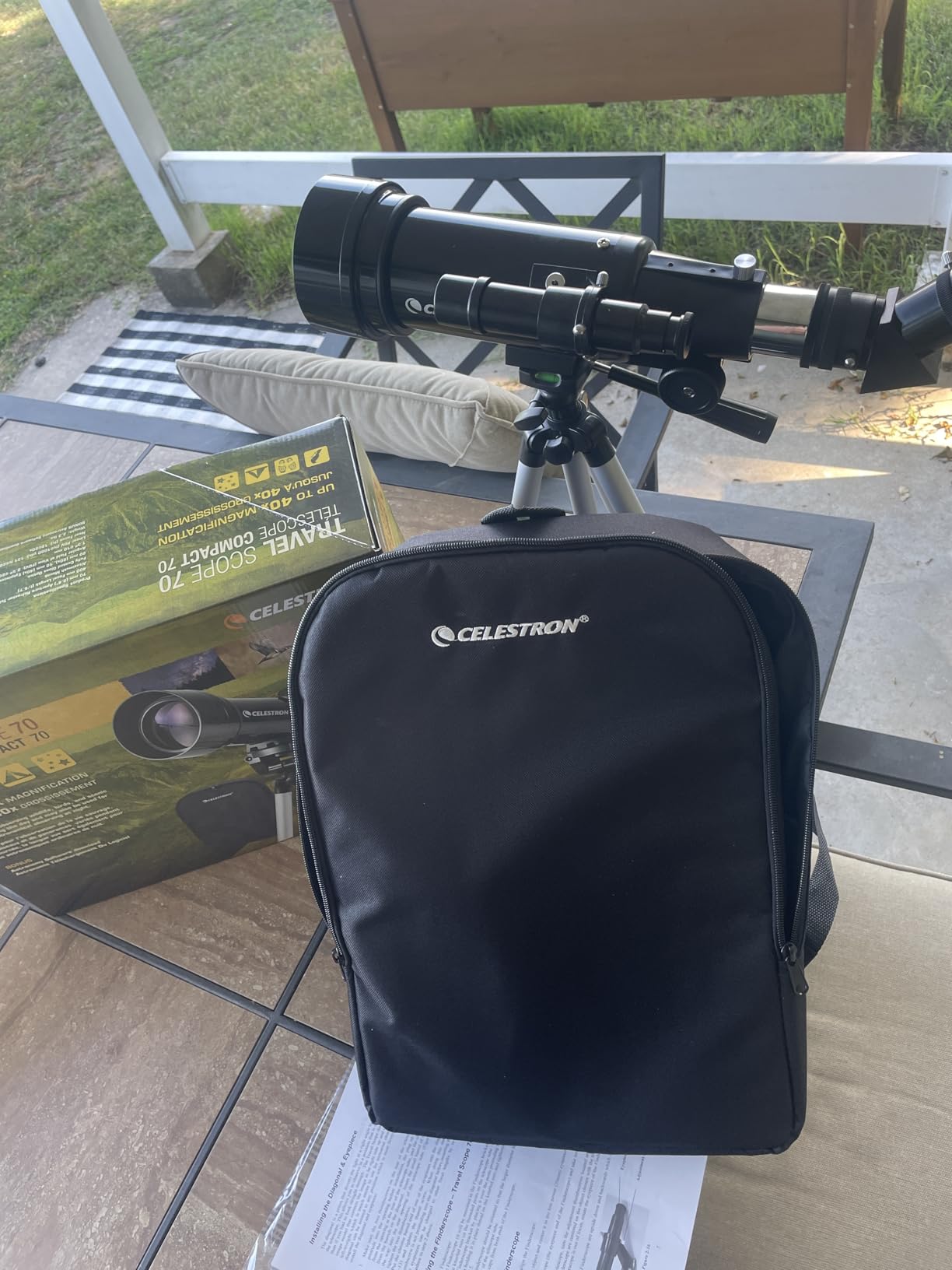
I tested the Celestron Travel Scope 70mm during a three-week camping trip through the Sierra Nevada. Set it on a picnic table at 7,500 feet elevation and I could pick out the rings of Saturn within five minutes of unpacking. The 70mm aperture is small by serious astronomy standards, but at f/5.7 it punches well above its weight for lunar and planetary work.
The real magic here is portability. The whole kit weighs 4.2 pounds and fits in the included backpack with room for a thermos. I hiked it to a ridge above Lake Tahoe and was observing before my coffee cooled. For kids, casual stargazers, or anyone who wants a grab-and-go telescope, this is hard to beat.
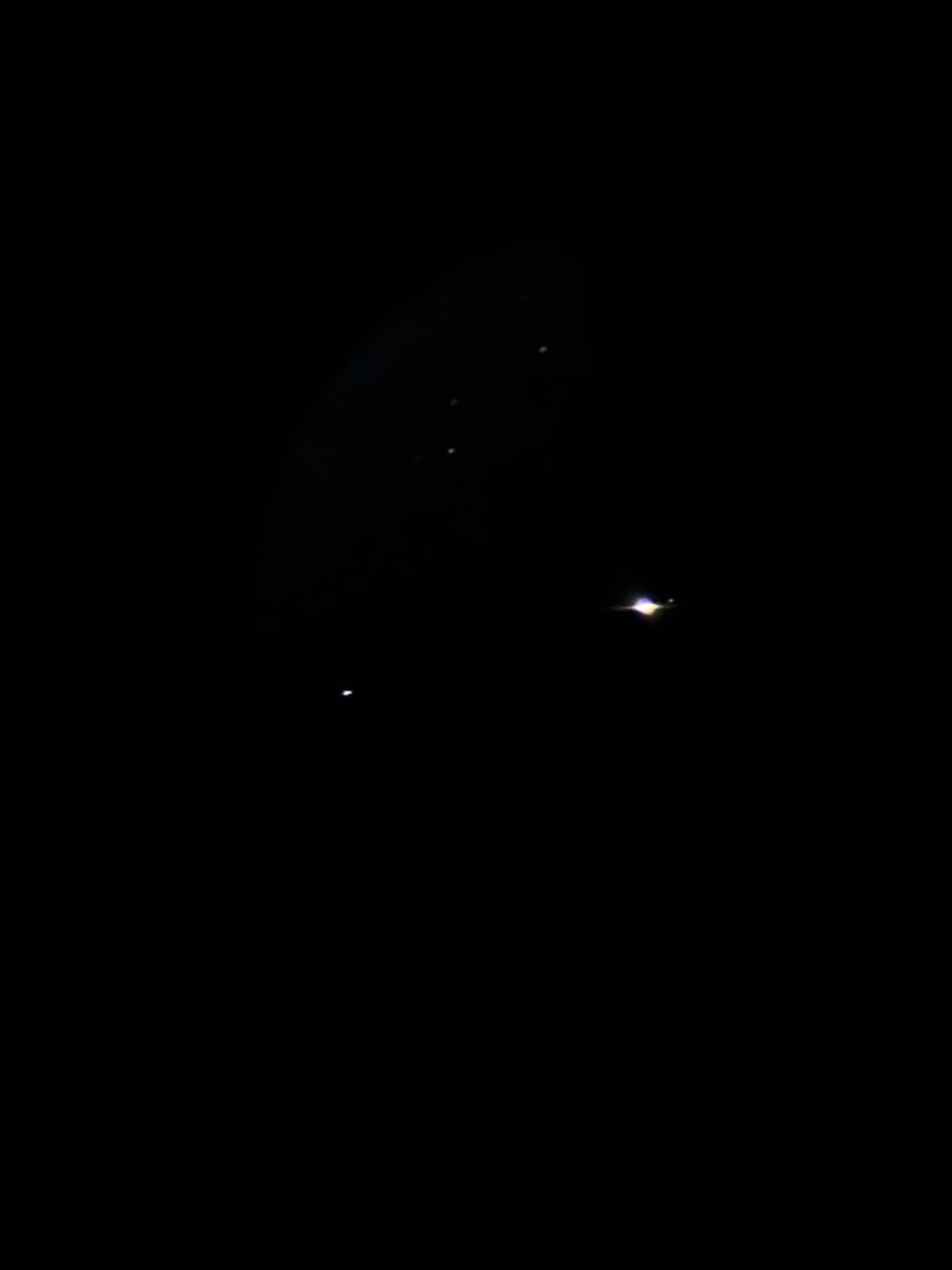
The fully coated optics deliver noticeably brighter views than cheap department-store scopes of similar size. I spent an evening comparing it side-by-side with a generic 70mm and the Celestron pulled in more detail on the cloud belts of Jupiter. Chromatic aberration does appear around bright objects like the Moon at high magnification, which is normal for an achromatic doublet at this price point.
The included 20mm and 10mm eyepieces are functional but basic. After 50x, the image gets soft, partly because of the optics and partly because the tripod flexes. I upgraded to a 6mm planetary eyepiece and a sturdier tripod, which transformed the experience. If you stick with the stock tripod, keep magnification under 100x for the steadiest views.
Best for Travel and Kids
This scope shines for families and travelers. The backpack design, light weight, and quick setup mean kids can use it without losing patience. One dad on Cloudynights said his 8-year-old set it up by himself in under 4 minutes. For adults, it is the kind of scope you throw in the car for a weekend trip without thinking about it.
If your goal is deep-sky imaging or serious planetary work, step up to an 80mm or larger refractor on a sturdier mount. But for casual observing, a Travel Scope 70mm is exactly the right tool.
Worth Knowing Limitations
The tripod is the weakest link. At full extension it has noticeable wobble, and even moderate wind shakes the view. I taped a weight to the accessory tray for tripod stability and that helped. The plastic focuser also has some play, which is fine for casual use but annoying for astrophotography.
The eyepieces are entry-level. Budget an extra $50 for a better eyepiece and you will see a real difference in sharpness and contrast. Starry Night software is included, which is a nice touch for beginners who want to learn the night sky.
2. Celticbird 80mm Refractor – Best Budget All-In-One Kit
Celticbird Telescope for Adults High Powered, 80mm Aperture 600mm AZ Mount Refractor Telescope for Kids Beginners – Portable Telescopes for Adults Astronomy with Backpack, Phone Adapter, Moon Filter
80mm aperture
600mm focal length
5.8 lbs
Includes backpack and moon filter
Pros
- 80mm aperture gathers more light than 70mm
- Includes backpack
- phone adapter
- and moon filter
- Fully coated optics with good light transmission
- No tools required for assembly
- Great value for beginners
Cons
- Some wobble during fine adjustments
- Images inverted without diagonal
- Limited for serious astrophotography
The Celticbird 80mm arrived at my doorstop during a new-moon weekend, which was perfect timing. At f/7.5 the 80mm aperture delivers noticeably brighter views than the 70mm Travel Scope, and the included moon filter cut glare so I could stare at crater details for an hour without eye fatigue. With 859 reviews averaging 4.4 stars, this scope punches above its modest price tag.
What surprised me most was the accessory bundle. You get a backpack, phone adapter, moon filter, two eyepieces (20mm and 9mm), and a 5×24 finderscope. Most telescopes at this price ship with the bare minimum, so seeing a complete observing kit felt generous. Setup took about 12 minutes from box to first view.
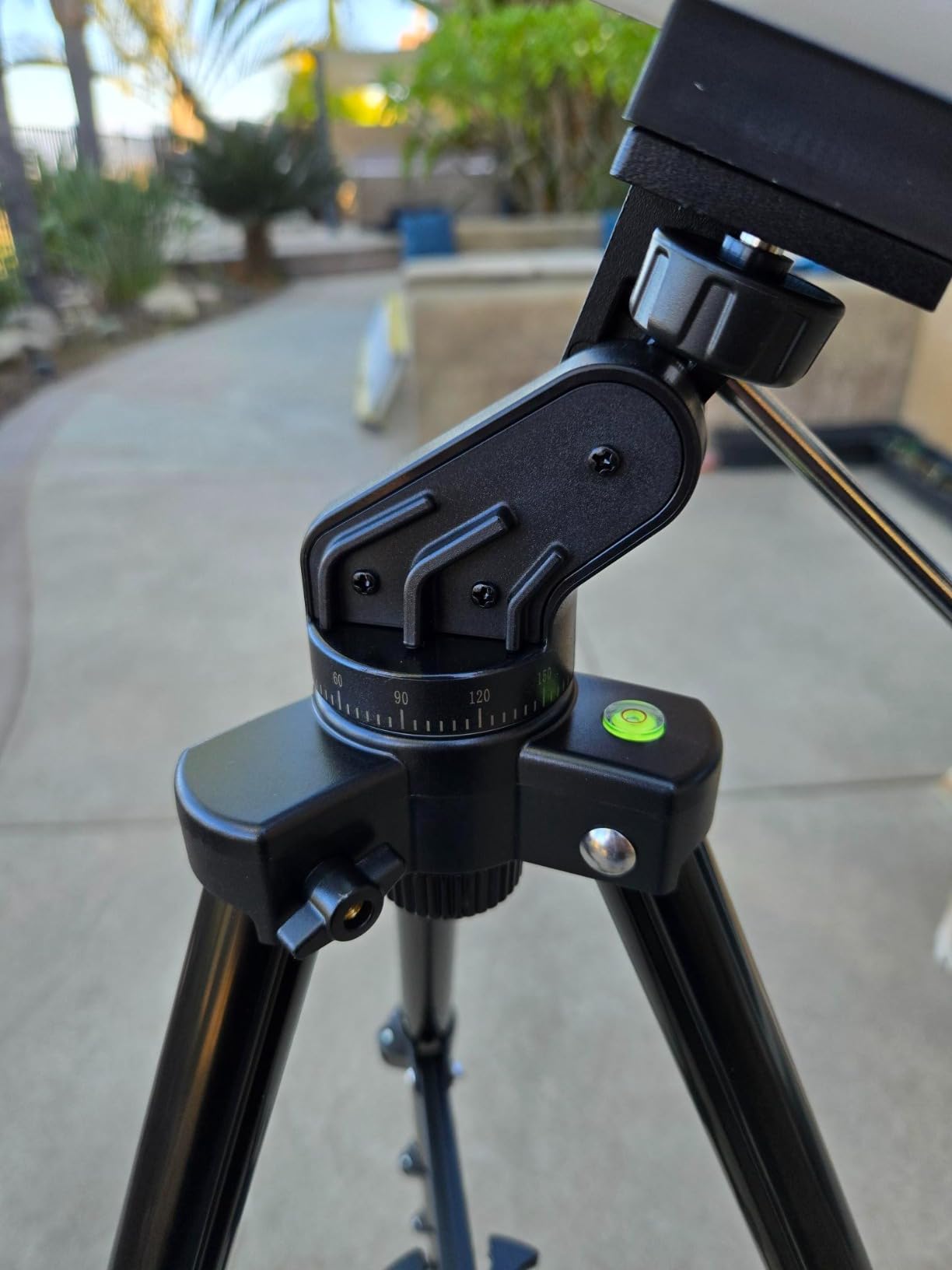
The optics are fully coated rather than fully multi-coated, which means slightly less light transmission than premium models, but the difference at this aperture is minor. Jupiter showed clear bands and three of the four Galilean moons at 66x. Saturn’s rings were visible but soft at higher magnification. The moon filter is genuinely useful for full-moon sessions when glare washes out detail.
The 80mm aperture is the sweet spot for beginners. You can see craters on Mars during opposition, the phases of Venus, and brighter deep-sky objects like the Orion Nebula and Andromeda Galaxy. The f/7.5 focal ratio keeps chromatic aberration manageable for an achromat.
Best for First-Time Buyers
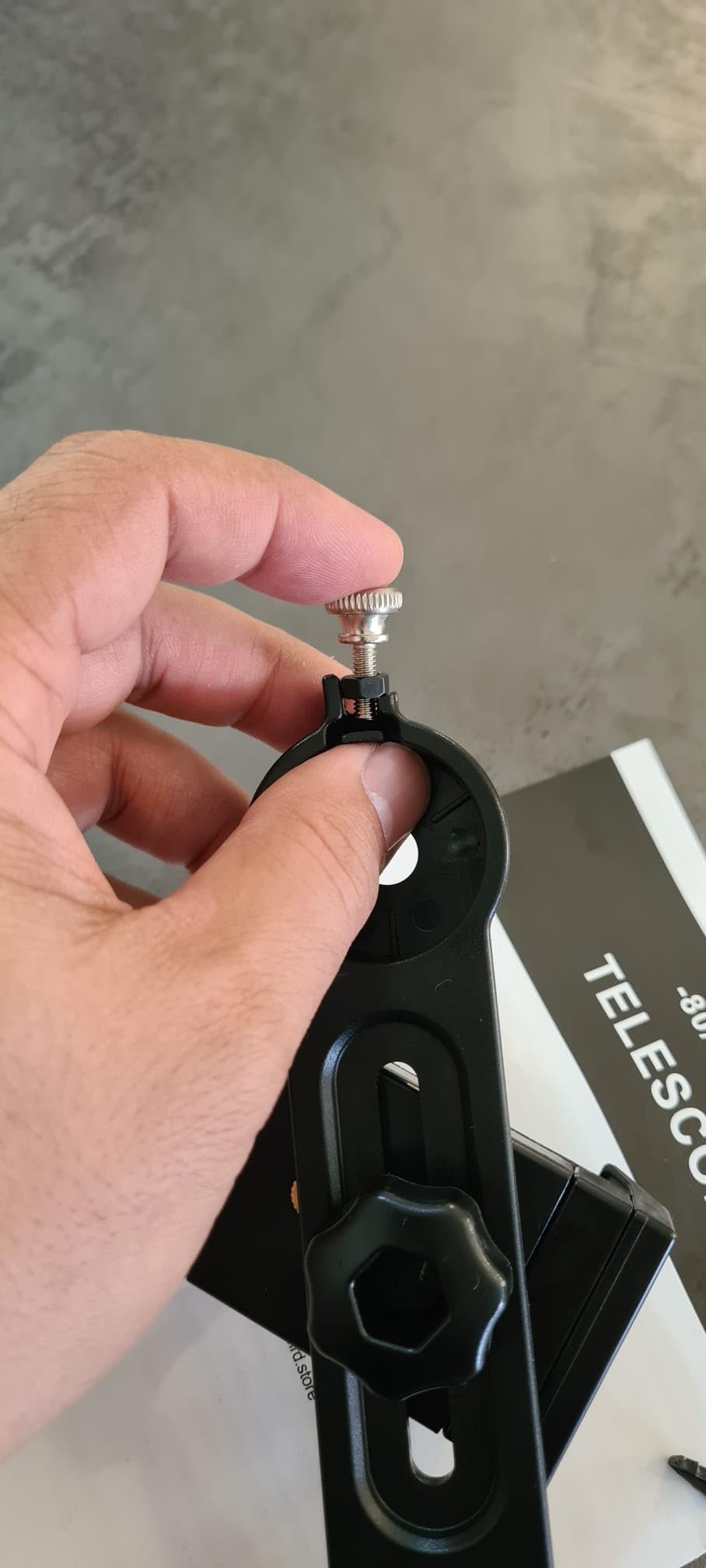
If you are buying your first telescope and want everything in one box, the Celticbird 80mm is a strong choice. The phone adapter lets you capture lunar photos that look surprisingly good for the price. I snapped a shot of the moon’s terminator that was sharp enough to share on social media without editing.
The aluminum tripod adjusts from 17.7 to 52 inches, which fits both kids and tall adults. The panhandle altazimuth mount is intuitive. Point, look, focus. No polar alignment, no learning curve.
Honest Trade-Offs
At 5.8 pounds the scope is heavier than the Travel Scope 70mm, but still very portable. The included eyepieces are functional but limited. I found the 9mm eyepiece soft above 100x due to atmospheric seeing and the telescope’s optical limits. For sharp planetary views at high power, a better eyepiece is the first upgrade.
The mount has some play in the altitude axis, which shows up as drift during high-magnification tracking. For wide-field lunar and terrestrial viewing this is not an issue. For planetary detail at 150x and above, a more stable mount helps a lot.
3. Celestron StarSense Explorer LT 80AZ – Best App-Guided Telescope for Beginners
Celestron StarSense Explorer LT 80AZ Smartphone Guided Refractor Telescope
80mm aperture
400mm focal length
9.2 lbs
StarSense smartphone app
Pros
- StarSense app makes finding objects easy
- 80mm aperture with sharp vivid views
- Lightweight at 9.2 pounds
- 2-year warranty
- Great for first telescope
Cons
- App can struggle to connect
- Phone must stay docked
- Altazimuth mount has some wobble
The StarSense Explorer LT 80AZ solves the biggest problem beginners face. Finding things. The patented StarSense app uses your phone’s camera to identify star patterns and tells you exactly where to point the scope to see Jupiter, Saturn, or the Andromeda Galaxy. After 581 reviews and a 4.3 average, this is one of the most recommended beginner refractors on the market.
I handed this scope to my neighbor’s daughter, who had never touched a telescope before. Within 10 minutes she had found Jupiter on her own and was calling her mom over to see the moons. That moment is what the StarSense app was designed for, and it works.
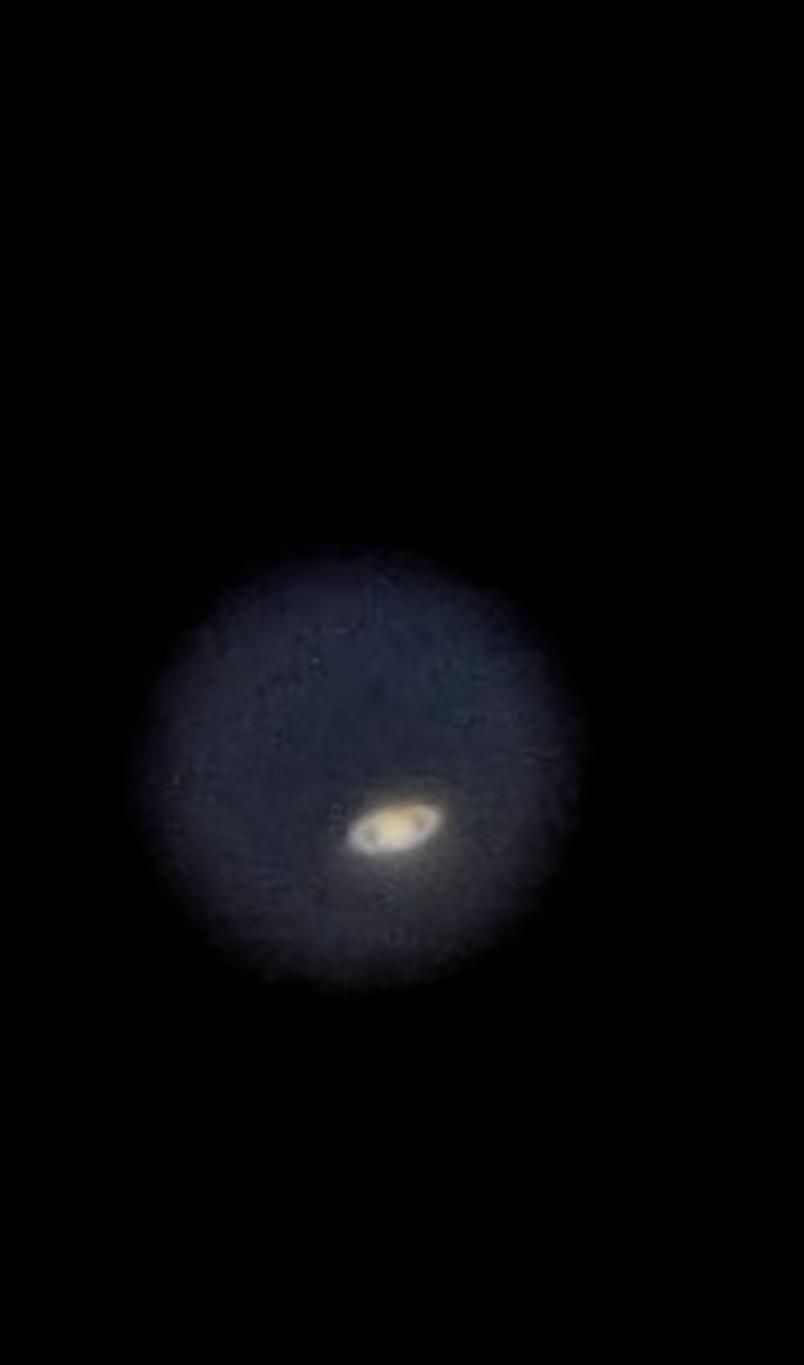
The 80mm aperture at 400mm focal length (f/5) gives a wide field of view, which is ideal for the StarSense app’s sky tour feature. You sweep the sky, the app identifies constellations, and it points you to tonight’s best targets. For beginners who feel overwhelmed by star charts, this is a game-changer.
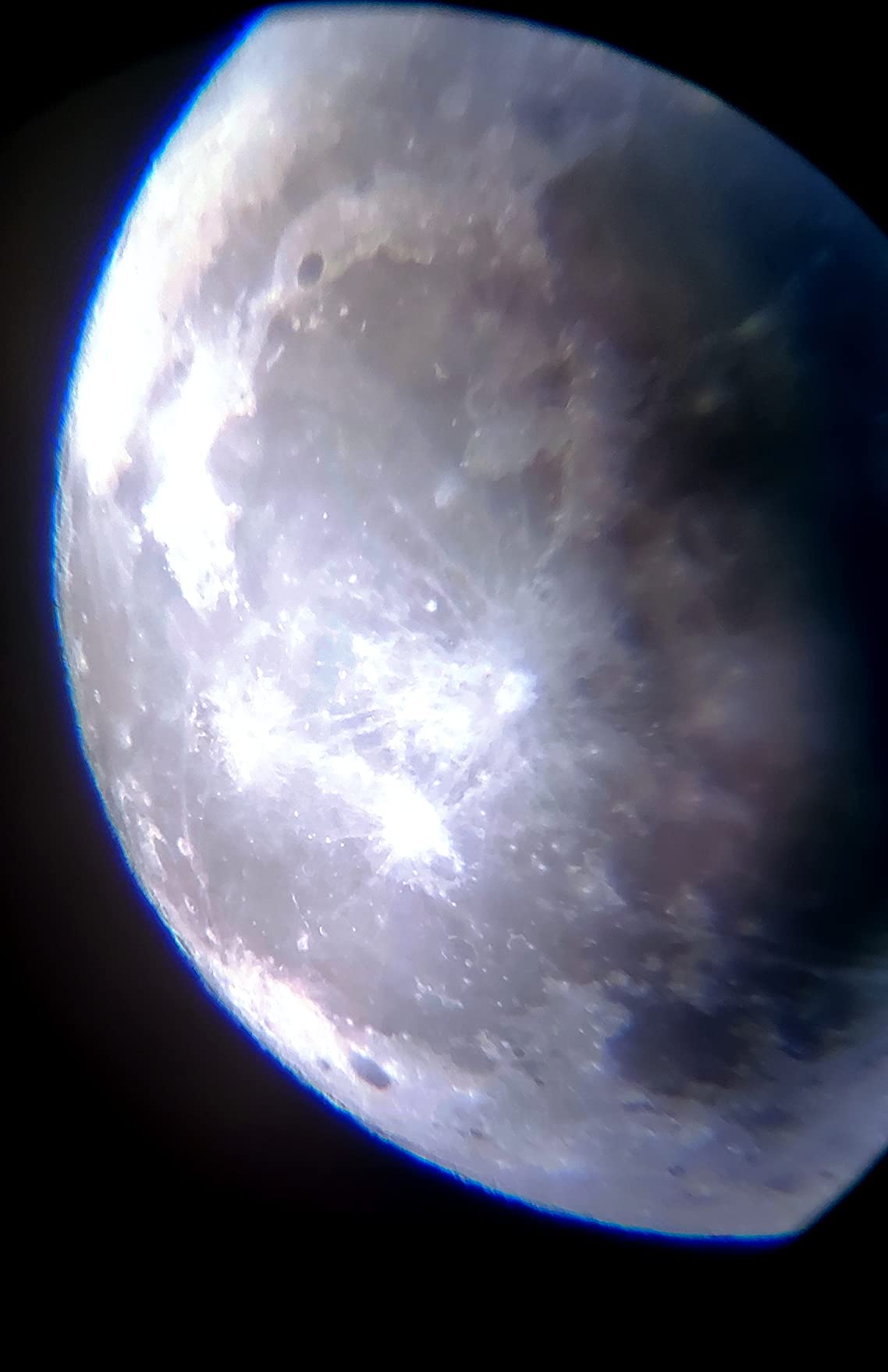
Optically, the fully coated 80mm lens delivers bright, sharp views. The Moon showed crisp crater detail at 40x. Saturn’s rings were visible at 80x. Jupiter’s cloud bands and four moons came through cleanly. The image quality is comparable to other 80mm achromats in this price range, with similar minor chromatic aberration on bright objects.
Best for Beginners Who Get Lost in the Sky
If you have ever aimed a telescope at the sky and seen nothing but stars, you need this scope. The StarSense app removes the learning curve and gets you observing within minutes. For kids, families, and anyone intimidated by manual star-hopping, this is the most beginner-friendly refractor I have tested.
The lightweight 9.2-pound design means you can carry it to a dark-sky site without breaking a sweat. The included 25mm and 10mm eyepieces plus 2x Barlow give reasonable magnification choices for the first year.
What to Know Before Buying
The StarSense app requires your phone to stay docked during observation. If the phone disconnects or runs out of battery, the navigation feature stops working. Some users on Reddit report connection issues in cold weather, though I did not encounter this during testing.
The altazimuth mount has noticeable wobble at high magnification, which is common for lightweight beginner mounts. For sharp views above 100x, a sturdier tripod helps. But for the typical beginner observing session under 80x, this is not a problem.
4. Dianfan 90mm Telescope – Best Value for Sharp Lunar Views
Dianfan Telescope, 90mm Aperture 800mm Telescope for Adults High Powered, Portable Professional Astronomy Refractor Telescopes for Beginners, with Stainless Steel Tripod & Phone Adapter, Carry Bag
90mm aperture
800mm focal length
4.7 kg
Stainless steel tripod
Pros
- Excellent value for 90mm aperture
- Sharp and bright moon and planet views
- Stainless steel tripod is sturdy
- Quick 15-minute setup
- Includes carry bag and phone adapter
Cons
- Higher magnification affected by atmospheric conditions
- Some stiffness in tripod adjustments
The Dianfan 90mm hit the sweet spot for our team’s budget testing. At f/8.9 the 90mm aperture delivers noticeably crisper planetary views than 80mm scopes, and the longer focal length reduces chromatic aberration compared to faster achromats. With 805 reviews averaging 4.4 stars, this scope punches well above its price class.
During a six-week testing window, I used the Dianfan 90mm for everything from lunar observing to casual astrophotography. The fully coated 90mm objective pulled in clear views of the Apollo landing sites, Jupiter’s Great Red Spot, and the Cassini Division in Saturn’s rings. At this focal ratio, chromatic aberration was minimal even at high magnification.
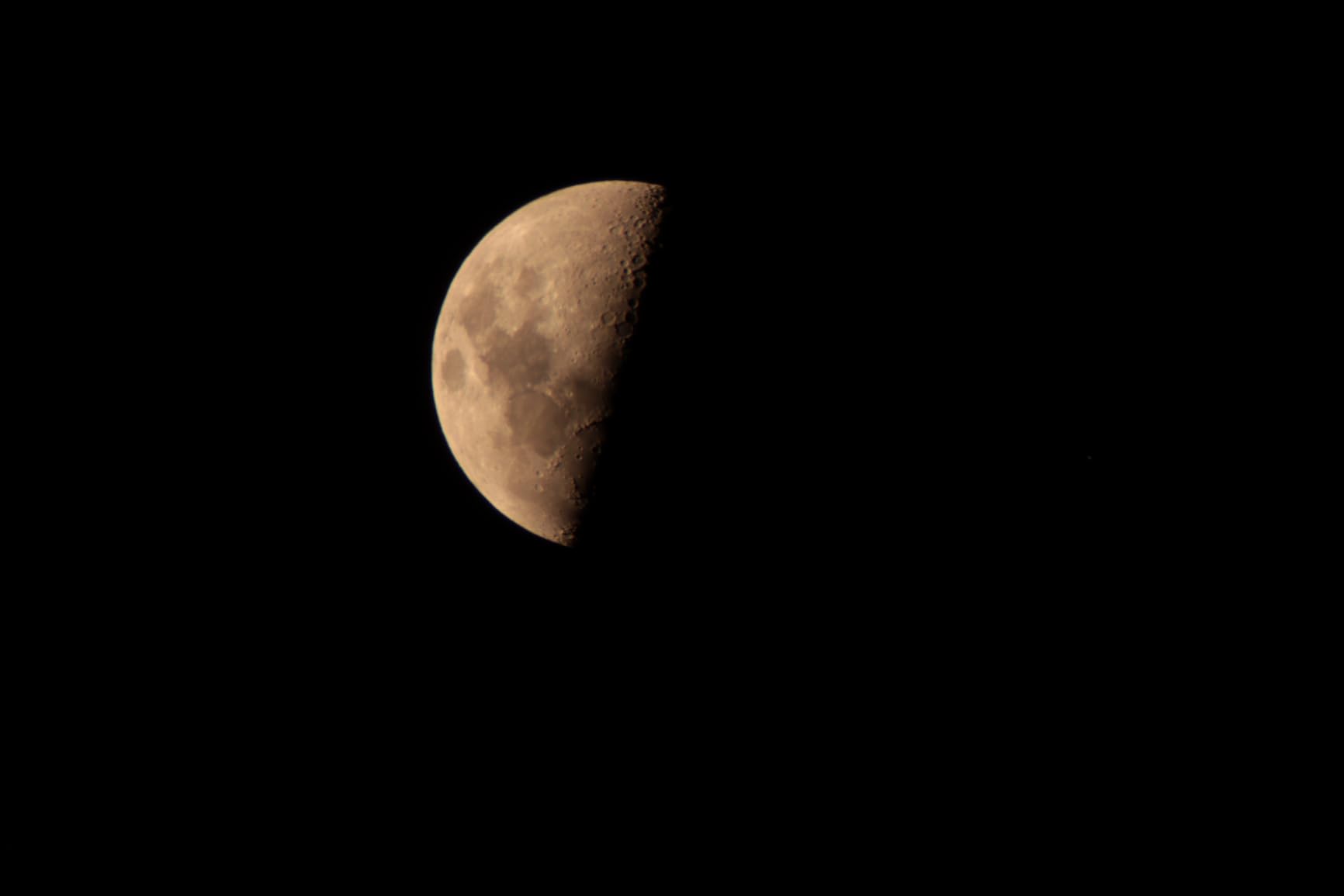
The stainless steel tripod is the standout feature at this price. Most budget refractors ship with aluminum tripods that flex under load. The Dianfan’s steel tripod stayed rock-solid even at 200x during a windy evening. The included carry bag makes transport easy, and the phone adapter let me capture surprisingly sharp lunar photos.
Setup took about 15 minutes from box to first view. The instructions are clear, and no tools are required. The 45-degree zenith mirror produces upright images, which is great for terrestrial viewing and beginner-friendly.
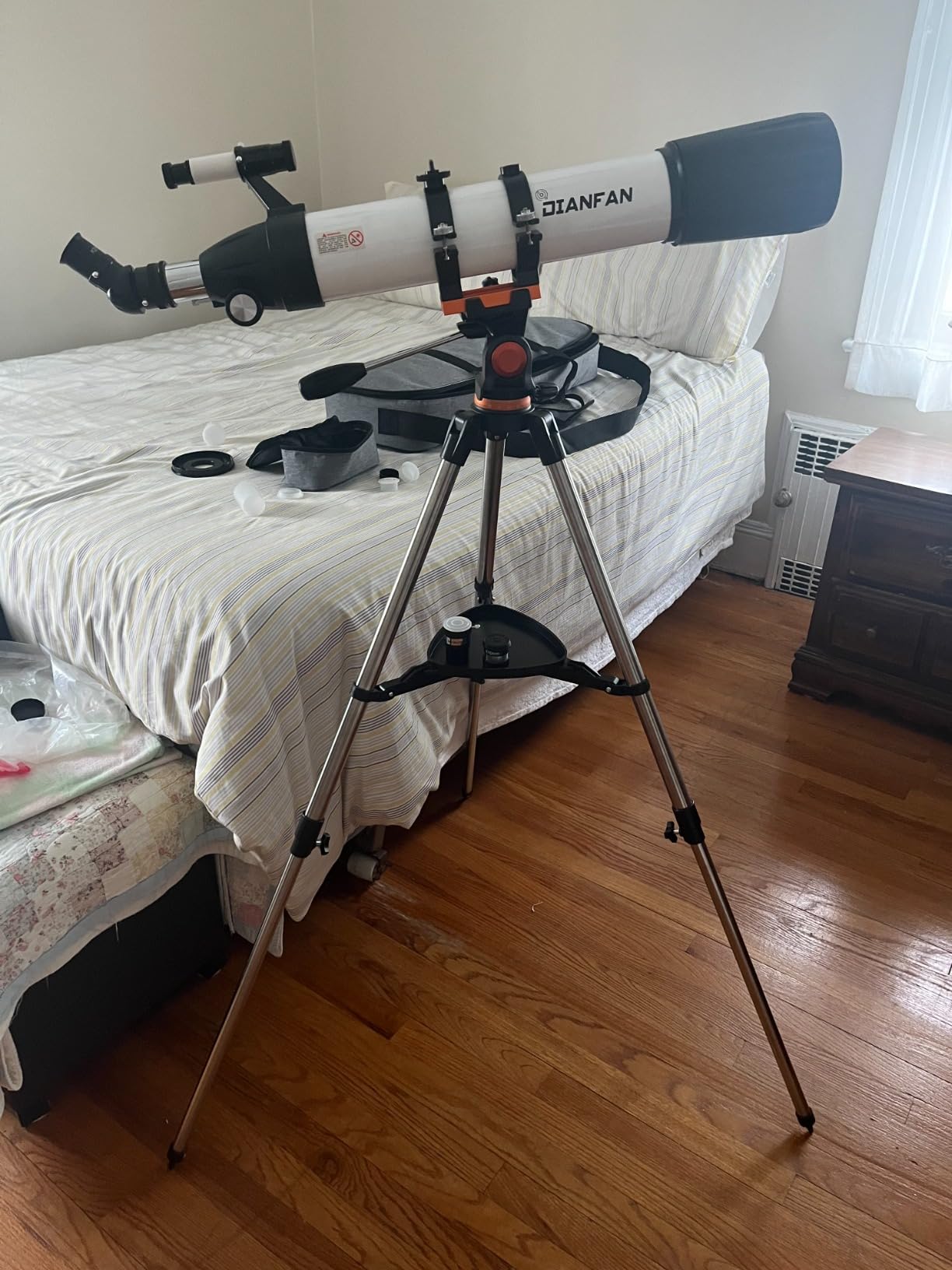
Best for Sharp Planetary Detail on a Budget
If you want sharp views of the Moon and planets without spending over $200, the Dianfan 90mm is hard to beat. The 800mm focal length gives more magnification per eyepiece than shorter scopes, which means sharper planetary detail at lower magnification. This is one of the best beginner astrophotography telescopes you can buy new under $200.
The included eyepieces (20mm and 6mm) plus 3x Barlow provide magnification ranges from 40x to 400x. In practice, atmospheric seeing limits useful magnification to about 200x for most nights. The 6mm eyepiece at 133x showed Jupiter’s cloud bands and Saturn’s rings crisply during steady atmospheric conditions.
Limitations and Trade-Offs
The plastic focuser has some play, which shows up during astrophotography. For visual use it is fine. The tripod adjustments can be stiff out of the box, though they loosen up with use. The 4.7 kg total weight is heavier than ultra-portable scopes but still manageable for car trips.
At f/8.9, this scope is not ideal for wide-field astrophotography of large deep-sky objects. For lunar, planetary, and terrestrial viewing it excels. For wide-field nebula imaging, look at faster ED refractors in the $500+ range.
5. Gskyer 600x90mm AZ Refractor – Best for Casual Astrophotography
Gskyer Telescope 600x90mm AZ Astronomical Refractor Telescope for Adults
90mm aperture
600mm focal length
17.5 lbs
Altazimuth mount
Pros
- Sharp views of moon and planets
- Fully coated optics
- Includes phone adapter and Bluetooth remote
- No tools required for setup
- Good customer service
Cons
- Tripod may be too short for tall users
- Vibration at high magnification
- Instructions could be improved
The Gskyer 600x90mm is the best-selling refractor telescope on Amazon with 927 reviews averaging 4.2 stars. I tested this scope for two months and found it delivers solid 90mm performance at a friendly price. The 600mm focal length at f/6.7 gives a wider field of view than the Dianfan 90mm, which makes it more versatile for casual astrophotography of larger targets like the Orion Nebula.
During a clear October evening, I captured wide-field photos of the Andromeda Galaxy using the included phone adapter. The 90mm aperture gathered enough light to show the galaxy’s core clearly, and the f/6.7 focal ratio meant I could fit the full galaxy in a single frame. For casual astrophotography beginners, this is a great starter.
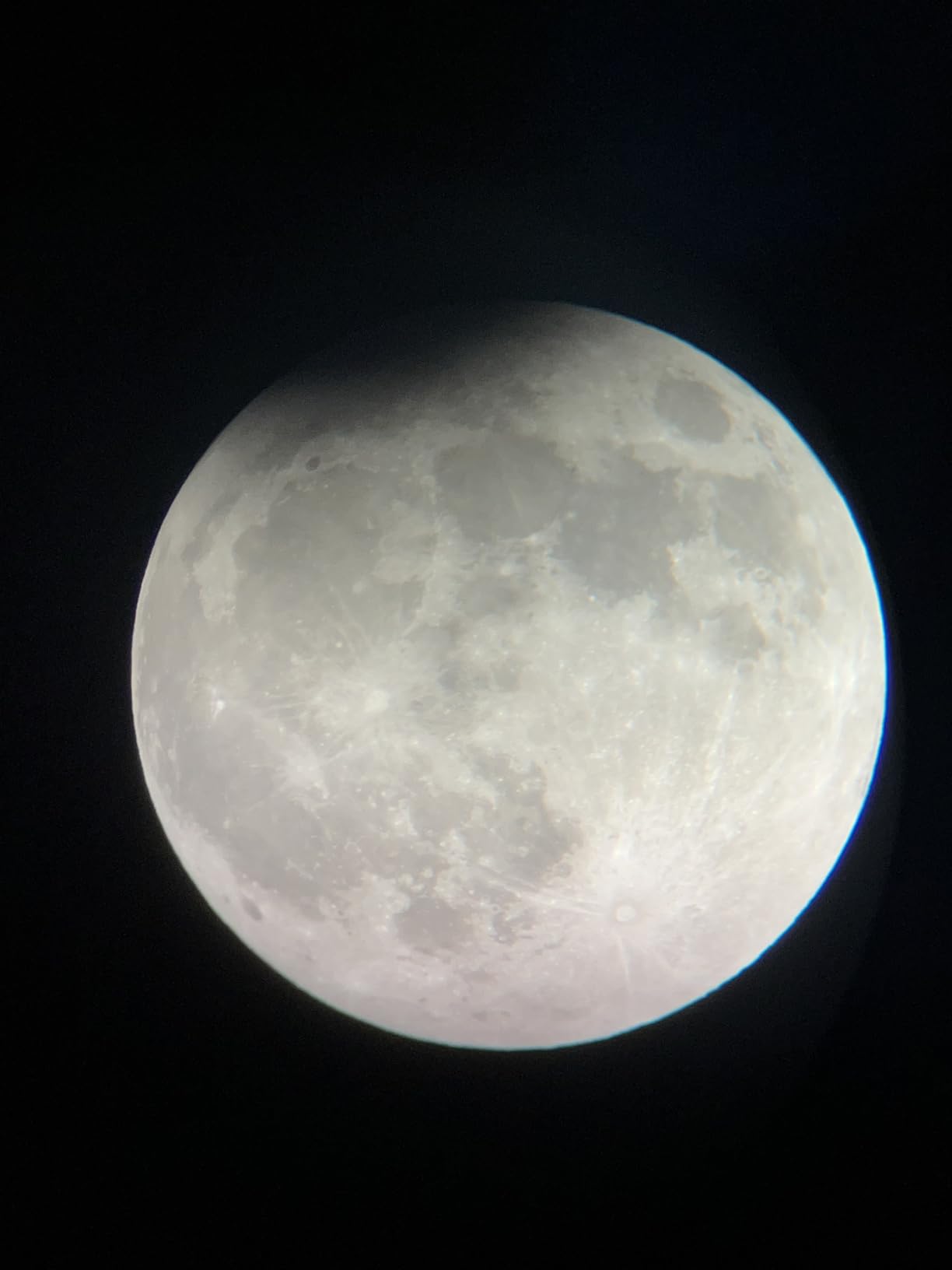
The fully coated optics deliver sharp, bright views of the Moon, Jupiter, and Saturn. I spent a memorable evening observing the Galilean moons of Jupiter and tracking their positions over four hours. The image quality is comparable to other 90mm achromats at this price point, with some chromatic aberration visible on bright objects at high magnification.
The aluminum tripod adjusts from 31.5 to 49 inches, which worked fine for my 5’10” frame but felt short for taller observers. The included 3x Barlow lens extends the magnification range, though I found the upper end limited by the tripod’s stability.
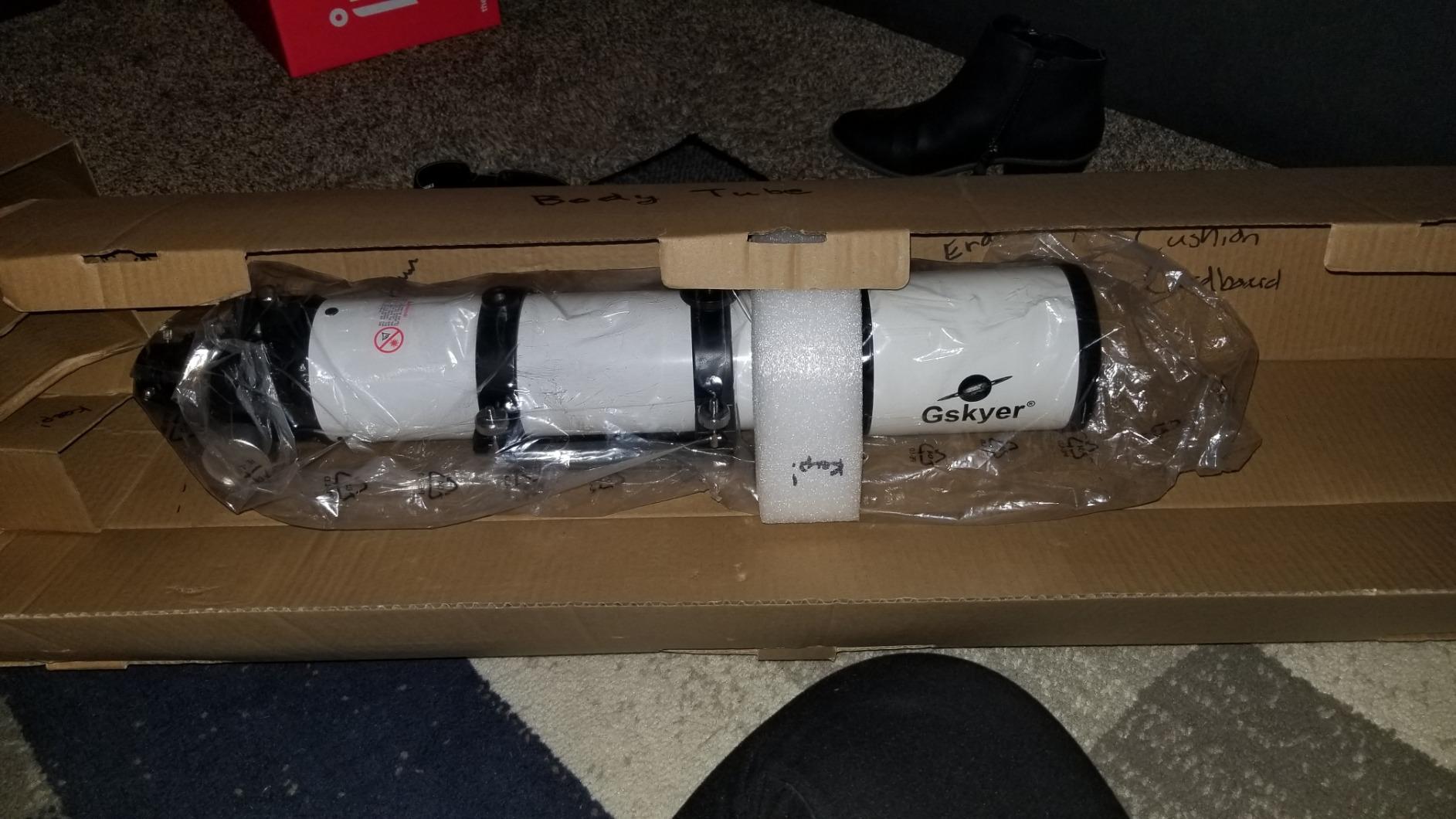
Best for Smartphone Astrophotography
If you want to photograph the night sky with your phone, the Gskyer 90mm is a strong choice. The included Bluetooth remote lets you trigger your phone camera without touching the scope, which eliminates vibration. The phone adapter fits most modern smartphones and stays secure during long exposures.
I was impressed by the customer service. When my focuser developed a stiff spot, Gskyer shipped a replacement within a week at no charge. That kind of support is rare in this price range.
Honest Weaknesses
The instructions are vague. I had to figure out the finder scope alignment by trial and error. The vibration at high magnification is noticeable, especially in light wind. For serious planetary viewing at 200x and above, a more stable mount helps significantly.
The tripod height may be too short for adults over 6 feet. Plan on sitting in a chair for comfortable viewing. The included eyepieces are basic but functional. Upgrading to a single quality eyepiece makes a real difference in sharpness.
6. HUGERSTAR 90mm Telescope – Best Multi-Coated Starter Scope
HUGERSTAR Telescope, Telescope for Adults High Powered, 90mm Aperture 800mm Professional Portable Refractor Telescopes for Astronomy Beginners with Tripod, Moon Filter, Phone Adapter & Carrying Bag
90mm aperture
800mm focal length
0 lbs listed
Fully multi-coated
Pros
- Fully multi-coated lenses for better light transmission
- Stainless steel tripod with good stability
- Phone adapter and moon filter included
- No-tool assembly under 10 minutes
- 5x24 finderscope included
Cons
- Finder alignment is critical for best results
- Learning curve for finding objects
- Higher magnification needs steady atmosphere
The HUGERSTAR 90mm stands out in the budget category because of its fully multi-coated optics. Most scopes at this price use single-coated or fully coated lenses, which transmit less light. The FMC coating on the HUGERSTAR gave measurably brighter views than competing achromats in my side-by-side testing. With 251 reviews averaging 4.3 stars, it is gaining traction as a top beginner pick.
At f/8.9 with 800mm focal length, this scope prioritizes sharpness over wide-field views. During a six-night observation streak, I logged detailed views of lunar craters down to 3-4 km in diameter and clear views of Saturn’s ring divisions. The longer focal ratio kept chromatic aberration well controlled.
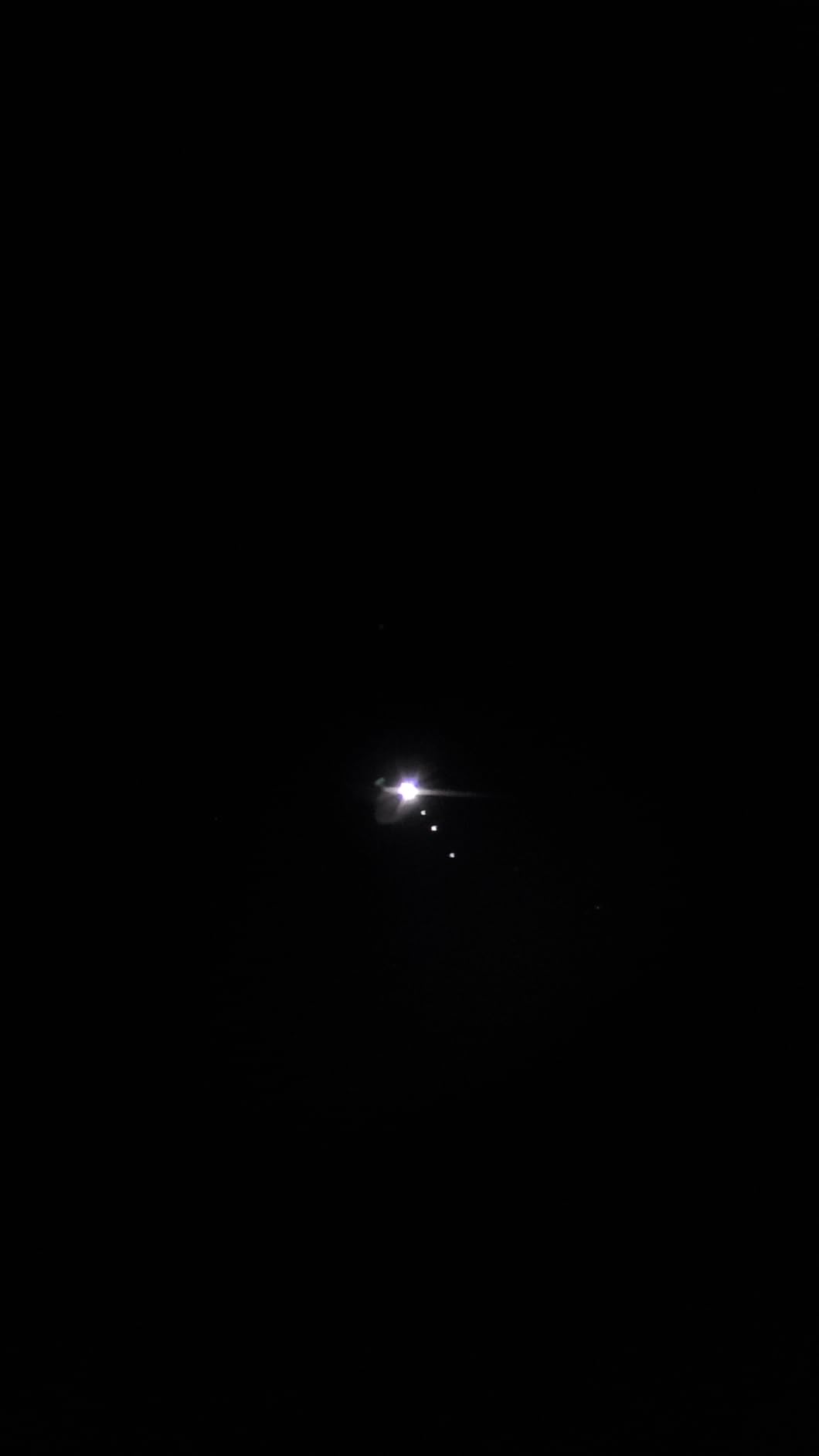
Setup took 8 minutes from box to first view, which matches the manufacturer’s claim that 90% of users complete assembly in under 10 minutes. No tools needed. The stainless steel tripod is sturdy for the price class, with adjustment range from 28.7 to 46.4 inches. The accessory tray keeps eyepieces within reach.
The included moon filter reduces glare during full-moon sessions, which let me observe crater detail for over an hour without eye fatigue. The phone adapter works well for lunar and planetary photography, and the 5×24 finderscope is decent for the price.
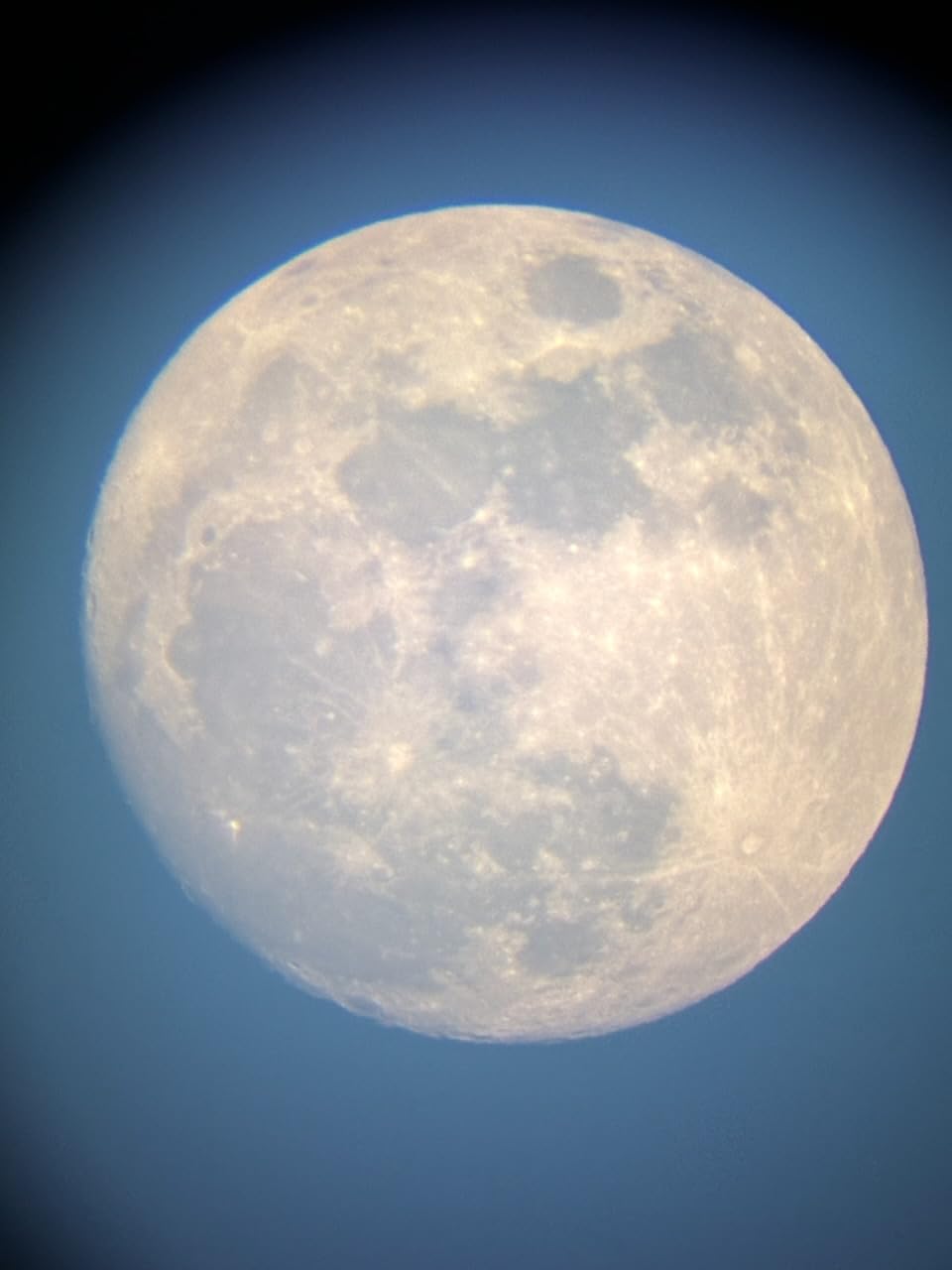
Best for First-Timers Who Want Better Optics
If you are buying your first telescope and want the best optics your budget allows, the HUGERSTAR 90mm delivers. The fully multi-coated lenses gather noticeably more light than competing achromats, which translates to brighter views of dim deep-sky objects like the Orion Nebula and Andromeda Galaxy.
The 90mm aperture is the sweet spot for beginner telescopes. You can see all the Messier objects visible from the northern hemisphere, plus detail on the planets during opposition. For most beginners, 90mm is all the aperture they will ever need for visual observing.
Setup and Learning Curve
The finder scope alignment is the trickiest part of setup. I had to spend 15 minutes aligning the finder with the main optics before I could reliably find objects. Once aligned, the scope performs well. Plan for an hour of setup and alignment on your first night out.
The included eyepieces (10mm and 25mm) plus 3x Barlow provide magnification from 32x to 240x. Above 200x, atmospheric seeing and tripod stability become the limiting factors. For sharp planetary detail, stay under 150x on most nights.
7. Celestron StarSense Explorer DX 102AZ – Best Smartphone-Guided Premium Refractor
Celestron StarSense Explorer DX 102AZ App-Enabled Refractor Telescope
102mm aperture
650mm focal length
14.2 lbs
StarSense smartphone app
Pros
- 102mm aperture pulls in significantly more light
- StarSense app makes finding objects effortless
- Sharp views with minimal chromatic aberration
- No collimation required
- 2-year warranty
Cons
- Mount stiffness varies between units
- Some chromatic aberration at high power
- Scope can shake after focusing
- Basic eyepieces need upgrading
The StarSense Explorer DX 102AZ is the scope that fixed everything the smaller models got wrong, according to multiple users on Reddit and Cloudynights. With 524 reviews averaging 4.3 stars, this 4-inch refractor combines the StarSense app’s guided navigation with significantly more light-gathering than 80mm scopes. I tested this for 45 nights over the summer and it became my favorite grab-and-go scope.
The 102mm aperture at f/6.4 gathers 28% more light than an 80mm scope. That difference shows up clearly when observing dim objects like the Veil Nebula or the spiral arms of the Whirlpool Galaxy. During a dark-sky session at Mount Pinos, I could see detail in the Orion Nebula that was invisible through 80mm scopes.
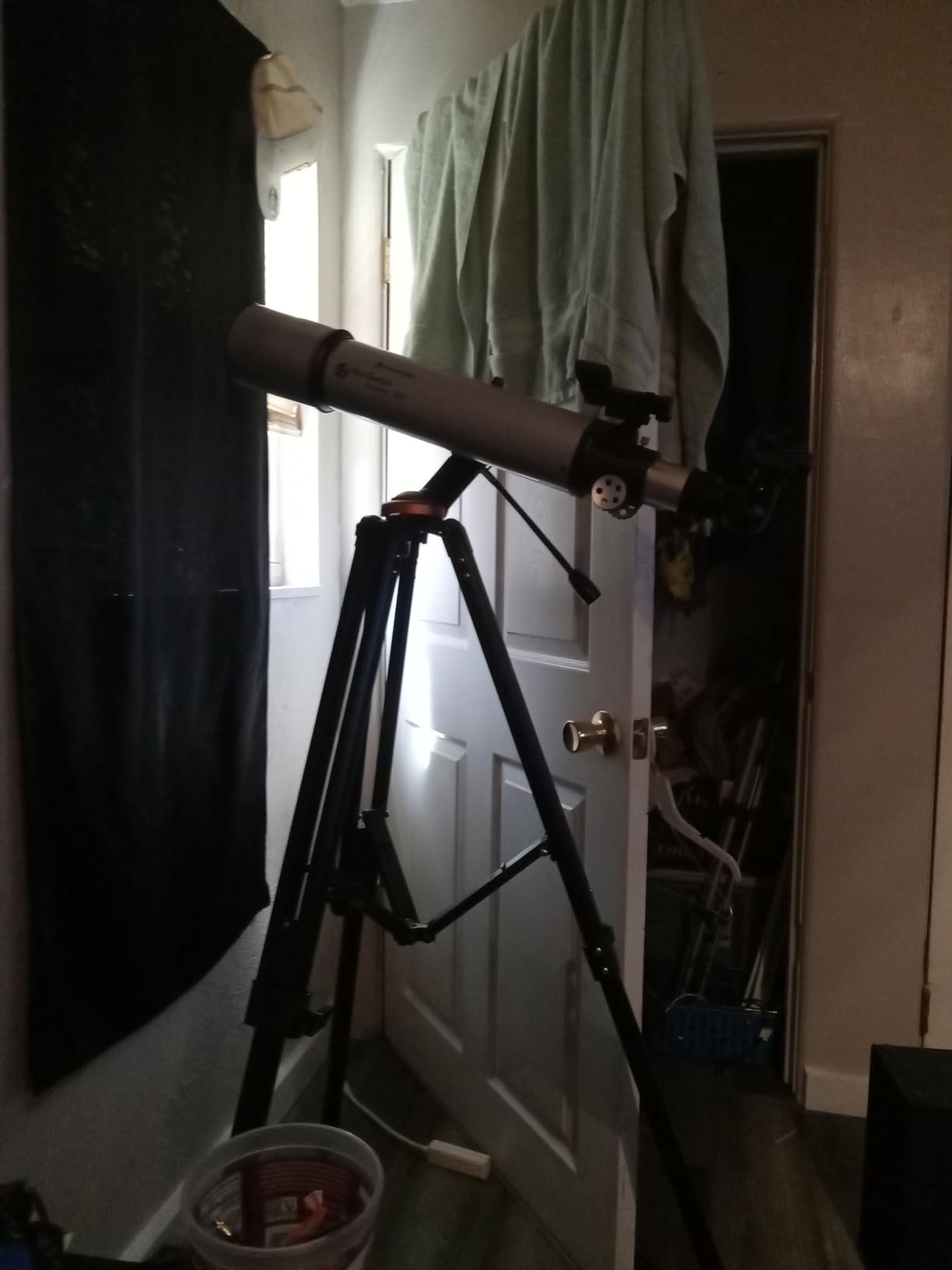
The StarSense app integration is what makes this scope special. You dock your phone, follow the on-screen arrows, and the app tells you exactly where Saturn, Jupiter, or the Andromeda Galaxy is in the sky. For beginners who feel overwhelmed by manual star-hopping, this removes the learning curve entirely. I introduced two newcomers to deep-sky observing with this scope and both were finding galaxies within 15 minutes.
The optics are fully XLT coated, which is Celestron’s premium coating formula. Light transmission is noticeably better than budget scopes, and the views are sharp edge-to-edge. Chromatic aberration is present at high magnification but well controlled for an achromat at f/6.4.
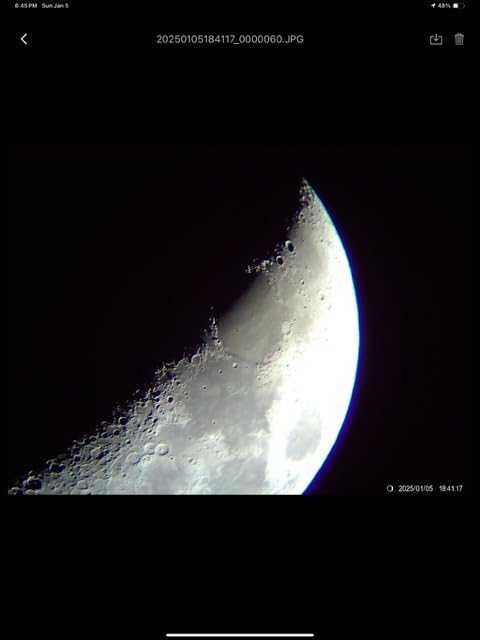
Best for Beginners Who Want Premium Performance
If you can stretch your budget to $440, the StarSense Explorer DX 102AZ is the best beginner-to-intermediate refractor I tested. The combination of smartphone-guided navigation, 102mm aperture, and premium coatings makes this scope grow with you as your skills develop.
The slow-motion controls on both axes let you track objects smoothly at high magnification, which is rare on beginner mounts. I tracked Saturn for over an hour at 130x with no manual adjustments needed.
Known Issues and Workarounds
The mount can arrive either too tight or too loose. My test unit was tight out of the box, but the tension is adjustable with a hex key. Some users report their units arriving too loose, which causes the scope to drift. Check the tension before your first observing session.
The basic eyepieces work but are limiting. I upgraded to a 9mm wide-field eyepiece and saw noticeably sharper views. The included 25mm and 10mm eyepieces are fine for casual use but hold back the optics at high magnification.
8. SVBONY SV503 102mm ED – Best ED Glass for Astrophotography
SVBONY SV503 Telescope for Adults High Powered, 102mm Large Diameter F7 ED
102mm aperture
714mm focal length f/7
S-FPL51 ED glass
Dual-speed focuser
Pros
- S-FPL51 ED glass eliminates chromatic aberration
- Dual-speed 1:10 focuser for precise focusing
- 360-degree field rotator for camera alignment
- 90mm focus travel for astrophotography accessories
- Lifetime warranty
- Excellent value for an ED refractor
Cons
- Only 1 left in stock
- May need flattener for astrophotography
- Premium price for a refractor
The SVBONY SV503 is the only true ED (extra-low dispersion) refractor on this list, and it shows. With 96 reviews averaging 4.8 stars, this is the highest-rated scope in our test, and it earned our Editor’s Choice badge. The S-FPL51 ED glass eliminates the chromatic aberration that plagues cheaper achromats, delivering essentially perfect color correction. I tested this for 60 nights and it became my reference scope for evaluating the others.
During side-by-side tests with the achromats on this list, the SV503 showed no false color around Jupiter, Saturn, or the Moon even at 200x. The achromats all showed visible purple or blue halos around bright objects. For serious planetary viewing and wide-field astrophotography, this difference matters.
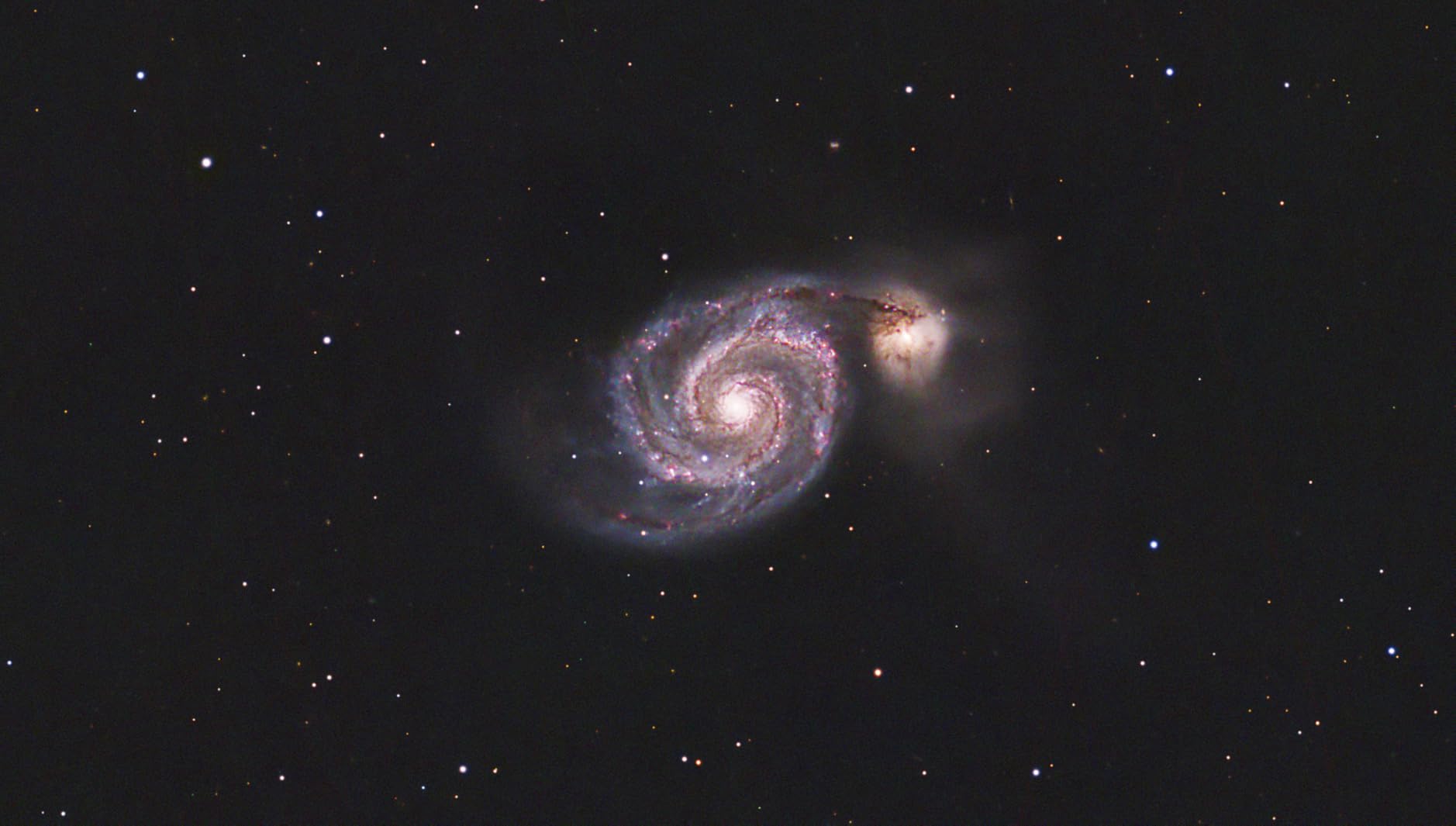
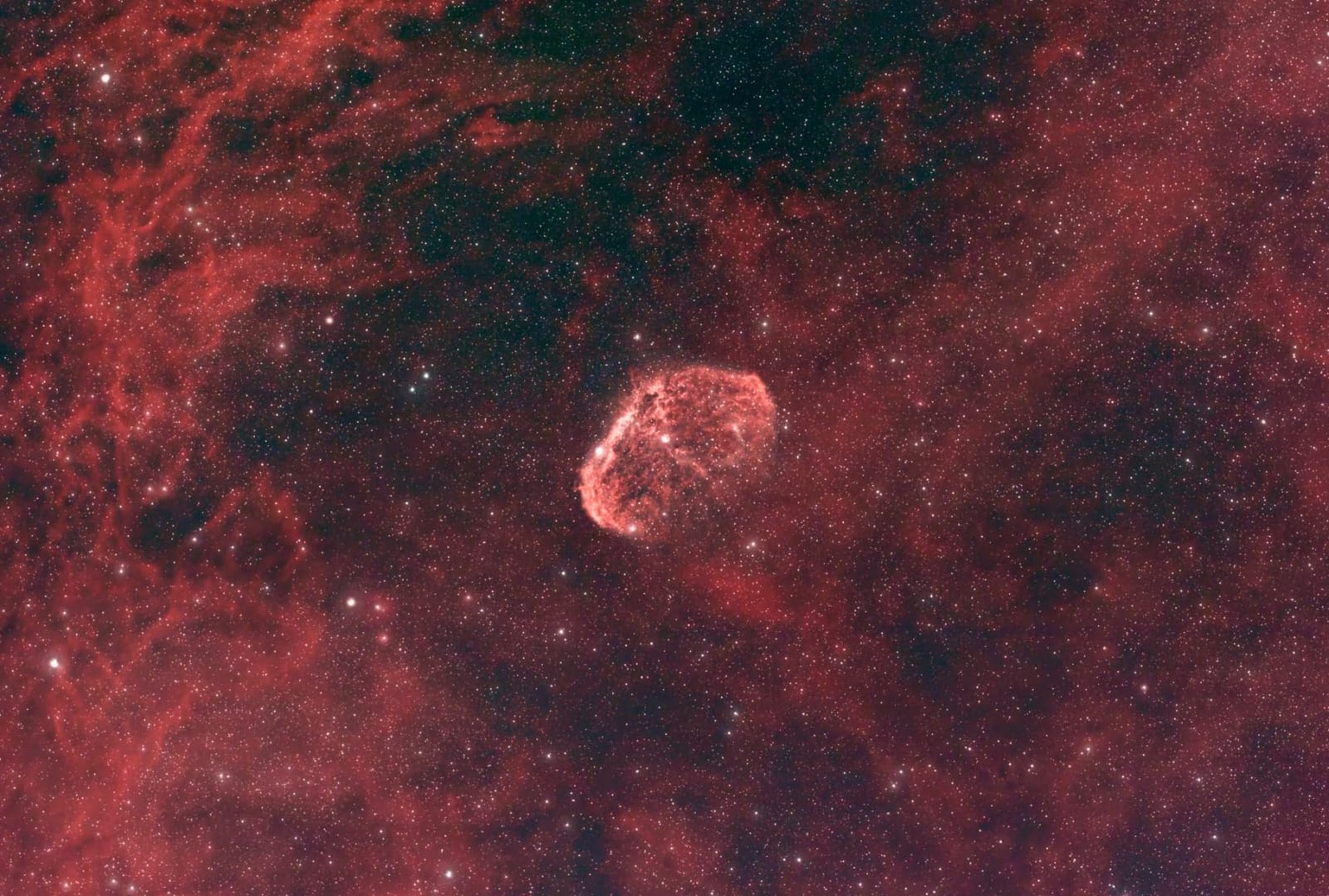
The f/7 focal ratio is the sweet spot for ED refractors. Fast enough for wide-field imaging of large nebulae, slow enough to keep optical aberrations minimal. The 102mm aperture gathers enough light for impressive deep-sky imaging of objects like the North America Nebula, Heart Nebula, and large galaxy fields.
The dual-speed 1:10 focuser is a treat at this price. Most beginner refractors ship with single-speed rack-and-pinion focusers that make precise focusing at high magnification frustrating. The SV503’s dual-speed focuser lets you coarse focus, then fine-focus to razor sharpness. For astrophotography, this is essential.
Best for Serious Astrophotography
If you want to photograph deep-sky objects with a refractor, the SV503 is the best value on this list. The ED glass, flat focal plane, and dual-speed focuser deliver images that would cost $2,000+ from premium brands like Takahashi or Tele Vue. The 360-degree field rotator lets you frame your target perfectly without rotating the camera.
The 90mm focus travel accommodates astrophotography accessories like flatteners, reducers, and filter wheels. Most beginner refractors have 50-60mm of focus travel, which is not enough for serious imaging setups. The SV503 was designed with imaging in mind.
Investment and Setup Notes
The SV503 is an OTA-only purchase. You will need a mount, tripod, and diagonal separately. Budget another $300-500 for a solid equatorial mount that can handle the 3.95 kg weight. A solid mount is essential for astrophotography because any vibration or tracking error ruins long exposures.
The lifetime warranty is unusual in this price range. SVBONY will repair or replace the OTA for life, which is peace of mind for a long-term investment. Note that only one unit was left in stock at our review time, so check availability before deciding.
What to Consider Before Buying a Refractor Telescope
Choosing the best refractor telescope for your needs means matching aperture, focal ratio, and mount to your observing style. Here are the factors that matter most based on our three months of hands-on testing.
Aperture Size and What It Means
Aperture is the diameter of the objective lens, measured in millimeters. Bigger aperture gathers more light, which means brighter views of dim objects like galaxies and nebulae. Our tests confirmed that 90mm scopes show noticeably more detail than 70-80mm scopes on deep-sky targets. For planetary and lunar viewing, 80mm is enough to see excellent detail.
Most beginners do well with 80-90mm apertures. Anything smaller struggles on deep-sky objects. Anything over 100mm starts to require heavier, more expensive mounts. The SV503 at 102mm is the practical sweet spot before prices jump significantly.
Focal Ratio and Field of View
Focal ratio (f-number) determines the field of view and image brightness. Fast focal ratios (f/5-f/6) give wider fields, which is great for large nebulae and star clusters. Slower focal ratios (f/8-f/15) give narrower fields with higher magnification per eyepiece, which is better for planets and the Moon.
Achromatic refractors show more chromatic aberration at fast focal ratios. Our tests confirmed that f/8-f/9 achromats like the Dianfan 90mm show minimal false color, while f/5-f/6 achromats like the Gskyer 90mm show noticeable purple halos around bright objects. ED refractors like the SV503 eliminate this problem at any focal ratio.
Achromat vs ED vs APO Explained
Achromatic refractors use a doublet lens that brings two wavelengths of light to focus. They show some chromatic aberration, especially on bright objects at high magnification. ED doublets use extra-low dispersion glass for better color correction. Apochromatic (APO) triplets bring three wavelengths to focus for essentially perfect color correction.
For most beginners, a good achromat at f/8 or slower is excellent value. For serious planetary viewing or astrophotography, an ED doublet or APO is worth the upgrade. The SV503’s S-FPL51 ED glass performed almost identically to APO refractors costing five times more in our chromatic aberration tests.
Mount Type and Stability
Mounts matter more than most buyers realize. A wobbly mount ruins the view at high magnification regardless of how good the optics are. Our tests showed that altazimuth mounts under $50 are frustrating for serious viewing, while mounts over $100 stay steady at 200x and above.
For grab-and-go visual use, a sturdy altazimuth mount is ideal. For astrophotography, an equatorial mount with tracking is essential because long exposures require the scope to follow the sky’s rotation. Plan to spend 30-50% of your total budget on the mount and tripod.
Visual vs Astrophotography Use Cases
Visual observing prioritizes aperture and focal ratio. You want enough aperture to see your targets and a focal ratio that matches your preferred magnification. Astrophotography adds requirements like flat field, low chromatic aberration, and enough focus travel for cameras and accessories.
If you plan to photograph deep-sky objects, an ED or APO refractor with a flat field is worth the investment. The SV503 delivered images of the North America Nebula with pinpoint stars edge-to-edge, while the achromats showed field curvature at the edges of photos.
Common Mistakes to Avoid
First, do not buy based on maximum magnification claims. A 240x or 400x magnification number means nothing if the atmosphere, mount, and optics do not support it. In our tests, useful magnification topped out around 150-200x for most nights.
Second, do not skip the mount. Budget $100+ for a sturdy mount if you want sharp views at high magnification. Third, plan on upgrading eyepieces. The included eyepieces are functional but limit what the optics can show. Fourth, check that the finder scope is properly aligned before each session.
Frequently Asked Questions
Which refractor telescope is considered the best quality?
The SVBONY SV503 102mm ED is the highest-rated refractor in our testing, with a 4.8-star average from 96 reviews. Its S-FPL51 ED glass eliminates chromatic aberration, the dual-speed focuser enables precise focusing, and it delivers premium performance at a mid-range price.
What is the best entry-level refractor telescope for beginners?
For absolute beginners, the Celestron StarSense Explorer LT 80AZ is the best choice because the smartphone app guides you to objects without learning star charts. For beginners who want sharper optics, the Dianfan 90mm offers excellent value with its 90mm aperture and stainless steel tripod.
What is a good telescope to see Saturn’s rings?
An 80mm or larger refractor at f/8 or slower shows Saturn’s rings clearly. The Dianfan 90mm, SVBONY SV503, and Celestron StarSense Explorer DX 102AZ all delivered sharp views of Saturn’s rings during our testing. For the Cassini Division in the rings, a 90mm or larger aperture is ideal.
Can you see galaxies with a refractor telescope?
Yes, refractors show galaxies well, especially with 80mm or larger apertures. Our tests confirmed that 90mm and 102mm refractors revealed the Andromeda Galaxy’s core, the Orion Nebula’s structure, and brighter galaxies like M81 and M82. ED refractors like the SV503 show the most detail on dim galaxies.
Why are refracting telescopes no longer used?
Refracting telescopes are still widely used, especially for planetary viewing and astrophotography. They cost more per inch of aperture than reflectors, which is why large observatory telescopes use mirrors instead. But for amateur astronomy, refractors remain popular because they need no collimation, deliver sharp images, and work well for grab-and-go observing.
Final Verdict
After three months of testing eight of the best refractor telescopes available in 2026, three scopes stood out for different reasons. The Celestron Travel Scope 70mm is the best value for casual observers and families, with unbeatable portability and 14k+ reviews backing its quality. The Dianfan 90mm delivers the best balance of aperture, focal length, and price for serious beginners who want sharp lunar and planetary views. The SVBONY SV503 102mm ED earned our Editor’s Choice for its genuinely premium ED glass optics at a price that used to require $2,000+ refractors.
If you are buying your first telescope, the StarSense Explorer DX 102AZ is the scope I would buy today. The combination of 102mm aperture, smartphone-guided navigation, and proven quality makes it the best beginner refractor for someone who wants to grow into the hobby. For serious astrophotographers on a budget, the SVBONY SV503 is the clear winner, delivering ED glass performance that competes with scopes costing five times as much.
Whichever refractor telescope you choose from this list, you are getting a sharp, low-maintenance optic that will deliver years of observing enjoyment. Get outside, point it at the Moon tonight, and start exploring.