
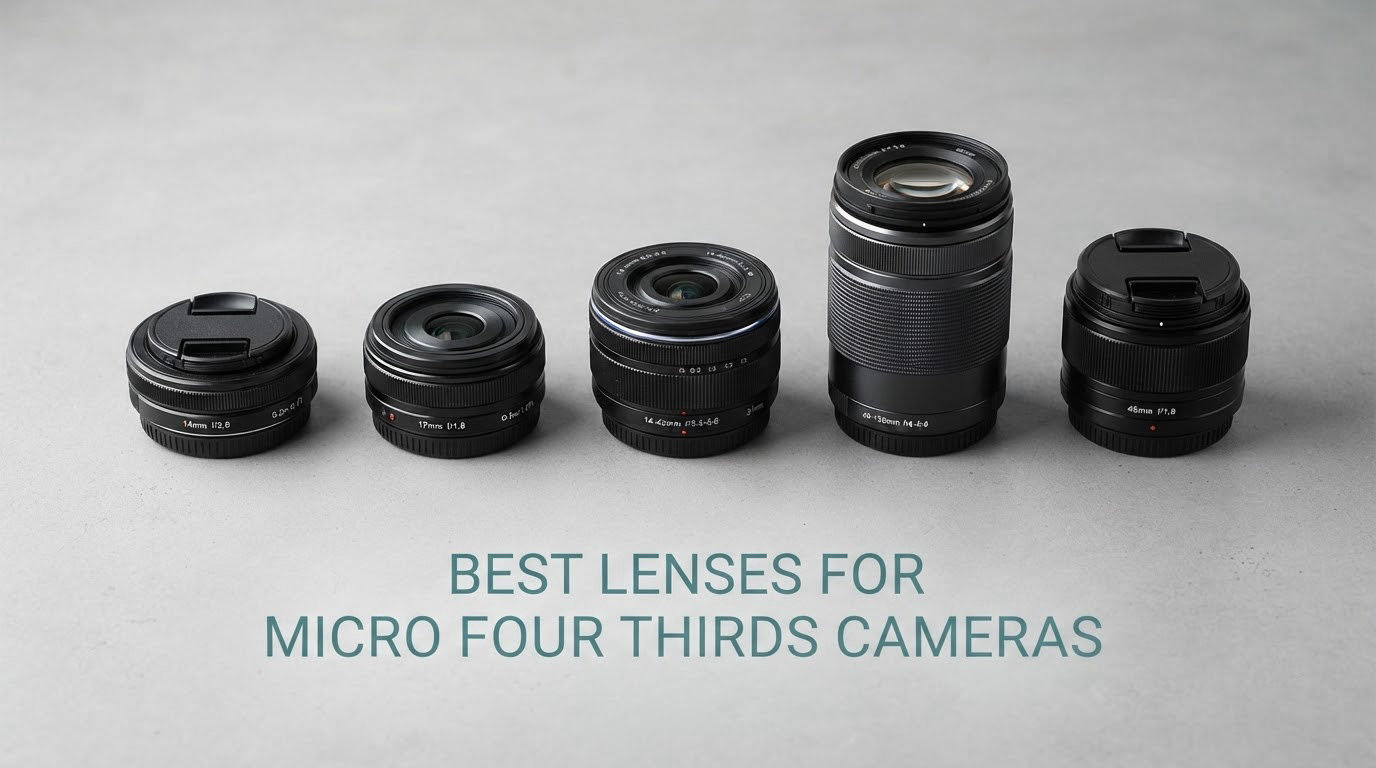
If you are shopping for the best lenses for Micro Four Thirds cameras, you are in an unusual position. Most systems narrow as they mature, but the M43 mount has grown into one of the deepest and most complete lens ecosystems in mirrorless, with roughly 100 native optics from OM System, Panasonic Lumix, Leica, Sigma and a long tail of third-party makers. The problem is not finding lenses. It is filtering them down to the ten worth your money right now.
That is what we did. We spent weeks going through owner reviews, weighing the published specifications against how each lens actually behaves, and sorting the catalogue by the job it does rather than by brand. The result is a list of ten lenses that covers every serious use case, from street work to wildlife, without a single filler entry.
One thing to settle before reading further, because it confuses almost everybody who is new to the format. Micro Four Thirds uses a sensor with roughly half the surface area of a full frame chip, and the crop factor is 2x. Every focal length you read on an M43 lens is doubled in 35mm equivalent terms, so a 25mm f/1.7 frames like a 50mm f/1.8 and a 45mm f/1.8 frames like a 90mm lens. We give both numbers throughout this guide so you never have to do the mental arithmetic yourself.
The second thing worth knowing: the mount is shared. Every M43 lens from every maker listed here fits every OM System, Panasonic Lumix and Leica body, with full autofocus, aperture control and EXIF transfer. There is no lock-in. You can start with a Panasonic body and add OM System glass next year without a single problem, which is a luxury very few systems still offer.
Our picks below are current as of 2026, and we re-checked the catalogue against the latest releases before publishing. Prices and listings move constantly, so every product here links to a live listing rather than quoting a number that will be wrong by the time you read it.
Top 3 Picks: Best Micro Four Thirds Lens Picks in 2026
Before the full breakdown, these are the three lenses we would put in front of almost any photographer buying into this system in 2026.


Lumix 45-150mm f/4-5.6
- 90-300mm equivalent
- Mega O.I.S. stabilization
- 318g
- Near-silent inner focus
The 25mm f/1.7 wins our top spot on the strength of owner satisfaction more than any spec sheet. It carries the highest rating in this roundup, and the 25mm focal length simply fits the most situations.
Best Lenses for Micro Four Thirds Cameras in October
Here is the whole shortlist in one table, with each lens listed at its category position. Scan this first to work out which two or three lenses fit your shooting, then read the individual entries for the detail.
| Product | Specifications | Action |
|---|---|---|
| Panasonic Lumix G 25mm f/1.7 |
|
Check Latest Price |
| OM SYSTEM M.Zuiko 45mm f/1.8 |
|
Check Latest Price |
| Panasonic Lumix 45-150mm f/4-5.6 |
|
Check Latest Price |
 OM SYSTEM M.Zuiko 17mm f/1.8 OM SYSTEM M.Zuiko 17mm f/1.8 |
|
Check Latest Price |
 Olympus M.Zuiko ED 30mm f/3.5 Macro Olympus M.Zuiko ED 30mm f/3.5 Macro |
|
Check Latest Price |
 OM SYSTEM M.Zuiko 100-400mm f/5-6.3 IS OM SYSTEM M.Zuiko 100-400mm f/5-6.3 IS |
|
Check Latest Price |
 OM SYSTEM M.Zuiko ED 75-300mm f/4.8-6.7 OM SYSTEM M.Zuiko ED 75-300mm f/4.8-6.7 |
|
Check Latest Price |
 Panasonic Lumix G II 20mm f/1.7 Panasonic Lumix G II 20mm f/1.7 |
|
Check Latest Price |
 7artisans 25mm f/1.8 Manual 7artisans 25mm f/1.8 Manual |
|
Check Latest Price |
 Olympus M.Zuiko ED 12-200mm f/3.5-6.3 Olympus M.Zuiko ED 12-200mm f/3.5-6.3 |
|
Check Latest Price |
Two patterns jump out of that table. Six of the ten are primes, which tells you where the format leans. And only two lenses here carry real weather sealing, so if you shoot outdoors in poor conditions, that factor should narrow your list before anything else does.
If You Only Buy Three Micro Four Thirds Lenses
This is the most-asked question in every M43 community, so we are going to answer it straight away rather than making you read ten entries to get there. If you owned a Micro Four Thirds body and could buy three lenses, these are the three.
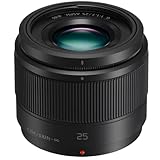
1. The Panasonic Lumix G 25mm f/1.7 as your default. A 50mm equivalent field of view is the most flexible single focal length on the format, and f/1.7 gives you clean low light and a soft background. At 125g it costs you almost nothing in weight. It is the lens you will mount most often, and if you only ever buy one M43 lens, buy this one. Our wider guide to 50mm prime lenses covers how this focal length behaves on larger sensors too.
2. The Olympus M.Zuiko ED 12-200mm f/3.5-6.3 as your one-lens travel solution. A 24-400mm equivalent range from one sealed lens removes the need to carry anything else on a trip. It is heavier than the primes, but nothing else in this list covers that ground in a single barrel.
3. Whichever gap remains. If you shoot people, take the 45mm f/1.8. If you shoot wildlife or sport, take the 100-400mm f/5-6.3 IS. If you only ever walk around a city, take the 17mm f/1.8. That decision depends on your subject matter far more than any spec does.
That trio covers most photographers completely. Everything else in this roundup exists for people with a specific problem those three do not solve.
1. Panasonic Lumix G 25mm f/1.7 – Best Micro Four Thirds Lens Overall
Panasonic LUMIX G Lens, 25mm, F1.7 ASPH, Mirrorless Micro Four Thirds, H-H025K (USA Black)
25mm prime
f/1.7 aperture
50mm equivalent
125g
46mm filter thread
Pros
- Bright f/1.7 aperture with attractive background bokeh
- Extremely light and compact at 125g
- Natural 50mm equivalent field of view
- Quiet stepping motor autofocus
Cons
- No image stabilization in the lens
- Not weather sealed
- Fixed prime focal length
This is the lens we recommend to almost anyone. The 25mm f/1.7 is the closest thing the Micro Four Thirds mount has to a normal lens, and its 50mm equivalent framing handles street scenes, environmental portraits, food, travel details and general documentary work without you constantly swapping glass.
Owner satisfaction is where it separates itself. Across more than two thousand reviews the rating sits at 4.8, with 86 percent of owners handing over five stars. That is not a normal hit rate for a lens that has been on sale for years, and it tells you the design simply has no weak point that owners can agree on.
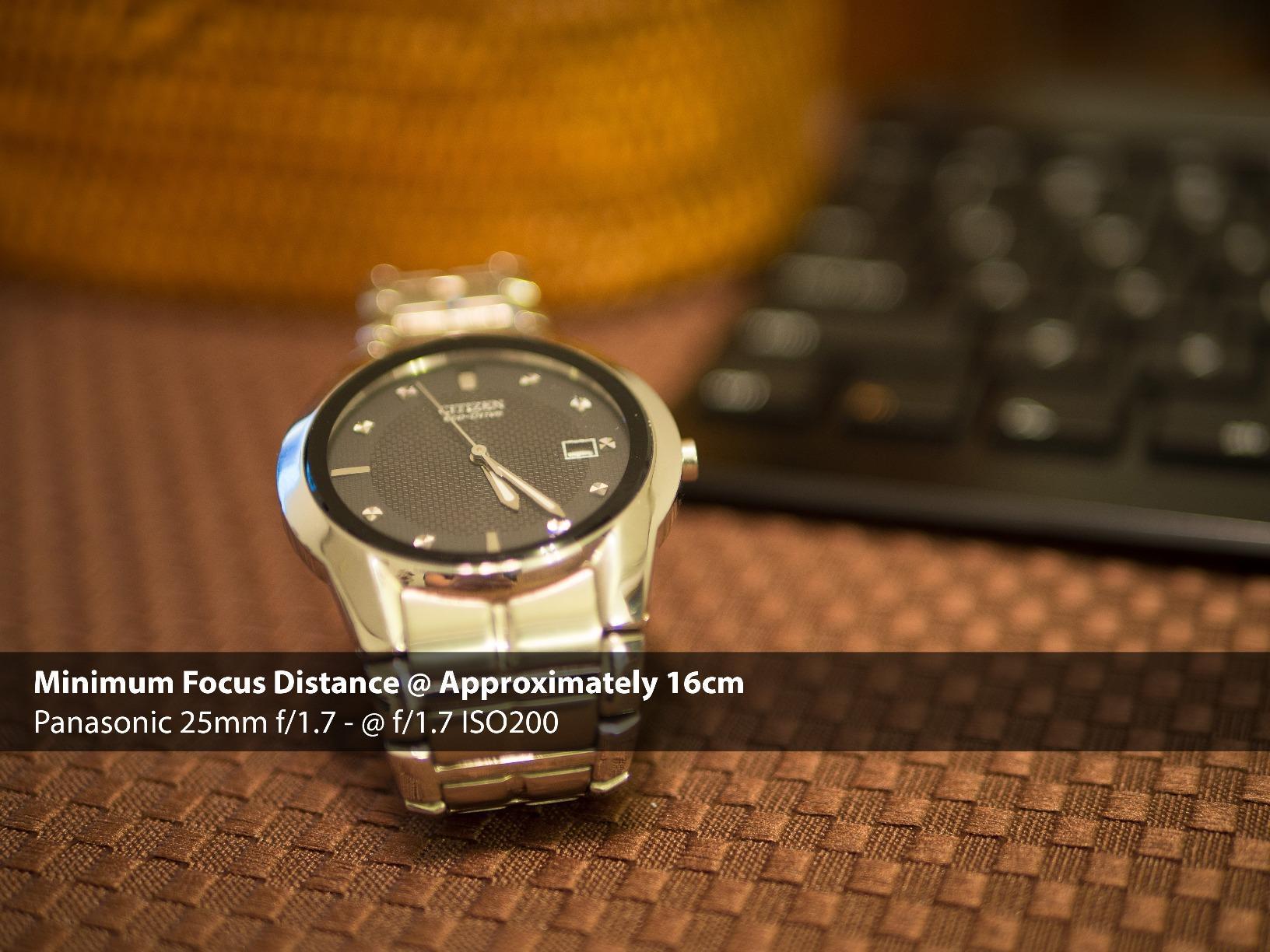
Optically it is a clean design: eight elements in seven groups, with two aspherical elements and one UHR element handling the Nano Surface Coating. Seven rounded diaphragm blades produce background blur that looks circular rather than polygonal, which matters more on a fast prime than the number alone suggests.
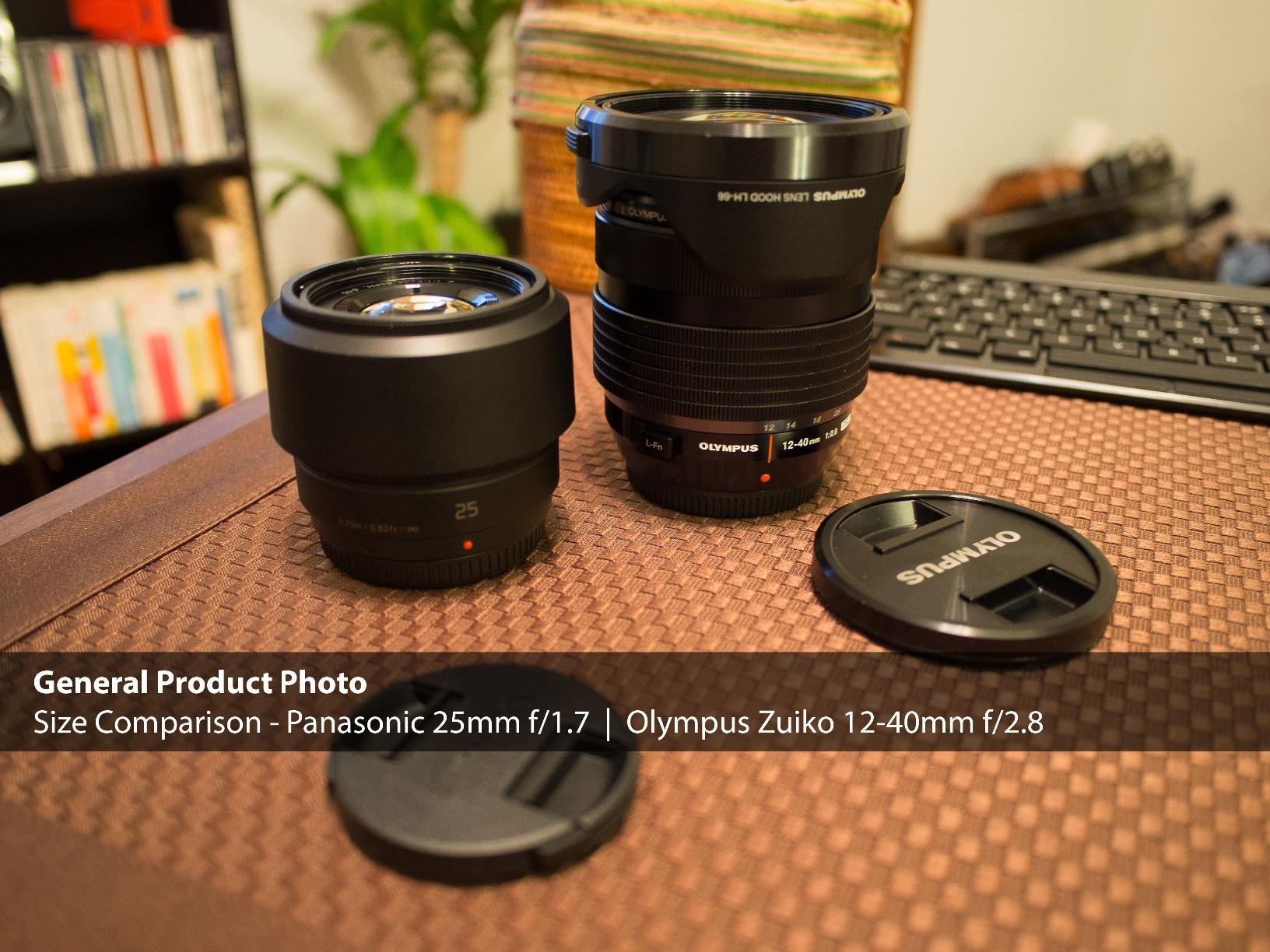
At 2.05 inches long and 7.84 ounces, it is one of the smallest fast primes you can put on any interchangeable lens camera. It genuinely disappears on a compact body, and that is the whole point of choosing this format in the first place.
Who the 25mm f/1.7 suits
It suits anyone who shoots handheld, anyone who works in low light, and anyone who wants a background that falls away without carrying a second lens. The f/1.7 aperture gives about one and a third stops more light than f/2.8, which is the difference between a usable night shot and a blurred one on most bodies.
It also suits anyone transitioning from full frame and feeling disoriented. A 50mm equivalent view is close enough to familiar framing that your existing habits carry over, and the depth of field at f/1.7 is generous enough that focus is forgiving rather than knife-edge.
Where the 25mm f/1.7 falls short
There is no stabilization in the lens, so a slower shutter speed than you would like means raising ISO rather than gaining a stop. The barrel is also not weather sealed, which rules it out for sustained outdoor work in rain or blowing dust without some kind of cover.
As a prime, it simply cannot change focal length. If your work swings between wide establishing shots and tight detail in the same session, you will miss that on this lens. Both limitations are real but neither is serious for the shooting this lens is actually aimed at.
2. OM SYSTEM M.Zuiko 45mm f/1.8 – Best for Portraits and Bokeh
OM SYSTEM Olympus M.Zuiko Digital 45mm F1.8 Black for Micro Four Thirds System Camera, Compact Design, Beautiful Bokeh, Bright
45mm prime
f/1.8 aperture
90mm equivalent
116g
0.20m close focus
Pros
- Sharp small and light 90mm equivalent portrait prime
- f/1.8 aperture gives rounded bokeh and low light capability
- Quiet quick autofocus suitable for video
- Metal lens mount despite plastic barrel
Cons
- Narrow angle of view requires stepping back
- No lens hood included
- Not weather sealed
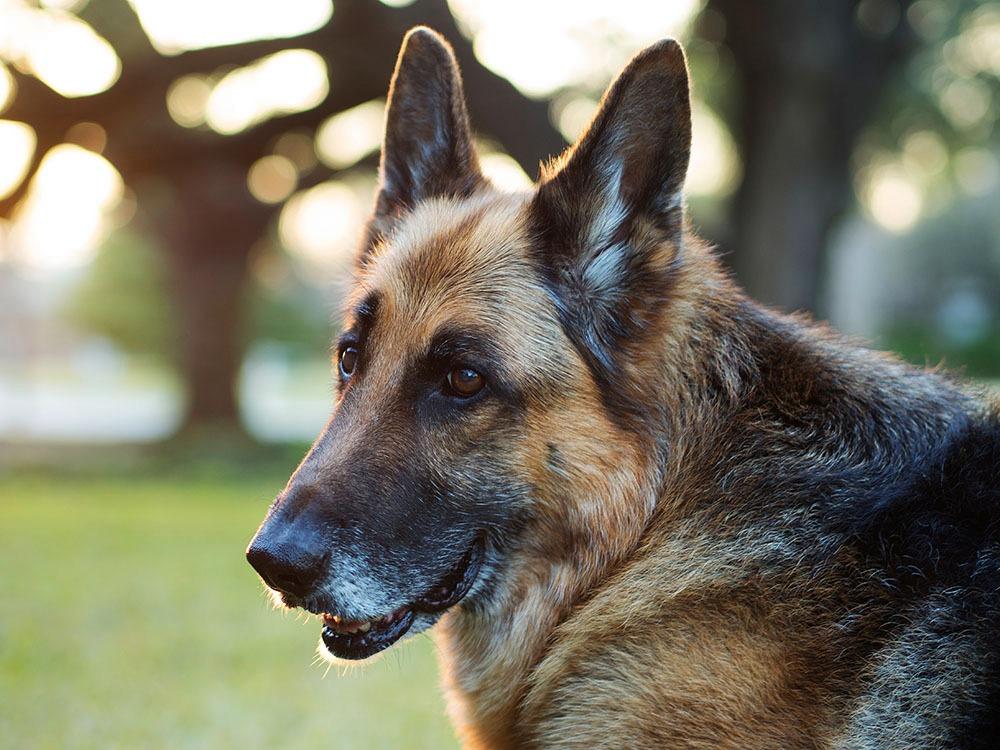
The 45mm f/1.8 gives a 90mm equivalent view, and that is the classic portrait focal length in miniature. It compresses facial features in a flattering way, and the f/1.8 aperture combined with a 27 degree angle of view produces head-and-shoulder framing with backgrounds that dissolve completely.
At 116g it is lighter than most 85mm lenses on full frame while giving a similar look, which is the argument for the format in a single number. The seven-blade diaphragm keeps highlight shapes rounded rather than angular, so out-of-focus points of light stay circular in the background.
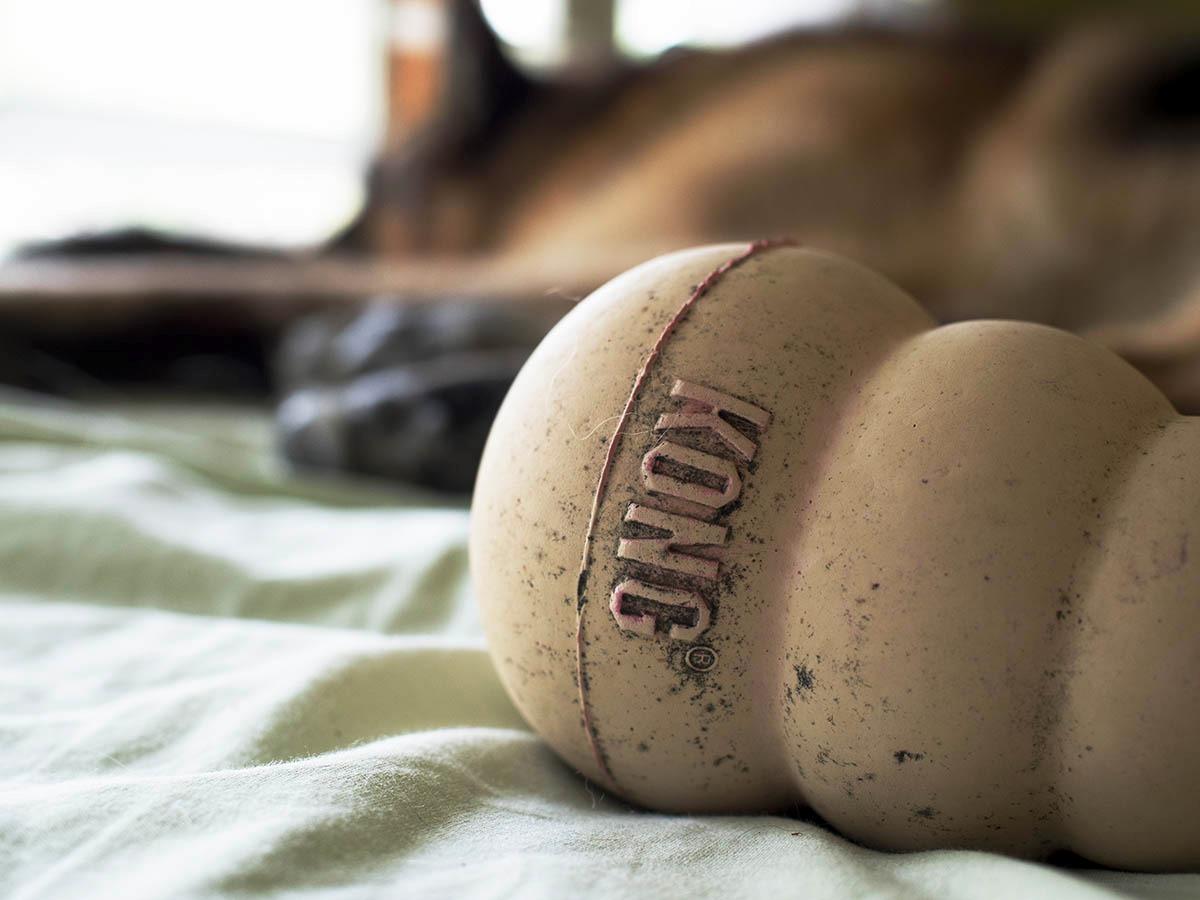
Close focus is a genuine strength here. The minimum focusing distance of 0.20m lets you fill the frame with a head from roughly arm’s length, which means you can work without constantly asking your subject to step back. That makes it far more practical for candid portrait work than the spec sheet suggests.
Autofocus is quiet and quick enough for video, and the focus drive is movie-still compatible. For anyone shooting a short film or a lot of clips on a small rig, that is worth more than any resolution advantage a larger sensor might offer on paper.
Who the 45mm f/1.8 suits
It suits portrait shooters who do not want a heavy kit, street photographers working at conversational distance, and anyone who needs a second lens with a completely different character from a wide or standard zoom. Paired with the 25mm f/1.7, it gives you a two-lens kit that covers almost any assignment.
It also suits video shooters working handheld. The drive is quiet, the focus is decisive, and the aperture produces visible background separation at relatively modest ISO values. Our guide to 85mm portrait lenses covers the full-frame equivalent in more depth.
Where the 45mm f/1.8 falls short
The narrow 27 degree angle of view means you cannot get closer than about 0.20m, so for tight headshots you need physical space in front of the lens. Indoors, in a small venue, that is sometimes a problem the aperture cannot solve.
No lens hood is included and it has to be bought separately, which is an odd omission for a lens in this class. The barrel is also not weather sealed. Neither issue will bother you in a studio, and both will on a wet hilltop.
3. Panasonic Lumix G Vario 45-150mm f/4-5.6 – Best Value Telephoto Zoom
Panasonic LUMIX G Vario 45-150mm F4.0-5.6 ASPH Mirrorless Camera Lens with Optical Stabilizer, Micro Four Thirds Mount, H-FS45150AK (USA Black)
45-150mm zoom
f/4.0-5.6
90-300mm equivalent
318g
Mega O.I.S.
Pros
- Versatile 90-300mm equivalent range
- Mega O.I.S. keeps handheld shots crisp
- Small and light at 318g
- Good sharpness stopped down
Cons
- Slow maximum aperture for low light
- Long minimum focus distance
- Not weather sealed
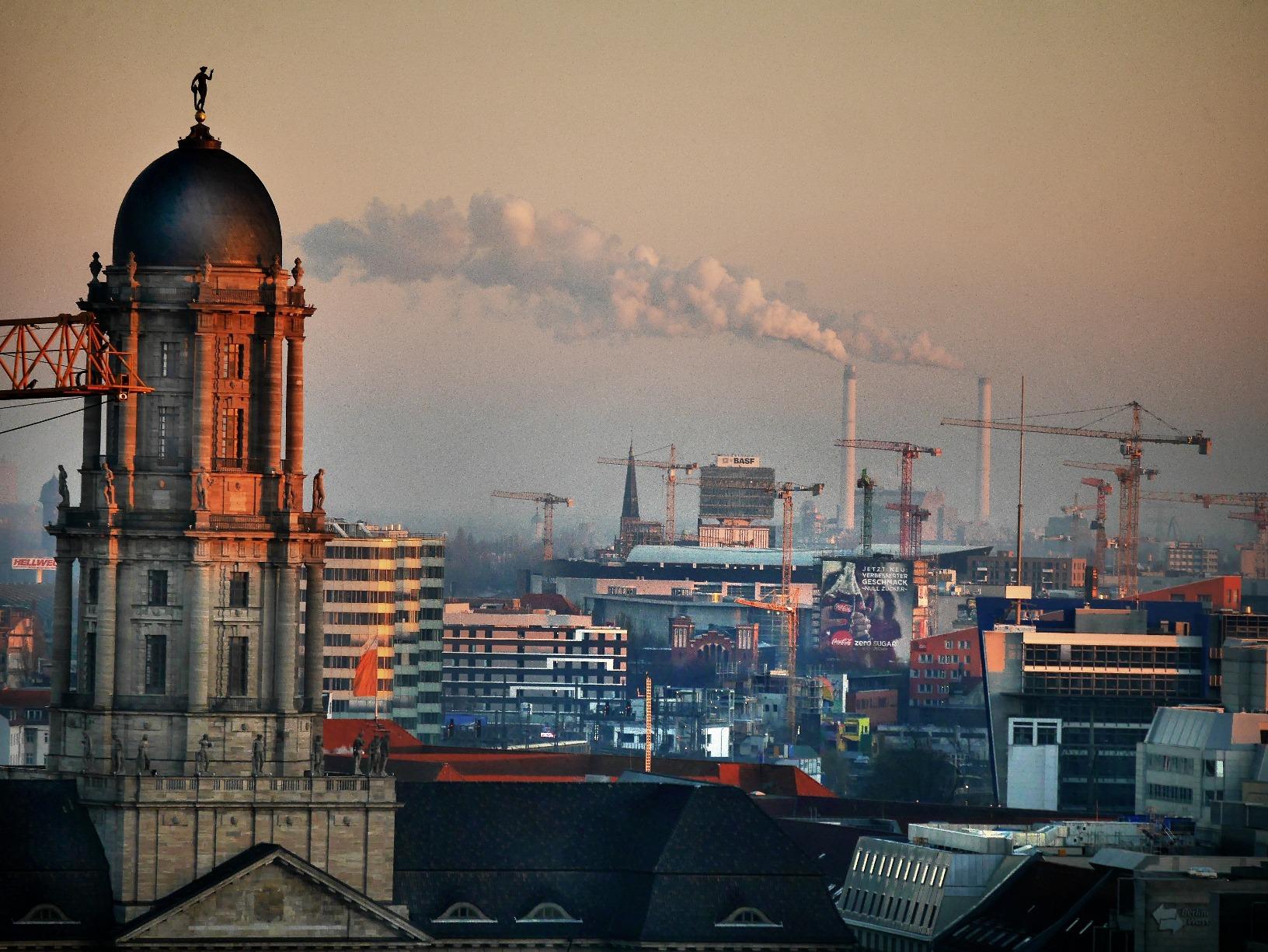
The 45-150mm f/4-5.6 covers a 90-300mm equivalent range, which is exactly the gap between a standard zoom and a serious telephoto. For school sports, garden birds, stage performances and candid family events, that range solves the problem without a second body or a prime swap.
What makes it our value pick is that it includes optical stabilization. Mega O.I.S. is built into the lens, so the long end stays usable handheld at shutter speeds that would otherwise demand a high ISO. On a 300mm-equivalent focal length that difference is decisive.
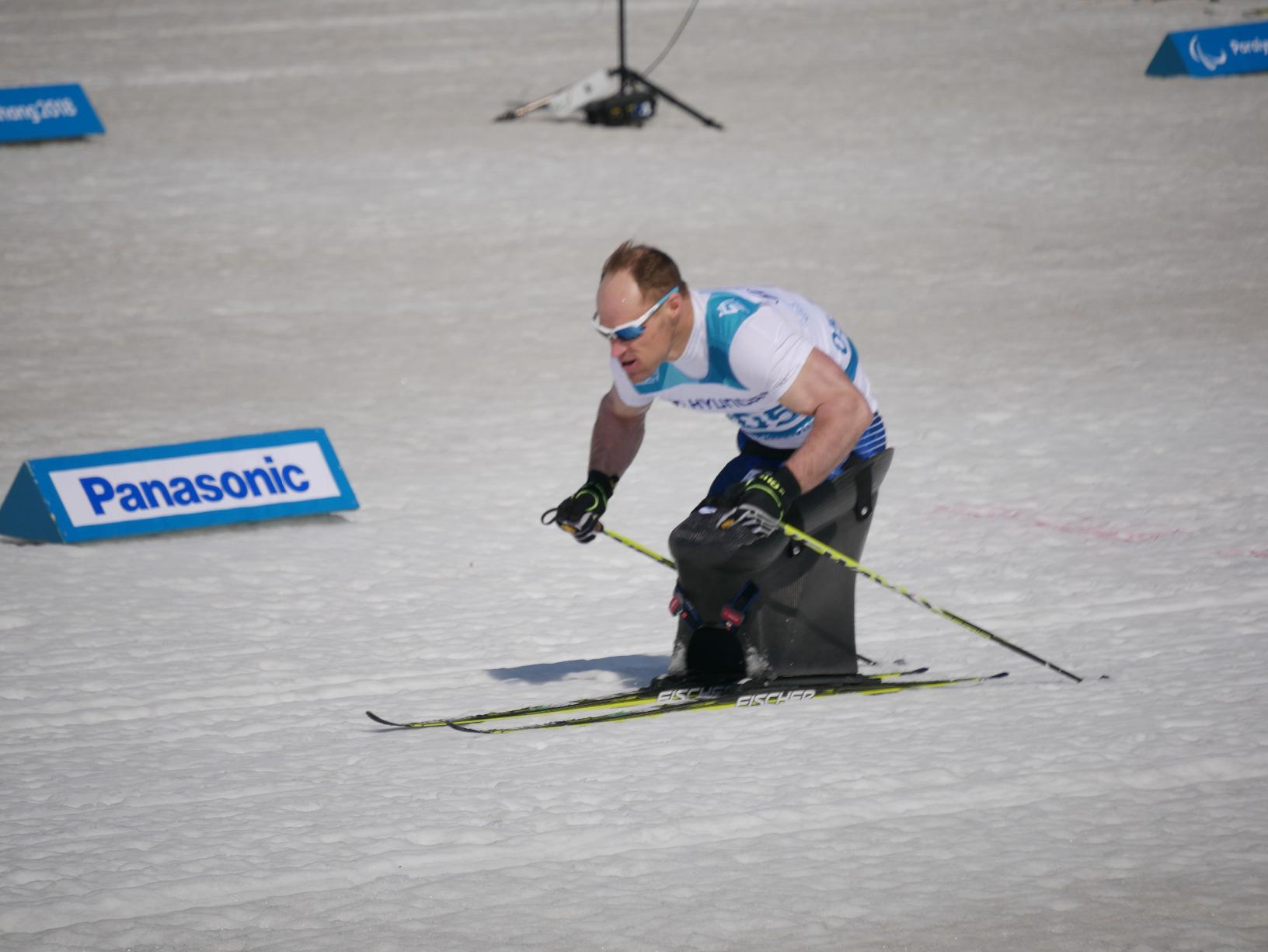
The optical design uses twelve elements in nine groups, including two aspherical elements and one UHR element with nano surface coating to suppress ghosting and flare. That is a more ambitious element count than the price of this lens would suggest, and it shows in the rendering.
Sharpness holds well across the range and reviewers single out the middle of the zoom as particularly good, which is where most tele work happens. Seven rounded blades keep the bokeh acceptable for casual portraits at the short end.
Who the 45-150mm suits
It suits parents shooting school sport, anyone photographing live events in poor venue lighting, and travelers who want distant detail without a 1kg lens. The inner focus design means the barrel does not extend, so the overall length stays manageable at every focal length.
Because the focusing uses a stepping motor, it is near-silent and works acceptably for video. If you want reach and stabilisation in one lens and you shoot a mix of stills and clips, this is a practical pick.
Where the 45-150mm falls short
The f/4.0-5.6 aperture is slow by modern standards. Indoor sport and evening events will push you to higher ISO than you would like, and there is no way around that with this lens.
Focusing distance is long, so it is not a close-up lens, and it starts at 45mm, meaning group shots and interiors need something wider. It is also not weather sealed, so sustained rain is a poor choice. Any of those limits rule it out for a specific job, but for its intended range it does the job well.
4. OM SYSTEM M.Zuiko 17mm f/1.8 – Best Micro Four Thirds Lens for Street Photography
OM SYSTEM Olympus M.Zuiko 17mm f1.8 (Black) for Olympus and Panasonic Micro 4/3 Cameras – International Version (No Warranty)
17mm wide prime
f/1.8
34mm equivalent
120g
46mm filter thread
Pros
- Very fast nearly instantaneous autofocus
- Sharp wide open with minimal distortion
- Compact metal body at 120g
- Sliding focus ring for manual control
Cons
- No optical image stabilization in the lens
- Not weather sealed
- Close focus limit restricts detail work
A 17mm f/1.8 gives a 34mm equivalent view, and that is close to the classic reportage focal length. Wide enough to hold a group of people in a cramped street, tight enough to isolate a face across a road. For street photography it is the single most versatile angle available on the mount.
Autofocus speed is the headline here. Owners consistently describe focusing as near-instantaneous, which matters enormously when you are shooting a moving subject and the difference between locking on and missing is a single frame. The micromotor drive is quick, decisive and quiet.
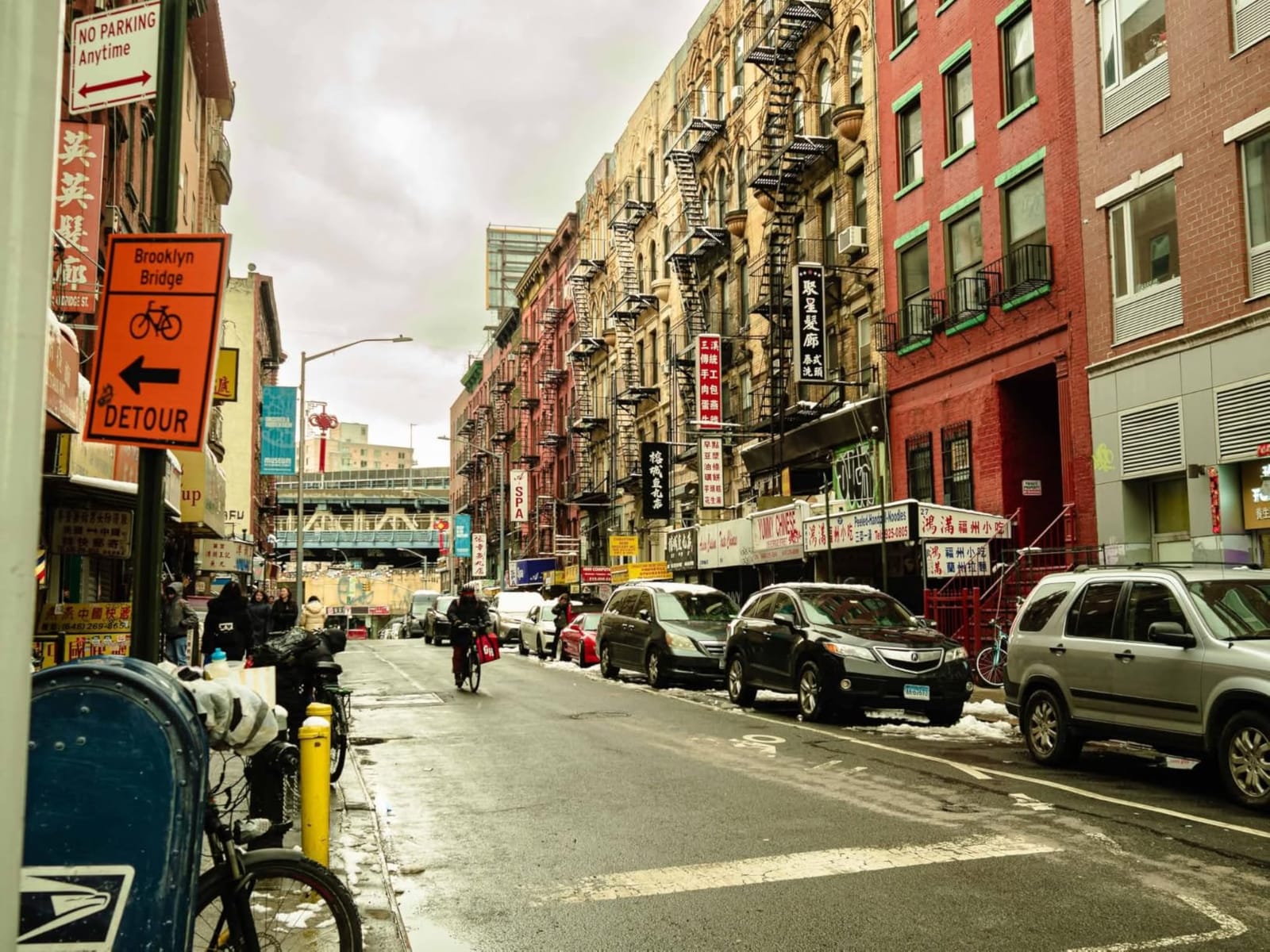
The ZERO coating on this lens is doing real work. Owners report sharpness right across the frame wide open with minimal distortion at the corners, which is not always true of fast wide primes at this focal length. It is one of those lenses that simply produces good files with little correction.
The sliding focus ring is a small detail that earns its place. Push it and the lens switches instantly from autofocus to manual, without a menu, which is exactly what you want for deliberate focusing or for a fast reframed shot. Build is metal and the whole thing weighs 120g.

Who the 17mm f/1.8 suits
It suits documentary shooters, street photographers who want background separation rather than maximum depth of field, and travel photographers working in poor light. The f/1.8 aperture gives it a low light capability far beyond what a standard zoom manages at this angle.
It also works as a general-purpose lens for anyone who does not want to think about focal length. At 34mm equivalent it handles interiors, street scenes, environmental portraits and everyday documentation with the same lens, which is a good reason to own it even if street is not your main subject.
Where the 17mm f/1.8 falls short
Close focus is the main limitation. The minimum focus distance is fairly deep, so you cannot get close for texture shots and detail work the way a dedicated macro lens allows. For a lens this wide that is a reasonable trade, but it is a limit.
There is no optical stabilization in the barrel, and the lens is not weather sealed. In sustained handheld low light you will be relying on body stabilization if your camera has it, or on a shutter speed your subject can survive. The listing for this lens is also the international version, which carries no manufacturer warranty in some regions, so check that before buying.
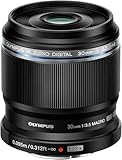
5. Olympus M.Zuiko ED 30mm f/3.5 Macro – Best for Close-Up Work
Olympus M. Zuiko Digital ED 30mm F3.5 Macro Lens, Suitable for All MFT Cameras (OM-D & Pen Models, Panasonic G-Series), Black
30mm macro prime
f/3.5
60mm equivalent
49.5mm long
0.13kg
Pros
- Dual-purpose macro and everyday prime
- Pin-sharp quality to the frame corners
- Very compact at 49.5mm long
- Fast quiet MSC autofocus
Cons
- Moderate f/3.5 aperture needs more light
- Not weather sealed
The 30mm f/3.5 Macro is the lens in this roundup that does the most unexpected work. It is a genuine close-focus macro lens, but it is also a completely usable 60mm equivalent prime for portraits, travel details and everyday photography, which means it earns its place in a two-lens kit.
The rating sits at 4.7 across more than five hundred reviews, and the reason owners keep it is straightforward: it is sharp. Reviewers repeatedly describe image quality as holding to the corners of the frame, which is unusual for a compact macro at f/3.5 and a sign of how well corrected the design is.
For close work the magnification is genuinely useful, giving you a working distance short enough to fill the frame with small subjects. Focus bracketing is supported on compatible bodies, so stacking a stack of exposures is a practical route to higher depth of field than the aperture alone provides.
At 49.5mm long and 0.13kg it is one of the smallest optics in this entire guide, and the MSC motor gives fast, quiet focusing for both stills and video. The 46mm filter thread is a common, inexpensive size, which matters more than it sounds if you already own filters.
Who the 30mm Macro suits
It suits product photographers, food shooters, nature photographers working on flowers and insects, and anyone who wants a capable close-up lens without a second body. A 60mm equivalent view is also a flattering length for environmental portraits, so it covers two jobs rather than one.
Travelers who only photograph what they find are well served. It is small enough to ignore in a bag and sharp enough that you do not need a second lens for detail shots. The dual-purpose nature is what makes it a better buy here than a dedicated macro that is awkward for everything else.
Where the 30mm Macro falls short
The f/3.5 aperture is the honest limit. Compared with the f/1.7 and f/1.8 primes in this list, it needs meaningfully more light, and the background separation at close focus is gentler. If shallow depth of field is central to your work, this is not the lens.
It is also not weather sealed, so rain and blowing dust on outdoor macro work are a genuine concern. Neither limitation is unusual at this class of lens, but both are worth weighing before a trip where conditions are uncertain.
6. OM SYSTEM M.Zuiko 100-400mm f/5.0-6.3 IS – Best for Wildlife and Reach
OM SYSTEM Olympus M.Zuiko Digital 100-400mm F5.0-6.3 is for Micro Four Thirds System Camera, Outdoor Bird Wildlife, Weather Sealed Design, Telephoto Compatible with Teleconverter
100-400mm zoom
f/5.0-6.3
200-800mm equivalent
1325g
3 EV IS
Pros
- 200-800mm equivalent reach in a compact body
- Dust and splashproof construction
- In-lens stabilization rated to 3 EV steps
- Works with MFT teleconverters
Cons
- Heaviest lens here at 1325g
- Slow constant aperture demands high ISO
- Premium price versus the other zooms
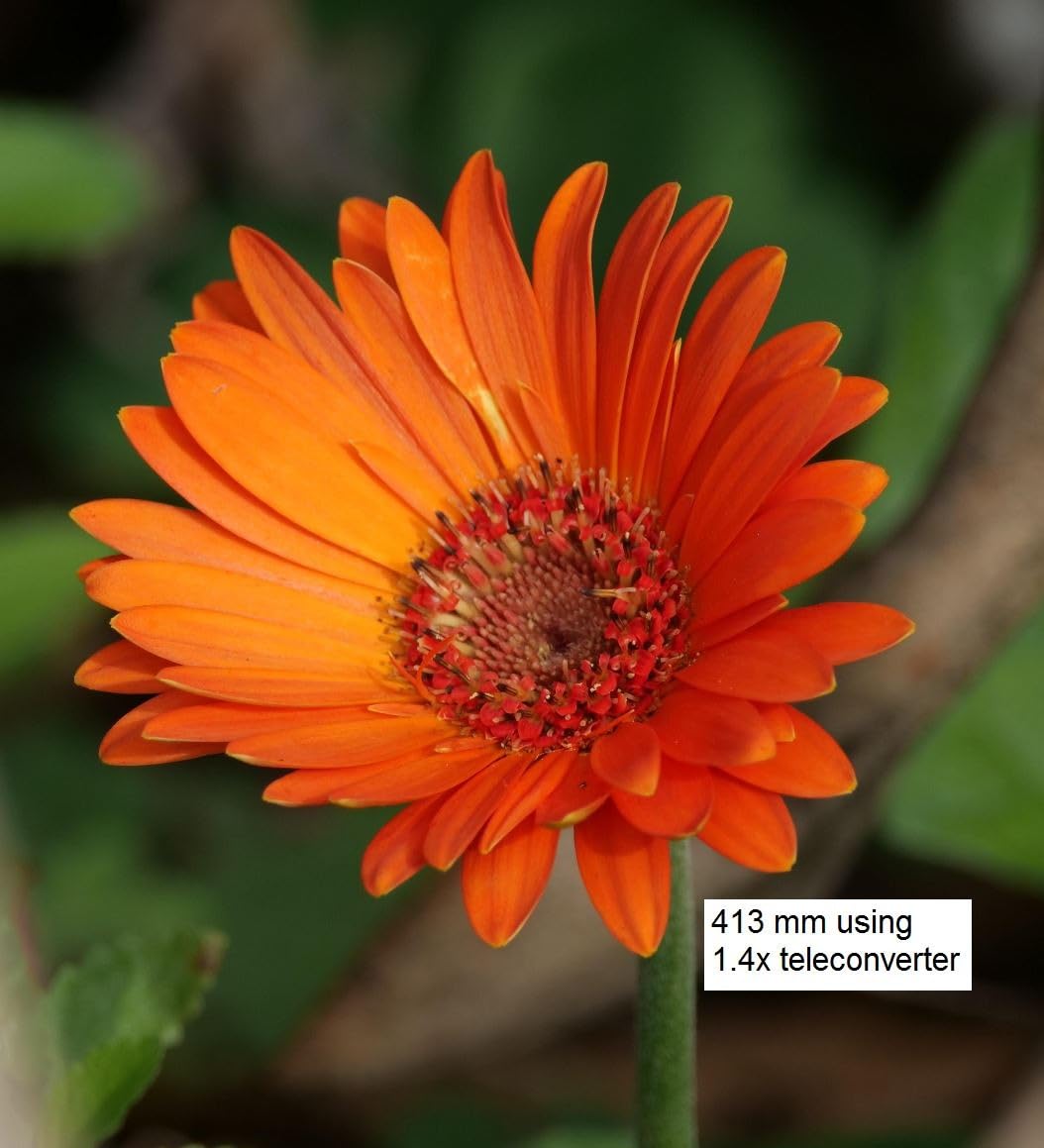
A 100-400mm f/5-6.3 on Micro Four Thirds is a 200-800mm equivalent, and that is genuine super-telephoto reach in a lens you can still hold with one hand. The four-to-one zoom ratio covers everything from distant birds to a compressed landscape, without a second piece of glass.
Stabilization is rated at up to three EV steps at the 800mm equivalent end, and on a lens this long that is not a luxury. It is what lets you hold shutter speeds low enough for acceptable noise on a modern body. Nine diaphragm blades also keep out-of-focus rendering smoother than the seven-blade alternatives in this list.
This is the only lens in the roundup listed as water resistant with dust and splashproof construction, and for anyone shooting birds in the rain it is the deciding factor. The minimum shooting distance of 1.3m is fine for distance work and tighter for detail on foliage.
It also works with the MC-14 and MC-20 teleconverters, so you can push beyond 800mm equivalent if a subject demands it. Hood and caps are included, which is not something you can assume across this category.
Who the 100-400mm suits
It suits birders, wildlife photographers, sports shooters at distance and anyone working on compressed landscapes. The sealing means you can stay out in poor weather that would have you packing up with an unsealed lens, and that alone justifies it for outdoor work.
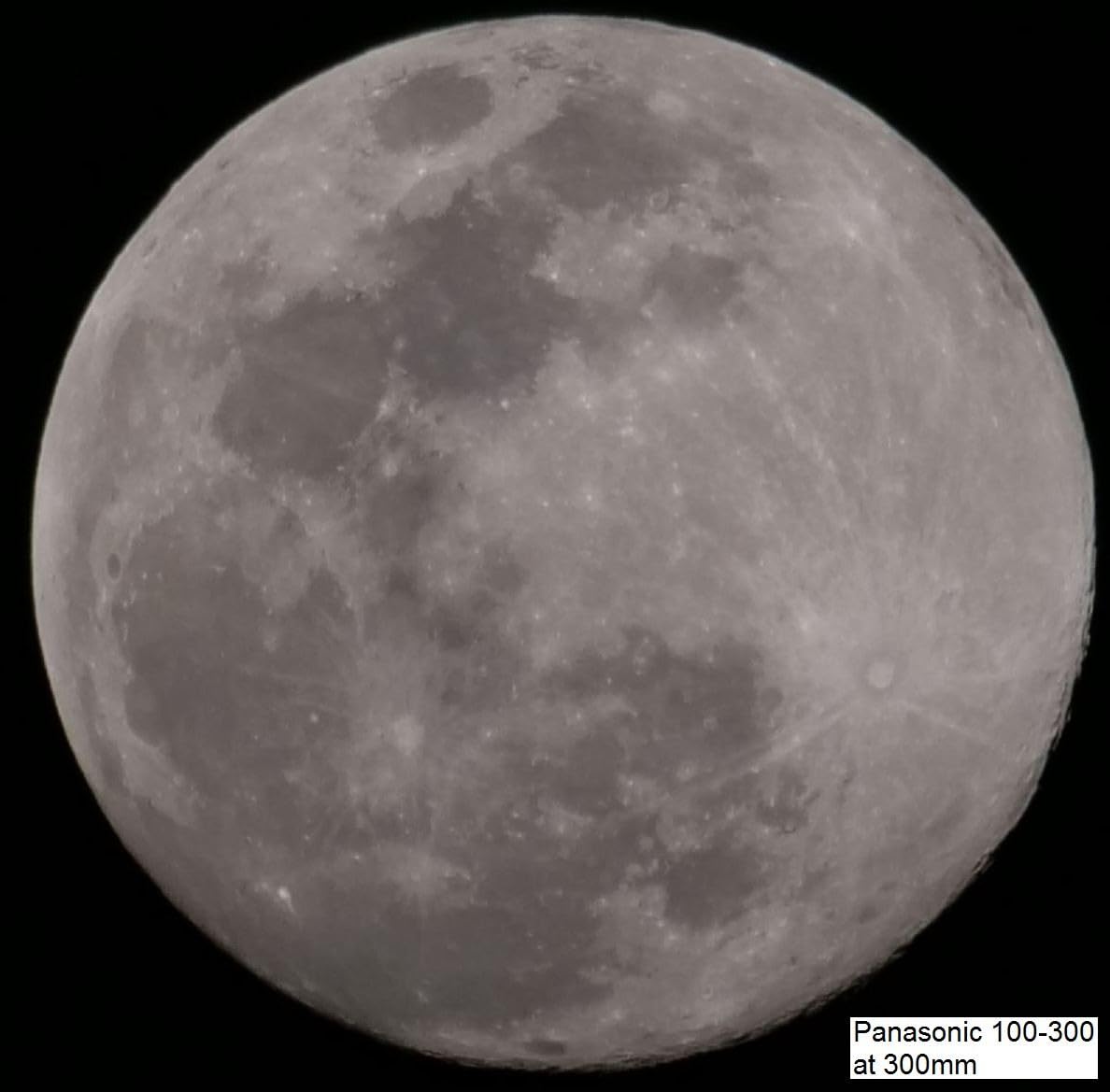
Astrophotographers will find the focal range and reach useful for lunar and planetary work. Combined with a compatible teleconverter, it covers the situations where a compact system would normally force you to full frame, which is the whole argument of the format in one lens.
Where the 100-400mm falls short
At 1325g it is by far the heaviest lens here, and once mounted to a body you are carrying well over a kilogram and a half. There is no way to make a lens of this reach genuinely small, but you should be clear that this is the point at which the Micro Four Thirds size advantage begins to narrow.
The f/5.0-6.3 aperture is slow, and at long focal lengths that translates directly into higher ISO and slower shutter speeds than action requires. The rating of 4.4 reflects that trade-off honestly. It is also the most expensive lens in this guide, and the value gap against the 75-300mm below is substantial.
7. OM SYSTEM M.Zuiko ED 75-300mm f/4.8-6.7 – Best for Sports on a Budget
Olympus M.Zuiko Digital 75-300mm F4.8-6.7 for Micro Four Thirds System Camera, Compact Powerful Zoom Lens, Outdoor
75-300mm zoom
f/4.8-6.7
150-600mm equivalent
423g
0.18x magnification
Pros
- Sharp from 75mm through 200mm
- Compact and light for the reach
- Fast quiet MSC autofocus
- Negligible chromatic aberration
- Good value for long reach
Cons
- No in-lens stabilization
- Softer and lower contrast at 300mm wide open
- Slow f/6.7 at full zoom
- No lens hood included
The 75-300mm f/4.8-6.7 gives a 150-600mm equivalent range at 423g. That is roughly a third of the weight of the 100-400mm for reach that overlaps almost completely, and owners consistently describe it as the affordable way into long focal lengths on this platform.
Sharpness is the headline claim from reviewers, and it is specific: good detail from 75mm through 200mm, with the long end softening and losing contrast when wide open. Stopped down, the 300mm end holds up far better, so the working method matters more here than with the lenses above it.
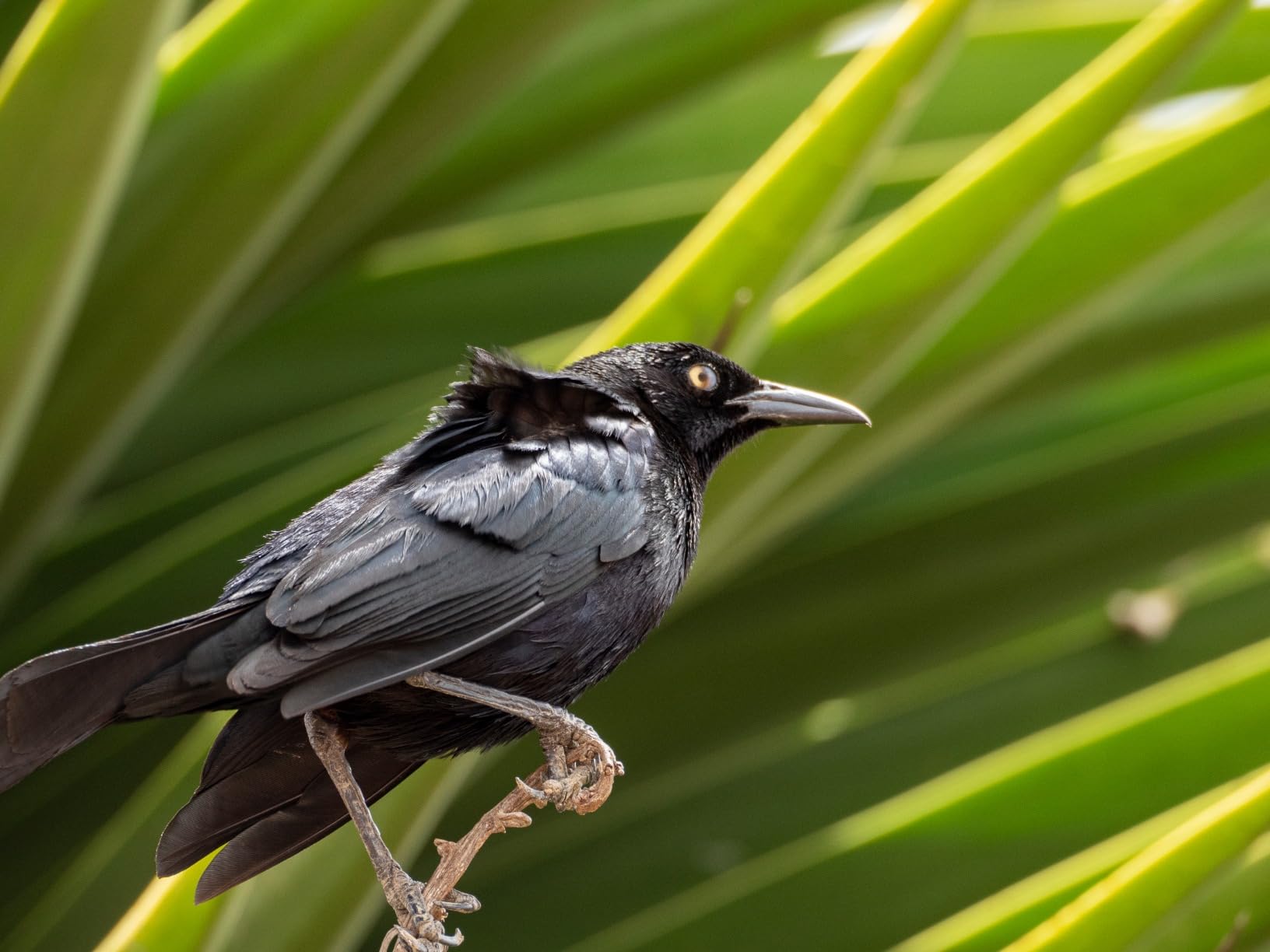
Chromatic aberration and distortion are both described as negligible, which is a real advantage for a telephoto lens that people use on distant subjects. The MSC motor focuses quickly and quietly, and the seven-blade diaphragm gives acceptable background rendering for casual sports portraits.
Close focusing is 0.9m at the 75mm end and 1.5m at other focal lengths, with maximum magnification of 0.18x, which is 0.36x in equivalent terms. That is enough for frame-filling shots of distant details without a dedicated macro lens.

Who the 75-300mm suits
It suits amateur sports shooters, anyone photographing the moon or distant scenery on a budget, and photographers who want long reach without a large weight penalty. Eclipse chasers mention it often for the same reason, since 600mm equivalent is real magnification on a distant object.
It also makes sense as a single travel lens if your subjects are distant. Pairs of a wide prime and this zoom cover most outdoor assignments, and both fit in a normal day bag. The MSC motor is quiet enough for video, so it works in a small documentary kit.
Where the 75-300mm falls short
There is no stabilization in the lens. It relies on digital or in-body stabilization from the body, so with a non-stabilized body you will need faster shutter speeds than the focal length suggests at the long end. That is a real limitation for panning and for handheld telephoto work.
At full zoom the aperture reaches f/6.7, which means high ISO in dim conditions and shutter speeds that struggle with movement. The long end also softens wide open, and no lens hood is included. For a lens of this reach the missing hood is the omission most worth budgeting around.
8. Panasonic Lumix G II 20mm f/1.7 – Smallest Prime in the Roundup
Panasonic LUMIX G II Lens, 20MM, F1.7 ASPH, MIRRORLESS Micro Four Thirds, H-H020AK (USA Black)
20mm prime
f/1.7
40mm equivalent
87g
0.2m close focus
Pros
- Extremely small and light at 87g
- Sharp wide open with good colour
- Creamy smooth bokeh at f/1.7
- Versatile 40mm equivalent view
Cons
- Autofocus slow by modern standards
- Focus motor noticeably audible
- No stabilization or weather sealing
- No dedicated hood available
At 87g the 20mm f/1.7 is the smallest lens in this roundup by a wide margin, and it gives a 40mm equivalent view. That combination is why it has stayed in the catalogue for so long: it makes any compact Micro Four Thirds body genuinely pocketable without giving up a fast aperture.
Optical quality is better than the specification suggests for a design of this size. Seven elements in five groups, sharp wide open with strong contrast and colour rendering, and what owners describe as creamy, smooth bokeh at f/1.7. The rendering has a character that many people prefer to more clinical modern glass.
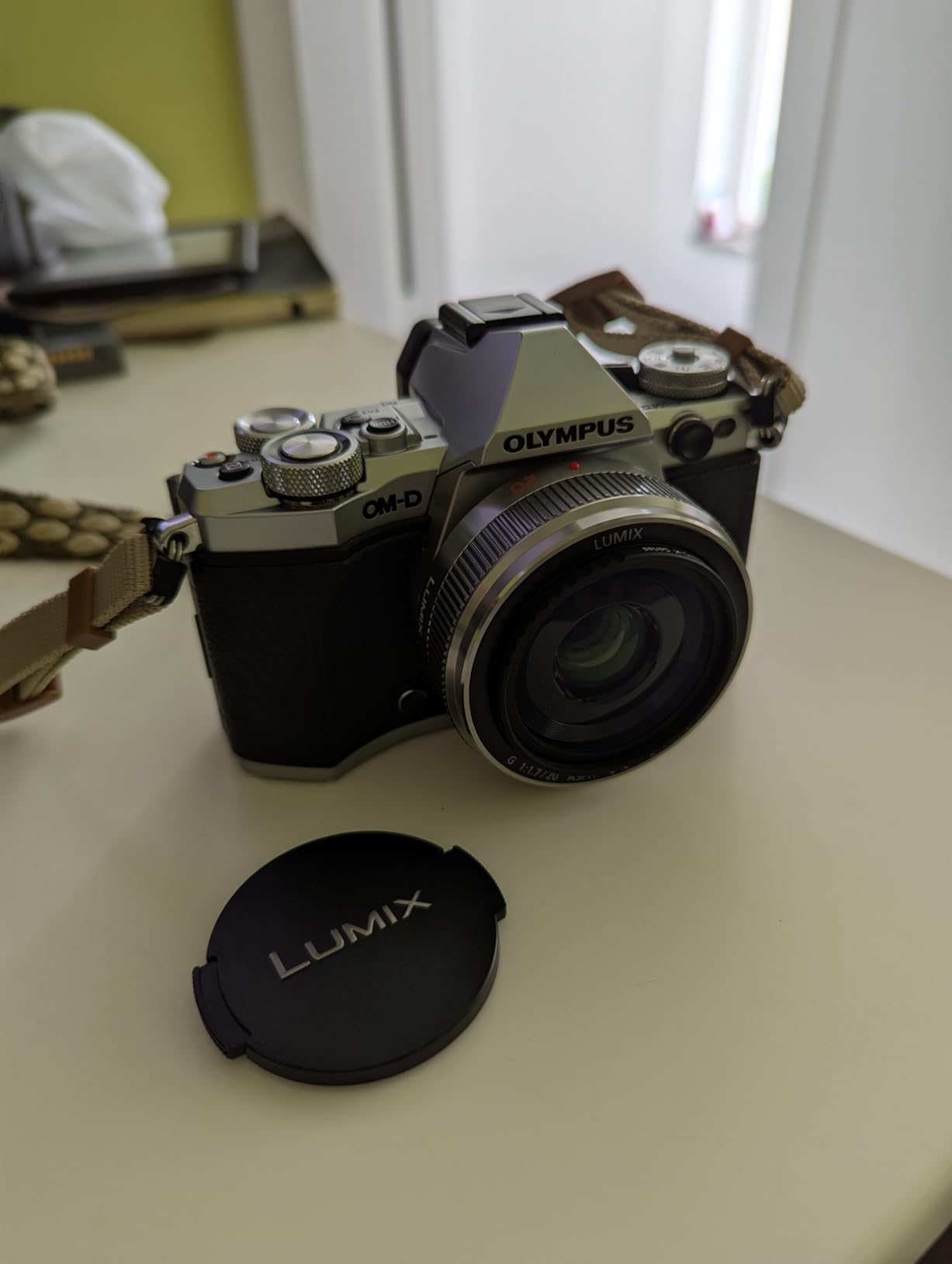
Close focus is a real strength at 0.2m with magnification around 0.13x, so you can shoot small subjects filling the frame. On a compact body that turns a pocketable lens into a capable one for detail work, which is not something you expect from the weight.
Because there is no stabilization in the lens, video shooters should either use a body with in-body stabilization or keep a stabilizing rig in the kit. For vlogging on a small body, the combination of this lens and body stabilization is a genuinely workable setup.

Who the 20mm f/1.7 suits
It suits vloggers, travel shooters and anyone who carries a camera every day and refuses to carry anything heavy. A 40mm equivalent view is a natural talking-head and handheld framing, and f/1.7 is fast enough to shoot indoors without raising ISO.
It also suits street photographers who prefer a normal-angle view to a wide one, because 40mm equivalent holds environmental context without the edge distortion of a wider prime. The small size means it is always on the camera rather than in a bag.
Where the 20mm f/1.7 falls short
Autofocus is the honest weakness. Owners repeatedly describe it as slow by modern standards and the focus motor as noticeably audible, which matters if you record audio nearby. It is perfectly usable for stills, and less good for video work where focus is pulling.
There is no stabilization and no weather sealing, and no dedicated hood is available for it. The audible motor and older design also mean it does not take advantage of the focus peaking and manual-focus aids that newer bodies provide. If video is your main output, choose a lens with a linear motor instead.
9. 7artisans 25mm f/1.8 – Best Budget Manual-Focus Prime
7artisans 25mm F1.8 Manual Focus Prime Fixed Lens for MFT M4/3 Cameras
25mm manual prime
f/1.8
50mm equivalent
143g
12 diaphragm blades
Pros
- Excellent value with an aluminium body
- Smooth focus ring across the range
- 12 blades give pleasantly round bokeh
- Good sharpness stopped down
- Clickless aperture suits video
Cons
- Fully manual with no autofocus
- Corners softer wide open at f/1.8
- Imprecise depth of field scale markings
- Not weather resistant
The 7artisans 25mm f/1.8 is the most interesting entry in this guide from a value standpoint. A manual-focus 50mm equivalent f/1.8 prime with an aluminium body and twelve diaphragm blades costs a fraction of what the autofocus equivalents do, and the render is good enough that most shooters never notice the manual operation.
The aperture range listed is f/1.1 to f/1.8, which means you can open up beyond the marked f/1.8 for a slightly softer, dreamier look at shallow focus. Twelve blades produce genuinely round bokeh, which is unusual at this price and visible in any backlit shot.

Owners describe the focus ring as smooth, needing roughly two-thirds of a turn from macro to infinity. That is a good working ratio because it gives fine control at the near end without endless spinning. The clickless aperture ring is genuinely useful for video focus pulling and smooth exposure transitions.
Sharpness and contrast are described as surprisingly good, particularly once stopped down past f/1.8. Wide open there is some corner softness, which is the expected trade for a design at this level. The metal body with a copper core feels more substantial than the price suggests.

Who the 7artisans 25mm suits
It suits anyone who wants a fast normal prime and does not need autofocus, which is a larger group than most people assume. Studio shooters, product photographers working on a tripod, landscape photographers and anyone focused on deliberate composition all benefit from manual focus rather than tolerating it.
It also suits videographers, because the clickless aperture ring allows silent exposure changes and smooth focus pulls with no electronic noise. Compatibility is broad across Panasonic G, GF, GX, GH and Olympus PEN and E-PL bodies. If you are starting out with manual glass generally, our guide to vintage manual lenses covers what to look for in used glass.
Where the 7artisans 25mm falls short
There is no autofocus and no electronic contacts. That is the deal, and it is a fine deal for the right shooter, but if you shoot moving subjects or children you will miss the shots. Nothing on the lens body will help you there.
Corner softness wide open and imprecise depth-of-field scale markings are the other recurring complaints, and the lens is not weather resistant at all. The aperture can be stopped down for more sharpness, but if you need a sealed, autofocus, sharp-to-the-corners lens, the 25mm f/1.7 at number one is the better buy.
10. Olympus M.Zuiko ED 12-200mm f/3.5-6.3 – Best Travel Zoom for Micro Four Thirds
Olympus M.Zuiko Digital ED 12-200mm F3.5-6.3 Lens, Universal Zoom, Suitable for All MFT Cameras (Olympus OM-D & Pen Models, Panasonic G-Series), Black
12-200mm zoom
f/3.5-6.3
24-400mm equivalent
455g
dust splash frost proof
Pros
- Very wide 24-400mm equivalent range
- Weather sealed against dust splash and frost
- Sync IS gives up to 6 EV with OM-D bodies
- Sharp and balanced across most of the range
- Useful close focus for tele macro
Cons
- Heavy and front heavy fully extended
- Slow aperture for low light and thin depth of field
- No in-lens stabilization
The 12-200mm f/3.5-6.3 is the only lens here with a genuinely extreme zoom ratio: 16.67 to one, covering 24-400mm equivalent. No other single lens on the mount spans from a wide interior view to long-distance reach, and for a trip where you carry one lens, that is worth more than any other specification on this page.
It is also properly sealed, rated dust, splash and frost proof, with a lens hood, caps, bag and warranty card in the box. For a travel lens that is a complete package rather than an accessory hunt. Only one lens in this roundup, the 100-400mm, offers comparable protection.
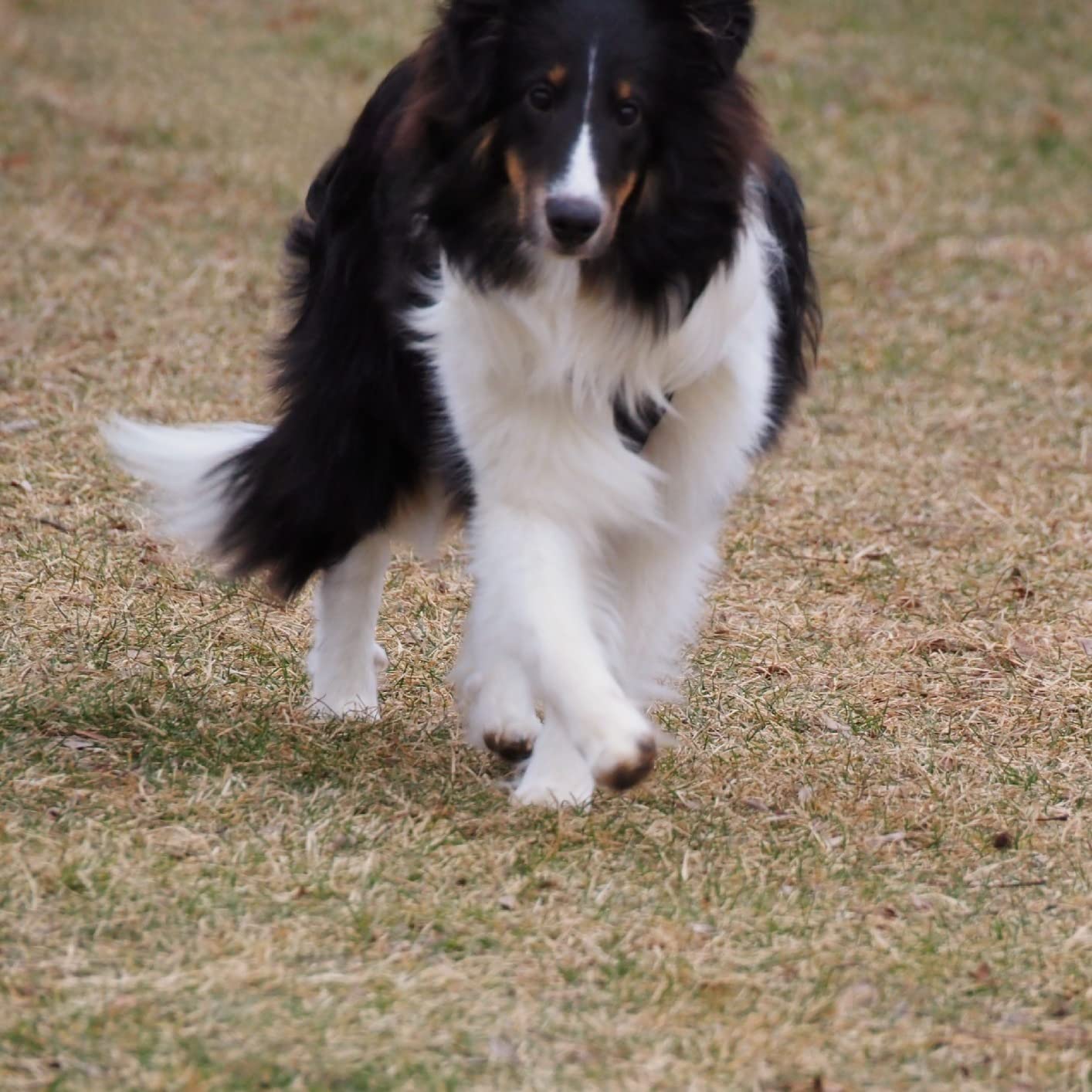
Stabilization works differently here. Sync IS coordinates with the five-axis system in OM-D bodies for up to six EV levels of correction, which is among the highest figures any lens in this guide claims. With a body that has no stabilization, you get nothing from the lens side.
Sharpness holds across most of the range including the telephoto end, and the close focus limit is useful enough for tele-macro work on small subjects. Reviewers describe it as well balanced, though that balance changes noticeably when fully extended.
Who the 12-200mm suits
It suits hikers, travelers, backpackers and anyone who wants a weather-sealed lens for landscapes, street scenes, distant subjects and indoor detail without changing glass. The 24mm end handles interiors and group shots; the 400mm end reaches distant subjects.
It also suits OM-D owners specifically, because Sync IS delivers its full benefit only on bodies with five-axis in-body stabilization. For that group it is a genuinely complete one-lens solution, and the sealing makes it a credible choice for hiking in changeable weather.
Where the 12-200mm falls short
Weight and balance. At 455g it is the second-heaviest lens here, and it is front-heavy when fully extended, which tells on the wrist over a long day. This is the cost of covering four stops of zoom range in one barrel, and it is unavoidable.
The f/3.5-6.3 aperture is slow, so low light and shallow depth of field both suffer compared with any f/1.7 prime in this list. There is no in-lens stabilization, which means without a stabilized body you get nothing. If either of those matters more than the zoom range, a prime is the better buy.
How to Choose a Micro Four Thirds Lens in 2026
Buying glass for this mount is easier than buying for any other system, because everything cross-mounts. It is also easy to overbuy, since there are far too many similar focal lengths. Working through these six questions in order will narrow the catalogue quickly.
The 2x crop factor, explained once
Micro Four Thirds uses a 4/3-inch type sensor with a 2x crop factor. Multiply any focal length by two to get its 35mm equivalent framing, and add two stops to any f-number to compare depth of field with full frame. So a 25mm f/1.7 on M43 frames and focuses like a 50mm f/1.7 on full frame, but not quite like a 50mm f/0.7.
This is the single most misunderstood point about the format. The sensor is two stops smaller in light-gathering terms, which is why full frame still wins decisively in low light. What M43 wins is physical size and depth of field, and understanding that trade is what makes lens selection straightforward.
Focal length comes before aperture
Decide how close or how far you need to shoot before you decide how much light you need. A fast wide aperture cannot rescue a focal length that frames your subject badly. Write down the two or three focal lengths you actually use across a normal week, and look only at lenses covering those.
Remember that the 2x factor works in your favour for compression. A 45mm f/1.8 on this mount flatters a face the way an 85mm or 105mm does on a larger sensor, which is why portrait lenses at this focal length are so popular despite the physical size.
Aperture and low light
Every f/1.7 and f/1.8 lens in this roundup gives you roughly one to one and a third stops more light than an f/2.8, and that is the difference between a usable night photograph and a noisy one. Below f/1.8 the depth of field gets very thin, and focusing becomes a constant manual correction.
The zooms in this list run from f/4.0-5.6 to f/5.0-6.3, and that is the real dividing line in the format. If most of your work happens indoors, after dark or on stages, primes will serve you far better. If you need one lens for daylight outdoor work, a zoom’s range is worth more than its aperture.
Stabilisation and weather sealing
These are separate systems and you need to understand which you are relying on. The 45-150mm f/4-5.6 and the 100-400mm f/5-6.3 carry their own optical stabilization, so they work on any body. The 75-300mm and the 12-200mm have no in-lens stabilization and depend entirely on your camera having it.
Only two lenses here, the 100-400mm and the 12-200mm, are listed as dust and splashproof or better. And sealing only works when both body and lens are sealed, so an unsealed lens on a sealed body is still an unsealed combination. Check both before you plan a wet-weather trip.
Prime or zoom on Micro Four Thirds?
Six of the ten lenses in this roundup are primes, which reflects how the format is actually used. A prime gives you faster apertures, better optical correction at a given price and a smaller, lighter lens, and it makes you compose rather than zoom. The cost is flexibility, and with a 2x crop there is room for only a few focal lengths in a small bag.
A zoom gives you coverage without changing glass, which is decisive for travel and events. The trade is a slower aperture and, usually, more weight. The most common kit mistake on this system is carrying a general zoom and a telephoto zoom while having no fast prime, so we would steer most people toward one of each instead.
OM System, Panasonic Lumix, Leica or third-party?
OM System, formerly Olympus, has the deepest native catalogue and the strongest sealing and stabilization technology. Panasonic Lumix builds the fastest affordable primes and the best value zooms, and its Leica-branded DG lenses are the premium expression of the same expertise. Sigma and the manual-focus third-party makers fill gaps the first-party lenses leave.
None of that locks you in, because every one of these lenses fits every M43 body. The only functional differences are firmware features such as linear motor support and body-based stabilization performance. If you already own a body, check that the lens you want pairs well with it before anything else.
Cinema and Video Lenses for Micro 4/3
The Micro Four Thirds mount is the most established cinema lens mount you can buy new, which is why it remains the serious video choice among compact systems. The three-stop crop gives you time to focus, the body sizes are small enough to rig, and every lens in this roundup mounts and works without adapters.
For autofocus video, the OM System M.Zuiko 45mm f/1.8 and 17mm f/1.8 are the strongest choices in this group. Both have quiet, movie-still-compatible focus drives, the 45mm focuses close at 0.20m, and the 17mm adds a sliding focus ring that switches to manual for deliberate pulls. The 17mm is not a cinema zoom, so focus pulling is manual, but the drive is fast enough to keep up.
For manual-focus video, the 7artisans 25mm f/1.8 is the standout. Its clickless aperture ring lets you change exposure silently with no electronic noise, and the twelve-blade diaphragm gives round bokeh that holds up well against bright background sources. Many of our anamorphic lens comparisons assume manual focus as the default for good reason.
For range, the 12-200mm f/3.5-6.3 covers 24-400mm equivalent from a single sealed barrel, which means reframing without changing glass on location. If your body has five-axis stabilization, Sync IS coordination gives up to six levels of correction, and for handheld or on-a-stick work that is a large practical gain.
The honest constraint is the 3x body crop on current Micro Four Thirds cinema bodies. Wide apertures, fast glass and low light are all harder here than on a larger format. For daylight work, controlled locations and any project where a small rig matters, the format is close to ideal.
Frequently Asked Questions
What is the best Micro Four Thirds lens?
The Panasonic Lumix G 25mm f/1.7 is the best all-round Micro Four Thirds lens. It gives a 50mm equivalent field of view at f/1.7, weighs 125g, and carries a 4.8 rating across more than 2,100 owner reviews. The 50mm equivalent angle suits street, travel, portraits and everyday work, and f/1.7 handles low light without pushing ISO too far. It has no stabilization and no sealing, so it is not the right pick for stabilized handheld video or sustained rain.
What are the sharpest Micro Four Thirds lenses?
The OM System M.Zuiko 17mm f/1.8 and the Olympus M.Zuiko ED 30mm f/3.5 Macro are the two sharpest lenses in this roundup. Owners of the 17mm report sharpness right to the frame corners wide open with minimal distortion, which is unusual for a fast wide prime. The 30mm Macro is described as pin-sharp to the corners across its range. Among the zooms, the Olympus 12-200mm and the Lumix 45-150mm hold up best, particularly away from their slowest apertures.
What are the best Micro Four Thirds lens brands?
OM System, formerly Olympus, has the deepest native catalogue, the strongest weather sealing and the most capable lens-based stabilization. Panasonic Lumix builds the best value fast primes and the most affordable useful zooms, and its Leica DG range is the premium version of the same expertise. Sigma and third-party makers such as 7artisans fill gaps the first-party lenses leave, generally at the cost of autofocus or sealing. Every M43 lens fits every M43 body, so the brand choice is about lens quality rather than compatibility.
What are the best cinema lenses for Micro 4/3 cameras?
The best cinema-oriented choices here are the OM System M.Zuiko 45mm f/1.8 and 17mm f/1.8 for quiet autofocus, and the 7artisans 25mm f/1.8 for manual work. Its clickless aperture ring allows silent exposure changes with no electronic noise, and twelve diaphragm blades give round bokeh against bright highlights. For zoom range on location, the Olympus 12-200mm f/3.5-6.3 covers 24-400mm equivalent from one sealed barrel and coordinates with five-axis body stabilization for up to six levels of correction.
What is the best micro four thirds lens for street photography?
The OM System M.Zuiko 17mm f/1.8 is the best street lens on this mount. Its 34mm equivalent view holds a group in a tight street or isolates a face across a road, and the f/1.8 aperture gives separation that a small-aperture wide cannot. Owners rate its autofocus as near-instantaneous, which matters when a single frame counts. The sliding focus ring switches instantly to manual, and at 120g with a metal body it disappears on a compact body.
Can Micro Four Thirds lenses be used on full frame?
No, not directly. The Micro Four Thirds mount has a much shorter flange distance than full frame mounts, so an M43 lens cannot reach the image circle of a full frame sensor. There are speedboosters that adapt M43 lenses to certain Canon EF bodies, but they reduce resolution and autofocus performance and they are not general solutions. The practical advantage runs the other way: full frame lenses adapt to M43 with a simple adapter, giving a wider field of view and letting you use adapted glass you already own.
Final Verdict: The Micro Four Thirds Lens Kit to Buy in 2026
The best lenses for Micro Four Thirds cameras in 2026 are led by the Panasonic Lumix G 25mm f/1.7, a 50mm equivalent fast prime with the highest owner satisfaction on the mount and almost no size penalty. Behind it sit a genuine portrait lens in the 45mm f/1.8, a fast wide in the 17mm f/1.8, and three zooms that cover travel, sport and wildlife without an adapter between you and the shot.
Start with the 25mm, add the lens that covers the gap in your work, and you have a kit that most full frame photographers cannot match for size. Pick from the entries above using the badges and the table, and check the live listing for current details before you order.