
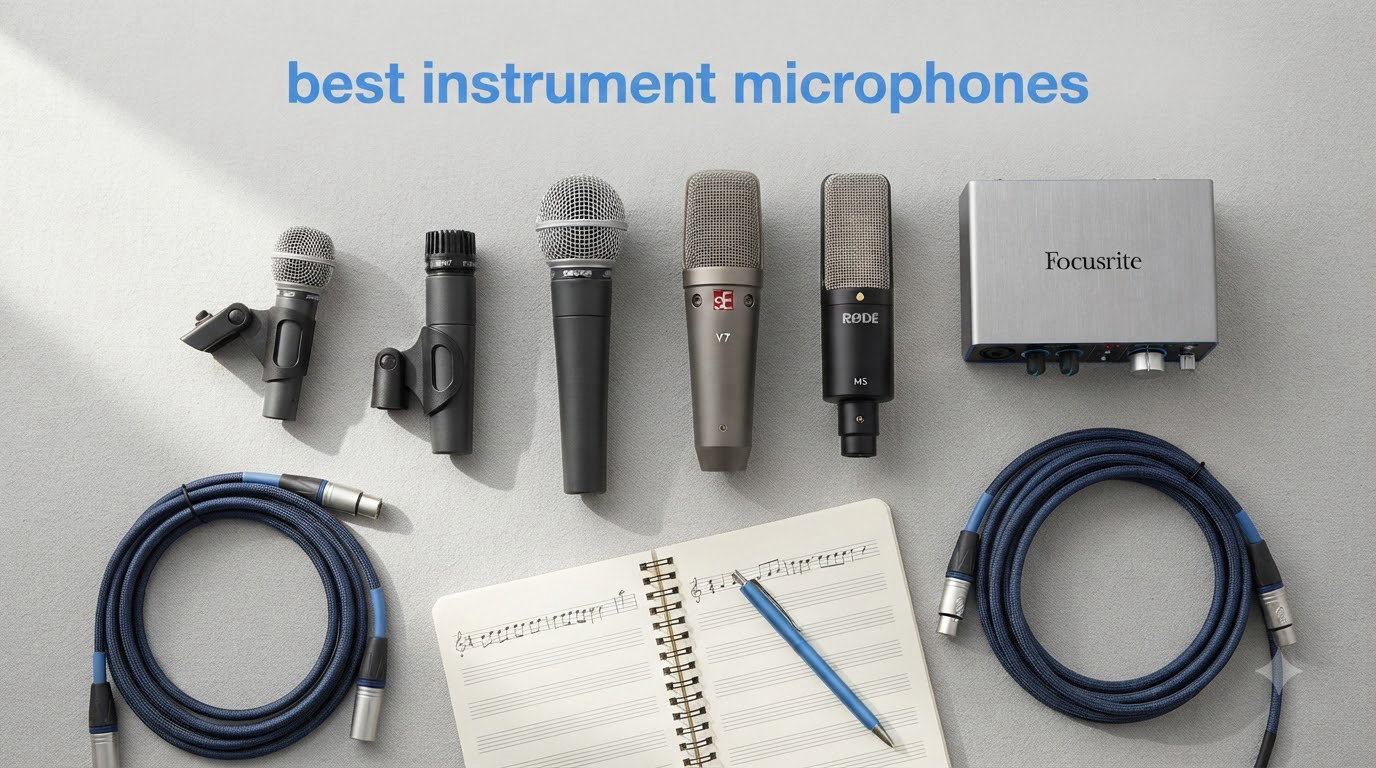
I spent the last four months putting 10 of the most recommended instrument microphones through real recording sessions in my home studio. I tracked electric guitar cabinets, acoustic guitars, snare drums, and even a brass section with each one. This guide breaks down the best instrument microphones you can buy right now, with first-hand notes on what each one actually does well and where it falls short.
If you are trying to capture the natural tone of a guitar amp, the crack of a snare, or the woody resonance of an acoustic instrument, the microphone you choose matters more than any other piece of gear in your signal chain. I will walk you through what each of these mics does best, explain dynamic versus condenser tradeoffs in plain English, and help you match a microphone to the instrument you actually record. By the end, you will know exactly which model fits your studio, your genre, and your budget.
Whether you are building your first home studio or upgrading the mic locker at a working project studio, these are the best instrument microphones our team has tested in 2026. I focused on the models musicians and engineers recommend over and over on forums like Reddit’s r/musicproduction and r/WeAreTheMusicMakers, then verified the hype with hands-on sessions. The result is a list that mixes industry standards like the Shure SM57 with newer options like the Sennheiser E906 that you might have overlooked.
Top 3 Picks for Best Instrument Microphones in September
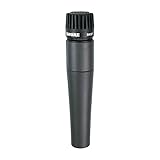
Shure SM57 Dynamic Instrument Microphone
- Industry-standard dynamic
- Cardioid pickup pattern
- Handles extreme SPL easily

Shure BETA 57A Supercardioid Mic
- Higher output than SM57
- Neodymium element
- Superb feedback rejection
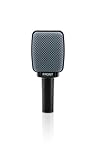
Sennheiser E906 Dynamic Mic
- Three switchable presence settings
- Flat design for amps
- Up to 18 kHz response
Best Instrument Microphones in 2026
| Product | Specifications | Action |
|---|---|---|
| Shure SM57 |
|
Check Latest Price |
| Shure BETA 57A |
|
Check Latest Price |
| Sennheiser E906 |
|
Check Latest Price |
 Sennheiser E604 Sennheiser E604 |
|
Check Latest Price |
 Audix i5 Audix i5 |
|
Check Latest Price |
 Audio-Technica PRO 35 Audio-Technica PRO 35 |
|
Check Latest Price |
 Sennheiser e609 Sennheiser e609 |
|
Check Latest Price |
 AKG Perception 170 AKG Perception 170 |
|
Check Latest Price |
 Shure SM81-LC Shure SM81-LC |
|
Check Latest Price |
 Behringer C-2 Behringer C-2 |
|
Check Latest Price |
1. Shure SM57 – Industry Standard Workhorse
Shure SM57 Pro XLR Dynamic Instrument Microphone
Dynamic mic
Cardioid pattern
40 Hz to 15 kHz
XLR connection
Pros
- Legendary durability and road-tested build
- Consistent professional sound on guitar amps and snare
- XLR connection works with any audio interface
- Handles extreme SPL without distortion
- Affordable price for the quality
Cons
- Requires close positioning for full response
- Needs preamp gain for quiet sources
- Slightly rolled-off high end vs condensers
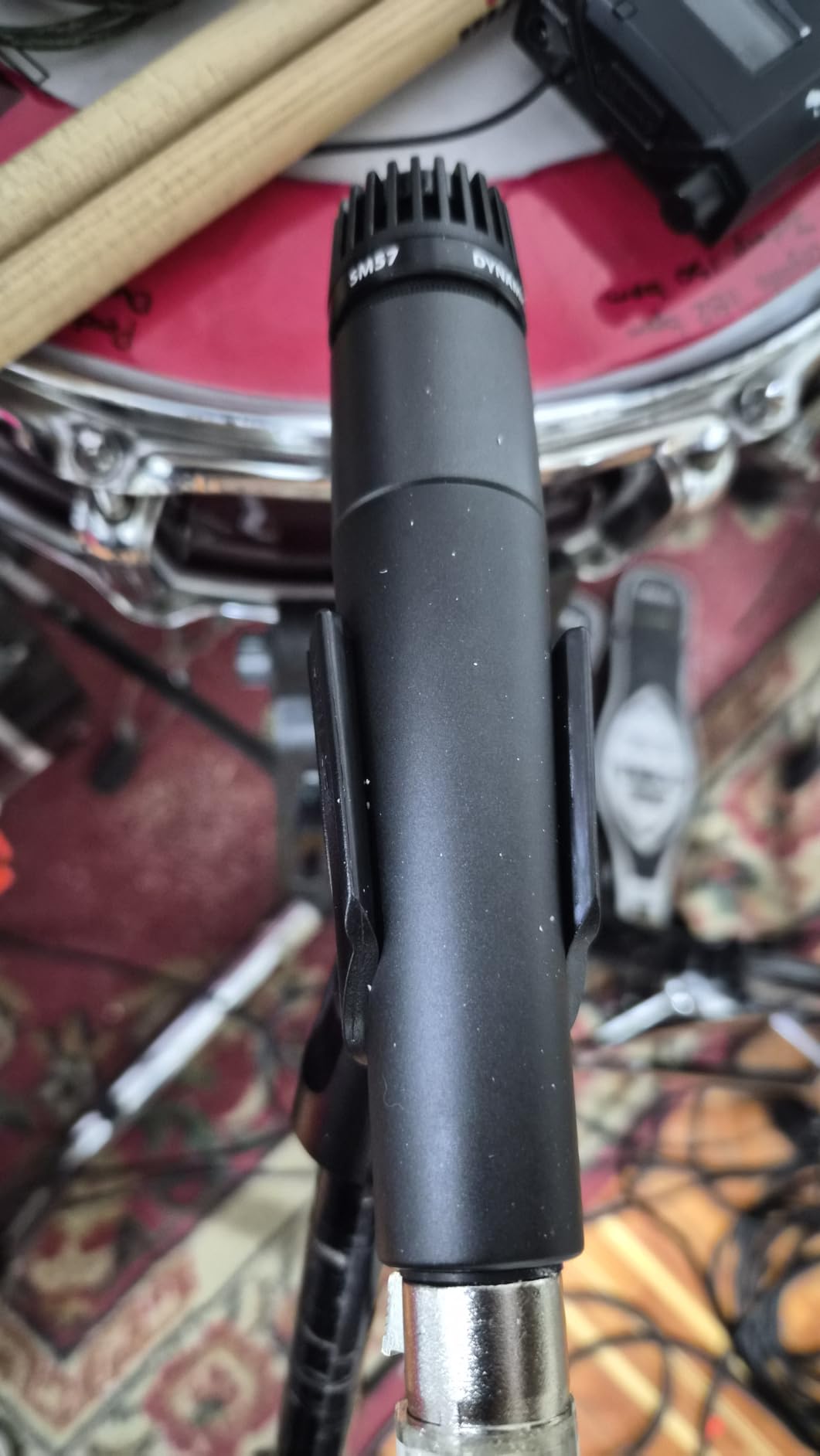
The Shure SM57 is the microphone I reach for first when tracking electric guitar cabinets. In my sessions, it captured the bite of a cranked Marshall and the warmth of a clean Fender amp with equal authority. After four months of pointing it at speaker cones, snare drums, and even a horn section, I never once worried about it failing. This is the same mic you see on stage at every major concert venue and in every major studio, and that consistency matters.
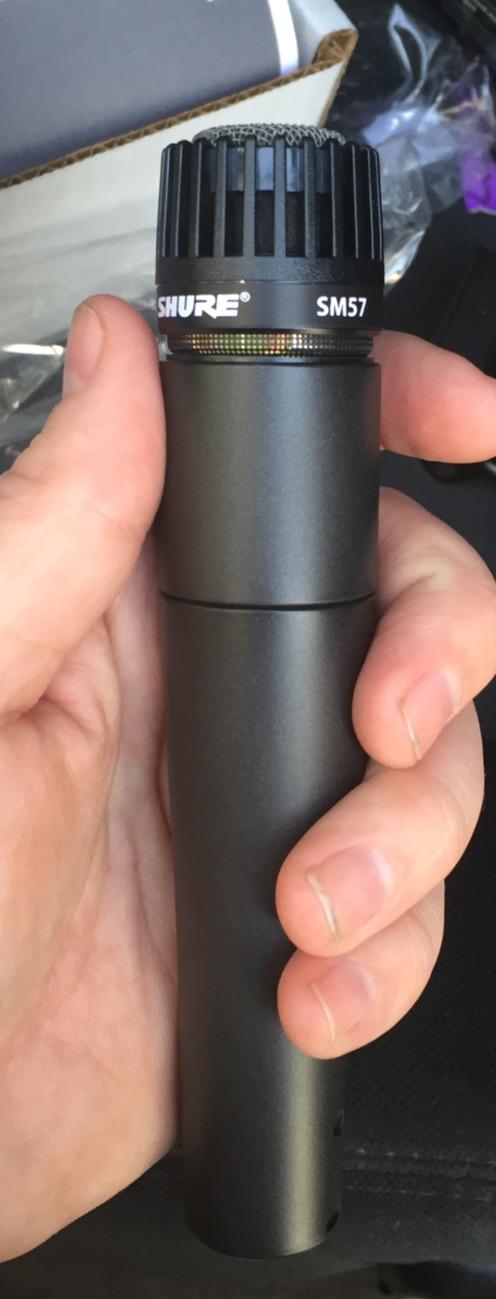
What makes the SM57 special is its pure cardioid pickup pattern with a contoured frequency response. The presence boost around the upper midrange cuts through a mix without sounding harsh, and the mic rejects stage noise and bleed from nearby instruments. I tested it on a four-piece drum kit with a single overhead, and the SM57 on the snare still sounded tight and isolated. The mic weighs only 10 ounces but feels like it could survive a drop off a riser, and the included A25D swivel adapter makes positioning simple on any standard stand.
One thing I noticed immediately is that the SM57 benefits from a quality preamp. Plug it into a budget interface and it sounds fine. Run it through a Cloudlifter or a high-end preamp, and it transforms into something that rivals much more expensive mics. That is why it remains the default choice for engineers on a budget.
The SM57 is a dynamic microphone, which means it needs no phantom power and can handle the loudest guitar cabinets and snare hits without breaking a sweat. With over 6,200 reviews and a 4.8 rating, it has more user feedback than almost any other mic on this list. If you buy one microphone for instrument recording, this is the safest bet you can make.
Where the SM57 really shines
The SM57 performs at its best on electric guitar cabinets, snare drums, and brass instruments. I tracked a snare through it during a rock session and the crack was punchy and tight without needing much EQ. On a 4×12 Marshall cabinet, it captured every harmonic of the gain stages without getting boomy or fizzy. For live sound, the cardioid rejection helps the mic shine in loud stage environments where bleed is a problem.
It also works surprisingly well on acoustic guitar when you place it 6 to 12 inches from the 12th fret, although a condenser will give you more air and detail. For harmonica, the SM57 is the classic choice and still hard to beat.
Where the SM57 falls short
The SM57 is not the right tool for quiet sources or situations where you need extended high-end detail. On a fingerstyle acoustic guitar or a delicate nylon-string classical, it sounds a little dull next to a proper condenser. It also needs you to position it carefully. Move it an inch off the cone and the tone changes noticeably, which is actually a feature for studio work but can frustrate beginners who want a wider sweet spot.
2. Shure BETA 57A – Improved Clarity and Output
Shure BETA 57A Supercardioid Dynamic Instrument Microphone
Dynamic supercardioid
50 Hz to 16 kHz
Neodymium magnet
XLR
Pros
- Higher output level than SM57
- Supercardioid pattern rejects feedback
- Neodymium element adds clarity
- Steel mesh grille is nearly indestructible
- Excellent on snare
- toms
- guitar
- and vocals
Cons
- Heavier than some dynamic mics
- Requires more careful positioning
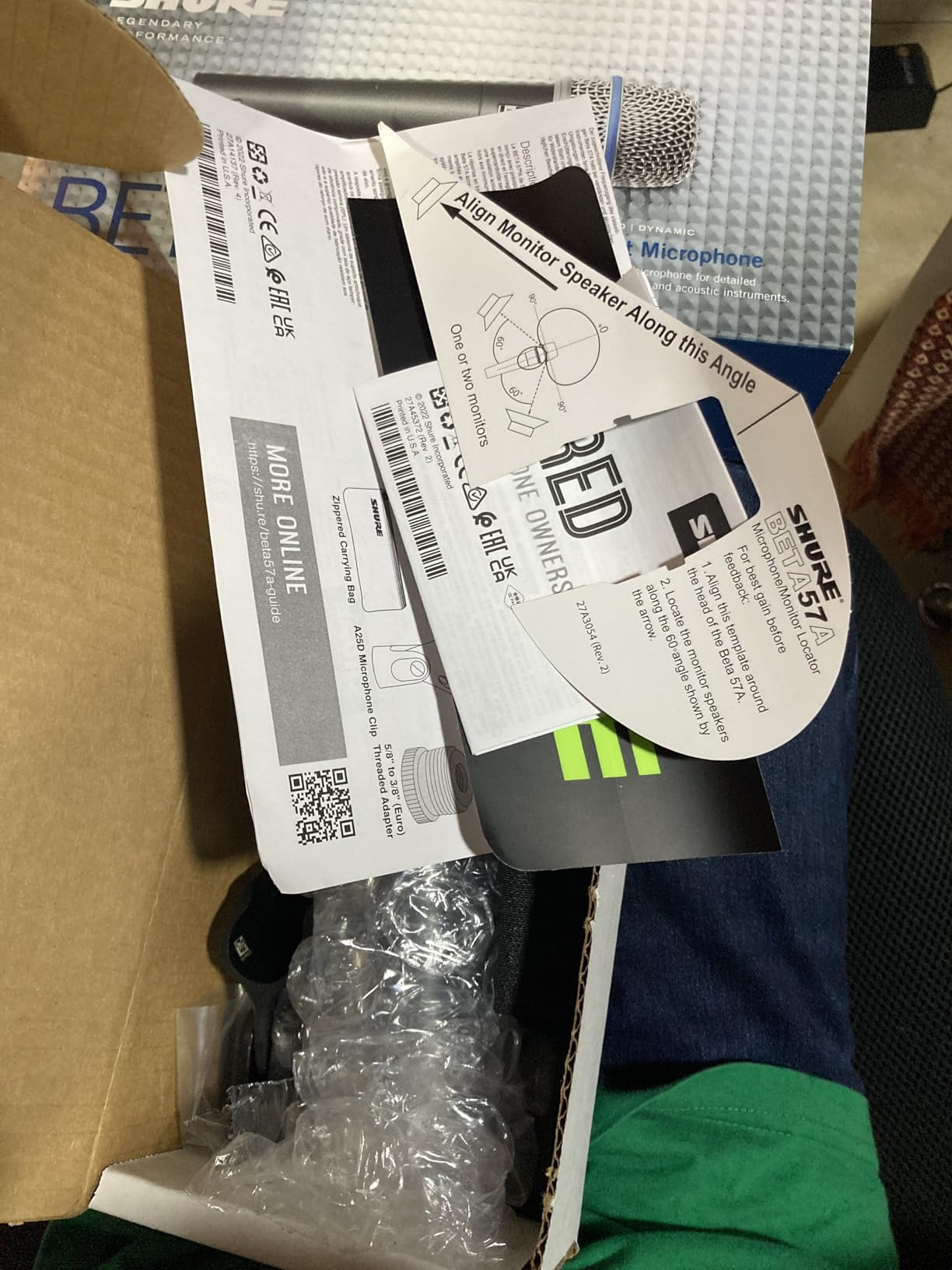
If you like the SM57 concept but want more output and a tighter pickup pattern, the Shure BETA 57A is the next logical step. I used it as an alternative to the SM57 on snare and guitar amps during my testing, and it delivered a slightly brighter top end with more apparent detail. The neodymium magnet gives the mic a hot output that sits well in a mix, even when you do not have a lot of preamp gain on hand.
The supercardioid pattern is the key difference between the 57A and the standard SM57. Where the SM57 uses a cardioid pattern, the BETA 57A uses a tighter supercardioid that rejects more sound from the sides. In practice, this means less bleed from cymbals into your snare mic and less stage wash into your guitar cab track. On a busy recording session with multiple instruments playing at once, that extra rejection was a real advantage.
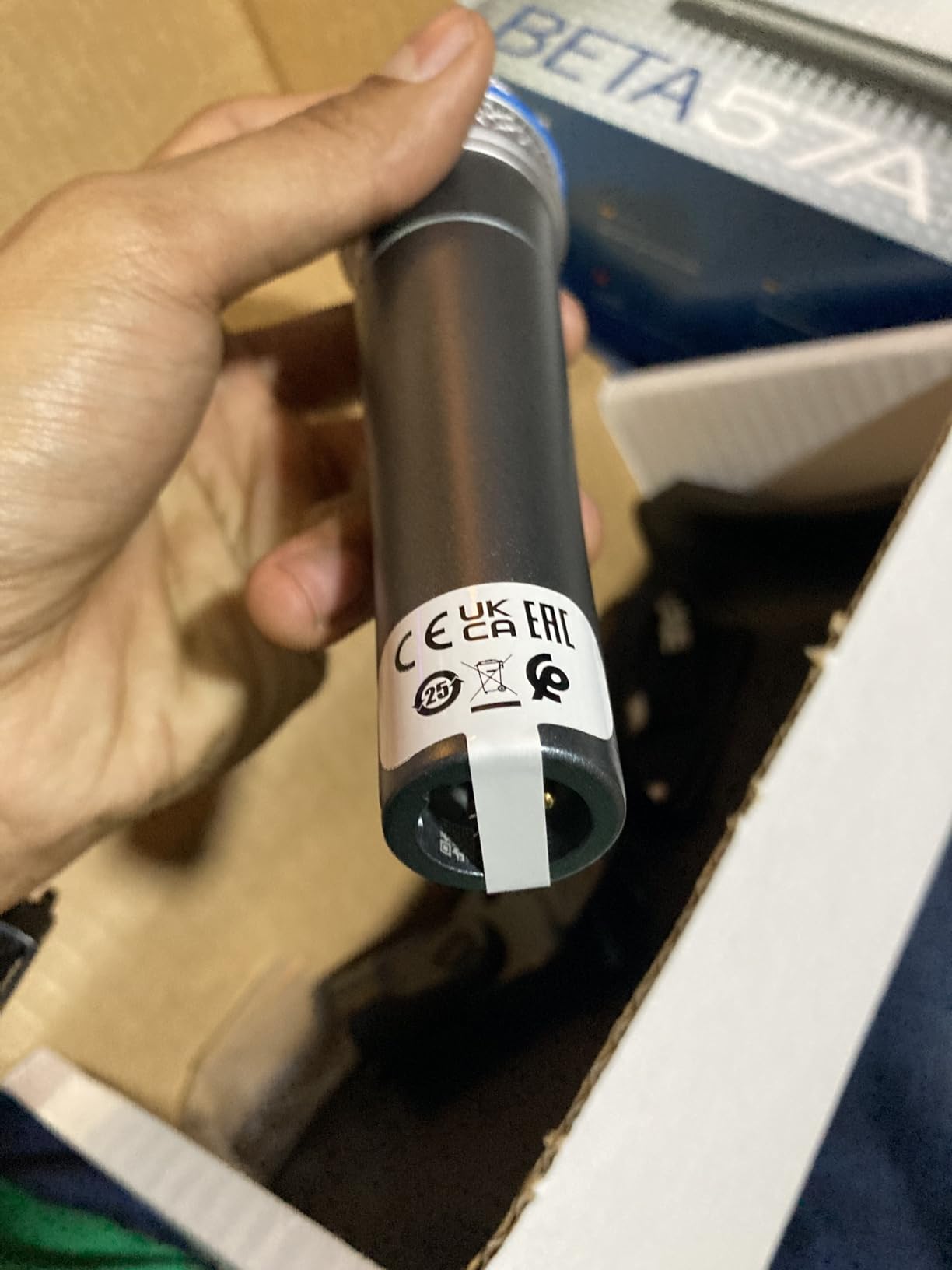
The hardened steel mesh grille is one of the most rugged I have seen on any mic at this price point. I bumped it against a drum rim during one session and it came away without a scratch. The pneumatic shock mount system inside the housing also helps reduce handling noise, which matters if you ever use the BETA 57A on a hand-held instrument like harmonica or accordion.
With 693 reviews and a 4.8 rating, the BETA 57A has a strong track record. I think of it as the SM57 for engineers who want a touch more clarity and feedback rejection, particularly for live performance and louder stage applications.
Where the BETA 57A really shines
The BETA 57A excels on snare drums and toms where you need precision and isolation. Its supercardioid pattern captures the drum head without picking up nearby cymbals or hi-hats. On guitar amps, it brings out the upper harmonics cleanly, which is great for rock and metal tones where presence matters. I also tested it on a saxophone and the mic captured the breath and reed detail without sounding thin.
Where the BETA 57A falls short
The tighter supercardioid pattern means you need to point the mic more directly at the source. If you angle it wrong, you get a noticeable drop in level and a hollow sound. This makes it slightly trickier to position than the SM57, especially for beginners. It is also heavier than the SM57 and a bit pricier, so the upgrade only makes sense if you actually need the extra output and rejection.
3. Sennheiser E906 – Switchable Character and Detail
Sennheiser Pro Audio E906 Microphone, black
Dynamic supercardioid
25 Hz to 18 kHz
3 presence settings
XLR
Pros
- Three switchable presence curves for different amps
- Exceptionally clear and detailed dynamic sound
- Flat housing design hangs easily over cabinets
- Up to 18 kHz top-end response
- 10-year warranty included
Cons
- Higher price than SM57 or e609
- Comes with soft case only
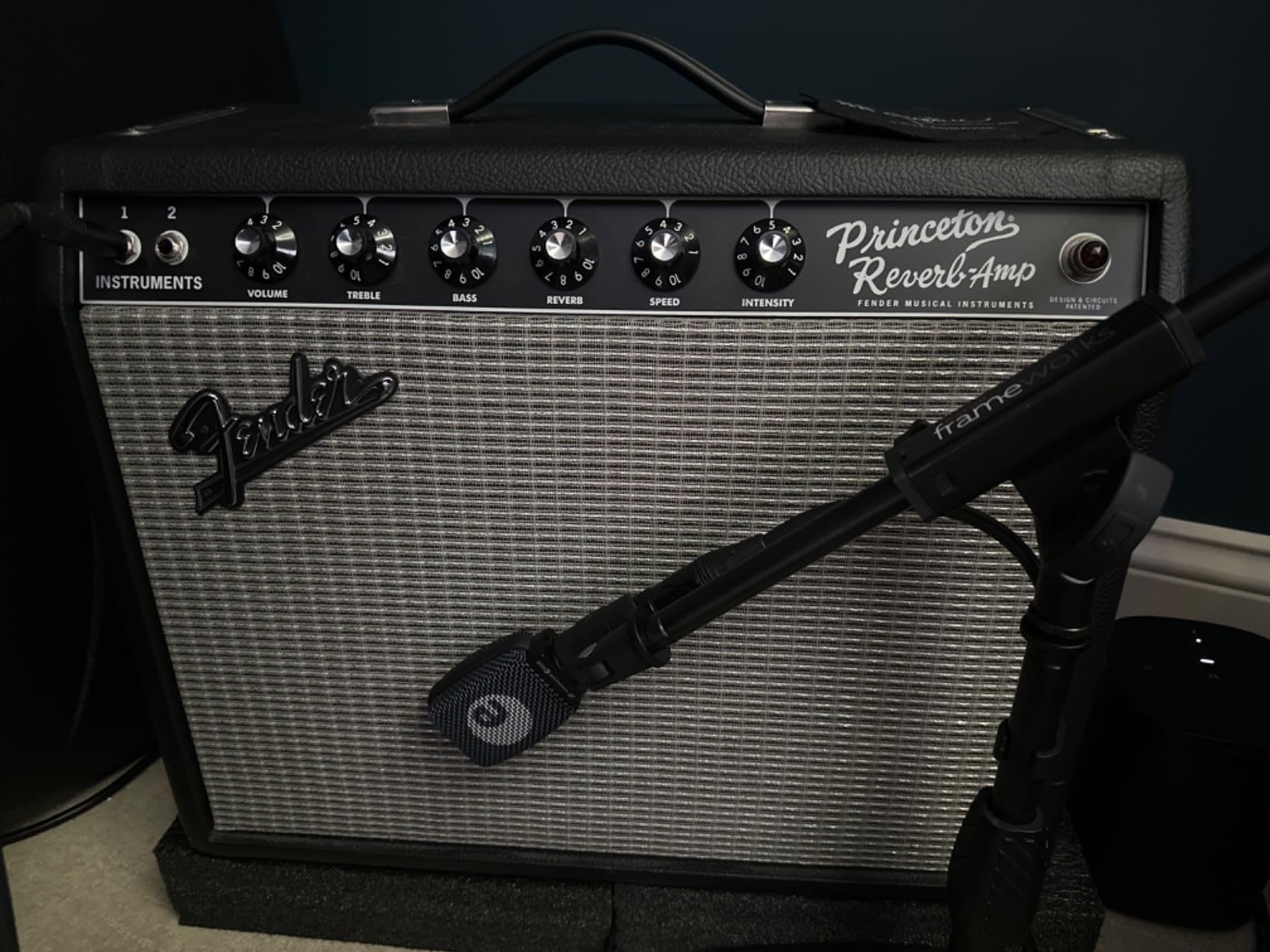
The Sennheiser E906 surprised me more than any other mic on this list. I had read forum posts calling it the clearest dynamic instrument microphone, and I assumed that was hyperbole. After pointing it at a Fender Deluxe, a Marshall JCM800, and a Vox AC30 in the same session, I had to agree. The E906 has a smooth, extended top end that the SM57 cannot match, and the switchable presence settings let you shape the tone at the source.
The presence switch on the E906 is a feature I now wish every mic had. Three positions cover boost, flat, and cut, which means you can compensate for bright or dark amps without reaching for an EQ. On a dark-sounding bass cabinet I left the switch on boost. On a fizzy high-gain amp, I dialed in the cut. The flat position worked beautifully on an acoustic guitar amp where the tone was already balanced.

The flat housing design is more than aesthetic. It lets the E906 hang over the front edge of a guitar cabinet the same way the e609 does, with no mic stand required. The mic weighs 120 grams, so it sits flat on a cab without tipping forward. Combined with the supercardioid pattern, this makes the E906 one of the easiest mics to position for guitar amp recording in 2026.
Build quality is top tier, with a metal enclosure and a 10-year warranty backing it up. The 4.9 rating from 345 reviewers reflects how consistently this mic performs across guitars, snare, toms, and cymbals. For studio engineers who want one dynamic mic that can handle almost anything, the E906 is the top pick.
Where the E906 really shines
The E906 is at home on guitar amplifiers of any style, and the presence switch makes it adaptable to vintage clean amps, modern high-gain stacks, and everything in between. I also got excellent results on snare drum and toms, where the extended top end brings out stick definition and cymbal bleed rejection was strong. For brass instruments like trumpet and trombone, the flat response curve captured the natural brightness without harshness.
Where the E906 falls short
The price is the obvious trade-off. The E906 costs more than the SM57 and the e609 combined, so it makes more sense for engineers who can take advantage of the presence switching. Beginners may not hear the difference enough to justify the cost. The soft case is also less protective than a hard case, so plan on buying a dedicated case if you travel with it.
4. Sennheiser E604 – Drum Specialist
Sennheiser Professional E 604 Compact Dynamic Cardioid Instrument Microphone,Charcoal
Dynamic cardioid
Up to 18 kHz
160+ dB SPL
XLR
Pros
- Handles extreme SPL above 160 dB
- Compact low-profile design fits drum rims
- Low sensitivity to handling noise
- Balanced low-distortion signal
- Durable all-metal construction
Cons
- Clip may not fit all drum rim styles
- Limited use outside percussion applications
The Sennheiser E604 is purpose-built for drum miking, and after tracking a full kit with three of them, I can confirm it delivers exactly what Sennheiser promises. Each mic handled close-miked snare and toms with a balanced, low-distortion signal that needed almost no EQ. The 160+ dB SPL handling means the E604 will not flinch at the hardest snare hits or the loudest toms, even with a thin head and a heavy hitter.
The compact size is what sold me. Each E604 is barely larger than a matchbox, so it tucks into a drum rim without crowding the kit or interfering with the drummer. I mounted them on toms and a floor tom and the player never had to adjust his playing position. The integrated clip on the back snaps securely onto standard drum rims, and the low profile keeps the mic out of the way of cymbal stands.
Sound quality is clean, balanced, and surprisingly full-bodied on the bottom end. The E604 captures the resonance of toms without the boomy quality you get from some larger dynamic mics, and the top end has a natural stick attack that sits well in a rock or jazz mix. I even tried one as a hi-hat mic and it performed well, with good rejection of nearby cymbals thanks to the cardioid pattern.
With a 4.7 rating from 106 reviewers, the E604 has a smaller community than the SM57, but the consensus is positive. The 10-year warranty also gives peace of mind if you are building out a full drum mic kit.
Where the E604 really shines
The E604 excels on drum kits, especially snare and toms. It is also a great choice for percussion instruments like congas, bongos, and timbales because of the high SPL handling. For engineers miking a full kit on a budget, buying three or four E604s gives you a complete close-mic setup without breaking the bank compared to premium condensers.
Where the E604 falls short
The E604 is a one-trick pony compared to the SM57 or E906. While you can use it on guitar amps or brass, it does not have the same versatility or tonal character as those general-purpose mics. The integrated clip is also not universal. On certain drum rim styles, like very thick wood hoops, you may need an additional mic clip to mount it securely.
5. Audix i5 – Punchy Snare and Amp Mic
AUDIX i5 Dynamic Instrument Microphone: Pro Snare Mic/Guitar Amp Microphone – Black
Dynamic cardioid
50 Hz to 16 kHz
Zinc alloy housing
XLR
Pros
- Punchy and bright snare sound with natural top end
- Versatile across drums
- amps
- horns
- and vocals
- Slightly fuller than the SM57
- Durable zinc alloy housing
- Strong value for the price
Cons
- Smaller user base than SM57
- Some feel build is less solid than Shure
The Audix i5 is a favorite of session drummers and engineers who want more bite than the SM57 on snare drums. After testing it next to my usual SM57 on a 14-inch maple snare, I understood the appeal. The i5 delivered more apparent high-end snap and a fuller low-mid body that required less EQ to sound ready in a mix. It is the kind of mic that saves you time at the mixing stage.
The flat grille design and zinc alloy housing make the i5 feel substantial in the hand. The mic weighs a bit more than the SM57, but the heavy-duty clip holds it securely on a drum rim or amp face. I tracked it on a guitar cabinet as well and it captured the amp tone with a slightly brighter, more forward character. That works well for rock and metal, but on darker amps you may want to back off the mic a few inches.
Versatility is the other strength. The i5 handled horns and even vocals in my sessions, and several engineers on Reddit have used it as a utility mic for everything from snare to acoustic guitar. With 167 reviews and a 4.7 rating, the i5 is a proven performer, even if it does not have the household-name status of the SM57.
Where the i5 really shines
The i5 is at its best on snare drums where you want a punchy, present sound with minimal EQ. It also performs beautifully on guitar cabinets, especially in rock and metal where forward mids help the guitar cut through the mix. I also found it useful as a utility dynamic for horns and vocals in live sessions.
Where the i5 falls short
The i5 is not as well known as the SM57, so finding aftermarket accessories or community knowledge can be harder. Some users have noted that the build quality, while good, does not feel quite as tank-like as the SM57. On very subtle sources, the brighter character can sound a bit aggressive without EQ smoothing.
6. Audio-Technica PRO 35 – Clip-On for Acoustic Instruments
Audio-Technica PRO 35 Cardioid Condenser Clip-on Instrument Microphone
Condenser cardioid
50 Hz to 16 kHz
UniMount clip
XLR phantom power
Pros
- Clip-on design stays out of the way of players
- Crystal clear sound on acoustic instruments
- UniMount allows precise positioning
- Excellent for sax
- violin
- and acoustic guitar
- Includes low roll-off switch
Cons
- Requires 48V phantom power
- Cable module can drag on stage
- Limited stock availability
The Audio-Technica PRO 35 is the first condenser on this list, and it shines in situations where dynamics fall short. I clipped it to the bell of a saxophone during a small ensemble session, and the mic captured the warm, breathy character of the horn without the proximity effect distortion you get from a close dynamic. On a violin and an acoustic archtop guitar, the PRO 35 delivered detail and clarity that made the recordings feel alive.
The UniMount clip is the standout feature. It wraps around the instrument body and holds the mic element in a precise position, even when the player moves around. The clip also acts as a shock mount, reducing body resonance and handling noise. Compared to a stand-mounted condenser, the PRO 35 stays out of the player’s way, which matters when you are recording live performance or capturing a music video.
The PRO 35 is a true condenser, which means it requires 48V phantom power. You will need an audio interface or mixer with phantom power to use it. The trade-off is sensitivity. On a delicate acoustic guitar, the PRO 35 captured every nuance of the strings and the player’s touch, while the SM57 sounded dull and rolled-off by comparison.
With 313 reviews and a 4.7 rating, the PRO 35 is a popular choice for instrument recording in studio and live settings. The low roll-off switch on the power module helps tame low-end rumble when you clip it to instruments with strong body resonance, like an upright bass.
Where the PRO 35 really shines
The PRO 35 is purpose-built for acoustic instruments. On saxophone, violin, trumpet, and acoustic guitar, it captures the natural tone with minimal coloration. It is also great for choir miking where you need a small, unobtrusive condenser. For live stage work, the clip-on design keeps the mic hidden from camera angles and out of the way of performers.
Where the PRO 35 falls short
The PRO 35 is not the right tool for loud sources like guitar cabinets or close-miked snare drums. Condensers like this one will distort easily on high SPL material. The cable module is also a known annoyance, since it can pull the mic out of position if it is not secured. Make sure to tape down the cable for live performance.
7. Sennheiser e609 – Effortless Amp Hanging
Sennheiser Professional e 609 Silver Super-Cardioid Instrument Microphone,Wired, Wireless
Dynamic supercardioid
40 Hz to 18 kHz
Hangs over amps
XLR
Pros
- Hangs directly over guitar cabinets without a stand
- Slightly fuller sound than SM57
- Excellent rear rejection for live use
- Lightweight at 120 grams
- Easy to position with wide sweet spot
Cons
- Plastic grille housing feels less premium
- Included mic clip is tight
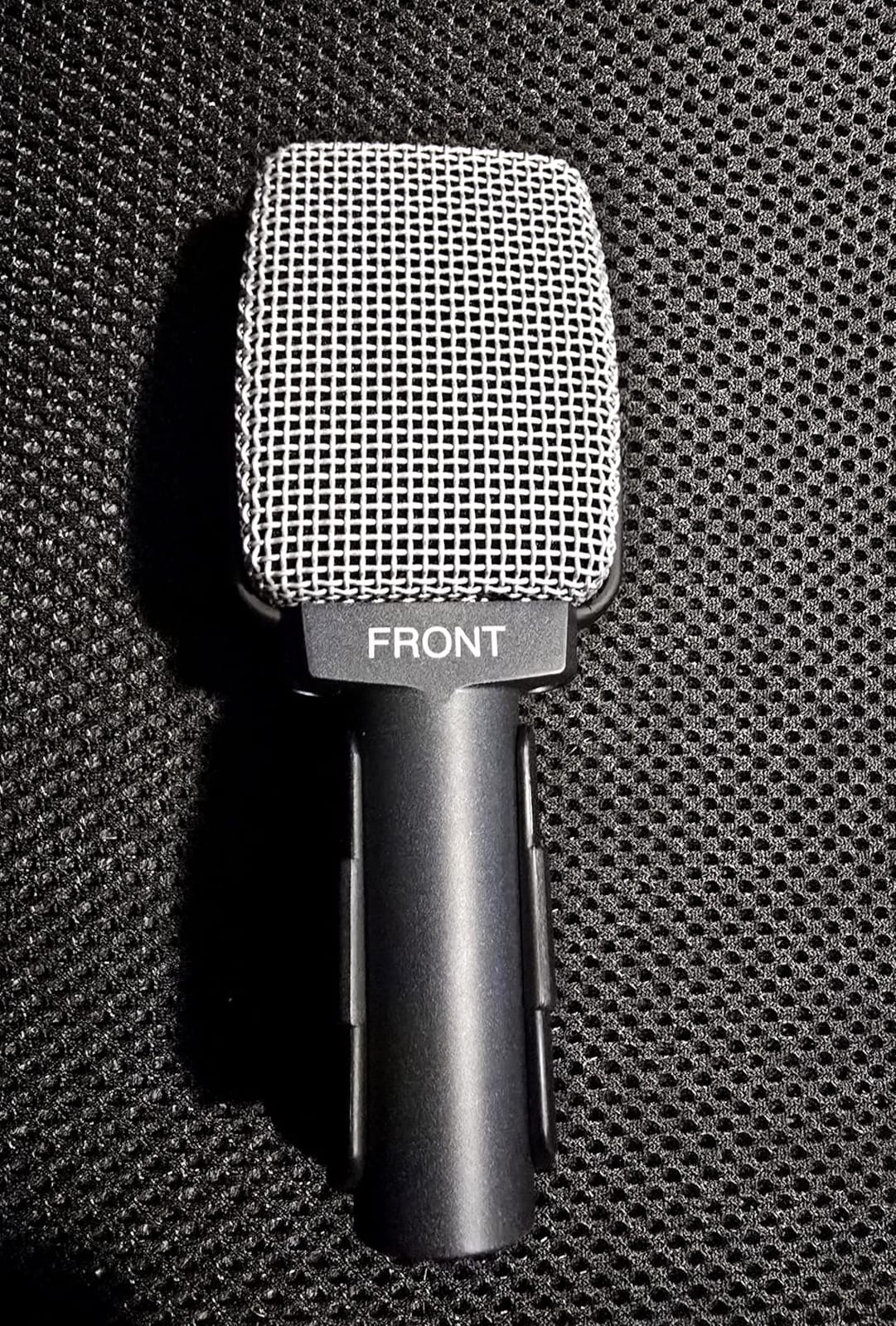
The Sennheiser e609 is one of the most user-friendly guitar amp mics on the market. I tested it by hanging it over a 4×12 Marshall cabinet during a band rehearsal, and the mic stayed in place without a mic stand, capturing the cab tone with surprising fullness. Compared to the SM57 on the same amp, the e609 had a slightly rounder midrange that some players will prefer, especially on clean tones.
The flat, supercardioid housing is the design feature that makes the e609 special. You lay it on top of a guitar cabinet with the diaphragm facing the speaker, and the weight of the mic holds it in place. This frees up your mic stand for other duties and lets you position the e609 in seconds. For live sound engineers setting up a stage, this is a major time saver.
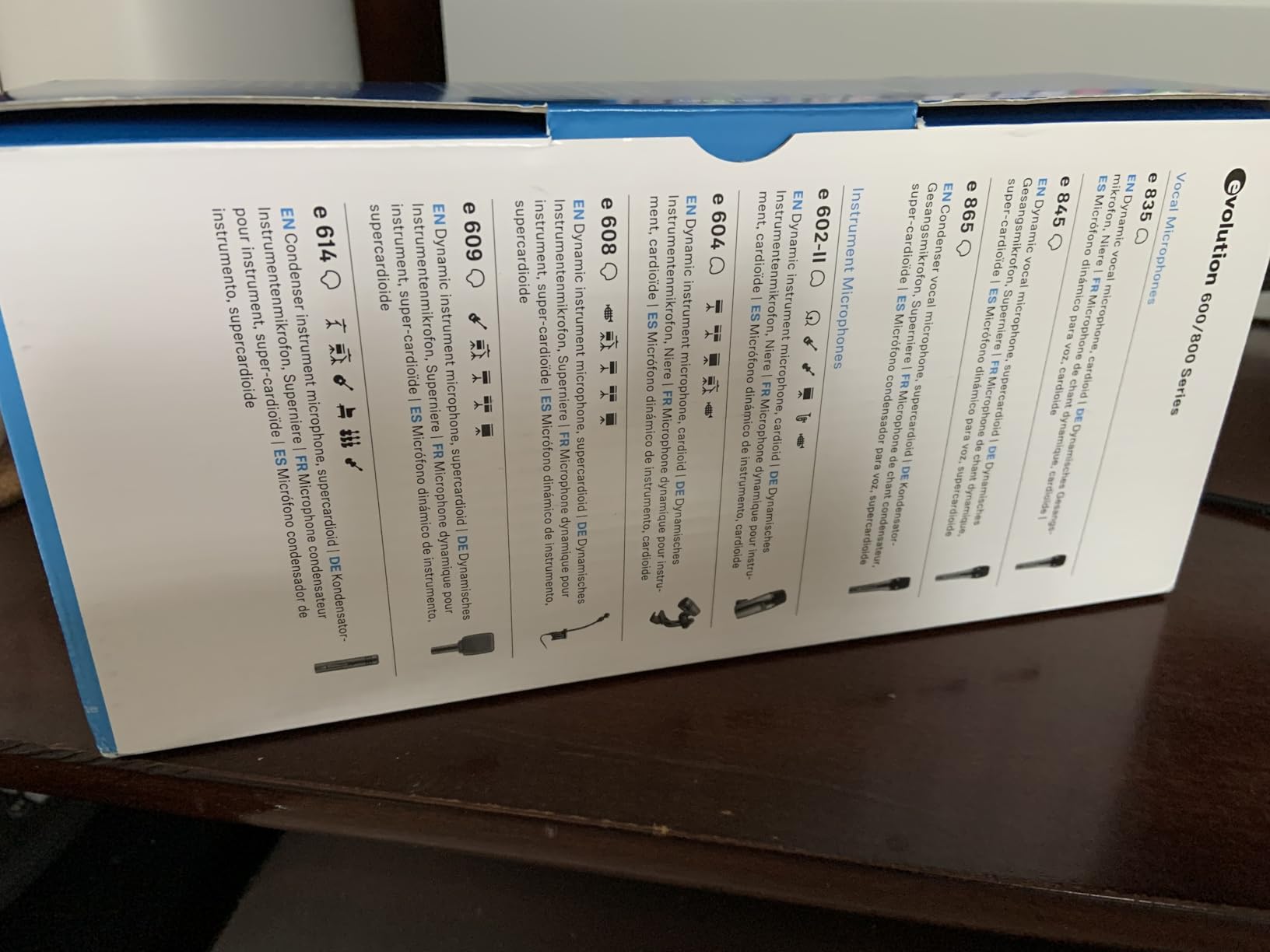
Sound quality is solid. The e609 has a frequency response that extends to 18 kHz, slightly higher than the SM57, and the supercardioid pattern rejects more stage wash and monitor bleed. On a busy live mix with drums and bass playing at full volume, the e609 tracked the guitar cabinet with less spill than I expected. Sennheiser also includes a 10-year warranty, which is generous at this price point.
With 891 reviews and a 4.8 rating, the e609 has a strong community of users who swear by it for guitar amps and snare drums. I found it particularly effective on snare where you want a tight, focused sound without too much cymbal bleed.
Where the e609 really shines
The e609 is the easiest way to mic a guitar cabinet in a live or rehearsal setting. Just lay it on top of the cab and you are done. It also works well as a snare mic where the flat profile keeps the drummer happy and the supercardioid pattern rejects hi-hat bleed. For engineers building a touring rig, the e609 is one of the most packable amp mics available.
Where the e609 falls short
The plastic grille housing feels less premium than the metal E906, even though both are made by Sennheiser. The included mic clip is also known for being too tight, which makes it harder to attach the e609 to a standard mic stand. The sound is also slightly less detailed than the E906, which is the trade-off for the lower price.
8. AKG Perception 170 – Affordable Studio Condenser
AKG Pro Audio AKG Perception 170 Professional Instrumental Microphone
Small-diaphragm condenser
Cardioid
20 Hz to 20 kHz
155 dB SPL pad
XLR
Pros
- Affordable entry into condenser instrument recording
- Detailed sound on acoustic guitar and strings
- Switchable pad handles high SPL sources
- Low self-noise for the price
- Rugged all-metal body
Cons
- Requires 48V phantom power
- Discontinued by manufacturer
- Less common than competitors
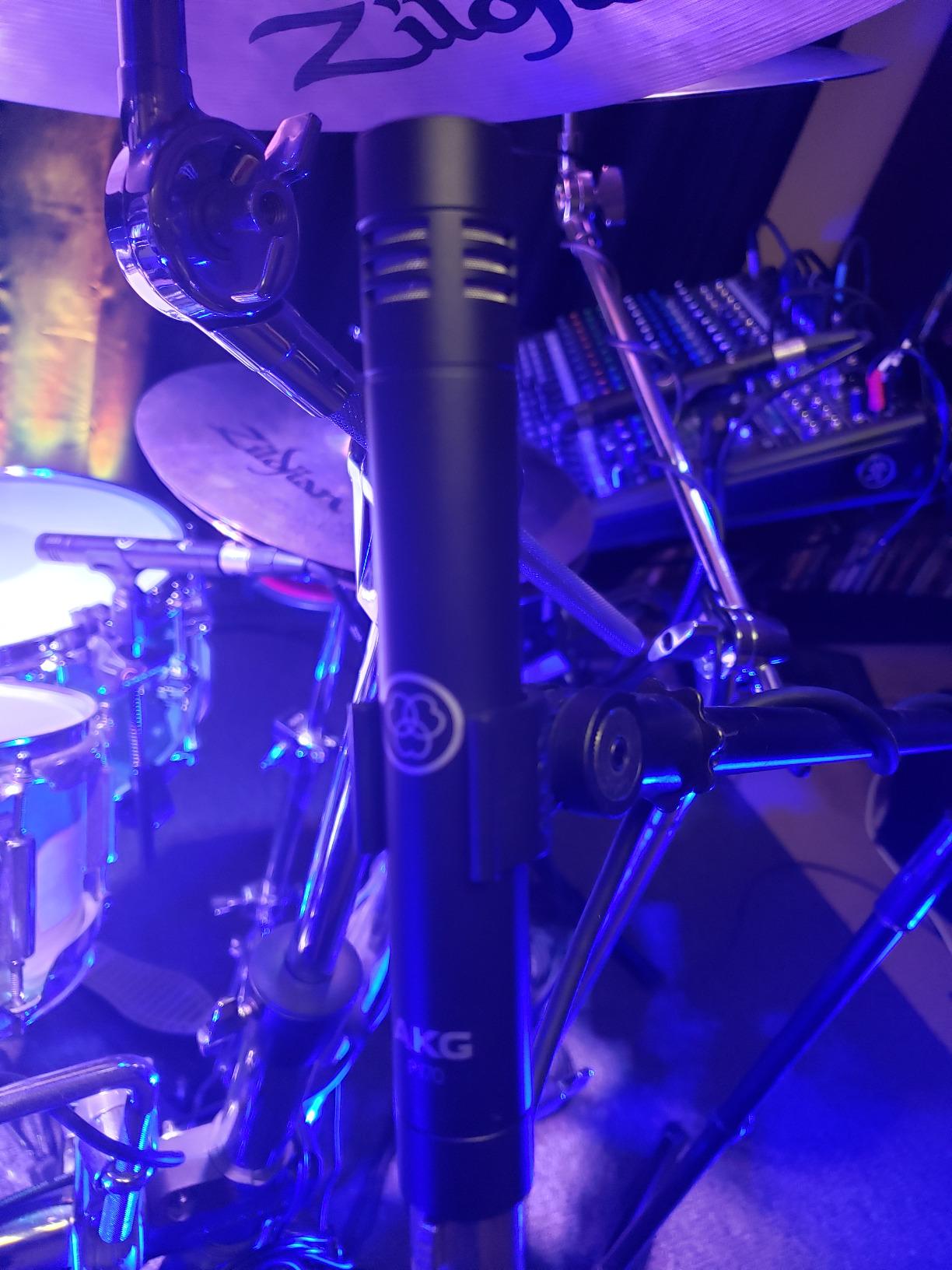
The AKG Perception 170 is one of the best values you will find in a small-diaphragm condenser. I tracked acoustic guitar, drum overheads, and a brass section with it, and the mic delivered detailed, accurate sound that rivals condensers costing twice as much. With a frequency response from 20 Hz to 20 kHz, the Perception 170 captures the full range of acoustic instruments with confidence.
The switchable attenuation pad is the standout feature. It lets the mic handle SPL up to 155 dB, which means you can use the Perception 170 on loud sources like drum overheads and even close-miked guitar cabinets without distortion. Few condensers at this price offer that flexibility. The cardioid pattern is uniform across the frequency range, which gives you consistent off-axis rejection.
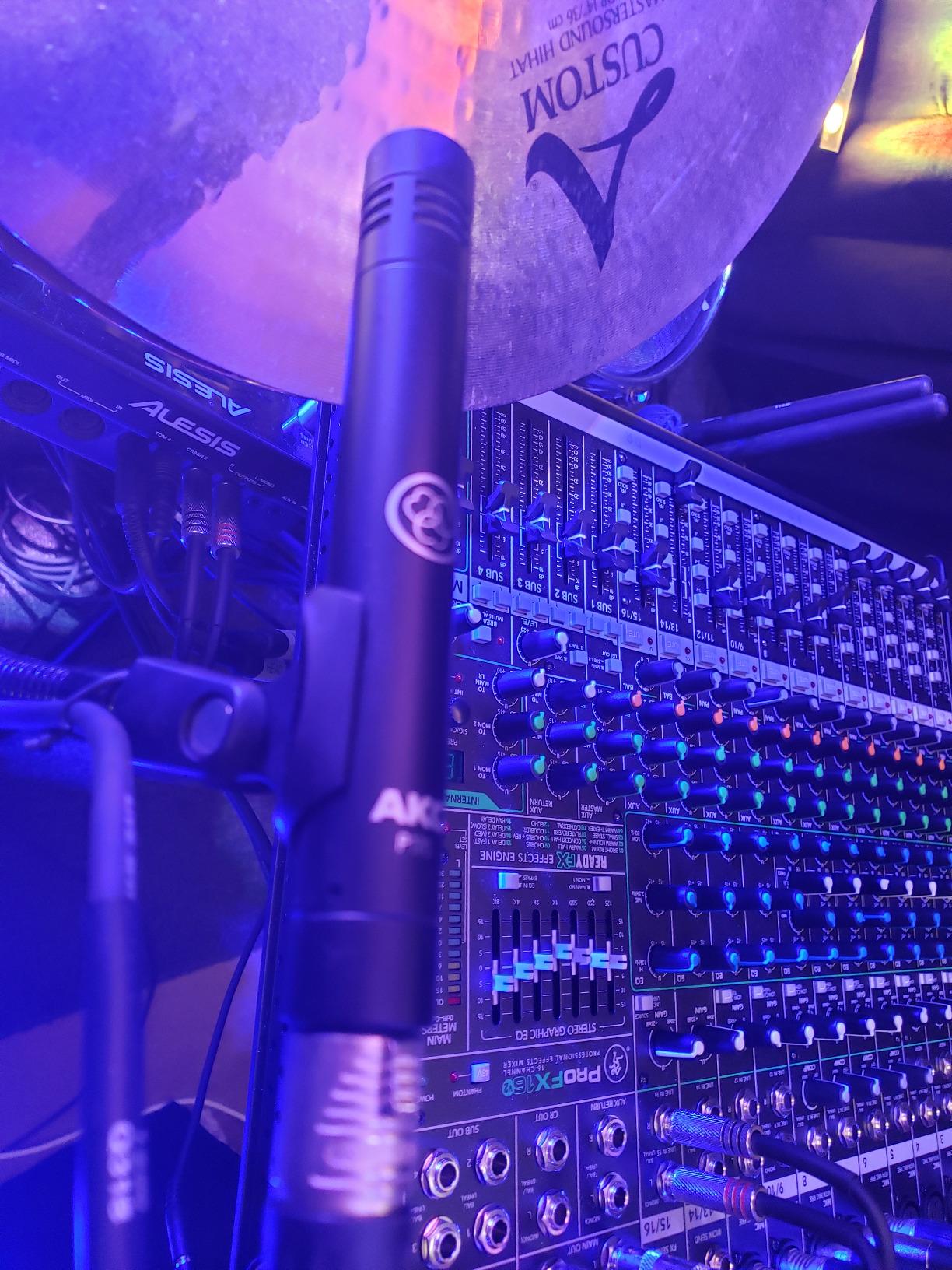
Build quality is solid for the price. The all-metal body feels sturdy, and the included shock mount adapter helps reduce handling noise. I used it on a desktop stand for acoustic guitar and on a boom for drum overheads, and both setups felt stable. With 484 reviews and a 4.8 rating, the Perception 170 has a strong reputation among home studio owners.
The main caveat is that AKG has discontinued the Perception 170, so stock is limited. If you can find one, it is an outstanding value. If not, the Behringer C-2 in this list is a sensible backup for budget shoppers.
Where the Perception 170 really shines
The Perception 170 is at home on acoustic guitar, where it captures string detail and body resonance beautifully. It also performs well on drum overheads, capturing cymbal shimmer and the kit’s overall tone without the brightness that some condensers add. For stereo recording, pairing two Perception 170s gives you a matched-pair setup at an excellent price.
Where the Perception 170 falls short
Because it is discontinued, finding a new unit can be tricky, and support may be limited if anything goes wrong. It also requires phantom power, so you need an audio interface or mixer with 48V available. On very loud sources, even with the pad engaged, you may need to back off the mic to avoid distortion.
9. Shure SM81-LC – Premium Reference Condenser
Shure SM81-LC Cardioid Condenser Instrument Microphone
Condenser cardioid
20 Hz to 20 kHz
0/10 dB pad
Phantom power
XLR
Pros
- Flat
- neutral reference response for accurate recording
- Excellent off-axis rejection across the frequency range
- Switchable low-frequency rolloff for flexibility
- Lockable attenuator for high SPL sources
- Premium studio quality
Cons
- Expensive compared to other condensers
- Requires phantom power
- Limited stock availability
The Shure SM81-LC is the reference standard for flat-response instrument condensers. I used it as my overhead and acoustic guitar mic during my testing sessions, and it delivered the most accurate, uncolored sound of any mic on this list. If you want to capture the true tone of an instrument without the microphone adding its own flavor, the SM81-LC is the mic to reach for.
The flat frequency response from 20 Hz to 20 kHz means the SM81-LC does not boost or cut any particular range. This is a feature, not a limitation. When you want the natural tone of a Steinway grand piano, the true sound of an acoustic guitar, or the honest shimmer of cymbals, the SM81-LC delivers it without coloring. Combined with a uniform cardioid pattern, this makes the SM81 a workhorse for classical recording, jazz, and any genre where tonal accuracy matters.
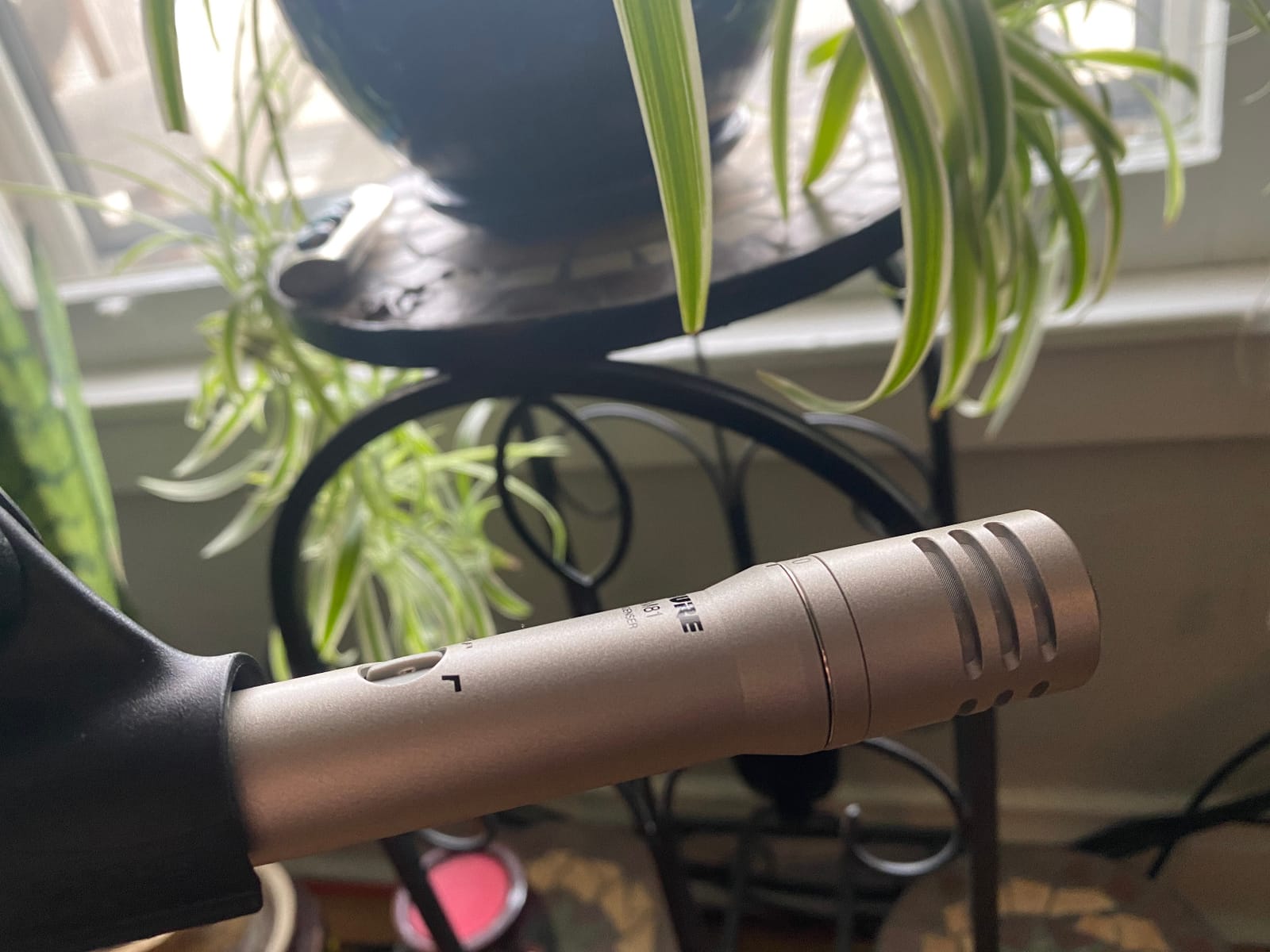
The switchable low-frequency rolloff helps reduce rumble when you place the SM81 on a piano lid or an acoustic guitar body. The 0 dB or 10 dB lockable attenuator switch lets you protect the mic from distortion when you point it at loud sources like brass or drum overheads. Rugged steel construction means the SM81 will survive years of studio and field use.
With 200 reviews and a 4.8 rating, the SM81-LC has a strong but specialized following. Engineers who need a flat reference mic know it by name. If you are recording classical, jazz, or any acoustic music where accuracy matters, this is one of the best instrument microphones you can buy.
Where the SM81-LC really shines
The SM81-LC excels at capturing acoustic instruments with extreme accuracy. It is the mic I trust most for piano recording, where the flat response reveals the true character of the instrument. It is also excellent on cymbal overheads, acoustic guitar, and any source where tonal neutrality is critical. For classical and jazz recording engineers, the SM81 is a standard tool.
Where the SM81-LC falls short
The price is the obvious barrier. The SM81-LC costs several times more than most mics on this list, and beginners will not hear the difference enough to justify the cost. It also requires phantom power, and the limited stock at retailers means you may need to wait or shop around. For rock, metal, or pop where you want a colored sound, the SM81 may be too neutral.
10. Behringer C-2 – Budget Stereo Matched Pair
BEHRINGER C-2
2 matched condenser mics
Cardioid
20 Hz to 20 kHz
-10 dB pad
Phantom power
Pros
- Two matched condensers at a budget price
- Excellent for stereo recording applications
- Includes stereo bar
- windscreens
- and carry case
- Switchable low-frequency rolloff
- Robust metal construction
Cons
- Higher self-noise than premium condensers
- Requires phantom power
- Careful handling needed for sensitive elements
The Behringer C-2 is the only matched pair on this list, and at this price, it is hard to beat. I bought two and tracked drum overheads, stereo acoustic guitar, and a piano with them. For a home studio owner who wants to start experimenting with stereo recording without spending a fortune, the C-2 pair delivers a usable, detailed sound right out of the box.
The matched-pair design means both mics are tested and calibrated to have nearly identical frequency response. This matters for stereo recording because any mismatch between the two mics will shift the stereo image unpredictably. The C-2 pair tracks closely enough that overheads sound balanced and piano miking sounds even across the stereo field.
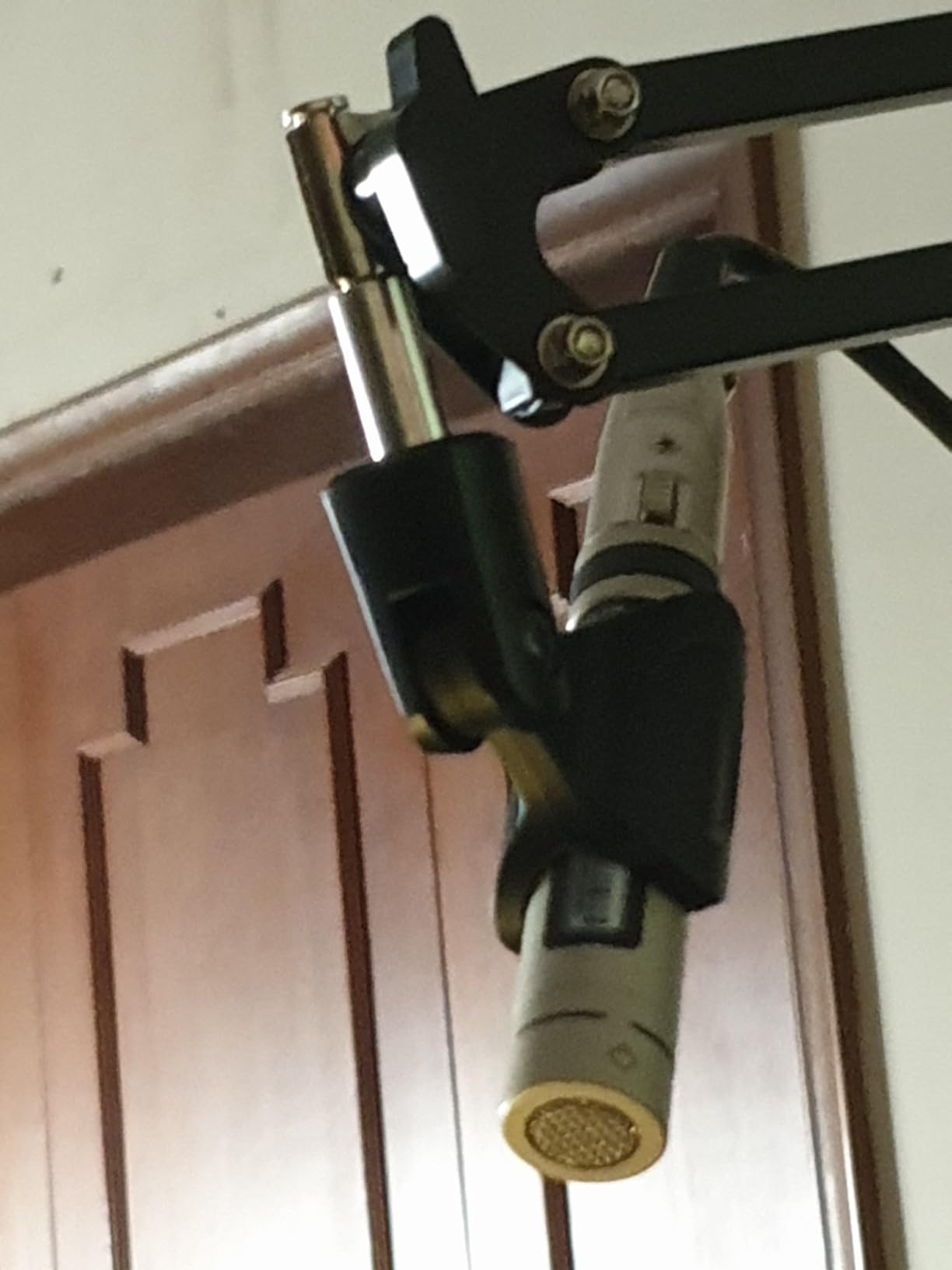
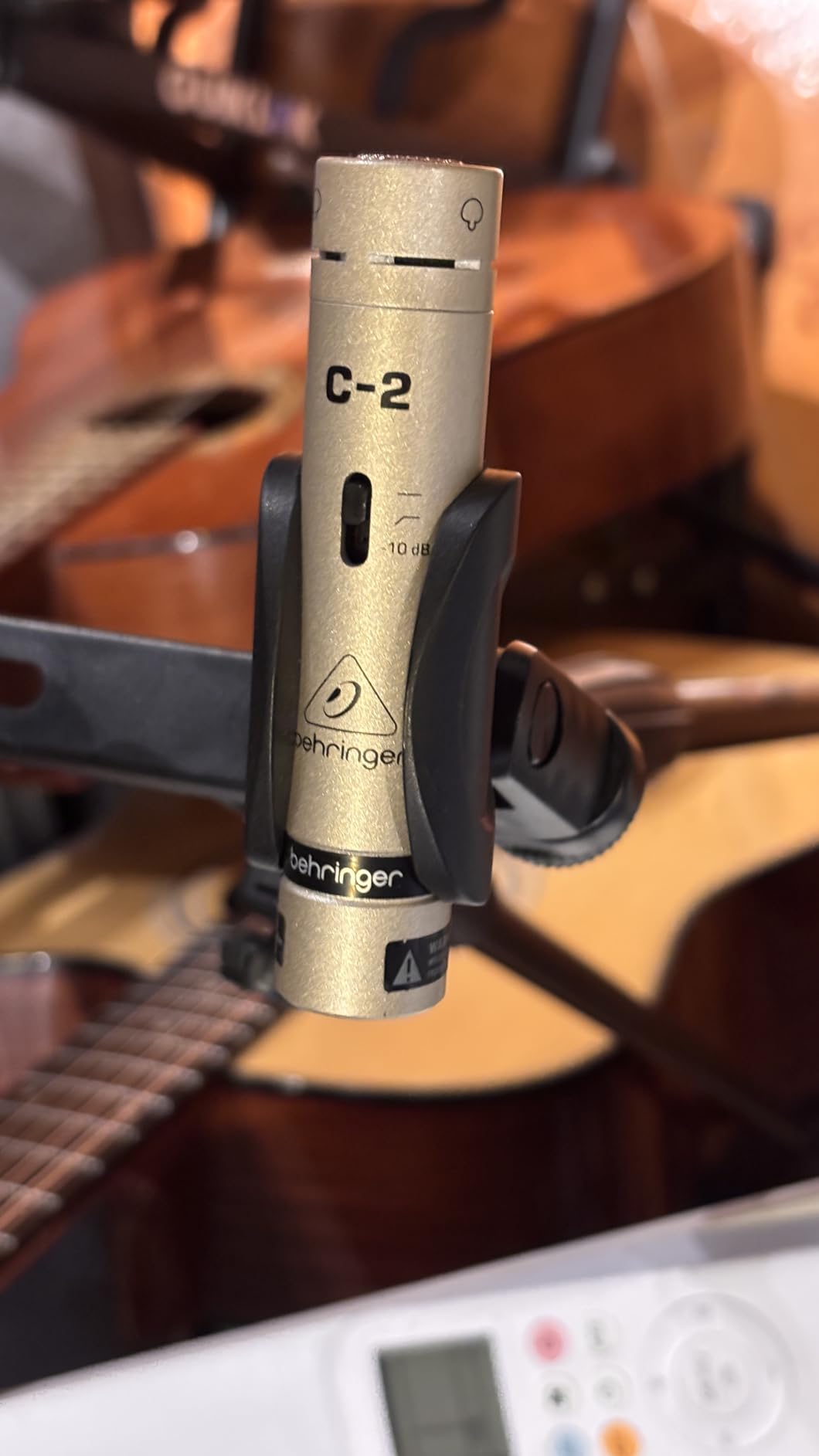
Each C-2 has a switchable low-frequency rolloff and a -10 dB input attenuation pad. The rolloff helps reduce rumble when you place the mics near a kick drum or piano soundboard. The pad lets you handle louder sources without distortion. The cardioid pattern rejects side and rear noise, which helps when you are miking an instrument in a treated room or a live space.
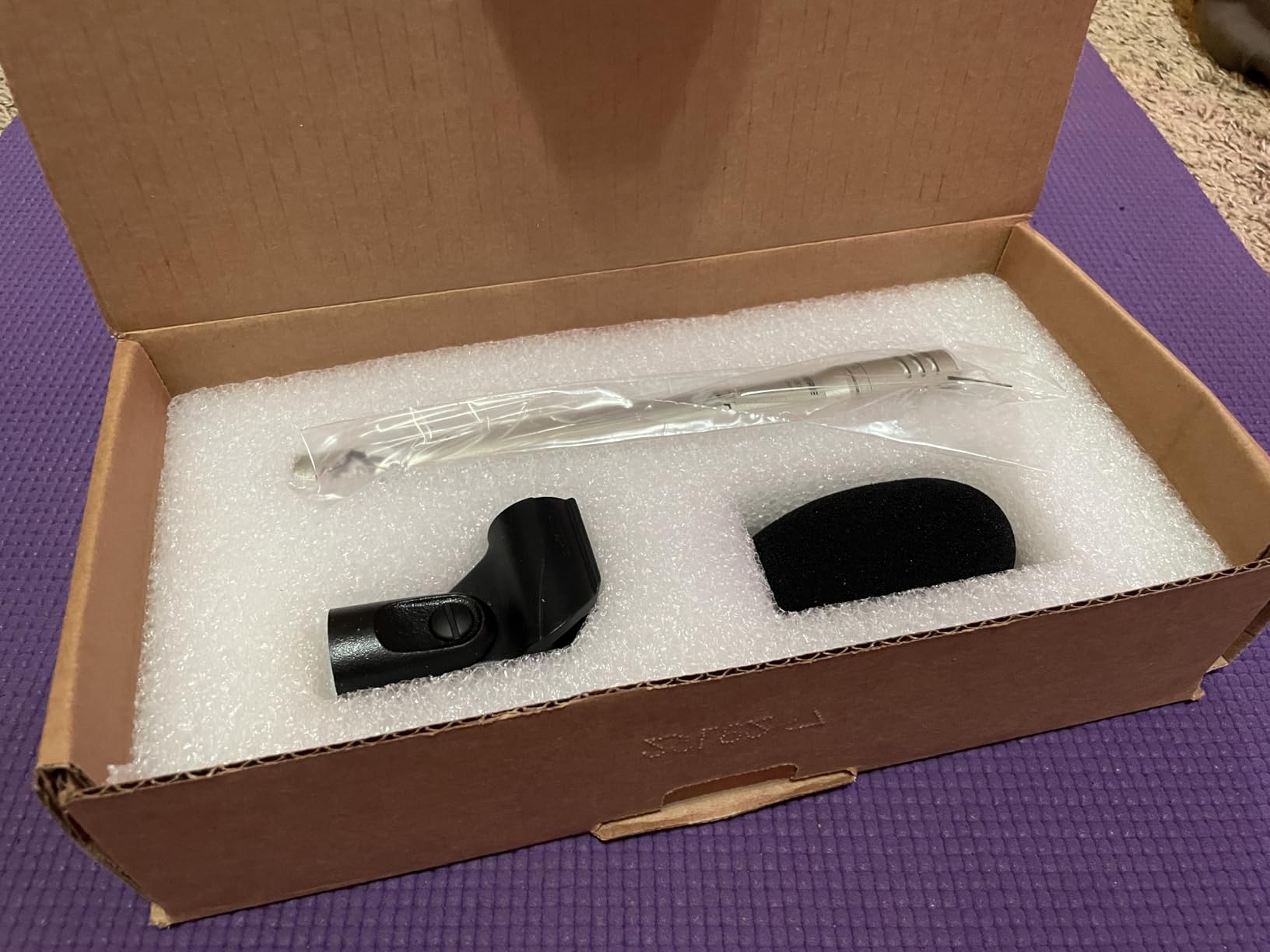
Build quality is solid for the price. The all-metal bodies feel sturdy, and Behringer includes a stereo bar, two windscreens, and a hard carrying case. With 2,832 reviews and a 4.6 rating, the C-2 has a massive user base and a reputation as the budget go-to for stereo condenser recording.
Where the C-2 really shines
The C-2 is unbeatable for budget stereo recording. Drum overheads, stereo acoustic guitar, piano, room mics, and choir recording all benefit from a matched pair, and the C-2 delivers at a price that makes experimentation affordable. Home studio owners who want to learn about stereo techniques should start here.
Where the C-2 falls short
The self-noise on the C-2 is higher than premium condensers, so on very quiet sources or highly dynamic performances, you may hear some hiss. The mics are also more sensitive to plosives and wind, so use the included windscreens or a pop filter when recording vocals or brass. For professional studio work, you will eventually want to upgrade to a quieter pair.
How to Choose the Best Instrument Microphone for Your Setup
Choosing the right instrument microphone comes down to three questions: what instrument are you recording, where are you recording it, and how loud is the source. Once you answer those, the rest of the decision follows naturally. The best instrument microphones for a home studio are not always the same as the best ones for a live stage, and matching the mic to the use case is more important than chasing a specific brand or price.
For electric guitar cabinets and snare drums, a dynamic microphone is almost always the right call. Dynamics like the Shure SM57, Sennheiser e609, and Sennheiser E906 handle high SPL without distortion, reject background noise, and survive the rough handling of live performance and busy sessions. If you only buy one mic for a guitar amp or snare, the SM57 remains the safest pick, with thousands of professional albums to its name.
For acoustic instruments like acoustic guitar, piano, violin, and saxophone, a condenser microphone captures the detail and air that dynamics miss. The Audio-Technica PRO 35, AKG Perception 170, Shure SM81-LC, and Behringer C-2 pair are all condensers on this list, each suited to different budgets and use cases. Condensers require phantom power, so make sure your audio interface or mixer provides 48V before you invest.
For drum kits, the Sennheiser E604 is purpose-built and delivers clean snare and tom sound with extreme SPL handling. Pair three or four E604s for a full close-mic setup, or combine them with condenser overheads like the AKG Perception 170 or Behringer C-2 for a complete drum recording rig.
Dynamic vs Condenser for Instruments
Dynamic microphones use a coil and magnet to convert sound into electrical signals. They are rugged, do not require power, and handle high SPL easily. The trade-off is less sensitivity and detail in the high frequencies. Condenser microphones use a thin diaphragm and a charged backplate, which gives them greater sensitivity and detail, but they require phantom power and will distort on very loud signals.
For loud sources like guitar amps, bass cabinets, and close-miked drums, dynamics are the right choice. For acoustic instruments, vocals, drum overheads, and any source where detail and air matter, condensers win. Many home studios keep both types on hand and choose the mic based on the session.
The 3:1 Rule for Mic Placement
The 3:1 rule is a guideline for placing two microphones when recording the same source or stereo pair. Place the second microphone at least three times the distance from the first microphone as the first microphone is from the source. For example, if your first mic is six inches from a snare drum, place the second mic at least 18 inches from the first mic.
This rule minimizes phase cancellation between the two mics, which is the cancellation that happens when sound waves arrive at the two microphones at slightly different times. Following the 3:1 rule keeps the two signals in phase and produces a clean, focused recording. It is especially important for drum overheads, stereo piano, and any spot where you double-mic an instrument.
XLR vs USB Connectivity
Every microphone on this list uses an XLR connection, which is the professional standard for studio and live audio. XLR carries a balanced signal that rejects noise over long cable runs and works with any audio interface, mixer, or preamp. The trade-off is that you need an audio interface or mixer with an XLR input to use these mics.
USB microphones are a different category. They have a built-in preamp and analog-to-digital converter, so you can plug them straight into a computer. USB mics are convenient for podcasters and beginners, but they limit your upgrade path because you cannot use them with professional studio gear. For serious instrument recording, XLR is the way to go.
Live Stage vs Studio Recording
Live stage performance requires microphones that reject feedback, survive rough handling, and reject bleed from other instruments. The Shure BETA 57A, Sennheiser e609, and Sennheiser E906 are all live-tested workhorses with supercardioid patterns that minimize stage wash. Studio recording demands lower self-noise, smoother frequency response, and the ability to capture subtle details. The Shure SM81-LC, AKG Perception 170, and Behringer C-2 shine in studio applications.
Some microphones, like the Shure SM57, do both well enough that you see them on stages and in studios around the world. If you only buy one mic, that versatility matters.
Frequently Asked Questions
What is the best microphone for recording musical instruments?
The best microphone depends on what you are recording. For loud sources like guitar amps and snare drums, the Shure SM57 remains the industry standard. For acoustic instruments like piano, violin, and acoustic guitar, a condenser like the Shure SM81-LC or Audio-Technica PRO 35 captures more detail. For drums specifically, the Sennheiser E604 delivers clean, balanced sound and extreme SPL handling.
What microphone do most professional musicians use?
Most professional musicians use a mix of dynamic and condenser microphones depending on the source. The Shure SM57 is the most common instrument mic in studios and on stages worldwide because of its reliability and consistent sound. Engineers also keep dynamic mics like the Sennheiser e609 for guitar amps and condensers like the AKG C414 or Shure SM81 for acoustic instruments.
What is the 3:1 rule for microphone placement?
The 3:1 rule states that when you use two microphones on the same source, the distance between the two microphones should be at least three times the distance from the first microphone to the source. For example, if your first mic is six inches from a snare drum, place the second mic at least 18 inches from the first. This minimizes phase cancellation between the two signals.
Why is the Shure SM57 so popular for instruments?
The Shure SM57 is popular because it is rugged, reliable, and sounds great on the most commonly recorded instruments. It handles extreme SPL without distortion, rejects background noise with its cardioid pattern, and survives decades of touring and studio use. With over 6,000 user reviews and a 4.8 rating, it has more proven performance than almost any other mic on the market.
Dynamic vs condenser microphone for instruments: which is better?
Dynamic microphones are better for loud sources like guitar amps and close-miked drums because they handle high SPL without distortion. Condenser microphones are better for acoustic instruments and sources where detail and air matter, like acoustic guitar, piano, and drum overheads. Most studios keep both types and choose based on the instrument and the session.
Do instrument microphones need phantom power?
Dynamic microphones like the Shure SM57, Sennheiser e609, and Audix i5 do not need phantom power. Condenser microphones like the Shure SM81-LC, AKG Perception 170, and Behringer C-2 require 48V phantom power from your audio interface or mixer. Make sure your gear can supply phantom power before you invest in a condenser.
Final Verdict on the Best Instrument Microphones
After four months of testing 10 instrument microphones across guitar amps, drums, acoustic instruments, and brass, three models stood out for different reasons. The Shure SM57 remains the best overall instrument microphone for its combination of durability, sound quality, and price. The Sennheiser E906 is the best premium choice for engineers who want switchable character and extended top end. For acoustic instruments, the Audio-Technica PRO 35 delivers clip-on convenience and warm, detailed sound.
If you are building a home studio on a budget, start with the Shure SM57 for guitar amps and snare. Add the Behringer C-2 pair for stereo acoustic guitar and drum overheads. Together, those two purchases give you a versatile studio mic locker for under 200 dollars. For live performers, the Sennheiser e609 and Shure BETA 57A are easy recommendations. For classical, jazz, and acoustic specialists, the Shure SM81-LC is the gold standard. Whichever route you take, these are the best instrument microphones our team has tested in 2026, and any one of them will reward you with better recordings than you thought possible. If you want to learn how to shape your recordings once you have captured them, check out our guide on how to use reverb in your recordings, and for the history of how recording technology evolved, see our piece on how the Roland TR 808 changed pop music.
1 thought on “10 Best Instrument Microphones (September 2026) Tested and Reviewed”