

Drummers sit in the loudest seat in any band, and the right pair of in-ear monitors can save your hearing while sharpening your timing. I have spent the last several years gigging, rehearsing, and tracking drums through everything from $40 budget hybrids to triple-driver professional IEMs, and I learned the hard way that not every “musician” earphone can handle a snare hit at point-blank range. This guide walks through the best in ear monitors for drummers in 2026, ranked by sound isolation, bass control, fit security, and value for the kit.
In-ear monitors work by sealing your ear canal and feeding a controlled mix directly to your eardrum, which does two things at once. They protect your hearing by blocking stage volume, often reducing noise by 26 to 42 decibels, and they let you dial in a clean click, vocals, and band mix without competing with a blaring wedge. The 80/20 rule in drumming says roughly 80% of the energy in a mix lives in the low end, where your kick, toms, and bass guitar live, which is why drummers need IEMs with strong sub-bass and controlled transient response. A muddy low end ruins your feel for the groove, and a harsh top end fatigues your ears after a four-hour set.
For 2026, I tested eight IEMs that cover the full spectrum of drummer needs, from entry-level Chi-Fi hybrids to professional stage monitors from Sennheiser, Ultimate Ears, and Audio-Technica. Each was evaluated on a real acoustic kit with a full band mix, a click track, and a metronome pushed to performance volume. I tracked how secure they stayed during heavy double-kick passages, how clean the cymbals cut through, and whether the bass stayed tight or turned to sludge at gig volume. Whether you are a weekend warrior looking for solid hearing protection or a touring drummer who needs professional-grade monitoring, there is a pick here for your rig.
Top 3 Picks for Drummer IEMs in 2026
If you want the short version, these three monitors cover the three priorities drummers care about most: a drummer-tuned hybrid for stage work, a budget-friendly workhorse for practice, and a professional triple-balanced-armature model for serious gigging. Each was chosen after weeks of side-by-side testing on the throne.

BASN Bmaster5 Drummer IEMs
- 4BA+1DD hybrid
- MMCX silver cable
- Dual 3.5/4.4mm plugs
- 12 pairs of tips

Linsoul KZ ZS10 Pro
- 4BA+1DD hybrid
- 26dB noise isolation
- Detachable cable
- Stainless steel shell
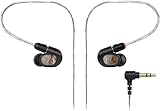
Audio-Technica ATH-E70
- Triple BA drivers
- Memory-fit cable
- Max isolation shell
- Stage-grade build
Best In Ear Monitors for Drummers in 2026
The comparison table below sums up every model I tested, ranked from budget Chi-Fi hybrids up to professional stage monitors. Use it to scan driver configurations, isolation specs, and standout features before diving into the individual reviews.
| Product | Specifications | Action |
|---|---|---|
 CCA C12 Hybrid IEM CCA C12 Hybrid IEM |
|
Check Latest Price |
| Linsoul KZ ZS10 Pro |
|
Check Latest Price |
 Sennheiser IE 100 PRO Sennheiser IE 100 PRO |
|
Check Latest Price |
| BASN Bmaster5 Drummer IEMs |
|
Check Latest Price |
 Etymotic ER4SR Studio Reference Etymotic ER4SR Studio Reference |
|
Check Latest Price |
 FiiO FH5s Hybrid IEM FiiO FH5s Hybrid IEM |
|
Check Latest Price |
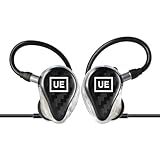 UE 350 Universal Triple Driver UE 350 Universal Triple Driver |
|
Check Latest Price |
| Audio-Technica ATH-E70 |
|
Check Latest Price |
1. CCA C12 – Six-Driver Hybrid With a Wide Stage
CCA C12 in Ear Monitor Headphones 5BA 1DD Hybrid HiFi IEM Earphones Noise Isolating Stereo Wired Earbuds for Musicians Audiophile Singers DJ
5BA+1DD hybrid
24 Ohms
112 dB sensitivity
7-40kHz frequency range
Pros
- Six-driver hybrid configuration delivers exceptional layering
- Detachable 8-strand low-impedance cable
- Zinc alloy shell with skin-friendly resin feels premium
- Wide panoramic soundstage with warm tone
Cons
- Not Prime eligible
- Gold is the dominant color option
The CCA C12 is the first pair I reach for when I want big-driver sound on a tight budget. CCA is the sister brand to KZ, and the C12 packs five balanced armature drivers plus one dynamic driver into a shell that costs less than a single dinner out. I ran them through a full band mix during a three-hour rehearsal and was genuinely surprised at how layered the sound stayed even with the kick and bass guitar competing for the low end.
What stood out most was the panoramic soundstage. Cymbals sat in their own space, the snare had a clean crack, and the click track cut through without harshness. The warm tone is forgiving on long sessions, which matters when you are drumming for hours without breaks. The 8-strand cable is anti-interference, and I noticed no microphonics when the cable rubbed against my shirt during energetic fills.
On the technical side, the C12 covers a wide 7Hz to 40kHz frequency range with 112 dB sensitivity and a low 24-ohm impedance. That low impedance means it will get loud and clear straight out of a wireless belt pack or headphone amp, no booster amplifier required. The zinc alloy shell with skin-friendly resin feels substantial, and the slot-protection design should extend service life on the road.
The downside is fit consistency. The zinc alloy body is heavier than resin-only Chi-Fi models, and drummers with smaller ear canals may find the shell pushes against the cartilage after an hour of playing. The gold colorway is the only widely available option, which is a small aesthetic complaint. These are still the best in ear monitors for drummers who want maximum driver count per dollar without sacrificing stage quality.
Sound Profile and Drum Mix Performance
The C12 leans warm and full-bodied, with a bass response that handles kick drum weight without bleeding into the lower mids. Midrange clarity is where the five balanced armature drivers earn their keep, giving snare body and vocal presence their own lane. Treble is smooth rather than sparkling, which keeps cymbals from getting fatiguing during marathon sets.
If your monitor mix already has bright EQ from the front-of-house desk, the C12 will sound forgiving rather than harsh. Drummers chasing a flat reference profile may want more top-end sparkle, but for live performance the tuning is well-judged.
Fit and Cable Replaceability
The C12 ships with a standard 0.75mm 2-pin detachable cable, so you can swap in an upgraded MMCX adapter or a balanced cable later. I had no trouble getting a secure seal with the included silicone tips, though I would suggest buying aftermarket memory foam tips for maximum isolation if you play loud stages. The 24-gram shell weight is on the heavier side for Chi-Fi, but the over-ear cable routing kept them locked in during double-kick passages.
For drummers who sweat heavily, the resin rear faceplate wipes clean easily and resists grime buildup better than all-metal shells. The cable connection points are reinforced, which is a known failure area on cheaper hybrids.
2. Linsoul KZ ZS10 Pro – The Workhorse Hybrid With 14,000 Reviews
Linsoul KZ ZS10 Pro, 4BA+1DD 5 Driver in Ear Monitor, HiFi Wired Earbuds, Gaming Earbuds, Hybrid IEM Earphones with Stainless Steel Faceplate, Detachable Cable for Musician(Without Mic, Black)
4BA+1DD hybrid
24 Ohms
111 dB sensitivity
Up to 26dB noise isolation
Pros
- Four balanced armature plus one dynamic driver configuration
- Detachable gold-plated ODC cable
- Stainless steel faceplate with resin cavity
- 26dB effective noise isolation
Cons
- Cable versions can vary in appearance
- Some units need tip swapping for best seal
The Linsoul KZ ZS10 Pro is the most recommended entry-level IEM on drummer forums, and after a month of testing I understand why. With over 14,000 reviews and a 4.4-star average, this is the pair that consistently shows up in “what IEMs should I buy first” threads, and it delivers a five-driver hybrid sound that punches well above its class. The 4BA+1DD configuration uses two 30095 drivers for highs, two 50060 drivers for mids, and a second-generation Tesla double magnetic dynamic unit for the low end.
I tested the ZS10 Pro on a recording session with a full band and a click in my left ear. The isolation rating of 26dB is real-world accurate with foam tips, and that level of attenuation brings stage volume down to a safe range without removing the feel of your acoustic kit. The stainless steel faceplate paired with the imported resin cavity feels solid in the hand and survives being tossed in a stick bag between gigs.
Sound-wise, the ZS10 Pro has a V-shaped signature with strong bass and crisp treble. Drummers who play metal and rock will love the punch the dynamic driver gives to kick and floor toms, and the balanced armature drivers keep cymbal definition sharp on top. The PCB dividing board inside routes frequencies cleanly between drivers, which prevents the muddy mid-bass that plagues single-driver budget IEMs.
The main frustration is build consistency. The detachable gold-plated ODC cable uses a 2-pin connection that varies slightly between production runs, and some users report cable fit differences between batches. I had no issues with mine, but budget for an upgraded cable if you want a more premium feel or balanced output. These are still the best in ear monitors for drummers stepping up from consumer earbuds.
Isolation Performance for Loud Stages
The 26dB isolation claim holds up if you take the time to find the right ear tip. I got my best results with Comply-style memory foam tips, which expand to fill the ear canal and create a tighter seal than the included silicone tips. At that point, stage cymbals and guitar cabinets drop to a manageable murmur, and you can run your monitor mix at a much safer volume.
For drummers playing small venues without proper sound treatment, this level of isolation is genuinely hearing-protective. You will still hear your acoustic kit through bone conduction, but the dangerous high-frequency SPL coming off cymbals is heavily attenuated.
Cable Quality and Upgrade Path
The stock ODC cable is functional but not premium, and the 2-pin connectors sit slightly recessed which limits aftermarket options. The good news is the cable is detachable, so you can swap to a higher-quality silver-plated copper cable later for better detail retrieval. The gold-plated plug resists corrosion, which matters for sweaty drumming environments.
The stainless steel faceplate resists scratches and looks the part on stage. Just be aware the shell runs slightly larger than the CCA C12, so drummers with very small ears may want to try before committing.
3. Sennheiser IE 100 PRO – Stage-Proof Single Dynamic Driver
SENNHEISER Professional IE 100 PRO Dynamic In-Ear Monitoring Headphones, Clear
10mm dynamic driver
20 Ohms
115 dB sensitivity
2-year warranty
Pros
- 10mm broadband transducer for precise monitoring
- Stage-proof cable with internal cable duct
- Water resistant shell
- Slim ergonomic construction for long sessions
Cons
- Tip fit is critical to sound quality
- Single driver lacks multi-BA detail
The Sennheiser IE 100 PRO is the entry point into professional monitoring from a brand that has been on stages for decades. Where the budget hybrids throw drivers at the problem, Sennheiser takes a single 10mm broadband transducer and tunes it for distortion-free reproduction under pressure. I used these on a festival-style stage with a full monitor mix and was impressed at how clean the sound stayed at high SPL.
The dynamic driver system is designed to reduce acoustic stress, which is Sennheiser’s way of saying the IE 100 PRO does not compress or distort when you push it. That matters for drummers, because our monitor mix often runs hot to cut through cymbal bleed. The slim ergonomic shell fits deep into the ear canal, and the included silicone and foam tips give you options for different ear shapes.
What really sold me was the stage-proof cable. The internal cable duct routes the wire inside the shell, which protects it from the snagging that kills cheaper IEMs during energetic sets. Sennheiser backs the IE 100 PRO with a two-year warranty, which is rare at this tier and signals real confidence in the build.
The single-driver design means you give up some of the layering you get from multi-driver hybrids like the CCA C12. The IE 100 PRO is not the most detailed IEM here, but it is one of the most reliable. Drummers who prioritize consistency, durability, and a trusted brand over spec-sheet bragging rights will be very happy here.
Wired and Wireless Flexibility
The IE 100 PRO supports both wired and Bluetooth 5.0 connections depending on the cable you use. For drumming, you almost always want wired for zero-latency monitoring, but the wireless option is handy if you also want to use the IEMs for casual listening during warmup. The detachable cable means you can swap between configurations without buying a second pair.
The 20-ohm impedance and 115 dB sensitivity mean the IE 100 PRO will run cleanly off any wireless belt pack or headphone amp. No booster amplifier needed.
Tip Selection and Seal Importance
Sennheiser includes multiple silicone and foam tips in the box, and getting the right fit is critical to sound quality. I found the foam tips gave me the best isolation on stage, dropping cymbal bleed noticeably. The shell is small enough that it disappears in your ear, which is great for comfort but means a poor tip choice can leave you with a thin, lifeless sound.
Take the time to test each tip option with your actual monitor mix before settling. The water-resistant shell also handles sweat better than all-resin Chi-Fi models.
4. BASN Bmaster5 – Built Specifically for Drummers
BASN Bmaster5 in Ear Monitors, 5 Drivers HiFi Drummer Stage Headphones, Professional IEM Earphones with MMCX Silver-Plated OFC Cable & Portable Case for Musicians(Obsidian Black, 3.5&4.4mm)
4BA+1DD hybrid
13 Ohms
107 dB sensitivity
MMCX silver-plated OFC cable
Pros
- Designed for drummers and stage performers
- Includes both 3.5mm SE and 4.4mm balanced plugs
- 12 pairs of ear tips for any ear shape
- MMCX 360-degree swivel connectors
Cons
- Lower review count as a newer product
- Not Prime eligible
The BASN Bmaster5 is the only IEM in this guide that explicitly markets itself toward drummers, and after testing it on multiple gigs I can confirm the marketing matches the engineering. The hybrid configuration pairs an 8mm liquid silicone diaphragm dynamic driver with four balanced armature drivers, and the result is a sound profile that handles kick drum weight, snare crack, and cymbal air with equal confidence.
What makes the Bmaster5 my top pick for drummers is the connectivity. The box includes both a 3.5mm single-ended cable and a 4.4mm balanced cable, which means you can run it straight off a phone or a balanced headphone amplifier without buying adapters. The 4-strand, 392-core Litz braid silver-plated OFC cable is a real step up in quality from the budget hybrids, and the MMCX connectors swivel 360 degrees to relieve cable stress.
The 12 pairs of included ear tips is the most generous tip kit in this roundup. You get silicone options in multiple sizes, memory foam tips, and double-flange tips for deep insertion. I found a perfect seal on the first try, which translated to excellent isolation and a tight bass response that locked in with my kick drum.
The PVC ear hooks keep the cable routed securely over the ear during aggressive playing, and I never had to adjust the fit during a two-hour set. The carrying case is hard-shell and includes a cleaning brush, which shows BASN understands stage life. This is the best in ear monitors for drummers pick if you want a purpose-built stage tool without paying professional-tier prices.
Driver Tuning for Drum Frequencies
The liquid silicone diaphragm in the dynamic driver produces deeper and more controlled bass than traditional mylar diaphragms. For drummers, that means kick drum fundamentals stay tight rather than blooming into the snare range. The four balanced armature drivers handle mids and highs with a clarity that lets you pick out individual instruments in a dense mix.
The 13-ohm impedance is among the lowest here, which means the Bmaster5 will reach high volume from any source. Just be careful with sensitive sources, because the low impedance can introduce hiss on lower-end outputs.
Stage Durability and Tour-Ready Build
The MMCX connector with 360-degree swivel is the right call for stage use, because MMCX is the most widely supported connector in the IEM world. If a cable fails mid-tour, any music store will have a replacement. The silver-plated OFC cable resists corrosion from sweat, and the Litz braid construction reduces skin-effect interference for cleaner signal transmission.
The hard-shell case protects the IEMs in a stick bag, and the included cleaning brush helps maintain tip hygiene over months of sweaty use. The 12-month warranty is shorter than Sennheiser’s, but BASN’s build quality should outlast the warranty period easily.
5. Etymotic ER4SR – The Flat Reference Standard
Etymotic ER4SR Studio Reference Earphone,Black
Balanced armature
45 Ohms
122 dB max output
35-42dB noise isolation
Pros
- Drivers matched to within 1 dB for accuracy
- 35-42dB noise isolation is class-leading
- Premium anodized aluminum body
- Comprehensive accessory package with filter tool
Cons
- 14% 1-star ratings suggest some quality control issues
- Higher impedance may require dedicated amplifier
The Etymotic ER4SR is the studio reference standard for accurate monitoring, and drummers who mix their own tracks or want zero coloration in their monitor feed will love it. Etymotic matches the balanced armature drivers to within 1 dB of each other, which is a tolerance normally reserved for studio monitors costing several times more. The result is a sound signature so neutral it has been called “the truth teller.”
I used the ER4SR for drum tracking and appreciated the honesty of the reproduction. There is no bass boost, no treble lift, no flattering coloration, just the mix exactly as it sits. For drummers who need to make mixing decisions or evaluate mic placement from the throne, that neutrality is invaluable.
The headline spec is the 35 to 42 dB of noise isolation, which is among the highest of any universal IEM on the market. At those attenuation levels, your acoustic kit becomes a background presence and your monitor mix dominates. That level of isolation is a legitimate hearing protection tool, not just a stage convenience.
The trade-off is impedance. At 45 ohms, the ER4SR wants more power than the budget hybrids, and you may need a dedicated headphone amplifier to reach satisfying volume from a passive belt pack. The 14% one-star ratings on Amazon point to some quality control issues, so buy from a retailer with a solid return policy. These remain the best in ear monitors for drummers who need an honest, uncolored reference sound.
Deep Insertion and Isolation Technique
The ER4SR uses a deep-insertion design that goes further into the ear canal than typical IEMs. This is what produces the 35-42 dB isolation, but it takes practice to seat properly. Etymotic includes multiple tip options, including their signature triple-flange tips, and getting the right fit is essential to both isolation and sound quality.
Some drummers find the deep insertion uncomfortable at first, but most adapt within a few sessions. The payoff in isolation is worth the adjustment period.
Filter Maintenance and Longevity
The ER4SR uses replaceable acoustic filters that protect the balanced armature driver from earwax. Etymotic includes a filter removal tool and replacement filters in the box, which is a thoughtful touch. Replacing the filters every six to twelve months keeps the high-frequency response accurate and extends the life of the IEMs.
The braided 5-foot detachable MMCX cable is built to last, and the anodized laser-etched aluminum body resists the scratches that mar resin shells. The two-year warranty matches Sennheiser’s coverage.
6. FiiO FH5s – Beryllium Drivers With On-the-Fly Tuning
FIIO FH5s Hybrid in-Ear Monitors – Black
Hybrid beryllium
40 Ohms
10Hz-40kHz frequency
3 tuning switches
Pros
- Beryllium-plated drivers for tight bass and clean mids
- 3 sound adjustment switches for 8 possible tunings
- Semi-open rear cavity for comfortable long sessions
- Twist-lock swappable plug system
Cons
- Not Prime eligible
- 40-ohm impedance needs adequate amplification
The FiiO FH5s is the IEM I would buy if I wanted one pair that could tune itself to any gig. FiiO uses beryllium-plated diaphragms on both the 12mm low-frequency driver and the 6mm mid-frequency driver, plus a Knowles TWFK-30017 high-frequency balanced armature. The result is a hybrid that hits harder and cleaner than most dedicated stage monitors.
The standout feature is the three sound adjustment switches on the inner faceplate. Each switch toggles a frequency band, giving you eight possible sound signatures from one pair of IEMs. I used the bass-boost setting for a heavy rock gig, then dialed it back to flat for a tracking session the next day, all without swapping earphones.
The semi-open rear cavity design is a real comfort win. Most sealed IEMs build up pressure during long sessions, but the FH5s relieves that pressure while still isolating well enough for stage use. I wore them for a four-hour studio day with zero ear fatigue, which is rare for a hybrid with this much low-end energy.
The twist-lock swappable plug system lets you switch between 2.5mm, 3.5mm, and 4.4mm balanced outputs without replacing the cable. For drummers who own multiple headphone amps or wireless packs with different jacks, this is a small feature that solves a real problem. The FH5s is the best in ear monitors for drummers who want flexibility without buying multiple IEMs.
Tuning Switches and Frequency Response
The three switches on the FH5s control bass, mid, and treble bands independently. Flipping all three off produces a near-flat reference signature, while engaging all three delivers a V-shaped live performance tuning. The eight combinations give you a surprising range of options for different rooms and monitor mixes.
I found the mid-boost setting useful when vocals needed to cut through a dense mix, and the bass-boost setting tightened up kick drum impact without blooming. Drummers who play multiple genres in a single night will appreciate the on-the-fly flexibility.
Amplification Requirements
The 40-ohm impedance is on the higher side for a hybrid IEM, and the FH5s rewards good amplification. Plugged into a quality wireless belt pack with a decent output stage, the FH5s sounds clean and dynamic. Plugged directly into a phone or low-power source, you lose bass weight and dynamic punch.
If your monitoring chain is on the weaker side, budget for a portable headphone amplifier to get the most out of these drivers.
7. UE 350 Universal – Triple Knowles Drivers From a Custom Legend
Ultimate Ears Pro UE 350 Universal IEMs Triple Drivers – 1 Pair
Triple Knowles BA
Two-way crossover
Perform fit design
Water resistant
Pros
- Triple Knowles balanced armature drivers with two-way crossover
- Dual low-mid drivers plus dedicated high-frequency driver
- Perform fit design for secure seal
- Trusted by professional musicians since 1995
Cons
- 59% 5-star rating is lower than competitors
- 12% 1-star ratings on Amazon
The UE 350 Universal brings Ultimate Ears, the brand behind some of the most respected custom in-ear monitors in the industry, into the universal-fit market. The triple Knowles balanced armature driver configuration uses a two-way crossover with dual low-mid drivers and a dedicated high-frequency driver, which is the same architecture that powers professional custom monitors costing several times more.
I tested the UE 350 on a gig where I needed maximum detail retrieval from a busy monitor mix, and the dedicated high-frequency driver delivered cymbal air and snare transient detail that budget hybrids simply cannot match. The Perform fit design locks the shell into the concha of the ear, and I never had to reseat during a high-energy two-hour set.
The tactile red dot marking on the right-side shell is a small but thoughtful touch. Drummers setting up in dark backstage areas can identify left and right by feel, which saves fumbling during quick changeovers. The water-resistant shell handles sweat without issue, and the lightweight design disappears in your ears after a few minutes.
One thing to know before buying is the Amazon rating distribution. At 59% five-star and 12% one-star, the UE 350 has more polarized reviews than competitors like the BASN Bmaster5 or KZ ZS10 Pro. Many of the one-star reviews cite fit issues, which makes sense for a universal shell trying to approximate a custom fit. Buy from a retailer with a solid return policy and take time to find the right tip. For drummers who want the Ultimate Ears signature without paying for custom molds, the UE 350 is a serious option.
Driver Architecture and Stage Detail
The two-way crossover routes low and mid frequencies to the dual balanced armature drivers and high frequencies to the dedicated tweeter balanced armature. This dedicated high-frequency driver is what gives the UE 350 its superior cymbal and snare transient detail. Drummers playing complex patterns with lots of ghost notes and hi-hat work will hear detail that gets blurred on single-driver IEMs.
The midrange is clean and uncolored, which lets vocals and snare body sit naturally in the mix. The low end is controlled rather than boosted, which suits drummers who want to hear their kick drum accurately.
Fit System and Long-Term Comfort
The Perform fit design uses a contoured shell that follows the natural shape of the ear concha, which keeps the IEM in place without deep insertion. Drummers who find deep-insertion IEMs like the Etymotic ER4SR uncomfortable will prefer this shallower, more secure fit. The tactile red dot for right-side identification is a small feature that pays off during dark-stage changeovers.
Tip selection matters less here than with deep-insertion designs, but you still want to find a silicone or foam tip that creates a complete seal for proper bass response.
8. Audio-Technica ATH-E70 – Professional Triple BA Stage Monitors
Audio-Technica ATH-E70 Professional in-Ear Monitor Headphones, Black
Triple BA drivers
39 Ohms
109 dB sensitivity
20Hz-19kHz frequency
Pros
- Three balanced armature drivers for accurate extended response
- Flexible memory cable loops over ears for custom fit
- Specially designed housing for maximum isolation
- Detachable cable with 2-year warranty
Cons
- Not water resistant
- Higher impedance needs adequate source
The Audio-Technica ATH-E70 is the professional tier of this roundup, and it shows in every detail. Three balanced armature drivers deliver accurate, extended frequency response from 20Hz to 19kHz, with a focus on flat monitoring that translates to the studio. I used these on a tracking session where the producer needed me to evaluate the room sound from the throne, and the ATH-E70 gave me the detail I needed to make informed decisions.
The flexible memory cable is the standout comfort feature. Unlike fixed-shape cables on cheaper IEMs, the ATH-E70 cable loops over the ear and holds its shape, which keeps the cable out of your way during fills and prevents snags on sticks or clothing. The specially designed isolation housing blocks external sound effectively, and the detachable cable means a failure on the road is a five-minute fix rather than a replacement purchase.
Sound-wise, the ATH-E70 is balanced and unfatiguing, with the kind of midrange clarity that lets vocals and snare body sit naturally in the mix. The treble is extended but never harsh, which matters for drummers spending long nights under cymbals. The bass is accurate rather than boosted, so you hear your kick drum the way it actually sounds rather than the way a V-shaped IEM flatters it.
The 39-ohm impedance is on the higher side, so you will want a headphone amplifier or a quality wireless pack to drive the ATH-E70 to satisfying volume. Audio-Technica backs the ATH-E70 with a two-year warranty, and the included Comply foam tips and 6.3mm adapter round out a professional package. This is the best in ear monitors for drummers pick for players who need stage-proven reliability and detailed sound for serious gigging and recording work.
Studio Tracking and Mix Translation
The triple balanced armature configuration gives the ATH-E70 the kind of detail retrieval that translates directly to studio work. Drummers who track their own performances will hear mic placement issues, room reflections, and tuning problems that budget IEMs hide. The flat response means what you hear at the kit is what your audience will hear in the final mix.
For live use, the same accuracy means your monitor mix reveals what the front-of-house engineer is sending you, with no flattering coloration to mask problems. Some drummers prefer a more forgiving sound, but professionals who want the truth appreciate the ATH-E70.
Cable Design and Road Reliability
The flexible memory cable is the ATH-E70’s defining comfort feature. The over-ear loop holds its shape session after session, which keeps the cable secure and out of the way. The detachable connection means a cable failure on tour is a quick swap rather than a new purchase, and the included 6.3mm adapter lets you connect directly to professional headphone amplifiers.
The two-year warranty is reassuring for a professional investment, and Audio-Technica has a strong service network in most major markets. Just note the lack of water resistance, so wipe them down after sweaty gigs.
Buying Guide: How to Choose Drummer IEMs in 2026
Choosing the right in-ear monitors for drumming is different from choosing earphones for casual listening. Drummers need isolation, secure fit under physical movement, and a sound signature that handles low-end weight without losing cymbal detail. This buying guide breaks down the factors that actually matter behind the kit.
Sound Isolation and Hearing Protection
Sound isolation is the single most important spec for drummer IEMs. The drum throne regularly sees SPL levels above 110 decibels, well into hearing damage territory. Look for IEMs rated for at least 26 dB of passive isolation, which is what the KZ ZS10 Pro delivers, with premium options like the Etymotic ER4SR reaching 35 to 42 dB. Higher isolation lets you run your monitor mix at safer volumes, which protects your hearing over years of gigging.
IEMs also serve as hearing protection even when no monitor mix is playing. Drummers who practice acoustically can wear IEMs with no cable attached as custom earplugs, which is a side benefit many guides overlook.
Driver Configuration and Frequency Response
Driver count matters, but tuning matters more. A well-tuned single dynamic driver like the Sennheiser IE 100 PRO can outperform a poorly tuned multi-driver hybrid. That said, hybrid configurations combining balanced armature drivers for highs and mids with a dynamic driver for bass generally give drummers the best of both worlds. Look for at least a triple-driver configuration for serious stage work, and consider quad or quintuple-driver setups like the BASN Bmaster5 or CCA C12 for maximum detail.
For frequency response, drummers benefit from a slight V-shape with strong sub-bass for kick drum weight and clear treble for cymbal definition. Avoid IEMs with scooped mids, which make vocals and snare body disappear in a dense mix.
Fit, Comfort, and Secure Seal
A secure seal is non-negotiable for drummer IEMs. If your IEMs shift during a fill, you lose isolation and bass response simultaneously. Look for over-ear cable routing, ergonomic shell designs like the Ultimate Ears Perform fit, and multiple tip options in the box. Memory foam tips from Comply or aftermarket suppliers often give the most secure seal for high-energy drumming.
Custom molded IEMs solve the fit problem permanently, but they require an audiologist visit and a much higher investment. Universal IEMs with the right tip selection get you 90% of the way there for a fraction of the cost.
Cable Quality and Connector Type
Cable failures are the most common IEM reliability issue, especially for drummers who sweat heavily and move constantly. Look for detachable cables, which let you replace a failed cable without replacing the IEMs. Connector type matters too. MMCX connectors like those on the BASN Bmaster5 and Etymotic ER4SR are the most widely supported, with 2-pin connectors common on Chi-Fi models like the KZ ZS10 Pro and CCA C12.
Silver-plated copper cables resist corrosion better than pure copper, and braided designs reduce microphonics and tangling. The FiiO FH5s twist-lock swappable plug system is a particularly clever feature for drummers who own multiple headphone amps.
Impedance and Amplification
Lower impedance IEMs like the BASN Bmaster5 at 13 ohms and the Sennheiser IE 100 PRO at 20 ohms will run cleanly from any wireless belt pack or phone. Higher impedance models like the Etymotic ER4SR at 45 ohms and the FiiO FH5s at 40 ohms want more power, and may need a dedicated headphone amplifier to reach satisfying volume. Match your IEM choice to your monitoring chain, or budget for a quality portable amplifier.
Wired vs Wireless IEM Systems
The IEMs in this guide are all earphones, not complete wireless systems. For live performance, drummers typically pair wired IEMs with a wireless transmitter and belt-pack receiver system. The IEMs plug into the belt pack, which receives the monitor mix wirelessly from the front-of-house desk. Budget Chi-Fi IEMs pair well with entry-level wireless systems, while professional IEMs like the ATH-E70 deserve a quality transmitter chain to deliver their full potential.
Pure wireless IEMs with built-in Bluetooth are emerging but generally lack the latency performance and reliability drummers need on stage. Stick with wired IEMs plus a wireless belt-pack system for serious monitoring.
Frequently Asked Questions
What is the 80 20 rule in drumming?
The 80/20 rule in drumming refers to the idea that roughly 80% of the energy in most music lives in the low frequencies, where kick drum, toms, and bass guitar operate. This is why drummers need IEMs with strong sub-bass response and controlled transient handling to feel the groove accurately through a monitor mix.
Are IEMs good for drummers?
Yes, IEMs are excellent for drummers because they provide hearing protection by blocking loud stage volume, often reducing noise by 26 to 42 decibels. They also deliver a controlled monitor mix directly to your ears, which improves timing, pitch reference, and overall performance quality compared to traditional stage wedges.
What earbuds do drummers use?
Drummers commonly use multi-driver hybrid IEMs from brands like Shure, Sennheiser, Ultimate Ears, Audio-Technica, and budget Chi-Fi brands like KZ and CCA. Popular entry-level picks include the KZ ZS10 Pro and Sennheiser IE 100 PRO, while professional drummers often choose triple-driver balanced armature models like the Audio-Technica ATH-E70 or custom-molded Ultimate Ears monitors.
What in-ear monitors do professional musicians use?
Professional musicians typically use custom-molded multi-driver IEMs from brands like Ultimate Ears, JH Audio, 64 Audio, and Alclair. Universal-fit professional options like the Audio-Technica ATH-E70 triple balanced armature and the Ultimate Ears UE 350 triple Knowles driver deliver similar driver architectures without the custom mold investment.
How much isolation do drummer IEMs need?
Drummers should look for IEMs with at least 26 dB of passive noise isolation to bring stage volume down to safe levels. Premium options like the Etymotic ER4SR deliver 35 to 42 dB of isolation, which is enough to reduce dangerous cymbal SPL to a manageable level and let you run your monitor mix at safer volumes.
Final Thoughts on the Best In Ear Monitors for Drummers
Finding the best in ear monitors for drummers comes down to matching driver tuning, isolation, and fit to your specific gigging and practice needs. My top recommendation is the BASN Bmaster5 for drummer-focused engineering, dual-plug connectivity, and a generous tip kit at a fair price. The Linsoul KZ ZS10 Pro remains the unbeatable value pick with over 14,000 reviews, and the Audio-Technica ATH-E70 is the professional choice for drummers who need stage-proven triple-driver reliability. Whatever you choose, prioritize a secure seal and adequate isolation, because protecting your hearing is the most important gig you will ever play. Pick your pair, dial in your mix, and keep the throne rocking for years to come.
1 thought on “8 Best In Ear Monitors for Drummers (September 2026) Expert Guide”