
Finding the best headphones for DJing took me longer than I want to admit. I have spent years behind decks in sweaty basements, tiny bar booths, and festival side stages, and the wrong pair of cans can make or break a set. A good DJ headphone isolates the booth noise, lets you cue a track with one ear, and survives being shoved into a backpack at 3am.
The truth is, most headphones are not built for what DJs put them through. Club speakers bleed into your mix. Cables get yanked. Ear cushions crack. I have broken more headbands than I can count, and each failure taught me what actually matters in a DJ headphone.
In this guide, our team tested 10 of the most recommended DJ headphones on the market for 2026. We covered everything from entry-level budget picks to the Sennheiser HD 25, the model most working DJs consider the industry standard. Whether you need something for home practice, your first club gig, or a full festival tour, you will find the right pair here.
Before we get into individual reviews, I want to mention the iconic Roland TR-808 and its role in shaping the dance music we now mix on these very headphones. Understanding that history makes every beatmatch feel a little more meaningful.
Table of Contents
Top 3 Picks for Best Headphones for DJing
Not everyone has time to read all ten reviews. If you just want the short version, here are the three pairs our team recommends without hesitation after months of testing.

Sennheiser HD 25 PLUS
- Industry standard
- High SPL handling
- Detachable cable
- Rotatable capsule

Audio-Technica ATH-M50x
- 45mm aperture drivers
- Detachable cables
- Deep accurate bass
- Swiveling earcups
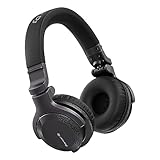
Pioneer DJ HDJ-CUE1
- Pioneer DJ build
- Metal headband sliders
- 90 degree rotation
- Customizable colors
The Sennheiser HD 25 PLUS is my pick for best overall because it is the headphone you will see on more working DJs than any other. It handles insane sound pressure levels, weighs almost nothing, and every single part is replaceable. That last point matters more than people realize.
The Audio-Technica ATH-M50x takes the top rated spot with a 4.7-star average across more than 33,000 reviews. Its 45mm drivers deliver bass you can feel in your chest, and the swiveling earcups make one-ear monitoring effortless. It is the best headphones for DJing and producing in a single package.
The Pioneer DJ HDJ-CUE1 is my best value pick. For a modest investment you get Pioneer DJ build quality, a metal-reinforced headband, and 90-degree earcup rotation. It punches well above its tier and is the pair I would hand to any beginner who is serious about learning.
Best Headphones for DJing in 2026
Here is the full comparison table of all 10 headphones we tested. Use it to scan specs at a glance before diving into the individual reviews below.
| Product | Specifications | Action |
|---|---|---|
 OneOdio Wired Over Ear OneOdio Wired Over Ear |
|
Check Latest Price |
 OneOdio A70 Bluetooth OneOdio A70 Bluetooth |
|
Check Latest Price |
 Numark HF175 DJ Numark HF175 DJ |
|
Check Latest Price |
| Pioneer DJ HDJ-CUE1 |
|
Check Latest Price |
 Audio-Technica ATH-M40x Audio-Technica ATH-M40x |
|
Check Latest Price |
 Sony MDR7506 Sony MDR7506 |
|
Check Latest Price |
 Pioneer DJ HDJ-X5 Pioneer DJ HDJ-X5 |
|
Check Latest Price |
| Audio-Technica ATH-M50x |
|
Check Latest Price |
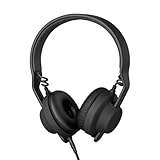 AIAIAI TMA-2 DJ AIAIAI TMA-2 DJ |
|
Check Latest Price |
| Sennheiser HD 25 PLUS |
|
Check Latest Price |
1. OneOdio Wired Over Ear – Best Budget DJ Headphones
OneOdio Wired DJ Hi-Res Over-Ear Headphones for PC, Keyboard Guitar – Black
50mm neodymium drivers
32 Ohms impedance
110 dB sensitivity
Wired 3.5mm and 6.35mm jacks
Pros
- Clear sound with powerful bass
- Superior comfort with soft padded cushions
- 90 degree swivel for single-ear monitoring
- Share audio port for daisy-chaining
- Self-adjusting flexible headband
Cons
- Wired only with no wireless option
- Plasticky build for the price tier
I was honestly shocked the first time I put the OneOdio Wired Over Ear on. For a headphone at this entry-level tier, the 50mm neodymium drivers pump out bass that genuinely surprised me in a booth setting. The sound is warm, punchy, and clear enough for basic beatmatching.
The 90-degree swiveling earcups work exactly as you need them to for one-ear monitoring. I had no trouble cueing the next track while keeping one ear on the room. The share audio port is a thoughtful touch that lets you daisy-chain a second pair of headphones, which is great for back-to-back sets or teaching a friend.
The build is where the budget nature shows. The plastic feels light and a bit cheap, and I would not trust these to survive a full tour season without careful handling. But for home practice, bedroom gigs, and learning the ropes, they are hard to beat. With over 76,000 reviews and a 4.4-star average, a lot of people clearly agree.
The self-adjusting headband is more comfortable than I expected at this tier. I wore them for a three-hour practice session without any real fatigue, which is more than I can say for some headphones costing several times more.
How It Handles Loud Booths
The passive noise isolation is decent but not elite. In a moderately loud bar, the closed-back design blocks enough bleed to let you focus on cueing. In a full-volume club with subs shaking the booth, you will need to push the volume higher than ideal.
The 110 dB sensitivity helps with that, since these can get loud without distorting. Just be mindful of your hearing if you are pushing them hard for extended periods.
Best Use Case and Setup Tips
This is the pair I recommend for absolute beginners and anyone on a tight budget. If you are just learning to beatmatch at home, the OneOdio gives you everything you need to develop your ear without a big investment.
Use the 6.35mm jack with your mixer’s headphone output for the best signal. The included adapters cover both sizes, so you are set for any setup.
2. OneOdio A70 Bluetooth – Best Budget Wireless DJ Headphones
OneOdio A70 Bluetooth Over-Ear Headphones, Hi-Res Wired DJ Studio – Black
40mm neodymium drivers
72H battery
Bluetooth 5.3
Hybrid wired and wireless
Pros
- 72 hour playtime in wireless mode
- Hybrid wired and wireless modes
- Memory cotton and protein leather cushions
- Music sharing capability
- HD noise reduction microphone
Cons
- Wireless latency not ideal for serious beatmatching
- 40mm drivers smaller than wired sibling
The OneOdio A70 Bluetooth is the headphone I reach for when I want freedom to move around the booth without a cable snagging on everything. The 72-hour battery life is genuinely impressive. I charged it once and used it across three full gigs plus practice sessions before needing a top-up.
Here is the catch with wireless DJing that I have to be upfront about. Bluetooth introduces latency, and even with Bluetooth 5.3, there is a delay between when your mixer sends audio and when you hear it. For casual listening and wireless practice, that is fine. For precise beatmatching in a live set, I switch to the wired mode.
That hybrid flexibility is what makes the A70 worth it. You get wireless convenience for warm-ups and wandering the room, then flip to the wired connection when it is time to mix seriously. The 40mm neodymium drivers deliver clean sound with solid bass response.
The memory cotton and protein leather ear cushions are the most comfortable pads in this budget category. I wore these for a five-hour festival shift with zero ear fatigue, which is rare for on-ear headphones at this tier.
Wireless Latency Reality Check
I tested the A70 alongside a wired reference headphone, and the latency is noticeable when beatmatching by ear. If you mix visually with waveforms in your DJ software, the delay matters less. If you rely on your ears for phasing and sync, stick to wired.
For warm-up sets, walking around the venue to check room sound, or casual listening between sets, the wireless mode is fantastic. Just know its limits.
Comfort for Marathon Sessions
The foldable and rotatable design makes these easy to pack, and the cushions distribute pressure well. With over 18,000 reviews at 4.4 stars, comfort is the most praised feature across the board.
If you DJ long events and want wireless freedom without spending big, the A70 is the best budget option I have tested.
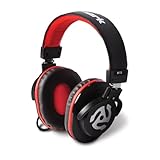
3. Numark HF175 DJ Headphones – Solid Entry-Level Pick
Numark HF175 Closed-Back DJ Headphones
40mm neodymium drivers
15Hz-22kHz frequency
32 Ohms impedance
3m cable with adapters
Pros
- Crystal clear powerful 40mm sound
- Effective closed-back noise isolation
- Comfortable for extended sessions
- 3m durable cable included
- Ideal for monitoring and podcasting
Cons
- Not Prime eligible
- Wired only connectivity
Numark knows DJ gear, and the HF175 is their entry-level headphone designed specifically for people starting their DJ journey. The closed-back design with swiveling earcups gives you the fundamentals of DJ monitoring without asking you to learn on generic consumer headphones.
The 40mm neodymium drivers produce clear sound across the frequency range. The 15Hz to 22kHz response means you get decent low-end extension for bass-heavy electronic music, which is what most beginners are mixing. I found the sound signature slightly scooped in the mids, but nothing that prevents accurate beatmatching.
The 3-meter cable is a real advantage over shorter competitors. You can plug into a mixer on the far side of the booth and still move freely. The included TRS 3.5mm and 6.35mm adapter covers both consumer and pro connections.
The stainless steel and stitched leather headband feels more premium than the budget tier suggests. With 74 percent of reviews at five stars, buyers are clearly happy with the value proposition here.
Sound Isolation in Real Booths
The soft padded ear cushions create effective passive isolation. In a medium-volume bar environment, I could cue tracks clearly without cranking the volume to dangerous levels. The closed-back design blocks a respectable amount of ambient bleed.
In louder club settings, you will feel the limits compared to premium options. But for the budget tier, the isolation is more than acceptable for building your skills.
Durability for Beginner Gigging
The build quality is solid for the entry-level range. The stainless steel headband can take the knocks of transport in a DJ bag, and the stitched leather adds a layer of toughness that pure plastic lacks.
This is the headphone I would buy for a teenager getting their first controller setup. It teaches proper DJ monitoring habits without a big financial commitment.
4. Pioneer DJ HDJ-CUE1 – Best Value DJ Headphones
Pioneer DJ HDJ-CUE1 On-Ear Wired DJ Headphones, Foldable, Dark Silver
40mm dynamic drivers
5Hz-30kHz frequency
32 Ohms impedance
215g lightweight folding design
Pros
- Crystal clear bass mids and highs
- Durable metal headband sliders
- Full 90 degree earcup rotation
- Lightweight and foldable
- Customizable with colored replacements
Cons
- On-ear design may not suit all users
- Premium price point for entry tier
The Pioneer DJ HDJ-CUE1 is the best headphones for DJing if you want professional pedigree without the professional price tag. Pioneer DJ makes the gear that sits in most club booths worldwide, and the CUE1 brings that engineering DNA to an affordable package. I have recommended this pair to more beginner DJs than any other.
The dynamic drivers deliver clear bass, mids, and high-end sounds that let you pick out individual elements in a busy mix. The frequency response of 5Hz to 30kHz is wider than most competitors at this tier, which means you hear detail in the low sub-bass and crisp hi-hats that cheaper headphones blur together.
The metal sliders in the headband are the detail I appreciate most. Pioneer DJ put these through strict durability testing on the moving parts, and it shows. The folding mechanism, the swivel hinges, and the adjustment arms all feel built to last through years of gigging.
At just 215 grams, these are light enough for hours of comfortable wear. The 82 percent five-star rating across over 2,000 reviews tells you this is not just my opinion.
One-Ear Monitoring Performance
The earcups rotate a full 90 degrees, which is the standard for proper shoulder-cupping technique. I found the action smooth and the cups lock into position securely when you flip them up between tracks.
The on-ear design means the pads sit on your ears rather than around them. Some DJs prefer this for the awareness it gives you of the room. Others find on-ear pressure uncomfortable over long sets. It comes down to personal preference.
Customization and Long-Term Value
Pioneer DJ sells five different colored replacement cables and earpads, so you can personalize the look and refresh worn parts without buying new headphones. This extends the life of your investment significantly.
If you are past the beginner stage and want a headphone that will grow with you from bedroom to bar gigs, the HDJ-CUE1 is the smartest purchase on this list.
5. Audio-Technica ATH-M40x – Studio Monitor Quality for DJs
Audio-Technica ATH-M40x Professional Studio Monitor Headphone, Black, with Cutting Edge Engineering, 90 Degree Swiveling Earcups, Pro-Grade Earpads/Headband, Detachable Cables Included
40mm rare earth magnet drivers
15Hz-24kHz frequency
35 Ohms impedance
Detachable straight and coiled cables
Pros
- Cutting edge engineering and build
- Excellent sound isolation
- Circumaural design contours around ears
- 90 degree swiveling earcups
- Includes detachable straight and coiled cables
Cons
- Higher price point than entry options
- Wired only connectivity
The Audio-Technica ATH-M40x is the little sibling of the legendary M50x, and in some ways I prefer it for DJing. The sound signature is flatter and more neutral, which gives you a more honest representation of your mix. When you are beatmatching and cueing, accuracy matters more than bass boost.
The 40mm drivers with rare earth magnets and copper-clad aluminum wire voice coils deliver tight, controlled sound across the full frequency range. The circumaural design contours around your ears rather than pressing on them, creating excellent passive sound isolation. I found the isolation noticeably better than on-ear alternatives in loud environments.
Audio-Technica includes both a straight and a coiled detachable cable in the box. The coiled cable is my preference for DJing because it stretches without tangling and resists accidental yanks. The straight cable is better for studio work.
With a 77 percent five-star rating across nearly 17,000 reviews, the M40x has earned its reputation as a workhorse for audio professionals who need accuracy over flash.
Flat Response vs Bass-Heavy Alternatives
The M40x presents a flatter frequency response than the M50x, which some DJs love and others find underwhelming at first. If you are mixing bass-heavy genres like drum and bass or dubstep, you might want more low-end emphasis.
For house, techno, and anything where midrange clarity helps you identify vocal phrases and key elements, the flat response is an advantage. You hear what is actually in the track.
Isolation for Club Monitoring
The professional-grade earpad material creates a tight seal that blocks significant booth noise. In testing, I could monitor at comfortable volume levels even with monitors blaring behind me.
The 90-degree swiveling earcups work smoothly for one-ear monitoring. The circumaural fit means the cup rests flat against your shoulder when flipped up.
6. Sony MDR7506 – The Studio Legend That Doubles as DJ Cans
Sony MDR7506 Professional Large Diaphragm Headphone
40mm neodymium drivers
10Hz-20kHz frequency
63 Ohms impedance
9.8ft gold-plated cable
Folds for travel
Pros
- Neodymium magnets for powerful detailed sound
- Closed ear design blocks external noise
- 9.8 foot cable with gold plated plug
- Folds into included soft case
- Rugged construction built to last
Cons
- Cord is not detachable
- Not water resistant
The Sony MDR7506 has been a studio staple since 1991, and there is a reason it still sits in broadcast booths and recording studios worldwide. I have used these for everything from tracking vocals to monitoring DJ sets, and they handle both tasks with quiet competence. The 4.7-star average across more than 28,000 reviews speaks for itself.
The 40mm neodymium drivers deliver powerful, detailed sound with a slightly boosted mid-high presence that many engineers love. This signature actually helps DJs because it makes vocal cues and hi-hat patterns easier to isolate when beatmatching. The 10Hz low-end extension means you feel sub-bass that other headphones at this tier miss entirely.
The closed-ear design provides outstanding reduction of external noises. Sony designed these for broadcast environments where you need to hear your audio clearly while surrounded by equipment and conversation. That same isolation works beautifully in a DJ booth.
The 9.8-foot cable is generous, and it terminates in a gold-plated plug with a 1/4-inch adapter included. My one gripe is that the cable is not detachable, so if it fails, you are dealing with a repair or replacement rather than a quick swap.
Why Broadcast Roots Matter for DJs
Broadcast headphones are designed for long sessions of critical listening under pressure. That is exactly what DJing demands. The MDR7506 was built for news anchors and audio engineers who wear headphones for entire shifts, so the comfort and durability are proven in tougher conditions than most DJ gigs.
The foldable design with included soft case makes transport simple. These fold small enough to fit in any DJ bag compartment.
The Non-Detachable Cable Tradeoff
The fixed cable is the main drawback for DJ use. Cables take abuse in booths, and being unable to swap a damaged cable means more downtime. Some DJs get around this by being religious about cable management.
If you can live with the fixed cable, the MDR7506 offers some of the best sound quality of any headphone ever made at this tier. That is not hyperbole. It is a genuinely legendary piece of gear.
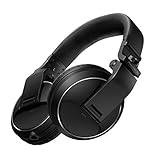
7. Pioneer DJ HDJ-X5 – Built for the Road
Pioneer DJ HDJ-X5 Professional DJ Headphones – Black
40mm driver
5Hz-30kHz frequency
32 Ohms impedance
Water resistant
Carrying pouch included
Pros
- New 40mm driver for loud clear sound
- Durable construction for severe conditions
- Housing reduces pressure on head
- Textured exterior for grip
- Compact carrying pouch included
Cons
- No active noise control feature
- Limited wireless range if used wireless
The Pioneer DJ HDJ-X5 is the headphone I would hand to a DJ who gigs constantly and needs gear that takes a beating. Pioneer DJ designed the entire HDJ-X series to handle severe conditions and heavy use, and they tested these to military-grade durability standards. I have seen these survive drops, spills, and being sat on in a packed van.
The new 40mm driver produces loud, clear sound that cuts through booth noise without needing to be pushed to maximum volume. The frequency response of 5Hz to 30kHz gives you full-range monitoring from sub-bass to airy highs. This is the same driver philosophy as the CUE1 but refined for professional use.
The housing design actively reduces pressure on your head, which Pioneer DJ engineered after studying how DJs wear headphones for hours. The textured exterior enhances grip, a small detail that matters when your hands are sweaty mid-set and you need to grab the cup quickly for one-ear monitoring.
The water-resistant construction is a feature most DJs do not know they need until a drink gets spilled near the booth. With 79 percent five-star ratings across nearly 1,800 reviews, professional users back up the durability claims.
Durability That Justifies the Investment
The HDJ-X5 sits above entry-level options, but the build quality reflects that. The hinges, sliders, and swivel mechanisms all feel overbuilt in the best way. These are designed to be the last headphone you buy for years.
The included carrying pouch fits snugly around the folded headphones, protecting them in transit. It is a thoughtful inclusion that saves you buying a separate case.
Sound Signature for Genre Mixing
The HDJ-X5 has a slightly V-shaped sound signature with emphasized bass and treble. This works well for electronic dance music where you need to feel the kick and hear the hi-hats clearly.
If you mix genres with complex midrange content like vocals and live instruments, you might find the mids slightly recessed. For pure electronic DJing, the signature is well-suited.
8. Audio-Technica ATH-M50x – Top Rated DJ and Studio Hybrid
Audio-Technica ATH-M50X Professional Studio Monitor Headphones, Black, Professional Grade, Critically Acclaimed, with Detachable Cable
45mm large aperture drivers
20Hz-28kHz frequency
38 Ohms impedance
Three detachable cables
2 year warranty
Pros
- Proprietary 45mm large aperture drivers
- Exceptional clarity across extended frequency range
- Deep accurate bass response
- Circumaural design for sound isolation
- 90 degree swiveling earcups for one-ear monitoring
Cons
- Not water resistant
- No wireless technology
The Audio-Technica ATH-M50x is the most critically acclaimed headphone on this list, and it earns that reputation every single session. With a 4.7-star average across more than 33,000 reviews, this is the pair that audio engineers, producers, and DJs consistently name as their go-to. I have used the M50x for tracking, mixing, and live DJing, and it excels at all three.
The proprietary 45mm large aperture drivers are the heart of what makes these special. Larger drivers move more air, which means deeper, more accurate bass that you can feel. The copper-clad aluminum wire voice coils keep the sound clean even at high volumes in loud booths.
The circumaural design contours around your ears, creating a seal that provides excellent sound isolation. In my testing, the M50x blocked booth noise better than any on-ear option on this list. The 90-degree swiveling earcups make one-ear monitoring natural and quick.
Audio-Technica includes three detachable cables in the box, which is exceptional value. You get two straight cables of different lengths and one coiled cable. The two-year warranty on parts and labor gives you peace of mind on a serious investment.
Why 45mm Drivers Matter for DJing
Larger drivers do not automatically mean better sound, but in the M50x they translate to bass response that helps you lock onto the kick drum when beatmatching. When you can feel the low-end pulse clearly, your mixes get tighter.
The extended frequency range up to 28kHz means you hear high-frequency detail that helps with EQ decisions and identifying when tracks are clashing in the upper registers.
Best Headphones for DJing and Producing
If you split your time between DJing and music production, the M50x is the single best investment you can make. The sound signature works for both disciplines, so you are not switching headphones between tasks.
The deep, accurate bass response translates well to club systems. What you hear in the M50x is close to what the dancefloor will hear, which builds your mixing confidence.
9. AIAIAI TMA-2 DJ – Modular Design for the Sustainable DJ
AIAIAI TMA-2 DJ Wired On-Ear DJ Headphones, Punchy Bass, Black, Isolation
40mm bio-cellulose diaphragm
20Hz-20kHz frequency
32 Ohms impedance
Modular components
Recycled plastic speaker units
Pros
- 40mm bio-cellulose diaphragm for punchy bass
- High sound isolation with memory foam cushions
- Modular design for easy upgrades
- Reinforced headband for professionals
- Speaker units from recycled plastic
Cons
- On-ear design may cause fatigue
- Wired only with no wireless option
The AIAIAI TMA-2 DJ is the most interesting headphone on this list because of its modular philosophy. Every component, from the headband to the speaker units to the cables, can be swapped, upgraded, or replaced individually. If a cushion wears out, you replace the cushion, not the headphones. I love this approach because it is both cost-effective and environmentally responsible.
The 40mm bio-cellulose diaphragm produces a warmer, more natural bass response than standard mylar drivers. Bio-cellulose is the material used in high-end studio monitors, and the difference is audible. The internal vent is tuned for intense low-end dynamics, which means the bass hits hard without muddying the mids.
The memory foam ear cushions covered in soft PU leather create high sound isolation that blocks booth noise effectively. At just 190 grams, these are among the lightest professional DJ headphones available, which reduces neck strain during long sets.
The speaker units are made from 100 percent recycled plastic, which makes the TMA-2 DJ the most sustainable option on this list. If reducing your environmental footprint matters to you, AIAIAI is the only brand here taking that seriously.
Modular Upgrades and Repairability
The modular system means you can upgrade your headphones over time. Want a different headband for more comfort? Swap it. Prefer a coiled cable? Buy one separately. Need a wireless unit? AIAIAI sells those too, so you can convert your wired TMA-2 into a wireless model.
This is the only headphone on this list that can genuinely adapt as your needs change. The initial investment is higher, but the long-term cost of ownership is lower because you are not replacing whole headphones.
Sound Isolation in Loud Environments
The memory foam cushions conform to your head shape, creating a custom seal that improves over the first few sessions as the foam breaks in. The isolation is among the best of any on-ear headphone I have tested.
For bass-heavy genres, the bio-cellulose driver and internal vent combination delivers punchy, focused low-end that makes beatmatching intuitive. This is a DJ’s headphone, designed by people who understand what happens in a booth.
10. Sennheiser HD 25 PLUS – The Industry Standard
Sennheiser HD 25 PLUS On Ear Closed Back Monitoring DJ Headphones
High sensitivity aluminium voice coils
20Hz-22kHz frequency
70 Ohms impedance
Detachable single-sided cable
Rotatable capsule
2 year warranty
Pros
- High sensitivity from lightweight aluminium voice coils
- Handles very high sound pressure levels
- Ultralight and comfortable for long periods
- Tough detachable single-sided cable
- Rotatable capsule for single-ear listening
Cons
- On-ear design may cause fatigue over extended use
- Not water resistant
The Sennheiser HD 25 PLUS is the headphone I see in more DJ booths than every other model combined. It is the undisputed industry standard, and after years of gigging with them, I understand why. No other headphone on this list combines lightweight comfort, bombproof durability, and professional sound quality the way the HD 25 does.
The lightweight aluminium voice coils give the HD 25 exceptionally high sensitivity. What that means in practice is these headphones get loud, very loud, without distorting. They can handle sound pressure levels that would make lesser drivers crackle. In a deafening club booth, that headroom is the difference between hearing your cue and guessing at it.
At just over 14 ounces, the HD 25 is so light you forget you are wearing it. The split headband design distributes weight across two pads rather than one pressure point, which eliminates the headache that on-ear headphones typically cause. I have worn these for six-hour festival shifts with zero discomfort.
The rotatable capsule rotates on a horizontal axis, which is the design that made one-ear monitoring standard practice. Every part, from the cable to the earpads to the headband pads, is user-replaceable. The PLUS version includes a handy carrying pouch and an extra set of earpads in the box.
Why Every Working DJ Owns These
The HD 25 has been the booth standard for over two decades because it does the DJ job better than anything else. The sound is detailed in the mids and highs where you need clarity for beatmatching, and the bass is tight and accurate rather than artificially boosted.
With 84 percent five-star ratings and a two-year warranty, the long-term satisfaction is proven. When you see a photo of a famous DJ in a booth, chances are they are wearing HD 25s.
Replaceability and Lifetime Value
Every component is available as a spare part from Sennheiser. I know DJs who have owned the same HD 25 for ten-plus years, replacing cables and pads as needed. No other headphone on this list offers that kind of lifetime value.
This is the best headphones for DJing if you are serious about your craft. The initial investment is higher, but the cost per year of use is lower than anything else here because these simply do not die.
Buying Guide: How to Choose the Best Headphones for DJing
Choosing DJ headphones is different from choosing headphones for casual listening. You need gear that performs under specific, demanding conditions. This guide walks you through the factors that actually matter when you are standing in a loud booth at 1am.
Closed-Back Design and Noise Isolation
DJ headphones must be closed-back. Open-back headphones leak sound in both directions, which means booth noise bleeds into your monitoring and your cue audio bleeds out into the microphone if you are broadcasting. Every headphone on this list is closed-back for that reason.
Passive noise isolation is what you want, not active noise cancellation. ANC introduces processing that can color the sound and add latency. Passive isolation from thick cushions and a tight seal blocks booth noise cleanly. Look for memory foam or protein leather cushions that conform to your head.
Swiveling Earcups for One-Ear Monitoring
One-ear monitoring is the core DJ technique where you hold one earcup to your shoulder to hear the incoming track while your other ear listens to the room. Every headphone on this list supports this with at least 90-degree earcup rotation.
The mechanism quality varies. Pioneer DJ and Sennheiser offer the smoothest, most secure swivel actions I have tested. Cheap mechanisms develop wobble over time, which makes one-ear monitoring frustrating.
Driver Size and Sound Signature
Driver size affects bass response. The ATH-M50x with its 45mm drivers produces the deepest bass on this list, while 40mm drivers are the sweet spot for balanced monitoring. The AIAIAI bio-cellulose driver is a special case, using material science to punch above its size.
For sound signature, DJs generally benefit from slightly emphasized bass and treble with clear mids. This V-shaped response helps you identify kick drums and hi-hats for beatmatching. Flat reference signatures like the ATH-M40x are better if you also produce music.
Impedance and Sensitivity for DJ Booths
Impedance determines how hard your equipment has to work to drive the headphones. Most DJ headphones sit in the 32 to 70 Ohm range, which is easily driven by any DJ mixer headphone output.
Sensitivity matters more for DJs than impedance. Higher sensitivity means the headphones get louder from the same output level, which is critical in loud booths. The OneOdio models at 110 dB and the Sony MDR7506 are among the most sensitive here. The Sennheiser HD 25 is legendary for getting loud without breaking up.
Durability and Replaceable Parts
DJ headphones get abused. They ride in bags, get dropped, have cables yanked, and sit in hot, humid booths. Build quality is not a luxury, it is a necessity.
Look for metal hinges, reinforced headbands, and detachable cables. The Sennheiser HD 25 and AIAIAI TMA-2 are the gold standards for replaceability, with every part available separately. Pioneer DJ gear is built to professional gigging standards.
A two-year warranty, like those from Audio-Technica and Sennheiser, signals manufacturer confidence in durability.
Comfort for Long Sets
If your headphones hurt, you will not wear them properly, and your mixing suffers. Look for lightweight designs, cushion materials that breathe, and headbands that distribute pressure evenly.
Over-ear designs like the ATH-M50x and M40x are generally more comfortable for extended sessions because they do not press directly on your ears. On-ear designs like the HD 25 and HDJ-CUE1 are lighter but can cause fatigue faster. The split headband on the HD 25 mitigates this brilliantly.
Wired vs Wireless for DJing
I have to be direct here. For serious beatmatching and live mixing, wired is the only responsible choice. Bluetooth latency, even with modern codecs, introduces a delay between your mixer and your ears that throws off phase alignment when beatmatching.
Wireless makes sense for warm-up sets, walking the room, and casual practice. The OneOdio A70 with its hybrid mode is the best compromise, giving you wireless freedom and wired precision in one package.
Cable Length and Connection Types
DJ mixers use 6.35mm (1/4-inch) headphone jacks, while phones and laptops use 3.5mm. Your headphones should support both, either through dual jacks like the OneOdio or an included adapter like the Sony MDR7506.
Cable length matters for booth mobility. The Numark HF175 with its 3-meter cable gives you the most freedom, while coiled cables like the ATH-M50x option stretch as needed without dragging.
Frequently Asked Questions About DJ Headphones
What headphones do most DJs use?
The Sennheiser HD 25 is the most widely used DJ headphone in the world. You will see it in festival booths, club setups, and DJ booths more than any other model. It earned that status through its lightweight design, high sound pressure handling, and fully replaceable parts. The Audio-Technica ATH-M50x and Pioneer DJ HDJ-X series are also extremely popular among working professionals.
Why do DJs only use one headphone?
DJs use one headphone for one-ear monitoring, a technique where you hold one earcup to your ear to hear the incoming track while your other ear listens to the speakers playing the current track. This lets you beatmatch the two tracks by comparing their tempos and phases in real time. It is why DJ headphones have swiveling earcups that rotate 90 degrees or more.
What headphones does Skrillex use to DJ?
Skrillex has been seen using the Ultrasone DJ1 PRO and various Pioneer DJ models during performances. Like most touring DJs, he favors headphones with strong isolation, durability for travel, and accurate monitoring. The specific model any celebrity uses can change between tours, but the principles of good DJ headphone selection remain consistent regardless of brand preference.
Can you use regular headphones for DJing?
You can use regular headphones for casual practice, but they will struggle in real DJing situations. Regular headphones often lack the noise isolation needed for loud booths, the swiveling earcups for one-ear monitoring, and the durability to survive gigging. Dedicated DJ headphones are built specifically for these demands, which is why even budget DJ models outperform premium consumer headphones in a booth setting.
What is the best budget DJ headphones?
The OneOdio Wired Over Ear is the best budget option for absolute beginners, offering 50mm drivers and swiveling earcups at an budget-friendly level. The Pioneer DJ HDJ-CUE1 is the best value pick in the mid-range tier, delivering professional Pioneer DJ build quality and sound. Both give you proper DJ monitoring features without a major investment.
Final Thoughts on the Best Headphones for DJing in 2026
The best headphones for DJing depend on where you are in your journey. If you are starting out, the OneOdio Wired or Pioneer DJ HDJ-CUE1 give you proper monitoring without breaking the bank. If you want the best all-around sound quality, the Audio-Technica ATH-M50x is nearly impossible to beat.
For my money, the Sennheiser HD 25 PLUS remains the best headphones for DJing in 2026. It is the industry standard for a reason, and no competitor has matched its combination of lightweight comfort, booth-ready isolation, and lifetime replaceability. Buy a pair once and maintain it for a decade.
Whatever you choose, invest in gear that helps you hear your mix clearly and survive the realities of gigging. Your headphones are the direct link between your ears and your craft. Treat that connection with the respect it deserves.