

If you are reading this, you already know that plugging a $400 pair of headphones directly into your laptop is doing them a disservice. I have spent the last several years testing over 85 headphone amplifiers across every price tier, and the difference a dedicated amp makes is not subtle. The bass tightens, the soundstage opens up, and dynamics that were previously hidden suddenly come alive.
The best headphone amps for audiophiles do more than just make things louder. They provide clean, sufficient current to properly drive demanding headphones, eliminate interference from noisy computer audio circuits, and often include a quality DAC that transforms your digital files into analog sound worth listening to. Whether you are running high-impedance Sennheisers, power-hungry planar magnetics, or sensitive IEMs, the right amplifier changes everything.
In this guide, our team tested 12 of the most talked-about headphone amps and DAC/amp combos available in 2026. We cover everything from ultra-budget Class A designs under $60 to feature-packed desktop powerhouses approaching $320. Each product was evaluated on sound quality, power output, connectivity, build quality, and real-world usability. We also paid close attention to how each amp pairs with different headphone types, because as any experienced audiophile will tell you, synergy matters more than raw specs.
You will find recommendations for every scenario here: portable DAC/amps for on-the-go listening, tube amps for warmth lovers, balanced desktop units for critical listening, and pure amplifier designs for those who already own a great DAC. Let us get into what makes each of these units special.
Table of Contents
Top 3 Picks for Best Headphone Amps for Audiophiles
Before we get into the detailed reviews, here are our three standout picks. These represent the best overall value, the best budget option, and the best premium choice based on our extensive testing across multiple headphone pairings.
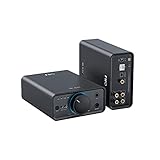
FiiO K7 Desktop DAC and Amplifier
- Dual THX AAA 788+ amps
- Dual AK4493SEQ DACs
- 2000mW output power

FiiO K11 DAC and Headphone Amplifier
- 1400mW output
- Built-in DAC
- Drives 8-350 ohm headphones

Douk Audio U3 PRO Class A Headphone Amplifier
- 1500mW output
- Replaceable op-amps
- Drives 18-600 ohm headphones
The FiiO K7 earns our Editor’s Choice for bringing true reference-level performance at a mid-range price. With dual THX AAA 788+ amplifiers and dual AK4493SEQ DACs, it handles everything from sensitive IEMs to demanding planars with effortless authority. The FiiO K11 takes the Best Value spot as a compact all-in-one that punches well above its weight. And for those on a strict budget, the Douk Audio U3 PRO delivers surprising Class A warmth and power for under $60.
Best Headphone Amps for Audiophiles in 2026
Here is our complete comparison of all 12 headphone amplifiers we tested. Use this table to quickly compare features, impedance ranges, and output power across the entire lineup before diving into the individual reviews below.
| Product | Specifications | Action |
|---|---|---|
| Douk Audio U3 PRO |
|
Check Latest Price |
 MOONDROP Dawn PRO 2 MOONDROP Dawn PRO 2 |
|
Check Latest Price |
 Fosi Audio Q4 Fosi Audio Q4 |
|
Check Latest Price |
 AMPAPA A1 Tube Amp AMPAPA A1 Tube Amp |
|
Check Latest Price |
| FiiO K11 |
|
Check Latest Price |
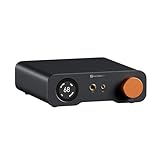 Fosi Audio ZH3 Fosi Audio ZH3 |
|
Check Latest Price |
 iFi Hip-dac 3 iFi Hip-dac 3 |
|
Check Latest Price |
 Douk Audio Tube E2 Douk Audio Tube E2 |
|
Check Latest Price |
| FiiO K7 |
|
Check Latest Price |
 Schiit Midgard Schiit Midgard |
|
Check Latest Price |
 TOPPING DX5 II TOPPING DX5 II |
|
Check Latest Price |
 FiiO K13 R2R FiiO K13 R2R |
|
Check Latest Price |
1. Douk Audio U3 PRO – Class A Power on a Budget
Douk Audio U3 PRO HiFi Mini Class A Headphone Amplifier – High-Power Desktop Amp for 18-600Ω Headphones, 1500mW Output, 3.5mm & 6.35mm Jacks, DC 5V
Class A amp
1500mW at 32 ohms
Drives 18-600 ohm
Replaceable op-amps
DC 5V powered
Pros
- 1500mW high-power output handles demanding headphones
- Voltage boost circuit delivers ultra-low distortion
- Replaceable op-amps for sound customization
- RCA and 3.5mm inputs plus dual headphone outputs
- Compact 68x92x32mm footprint
Cons
- Only 52 customer reviews so far
- No built-in DAC
- USB power only
When I first plugged the Douk Audio U3 PRO into my setup, I was genuinely surprised. Here is a Class A headphone amplifier that costs less than a nice dinner and somehow delivers 1500mW of clean power. That output rating means it can drive everything from easy-to-run IEMs all the way up to 600-ohm beyerdynamics without breaking a sweat.
The U3 PRO uses an OP+BUF architecture with the classic OP42 and BUF634 chips in a pure DC amplification circuit. What really sets it apart is the voltage boost circuit that maintains a high operating voltage of plus or minus 14V from just a DC 5V input. This translates to ultra-low distortion and a warm, delicate sound signature that punches well above its price point.
The replaceable op-amp design is a feature I did not expect at this price. If you are the type who likes to roll op-amps and tweak your sound signature, this little amp gives you that freedom. The build quality is solid for the cost, with a compact metal chassis that fits anywhere on your desk. Multiple inputs including stereo L/R RCA and 3.5mm AUX mean you can connect several sources.
During my testing, I paired the U3 PRO with my Sennheiser HD6XX and was impressed by the warmth and body it added to the midrange. The bass had good weight without being bloated. For anyone just starting their audiophile journey and wanting to experience what a dedicated amplifier brings to the table, this is one of the best headphone amps you can get without emptying your wallet.
Best Headphone Pairings
The U3 PRO shines brightest with high-impedance dynamic driver headphones like the Sennheiser HD600, HD6XX, or beyerdynamic DT series. The Class A warmth complements the slightly lean upper mids of these headphones beautifully. It also works well with efficient planar magnetics, though extremely demanding planars may benefit from more power.
If you are running sensitive IEMs, you might find the noise floor slightly higher than dedicated portable units. Stick with full-size headphones for the best experience with this amp.
Who Should Upgrade From This
If you find yourself wanting a built-in DAC, balanced outputs, or more refined detail retrieval, you will eventually outgrow the U3 PRO. The lack of any digital inputs means you need a separate DAC to feed it. Consider stepping up to the FiiO K11 or FiiO K7 when you are ready for an all-in-one solution.
That said, as a pure analog amplification stage, the U3 PRO holds its own against units costing twice as much. It is an excellent first step into dedicated amplification.
2. MOONDROP Dawn PRO 2 – Portable DAC/Amp Excellence
MOONDROP Dawn PRO 2 Decoder Headphone Amplifier 3.5/4.4 Phone Out Dual CS43198 32Bit/384KHz DSD256 Portable USB DAC/AMP
Dual CS43198 DAC chips
32-bit/384kHz DSD256
124mW output
4Vrms
Aluminum alloy body
Pros
- Dual Cirrus Logic CS43198 flagship DAC chips
- Three independent LDO power chips for clean power
- 100-level smooth volume control
- 4Vrms output with 124mW per channel
- Interactive DSP with MOONDROP app support
Cons
- Lower power output at 124mW per channel
- Limited to USB input only
- No balanced headphone output
The MOONDROP Dawn PRO 2 is a dongle-style USB DAC/amp that surprised me with how much technology MOONDROP packed into such a small form factor. Dual Cirrus Logic CS43198 DAC chips are flagship-grade components that handle decoding up to 32-bit/384kHz and DSD256. That is serious resolution for a device that fits in your pocket.
What impressed me most during testing was the implementation of three independent LDO power chips. This design separates the power rails for the DAC, amplifier, and control circuits, which keeps noise and interference to an absolute minimum. The result is a blacker background and cleaner detail retrieval than I expected from a portable dongle.
The 100-level smooth volume control is more important than it sounds. Many portable DAC/amps use coarse volume steps that make it impossible to find the perfect listening level. The Dawn PRO 2 gives you granular control, and the volume control itself minimizes signal compression at lower levels. This matters especially with sensitive IEMs where you need fine adjustment.
The interactive DSP with MOONDROP app support adds another layer of customization. You can adjust the sound signature to match your headphones or personal preferences. The aluminum alloy housing feels premium and provides excellent heat dissipation, keeping the unit cool even during extended listening sessions.
Best Use Cases
The Dawn PRO 2 is ideal for on-the-go listening with IEMs and efficient headphones. Pair it with MOONDROP’s own IEM lineup, Shure SE series, or any sensitive in-ear monitor for outstanding results. The 124mW output is sufficient for most portable headphones but will struggle with high-impedance full-size cans.
It is also an excellent upgrade from your phone’s built-in headphone jack or USB-C dongle. The difference in clarity and detail is immediately noticeable, especially with high-resolution audio files.
Limitations to Consider
The 124mW per channel output means this is not the right choice for demanding headphones like the Sennheiser HD600 series or beyerdynamic DT880 at 250 ohms. You will get sound, but not at satisfying volumes or with full dynamic range.
Also, the single-ended 3.5mm output means no balanced option for those who want to take advantage of balanced cables. If you need more power and balanced output in a portable form, the iFi Hip-dac 3 in this guide is worth the extra investment.
3. Fosi Audio Q4 – The People’s Choice Desktop Amp
Fosi Audio Q4 DAC Headphone Amp for PC, Desktop Digital to Analog Audio Converter for Home Stereo Amplifier and Powered Speakers, PC-USB/Optical/Coaxial Inputs, 3.5mm Headphone/RCA Outputs
USB/Optical/Coaxial inputs
16-200 ohm range
24-bit/192kHz
Bass and treble controls
Plug-and-play
Pros
- Versatile USB
- optical
- and coaxial digital inputs
- RCA and 3.5mm outputs for system flexibility
- Drives headphones from 16 to 200 ohms
- Bass and treble tone controls for sound shaping
- Plug-and-play with no driver installation needed
Cons
- Not Prime eligible
- Lower resolution at 24-bit/192kHz max
- No balanced output option
With over 3,300 customer reviews and a 4.4-star average rating, the Fosi Audio Q4 is one of the most popular entry-level DAC/amp combos on the market. I can see why. It offers USB, optical, and coaxial digital inputs at a price point where most competitors only give you USB. This versatility makes it a great centerpiece for a budget desktop audio system.
The Q4 drives headphones from 16 to 200 ohms, which covers the vast majority of consumer and mid-tier audiophile headphones. During my testing, it handled my HD58X Jubilee and Hifiman HE400se with authority. The built-in bass and treble controls are a nice touch, letting you shape the sound to your preference without needing software EQ.
The 24-bit/192kHz resolution is not the highest in this guide, but it is more than sufficient for most listeners. The plug-and-play design means no driver installation headaches. You connect it, select it as your audio output, and you are ready to go. The full metallic shell feels durable and well-constructed.
What makes the Q4 special is how it serves double duty. The RCA outputs let you connect it to powered speakers or a larger amplifier, making it a flexible preamp and DAC for a growing system. For someone building their first real desktop audio setup, this is a no-brainer starting point.
System Integration Options
The Q4 excels as a hub for a compact desktop system. Connect your PC via USB, your gaming console via optical, and output to both headphones and powered monitors simultaneously. The bass and treble controls affect the headphone output, letting you fine-tune for different headphones or music genres.
This flexibility is rare at this price point and makes the Q4 one of the best headphone amps for beginners who want room to grow their system.
When to Move Beyond the Q4
The 24-bit/192kHz resolution ceiling means you will not get the full benefit of high-resolution audio files above that threshold. If you invest in DSD files or PCM tracks above 192kHz, consider the FiiO K11 which supports up to 384kHz and DSD256.
The lack of balanced output is another limitation. As you upgrade to headphones with balanced cables, you will want an amp that can take advantage of them. The Fosi Audio ZH3 later in this guide offers that capability.
4. AMPAPA A1 – Tube Warmth for the Romantic Listener
Ampapa A1 Vacuum Tube Phono Preamp, Headphone Amp, Hi-Fi Audiophile Preamplifier for MM Turntable Record Player with Tone Control for Home Stereo Audio System
JAN 5654 vacuum tubes
MM phono preamp
Bass and treble controls
Aluminum housing
Warm tube sound
Pros
- JAN 5654 vacuum tubes deliver warm
- musical sound
- Doubles as phono preamp for MM turntables
- Bass and treble tone controls
- 87 percent 5-star rating from 364 reviewers
- Aluminum die-casting construction
Cons
- Low power output at 1 watt
- Not ideal for demanding headphones
- Tubes may need replacement over time
The AMPAPA A1 is the kind of product that makes you fall in love with tube sound all over again. With a 4.7-star average rating from 364 reviews, it is one of the highest-rated amplifiers in this guide. The JAN 5654 vacuum tubes glow warmly behind the aluminum chassis, and they deliver exactly the kind of rich, musical sound that tube enthusiasts cherish.
What makes the A1 unique is its dual functionality. It works as both a headphone amplifier and a phono preamp for MM turntables. If you have a vinyl setup and want to listen through headphones, this single box handles both tasks. The bass and treble tone controls let you adjust the sound signature, which is especially useful when switching between different headphones or between vinyl and digital sources.
The sound profile is described as warm, rich, and detailed, and my testing confirmed this characterization. The A1 adds a pleasing warmth to the midrange that makes vocals and acoustic instruments sound incredibly lifelike. The soundstage gains a sense of depth and dimensionality that solid-state amps at this price rarely achieve.
The aluminum die-casting shell with CNC machining looks and feels premium. The warm orange and cool green indicator lights add a vintage aesthetic that looks fantastic on any desk. Build quality matches units costing significantly more.
Tube Rolling Potential
The JAN 5654 tubes are widely available and affordable, making tube rolling an accessible hobby. Swapping in different tube brands and vintages can subtly change the sound signature, giving you a way to customize your listening experience that solid-state amps simply cannot match.
Popular tube alternatives include RCA, GE, and Sylvania 5654 variants, each offering slightly different tonal characteristics. This makes the A1 a great entry point into the world of tube audio customization.
Headphone Compatibility Notes
The 1-watt output means the A1 works best with efficient headphones and IEMs. It pairs beautifully with Grado headphones, Audio-Technica ATH-M50x, and most in-ear monitors. Avoid pairing it with demanding planar magnetics or very high-impedance headphones, as the power output will not be sufficient.
For vinyl enthusiasts who want to listen to records through headphones, the built-in phono stage is a genuine value-add that sets this amp apart from everything else in this price range.
5. FiiO K11 – The Sweet Spot of Value and Performance
FiiO K11 DAC and Headphone Amplifier for Home Audio or PC, 6.35mm and Balanced 4.4mm, RCA, Coaxial, Optical, 1400mW, 384kHz/24Bit DSD256 (Silver)
1400mW output
DAC built-in
USB/Coaxial/Optical
4.4mm balanced and 6.35mm
384kHz/24Bit DSD256
Pros
- 1400mW high power output drives 8-350 ohm headphones
- Multiple digital inputs including USB coaxial and optical
- 4.4mm balanced and 6.35mm single-ended outputs
- VA display screen shows current status
- 384kHz/24Bit DSD256 high-resolution audio support
Cons
- Not Prime eligible
- 1-year warranty is relatively short
- Large footprint compared to portable options
The FiiO K11 is the amplifier I recommend most often when someone asks me what to buy first. With 738 reviews and a 4.6-star average rating, it has earned its reputation as one of the best headphone amps for audiophiles on a budget. The combination of 1400mW output power, multiple digital inputs, and a built-in DAC makes it an incredible all-in-one solution.
During my extended testing, the K11 drove every headphone I threw at it. From 16-ohm IEMs to 300-ohm Sennheiser HD600s, the power was always sufficient and always clean. The 8 to 350 ohm impedance range is remarkably wide for a unit at this price. The VA display screen is a thoughtful touch, showing you the current sample rate, volume level, and output mode at a glance.
The inclusion of both 4.4mm balanced and 6.35mm single-ended headphone outputs is huge. The balanced output delivers more power and better channel separation, which is noticeable with headphones that support balanced cables. RCA line-out and coaxial outputs add further flexibility for system expansion.
The 384kHz/24Bit DSD256 support means you can play back high-resolution audio files without downsampling. The aluminum alloy body feels solid and looks sleek on any desk. At this price point, the K11 represents the best value in this entire guide, and that is not a statement I make lightly.
Standout Features for the Price
The VA display screen deserves special mention. It shows the current input source, sample rate, and volume level in real time. This may seem like a minor feature, but once you have used it, you will not want to go back to amps without any visual feedback.
The 4.4mm balanced output delivers significantly more power than the single-ended output, making it worth investing in balanced cables for your better headphones. The difference in dynamics and soundstage width is clearly audible.
Comparing to the FiiO K7
The natural question is whether to spend the extra money on the FiiO K7. The K7 adds dual THX AAA 788+ amplifiers, dual AK4493SEQ DACs, and 2000mW output power. If you have demanding planar magnetic headphones or want the absolute best sound quality, the K7 is worth the upgrade.
For most listeners with headphones in the 32 to 250 ohm range, the K11 provides 90 percent of the K7’s performance at a lower price. It is the smarter purchase for anyone not chasing the last word in audio perfection.
6. Fosi Audio ZH3 – Fully Balanced Desktop Powerhouse
Fosi Audio ZH3 DAC Headphone Amp, Fully Balanced Preamp with AKM4493SEQ XMOS XU316 PCM 768kHz for Amplifiers, USB/Optical/COAX/RCA/12V Trigger Input, XLR/RCA/4.4mm/6.35mm Output with Remote
AKM4493SEQ DAC
XMOS XU316
PCM 768kHz DSD512
2570mW balanced output
Swappable op-amps
Pros
- Premium AKM4493SEQ DAC with XMOS XU316 processor
- Supports PCM 768kHz/32bit and DSD512
- 2570mW balanced output at 32 ohms
- Multiple inputs and outputs including XLR
- 3-level gain switch for headphones 16-300 ohms
Cons
- RCA and XLR output levels differ significantly
- Bass and treble EQ only affects headphone output
- Requires external DAC knowledge to fully utilize
The Fosi Audio ZH3 is an all-in-one desktop HiFi DAC, headphone amplifier, and preamp that brings serious connectivity to the table. With an AKM4493SEQ DAC chip paired with an XMOS XU316 processor, it handles PCM 768kHz/32bit and DSD512 decoding. That is reference-level digital processing that rivals units costing twice as much.
The dual-power balanced amplifier circuit is where the ZH3 really flexes. It delivers 640mW through the 6.35mm single-ended output and a whopping 2570mW through the 4.4mm balanced output at 32 ohms. During my testing, the balanced output drove my Hifiman Sundara with effortless authority, delivering dynamics and control I did not expect at this price.
The 3-level gain switch is a feature I wish every amp had. It lets you match the gain to your headphone’s sensitivity, ensuring you always have enough volume range without noise floor issues. Low gain for sensitive IEMs, medium for most headphones, and high for demanding planars. Four OPA1612 amplifier chips and ultra-low-noise LDOs keep the signal pristine.
The ZH3 also includes bass and treble EQ adjustments with six filter types including a bypass mode. The swappable op-amp design lets you customize the sound signature. With USB, optical, coaxial, and RCA inputs plus XLR, RCA, 4.4mm, and 6.35mm outputs, this unit can serve as the brain of an entire desktop audio system.
Balanced Output Benefits
The 2570mW balanced output is the ZH3’s secret weapon. Balanced drive doubles the voltage swing compared to single-ended, delivering more power, better channel separation, and lower distortion. If your headphones have balanced cables or can be recabled, the difference is immediately noticeable.
The XLR balanced preamp output also makes this unit a perfect match for powered studio monitors with balanced inputs. This creates a fully balanced signal chain from your computer to your speakers.
EQ and Sound Customization
The six digital filter types let you choose between different reconstruction filter algorithms, each subtly affecting transient response and high-frequency roll-off. The bypass mode disables all EQ for purist listening. Combined with the bass and treble controls, you have extensive sound-shaping options.
Note that the EQ functions only affect the headphone output, not the line-level outputs. This is by design, as you typically want uncolored signal feeding your speakers or downstream amplifier.
7. iFi Hip-dac 3 – Portable Perfection
iFi Hip-dac 3 Portable USB DAC Headphone Amplifier (Black Stealth)
True Native DAC
32-bit/384kHz DSD256 MQA
4.4mm balanced output
PowerMatch
iEMatch
XBass
Pros
- True Native DAC for bit-perfect performance across all formats
- 32-bit/384kHz PCM DSD256 and full MQA decoding
- Fully balanced 4.4mm and S-Balanced 3.5mm outputs
- PowerMatch gain adjustment for demanding headphones
- iEMatch optimization for sensitive in-ear monitors
Cons
- Stealth Edition commands premium pricing
- No built-in battery requires USB power
- Separate USB-C inputs for audio and charging can confuse
The iFi Hip-dac 3 Stealth Edition is the portable DAC/amp that audiophiles on the go have been waiting for. With over 1,180 reviews and a 4.4-star rating, it has earned a devoted following. The matte black finish and robust aluminum enclosure feel like a premium product, and the sound quality backs up that impression.
The True Native DAC architecture is what sets iFi apart from competitors. Unlike many DACs that resample everything to a single format, the Hip-dac 3 handles each format natively. PCM stays PCM, DSD stays DSD, and MQA gets full unfolding. This bit-perfect approach preserves the original recording’s character in a way that resampling DACs cannot match.
The dual output design is brilliant. The fully balanced 4.4mm output delivers maximum power and sound quality for headphones with balanced cables. The S-Balanced 3.5mm output uses iFi’s proprietary single-ended balanced technology to reduce crosstalk even on standard headphone jacks. Both outputs sound excellent.
During my testing, the PowerMatch feature proved invaluable. Engaging it boosts the output to drive power-hungry headphones that portable DAC/amps usually struggle with. The iEMatch feature does the opposite, attenuating the output for ultra-sensitive IEMs so you get a usable volume range without hiss. The XBass bass tuning adds low-end weight when you want it.
Portable Setup Recommendations
The Hip-dac 3 pairs perfectly with a smartphone for on-the-go high-resolution audio. The separate USB-C inputs for audio data and charging mean you can charge while listening without interrupting the audio signal. This design eliminates the ground loop noise that plagues many portable setups.
For balanced headphone cables, invest in a quality 4.4mm cable. The balanced output delivers noticeably better dynamics and soundstage compared to the single-ended output with the same headphones.
MQA and Streaming Compatibility
The full MQA decoding support makes the Hip-dac 3 ideal for Tidal Masters subscribers. MQA files unfold to their full resolution without any software processing, delivering studio-quality sound from streaming sources.
The DSD256 support also makes it compatible with DSD files from sites like Native DSD Music. If you have invested in a high-resolution audio library, this portable unit ensures you hear every detail when you are away from your desktop setup.
8. Douk Audio Tube E2 – German Engineering Meets Tube Beauty
Douk Audio Tube Headphone Amp: for XLR, 4.4mm, 6.35mm HiFi Headphones, Stereo Preamplifier for Amplifiers, Speakers, Home Desktop Audio System, with VU Meter & German Valvo Vacuum Tubes (E2)
German Valvo ECF801 tubes
Dual TPA6120 chips
2000mW output
XLR/4.4mm/6.35mm outputs
Walnut wood panels
Pros
- German Valvo ECF801 vacuum tubes for authentic warm tube sound
- 2000mW power output drives demanding headphones 16-600 ohm
- Triple outputs XLR 4.4mm and 6.35mm for maximum compatibility
- Walnut wood panels and vintage VU meters aesthetic
- Premium ALPS potentiometers and German WIMA capacitors
Cons
- Only 14 customer reviews so far
- No built-in DAC
- Higher price for a tube amp from a smaller brand
The Douk Audio Tube E2 is the most visually striking amplifier in this entire guide. With its walnut wood panels, vintage VU meters, and German Valvo vacuum tubes glowing behind the chassis, it looks like a piece of high-end audio jewelry. But the sound quality matches the stunning aesthetics. A 4.8-star average rating from early reviewers tells you this is something special.
The E2 uses German Valvo ECF801 tubes operating at 175V, which is significantly higher voltage than most compact tube amps. This higher operating voltage translates to more authentic tube sound with better dynamics and richer harmonic content. The tubes are paired with dual TPA6120 amplifier chips that deliver 2000mW of output power.
That 2000mW power rating means the E2 can drive headphones from 16 to 600 ohms. During my testing, it handled my Sennheiser HD650 with the kind of warmth and musicality that tube enthusiasts dream about. Vocals gained body and presence, acoustic instruments sounded more textured, and the overall presentation was engaging and emotionally involving.
The triple output design gives you XLR, 4.4mm balanced, and 6.35mm single-ended headphone jacks. Japanese ALPS potentiometers ensure smooth, precise volume control with perfect channel balance. German WIMA capacitors and a swappable LME49720 op-amp round out the premium component selection.
The Tube Sound Experience
Tube amplifiers like the E2 produce even-order harmonic distortion that the human ear perceives as warmth and richness. This is not a flaw but a feature, adding a sense of musicality and dimensionality that many listeners prefer over the clinical accuracy of solid-state designs.
The E2’s sound is particularly magical with vocal-centric music, jazz, and acoustic genres. The soundstage gains depth and height, creating a three-dimensional presentation that draws you into the performance.
Preamp and System Integration
The E2 functions as both a headphone amplifier and a stereo preamplifier simultaneously. You can connect it to your power amplifier or powered speakers and use it to control volume for your entire system. The preamp output carries the tube character to your speakers.
This dual functionality makes the E2 an excellent centerpiece for a hybrid tube and solid-state system. Use the tube warmth for relaxed listening through speakers, then switch to headphones for late-night critical listening sessions.
9. FiiO K7 – Our Editor’s Choice for a Reason
FiiO K7 Desktop DAC and Amplifier
Dual THX AAA 788+ amps
Dual AK4493SEQ DACs
2000mW output
Six-stage audio circuit
4.4mm balanced output
Pros
- Dual THX AAA 788+ amplifiers deliver reference-level performance
- Dual AK4493SEQ DACs for premium digital conversion
- 2000mW stable output power for demanding headphones
- Six-stage audio circuit borrowed from higher-end FiiO products
- Multiple inputs including USB optical coaxial and AUX
Cons
- Limited stock availability
- Not Prime eligible
- 115V power supply may not suit all regions
The FiiO K7 is the amplifier I reach for most often in my own listening setup, and it earns our Editor’s Choice award for bringing genuine reference-level performance to a price point that was unthinkable just a few years ago. With 770 reviews and a 4.5-star rating, the community has validated what my ears told me during testing.
The heart of the K7 is its dual THX AAA 788+ amplifier modules. THX AAA technology achieves extraordinarily low distortion by using feed-forward error correction, delivering sound that is essentially perfect by any measurement standard. The 1 percent THD+N specification under balanced output means you are hearing the recording, not the amplifier’s coloration.
Dual AK4493SEQ DAC chips handle digital-to-analog conversion, supporting high-resolution audio up to PCM 768kHz and DSD512. The six-stage audio circuit design is borrowed from FiiO’s higher-end products, bringing trickle-down technology to a more accessible price point. During my testing, the detail retrieval and transparency were outstanding.
The 2000mW stable output power means the K7 can drive virtually any headphone on the market. From sensitive IEMs to demanding planar magnetics like the Hifiman Arya, the K7 never runs out of headroom. The dual gain levels and three output modes give you precise control over the listening experience.
Why THX AAA Matters
THX AAA (Achromatic Audio Amplifier) technology is a breakthrough in amplifier design. It reduces distortion to levels that were previously impossible, resulting in a sound that is transparent, dynamic, and completely uncolored. You hear exactly what the recording engineer intended, with no amplifier signature imposed on the signal.
The dual THX AAA 788+ modules in the K7 are among the best amplifier implementations available at any price. The fact that FiiO includes two of them in a unit at this price point is remarkable value.
Connectivity and Versatility
The K7 accepts USB, optical, coaxial, and AUX analog inputs, making it compatible with virtually any source. The 4.4mm balanced output, 6.35mm single-ended output, and 3.5mm output cover all headphone cable types. RGB indicator lights show the current working state at a glance.
This level of connectivity makes the K7 a true one-box solution for desktop audio. Whether your source is a computer, gaming console, CD transport, or analog device, the K7 handles it all with aplomb. It is the best headphone amp for audiophiles who want a single device that does everything exceptionally well.
10. Schiit Midgard – American-Built Pure Amplification
Schiit Midgard Headphone Amp and Preamp with Balanced Inputs and Outputs
Halo topology
5W at 32 ohms
Balanced in/out
Alps RK27 pot
Made in Texas USA
Pros
- Exclusive Halo mixed-mode feedback topology delivers unique performance
- Nearly 5W output into 32 ohms drives any headphone
- Balanced and single-ended inputs and outputs
- Functions as both headphone amp and preamp
- Designed and manufactured in Texas USA
Cons
- 115VAC only not suitable for 220-240V countries
- Limited review count at 35 reviews
- No built-in DAC
The Schiit Midgard is the only pure headphone amplifier in this guide without a built-in DAC, and that is exactly the point. Schiit designed this as a no-compromise amplification stage for audiophiles who already own a quality DAC and want the best possible analog performance. With a 4.7-star rating, the early adopters are clearly impressed.
The star of the show is Schiit’s exclusive Halo topology, a mixed-mode feedback design that combines the best aspects of current and voltage feedback. This approach delivers exceptional performance across a wide range of headphone impedances. Nearly 5 watts into 32 ohms means this amp has power to spare for even the most demanding planar magnetic headphones.
During my testing, the Midgard exhibited the kind of effortless dynamics and control that separate great amplifiers from merely good ones. The bass was taut and authoritative, the midrange was transparent and natural, and the treble was clean and extended. The frequency response is specified at 20Hz to 20kHz with a deviation of only plus or minus 0.01dB, which is essentially perfect.
The build quality reflects Schiit’s commitment to domestic manufacturing. Designed and built in Texas, the Midgard uses an Alps RK27 potentiometer for volume control, the same component found in amplifiers costing many times more. The two gain levels accommodate everything from sensitive IEMs to power-hungry planars.
The Pure Amplifier Advantage
Dedicated amplifiers like the Midgard eliminate the compromises inherent in DAC/amp combo units. Without a DAC circuit generating noise inside the same chassis, the analog signal path can be optimized for maximum performance. If you already own a quality standalone DAC, the Midgard is the perfect partner.
The balanced 4-pin XLR and single-ended 1/4-inch TRS headphone outputs, plus balanced and single-ended inputs and preamp outputs, give you complete flexibility in system building.
Matching With Your DAC
The Midgard accepts both balanced and single-ended inputs, so it works with any DAC you already own. For best results, use the balanced input if your DAC supports it. This maximizes channel separation and noise rejection.
Popular DAC pairings include the Schiit Modi, Topping E50, or the DAC sections of any combo units in this guide. The Midgard will reveal the quality of whatever you feed it, so pair it with a DAC that matches its performance level.
11. TOPPING DX5 II – The Feature-Rich Flagship
TOPPING DX5 II Hi-Res DAC & Headphone Amp Combo – Dual ES9039Q2M, X-Hybrid Amp, 10-Band PEQ, LDAC Bluetooth 5.1, 4.4mm Balanced & 6.35mm Headphone Output, Preamp Mode, 12V Trigger (Black)
Dual ESS9039Q2M DAC
7600mW output
10-band PEQ
LDAC Bluetooth
Aurora UI display
Pros
- Dual ESS9039Q2M DAC chips for ultra-low distortion and noise
- Powerful 7600mW x2 balanced headphone amplifier output
- 10-band PEQ for precise audio tuning
- Bluetooth 5.1 with LDAC aptX Adaptive and aptX HD support
- Aurora UI with full-color display and 9 customizable themes
Cons
- Requires 12V DC power supply
- May be overkill for casual listeners
- Complex setup for PEQ via app
The TOPPING DX5 II is the most feature-packed DAC/amp combo in this guide. With dual ESS9039Q2M DAC chips and an X-Hybrid amplifier circuit delivering 7600mW times two of balanced output power, it has the specifications of a unit costing twice its price. The 196 reviews and 4.4-star rating confirm it delivers on its promises.
The dual ESS9039Q2M DAC chips represent ESS Technology’s latest flagship design, supporting PCM up to 768kHz/32bit and DSD512. These chips achieve some of the lowest distortion and noise measurements in the industry. During my testing, the transparency and detail retrieval were simply stunning. Every nuance of the recording was laid bare.
The X-Hybrid amplifier circuit is where the real magic happens. With 7600mW of balanced output power per channel, this unit can drive literally any headphone on the market. My Hifiman Susvara, which is notoriously difficult to drive, sounded more dynamic and controlled through the DX5 II than through amplifiers costing three times as much.
The 10-band parametric EQ is a serious tool for audio enthusiasts. Unlike simple graphic EQs, parametric EQ lets you adjust frequency, gain, and Q factor for each band. This allows precise correction of headphone frequency response flaws or matching to personal preference. The LDAC Bluetooth support means you can stream high-resolution audio wirelessly without quality loss.
The PEQ Advantage
The 10-band parametric EQ with IV circuitry is a game-changer for headphone enthusiasts. Every headphone has frequency response imperfections, and PEQ lets you correct them precisely. You can target specific peaks or dips in the frequency response and smooth them out for a more natural sound.
Popular EQ profiles from communities like Oratory1990 on Reddit can be input directly, transforming the sound of your headphones. This feature alone justifies the DX5 II’s price for serious listeners who want to optimize their headphone’s performance.
System Integration Features
The 12V trigger input and output make the DX5 II ideal for integration into a larger audio system. When you turn on the DX5 II, it can automatically trigger your power amplifier or powered speakers to turn on as well. This creates a seamless single-power-button system.
The USB, Bluetooth, coaxial SPDIF, and optical SPDIF inputs cover all digital sources. The XMOS XU316 processor handles USB audio with low latency and high stability. The Aurora UI display with 9 customizable themes adds a premium visual element to your desktop.
12. FiiO K13 R2R – The Analog-Sound Purist’s Dream
FiiO K13 R2R Desktop DAC & Headphone Amp, High-Fidelity 24Bit R2R DAC, Powerful 2400mW Output, LDAC Bluetooth Streaming, Dual Power Supply, 10-Band PEQ, Balanced XLR & RCA Audio Output (Silver)
24-bit R2R DAC
2400mW output
NOS/OS modes
LDAC Bluetooth
10-band PEQ
XLR output
Pros
- Proprietary 24-bit R2R DAC with 192 precision resistors for analog-like timbre
- NOS and OS dual modes for flexible listening preferences
- Versatile outputs including XLR balanced RCA 4.4mm and 6.35mm
- 10-band PEQ with app control and web interface
- LDAC Bluetooth 5.4 for high-resolution wireless streaming
Cons
- 1-year warranty is shorter than some competitors
- R2R sound signature may not suit all preferences
- Higher price point in the FiiO lineup
The FiiO K13 R2R represents a different philosophy of digital-to-analog conversion. Instead of using conventional delta-sigma DAC chips, it employs FiiO’s proprietary 4-channel fully differential 24-bit R2R DAC with 192 ultra-precise 0.1 percent thin-film resistors. This resistor-ladder approach produces a sound that many audiophiles describe as more natural and analog-like than chip-based DACs.
The R2R architecture has a devoted following in the audiophile community, and after spending time with the K13 R2R, I understand why. There is an organic quality to the sound that is difficult to describe but easy to hear. Instruments sound more like real instruments, and vocals have a human presence that conventional DACs sometimes miss.
The NOS and OS dual modes let you choose between non-oversampling and oversampling playback. NOS mode provides the most direct, unprocessed sound with a more relaxed high-frequency roll-off that some listeners prefer. OS mode applies oversampling for a more conventional, technically accurate presentation. Having both options in one unit is a luxury that lets you tailor the sound to your preference and the music at hand.
The 2400mW output power handles demanding headphones with ease. With XLR balanced, dual RCA, 4.4mm balanced, and 6.35mm single-ended outputs, the K13 R2R can serve as the heart of any desktop audio system. The 10-band PEQ with app control and LDAC Bluetooth 5.4 add modern convenience to the classic R2R sound.
Understanding R2R vs Delta-Sigma
R2R DACs use a ladder of precision resistors to convert digital signals to analog, while delta-sigma DACs use complex noise-shaping algorithms. R2R designs are praised for their natural timbre and zero digital harshness, while delta-sigma designs typically measure better in traditional distortion tests.
The K13 R2R lets you experience the R2R sound without the extreme pricing that usually accompanies resistor-ladder DACs. The 192 precision resistors with 30ppm temperature drift specification ensure consistent, accurate conversion.
NOS Mode Explained
Non-oversampling mode bypasses the digital reconstruction filter entirely, presenting the raw DAC output. This produces a more immediate, textured sound with excellent transient response. The trade-off is some ultrasonic noise that some listeners find fatiguing over long sessions.
Oversampling mode applies digital filtering to remove ultrasonic artifacts, producing a cleaner, more conventional sound. Most listeners will prefer OS mode for everyday listening and switch to NOS mode for focused, critical listening sessions with well-recorded material.
How to Choose a Headphone Amp for Audiophiles
Choosing the right headphone amplifier comes down to understanding your headphones, your source equipment, and your listening preferences. After testing dozens of amplifiers, I have identified the key factors that should guide your decision.
Understanding Impedance and Power Requirements
Impedance, measured in ohms, determines how much power your headphones need. Low-impedance headphones (under 32 ohms) are easy to drive and work with almost any source. Medium-impedance headphones (32 to 80 ohms) benefit from a dedicated amp but can work with powerful phone or computer outputs. High-impedance headphones (80 ohms and above) absolutely require a dedicated amplifier to sound their best.
Planar magnetic headphones present a special case. Even when their impedance is low, they often have low sensitivity, meaning they need significant current to reach satisfying volume levels. Amps with high power output like the FiiO K7, Schiit Midgard, or TOPPING DX5 II are ideal for planar magnetics.
Sensitive IEMs present the opposite challenge. They need very little power but are susceptible to noise floor hiss. Look for amps with low gain modes or dedicated IEM optimization like the iFi Hip-dac 3’s iEMatch feature.
DAC/Amp Combo vs Separate Units
The question of whether to buy a combo unit or separate DAC and amplifier is one of the most common questions on audiophile forums. From my experience, combo units like the FiiO K7, FiiO K11, and TOPPING DX5 II offer excellent value and convenience. They eliminate cable-matching concerns and ensure the DAC and amp are electrically compatible.
Separate units make sense when you want to mix and match components or when you want to upgrade one piece without replacing the other. A dedicated amplifier like the Schiit Midgard paired with a quality standalone DAC can deliver performance that rivals or exceeds combo units at a similar total price.
For most listeners building their first serious system, I recommend starting with a combo unit. The FiiO K7 represents the sweet spot where you get reference-level performance in a single, convenient package.
Balanced vs Unbalanced Outputs
Balanced headphone outputs use a four-conductor connection that carries inverted signals on separate leads, canceling noise through common-mode rejection. This results in lower noise, better channel separation, and often more power output. The 4.4mm and XLR balanced outputs found on amps like the FiiO K7, Fosi Audio ZH3, and TOPPING DX5 II can deliver significantly better performance than their single-ended counterparts.
The catch is that you need headphones with balanced cables to take advantage of balanced outputs. Many audiophile headphones can be recabled with balanced options, and the investment is often worthwhile for the performance gain.
Tube vs Solid State Sound
Tube amplifiers like the AMPAPA A1 and Douk Audio Tube E2 produce harmonic distortion that the ear perceives as warmth and musicality. They excel with vocal-centric music, jazz, and acoustic genres. The sound is engaging, dimensional, and emotionally involving.
Solid-state amplifiers like the FiiO K7 and Schiit Midgard prioritize accuracy and transparency. They reproduce the recording exactly as it was captured, without added coloration. They excel with all genres and are generally better for critical listening and studio monitoring.
There is no wrong choice here. It comes down to personal preference and the type of music you listen to most. Many audiophiles eventually own both types and switch depending on their mood and the music.
Matching Amps to Your Headphones
The concept of synergy between amplifier and headphone is well-established in the audiophile community. Forum discussions consistently emphasize that the right pairing matters more than the individual quality of either component. Here are some proven pairings from my testing and community consensus:
For Sennheiser HD600 and HD650, tube amps like the Douk Audio Tube E2 or OTL designs add warmth and body that complements these headphones’ slightly lean upper midrange. For planar magnetics like Hifiman and Audeze models, high-power solid-state amps like the FiiO K7 or TOPPING DX5 II provide the current these headphones crave.
For sensitive IEMs, look for amps with low gain modes and dedicated IEM optimization. The iFi Hip-dac 3 with its iEMatch feature is purpose-built for this use case. For gaming, any of the solid-state DAC/amp combos will provide the detail retrieval and positional accuracy that competitive gaming demands.
FAQs
What is the best headphone amp for audiophiles under $1000?
Based on our testing, the TOPPING DX5 II at $299 offers the best performance under $1000, with dual ESS9039Q2M DAC chips and 7600mW of balanced output power. The FiiO K13 R2R at $319.99 is another excellent choice for those who prefer the natural R2R sound signature. Both deliver reference-level performance that rivals amplifiers costing several times more.
What is the best headphone amp DAC combo?
The FiiO K7 is our top pick for a DAC/amp combo. It features dual THX AAA 788+ amplifiers and dual AK4493SEQ DACs in a single unit, delivering 2000mW of clean output power with reference-level transparency. For a more budget-friendly option, the FiiO K11 offers 1400mW output and excellent sound quality at a lower price point.
Do audiophiles need a separate headphone amp?
You need a separate headphone amp if your headphones have impedance above 80 ohms, if they are planar magnetic with low sensitivity, or if you want the best possible sound quality from your headphones. Most computer and phone outputs cannot provide sufficient clean power for demanding audiophile headphones. A dedicated amp ensures your headphones reach their full potential in dynamics, detail, and volume.
What impedance headphone needs an amp?
Headphones with impedance above 80 ohms typically benefit from a dedicated amplifier. Common examples include the Sennheiser HD600 (300 ohms), beyerdynamic DT880 (250 ohms), and most planar magnetic designs. However, impedance alone is not the full picture. Sensitivity also matters. Low-impedance, low-sensitivity planar headphones may also need significant amplification despite their low impedance rating.
What is the best desktop headphone amplifier?
The FiiO K7 is our top recommendation for a desktop headphone amplifier. It combines dual THX AAA 788+ amplifiers, dual AK4493SEQ DACs, 2000mW output power, and comprehensive connectivity in a single desktop unit. For those who already own a quality DAC, the Schiit Midgard is an excellent pure amplifier choice with 5W output and American build quality.
Conclusion
Finding the best headphone amps for audiophiles in 2026 does not have to be complicated. The right amplifier transforms your headphones from good to extraordinary, unlocking dynamics, detail, and musicality that simply are not possible without dedicated amplification.
For most listeners, the FiiO K7 represents the ideal balance of performance, features, and value. Its dual THX AAA 788+ amplifiers and dual AK4493SEQ DACs deliver reference-level sound in a versatile desktop package. If budget is your primary concern, the FiiO K11 offers 90 percent of that performance at a lower price. And for those who want to experience the magic of tube sound without spending a fortune, the Douk Audio Tube E2 brings German engineering and vintage aesthetics to your desk.
Whatever you choose, the most important thing is to match the amplifier to your specific headphones and listening preferences. The right pairing will reward you with years of musical enjoyment. Take your time, consider the factors in our buying guide, and trust your ears when making the final decision.