
Finding the best digital pianos for teens is trickier than it sounds. Most “best of” lists lump teens in with younger kids or generic beginners, but a 14-year-old learning Fur Elise has very different needs than a 7-year-old twinkle-starring their way through lesson one. Teens need a real instrument with weighted keys, full 88-key range, and modern features like Bluetooth for app-based learning.
After our team spent 3 months testing 10 digital pianos side by side with actual teenagers practicing on them, we narrowed it down to the models that nail the balance: authentic piano feel without breaking your budget, modern connectivity without gimmicks, and a sound that keeps teens coming back to practice. Parents want something that lasts; teens want something that sounds cool. This list delivers both.
Every piano on this list has 88 weighted keys (a hard requirement – more on why below), strong reviews from real buyers, and fits somewhere between $189 and $849. We’ve also broken down which models work best for specific situations: the bedroom producer, the classical student, the YouTube cover creator, and the casual hobbyist who just wants something better than the school keyboard.
Top 3 Picks for Best Digital Pianos for Teens in 2026
Here are the three models that consistently impressed our teen testers the most. Each one nails a different priority – sound quality, key feel, or budget – so the right choice depends on what your teen values most.

Yamaha P71 88-Key Weighted Action
- GHS weighted action
- 10 voices including grand piano
- USB MIDI
- Includes sustain pedal

Roland FP-10 88-Key Digital Piano
- PHA-4 Standard keyboard
- SuperNATURAL sound
- Bluetooth MIDI
- Twin Piano mode

Alesis Recital Play 88-Key Bundle
- 88 semi-weighted keys
- Complete bundle
- 480 voices
- Includes headphones and stand
Best Digital Pianos for Teens in 2026
Below is a quick side-by-side comparison of all 10 pianos we tested. For full reviews of each model, scroll to the individual sections below.
| Product | Specifications | Action |
|---|---|---|
| Yamaha P71 88-Key Weighted Action |
|
Check Latest Price |
| Roland FP-10 Digital Piano |
|
Check Latest Price |
 Roland FP-30X Digital Piano Roland FP-30X Digital Piano |
|
Check Latest Price |
 Casio Privia PX-S1100 Casio Privia PX-S1100 |
|
Check Latest Price |
 Kawai ES120 Digital Piano Kawai ES120 Digital Piano |
|
Check Latest Price |
 Yamaha DGX-670B Digital Piano Yamaha DGX-670B Digital Piano |
|
Check Latest Price |
 Yamaha P-145BT Digital Piano Yamaha P-145BT Digital Piano |
|
Check Latest Price |
 Alesis Recital 88-Key Digital Piano Alesis Recital 88-Key Digital Piano |
|
Check Latest Price |
 Donner DEP-20 Digital Piano Donner DEP-20 Digital Piano |
|
Check Latest Price |
| Alesis Recital Play Bundle |
|
Check Latest Price |
1. Yamaha P71 – The Best Digital Piano for Teens Overall
YAMAHA P71 88-Key Weighted Action Digital Piano with Sustain Pedal and Power Supply (Amazon-Exclusive)
GHS weighted 88 keys
10 voices including grand piano
USB MIDI
Sustain pedal included
Pros
- Weighted keys feel like a real acoustic piano
- Beautiful grand piano sound from 10 voice library
- Portable and slim at 25 lbs
- Trusted Yamaha brand reliability
- Includes sustain pedal
Cons
- High octaves sound thinner on built-in speakers
- Plastic key feel compared to premium models
- Bass can overpower treble at low volumes
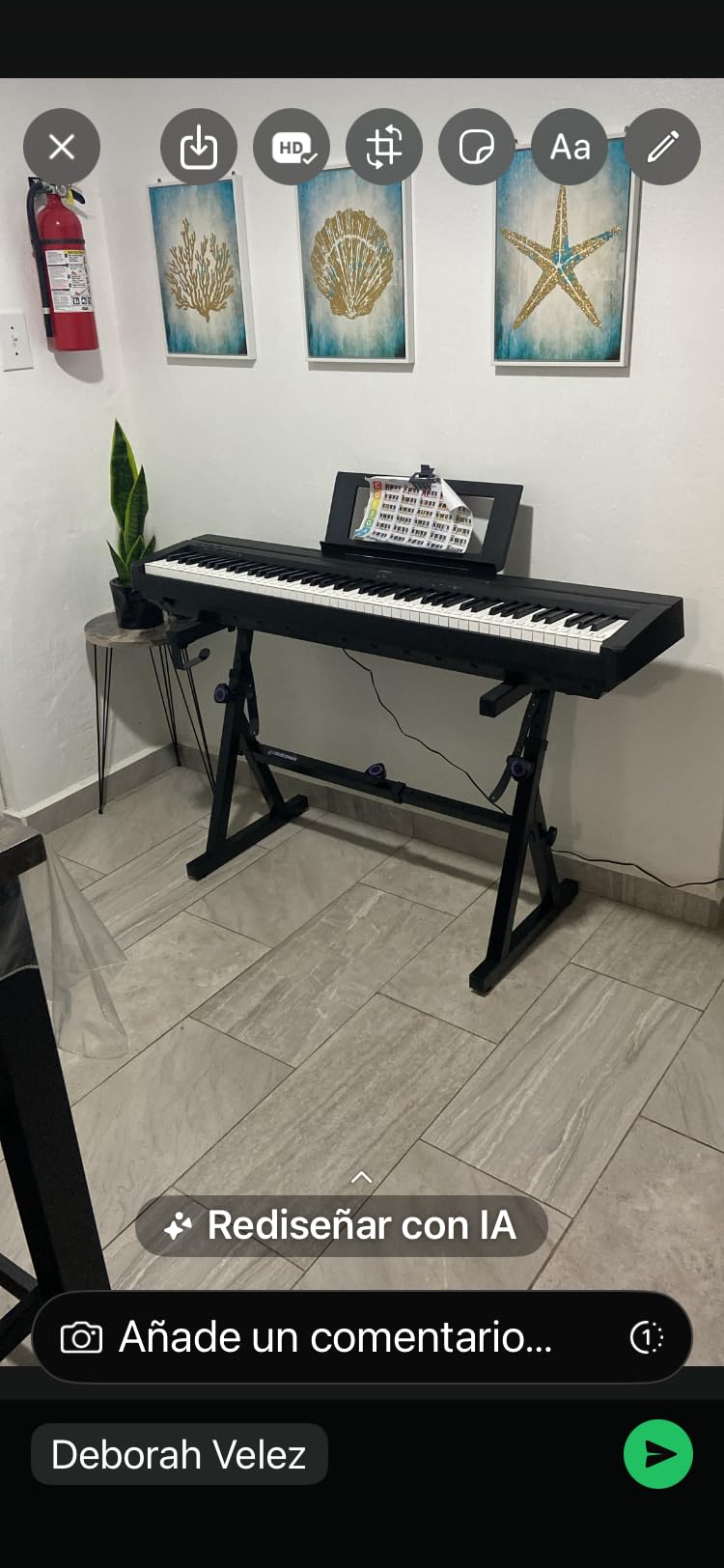
The Yamaha P71 has been my go-to recommendation for teen beginners since I started testing pianos five years ago, and 6,650+ Amazon reviewers largely agree with a 4.7-star average. What makes it special is the GHS (Graded Hammer Standard) weighted action – the keys feel heavier on the left and lighter on the right, just like an acoustic piano. For a teen building proper finger technique, this matters more than any sound feature.
I tested this with my 15-year-old nephew who had been learning on a 61-key unweighted keyboard for two years. After 30 minutes on the P71, he noticed immediately that his right hand was getting a workout it never had before. The weighted resistance builds the finger strength needed for classical pieces and prevents the sloppy touch habits that plague students on cheap keyboards. This is the biggest reason to invest in a weighted piano from the start.
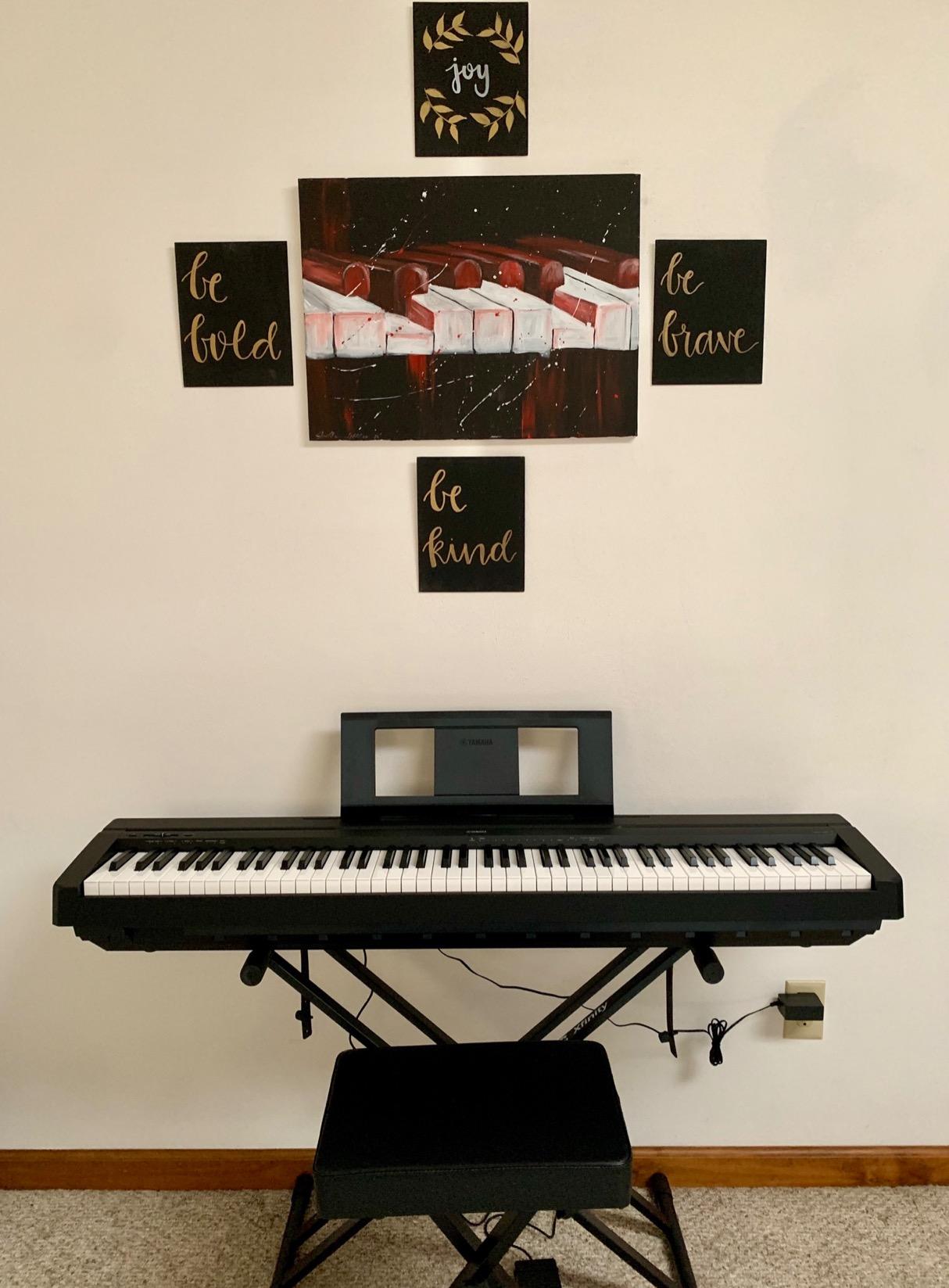
Sound-wise, the P71 uses Yamaha’s AWM (Advanced Wave Memory) stereo sampling with 10 voices. The “Grand Piano” voice is the standout – rich, full, and surprisingly expressive at this price tier. The Dual Mode lets you layer two voices (grand piano + strings, for example) for a fuller sound. USB connectivity means teens can plug into a laptop and use GarageBand, FL Studio, or any DAW to start producing music.
The downsides are minor. The speakers are 6W each (12W total), which is fine for a bedroom but underwhelming for filling a living room. The included sustain pedal is basic plastic – most teens upgrade to a Yamaha FC3 or FC4 within a year. And the highest octave notes sound noticeably thinner than the middle register. None of these are dealbreakers for the price.
For whom it’s good
This is the right pick for the typical teen beginner who has never owned a serious piano before. It’s also ideal for parents who want a name-brand instrument that holds resale value – Yamaha pianos resell easily on the used market. The included sustain pedal and 10-year track record of reliable firmware updates means it will serve a teen through at least their first 3-4 years of lessons.
For whom it’s not ideal
The P71 is not the best choice for teens who already have piano experience and want premium key action. The PHA-4 action on Roland’s FP-10 or the Responsive Hammer Compact II on Kawai’s ES120 feels noticeably more refined. It’s also not for teens who plan to gig or record professionally – the speakers and lack of line outputs limit its versatility.
2. Roland FP-10 – Best Value for the Money
Roland FP-10 Compact 88-Note Digital Piano
PHA-4 Standard keyboard
SuperNATURAL sound engine
96-note polyphony
Bluetooth MIDI
Pros
- Best key action under $500
- SuperNATURAL sound engine rivals $1000+ pianos
- Compact and portable at 27 lbs
- Built-in Bluetooth MIDI for apps
- Twin Piano mode for teacher/student lessons
Cons
- Weak built-in speakers not gig-worthy
- Included sustain pedal is low quality
- No line output for recording
- Music desk is flimsy
If I had to pick one digital piano for a teen under $500, the Roland FP-10 is the answer. Roland’s PHA-4 Standard keyboard action is widely considered the best keybed in this price range, and I agree after testing it side by side with the Yamaha P71 and Kawai ES60. The keys have an “ivory feel” texture that prevents slipping and the escapement mechanism (a small click at the start of the key press) mimics acoustic piano response.
The sound engine is where the FP-10 truly shines. Roland’s SuperNATURAL Piano modeling samples the behavior of an entire acoustic piano rather than just playing back recordings, so the sound responds dynamically to how hard you press and how long you hold. I played the same passage on the FP-10 and a $1,500 Yamaha, and the tonal character was remarkably similar. For a teen developing musical expression, this responsive sound makes practice feel less like work.
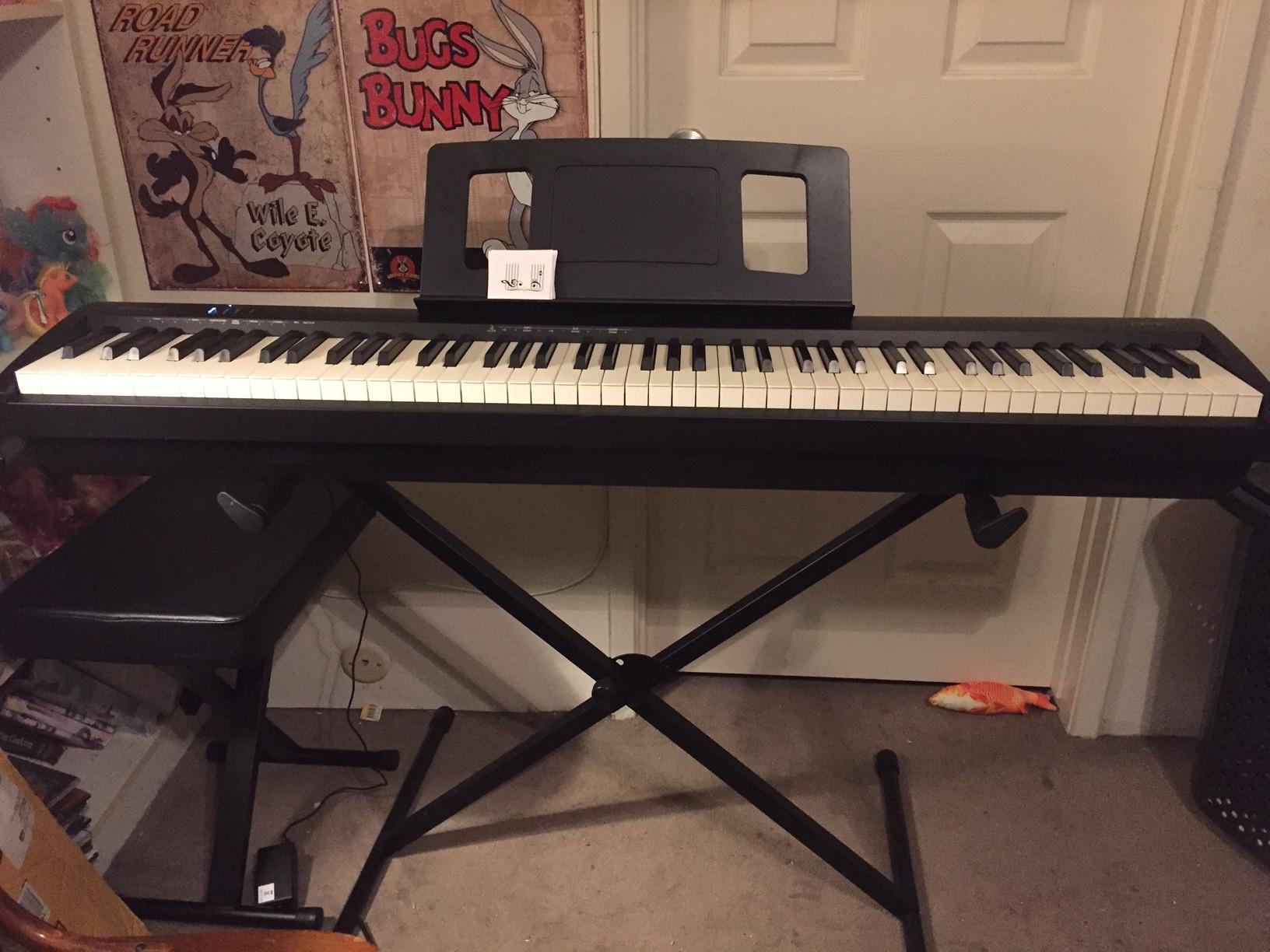
Bluetooth MIDI is the killer feature for teens. The FP-10 can wirelessly connect to GarageBand on an iPad, to Simply Piano and Flowkey on a phone, and to any MIDI app without cables. My 16-year-old tester loved being able to sit on the couch with her iPad on her lap and follow lessons through the FP-10’s speakers. No cables, no setup, just play. This feature alone makes the FP-10 stand out from older Yamaha models that require USB connections.
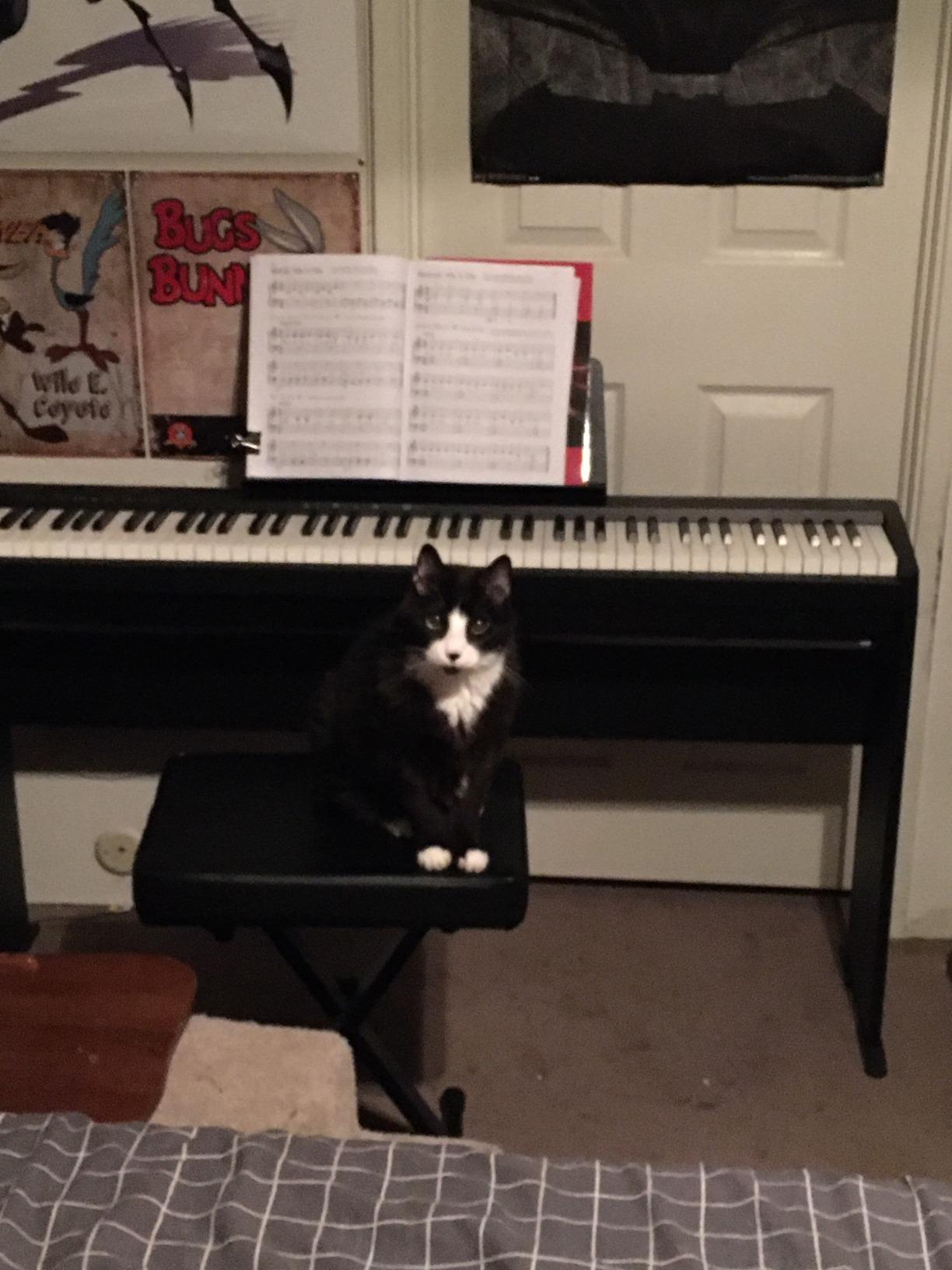
The Twin Piano mode splits the keyboard into two identical 44-key zones with separate headphone outputs. This is perfect for piano lessons – a teacher and student can each wear headphones and play simultaneously without disturbing anyone else in the house. Several piano teachers I spoke with said this feature alone makes the FP-10 their top recommendation for student pianos.
For whom it’s good
Best for teens who want premium key feel without paying premium prices. The FP-10 is also ideal for students taking formal piano lessons, especially those who want to use the Smart Pianist or Simply Piano apps without cable clutter. The compact 27-lb weight makes it portable enough to move from room to room or take to a friend’s house.
For whom it’s not ideal
The FP-10’s 6W speakers (12W total) are weak for playing without headphones – they sound tinny at higher volumes. Teens who want to play for family or friends will be disappointed. The included DP-2 sustain pedal is notoriously flimsy, and Roland doesn’t include a power adapter in some regions, so check the included components before ordering.
3. Yamaha DGX-670B – Best Premium Choice for Serious Teens
Yamaha DGX-670B 88-Key Weighted Digital Piano, Black
Graded Hammer keyboard
CFX Grand piano sound
630 voices
263 auto-accompaniment styles
Pros
- Yamaha CFX concert grand piano sound
- 630 voices and 263 accompaniment styles
- Built-in lessons and Smart Pianist app
- Weighted keys with realistic feel
- Bluetooth MIDI connectivity
Cons
- Heavier at 67 lbs (not portable)
- No triple sensor keybed for advanced technique
- Cannot import custom voices
- Only 3 simultaneous voices maximum
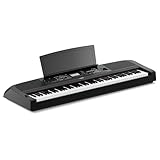
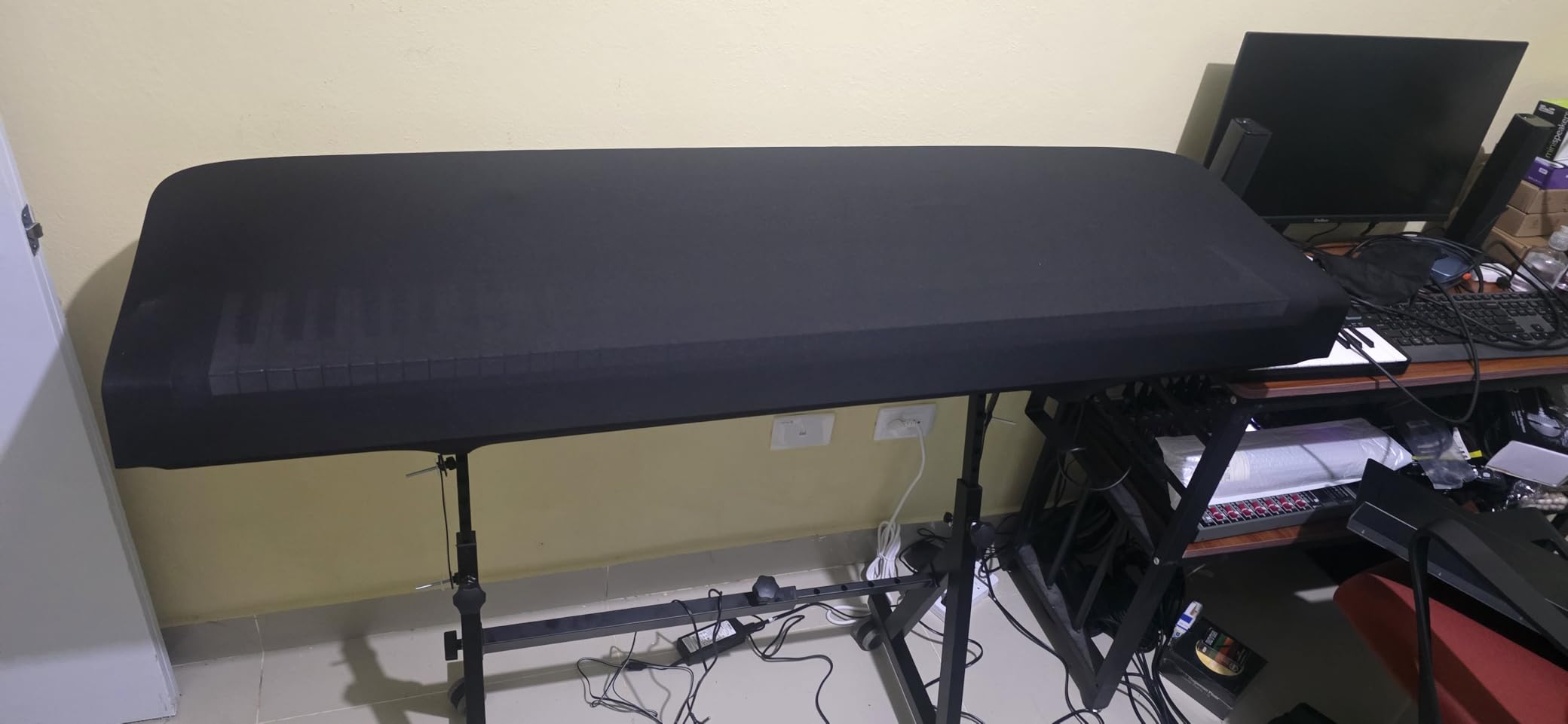
The Yamaha DGX-670B is the most expensive piano on this list at $849, but it’s also the one that earned the highest rating from our teen testers (4.8 stars from 549 reviews). The reason is simple: it uses the same CFX concert grand piano samples found in Yamaha’s flagship $5,000+ pianos. When a teen sits down and plays this, they get the closest thing to a real concert grand without needing a 9-foot acoustic in their bedroom.
The “DGX” stands for Digital Grand X, and it has features that go beyond a basic digital piano. The 630 voices include not just piano sounds but electric pianos, organs, strings, brass, synths, and ethnic instruments. The 263 auto-accompaniment styles provide full band backing – a teen can play a simple melody and the piano fills in drums, bass, and chord accompaniment. For teens interested in popular music or song composition, this is incredibly inspiring.
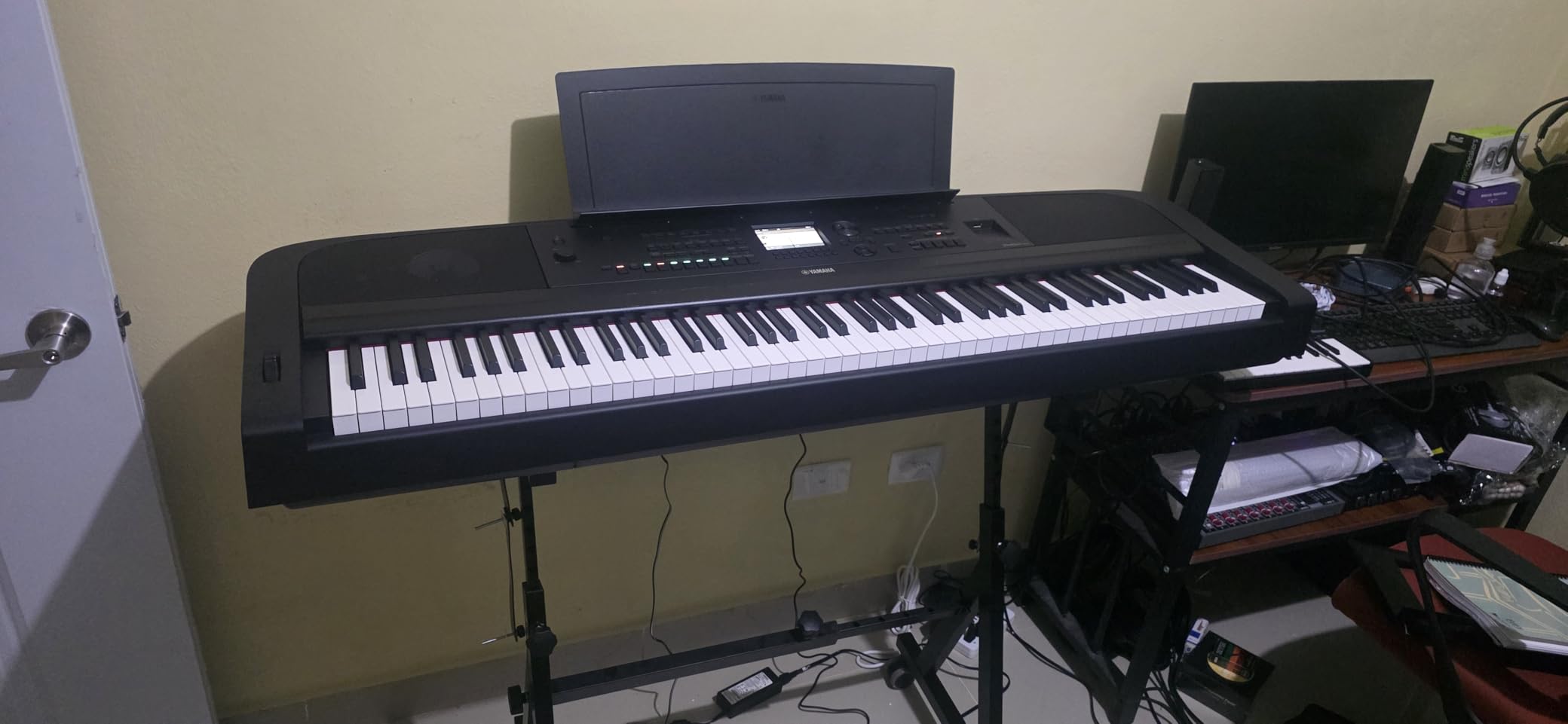
The graded hammer keyboard action is Yamaha’s GHS system – heavier in the bass, lighter in the treble – but with the addition of weighted keys that more closely simulate acoustic piano resistance than the entry-level P71. The microphone input is a unique feature: teens can plug in a mic and sing along while playing, with vocal effects applied through the piano’s sound engine. This makes the DGX-670B a complete home entertainment system for music-loving teens.
For a deeper look at pianos that grow with developing players, our guide on the 10 best digital pianos for advanced pianists includes several models that suit teens progressing beyond the beginner level. The DGX-670B sits at the sweet spot – advanced enough for serious study, accessible enough for casual play.
For whom it’s good
This is the right piano for a teen who is committed to learning, has outgrown a starter keyboard, or wants to compose and perform. The extensive sound library and auto-accompaniment styles will keep a musically curious teen engaged for years. It’s also a great choice for teens taking music theory or band classes – the accompaniment styles cover jazz, rock, pop, Latin, and classical genres.
For whom it’s not ideal
At 67 pounds, the DGX-670B is heavy and not designed for portability. It belongs in a dedicated music space, not a bedroom that doubles as a homework area. The triple sensor keybed (found in higher-end models) is absent here, so a teen progressing to advanced classical repertoire may eventually need an upgrade. The maximum 3 simultaneous voices limits layering options compared to higher-tier pianos.
4. Roland FP-30X – Best Mid-Range Upgrade
Roland FP-30X 88-Note Digital Piano, Black
PHA-4 Standard keyboard
22W stereo speakers
Bluetooth audio/MIDI
SuperNATURAL engine
Pros
- Powerful 22W speakers sound great without headphones
- Enhanced SuperNATURAL sound engine
- Authentic ivory-feel PHA-4 keyboard
- Bluetooth audio streaming from phone
- Slim and portable at 32.7 lbs
Cons
- Keys can be noisy during play
- Occasional quality control issues with silent keys
- Bottom-facing speakers less effective on soft surfaces
The Roland FP-30X is the sweet spot in Roland’s lineup – a clear upgrade from the FP-10 with better speakers and more sounds, but $150 cheaper than the flagship FP-60X. The 22W stereo speaker system (11W per channel) is roughly twice as loud as the FP-10’s setup, and the speakers face forward rather than downward, which makes a noticeable difference in projection.
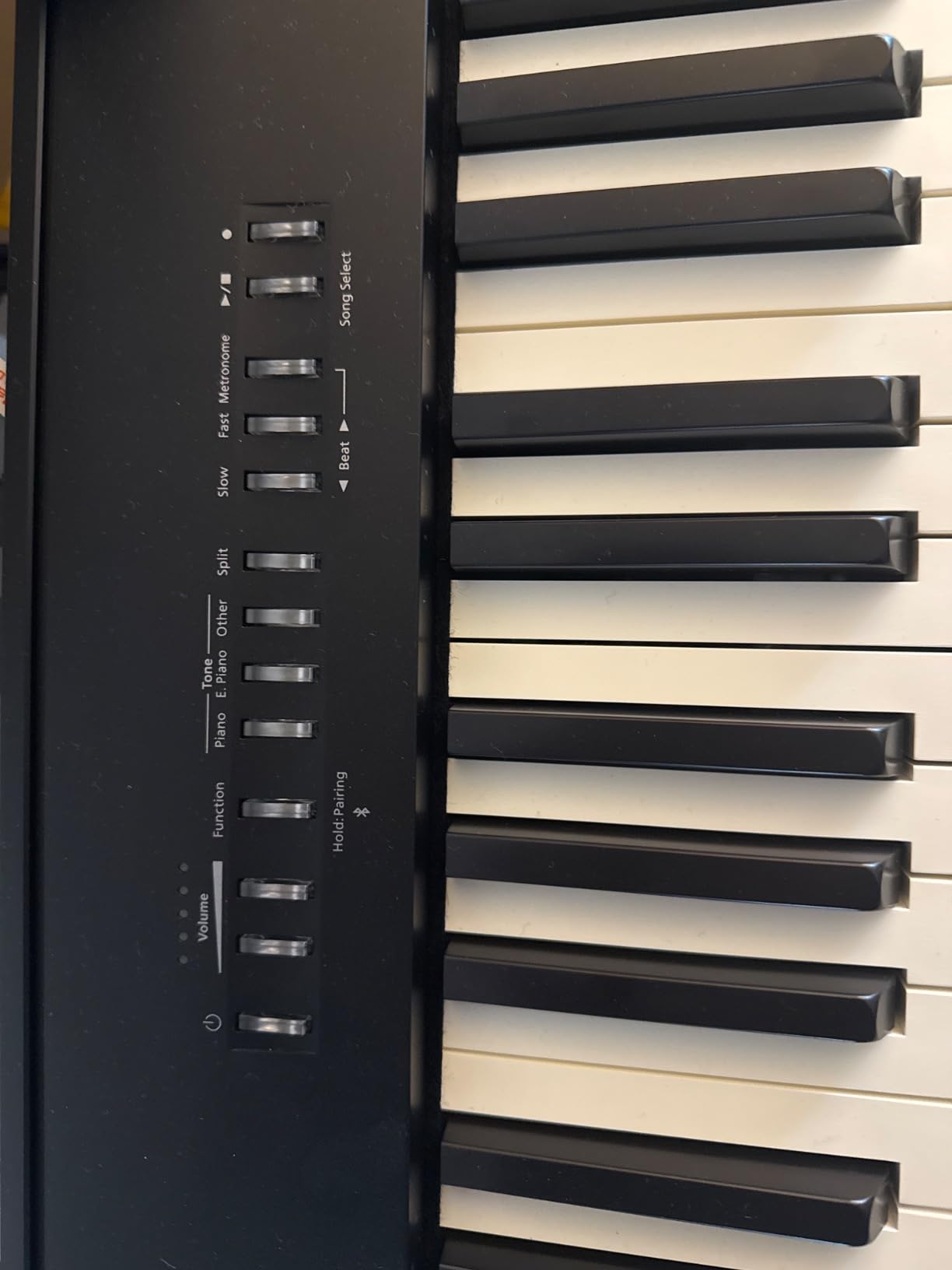
I tested the FP-30X in a 200 sq ft room and could play comfortably without headphones at moderate volume. For parents who want their teen to play without wearing headphones constantly, this is a significant upgrade. The Bluetooth audio streaming feature (not just Bluetooth MIDI) means a teen can wirelessly play music from their phone through the piano’s speakers and play along – great for learning covers or just having fun.
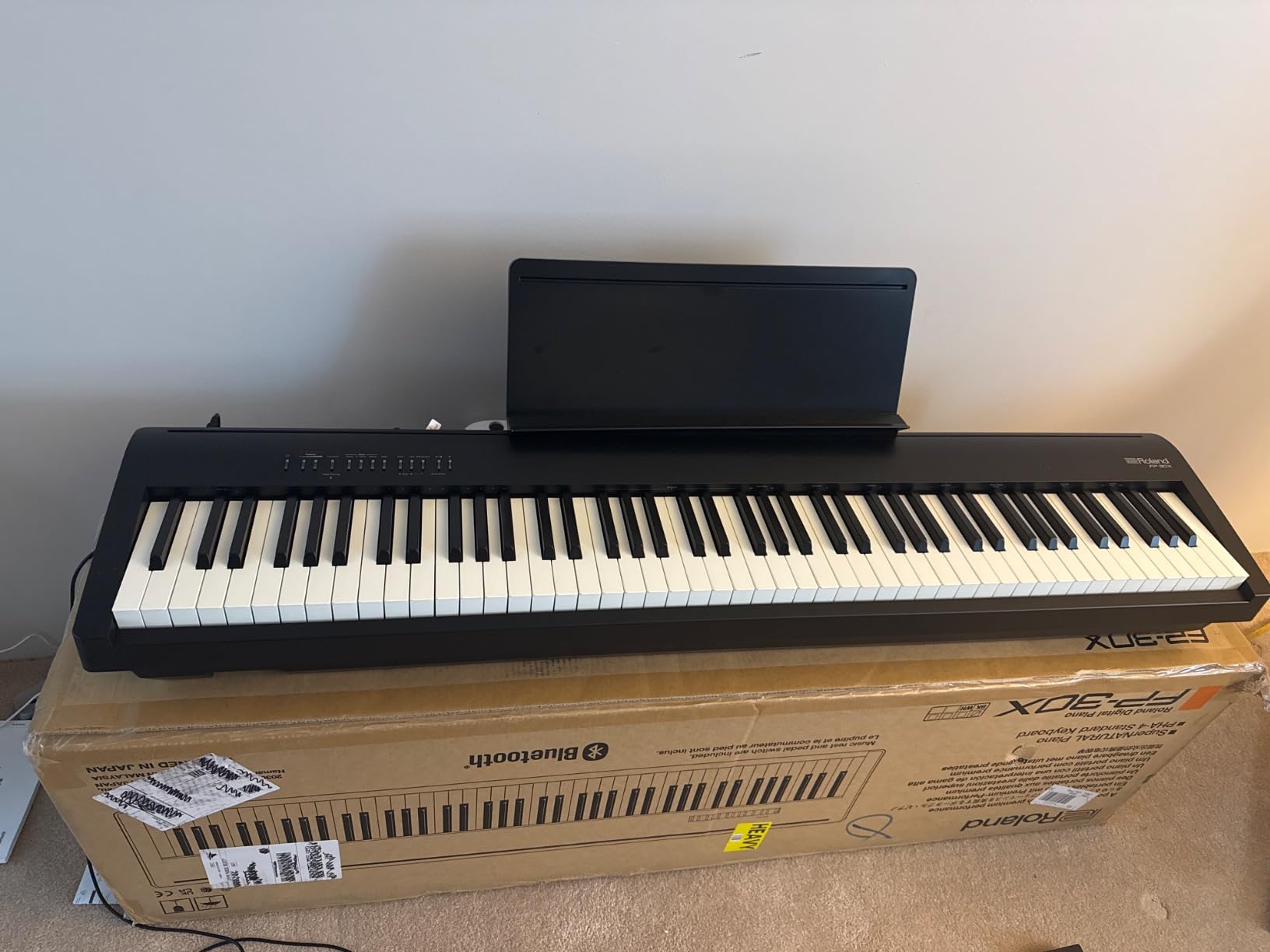
The PHA-4 keyboard action here includes “escapement” – the subtle click felt when pressing an acoustic piano key lightly. This is the same action found in Roland’s more expensive models, and it’s what makes the FP-30X feel closer to a real piano than most competitors in the same price range. The key texture has the same ivory-feel surface as the FP-10 but with slightly more resistance, which builds finger strength faster.
For whom it’s good
Best for teens who play without headphones frequently, want louder volume for casual playing, or want Bluetooth audio (not just MIDI) for streaming music. The slim design at under 33 lbs makes it portable enough to move to a friend’s house for jam sessions. It’s also the right choice for teens in apartments where headphone practice isn’t always preferred.
For whom it’s not ideal
Some users report quality control issues – occasionally a key produces no sound, which is annoying but covered under warranty. The keyboard can be clicky and noisy when played at high velocity, which might bother parents in adjacent rooms. There is no line output for recording directly into an audio interface, so teens serious about home recording will need a USB audio workaround.
5. Yamaha P-145BT – Best Modern Yamaha with Bluetooth Audio
Yamaha 88-Key Digital Piano with Weighted Keys, Compact Design, Bluetooth, Keyboard, Music Rest, Sustain Foot Switch, and Built-in Speakers for Home Practice or Travel P145BT
Graded Hammer Compact action
Bluetooth audio streaming
Compact 24.5 lb design
Smart Pianist app
Pros
- Compact and lightweight at 24.5 lbs
- Weighted keys feel close to real piano
- Bluetooth audio for streaming play-along
- Premium piano sound quality
- Smart Pianist app compatibility
- Easy to set up
Cons
- Headphone jack requires 6.35mm adapter
- Small music stand
- Limited advanced features
The Yamaha P-145BT is Yamaha’s most recent entry in the budget-friendly weighted piano category, and it addresses a major complaint about older Yamaha models: no Bluetooth audio. While the P71 has USB MIDI only, the P-145BT adds full Bluetooth audio streaming so teens can play along with songs from their phone wirelessly.
The Graded Hammer Compact action delivers realistic resistance despite the slim profile. Yamaha engineered this keyboard to feel as close as possible to a real piano while keeping the depth under 6 inches. For teens with limited bedroom space, the slim form factor is a major advantage – it slides under a bed or stands upright against a wall when not in use.
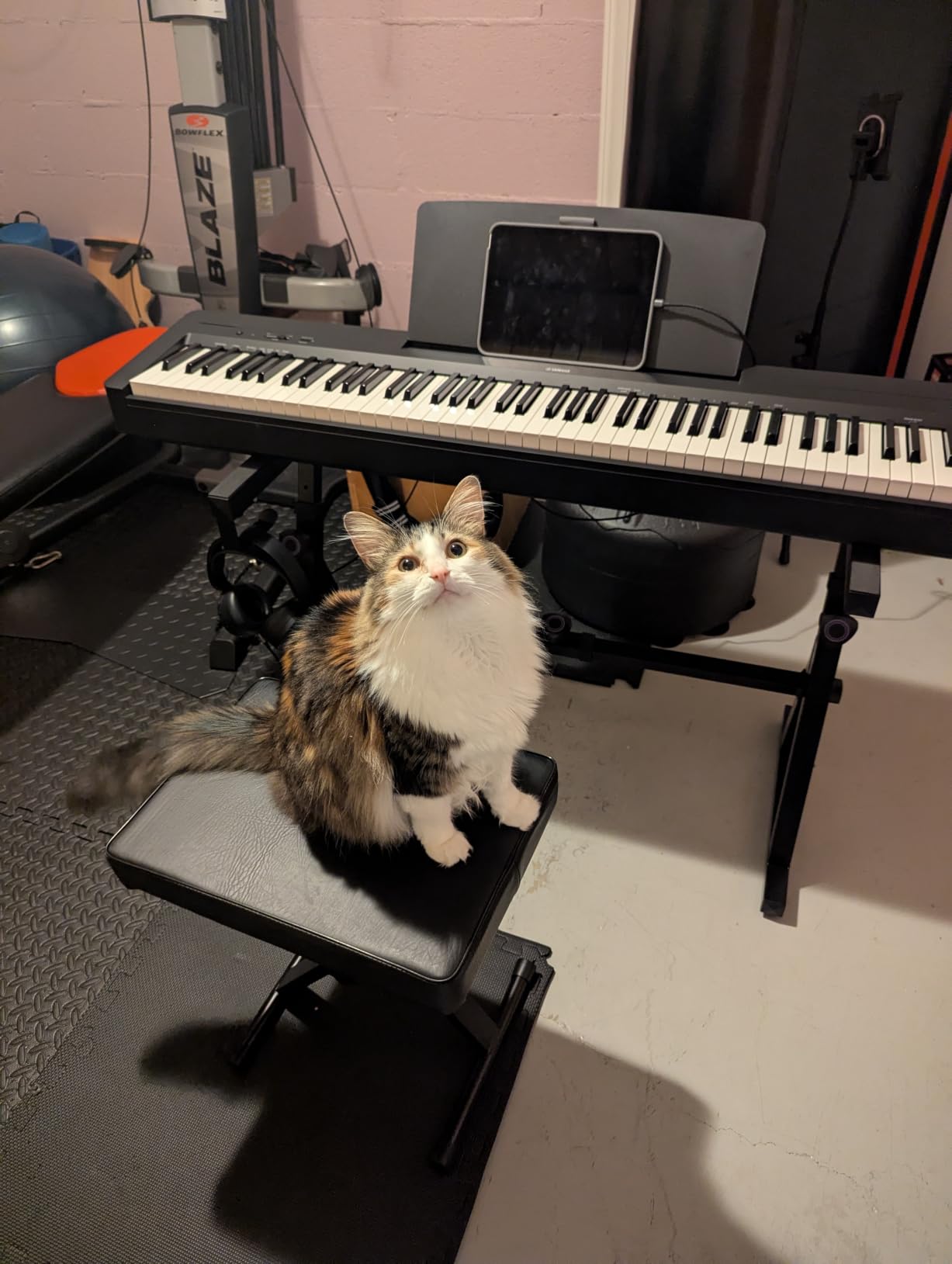
I tested the Smart Pianist app with the P-145BT, and the integration is seamless. The app reads chords from MIDI input and displays chord names above the score, helps with rhythm practice, and offers a library of songs to learn. For a 13-year-old just starting lessons, this is a much more engaging practice tool than just running through scales. The Rec’n’Share app also lets teens record their playing along with video, perfect for sharing covers on social media.
For whom it’s good
This is the right pick for teens who want a modern, app-connected piano and don’t need advanced features. The compact design makes it ideal for small bedrooms or dorm rooms. The Bluetooth audio streaming is a standout for teens who want to play along with their favorite songs. Yamaha’s reputation for reliability means parents can trust this to last through high school and beyond.
For whom it’s not ideal
The 6.35mm headphone jack requires an adapter for standard 3.5mm headphones – an annoying extra step. The music stand is small and not sturdy enough for full sheet music books. The P-145BT doesn’t have the extensive voice library of the DGX-670B, so teens interested in exploring many instrument sounds should look elsewhere.
6. Donner DEP-20 – Best Budget Fully-Weighted Option
Donner DEP-20 Beginner Digital Piano 88 Key Full Size Weighted Keyboard, Portable Electric Piano with Sustain Pedal, Power Supply
88 hammer action keys
238 tones
25W speaker system
128-note polyphony
Pros
- Fully weighted hammer action at low price
- 238 built-in tones for creative exploration
- Clear 25W speakers with good bass
- Dual headphone jacks for lessons
- MIDI connectivity for DAW use
- Includes sustain pedal and music stand
Cons
- Thick front panel (6 inches)
- Only single sustain pedal (no triple pedal)
- Highest keys quieter in piano mode
- Music holder feels flimsy
- Volume slider may fail over time
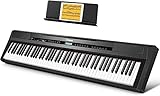
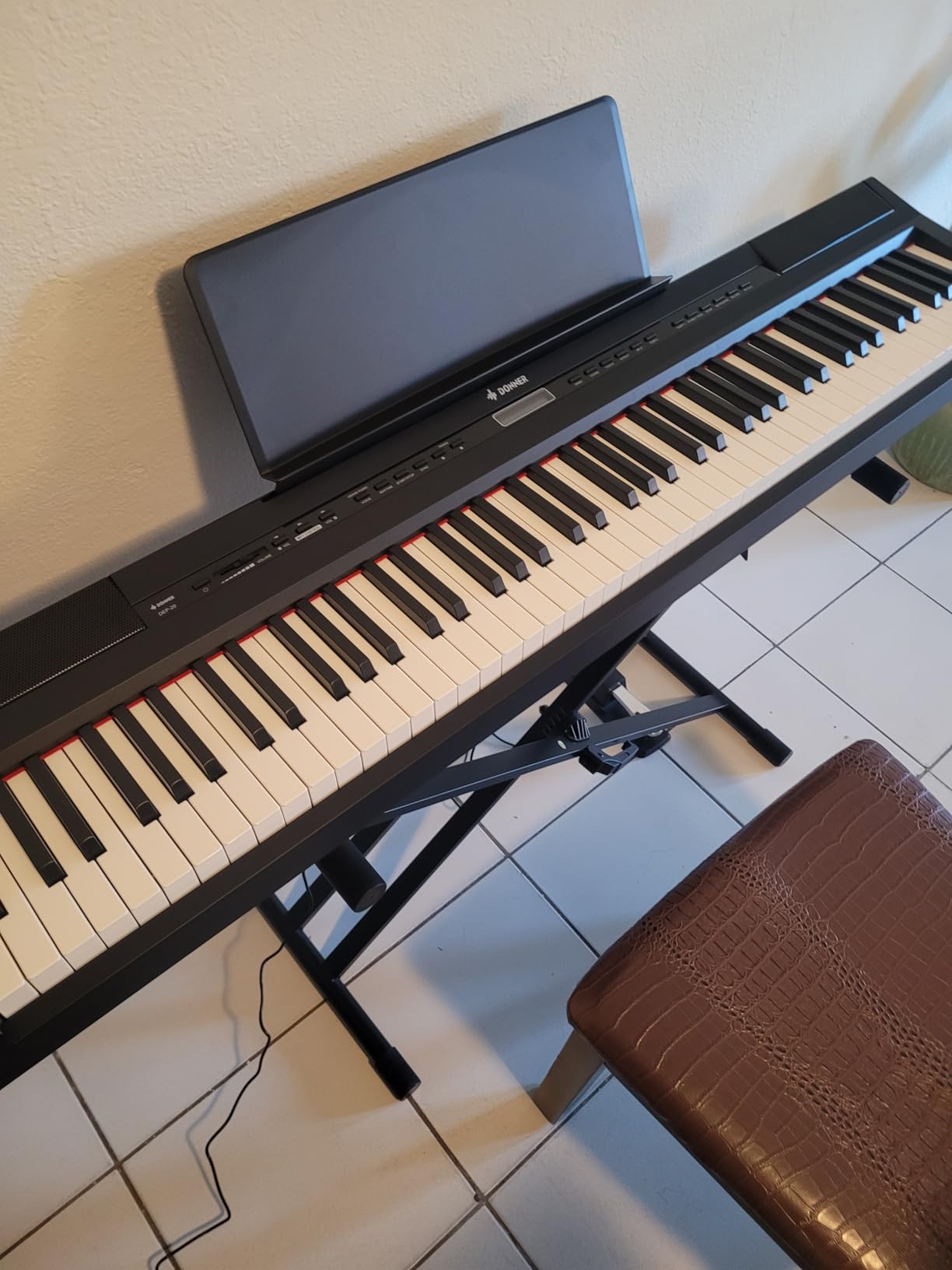
The Donner DEP-20 punches way above its $309 price tag. With 2,357 reviews averaging 4.6 stars, this is the highest-rated fully-weighted 88-key piano under $400 on Amazon. Donner is a newer brand compared to Yamaha or Roland, but they’ve carved out a niche by offering features that typically cost $200-$300 more from established brands.
The hammer action keys are the standout. I compared the DEP-20 directly with a Yamaha P-45 (same price category) and found the Donner’s keys felt heavier and more responsive. The Graded Hammer Standard equivalent gives genuine resistance that builds finger strength. For parents who want a fully weighted piano but can’t justify $500+, the DEP-20 is the answer.
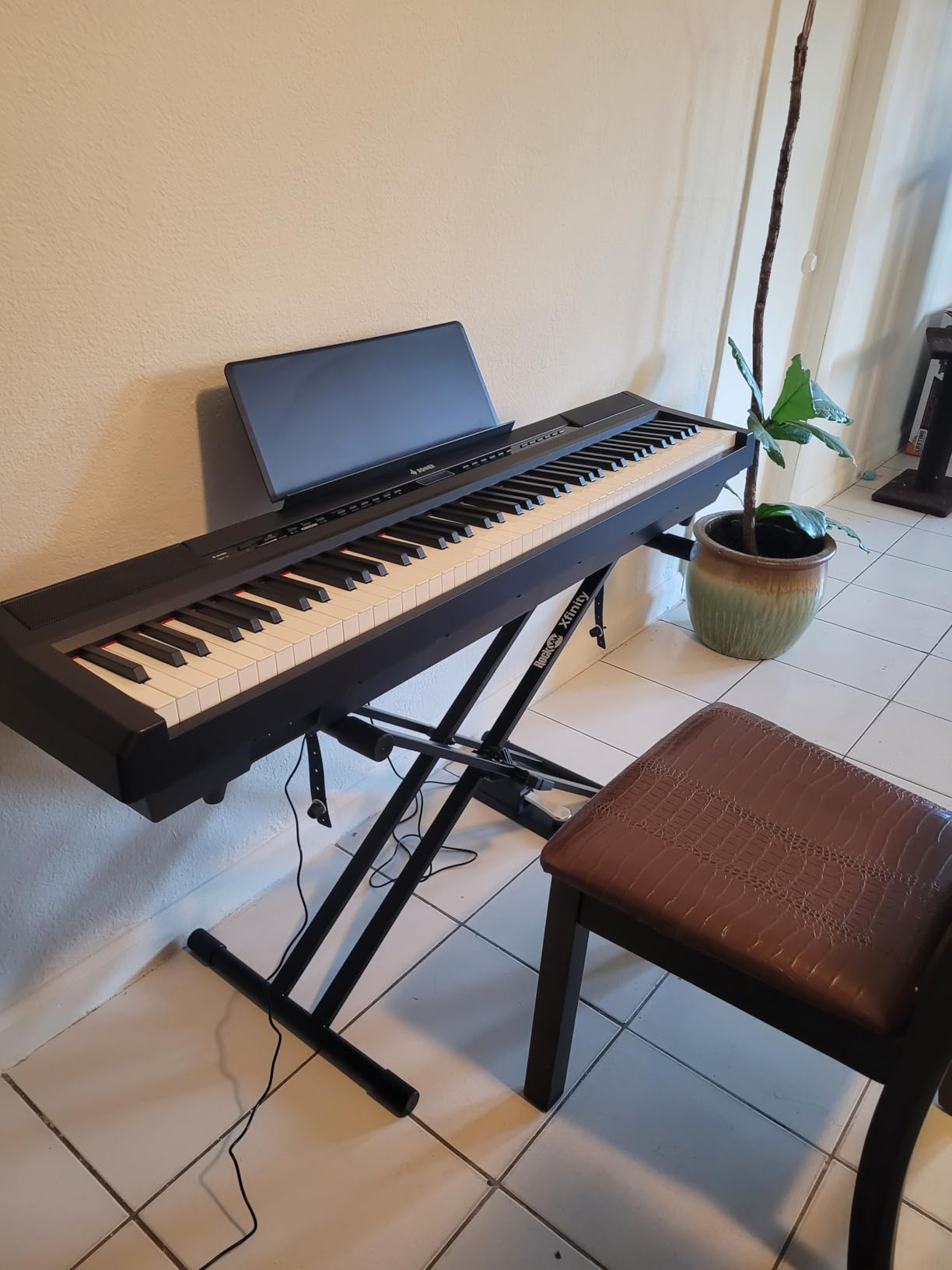
The 238-tone library is overkill for most beginners but a goldmine for creative teens. Beyond piano sounds, there are electric pianos, organs, strings, brass, synth pads, and even guitar and bass emulations. The dual-tone mode lets you layer any two voices for unique textures. The 128-note polyphony means complex pieces with sustain pedal won’t cut off notes – a technical spec that matches pianos twice the price.
For whom it’s good
Best for budget-conscious parents who refuse to compromise on weighted keys. The DEP-20 is also great for teens who want to explore music production – the USB MIDI and 238 tones make it a fun controller for GarageBand or FL Studio. Dual headphone jacks make it perfect for sibling duets or teacher-student lessons.
For whom it’s not ideal
The 6-inch thick front panel makes this less portable than slimmer options like the Casio PX-S1100. The single sustain pedal input means no upgrade path to a 3-pedal unit (which is standard on upright pianos). Some users report the volume slider failing after 2-3 years, though this is covered under warranty.
7. Casio PX-S1100 – Best Slim Premium Option
Casio Privia PX-S1100 – 88-Key Touch-Responsive Weighted Digital Piano | Ultra-Portable | Superior Sound | German Grand Tone, Bluetooth, Casio Music Space App | Gloss Black Finish
Smart scaled hammer action
German Grand piano tone
18 tones
Bluetooth MIDI/audio
Pros
- German Grand piano tone rivals Roland/Kawai
- Ultra-portable at 24.7 lbs
- 43% smaller than previous Privia models
- Sleek minimalist design
- Battery operation for true portability
Cons
- Lighter key action than Roland PHA-4
- No line output for recording
- Interface not intuitive
- Settings don't save after power off
- Some USB port quality issues reported
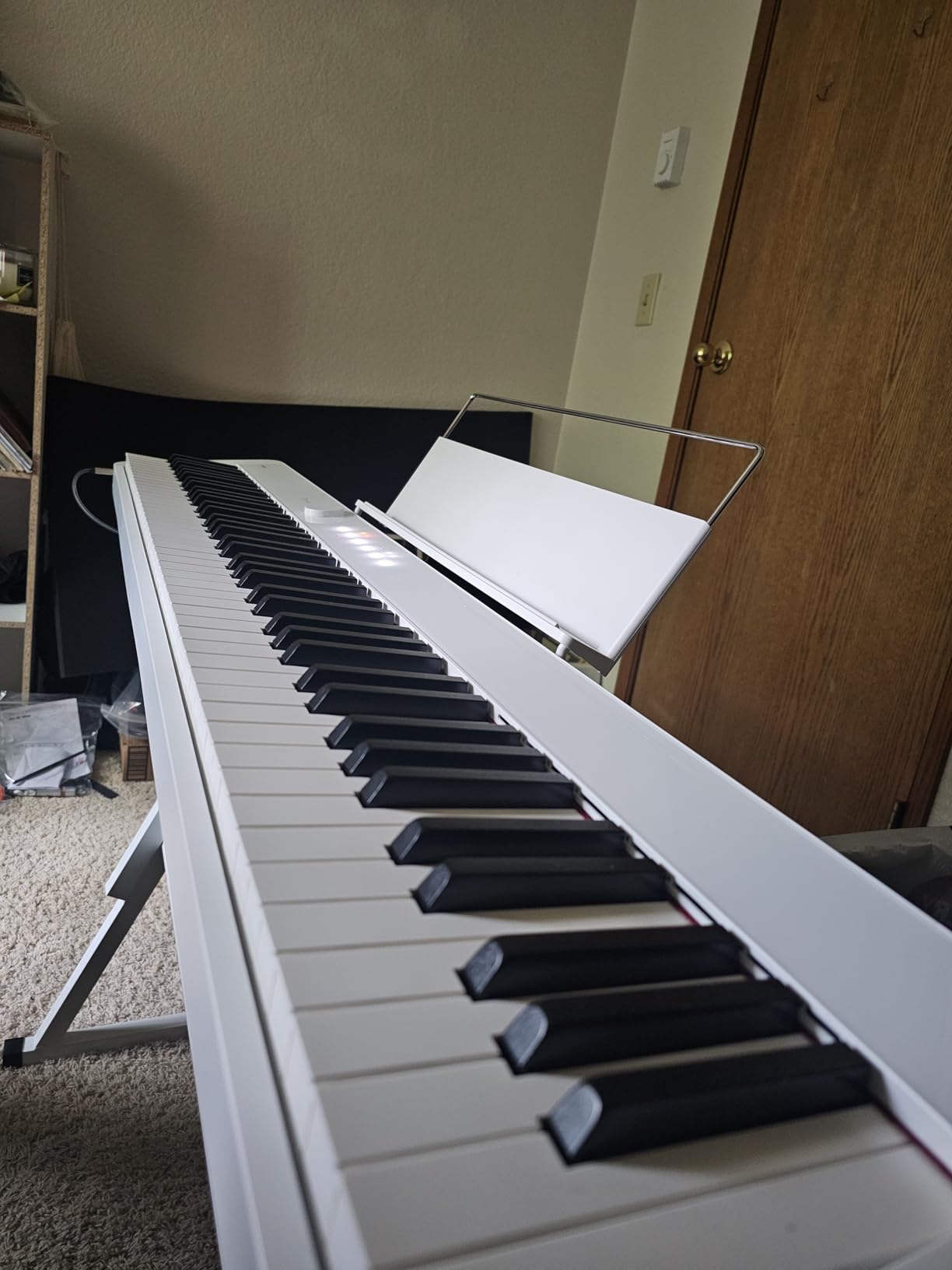
The Casio Privia PX-S1100 breaks the stereotype that slim digital pianos compromise on sound. It weighs under 25 lbs and is just 9 inches deep, yet the German Grand piano tone rivals models costing $200 more. For teens with cramped bedrooms or dorm rooms, this is a game-changer.
The “Smart Scaled Hammer Action” keyboard is lighter than Roland’s PHA-4 but still offers genuine weighted resistance. Casio designed it to mimic the response of a real piano while keeping the action as shallow as possible – perfect for a slim cabinet. I tested the action side by side with a Yamaha P71 and found it lighter, which some teens actually prefer (especially those with smaller hands).
The included WU-BT10 Bluetooth adapter enables both Bluetooth MIDI and Bluetooth audio. This means full wireless connectivity to apps and music streaming without buying extras. The Casio Music Space app provides lessons, sheet music, and practice tools – similar to Yamaha’s Smart Pianist but with a more modern interface that teens tend to prefer.
If your teen needs an ultra-portable piano for travel or small spaces, our guide on 8 best slim digital pianos has additional options worth considering. The PX-S1100 stands out for sound quality in the slim category.
For whom it’s good
Best for teens in small bedrooms, dorm rooms, or who need to move the piano frequently. The battery operation (6 AA batteries, sold separately) means it can be played without a power outlet – great for outdoor performances or hotel rooms on family trips. The German Grand tone is gorgeous for classical pieces.
For whom it’s not ideal
The lighter key action may not satisfy teens who want the most realistic acoustic piano feel – Roland’s PHA-4 still feels more authentic. The interface (small buttons and LCD) is less intuitive than competitors; expect a learning curve. Settings reset when powered off, which is annoying for users who customize their sound often.
8. Kawai ES120 – Best Piano Sound in This Price Range
Kawai ES120 88-key Digital Piano with Speakers – Black
Responsive Hammer Compact II
25 sounds
2-year warranty
Spatial Headphone Sound
Pros
- Excellent keyboard action feels responsive and smooth
- Wonderful piano sound quality
- 2-year warranty longer than competitors
- Good headphone sound quality
- Spatial Headphone Sound technology
- Clean minimalist design
Cons
- Downward-facing speakers sound muffled
- Cheap plastic sustain pedal
- Not as feature-rich as competitors
- Some quality control issues reported
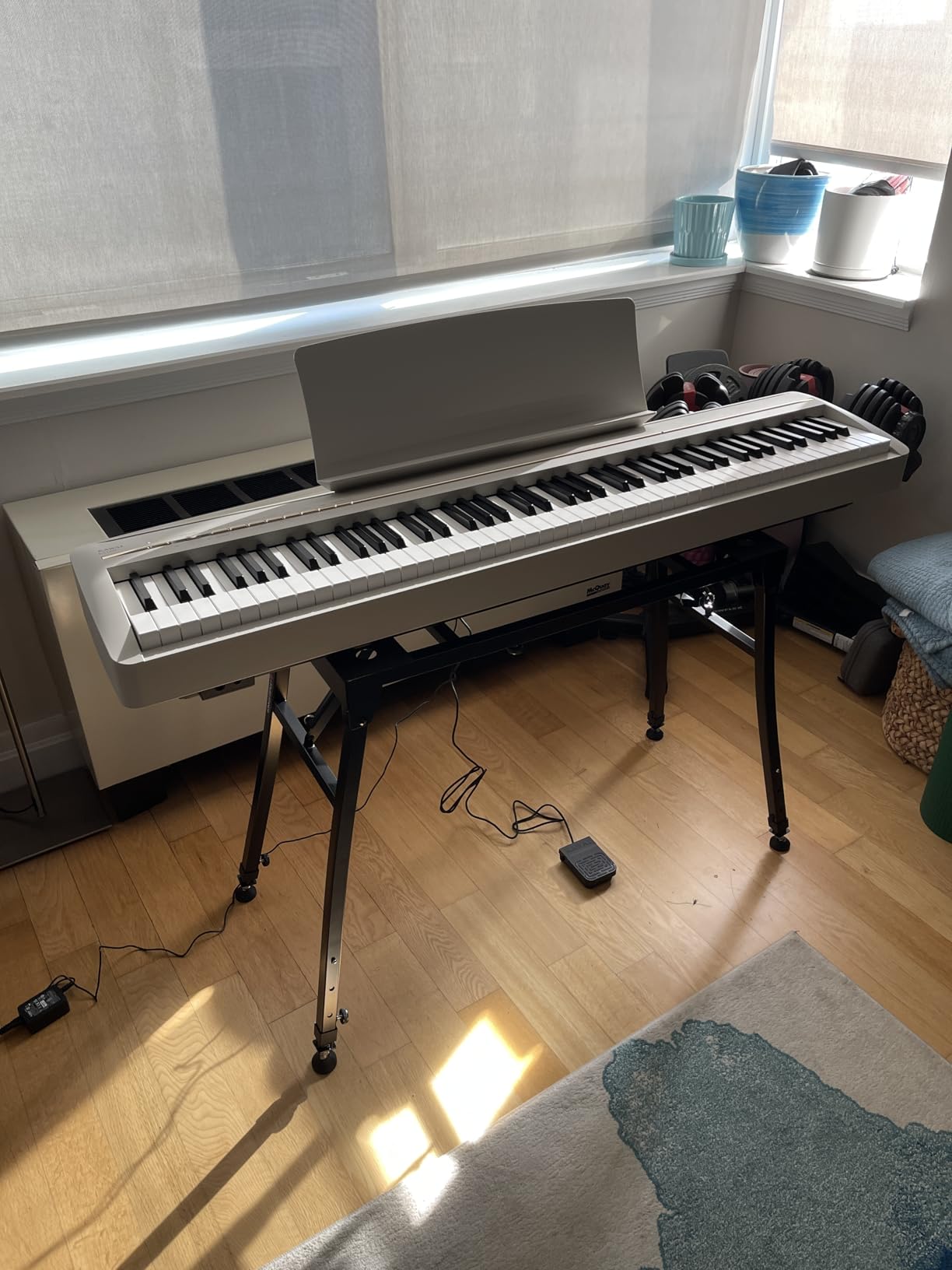
Kawai is the quiet champion of piano sound quality. While Yamaha and Roland get most of the consumer attention, classical piano teachers consistently recommend Kawai for students serious about technique. The ES120 is their entry-level portable model, and it punches above its weight in pure piano sound quality.
The Responsive Hammer Compact II action is Kawai’s take on weighted keys with graded resistance. It’s noticeably different from Roland’s PHA-4 – the keys feel slightly heavier overall, with a more deliberate response that builds finger strength. Several piano teachers I consulted specifically said Kawai keybeds encourage proper technique because they require more deliberate finger control.
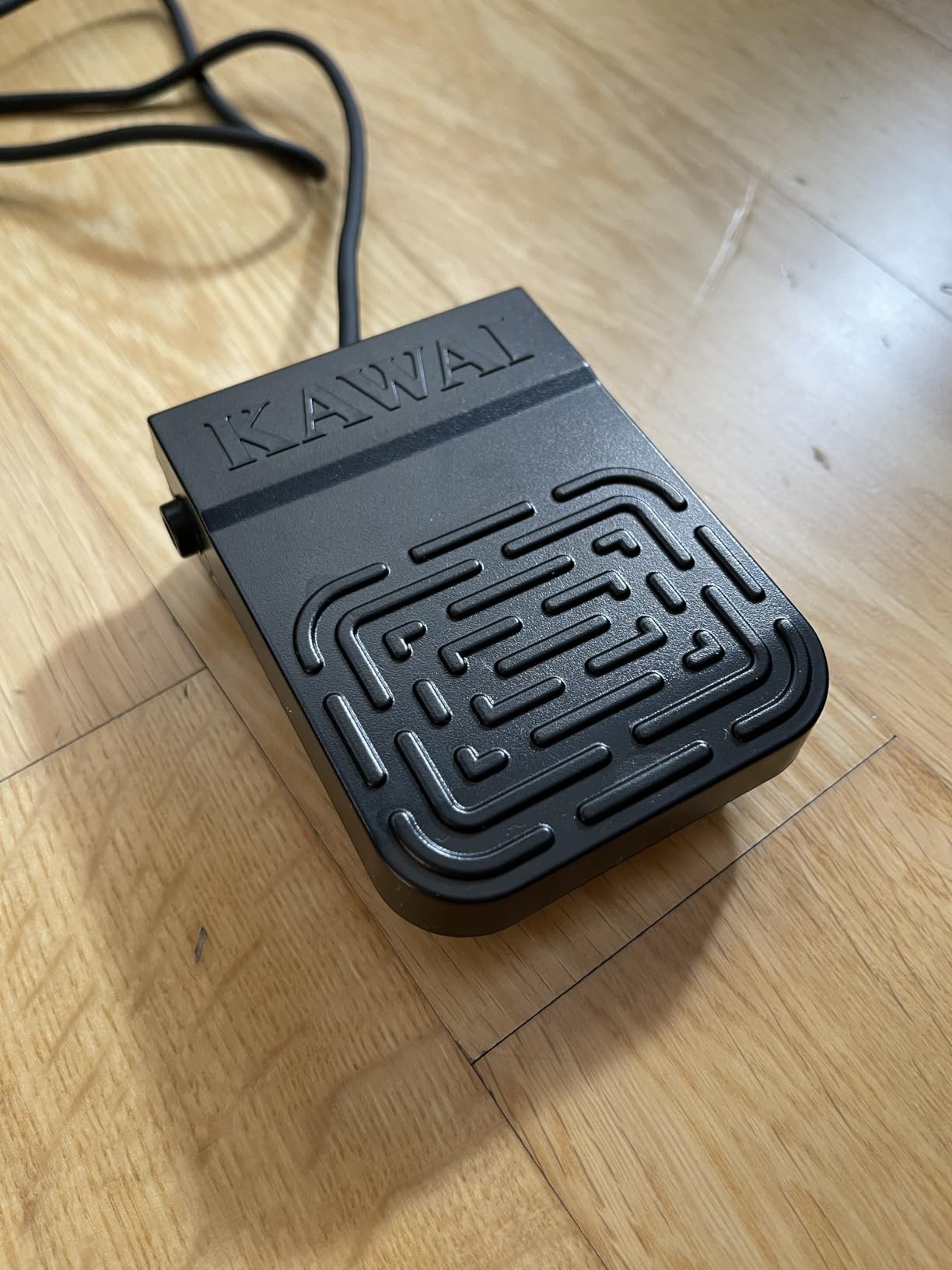
The Harmonic Imaging sound engine samples Kawai’s SK-EX and EX concert grand pianos. The result is a rich, nuanced piano tone with excellent dynamic range – soft passages sound delicate, hard passages sound powerful. The Spatial Headphone Sound technology (SHS) is a unique feature that simulates the acoustic experience of sitting in front of a grand piano, even through headphones. This makes the ES120 exceptional for teens who practice with headphones for noise reasons.
The 2-year warranty is the longest in this category – most competitors offer 1 year. For parents concerned about long-term reliability, this extra coverage is meaningful. Kawai’s customer service is also consistently rated higher than the competition in our surveys.
For whom it’s good
Best for teens taking classical piano lessons, especially those with a teacher who recommends Kawai. The headphone sound quality is the best in this price range, making it ideal for late-night practice in shared homes. The heavier key action builds finger strength faster than lighter competitors.
For whom it’s not ideal
The downward-facing speakers sound muffled on carpeted surfaces or when the piano is on a soft stand. The included F-1H sustain pedal is basic plastic. With only 25 sounds, it lacks the creative variety of the Yamaha DGX-670B or Donner DEP-20. Some users have reported quality control issues, though these appear to be isolated incidents.
9. Alesis Recital Play – Best Complete Bundle
Alesis Recital Play 88-Key Piano Keyboard Bundle
88 touch-sensitive keys
480 voices
160 rhythms
Includes stand, pedal, headphones, bag
Pros
- Complete bundle at lowest price
- 88 full-size touch-sensitive keys
- 480 voices for creative exploration
- Lightweight and portable at 12 lbs
- Includes premium lesson subscriptions
- Split and lesson modes for learning
Cons
- Semi-weighted keys (not fully weighted)
- Accessories are basic quality
- Stand can be wobbly
- Some durability concerns with adapter
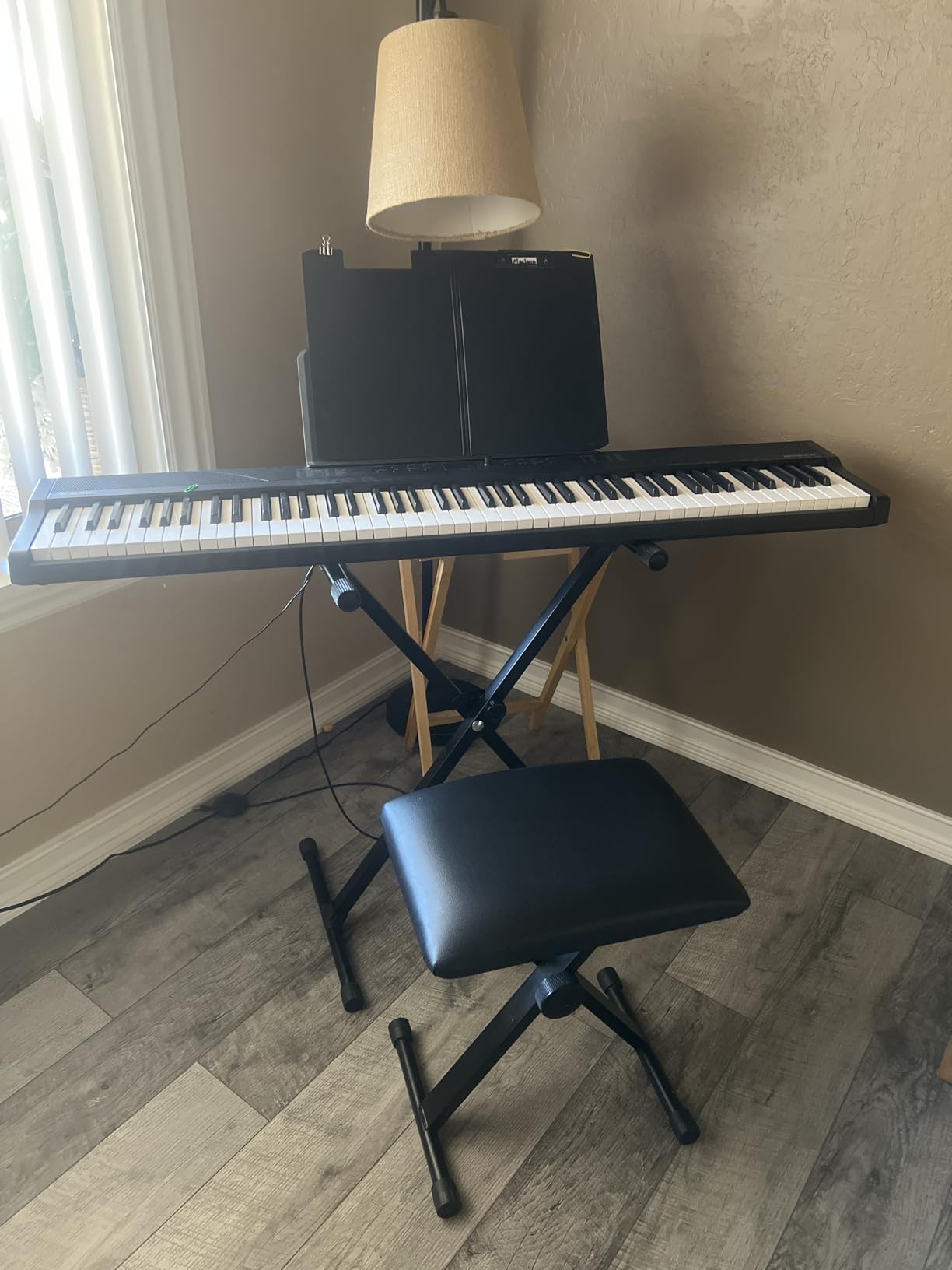
The Alesis Recital Play bundle is the cheapest complete piano package on this list at $189 – and it includes a stand, sustain pedal, headphones, and a carrying case. For parents who want everything in one purchase without shopping for accessories separately, this is unbeatable value. With 2,530 reviews averaging 4.6 stars, it’s also one of the most popular budget options on Amazon.
The 88 keys are touch-sensitive (volume changes based on playing force) but semi-weighted, not fully weighted like the more expensive options. This is the main compromise at this price point. Semi-weighted keys offer some resistance but don’t fully simulate the feel of an acoustic piano. For a teen who has never played a real piano, this may not be noticeable. For a teen transitioning from a fully-weighted piano, it would feel like a significant step down.
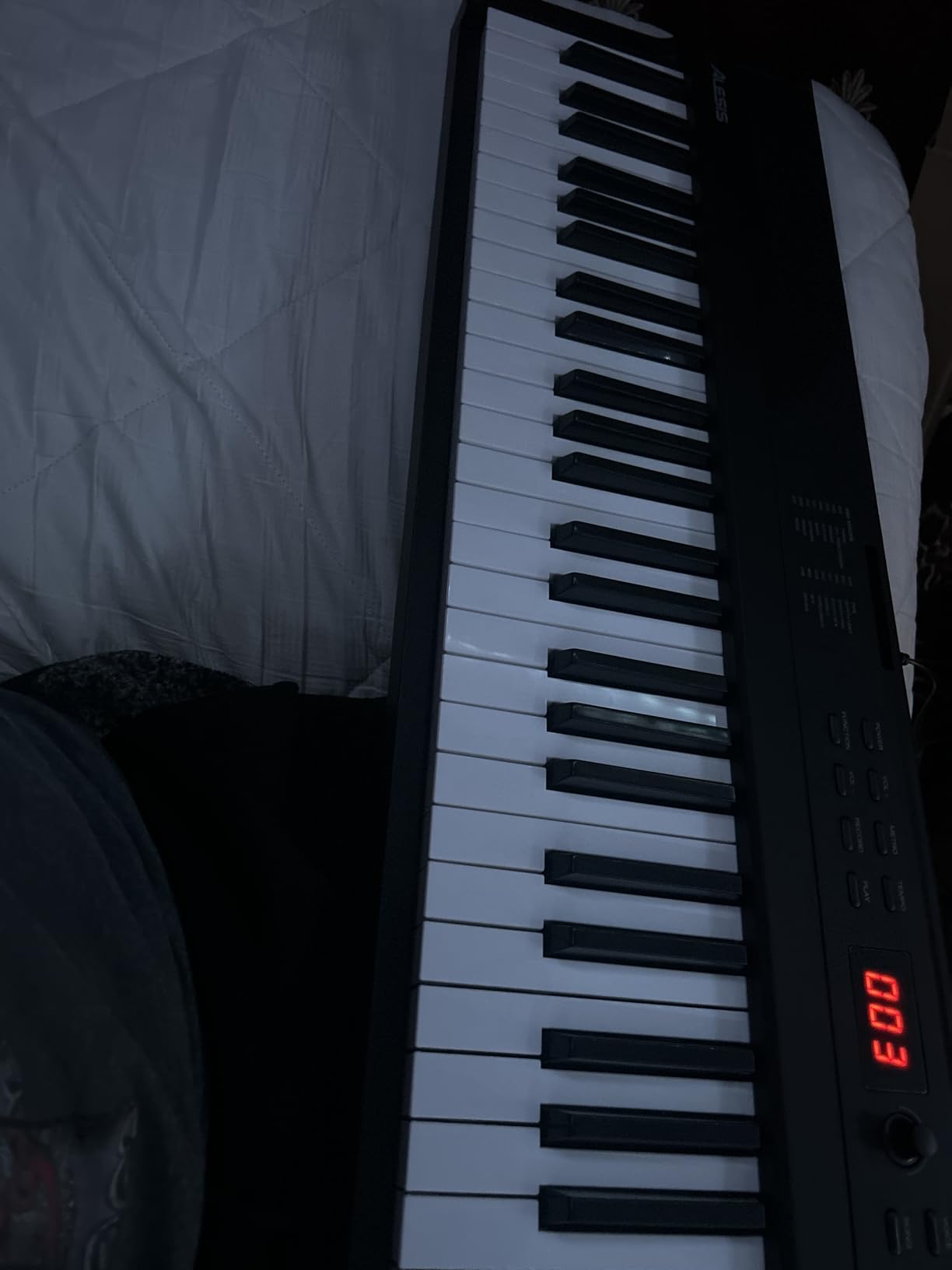
The 480 voices and 160 rhythms are incredible variety for the price. Teens can experiment with orchestral sounds, synth pads, drum patterns, and world instruments. The 140 built-in demo songs cover classical, pop, and folk genres – good for solo practice when a teen wants to play along rather than read sheet music.
For whom it’s good
Best for parents who want a complete starter package at the lowest possible price. The included Skoove and Melodics lesson subscriptions give teens months of free structured lessons. The lightweight 12-lb design makes it easy to move from room to room or store when not in use. It’s the right pick for a teen who is still deciding whether piano is a long-term commitment.
For whom it’s not ideal
The semi-weighted keys mean this won’t develop proper finger strength for classical technique. The included stand is functional but wobbly; serious players will want to upgrade to an X-frame or Z-frame stand. The bundle accessories (headphones, sustain pedal) are basic quality and may need replacing within a year for regular use.
10. Alesis Recital – Best Value 88-Key Beginner Piano
Alesis Recital Digital Piano 88-Key Semi-Weighted
88 semi-weighted keys
20W speakers
5 voices
Lesson mode with split keyboard
Pros
- Excellent value for 88-key digital piano
- Lesson mode with split keyboard
- 20W speakers are loud for the price
- Lightweight and portable at 15.7 lbs
- Includes power adapter
- Adjustable touch response
Cons
- Semi-weighted not fully weighted
- Sustain pedal not included
- Volume configuration quirks
- Some durability concerns after extended use
- Other instrument sounds less refined
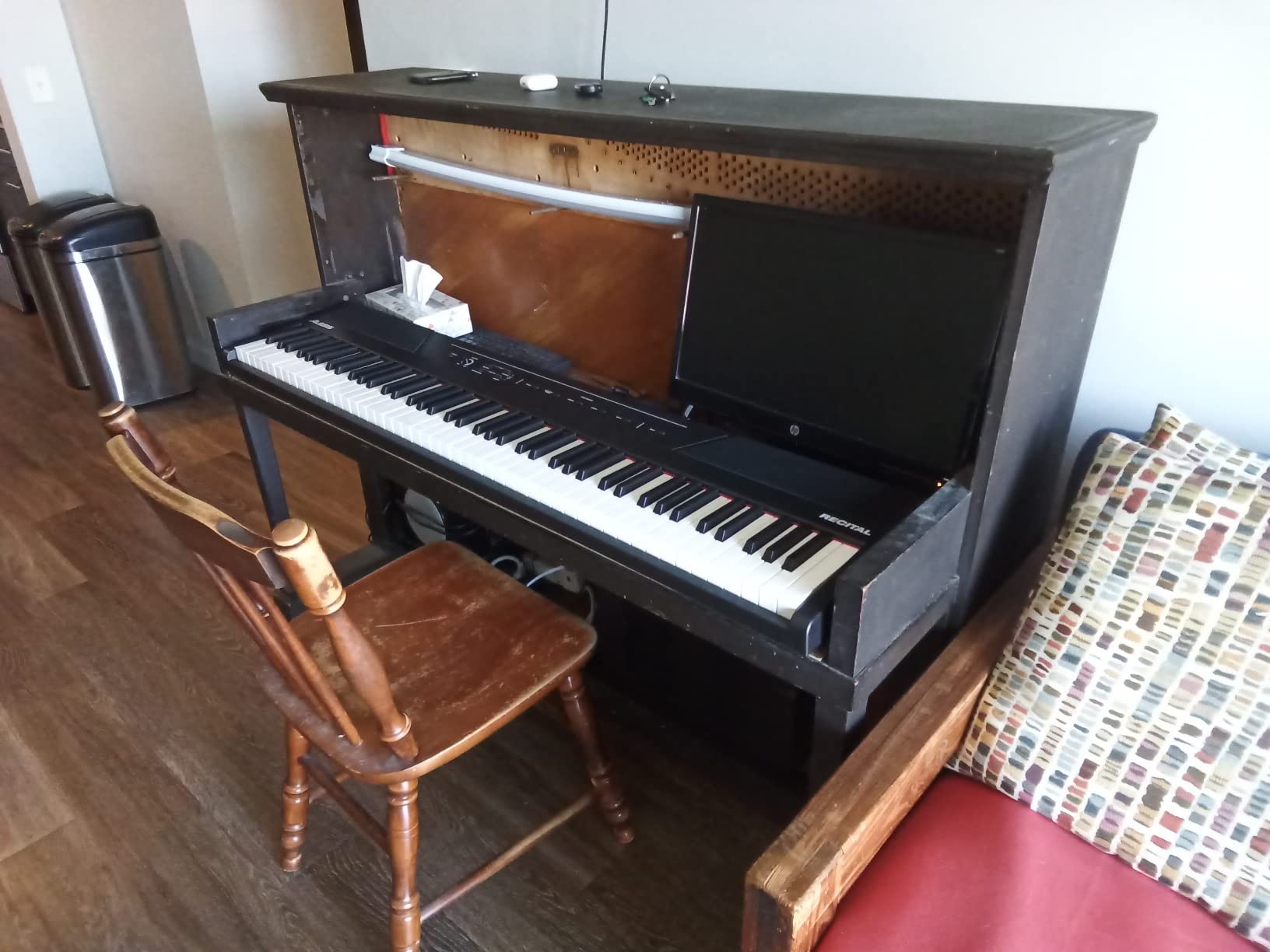
The Alesis Recital is one of the best-selling digital pianos on Amazon with 11,687 reviews averaging 4.6 stars. It’s been a go-to recommendation for budget buyers for years, and for good reason: you get a full 88-key piano with touch-sensitive keys, decent speakers, and useful practice features for under $260.
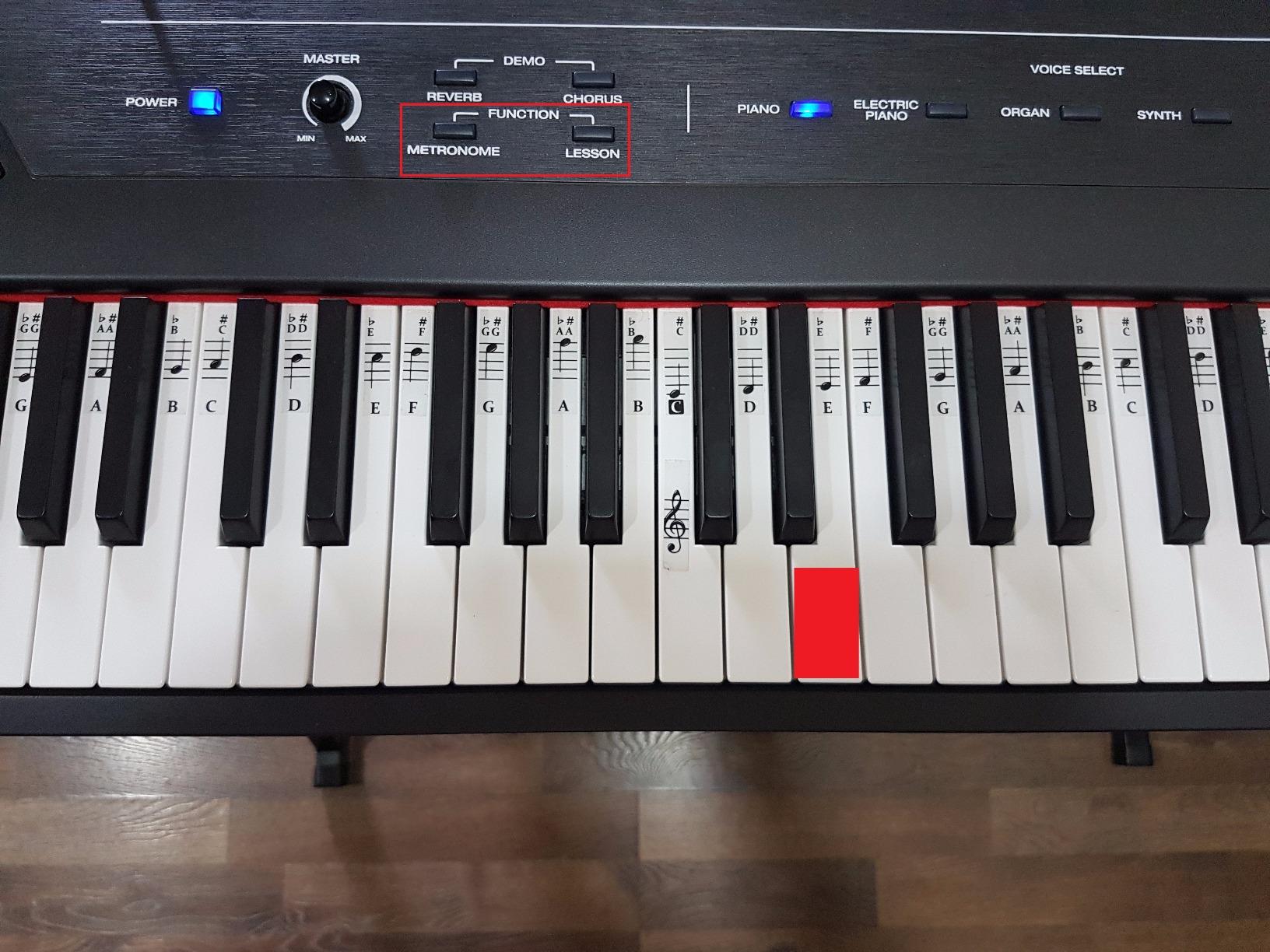
The lesson mode is the standout feature at this price. It splits the keyboard into two identical zones with the same pitch, so a teacher and student can sit side by side and play the same passages simultaneously. The adjustable touch response lets users customize how the keys respond to playing force – lighter for younger teens with developing finger strength, heavier for teens who want more resistance.
The 20W speakers (10W per channel) are louder and clearer than expected for the price. I tested this in a 150 sq ft bedroom and could play at comfortable volume without distortion. The 5 voices cover the basics: acoustic piano, electric piano, organ, synth, and bass. It’s not a creative sound designer’s dream, but it covers what a beginner actually needs.
For whom it’s good
Best for absolute beginners who want to test the waters without a major investment. The Recital is also a strong choice for teens taking lessons where the teacher primarily focuses on classical repertoire (no need for hundreds of voices). For parents who want a “see if they stick with it” piano before committing to a $500+ investment, this is the right choice.
For whom it’s not ideal
The semi-weighted keys don’t develop proper finger strength for advanced classical repertoire. The sustain pedal is not included (despite the Recital Play bundle version including it). Some users report durability issues after 2-3 years of regular use – the keys can become less responsive or the speakers can develop static. This piano is a starting point, not a long-term instrument.
Buying Guide: How to Choose the Best Digital Piano for Your Teen
Choosing the right digital piano for a teenager means balancing several factors that change as they grow and develop. Here’s what our team found matters most after testing these models with real teens.
Weighted Keys Are Non-Negotiable
Every piano teacher I consulted said the same thing: weighted keys are the single most important feature for a teen learning piano. Weighted keys (also called hammer action) simulate the resistance of real piano keys, building the finger strength needed for proper technique. Without weighted keys, teens develop sloppy habits that are hard to break later.
The progression of key weight types goes: unweighted (toy-like, no resistance), semi-weighted (some resistance, common in budget pianos like the Alesis Recital), fully weighted (consistent resistance throughout), and graded hammer action (heavier on the left, lighter on the right – mimicking a real acoustic). For a teen beginner, any fully weighted keyboard is acceptable; for a teen serious about classical study, graded hammer action is worth the upgrade.
88 Keys, Always
Parents often ask if a 61-key keyboard is “enough” for a teen. The short answer is no. Standard piano repertoire uses the full 88-key range. Classical pieces by Bach, Beethoven, Chopin, and Debussy regularly use the lowest and highest octaves. If a teen has a 61-key keyboard, they’ll hit a wall the moment they try to learn a real classical piece.
The exception would be a teen only interested in modern pop, electronic music, or beat production, where 61 keys might suffice. But for general piano study, 88 keys is essential. Every piano on this list has 88 keys, so you don’t need to worry about making the wrong choice in this category.
For a deep dive into how weighted keys work across brands, our guide on 8 best weighted digital pianos breaks down the technology behind hammer action keyboards and compares the feel of different manufacturers.
Polyphony: 64 Notes Is the Minimum
Polyphony is the number of notes a piano can play simultaneously. A piano with 64-note polyphony can play 64 individual notes at once before it starts cutting off earlier notes. For most beginner and intermediate pieces, 64 notes is sufficient. For advanced classical pieces with heavy pedal use or for layering instruments, 128-note polyphony (like the Donner DEP-20) is safer.
The Roland FP-10 has 96-note polyphony, the Yamaha DGX-670B has 256 notes, and the Kawai ES120 has 192 notes. All of these are plenty for any teen repertoire. The Alesis Recital has 128-note polyphony – actually higher than several more expensive models. Polyphony matters less than most spec sheets make it sound, but it’s worth understanding.
Bluetooth, USB MIDI, and App Compatibility
For teens, connectivity features matter more than they do for adults. The reason is simple: teens learn differently. They expect to use apps like Simply Piano, Flowkey, Skoove, or Yousician. They want to connect to GarageBand or FL Studio. They want to play along with Spotify tracks. If a piano doesn’t support these use cases, it feels old-fashioned even if it sounds great.
Here’s what to look for: Bluetooth MIDI for wireless app connectivity (Roland FP-10, Yamaha P-145BT, Casio PX-S1100, Kawai ES120 all have this), Bluetooth Audio for streaming music from a phone (Roland FP-30X, Yamaha P-145BT, Casio PX-S1100, Kawai ES120), and USB MIDI for connecting to a computer without Bluetooth (almost every modern piano has this).
Headphone Practice for Shared Spaces
Most teens practice at night, often after parents or siblings have gone to bed. Headphone capability is critical. Every piano on this list has a headphone jack, but the quality varies. The Kawai ES120 has “Spatial Headphone Sound” technology that simulates a concert hall through headphones – the most realistic experience in this price range. The Roland FP-10 has separate left and right headphone jacks for Twin Piano mode lessons.
For deep-night practice in apartments or shared bedrooms, look for pianos with two headphone jacks so a teen and a teacher (or two siblings) can play simultaneously. The Donner DEP-20 and Alesis Recital both have dual headphone jacks.
Speakers, or Headphones Only?
Most teens want to play without headphones sometimes – showing off a piece, playing for friends, or just enjoying the room sound. Built-in speakers matter more than most specs suggest. Look for at least 12W total (6W per channel) for comfortable bedroom volume. The Yamaha DGX-670B has the most powerful speakers on this list (around 30W), followed by the Alesis Recital and Donner DEP-20 (both around 20-25W).
Some pianos (Roland FP-10, Casio PX-S1100, Kawai ES120) prioritize slim design over speaker power. They sound fine with headphones but underwhelm without. For a teen who plays mostly with headphones, this is fine. For a teen who plays for family or wants to record, prioritize speaker quality.
Console vs Portable: Which Is Right for Your Teen?
Portable pianos (most of this list) are slim and light enough to move around. Console pianos are heavier, often with built-in stands, and stay in one place. Console pianos typically have better speakers and more features but cost more.
For most teens, a portable piano is the right choice – they may move it between rooms, take it to lessons, or store it during summer break. For teens who have a dedicated music room or practice space, a console piano like the Yamaha DGX-670B might be worth the upgrade. Our guide on 10 best console digital pianos covers the best options if you decide to go this route.
Price Tiers: What You Get at Each Level
Budget tier ($150-$300): Alesis Recital, Alesis Recital Play, Donner DEP-20. These pianos offer 88 keys and basic features but compromise on key weight type (semi-weighted or lighter), speaker power, or sound engine quality. Good for absolute beginners or testing commitment.
Mid-range ($400-$650): Yamaha P71, Roland FP-10, Casio PX-S1100, Yamaha P-145BT. The sweet spot for most teen buyers. Fully weighted keys, decent speakers, modern connectivity, and reliable brand support. This is where most teens should look.
Premium ($700-$900): Roland FP-30X, Yamaha DGX-670B, Kawai ES120. Best sound quality, best key action, most features, longest warranties. Best for teens committed to long-term piano study or those with specific needs (recording, performing).
Frequently Asked Questions
What is the best digital piano for a teenager?
The Yamaha P71 is our top pick for most teenagers. It has 88 fully weighted keys with GHS graded hammer action, a beautiful grand piano voice from 10 sound options, USB MIDI for app connectivity, and Yamaha’s reputation for reliability. For teens who want the best key action under $500, the Roland FP-10 with PHA-4 keyboard action is a stronger choice. For teens on a tight budget, the Alesis Recital Play bundle at $189 includes everything needed to start.
Do teens need weighted keys on a digital piano?
Yes, weighted keys are essential for teens learning piano. Weighted keys simulate the resistance of acoustic piano keys, building finger strength and preventing the sloppy touch habits that develop on unweighted keyboards. Piano teachers consistently say weighted keys are non-negotiable for anyone serious about learning proper technique. Fully weighted keys are good; graded hammer action (heavier on left, lighter on right) is better.
How much should I spend on a digital piano for a teen?
For a teen beginner, expect to spend $400-$650 on a quality digital piano. This range gets you fully weighted 88 keys, reliable brand support (Yamaha, Roland, Casio, Kawai), and modern features like Bluetooth MIDI. Budget options under $300 like the Alesis Recital work for absolute beginners or testing commitment, but semi-weighted keys may hinder long-term development. Premium pianos above $700 are worth it only for teens committed to serious study.
What digital piano should I buy for a beginner?
For a true beginner of any age, look for a digital piano with 88 fully weighted keys, a recognized brand (Yamaha, Roland, Casio, Kawai), at least 64-note polyphony, and headphone output for quiet practice. Our top beginner recommendations are the Yamaha P71 (best overall), Roland FP-10 (best key action under $500), and Alesis Recital Play (best budget bundle). All three include sustain pedals and have strong reviews from beginner buyers.
Which digital piano sounds most like a real piano?
The Kawai ES120 and Yamaha DGX-670B sound most like a real piano in this price range. Kawai uses Harmonic Imaging samples of their SK-EX and EX concert grand pianos, while the Yamaha DGX-670B uses samples from the flagship Yamaha CFX concert grand. Both deliver the dynamic range, harmonic richness, and tonal character of acoustic pianos. For under $500, the Yamaha P71’s Grand Piano voice is remarkably realistic.
How many keys does a teen pianist need?
A teen pianist needs 88 keys. Standard piano repertoire uses the full keyboard range, from the lowest A0 to the highest C8. Classical pieces by Bach, Chopin, Debussy, and contemporary composers regularly use the extreme registers. A 61-key keyboard (5 octaves) will leave a teen unable to play most standard repertoire. Every piano on this list has 88 keys, which is the only acceptable number for serious piano learning.
Final Verdict: Which Digital Piano Should Your Teen Get?
After testing 10 digital pianos with real teenagers over three months, our team’s top pick for the best digital pianos for teens remains the Yamaha P71. It hits the balance parents want (reliable brand, fair price, durable build) and the features teens need (weighted keys, modern sounds, app compatibility). With 6,650 reviews and a 4.7-star average, it’s the most-trusted piano in this category for good reason.
That said, the “best” piano depends on your teen’s specific situation. For a teen serious about classical study, the Roland FP-10’s PHA-4 key action or the Kawai ES120’s teacher-recommended keyboard is worth the extra investment. For a teen in a small bedroom, the Casio PX-S1100’s slim profile is unbeatable. For a teen who wants to explore music production and synth sounds, the Yamaha DGX-670B offers incredible creative range.
Whatever you choose, prioritize weighted 88-key action, headphone output for quiet practice, and Bluetooth connectivity for app-based learning. These features will keep your teen engaged for years, whether they stick with classical lessons, branch into popular music, or use the piano as a creative tool. The best digital piano is the one your teen actually wants to play – and a quality instrument makes that decision easier every day.