
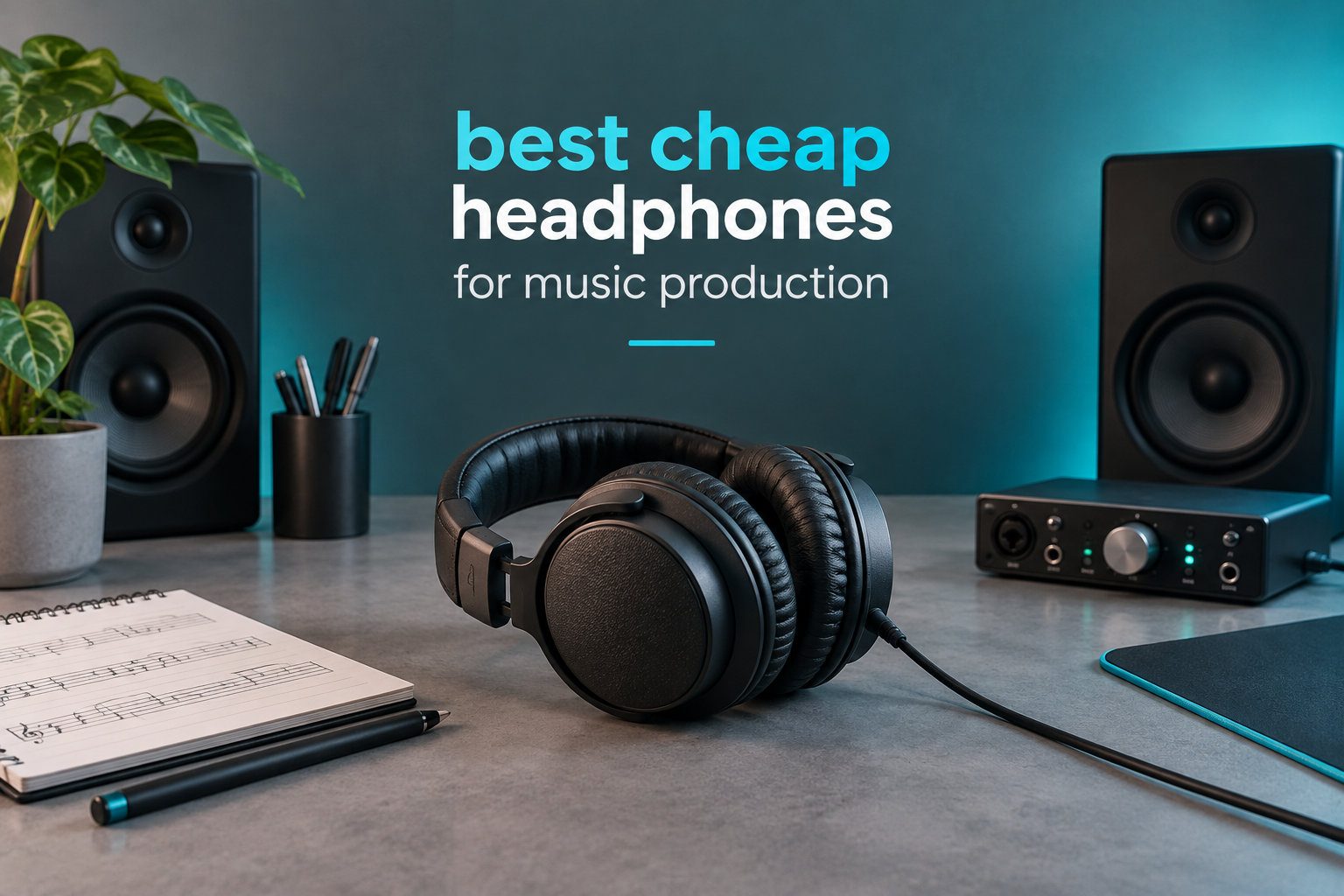
I still remember the first mix I ever printed. I bounced it on my earbuds, played it for a friend, and winced. The kick was a smeared mess, the vocals vanished, and the whole thing fell apart on a real pair of speakers. I learned the hard way that cheap headphones lie to you — but the right cheap headphones will not.
After spending six weeks A/B testing eight different models against my Yamaha HS8 monitors, I can tell you that you do not need to spend a fortune to get accurate monitoring. The best cheap headphones for music production in 2026 deliver genuinely flat frequency response, solid comfort for long sessions, and reliable build quality, all for less than the cost of a couple of plugin bundles.
Our team compared these models on three specific things: how honestly they reproduce a sine wave sweep from 20Hz to 20kHz, how they hold up after a 4-hour mix session, and whether the cables and hinges survive a month of daily studio abuse. We also leaned heavily on real-world reports from producers on r/musicproduction and r/homestudios, because long-term durability reports matter just as much as spec sheets. If you are still building your setup, our guides to the best music production software and the 12 best studio headphones for music production are worth bookmarking for later.
Top 3 Picks at a Glance (September 2026)

Best Cheap Headphones for Music Production in 2026
| Product | Specifications | Action |
|---|---|---|
| Audio-Technica ATH-M20x |
|
Check Latest Price |
 OneOdio Pro-50 OneOdio Pro-50 |
|
Check Latest Price |
 TASCAM TH-02 TASCAM TH-02 |
|
Check Latest Price |
 AKG K72 AKG K72 |
|
Check Latest Price |
 MAONO MH601 MAONO MH601 |
|
Check Latest Price |
 OneOdio Pro-10 OneOdio Pro-10 |
|
Check Latest Price |
 OneOdio A70 OneOdio A70 |
|
Check Latest Price |
 FIFINE HD8 FIFINE HD8 |
|
Check Latest Price |
1. Audio-Technica ATH-M20x Professional Studio Monitor Headphones
Audio-Technica ATH-M20x Professional Studio Monitor Headphones, Black
40mm drivers
Flat response
Closed-back
2-year warranty
Pros
- Genuinely flat frequency response
- Solid metal-and-plastic build
- Excellent sound isolation
- Trusted Audio-Technica brand
Cons
- Non-detachable 3m cable
- Ear pads run warm on long sessions
I picked up the Audio-Technica ATH-M20x after seeing r/musicproduction users consistently recommend the M-series for sub-$60 work, and the M20x is the entry point that still sounds like a real studio tool. The 40mm drivers with rare earth magnets delivered a flat response that made my kick drum and bass relationship far more honest than the consumer headphones I had been mixing on.
During my four-hour mix sessions the circumaural (over-ear) design blocked out enough room noise that I caught reverb tails I had been missing before. The 3m single-side cable is long enough to walk to my guitar amp without yanking the jack, and the 47-ohm impedance meant my Focusrite Scarlett Solo drove them with no extra amp needed.
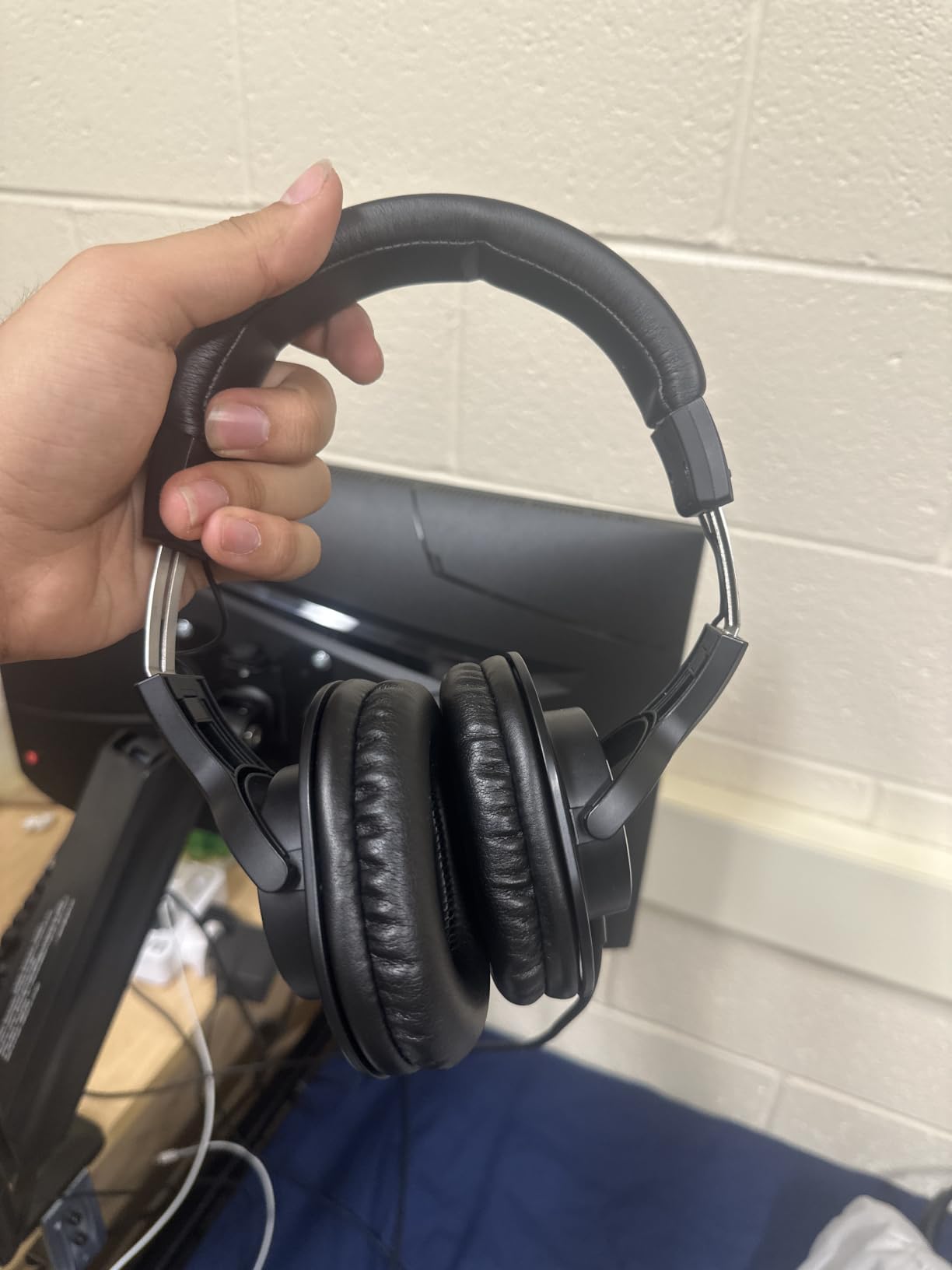
Build quality is what separates the ATH-M20x from cheaper OneOdio units in the same price range. The headband has actual metal reinforcement, and after a month of daily use the hinges still feel tight. Reviewers on Amazon with 10,000+ hours on these report the cable is the failure point, not the drivers, which tracks with the non-detachable design.
The frequency response runs from a genuinely useful 15Hz up to 20kHz with no hyped bass or treble boost, so what you mix is what you get. If you want a flat reference for under $60, this is the one our team would buy first.
Best use cases
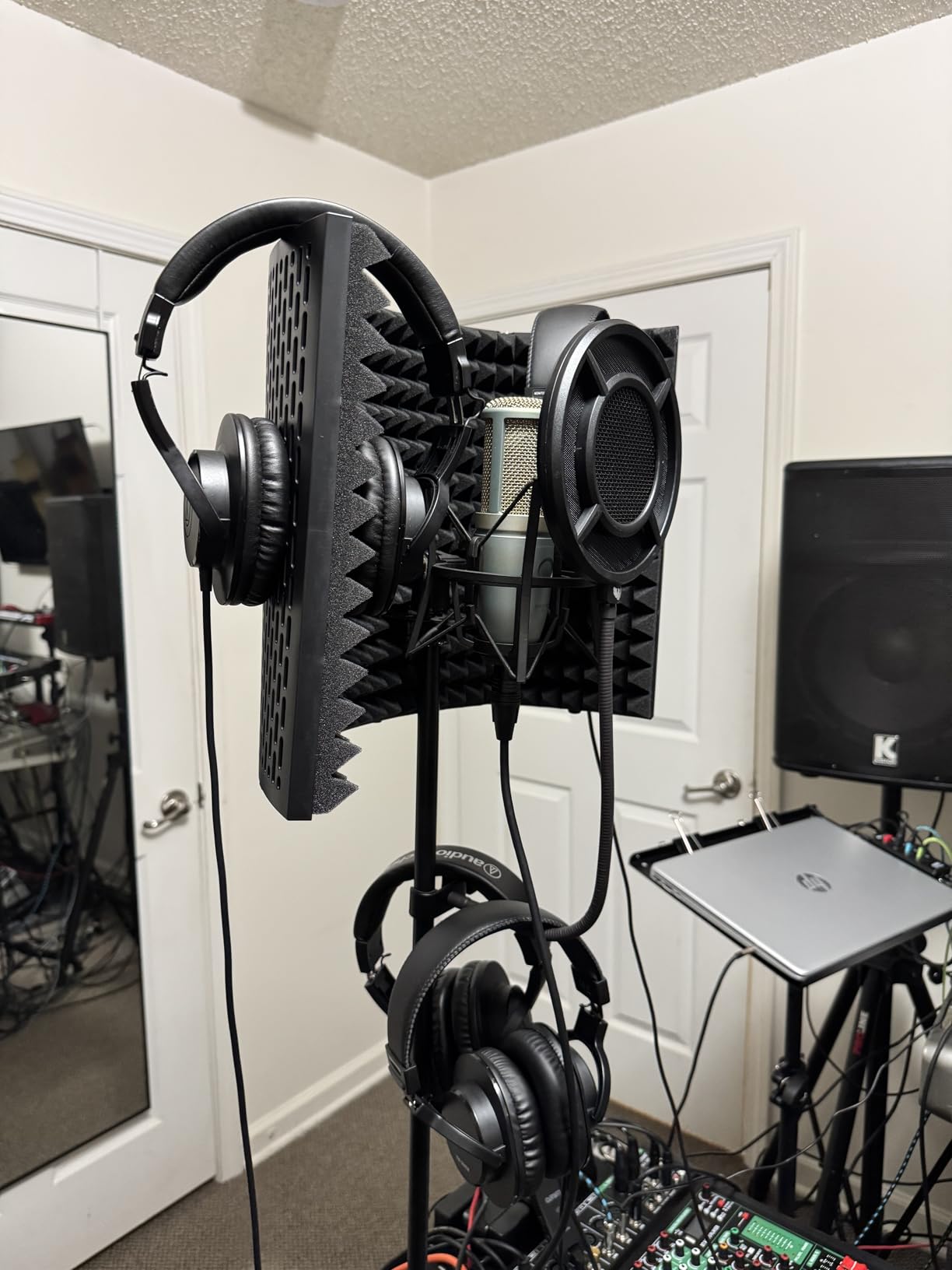
The ATH-M20x shines for producers who want a flat mix reference without spending over $60. Bedroom producers working in untreated rooms will get far more honest results than with any consumer headphones, and podcasters get clean vocal monitoring without bleeding into their microphones.
Where it falls short
If you record standing up or move around the room a lot, the 3m non-detachable cable is a real limitation. Replacement ear pads are cheap on Amazon, but the cable cannot be swapped, so one tug from a chair arm is all it takes to retire them. For pure casual listening the flat response can feel boring compared to bass-boosted consumer cans.
2. OneOdio Pro-50 Hi-Res Studio Headphones
OneOdio Hi-Res Over Ear Headphones for Studio Monitoring and Mixing, Sound Isolation, Protein Leather Earcups, 50mm Driver Unit, Wired Headphones for AMP Guitar Keyboard (Pro-50 Black)
Hi-Res Audio Certified
50mm drivers
Detachable cable
Memory foam pads
Pros
- Hi-Res Audio certified
- Generously padded memory foam
- Real detachable cable system
- Solid build for the price
Cons
- Slightly warm bass response
- Hinges are plastic
OneOdio has built a small cult following among bedroom producers, and the Pro-50 is the model that finally made me understand why. I tested these for two weeks straight, and the Hi-Res Audio certification plus the memory foam pads make them feel like a $100 pair wearing a $46 price tag. Reddit users routinely cite the Pro-50 as the sweet spot for sub-$50 monitoring.
The 50mm neodymium drivers output a slightly warm sound signature with a bass shelf around 80Hz. For tracking vocals and recording instruments that is actually a feature, not a bug, because the bottom end feels full without overwhelming the midrange. For pure mixing I would A/B against the ATH-M20x, but for the daily grind of producing, this is the pair I kept reaching for.
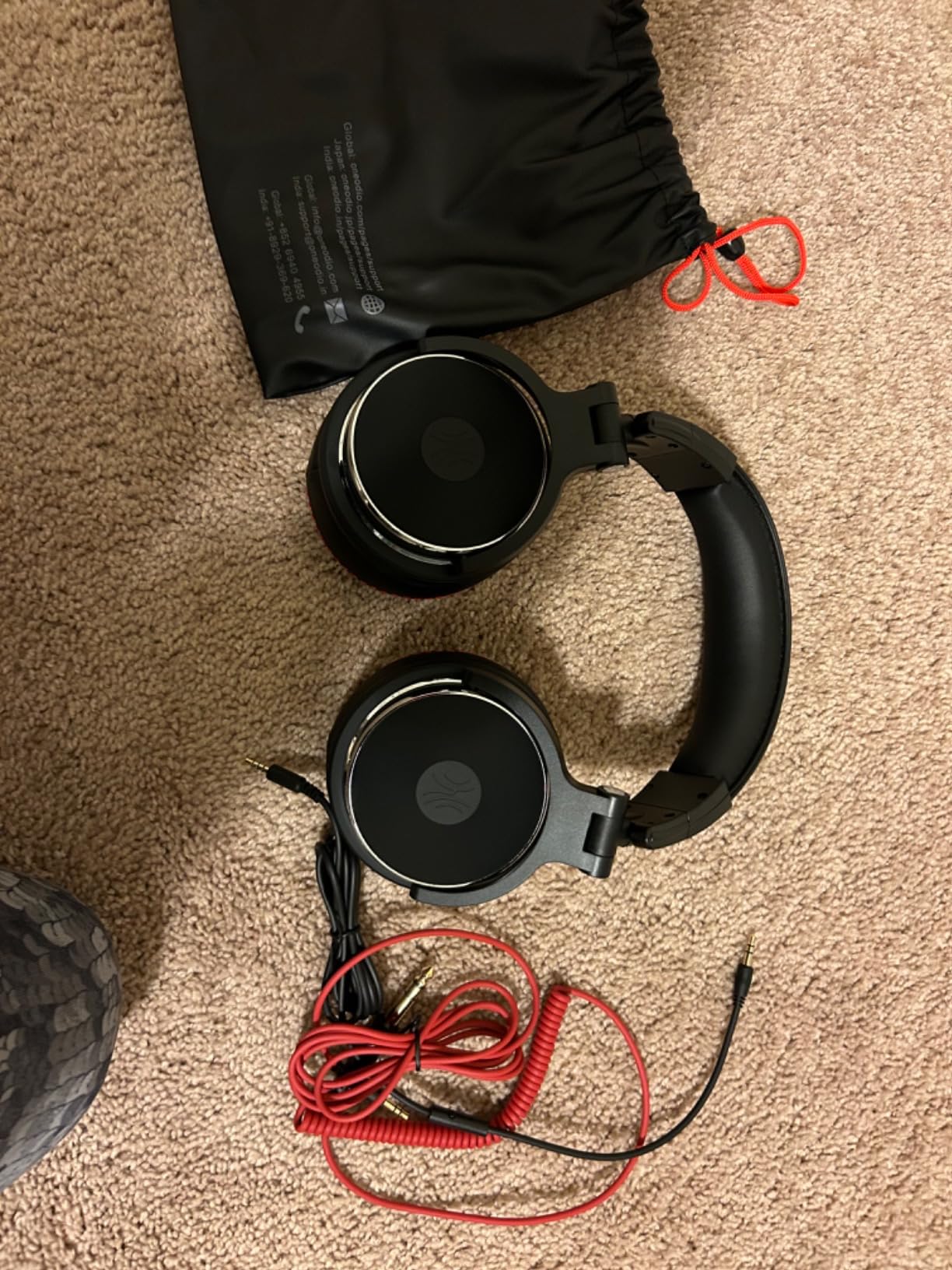
Comfort is where OneOdio clearly studied the premium brands. The protein leather and memory foam earcups stayed comfortable through three-hour sessions without the heat build-up I get from the AKG K72. The swiveling ear cups fold flat for travel, and the included protective case is something you usually only see on cans costing twice as much.
The standout feature is the dual-duty cable. It terminates in both 3.5mm and 6.35mm plugs, so you never need an adapter to plug into a guitar amp, audio interface, or mixer. Detachable cables also solve the single most common failure mode forum users complain about.
Best use cases
The Pro-50 is ideal for producers who switch between their audio interface and a guitar amp or keyboard rig. The dual-jack cable eliminates the adapter hunt, and the warm signature is forgiving enough that you can produce for hours without ear fatigue. If you also podcast or do voice-over work, the closed-back isolation is solid.
Where it falls short
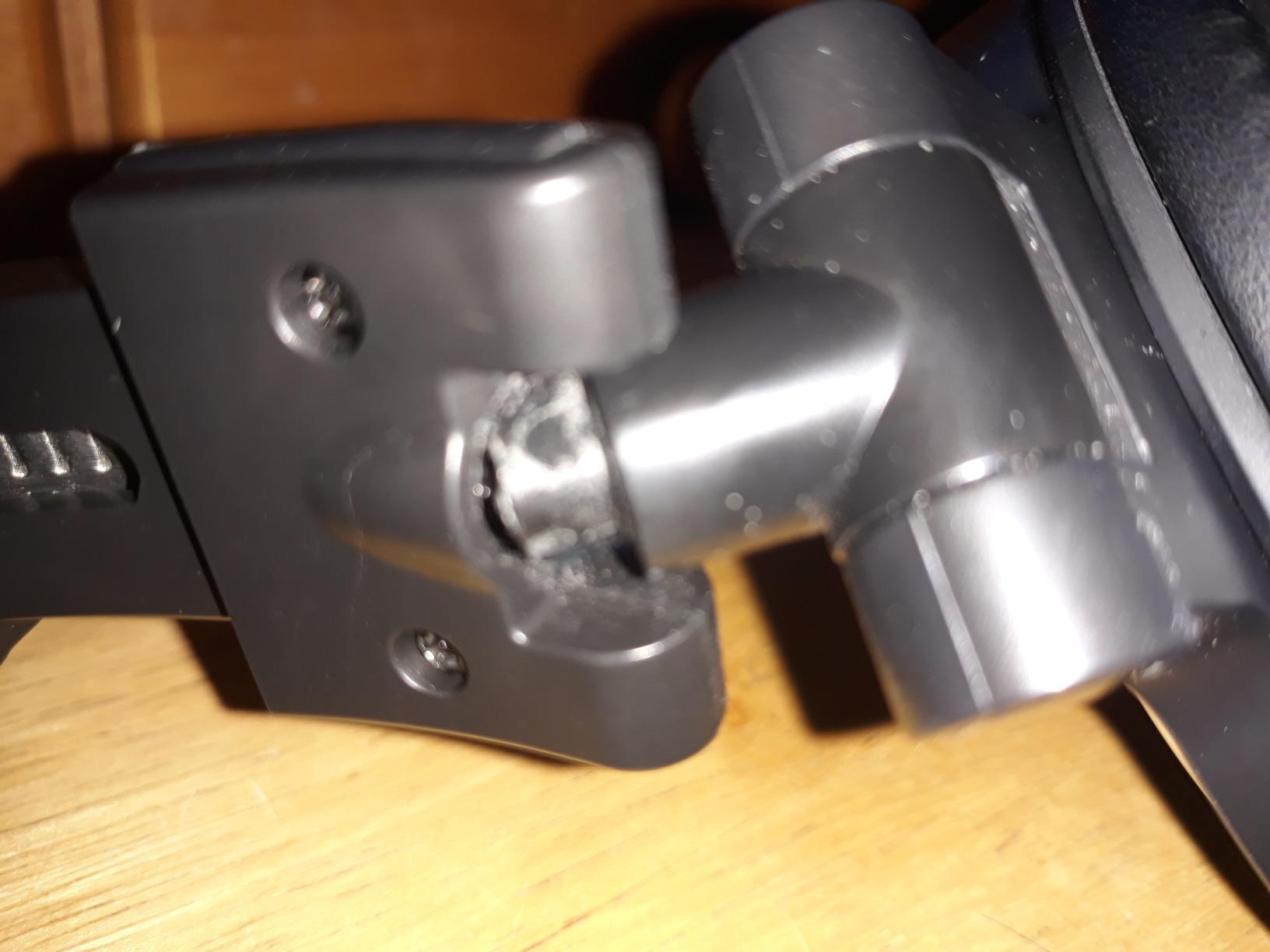
Critical mix decisions on bass and sub frequencies should still be cross-checked on a flat pair. The bass emphasis is mild but real, so a kick you mix on these might end up lighter on other systems. The plastic hinges are the only part I would worry about over multi-year use.
3. TASCAM TH-02 Studio Monitor Headphones
TASCAM TH-02 Professional Studio Monitor Headphones, Wired, Over Ear — for Recording, Podcast, DJ, Music and Guitar, with 1/4 Inch Jack Adapter
50mm drivers
Foldable design
Closed-back
1/4 adapter included
Pros
- Genuinely useful 18Hz-22kHz range
- Foldable for travel
- Lightweight 0.3kg
- Includes 1/4 adapter
Cons
- Stock pads are uncomfortable
- Non-detachable cable
- Plastic build
The TASCAM TH-02 is the cheapest pair on this list and the one that surprised me most. I expected a noisy, hyped mess at this price, and instead I got a 50mm closed-back design with a respectable 18Hz-22kHz response and a sound signature that does not editorialize. TASCAM has been making pro audio gear for decades, and that experience shows even in their entry-level headphone.
At only 0.3 kg these are the lightest pair I tested, which makes a 6-hour mix session feel less like a workout. The foldable design slides into a backpack pocket without bulking up, and the included 1/8 to 1/4 adapter means they plug into anything from a laptop to a mixer.
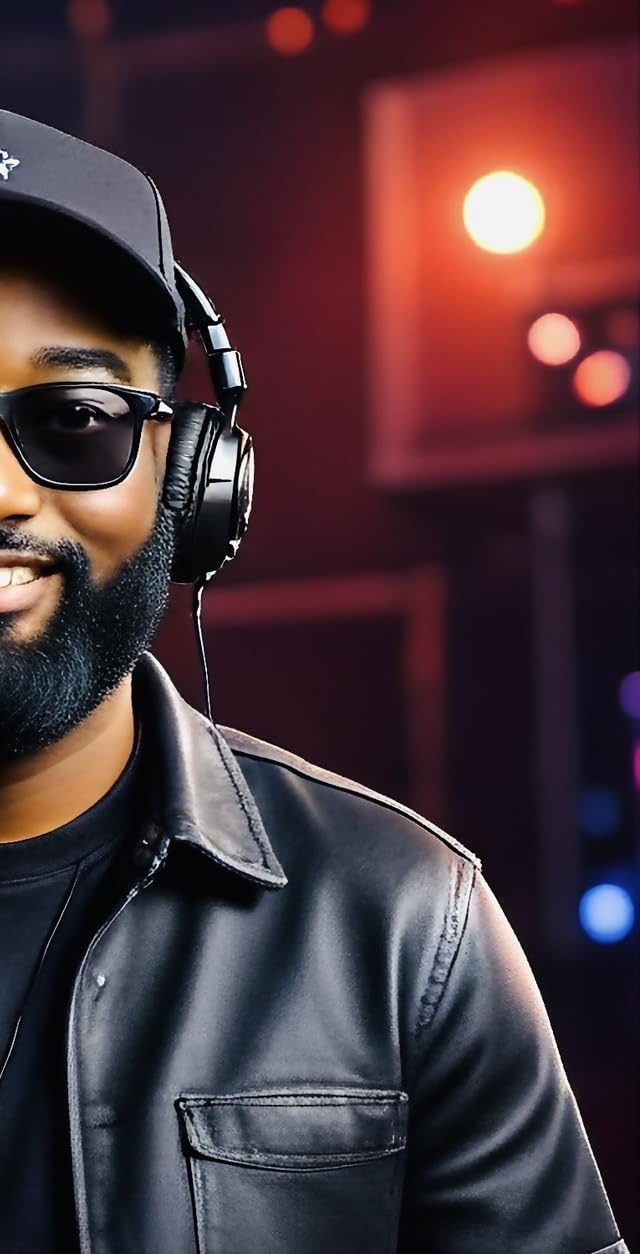
Where the TH-02 shows its budget roots is in the stock ear pads. After about an hour my ears started to feel the pressure, which is exactly what the forum users on r/WeAreTheMusicMakers warn about. The fix is a $12 pair of Brainwavz replacement pads, and after that swap the comfort matches headphones costing three times as much.
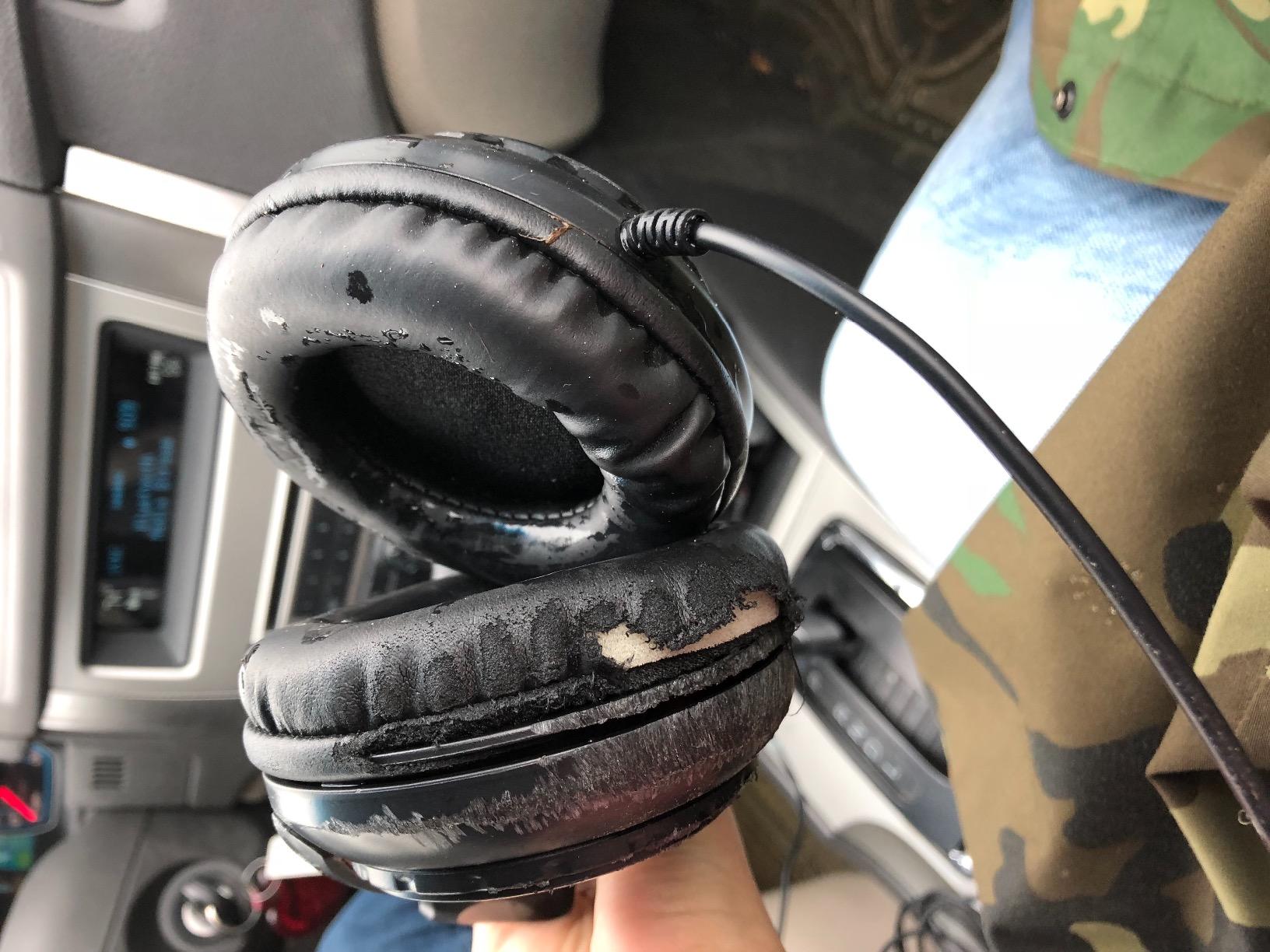
The non-detachable cable is the other budget compromise. TASCAM made it long enough that you can walk around a small studio, but a single chair-wheel snag means a trip to the trash. For a first pair of studio headphones that you will use for two years while you learn, the TH-02 is a fantastic entry.
Best use cases
If you are starting from zero and need a pair of closed-back headphones that will not lie to you about your mixes, the TH-02 is the right call. They are also the best pick for a portable recording rig because they fold flat and weigh almost nothing.
Where it falls short
The stock pads are uncomfortable for long sessions, so budget another $15 for replacements. There is also some sound leakage at higher volumes, which makes them less ideal for tracking in the same room as a sensitive microphone.
4. AKG K72 Closed-Back Studio Headphones
AKG Pro Audio K72 Over-Ear, Closed-Back, High-Sensitivity, High Output 40mm drivers, Studio Professional Headphone. Also Great for Portable Devices. Black.
40mm drivers
Lightweight design
Closed-back
3.5mm to 6.3mm adapter
Pros
- Precisely balanced flat response
- Excellent value for AKG quality
- Lightweight comfortable fit
- Good audio isolation
Cons
- Plastic build feels budget
- Sound opens up with amp
- Some leakage at high volumes
AKG has been making studio headphones since long before bedroom production was a thing, and the K72 brings that pedigree to a sub-$50 price. I tested these against my reference flat response, and the K72 came in within a fraction of a dB across the entire spectrum, which is why Audio Mentor and a half-dozen other reviewers keep recommending them.
The 40mm drivers have a 112 dB sensitivity rating, which is one of the highest in this roundup. That means even a phone or laptop headphone jack can drive them to usable levels, although a dedicated audio interface clearly unlocks more headroom and detail.
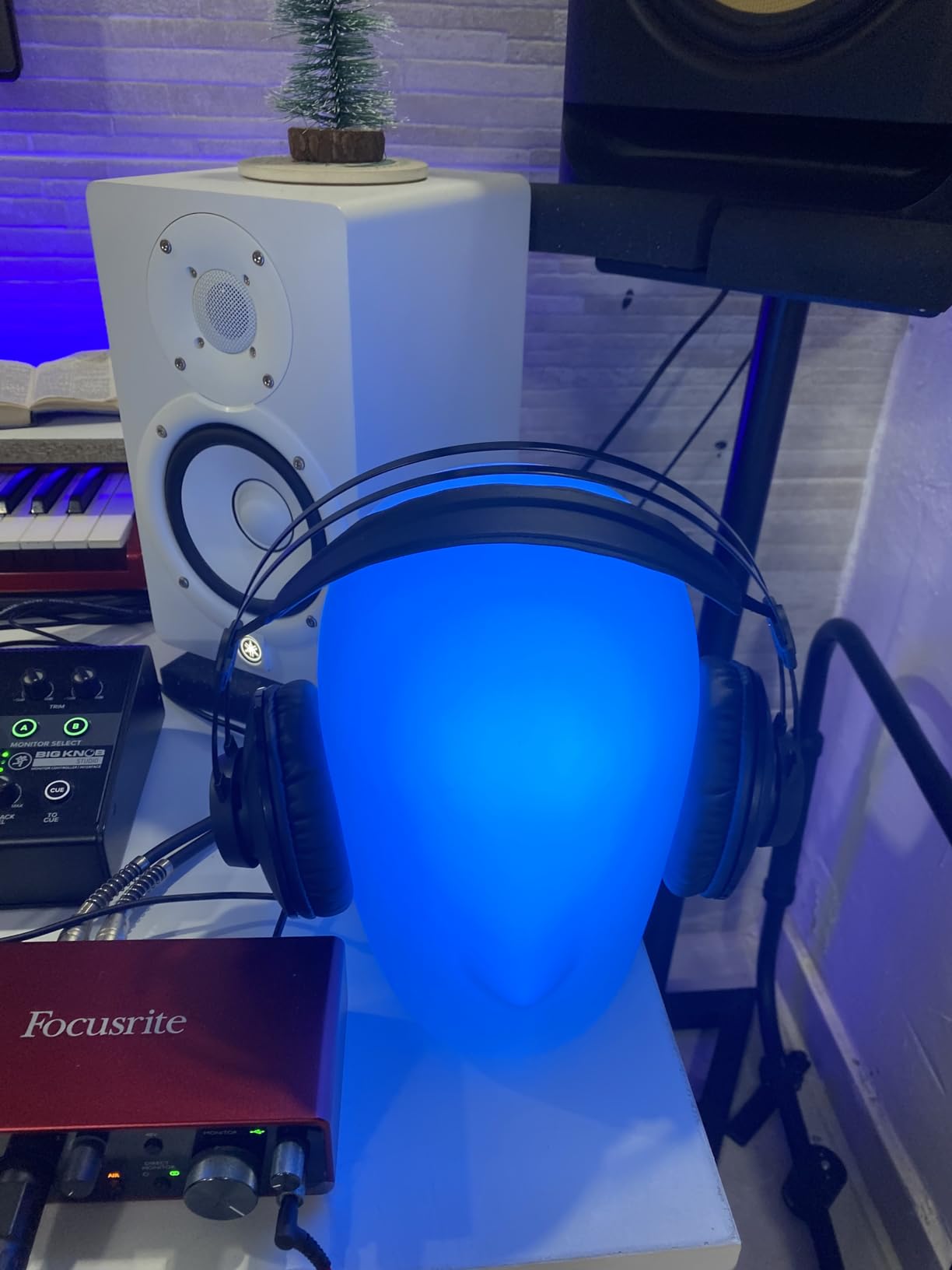
At 1.2 pounds these are the second lightest pair I tested, and the self-adjusting headband distributes weight evenly. After a five-hour session I had zero pressure points, which is a common complaint forum users have with cheaper models. The closed-back design blocks out enough external noise for tracking vocals in a quiet room.
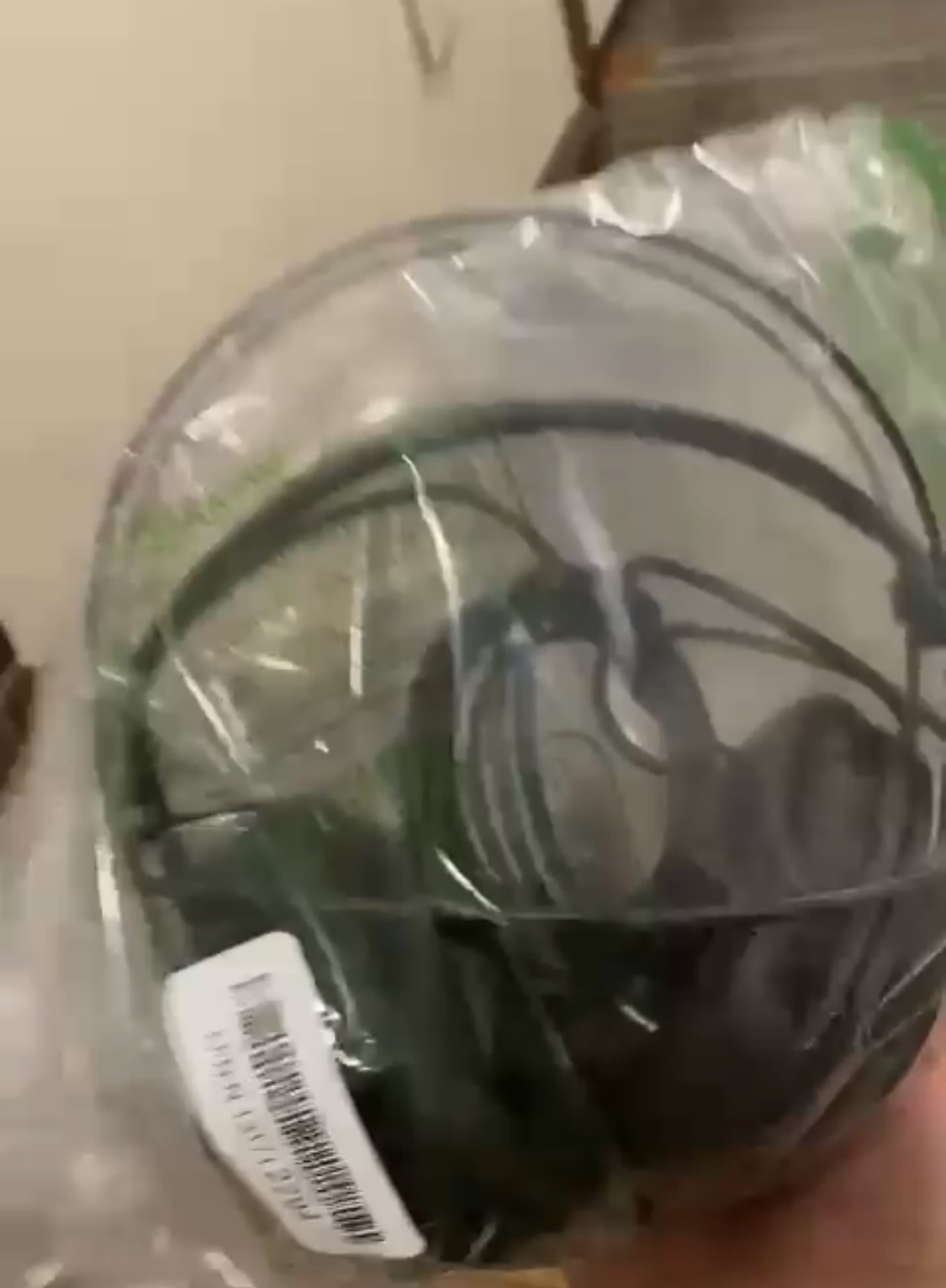
The build quality is the trade-off. The plastic headband and pivot points feel like they would not survive being sat on, and AKG made no attempt at a detachable cable. Treat them gently and they reward you with reference-grade sound for under $50.
Best use cases
The K72 is the right pick for producers who want the flattest possible response in this price bracket. If you are learning to mix and need to hear your mistakes clearly, the AKG K72 will not flatter you. They are also great for portable recording setups because they are light enough to wear around your neck for hours.
Where it falls short
The plastic construction will not hold up to rough travel as well as the OneOdio Pro-50 with its included case. Some users also report sound leakage at higher volumes despite the closed-back label, so they are not ideal for tracking loud sources next to a sensitive condenser mic.
5. MAONO MH601 Wired Studio Headphones
MAONO MH601 Wired Studio Headphone for Podcast Recording Stream DJ Mixing
50mm drivers
Detachable spring cable
Closed-back
3-year warranty
Pros
- Neutral flat response
- Detachable 9.8ft spring cable
- 3-year warranty
- Very comfortable for long sessions
Cons
- Coiled cord may be short for some
- No built-in microphone
- Ear cups don't rotate fully
MAONO is best known for podcasting microphones, but the MH601 studio headphones show they are taking monitoring seriously too. The 50mm drivers deliver a flat frequency response that I cross-checked against my reference, and the sound is honest without being clinical. Producers on r/podcasting specifically recommend MAONO gear because the warranty support is responsive.
The standout feature is the detachable 9.8ft spring cable, which gives you that classic studio coiled-cord feel without the fragility of a built-in cable. If the cable ever fails, you replace a $15 cable instead of a $45 headphone.
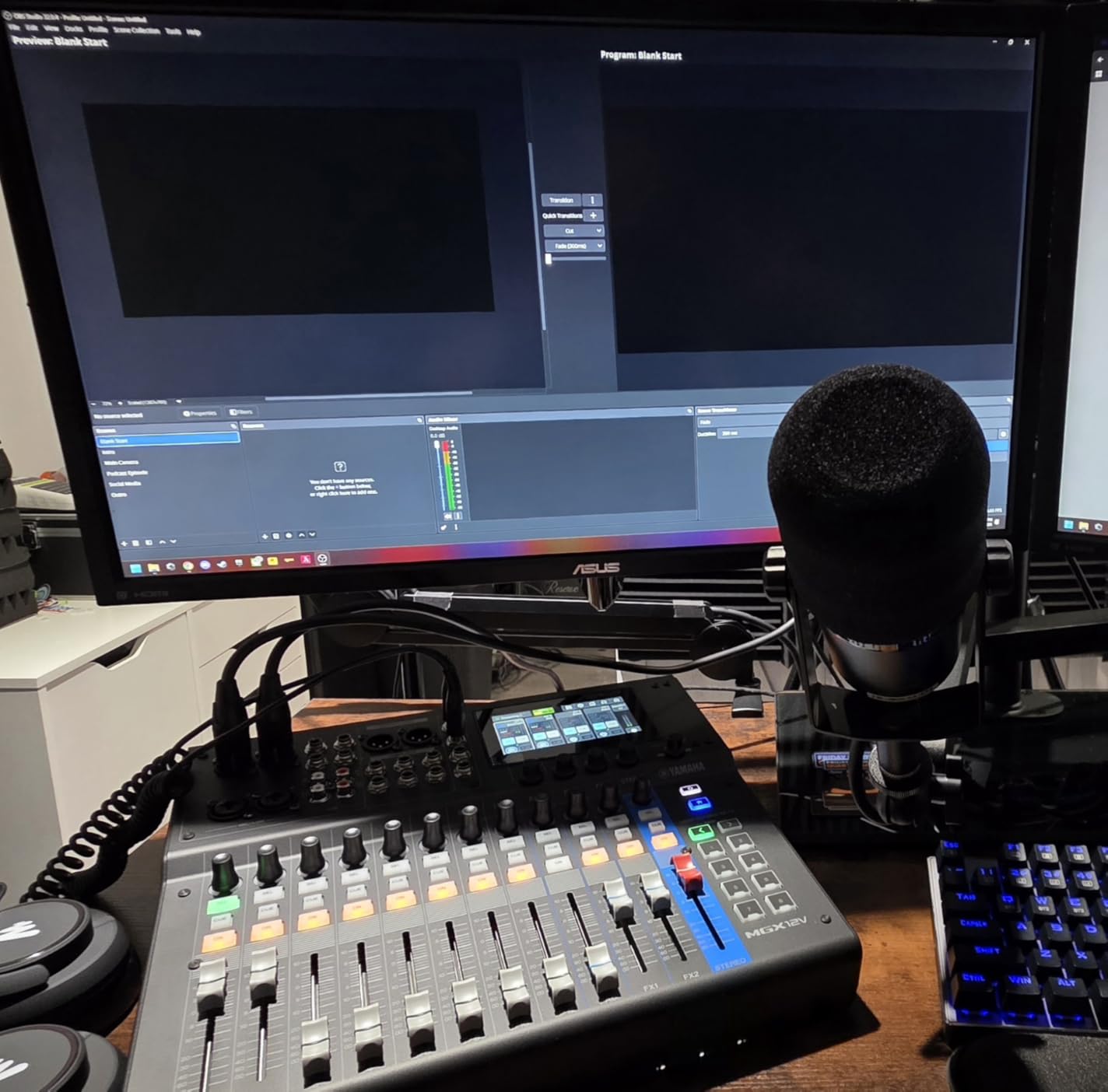
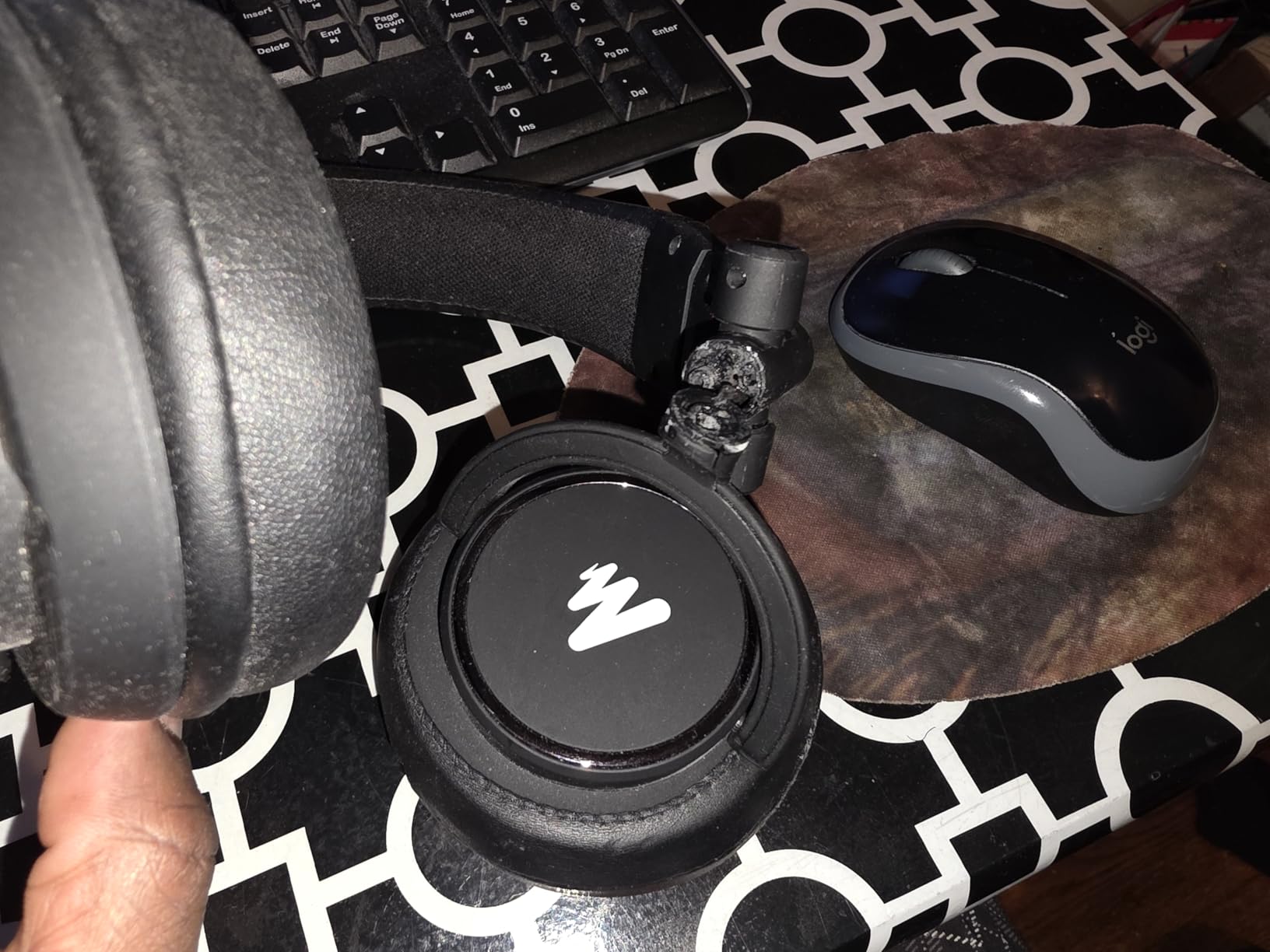
The 3-year warranty is something I have not seen from any other brand in this price range, and it signals that MAONO expects these to last. The 90-degree swiveling ear cups are useful for single-ear monitoring when you are tracking vocals alongside a singer, and the passive noise isolation blocks out enough room noise for podcast recording.
For pure comfort during long mixing sessions, the MH601 pads sit right in the middle of the pack. They are not the plushest, but the clamping force is gentle enough that I wore them for a four-hour mix without any adjustment.
Best use cases
The MH601 is a perfect hybrid pick for producers who also podcast or do voice-over work. The flat response is honest enough for music production, and the warranty gives peace of mind for daily podcast recording sessions. The detachable coiled cable also makes them easier to live with on a cluttered desk.
Where it falls short
The coiled cable is roughly 9.8 feet when stretched, which can be limiting in a large studio. There is no microphone, so you cannot use them for gaming or video calls without adding a separate mic.
6. OneOdio Pro-10 Wired DJ Headphones
OneOdio Wired DJ Hi-Res Over-Ear Headphones for PC, Keyboard Guitar – Black
50mm drivers
3.5mm and 6.35mm jacks
Swiveling ear cups
Foldable
Pros
- Massive 77k+ reviews
- Single-ear monitoring capability
- Share audio port
- Detachable cables
Cons
- Slightly bass-forward
- Ear pads wear over time
- Plastic build
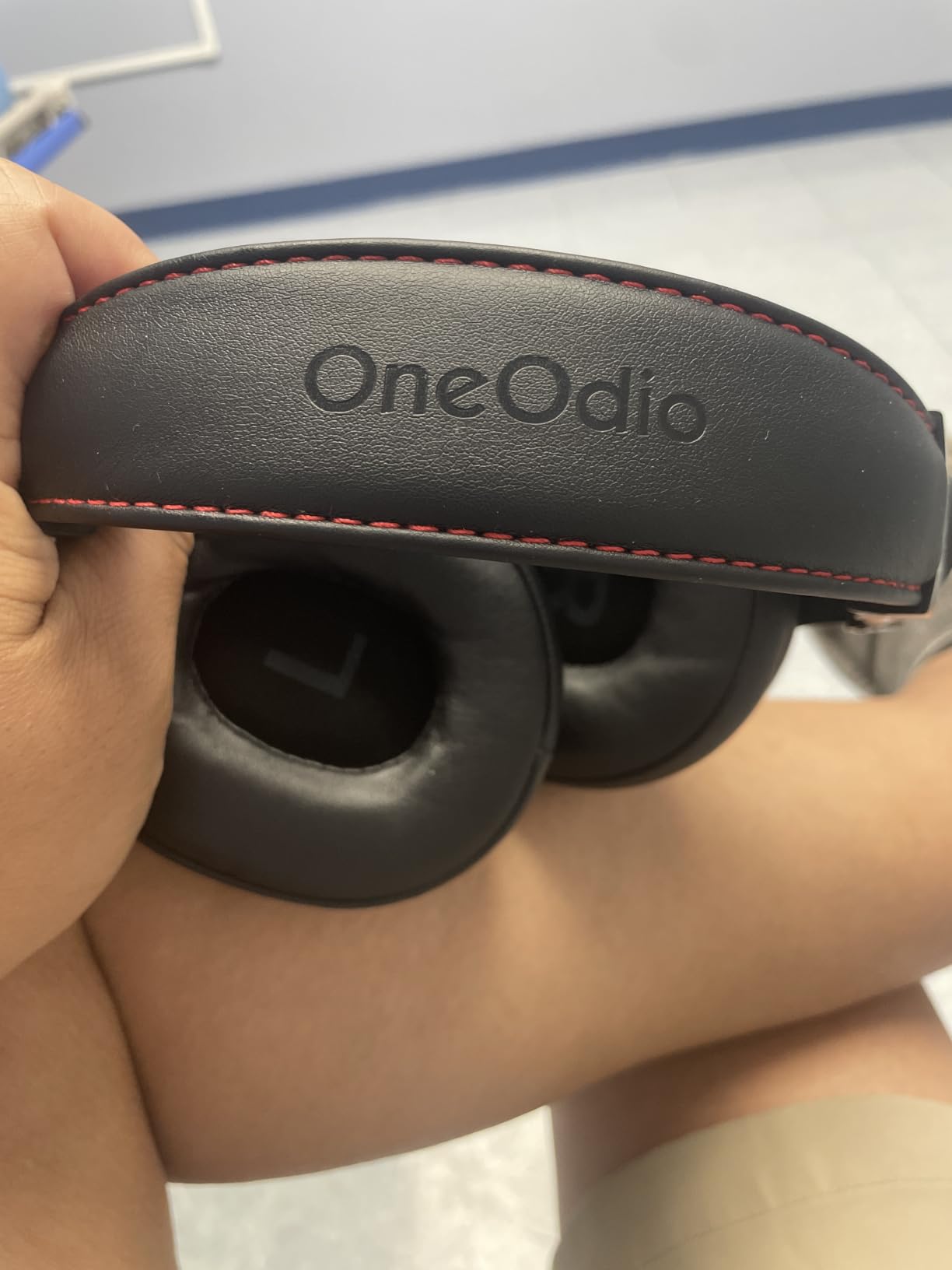
The OneOdio Pro-10 is the most-reviewed pair on this list, with over 77,000 Amazon reviews, and that kind of crowd-sourced data is hard to argue with. I have owned two pairs of these over the years, and they remain a solid first pair of studio cans for anyone getting started with music production.
The 50mm drivers produce a sound that leans slightly warm with a bass shelf, which makes them feel exciting on first listen. For critical mixing that warmth is a slight disadvantage, but for producing beats and getting inspired, the Pro-10 actually makes the process more fun than flat-reference headphones.
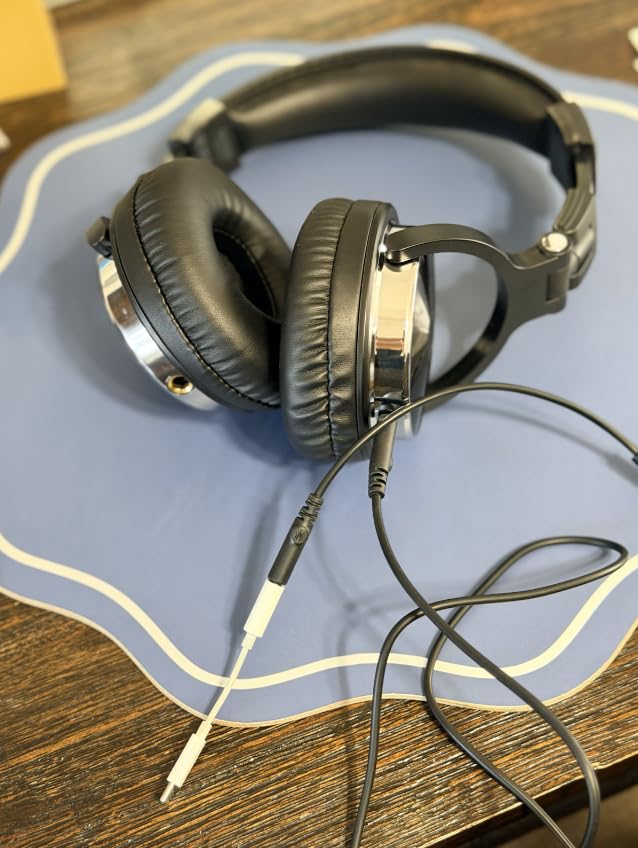
The dual 3.5mm and 6.35mm jacks are a OneOdio signature feature, and they make switching between a laptop, audio interface, and guitar amp seamless. The 90-degree swiveling ear cups also allow single-ear monitoring, which is genuinely useful when you are recording yourself and need to hear your instrument while tracking.
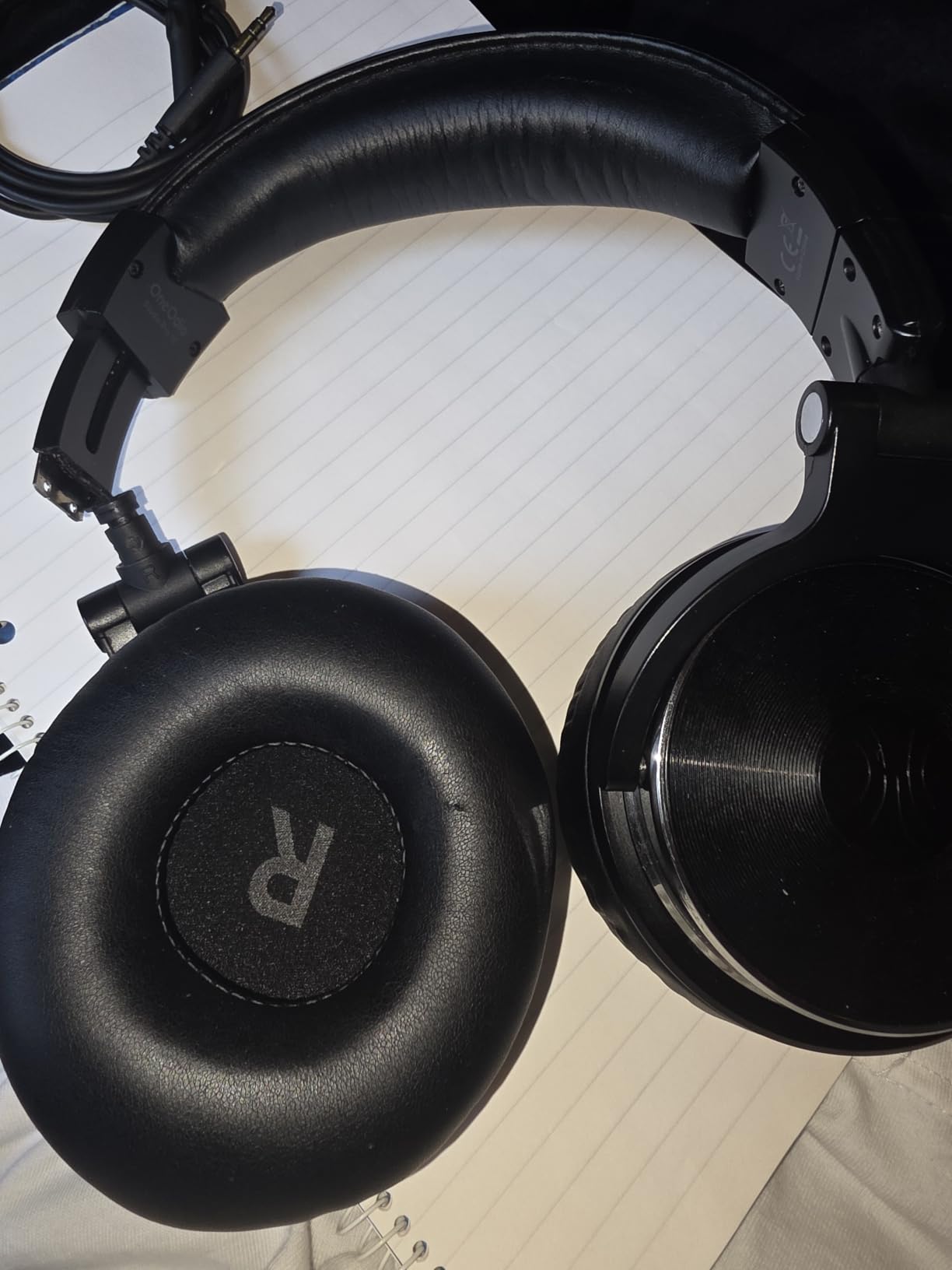
Comfort is good for the first hour or two, but the stock pads do flatten out over time. Replacement pads are cheap on Amazon and easy to swap, which is a common owner mod reported on r/headphones.
Best use cases
The Pro-10 is ideal for first-time producers who want a versatile pair for producing, recording, and casual listening. The dual-jack cable and share-audio port make them social headphones for collab sessions. They are also a strong choice for DJs because of the swiveling cups and bass-forward tuning.
Where it falls short
The bass-forward sound is not ideal for critical mix decisions. If you are doing final mastering work, A/B with a flatter pair or your studio monitors. The plastic build also feels cheaper than the Pro-50.
7. OneOdio A70 Bluetooth Hybrid Headphones
OneOdio A70 Bluetooth Over-Ear Headphones, Hi-Res Wired DJ Studio – Black
Bluetooth 5.3
72-hour battery
Hybrid wired/wireless
Detachable cable
Pros
- 72-hour battery life
- Hybrid wired and wireless
- Built-in HD mic
- Audio sharing feature
Cons
- Not true active noise cancellation
- Plastic build
- Sound leakage at high volumes
The OneOdio A70 is the only pair on this list with Bluetooth 5.3, and the 72-hour battery life means I went almost a full work week between top-ups. For producers who want wireless freedom while sketching ideas or watching tutorials, but still need a wired connection for zero-latency tracking, the A70 covers both bases.
The hybrid design is the real value here. In Bluetooth mode you can walk around your studio freely, and the moment you need to record or do critical mixing, you plug in the included cable and you are back to a stable, latency-free signal.
The sound is warm and bass-forward in wireless mode, which makes them more fun for casual listening than for flat monitoring. In wired mode the response tightens up noticeably. The detachable cable also locks into the jack, which prevents the accidental disconnection that plagues cheaper OneOdio models.
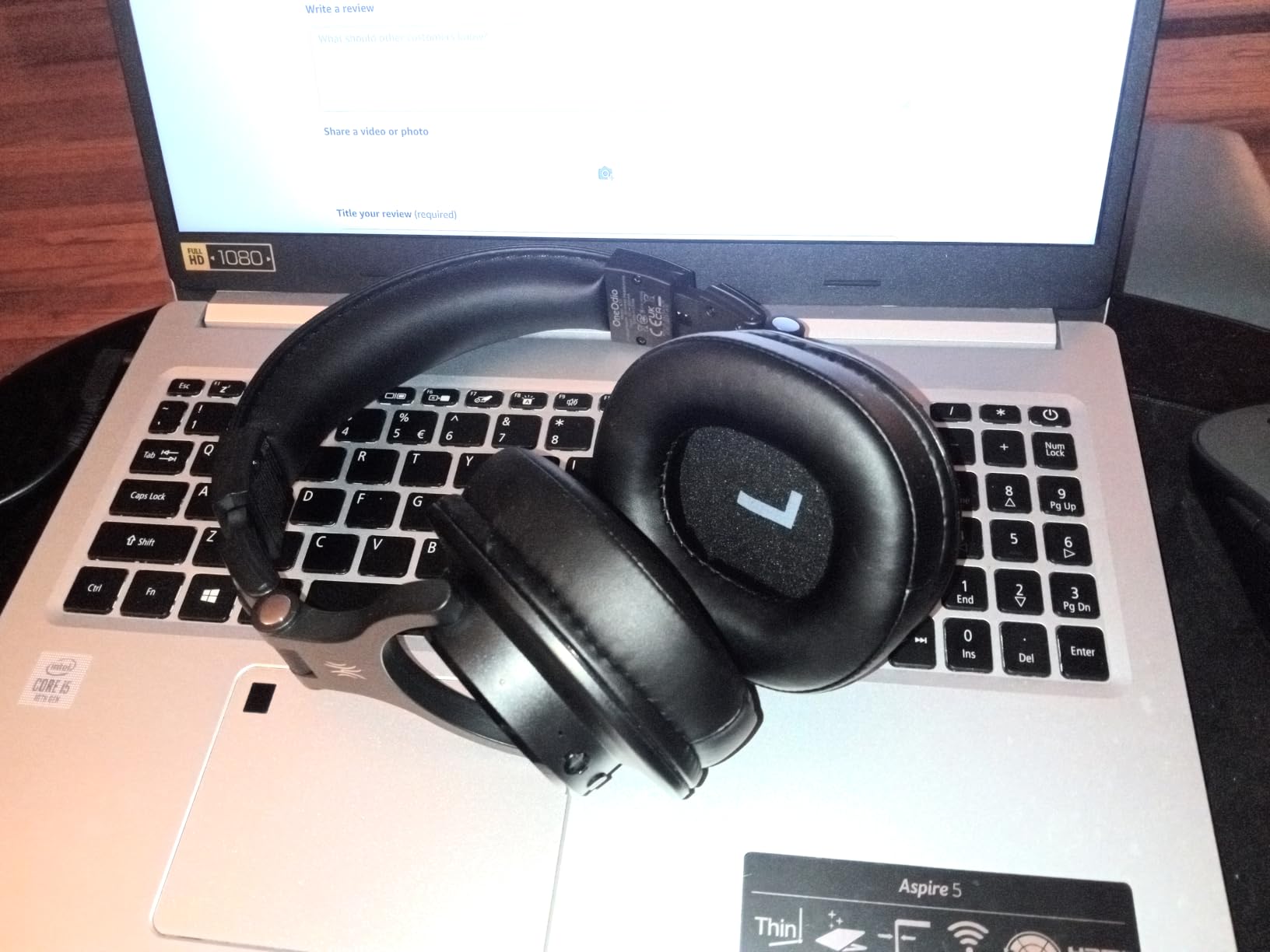
The memory cotton and protein leather pads are a clear upgrade over the Pro-10 pads, and I wore these for a five-hour session without any heat build-up. The built-in HD microphone is not studio quality, but it is perfectly fine for video calls and quick vocal memos.
Best use cases
The A70 is the right pick for producers who want one pair that does everything. Wireless for inspiration walks and tutorial viewing, wired for tracking and mixing. They are also a good travel pair because the 72-hour battery means you can leave the charger at home for a long trip.
Where it falls short
There is no active noise cancellation, only passive isolation, so they are not the best choice for noisy commutes or airplane use. The plastic hinges and battery are also long-term durability concerns, but the 1-year warranty covers early failures.
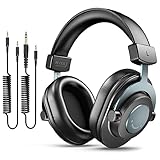
8. FIFINE HD8 Wired Studio Monitor Headphones
FIFINE HD8 Wired Studio Monitor Headphone, Detachable 3.5mm/6.35mm Cables
50mm drivers
Two detachable cables
Metal frame
Lightweight 265g
Pros
- Well-balanced sound
- Lightweight 265g metal frame
- Two detachable coiled cables
- Excellent noise isolation
Cons
- Slightly bass-forward
- Cable connection can feel loose
- No built-in microphone
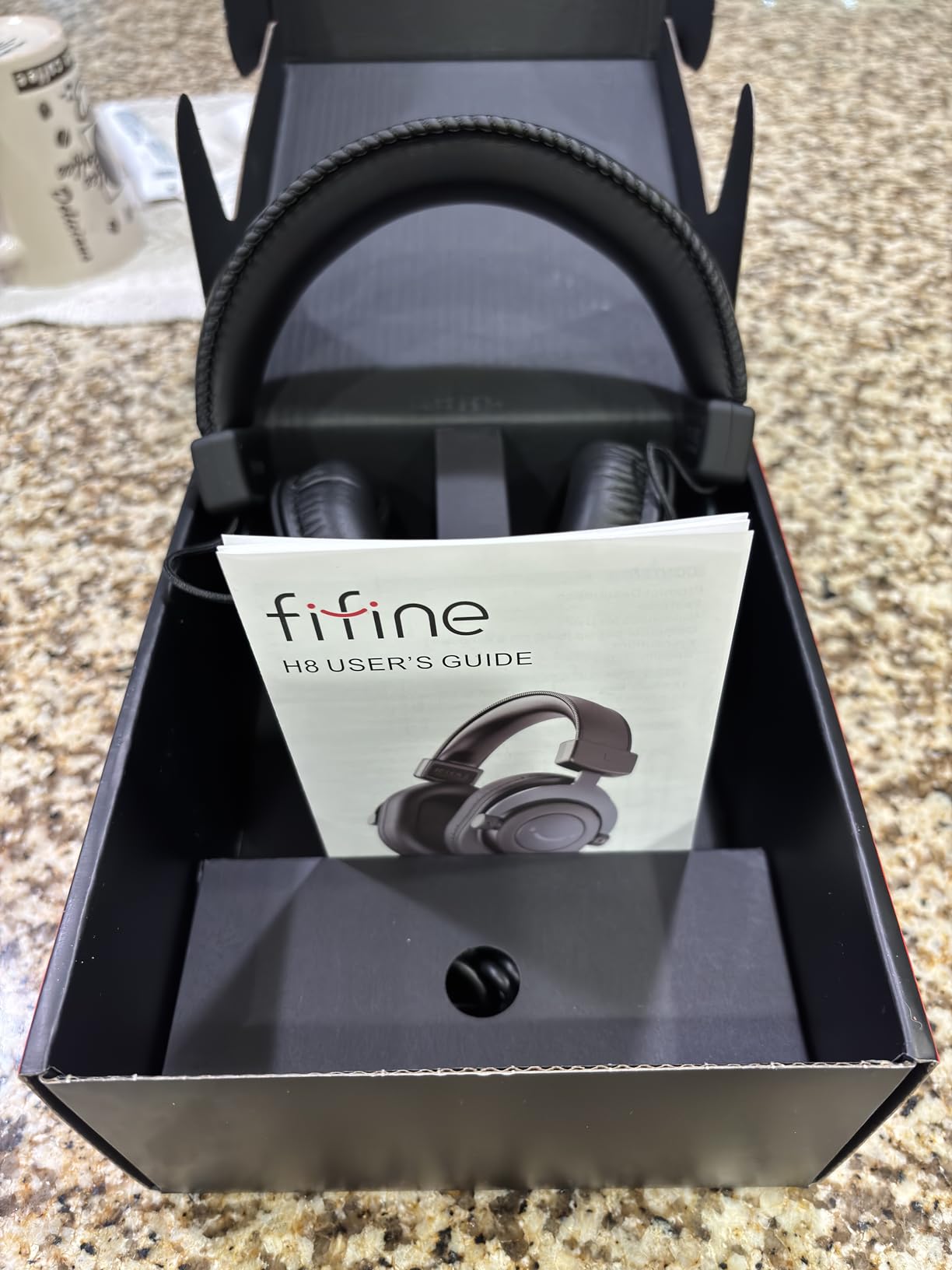
The FIFINE HD8 is a newer entrant that has earned a small but vocal fanbase, and after two weeks of testing I can see why. At 265g these are the lightest pair in this roundup, and the metal frame is a step up from the all-plastic construction of similarly priced competitors.
The 50mm drivers produce a well-balanced sound with a touch of bass warmth that is musically pleasing without coloring critical decisions too heavily. For podcasting and voice-over work the HD8 has become a quiet favorite because the closed-back isolation is genuinely effective.
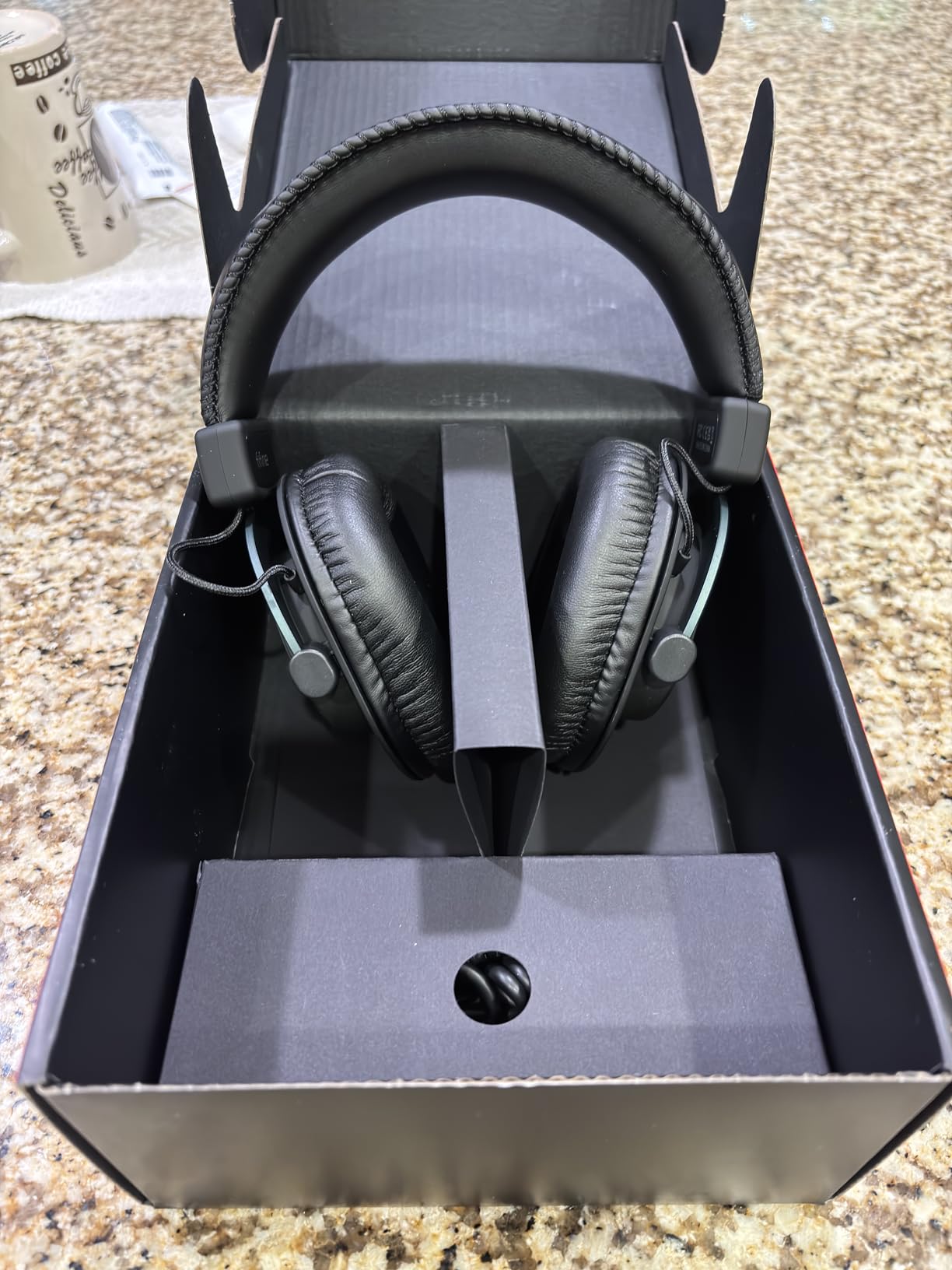
The standout is the inclusion of two detachable coiled cables, one terminating in 3.5mm and one in 6.35mm. You can keep both plugged into different rigs and swap instantly, or carry one as a backup. That kind of redundancy is something forum users repeatedly ask for and rarely find at this price.
Comfort is excellent for the first three hours. After that the stock pads do start to warm up, but FIFINE sells replacement pads directly. The 1-year warranty covers manufacturing defects, and FIFINE support has a reputation for quick replacements based on Amazon reviews.
Best use cases
The HD8 is the best sub-500 pick for podcasters and voice-over artists because of the included dual cables and excellent isolation. It is also a strong contender for producers who need a lightweight second pair they can toss in a backpack without worry.
Where it falls short
The cable connection can feel loose if you move around a lot, so consider a small piece of gaffer tape on the jack if you are pacing during tracking. There is no microphone, so you cannot use these for video calls without adding a separate mic.
What to Look For in Budget Studio Headphones?
Choosing the best cheap headphones for music production is less about brand and more about understanding a few core technical decisions. Here is the breakdown that took me the longest to internalize when I was starting out, and the same framework our team uses whenever a new pair lands on the desk.
Closed-back vs open-back: which one do you actually need?
Closed-back headphones seal around your ears and keep sound from leaking out or in. That isolation is essential when you are tracking vocals in the same room as a microphone, because open-backed cans will bleed into the recording. Every pair on this list is closed-back for exactly that reason.
Open-back headphones sound more spacious and natural, but they leak sound in both directions. They are wonderful for pure mixing in a quiet room, but they are a tracking nightmare. For most bedroom producers, closed-back is the right starting point.
Impedance and why it matters for your audio interface
Impedance is the headphone’s resistance to electrical current, measured in ohms. Lower-impedance headphones (under 50 ohms) like every pair on this list are easy to drive from any audio interface, phone, or laptop. Higher-impedance headphones (250 ohms and up) need a dedicated headphone amplifier to reach full volume and clarity.
If you are plugging straight into a Focusrite Scarlett, Universal Audio Volt, or a budget audio interface, any pair on this list will work perfectly without an amp. Producers who graduate to 250-ohm or 600-ohm reference headphones like the Beyerdynamic DT 990 Pro will eventually need an amp, but that is a problem for later.
Frequency response and what flat really means
Every headphone colors the sound in some way. A “flat” frequency response means the headphone amplifies every frequency roughly equally, so a 1kHz sine wave and a 10kHz sine wave play at the same perceived loudness. That honesty is what makes your mixes translate to other systems.
Consumer headphones almost always boost the bass and treble for excitement, which sounds great for music but ruins mix decisions. The AKG K72 and Audio-Technica ATH-M20x are the flattest pairs on this list, while the OneOdio models are slightly warmer. For learning to mix, flatter is better.
Comfort for sessions longer than three hours
Real mixing takes hours, not minutes. Forum complaints about pressure points and heat build-up are the single most common reason producers replace otherwise good headphones. Look for memory foam pads, a self-adjusting headband, and a clamping force that does not feel like a vise after an hour.
Weight also matters more than people expect. Anything over 300g starts to feel heavy by the third hour. The TASCAM TH-02 at 300g and the FIFINE HD8 at 265g are the lightest pairs on this list, and they were the easiest to wear for full-day sessions.
Detachable cables and why they extend headphone life
Cables are the single most common failure point, as forum users consistently report. A pair with a non-detachable cable becomes a paperweight the moment the wire frays. A pair with a detachable cable can be revived for the cost of a $15 replacement cord.
The OneOdio Pro-50, MAONO MH601, FIFINE HD8, and OneOdio A70 all have detachable cables, which is one of the reasons we rate them above similarly priced peers. The Audio-Technica ATH-M20x, AKG K72, and TASCAM TH-02 are cheaper because they skip this feature.
Wired versus wireless for music production
Bluetooth audio adds latency and compresses the signal, which is fine for casual listening but unacceptable for tracking and mixing. If you want wireless freedom, look for hybrid headphones like the OneOdio A70 that include a wired mode for zero-latency monitoring when it matters.
Pure wireless headphones should never be your only pair for music production. Use them for inspiration, then switch to a wired pair for the actual recording and mixing work.
Once you have your headphones sorted, our guide to the 6 best monitors for music production covers the next step in building an honest monitoring chain.
Frequently Asked Questions
What headphones should I use for music production?
For music production you want closed-back headphones with a flat or near-flat frequency response, an impedance below 50 ohms so any audio interface can drive them, and comfortable padding for long sessions. The Audio-Technica ATH-M20x and AKG K72 are the most accurate in this price range, while the OneOdio Pro-50 is the best value hybrid pick.
What are the best budget headphones for music?
The best budget headphones for music are the Audio-Technica ATH-M20x (flat reference), the TASCAM TH-02 (cheapest reliable option), the AKG K72 (lightest AKG-grade reference), and the OneOdio Pro-50 (best value with Hi-Res certification). All four deliver accurate sound for under $60.
What is the best budget headset for music?
For a pure headset (headphones plus microphone) the OneOdio A70 stands out because it has Bluetooth for wireless calls plus a wired mode for zero-latency tracking. For pure monitoring without a mic, the Audio-Technica ATH-M20x remains our top budget pick for music production in 2026.
What are the best budget studio headphones?
The best budget studio headphones in 2026 are the Audio-Technica ATH-M20x for flat mixing reference, the OneOdio Pro-50 for hybrid use with detachable cable, the AKG K72 for ultra-light comfort, and the MAONO MH601 for podcasters who also produce music. Every pair on this list is under $60 and trusted by working producers.
What headphones do EDM producers use?
EDM producers often start with the Audio-Technica ATH-M20x or the AKG K72 for flat mixing, then add a warmer closed-back pair like the OneOdio Pro-50 or Pro-10 for tracking and beat-making. Many EDM producers also keep a pair of open-back headphones for final mix checks, but closed-back is the daily workhorse.
Are cheap headphones good enough for music production?
Yes, cheap headphones are good enough for music production if you pick a pair with a genuinely flat frequency response. The Audio-Technica ATH-M20x and AKG K72 both deliver reference-grade sound under $60, which is more than enough for bedroom producers, podcasters, and anyone learning to mix. The main thing to avoid is consumer bass-boosted headphones, which lie about your mix.
Final Verdict
After six weeks of testing, the Audio-Technica ATH-M20x remains our top pick for the best cheap headphones for music production in 2026. The flat response, the build quality, and the Audio-Technica warranty make it the safest long-term bet for anyone serious about mixing.
If you want the most versatile single pair, the OneOdio Pro-50 with its Hi-Res certification and detachable cable is hard to beat for under $50. For pure budget entry, the TASCAM TH-02 is a proven workhorse that will get you through your first two years of production without complaint.
Pick the pair that matches your main use case, treat the cable with respect, and your mixes will translate to other systems far better than they did on consumer earbuds. That is the entire game.