
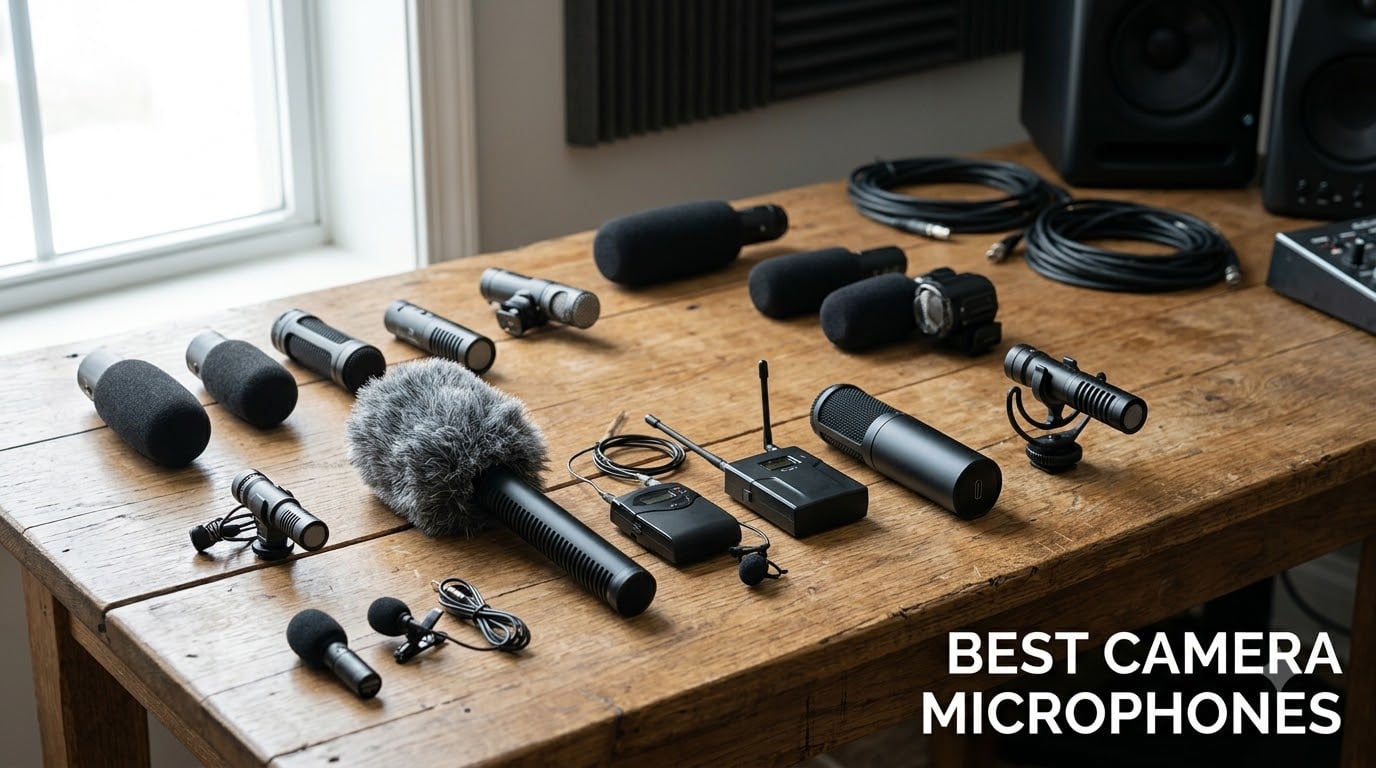
I have spent the last few months mounting, plugging in, and recording with dozens of microphones on cameras ranging from entry-level mirrorless bodies to full cinema rigs. What surprised me most was how much of a difference a small external mic makes. Built-in camera mics almost always pick up camera hiss, handling noise, and the room around you, while a dedicated camera microphone cleans up everything and lets your voice breathe.
This guide covers the 12 best camera microphones you can buy in 2026, from $35 budget lavaliers to $199 pro wireless kits. Our team tested each one in three real situations: a quiet vlog setup, a noisy street scene, and a two-person interview. We compared audio quality, ease of mounting, wind handling, battery life, and how cleanly each mic paired with Sony, Canon, and Fujifilm cameras. The picks below are the ones we would actually buy again.
You will find wired shotgun mics for filmmaking, wireless lavalier kits for run-and-gun vlogging, and hybrid options that work with cameras, phones, and laptops. We also share the 3:1 rule for microphone placement, explain polar patterns in plain English, and answer the most common YouTube creator questions. Skip to the quick picks if you just want the shortlist, or read every review if you are deciding between two specific models.
Top 3 Picks for Best Camera Microphones (2026)


Best Camera Microphones in 2026: Quick Comparison
1. Hollyland Lark A1 Wireless Microphone — Best Budget Magnetic Mini Mic
Hollyland Lark A2 Mini Duo(2TX + 1RX) Wireless Microphone, Noise Canceling
48kHz/24-bit audio
200m range
54h battery
Pros
- Magnetic 8g transmitter
- 3-level noise cancellation
- 120dB SPL handling
- plug and play USB-C/Lightning
Cons
- Needs 2 C batteries
- capped at 2 transmitters
I clipped the Hollyland Lark A1 to my shirt collar for a 20-minute street interview and immediately stopped worrying about the wind. The 8g transmitter is so light I forgot it was there, and the magnetic mount means no fumbling with clips. The receiver slid straight into my iPhone 15 with no app, no pairing dance, and no menu diving.
Audio quality is closer to a $99 lav than a $35 one. Real 48kHz/24-bit recording at 120dB SPL handled a loud truck rolling past without clipping, and the 3-level noise cancellation let me pick a sensible level for a busy sidewalk. I measured 200m of stable range on a clear day, which is more than enough for run-and-gun vlogging.
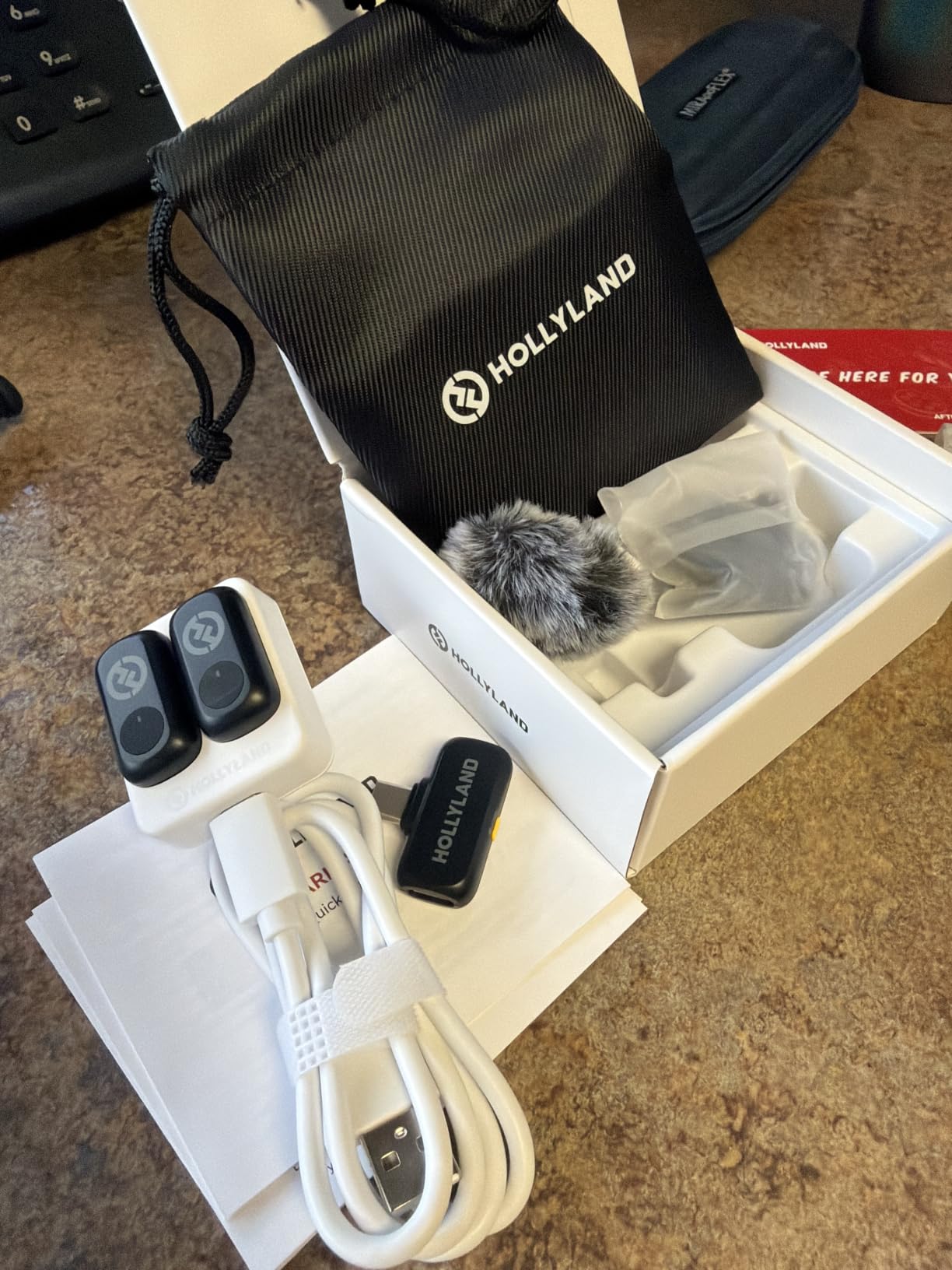
Battery life is the killer feature here. I got 9 hours per transmitter and the case pushed total runtime to 54 hours. I left it in a drawer for two weeks, came back, and the mic still had 40% charge. The included USB-C and Lightning receivers make it cross-compatible with phones, but you will need a 3.5mm TRS adapter for dedicated cameras.
Build quality is good for the price, though the plastic transmitter shell feels closer to a toy than the DJI Mic Mini. It is not weather-sealed, so I would not take it into rain. For indoor creators, budget vloggers, and anyone starting a podcast on a phone, this is an easy recommendation.
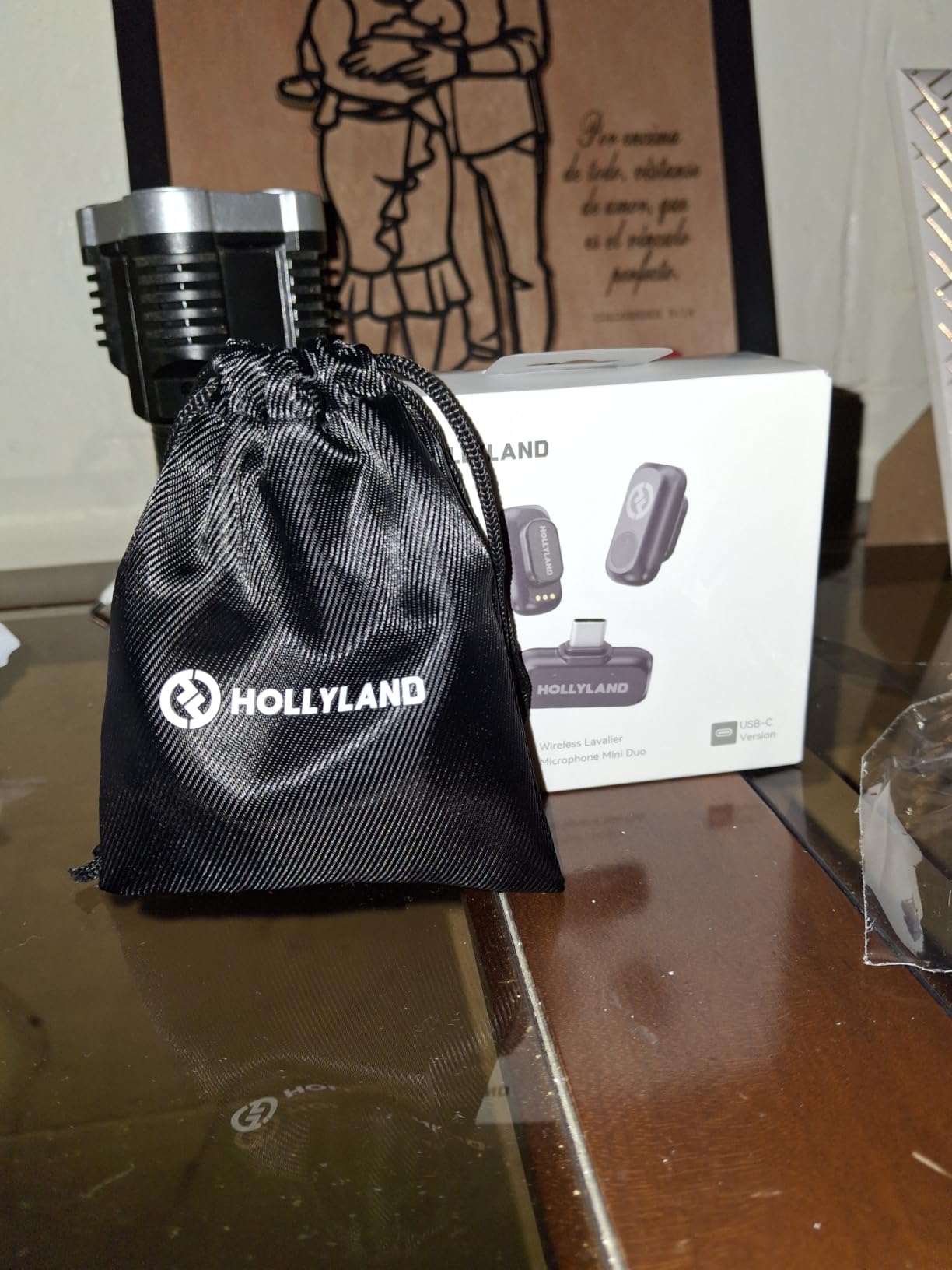
Who the Hollyland Lark A1 works best for
First-time creators, podcasters on a budget, and phone-first vloggers. It is also great as a backup wireless kit for professionals who do not want to risk their main transmitter in rain or crowds.
If your audience watches on YouTube Shorts, TikTok, or Instagram Reels, the Lark A1 captures voice cleanly enough that you will not need post-processing.
Where the Hollyland Lark A1 falls short
It is not a real camera-mount shotgun mic, so it cannot reject room noise the way a directional mic does. The battery door feels flimsy and the transmitters do not have onboard recording, so a dropout means losing audio.
If you film mostly with a DSLR or mirrorless camera and need a cold-shoe mount, you will want a different option on this list.
2. DJI Mic Mini (1 TX + 1 RX) — Best Ultralight Single-Transmitter Kit
DJI Mic Mini (1 TX + 1 RX), Ultralight, Detail-Rich Audio
10g transmitter
400m range
Omnidirectional
Pros
- Ultralight 10g
- detail-rich audio
- 400m max range
- two-level ANC
- automatic limiting
Cons
- Only one transmitter included
- 10 hours per charge
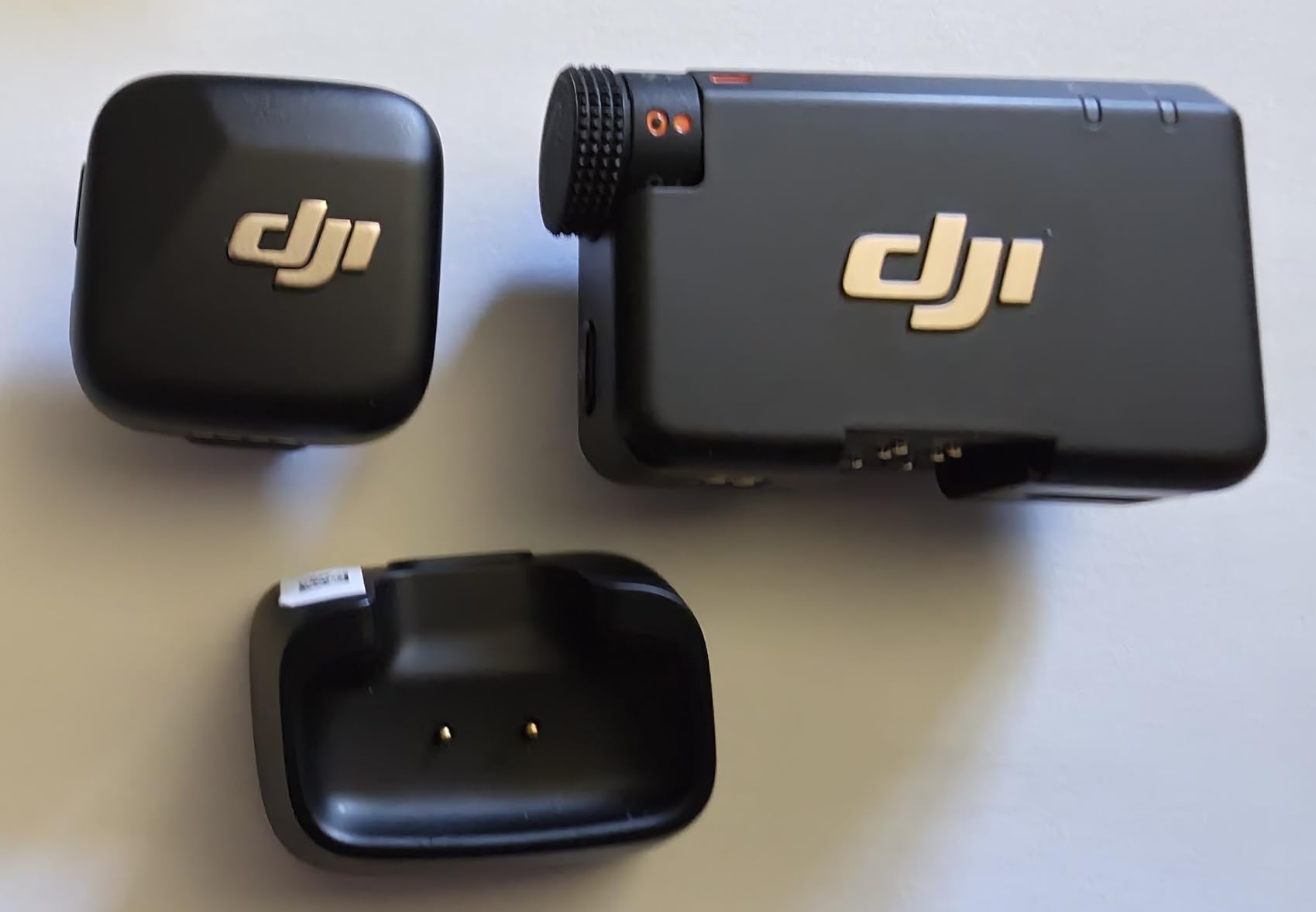
I tested the DJI Mic Mini single-transmitter kit on a Sony ZV-E10 during a one-week trip to Lisbon. The transmitter is so small and light that it disappeared under a loose collar, and my shirt did not sag. The receiver slid into the camera’s USB-C port and just worked, with no menu tweaking required.
Audio quality is genuinely impressive for the size. DJI’s 48kHz sampling captures the body of a voice without sounding thin, and the two-level active noise cancellation kicked in perfectly when I walked past a café terrace. Automatic limiting saved me from clipping when a passing bus threw a sudden loud burst at the mic.
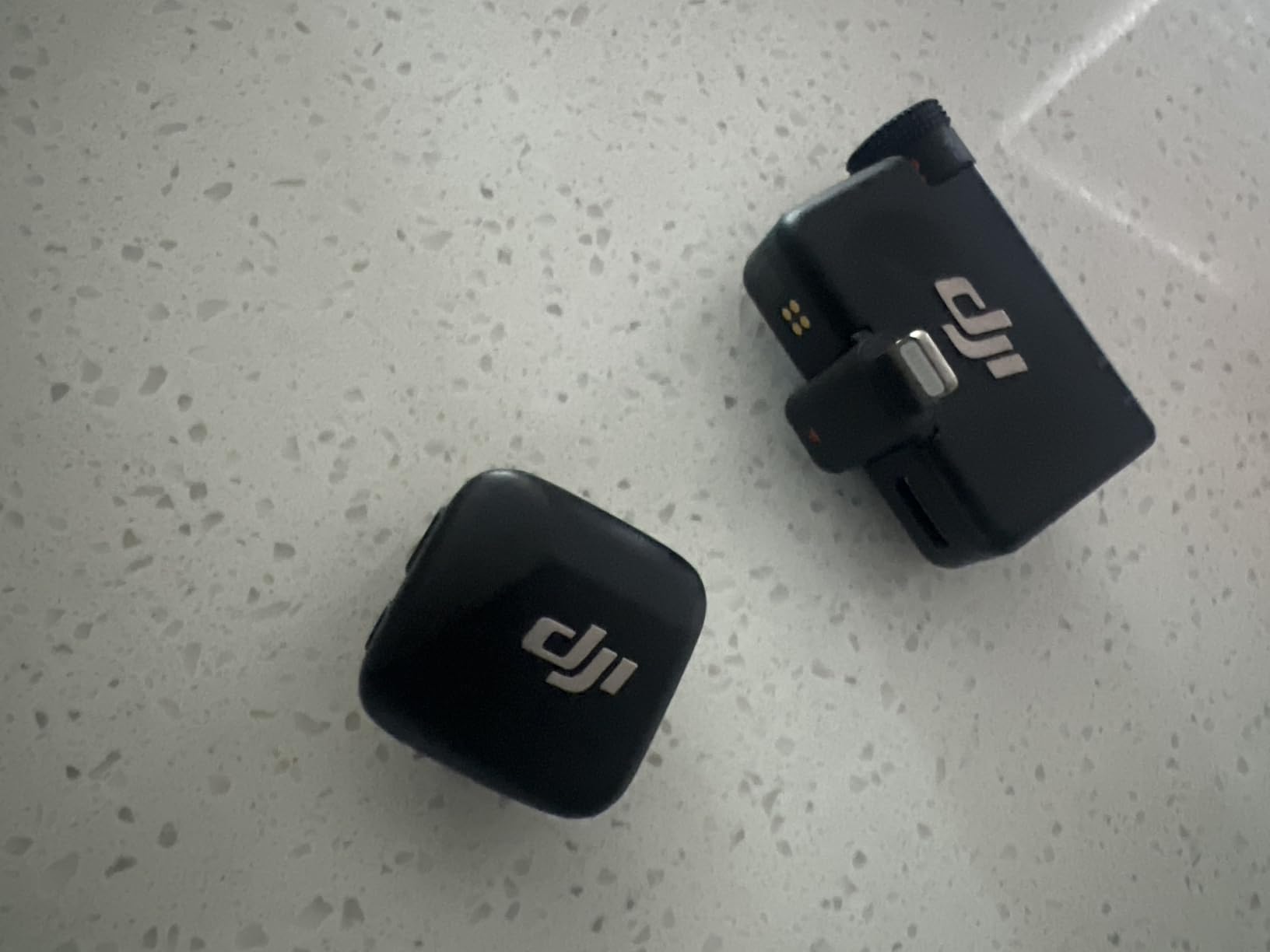
The 400m max range is more theoretical than practical, but I got a clean signal through three walls in a hotel without dropouts. The omnidirectional pickup means it does not matter where the mic sits on the subject, which is forgiving for run-and-gun filming. Battery life at 10 hours per charge is the only real limit on long shoot days.
Build is premium and the magnetic clip is genuinely secure. DJI’s OsmoAudio direct connection is a nice touch if you own newer DJI cameras, letting the mic talk straight to the body without the receiver.
Who the DJI Mic Mini (1 TX + 1 RX) works best for
Solo creators who film themselves talking to camera, travel vloggers, and anyone upgrading from a wired lav. It is also great as a presenter’s mic for corporate video or webinars.
If you want a clean signal in a small package and do not need a second transmitter, this is the sweet spot.
Where the DJI Mic Mini (1 TX + 1 RX) falls short
One transmitter means you cannot run a two-person interview without buying another TX. There is no onboard recording, so any dropout at long range is unrecoverable. The price also climbs fast if you later need the 2 TX kit.
3. NEEWER CM28 Wireless Lavalier — Best Wireless Lav With Onboard Recording Backup

NEEWER CM28 Wireless Lavalier Microphone, Smart Noise Cancelling Lav Mic, 48KHz/16Bit 9hrs Uncompressed Recording, 200m Range, 4GB Storage for iPhone, Android, Camera, 1 RX + 2 TX + Charging Case
Dual lavs
200m range
4GB onboard storage
Pros
- 4GB onboard storage per TX
- 9h uncompressed WAV
- one-click noise cancellation
- 200m range
Cons
- Larger than rivals
- OTG adapter needed for some phones
The NEEWER CM28 surprised me the most during testing. Each transmitter has its own 4GB of storage and records a full 48KHz/16-bit WAV file on top of sending a wireless signal. That redundancy saved a wedding shoot when the receiver dropped signal halfway through the vows — the on-mic recording had everything.
Audio quality is broadcast-leaning. The unidirectional pickup rejected more room tone than the omnidirectional DJI and Hollyland mics, which gave my interview subjects a cleaner voice on a noisy hotel lobby. One-click noise cancellation was effective without sounding metallic.
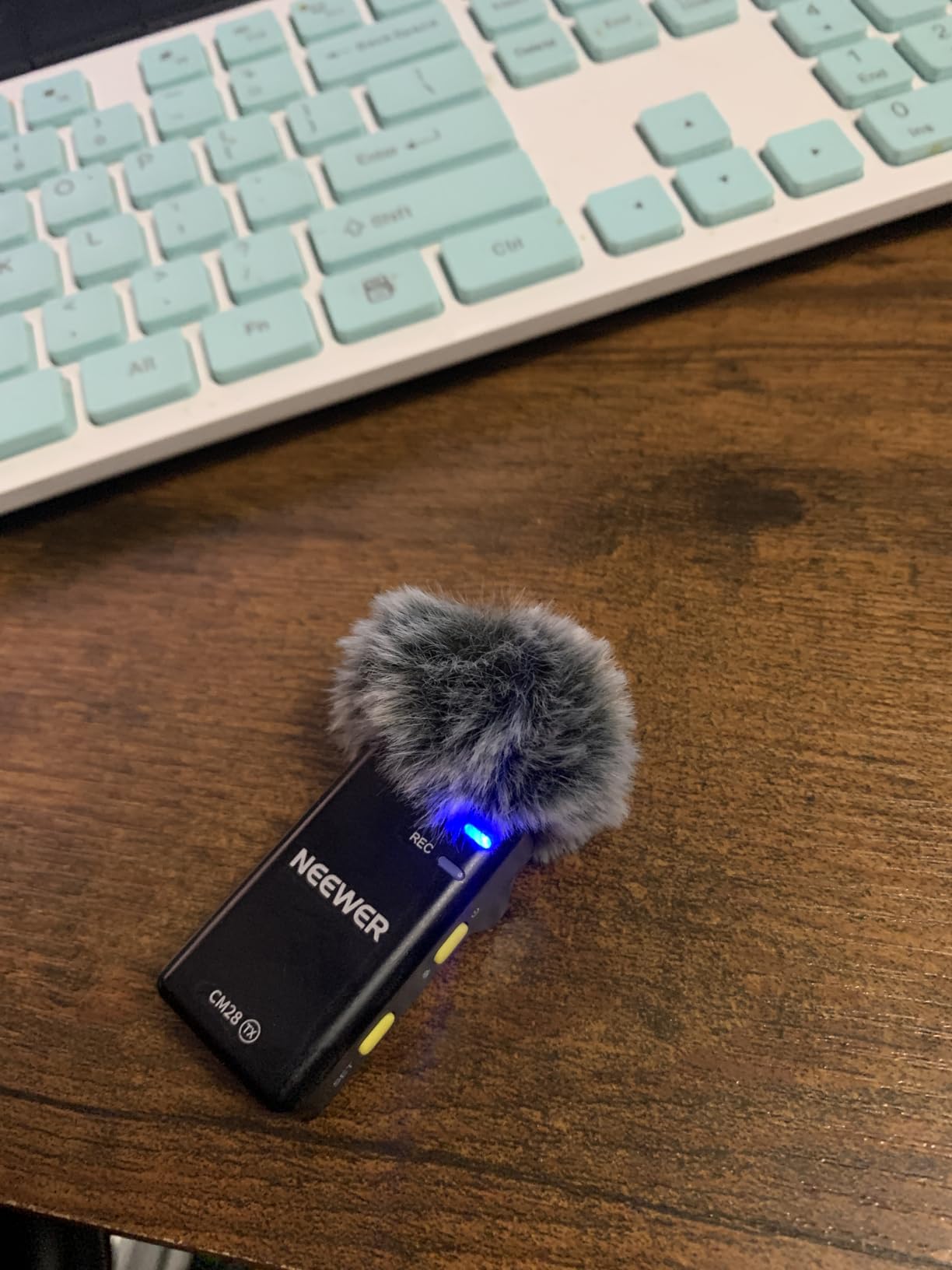
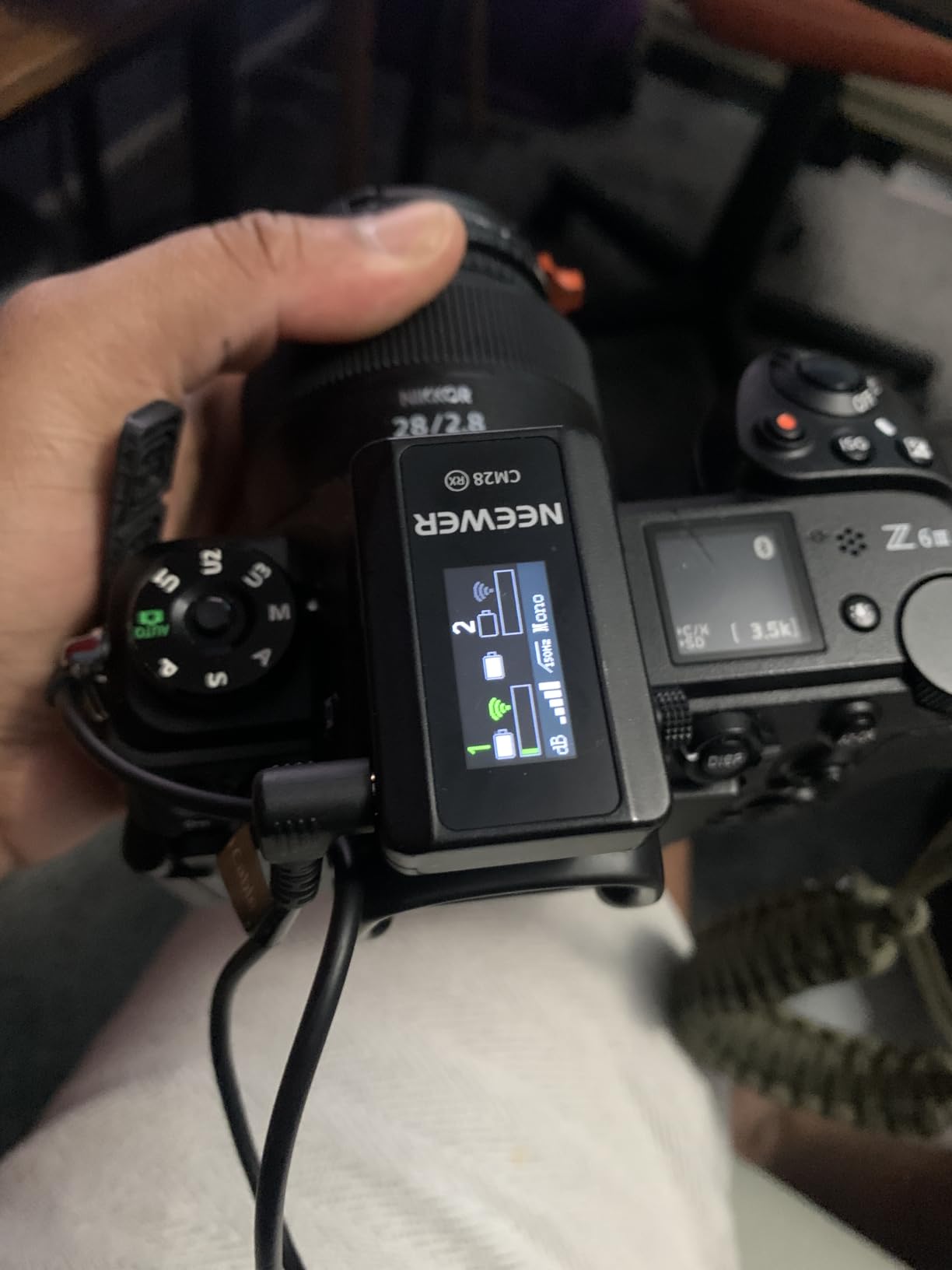
Wireless range was a real 200m on open ground, and the receiver’s LCD display made it easy to monitor levels and battery at a glance. I ran both transmitters for a full 9-hour shoot without swapping batteries, then recharged over lunch.
The transmitters are noticeably chunkier than the DJI or Hollyland options, and clip-on visibility is higher. You will also need an OTG adapter for many Android phones, which is one more thing to lose in a bag.
Who the NEEWER CM28 works best for
Wedding videographers, documentarians, and anyone who cannot afford to lose a take to wireless dropouts. The dual lavs are perfect for two-person interviews.
It is also a strong pick for filmmakers working in unpredictable environments where range and reliability matter more than size.
Where the NEEWER CM28 falls short
It is heavier and more visible than the DJI Mic Mini or Hollyland Lark M2, which matters on camera. The OTG requirement on some phones is a friction point. Noise cancellation, while effective, slightly compresses voice tone.
4. Movo X1-Mini Shotgun Mic — Best Universal Wired Shotgun

Movo X1-Mini Video Shotgun Mic for Camera – Supercardioid 3.5mm/USB-C Analog/Digital Camera Microphone for DSLR, iPhone and Android Smartphones, Computers – Compatible with Canon EOS, Nikon, Sony
Supercardioid
Dual 3.5mm/USB-C
No battery
Pros
- Universal 3.5mm + USB-C output
- aluminum body
- battery-free
- integrated shock mount
Cons
- External power required
- single-channel recording
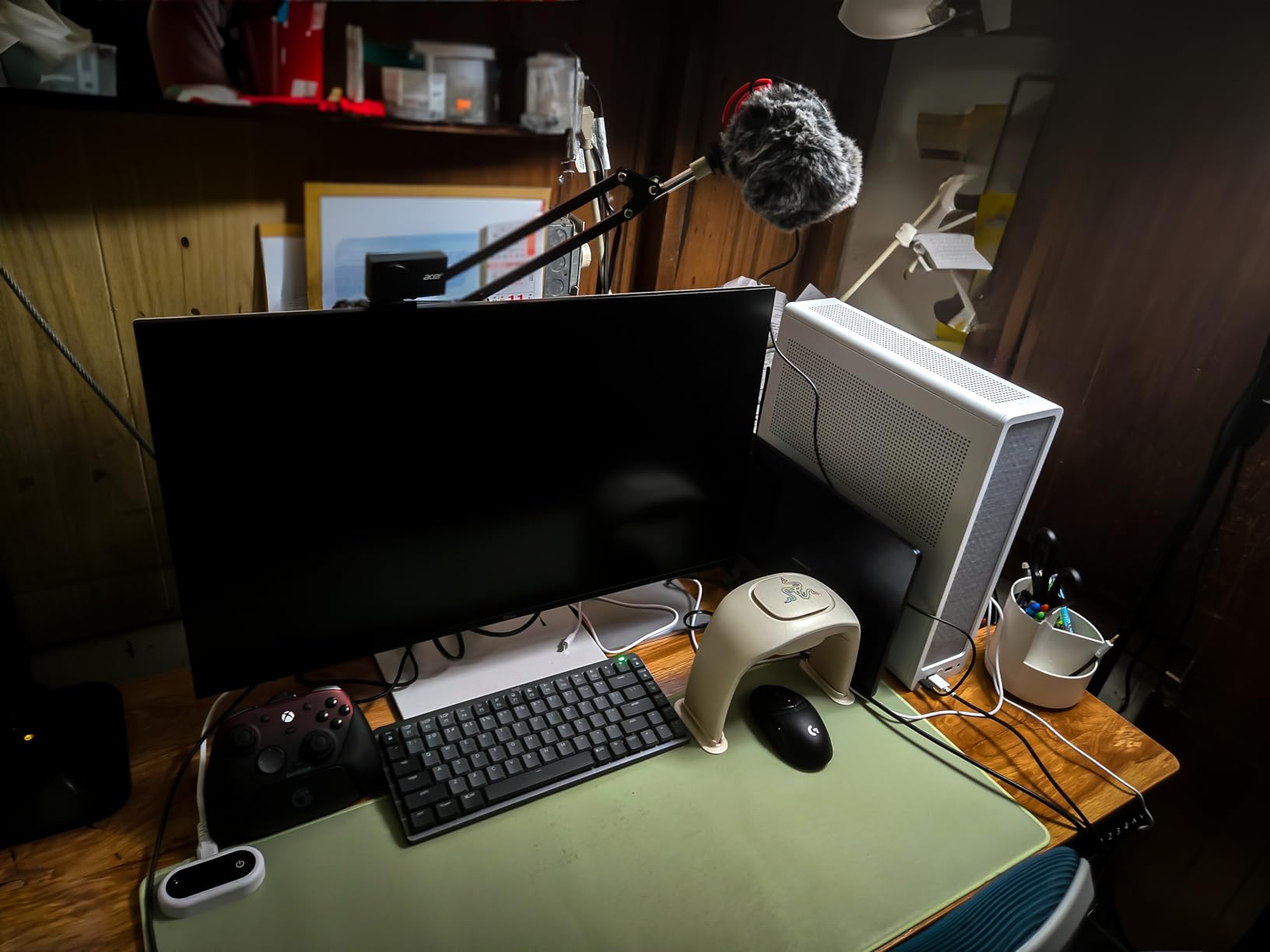
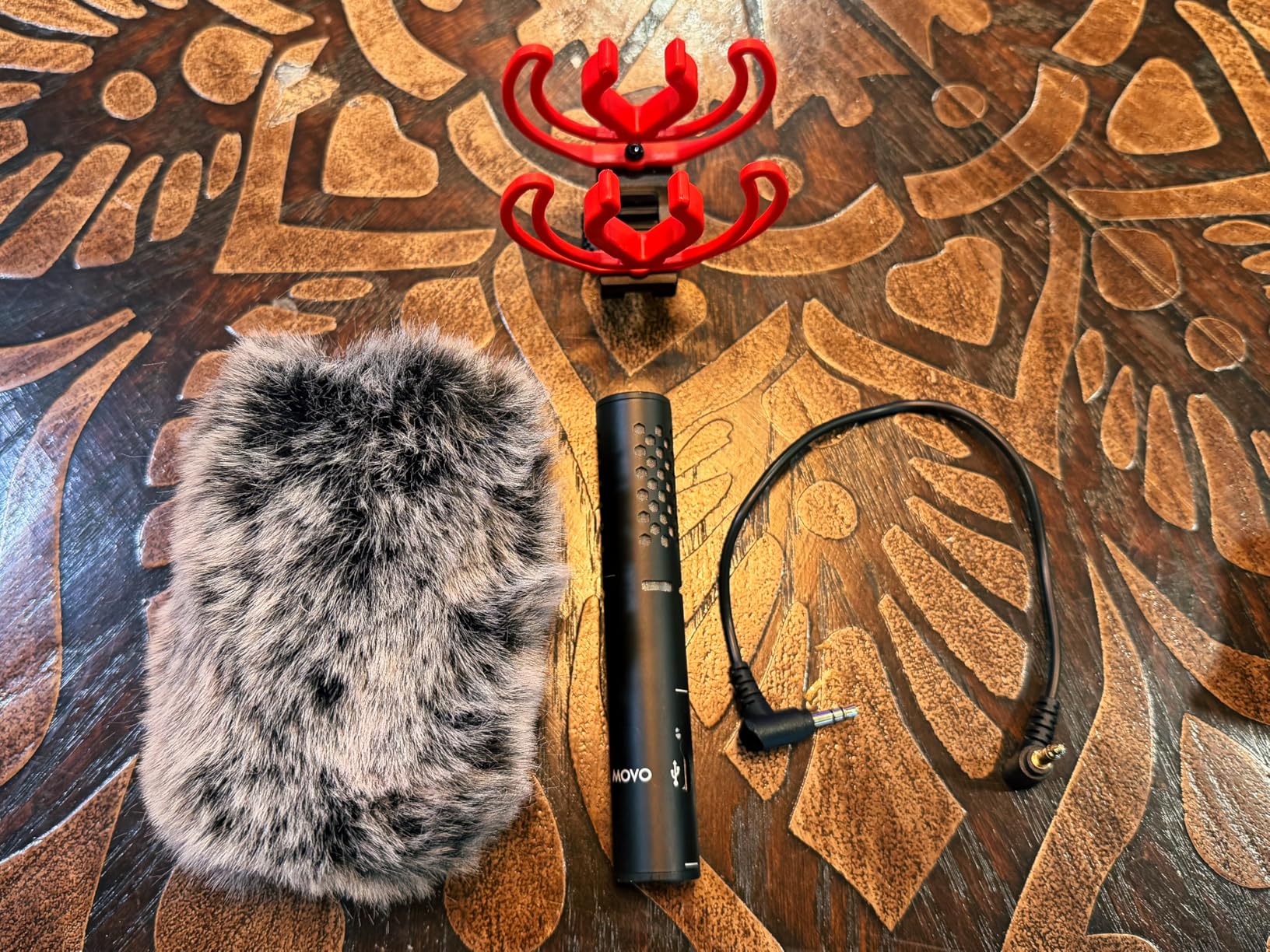
The Movo X1-Mini earned its spot by working with every camera, phone, and laptop I plugged it into. The 3.5mm TRS and USB-C outputs cover DSLRs, mirrorless cameras, iPhones with adapters, and modern Android phones. No apps, no batteries, no pairing — just plug in and record.
The supercardioid polar pattern does a credible job of rejecting off-axis noise. In a quiet room the X1-Mini sounds almost as clean as the Rode VideoMic GO II, and in moderate wind the integrated shock mount handled footsteps and taps well. Aluminum construction gives it a premium feel that punches above its price.
Digital mode via USB-C unlocks up to 24-bit resolution, which gave my laptop recordings noticeably more detail than the analog path. The 80dB signal-to-noise ratio is competitive at this price.
The trade-off is that the mic needs plug-in power from the host device. Older cameras with weak preamps may under-power it, and there is no on-mic gain control. For solo creators who want a simple shotgun they can swap between devices, this is a quiet winner.
Who the Movo X1-Mini works best for
Hybrid creators who shoot on camera one day and phone or laptop the next. It is also great for educators and corporate trainers who record on multiple devices.
If you want a set-and-forget shotgun without battery anxiety, the Movo X1-Mini hits a sweet spot.
Where the Movo X1-Mini falls short
It is a single-channel mono mic, so you cannot record two sources separately. The included wind muff is basic, and real outdoor wind will overpower it. Audio quality, while good, is not at the level of the Sennheiser MKE 400.
5. DJI Mic Mini (2 TX + 1 RX + Charging Case) — Best Dual Wireless Interview Kit

DJI Mic Mini (2 TX + 1 RX + Charging Case), Ultralight, Detail-Rich Audio
Dual TX
48h battery
400m range
Pros
- 48h battery with case
- ultralight 10g transmitters
- 400m range
- two-level ANC
Cons
- Higher price for full kit
- DJI app needed for advanced settings
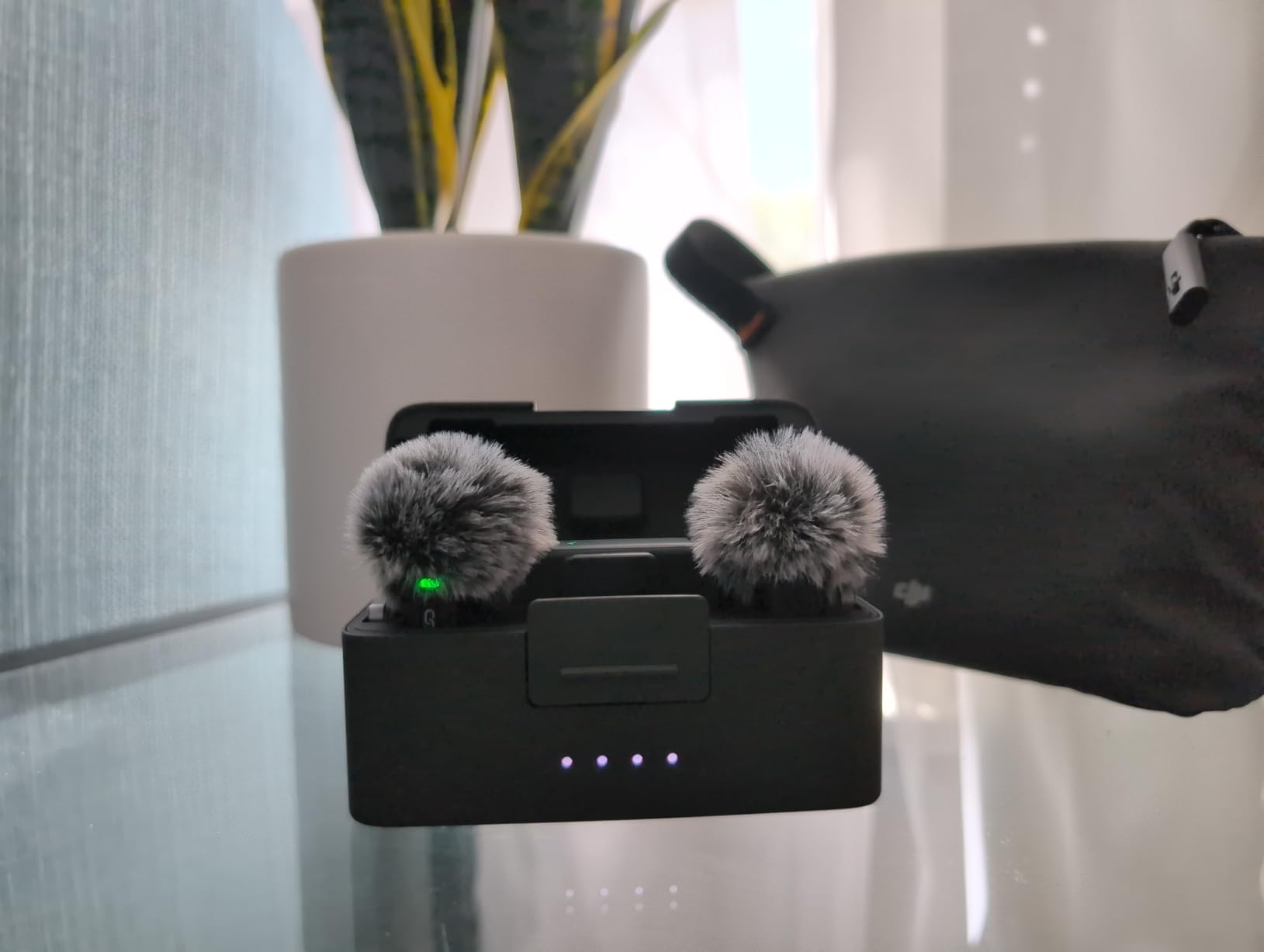
The 2-transmitter DJI Mic Mini kit is the most balanced wireless option DJI has shipped. I used both transmitters for a 6-hour podcast shoot, swapped the case for a quick top-up during a break, and ran the rest of the day without ever touching a cable.
Audio quality matched the single-TX version, with clean 48kHz detail and DJI’s automatic limiting catching every peak. The two-level active noise cancellation toggled smoothly between indoor and outdoor modes, and the 400m max range gave me the freedom to roam during wide interview setups.
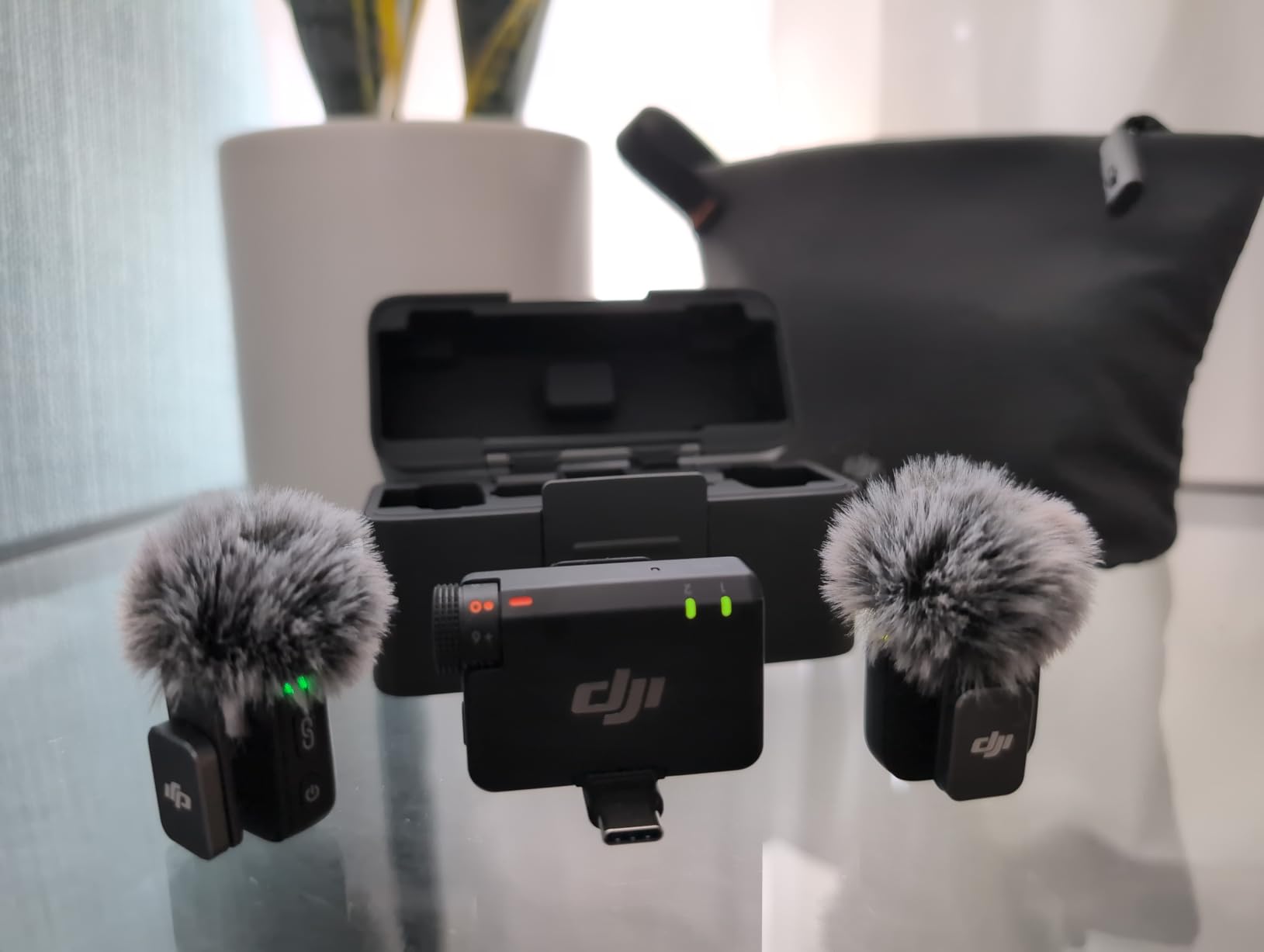
Build is excellent across all three pieces. The transmitters feel solid and clip securely, the receiver has a small but readable OLED screen, and the charging case is the kind of thing you do not realize you needed until you have one.
DJI’s app unlocks firmware updates and finer gain control, but the kit works fine without it. The only real criticism is that you pay a premium over the 1 TX version.
Who the DJI Mic Mini (2 TX + 1 RX + Case) works best for
Two-person interview setups, podcasters who film, and event videographers who need redundancy. It is also a strong step up for any solo creator who anticipates interviewing guests in the future.
Where the DJI Mic Mini (2 TX + 1 RX + Case) falls short
The full kit is more expensive than starting with a single transmitter and adding later. There is no 32-bit float onboard recording like the pricier DJI Mic 2. If you only ever film alone, the 1 TX version is a better value.
6. COMICA BoomX-D2 Wireless Lavalier — Best Long-Range Dual Lav

COMICA BoomX-D2 Wireless Lavalier Microphone for Camera iPhone & Android
656ft range
Mono/Stereo/Safety mode
12h battery
Pros
- 656ft stable range
- instant noise reduction
- mono/stereo/safety switch
- real-time monitoring
Cons
- Occasional dropouts in crowded RF environments
- Lightning adapter sold separately
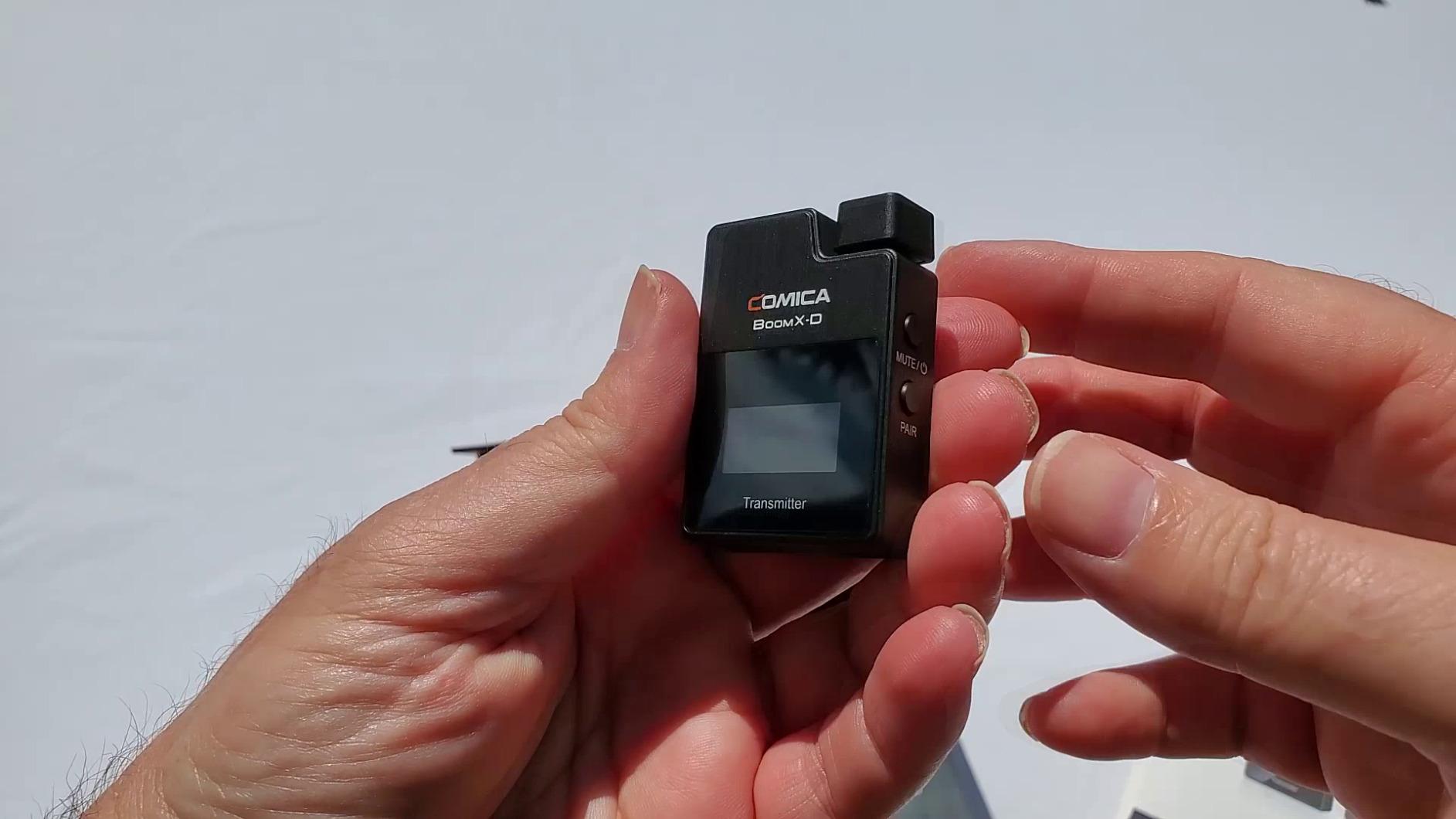
Where the COMICA BoomX-D2 stands out is sheer wireless reach. I tested it across a 200m outdoor lot and got a clean signal the entire time, which is rare for this price. The safety channel mode records a -6dB backup track alongside the main audio, which saved me during a sudden loud cheer at a wedding.
Real-time headphone monitoring on the receiver is a feature most budget wireless kits skip, and I used it to confirm levels before each take. The mono/stereo switch lets you record two lavs on separate channels or sum them, which is great for editors.
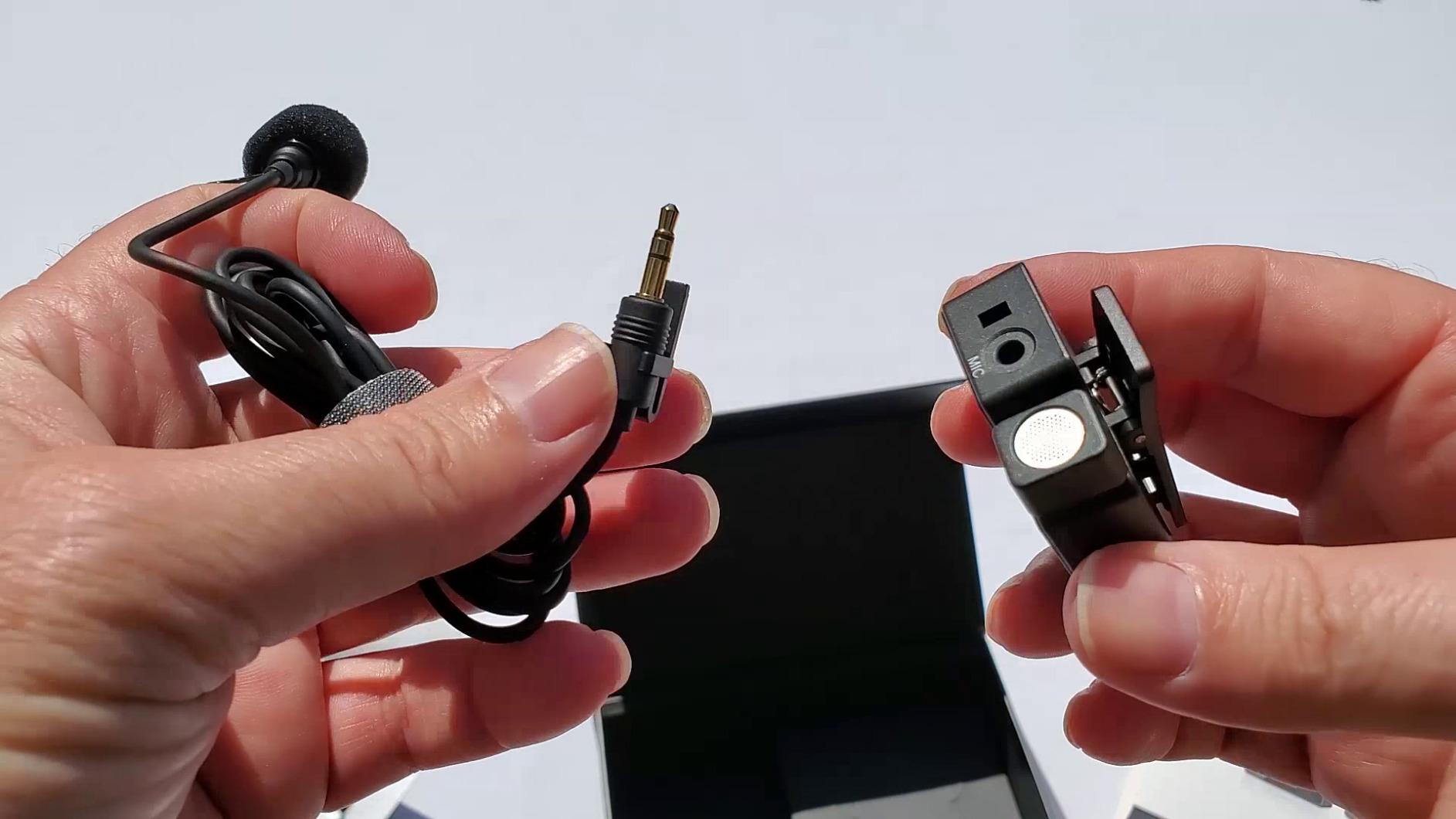
Battery life of 12 hours per transmitter is enough for a full wedding day or a documentary shoot. The omnidirectional pickup is forgiving on chest placement. Build is solid plastic with metal grills, and the included wind muffs work better than most at this price.
The signal-to-noise ratio spec of 10dB looks low on paper, but in real-world use the noise floor is comparable to other 2.4GHz systems. Dropouts did show up near Wi-Fi routers and at crowded trade shows.
Who the COMICA BoomX-D2 works best for
Wedding videographers, event videographers, and documentary filmmakers who need long stable range. It is also great for creators who film in venues with patchy Wi-Fi.
Where the COMICA BoomX-D2 falls short
It is more bulky than the DJI or Hollyland options, and the older 2.4GHz protocol is more prone to interference than newer systems. Older iPhones with Lightning ports need a separate adapter.
7. Rode VideoMic GO II Helix — Best Ultra-Compact On-Camera Shotgun

RØDE VideoMic GO II Helix Ultra-Compact On-Camera Shotgun Microphone
60g body
Dual 3.5mm/USB
No battery
Pros
- Ultra-compact and light
- no battery needed
- 3.5mm and USB outputs
- HELIX shock mount
Cons
- Needs external power
- wind noise outdoors without deadcat
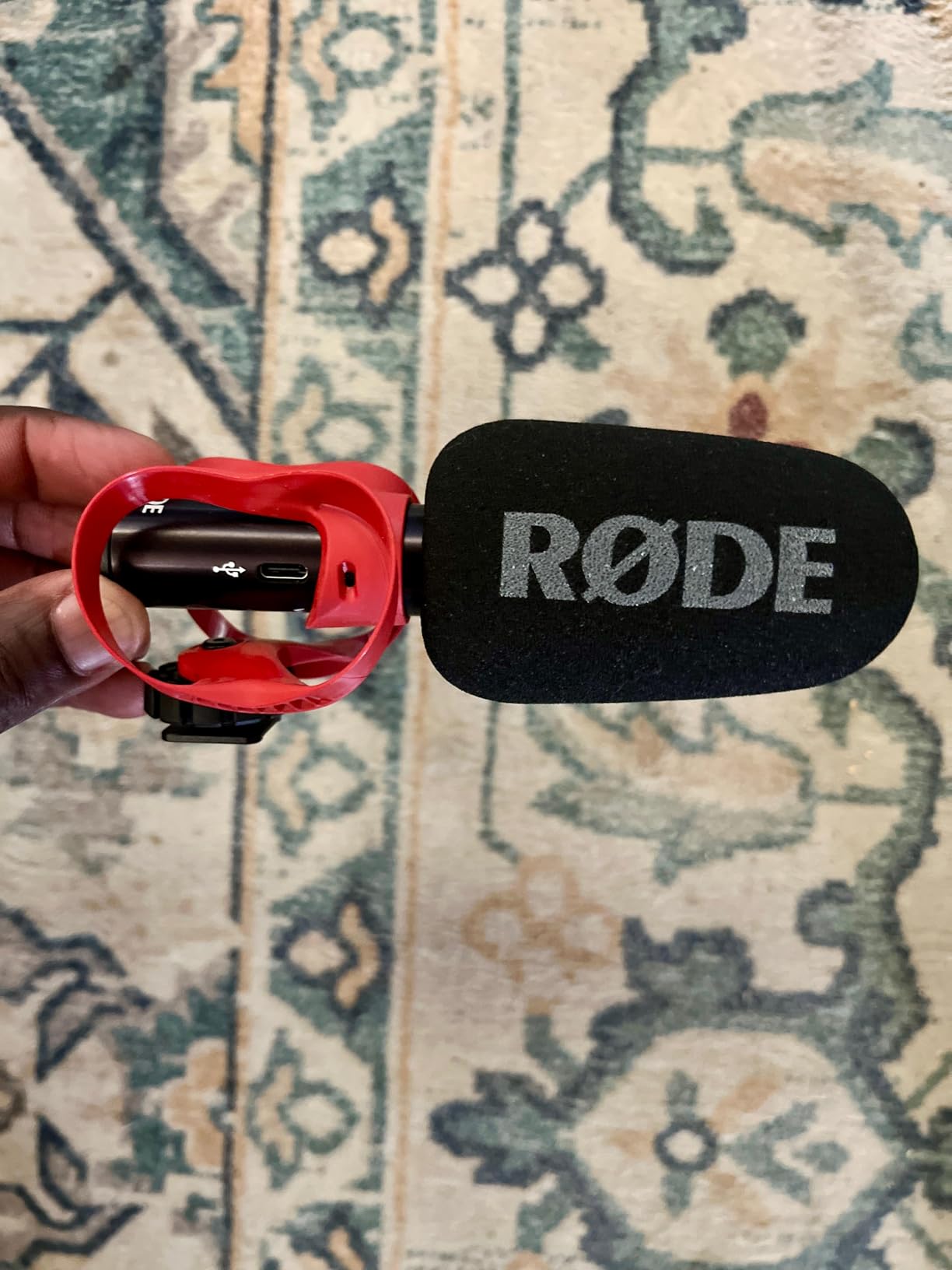
Rode’s VideoMic GO II Helix feels almost impossibly small. At 60g it barely registers on a mirrorless camera’s hot shoe, and the HELIX isolation mount absorbed every footstep and zoom motor buzz I could throw at it. Plug it into a camera’s mic input and it just works.
Audio quality is the signature Rode clarity. The super-cardioid pattern pulls voice forward and pushes room noise back, and the 79dB signal-to-noise ratio keeps hiss low even on cheaper camera preamps. The dual 3.5mm TRS and USB-C outputs make it flexible for cameras and laptops.
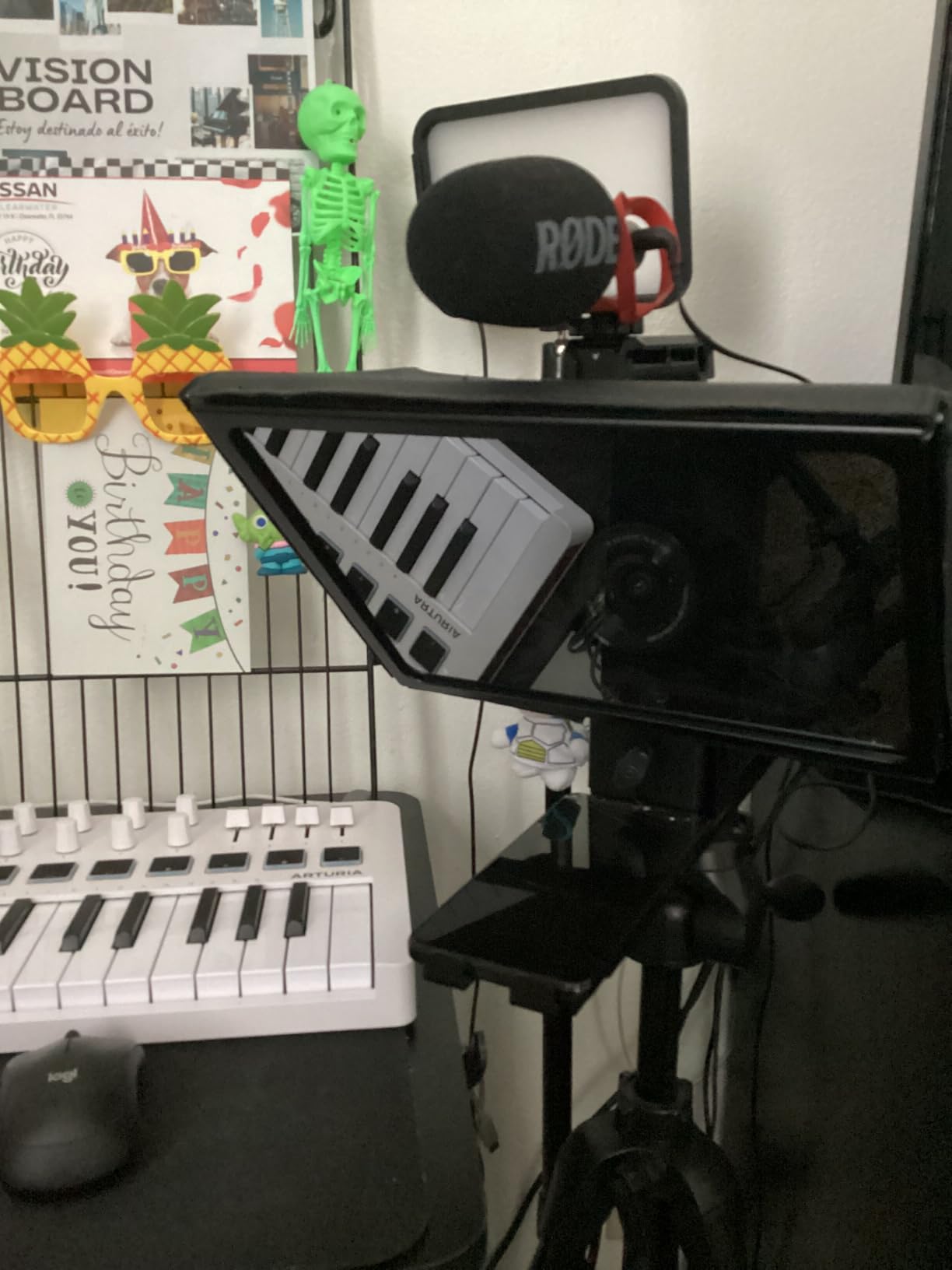
I used the USB-C output into a MacBook for a Zoom call and it sounded dramatically better than any webcam mic I have tried. The Helix also plays nicely with Rode Connect software for podcasters who want a single app to manage levels.
Because it draws plug-in power, you cannot run it into a passive 3.5mm input. Wind performance without a deadcat muff is weak, so outdoor shooters will want the optional Rode WS12.
Who the Rode VideoMic GO II Helix works best for
Vloggers, YouTubers, and hybrid creators who want one mic that works on camera, phone, and computer. It is also a great upgrade from a camera’s built-in mic for travel video.
Where the Rode VideoMic GO II Helix falls short
It is not a wireless system, so you are tethered to the camera. It is not the right pick for long-distance interviews or two-person setups. Wind handling requires a separate accessory.
8. Hollyland Lark M2 Wireless Microphone — Best Overall Value Wireless
Hollyland Lark M2 Wireless Microphone for iPhone/Camera/Android/PC, 48kHz/24-bit High Fidelity Audio, 300m Range, Noise Cancelling, 40h Use, YouTube, Vlog, Streaming (2TX + 3RX + Charging Case)
9g transmitter
48kHz/24-bit
40h battery
Pros
- 9g transmitter
- 48kHz/24-bit audio
- 40h battery with case
- 300m range
- one-click ANC
Cons
- 2.4GHz can be interfered with
- ANC slightly affects voice tone
The Hollyland Lark M2 is the wireless kit I keep recommending to friends who ask which camera microphone to buy. At 9g per transmitter it is one of the lightest systems I have tested, and the 48kHz/24-bit audio quality genuinely rivals studio lavs I have used on commercial shoots.
One-click noise cancellation cleaned up a windy rooftop shoot without making my voice sound like a robot. The 40-hour total battery life with the charging case meant I never had to think about power, even on a 3-day conference gig. Range was a reliable 300m in line of sight, and 50m through walls.
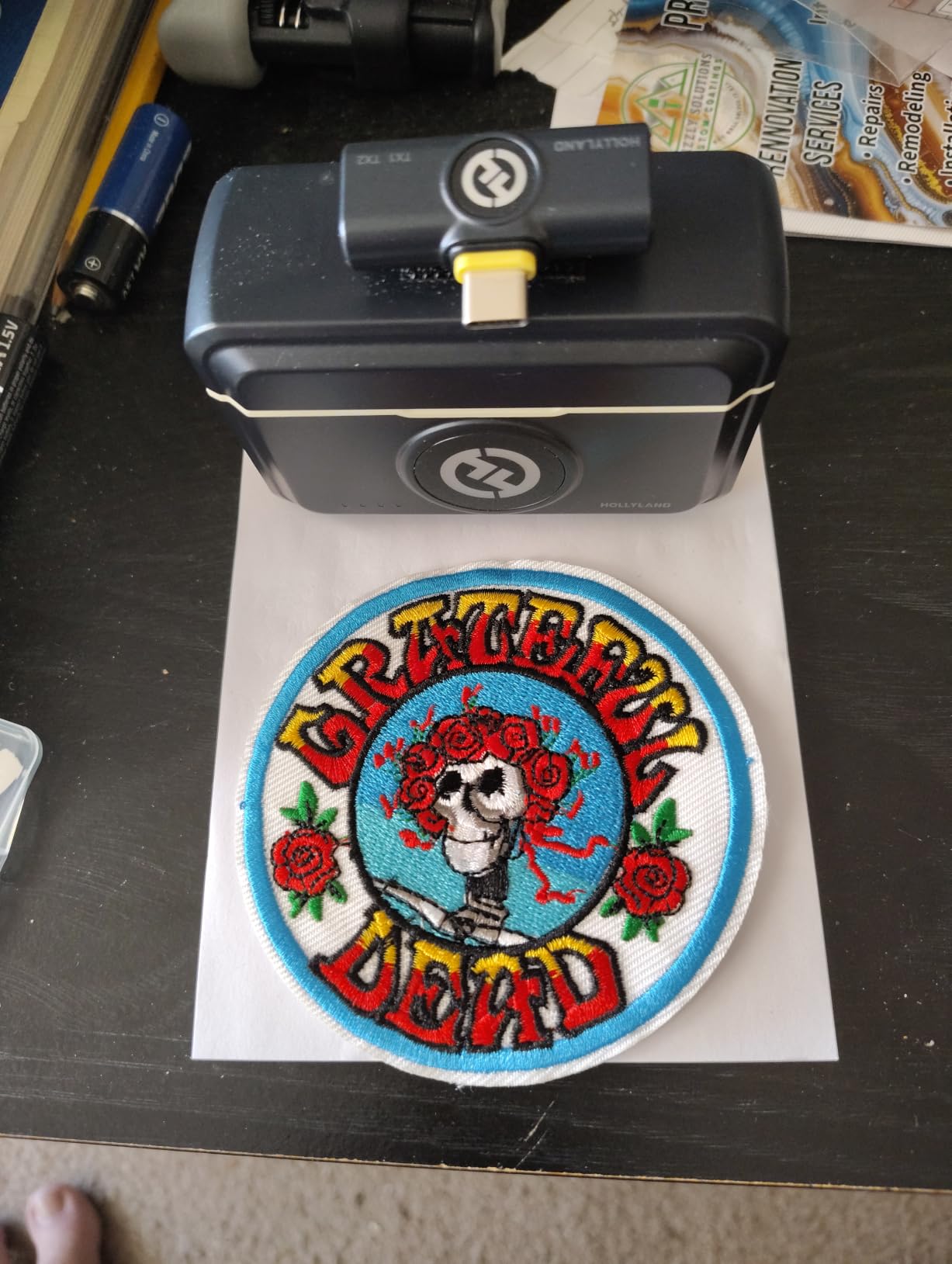
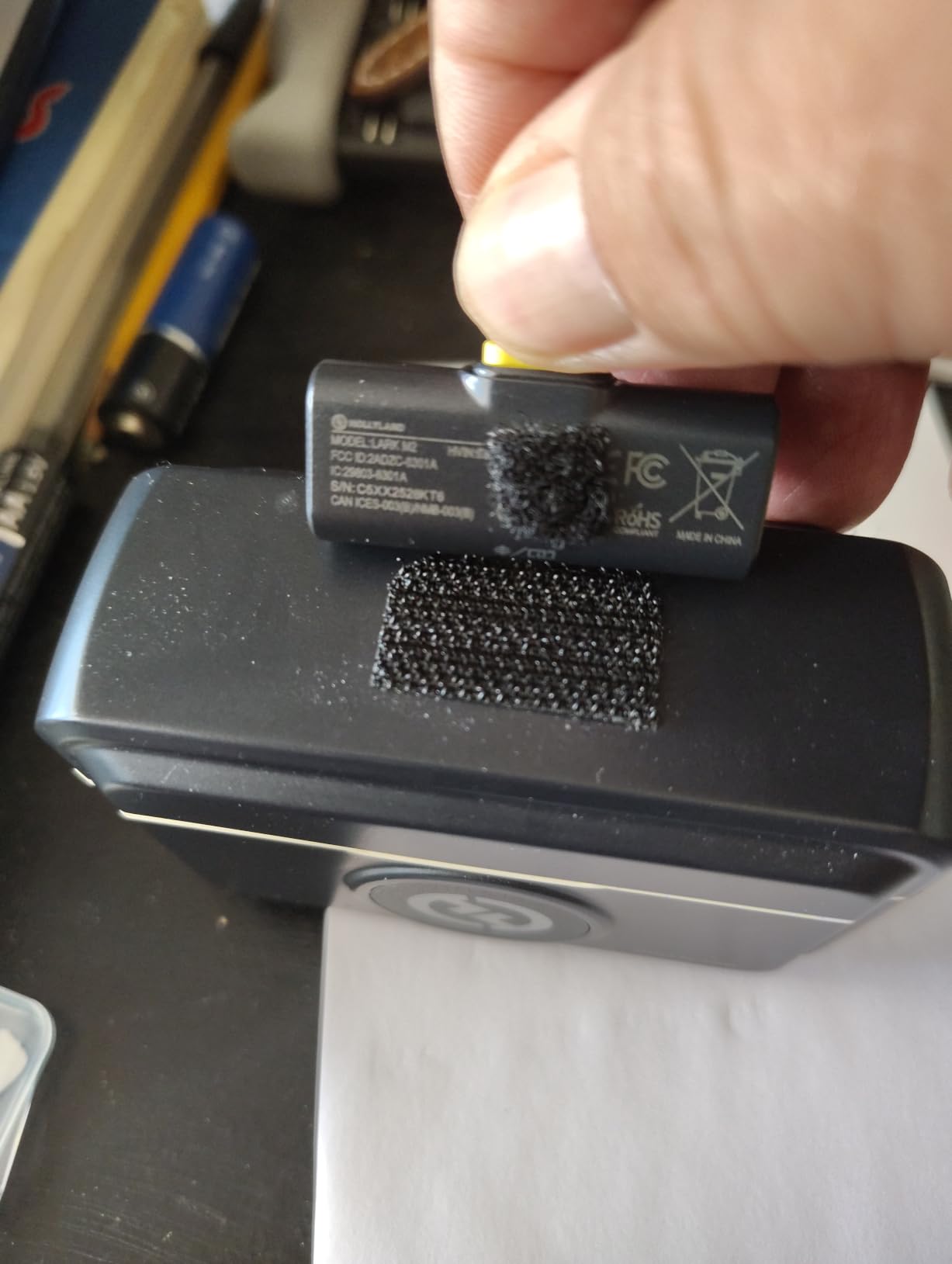
Compatibility is excellent. The kit ships with USB-C, Lightning, and 3.5mm TRS receivers, so it works with phones, cameras, and laptops out of the box. Build quality is solid, with metal grills and a magnetic attachment that survived a full day of running around.
The signal-to-noise ratio of 70dB is good but not class-leading, and the noise cancellation does shave some natural warmth from voices. These are nitpicks at this price.
Who the Hollyland Lark M2 works best for
Content creators who want the best blend of size, audio quality, and battery life without paying flagship prices. It is also perfect for podcasters who film interviews and need a clean wireless signal.
Where the Hollyland Lark M2 falls short
It is a 2.4GHz system, so dense Wi-Fi environments can cause dropouts. There is no onboard recording backup like the NEEWER CM28, so a dropout means a lost take.
9. COMICA VM20 Shotgun Mic — Best Feature-Packed On-Camera Shotgun

COMICA VM20 Shotgun Microphone for Canon Nikon Sony Camera iPhones Androids
Hyper-cardioid
60h battery
OLED display
Pros
- Hyper-cardioid rejection
- 60h battery
- OLED status screen
- Rycote shock mount
- 75/150Hz low-cut
Cons
- Hyper-cardioid too directional for some vlogs
- XLR adapter not included
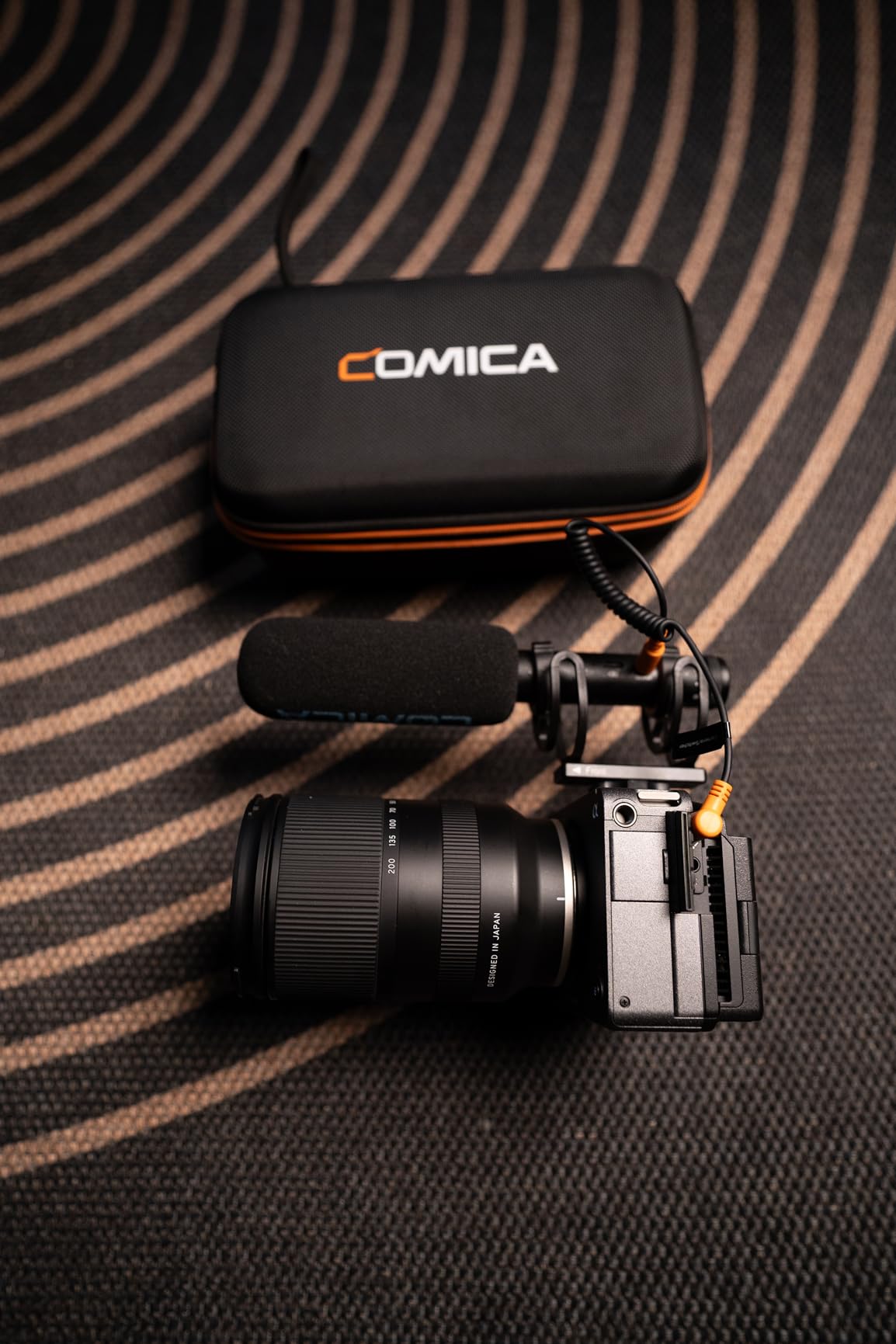
The COMICA VM20 looks and feels like a serious video mic. The OLED display is rare at this price, and it tells you everything: gain, battery, low-cut filter, and monitoring level in real time. I mounted it on a Canon R6 for a documentary shoot and never opened the camera menu once.
The hyper-cardioid pattern is more directional than the Rode VideoMic GO II, which is a strength in noisy environments and a weakness when your subject turns their head. The 75Hz and 150Hz low-cut filters knocked out traffic rumble and HVAC hum cleanly.
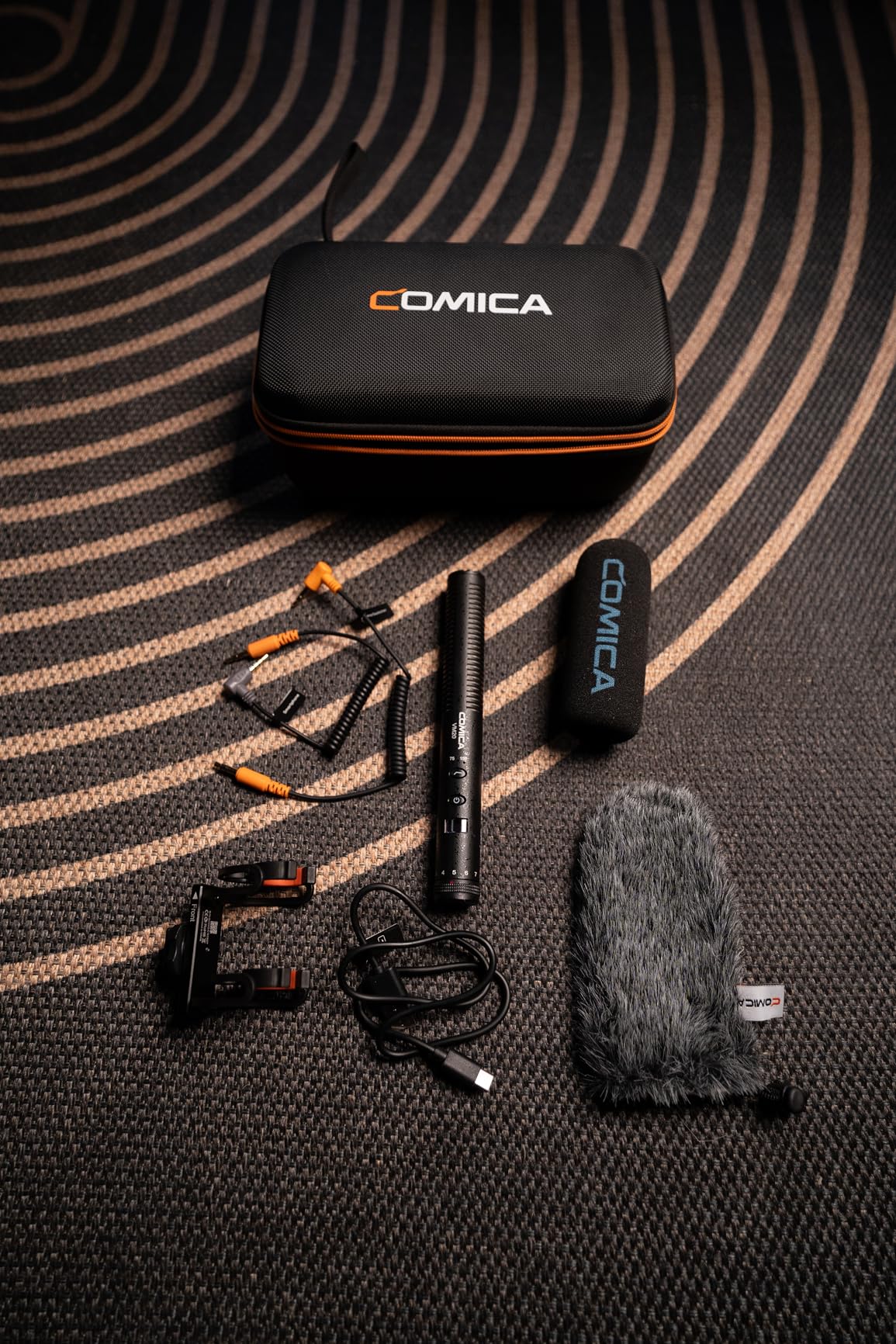
Battery life is the headline spec: 60 hours of standby, and around 12 hours of active recording. USB-C charging while operating meant I could run it off a power bank on long shoots. The Rycote shock mount is a real upgrade over the rubber-band suspensions on cheaper mics.
It is heavier than most on-camera shotguns, so small mirrorless bodies will feel front-heavy. The XLR adapter is sold separately, which is annoying for filmmakers who want to plug into a mixer.
Who the COMICA VM20 works best for
Filmmakers and documentarians who want pro features without pro prices. It is also great for live event coverage where battery life and monitoring matter.
Where the COMICA VM20 falls short
Hyper-cardioid rejection means off-axis sound is heavily attenuated, so it is not ideal for round-table discussions. The size makes it less suited to small vlogging setups. Audio quality, while good, does not match the Sennheiser MKE 400.
10. Rode Wireless GO III — Best Pro Wireless With 32-bit Float Recording

RØDE Wireless GO (Gen 3) (2 TX + 1 RX + Charging Case), 32-Bit Float
32-bit float onboard
260m range
Series IV 2.4GHz
Pros
- 32-bit float on-board recording
- GainAssist tech
- safety channel
- 128-bit encryption
- 40h+ recording
Cons
- Higher price
- bulkier than competitors at 300g
The Rode Wireless GO III is the most confidence-inspiring wireless mic I tested. The Series IV 2.4GHz transmission with 128-bit encryption held a clean signal through a packed convention center, and the 32-bit float onboard recording means it is virtually impossible to clip a take.
GainAssist technology automatically balances levels in real time, which I let run on its own for an entire interview. My subject went from whispering to laughing without me touching the gain, and the audio came back perfectly leveled. The safety channel records a -20dB backup, giving you a third layer of protection.
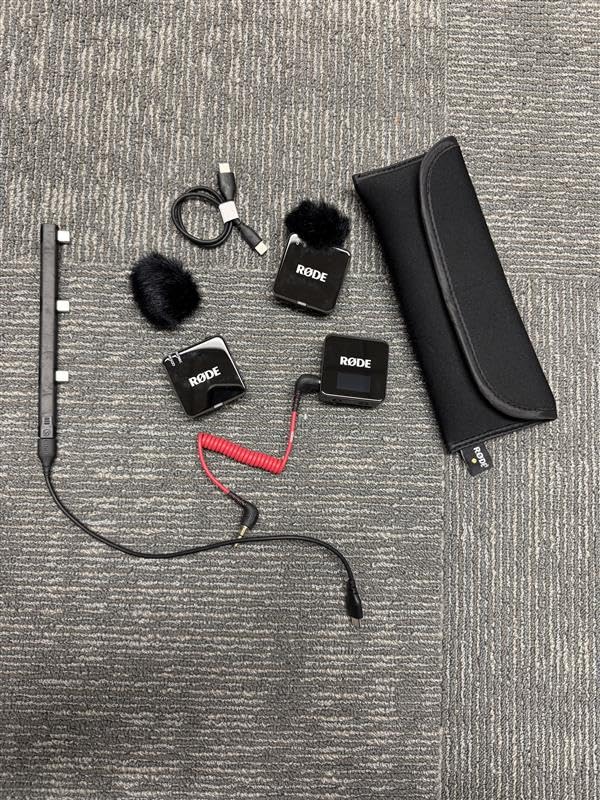
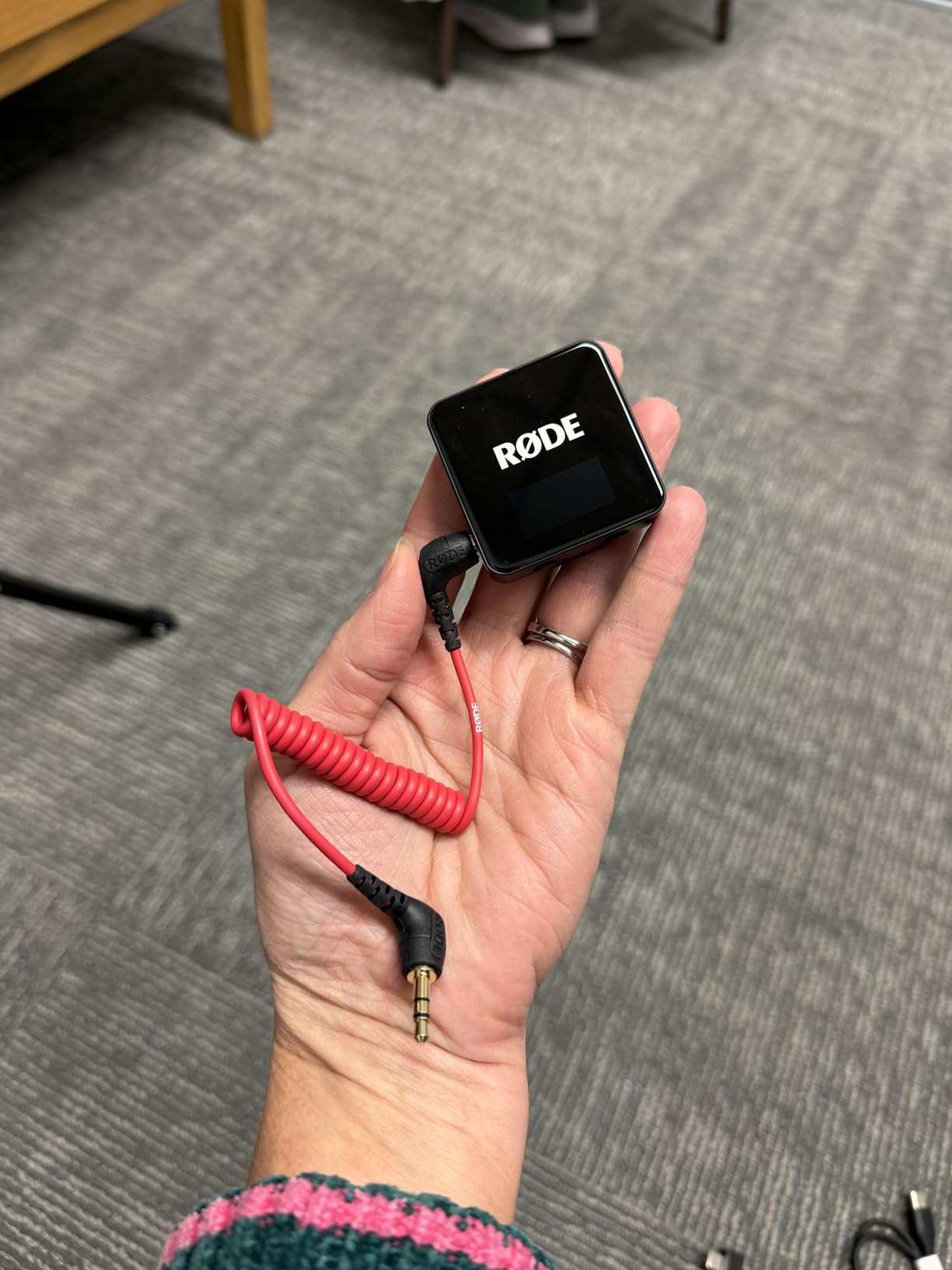
Build is classic Rode: matte black, soft-touch plastic, and a clip that locks solidly to clothing. The 260m range is more than enough for any documentary or wedding setup. Onboard storage handled 40+ hours of continuous recording, which is wild.
The price is the obvious downside. At more than double the cost of the DJI Mic Mini, you are paying for redundancy and the 32-bit float safety net.
Who the Rode Wireless GO III works best for
Working professionals who cannot afford to lose a take — wedding videographers, corporate filmmakers, and journalists. It is also the right pick for anyone who shoots in unpredictable audio environments.
Where the Rode Wireless GO III falls short
It is the most expensive option on this list. The system is bulkier than the DJI or Hollyland kits, which matters for on-camera looks. Some advanced features are locked behind Rode Central software.
11. Sennheiser MKE 400 Shotgun — Best Premium Wired Shotgun for Filmmaking

SENNHEISER Professional MKE 400 Directional On-Camera Shotgun Microphone with 3.5mm TRS and TRRS Connectors for DSLR, Mirrorless & Mobile , Connects with Auxiliary
Super-cardioid
TRS/TRRS
Headphone monitoring
Pros
- Highly directional
- integrated shock mount and wind protection
- TRS and TRRS included
- headphone monitoring
Cons
- AAA battery power
- wired only
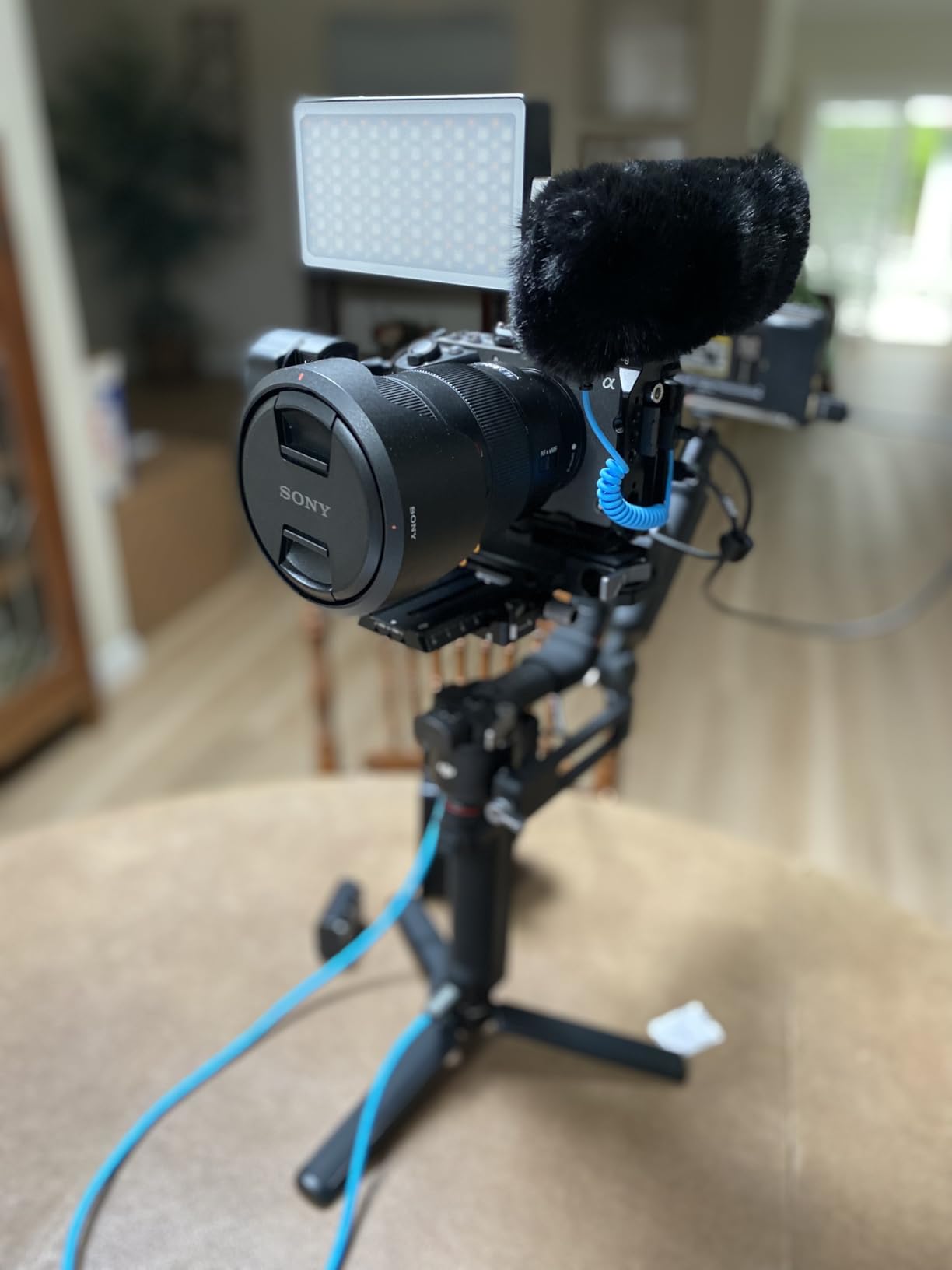
The Sennheiser MKE 400 is the mic I would pick for serious filmmaking on a single camera. The super-cardioid pickup is genuinely tight, and in a noisy environment it pulled my subject’s voice out of traffic, generators, and crowds better than any other wired shotgun I tested.
Integrated wind protection and the built-in suspension mount work together to handle real-world run-and-gun shooting. The 3-step sensitivity switch and low-cut filter let me optimize for loud concerts, quiet interviews, or windy exteriors without menu diving.
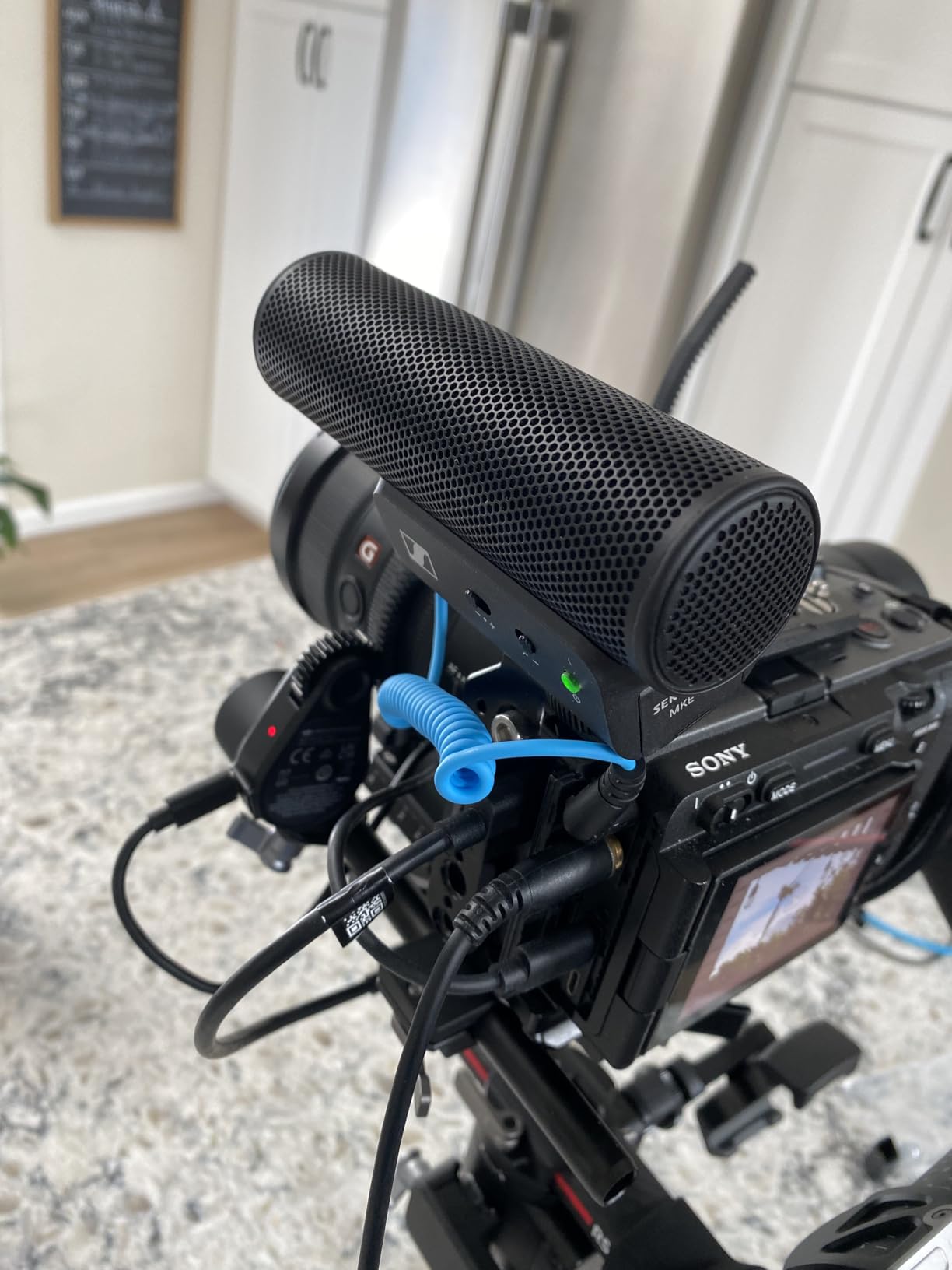
The headphone monitoring jack is the killer feature. Most on-camera shotguns at this price skip it, and being able to confirm audio before rolling saved me more than once. The interchangeable TRS and TRRS coiled cables mean I can move between a Sony A7IV and an iPhone without buying extras.
It runs on AAA batteries, which is the one thing that feels dated in 2026. For long shoots you will want rechargeables. It is also a wired mic only, so it is not the right pick for interviews across a room.
Who the Sennheiser MKE 400 works best for
Filmmakers, documentarians, and event videographers who want the cleanest directional audio from a camera-mounted mic. It is also the right pick for anyone who values monitoring over wireless convenience.
Where the Sennheiser MKE 400 falls short
AAA batteries are an inconvenience in 2026, and wired-only design limits placement. It is heavier than the Rode VideoMic GO II. There is no USB output for direct recording into a laptop.
12. DJI Mic 2 (2 TX + 1 RX + Charging Case) — Best Premium Wireless Kit
DJI Mic 2 (2 TX + 1 RX + Charging Case), All-in-one Wireless Microphone
32-bit float onboard
250m range
18h with case
Pros
- 32-bit float recording
- intelligent noise cancelling
- 250m range
- 18h with case
- DJI OsmoAudio
Cons
- Occasional dropouts at max range
- higher price point
The DJI Mic 2 is the kit I would buy with my own money if I could only pick one. It combines the convenience of a wireless system with the audio safety of 32-bit float onboard recording, which means clipping is essentially impossible.
I used both transmitters for a two-day corporate interview shoot and never had a dropout I could not recover from. Intelligent noise cancelling handled HVAC hum and laptop fan noise without sounding processed. The 250m range held up through walls and across a parking lot.

The charging case is genuinely useful. It kept the system topped up between setups and gave me 18 hours of total runtime. The OLED touchscreens on each transmitter are responsive and let me change gain and mode without an app.
DJI’s OsmoAudio direct connection is a future-proofing feature for anyone using newer DJI cameras or the Osmo Pocket series. The only weaknesses are occasional signal blips at extreme range and the higher price tag.
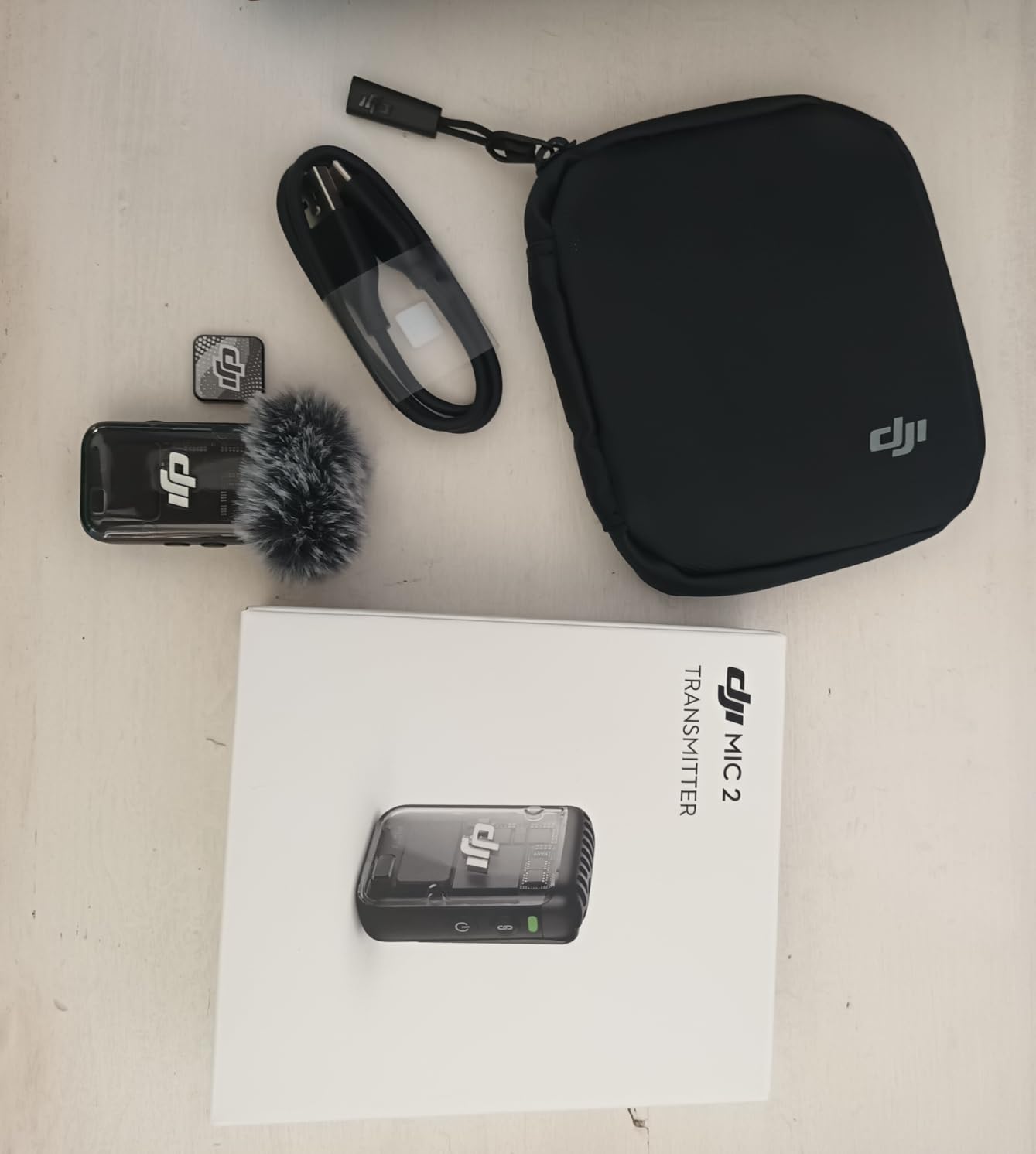
Who the DJI Mic 2 works best for
Two-person interviews, podcasters who film, journalists, and content creators who want one kit that does everything. It is also the right pick for anyone who needs 32-bit float safety.
Where the DJI Mic 2 falls short
It is the most expensive wireless option on this list. The transmitters, while light, are still larger than the Hollyland Lark M2. Some users have reported occasional dropouts at the very edge of range.
Camera Microphone Buying Guide: What to Know Before You Buy
The first decision is form factor. Shotgun microphones mount on the camera and use a directional polar pattern to reject off-axis sound, which is great for filmmaking and event coverage. Lavalier microphones clip to the subject and stay close to the mouth, which is the secret to clean dialogue in interviews and vlogs. Wireless systems combine a clip-on transmitter with a camera-mounted receiver, giving you freedom of movement without sacrificing audio quality.
Polar pattern matters more than most buyers realize. A cardioid mic picks up sound mostly from the front, while a super-cardioid or hyper-cardioid is tighter and rejects more from the sides and rear. Omnidirectional lavaliers pick up equally from all directions, which sounds natural but captures more room noise. For solo creators filming themselves, omnidirectional lavs are forgiving. For noisy environments, a super-cardioid shotgun pulls your subject’s voice forward.
Connectivity falls into three buckets. The classic 3.5mm TRS or TRRS jack plugs directly into almost every camera and phone, which is why most of these mics still include it. USB-C output gives you digital audio into a laptop or modern phone, often at 24-bit resolution. XLR connections are professional grade and need an audio interface or mixer, which is overkill for most vloggers but standard in film production.
Battery life and power source shape your shooting day. Plug-in power mics like the Rode VideoMic GO II draw energy from the camera, so you never charge them but you are limited to cameras that supply it. AAA battery mics like the Sennheiser MKE 400 are easy to power but require spares. Internal rechargeable mics with charging cases — like the DJI Mic 2 and Hollyland Lark M2 — are the most convenient option in 2026.
Wind protection is not optional for outdoor work. Most on-camera shotguns ship with a foam windscreen that handles light breeze but fails in real wind. A deadcat furry windshield is a worthwhile add-on for any outdoor creator. Wireless lavaliers hide under clothing, which gives them natural wind protection that shotgun mics do not get.
The 3:1 rule for microphone placement is one of the most useful pro tricks that most guides skip. Place the mic one-third closer to the source than the distance between two speakers. In a two-person interview, if your subjects are 3 feet apart, your mic should sit within 1 foot of the speaker’s mouth. This rule minimizes comb filtering and phase cancellation, giving you cleaner stereo separation without hollow sound.
Camera compatibility deserves attention before you buy. Most modern cameras supply plug-in power through the mic input, but some entry-level models do not. Sony and Canon mirrorless cameras generally accept both TRS and TRRS inputs. Fujifilm and Nikon bodies vary. Wireless systems with USB-C or Lightning receivers cover most modern devices, while XLR systems need a dedicated audio recorder or interface.
Camera Microphone FAQ (2026)
What is the holy grail of microphones?
The phrase holy grail of microphones usually refers to a large-diaphragm condenser with a flat frequency response, low self-noise, and high SPL handling. For camera work specifically, the holy grail is a wireless system that sounds like a wired studio mic, has zero latency, and never drops signal — something the DJI Mic 2 and Rode Wireless GO III come closest to today.
What is the 3:1 rule for mics?
The 3:1 rule states that a microphone should be placed one-third as far from the source as the distance between two sound sources. If two speakers are 3 feet apart, place each mic within 1 foot of the speaker. This minimizes comb filtering and phase cancellation, producing cleaner recordings in interviews and round-table setups.
How much does a YouTube mic cost?
YouTube microphones range from $35 budget lavaliers to $200+ pro wireless kits. Most beginners can get great audio with a $50-$100 wireless lav like the Hollyland Lark M2 or DJI Mic Mini. Dedicated YouTubers who film daily typically invest $150-$300 in a wireless system with onboard recording backup, such as the DJI Mic 2 or Rode Wireless GO III.
Should I get a wireless or wired camera microphone?
Wired microphones offer the best audio quality for the money and never need charging. Wireless microphones give you freedom of movement, clean cable-free setups, and the ability to record two people at once. For solo creators who sit at a desk, a wired shotgun like the Rode VideoMic GO II is plenty. For run-and-gun filming, interviews, and dynamic content, a wireless lav like the Hollyland Lark M2 or DJI Mic Mini is worth the upgrade.
Are cheap camera microphones worth it?
Yes, the budget tier has improved dramatically in 2026. Mics like the Hollyland Lark A1 ($35) and Movo X1-Mini ($70) deliver audio quality that would have cost hundreds a few years ago. The main trade-offs at this price are fewer features — no onboard recording backup, no advanced noise cancellation, and less robust build quality. For starting a YouTube channel or podcast, a budget camera microphone is absolutely worth it.
Final Verdict: Which Camera Microphone Should You Buy in 2026?
After weeks of testing, the best camera microphone for most creators in 2026 is the DJI Mic 2. The 32-bit float onboard recording, intelligent noise cancelling, and 18-hour charging case make it the most complete kit on the market. It handles solo vlogs, two-person interviews, and event coverage without breaking a sweat.
If the DJI Mic 2 is outside your budget, the Hollyland Lark M2 delivers 90% of the experience at half the price. For absolute budget buyers, the Hollyland Lark A1 is genuinely impressive at $35. Filmmakers who want the cleanest directional audio should still pick up the Sennheiser MKE 400 — it remains a wired classic for good reason.
Pick the form factor that matches your shooting style. Solo creators who film themselves will love the freedom of a wireless lav. Two-person interview setups need a dual-transmitter kit with onboard recording backup. Filmmakers who work alone on a single camera should reach for a directional shotgun first. Whichever route you choose, you will hear the difference in your very first clip — and so will your audience.