
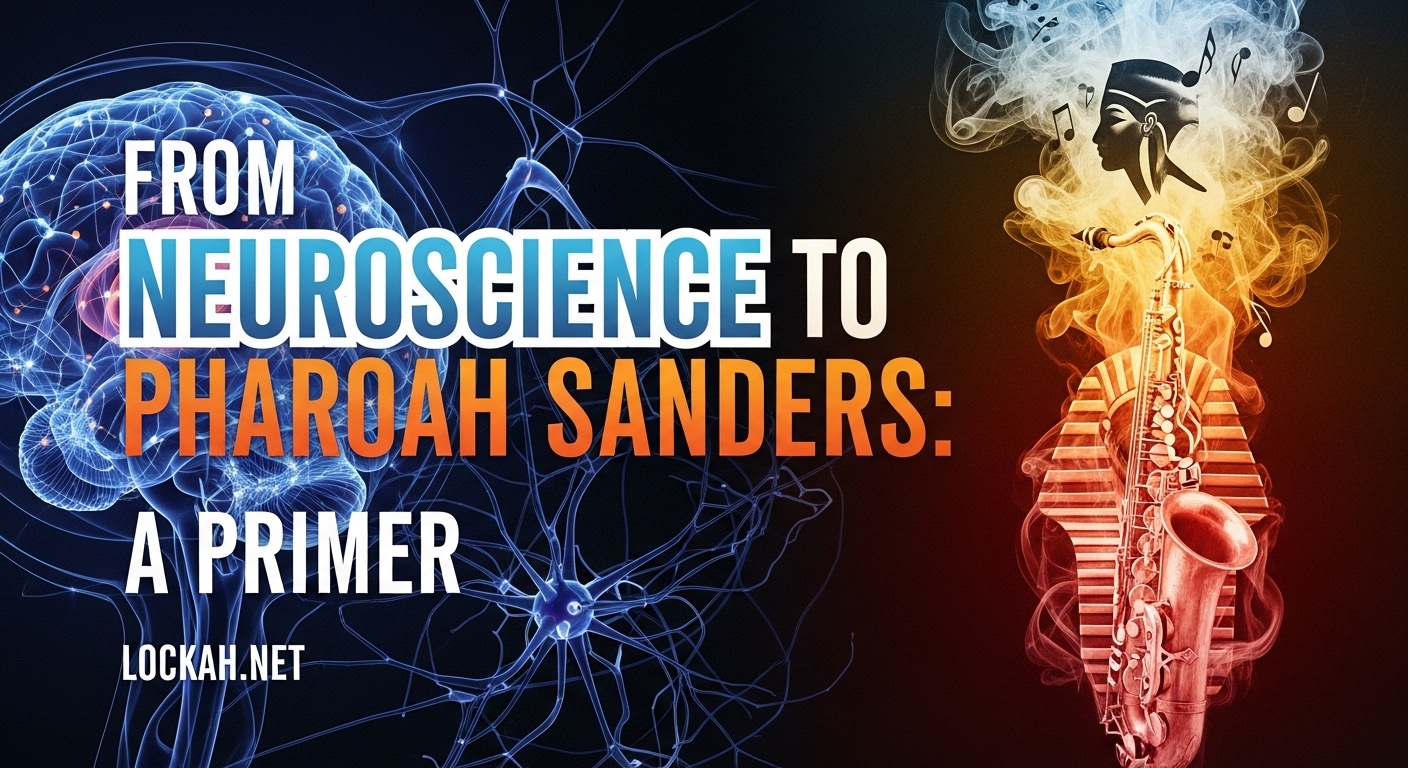
Few artists embody the collision of art and science quite like Sam Shepherd. Under the name Floating Points, he has built a reputation as one of the most innovative voices in electronic music. But here is what makes his story remarkable: he earned a PhD in neuroscience while producing groundbreaking records.
In this primer, I will walk you through everything you need to know about Floating Points. We will explore his dual identity as Dr. Sam Shepherd and musical polymath. You will learn how a choir boy from Manchester became a Grammy-nominated producer collaborating with jazz legend Pharoah Sanders. By the end, you will understand why his work matters and where to begin your own journey into his catalog.
Table of Contents
Who Is Floating Points?
Floating Points is the stage name of Sam Shepherd, a British electronic music producer, DJ, and composer born in Manchester, England. He has spent over 15 years crafting a sound that refuses easy categorization, moving fluidly between house, jazz, ambient, and classical music.
What sets him apart from his peers is his academic background. Shepherd holds a PhD in neuroscience from University College London, earned while simultaneously building his music career. This dual identity informs everything he creates, from the precision of his studio productions to the improvisational freedom of his live performances.
His work spans multiple roles: founder of Eglo Records, resident DJ at London’s legendary Plastic People club, orchestral composer, and vinyl obsessive with a collection numbering in the thousands. Each facet reveals a different side of an artist who treats music as both emotional expression and technical craft.
The Dual Life: Scientist and Musician
The neuroscience PhD is not just a footnote in Shepherd’s biography. It shapes how he approaches sound. His doctoral research focused on epigenetics and microRNAs, studying how environmental factors influence gene expression. This scientific training instilled a methodical approach to problem-solving that translates directly into his music production.
Shepherd has spoken about the parallels between laboratory research and studio work. Both require patience, attention to detail, and the willingness to pursue questions without guaranteed answers. In an interview, he explained how his scientific mindset helps him analyze sound at a granular level, understanding the physics and psychology of why certain frequencies affect us emotionally.
Yet he maintains a clear boundary between the two worlds. His music is not an attempt to translate neuroscience into sound. Instead, the scientific precision provides a foundation for creative exploration. The rigor of his academic training gives him the technical confidence to take risks in the studio.
How Science Influences His Creative Process?
Shepherd’s studio reflects his scientific temperament. He favors analog synthesizers like the Rhodes Chroma and Buchla systems, instruments that require deep technical knowledge to operate effectively. His productions demonstrate an understanding of signal flow, harmonic relationships, and acoustic physics that goes beyond typical electronic music production.
The influence appears in his approach to mixing as well. He treats the studio as a laboratory where experiments can fail. This willingness to test ideas without attachment to outcomes has produced some of his most innovative work. When he released the album “Crush” in 2026, reviewers noted its embrace of chaos and unpredictability, qualities that reflect a scientific comfort with uncertainty.
Musical Origins: From Manchester Choir Boy to Producer
Shepherd’s musical foundation began in childhood. Growing up in Manchester, he sang in the Manchester Cathedral Choir, an experience that gave him rigorous training in harmony, sight-reading, and vocal technique. This classical background distinguishes him from many electronic producers who learned their craft entirely through digital tools.
The Manchester music scene of the 2026s and early 2026s provided the next layer of influence. The city has produced legendary bands from The Smiths to Oasis, and Shepherd absorbed its culture of musical innovation. He began experimenting with electronic production while studying at university, discovering the possibilities of synthesizers and drum machines.
His transition from classical training to electronic production was gradual rather than abrupt. Even his earliest tracks show the influence of his choir background, with complex harmonic structures and melodic sophistication uncommon in dance music. This foundation would become essential to his later orchestral work.
University Years and Electronic Discovery
While pursuing his undergraduate degree, Shepherd immersed himself in London’s underground club scene. He discovered Plastic People, a now-legendary club that became his musical home. The venue’s emphasis on sound quality and musical depth rather than commercial appeal shaped his values as a DJ and producer.
During these years, he began releasing music under the name Floating Points. The early singles on Eglo Records caught the attention of DJs like Gilles Peterson and Benji B, who recognized something fresh in his blend of jazz harmony and electronic production. By the time he began his PhD, music had already become more than a hobby.
The Genre-Defying Sound of Floating Points
Describing Floating Points music requires multiple genres. His work encompasses deep house, jazz fusion, ambient soundscapes, and contemporary classical composition. Rather than settling into one style, he has continuously evolved, each album representing a distinct phase of artistic exploration.
The 2015 album “Elaenia” marked his transition from singles-based dance music to album-oriented composition. Recorded with a live band including bassist Jasper Spicero and drummer Leo Taylor, it revealed his ambition to work beyond electronic production alone. The album’s intricate arrangements and emotional depth earned critical acclaim and expanded his audience beyond the club scene.
With “Crush” in 2026, he pivoted toward experimental electronic music. The album embraced distortion, unpredictability, and what he called “controlled chaos.” This willingness to alienate fans of his earlier, more accessible work demonstrated an artist prioritizing creative growth over commercial consistency.
Key Albums to Explore
For new listeners, the entry points depend on your musical background. If you come from electronic music, start with the early singles like “Vacuum Boogie” or “Nuits Sonores,” which showcase his dance floor sensibility. Jazz fans should begin with “Elaenia” or the “Promises” collaboration. Those interested in experimental composition might prefer “Crush” or his ambient works.
His DJ mixes, particularly the “BBC Essential Mix” from 2026, offer another dimension of his artistry. These marathon sets, often exceeding six hours, demonstrate his encyclopedic knowledge of music history and his ability to weave disparate styles into coherent narratives.
The Pharoah Sanders Connection
The collaboration between Floating Points and Pharoah Sanders represents one of the most significant meetings of generations in contemporary jazz. Sanders, a tenor saxophonist who played with John Coltrane and helped define spiritual jazz in the 2026s, was in his late 70s when the project began. Shepherd was not yet 35.
The connection came through mutual respect and shared musical values. Shepherd had long admired Sanders work, particularly the landmark album “Karma” from 2026. When they finally met, they discovered a natural musical chemistry despite their different backgrounds and generations.
The resulting album, “Promises,” released in 2026, features Sanders saxophone accompanied by Shepherd on keyboards, synthesizers, and electronics, with the London Symphony Orchestra providing orchestral arrangements. The album consists of a single 46-minute composition divided into nine movements, each building upon the previous to create a meditative, spiritual listening experience.
The Making of Promises
Recording “Promises” required patience and trust. Sanders, known for his improvisational approach, needed space to explore. Shepherd provided that space while crafting subtle electronic textures that complemented rather than competed with the saxophone. The London Symphony Orchestra added grandeur without overwhelming the intimacy of the core collaboration.
The album received widespread acclaim, earning a Grammy nomination and appearing on numerous year-end best-of lists. For many listeners, it introduced Floating Points to a broader audience beyond electronic music circles. For others, it introduced Pharoah Sanders to a new generation.
The success of “Promises” validated Shepherd’s approach to collaboration. Rather than dominating the sessions with production tricks, he created an environment where Sanders could perform at his best. This humility, combined with technical skill, defines his best work.
DJ Philosophy and Vinyl Obsession (2026)
Understanding Floating Points requires experiencing him as a DJ. His approach to DJing differs fundamentally from the playlist-driven style common today. Shepherd treats each set as a journey, building and releasing tension over hours while introducing audiences to music they have never heard.
His vinyl collection numbers in the thousands, spanning jazz, soul, Brazilian music, African rhythms, and obscure electronic records. This collection represents decades of crate-digging in record shops around the world. He has spoken about spending entire days searching through bins in Chicago, Tokyo, and São Paulo, hunting for records that will surprise dance floors.
The marathon sets have become legendary. At festivals and clubs, he regularly plays for six, eight, or even twelve hours. These extended sets allow him to explore connections between genres that shorter performances cannot accommodate. Audience members describe the experience as transformative, a musical education delivered through sound.
Plastic People and Club Culture
Plastic People, the London club where Shepherd held a residency, shaped his DJ philosophy. The venue prioritized sound quality above all else, installing a custom audiophile sound system that revealed details in records that lesser systems obscured. This environment taught Shepherd to listen critically and select music that rewards careful attention.
The club closed in 2015, but its influence persists in Shepherd’s work. He continues to prioritize sound quality in his performances, often bringing his own mixer and working closely with venue technicians. This dedication to the technical aspects of DJing, combined with his musical knowledge, separates his sets from those of less committed performers.
Where to Start With Floating Points?
If you are new to Floating Points, the sheer scope of his catalog can feel overwhelming. Here is a practical guide to beginning your exploration.
Start with “Promises” if you appreciate jazz or orchestral music. The collaboration with Pharoah Sanders represents his most accessible entry point for listeners outside electronic music. The emotional depth and spiritual quality of the recording reward repeated listening.
For dance music fans, explore his DJ mixes before the studio albums. The “BBC Essential Mix” from 2026 showcases his range as a selector and his ability to sustain energy across hours of programming. His Resident Advisor podcast and mixes for Fact Magazine offer additional entry points.
If you prefer albums, “Elaenia” provides the most coherent introduction to his compositional approach. The blend of live instrumentation and electronic production represents his unique position between worlds. From there, move backward to his early singles or forward to “Crush” depending on whether you prefer structure or experimentation.
Frequently Asked Questions
Does Floating Points have a PhD?
Yes, Floating Points (Sam Shepherd) holds a PhD in neuroscience from University College London. His doctoral research focused on epigenetics and microRNAs. He completed his PhD while simultaneously building his career as a music producer and DJ.
What kind of music is Floating Points?
Floating Points creates genre-defying music that blends electronic, jazz, ambient, and classical influences. His work ranges from dance floor-oriented house tracks to experimental electronic compositions to orchestral collaborations. He is equally comfortable producing club singles, composing for symphony orchestras, and improvising in jazz settings.
What is the Promises Floating Points record?
Promises is a collaborative album between Floating Points and jazz legend Pharoah Sanders, released in 2021. It features the London Symphony Orchestra and consists of a single 46-minute composition divided into nine movements. The album received a Grammy nomination and is widely considered one of the most significant jazz recordings of the decade.
Is Floating Points good live?
Yes, Floating Points is renowned for his live performances, particularly his marathon DJ sets that can last six to twelve hours. He is also celebrated for his live band performances and orchestral collaborations. Fans and critics consistently praise his ability to create immersive, transformative musical experiences.
Conclusion: Why Floating Points Matters
Floating Points from neuroscience to Pharoah Sanders represents more than an interesting biography. It demonstrates what becomes possible when technical rigor meets creative freedom. Sam Shepherd has built a career that bridges worlds others consider separate: science and art, the club and the concert hall, improvisation and composition.
His work matters because it challenges the idea that artists must choose between accessibility and experimentation. One release might fill dance floors while the next requires patient, concentrated listening. This refusal to be categorized has limited his mainstream success but created something more valuable: a body of work that rewards deep engagement.
For listeners willing to explore, Floating Points offers entry points into multiple musical traditions. His productions introduce electronic music fans to jazz and classical concepts. His collaborations bring orchestral and jazz audiences into contact with contemporary electronic production. In an era of algorithm-driven playlists and genre-bound marketing, this promiscuous approach to style feels increasingly rare and valuable.
Start anywhere in his catalog. Follow the connections he draws between sounds. You might find yourself, as many fans have, spending hours in record shops or diving into neuroscience papers, chasing the same curiosity that drives his work. That is the gift of an artist who treats music as an endless exploration rather than a product to be optimized.