
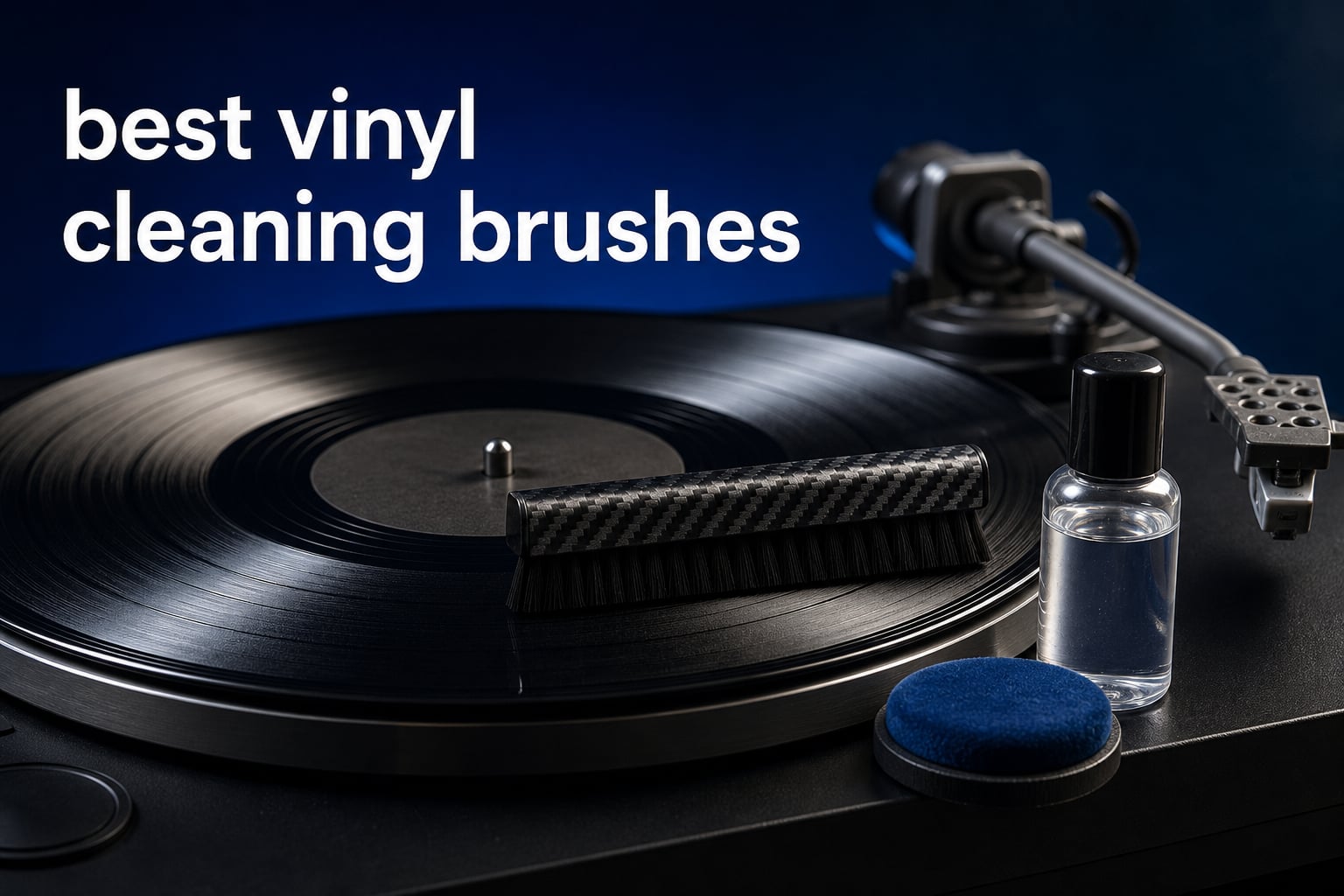
The best vinyl cleaning brushes remove loose dust, help control static, and reach the record surface gently enough for routine use. Carbon fiber is the practical dry-cleaning choice before a play, while velvet or soft-bristle tools paired with a record-safe fluid are better for a visibly dusty record that needs more than a quick sweep.
I separated this list into complete care kits and standalone dry brushes because they solve different problems. A kit gives a new collector a velvet record cleaner, fluid, and often a stylus tool in one place; a dedicated anti-static record brush is the faster pick when the record is already clean but has collected surface dust.
My shortlist favors stated materials, useful included tools, anti-static design, rating history, and handling details that reduce the chance of marks. That matters because collectors repeatedly report the same frustration: a record can look clean, then pull in dust again if static remains.
The three best vinyl cleaning brushes cover three common needs in September 2026
Choose Vinyl Buddy for the most complete stated tool set, EVEO when stylus gel and a flat velvet brush matter, and Big Fudge for a widely reviewed velvet-and-fluid kit. The cards below give the quick version before the full eight-product comparison.

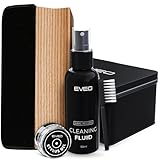
EVEO Vinyl Record Cleaning Kit
- Flat velvet brush
- Stylus cleaning gel
- 473 ml cleaning liquid

Big Fudge Vinyl Record Cleaning Kit
- Ultra-soft velvet brush
- Anti-static cleaning
- Liquid and stylus brush
The best vinyl cleaning brushes in 2026 include eight practical choices
This overview puts complete kits first, followed by dry vinyl brush options for everyday record maintenance. Do not treat a dry brush as a substitute for removing stubborn grime; it is a regular-care tool, while a velvet pad and compatible fluid are the better match for a deliberate wet-cleaning session.
| Product | Specifications | Action |
|---|---|---|
| Vinyl Buddy 5-in-1 Kit |
|
Check Latest Price |
| Big Fudge 4-in-1 Kit |
|
Check Latest Price |
| EVEO 4-in-1 Kit |
|
Check Latest Price |
 XQ XIAO QIAO Wood Brush XQ XIAO QIAO Wood Brush |
|
Check Latest Price |
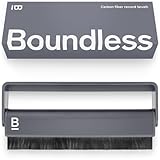 Boundless Audio Carbon Brush Boundless Audio Carbon Brush |
|
Check Latest Price |
 Audio-Technica AT6011 Audio-Technica AT6011 |
|
Check Latest Price |
 AudioQuest Record Brush AudioQuest Record Brush |
|
Check Latest Price |
 Hudson Hi-Fi Carbon Brush Hudson Hi-Fi Carbon Brush |
|
Check Latest Price |
1. Vinyl Buddy is the best complete kit for an all-in-one routine
Vinyl Buddy 5-in-1 Vinyl Record Cleaning Kit | Premium Hardwood Velvet & Microfiber Brush, Stylus Brush, Alcohol-Free Solution & Storage Pouch — Clean, Protect & Restore Your LPs
Velvet and microfiber brushes
Alcohol-free solution
Stylus brush
Pros
- Five useful cleaning tools
- XL velvet brush
- Hardwood handles
- Alcohol-free solution
Cons
- Small brush may need extra passes
Vinyl Buddy is the complete-kit choice I would put first for someone who wants a single starting point for record and stylus care. Its stated five pieces are a velvet brush, microfiber brush, stylus brush, cleaning solution, and storage pouch, so there is less guesswork about assembling the basics.
The XL velvet pad is the feature that stands out for LP work because its broad contact area is intended to cover the playing surface efficiently. The listing also specifies a curved pad and a smooth hardwood handle, details that make it a sensible option for controlled hand placement rather than a flimsy, narrow tool.
Full-width velvet coverage makes routine wet cleaning simpler
Use the velvet brush with the included alcohol-free solution only when a record needs more than a dry dust pass, and keep the fluid off the label. The microfiber brush gives you a separate soft tool for light dusting or wiping a cleaned surface, which helps avoid moving loosened debris back onto the record.
A separate stylus brush keeps record and needle care distinct
The included stylus brush is useful because debris on the cartridge can become a playback issue even after the record looks clean. I would still make light, deliberate strokes and follow the cartridge maker’s care direction rather than treating any stylus brush as a fix for a damaged needle.
2. Big Fudge is the top-rated velvet kit for broad collection care
Big Fudge Vinyl Record Cleaning Kit – 4-in-1 Vinyl Record Cleaner Kit for Records Includes Ultra-Soft Velvet Brush Cleaning Liquid Stylus Brush and Storage Pouch – Pro Records Care
Velvet brush and cleaning liquid
Stylus brush
Storage pouch
Pros
- Ultra-soft velvet surface
- Anti-static properties
- XL cleaning liquid
- Stylus brush
Cons
- Solution can run low with heavy use
Big Fudge is a focused four-piece kit: an ultra-soft velvet brush, cleaning liquid, stylus brush, and pouch. It has a 4.7 rating from more than 25k reviews in the analyzed data, which gives this complete approach a deeper feedback base than many standalone brushes.
The stated anti-static velvet design makes it relevant for records that seem to attract lint after a quick wipe. Velvet is not the same as conductive carbon fiber, but paired with cleaning liquid it is meant to lift dust, dirt, and fingerprints during a wet-cleaning pass.
Ultra-soft velvet suits deliberate fluid-assisted cleaning
Choose this type of kit when a record has handling marks or visible dust that a dry carbon fiber record brush cannot reasonably address. Apply fluid sparingly to the brush surface rather than soaking the record, then let the disc dry fully before returning it to its sleeve.
A storage pouch helps keep the cleaning surface clean
A brush can only be as clean as the surface touching the vinyl, so the included pouch has a practical purpose beyond portability. I would remove debris from the velvet after use and store the kit away from open shelving, where airborne dust can settle into the pad.
3. EVEO is the best value kit for flat-brush stability and stylus gel
EVEO Vinyl Record Cleaning Kit – 4-in-1 Premium Vinyl Record Cleaner & Vinyl Cleaning Kit with Velvet Brush, Vinyl Cleaner Liquid, Duster & Turntable Stylus Gel
Flat velvet brush
Cleaning liquid
Duster and stylus gel
Pros
- Stable flat brush
- Stylus gel included
- Large liquid volume
- Two-year warranty
Cons
- Gel cleaning is not for every preference
EVEO pairs a flat velvet record brush with cleaning liquid, a duster, and stylus cleaning gel. The flat brush shape is the main practical distinction here: the manufacturer says its stable form helps prevent tipping and scratches, directly addressing the collector concern about accidental lines on a record.
The analyzed listing identifies 473 milliliters of cleaning liquid, making this a full-service record-maintenance set rather than just a dust brush. It also includes a two-year manufacturer warranty, a useful stated commitment when you prefer a kit that will stay in regular rotation.
A flat brush shape gives cautious hands a steadier contact point
Keep the brush flat against the playing surface and guide it with very light pressure while the record turns. A stable pad does not make force safe; pressing hard can push particles across the groove instead of lifting them away.
Stylus gel gives needle care a no-bristle alternative
The gel is designed to remove dust from the stylus without brushing the needle, which may appeal to listeners who prefer that approach. Follow the product instructions closely, and never use a record-cleaning pad or liquid on the cartridge assembly.
4. XQ XIAO QIAO is the soft nanofiber brush for careful dry dusting
XQ XIAO QIAO Vinyl Record Cleaning Brush – Anti Static Dust Wooden Vinyl Cleaner Brush – Record Player Accessories
Soft nanofiber bristles
Anti-static dust removal
Camphor wood handle
Pros
- Soft reusable bristles
- Anti-static design
- Comfortable wood handle
- Works on records
Cons
- Smaller review history
- No bundled fluid
XQ XIAO QIAO takes a different route from the kit products with soft nanofiber bristles and a camphor wood handle. It is a reusable dry vinyl brush intended for anti-static dust removal, so I would view it as a quick-prep companion, not a wet-cleaning system.
The round brush format may feel familiar to anyone who likes a handheld dusting tool. Its stated soft bristles are designed to remove dust without scratching vinyl, but the product instructions also make an important point: clear debris from the brush before and after use to avoid secondary contamination.
Nanofiber bristles favor gentle surface dust removal
This is a sensible choice for a clean record that collected visible dust while sitting near the turntable. Move it across the disc with a light touch and inspect the bristles first; a trapped hard particle is the risk, not the idea of soft bristles itself.
A wood handle favors a traditional handheld feel
The camphor wood handle is a material-led difference from slim carbon-fiber designs. I would choose it if a broader grip helps you keep the brush stable, while remembering that it does not include a fluid, stylus cleaner, or storage pouch.
5. Boundless Audio is the strongest dry carbon-fiber pick for static control
Boundless Audio Record Cleaner Brush – Carbon Fiber Anti-Static Vinyl Brush
Dual carbon-fiber rows
Patented static discharge
Rounded corners
Pros
- Dual soft bristle rows
- Static discharge design
- No fluid required
- Rounded corners
Cons
- No bundled care tools
- Very lightweight feel
Boundless Audio is the dry-use option I would favor for listeners whose main problem is dust before playback. Its two rows of extra-soft carbon fiber bristles lift loose debris, while the stated internal design routes static discharge through the user’s hand and body.
The brush also has rounded corners and a self-cleaning handle. Those are thoughtful details for a tool used near a spinning record: rounded edges reduce the chance of an accidental sharp contact, and a way to clear collected dust supports a cleaner next pass.
Carbon fiber is made for quick pre-play record care
Place the carbon fibers lightly across the record while it rotates, let them gather loose particles, then move the brush away in a controlled motion. This takes seconds and is the dry-cleaning habit that makes the most sense before every side for a collection that is otherwise well maintained.
A static-discharge design targets dust that returns after cleaning
Forum discussions often describe the frustrating cycle of a record attracting dust again after it was cleaned. No brush makes a dusty room dust-free, but a conductive anti-static design directly addresses the charge that can pull particles toward the vinyl surface.
6. Audio-Technica AT6011 is the straightforward anti-static brush for basic care
Audio-Technica AT6011 Anti-Static Record Brush
Conductive synthetic fibers
Static dissipation
Dust and contaminant removal
Pros
- Conductive fibers
- Dissipates static
- Supports cartridge life
- Reduces surface noise
Cons
- Standalone brush
- Single stated country-of-origin detail
Audio-Technica’s AT6011 is a concise answer for a listener who wants an established anti-static record brush without extra kit pieces. Its conductive synthetic fibers are specified to dissipate static while removing dust and contaminants from vinyl records.
The maker also connects clean records with reduced surface noise and a longer cartridge lifetime. That is a useful maintenance perspective: a brush cannot repair groove wear, but removing loose debris before playback gives the stylus less material to track through.
Conductive synthetic fibers make the basic use case clear
Use the AT6011 for regular dry brushing, especially when a record looks clean but needs a quick anti-static pass. It is the adequate, uncomplicated option that collectors in forum discussions describe for basic needs, provided you still deep-clean genuinely dirty used records separately.
A standalone format keeps the turntable area uncluttered
There are no bundled fluids, pads, or stylus products to maintain, which can be a benefit if you already have a cleaning method. Keep it in a clean, closed spot rather than laying it bristles-down on the turntable plinth.
7. AudioQuest is the carbon-fiber brush for buyers who value warranty coverage
AudioQuest Record Brush Antistatic Carbon Plate Brush
Carbon fibers
Anti-static record care
Metal handle
Lifetime warranty
Pros
- Carbon-fiber construction
- Anti-static design
- Metal handle
- Lifetime warranty
Cons
- Standalone brush
- International product origin
AudioQuest’s Record Brush is a carbon-fiber, anti-static tool with a metal handle and a limited lifetime warranty. It is a cleaner choice for someone who already owns a wet-cleaning setup and wants a dedicated dry tool with a warranty-backed build claim.
Its 4.5 rating comes from more than 1.6k reviews in the analyzed data. That is less feedback than the largest kits here, yet the basic proposition remains clear: carbon fibers for vinyl record care and anti-static operation rather than a collection of add-ons.
A metal handle changes the handling feel of a dry brush
The metal handle distinguishes this model from plastic or wood alternatives and aligns with the favorable metal-handle experience mentioned in collector forums. Grip comfort is personal, so I would choose this only if you want the feel of a more substantial standalone brush rather than a complete kit.
Warranty coverage matters when a brush is a long-term tool
The limited lifetime warranty is the standout ownership feature stated for this brush. It does not change the technique: clean the fibers, use a feather-light pass, and keep the brush protected so it does not accumulate the dust it is supposed to remove.
8. Hudson Hi-Fi is the two-row carbon-fiber brush for groove-focused dry passes
Hudson Hi-Fi Vinyl Record Brush w/Anti-Static Carbon Fiber Bristles – Precision-Made, Gentle & Effective Record Cleaning Brush for LPs
Two carbon-fiber bristle rows
Anti-static design
Gentle groove cleaning
Pros
- Two bristle rows
- Carbon fibers
- Static discharge
- Designed by Hi-Fi enthusiasts
Cons
- Lower rating in this list
- No cleaning fluid included
Hudson Hi-Fi completes the list with a carbon fiber vinyl record brush that uses two rows of bristles. The stated aim is gentle debris removal from the grooves while discharging static build-up, placing it squarely in the everyday dry-care category.
It has a 4.4 rating and about 935 reviews in the analyzed data, so its review base is smaller and its rating lower than several alternatives above. Still, the two-row layout and anti-static approach are relevant if you want a purpose-built turntable brush rather than a multipiece kit.
Two bristle rows give a wider dry-cleaning contact area
More than one row can make a pass feel more efficient across a spinning LP, but good results still come from patience and a clean brush. Do not scrub back and forth; allow the fibers to touch lightly and collect loose dust as the record turns.
A dry brush belongs beside a deeper cleaning method
This brush is best for routine dust and static, not hardened grime or fingerprints that need fluid-assisted cleaning. For records with embedded dirt, collectors often find a fuller wet-cleaning process more appropriate than repeated dry passes with any carbon-fiber brush.
The right vinyl brush depends on the cleaning job
The short answer is simple: pick carbon fiber for frequent dry dusting and static reduction, then add velvet or a soft pad plus a compatible cleaning fluid for a record that needs wet cleaning. A soft nanofiber brush can be a gentle dusting alternative, while a complete kit is the least complicated route when you also need stylus care and a storage solution.
Carbon fiber is best for dry cleaning before playback
Carbon fiber bristles are thin, conductive fibers designed to sweep surface dust and dissipate static. They work best on a spinning, already dry record and are the natural choice when you want an anti-static record brush within reach of the turntable.
Keep the contact light and the bristles clean. A carbon fiber brush is not a scraping tool, and it should not be pressed into a groove to attack a stain or fingerprint.
Velvet and soft pads are best for controlled wet cleaning
A velvet record cleaner holds cleaning fluid across a broad surface, making it suitable for a more deliberate clean of dusty or handled records. Use a fluid explicitly intended for records and follow its instructions; water alone is not a general answer for vinyl because it can leave contaminants or create label problems.
Go slowly, avoid the label, and allow the record to dry fully in a clean area before sleeving it. The safest fluid routine is modest and repeatable, not a saturated wipe that leaves material behind.
A clean brush prevents the marks collectors worry about
Collector concerns about lines and marks are a useful warning: soft material is only safe when it is free of grit. Check the brush under good light, remove visible debris after every use, and do not set bristles on an unclean surface.
Use a separate brush or pad for record fluid and for dry dusting if the manufacturer supplies both. This simple separation avoids turning a dry brush into a sticky dust magnet.
A five-step routine keeps dry and wet methods in their proper roles
Inspect the record under light and decide whether it has loose dust or needs a deeper clean.
For loose dust, place a clean dry brush lightly on the rotating record and let the fibers collect particles.
For fingerprints or visible grime, stop and use a velvet or soft cleaning surface with a record-safe fluid.
Keep cleaning fluid away from the label, then let the record dry completely before playback or storage.
Clean the brush, return the record to a clean inner sleeve, and keep the cleaning tools covered.
A complete kit is worth choosing when your routine has gaps
I would start with Vinyl Buddy, Big Fudge, or EVEO if you have no separate stylus tool, cleaning surface, or record-safe liquid. That approach reduces the chance of using household cloths or untested cleaners that were never meant for record grooves.
Move to a standalone carbon-fiber option when you already have a wet-cleaning process and want faster everyday maintenance. That is the real upgrade line: it is about a more specific routine, not the assumption that every collector needs the same tool.
Closed storage keeps a vinyl care accessory ready to use
Dust that settles into a brush can return to your next record, so a pouch, case, or clean drawer has real value. Keep fluid caps closed, dry every pad before storing it, and replace cleaning surfaces when they can no longer be cleared of debris.
Regular record maintenance also helps protect the stylus from loose contaminants. It will not reverse existing clicks or groove damage, but it gives clean records and a clean needle the best chance of quieter playback.
Vinyl cleaning brush answers explain the safe basics
What is the best thing to clean vinyl with?
For routine dust, use a clean anti-static carbon-fiber brush. For fingerprints or visible grime, use a soft velvet or similar record-cleaning surface with a record-safe cleaning fluid, keep fluid off the label, and let the record dry fully.
What brush to use on vinyl?
Use a carbon-fiber brush for quick dry dusting and static reduction before playback. Use a velvet or soft-bristle brush with compatible record-cleaning fluid for a controlled wet clean, and inspect any brush for trapped debris before it touches the record.
What is the best brush for wet cleaning vinyl records?
A clean, soft velvet brush or pad designed for records is the better wet-cleaning choice because it can spread compatible cleaning fluid across the playing surface. Carbon-fiber brushes are better reserved for dry dusting and static control.
Vinyl Buddy is the complete-kit recommendation for most collectors
Vinyl Buddy is my lead recommendation because its stated five-piece set covers the everyday jobs a new record-care setup needs: velvet cleaning, microfiber dusting, fluid-assisted cleaning, and stylus care. Choose Boundless Audio when your collection is already clean and a dedicated carbon fiber record brush for dry anti-static passes is the priority.
The best vinyl cleaning brushes in 2026 are the ones that match the dirt on the record and are kept clean themselves. Pick the tool that fits your routine, use light pressure, and make record care a small habit before each listening session.