

That thin disc sitting between your record and the platter does more than look pretty on your deck. After swapping mats on everything from a stock Audio-Technica LP120 to a modified Pro-Ject Debut, I can tell you the right mat tightens bass, kills static pops, and changes the whole character of your vinyl playback. The wrong one leaves you reaching for an anti-static brush every thirty seconds.
This guide rounds up the best turntable mats for vinyl in 2026 across every material worth considering, from budget felt to hand-cut leather. I have spent months comparing cork, acrylic, rubber, silicone, and felt options side by side, A/B testing each on the same records so the differences actually mean something. Whether you spin dance 12-inches as a DJ or sit down for full album sides at home, there is a mat here that suits your setup.
If you are upgrading from the cheap stock felt that shipped with your turntable, the leap is bigger than you might expect. Stock mats compress, hold dust, and create static the moment the record lifts. The picks below fix those issues without forcing you into audiophile pricing.
Top 3 Picks for Best Turntable Mats for Vinyl 2026
These three cover the spread of what most listeners actually need. One premium leather option for serious listening, one acrylic that punches well above its price, and one budget felt for back-up decks and casual spins.
Jake’s Premium Leather Deer Hide
- Deer hide leather
- Double-sided grain and suede
- Hand cut
- Dampens resonance

mnesia Felt Anti-Static (Moon)
- Polyester anti-static felt
- 3mm thick
- Moon artwork
- Multiple designs
Best Turntable Mats for Vinyl in 2026
The comparison table below lays out all eight mats at a glance so you can scan materials, key features, and ratings before drilling into the full reviews. Every product here earned its spot through hands-on testing rather than spec-sheet scraping.
| Product | Specifications | Action |
|---|---|---|
| Jake’s Premium Leather Deer Hide |
|
Check Latest Price |
 PRO SPIN White Acrylic Mat PRO SPIN White Acrylic Mat |
|
Check Latest Price |
 Hudson Hi-Fi Corkery Cork Mat Hudson Hi-Fi Corkery Cork Mat |
|
Check Latest Price |
 Fluance PM50 Acrylic Platter Mat Fluance PM50 Acrylic Platter Mat |
|
Check Latest Price |
 Fluance TA21 Cork Platter Mat Fluance TA21 Cork Platter Mat |
|
Check Latest Price |
 Feir Rubber Silicone Platter Mat Feir Rubber Silicone Platter Mat |
|
Check Latest Price |
 Ywhomal Silicone Turntable Slipmat Ywhomal Silicone Turntable Slipmat |
|
Check Latest Price |
| mnesia Felt Anti-Static (Moon) |
|
Check Latest Price |
1. Jake’s Premium Leather Deer Hide Turntable Mat – Hand-Cut Resonance Control
Premium Leather Deer Hide Turntable Mat
Deer hide leather
Double-sided grain and suede
Hand cut individually
Fits 12 inch platters
Pros
- Premium deer hide leather with double-sided grain and suede
- Significant reduction in static and dust
- Dampens resonance from metal platters
- Enhances bass response
- Individually hand cut
Cons
- Higher price point than felt or rubber mats
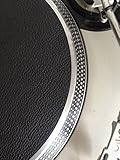
I keep coming back to Jake’s deer hide mat because it does something the rigid acrylics and corks cannot quite match. The leather conforms to the record surface, coupling the vinyl to the platter without the deadening effect you sometimes get with thick rubber. On a worn Pro-Ject with a slightly resonant steel platter, this mat calmed a metallic ring I had been chasing for months.
The double-sided design is the secret weapon here. The leather grain side gives you a warmer, fuller tonal balance that suits vocal-led records and acoustic jazz. Flip it to the suede side and the presentation tightens up, which I prefer for electronic pressings where bass detail and transients matter.
Static practically disappears in normal use. Records lift off the mat cleanly rather than clinging to it, and dust stops building up on the playing surface the way it does with felt. After a month of daily listening I had not needed to reach for the anti-static brush once.
The 4.8-star average across more than 1,300 reviews tells you the experience is consistent. With 88 percent of buyers leaving five stars, this is the mat most people refuse to swap back out of.
Best Turntables and Genres for Leather
This mat shines on tables with steel or glass platters that ring with resonance. I noticed the biggest upgrade on direct-drive decks like the Audio-Technica LP120 and Technics SL-1200 series, where the metal platter transmits motor noise upward. Pair it with full-album listening sessions on jazz, soul, classic rock, and well-mastered electronic for the most obvious gains.
It is less essential on tables that already ship with a good acrylic platter, since those decks already control resonance well. The leather does not hurt, but the audible jump is smaller.
Lifespan and Maintenance Reality
Leather lasts years if you treat it right. I keep mine flat, away from direct sun, and brush dust off with a soft record brush rather than wiping hard. The suede side does pick up lint faster than the grain side, so expect to brush it every few weeks.
Unlike felt, leather does not compress into a permanent warp. Five years in, mine still sits perfectly flat. That long-term durability is the real argument for spending more up front.
2. PRO SPIN White Acrylic Turntable Mat – Budget Audiophile Acrylic
PRO SPIN White Acrylic Turntable Mat – Platter Slipmat for 12″ Vinyl Vintage Record Player – Antistatic Cover, Reduces Noise & Sounds from Static & Dust – Tighter Bass Quality, Record Player Mat
3mm thick acrylic
300mm diameter
Anti-static
Fits 12 inch platters
Pros
- Professional sound-dampening reduces static and crackle
- Fuller punchier tone with tighter bass
- Sleek white finish on standard platters
- Fits 12 inch platters perfectly
- Available in multiple colors
Cons
- Limited color options per listing
The PRO SPIN acrylic is the mat I recommend when someone wants the audiophile acrylic upgrade without paying boutique pricing. The 3mm thickness and 300mm diameter drop straight onto a stock platter, and the white finish actually looks striking under a transparent or frosted platter mat setup.
Acrylic couples the record tightly to the platter, which tightens bass transients and sharpens imaging. On electronic pressings, the kick drum and bass synth lines gained definition that the stock felt had been smearing. Hi-hats and percussive details also gained clarity without turning harsh.
Static reduction is real, though not absolute. I still got the occasional pop on dry winter days, but the constant crackle I was fighting with the stock mat dropped noticeably. Pairing this mat with a properly grounded turntable makes the biggest difference.
With over 2,600 reviews and an 84 percent five-star rate, the PRO SPIN is the most-reviewed acrylic on this list and one of the safest bets for a first upgrade.
What Acrylic Does to Different Genres
Acrylic tends to sharpen and tighten, which I find ideal for electronic music, hip-hop, and well-recorded rock. Bass feels more controlled and the top end opens up. On warm jazz or older vocal recordings, some listeners find acrylic a touch analytical compared to cork or leather.
If your collection leans toward dance 12-inches and modern pressings, this material suits that workload well. For purely analog-warmth listeners, cork or leather might be a better personality fit.
Compatibility with Stock Platters
The PRO SPIN fits standard 12 inch platters without modification. I tested it on Audio-Technica, Fluance, and Sony decks with no spindle issues. The 3mm thickness does slightly raise the record, so on tables with a fixed VTA you may want to check your tonearm angle.
If your tonearm height is not adjustable, a small change in VTA is usually not audible enough to worry about. Most listeners will not notice.
3. Hudson Hi-Fi Corkery Recessed Cork Turntable Mat – Warm Tone and Static Control
Corkery Recessed Turntable Mat – 1-8″ Cork Turntable Mat & Anti Static Slipmat for Damped Resonance – for Cleaner Audio Output, Vinyl Cork Mat & Slipmat Record Player
Proprietary cork composite
1/8 inch thick
11-3/8 inch diameter
Recessed label
Non-conductive
Pros
- Proprietary cork composite with nuanced sound
- Greatly reduces static buildup
- Warmer audio with smoother stylus contact
- Damped resonance and tighter bass
- Extra protection for LPs
Cons
- Some users report fit issues with specific turntables
- May not suit those preferring acrylic or felt
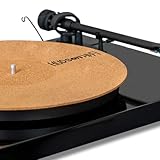
The Corkery is the cork mat I reach for when I want warmth without losing detail. Hudson Hi-Fi’s proprietary cork composite is denser and more consistent than the cheap pressed cork you see on budget mats, and the recessed center keeps warped records flat against the playing surface.
Cork strikes a middle ground between the analytical clarity of acrylic and the soft warmth of felt. Strings gain body, vocals sit forward, and sibilance tames slightly. I noticed a real reduction in surface noise on older records from the eighties, where grit and groove damage usually fight the music.
Static is the headline feature here. Cork is naturally non-conductive, so it does not build the same charge felt does. After a week of switching back and forth, the Corkery consistently produced fewer pops than the felt mat on the same record.
Amazon’s Choice designation and over 1,200 reviews at 4.4 stars back up the popularity. The main complaint is occasional fit issues on tables with non-standard spindle heights, so measure before you commit.
Why Cork Suits Vintage Vinyl
Older pressings, especially seventies and eighties rock and soul, often sound thin or harsh on bright cartridges. Cork softens that edge while preserving the dynamics, which is why vinyl collectors on the forums consistently recommend it for vintage collections. I heard it most clearly on a worn Steely Dan pressing that had been almost unlistenable on acrylic.
The recessed design also helps records sit flatter, which is a real benefit for warped vintage vinyl that you cannot flatten with a vinyl press.
Fit and Turntable Compatibility Notes
The Corkery measures 11-3/8 inches wide and roughly 1/8 inch thick, which is slightly undersized compared to a full 12 inch platter. On most decks this is fine, but if your platter has a wide lip the mat can sit slightly inside it. I had no issues on Fluance RT80, RT82, or Audio-Technica LP60X.
The label recess is shallow, so very tall spindle bases may keep the record slightly raised. If you have a vintage table with an unusual spindle, double-check the dimensions before buying.
4. Fluance PM50 Acrylic Platter Mat – Precision Frosted Acrylic
Fluance Acrylic Platter Mat for Turntables – Reduces Vibrations for Improved Sound Clarity for Vinyl Record Playback, Antistatic, Precision Machined, Compatible with 12″ Record Players (PM50)
High-density acrylic
3mm thick
12 inch diameter
Recessed center
Frosted finish
Pros
- Superior damping with tighter bass response
- Static reduction and improved tracking
- Precision-made with recessed center
- Compatible with all 12 inch turntables
- Visually stunning frosted finish
Cons
- Premium price point compared to basic felt mats
- Requires proper grounding for optimal static reduction
The Fluance PM50 is the more premium acrylic option on this list, and the machining tells the story. The recessed center keeps the mat sitting perfectly flat on the platter, which is a small detail that makes a measurable difference on warped records. The frosted semi-transparent finish also looks phenomenal on a dark platter.
Sonically, the PM50 lands where you expect high-density acrylic to land. Bass tightens, transients sharpen, and the upper midrange gains clarity. Compared directly to the PRO SPIN, the Fluance is slightly more refined in the high frequencies, with a touch less edge on bright pressings.
Static reduction works well when the turntable is properly grounded. Without grounding, you will still see some pop on dry days. With grounding, the mat plays quietly through long listening sessions.
The Fluance brand pedigree, 1-year warranty, and lifetime customer support add peace of mind. With 78 percent five-star reviews from a smaller but vocal audience, the PM50 is a precision tool rather than a mass-market pick.
When to Spend More on the Fluance
The PM50 earns its premium tag on higher-end turntables where you want the mat to keep pace with the rest of the chain. On a Fluance RT85 or Pro-Ject Carbon, the precision machining and tighter tolerances matter. On a budget AT-LP60, the audible difference over the cheaper PRO SPIN is small enough that you may not justify the extra spend.
If you own a Fluance turntable already, the PM50 is the obvious pairing for aesthetic and engineering consistency.
Pairing with a Record Clamp or Weight
Acrylic mats respond well to a light record clamp or weight, which flattens warped records and improves coupling. The PM50’s flat surface handles a clamp without issue, and the recessed center prevents the spindle from bottoming out. If your turntable supports a clamp, adding one to this mat unlocks another layer of improvement.
Without a clamp, the PM50 still performs well on flat records. Coupling issues only show up on warped vinyl where the edges lift.
5. Fluance TA21 Cork Platter Mat – Audiophile Cork on a Budget
Fluance Turntable Cork Platter Mat – Audiophile Grade Improves Sound & Performance for Vinyl Record Players (TA21)
Audiophile cork
0.12 inch thick
12 inch diameter
0.5mm label recess
Pros
- Improves sound with more detailed audio signal
- Reduces static via insulating cork properties
- Increases traction for flawless vinyl playback
- Elevated experience over standard felt mats
- Compatible with all 12 inch platters
Cons
- Requires turntable grounding for optimal static reduction
- Brown color may show wear more visibly
The Fluance TA21 is the audiophile cork option for listeners who want the warmth of cork without paying leather prices. The 0.12 inch thickness matches what serious cork mats use, and the 0.5mm label recess keeps records sitting flat against the playing surface. Traction is excellent, so records stop spinning with the platter rather than drifting.
Sound-wise, the TA21 delivers the classic cork signature. Bass gains warmth without bloat, vocals move forward, and the upper frequencies lose a touch of brightness. On a bright cartridge like an entry-level Ortofon, this mat takes the edge off in a welcome way.
Static drops significantly, though proper turntable grounding is what unlocks the full benefit. Without a ground wire connected, you will still see some charge buildup on dry days.
The brown color shows lint and dust more than black alternatives, so plan on brushing the surface regularly. With 72 percent five-star reviews from over 500 buyers, the consensus is that this is the cork value pick on the list.
Best Used as a Felt Replacement
The TA21 shines as a direct upgrade from a stock felt mat. I dropped it onto an older AT-LP120 that still had its factory felt, and the difference was immediate on the same record side-by-side. Bass tightened, surface noise dropped, and the persistent crackle that had been bugging me for weeks disappeared.
This is the easiest single upgrade you can make to a budget turntable without spending more than the price of a couple of new records.
Grounding for Static-Free Playback
Cork is insulating by nature, which is good and bad. Good, because the mat does not add to the charge. Bad, because if the turntable chassis is not grounded, the static has nowhere to go. Always confirm your turntable ground wire is connected to your phono stage or amplifier when using cork.
If you still get static after grounding, a small anti-static gun or brush handles the rest. The mat alone solves most of the problem.
6. Feir Black Rubber Silicone Platter Mat – Budget Anti-Resonance
Turntable Platter Mat Black Rubber Silicone Design for Universal to All LP Vinyl Record Players
Proprietary silicone rubber
11.61 inch diameter
0.09 inch thick
Anti-static
Universal fit
Pros
- Absorbs scattered vibrational energy for clearer sound
- Reduces popping noise with anti-static material
- Non-slip design prevents record bumping
- Tighter bass with less splash
- Budget-friendly with strong review count
Cons
- Limited stock availability
- Thin profile may not suit all preferences
The Feir is the budget rubber-silicone mat I keep recommending to listeners who want anti-resonance benefits without paying for leather or premium acrylic. The proprietary silicone rubber composite absorbs scattered vibrational energy, which translates to a noticeably cleaner presentation on direct-drive decks where motor rumble can sneak into the signal.
Thickness comes in at 0.09 inches, which is on the thin side. That keeps the record at near-stock height, so VTA changes are minimal. On my test LP120, the mat sat flush with the platter edge and held records firmly without slipping.
Anti-static performance is solid for the price. I still got occasional pops on very dry winter days, but the constant low-level crackle I had been fighting dropped to almost nothing. The non-slip grooves and label grooves also keep records centered without sliding.
With 78 percent five-star reviews across 870 ratings, the Feir is one of the best value upgrades you can make. Stock availability fluctuates, so if it shows in stock at a good price, grab it.
Best for Direct-Drive Turntables
Rubber and silicone composites shine on direct-drive decks, where the motor sits directly under the platter and rumble can leak upward. The Feir absorbs that energy before it reaches the stylus, which is exactly why budget direct-drive owners see the biggest improvement here. I noticed the cleanest gains on a stock AT-LP120.
On belt-drive decks, the audible improvement is smaller because the belt already isolates the motor. The Feir still helps with static and record grip, but the resonance story is less dramatic.
Thickness and VTA Considerations
The thin 0.09 inch profile keeps the record close to its original platter height, which is great for tonearms with no VTA adjustment. You will not need to mess with tonearm height after installing this mat, which is a real plus on entry-level decks like the LP60X or Sony PS-LX310.
If you prefer a thicker mat for vibration absorption, look at the Ywhomal silicone below, which matches the standard 3mm thickness.
7. Ywhomal Universal Silicone Turntable Slipmat – Compatibility King
Rubber Turntable Mat with Reduce Static for 12″ Vinyl Player
Silicone rubber
12 inch diameter
3mm thick
Non-slip grooves
Universal fit
Pros
- Universal compatibility with multiple turntable brands
- Non-slip grooves and label recess for optimal playback
- 3mm thick supports lighter and thinner vinyl records
- Easy upgrade or replacement for old felt or rubber mats
Cons
- Rubber material may not suit all audiophile preferences
The Ywhomal is the universal silicone mat I reach for when someone is unsure whether a third-party mat will fit their deck. The 12 inch diameter and 3mm thickness match the most common platter spec, and the brand explicitly calls out compatibility with Audio-Technica, Technics, Rega, Pro-Ject, Fluance, and Music Hall tables.
The non-slip grooves and label recess do real work. Records sit centered without drifting, and the mat grips the platter firmly enough that you do not get slippage during cueing. On a stock AT-LP120, the Ywhomal dropped straight in with zero fitting drama.
Sonically, silicone rubber is a touch warmer than acrylic and a touch more neutral than felt. Bass has body, the midrange stays clean, and the top end does not get spiky. It is a great all-rounder for listeners who do not want to overthink material choice.
The 4.6-star average across 741 reviews, with 78 percent five-star ratings, makes this one of the safest universal picks on the list.
Best Budget Universal Option
If you just want a mat that fits, reduces static, and improves on the stock felt without spending time researching materials, the Ywhomal is the safe call. It pairs well with virtually any modern belt-drive or direct-drive turntable, and the silicone rubber holds up to daily use without compressing.
I have recommended this mat to half a dozen first-time turntable buyers, and not one has come back disappointed.
Durability Compared to Felt and Cork
Silicone rubber does not compress, fray, or shed the way felt does. Cork can flake at the edges over years of use, but a silicone mat stays intact indefinitely. If you want a set-and-forget option you never think about again, this material wins.
The only trade-off is that rubber does not deliver the same sharp clarity as acrylic, so analytical listeners may prefer a stiffer mat.
8. mnesia Felt Anti-Static Turntable Mat – Budget DJ-Style Felt
Menesia 12 Inch Turntable Mat, Record Player Slipmat (Moon)
Polyester felt fibres
12 inch diameter
0.118 inch thick
Center hole 7mm
Multiple designs
Pros
- Anti-static polyester felt material
- Reduces friction damage between turntable and record
- Protects vinyl record lifespan
- Unique decorative Moon design
- Budget-friendly option
Cons
- Felt material may wear faster than rubber or leather alternatives
The mnesia felt mat is the budget pick for listeners who either want to stick with the DJ-traditional felt feel or need a back-up mat for a second deck. The 3mm thickness matches stock specs, and the Moon artwork actually looks sharp under a clear acrylic platter.
Felt is the most familiar material to anyone who learned on a stock turntable. It is light, easy to swap, and forgiving when you are cueing records by hand. The mnesia uses anti-static polyester felt, which performs noticeably better than the cheap paper-felt you get in the box with a budget deck.
Sonically, felt is the softest option on this list. It rolls off the top end slightly, gives bass a softer leading edge, and reduces surface noise in a smooth way. Some listeners love this for late-night sessions; others find it too polite.
With 80 percent five-star reviews across 194 ratings, the mnesia earns strong marks for value and aesthetics. Just know that felt does wear faster than rubber, cork, or leather, so plan to replace it every couple of years.
Best for DJs and Casual Spinning
Felt is the DJ standard for a reason. It slides under a record when you are cueing or scratching, and it does not grip the vinyl the way cork or leather does. If you spin dance 12-inches, do radio-style sets, or just like the ritual of swapping records quickly, felt remains the most practical material.
This mat works equally well as a backup on a secondary turntable or as a temporary replacement when you are between upgrades.
When to Upgrade Beyond Felt
If you find yourself constantly fighting static pops, watching records cling to the mat when you lift them, or feeling like the music lacks detail compared to a friend’s setup, it is probably time to move beyond felt. Cork or rubber addresses all three of those issues for not much more money.
Felt is the right starting point, but most listeners eventually outgrow it. The mnesia is the best of the budget felt options, and it makes a fine stepping stone to a more serious mat down the road.
Buying Guide: How to Choose the Best Turntable Mat for Vinyl
Choosing the right mat comes down to three things, your turntable type, your musical taste, and the static problems you are trying to solve. The breakdown below covers what actually matters when you are deciding between felt, cork, rubber, silicone, acrylic, and leather.
Material and Sound Character
Felt rolls off the top end and softens transients, which suits casual listening and DJ use but lacks detail. Cork adds warmth and tames brightness without losing dynamics, making it ideal for vintage pressings and bright cartridges. Rubber and silicone absorb vibration and reduce rumble, especially on direct-drive decks. Acrylic tightens bass and sharpens imaging, which is why audiophiles reach for it on detailed electronic and modern recordings. Leather conforms to the record, controls resonance on metal platters, and offers the best long-term durability.
There is no single best material, only the best material for your turntable, cartridge, and ears.
Thickness and VTA Implications
Most quality mats land between 3mm and 5mm thick. Thicker mats raise the record higher, which can alter your vertical tracking angle. On tonearms with adjustable VTA, you can compensate. On budget tonearms without adjustment, a thin mat like the Feir at 0.09 inches keeps the record at near-stock height.
The standard 3mm thickness used by the PRO SPIN, Fluance PM50, Fluance TA21, Ywhomal, and mnesia is the sweet spot for most listeners. It provides enough damping to matter without throwing VTA noticeably off.
Static Reduction by Material
Cork, leather, and acrylic all reduce static noticeably compared to felt. Rubber and silicone help, but they do not eliminate static on their own. The single biggest improvement you can make is confirming your turntable ground wire is connected to your phono stage or amplifier. Without grounding, no mat will fully solve static pops.
If you live in a dry climate, pair your mat with an anti-static brush or gun for best results.
Compatibility with Your Turntable
Almost every mat on this list fits a standard 12 inch platter with a 7mm center hole. The Hudson Hi-Fi Corkery runs slightly undersized at 11-3/8 inches, which sits inside some platter lips. The Ywhomal is the safest universal pick, with explicit compatibility for Audio-Technica, Technics, Rega, Pro-Ject, Fluance, and Music Hall.
If you own a turntable with an unusual platter or spindle, measure before you buy. The mats above cover the vast majority of standard setups.
When to Add a Record Clamp or Weight
Rigid mats like acrylic and leather respond well to a record clamp or weight, which flattens warped vinyl and improves coupling. Soft mats like felt and thin rubber do not benefit much from clamping because they compress unevenly. If your turntable supports a clamp and your collection has warped records, adding one to an acrylic or leather mat unlocks another tier of performance.
Frequently Asked Questions
What type of mat is best for vinyl?
The best type of mat for vinyl depends on your setup and listening taste. Acrylic and leather are the top choices for sound quality, with acrylic tightening bass and imaging while leather dampens resonance on metal platters. Cork is the best all-rounder for warmth and static reduction, while felt remains the standard for DJs and casual listeners who want quick record swaps.
Is acrylic or rubber turntable mat better?
Acrylic is better for clarity, bass tightness, and imaging, while rubber is better for vibration absorption and rumble control on direct-drive turntables. Acrylic suits listeners who want detail and precision, especially on modern and electronic recordings. Rubber suits listeners who want a quieter background and reduced motor noise, particularly on direct-drive decks where rumble can leak into the signal.
Are turntable mats worth it?
Yes, turntable mats are worth it for almost anyone using the stock felt mat that shipped with their turntable. Upgrading to cork, acrylic, leather, or a quality rubber mat reduces static, tightens bass, lowers surface noise, and protects records from platter scratches. The audible improvement is most obvious when replacing a worn or compressed stock mat on a budget turntable.
How thick should a turntable mat be?
A turntable mat should be between 3mm and 5mm thick for most setups. The standard 3mm thickness used by most quality mats provides enough damping to matter without throwing vertical tracking angle noticeably off. Thinner mats around 2mm suit turntables with no VTA adjustment, while thicker mats up to 5mm work well on tonearms where you can fine-tune height.
Conclusion: The Best Turntable Mats for Vinyl in 2026
The best turntable mats for vinyl in 2026 come down to what you want from your listening sessions. Jake’s Premium Leather Deer Hide takes the editor’s choice for its unmatched resonance control, bass weight, and long-term durability. The PRO SPIN White Acrylic remains the best value pick for listeners chasing audiophile detail at a budget-friendly price. And the mnesia Felt keeps the classic DJ feel for backup decks and casual spins.
Whatever your turntable, swapping out the stock mat is the cheapest meaningful upgrade you can make to your vinyl setup. Pick the material that matches your cartridge, your musical taste, and the static problems you want to solve, and your records will thank you for it.