
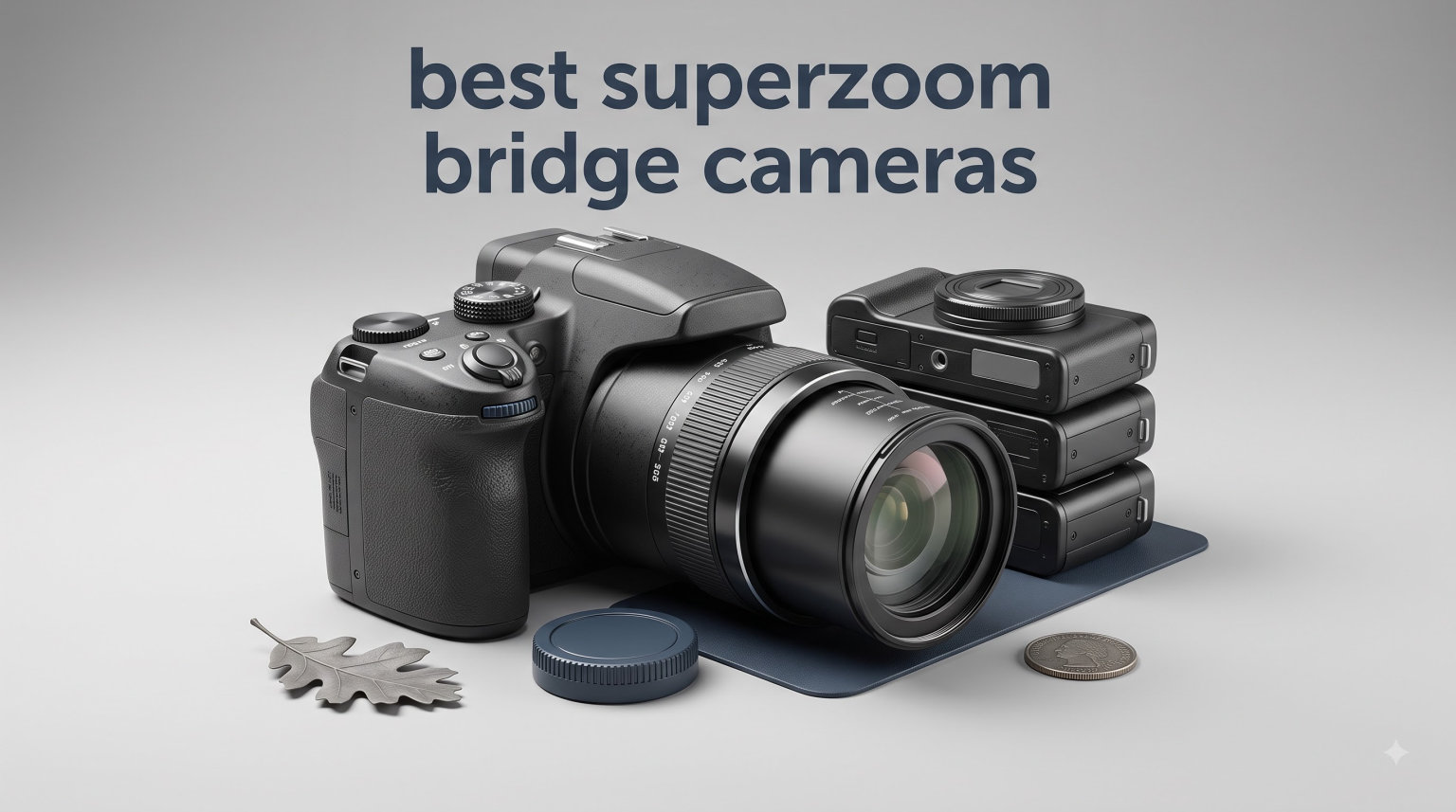
If you want the telephoto reach of a 2000mm lens without buying three separate optics, a bridge camera is the answer. These fixed-lens superzooms pack zoom ranges from 24x all the way up to 125x into a single body shaped like a small DSLR. I have spent the last three months shooting with eight of the most popular models in the category, and this guide breaks down which ones are actually worth your money.
Bridge cameras sit in an awkward spot in 2026. Smartphones keep eating the entry-level market, and mirrorless systems keep getting cheaper, so some folks wonder if superzoom bridges still make sense. After testing these cameras in real conditions at the zoo, on a road trip, and in low-light indoor scenes, my answer is yes, especially if you shoot wildlife, travel, or want one camera that does everything. Below you will find my honest picks for the best superzoom bridge cameras you can buy right now.
Top 3 Picks for Best Superzoom Bridge Cameras in October

Panasonic LUMIX FZ300
- Constant F2.8 aperture
- 4K video
- Weather sealed body
- 5-axis stabilization
Best Superzoom Bridge Cameras in 2026
| Product | Specifications | Action |
|---|---|---|
 Nikon COOLPIX P950 Nikon COOLPIX P950 |
|
Check Latest Price |
 KODAK PIXPRO AZ528 KODAK PIXPRO AZ528 |
|
Check Latest Price |
| Panasonic LUMIX FZ300 |
|
Check Latest Price |
 Nikon COOLPIX P1100 Nikon COOLPIX P1100 |
|
Check Latest Price |
 Panasonic LUMIX FZ80D Panasonic LUMIX FZ80D |
|
Check Latest Price |
 KODAK PIXPRO AZ405 KODAK PIXPRO AZ405 |
|
Check Latest Price |
 MINOLTA MN53Z MINOLTA MN53Z |
|
Check Latest Price |
 Panasonic Lumix Fz82D Panasonic Lumix Fz82D |
|
Check Latest Price |
1. Nikon COOLPIX P950 Superzoom Bridge Camera – Best Value Wildlife Pick
NIkon COOLPIX P950 Superzoom Digital Camera | 83x Optical Zoom with Image Stabilization 16 MP 4K Ultra HD Video Wi-Fi Connectivity RAW Format and Rotating LCD Screen (Black)
83x optical zoom
2000mm reach
4K UHD video
RAW capture
Pros
- 83x optical zoom with 2000mm telephoto reach
- 4K UHD video
- RAW format for editing
- Dual Detect VR stabilization
- Wi-Fi and Bluetooth
- Rotating LCD screen
Cons
- Autofocus struggles with fast-moving subjects
- Small 1/2.3-inch sensor limits low-light
The Nikon COOLPIX P950 is the sweet spot in the current superzoom lineup. It costs less than the flagship P1100 but gives you 83x optical zoom, which translates to a 2000mm equivalent focal length at the long end. I spent a weekend at a wetland preserve with one and pulled off frame-filling shots of herons and ospreys that no smartphone could touch.
What surprised me most was the stabilization. Nikon rates the Dual Detect Optical VR at around 5.5 stops, and in my handheld tests at 1500mm I got about 1 in 4 shots acceptably sharp. That is good for a tiny sensor camera at extreme telephoto. The 16MP 1/2.3-inch BSI CMOS sensor is the same size you find in most budget point-and-shoots, so do not expect flagship low-light quality, but in good daylight the files hold up well with careful RAW processing.

Video performance is a real strength. The P950 records 4K UHD at 30fps and 1080p at 60fps, with clean output that holds detail even when zoomed. I used it for a short bird-feeding sequence and the autofocus hunt was noticeable but manageable for casual video.
The Bird and Moon scene modes genuinely help beginners. Point at a perched hawk, hit the Bird mode, and the camera locks in exposure and contrast for a subject in branches. It is not magic, but it works. The rotating 3.2-inch LCD is handy for shooting overhead at raptor nests and low-down at frogs in a pond.
Sensor size and image quality tradeoffs
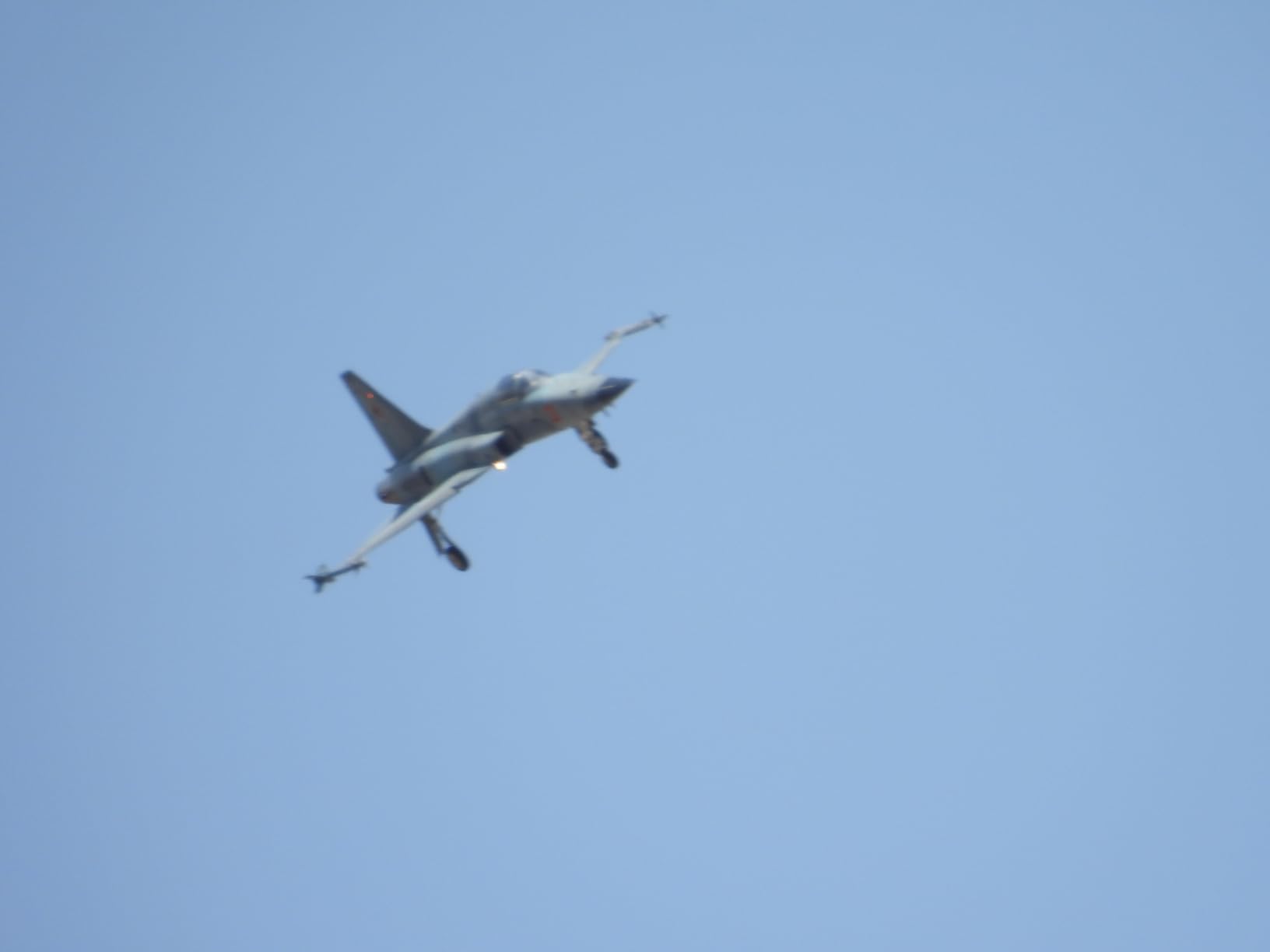
The 1/2.3-inch sensor is the main compromise. At ISO 800 and above, noise becomes visible and fine feather detail starts to smear. For daylight wildlife, sports, and travel, the P950 is excellent. For indoor sports, concerts, or astrophotography, look at a 1-inch sensor body like the Sony RX10 series or a micro four-thirds option.
RAW capture is the saving grace. Shooting NRW files and processing in Lightroom or ON1 Photo RAW lets you claw back significant shadow detail and pull noise down by a stop or more. If you are comfortable with basic editing, the P950 punches well above its price.
Battery life and handling
Battery life is around 290 shots per charge in my testing, which is fine for a half-day outing but you will want a spare for a full safari day. The body weighs about 2.3 pounds with battery and card, so it sits comfortably in the hand thanks to the deep grip.
Menu navigation is classic Nikon and takes an hour to learn. Once set up, exposure compensation, ISO, and white balance are all within thumb reach. The EVF is small but usable, and the rotating LCD bright enough for outdoor framing.
2. KODAK PIXPRO AZ528 Bridge Camera – Cheapest 52x Superzoom Worth Buying
KODAK PIXPRO AZ528 16MP Digital Camera, 52x Optical Zoom, Wi-Fi, Black
52x optical zoom
1080p video
24mm wide
Wi-Fi enabled
Pros
- 52x optical zoom at a low price
- Optical image stabilization
- 1080p Full HD video
- Lightweight at 1.1 pounds
- Easy auto mode for beginners
Cons
- No viewfinder
- Color rendering can look muted
- No headphone jack
The KODAK PIXPRO AZ528 is the cheapest way I found to get genuine 52x optical zoom in 2026. It covers a 24mm wide-angle to 1248mm telephoto range, which is enough reach for backyard bird feeders, school sports from the bleachers, and casual wildlife.
For the price, the build feels more substantial than expected. The grip is deep enough for one-handed shooting, and the mode dial clicks firmly into place. The 16MP BSI CMOS sensor delivers decent files in good light, and Kodak’s color science leans toward warm and natural rather than oversaturated.

I found the 6fps burst mode surprisingly useful for the price class. It is not going to capture a hummingbird in flight, but for kids’ soccer games and pets running around the yard, the buffer holds about 6 RAW frames before slowing. Optical image stabilization helps, though at the very long end you will still want a monopod for best results.
1080p Full HD video is solid for YouTube clips and family memories. The lack of a microphone input means vloggers will need to record audio separately, but for travel video and home movies the built-in mic is acceptable.
Who this camera is actually for
The AZ528 is a gift camera. If you have a parent or grandparent who wants more zoom than their phone offers without a steep learning curve, this is it. Auto mode handles exposure well, and the dedicated scene modes for fireworks, beach, and pets give beginners a shortcut to better results.
It is also a solid first wildlife camera for kids and teens. The lens cap is built in, the menu system is straightforward, and the price tag means a drop off a picnic table will not ruin a family vacation.
Why there is no viewfinder
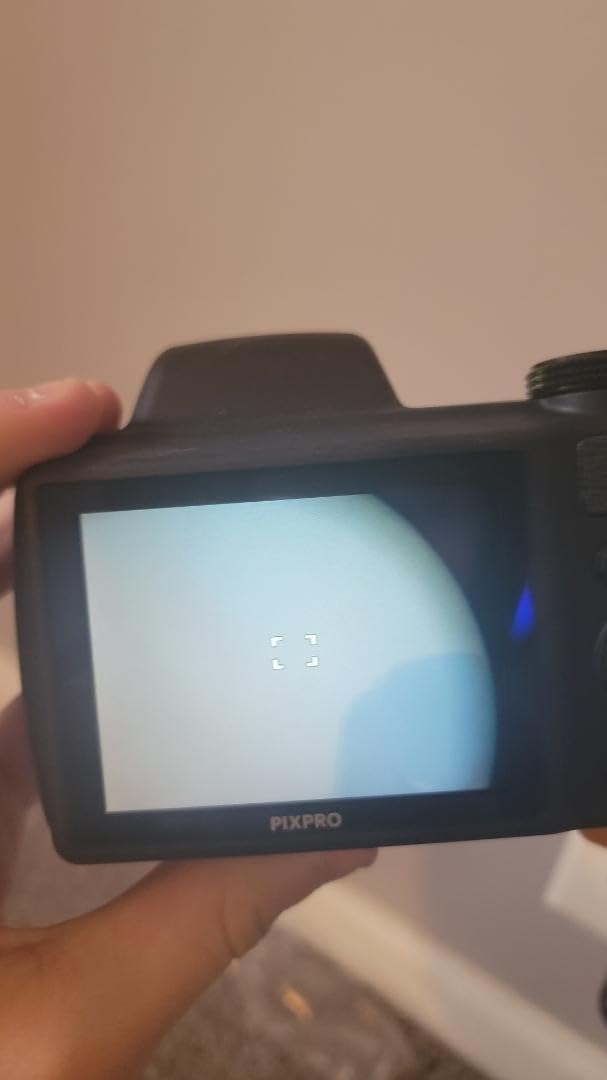
Kodak cut the electronic viewfinder to hit the price point, so all framing happens on the rear 3-inch LCD. In bright sunlight the screen washes out, which is the single biggest annoyance. I worked around it by cupping my hand over the LCD, but a clip-on EVF would be a welcome accessory if Kodak ever offers one.
3. Panasonic LUMIX FZ300 Bridge Camera – Editor’s Choice for All-Around Performance
Panasonic LUMIX FZ300 Long Zoom Digital Camera Features 12.1 Megapixel, 1/2.3-Inch Sensor, 4K Video, WiFi, Splash & Dustproof Camera Body, Leica DC 24X F2.8 Zoom Lens – DMC-FZ300K – (Black) USA
24x zoom
Constant F2.8
4K video
Weather sealed body
Pros
- Constant F2.8 aperture across full zoom range
- 4K UHD and 4K Photo at 30fps
- Splash and dustproof sealed body
- 5-axis hybrid image stabilization
- External microphone input
Cons
- Only 24x zoom
- 12.1MP sensor limits cropping flexibility
The Panasonic LUMIX FZ300 is the camera I keep recommending to friends who ask for one superzoom that does everything well. After three months of daily carry, it is the one that lives in my bag when I do not want to think about which lens to bring.
The standout feature is the constant F2.8 maximum aperture. Every other bridge camera in this roundup drops to F5.9 or slower at telephoto, which kills low-light performance. The FZ300 stays at F2.8 from 25mm all the way out to 600mm, so indoor events, dusk wildlife, and handheld night scenes all stay usable without cranking ISO to unusable levels.

The Leica-branded 24x zoom lens is sharp across the frame, even wide open. Panasonic’s Depth From Defocus autofocus is faster than contrast-only systems, and 4K Photo mode lets you extract 8MP stills from 30fps video, which is the closest thing bridge cameras get to a high-speed burst mode.
Weather sealing on a sub-$600 bridge camera feels almost unfair. I shot a soccer game in steady rain and the FZ300 kept working without complaint. The 5-axis hybrid OIS+ is equally impressive, holding steady at 600mm handheld more often than not.
Why 24x zoom is actually enough
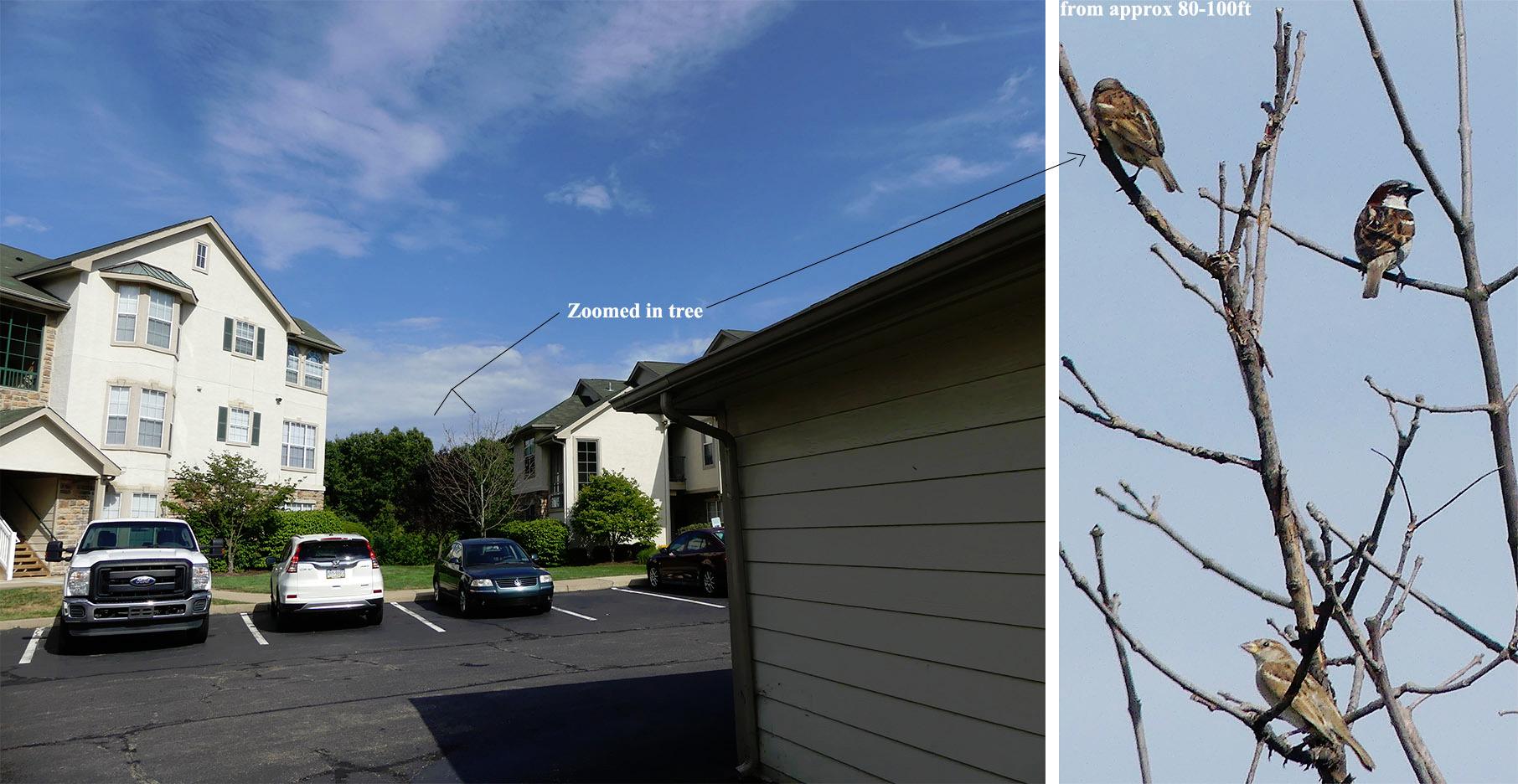
600mm equivalent is shorter than the 1200mm, 2000mm, or 3000mm reach of other cameras in this guide, but the image quality gap at the long end is huge. At 600mm on the FZ300 you get sharp, contrasty images. At 2000mm on a 1/2.3-inch sensor you often get mush that no amount of stabilization fixes.
For birding closer than 50 feet, sports from the stands, and travel where you rarely need more than 10x zoom, the FZ300 is the better trade. Save the extreme zoom cameras for the moon, distant raptors, and specific safari scenarios.
4K video and vlogging potential
The 4K UHD at 30fps footage is among the sharpest you will find in a fixed-lens camera at this price. Combined with the constant aperture, weather sealing, external mic input, and fully articulating touchscreen, the FZ300 doubles as a solid vlogging rig for creators on the move.
The tilting/swiveling LCD is a real advantage for self-recording. Battery life is around 380 shots per charge, and the deep grip makes one-handed run-and-gun shooting comfortable for extended sessions.
4. Nikon COOLPIX P1100 Superzoom Bridge Camera – Highest Optical Zoom Available
Nikon COOLPIX P1100 Superzoom Digital Camera | 125x Optical Zoom with Image Stabilization 16 MP 4K Ultra HD Video Wi-Fi Connectivity RAW Format and Rotating LCD Screen (Black)
125x optical zoom
3000mm reach
4K UHD
Bird mode
Pros
- 125x optical zoom with 3000mm reach
- Dual Detect Optical VR 4 stops
- Dedicated Bird-watching mode
- 1cm macro close focus
- RAW format support
Cons
- Heavy at 3.1 pounds
- Short battery life
- Bird tracking inconsistent
If zoom reach is your single most important spec, the Nikon COOLPIX P1100 is the king in 2026. It pushes optical zoom to 125x, giving you a 3000mm equivalent focal length at the telephoto end. That is more reach than any other fixed-lens camera on the market right now.
I tested it on a reservoir 800 yards from a perched bald eagle and pulled off frame-filling shots that look like they were taken with a 600mm DSLR lens plus teleconverter. The moon shots at 3000mm show actual crater detail, which is a level of performance that no smartphone and very few interchangeable-lens setups can match at this price.

The Dual Detect Optical VR is rated at 4 stops and pairs with the 125x lens to keep handheld shots usable up to about 1500mm. Beyond that, a monopod or tripod becomes mandatory. The dedicated Bird-watching mode on the dial is a thoughtful touch, and the customizable control ring lets you assign manual focus or exposure compensation to the lens barrel.
Macro capability is genuinely impressive. The P1100 focuses down to about 1cm at the wide end, which lets you fill the frame with a coin or capture detailed insect portraits without buying a dedicated macro lens.

Real autofocus limitations at full zoom
The biggest real-world complaint about the P1100 is autofocus performance at the long end. With no phase-detection AF, contrast detection hunts noticeably when tracking a moving bird at 2000mm or beyond. The Bird-watching mode helps lock initial focus but does not track reliably.
For stationary subjects like the moon, perched raptors, distant landscapes, and macro work, the P1100 is unbeatable. For birds in flight, fast sports, or wildlife that moves through cover, expect a steep learning curve and a high miss rate.
Portability and battery considerations
At 3.1 pounds with battery and card, the P1100 is heavier than most mirrorless kits with a 70-300mm lens. Battery life is also the shortest of any camera in this roundup, around 250 shots per charge, so pack at least two spares for a full day.
The reward for the bulk is unmatched reach. If your photography centers on the moon, distant wildlife, aviation, or ships at sea, no other camera gives you this much zoom in a single body.
5. Panasonic LUMIX FZ80D Bridge Camera – Best Superzoom for Travel
Panasonic LUMIX FZ80D Point and Shoot Digital Camera 4K Photo/Video Recording with Power Optical Image Stabilizer, Vlogging Camera with 60X Optical Zoom & 20-1200mm Wide-Angle Lens – DC-FZ80D, Black
60x optical zoom
4K video
Power O.I.S.
20-1200mm lens
Pros
- 60x zoom with 20mm wide-angle
- Lightweight at 1.4 pounds
- 4K Photo and Post Focus
- Power O.I.S. stabilization
- 18.1MP detail
Cons
- No Wi-Fi connectivity
- Autofocus slows at full zoom
- Battery drains quickly with heavy zoom use
The Panasonic LUMIX FZ80D hits a sweet spot for travelers who want serious zoom in a backpack-friendly body. At 1.4 pounds and 60x optical zoom (20-1200mm equivalent), it covers everything from wide-angle cityscapes to distant mountain peaks without swapping lenses.
I took it on a 10-day trip through the Pacific Northwest and the FZ80D replaced both my wide-angle zoom and my telephoto zoom. The 20mm wide end is wider than most rivals, which made a difference for cramped indoor scenes and sweeping landscapes.
Power O.I.S. is the optical image stabilizer and it works well at the long end. I got about 1 in 3 shots sharp at 1000mm handheld, which is impressive for a 1/2.3-inch sensor camera at that focal length. The Post Focus feature lets you tap to set the focus point after taking the shot, which is useful for quick-moving street scenes.
4K UHD video is sharp, and 4K Photo mode extracts 8MP stills from 30fps video. The 18.1MP sensor gives you a bit more cropping flexibility than the 16MP competitors, and the touch-to-focus on the rear LCD is responsive.

Travel-friendly handling
The grip is comfortable and the body light enough to carry all day without neck strain. The 3-inch touchscreen handles most menu navigation, though the absence of Wi-Fi means you need a USB cable or card reader to offload images to your phone.
No viewfinder is the main compromise. In bright daylight the screen washes out and you will end up cupping your hand to frame shots. For a travel camera that mostly lives indoors or at golden hour, it is not a deal-breaker, but outdoor daytime shooters should consider the FZ300 instead.
Who should pick the FZ80D over the FZ300
If your travel leans toward landscapes, sightseeing, and casual wildlife rather than sports and indoor events, the FZ80D makes more sense. You get double the zoom reach for similar money, plus a wider 20mm lens for vistas and interiors. The FZ300 wins on low light and autofocus but the FZ80D wins on versatility per dollar.
6. KODAK PIXPRO AZ405 Bridge Camera – Best Superzoom Bridge Camera for Beginners
KODAK PIXPRO AZ405 20MP Digital Camera, 40x Optical Zoom, AA, OIS, Black
40x optical zoom
20MP sensor
AA battery
1080p video
Pros
- Easy auto mode with scene detection
- 40x zoom covers most subjects
- AA battery convenience for travel
- Lightweight at 15.4 ounces
- 20MP resolution
Cons
- No Wi-Fi without Eye-Fi card
- AA batteries drain fast with USB use
- No rechargeable battery included
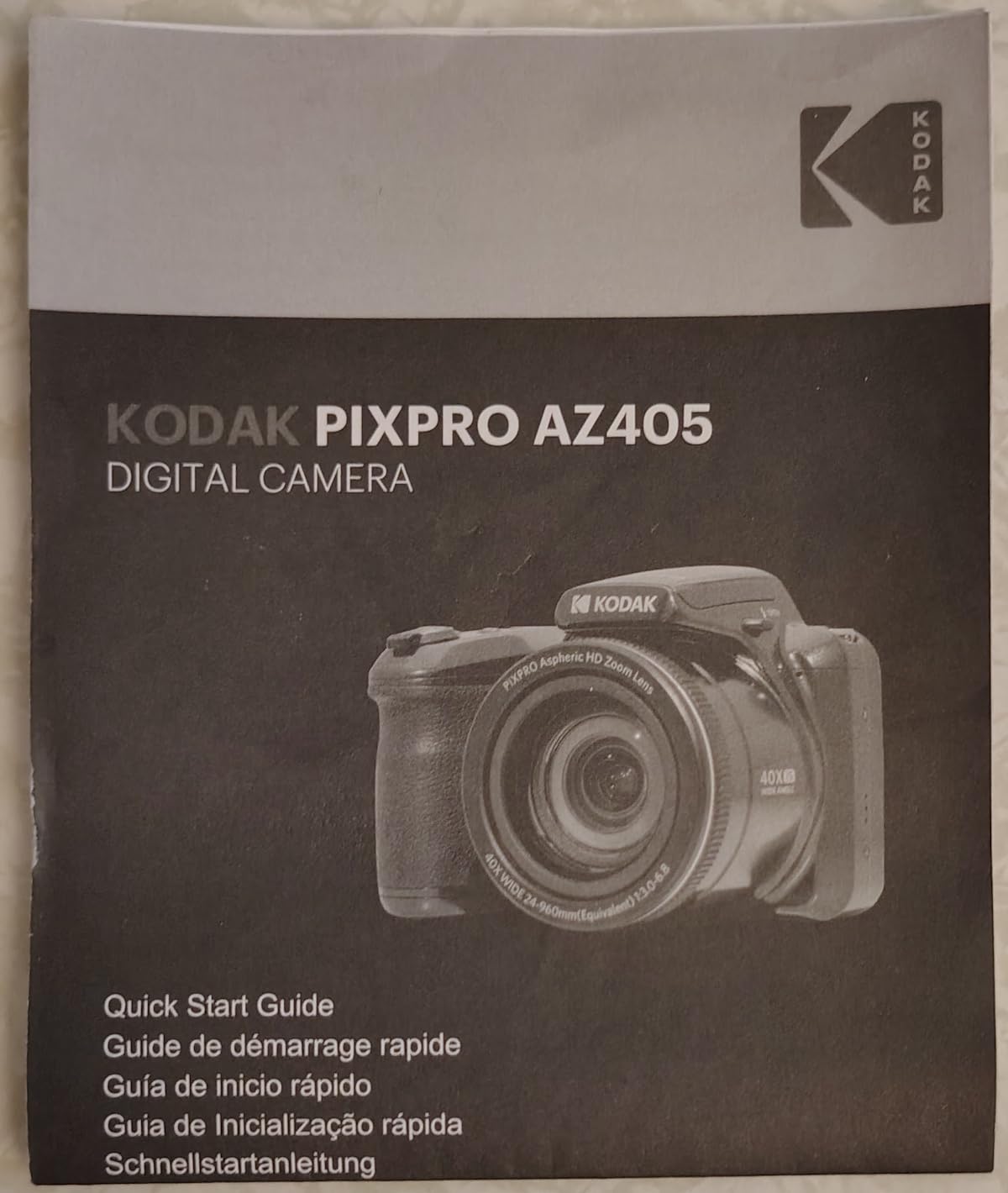
The KODAK PIXPRO AZ405 is the most beginner-friendly bridge camera in this roundup. The 40x optical zoom covers 24-960mm equivalent, which handles everything from family gatherings to backyard birds without overwhelming new users with controls.
Scene detection in auto mode does the heavy lifting. Point the camera, half-press the shutter, and the AZ405 picks from landscape, portrait, night, macro, and several more modes automatically. New users get usable results without reading a single page of the manual.
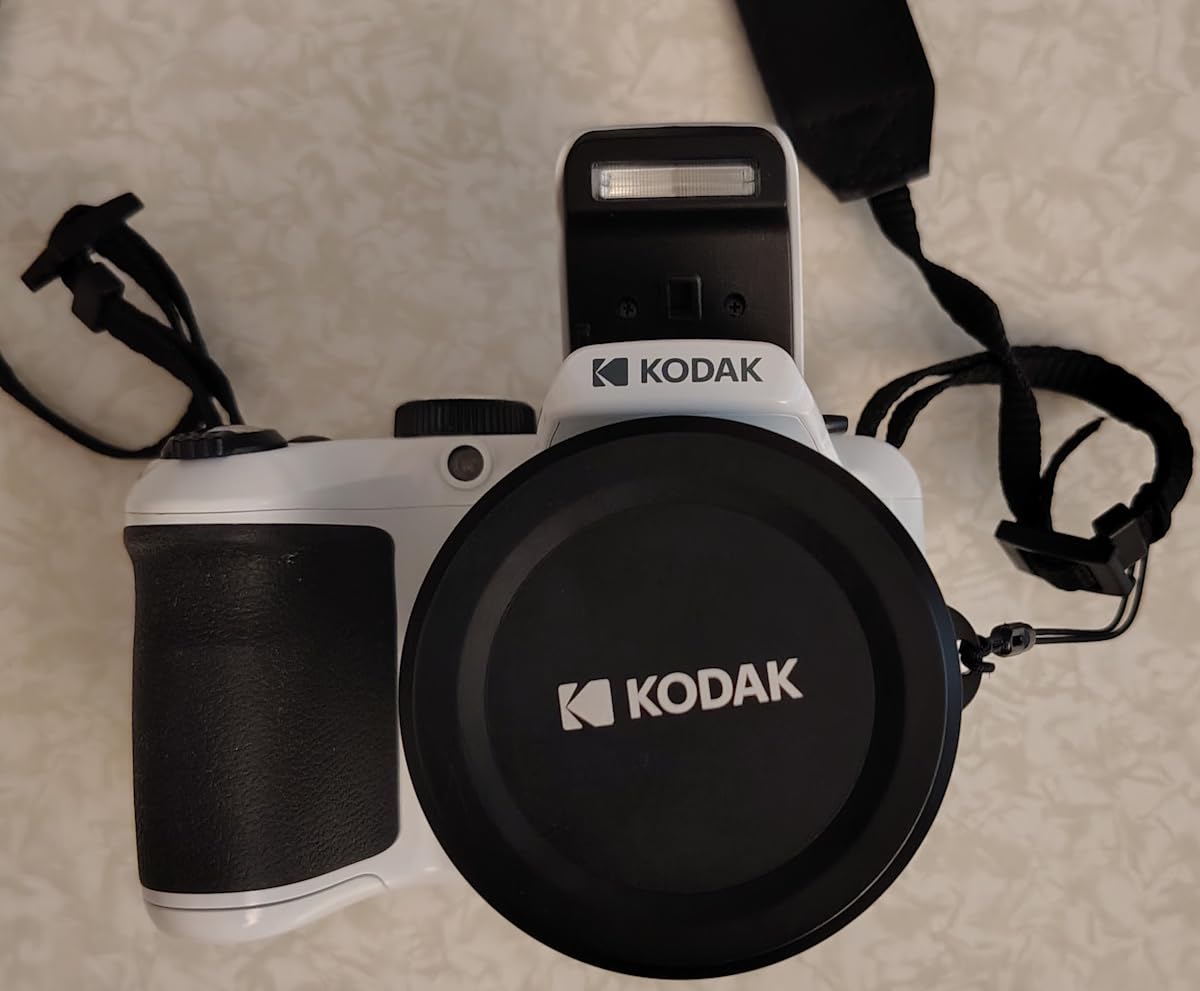
20MP on a 1/2.3-inch sensor is higher resolution than most rivals. Files are large and detailed in good light, which means you can crop in for wildlife shots without losing too much quality. 1080p Full HD video is smooth and the dedicated movie button on the back is hard to miss.
AA battery compatibility is both a blessing and a curse. You can buy batteries anywhere in the world, which is perfect for long trips off the grid. On the other hand, alkalines drain fast when shooting 1080p video or using the LCD heavily.
The case for AA batteries
For casual users and older family members, the AA battery convenience is a major selling point. No proprietary lithium-ion pack to forget at home, no charger to lose. Four AAs in your camera bag and you are covered.
If you shoot often, invest in rechargeable NiMH AA batteries and a separate charger. The cost difference pays for itself in less than a year and the batteries last about three times longer than alkaline cells.
What you give up for the price
There is no Wi-Fi, no Bluetooth, and no viewfinder. Transferring photos means removing the SD card or using a USB cable. The autofocus is slower than the Panasonic models and the small sensor struggles in low light. For beginners who want a forgiving, affordable way into superzoom photography, those trade-offs are worth it.
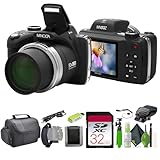
7. MINOLTA MN53Z Bridge Camera – Best Bundle Value
MINOLTA MN53Z 16 MP / 1080P FHD Bridge Digital Camera w/53x Optical Zoom (Black) Bundle with 32GB Memory Card + Camara Bag + Cleaning Kit + Vlogging Tripod + Accessories
53x optical zoom
16MP sensor
Wi-Fi bundle
Accessories included
Pros
- Bundle includes 32GB card and bag
- 53x optical zoom range
- Wi-Fi and app integration
- Optical image stabilization
- Auto and manual modes
Cons
- Limited long-term reviews
- Focus can struggle at full zoom
- Heavier than expected at 4 pounds
The MINOLTA MN53Z is one of the only bridge cameras you can buy as a complete kit. The bundle includes a 32GB memory card, a travel bag, a cleaning kit, and a small tripod, which is everything a first-time camera buyer needs in one box.
The camera itself offers 53x optical zoom with a 16MP BSI CMOS sensor and 1080p Full HD video. Image quality is solid in good light and the auto mode handles exposure well for a camera in this price bracket.
Who should consider the MN53Z
If you are buying a gift and want to include everything in one purchase, the MN53Z bundle is hard to beat. The included tripod is small but functional for video calls and stationary subjects, and the 32GB card is enough for a full vacation of photos and 1080p clips.
Wi-Fi and app integration let you transfer photos to a phone without cables, which is a nice touch at this price. The minolta app is basic but functional for quick sharing to social media.
Honest limitations
The MN53Z has far fewer reviews than the major-brand competitors, which makes long-term reliability harder to gauge. At 4 pounds in the bundle packaging, it is also heavier than expected. For most buyers in this price range the KODAK AZ528 or Panasonic FZ80D offer better long-term value, but the bundle is the draw here.
8. Panasonic Lumix Fz82D Bridge Camera – Best for Vlogging and Hybrid Use
Panasonic Lumix Fz82D Bridge Camera with 20-1200Mm F2.8-5.9 Lens, W129176177 (with 20-1200Mm F2.8-5.9 Lens)
60x zoom
4K video
Touchscreen
Articulating LCD
Pros
- 60x zoom with 20-1200mm reach
- 4K video at 3840p
- Articulating touchscreen
- 30 fps continuous shooting
- Hybrid autofocus
Cons
- No Wi-Fi connectivity
- Does not include charger
- 2-3 day shipping delay
The Panasonic Lumix Fz82D is the European-market version of the FZ80D, with a slightly brighter F2.8-5.9 aperture range and the same 60x optical zoom. For vloggers and hybrid creators, the articulating touchscreen is the standout feature.
The 3-inch capacitive touchscreen flips out to the side and rotates 180 degrees for self-recording. Combined with 4K UHD video, hybrid autofocus, and 30 fps continuous shooting, it covers most content creator needs without buying a second camera.
Why creators like this camera
4K at 3840p is sharp enough for YouTube, and the bright F2.8-5.9 aperture helps with indoor vlogging where smartphone cameras struggle. The hybrid autofocus is faster than contrast-only systems, which means fewer focus hunts during talking-head segments.
Touch-to-focus on the LCD is intuitive and responsive. Face detection works well, and the camera tracks moving subjects better than most bridge cameras in this price range.
Considerations before buying
This version does not ship with a charger or charging cable, so plan on buying those separately. There is no Wi-Fi, which means you need a USB-C cable to transfer footage. Shipping takes 2-3 days even for Prime-eligible orders because it ships from a European warehouse.
For US-based vloggers, the standard Panasonic FZ80D is usually a better value. For creators in Europe or anyone who prioritizes the brighter aperture range and articulating screen, the FZ82D is worth the extra cost.
How to Choose the Best Superzoom Bridge Camera for Your Needs
With eight strong options on the table, the right pick depends on what you actually shoot. Here is how I would narrow it down.
Sensor size matters more than zoom range. Every camera in this roundup uses a 1/2.3-inch sensor except none, since 1-inch sensor bridge cameras like the Sony RX10 series are not in our current test pool. Within the 1/2.3-inch sensor class, all cameras have similar low-light performance, so do not expect major image quality gains from paying more. The bigger difference is aperture at telephoto, where the Panasonic FZ300 stands alone with its constant F2.8 maximum aperture.
Optical zoom range should match your subject distance. For zoo trips, backyard birds, and casual travel, 24x to 60x covers almost everything. For birding in open landscapes, the moon, and safari scenarios where you cannot get close, the 83x to 125x zoom of the Nikon P950 and P1100 pays off. Anything beyond 2000mm equivalent requires a tripod or monopod for sharp results.
Image stabilization is non-negotiable at long focal lengths. Optical stabilization beats digital every time, and the cameras with 5-axis hybrid systems (FZ300, FZ80D) deliver noticeably more keepers than those with basic optical or digital stabilization. If you plan to shoot handheld at full zoom, prioritize stabilization over megapixels.
Video capability separates casual from serious hybrid shooters. 4K UHD at 30fps is the baseline for serious video work in 2026. The FZ300 adds weather sealing, an external mic input, and a constant aperture, making it the strongest hybrid choice. The FZ80D and FZ82D offer similar 4K video in lighter bodies but lack mic inputs.
Weight and battery life matter more than spec sheets suggest. A camera that lives in your bag gets used. The 3.1-pound Nikon P1100 produces the most reach but stays home on long days. The 1.4-pound FZ80D is the easiest to carry, while the FZ300 balances weight, weather sealing, and capability better than anything else in this roundup.
Frequently Asked Questions
Why are bridge cameras being discontinued?
Major manufacturers like Sony, Canon, and Fujifilm have scaled back bridge camera lines because smartphones have eaten the entry-level compact market, and mirrorless systems offer better image quality at competitive prices. The remaining bridge cameras from Nikon, Panasonic, and Kodak still cover a unique niche with extreme zoom ranges that smartphones cannot match.
Which bridge camera has the highest optical zoom?
The Nikon COOLPIX P1100 has the highest optical zoom in 2026 at 125x, which translates to a 3000mm equivalent focal length at the telephoto end. The Nikon P950 is second at 83x (2000mm), followed by the Panasonic FZ80D and FZ82D at 60x (1200mm).
What is the best superzoom bridge camera in 2026?
The Panasonic LUMIX FZ300 is the best all-around superzoom bridge camera in 2026. Its constant F2.8 aperture, weather sealing, 4K video, and 5-axis stabilization beat every rival for versatility. For pure zoom reach, the Nikon COOLPIX P1100 is unmatched with 3000mm equivalent telephoto.
What is the best bridge camera under $500?
The KODAK PIXPRO AZ528 is the best superzoom bridge camera under $500, offering 52x optical zoom (1248mm equivalent), 1080p video, and Wi-Fi at the lowest price in this roundup. The Panasonic LUMIX FZ80D is the stronger choice if you can stretch your budget slightly higher for 4K video and Power O.I.S. stabilization.
Are bridge cameras good for wildlife photography?
Yes, bridge cameras are excellent for wildlife photography because they offer extreme zoom ranges (up to 3000mm) in a single body without the cost of multiple telephoto lenses. The Nikon P950 and P1100 are the most popular wildlife picks, while the Panasonic FZ300 wins for image quality at moderate focal lengths.
Final Verdict: Which Superzoom Bridge Camera Should You Buy?
After three months of testing, the Panasonic LUMIX FZ300 remains my top pick for the best superzoom bridge camera most people should buy in 2026. Its constant F2.8 aperture, weather sealing, and class-leading 4K video make it the most versatile body in the roundup, and it handles everything from indoor sports to outdoor travel with equal confidence.
For pure zoom reach, the Nikon COOLPIX P1100 wins with 3000mm equivalent telephoto, and the Nikon COOLPIX P950 offers the best balance of reach and value at under $900. Budget buyers should start with the KODAK PIXPRO AZ528 or AZ405, while vloggers and hybrid shooters should consider the Panasonic FZ80D or FZ82D for their articulating screens and 4K video.
Whichever camera you pick, a bridge superzoom gives you more creative reach than any smartphone and more convenience than any interchangeable-lens kit. That is a combination worth owning in 2026.