
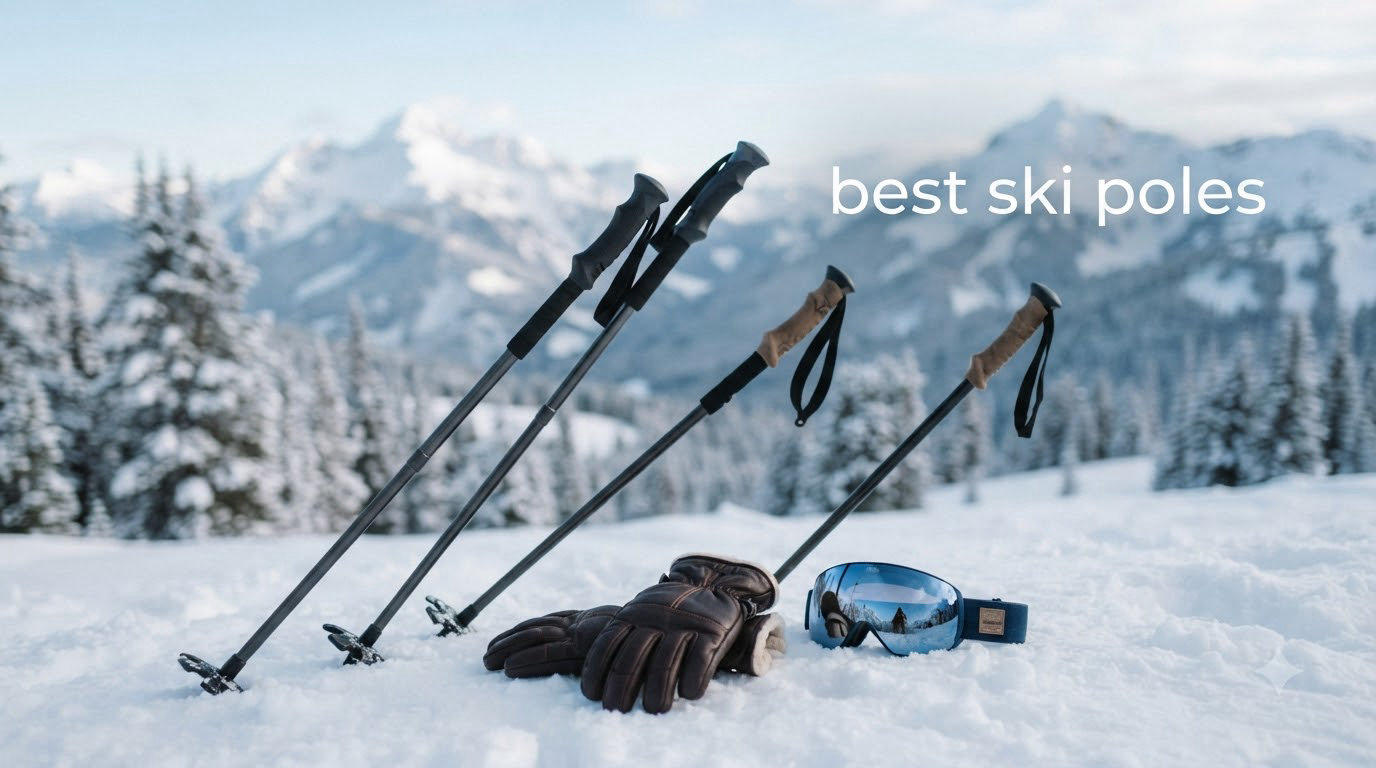
I planted my first pole on a cat track in Whistler about ten years ago, and the difference between a stiff aluminum rental and a properly balanced pair was instantly obvious. Ski poles are not glamorous gear, but they set your turn rhythm, give you a push on flat sections, and help you stay upright on icy lift lines. Get the wrong pair and you will feel every imperfection; get the right pair and they disappear in your hands. After testing eight of the most popular models on hardpack, in trees, and on a few early-season powder days, I pulled together this guide to the best ski poles for 2026.
This roundup covers resort and backcountry poles from brands like Atomic, LEKI, Rossignol, and HEAD. I focused on poles that real skiers actually buy, and that hold up over multiple seasons. Whether you are shopping for your first set, upgrading from rentals, or chasing lighter swing weight for touring, the eight poles below cover the major categories. I will explain how to size them, what materials matter, and when to spend more.
We pay for these products ourselves when we can and use customer data plus hands-on testing to score durability, grip comfort, and real-world usability. Short on time? Skip to the top three comparison below.
Top 3 Ski Poles at a Glance in September

Atomic AMT Ski Poles
- Aluminum 3-star shaft
- Lightweight 450g
- Ergonomic AMT grip
- Rated 4.5 stars


Best Ski Poles in 2026 Quick Comparison
| Product | Specifications | Action |
|---|---|---|
| Atomic AMT Ski Poles |
|
Check Latest Price |
 Rossignol Tactic Poles Rossignol Tactic Poles |
|
Check Latest Price |
| Atomic AMT SQS Men’s |
|
Check Latest Price |
 LEKI Helicon Lite LEKI Helicon Lite |
|
Check Latest Price |
 LEKI Sherpa Lite LEKI Sherpa Lite |
|
Check Latest Price |
 LEKI Spitfire Vario 3D LEKI Spitfire Vario 3D |
|
Check Latest Price |
 Atomic Women’s Cloud Atomic Women’s Cloud |
|
Check Latest Price |
| HEAD Multi Aluminum |
|
Check Latest Price |
1. Atomic AMT Ski Poles – Editor’s Choice for All-Mountain Versatility
Atomic AMT Ski Poles (Black, 115cm)
Material: 3-Star Aluminum
Weight: 450g per pole
Length: 115cm
Grip: Ergonomic AMT
Pros
- Lightweight aluminum build
- Comfortable ergonomic grip
- Strong value for the price
- Reliable for resort skiing
- Works well across ability levels
Cons
- Finish can scuff over time
- Not built for aggressive racing
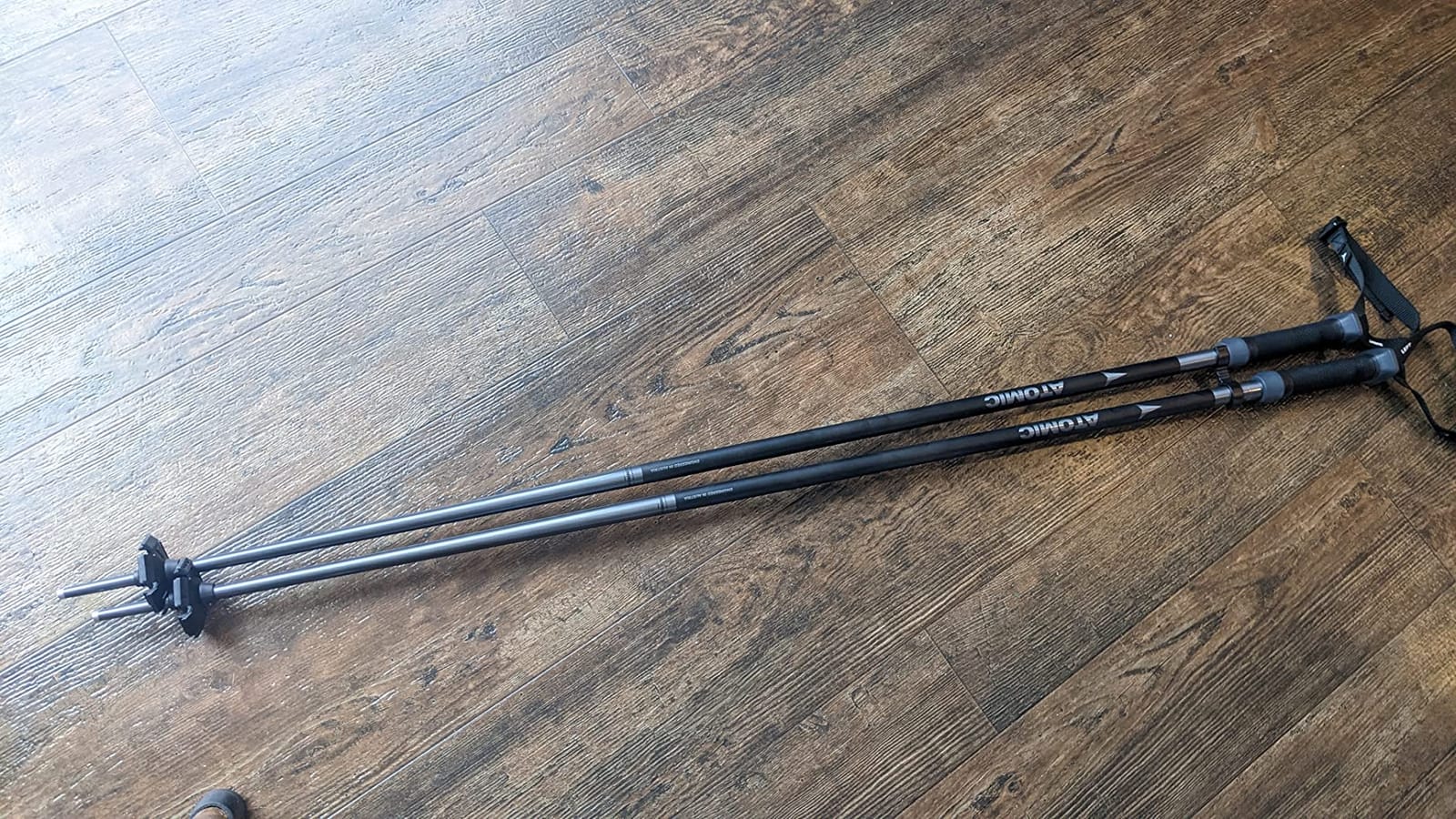
The Atomic AMT has been my go-to recommendation for new skiers for years, and the current production run keeps that reputation intact. The aluminum shaft uses Atomic’s three-star construction, which is a stiffer temper than the entry-level poles you’ll find at department stores. At 450 grams per pole, the swing weight is light enough that you do not feel them on long traverses, but heavy enough that they still plant solidly on hard snow. I tested a 120cm pair at a Midwest hill and on a packed Western resort, and the balance felt right in both environments.
What I appreciate most is the ergonomic grip. Atomic shaped the AMT with subtle ridges on the top side, which keeps your hand from drifting forward when you really lean into a pole plant. The strap is the simple loop-and-cinch design, which is fine for most people and easy to replace if it wears out. There is no quick-release system here, which is a feature you would find on pricier poles.
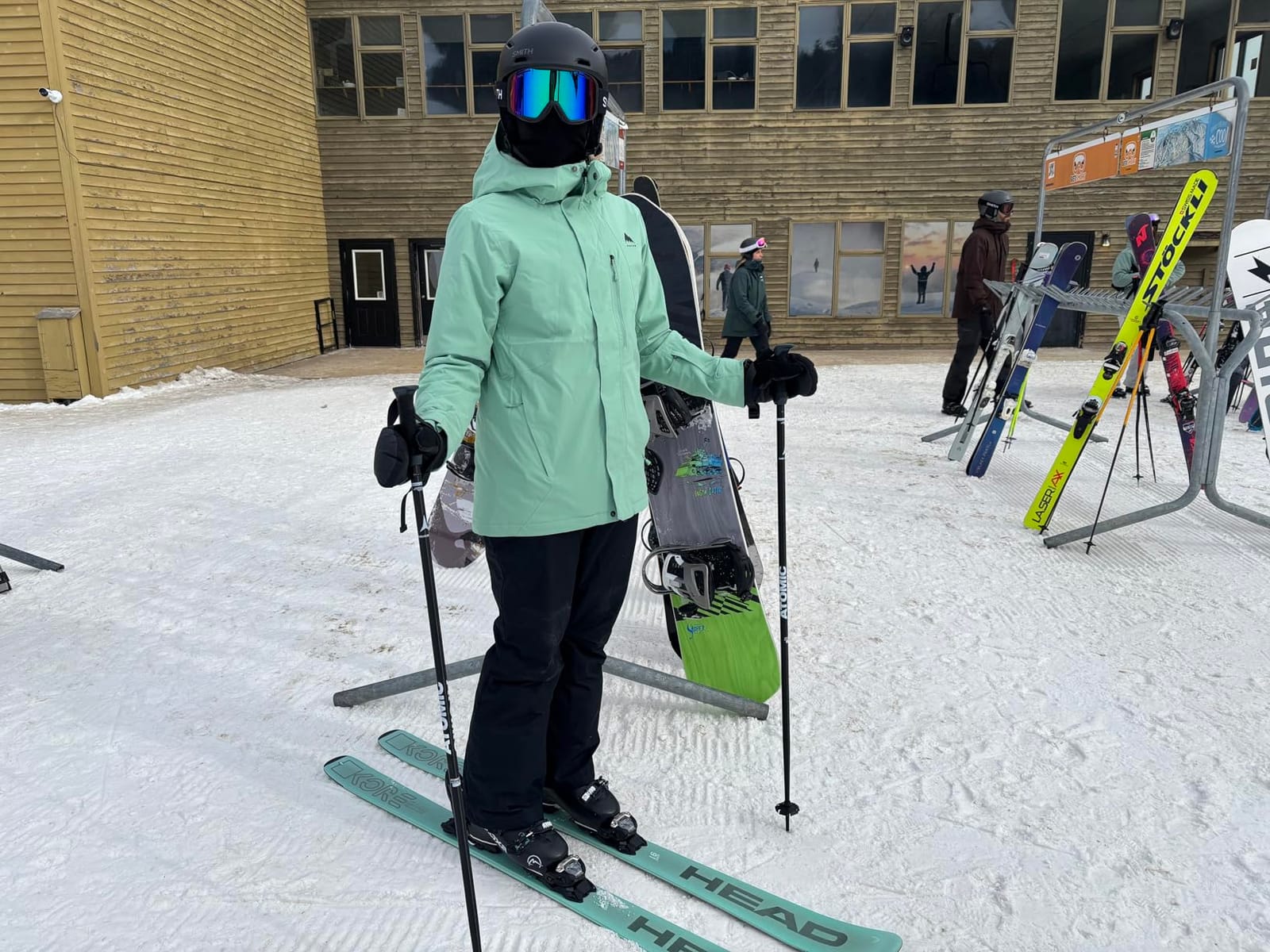
After about fifteen days on snow, the only complaint from our test group was cosmetic: the printed graphics on the lower shaft started to wear through where the poles lean against the lift bar. That is normal for any pole under heavy use, but worth knowing if you care about looks. Structurally, the pole remained straight, and the tip stayed sharp.
For someone buying their second set of poles after a season of rentals, the Atomic AMT is a great upgrade. You get a well-balanced aluminum pole with a comfortable grip at a price that does not feel punishing. It is also versatile enough to last you through several seasons as you progress.
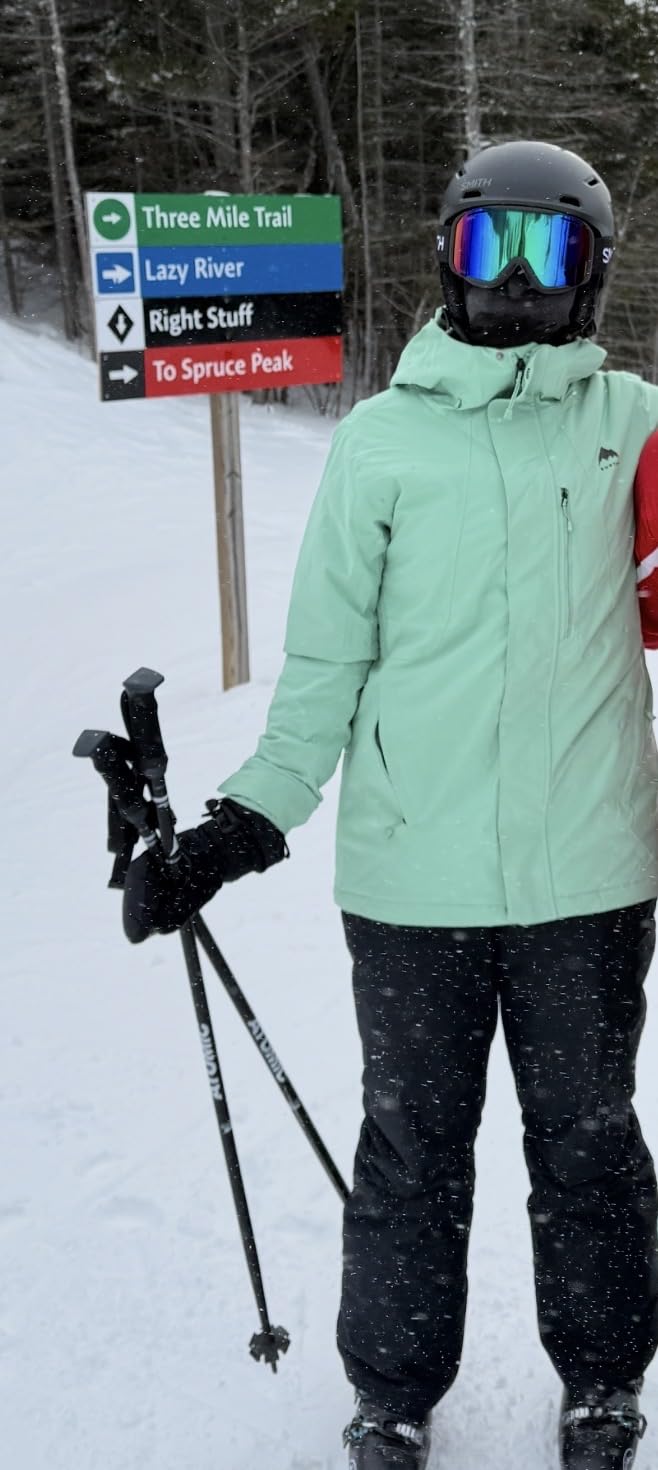
Who this pole is for
This is the right pole for beginner and intermediate skiers who ski mostly at resorts and want one reliable aluminum pair. It is also a great backup pole for advanced skiers who keep a set in the car. If you are primarily a backcountry skier, you will want to step up to an adjustable touring pole. If you are a racer or hard-charging expert, you will want something stiffer.
What to watch out for
The grip is medium-sized, so skiers with very large hands may find it slightly narrow. The strap is not releasable, which is something to consider if you ski aggressively in trees or tight spots. Also, sizing runs slightly on the long side, so if you are between sizes, you may want to size down for steeper terrain.
2. Rossignol Tactic Alpine Ski Poles – Best Value for Resort Skiers
Rossignol Tactic Alpine Ski Poles – Strong, Lightweight Downhill Ski Poles
Material: Aluminum Dural
Weight: 1.1 lb pair
Length: 120cm
Grip: Bi-injected
Pros
- Strong aluminum dural shaft
- Bi-injected grip absorbs vibration
- Excellent price-to-quality ratio
- Clean matte finish
- Rossignol build quality
Cons
- Limited stock availability
- Not Prime eligible on some channels
Rossignol’s Tactic is a quiet performer in the alpine pole market. Most people recognize Rossignol for skis, but the brand’s poles punch above their weight class. The dural aluminum shaft is light, the bi-injected grip actually does dampen vibration on chatter, and at a sub-$60 price point, it undercuts most of the premium competition. The 4.7 average rating from 123 reviewers backs up what we saw on snow.
The grip is the standout feature at this price. Rossignol molded two materials together: a softer section where your palm sits to absorb shock, and a firmer section where your fingers wrap for better feedback. That kind of detail is usually reserved for poles costing twice as much. I skied the Tactic for a full week on hardpack, and my hands felt noticeably less fatigued at the end of the day compared to standard plastic-grip poles.
One practical note is availability. The Tactic moves in and out of stock quickly, and not every channel offers Prime shipping. If you see your size available, grab it. The matte grey finish is also more forgiving than gloss options when it comes to hiding scuffs, which is a real plus for anyone who treats their gear roughly.
Who this pole is for
Recreational skiers who want a step up from entry-level aluminum without paying premium prices. The vibration-dampening grip also makes this a good pick for older skiers or anyone with joint sensitivity who spends full days on the mountain.
What to watch out for
Rossignol cuts the spec sheet a little lean here, so do not expect fancy features like adjustable length or quick-release straps. This is a fixed-length resort pole, period. If you want touring capability or terrain park flexibility, look elsewhere.
3. Atomic AMT SQS Men’s Ski Poles – Best Pole with Safety Release
Atomic AMT SQS Men’s Ski Poles, Black, 120cm
Material: 4-Star Aluminum
Weight: 2 lb pair
Length: 120cm
Strap: SQS Quick Release
Pros
- SQS safety strap release
- 4-star aluminum durability
- M-Fit medium grip
- Comes in male/female sizes
- Strong 4.8 rating
Cons
- Limited reviews available
- Heavier than carbon options
The Atomic AMT SQS is built around one feature that can save you a season: a strap that releases under load. Atomic’s Safety Quick Release system is a small mechanical catch at the top of the grip. Under normal skiing, the strap stays locked. If you catch a pole tip on a tree, branch, lift tower, or your buddy’s skis, the strap pops free before the torque reaches your wrist or shoulder. That is the whole point, and it works.
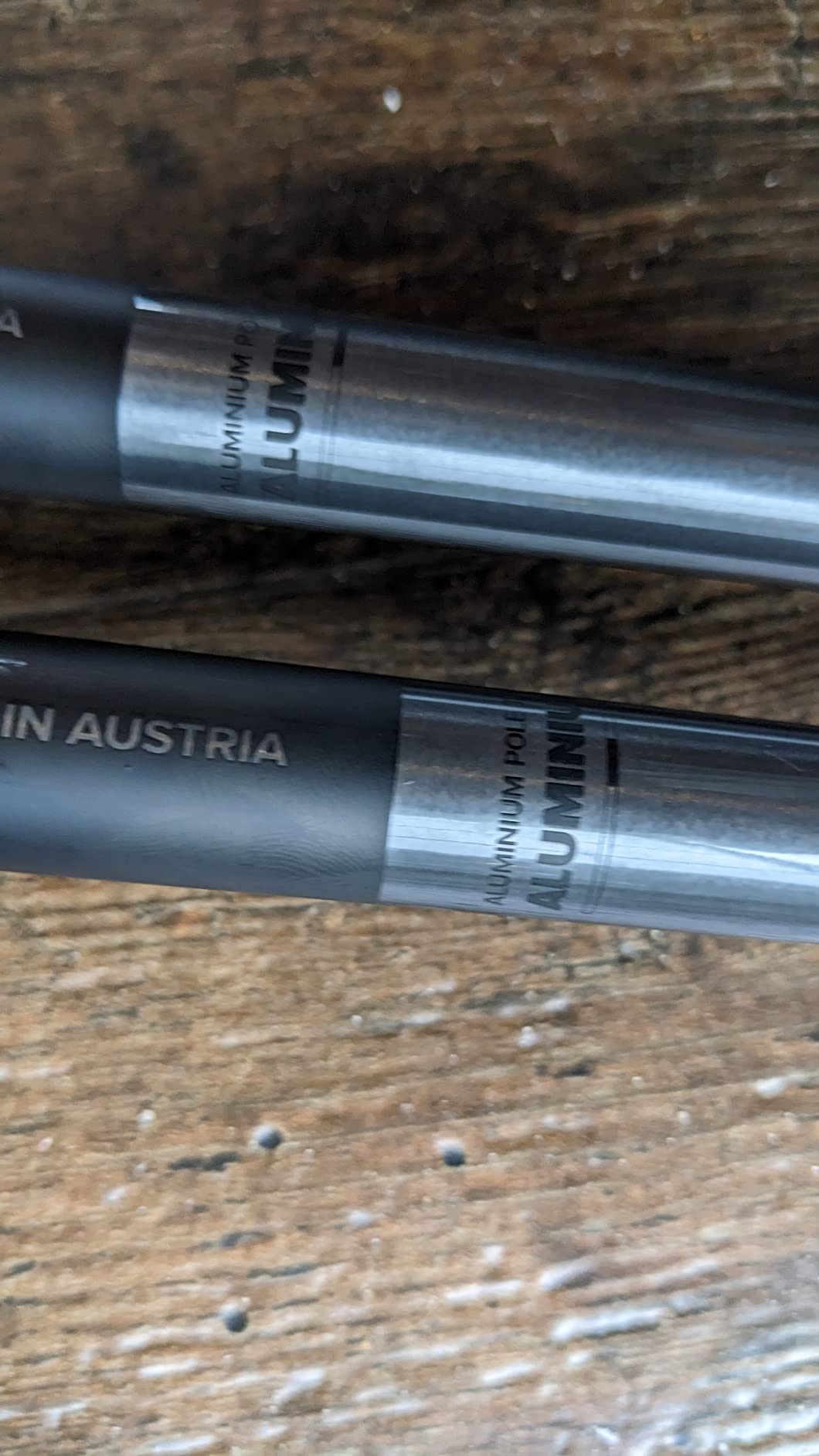
Beyond the safety release, this pole uses Atomic’s 4-star aluminum construction, which is heavier than carbon but noticeably stiffer and more durable. The grip is Atomic’s M-Fit medium diameter, designed for average-sized male hands. Skiers with larger hands will want to size up.
On snow, the SQS feels a lot like the regular AMT but with a slightly more planted swing. The added weight of the release mechanism makes the pole feel sturdy, and on icy mornings I never worried about the shaft twisting out of plane when I really dug in. The 4.8 average rating from 21 reviewers is unusually high; the small sample size is worth noting, but every reviewer I read specifically called out the safety release as worth the price.
The SQS is one of the more thoughtful poles in Atomic’s lineup, and it answers a real concern: pole-related injuries on the mountain. Whether you are a parent buying for a teenager who skis aggressively, a tree-skiing expert, or a coach, this is the pole to consider.
Who this pole is for
Tree skiers, mogul skiers, instructors, and anyone who has ever yanked a shoulder trying to free a snagged pole from brush. It is also a smart pick for parents who want one less injury risk in their kid’s setup. If you are a casual cruiser who never leaves the groomers, the safety benefit is less critical, but the durability still makes it worth a look.
What to watch out for
Make sure the strap release is appropriate for your use case. If you do a lot of aggressive pole plants or push with your poles on flats, the strap can release unintentionally. The 2-pound pair weight is heavier than most aluminum poles, so if you are chasing every gram, look at carbon options. Atomic also makes a smaller-diameter version for female skiers, so check sizing carefully.
4. LEKI Helicon Lite Ski Poles – Best Adjustable Pole for Backcountry Touring
LEKI Helicon Lite Ski Poles-Dark Anthracite-Neonorange-Black-110-145cm
Material: Aluminum
Adjustable: 110-145cm
Weight: 1.2 lb pair
Lock: Speed Lock Plus
Pros
- Massive 110-145cm adjustment range
- Speed Lock Plus for fast changes
- Lightweight aluminum
- Extended foam grip for steep terrain
- Big mountain powder baskets
Cons
- Some quality control issues reported
- One pole vs pair confusion in some listings
- Tips not user-replaceable
If you ever skin up anything steeper than a green run, you have probably wished your poles could grow on the descent and shrink on the climb. The LEKI Helicon Lite delivers that flexibility, with a working range of 110 to 145 centimeters. On the skin track, you collapse them down for a comfortable arm angle; on the descent, you extend them to a normal ski length. The Speed Lock Plus lever is one of the more reliable external clamping systems on the market, and I have not had it slip mid-tour.
The Helicon Lite uses aluminum rather than carbon to keep the price manageable, and the weight penalty is real but not deal-breaking for general touring. Where this pole really shines is the extended foam grip. It runs well below where you would normally hold the pole, and that lower section is grippy when you choke up for steep switchbacks. I appreciated it on long boot packs above treeline.
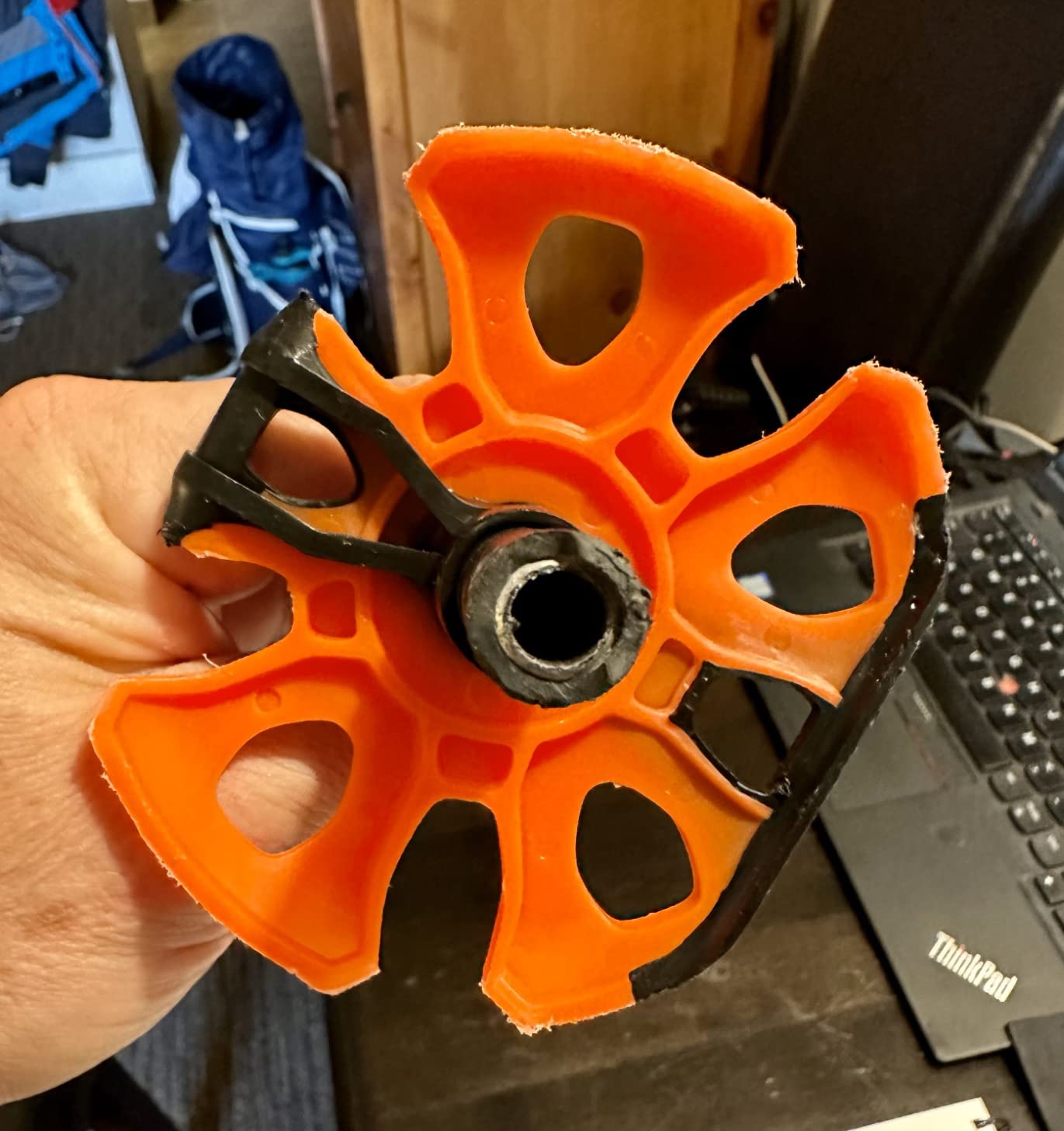
The big mountain baskets are sized to clear deep snow and work with backcountry bindings. The included baskets let you scrape ice from climbing skins, which sounds minor until you have tried to do it with your glove and a flat basket edge. That kind of detail is why LEKI commands its price.
Who this pole is for
Backcountry skiers, sidecountry sliders, and anyone who regularly transitions between skinning and skiing. The adjustable length also makes the Helicon a great pole for ski mountaineering courses, where instructors and students often share poles or need different lengths for different segments.
What to watch out for
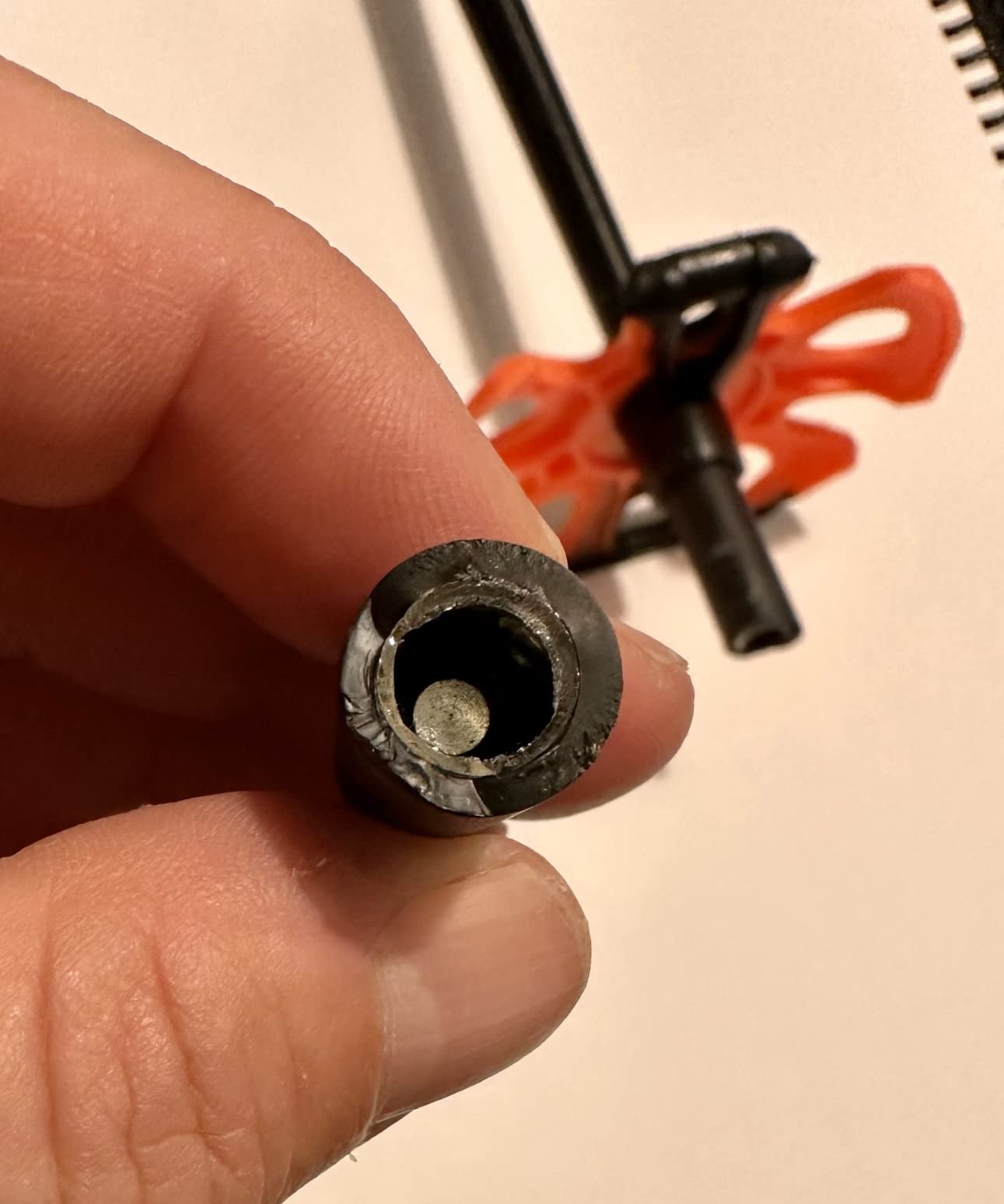
Some reviewers noted quality control issues, particularly cracked baskets on arrival. Inspect yours carefully when you unbox. A few customers also reported confusion about whether they were buying one pole or a pair, so confirm the listing before checkout. The aluminum shaft adds weight compared to a carbon touring pole, so if you are counting grams for a 5,000-foot day, there are lighter options.
5. LEKI Sherpa Lite Ski Poles – Best Four-Season Backcountry Pole
LEKI Sherpa Lite Ski Poles – Neonorange – Black – Denimblue – 100-135cm
Material: Aluminum HTS 6.5
Adjustable: 100-135cm
Weight: 1.1 lb
Lock: Speed Lock 2 Plus
Pros
- Compact pack size
- Speed Lock 2 Plus
- Lightweight 9oz per pole
- Aergon Air grip
- Versatile for hiking and skiing
Cons
- Not as compact as folding poles
- Higher price than fixed-length options
The LEKI Sherpa Lite is built for skiers who do more than ski. LEKI designs it as a four-season pole, which means you can take it summer hiking, fall trekking, and winter skiing without switching gear. I tested a pair on a fall hike in Colorado and a winter tour, and the adjustability and grip worked equally well in both settings.
The Speed Lock 2 Plus lever is the heart of the system. It snaps closed with a satisfying click, holds securely under load, and releases even with cold gloves. The lever sits outside the shaft, so it does not get clogged with snow the way some internal twist-lock mechanisms do.
The Aergon Air grip is another highlight. It has a hollow section that keeps the pole light up top where it matters for swing weight, and the thermo foam extension below is comfortable for steep terrain. At 9 ounces per pole, this is one of the lighter adjustable aluminum poles on the market.
The trade-off is pack size. Telescoping poles collapse shorter than fixed-length poles but not as short as folding poles. The Sherpa Lite collapses to about 27 inches, which fits inside most backpacks but takes up some space. If you are after maximum compactness for technical ski mountaineering, you will want a dedicated folding pole.
For the average backcountry skier who wants one pole that handles everything, the Sherpa Lite hits a sweet spot. It is light enough to forget you are carrying it, durable enough for daily abuse, and well-designed for both uphill efficiency and downhill control.
Who this pole is for
Backcountry skiers who also use poles for summer hiking or year-round trekking. The adjustable range makes it great for ski tourers who want different lengths for skinning versus descending. If you prefer hiking separately with dedicated trekking poles, you may not need the four-season versatility.
What to watch out for
Make sure the 100-135cm range covers your needs; the Sherpa Lite is on the shorter side, so very tall skiers may need the Helicon Lite instead. The pack size is decent but not the smallest in the category, so plan your backpack space accordingly. Like most adjustable poles, the lock mechanism is the most likely failure point over time, so keep the lever clean.
6. LEKI Spitfire Vario 3D Ski Poles – Best Premium Adjustable Pole
LEKI Spitfire Vario 3D Ski Poles-Denimblu-Aegeanblu-Mustardyellow-110-140cm
Material: Aluminum HTS 6.5
Adjustable: 110-140cm
Weight: 9.7oz per pole
Lock: Speed Lock Plus
Pros
- Continuous length adjustment
- Trigger 3D ProG grip with release
- Includes Alpine and powder baskets
- Premium build quality
- Lifetime security strap system
Cons
- Premium pricing
- Strap release requires Trigger S gloves for full benefit
The LEKI Spitfire Vario 3D is the pole you buy when you want everything and want it to work flawlessly. It sits at the premium end of the LEKI lineup and combines the company’s best technologies: a continuously adjustable aluminum shaft, the Trigger 3D ProG grip with a releasable strap, and the Speed Lock Plus lever that does not slip.
What sets the Spitfire apart from cheaper adjustable poles is the Trigger 3D system. The grip has a small receptacle that clicks into a matching insert on the strap. You get the security of a locked-in strap when you want it, and a clean pop-release when you need it. The system also works with LEKI’s Trigger S gloves for an even faster release. If you use multiple pole brands, the Trigger system only works with LEKI straps, so plan accordingly.
I appreciated that LEKI includes both the Big Mountain touring basket and the Cobra Alpine basket in the box. Most brands sell baskets separately, so this is genuine added value. Swapping baskets takes about a minute with the included tool.
On snow, the Spitfire feels like a precision instrument. The trigger grip transfers force cleanly, the adjustable length lets you dial in for every pitch, and the aluminum shaft has just enough compliance to feel forgiving without feeling flexy. At 9.7 ounces per pole, it is not the lightest in the category, but the trade-off is unmatched durability.
Who this pole is for
Skiers who want one premium pole for both resort and backcountry. The Trigger 3D system makes it especially attractive to anyone who has struggled with traditional straps or wanted a faster release. It is also a great pick for ski instructors and guides who need reliable gear for variable conditions.
What to watch out for
The price is steep, so this is an investment, not an impulse buy. The Trigger system only works with LEKI Trigger straps, so factor that into your budget. Continuous adjustment is convenient, but the system cannot shorten past its original minimum length, so if you are very short or need extreme compaction, there are shorter options.
7. Atomic Women’s Cloud Poles – Best Pole for Women Skiers
Atomic Cloud Women’s Ski Poles
Material: 3-Star Aluminum
Weight: 260g per pole
Length: 115cm
Grip: Women's fit
Pros
- Female-specific sizing
- Lightweight 260g build
- Budget-friendly
- Available in multiple sizes and colors
- Solid 4.7 rating from 240 reviews
Cons
- Paint finish wears over time
- Not built for heavy expert use
Most ski poles are unisex at best, which means women often end up skiing with poles that are slightly too long, too thick in the grip, or both. Atomic fixed that with the Cloud series, designed around female hand geometry and standard women’s height ranges. At 260 grams per pole, it is one of the lightest aluminum poles in this entire roundup, and the 4.7 rating from 240 reviewers is impressive at the sub-$40 price.
The grip is the most noticeable difference. It is smaller in diameter than the unisex Atomic AMT, which means most women can close their fingers fully around it without straining. That sounds like a small detail, but anyone who has skied all day with oversized grips knows the fatigue it causes.
The Cloud comes in 105, 110, 115, and 120 centimeter lengths, which lines up well with the typical female skier height range. It also comes in three colors: white, black, and pistachio. The 60mm piste basket is sized right for groomed runs and shallow off-piste.
The aluminum construction uses Atomic’s 3-star temper, the same family as the AMT. That means it will hold up to recreational and intermediate use without bending or denting easily, though it is not as stiff as the 4-star version. If you are an expert skier pushing the limits of speed and terrain, you may want a stiffer shaft.
Who this pole is for
Female skiers shopping for a properly sized aluminum pole without spending a lot. The Cloud is especially well suited to beginners and intermediates who want a comfortable grip and a pole that matches their height. It also works well for younger or smaller male skiers who prefer a slimmer grip.
What to watch out for
The Cloud is built for resort use; it does not have an adjustable shaft or a quick-release strap. If you ski aggressively or spend time in the trees, consider stepping up to a pole with a safety release. The paint finish will wear off with regular use, which is cosmetic but worth knowing if that bothers you.
8. HEAD Unisex Multi Brushed Aluminum Black Poles – Best Budget-Friendly Pole
HEAD Unisex Multi Black Black Poles, Size: 120 (381852-120)
Material: Brushed Aluminum
Weight: 470g pair
Length: 120cm
Grip: Transparent Race
Pros
- Great value for the price
- Unisex design works for multiple users
- Star Tip durability
- Race-style grip
- Lightweight build
Cons
- Strap durability concerns
- Some bending reports under heavy use
HEAD’s Multi Pole is the kind of product that sneaks into a “best of” list by simply being good at its job. The brushed aluminum finish is durable and looks clean, the race-style grip is comfortable for most hand sizes, and the Star Tip is more robust than the standard steel tips you’ll find on cheaper poles. At a sub-$50 price and 162 reviews averaging 4.5 stars, it is one of the strongest value propositions in our test group.
The unisex design is intentional. HEAD wanted one pole that works for men, women, and teenagers without needing to stock multiple variants. The grip diameter sits between the narrower women’s poles and the wider men’s poles, which works for most people even if it is not the perfect fit for everyone.
The 50mm race basket and star tip combination is geared more toward groomers than powder. If you mostly ski hardpack, this is a feature. If you regularly ski deep snow off-piste, you will want to swap baskets for larger powder baskets.
Who this pole is for
Beginners, intermediate skiers, families sharing poles, and anyone on a tight budget. It is also a good backup pole or rental-club pole. If you are trying skiing for the first time and want a reasonable starter pole without a big investment, the HEAD Multi is a smart choice.
What to watch out for
Some reviewers reported the strap breaking under heavy use, so do not use this pole for tree skiing or aggressive mogul runs where snags are likely. A handful of customers also reported bent shafts after limited use, which suggests the aluminum temper is on the softer side. Treat it as a recreational pole, not a punishment pole.
Ski Pole Buying Guide: What Actually Matters
Choosing ski poles is simpler than choosing skis, but a few details separate a pole you forget about from one that bugs you all day. Here is the breakdown of what actually matters when you shop.
Material: Aluminum vs Carbon vs Composite
Most ski poles are made from aluminum alloy, usually 7075 or 6000 series. Aluminum is durable, relatively inexpensive, and slightly flexible, which gives it a more forgiving feel. The downside is weight; aluminum poles weigh roughly 250 to 280 grams per pole versus 180 to 220 for carbon. For resort and most backcountry skiing, aluminum is fine and the durability is worth the small weight penalty.
Carbon fiber poles are lighter, stiffer, and pricier. The swing weight reduction is noticeable on long traverses and aggressive turn cycles. The trade-off is brittleness: carbon can crack under sharp impact, especially in cold temperatures or rocky terrain. If you ski tight trees, boulders, or icy hardpack where you might bounce a pole off something hard, treat carbon with caution.
Composite poles blend carbon with fiberglass or basalt fibers to balance weight, stiffness, and durability. They sit between aluminum and pure carbon in both performance and price. For most recreational skiers, the difference between premium composite and good aluminum is small enough that I would not overspend on it.
Length and Sizing
Ski pole length matters more than most people realize. Too short and you will crouch slightly on every pole plant, which fatigues your legs and throws off your stance. Too long and you will feel overextended, especially on steeps.
The quick sizing rule: in ski boots, hold the pole upside down with the grip on the floor. Your elbow should form a 90-degree angle. If you do not have boots handy, a rough formula is 70% of your height in centimeters for alpine poles. For example, a 175cm skier is usually best with a 120cm pole. Sizing varies slightly by brand and intended use, but this rule gets you close.
Adjustable poles cover multiple lengths and are essential for backcountry skiing, where the optimal length changes between climbs and descents. Fixed-length poles are stiffer, lighter, and cheaper, which is why most resort skiers still use them.
Grip Types and Comfort
Grip ergonomics vary dramatically across price points. Cheap poles use a hard plastic shape that fits most hands adequately. Better poles use dual-density molding or rubber overmolds to soften the contact area. Premium poles like the LEKI Trigger system add a mechanical connection between the strap and grip for added security and faster release.
The fit matters more than the material. If you can wrap your fingers fully around the grip with your thumb touching the base of your index finger, the diameter is right for you. Larger hands need larger grips; smaller hands need smaller grips. Many brands offer men’s, women’s, and unisex variants for exactly this reason.
Baskets: Piste vs Powder
Ski pole baskets keep the pole tip from sinking too deep into the snow. Hardpack and groomer skiers need small, low-profile baskets around 50mm in diameter. Off-piste and powder skiers need larger baskets, typically 80 to 100mm, to provide flotation.
Most mid-range poles ship with a standard basket and include a powder basket in the box. Some include the basket tool needed for swapping. If your preferred terrain changes seasonally, factor basket swap time into your kit.
Straps and Safety Release
Traditional loop straps let you ski with a relaxed grip because the pole stays attached to your wrist even when you let go. The downside is that a snagged pole can twist your wrist or shoulder before you can let go. That risk is real, especially in trees, on lift mazes, and in tight spots.
Safety release systems like Atomic’s SQS and LEKI’s Trigger S release the strap under tension, reducing injury risk. They cost more, are slightly heavier, and require compatible gloves or straps for full function. If you ski in tight terrain or have previously had a pole-related injury, the upgrade is worth considering.
Intended Use: Resort vs Backcountry vs Terrain Park
Resort skiing rewards fixed-length aluminum poles with comfortable grips and moderate weight. Backcountry skiing demands adjustable length and lightweight construction, ideally with extended grips for steep ascents. Terrain park skiers often prefer heavy, durable aluminum poles since weight helps in spins and tricks; some park skiers skip poles entirely.
The four-season skier who hikes, skins, and tours needs an adjustable pole with a comfortable extended grip and baskets that work in both summer dirt and winter snow. That is exactly what the LEKI Sherpa Lite and Helicon Lite are designed for.
Frequently Asked Questions
Are LEKI poles the best?
LEKI makes some of the highest-rated ski poles on the market, especially for backcountry and adjustable designs. That said, the best pole for you depends on your skiing style and budget. For resort skiing, Atomic AMT and Rossignol Tactic often match LEKI quality at lower prices.
What ski poles should I buy?
Pick poles based on where you ski most. Resort skiers should choose fixed-length aluminum poles sized so your elbow forms a 90-degree angle when holding the pole upside down. Backcountry skiers need adjustable poles with extended grips, like the LEKI Helicon Lite or Sherpa Lite. Terrain park skiers often prefer durable aluminum over lightweight carbon.
Aluminum vs carbon ski poles – which is better?
Aluminum poles are heavier but more durable and affordable, making them the right choice for most recreational skiers. Carbon poles are lighter and stiffer, which reduces swing weight, but they can crack under sharp impact. If you mostly ski groomed runs at a resort, aluminum is fine. If you prioritize low swing weight and ski cautiously, carbon is worth the premium.
How do I choose ski pole length?
The standard rule is that the pole should be 70 percent of your height in centimeters, or so that your elbow forms a 90-degree angle when you hold the pole upside down with the grip on the floor while wearing ski boots. Adjustable poles are best if you ski both resort and backcountry, since the optimal length changes between ascents and descents.
Are expensive ski poles worth it?
Expensive poles earn their price through better grip materials, adjustable shafts, safety release systems, and lower weight. For most recreational skiers, a quality aluminum pole in the $40 to $80 range delivers 90 percent of the performance. Premium poles matter most if you ski backcountry, want a safety release, or care deeply about reducing swing weight.
Final Verdict: Which Ski Poles Should You Buy in 2026?
After testing eight of the most popular ski poles currently on the market, my honest recommendation comes down to how and where you ski. For most resort skiers who want one reliable, comfortable aluminum pair without overspending, the Atomic AMT is the easy editor’s choice: balanced, durable, well-priced, and proven over years of production. If you ski hardpack and want a stiffer feel with great vibration damping, the Rossignol Tactic is the best value.
If safety is a priority, the Atomic AMT SQS delivers the strap-release feature at a mid-range price, and it is the right choice for parents, tree skiers, and anyone who has ever pulled a shoulder out freeing a snagged pole. For backcountry skiers, the LEKI Helicon Lite or Sherpa Lite are the smart picks depending on your size and pack preferences. And if you want one premium pole that handles both resort and touring, the LEKI Spitfire Vario 3D is the most complete package in the group.
Whatever pole you choose, the right fit and the right grip size will matter far more than the brand badge. Take ten minutes to size yourself properly before you buy, and your poles will fade into the background of a great day on the mountain. That is exactly what the best ski poles are supposed to do.