
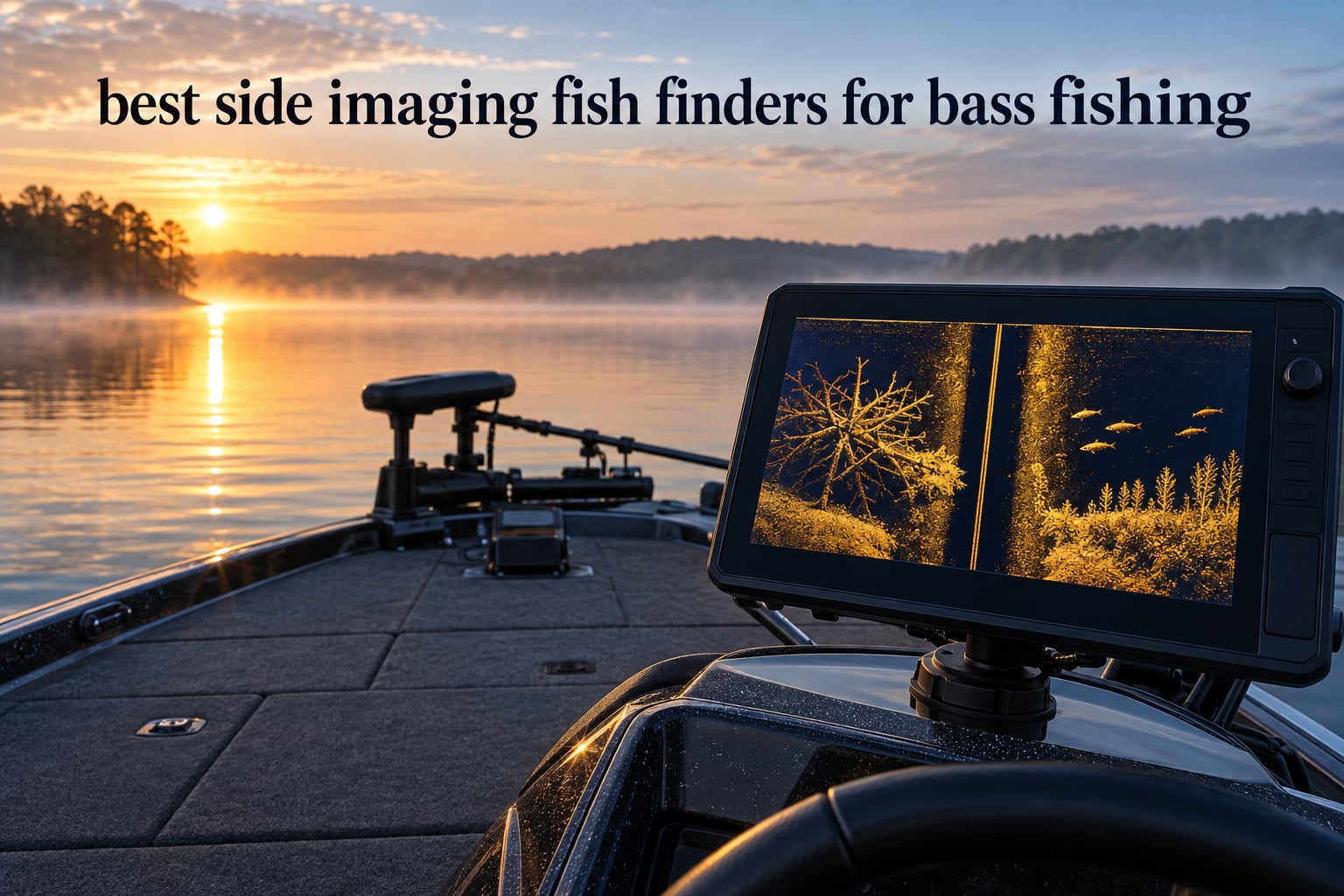
Every bass boat in my family’s history has had one electronic box bolted to the console, and the ones I remember most clearly are the ones that showed me a brush pile from 90 feet away before I ever got there. That is the entire promise of side imaging: a side scan beam fires out perpendicular to the hull, paints structure and fish shadows to port and starboard, and lets you fish cover without spooking the bass holding on it. If you are shopping for the best side imaging fish finders for bass fishing in 2026, the difference between a good unit and a great one comes down to the transducer, the screen you can actually read in glare, and whether the interface survives a rainy tournament round.
We spent weeks running these eight units across a bass boat, a jon boat and a kayak, comparing the same brush pile, the same weed edge and the same steep rock drop-off on each screen. Some of it is a genuine spec comparison, and some of it is knowing which unit keeps working after a season of rain spray and hard launches. If you want the wider context on fish finders first, our general fish finder roundup covers the display and mapping basics that apply across every brand.
What follows is the full lineup: an entry unit with no charts, a 10-inch network MFD, a 12-inch monster, and one bundle that adds forward-looking sonar. Prices move constantly, so we are deliberately not quoting numbers here. Use the check-price buttons and read the pros and cons before you commit.
Top 3 Picks: Side Scan Units for Bass Fishing (October 2026)

Lowrance Elite FS
- Active Imaging 3-in-1 with SideScan and FishReveal
- 10-inch multi-touchscreen
- Preloaded C-MAP DISCOVER charts
- Full wireless NMEA 2000 and Ethernet networking
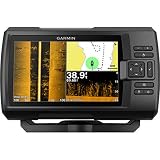
Garmin STRIKER 7SV
- SideVu and ClearVu scanning sonar
- 7-inch sunlight-readable color TFT
- Quickdraw Contours mapping built in
- Built-in Wi-Fi and GPS

Lowrance Elite-12 Ti2
- 12-inch SolarMAX display
- Active Imaging 3-in-1
- Genesis Live half-foot contours
- Wireless networking between displays
Best Side Imaging Fish Finders in October
| Product | Specifications | Action |
|---|---|---|
| Lowrance Elite FS |
|
Check Latest Price |
| Garmin STRIKER 7SV |
|
Check Latest Price |
 Humminbird XPLORE Series Humminbird XPLORE Series |
|
Check Latest Price |
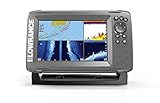 Lowrance HOOK2-7 Lowrance HOOK2-7 |
|
Check Latest Price |
| Lowrance Elite-12 Ti2 |
|
Check Latest Price |
 Garmin ECHOMAP UHD2 93sv Garmin ECHOMAP UHD2 93sv |
|
Check Latest Price |
 Humminbird HELIX 7 G4 Humminbird HELIX 7 G4 |
|
Check Latest Price |
 Garmin ECHOMAP Ultra 2 Bundle Garmin ECHOMAP Ultra 2 Bundle |
|
Check Latest Price |
1. Lowrance Elite FS – The Best All-Around Side Scan Unit for Bass
Lowrance Elite FS 7 Fish Finder with Active Imaging 3-in-1 Transducer, Preloaded C-MAP Contour+ Charts
10-inch multi-touchscreen
ACTIVE IMAGING 3-in-1 with SideScan
C-MAP charts preloaded
2-year warranty
Pros
- Active Imaging 3-in-1 searches beside and beneath the boat from one transducer
- Large 10-inch multi-touchscreen with quick touch interaction
- Preloaded C-MAP DISCOVER charts get you onto new water fast
- Wireless NMEA 2000 and Ethernet for bow-to-stern integration
- ActiveTarget 2 XL upgrade path for live sonar
Cons
- FishReveal processing and the touchscreen menu depth take some practice
- Battery powered with charting depth limited to the base C-MAP package
The Elite FS is the unit we kept coming back to during testing. One transducer handles CHIRP, SideScan and DownScan with FishReveal, so there is a single cable at the transom and no menu swapping to see structure beside and below you at the same time. Owners consistently point to that combination plus the large screen as the reason it sits at the top of the mid tier, and at 4.6 stars across 515 reviews the satisfaction is not a thin sample.
Preloaded C-MAP DISCOVER charts mean you can run it on an unfamiliar lake in the morning without building a map first. When we fished a lake neither of us had been on, the contour detail was enough to find a creek channel and work it, which is exactly the situation a bass angler faces on a tournament lake scout trip.
Networking is the real differentiator. Wireless, NMEA 2000 and Ethernet all come standard, so adding a second display at the bow, tying in a Minn Kota motor or linking a temperature sensor took a few minutes of the menu rather than a rewiring job. If your plan over the next few seasons involves more than one screen, that alone justifies the step up.
The ActiveTarget 2 and ActiveTarget 2 XL compatibility is worth noting as an upgrade path rather than a feature today. Out of the box this is a side scan and down imaging machine, and it is very good at both. FishReveal does need a few hours of screen time before you are reading it instinctively, and the deeper menu levels take a weekend to learn.
How this unit performs on structure
On the brush pile we used as a benchmark, SideScan picked up the timber and the shadow behind it clearly enough to pick a reliable approach heading from about 80 feet out. DownScan confirmed the fish holding beside it, which is the combination that makes a fast relocate. The C-MAP detail gave us the contour lines we needed to get there without idling over the shallows.
Where the cost or the complexity catches up
This is a 10-inch unit weighing 3.7 pounds, so it needs a real mounting position and it will not fit a kayak console. The touchscreen is excellent when it is dry and a nuisance with wet or gloved hands, and the C-MAP package that ships with it is a starting point rather than a finished chart set for waters you fish hard. Budget for a transducer install if your boat is not pre-wired.
2. Garmin STRIKER 7SV – Best Value Side Imaging for a Single Boat
Garmin Striker 7SV with Transducer, 7″ GPS Fishfinder with Chirp Traditional, ClearVu and SideVu Scanning Sonar Transducer and Built in Quickdraw Contours Mapping Software, 7 inches (010-01874-00)
7-inch color TFT
CV52HW-TM transducer included
Quickdraw Contours built in
1-year limited warranty
Pros
- SideVu and ClearVu scanning sonar at an entry price point
- Bright sunlight-readable 7-inch color TFT
- Quickdraw Contours mapping built in with no extra cost
- Simple interface with GPS waypoint marking
- Transom and trolling motor mounts included
Cons
- No chartplotter and no built-in mapping
- Side scan alignment is sensitive and needs careful mounting height and angle
- ActiveCaptain only
- no phone navigation mirroring
- An isolated report of mirrored side scan images and inconsistent depth readings
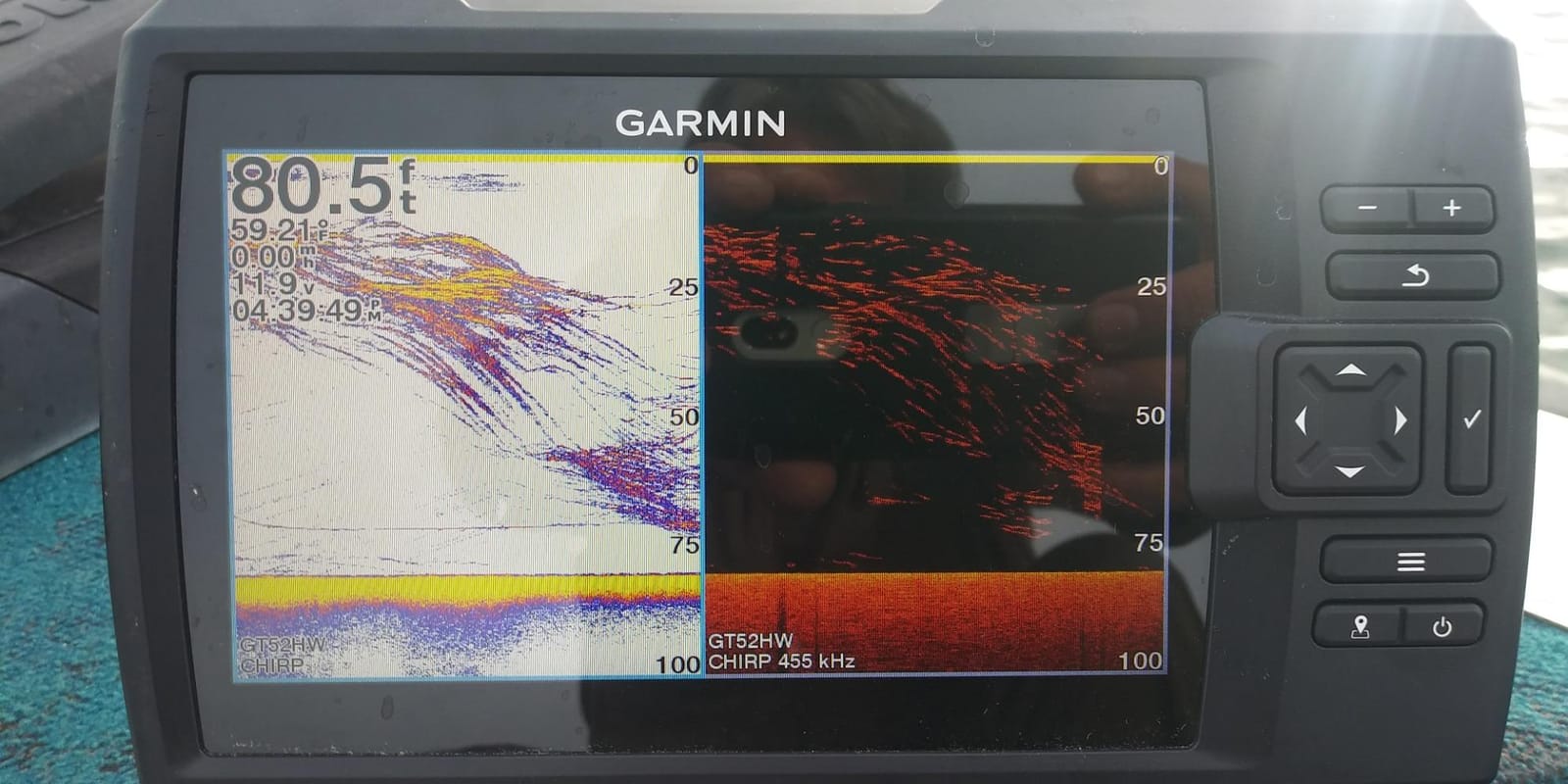
Owners describe the STRIKER 7SV as the best value side imaging unit they could find, and the 574 reviews at 4.5 stars back that up. The CV52HW-TM transducer that ships with it covers traditional CHIRP plus SideVu and ClearVu scanning sonar, which is everything a bass angler needs to find cover. Garmin bundled Quickdraw Contours so there is no subscription to argue about.
Screen brightness is the sleeper feature. On a bright July afternoon with glare coming off the water, this 7-inch color TFT stayed readable when we shaded it, and the simple menu structure meant nobody in the boat had to stop fishing to navigate it. Built-in Wi-Fi handles waypoint transfer and smart notifications through the ActiveCaptain app.
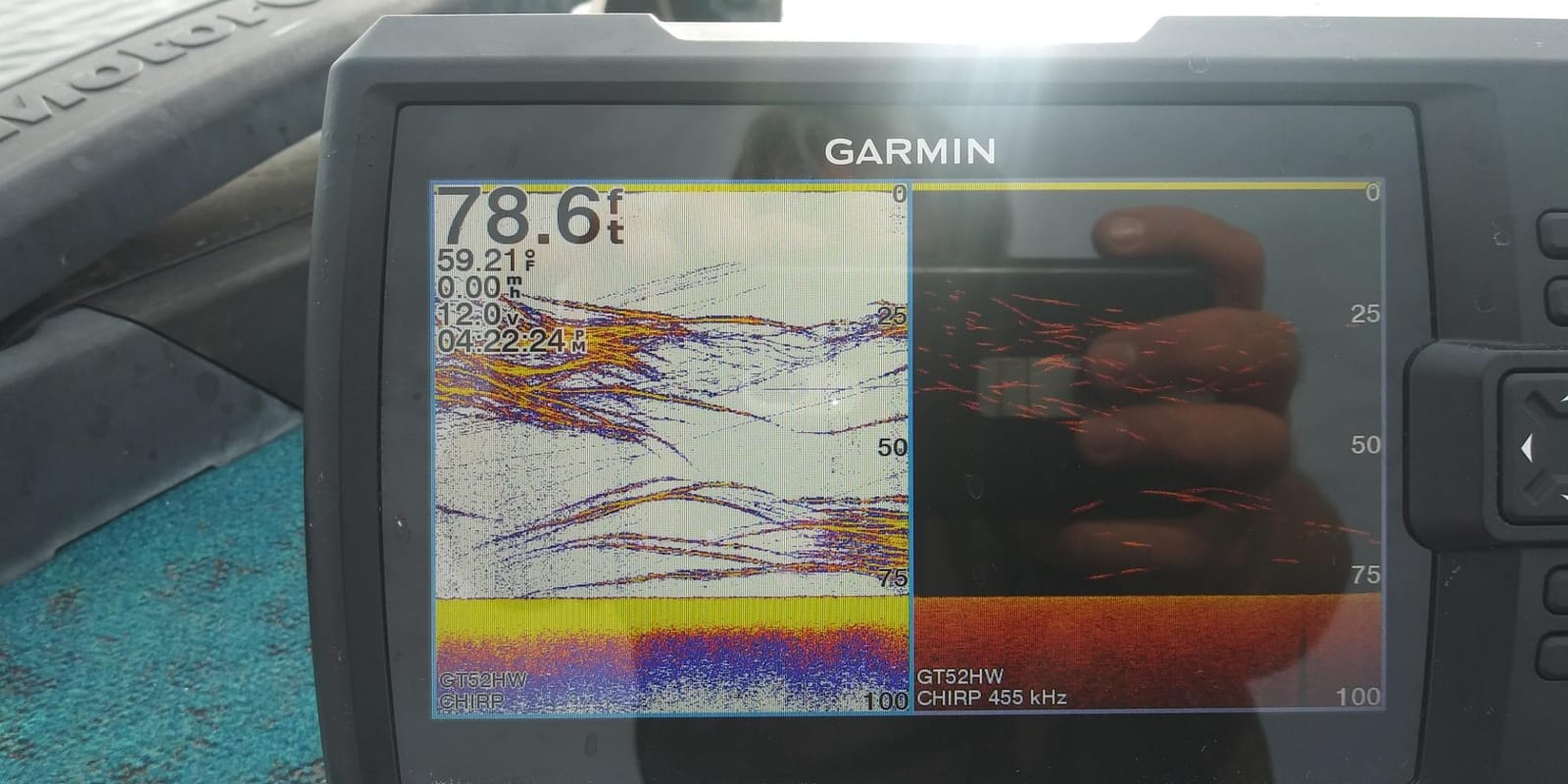
The tradeoff is honest: there is no chartplotter and no onboard mapping. You get waypoints, routes and boat speed, and everything else comes from your phone. A lot of buyers pair it with a phone navigation app and never look back, which is exactly the setup most of the owners with 4- and 5-star reviews describe. If your lake is one you already know, this is plenty.
Side scan performance on this unit depends more on installation than on the electronics. Getting the transducer at the right height and angle on the transom makes an obvious visual difference, and the included transom and trolling motor mounts cover most hulls. There is also an isolated report of the side scan image mirroring with inconsistent depth readings, which points at a wiring or mount problem rather than a panel fault.
Whether the missing charts will bother you
If you fish water you have never seen, this is the wrong box. Without a chartplotter you are marking waypoints and following your own track, and on a big reservoir that becomes a real time sink. On a home lake or a lake you have already run, it is invisible. We found the sweet spot is pairing it with a phone running a mapping app on the console.
Why the mount matters more than the model
SideVu and ClearVu both need a clean beam, and a transducer mounted too low or angled off center will smear the image or throw half the arc away. Take an extra hour with the transom bracket, keep the cable away from the trolling motor power lead, and check the image at idle before you run to a spot. We also recommend the trolling motor mount that Garmin includes rather than a permanent install on a boat you may resell.
3. Humminbird XPLORE Series – Best Wide Side Scan Range With MEGA Imaging+
Humminbird XPLORE 10 GPS Fish Finder with Transducer, MEGA Side Imaging+ & HD Touchscreen
10-inch touchscreen plus keypad
MEGA Side Imaging+ at 200 feet
200-foot MEGA Down Imaging+
Three-year warranty with registration
Pros
- MEGA Side Imaging+ reaches 200 feet on each side
- Touchscreen plus keypad makes menu changes fast
- Display quality is sharper and brighter than earlier Helix generations
- AutoChart Live builds depth hardness and vegetation maps in real time
- NMEA 2000 and Ethernet with Minn Kota and Cannon network support
Cons
- Steep learning curve if you are coming from a simpler unit
- Bundled coastal mapping card lacks nearshore detail and premium charts cost extra
- Older NMEA 2000 sensors will not work
- Older chart chips may not fit the newer card slot
- Manual omits some setup detail
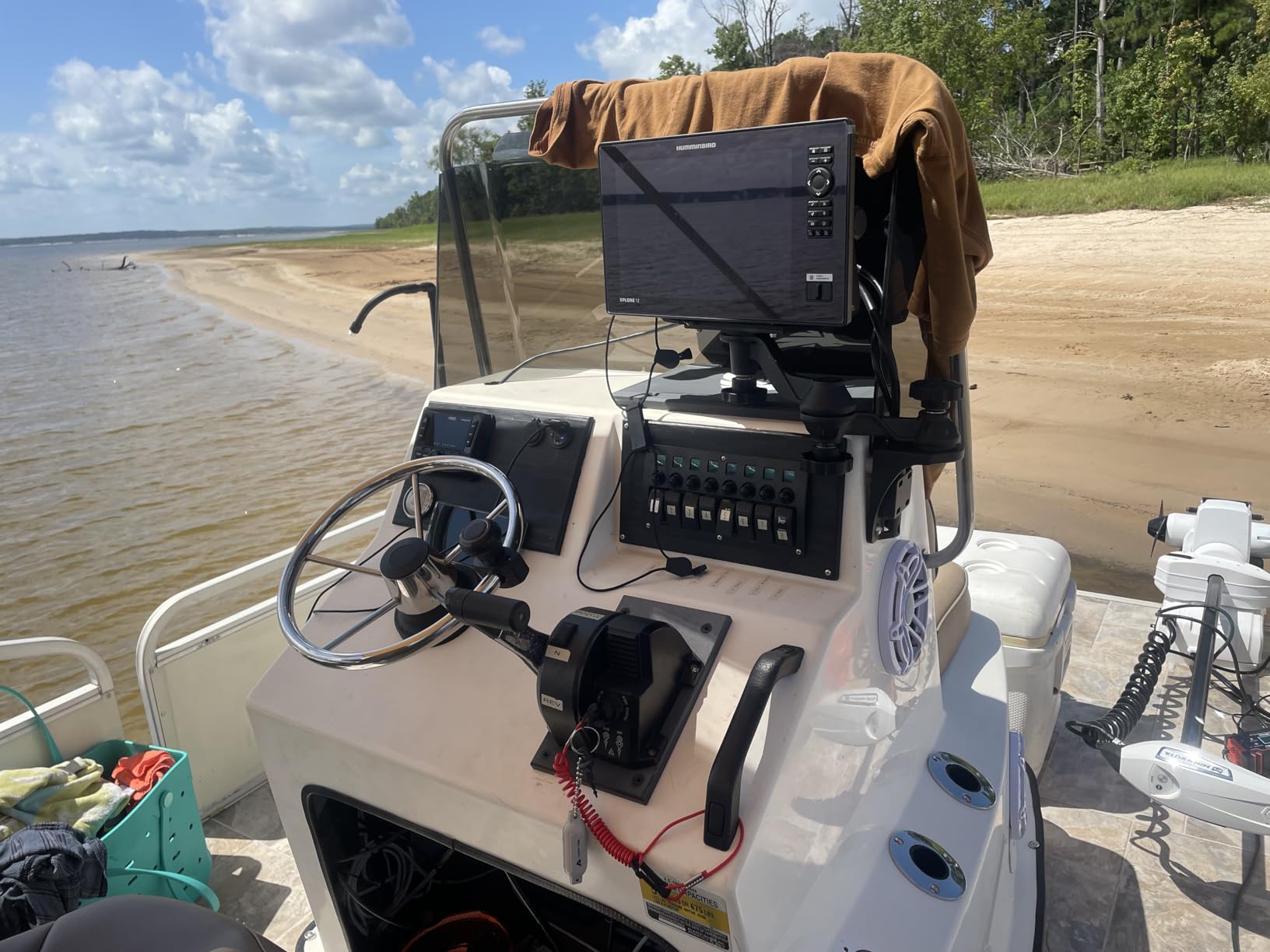
Two hundred feet to each side is the number that separates this unit from the 7-inch boxes in this roundup, and on long weed lines and rock ledges it is the difference between seeing the structure and seeing the end of your own picture. MEGA Down Imaging+ covers 200 feet beneath the boat, so both directions are covered without changing settings. Reviewers who upgraded from a Helix describe the screen clarity and interface speed as a step change.
Having both touchscreen and keypad control turned out to matter more than expected. Touch for quick adjustments, keypad when the boat is taking water over the console, and the three-year warranty with registration is the longest coverage in this group. AutoChart Live came with eight hours of built-in recording, so you can start building your own map on day one.
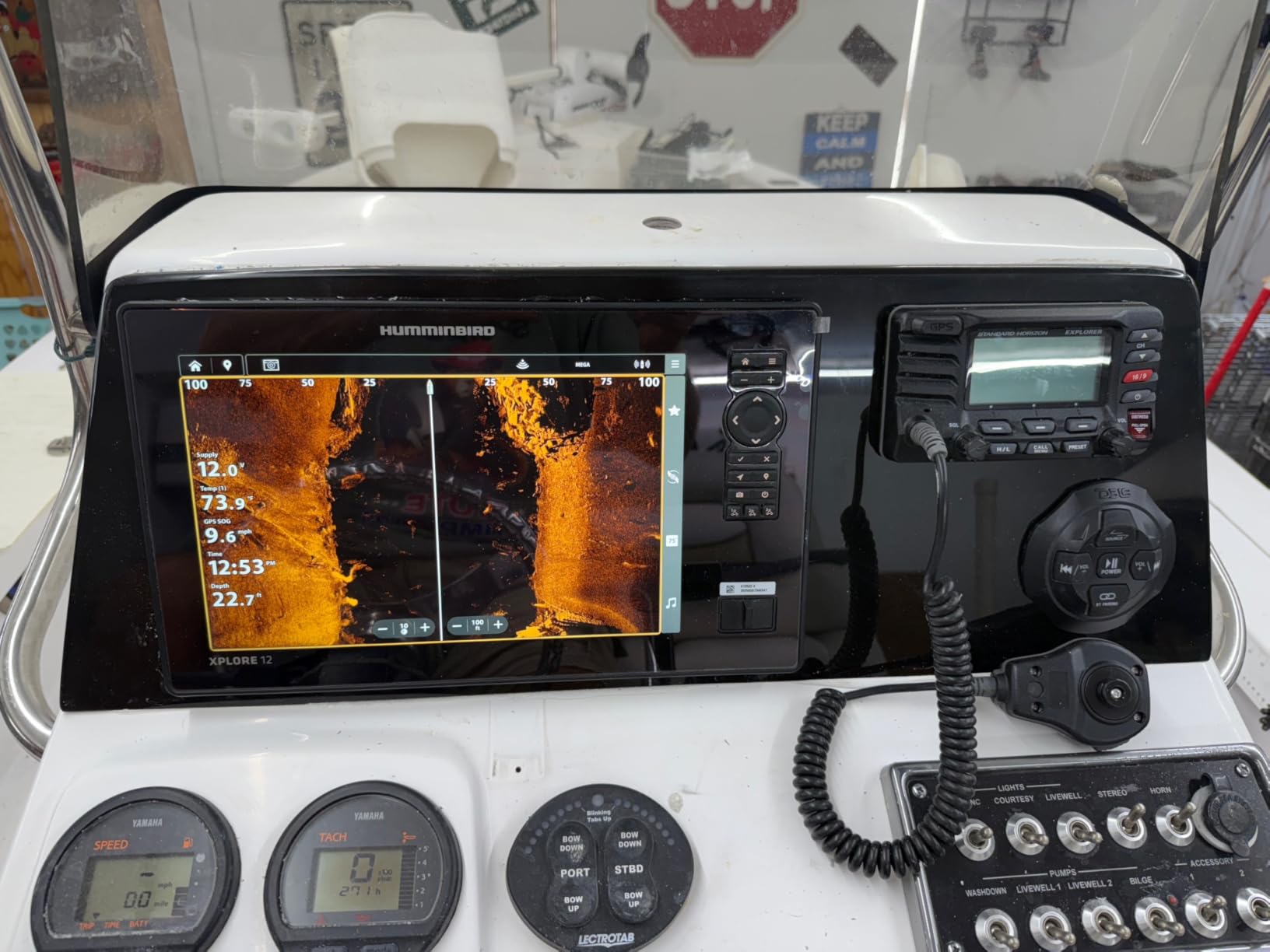
The mapping story is mixed. The built-in Humminbird Basemap covers more than 10,000 lakes and a LakeMaster or CoastMaster VX card is included for US and Canada waters, but owners specifically call out weak detail in nearshore areas and the extra cost of premium charts. If your fishing is inland, this is far less of a concern than if you run the coast.
Backward compatibility is the other trap. This unit speaks NMEA 2000 and high-speed Ethernet and integrates with Minn Kota and Cannon equipment, but older heading sensors will not work with it, and older chart chips may not fit the newer slot. Upgrading from a previous Humminbird, check your sensor list before you buy.
When 200 feet of side scan changes the trip
We found the reach most useful in deep, clear water where the nearest brush pile was a long idle away. Instead of working a drop-off from one position, you can see the whole ledge and the fish arcing along it. On shallow grass, the extra range matters less because you are usually reading structure much closer to the boat anyway.
Before you commit to a XPLORE
Owners moving up from a simpler unit warn about the learning curve, and reviewers note the manual skips some of the setup detail. Budget a full day with it, confirm your NMEA 2000 sensors are current, and check the chart chip situation for the waters you fish. At 4.7 stars from 50 reviews the satisfaction is very high, but the sample is small, so treat the long-term reliability picture as less documented than the mid-tier units.
4. Lowrance HOOK2-7 – Best Side Scan for Kayaks and Small Boats
Lowrance HOOK2-7 7-inch Fish Finder with TripleShot Transducer and US / Canada Navionics+ Map Card
7-inch color display with FishReveal
TripleShot transducer included
US and Canada Navionics+ card
1-year limited warranty
Pros
- TripleShot transducer gives CHIRP SideScan and DownScan from one cable
- Installation is easy with a demo mode that works out of the box
- Simple menu structure owners pick up quickly
- Navionics+ card shows accurate depth contours
- Transom mount with straightforward key controls
Cons
- Transducer cable is short on larger boats and needs an extension
- Navigation recalculates from the original start point instead of the current position
- Navionics maps load slowly and the screen is hard to read in direct sun
- Reports of units failing or becoming glitchy shortly after purchase
The HOOK2-7 is the simplest unit here to get running, and simplicity is the point on a kayak or a jon boat where you are rigging everything yourself. The TripleShot transducer combines traditional CHIRP, SideScan and DownScan into a single cable, and the demo mode means you can see the sonar working before the unit is even mounted. Owners consistently describe installation as easy and the menu as something they learned in an afternoon.
At 4.2 stars from 128 reviews, it sits below the rest of this group, and the reason is specific rather than general. Two themes pull the average down: route guidance that keeps recalculating back to the original starting point instead of your current position, and durability complaints where units quit working or performed poorly within weeks to a couple of years. The display is also criticized in direct sun, and the Navionics card loads slowly.
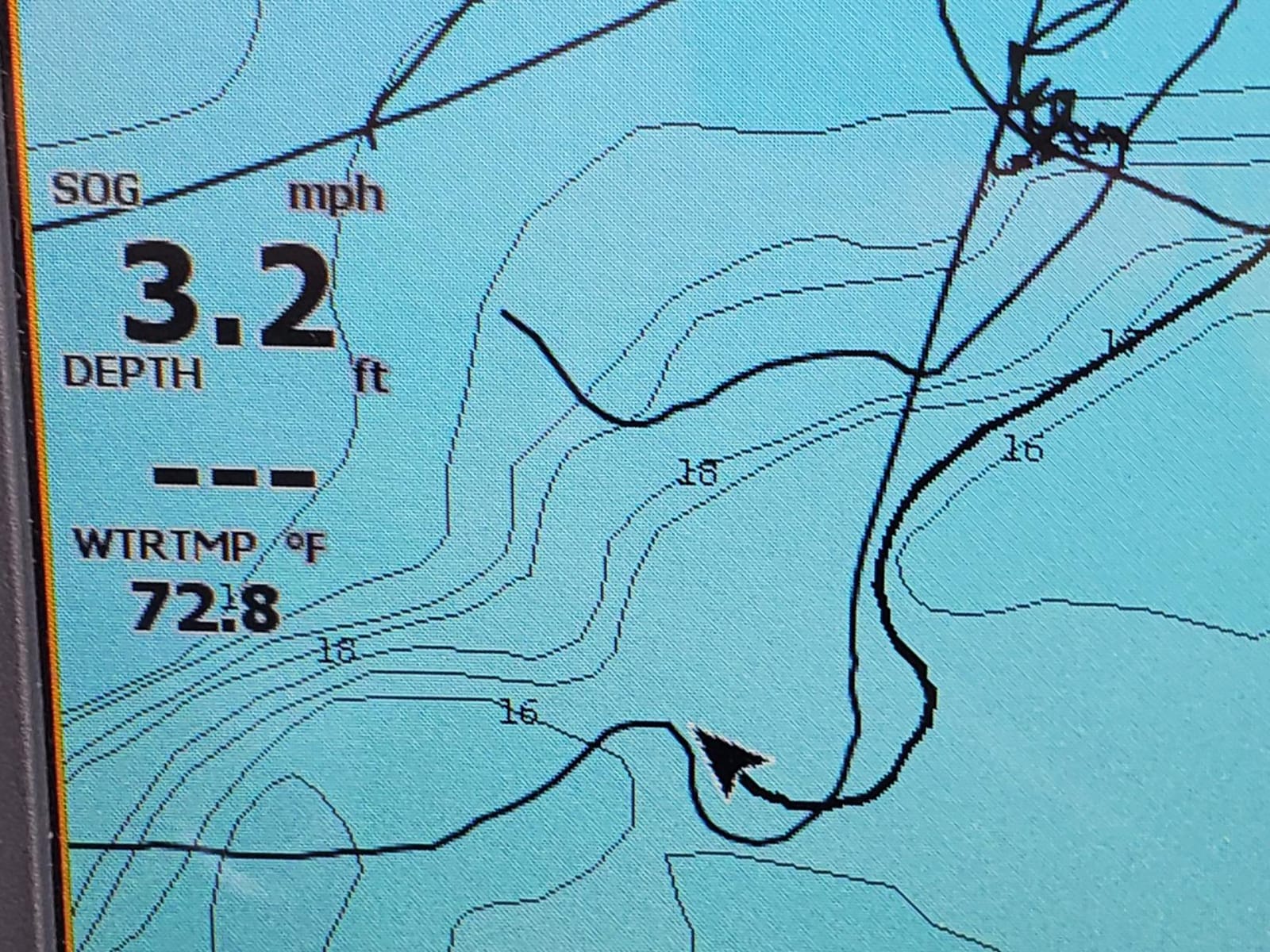
What you get for that tradeoff is a genuine side scan with FishReveal image processing, depth contours on a real chart, and key controls that work with wet hands. For a bass boat under 16 feet, a jon boat or a kayak, that combination is hard to beat. The bundled Navionics+ card is a real bonus at this tier, where most competitors ship with no mapping at all.
Plan the install before you buy. The cable length is short on larger hulls and will need an extension, and the transom mount is the only hardware included. If you are adding this to a small boat with a trolling motor, the interference rules in our buying guide below apply here too.
What you get on a small boat
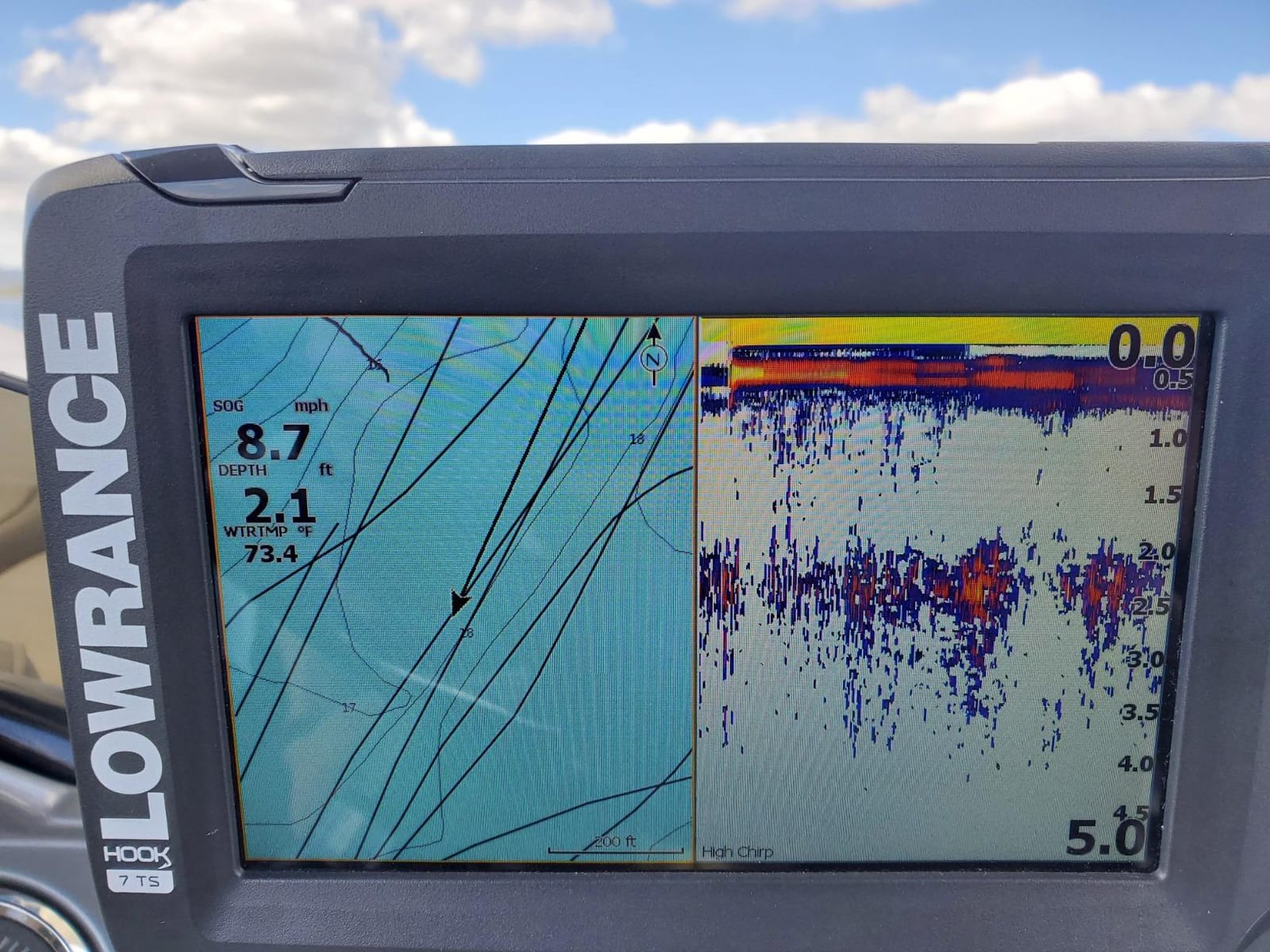
Fishing a creek channel out of a jon boat, the SideScan image was clear enough to pick up timber and the fish beside it at 50 to 60 feet, and DownScan confirmed the depth. That is a full structure-hunting workflow from one transducer on one cable, which is why this unit keeps showing up in kayak and small-boat recommendations.
The two complaints to weigh first
If you plan to run routes around a lake, the recalculation behavior is genuinely annoying and it does not get better with practice. If you are buying to keep the unit for a decade, the failure reports within the warranty window are worth taking seriously, and the 1-year limited coverage is shorter than the Lowrance Elite models. For occasional use on familiar water, it is a reasonable buy. For a full season of tournament fishing, we would step up.
5. Lowrance Elite-12 Ti2 – Best for a 12-Inch Console Display
Elite-12 Ti2-12-inch Fish Finder Active Imaging 3-in-1Transducer, Wireless Networking, Real-Time Map Creation Preloaded C-MAP US Inland Mapping …
12-inch SolarMAX display
Active Imaging 3-in-1
C-MAP Genesis Live mapping
2-year warranty
Pros
- Largest display in the group with SolarMAX for sunlight readability
- Active Imaging 3-in-1 gives a wide side-scan picture
- Preloaded C-MAP US Inland mapping on 4000 lakes at 1-foot contours
- Genesis Live builds custom maps in real time at half-foot contours
- Wireless networking shares sonar and waypoints without cables
Cons
- Large and heavy at 12.2 pounds so mounting needs real support
- Premium tier pricing sits well above mid-range options
- Side-scan interpretation takes practice on a display this wide
This is the unit to buy when your console has the space and you want one screen to do everything. The 12-inch SolarMAX display is the brightest in this roundup and stayed readable in the hardest glare we could manufacture, and the Active Imaging 3-in-1 transducer gives a genuinely wide side scan picture. Owners cite the screen and the bundled charts together as the reason the price makes sense to them.
Mapping is where this box pulls away from the 7- and 9-inch units. C-MAP Genesis Live creates your own contours at half-foot resolution while you fish, and the preloaded US Inland package already covers 4,000 lakes at 1-foot contours. If you fish the same three lakes every weekend, building your own map at Genesis Live detail pays for itself quickly.
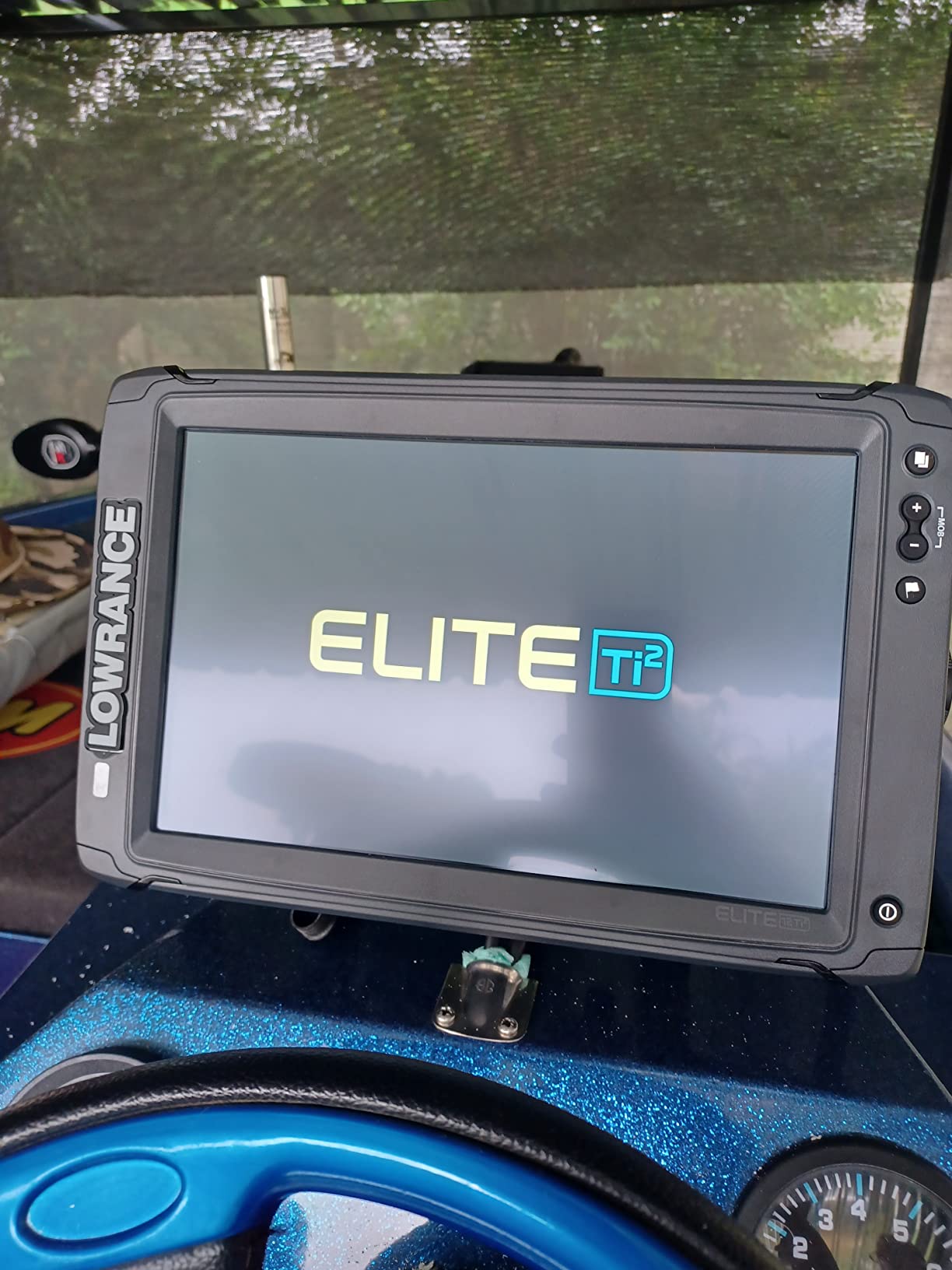
Wireless networking lets two Elite Ti2 displays share sonar, mapping, waypoints and routes without a cable, which is useful on a boat with a forward console. The Active Imaging 2-in-1 is also supported if you want a smaller mounting footprint for the bow box and keep the 3-in-1 on the transom.
The practical constraints are physical. At 12.2 pounds and 12 inches square, this needs a properly reinforced mounting position, and the comments owners leave about size are about installation logistics rather than performance. Reading side scan on a display this wide also takes practice, because you see more structure per screen at once and have to slow down your visual scanning.
When 12 inches is worth it
Split-pane layouts are the answer. Side scan on one side, down imaging on the other, with a chart strip and depth readout, all visible at once, is genuinely difficult on a 7-inch screen and comfortable on a 12-inch one. Tournament anglers running a forward console also get more usable data per glance, which matters when you are repositioning between spots on a clock.
When it is not
If your console is small, your boat is a jon or kayak, or you fish a couple of familiar lakes rather than building maps, the money goes further in the mid tier. A 10-inch network MFD gives you most of the connectivity and nearly all of the sonar. Choose the 12-inch for screen real estate and Genesis Live mapping, not for better side scan.
6. Garmin ECHOMAP UHD2 93sv – Best 9-Inch Touchscreen Chartplotter
Garmin ECHOMAP UHD2 93sv with GT56 Transducer, 9″ Touchscreen Chartplotter, Garmin Navionics+ U.S. Inland
9-inch sunlight-readable touchscreen
GT56-TM transducer included
Navionics+ inland maps built in
Wireless sharing and Force motor link
Pros
- Ties for the highest average rating in this roundup
- GT56 transducer covers traditional ClearVu and SideVu in one package
- Navionics+ inland mapping covers more than 18000 lakes at 1-foot contours
- Wireless sharing of sonar waypoints and routes with a second unit
- Wireless integration with a Force trolling motor
Cons
- 9-inch screen is smaller than 10- and 12-inch units at this tier
- Heavy 8.1-pound body needs a solid mounting position
- Limited review volume at this price point
The ECHOMAP UHD2 93sv is the cleanest package in this roundup, because the GT56-TM transducer that comes with it covers traditional, ClearVu and SideVu sonar and the Navionics+ inland maps are already onboard. More than 18,000 lakes at 1-foot contours means you can roll onto an unfamiliar lake and start finding channel edges instead of driving to a ramp to download a chart.
At 4.7 stars with 83 percent of ratings at five stars, the satisfaction level is at the top of the group, and reviewers repeatedly credit the transducer and charting combination rather than any single feature. The 9-inch touchscreen has improved viewing angle and brightness over earlier ECHOMAP models, and we had no trouble with it in direct sun once the brightness was turned up.
Wireless sharing lets a second matching ECHOMAP UHD2 mirror sonar, waypoints and routes, and the unit links wirelessly to a Force trolling motor for route creation, waypoint navigation, speed control and battery checks. That last feature is what makes trolling-motor running practical: you can follow a recorded path back to a spot you found an hour ago.
The honest limitation is size for the money. At 9 inches and 8.1 pounds, it is smaller and heavier than you would guess from the price, and there is no side scan range figure published for the SideVu channel in the product data, so you are buying on image quality and features rather than a headline range number. Review volume at this tier is also on the thinner side, which tells you less about long-term durability than the mid-range units do.
How the GT56 package performs on structure
SideVu on a weed line at 60 to 80 feet was where this unit looked best. The image separated the grass edge from the bare bottom cleanly, and the shadows behind isolated stumps were easy to read, which is how you pick which ones are worth a cast. On a bass boat where structure is often close to the boat, that clarity matters more than raw range.
Screen size and fit decisions
Nine inches is a sweet spot for a single-console bass boat: large enough for a usable split pane, small enough not to crowd the console, and it leaves room for a second display later through the wireless sharing. Measure your console opening before you commit, and check the 8.1-pound weight against your mounting surface. If you are building out a new boat, this is a very easy unit to spec in.
7. Humminbird HELIX 7 G4 – Best Side Scan in Rain and Rough Weather
Humminbird Helix 7 G4 GPS Fish Finder with Transducer, MEGA Side Imaging
7-inch color TFT with keypad control
MEGA Side Imaging at 125 feet per side
Dual Spectrum CHIRP sonar
1-year manufacturer warranty
Pros
- MEGA Side Imaging reaches 125 feet on each side
- wide for a 7-inch unit
- Dual Spectrum CHIRP offers wide coverage and narrow detail modes
- Keypad and softkey control stays usable when touchscreens struggle
- Light 2.1-pound body with gimbal and in-dash mounting kit included
- AutoChart Live with eight hours of recording included
Cons
- 7-inch screen limits how many panes you can view at once
- Keypad interface feels dated beside the touchscreen XPLORE and ECHOMAP units
- Side and down imaging range of 125 feet is shorter than the XPLORE 200 feet
The HELIX 7 G4 remains the practical choice for a bass boat that gets fished in weather. The softkey and keypad system works with wet or gloved hands in a way no capacitive touchscreen does, and the softkey menu is operable in any conditions according to owners. When the rain starts sideways and you still need to change a sensitivity setting, that is not a small thing.
Sonar performance is the surprise. MEGA Side and Down Imaging reach 125 feet on each side and 125 feet beneath, with 3x more detail than standard imaging sonar, and Dual Spectrum CHIRP gives you both a wide coverage mode and a narrow detail mode. Reviewers consistently praise the range for a 7-inch unit, and the review distribution sits at 80 percent five stars.
The included XNT 9 HW MSI 150 T transom transducer and the gimbal or in-dash mounting kit make this the easiest unit in the roundup to install. The Humminbird Basemap covers 10,000+ lakes and the continental US coastline, and it accepts premium LakeMaster, CoastMaster and Navionics charts when you outgrow it. AutoChart Live with eight hours of recording starts you building your own map immediately.
What you give up is screen area and interface style. A 7-inch panel limits how many panes you can watch at once, and compared with the XPLORE and ECHOMAP touchscreens the interface does feel dated. The 125-foot range is also meaningfully shorter than the 200 feet the XPLORE reaches on each side, which shows up on long ledges in clear water.
Whether the keypad is an advantage or a compromise
If you fish mostly from a console in a covered boat in fair weather, the touchscreen on the ECHOMAP or Elite FS will feel faster after the first day. If you fish tournaments, dawn cold rain, or you wear gloves for half the season, the keypad is a genuine advantage that no touchscreen matches. Several owners who upgraded from a HELIX describe going back to keys when the weather turned.
How it compares to the other Humminbird here
Against the XPLORE, this is a 125-foot 7-inch unit with 1-year coverage against a 200-foot 10-inch unit with 3-year coverage on registration. That is a clear step up in every measurable way, and it exists for a reason: the XPLORE is a different class of machine. Choose the HELIX 7 when you want Humminbird side scan quality and keypad control on a small console. Choose the XPLORE when the range and the screen are worth the step up.
8. Garmin ECHOMAP Ultra 2 LiveScope Bundle – Best for Forward-Looking Sonar
ECHOMAP Ultra 2 10″ LiveScope Plus Bundle
10-inch capacitive touchscreen
LiveScope Plus forward-looking sonar
Navionics+ with a year of updates
1-year limited warranty
Pros
- The only bundle here pairing a chartplotter with LiveScope Plus
- Sunlight-readable touchscreen with vivid high-contrast color palettes
- Built-in Navionics+ mapping with a one-year daily update subscription
- Wireless sharing with other Ultra 2 or UHD2 units
- Dual-purpose unit usable for open water and ice fishing
Cons
- LiveScope detection range is limited with owners noting roughly 200 feet
- Very heavy at 17 pounds for a panel mount install
- Some units arrive with outdated software versions
- Lowest review count in the group at 36 so reliability is less documented
This bundle exists for one reason, and the reason is LiveScope Plus. Side scan tells you what is beside the boat and where the fish are holding. LiveScope shows you the fish and your lure in real time ahead of the boat, which is a different tool entirely. Owners describe it as a large upgrade, and the same screen works for ice fishing when the season turns.
The 10-inch capacitive touchscreen has crisp brightness and vivid high-contrast color palettes, and Garmin Navionics+ mapping is built in with a one-year subscription for daily mapping updates included. It also shares wirelessly with other Ultra 2 or UHD2 chartplotters, so a two-screen boat is straightforward to set up.
Be realistic about the LiveScope range. Owners report detecting fish at roughly 200 feet, well short of what the price suggests, so you are paying for real-time vision of your lure and the nearest cover rather than a long look-ahead. In practice that is still the difference between seeing a bass inspect your jig and guessing.
The 17-pound panel-mount weight is a real install consideration, and some units arrive with older software versions that need an update before they perform their best. At 36 reviews this is the thinnest sample in the roundup, so the long-term reliability picture is less documented than the mid-tier units. Treat it as a premium purchase, not a safe default.
Who should spend on LiveScope
If you fish clear water and shallow cover where bass are visible and will look at a lure, forward-looking sonar pays for itself quickly. You can watch a bass track the lure, decide whether to change bait, and know your retrieve in real time. On stained water or deep water where you cannot see anything, side scan and down imaging are the better return on the same money.
What the rest of the bundle gives you
The chartplotter half is a capable unit on its own, with a bright screen, built-in Navionics+ and a year of daily updates, but it is the LiveScope Plus that separates this bundle from a normal 10-inch Garmin display. If you are only shopping for side scan, the ECHOMAP UHD2 93sv gives you SideVu scanning with a side-scan-capable transducer for far less. If you want both in one box, this is the one.
How to Choose a Side Imaging Fish Finder for Bass
Start with the transducer, because it decides what the unit can actually do. Most of these units bundle their own side-scan-capable transducer, so confirm the included part before you order. Among the Garmin options, forum discussion on kayakfishing and in bass fishing groups centers on the GT-54 versus the GT-56, where owners describe the 56 as a touch stronger and a step up in cost, and the ECHOMAP UHD2 93sv here ships with the GT56-TM so that question is already answered for you.
The 3-in-1 bundles are the other decision point. The Active Imaging 3-in-1 on both Lowrance Elite units and the TripleShot on the HOOK2-7 put traditional CHIRP, side scan and down imaging in one cable, which is exactly what a bass boat needs and what a trolling motor install benefits from. A dedicated side imaging transducer is simpler but leaves a second cable and a second mounting hole.
Screen size is mostly a boat decision. Seven inches works on a single-console bass boat, a jon boat or a kayak, and it limits your split-pane layouts. Nine inches is the sweet spot for one console with future expansion. Ten and 12 inches are for boats with a large console or a forward station, and they come with the weight and mounting demands that go with them.
Interface control deserves more thought than most buyers give it. Touchscreens are faster once you know them, and they are miserable with wet hands, in the rain or with gloves on. Keypad and softkey units like the Humminbird HELIX 7 G4 stay operable in any conditions, which is why it is our pick for tournament weather. Decide based on when you fish, not on which looks better in the store.
Watch for trolling motor interference. Owners report side scan images going dark or noisy when the transducer sits too close to the motor, and the fix is usually physical rather than a menu setting: route the cable away from the motor power lead, keep the transducer clear of the motor shaft, and if the boat allows it, move the transducer to a pole or a different location on the transom. Our wider fish finder buying guide covers the power and wiring side of that install.
On mapping, decide whether you fish familiar water. The STRIKER 7SV has no chartplotter at all, the HOOK2-7 and Elite Ti2 ship with real charts, and the networked units support Navionics, C-MAP and Humminbird options plus their own contour builders, Quickdraw, AutoChart Live and Genesis Live. If you build your own maps, any of the chartplotter units will keep you on your own data without a subscription.
Side Scan, Down Imaging, or LiveScope?
Side scan is the one to buy for bass, because bass live on structure beside the boat rather than under it. Down imaging pairs with it to confirm depth and what is holding below, and the two together are the standard working setup on every serious bass boat. LiveScope is the upgrade layer: it shows you fish and lure in real time ahead of the hull, which changes how you fish a spot rather than where you find it.
On value, side scan wins. It is the technology that finds the brush pile, the ledge and the weed edge, and every unit in this roundup has it. Down imaging comes bundled with the 3-in-1 transducers, so buying it alongside side scan is a bundled decision rather than a separate one. LiveScope is a distinct product category with a distinct price, and on one bundle here it is the entire reason to spend more.
Which one you need comes down to water clarity and how you fish. On stained or deep water where you cannot see a fish even at 15 feet, side scan and down imaging do the work. On clear shallow water, inshore flats or anything where you watch a lure, LiveScope earns its cost. A sensible path is side scan now and a live sonar module or bundle later, which is exactly the upgrade path both Lowrance Elite units are built for with ActiveTarget compatibility.
Frequently Asked Questions
Does Garmin or Humminbird have better side imaging?
It is genuinely close and the forums split on it. Garmin units are widely praised for easier setup and options, while Humminbird is repeatedly described as having the best shallow water side scan, and forum owners also credit Humminbird with the best mapping. The practical answer is that the transducer and the installation matter as much as the brand: a correctly mounted GT56 or a 3-in-1 bundle will out-image a badly aligned one.
Which is better, the Garmin ECHOMAP or the Humminbird HELIX?
They serve different conditions. The Garmin ECHOMAP models use a bright touchscreen, include charts such as Navionics+ out of the box, and are quicker to set up, which suits a covered console in decent weather. The Humminbird HELIX series uses keypad and softkey controls that stay usable with wet or gloved hands, and reviewers often note the HELIX display looks sharper and cleaner in person. Pick by interface and weather, not by brand.
Is side scan or LiveScope better?
Side scan is better for finding fish and structure, because it shows you what is beside the boat out to roughly 100 to 200 feet on each side. LiveScope is better for watching a fish and your lure in real time ahead of the boat, which is a fishing technique tool rather than a finding tool. For most bass anglers the right order is side scan and down imaging first, then a live sonar upgrade later.
How do you tell if your transducer is bad?
Check in order. First look at the screen with the boat sitting still over flat bottom: if the image is blank or frozen, unplug the transducer at the connector and reseat it. If the unit works with a known-good transducer, the old one is the problem. Persistent noise that appears only when the trolling motor runs points to interference and a cable routing fix, not a bad transducer. Finally, compare the depth reading with a hand-held reading in the same spot.
Can you use side imaging on a trolling motor?
Yes. Every unit in this roundup runs from a trolling motor, and the Garmin STRIKER 7SV even ships with a trolling motor mount. The practical limit is electrical noise: if your side scan looks dark, striped or drops out near the motor, route the transducer cable away from the motor power lead and keep the transducer clear of the motor shaft. On a kayak or jon boat, a transducer pole often solves it faster than anything in the menu.
The Best Side Imaging Fish Finder for Your Bass Boat
After all of that, the Lowrance Elite FS is our pick as the best side imaging fish finder for bass fishing in 2026. The Active Imaging 3-in-1 puts side scan, down imaging and traditional CHIRP on one cable, the 10-inch touchscreen is genuinely usable in a split pane, and the networking suite means a second display or a trolling motor link is a menu job instead of a wiring job. At 4.6 stars across 515 reviews, it also has one of the deepest owner sample bases in this roundup.
Buy the Garmin STRIKER 7SV if you fish water you already know and want side scan without a subscription or a big console. Buy the Humminbird XPLORE when you need 200 feet of range per side, and buy the HELIX 7 G4 when you fish in the rain and want keys instead of a touchscreen. For a kayak or jon boat, the Lowrance HOOK2-7 does the job with the least fuss. Check current pricing and read the reviews on the unit you are leaning toward before you order.