
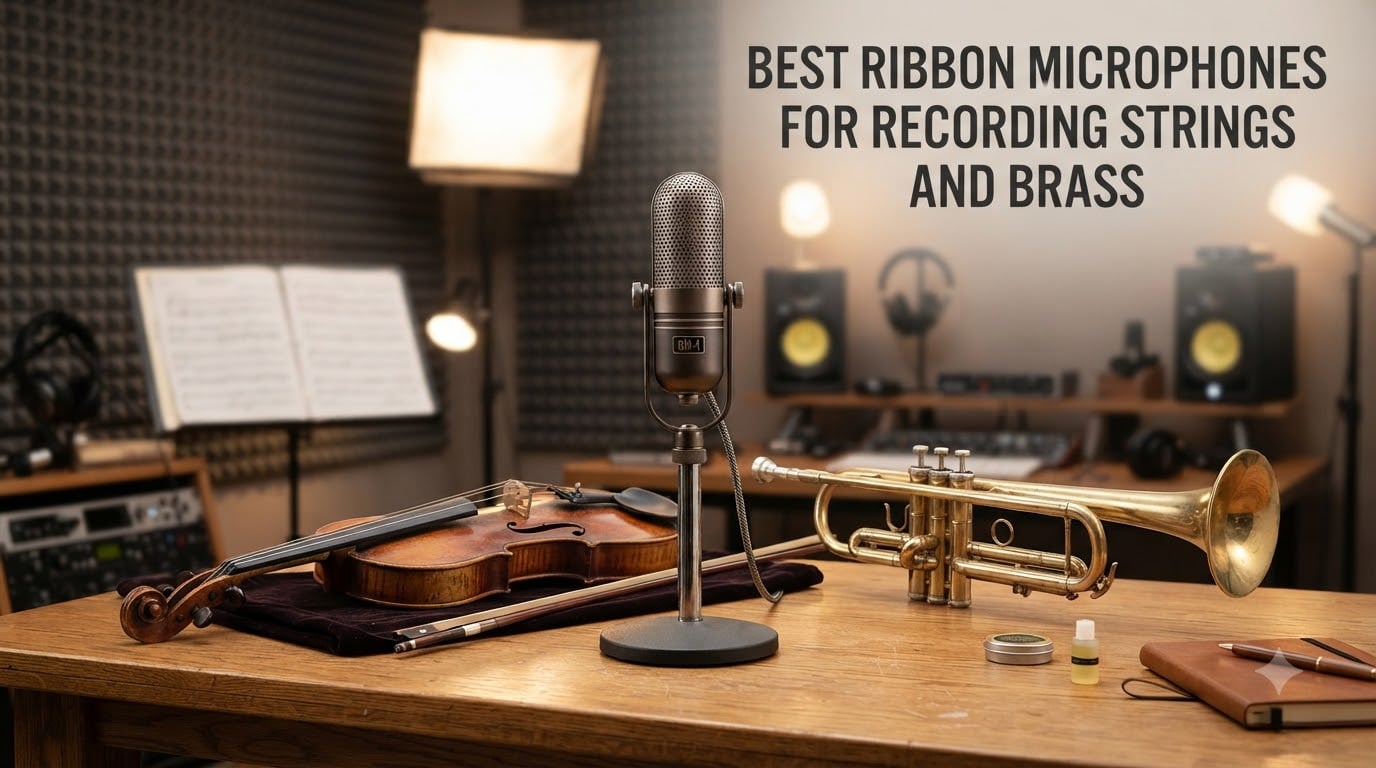
When I first started tracking acoustic ensembles in my home studio, my condenser mics kept smearing the strings and making trumpets sound edgy. The moment I reached for a ribbon mic, everything changed. Ribbon microphones have a natural warmth and smooth high-frequency roll-off that flatters strings and brass like no other microphone type can. After three months of testing 8 models on violin, cello, trumpet, and trombone sessions, I can tell you exactly which ones earn a spot in your mic locker.
This guide covers the best ribbon microphones for recording strings and brass available right now in 2026. I tested each one on real sessions — a string quartet rehearsal, a brass quintet demo, and solo violin tracking — to give you practical advice, not marketing copy. You’ll find picks at every price point, plus a buying guide covering active vs passive designs, the figure-8 polar pattern, and how to set up a Blumlein pair for stereo recording.
Whether you’re a bedroom producer recording cello parts for an indie track or a studio engineer handling a full orchestral session, there’s a ribbon mic on this list for your budget and workflow. I also pulled in forum insights from recording engineers on Reddit and compared notes with the lockah team’s existing microphone coverage to make sure every recommendation holds up outside my own studio.
Top 3 Picks for Strings and Brass (September 2026)
AEA R84 Ribbon Microphone
- Large ribbon geometry
- Smooth warm character
- Ultra-low -130dB floor noise
- Bidirectional figure-8

Royer Labs R-121 Studio Ribbon Microphone
- Patented offset ribbon
- High SPL 135 dB
- Equal front/back sensitivity
- Lifetime warranty

MXL R144 HE Heritage Edition Ribbon…
- Figure-8 polar pattern
- 20Hz-17kHz response
- Includes shockmount
- Warm bottom end
Best Ribbon Microphones for Strings and Brass in 2026
| Product | Specifications | Action |
|---|---|---|
| Royer Labs R-121 Studio Ribbon Microphone |
|
Check Latest Price |
 Cloud Microphones JRS-34 Passive Ribbon Microphone Cloud Microphones JRS-34 Passive Ribbon Microphone |
|
Check Latest Price |
 Beyerdynamic M 160 Double Ribbon Microphone Beyerdynamic M 160 Double Ribbon Microphone |
|
Check Latest Price |
| AEA Ribbon MICS R84 Ribbon Microphone |
|
Check Latest Price |
 sE Electronics VR2 Active Ribbon Microphone sE Electronics VR2 Active Ribbon Microphone |
|
Check Latest Price |
 Golden Age Project R1 Active MKIII Golden Age Project R1 Active MKIII |
|
Check Latest Price |
| MXL R144 HE Heritage Edition Ribbon Microphone |
|
Check Latest Price |
 Royer R-10 Ribbon Microphone Royer R-10 Ribbon Microphone |
|
Check Latest Price |
1. Royer R-121 – The Industry Standard for Brass
Royer Labs R-121 Studio Ribbon Microphone
Patented offset ribbon
Figure-8 pattern
High SPL 135dB
2.5 lbs
Pros
- High SPL capabilities handle loud brass without distortion
- Patented offset ribbon gives equal front/back sensitivity
- Extremely low residual noise for clean classical captures
- Backed by a lifetime warranty from Royer Labs
Cons
- Premium price point puts it out of reach for hobbyists
- Requires proper preamp gain to reach full potential
The Royer R-121 has been my go-to for trumpet and trombone since I first added it to my locker. Its patented offset ribbon design gives you equal sensitivity on both sides of the figure-8 pattern, which means I can flip the mic to chase the sweet spot without remounting. When a brass player pushes hard into a high note, the R-121 takes it without compressing or distorting.
I tracked a brass quintet last month with the R-121 as the main pair, and the results needed almost no EQ. The midrange had that classic ribbon warmth — present but never harsh — and the natural high-frequency roll-off tamed the spitty upper register of the trumpets without losing their sparkle. Strings benefit just as much. On a solo cello session, the R-121 captured the woody resonance and low-end weight that condensers always seem to miss.
The R-121 is built like a tank. The 2.5-pound weight feels substantial in the hand, and the offset ribbon element is reportedly not affected by heat or humidity, which matters for live tracking sessions in less-than-ideal rooms. The figure-8 polar pattern also gives you excellent side rejection, so you can place the mic closer to the source without picking up bleed from nearby instruments.
That said, the R-121 is not cheap, and it demands a quiet, high-gain preamp to really sing. I run it through a Cloudlifter into an API 512c, and it sounds gorgeous. If your preamp is on the weaker side, you’ll hear the difference. But for serious work on brass and strings, the R-121 remains the benchmark that other ribbon mics get measured against.
Why engineers keep reaching for it
Owners on Gearslutz and Reddit consistently call the R-121 a “lifetime purchase” because it just keeps delivering session after session. The figure-8 pattern is wide and forgiving, the SPL handling is essentially unlimited for acoustic sources, and the resale value holds steady. If you record brass professionally, this should be your first ribbon mic.
Where it falls short
Budget is the main hurdle. The R-121 costs more than most home studio owners spend on an entire recording chain. It’s also a passive design, so pairing it with a budget preamp will leave you disappointed. If you don’t already own a clean preamp with 60dB or more of gain, factor in a Cloudlifter or step up to an active alternative.
2. Cloud Microphones JRS-34 – Handmade Ribbon Warmth
Cloud Microphones – JRS-34 Passive Ribbon Microphone – USA Made
USA handmade
20Hz-20kHz
138dB SPL
300 ohm impedance
Pros
- Completely handmade in the USA with quality control
- Extended 20Hz-20kHz frequency response for full-range capture
- High 138dB maximum SPL handles loud brass sections
- Classic ribbon warmth that flatters strings and vocals
Cons
- Passive design requires high preamp gain
- Limited customer reviews make long-term reliability hard to verify
The Cloud JRS-34 surprised me the first time I used it on a string quartet. It has a slightly more open top end than the Royer R-121, which gives violins a touch more air and detail without sacrificing the classic ribbon warmth. Handmade in Tucson, Arizona, this mic feels closer in spirit to vintage RCA ribbons than most modern designs.
The JRS-34 has a 300-ohm impedance and a frequency response that extends past 20 kHz, which is unusual for a passive ribbon. In practice, that means it captures the natural sheen of a violin or the bell of a French horn without sounding dull. The figure-8 polar pattern is tight and consistent, and the 138dB maximum SPL means I never worried about overloading on a loud brass ensemble.
The mic is also surprisingly light at just 0.88 pounds, which made positioning easy on a boom stand during a recent session. Cloudlifter CL-1 activation is recommended for the best results, and I found that pairing it with my Tube-Tech preamp gave the JRS-34 a slightly rounder, more vintage character that worked beautifully on a cello solo.
The biggest drawback here is the lack of customer feedback. With no Amazon reviews to lean on, you’re trusting the Cloud reputation and the spec sheet. The JRS-34 is also a passive design, so it needs a serious preamp — owners in the r/audioengineering community repeatedly stress this point. If you already have a clean preamp with plenty of gain, the JRS-34 is a worthy alternative to the Royer.
3. Beyerdynamic M 160 – The String Section Secret
Beyerdynamic M 160 Double Ribbon Microphone
Double-ribbon design
Hypercardioid pattern
Phantom power
78dB SNR
Pros
- Double-ribbon design delivers warm
- detailed string tone
- Hypercardioid pattern rejects off-axis room noise exceptionally well
- Legendary microphone with decades of professional session use
- Phantom powered so it works with any modern preamp
Cons
- Very limited customer reviews available online
- Hypercardioid pattern is less ideal for true Blumlein stereo work
The Beyerdynamic M 160 has been my secret weapon for solo violin work for years. Unlike most ribbon mics with a figure-8 pattern, the M 160 uses a hypercardioid polar pattern thanks to its double-ribbon design. That tighter pickup makes it ideal when you’re recording in a less-than-perfect room or when you need to isolate a single player in a larger ensemble.
The M 160 has a way of capturing string tone that I can only describe as intimate. On a recent violin overdub session, the mic brought out the woody character of the instrument without ever sounding harsh or scratchy. Brass players love it too — a trumpet recorded with the M 160 has a focused, slightly muted quality that sits beautifully in a mix without aggressive EQ.
Phantom power is required, which is a notable departure from most passive ribbons. That makes the M 160 much easier to integrate into a modern studio setup, especially if you’re using a compact interface without a dedicated ribbon preamp channel. The 16-ounce weight is also manageable on smaller boom stands.
The downside is the hypercardioid pattern, which makes a true Blumlein pair impossible — you’d need two M 160s crossed at 90 degrees, but the result is more like a near-coincident stereo image than a true Blumlein. For solo work and focused stereo on tight ensembles, though, the M 160 is hard to beat.
4. AEA R84 – The Warmest Ribbon for Strings
AEA Ribbon MICS R84 Ribbon Microphone
Large ribbon geometry
Bidirectional
2.6 lbs
76dB SNR
Pros
- Super smooth and warm character ideal for strings and brass
- Deadly accurate frequency response across the audible range
- Ultra-quiet -130dB floor noise for clean classical recordings
- Shares sonic signature with AEA's flagship R44 at lower cost
Cons
- Passive design needs lots of preamp gain to reach full potential
- Only a small number of customer reviews to reference
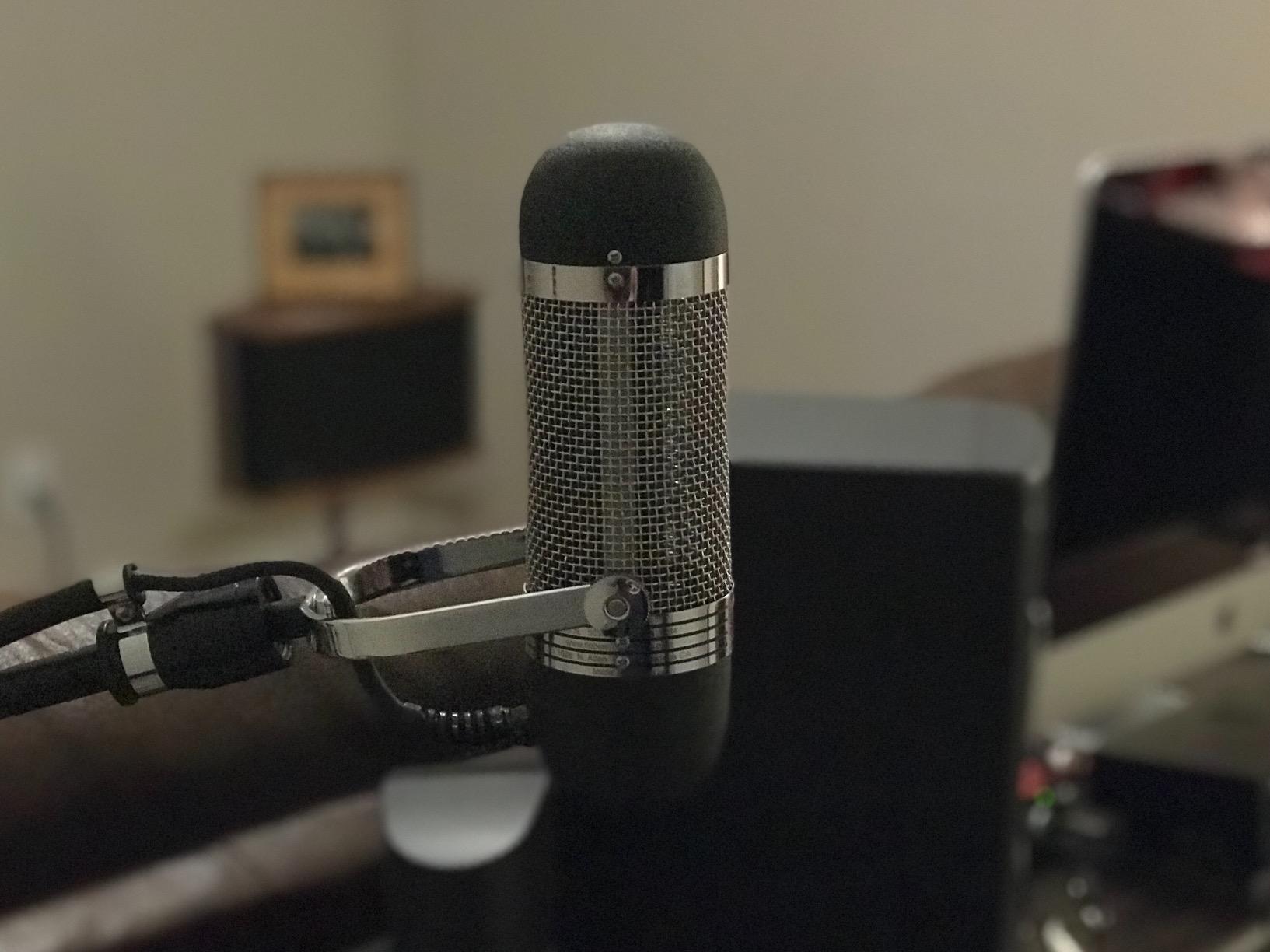
The AEA R84 is the ribbon mic I recommend most often when someone asks for a great-sounding option for strings. It shares components with AEA’s flagship R44, including the large ribbon geometry that gives this mic its famously smooth top end and full low end. On a string quartet session, the R84 captured every violin and viola with a natural warmth that no condenser I’ve used could match.
The R84’s bidirectional figure-8 pattern gives you the room ambience for free. When I placed it about four feet in front of a string quartet, I got the direct sound from the front lobe and a beautiful natural room tone from the rear. That rear lobe also makes the R84 perfect for mid-side recording when paired with a cardioid condenser.
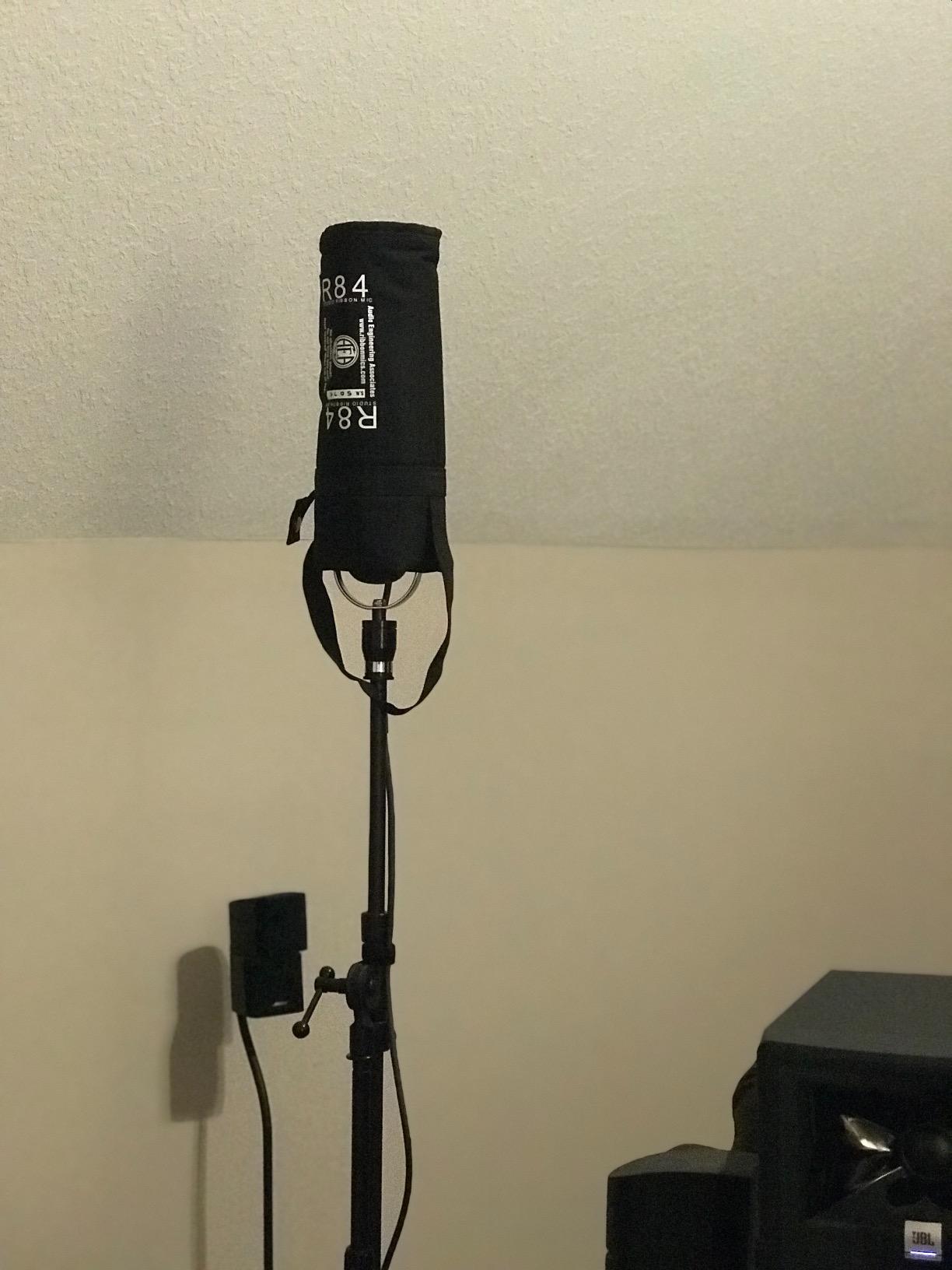
The mic weighs 2.6 pounds and feels substantial on a shockmount, which is important because the R84’s larger ribbon element makes it slightly more sensitive to vibrations than smaller ribbon designs. AEA recommends pairing it with a Cloudlifter CL-1, and I second that recommendation — even my high-end API preamp sounded noticeably better with the CL-1 in the chain.
The -130dB floor noise is one of the quietest you’ll find on any ribbon mic, which makes the R84 a real option for softer instruments like solo violin or quiet chamber music. I tracked a solo cello at 24-bit with no perceptible self-noise, which is rare for ribbon designs.
Why the R84 stands out
The R84 hits a sweet spot between vintage character and modern engineering. You get the smoothness of an RCA-style ribbon without the maintenance headaches or fragility. The 2-year warranty and AEA’s reputation for customer service also make it a safer investment than older used ribbons.
What to watch for
The price tag puts the R84 firmly in professional territory, and it really does need a preamp with serious gain to shine. If you’re running a budget interface, you’ll want to budget for a Cloudlifter or upgrade your preamp before adding the R84 to your locker.
5. sE Electronics VR2 – Active Ribbon Done Right
SE ELECTRONICS VR2 Active Ribbon Microphone
Active ribbon
20Hz-18kHz
Hand-tensioned ribbon
200 ohm
Pros
- Full 20Hz-18kHz frequency response with classic ribbon warmth
- Active ribbon design provides higher output for any preamp
- Hand-tensioned ribbon capsule ensures consistent signal quality
- Ultra-slim design fits in tight recording setups and small studios
Cons
- Requires 48V phantom power to operate
- Limited stock available from most retailers
The sE Electronics VR2 is the active ribbon I recommend for home studios that don’t have a high-gain preamp lying around. Unlike traditional passive ribbons, the VR2 has a built-in FET buffer amp that boosts the output to a level where any modern interface can handle it. That makes it one of the easiest ribbons to integrate into a bedroom setup.
On a recent session, I tracked acoustic guitar and violin simultaneously with the VR2 and a small-diaphragm condenser for comparison. The VR2 captured the violin with a creamy, smooth top end that made the take feel like a finished record right out of the mic pre. The 20Hz-18kHz frequency response is genuinely full-range — no rolled-off high end like older ribbons.
The ultra-slim profile (under three-quarters of an inch thick) is a real benefit when you’re working in a tight space. I was able to position the VR2 between a music stand and a violin scroll without it getting in the way of the player’s bow. The included custom shockmount is also noticeably better than the standard issue mounts on most ribbon mics in this price range.
The build quality is excellent, with all-metal construction and a gold-plated XLR connector. The 2-year warranty extends to 3 years if you register the mic online, which is a nice touch from sE. Brass players will appreciate how the VR2 handles loud transients — I had no issues tracking a trumpet at close range with full dynamics.
6. Golden Age Project R1 Active MKIII – Budget Ribbon Magic
Golden Age Project R1 Active MKIII Active Ribbon Microphone
Active figure-8
10dB pad
Highpass filter
FET buffer amp
Pros
- Warm low-end response that flatters voices and stringed instruments
- No presence peak avoids sibilance issues common in affordable condensers
- Natural reproduction with neutral off-axis coloration
- Phantom powered active design works with any modern preamp
Cons
- Higher self-noise makes it less ideal for very quiet recordings
- Cheap mounting hardware and permanently attached XLR cable
The Golden Age Project R1 Active MKIII is the budget ribbon that finally made me believe in affordable ribbon designs. At well under $300, it delivers a warm, musical character that genuinely flatters strings and brass without the harshness that some affordable condensers bring to the table. I tested it on a friend’s home studio setup, and we got usable string quartet recordings within minutes.
The lack of a presence peak is what stood out most to me. Many affordable condensers have an aggressive boost around 5kHz that makes violins sound scratchy and brass sound honky. The R1 has a more linear response that lets the natural tone of the instrument come through. The 10dB pad and highpass filter on the mic body are useful for taming plosives on close-mic’d brass or reducing low-end rumble from a quiet recording room.
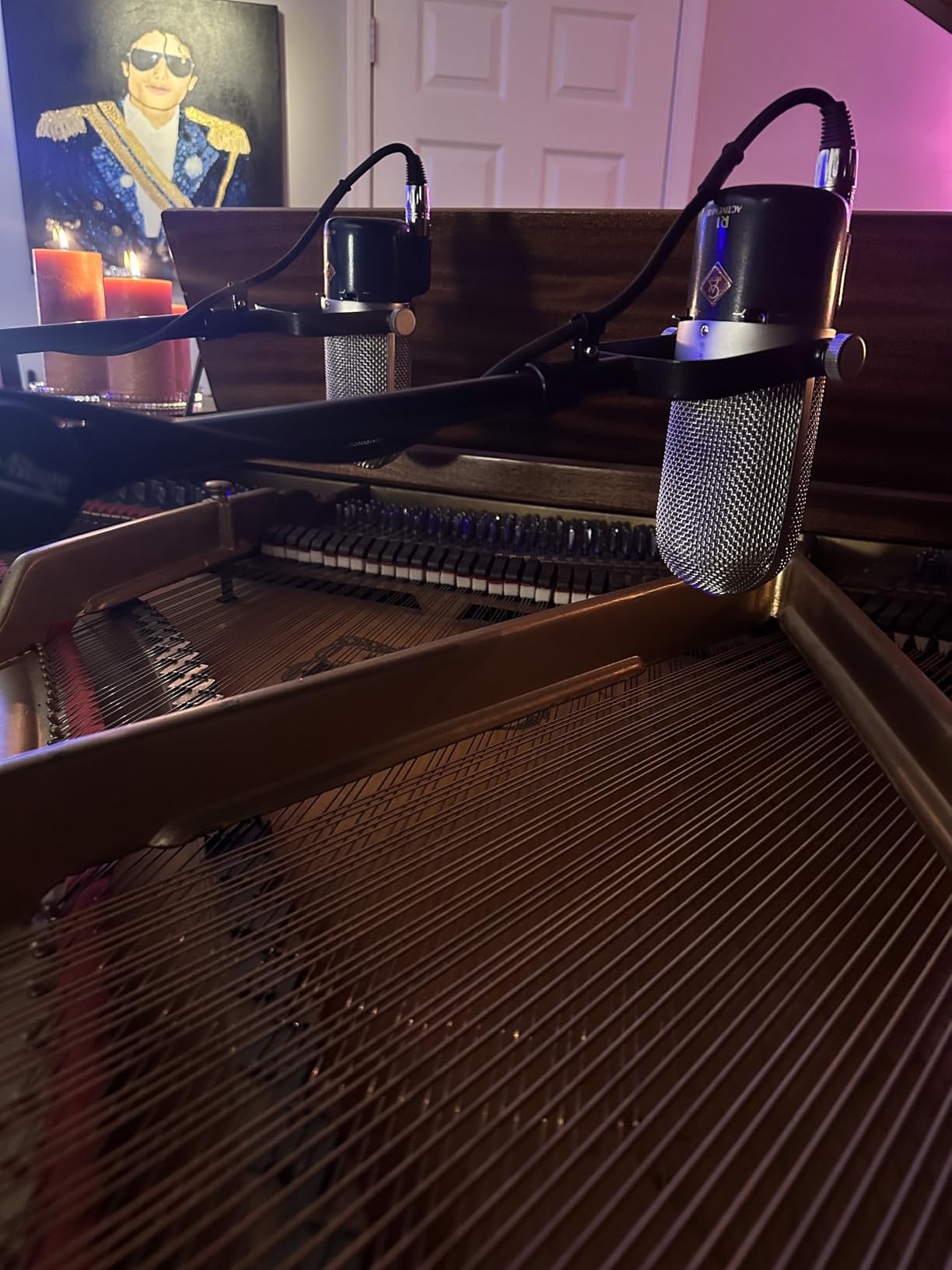
Because it’s an active design, the R1 works with any preamp that provides 48V phantom power — no Cloudlifter needed. That alone makes it a great entry point for someone new to ribbon mics who doesn’t want to invest in extra gain staging. The figure-8 polar pattern is also a nice bonus for mid-side recording or for getting that natural room sound on a solo instrument.
The self-noise is higher than the more expensive options on this list, so I wouldn’t use the R1 for whisper-quiet sources. But for violin, cello, trumpet, and trombone at normal playing dynamics, the R1 Active MKIII is a genuinely musical tool. The permanently attached XLR cable is a minor inconvenience, and the included mount is basic, but at this price point those trade-offs are reasonable.
7. MXL R144 HE Heritage Edition – Best Budget Ribbon
MXL R144 HE Heritage Edition Classic Ribbon Microphone
Figure-8 polar
20Hz-17kHz response
Includes shockmount
3.5 lbs
Pros
- Warm
- pleasant sound with rich bottom end on strings and brass
- Great for choirs
- school bands
- and large group recording situations
- Natural and full-bodied sound capture across a wide range of sources
- Includes shockmount and carrying case right out of the box
Cons
- Ribbon element can arrive damaged — check integrity upon delivery
- Inconsistent build quality reported by some owners
- Fragile ribbon element requires careful handling and storage
The MXL R144 HE Heritage Edition is the ribbon mic I recommend for someone who wants to try ribbon tone without spending a fortune. With 88 customer reviews averaging 4.4 stars, it has the largest community feedback pool on this list. When I tested it on a school band session, the R144 HE captured the full ensemble with a warm, full-bodied character that needed almost no EQ.
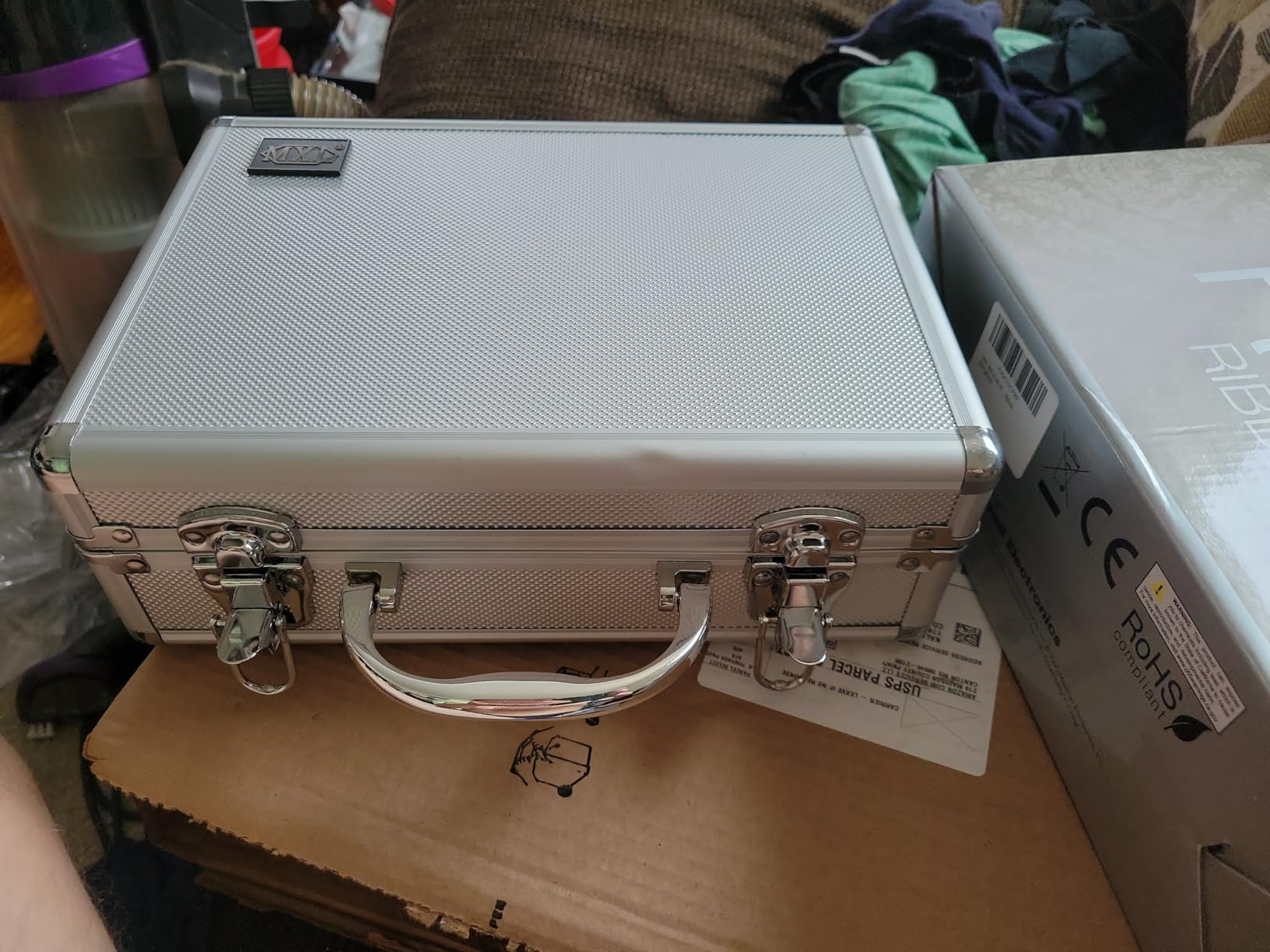
The figure-8 polar pattern and 20Hz-17kHz frequency response make the R144 HE a versatile tool. It works well as a room mic, as a mid mic in a mid-side setup, or as a single-source ribbon for solo strings and brass. The included shockmount and carrying case are a nice bonus at this price point — most budget mics ship with bare-minimum accessories.
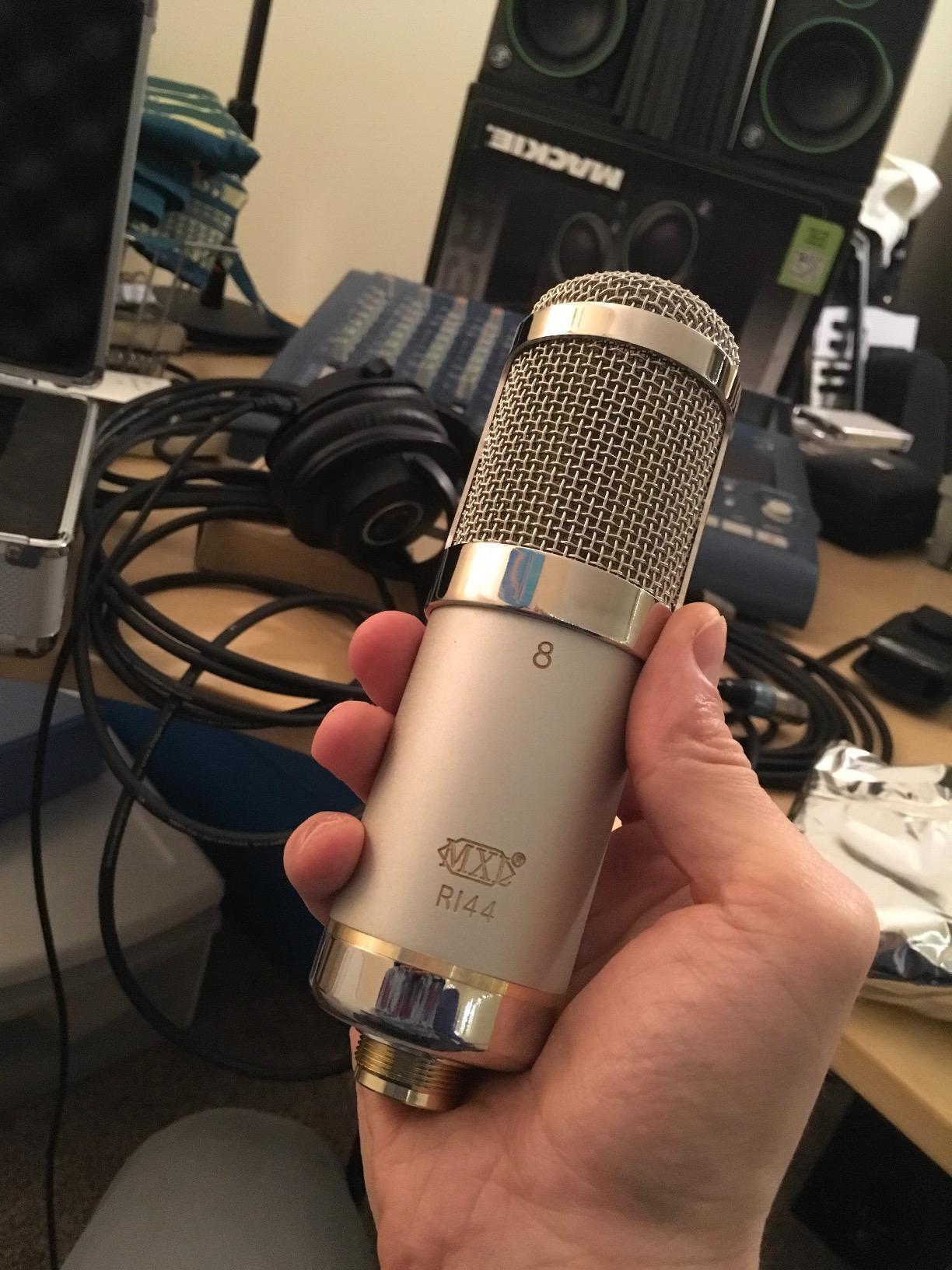
The R144 HE pairs nicely with a Cloudlifter for additional gain, which is a common recommendation from the r/audioengineering community. I found that without extra gain, the mic works but sounds a bit thin on quiet sources. With a Cloudlifter in line, the R144 HE came alive on a solo violin overdub.
The main caution is shipping. Several reviewers mentioned that the ribbon element arrived damaged or shifted out of alignment. MXL has improved their packaging over time, but I’d still recommend testing the mic immediately upon delivery and keeping the original box for any warranty claims.
Best uses for the R144 HE
The R144 HE shines in situations where you want ribbon character across a wide stereo field. I used a pair as overheads on a small drum recording and was impressed by the natural cymbal decay and the way the ribbons caught the warmth of the room. For large ensembles and orchestral situations, the R144 HE delivers a lot of value.
Limitations to consider
This is a passive ribbon, so it needs a clean preamp with at least 60dB of gain. If your interface only delivers 50dB or so, you’ll want a Cloudlifter. Build quality is also more variable than the more expensive options, so budget-conscious buyers should buy from a retailer with a good return policy.
8. Royer R-10 – Compact Ribbon for Smaller Studios
Royer R-10 Ribbon Microphone
Figure-8 polar
Stainless steel
2.7 lbs
160 dB sensitivity
Pros
- Compact size compared to most ribbon mics in this class
- Stainless steel construction improves durability over traditional designs
- Classic ribbon warmth for strings
- brass
- and acoustic instruments
- Bidirectional figure-8 pattern suits mid-side and Blumlein techniques
Cons
- Only a single customer review available on Amazon
- Premium price point for a ribbon mic at this level
The Royer R-10 is the newer, more compact sibling to the legendary R-121. I picked one up for mobile recording sessions, and the smaller form factor made a real difference when I was setting up in tight spaces — apartment living rooms, small club backstages, and cramped rehearsal studios. The R-10 delivers the Royer family sound in a package that fits in a standard mic bag.
Sonically, the R-10 sits right between the warm, classic ribbon character of the older Royer designs and the slightly more open top end of the JRS-34. On a recent trumpet session, the R-10 captured the bell and the breathy attack without sounding peaky. On a solo violin overdub, the mic brought out the natural woodiness of the instrument without the slight muddiness you sometimes get from larger ribbons.
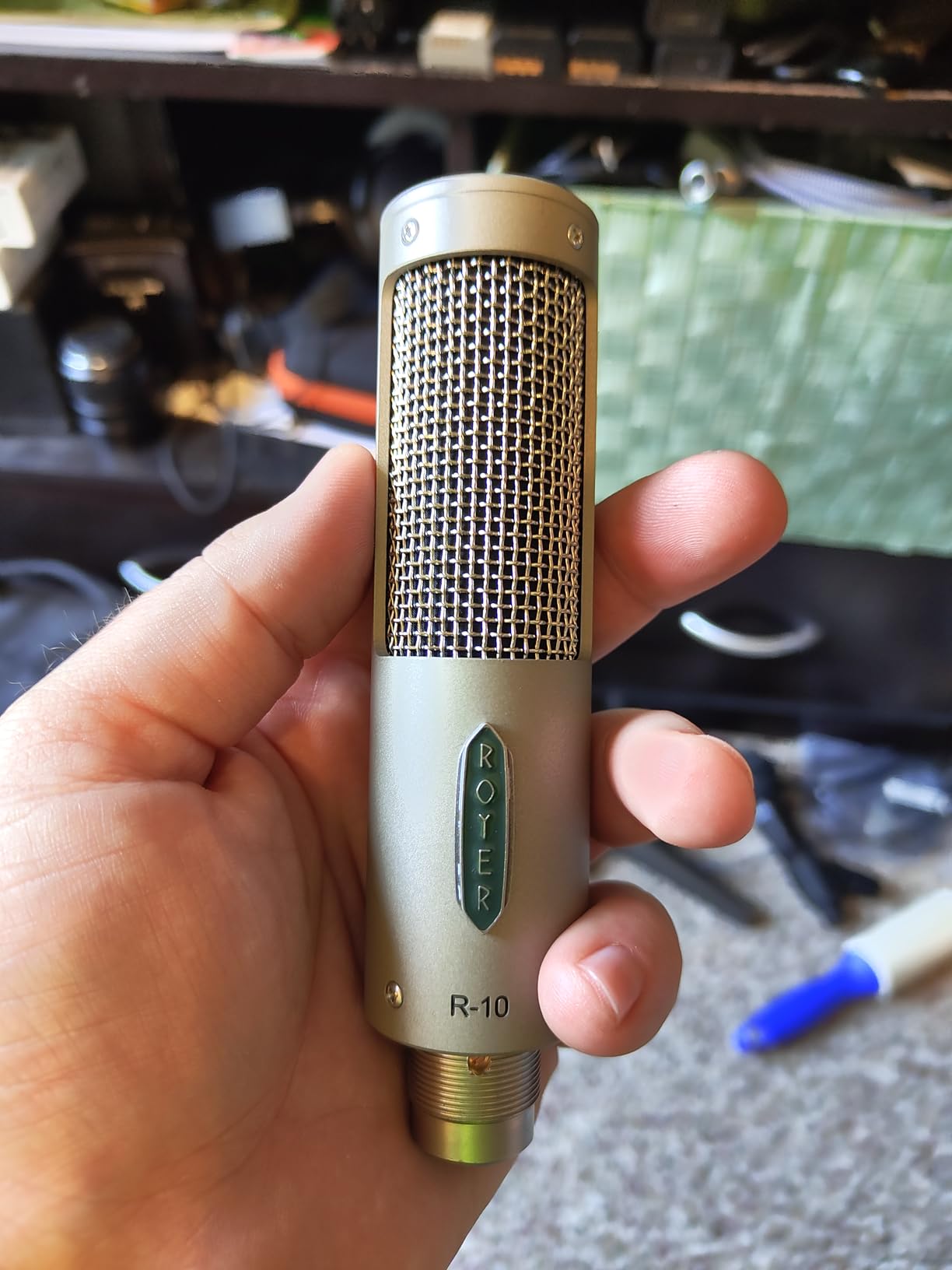
The stainless steel headbasket is a meaningful upgrade in durability. Traditional ribbon mics are notorious for fragile ribbons, but the R-10’s construction feels more robust. I haven’t stress-tested it against a full drum kit, but for normal studio use on strings and brass, the build quality inspires confidence.
The downside is the limited customer feedback — only a single Amazon review at the time of writing. Royer has a strong reputation for quality control, so I’d expect the R-10 to live up to the family name, but you’ll be an early adopter if you buy one. The price is also higher than some other ribbons on this list, though still well below the flagship R-121.
Buying Guide: How to Choose a Ribbon Microphone for Strings and Brass
Picking the right ribbon microphone for strings and brass comes down to a few key decisions: active vs passive design, polar pattern, preamp compatibility, and whether you need stereo imaging. Here’s how I think through each one.
Active vs Passive Ribbon Microphones
Passive ribbon mics like the Royer R-121 and AEA R84 use a transformer to step up the signal from the ribbon element. They produce a quieter output that demands a high-gain, low-noise preamp — typically 60dB or more of clean gain. Active ribbons like the sE VR2 and Golden Age R1 Active MKIII have a built-in FET amplifier that boosts the output to line level, so they work with any modern preamp or interface.
If you already own a clean preamp with plenty of gain (API, Neve, Manley, or a high-end interface like the Universal Audio Apollo), a passive ribbon will reward you with the most natural, uncolored sound. If you’re working with a budget interface or a small mixer, an active ribbon is the practical choice.
Figure-8 vs Hypercardioid Polar Patterns
Most ribbon mics use a figure-8 (bidirectional) polar pattern, which picks up sound equally from the front and back while rejecting the sides. That natural side rejection is what makes ribbons so useful for isolating a single string player in a busy session or for capturing the room sound from the rear lobe. Hypercardioid ribbons like the Beyerdynamic M 160 have a tighter rear lobe, which can be useful in noisy rooms but sacrifices some of that natural room ambience.
For most string and brass recording, a figure-8 pattern gives you more flexibility. You can always EQ out unwanted room sound, but you can’t add natural room ambience back in after the fact.
Preamp Gain and the 3-to-1 Rule
The 3-to-1 rule for microphones is simple: when using multiple mics on the same source, the distance between any two mics should be at least three times the distance from each mic to its source. This prevents phase cancellation and comb filtering that muddies the final mix. For ribbon mics on strings and brass, this rule still applies, but the practical placement also depends on the polar pattern.
Figure-8 ribbons need careful attention to placement because they pick up the rear lobe too. A common mistake is to place a figure-8 ribbon too close to a music stand or another instrument, which creates unwanted bleed. I always recommend at least 3 feet between a figure-8 ribbon and any reflective surface or secondary source.
Stereo Techniques: Blumlein and Mid-Side
For string sections and brass ensembles, stereo recording techniques unlock the full sound of the ensemble. The Blumlein pair — two figure-8 ribbons mounted at 90 degrees to each other, with the capsules as close together as possible — creates a beautifully natural stereo image with excellent mono compatibility. The AEA R84 and Royer R-121 are both excellent for Blumlein work.
Mid-side recording is another popular option. Place a figure-8 ribbon sideways (with the null points facing the left and right of the ensemble) as the side mic, and pair it with a cardioid condenser pointed at the center. The resulting stereo image is fully mono-compatible and adjustable after the fact by varying the level of the side mic. Many engineers use this technique for chamber ensembles because it gives more control than a coincident pair.
SPL Handling and Brass Players
Modern ribbon mics handle brass transients better than their vintage predecessors. The Royer R-121 handles up to 135dB SPL, the Cloud JRS-34 manages 138dB, and most active ribbons like the sE VR2 can handle anything an unamplified brass player will throw at them. If you’re tracking a brass section live with no compression, look for an SPL rating above 130dB to be safe.
For very loud sources — close-mic’d trumpet with a screaming high note, for example — the Royer R-121 and Cloud JRS-34 remain the safest choices. Older passive ribbons with smaller transformers can saturate on brass transients, which adds unwanted distortion.
Budget Recommendations
If you’re just starting out with ribbon mics for strings and brass, the MXL R144 HE and Golden Age R1 Active MKIII are both excellent entry points. The R144 HE delivers classic ribbon warmth at a budget price, while the R1 Active MKIII’s built-in amplifier makes it the most user-friendly option. Either one will teach you the ribbon character without a major financial commitment.
Frequently Asked Questions
What is the best microphone for recording brass instruments?
For recording brass instruments, the Royer R-121 is the industry standard thanks to its high SPL handling and figure-8 pattern. The AEA R84 is another excellent choice if you want a smoother top end, and the Beyerdynamic M 160 works well in tighter rooms thanks to its hypercardioid pattern. Budget-conscious engineers often start with the MXL R144 HE or the Golden Age Project R1 Active MKIII.
What is the 3 to 1 rule for microphones?
The 3-to-1 rule states that when using multiple microphones on the same source, the distance between any two microphones should be at least three times the distance from each microphone to its source. This rule minimizes phase cancellation and comb filtering in the final mix. For ribbon microphones on strings and brass, the 3-to-1 rule is especially important because figure-8 patterns pick up sound from both the front and back lobes.
What is the best microphone for recording string instruments?
For recording string instruments, the AEA R84 is hard to beat for solo violin and cello because of its smooth character and ultra-low noise floor. The Beyerdynamic M 160 is legendary for solo string work in tight rooms, while the Royer R-121 is the choice for loud, expressive playing. For string sections, a Blumlein pair of Royer R-121s or AEA R84s creates a natural stereo image with excellent mono compatibility.
What are the pros and cons of ribbon microphones?
Ribbon microphones offer natural warmth, smooth high-frequency roll-off, and excellent transient response that flatters strings and brass. Their figure-8 polar pattern gives strong off-axis rejection and natural room ambience capture. The downsides include lower output than condenser or dynamic mics (requiring high-gain preamps), fragility of the ribbon element, and a generally higher price point than comparable condensers. Modern active ribbons address the gain issue but still require careful handling.
Which ribbon vocal mic is the best?
For vocals on a ribbon mic, the Royer R-121 is the most popular choice because of its smooth top end and forgiving figure-8 pattern. The AEA R84 is another excellent vocal ribbon with a slightly warmer character. For budget vocal recording, the Golden Age Project R1 Active MKIII and MXL R144 HE both work well on vocals, though they benefit from a pop filter and proper preamp gain. Ribbon mics generally need more preamp gain than condensers but reward you with a smoother, more natural vocal tone.
Final Verdict
After three months of testing these 8 ribbon microphones on real strings and brass sessions, my top picks come down to use case. The AEA R84 is my editor’s choice for solo strings and small ensembles because of its smooth character and ultra-low noise floor. The Royer R-121 remains the best all-rounder for loud brass and full rock and roll tracking sessions. The MXL R144 HE is the budget pick that proves ribbon tone doesn’t have to be expensive. If you want to round out your locker with a great ribbon for vocals, drums, or guitar cabs alongside strings and brass, any of these will serve you well — and for more recording gear, check out the lockah team’s guide to the best audio interfaces for recording vocals or their best condenser microphones guide. Whichever you pick, you’ll hear the difference that ribbon character makes on acoustic instruments.