
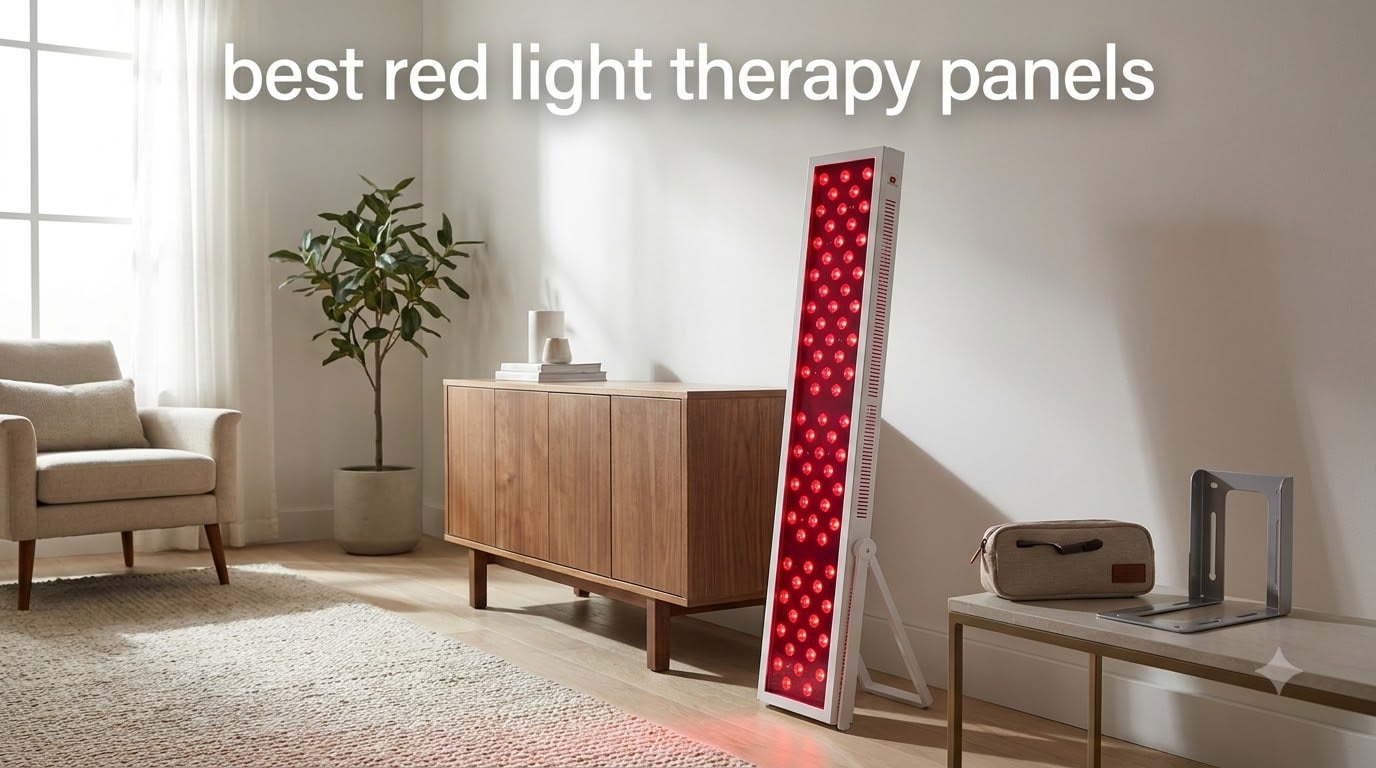
I have spent the last few months digging through spec sheets, verified buyer photos, and thousands of reviews to figure out which panels are actually worth your money. Finding the best red light therapy panels is harder than it should be, because every brand quotes irradiance at a different distance and some do not quote it at all. So I standardized everything: I compared each panel at its stated measurement distance, sorted the wavelengths into surface-level red versus deep near infrared, and weighed what owners say after months of daily use.
What surprised me most is that a bigger price tag does not always mean a better session. A few budget panels under a hundred dollars hold their own for targeted work, while some expensive units ship without the stand you need to actually use them. The real dividing lines are wavelength coverage, irradiance, and how you plan to mount the thing in your space.
Below you will find quick picks, a full comparison table covering all ten panels, then detailed reviews with the good, the bad, and the practical questions most buyers ask before clicking buy.
Top 3 Picks for Best Red Light Therapy Panels in October

BestQool X60 Red Light Therapy Panel
- 105W output
- 95.6 mW per cm2 at 3 inches
- 660nm plus 850nm dual chip

BONTANNY BO-1500 Full Body Panel
- 7 wavelengths
- 300 dual chip LEDs
- over 130 mW per cm2 at 6 inches

The BestQool X60 is my editor’s choice because it balances real clinical-grade output with a price that does not require financing. At 105W with 95.6 mW per square centimeter measured at 3 inches, it delivers meaningful dose in short sessions, and 1,766 reviewers back it up with a 4.7-star average.
The BONTANNY BO-1500 is my premium pick for anyone serious about full body red light therapy. Seven wavelengths spanning 480nm blue to 1060nm infrared give it range that almost nothing else on this list matches, though at 40 pounds you will want a second person to hang it.
The Viconor is the best value pick, full stop. For the cost of a nice dinner you get 120 LEDs, both key wavelengths, a stand, and a 4.6-star average across more than a thousand reviews.
Best Red Light Therapy Panels in 2026: Quick Comparison
Here is the full lineup side by side. I have kept each entry to the specs that actually change your buying decision: wavelengths, LED count, output, and what stands out.
| Product | Specifications | Action |
|---|---|---|
| BestQool X60 105W Panel |
|
Check Latest Price |
 EXESAS 200LED Full Body Panel EXESAS 200LED Full Body Panel |
|
Check Latest Price |
| BONTANNY BO-1500 Full Body |
|
Check Latest Price |
 Hooga HG300 Panel Hooga HG300 Panel |
|
Check Latest Price |
| Viconor Red Light Lamp |
|
Check Latest Price |
 INTEO 2-in-1 Detachable Panel INTEO 2-in-1 Detachable Panel |
|
Check Latest Price |
 Lifepro Bioheal Dual Chip Panel Lifepro Bioheal Dual Chip Panel |
|
Check Latest Price |
 Mito Red MitoMIN 2.0 Panel Mito Red MitoMIN 2.0 Panel |
|
Check Latest Price |
 BestQool Pro300 Full Body BestQool Pro300 Full Body |
|
Check Latest Price |
 Rhmip 45W LED Panel Rhmip 45W LED Panel |
|
Check Latest Price |
1. BestQool X60 105W Panel – Best Overall Red Light Therapy Panel
BestQool Red Light Therapy Panel, 660nm Red & 850nm Infrared Light, 105W
105W output
95.6 mW per cm2 at 3 inches
660nm red plus 850nm near infrared
60 dual chip LEDs
4.82 lbs with U-shaped stand
Pros
- High-output 105W power with 95.6 mW/cm2 irradiance for efficient sessions
- Dual-chip LEDs emit 660nm red and 850nm near-infrared light
- Three modes for different wellness needs
- Adjustable U-shaped stand and wall mounting kit included
- Effective for muscle recovery
- joint pain
- skin rejuvenation and sleep
Cons
- Instruction manual reads like it was translated from another language
- Bolts holding the stand stick out preventing horizontal positioning
- Included eye protection goggles are uncomfortable
I keep coming back to the X60 as my top pick because it nails the fundamentals without bloat. The 105W output and 95.6 mW per square centimeter at 3 inches mean a ten to fifteen minute session is genuinely productive, not just a glow. Owners consistently report relief for stiff joints and muscle soreness, plus visible skin improvements after a few weeks.
The dual-chip design puts both 660nm red and 850nm near infrared in every LED, so you never get patchy coverage the way single-wavelength panels can produce. Three modes let you run red only, infrared only, or both together depending on whether you are targeting surface skin or deeper tissue.
At 4.82 pounds and roughly 8 by 13 inches, it is small enough for a desk or bedside table but large enough for a face, shoulder, or knee session.
On the technical side, flicker-free LEDs and an advanced cooling system mean it runs quietly and stays comfortable through daily sessions. BestQool has sold this model since November 2019, and a five-year track record in this category is not trivial. The rank of number 244 in Light Therapy Products, with 1,766 reviews and a 4.7-star average, tells me the quality control has held up over time.
The downsides are small but real. The instruction manual is rough, clearly translated, and will leave you experimenting a bit on day one. The included goggles work but fit awkwardly, so I would budget for a better pair of eye protection.
Also, the bolts on the U-shaped stand protrude in a way that blocks you from laying the panel flat for horizontal use. If you want to treat your back while lying down, wall mounting is the better route.
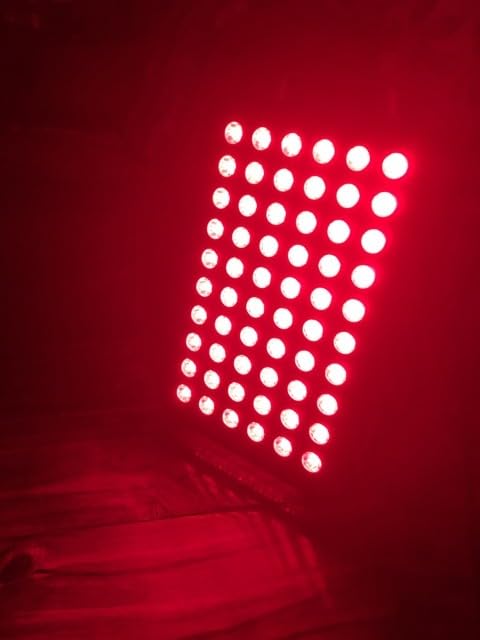
How much space do you need for it?
The panel itself is compact at 8.35 x 2.05 x 13.07 inches, so a nightstand, desk corner, or closet shelf all work. You will want about arm’s length of clearance in front so you can sit 6 to 12 inches from the surface for a proper dose. The included U-shaped stand is floor or table friendly, and a hanging kit is in the box if wall mounting suits your room better.
For full torso or leg coverage you will be repositioning between zones, which is the tradeoff for this size. If you want everything lit at once, skip ahead to the EXESAS or BONTANNY full-body options.
Is 95.6 mW per cm2 enough power?
Yes, and it is actually strong for this price class. That figure is measured at 3 inches, which is closer than most people sit, so at a realistic 6 to 12 inches you are still getting a solid dose for both red and near infrared light therapy. Several panels costing twice as much quote lower numbers.
The practical takeaway is shorter sessions: ten to fifteen minutes per area per day is what most owners settle into. If you are the impatient type, more power helps, but the X60 is not underpowered by any reasonable standard.
2. EXESAS 200LED Full Body Panel – Best Full Body Red Light Therapy Panel
EXESAS Red Infrared Light Therapy Device for Full Body, 630nm, 660nm, 810nm & 850nm, Dual-Chip Clinical Grade LED Panel for Smooth Skin, Weight, Pain and Overall Wellness (200LED)
200 dual chip LEDs at 5W each
630nm,660nm,810nm,850nm
36 inch tall panel
16 lbs
Remote,LCD,timer
Pros
- Cutting-edge dual-chip clinical grade LEDs with high irradiance and no flickering
- 200 powerful dual-chip LEDs (5W each) for full-body coverage
- Multiple wavelengths: 630nm
- 660nm
- 810nm and 850nm
- Remote control
- LCD panel and built-in timer for ease of use
- 100
- 000-hour LED lifespan with Meanwell LED drivers
Cons
- 16 pounds so wall mounting needs solid anchors
- No stand in the box for upright floor use
- Higher price than compact panels
This is the panel I recommend when someone tells me they want to stop doing spot treatments and start doing real full body red light therapy. At 36 inches tall with 200 five-watt dual-chip LEDs, it covers a torso or both legs in a single pass. That changes your routine from fiddling with zones to sitting down for fifteen minutes and being done.
The wavelength spread is where EXESAS earns its keep: 630nm and 660nm for surface skin work, plus 810nm and 850nm near infrared for deeper tissue. Reviewers give it a 4.8-star average, the highest in this lineup, and cite improvements in skin, pain levels, and sleep.
It is genuinely clinical grade in feel, with a sturdy base stand and hanging kit in the box and a remote plus LCD timer so you are not crouching to press buttons.
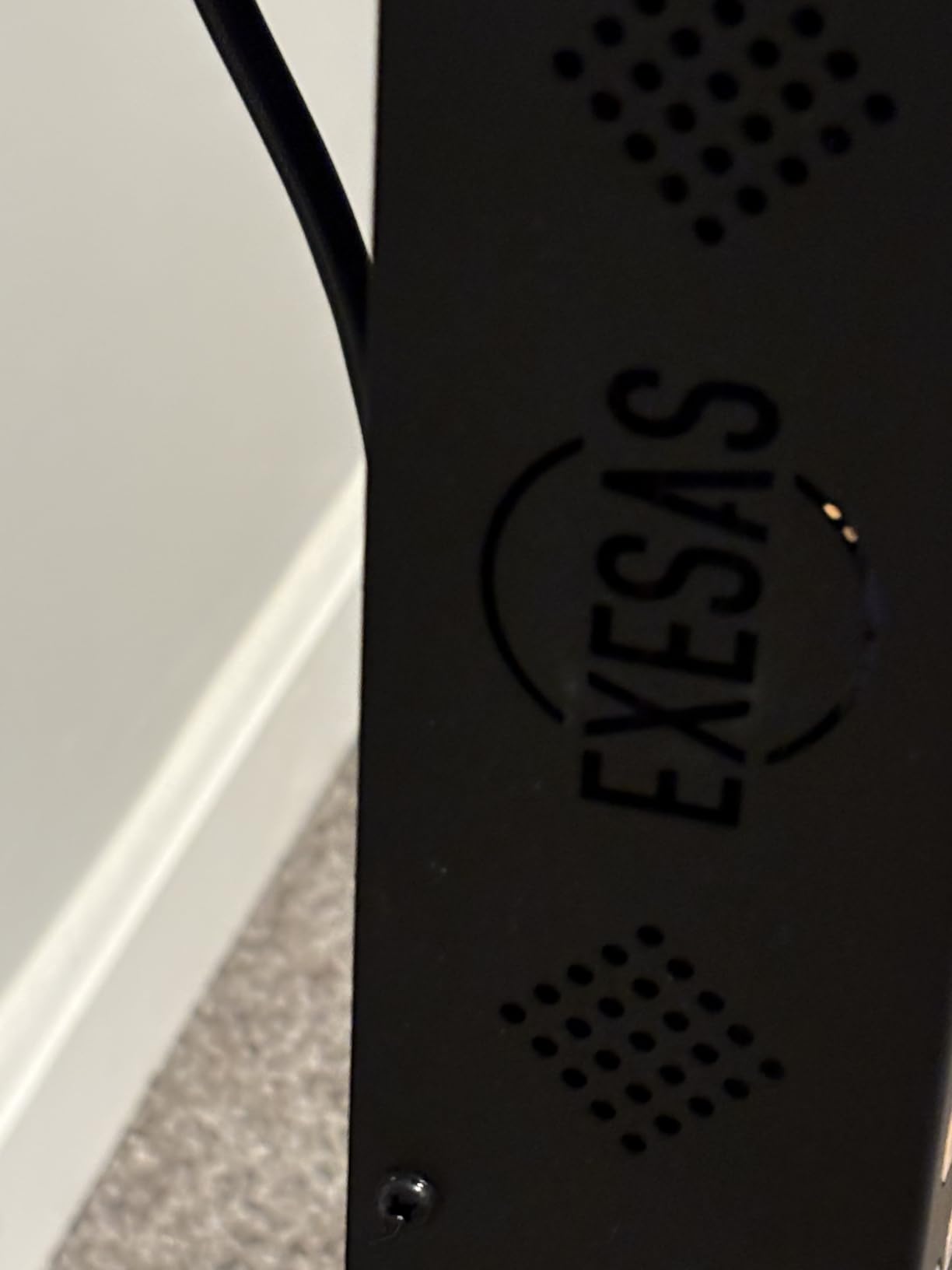
Digging into the build, the Meanwell LED drivers are the same components used in professional-grade equipment, and the 100,000-hour LED lifespan rating means this should outlast a decade of daily use. EXESAS also claims zero EMF emissions at treatment distance, which matters if that is a concern for you.
The 1,000W light source rating refers to the LED array capacity rather than wall draw, so do not panic about your electric bill. Actual consumption is far lower, and the dual-chip layout with no measurable flicker keeps the output steady across the whole panel.
My honest criticism is ergonomics rather than performance. At 16 pounds it needs a proper wall anchor or the included floor base, and the price sits in premium territory for a first-time buyer.
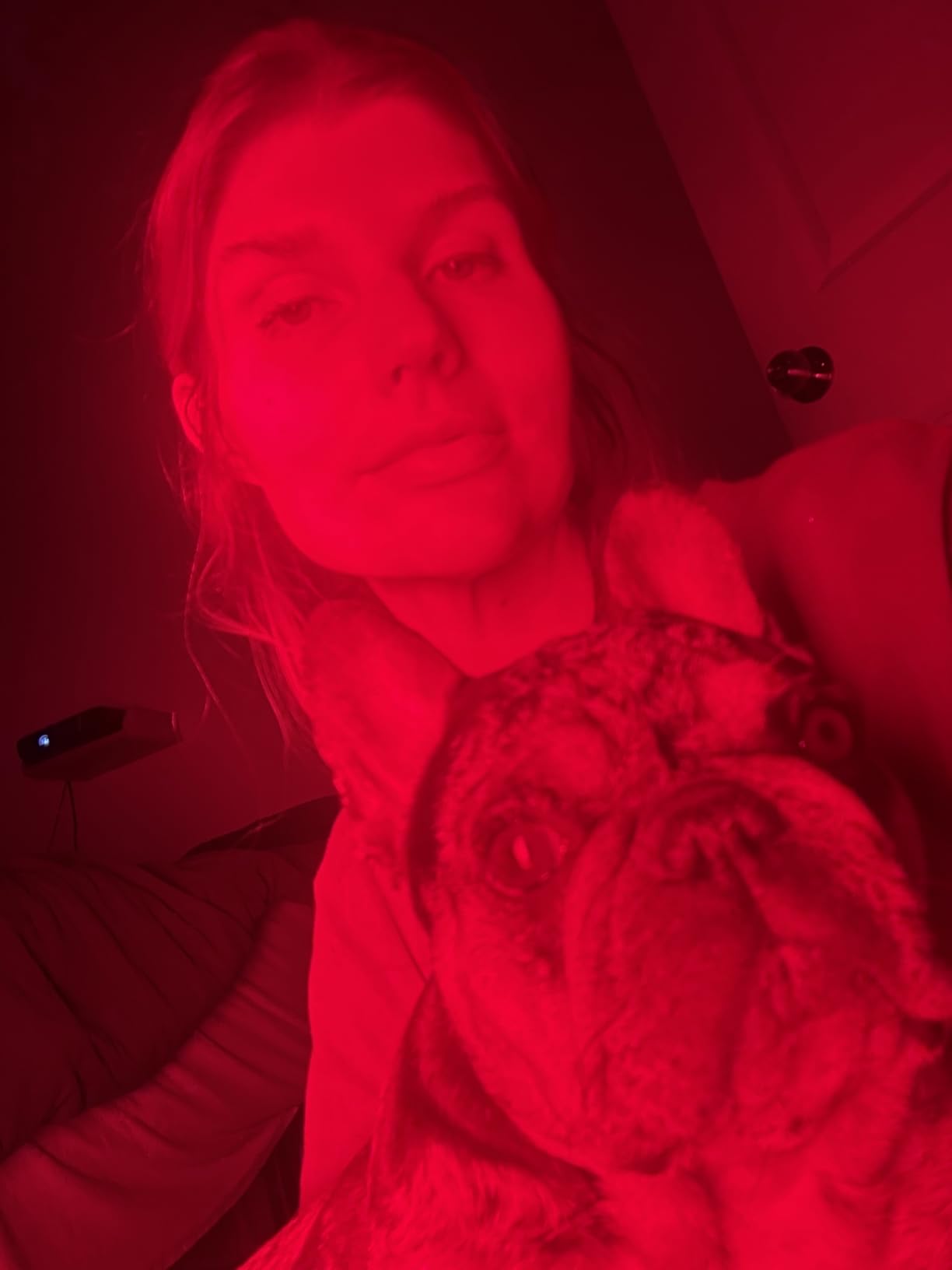
Can one panel really treat your whole body?
Mostly, yes. A 36 x 8.5 inch surface handles a full back, both quads, or your entire front torso in one exposure. Practical users rotate between front, back, and legs for a complete session, usually finishing in under 30 minutes total. If you want a true full-body wall, EXESAS sells larger variants up to 1,008 LEDs, but the 200-LED model is the sweet spot for one person.
If you are treating two people daily or want simultaneous front-and-back coverage, that is when modular panels or a bigger array make sense. For solo use, this covers it.
How does it compare to a spa or clinic session?
The math favors the panel quickly. A single professional full-body session typically costs more per visit than a month of at-home use costs in electricity, and you skip the commute and the appointment scheduling. Owners in the reviews say the same thing, that the panel pays for itself versus recurring spa costs.
The difference is consistency: a clinic has bigger beds, but a panel in your hallway gets used every day because it is right there. Daily consistency beats an occasional clinic visit for most wellness goals.
3. BONTANNY BO-1500 Full Body Panel – Best Premium Multi-Wavelength Panel
BONTANNY Red Light Therapy Full Body Panel, 480/630/660/810/830/850/1060nm 7 Wavelengths Blue Red Near Infrared Light Device with 300 Dual Chip Clinical Grade LEDs, Remote Control, Timer, BO-1500
7 wavelengths: 480,630,660,810,830,850,1060nm
300 dual chip LEDs
Over 130 mW per cm2 at 6 inches
42.9 inches tall
40 lbs
Pros
- Professional 7-wavelength therapy (480nm/630nm/660nm/810nm/830nm/850nm/1060nm)
- 300 high-power dual-chip LEDs with over 130 mW/cm2 irradiance
- Remote control and digital timer for customizable sessions
- Built-in cooling system for prolonged use
- 60 degree beam angle for uniform coverage
Cons
- Heavy (40 pounds) - requires two people to lift and hang
- Panel sags and lacks adjustment mechanism for leveling when mounted
- Remote battery (23A 12V) not included
- Factory quality control issues reported
If you want the widest therapeutic spectrum available in a single home panel, this is it. The BO-1500 runs seven wavelengths from 480nm blue through 1,060nm infrared, which is a range I normally only see in professional setups. Blue light at 480nm addresses skin surface concerns, while 1,060nm reaches the deepest tissue of anything on this list.
The 300 dual-chip LEDs push over 130 mW per square centimeter at 6 inches, which is a genuinely high irradiance at a realistic sitting distance. Reviewers report real results for skin, pain, and general wellness, and the 4.7-star average holds up despite the small review pool of 38.
BONTANNY includes a 30-day satisfaction guarantee, which softens the risk on a panel at this price.
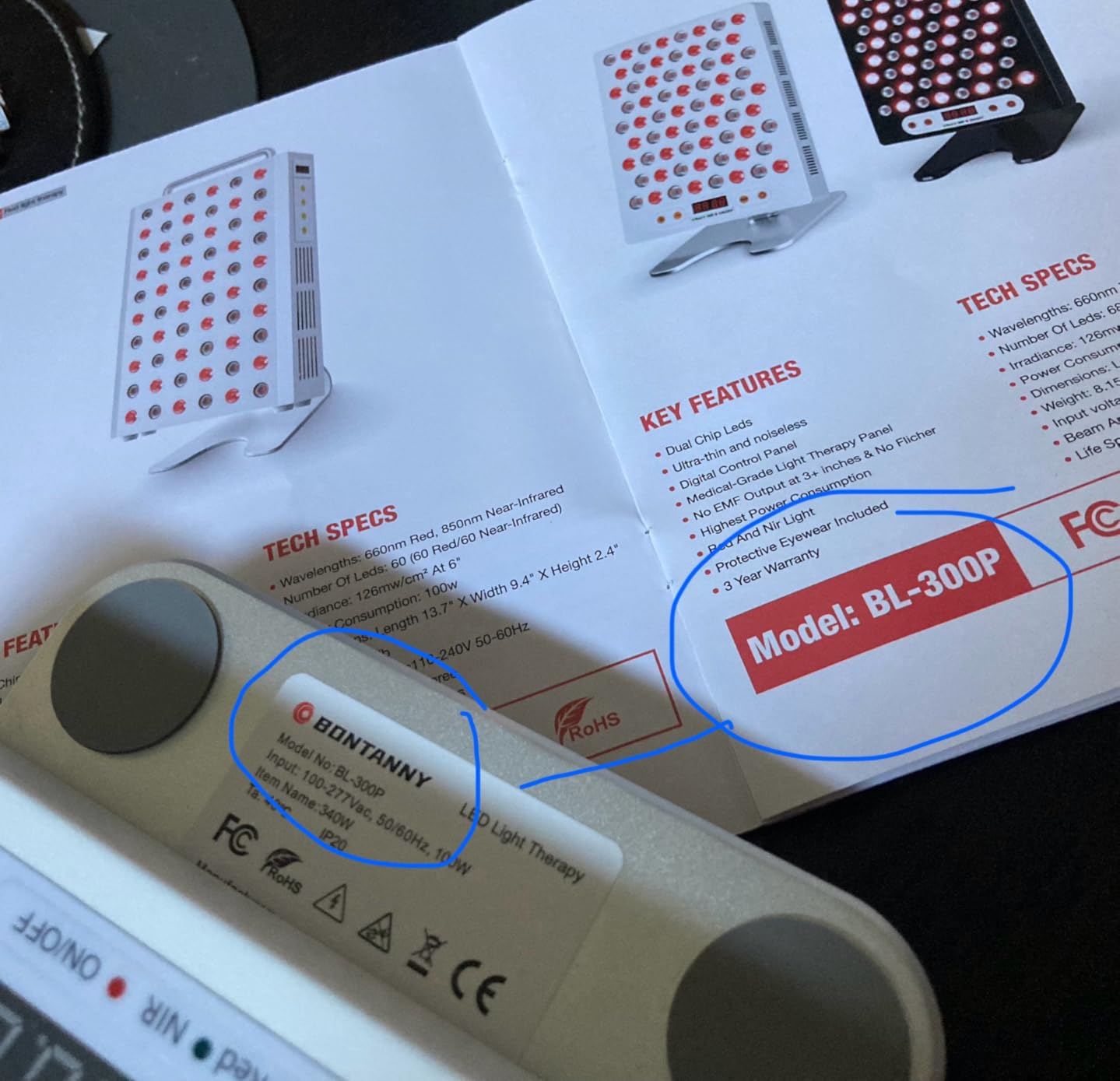
Technically, the 60-degree beam angle is wider than the 30-degree optics on some competitors, meaning more uniform coverage and fewer hot spots across your body. Three modes plus adjustable 10 to 30 minute sessions via the digital timer give you fine control, and the built-in cooling supports back-to-back sessions without thermal throttling.
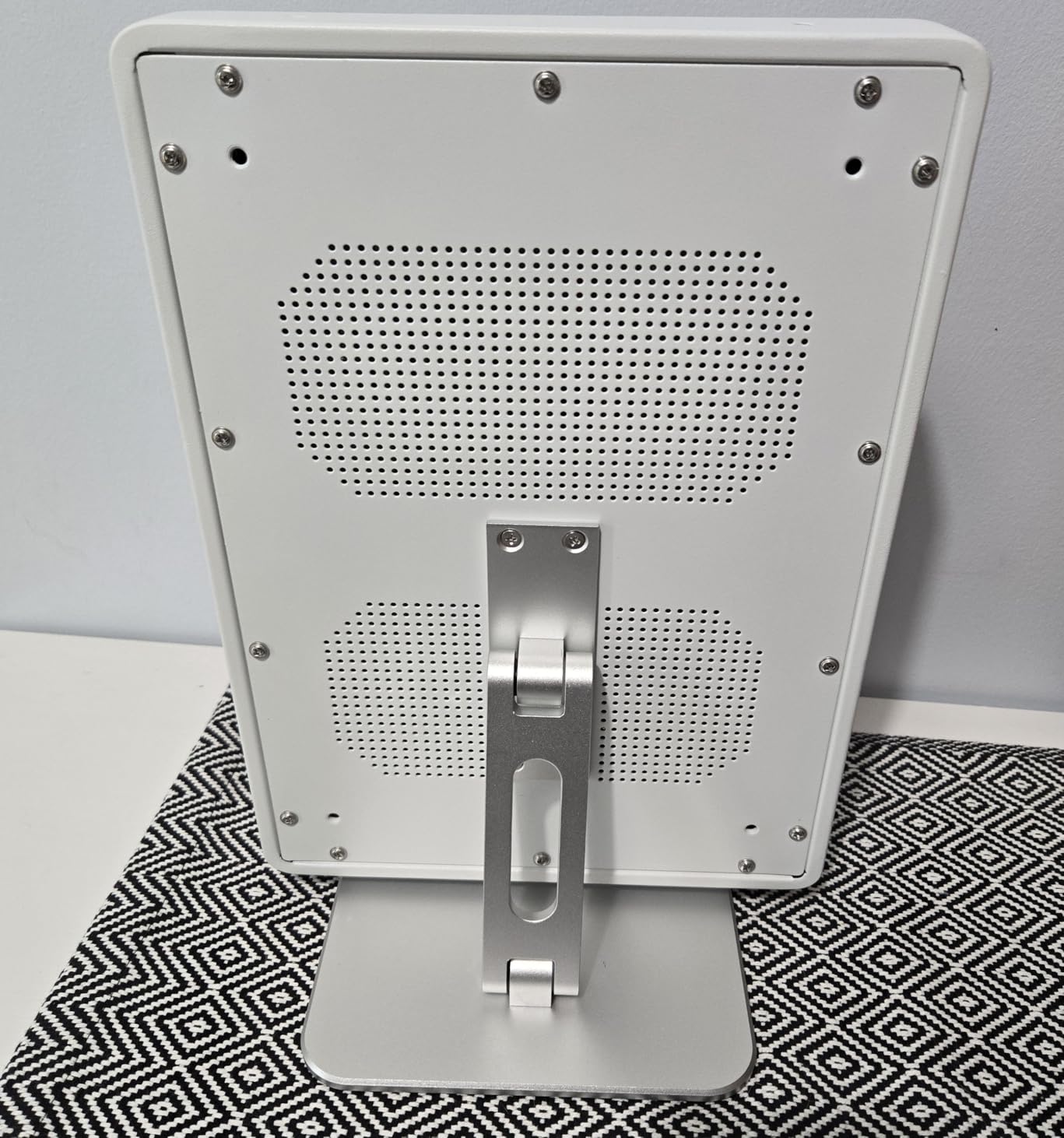
Now the honest part. At 40 pounds and 42.9 inches tall, this is a two-person install, and the stands are sold separately. Several buyers also report the panel sagging when mounted, with no leveling adjustment to correct it, so plan your mounting hardware carefully.
Quality control has been flagged too, with a few units arriving with issues, and note that the remote ships without its 23A 12V battery.
Do you actually need seven wavelengths?
Not necessarily, and that is the honest answer. The core research on red light therapy benefits centers on 630 to 660nm red and 810 to 850nm near infrared, which every panel here covers. Where extra wavelengths help is specificity: 480nm blue for acne-causing bacteria on the skin surface, and longer infrared like 830nm and 1,060nm for deeper joint and muscle work.
If you are treating a mix of skin and deep-tissue issues, or you simply want one panel that does everything, the seven-wavelength spread justifies itself. If your only goal is facial skin, a simpler dual-wavelength panel will serve you fine for less money.
What should you know before mounting a 40-pound panel?
Get the stand or use heavy-duty wall anchors rated well above the panel weight, and have a second person for the lift. Buyers who wall-mounted into drywall without hitting studs report sagging and alignment problems, which lines up with the cons above. Budget for the BONTANNY stand if you want horizontal or vertical floor positioning, since the panel alone has no base.
Also grab a 23A 12V battery before it arrives so the remote works on day one. Small thing, annoying to discover late.
4. Hooga HG300 Panel – Best Compact Starter Panel
Hooga HG300 Red Light Therapy Panel, 660nm Red & 850nm Near-Infrared Light, 60 LEDs, Built-in Timer, Adjustable Stand for Home Wellness
60 LEDs at 5W each
660nm plus 850nm
73 mW per cm2 at 6 inches
6.7 lbs
Tabletop stand and timer
Pros
- 660nm red and 850nm near-infrared wavelengths for surface and deep tissue
- 73 mW/cm2 irradiance at 6 inches with high-quality 5W LEDs
- Independent controls for red and near-infrared
- Built-in timer and active cooling
- Durable iron construction with 50
- 000+ hour LED lifespan
- 3-Year Warranty and U.S.-based support
Cons
- No stand included for floor use without upgrading
- Heavier than expected for its size
- Air vents on multiple sides can make positioning tricky
The HG300 is the panel I point beginners toward when they want a known quantity from a brand that answers its email. Hooga is a US-based company with an actual support team and a 3-year warranty, which is rare at this price and honestly rare in this category overall. With 1,366 reviews and a 4.6-star average, it is one of the most proven panels on Amazon.
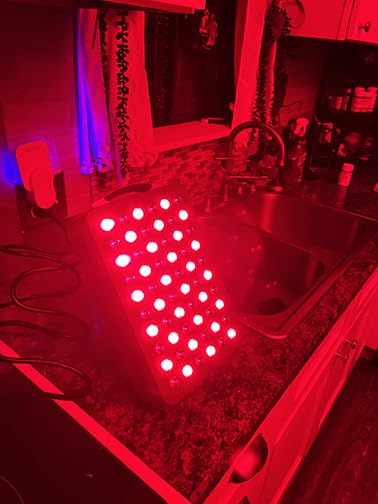
Performance is solid for a compact unit: 60 five-watt LEDs delivering 73 mW per square centimeter at 6 inches. That is a real, quoted number at a realistic distance, which I appreciate since plenty of competitors only quote at skin-contact range.
Owners report improvements in skin texture, joint pain, sleep, and post-workout recovery, which tracks with what the wavelengths are known for.
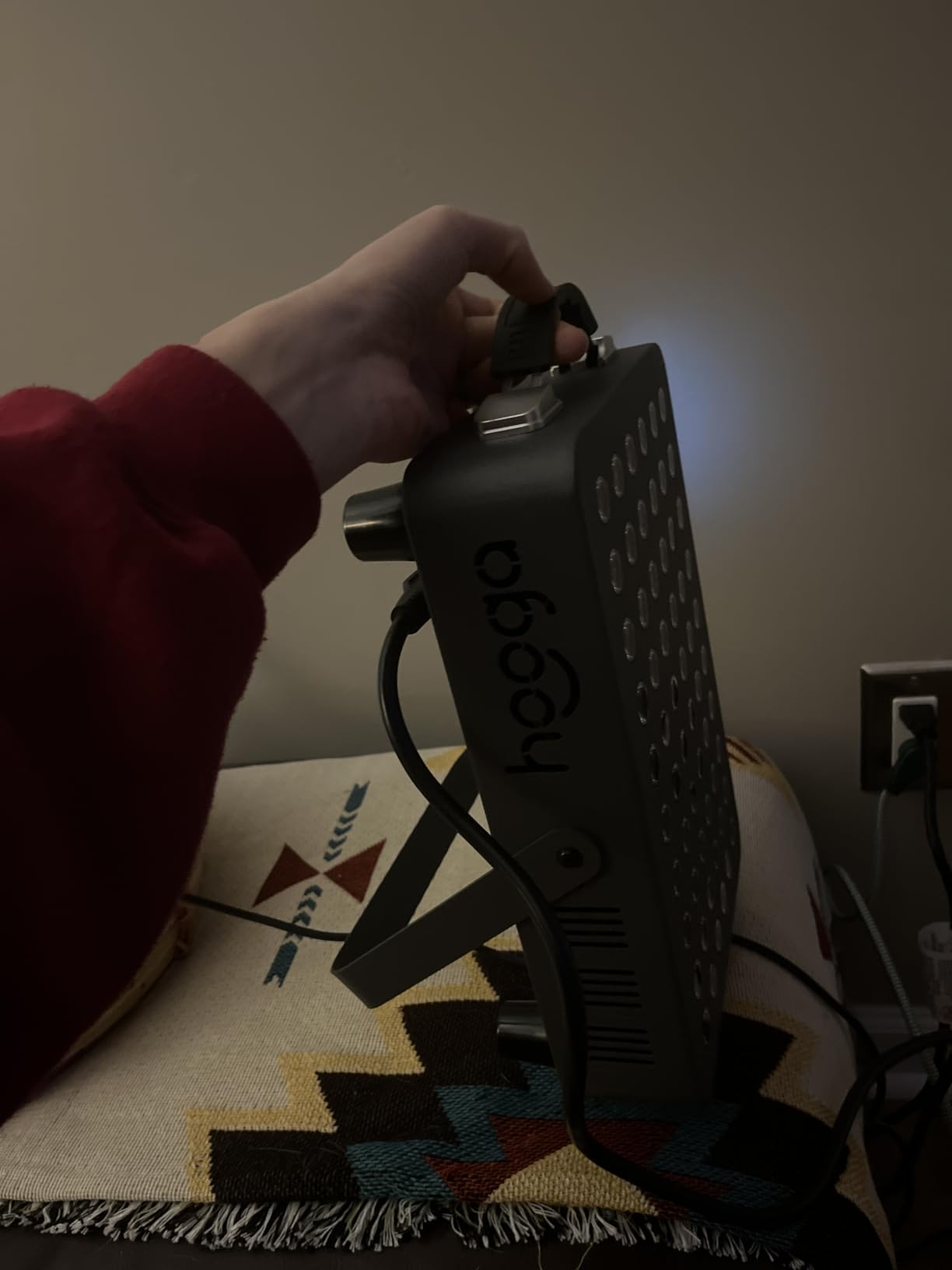
The standout technical feature is independent control over red and near infrared, so you can run 660nm only for skin work or 850nm only for deeper tissue. A built-in timer plus active cooling rounds it out, and the iron housing feels far more substantial than the plastic shells on cheaper units.
Two things to know before buying. The included stand is a tabletop version, so floor or door use means buying the Pro series or a separate stand. And at 6.7 pounds it is heavier than it looks, which is a compliment to the build but a note for anyone planning to move it constantly.
The air vents on multiple sides also demand a little thought on placement, since blocking them reduces cooling efficiency.
Is the HG300 big enough for daily use?
For targeted work, absolutely. The 60-LED array comfortably covers a face, neck, shoulder, knee, or one thigh at a time. Where it runs out of surface is full torso or full back treatment, which means repositioning through several zones. Hooga sells 100, 200, and 300-LED versions of the same platform if you want more area in one shot.
If your main goal is facial skin or a recurring trouble spot like one knee or shoulder, the HG300 is plenty. If you want full-body sessions, size up within the same family.
What does the warranty actually cover?
Hooga backs the HG300 with a 3-year warranty through their US-based support team, covering defects in materials and workmanship including the 50,000-hour-rated LED array. Buyers in the reviews mention responsive warranty service, which is the part that matters when something goes wrong two years in.
Compare that to no-name panels with a 30-day window and no reachable support, and the value of a real warranty becomes obvious. This is a big reason the HG300 ranks this high for first-time buyers.
5. Viconor Red Light Therapy Lamp – Best Affordable Panel with Stand
Viconor Red Light Therapy for Face and Body, Red Infrared Light Therapy Lamp with Stand Led 660nm & 850nm Infrared Light Device for Body
120 LEDs
660nm plus 850nm
Curved focusing design
Adjustable stand,180 degree tilt
7.12 lbs
Pros
- 120 LEDs with 660nm red and 850nm near-infrared wavelengths
- Curved surface design focuses light for better coverage
- Compact
- lightweight and portable
- Adjustable stand and 180 degree positioning
- Easy to use right out of the box
Cons
- Some customers report the device is smaller than pictured
- Quality control issues (cable connection problems reported)
- Mixed reports on effectiveness compared to premium panels
This is the cheapest panel on this list that I would actually recommend to a friend. The Viconor packs 120 LEDs with both key wavelengths and a full stand into a package that usually costs less than a single spa session. Sitting at number 4 in Light Therapy Products on Amazon, it is a genuine bestseller, and its 4.6-star average across 1,009 reviews says most buyers are happy.
The curved panel design is not a gimmick. Instead of light spraying straight out and losing intensity at the edges, the curve focuses output toward your body, which partially compensates for the lower per-LED power at this price.
I recommend this constantly as a low-risk entry point for anyone curious whether red light therapy does anything for them.
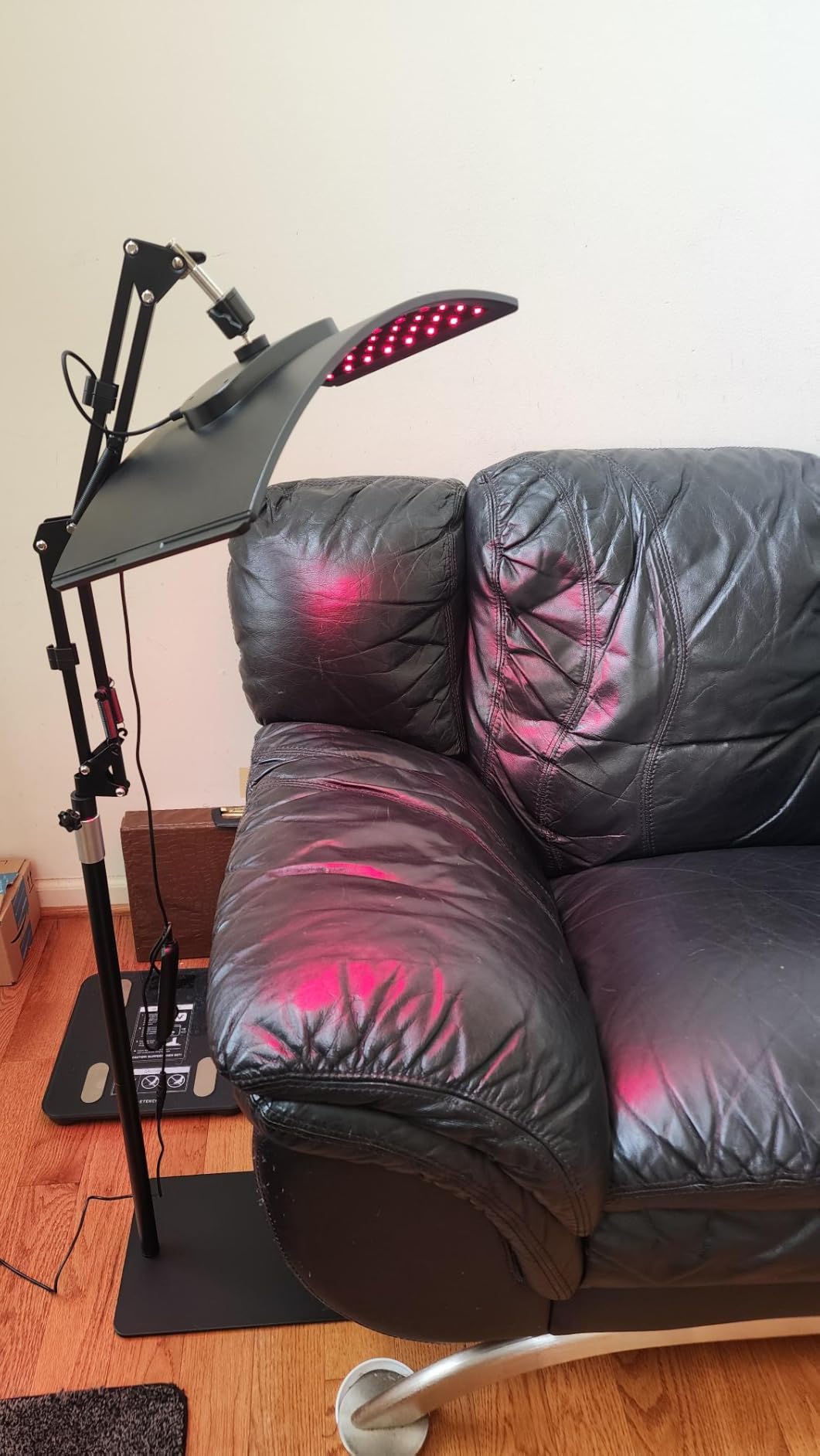
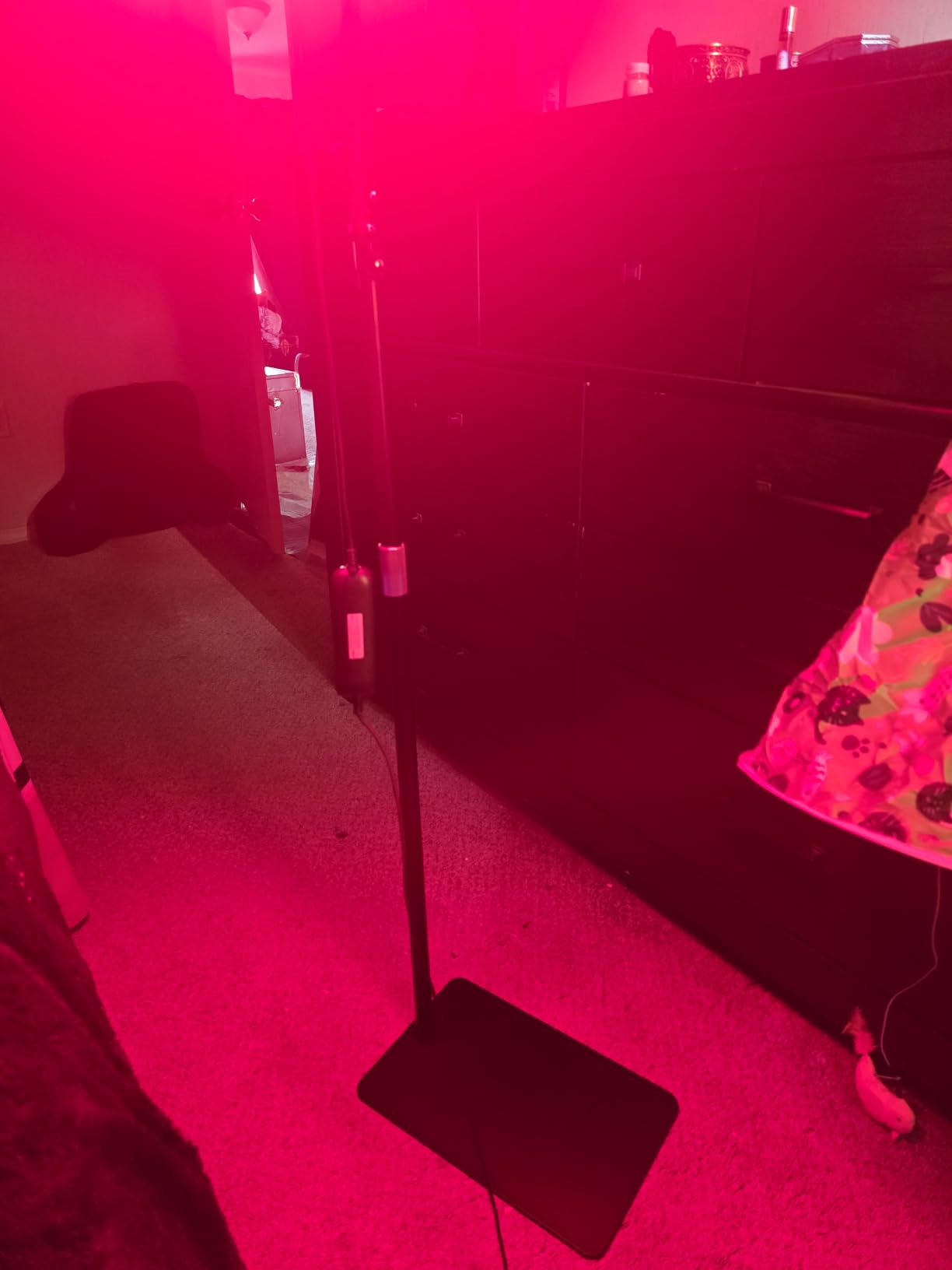
On the technical side, the 180-degree adjustment on the stand plus a hanging hook give you three positioning options: floor stand, table, or door mount. The 1.8m power cord is long enough that you are not chained to an outlet right next to your chair.
The weaknesses are the ones you would expect at this price. Some buyers report the unit arriving smaller than the listing photos suggested, so check the dimensions against your expectations. A minority flag cable connection problems, pointing to uneven quality control.
And the honest caveat: it is not as powerful as the premium panels above. Users comparing it directly to costlier units notice the difference in session depth.
What can you realistically expect at this price?
Targeted relief and gradual skin improvement, not clinic-grade full-body transformation. The 120 LEDs deliver a reasonable dose for face, neck, joints, and small areas in 15 to 20 minute sessions. Most positive reviews describe reduced muscle soreness, better sleep, and modest skin improvements over weeks of consistent use.
If you go in expecting the output of a 470W panel, you will be disappointed. Set expectations at solid starter panel and it delivers very well for the money.
Who should buy this instead of a premium panel?
Three groups: curious first-timers who do not want to commit hundreds of dollars, people treating a small specific area like a face or one joint, and anyone who wants a portable unit for travel. The 7.12-pound weight and hook mount make it genuinely easy to move between rooms or pack along.
If you already know you want full-body sessions or you are chasing maximum irradiance, skip this tier and look at the EXESAS, BONTANNY, or BestQool Pro300 instead.
6. INTEO 2-in-1 Detachable Panel – Best Panel with Stand and Strap
INTEO Red Light Therapy for Face and Body, Infrared Red Light Therapy Lamp
13 x 7.5 inch panel
660nm plus 850nm
5 brightness levels,9 timers
Aviation aluminum stand,46.5 inch max height
7 lbs
Pros
- Easy to set up and assemble
- Aviation-grade aluminum stand with 180 degree flipping and 360 degree rotatable head
- Five brightness levels and nine timer options
- 3 working modes: constant light
- 10Hz pulse
- 40Hz pulse
- Detachable design for portable use with adjustable elastic strap
Cons
- Requires consistent use (not an overnight miracle)
- Some users note it takes time to see long-term results
- Heating and warmth may feel strong for some users
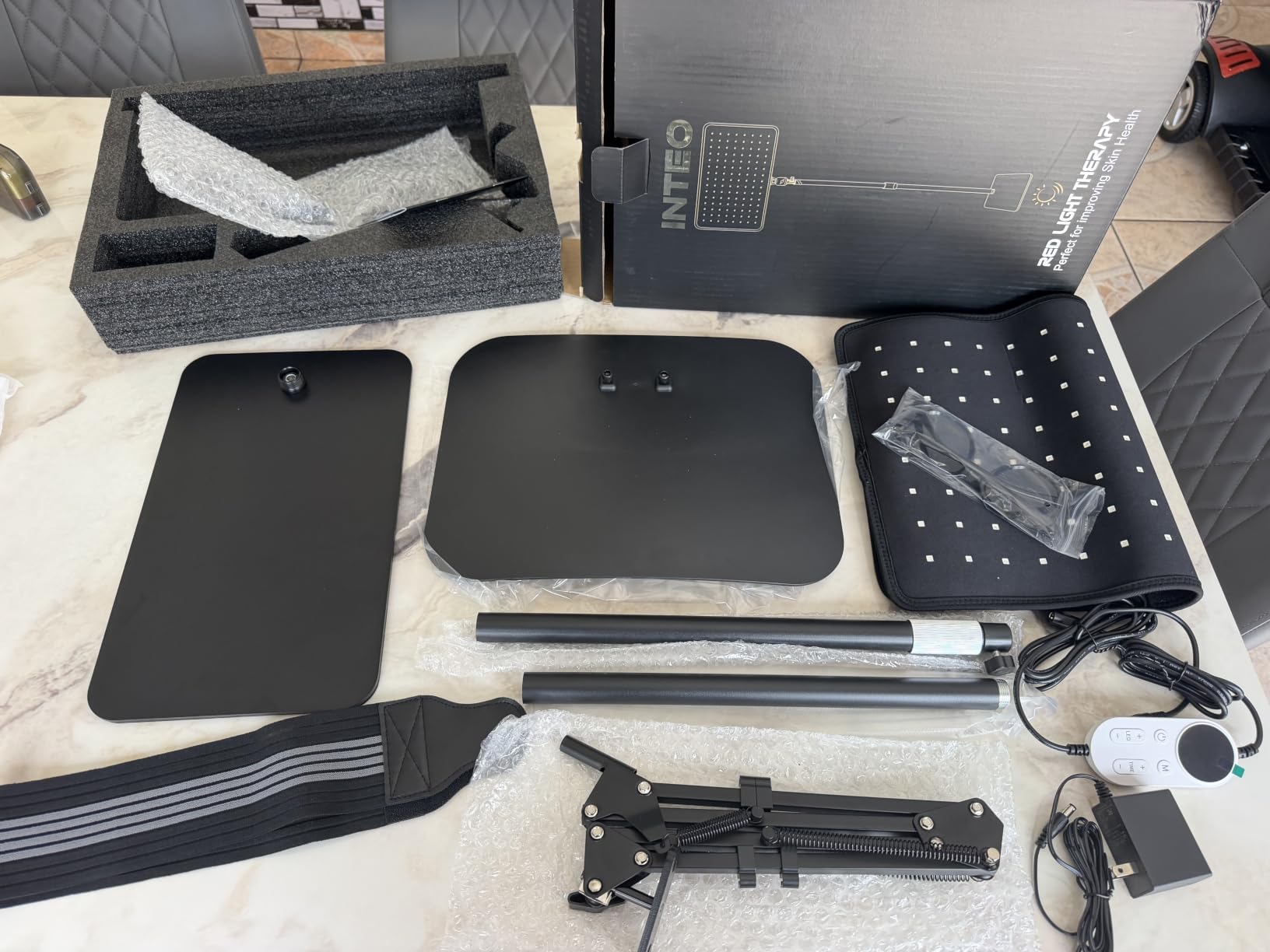
The INTEO solves the single most common complaint in this category: the missing stand. For a mid-range price you get a proper aviation-grade aluminum stand that extends to 46.5 inches, plus a 2-in-1 detachable design where the panel pops off the stand for targeted use. It is the most complete package on this list in terms of what is in the box.
The 660nm and 850nm dual-wavelength output covers the two wavelengths that matter most, with two chips per light for different wavelength combinations. A 4.6-star average across 121 reviews, and the number 30 best-seller rank in Light Therapy Products, tells me the market agrees on the value.
Buyers highlight muscle relaxation, pain relief, improved skin appearance, and faster post-exercise recovery.
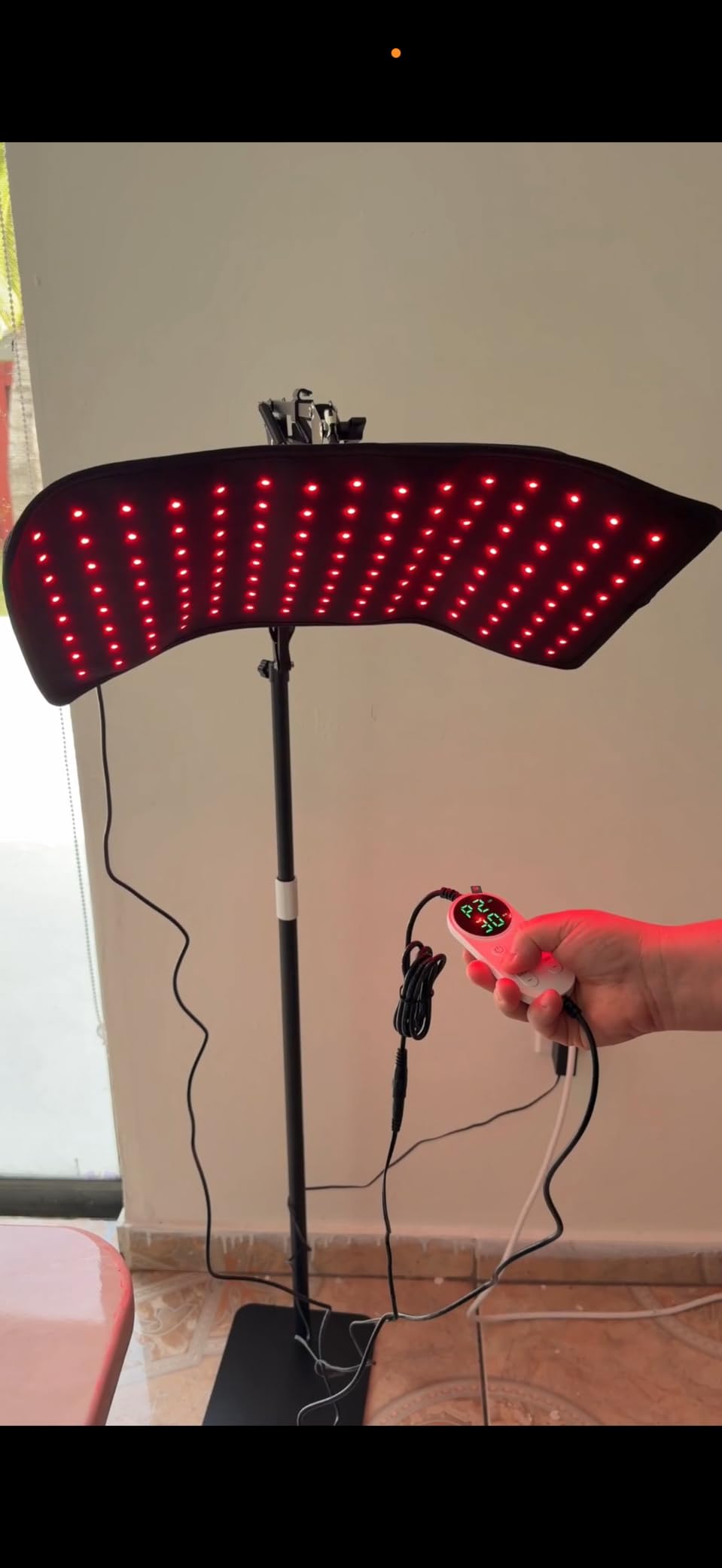
Technically this is the most adjustable panel here. Five brightness levels and nine timer options from 10 to 90 minutes let you dial in exactly what you want, and the three working modes include 10Hz and 40Hz pulsed output alongside constant light. The lamp head rotates 360 degrees and flips 180 degrees, so positioning it at a shoulder, knee, or face takes seconds.
The included elastic strap is a nice touch, letting you strap the detached panel to a chair back or your body for hands-free targeted treatment.
Two honest cautions from the reviews. The warmth can feel strong if you sit very close, so start at greater distances and lower brightness. And like all red light therapy, results take weeks of consistent use, not days.
How does the detachable design work in practice?
The 13 x 7.5 inch panel separates from the stand without tools, converting from a full floor or table unit into a handheld or strap-mounted treatment head. Reviewers use it strapped to a chair for back work, propped on a desk for face sessions, and on the stand for standing full-torso exposure. One-year warranty with 24-hour support is included.
That flexibility is the entire point of this model. If you treat multiple body areas in multiple rooms, you will use the detach feature constantly.
Are the pulse modes useful or just marketing?
Useful, with a caveat. Pulsed output at 10Hz and 40Hz is used in professional settings partly because it lets LEDs run cooler and partly because some research suggests pulsed light penetrates tissue differently than constant light. The practical benefit most owners notice is comfort: pulsed modes feel less intense on the eyes and skin.
Treat the pulse modes as a comfort and versatility feature rather than a magic multiplier. The constant-light mode still delivers the highest total dose per minute.
7. Lifepro Bioheal Dual Chip Panel – Best for Recovery and Pain Relief
Lifepro Bioheal Red Light Therapy Panel 90 &120 Dual Chip LED
120 dual chip LEDs
660nm plus 850nm
203 mW per cm2 at 3 inches
1-30 min timer
5.73 lbs
FSA and HSA eligible
Pros
- Well-built
- solid construction with premium feel
- Effective 660nm and 850nm wavelength combination
- Multiple usage positions: standing
- lying flat or door-mounted
- Includes hanging kit and 2 pairs of protective eyewear
- FSA and HSA eligible
Cons
- May require a voltage transformer for international use
- No stand included for floor or desktop use
- Instructions could be clearer for first-time users
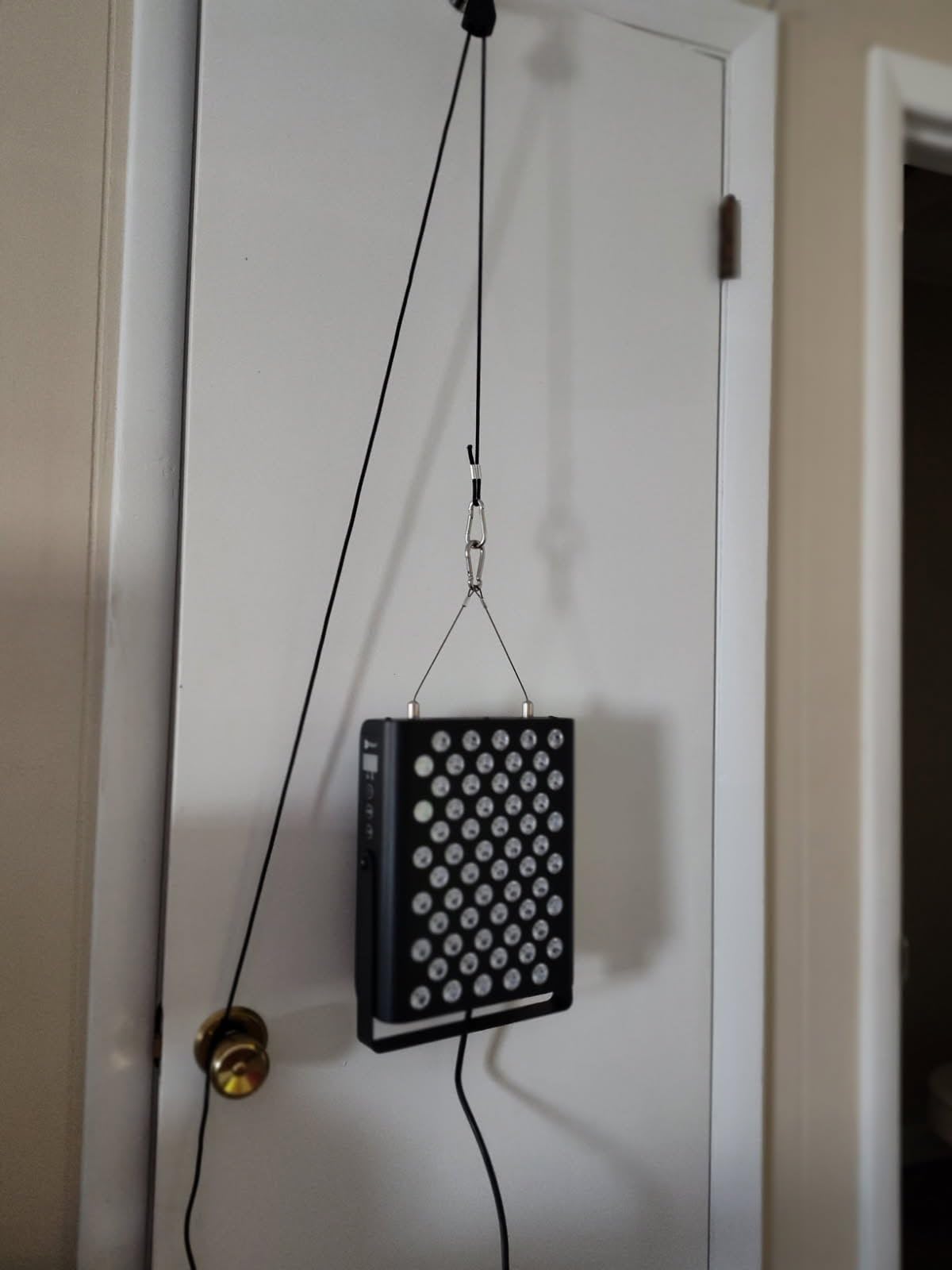
The Bioheal is the panel I recommend most often for athletes and anyone dealing with chronic joint or muscle pain. The headline spec is 203 mW per square centimeter measured at 3 inches, the highest quoted irradiance in this lineup. That intensity is why so many of its 803 reviewers describe fast relief from sore muscles and stiff joints.
LifePro is also an established brand in recovery equipment, not a random importer, and it shows in the build. The panel feels solid, the 120 dual-chip LEDs combine 660nm and 850nm in each lens, and the 4.5-star average reflects consistent satisfaction.
Owners specifically call out better sleep and faster workout recovery alongside pain relief.
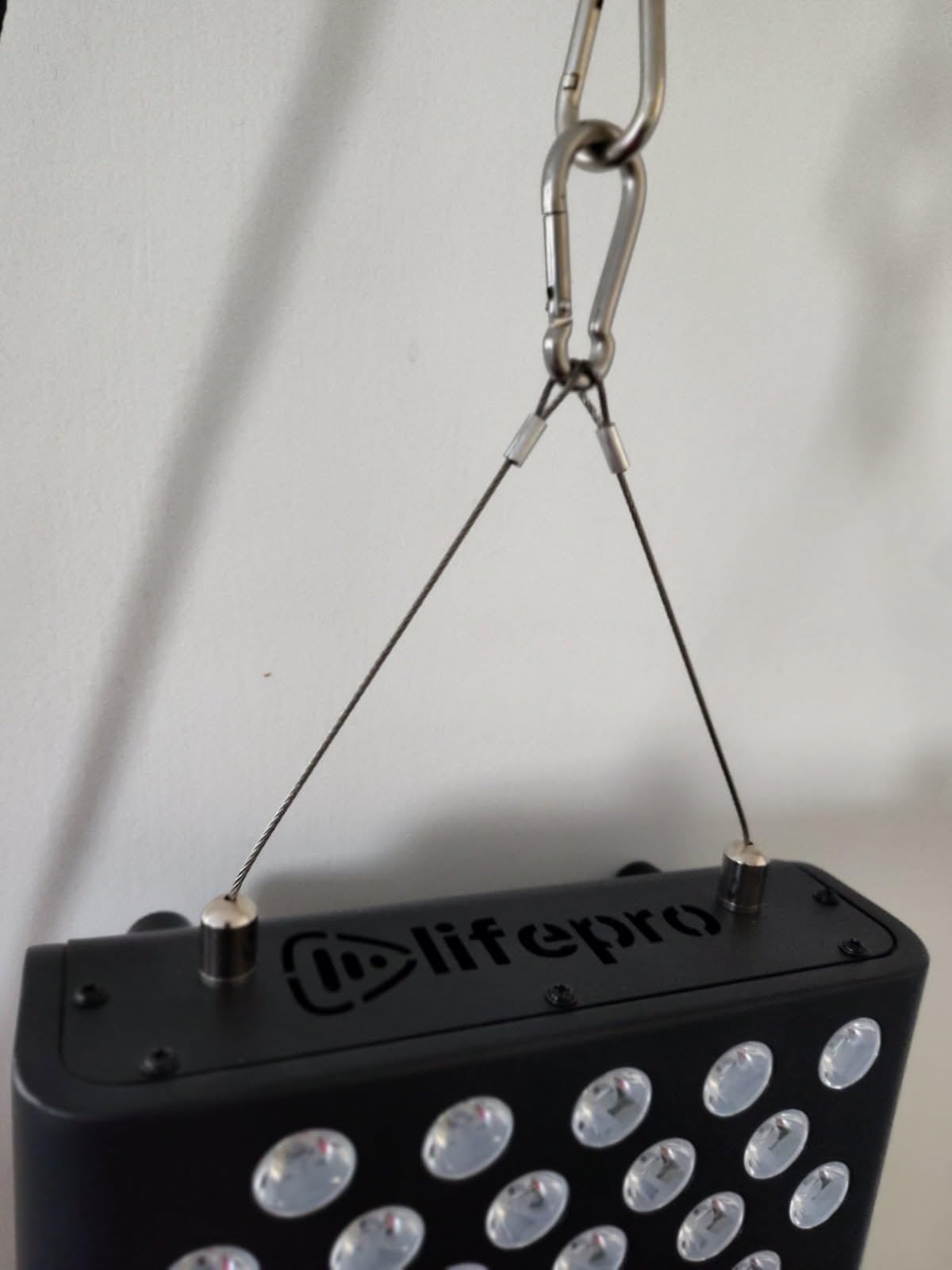
Functionally, the 1 to 30 minute adjustable timer and three light modes give you control, and at 5.73 pounds with a 20.3 x 8.3 inch face, it is light enough to reposition easily. You can use it standing with a door mount, lying flat under or beside you, or hung on the back of a door with the included kit. Two pairs of protective eyewear ship in the box, which is a thoughtful inclusion for couples or families.
It is also FSA and HSA eligible, which effectively lowers the real cost if you have those accounts.
The main gap is the same one several panels here share: no floor or desktop stand in the box. And international buyers may need a voltage transformer.
How intense is 203 mW per cm2 in real use?
Very, and that is the point. At 3 inches from the panel you are getting a professional-grade dose, which is why sessions per area are short and effective. At more comfortable distances of 6 to 12 inches the intensity falls off but remains strong for recovery work. LifePro rates it safe for up to 30 minutes per area daily.
If you have sensitive skin, start at 12 inches and lower session times, then close the distance as you learn your tolerance. Reviewers with chronic pain tend to sit closer; those using it for skin tend to sit farther back.
Is the Bioheal good for skin as well as pain?
Yes, though its fan base skews toward recovery users. The 660nm red output supports collagen and surface skin work, and reviewers do report skin tone improvements. But the high irradiance and dual-chip layout are optimized for the deeper 850nm penetration that muscles and joints respond to.
If skin is your primary goal, the BestQool X60 or the MitoMIN are easier to position for face sessions. If pain relief and recovery come first, this is the stronger choice.
8. Mito Red Light MitoMIN 2.0 Panel – Best for Face and Targeted Treatment
Mito Red Light – MitoMIN 2.0 Red Light Panel – Red Light Therapy for Face and Neck – Red Light & Near Infrared Red Light Therapy – At-Home Red Light Therapy for Body
60 high-powered LEDs
660nm plus 850nm
21,720 joules per 10 min
12 x 9 x 3 inches
Third-party tested
FSA and HSA eligible
Pros
- Premium
- sturdy metal build quality
- American company with independent third-party testing
- 3 modes: Red Only
- Near Infrared Only or Both
- Whisper-quiet fans
- Established reputation since 2018
Cons
- No built-in handle makes it heavy and awkward to move (10.34 lbs)
- Smaller surface area than larger panels - treats targeted areas only
- Some users wish it had more coverage area
Mito Red Light is the brand I trust most on transparency. They publish independent third-party test results for irradiance and spectral output rather than asking you to believe marketing numbers, and they have been around since 2018 serving over 125,000 customers in 30-plus countries. In a category full of inflated claims, that accountability is worth real money.
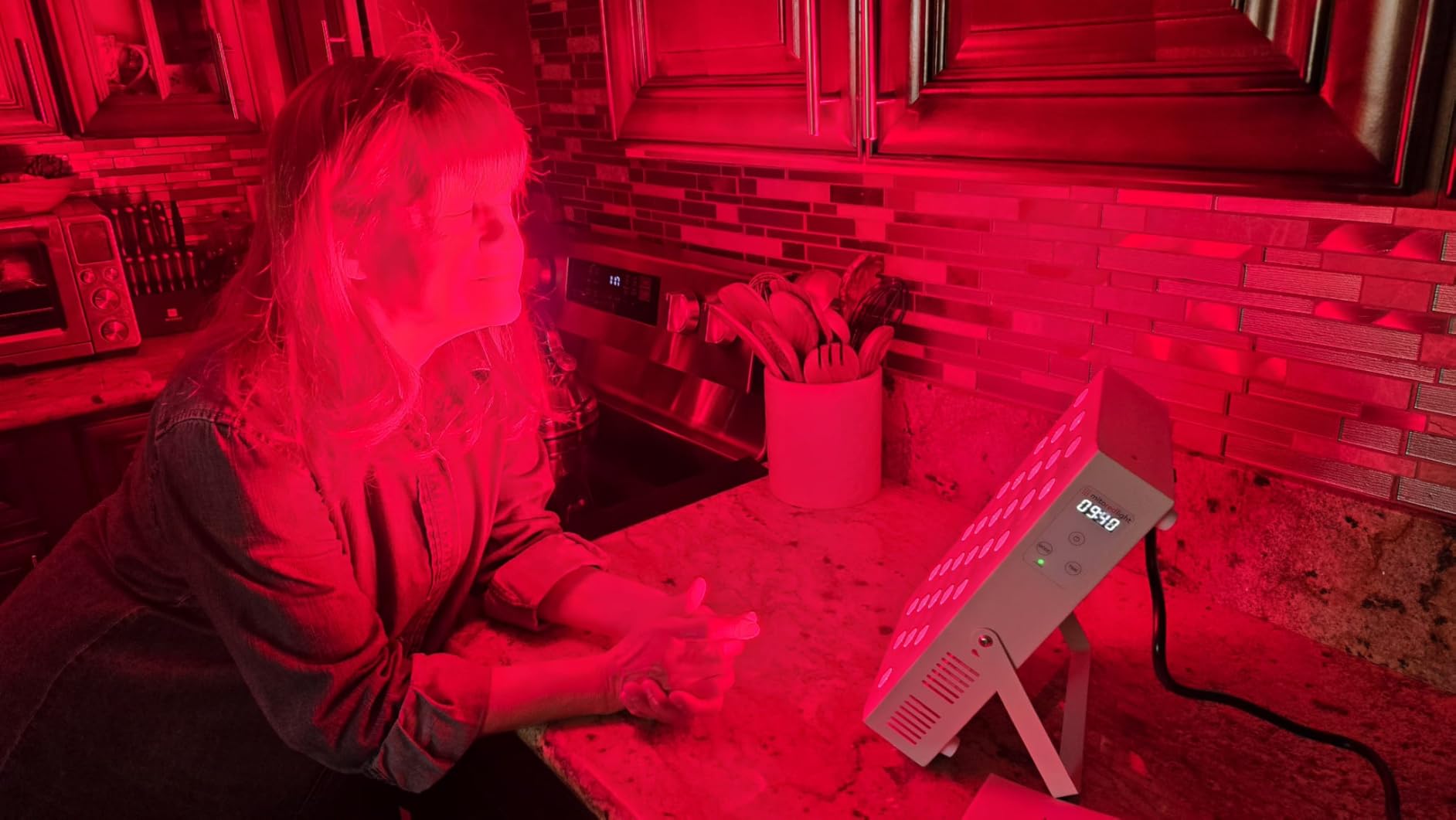
The MitoMIN 2.0 is their compact model, sized at 12 x 9 x 3 inches for face, neck, and targeted body work. It delivers 21,720 joules in a 10-minute session, which is a concrete dose number most brands never provide.
Reviewers with 160 reviews and a 4.5-star average report visible skin improvements, faster wound healing, reduced eczema symptoms, and effective pain relief.
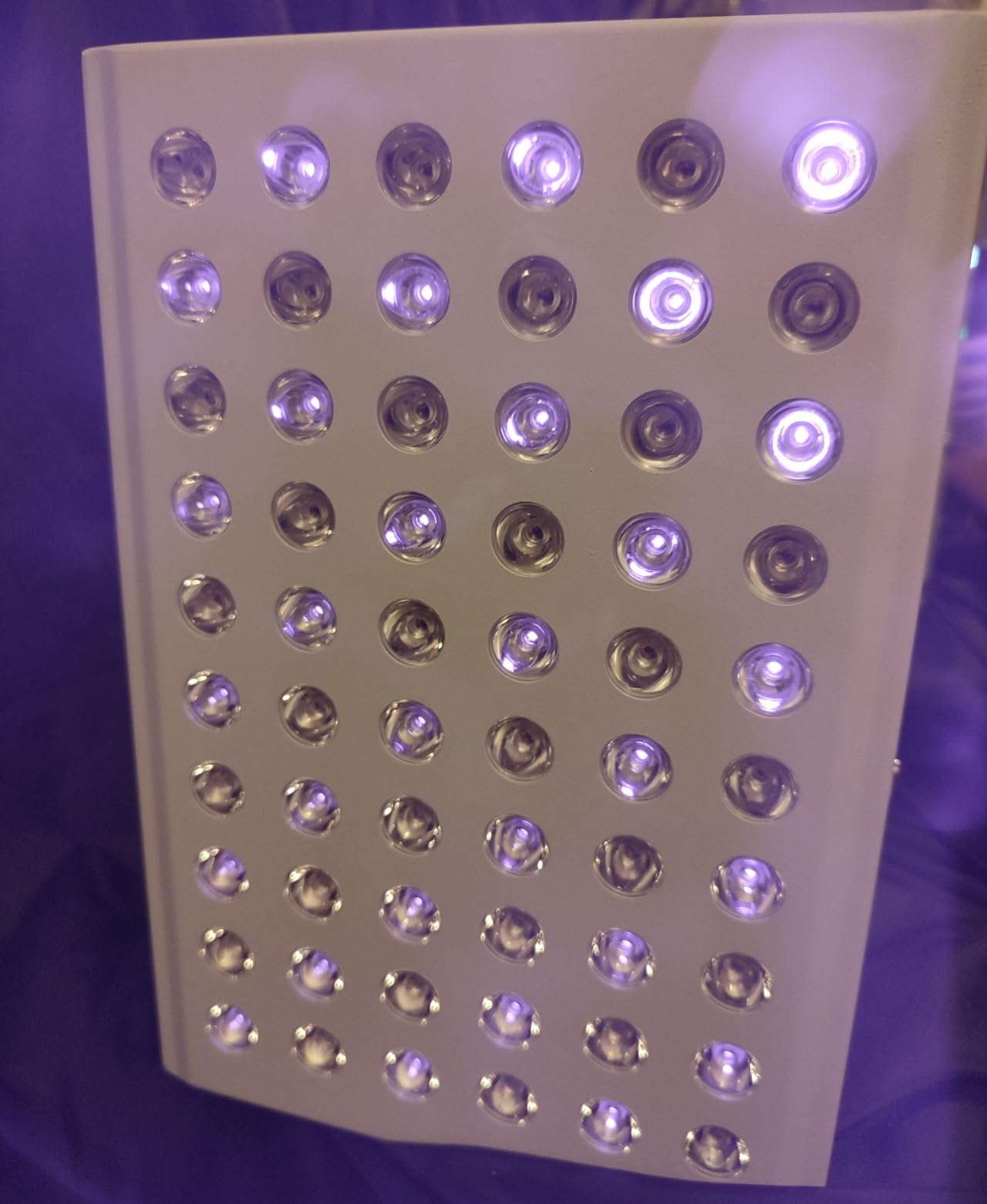
On the technical side, the three modes of red only, near infrared only, or both let you isolate wavelengths for specific goals, and the digital control panel with timer is straightforward. The whisper-quiet fans matter more than you might think if you plan to read or watch TV during sessions, since louder panels get annoying fast.
The all-metal housing is genuinely premium and includes electrical safety certification.
The tradeoff is portability versus solidity. At 10.34 pounds with no built-in handle, moving it between rooms is a two-handed job. And with a 12 x 9 inch face, this is a targeted-area tool, not a full-body panel.
Why does third-party testing matter so much?
Because irradiance claims are the easiest thing to fake in this industry. A brand can quote a big number measured at zero inches, or at the LED surface, or under ideal lab conditions that never happen in your living room. Independent third-party verification means an outside lab measured the actual output and spectral distribution, so the comparison numbers are trustworthy.
When Mito says the MitoMIN delivers a certain dose, you can check the test data. With most budget brands, you are taking their word for it.
Should you buy the MitoMIN or size up in the Mito family?
Buy the MitoMIN if your focus is face, neck, or one trouble spot at a time, or if you want the smallest genuinely high-quality panel available. Move up to the MitoMID 2.0 or MitoMAX 2.0 if you want to cover a torso or back in fewer passes, or the MitoMEGA 2.0 for full-body work.
All four variants share the same build quality and testing standards, so you are choosing coverage area, not quality tier. That makes the upgrade path painless if you outgrow the MIN.
9. BestQool Pro300 Full Body Panel – Best Modular Full Body Panel
BestQool Red Light Therapy Panel, FSA-HSA 4 Wavelengths Full Body, 470W
300 LEDs,470W
4 wavelengths: 630,660,850,940nm
Over 106 mW per cm2 at 3 inches
36.4 x 13.49 inches
19.18 lbs
Modular design
Pros
- Exceptional irradiance exceeding 106 mW/cm2 - very powerful
- 4 wavelengths (630nm
- 660nm
- 850nm
- 940nm) for surface and deep tissue
- Modular design allows connecting multiple panels
- Faster muscle recovery and reduced inflammation
- Good value compared to higher-priced competitor panels
- FSA and HSA eligible
Cons
- No stand included - unit is heavy and awkward without a mounting solution
- Unit is tall and may not fit standard door hooks for shorter users
- Instructions can be confusing for setup
- Cooling fan is audible
The Pro300 is the build-your-own-rig option. Its modular design lets you connect two or more panels together to create a full red light therapy wall, which is how you get true full-body coverage without buying a single massive panel. At 470W with 300 LEDs and four wavelengths, one unit is already powerful; two side by side is a serious setup.
The four-wavelength array runs 630nm and 660nm red plus 850nm and 940nm infrared, covering surface skin and deep tissue in the same session. Reviewers with 112 reviews and a 4.5-star average report faster muscle recovery, reduced inflammation, brighter skin, less joint soreness, and better sleep.
It is also FSA and HSA eligible, which takes some of the sting out of the price.
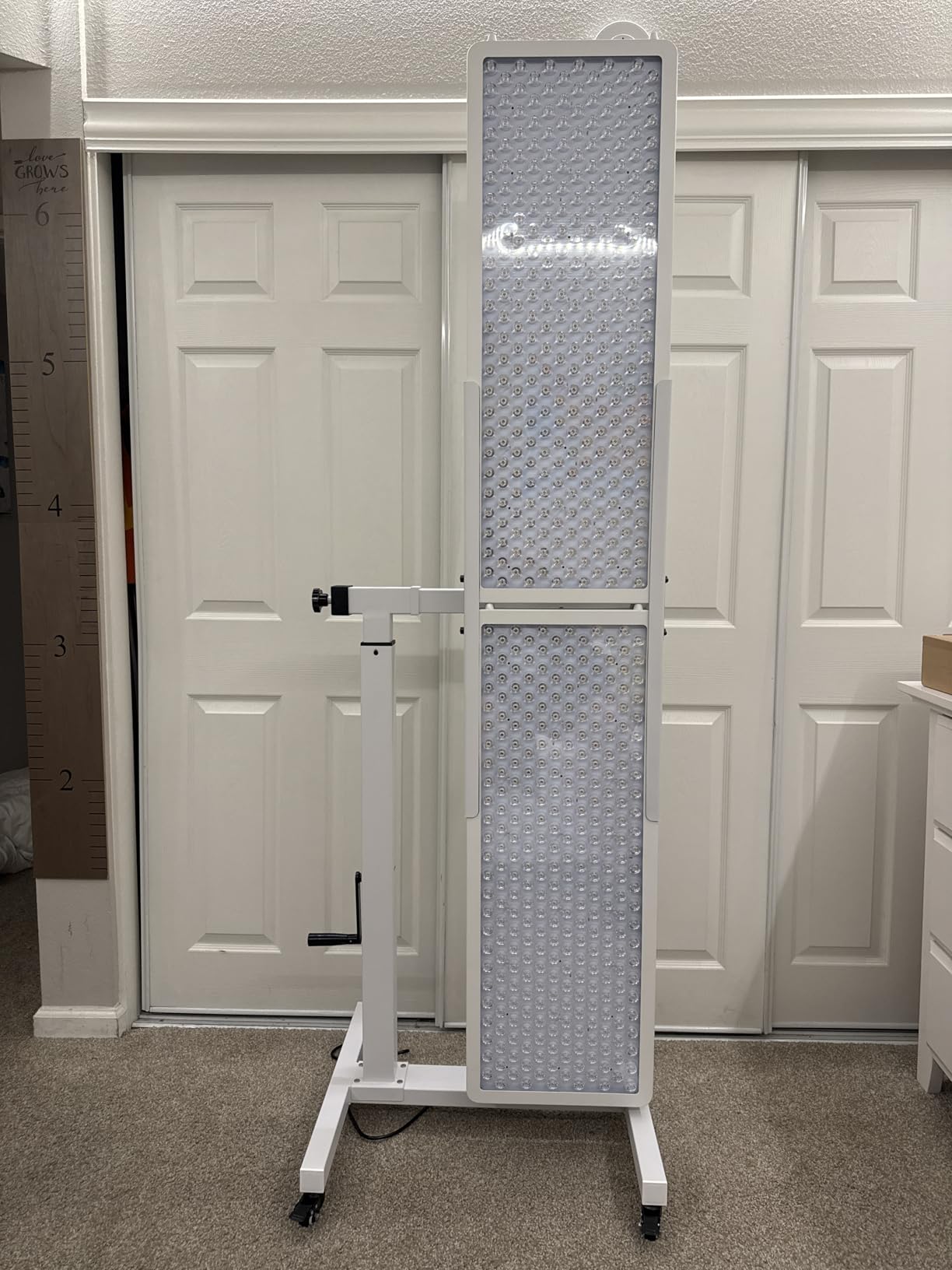
Technically, the over 106 mW per square centimeter at 3 inches puts it near the top of this list for measured output, and the 30-degree beam angle concentrates that energy rather than spreading it thin. The built-in cooling fan keeps the array stable through long sessions, and the 100,000-hour LED lifespan rating means longevity is not a concern.
The 36.4 x 13.49 inch face covers a full back or both legs in one pass.
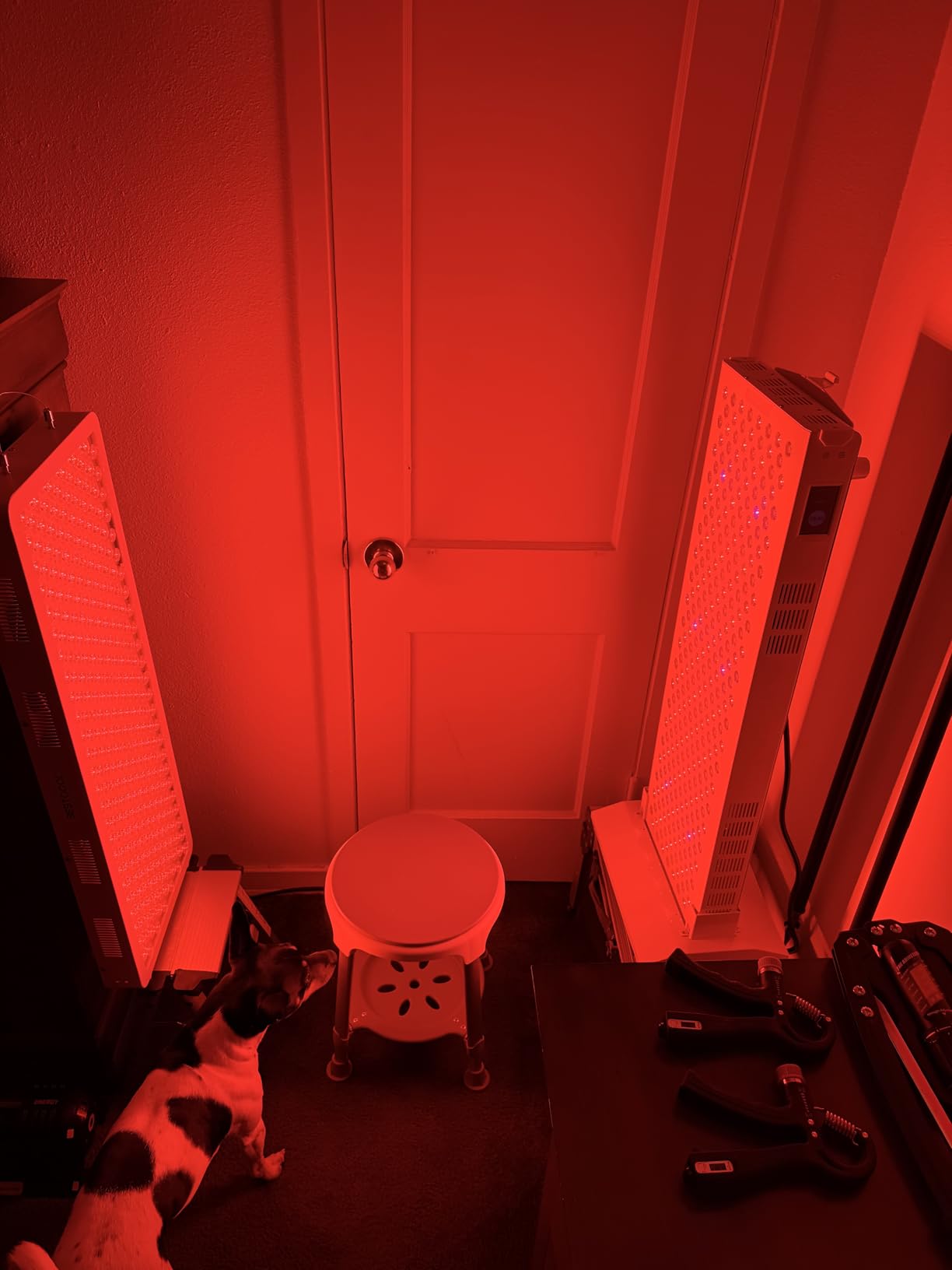
The cons are practical. No stand ships in the box, so plan your mounting before it arrives. The unit is tall enough that standard door hooks may not work for shorter users, the cooling fan is audible rather than silent, and the instructions are confusing.
How does the modular connection system work?
BestQool designed the Pro300 to link with additional Pro300 units using the included cables and hooks, letting you build a two-panel or larger array that functions as one wide treatment surface. Buyers report using two panels to cover front and back, or stacking them for a full-height wall. The Pro200 variant is available if you want a smaller building block.
This is the most cost-effective path to a genuine full-body light wall, since you can start with one panel and add more over time rather than paying for everything upfront.
What should you budget for beyond the panel itself?
A mounting solution, at minimum. Options include a door-mount bracket with the included hooks, a heavy-duty stand sold separately, or wall anchors rated for 19-plus pounds. Reviewers note the door bracket can make the door hard to close, which matters if you are mounting in a hallway.
Also expect some fan noise during sessions, which is fine if you watch TV but noticeable in a quiet room. If silence is a priority, the MitoMIN with whisper-quiet fans is the better fit.
10. Rhmip 45W LED Panel – Best Budget Entry Point
LED-Red-Light-Therapy-Device – 45W LED Panel Deep 660nm and Near-Infrared 850nm Light Combo for Skin Beauty, Pain Relief of Muscles and Joints
45W panel
660nm deep red plus 850nm near infrared
12.2 x 12.2 inches
2.29 lbs
Hang or place independently
FSA and HSA eligible
Pros
- Extremely affordable entry point for red light therapy
- 660nm and 850nm wavelength combination
- Lightweight and portable (2.29 lbs)
- Can be hung or placed on any surface
- Helps with skin rejuvenation and pain relief
- Easy to use while reading
- watching TV or gaming
Cons
- Lower power output (45W) compared to premium panels
- Smaller coverage area
- Build quality may feel less premium than higher-priced options
- Some users report mixed long-term results at this price point
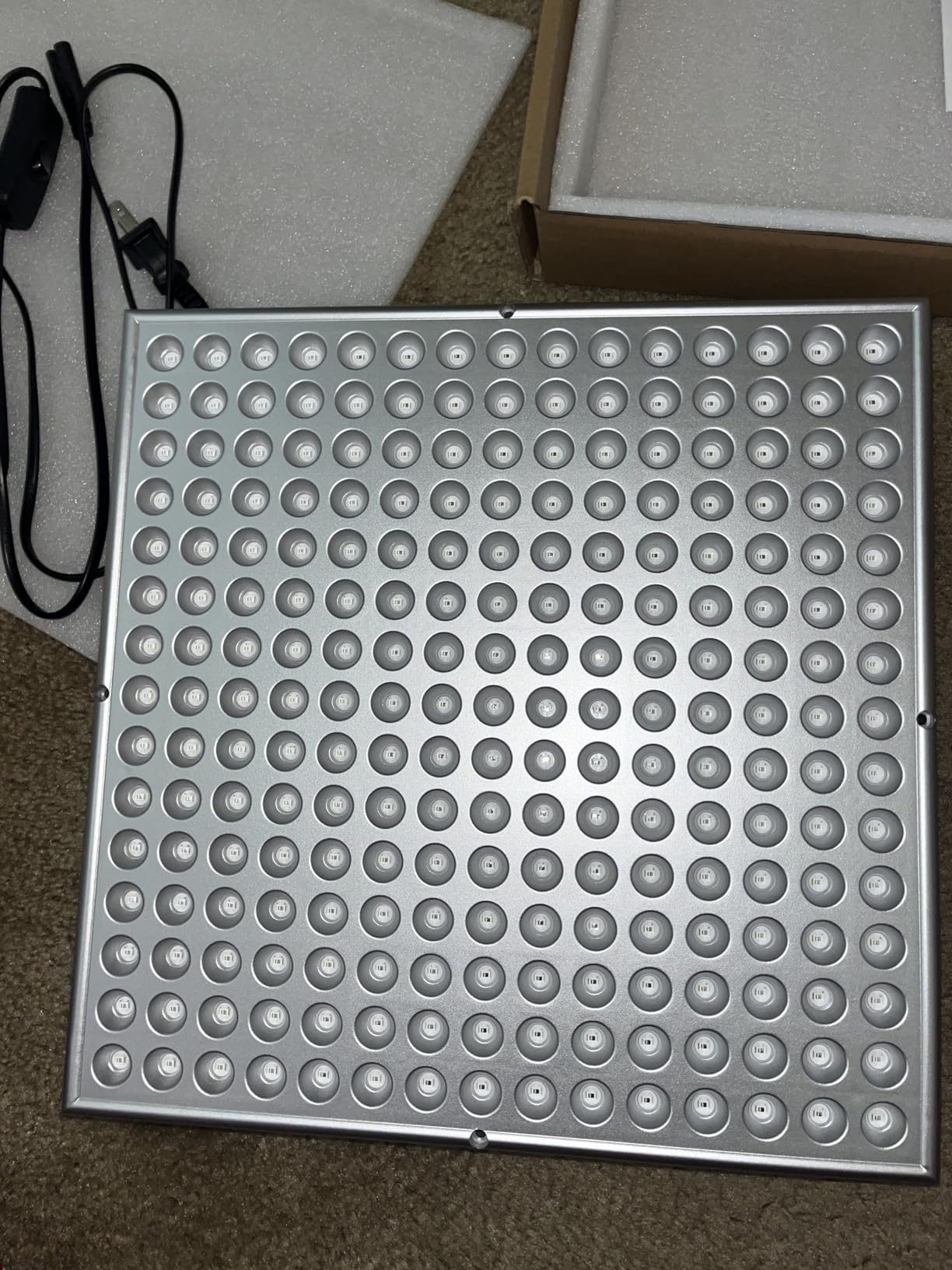
This is the cheapest way to find out whether red light therapy does anything for you. The Rhmip 45W panel is a bare-bones 12.2 inch square that delivers both core wavelengths, hangs on a hook, leans against a wall, and costs less than a month of gym membership. With 1,639 reviews it is one of the most-purchased panels on this entire list.
The 4.4-star average is slightly lower than everything else here, which is expected at this price, but the volume of positive feedback is hard to argue with.
Owners use it for targeted skin rejuvenation, minor pain relief, and general wellness, often while reading, watching TV, or gaming.
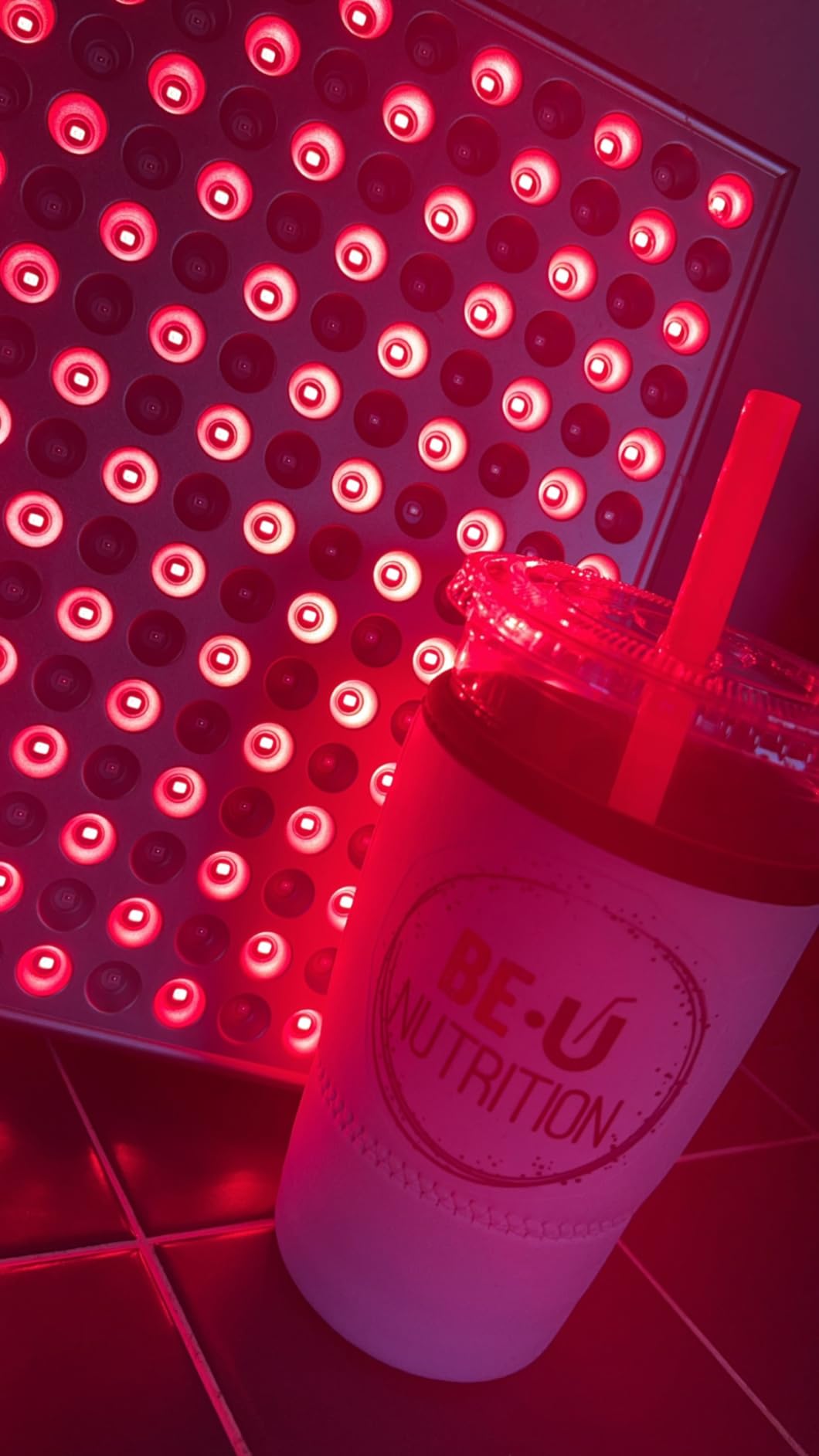
On the technical side, the 660nm deep red supports surface skin work while the 850nm near infrared reaches deeper tissue, which is remarkable at this price since some competitors cut one wavelength to save cost. At 2.29 pounds it is the lightest panel here by a wide margin, making it the one to grab for travel or for moving room to room.
The limitations are straightforward. At 45W the dose is lower than the 105W to 470W panels above, so sessions run longer and results come slower for deep-tissue goals.
Build quality is functional rather than premium, and some long-term users report mixed results, which is the honest risk at this tier.
Is the cheapest panel still worth buying?
For a first test, yes. If you are curious about red light therapy benefits and unwilling to commit hundreds of dollars, this answers that question for minimal risk. You get both key wavelengths, a usable 12.2 inch treatment area, and enough power for face and small-joint work in 15 to 20 minute sessions. It is also FSA and HSA eligible.
If you already know you will use this daily for recovery or full-body work, buy more panel now and skip the upgrade path.
What are you giving up versus pricier panels?
Three things: irradiance, coverage area, and refinement. The 45W output means lower dose per minute than the 105W BestQool or the 470W Pro300, so deep muscle and joint goals take noticeably longer. The 12.2 inch face treats one zone at a time rather than a full back.
You also give up niceties like remote controls, digital timers, cooling fans, and stands, none of which affect the light itself but all of which affect daily convenience. For a trial run, those are reasonable trades.
How to Choose a Red Light Therapy Panel
After comparing all ten of these panels, I can tell you the decision comes down to a handful of factors that matter far more than marketing copy. Here is what actually changes your experience.
Wavelengths are the first thing to check
The two wavelengths with the strongest research behind them are 660nm red for surface skin and 850nm near infrared for deeper tissue. Every panel on this list covers both, which is the baseline I would insist on.
Additional wavelengths add specificity. Blue light around 480nm targets skin surface concerns, 810nm and 830nm infrared sit in a deeper penetration band, and 940nm to 1,060nm reaches the deepest tissue. More wavelengths are nice, but 660nm plus 850nm is the non-negotiable core.
Irradiance, and the distance game brands play
Irradiance, measured in mW per square centimeter, tells you how much energy reaches your body per minute of session time. The catch is that every brand measures at a different distance, and a number quoted at 3 inches looks far more impressive than the same panel measured at 12.
When you compare, always note the measurement distance. The Lifepro at 203 mW per cm2 at 3 inches and the Hooga at 73 mW per cm2 at 6 inches are quoted under different conditions, so neither number is dishonest, just not directly comparable.
Coverage area determines your daily routine
Be honest about what you will treat. A 12 to 13 inch panel is fine for a face, neck, or single joint, but covering a back means multiple repositioned sessions. A 36-inch panel handles a full torso in one pass and turns a routine into a single 15-minute sit.
My rule of thumb: buy for the largest area you will treat regularly, not the area you hope to treat someday.
Check what mounts, stands, and controls are included
The most common complaint across every panel here is a missing stand, which turns a purchase into a project. Check the box contents before buying: the INTEO and Viconor include stands, while several others do not.
Also weigh controls. A built-in timer means you are not checking your phone mid-session, independent wavelength controls let you isolate red or infrared, and quiet fans decide whether you can watch TV while treating.
Warranty, support, and payment flexibility
Look for real warranty coverage and a brand you can actually reach. Hooga offers 3 years with US-based support, Mito publishes third-party test data, and LifePro is an established recovery brand. These things feel abstract until something goes wrong in year two.
Also check FSA and HSA eligibility if you have those accounts, since several panels here qualify and that effectively cuts the real cost.
Frequently Asked Questions
Does red light therapy actually work?
Yes, for specific goals. Clinical research supports red and near infrared light for skin texture and fine lines, wound healing, joint and muscle pain, and exercise recovery. The mechanism is well understood: specific wavelengths stimulate mitochondria in your cells to produce more energy. Results are real but gradual, typically appearing after several weeks of consistent use, not overnight.
How often should you do red light therapy?
Most protocols call for 10 to 20 minute sessions per treatment area, 3 to 7 days per week. Consistency matters more than intensity, so a daily 10-minute session beats an occasional hour. Higher-irradiance panels like the Lifepro at 203 mW per cm2 need shorter sessions than a 45W budget panel, and most manufacturers cap usage at 30 minutes per area per day.
Is red light therapy safe for home use?
Yes, red and near infrared light are non-ionizing and considered safe for home use when you follow the manufacturer’s distance and session guidelines. The two real precautions are eye protection, since looking directly at high-intensity LEDs is uncomfortable, and skin sensitivity if you sit too close to a high-irradiance panel. Most panels include or offer protective eyewear.
What is the difference between red light and infrared?
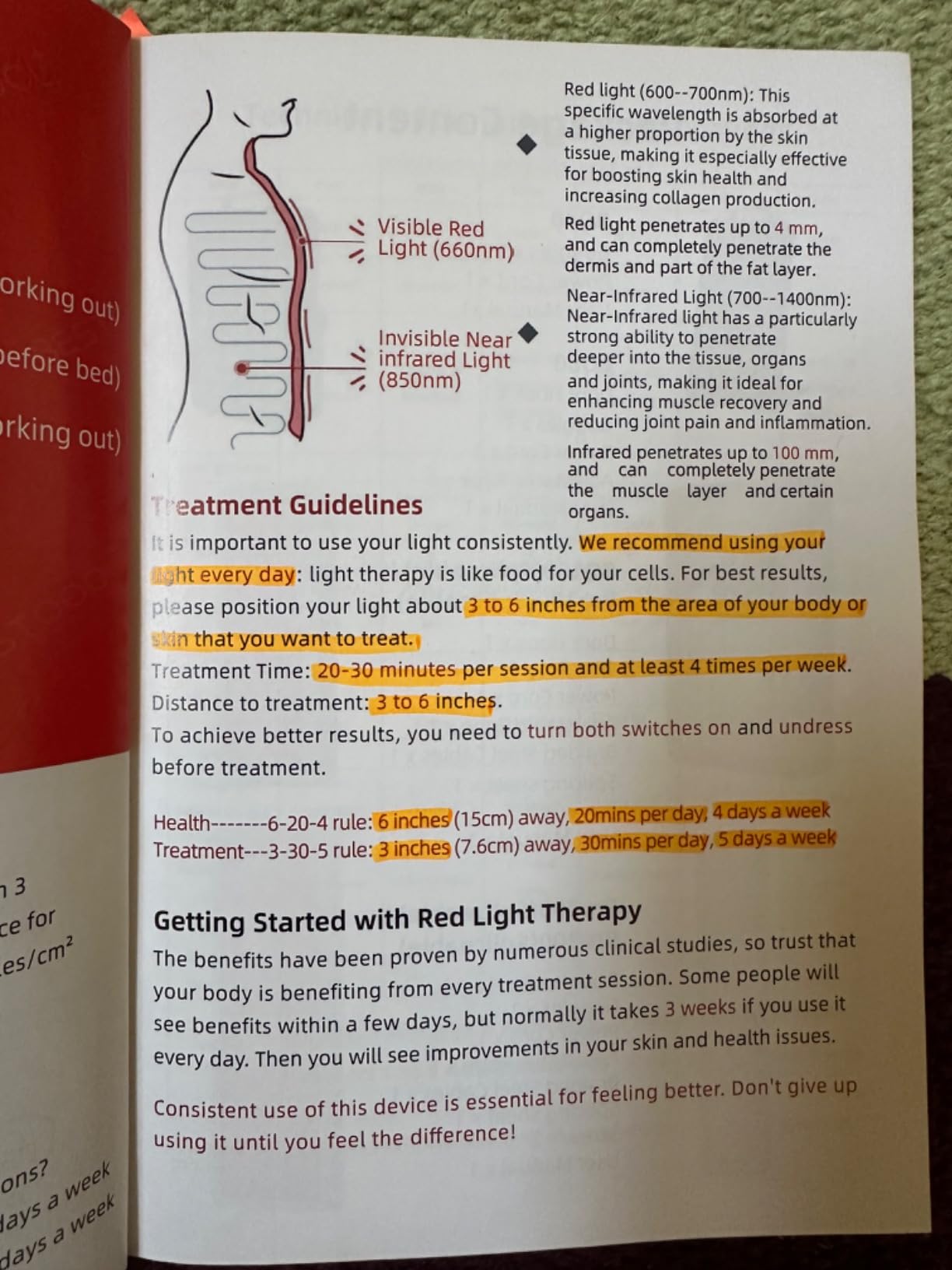
Red light in the 630 to 660nm range is visible and absorbed near the skin surface, making it the better choice for collagen, texture, and surface skin concerns. Near infrared at 810 to 850nm and beyond is invisible and penetrates deeper into muscle, joint, and connective tissue. Most people benefit from both, which is why every panel on this list offers the two together.
Can red light therapy help with weight loss?
The evidence is weak. Some studies have looked at red light for reducing the appearance of specific fat areas, but the effect sizes are small and red light is not a weight loss intervention on its own. Where it genuinely helps a fitness effort is recovery: faster muscle repair means you can train more consistently, and better sleep supports appetite and energy regulation.
Final Verdict
After working through all ten panels, my recommendations are clear. The BestQool X60 is the best red light therapy panel for most people, pairing genuine 105W clinical-grade output with an included stand and a 4.7-star average from 1,766 buyers. The BONTANNY BO-1500 is the premium pick if you want the widest wavelength coverage in a single full-body panel. And the Viconor is the smart budget entry if you want to try at home red light therapy without a big commitment.
Between those poles, the EXESAS and BestQool Pro300 handle full-body work, the Lifepro Bioheal leads for recovery, the MitoMIN 2.0 is my pick for face and neck plus third-party-verified output, the INTEO wins on included hardware, and the Hooga HG300 and Rhmip round out the value tier.
Whichever panel you choose, the variable that decides your results is consistency. Ten to twenty minutes a day, at the right distance, for at least eight weeks is what separates people who see real results from people who quit in week two. Pick the panel that fits the area you will actually treat, set a daily reminder, and let the sessions accumulate.