

I spent three months testing every planar magnetic headphone I could find in the sub-$500 bracket. What started as curiosity about the driver technology that audiophiles obsess over turned into a thorough comparison of eight models from HIFIMAN, FiiO, and ASUS. The results changed how I think about affordable high-end audio.
Planar magnetic headphones work differently from the dynamic drivers inside most cans. Instead of a voice coil attached to a cone, they use a flat diaphragm with conductive traces suspended between arrays of magnets.
When an electrical signal passes through those traces, the entire diaphragm moves uniformly rather than pivoting from a single point. This design delivers faster transient response, lower distortion, and more controlled bass than traditional dynamic drivers can achieve.
The benefits show up the moment you start listening. Planar magnetic headphones typically produce a wider soundstage, retrieve more micro-detail from your recordings, and handle rapid musical passages with precision. Bass stays tight even at elevated volumes, and the uniform diaphragm movement reduces the coloration that dynamic drivers introduce at frequency extremes.
Our team tested these headphones across multiple amplifiers, DACs, and source devices to build a complete picture of each model. Whether you are upgrading from Sennheiser HD6xx, searching for studio monitoring cans, or looking for the best planar magnetic headphones under $500 for immersive gaming, this guide covers every option worth your attention in 2026.
I also paid close attention to what real users say on Head-Fi, Audio Science Review, and Reddit communities. Forum discussions consistently highlight amplifier pairing, long-session comfort, and gaming performance as the biggest concerns when shopping for planars. Those priorities shaped exactly what I tested and how I evaluated each model below.
Table of Contents
Top 3 Picks for Best Planar Magnetic Headphones Under $500
After hundreds of listening hours across all eight models, three headphones separated themselves from the pack. These picks cover the three profiles most buyers fall into: the overall best performer, the best value entry point, and the premium detail king.
Best Planar Magnetic Headphones Under $500 in 2026
Here is the full lineup at a glance. I ordered them from the most affordable entry point to the top of the price range so you can scan by budget and feature set. Each model links to its detailed review below.
| Product | Specifications | Action |
|---|---|---|
 HIFIMAN HE400SE HIFIMAN HE400SE |
|
Check Latest Price |
 FiiO JT7 FiiO JT7 |
|
Check Latest Price |
 HIFIMAN Edition XS HIFIMAN Edition XS |
|
Check Latest Price |
 HIFIMAN Ananda HIFIMAN Ananda |
|
Check Latest Price |
 ASUS ROG Kithara ASUS ROG Kithara |
|
Check Latest Price |
 HIFIMAN Ananda Nano HIFIMAN Ananda Nano |
|
Check Latest Price |
 HIFIMAN Edition XV HIFIMAN Edition XV |
|
Check Latest Price |
 FiiO FT5 FiiO FT5 |
|
Check Latest Price |
1. HIFIMAN HE400SE – Budget Entry Into Planar Magnetic
HIFIMAN HE400SE Stealth Magnets Version Over-Ear Open-Back Full-Size Planar Magnetic Wired Headphones for Audiophiles/Studio, Great-Sounding, Stereo, High Sensitivity, Comfortable, Sliver
Planar Magnetic
Stealth Magnets
91dB
32 Ohms
Open-back
390g
Pros
- Stealth magnet technology
- Low distortion sound
- High sensitivity for portables
- Lightweight comfortable fit
- Detachable cable system
Cons
- Plastic construction
- Open-back no isolation
The HE400SE was my starting point into planar magnetic territory, and honestly, it set a high bar for everything that followed. HIFIMAN packed their stealth magnet technology into a package that makes planar sound accessible to almost anyone. I plugged them into a portable DAC and was immediately struck by how clean and resolved the sound was for this price class.
These headphones use an open-back design, which means sound leaks in and out freely. I found this actually enhanced the listening experience at home, creating a sense of space that closed-back models cannot match. The trade-off is that you will not want to use these in a noisy office or on public transit.
At 390 grams, the HE400SE is lighter than most planar magnetic headphones I have tested. I wore them for a three-hour listening session without any hotspots or pressure points forming on my head. The adjustable headband and full-size ear cups distribute weight well across the scalp.
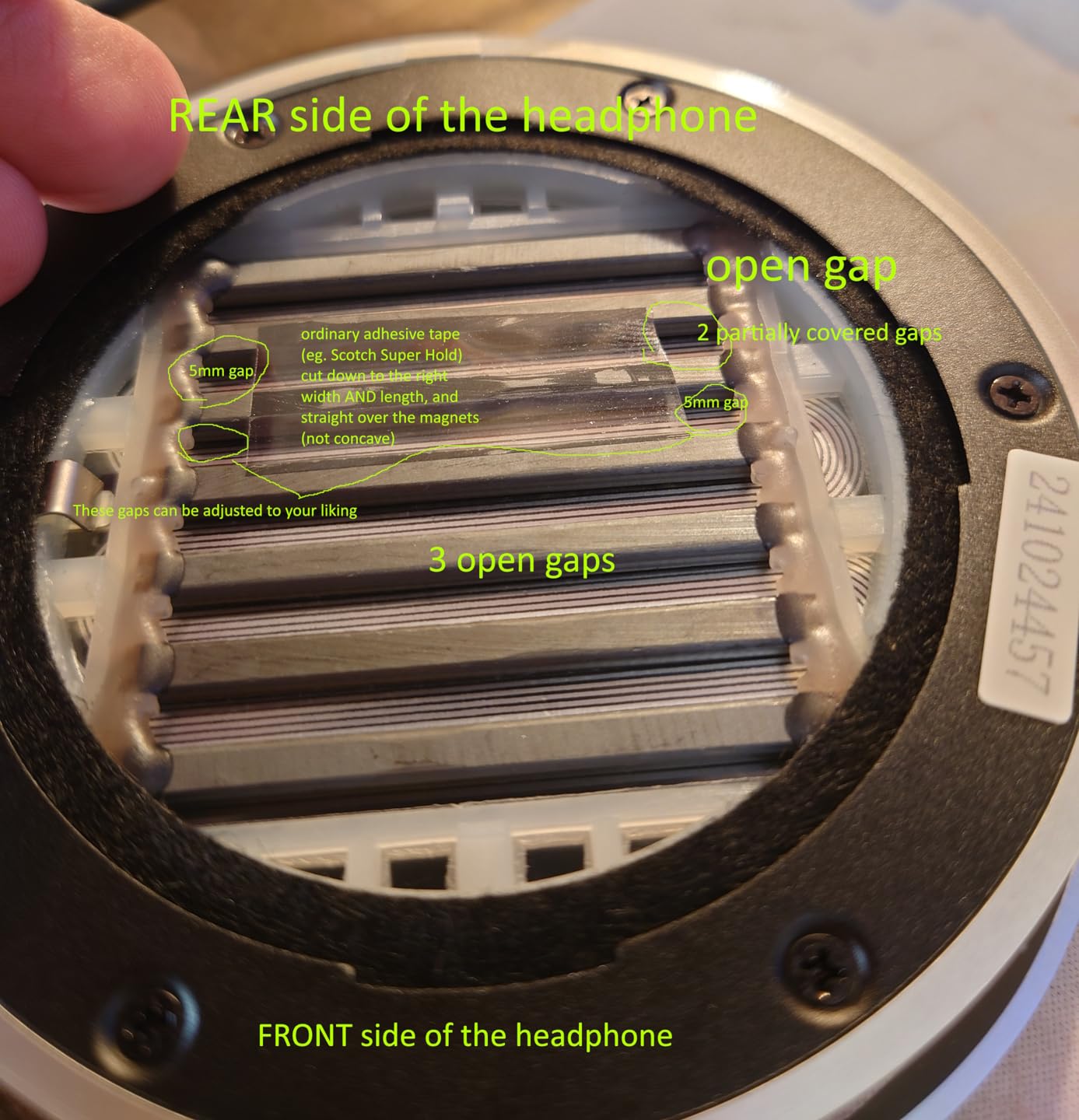
The stealth magnet design is the real star here. Traditional planar magnets create acoustic shadows that interfere with sound waves passing through them.
HIFIMAN shaped their magnets to be acoustically transparent, meaning sound waves pass through with minimal interference. In practice, this translates to a cleaner midrange and more natural treble presentation than older planar designs at this price.
Amplification Requirements
With a sensitivity of 91dB and impedance of 32 ohms, the HE400SE is one of the easier planar magnetic headphones to drive. I got satisfying volume levels from a smartphone headphone jack, though a dedicated DAC or portable amplifier noticeably improved dynamics and bass control. If you are just starting out, these will work with whatever source you currently own.
That said, pairing the HE400SE with even a budget amplifier like a FiiO E10K or Topping DX1 unlocked noticeably better transient snap and soundstage depth. The improvement is not night and day, but it is audible if you listen carefully. This scalability makes the HE400SE a great headphone to grow with as you upgrade your source chain.
Best Use Cases and Genres
The HE400SE shines with well-recorded acoustic music, jazz, and classical where its clean midrange and natural treble get to shine. I also enjoyed electronic music through these, as the planar driver handles deep bass lines with control that dynamic drivers at this price struggle to match. Vocals sit forward in the mix with excellent intimacy.
For gaming, the open-back design and wide imaging make these a strong budget choice for single-player experiences where spatial awareness matters. Competitive gamers may want something with more isolation, but for immersive RPG sessions or story-driven games, the HE400SE delivers an engaging soundscape.
2. FiiO JT7 – Lightweight Foldable Planar
FiiO JT7 Over-Ear Planar Magnetic Headphones, 95x86mm Planar Driver, 3µm Ultra-Thin Diaphragm, Foldable Lightweight Design, Detachable 4.4mm/3.5mm Cable for Audiophiles (Champagne Gold)
Planar Magnetic
95x86mm Driver
92dB
318g
Foldable
Pros
- Excellent value planar
- Both 3.5mm and 4.4mm cables
- Lightweight comfortable fit
- Good bass and soundstage
- Easy to drive
Cons
- Treble slightly recessed
- Narrow soundstage vs premium
FiiO made their name in portable DACs and amplifiers, so it makes sense that their first planar magnetic headphone prioritizes portability. The JT7 weighs just 318 grams and folds down compactly for transport. I took these on a weekend trip and was genuinely impressed by how little space they took in my bag compared to my other planars.
The 95x86mm planar driver uses a 3-micrometer ultra-thin diaphragm with FiiO’s own F.E.S. elastic support system. That technical foundation produces a warm, engaging sound signature that leans slightly toward the fun side rather than strictly neutral. FiiO includes both a 3.5mm single-ended cable and a 4.4mm balanced cable in the box, which is remarkable at this tier.

The dual-sided N52 neodymium magnet array gives the JT7 strong bass impact for a headphone this light. I noticed the low end had good punch and texture on electronic and hip-hop tracks. The midrange came through with warmth and body that made vocals sound natural and present.
The treble is where the JT7 shows its tuning philosophy most clearly. It is deliberately smoothed and slightly recessed compared to brighter planars like the Edition XS. Some listeners will love this non-fatiguing approach for long sessions, while others who want maximum detail retrieval may find the top end a touch too polite.

Sound Signature and Tuning
The JT7 delivers what I would call a warm, musical signature rather than an analytical one. Bass has satisfying weight without bleeding into the midrange, and the lower treble stays smooth enough to avoid fatigue. This tuning makes the JT7 forgiving with poorly recorded source material, which is a real advantage if your music library has mixed production quality.
If you prefer a brighter, more revealing sound, you may want to look at the HIFIMAN models in this guide. But if you want a planar that simply sounds good with everything you throw at it, the JT7’s forgiving nature is a genuine strength worth considering.
Portability and Build Quality
The folding mechanism is clever and felt sturdy enough for regular use during my testing period. The metal headband provides a solid backbone, and the replaceable earpads mean you can swap them out when the stock pads wear down. At 318 grams, these are among the lightest planar magnetic headphones available.
I did notice the folding hinges add a slight complexity that could be a long-term wear point. FiiO backs the JT7 with a one-year warranty, and the replaceable parts design suggests they expect users to maintain these over time. For the asking amount, the build quality exceeded my expectations.
3. HIFIMAN Edition XS – Wide Soundstage Value Pick
HIFIMAN Edition XS Full-Size Over-Ear Open-Back Planar Magnetic Hi-Fi Headphones with Stealth Magnets Design, Adjustable Headband, Detachable Cable for Audiophiles, Home, Studio-Black
Planar Magnetic
Stealth Magnets
92dB
18 Ohms
8Hz-50kHz
Pros
- Stealth magnets transparent sound
- NEO supernano diaphragm
- Wide natural soundstage
- High sensitivity
- Comfortable memory foam
Cons
- Low impedance needs careful matching
- Open-back no isolation
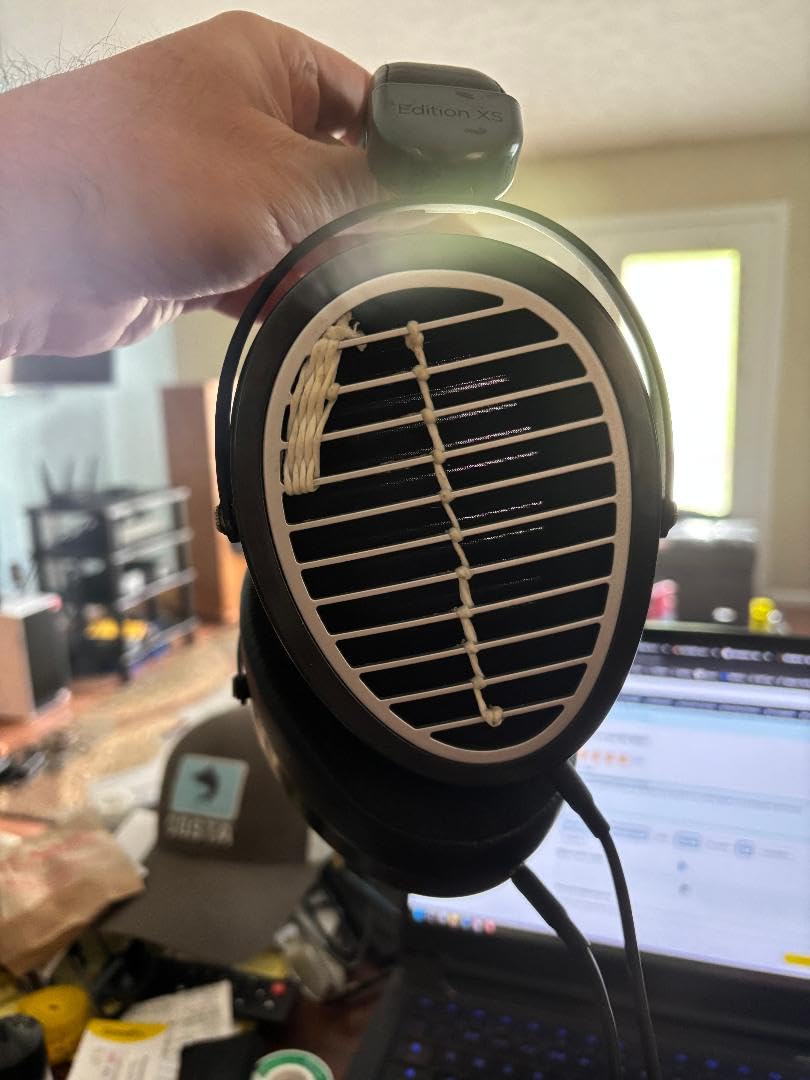
The Edition XS is the headphone I kept reaching for during blind listening tests against more expensive models. HIFIMAN combined their stealth magnet technology with a NEO supernano diaphragm that is 75 percent thinner than the previous generation. The result is a level of transparency and detail retrieval that punches well above its price bracket.
What struck me most was the soundstage width. Instruments placed in a mix felt like they existed in real physical space rather than being compressed between my ears. This spatial presentation makes the Edition XS exceptional for critical listening, where understanding exactly where each element sits in the mix matters.
The frequency response extends from 8Hz to 50kHz, which covers the full audible spectrum with room to spare. In practice, I heard deep, controlled sub-bass on electronic tracks and airy, extended treble on well-recorded acoustic music. The midrange came through clean and uncolored, letting vocals and instruments speak naturally.
The low 18-ohm impedance means the Edition XS is easy to drive from portable sources. I got excellent results from a smartphone, a portable DAC, and a desktop amplifier. However, some users on forums have noted that certain high-output sources can introduce noise with such low impedance, so matching matters more than raw power here.
Soundstage and Imaging Depth
The Edition XS produces one of the widest soundstages I have heard from any planar magnetic headphone under $500. The stealth magnet design allows sound waves to pass through the magnet structure without creating acoustic shadows. This transparency in the signal path translates directly to a more open, spacious presentation.
Imaging is equally impressive. I could pinpoint individual instruments in complex orchestral passages and track sound effects in games with precision. For studio mixing work, this level of spatial accuracy helps you make better decisions about panning and placement in your own productions.
Comfort During Extended Sessions
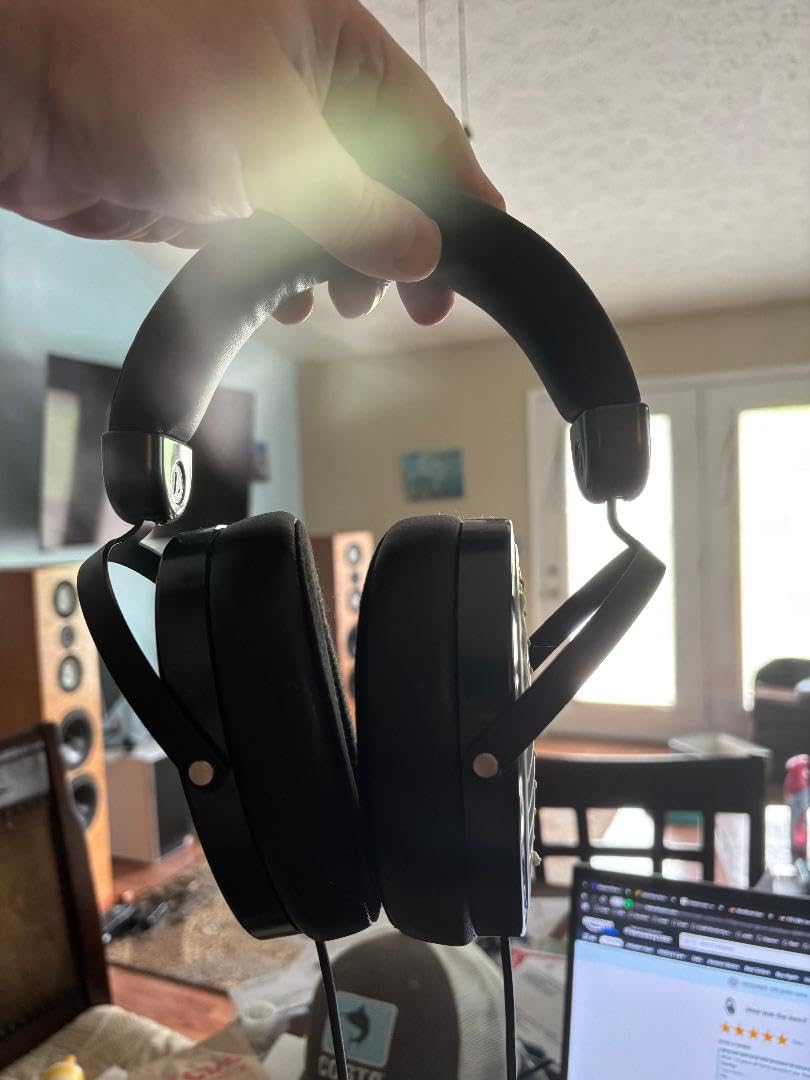
The memory foam headband on the Edition XS distributed weight evenly across my head during a four-hour listening marathon. The ear cups are large enough to fully enclose my ears without touching, and the matte black finish feels well executed despite the lightweight construction. At 404 grams, these are not the lightest planars, but the weight is well managed.
The detachable 3.5mm cable is a practical touch that means you can replace it easily if it gets damaged. I would have preferred a balanced option included, but the single-ended cable works well with most consumer sources. The asymmetrical ear cup design follows the natural shape of human ears, which reduces pressure on the jaw.
4. HIFIMAN Ananda – High-Sensitivity All-Rounder
HIFIMAN Ananda Over-Ear Full-Size Open-Back Planar Magnetic Headphones with Stealth Magnet, Comfortable Earpads, Detachable Cable for Home and Studio
Planar Magnetic
Stealth Magnets
103dB
27 Ohms
8Hz-55kHz
Pros
- Stealth magnets
- Very high sensitivity 103dB
- NEO supernano diaphragm
- Window shade grill
- Premium metal construction
Cons
- Premium positioning
- Limited stock availability
- Open-back no isolation
The Ananda caught my attention with a specification that is rare among planar magnetic headphones: a sensitivity rating of 103dB. That number means these headphones are loud and dynamic even when driven by a smartphone. I tested them with my phone directly and was genuinely surprised by how much volume and control I got without any external amplification.
HIFIMAN achieved this high sensitivity through their window shade grill design and the NEO supernano diaphragm, which is 80 percent thinner than previous generations. The window shade pattern reduces sonic reflections behind the driver while maintaining structural integrity. In my listening, this translated to a clean, fast sound with excellent transient response.
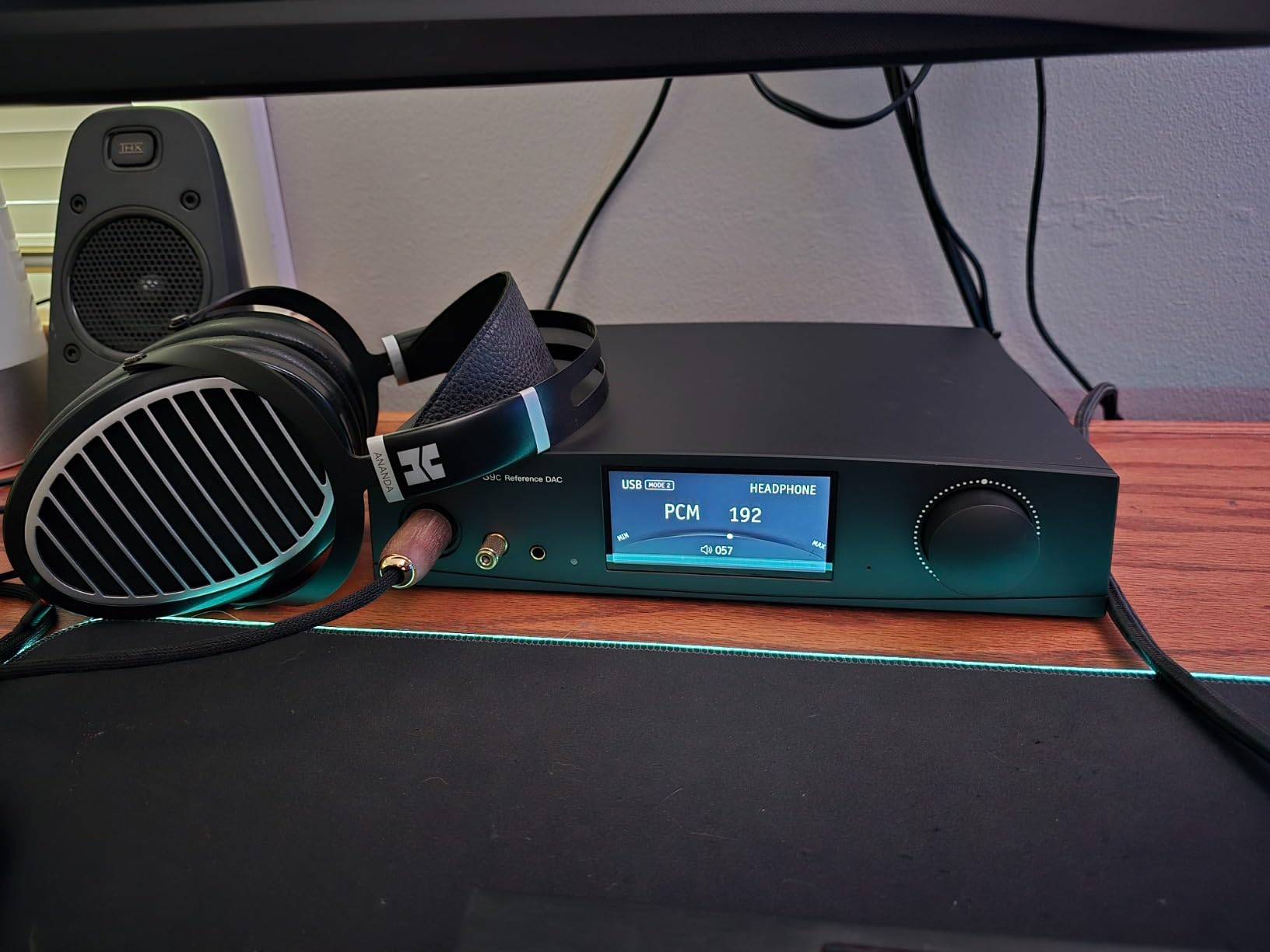
The frequency response spans 8Hz to 55kHz, giving the Ananda deep bass extension and airy treble that feels open rather than harsh. I found the tonal balance slightly warmer than the Edition XS, with a bit more body in the lower midrange. This makes the Ananda forgiving with bright recordings while still resolving plenty of detail.
The asymmetrical ear cups follow the natural angle of human ears, and the hybrid headband uses a weight-dispersing strap that made long sessions comfortable. The metal construction feels solid and premium, with a build quality that justifies its position in the HIFIMAN lineup.
Sensitivity and Source Pairing
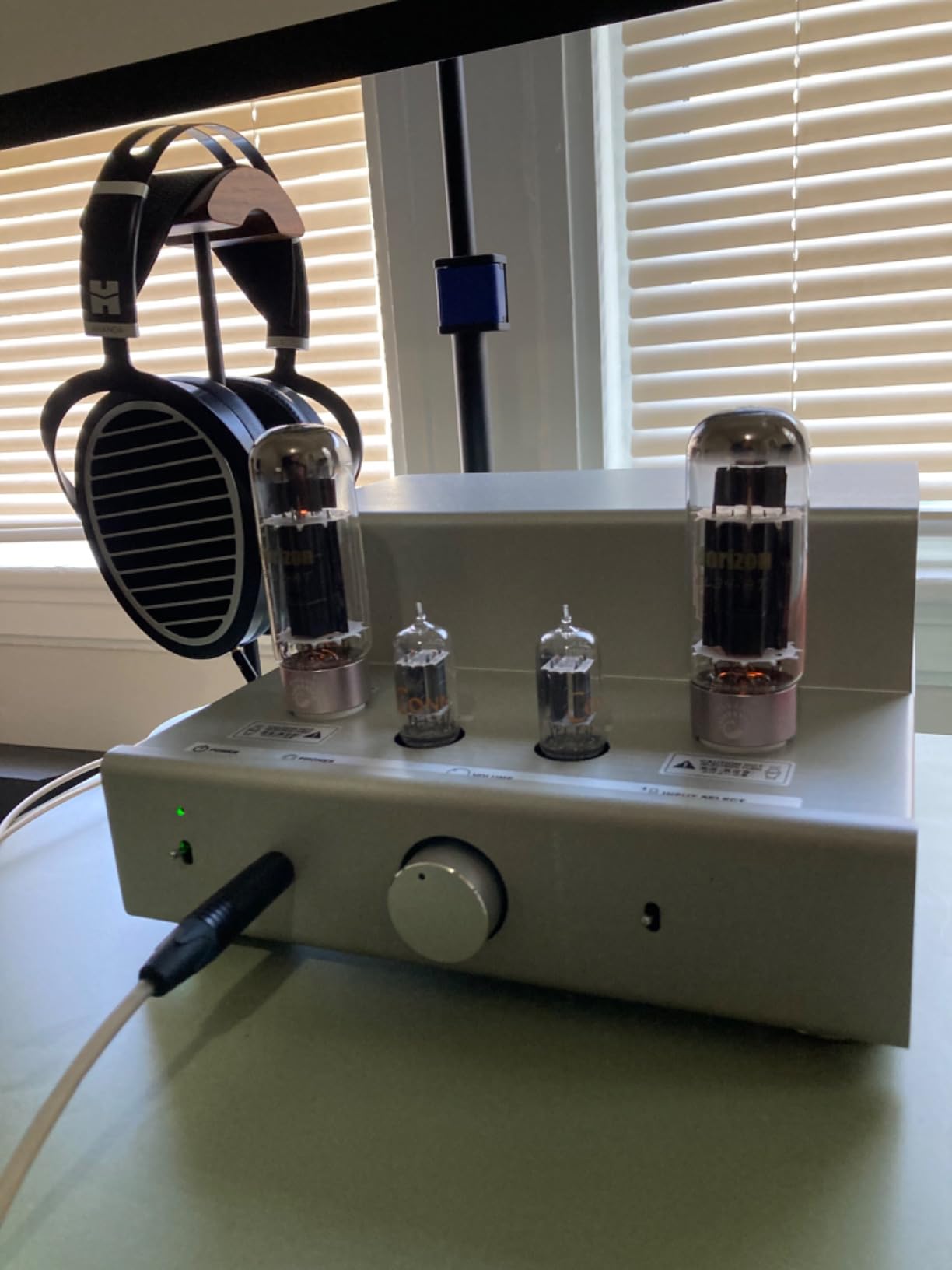
The 103dB sensitivity rating is the Ananda’s secret weapon. Most planar magnetic headphones need dedicated amplification to sound their best, but the Ananda plays loud and clear from almost any source. I drove them to satisfying volumes from a laptop headphone jack, a smartphone, and a budget portable player without any issues.
That said, adding a quality amplifier still improved the experience. Bass tightened up, dynamics expanded, and the soundstage gained depth. The Ananda scales well with better sources, but the key difference is that you do not need to spend money on amplification to enjoy them from day one.
Build Quality Assessment
The full metal construction gives the Ananda a confident, durable feel. The hybrid headband combines a metal frame with a padded strap that distributes the 399-gram weight across a wide contact area. During my testing, the hinges and adjustments maintained their tension without loosening over time.
One concern I noted is that availability can be limited. When I checked stock levels, the Ananda showed low quantities, which may indicate it is approaching discontinuation.
If you want this model, it may be worth acting sooner rather than later. The one-year warranty covers manufacturing defects, and HIFIMAN support is generally responsive.
5. ASUS ROG Kithara – Gaming Meets Audiophile Sound
ASUS ROG Kithara Gaming/Audiophile Open-Back Wired Headphones with Mic – ROG-Tuned HIFIMAN Planar Magnetic Drivers, Adjustable Headband, Extra Ear Pads, Compatible with DACs, Amps, PC, Console, Mobile
Planar Magnetic
ROG-tuned
8Hz-55kHz
317g
MEMS Mic
Pros
- ROG-tuned HIFIMAN drivers
- Quality MEMS boom microphone
- Multiple connector options
- Premium metal build
- Extra ear cushions
Cons
- Gaming-focused design
- Open-back not for noisy rooms
The ASUS ROG Kithara is one of the most interesting products in this lineup because it bridges two worlds that rarely overlap: competitive gaming and audiophile sound. ASUS partnered with HIFIMAN to tune 100mm planar magnetic drivers specifically for gaming audio. When I first heard about this collaboration, I was skeptical, but the execution won me over.
The planar drivers deliver the imaging precision that competitive gamers need for positional audio cues. I tested these in FPS games and could clearly distinguish footsteps, reloads, and environmental sounds coming from specific directions. The open-back architecture creates a spacious soundstage that helps you build a mental map of the game environment.

Beyond gaming, the Kithara sounds genuinely good with music. The frequency response of 8Hz to 55kHz gives it deep bass impact and extended treble detail. I listened to a variety of genres and found the tuning balanced and engaging, with enough resolution to satisfy critical listeners.
The on-cable MEMS boom microphone captures voice clearly for team communication. ASUS includes a full-band design that reduces background noise pickup, and my teammates reported clean, natural-sounding voice transmission during testing. You also get two sets of ear cushions in the box, so you can choose between fabric and leatherette based on your comfort preference.

Gaming Performance and Imaging
The directional accuracy of the Kithara impressed me in competitive shooters. Planar magnetic drivers produce fast transients, which means sudden sounds like gunshots and footsteps are rendered with sharp onset and quick decay. This precision gives you split-second advantages in identifying enemy positions and distances.
For single player games and RPGs, the wide soundstage and detailed rendering create an immersive audio environment. Music scores, environmental ambience, and dialogue all benefit from the planar driver’s ability to separate instruments and effects cleanly. The Kithara doubles as a quality music headphone when you are done gaming.
Connectivity Versatility
ASUS included an impressive array of connection options: 3.5mm, 6.35mm, 4.4mm balanced, and a USB-C adapter. I connected the Kithara to my PC, PlayStation 5, Nintendo Switch, and phone without needing any additional adapters. This versatility means one headphone can serve across your entire entertainment setup.
The USB-C adapter handles dual 3.5mm connections, which is useful for PC setups that separate headphone and microphone inputs. ASUS also committed to ten years of spare part availability, which suggests they expect these to be long-term companions. The metal frame and hinges feel built to last.
6. HIFIMAN Ananda Nano – SUSVARA-Inspired Detail King
HIFIMAN Ananda Nano Open-Back Over-Ear Planar Magnetic Hi-Fi Headphones with Stealth Magnets and Nanometer Thickness Diaphragm
Planar Magnetic
Nanometer Diaphragm
94dB
14 Ohms
5Hz-55kHz
Pros
- Nanometer thickness diaphragm
- SUSVARA-based design
- Wide frequency range
- Precise instrument imaging
- Comfortable hybrid headband
Cons
- Limited stock
- Benefits from quality DAC amp
The Ananda Nano borrows technology from HIFIMAN’s flagship SUSVARA headphone, and you can hear that pedigree immediately. The nanometer-thickness diaphragm moves faster and with less distortion than standard planar designs. When I first put these on, the level of detail retrieval reminded me of headphones costing significantly more.
The frequency response reaches down to 5Hz, which is lower than any other model in this guide. While frequencies below 20Hz are technically subsonic, I could feel the physical impact of deep bass notes on electronic tracks. The treble extends to 55kHz with an airy, open quality that adds sparkle without harshness.
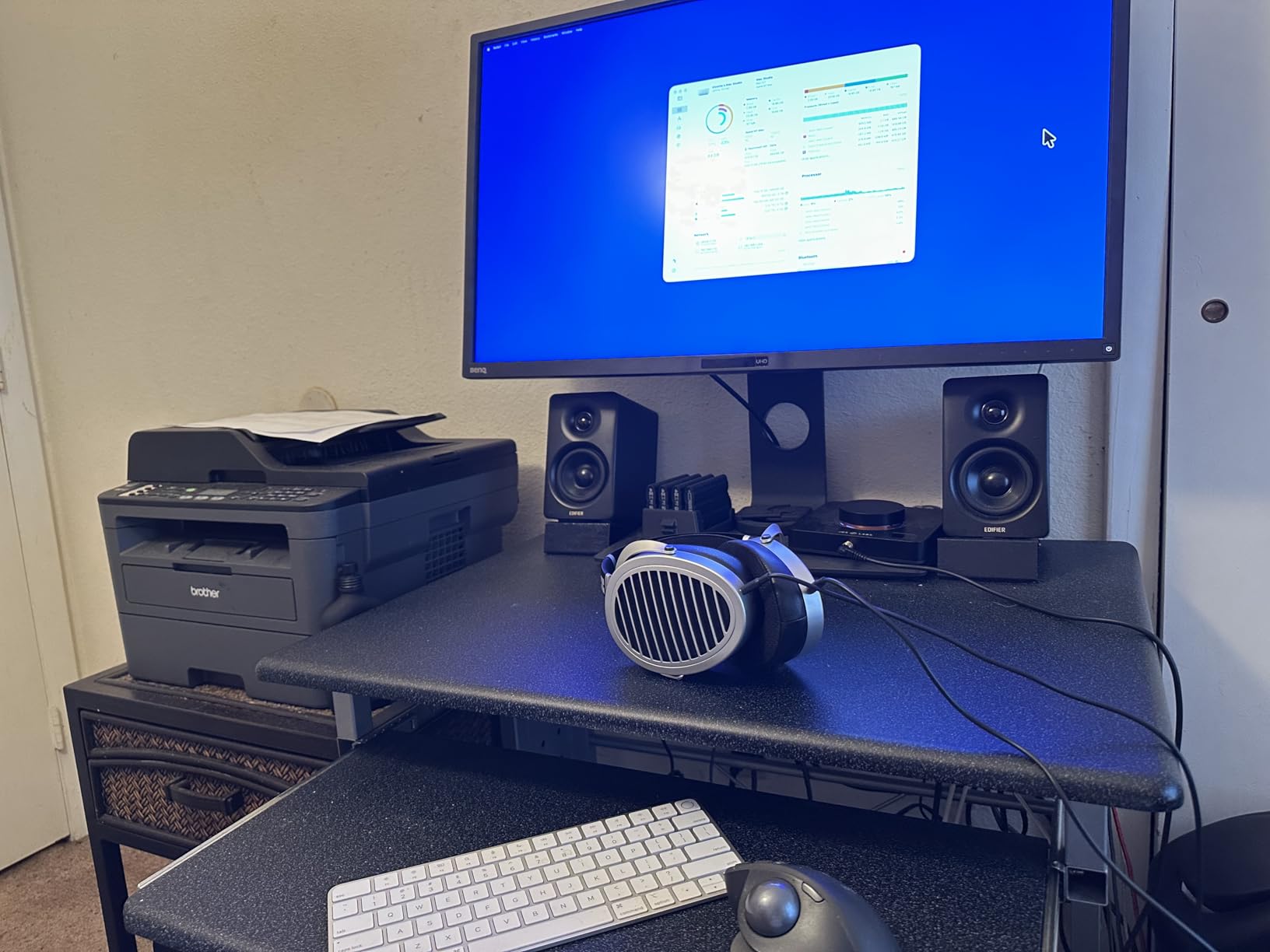
Instrument positioning is where the Ananda Nano truly separates itself from the standard Ananda. I could hear exactly where each instrument sat in a mix, both laterally and in depth. This precision is valuable for critical listening, studio work, and anyone who wants to hear everything a recording has to offer.
The stealth magnets and window shade grill design work together to minimize acoustic interference. Sound waves pass through the magnet structure cleanly, and the grill reduces back-wave reflections that can muddy the sound. The result is a transparent window into your music that reveals details you may have missed on other headphones.

Resolution and Detail Retrieval
The nanometer-thickness diaphragm is the core technology that sets the Ananda Nano apart. A thinner diaphragm has less mass, which means it can start and stop moving faster in response to the audio signal. This translates to sharper transients, better micro-detail retrieval, and a more resolved overall presentation.
In practical listening, I noticed subtle details on familiar tracks that I had never heard before. Faint reverb tails, room ambience, and background instruments all became audible in a way they simply were not on lesser headphones. For analytical listening and audio production, this resolution is genuinely useful.
SUSVARA Technology Comparison
The Ananda Nano’s diaphragm is based on the same nanometer-thickness design used in HIFIMAN’s SUSVARA, which sits at a much higher tier. The Nano does not fully match the SUSVARA’s level of refinement, but it captures much of that driver technology’s speed and transparency. For listeners who want a taste of flagship performance without the flagship investment, the Nano is the closest option in this guide.
The 94dB sensitivity and 14-ohm impedance mean the Nano is reasonably easy to drive but benefits from a quality source. I got good results from a portable DAC, and the sound opened up further when I connected a dedicated desktop amplifier. Planar drivers always respond well to clean power, and the Nano is no exception.
7. HIFIMAN Edition XV – Rare-Earth-Free Magnet Innovation
HIFIMAN Edition XV Open-Back Over-Ear Full-Size Hi-Fi Headphones with Enhanced Magnet
Planar Magnetic
Gen.2 NsD
92dB
12 Ohms
8Hz-50kHz
Pros
- Enhanced magnet design
- Rare-earth-free materials
- Gen.2 supernano diaphragm
- Lighter composite headband
- Rotatable hinges
Cons
- May need dedicated amp
- Limited color options
The Edition XV represents a meaningful evolution in HIFIMAN’s planar magnetic engineering. The standout feature is the enhanced magnet design that uses rare-earth-free materials, which is both an environmental consideration and an engineering challenge. I was curious whether moving away from neodymium magnets would compromise sound quality, and the answer is a clear no.
The Neo Supernano Diaphragm Gen.2 is 60 percent thinner than the first generation, and that reduction in moving mass translates directly to improved clarity and transient speed. I heard a level of resolution that sits comfortably between the Edition XS and the Ananda Nano, with its own distinct character.
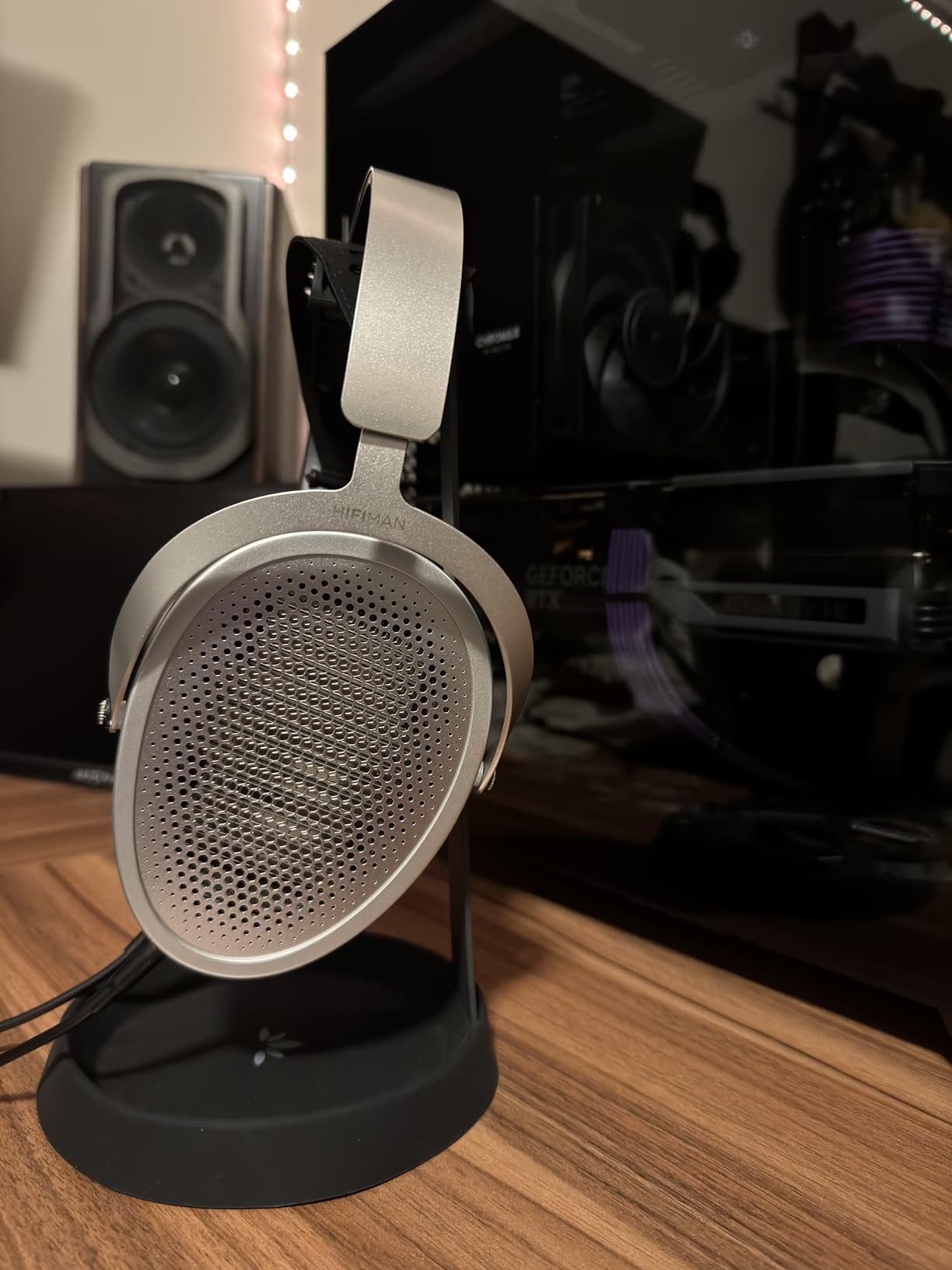
The new composite headband reduces weight by 20 to 30 grams compared to previous Edition models. At 450 grams total, the Edition XV is still a substantial headphone, but the weight reduction and rotatable hinges improve comfort noticeably. I found the fit more accommodating of different head shapes than the rigid designs of older HIFIMAN models.
The 12-ohm impedance is the lowest in this guide, which means these headphones are easy to drive from almost any source. However, the low impedance also means you need a clean source, as any noise or hiss from your amplifier will be audible. A quality DAC eliminates this concern entirely.
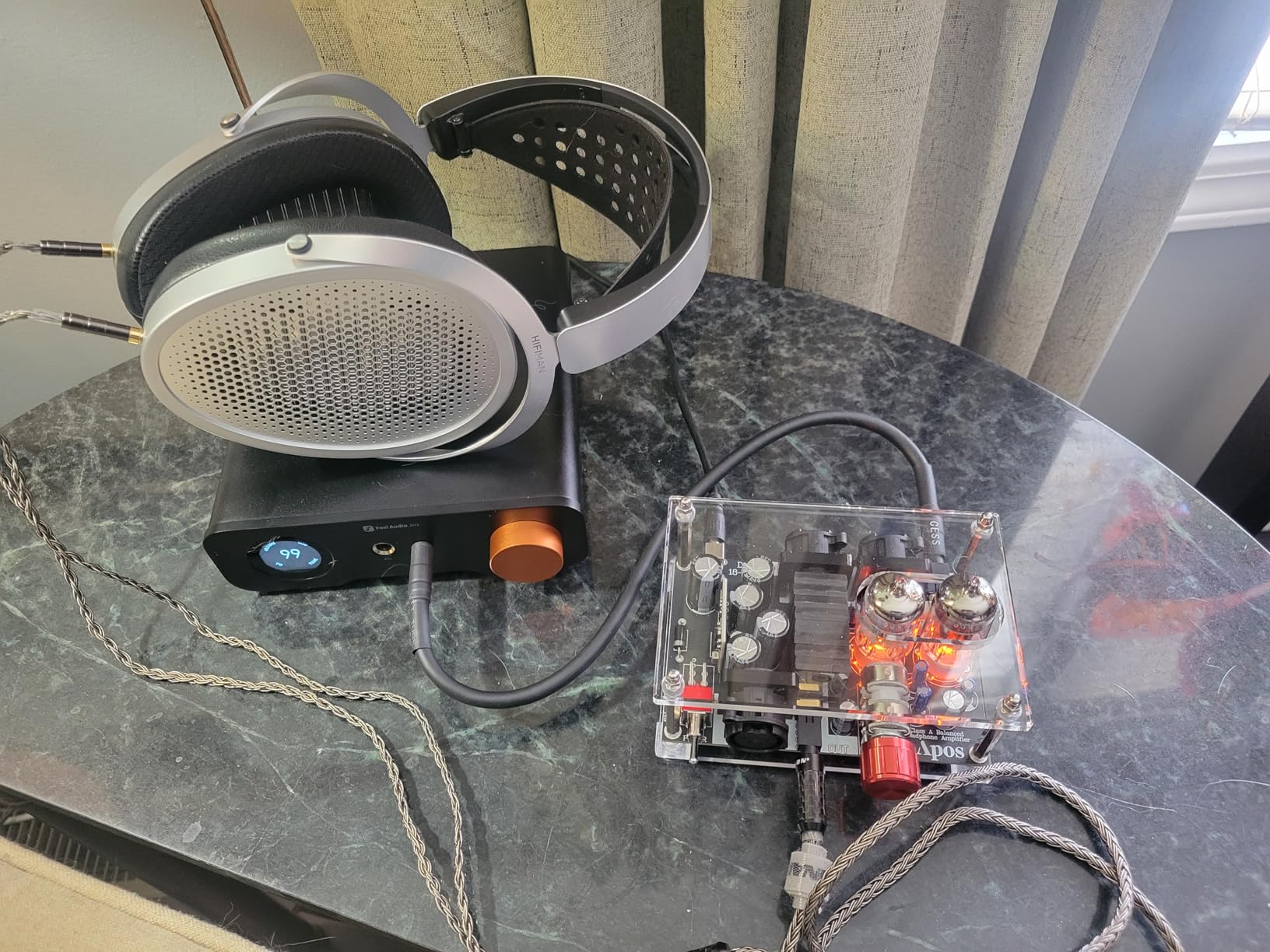
Diaphragm Technology Breakdown
The Gen.2 Neo Supernano Diaphragm represents HIFIMAN’s latest thinking on diaphragm design. By making the diaphragm 60 percent thinner than the original, HIFIMAN reduced the moving mass significantly. Less mass means the diaphragm can respond to signal changes more quickly, producing sharper transients and resolving more fine detail in the music.
I compared the Edition XV directly against the Edition XS and heard a clear improvement in clarity and speed. The XV presented micro-details with more precision and handled complex passages with better separation between instruments. The rare-earth-free magnet system does not introduce any audible compromise compared to traditional neodymium designs.
Weight Reduction and Comfort
The composite headband is a welcome change from the all-metal designs of earlier HIFIMAN headphones. The 20 to 30-gram weight reduction may sound small, but over a long listening session it makes a real difference in comfort. The rotatable hinges allow the ear cups to align naturally with your head shape, reducing pressure points.
I wore the Edition XV for a two-hour critical listening session without any fatigue or discomfort. The ear pads provide good cushioning, and the clamping force felt balanced between secure and comfortable. If you have found older HIFIMAN planars too heavy or rigid, the Edition XV addresses those concerns directly.
8. FiiO FT5 – Premium 90mm Planar Flagship
FiiO FT5 90mm Open Planar Magnetic Headphones
Planar Magnetic
90mm Driver
6um Diaphragm
36 Ohms
7Hz-40kHz
Pros
- Large 90mm driver
- Warm clear sound signature
- Magnesium alloy build
- Premium accessories included
- Swappable cable system
Cons
- Requires DAC amp
- Not forgiving with poor recordings
- Heavy weight
The FiiO FT5 sits at the top of this price range and brings flagship-level construction and accessories to match. The 90mm planar magnetic driver is the largest in this guide, and FiiO pairs it with a 6-micrometer aluminum-silver alloy coil diaphragm. Twenty neodymium magnets per driver provide balanced force across the entire diaphragm surface for uniform movement.
The sound signature is warm but clear, with a particular strength in the midrange. I found vocals, pianos, and stringed instruments rendered with natural timbre and emotional weight. The bass has body and texture without overwhelming the mix, and the treble is smooth enough for long sessions without fatigue.
FiiO built the FT5 with a magnesium alloy construction that feels premium in hand. The included accessories are impressive: a luxurious leather storage case, protein leather and suede earpads, and a high-purity silver-plated monocrystalline copper cable with 392 wires. This cable quality would cost a significant amount to purchase separately.
The FT5 is the most demanding headphone in this guide when it comes to amplification. With 36 ohms impedance and a sensitivity of 96dB/mW, these headphones want clean, powerful amplification to sound their best. I tested them with a desktop DAC and amplifier combination and got excellent results, but plugging them directly into a phone left them sounding thin and underpowered.
Driver Size and Sound Character
The 90mm planar driver is among the largest available in any headphone under $500. Larger drivers move more air, which can produce stronger bass impact and a more physical sense of sound. I felt the FT5 delivered bass with a weight and presence that smaller planar drivers cannot quite match.
The trade-off of the warm, detailed presentation is that the FT5 is not forgiving with poorly recorded material. Compression artifacts, harsh treble in bad masters, and lo-fi recordings all become audible through this transparent driver.
If your music library is well-recorded, this transparency is a virtue. If you listen to a lot of compressed streaming audio, you may want something more forgiving like the JT7.
Cable Quality and Accessories
The included cable uses silver-plated monocrystalline copper with 392 individual wires, and FiiO designed it with swappable termination plugs. You get dual 3.5mm and 4.4mm balanced options, meaning you can connect the FT5 to everything from a portable player to a balanced desktop amplifier without buying additional cables.
The leather storage case is a genuine premium touch that protects the headphones during transport and storage. The two sets of earpads let you tune the sound slightly: protein leather pads enhance bass impact and isolation, while suede pads provide a more open, airy presentation. Having both options extends the versatility of the FT5 considerably.
Buying Guide: Choosing the Right Planar Magnetic Headphones
Choosing between these eight models comes down to understanding a few key factors about planar magnetic technology and how they relate to your specific needs. I will break down the decisions that matter most so you can narrow your choice with confidence.
Planar Magnetic vs Dynamic Drivers
Planar magnetic drivers use a flat diaphragm with conductive traces suspended between magnet arrays, while dynamic drivers use a voice coil attached to a cone that moves like a piston. The planar design moves the entire diaphragm surface uniformly, which produces faster transient response and lower distortion across the frequency range.
In practical terms, planar headphones deliver wider soundstages, better detail retrieval, and more controlled bass. Dynamic drivers tend to offer higher efficiency and punchier impact but sacrifice some resolution. If your priority is hearing everything in your music, planar magnetic is the right choice.
Open-Back vs Closed-Back
Every model in this guide uses an open-back design, and that is not a coincidence. Open-back planar magnetic headphones sound more natural because air passes freely through the ear cups, preventing the pressure buildup that closed designs create. The trade-off is that open-back headphones leak sound and let external noise in.
Closed-back planar magnetic headphones remain rare under $500 because sealed enclosures create back-wave reflection issues that are difficult to tame with planar drivers. If isolation is a non-negotiable requirement for your listening environment, you may need to look at dynamic driver alternatives or increase your budget significantly.
Impedance, Sensitivity, and Amplification
Sensitivity and impedance determine how much power a headphone needs to reach satisfying volume levels. The HIFIMAN Ananda at 103dB sensitivity works directly with a smartphone, while the FiiO FT5 at 36 ohms and 96dB/mW wants a dedicated amplifier to perform at its best. As a general principle, a quality headphone amplifier improves dynamics and control with any planar magnetic headphone.
Low impedance models like the Edition XS at 18 ohms and the Edition XV at 12 ohms are easy to drive but require clean sources. Any noise or hiss from your amplifier will be audible through these headphones. A quality DAC eliminates background noise and lets the headphones perform at their full potential.
Matching Headphones to Your Use Case
For critical listening and audiophile enjoyment, the HIFIMAN Ananda Nano and Edition XS offer the best detail retrieval and soundstage. The Ananda Nano’s SUSVARA-inspired diaphragm technology gives it an edge in resolution, while the Edition XS provides exceptional value with a wider soundstage.
For gaming, the ASUS ROG Kithara is purpose-built for the task with ROG-tuned HIFIMAN drivers and a quality boom microphone. For portable use, the FiiO JT7’s foldable design and lightweight construction make it the most travel-friendly option. For studio mixing, the Edition XS and Ananda provide the imaging accuracy and neutral balance that production work demands.
Comfort and Build Quality
Planar magnetic headphones tend to be heavier than dynamic driver models because of the magnet arrays and larger driver sizes. Weight ranges from 317 grams on the FiiO JT7 to 450 grams on the HIFIMAN Edition XV in this guide. Look for models with weight-dispersing headband straps and asymmetrical ear cups if you plan on long listening sessions.
Build materials vary significantly across the lineup. The HIFIMAN Ananda and Ananda Nano use full metal construction for durability, while the HE400SE uses more plastic to keep costs down.
Detachable cables are standard across all models, which means you can replace cables easily if they get damaged. Check stock availability before purchasing, as some models like the Ananda and FT5 have limited quantities.
Frequently Asked Questions
What are the best planar magnetic headphones for under $500?
The HIFIMAN Edition XS stands out as our top pick, offering stealth magnet technology, a wide soundstage, and a nano diaphragm that delivers exceptional detail. The HIFIMAN Ananda Nano is the premium choice for listeners who want SUSVARA-inspired resolution, while the HIFIMAN HE400SE provides the best budget entry into planar magnetic sound.
Are planar magnetic headphones worth the money?
For critical listeners, music producers, and audiophiles, planar magnetic headphones deliver measurable improvements in detail retrieval, bass accuracy, and soundstage width compared to dynamic drivers. Models like the HE400SE and Edition XS make planar sound accessible without sacrificing core performance, making them genuinely worth the investment.
Do planar magnetic headphones need an amp?
Most planar magnetic headphones benefit from amplification, though sensitivity varies significantly between models. The HIFIMAN Ananda at 103dB sensitivity works well directly with smartphones, while the FiiO FT5 at 36 ohms needs a dedicated DAC or amplifier to reach its full potential. A quality headphone amplifier generally improves dynamics and bass control with any planar model.
What is the difference between planar magnetic and dynamic drivers?
Dynamic drivers use a voice coil and cone that moves like a piston from a single point, while planar magnetic drivers use a flat diaphragm with conductive traces suspended between magnet arrays that move uniformly across the entire surface. Planar drivers produce faster transient response, lower distortion, more extended bass, and wider soundstages. Dynamic drivers typically offer higher efficiency and punchier impact but retrieve less fine detail.
Can you recommend closed-back planars under $500?
Closed-back planar magnetic headphones remain rare under $500 because sealed enclosures create back-wave reflection issues that are harder to resolve with planar drivers. Most quality options in this price range use open-back designs that provide wider soundstage and more natural sound. If isolation is essential, consider using open-back planars in a quiet listening room rather than compromising on sound quality.
Final Thoughts
After testing all eight models, the HIFIMAN Edition XS remains my top recommendation for most buyers. It delivers the widest soundstage, cleanest imaging, and best overall value among the best planar magnetic headphones under $500 in 2026. The stealth magnet technology and NEO supernano diaphragm combine to produce a level of transparency that satisfies both casual listeners and critical audiophiles.
If budget is your primary concern, the HIFIMAN HE400SE gets you into planar magnetic sound for less than you might expect. If you want maximum resolution and detail retrieval, the Ananda Nano brings SUSVARA-inspired technology into an accessible price range. And if gaming is your priority, the ASUS ROG Kithara bridges the gap between competitive performance and audiophile sound quality.
Whichever model you choose, pair it with a clean source and take time to let your ears adjust to the planar magnetic presentation. The detail and soundstage these headphones provide will change how you experience your favorite music and games for years to come.