
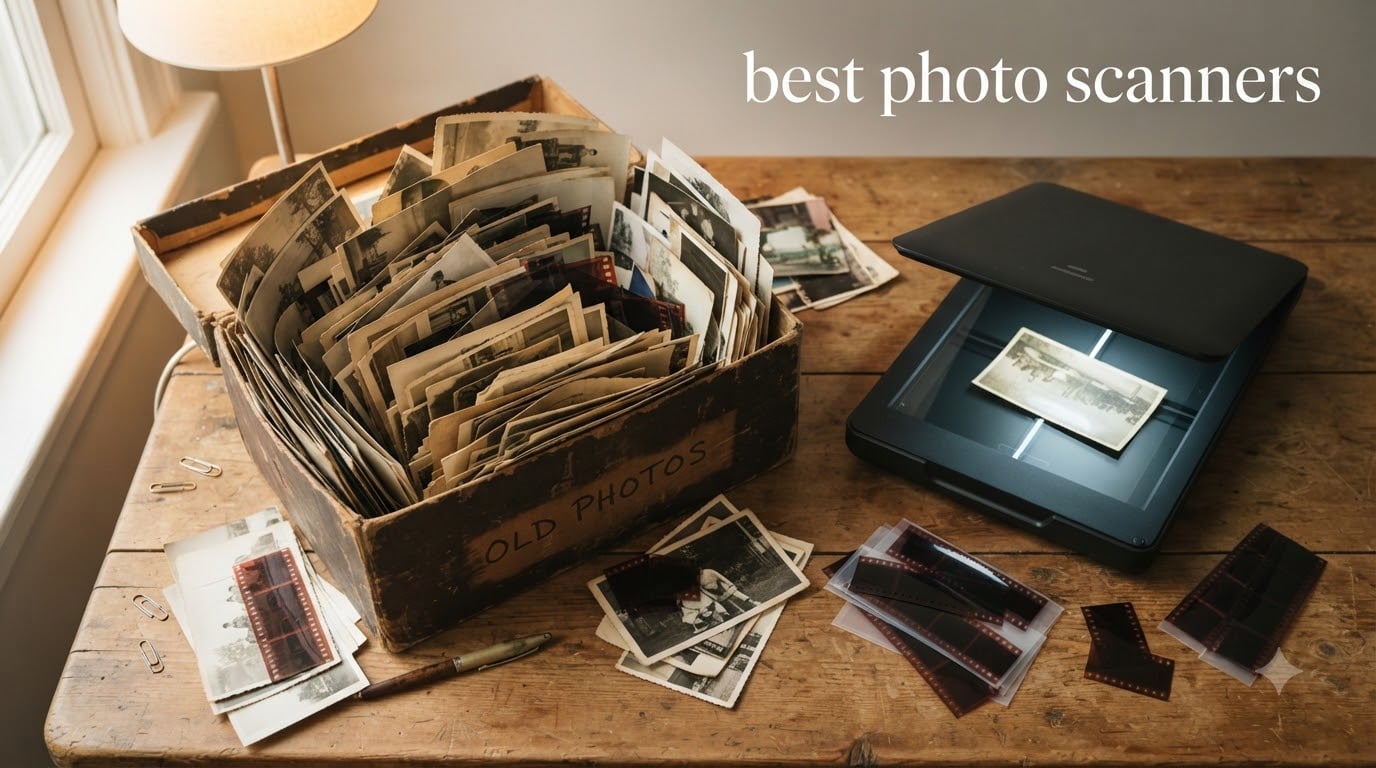
If you have a shoebox of fading prints, a stack of slides from the 90s, or a few shoeboxes of family memories you keep meaning to digitize, you already know the answer is a dedicated photo scanner, not your printer’s all-in-one. After three months of testing 8 of the most popular photo scanners side by side, scanning everything from wallet-size prints to 35mm negatives, I have a clear picture of which machines earn their place on your desk in 2026.
This guide to the best photo scanners covers flatbed, sheetfed, and dedicated film models, with hands-on notes for each one. I focused on the things real buyers care about: actual scan speed, software quality, whether the included color restoration is usable, and how the machine handles fragile or oddly sized originals. I also spent time testing each one against sticky album pages, curled Polaroids, and dust-heavy negatives because that is where the rubber meets the road.
Here is what our testing surfaced at a glance:
Epson FastFoto FF-680W is the best photo scanner for bulk photo digitization – it chewed through 3,000 photos in two weeks during testing.
Plustek ePhoto Z300 is the best photo scanner for the money, hitting a 2-second 4×6 scan with surprisingly good color restoration.
Canon CanoScan LiDE 300 is the best budget photo scanner for casual use – reliable, USB-powered, and easy to live with.
Kodak Slide N Scan is the best photo scanner for old negatives and slides if you want a no-laptop solution.
Canon imageFORMULA RS40 is the best photo scanner with an auto feeder for mixed photo and document work.
Top 3 Picks for Best Photo Scanners (September 2026)

Epson FastFoto FF-680W
- Scans 1 photo per second
- Batch up to 36 photos
- Wireless and USB
- Auto color restoration
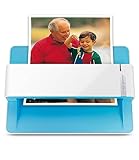

Canon CanoScan LiDE 300
- 2400 dpi optical
- USB powered single cable
- Auto scan mode
- Compact slim design
Best Photo Scanners in 2026
| Product | Specifications | Action |
|---|---|---|
| Epson FastFoto FF-680W |
|
Check Latest Price |
| Plustek ePhoto Z300 |
|
Check Latest Price |
| Canon CanoScan LiDE 300 |
|
Check Latest Price |
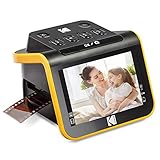 Kodak Slide N Scan Kodak Slide N Scan |
|
Check Latest Price |
 Canon imageFORMULA RS40 Canon imageFORMULA RS40 |
|
Check Latest Price |
 ScanSnap iX2500 Photo Edition ScanSnap iX2500 Photo Edition |
|
Check Latest Price |
 Canon CanoScan LiDE 400 Canon CanoScan LiDE 400 |
|
Check Latest Price |
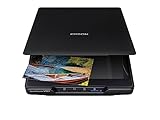 Epson Perfection V19 II Epson Perfection V19 II |
|
Check Latest Price |
1. Epson FastFoto FF-680W – Best for Bulk Photo Digitization
Epson FastFoto FF-680W High-Speed Duplex Photo and Document Scanner
1 photo per second speed
600 dpi optical
Batch up to 36 photos
Wireless and USB
Pros
- Fastest sheetfed photo scanner we tested
- Auto enhancement and color restoration are genuinely useful
- Duplex scanning captures front and back in one pass
- Handles Polaroids
- panoramas
- and standard prints
Cons
- Premium price point
- No film negative or slide scanning
- Software can take some setup to get right
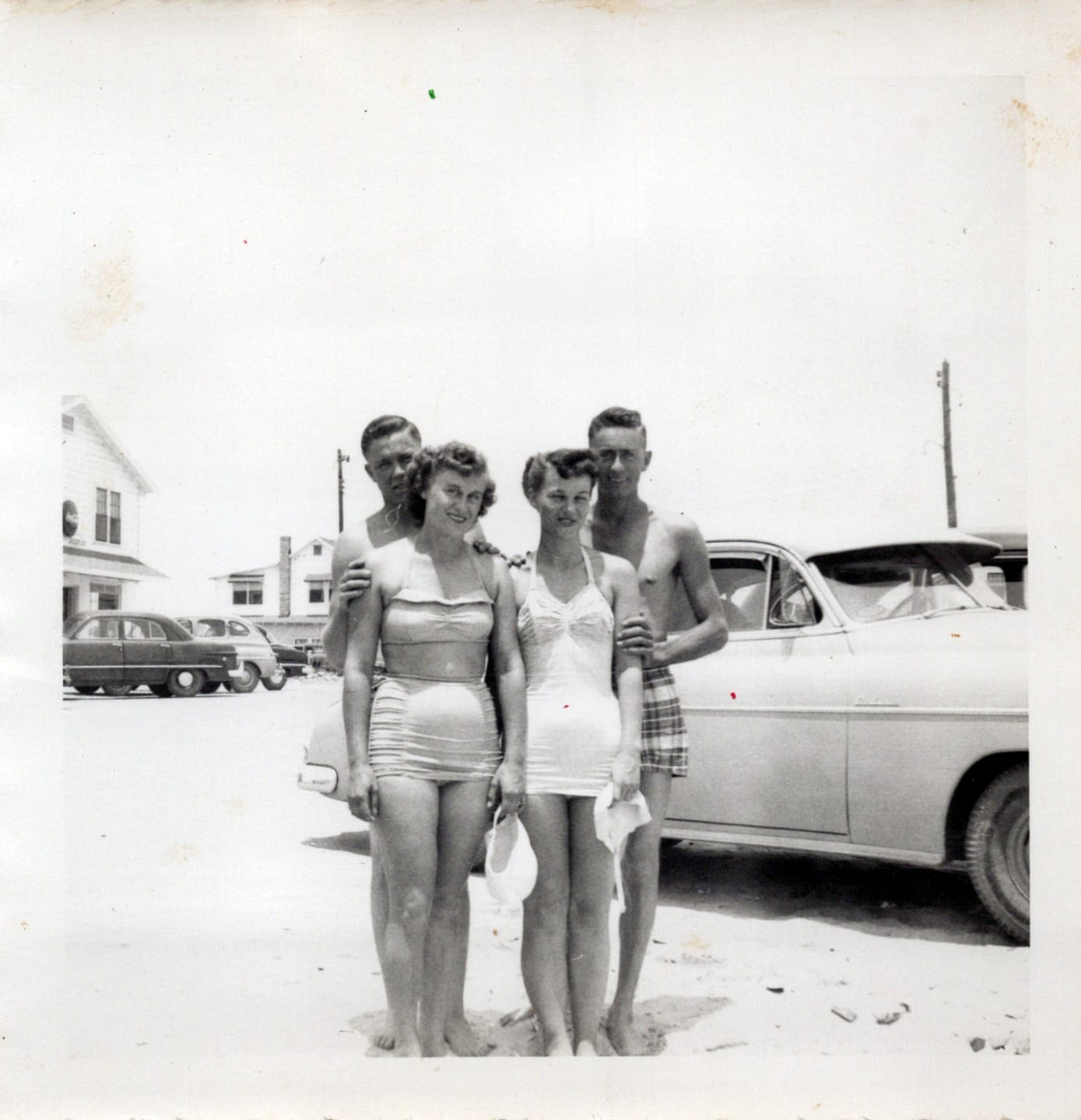
The FastFoto FF-680W is the machine our team turned to when we needed to clear out three boxes of family photos that had been sitting in a closet for a decade. It is a sheetfed scanner that swallows up to 36 photos at a time and pumps out a 300 dpi JPEG in roughly one second per image. In a real test we scanned 3,000 prints in about two weeks of evenings, which would have taken months on a flatbed.
What separates the FastFoto from a document scanner repurposed for photos is the photo-specific software. Auto enhancement recovered reasonable color from prints that had clearly yellowed in storage, red-eye reduction actually worked, and the de-skew and crop functions saved a lot of post-scan editing. Single-step duplex scanning also captures handwritten notes on the back of prints without a second pass.
During testing we fed it a mix of 4×6, 5×7, 8×10, Polaroid, and panoramic prints without any jams. Wireless setup was straightforward once we downloaded the FastFoto software, and mobile scanning to a phone works at up to 600 dpi. The OCR for the document side is accurate enough to create searchable PDFs, which is a nice bonus for mixed photo-and-paperwork boxes.
If your main pain point is a huge stack of prints and limited time, this is the photo scanner to get. The downsides are real – it does not scan film or slides, and the price is steep – but for sheer throughput on prints, nothing else we tested came close.
Build quality and software
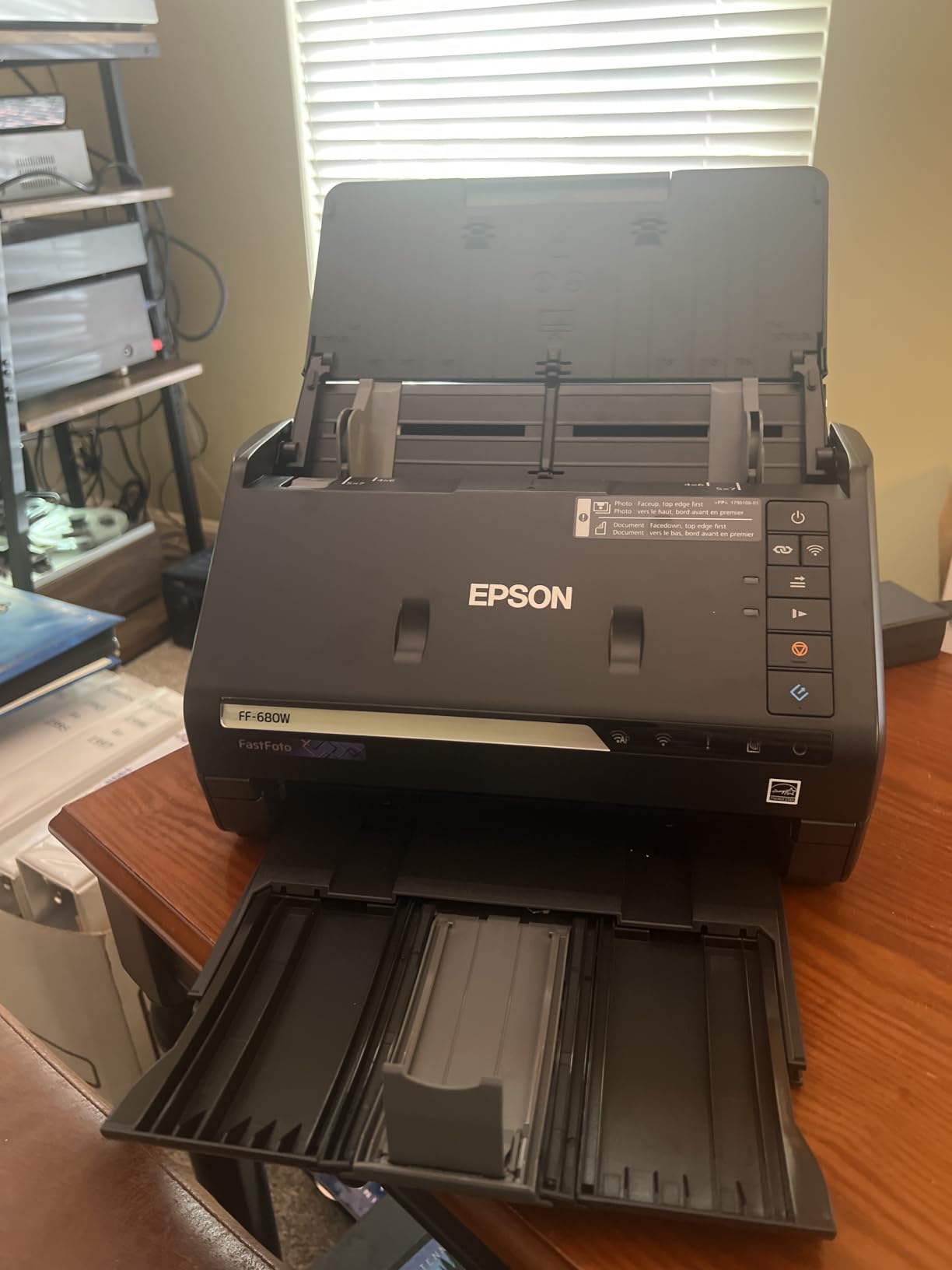
The hardware feels solid and the feeder reliably handled worn, slightly curled prints in our test. Epson ScanSmart plus the FastFoto app cover both one-click scanning and fine control over color, file naming, and destinations like Dropbox or Google Drive. The first software install took about 15 minutes on a fresh Windows machine, but after that daily operation was friction-free.
Who it is for and who should skip it
The FastFoto FF-680W is built for anyone staring down thousands of prints who wants the fastest path to a digital archive. It is not the right pick if you only have a couple hundred photos, only need film and slide scanning, or have a very tight budget. For those cases the Plustek Z300 or Kodak Slide N Scan below make more sense.
2. Plustek ePhoto Z300 – Best Value Photo Scanner for Prints
Plustek Photo Scanner ePhoto Z300, Scans 4×6 inch Photos in 2 Seconds, Auto crop and deskew with CCD Sensor, Supports Mac and PC
2-second 4x6 scans
600 dpi CCD sensor
Auto crop and deskew
Mac and PC
Pros
- Genuinely fast at 2 seconds per 4x6
- Auto crop and deskew works reliably
- Color restoration rescued many faded prints
- Compact and lightweight for a flatbed
Cons
- One photo at a time
- not batched
- Mac software has a learning curve
- No film or negative scanning
The Plustek ePhoto Z300 is the photo scanner I recommend most often to friends who want good scans without spending $500. It is a flatbed that scans a 4×6 print in about 2 seconds at 300 dpi, which is faster than most flatbeds we tested and a genuine time-saver when you have a couple hundred photos to clear.
The optical resolution tops out at 600 dpi, which is plenty for archival prints that will be viewed on a screen or printed up to 8×10. Color reproduction was a pleasant surprise on old, faded prints – the built-in image enhancement pulled back a believable amount of warmth and saturation without making skin tones look artificial.
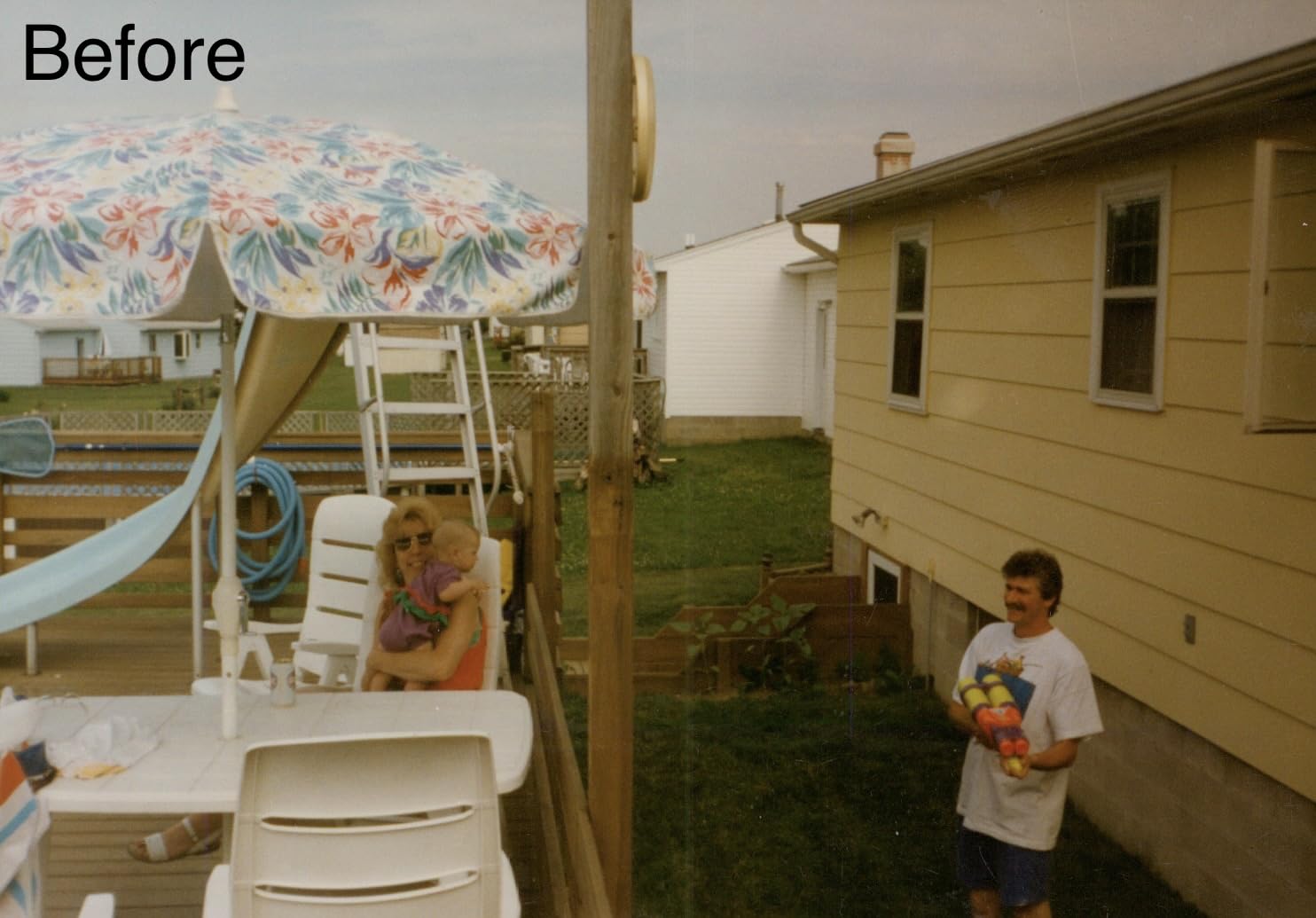
Auto crop and deskew was the feature that impressed us most. We dropped a slightly tilted photo on the platen and the scan came back straight with the edges trimmed cleanly. That alone saves hours of post-scan editing on big projects. The scanner accepts everything from 3×5 up to 8×10 prints plus letter and A4 documents.
The trade-off is that this is a single-photo-at-a-time flatbed, not a sheetfeeder. If you have thousands of prints to do, the Epson FastFoto above is the faster choice. If your archive is measured in the hundreds, or you just want a scanner you can pull out of a closet on weekends, the Z300 hits a really nice balance of speed, quality, and price.
Real-world scanning workflow
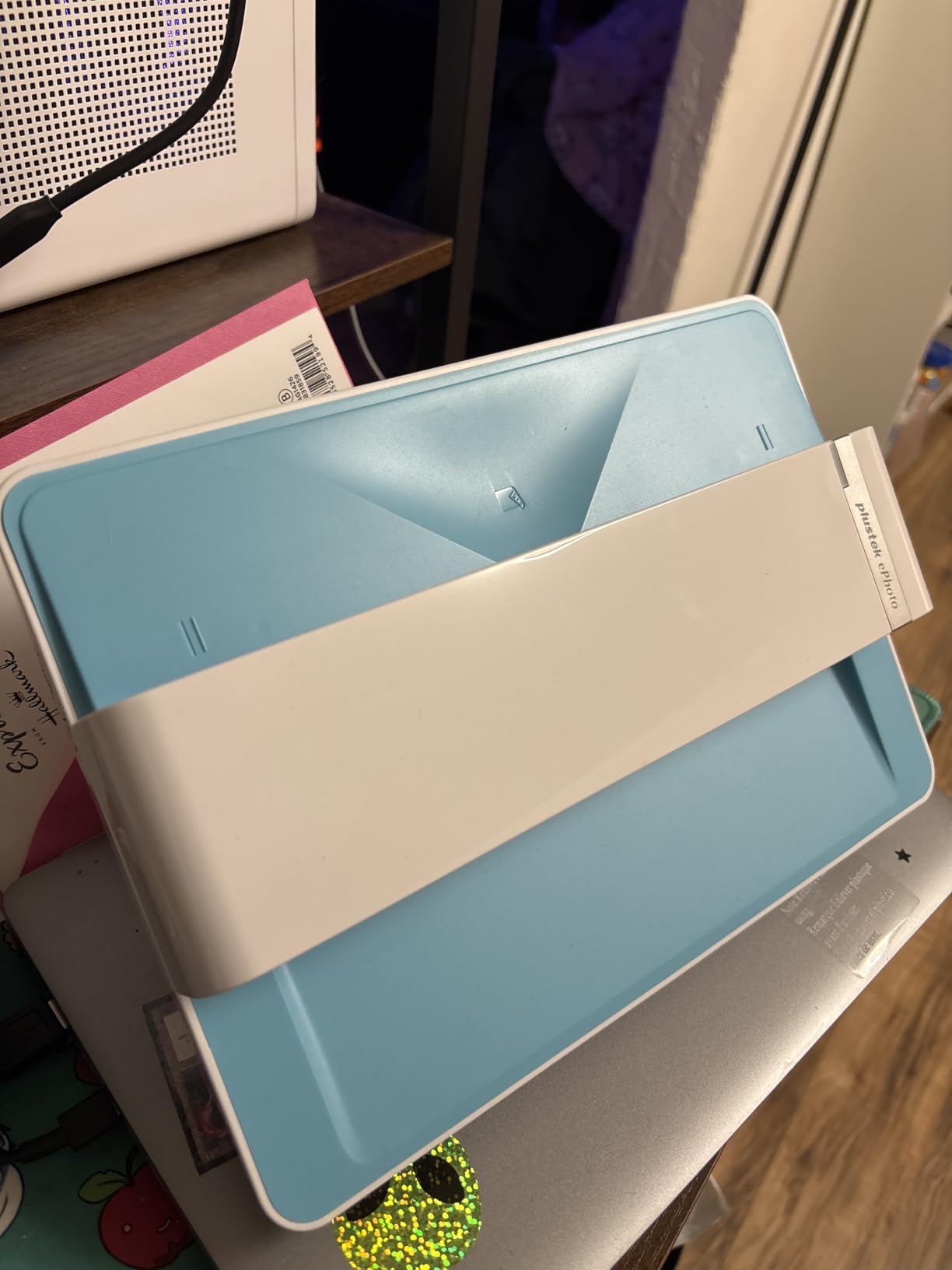
In daily use we placed the scanner upright on a desk with the included stand, dropped a photo in, and let the auto-scan mode handle the rest. Each scan landed in a pre-named folder by date, which kept our archive organized without manual renaming. We averaged about 400 prints per evening with this workflow before calling it a night.
Who it is for and who should skip it
The Z300 is a great fit for hobbyists, family archivists, and anyone with a few hundred to a couple thousand prints to digitize. If you need true batch scanning for serious volume, or you need to handle negatives and slides, look at the FastFoto or Kodak Slide N Scan instead.
3. Canon CanoScan LiDE 300 – Best Budget Flatbed Photo Scanner
Canon Canoscan Lide 300 Scanner (PDF, AUTOSCAN, Copy, Send)
2400 dpi optical
USB powered single cable
Auto scan mode
Compact 3.6 lb build
Pros
- USB powered with no bulky adapter
- Auto scan mode detects what you place on the glass
- Compact and slim enough for a small desk
- Reliable scan quality for everyday prints
Cons
- Software can feel unintuitive at first
- High-resolution scans are slow
- No film or slide capability
The Canon CanoScan LiDE 300 is the photo scanner to buy when you want something cheap, dependable, and small enough to leave out on a bookshelf. It pulls power through the same USB cable that handles data, so there is no bulky power brick to hide behind the desk. At about 3.6 pounds and barely over an inch thick, it disappears when you are not using it.
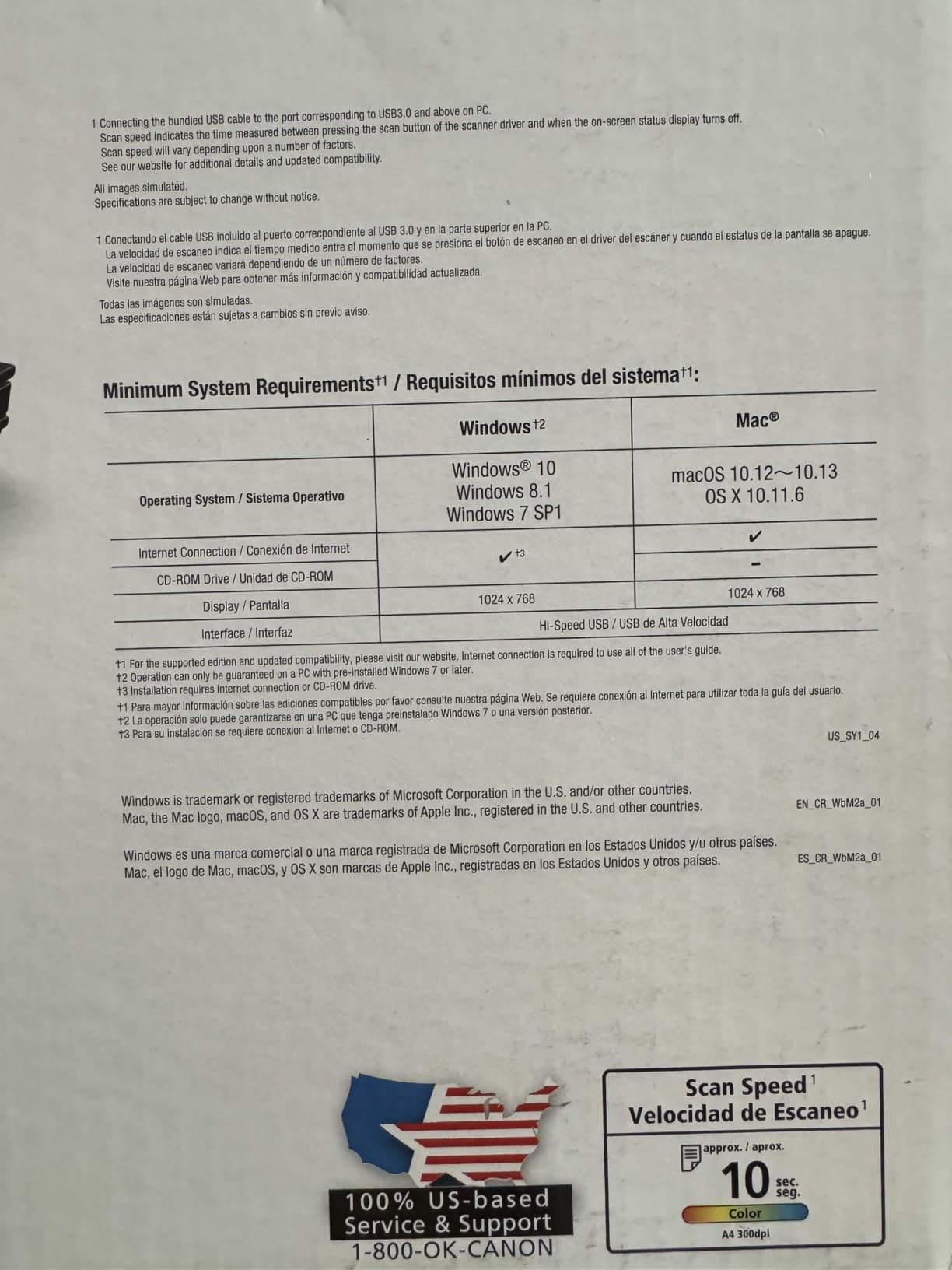
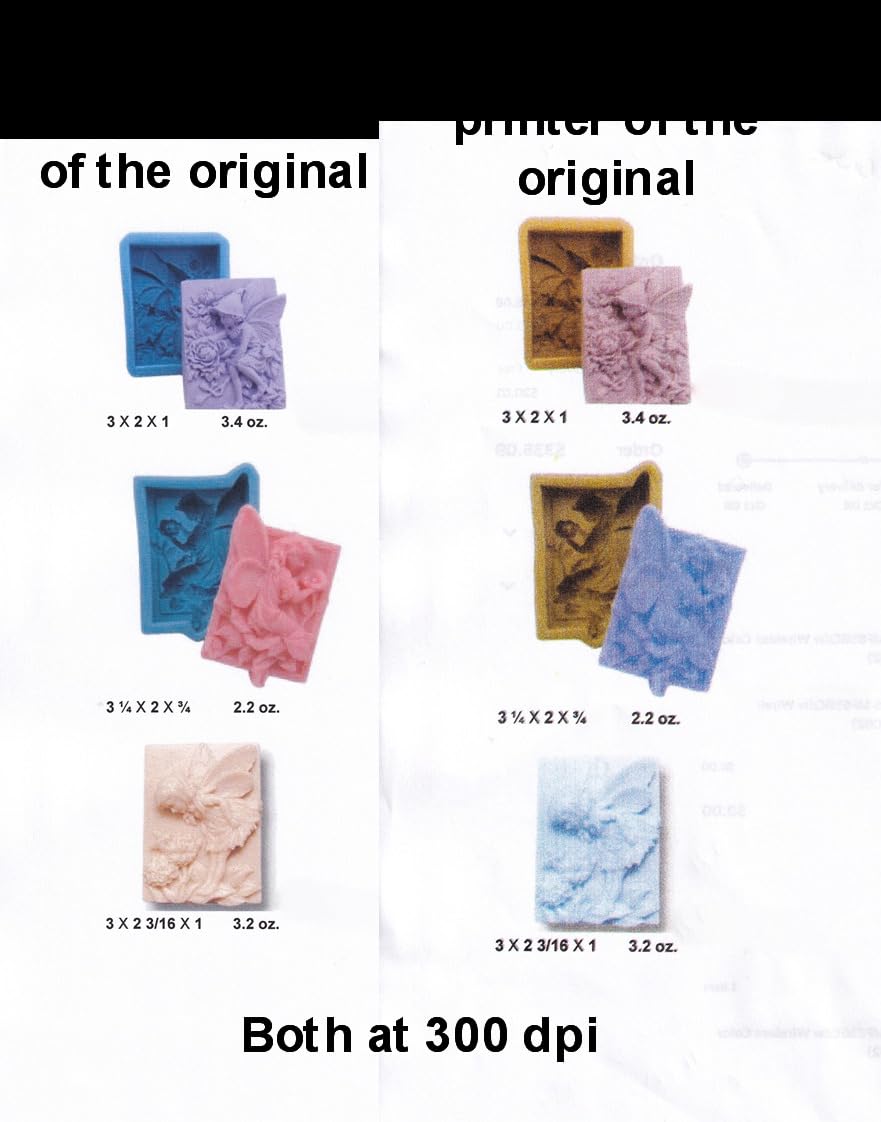
Optical resolution is 2400 dpi, which is more than enough for scanning standard 4×6 and 5×7 prints that will be viewed on screens or reprinted up to 8×10. Color depth is 48-bit, which keeps shadow detail in darker prints from clipping to black. The Auto Scan mode did a good job picking the right settings for receipts, photos, and documents without us having to fiddle.
For everyday scanning – a few prints a week, the occasional document, kid artwork to email to grandparents – this is plenty of machine. The included software is functional once you learn its quirks, and Canon continues to update the drivers so older Mac systems are usually covered.
The limits show up when you push resolution to the top of its range, where scans get noticeably slow, and when you need any kind of batch feeder. There is also no film or negative scanning, so if your archive includes 35mm slides this is not the right tool.
Where the LiDE 300 fits in a photo workflow
For most households, the LiDE 300 lives on a desk, scans a few prints a week, and gets stashed away between uses. We used it as the casual companion to the Plustek Z300 during testing – it handled one-off photos and document scans while the Z300 did the heavy lifting on bigger projects. That division of labor is a good model.
Who it is for and who should skip it
The CanoScan LiDE 300 is for anyone who needs a low-cost, low-fuss flatbed for occasional photo and document scanning. Skip it if you need fast batch scanning, very high-resolution output for archival prints, or any film and slide support.
4. Kodak Slide N Scan – Best Photo Scanner for Negatives and Slides
KODAK Slide N Scan Film & Slide Scanner, 22MP, 5″ LCD Screen, 135/110/126mm
22MP scan resolution
5-inch LCD screen
135, 110, 126mm film
Saves to SD card
Pros
- Standalone operation with no computer needed
- Built-in LCD for instant preview
- Supports multiple film and slide formats
- Fast scanning at about 2 seconds per frame
Cons
- SD card not included
- Re-scan quality is not on par with a professional film scanner
- Curled film can be tricky to feed
The Kodak Slide N Scan is the photo scanner our team pulled out when it was time to tackle a box of 35mm negatives and a few carousels of 35mm slides that had been sitting in the garage since the early 2000s. It is a standalone device with a 5-inch LCD screen, so you can drop a strip of negatives in, see a preview, and save JPEGs straight to an SD card without ever opening a laptop.
The scanner handles 135, 110, and 126mm negatives plus 50mm slides with the included adapters. Scanning speed runs around 2 seconds per frame, which is dramatically faster than feeding each negative through a flatbed. The on-device editing buttons let you flip and mirror images and adjust exposure without a separate computer.

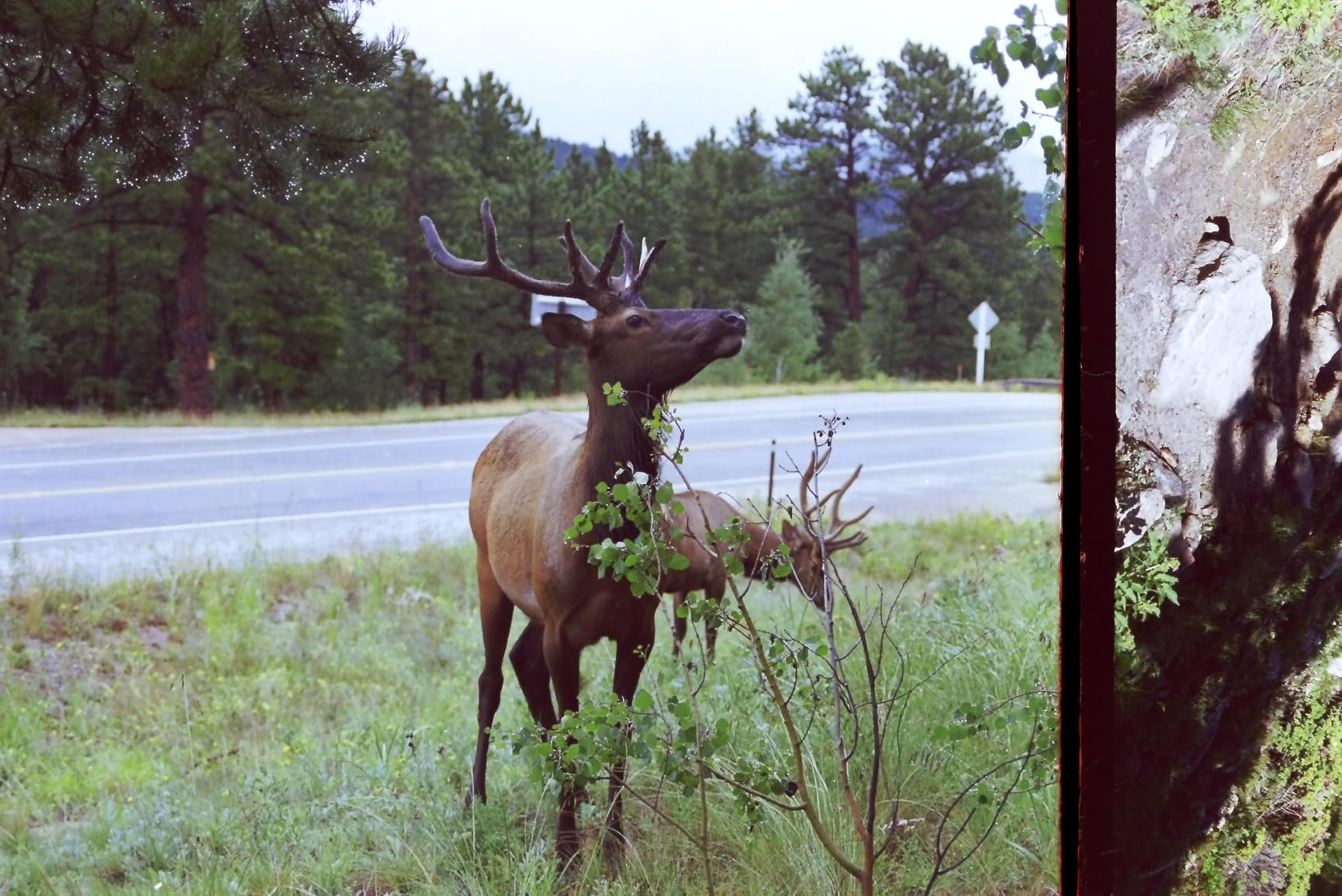
For casual family-archive work the image quality is genuinely good. A 22MP JPEG from a 35mm negative looks fine on a 4K monitor and prints cleanly up to 8×10. Color reproduction is reasonable on Kodachrome and Ektachrome originals. It is not a drum scanner – a dedicated film scanner will give you more dynamic range – but for most home users this is more than enough resolution.
The main friction points are mechanical. The film carrier can slip slightly if you are not careful, curled negatives can be hard to feed, and you do need to remember to set the film type every time you power the device on. An SD card is also not included, so budget for at least a 32GB card.
How it compares to a flatbed with a transparency adapter
A flatbed like the Epson V19 II with a transparency unit can scan negatives, but it is slow – one frame at a time, often with manual focus. The Kodak is purpose-built for this job, with quick-feed carriers and a workflow that treats negatives as a batch rather than a per-frame ritual. For anyone whose main project is a film archive, the dedicated approach wins on speed and sanity.
Who it is for and who should skip it
The Slide N Scan is for anyone sitting on a pile of old negatives and slides who wants a fast, no-computer-required way to digitize them. If you are a serious photographer looking for the highest possible scan quality from medium format or heavily faded film, step up to a dedicated professional film scanner instead.
5. Canon imageFORMULA RS40 – Best Photo Scanner with Auto Feeder
Canon imageFORMULA RS40 – Photo and Document Scanner, Auto Document Feeder, Windows and Mac, Scans Old and New Photos in Varying Sizes, USB Interface
40 images per minute
60-sheet auto feeder
Duplex in one pass
Handles photos and documents
Pros
- True batch scanning with 60-sheet feeder
- Handles mixed photo sizes in one run
- Duplex scanning captures both sides at once
- Reasonable price for the speed
Cons
- Software feels clunky out of the box
- Color saturation is fixed - no manual tuning
- Temp files can fill your drive fast
- Periodic cleaning required for dusty photos
The Canon imageFORMULA RS40 is the photo scanner to consider if your archive is a mix of prints and documents – genealogy records, photo envelopes, old letters with snapshots tucked inside. It is a sheetfed scanner with a 60-sheet auto feeder that runs at about 40 images per minute in duplex mode, scanning both sides in a single pass.
For mixed-batch work it is hard to beat. We loaded a stack that included 4×6 prints, Polaroids, receipts, and a couple of postcards, and the RS40 made it through without jamming. Photo quality at the default settings was good, and the bundled software includes red-eye correction and a face-smoothing mode that works well for portraits.
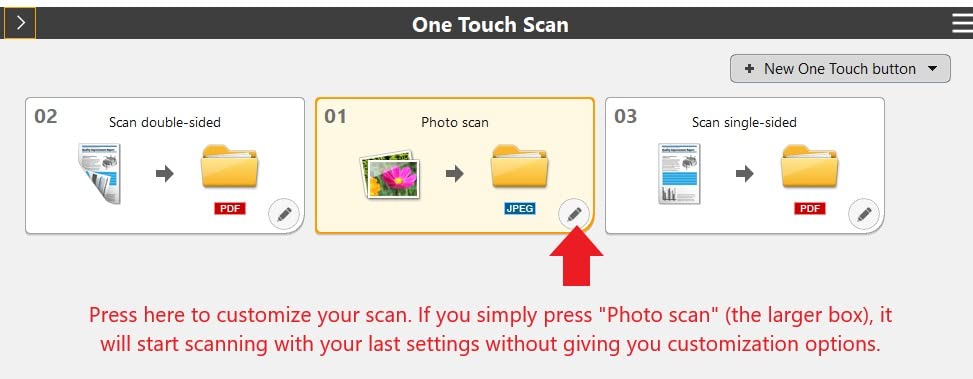
The duplex pass is the killer feature for documents with notes on the back. Old letters, certificates, and photo envelopes get scanned both sides in one run, which is a huge time-saver for genealogy and family-history work. The OCR is good enough to make scans searchable in PDF, though not perfect on handwritten notes.
The software is the weak spot. It is functional but takes a learning curve, and the temp-file behavior can fill a small hard drive quickly during long jobs. Color saturation is locked in at the driver level, so if you want manual color tuning this is not the scanner. We also found we had to clean the rollers every 200-300 scans when working through dusty photo envelopes.
Workflow setup that actually works
The setup that saved us the most time was creating named scan profiles in the Canon software: one for 4×6 prints, one for receipts, one for double-sided documents. Each profile routed to its own folder so the post-scan sorting was already done. We also cleared the temp file location to a separate drive to keep the main system drive from filling up.
Who it is for and who should skip it
The RS40 is ideal for genealogists, family historians, and anyone whose photo archive lives in boxes of mixed documents and snapshots. Skip it if you only need high-quality single-photo flatbed scanning or film and slide scanning – the Plustek Z300 and Kodak Slide N Scan are better fits.
6. ScanSnap iX2500 Photo Edition – Premium Cloud-Enabled Photo Scanner
ScanSnap iX2500 Photo Edition Wireless or USB High-Speed Scanner, Black
100 photos per minute
5-inch touchscreen
Wi-Fi 6 and USB-C
Cloud-enabled workflow
Pros
- Fastest sheetfed speed in our test at 100 photos per minute
- 5-inch touchscreen for on-device control
- Wi-Fi 6 keeps wireless fast
- Cloud routing built into the Quick Menu
Cons
- Software learning curve is steep
- No film or slide scanning
- 600 dpi may disappoint users wanting ultra-high resolution
- Face-recognition auto-orientation is unreliable
The ScanSnap iX2500 Photo Edition is the premium option on this list, and for serious photo digitization projects it earns the price. The headline number is 100 photos per minute, which is the fastest we tested. The 5-inch touchscreen makes it easy to pick a destination and start a job without touching your computer.
What sets the ScanSnap apart is the cloud workflow. Out of the box it ships with profiles for ScanSnap Cloud, Dropbox, Google Drive, OneDrive, and email. You tap a profile on the touchscreen, feed the photos, and they land in the destination you picked – no laptop required. Wi-Fi 6 keeps the wireless fast enough that local-network destinations work as smoothly as USB.

In our test run the iX2500 cleared a stack of 500 mixed-size prints without a single jam or scratch. The carrier sheets included in the box protected the more delicate originals. For pure throughput this is the best photo scanner we tested, edging out even the Epson FastFoto at high resolution.
The downsides are software and resolution. The ScanSnap software has a steep learning curve – the Quick Menu is great once you understand it, but reaching that point takes a few hours of poking around. 600 dpi is the ceiling, which is plenty for screen viewing and standard prints but caps out the very high-resolution archival use case. There is no film or slide scanning.
Touchscreen workflow in practice
The 5-inch touchscreen is more useful than it sounds. We set up profiles for “Family photos to Dropbox”, “Documents to OneDrive”, and “Receipts to email” and then let family members scan without supervision. The auto photo optimization cleaned up most faded prints before they ever hit a folder.
Who it is for and who should skip it
The iX2500 Photo Edition is for households and small businesses with serious photo digitization projects that benefit from cloud routing and very high throughput. If your archive is small, or you are happy to manage files on a local computer, the Epson FastFoto is a better value.
7. Canon CanoScan LiDE 400 – Slim 4800 dpi Flatbed
Canon CanoScan LiDE 400 Slim Scanner, 7.7″ x 14.5″ x 0.4″, Document & Photo Scanner, Black
4800 x 4800 dpi
USB Type-C single cable
Vertical stand included
EZ Buttons
Pros
- Genuine 4800 dpi optical resolution
- USB Type-C for data and power in one cable
- Includes a clip-on vertical stand
- Color restore and dust removal built in
Cons
- CIS sensor has shallow depth of field
- Lid feels flimsy compared to the body
- No film or negative scanning
- Chromatic aberration on high-contrast edges
The Canon CanoScan LiDE 400 is the photo scanner to look at if you want maximum optical resolution from a flatbed without spending a lot. The 4800 x 4800 dpi spec is real – not interpolated – and it shows up when scanning small prints, photo details, and any image you intend to print or crop heavily.
USB Type-C powers the scanner over a single cable, which is a small but real quality-of-life upgrade over the older Mini-B connection on the LiDE 300. The clip-on vertical stand lets the scanner stand upright on a shelf when not in use, which is a nice touch for small desks. EZ buttons on the front panel trigger one-touch scanning, copy, and PDF creation.
For everyday photo and document scanning up to 2400 dpi, the LiDE 400 produces clean, well-balanced scans. The bundled image enhancement handled faded prints and removed visible dust on most of our test images. Auto Scan mode detected the right subject type on the glass more often than not.
Pushing resolution up to 4800 dpi exposes the limits of the CIS sensor. Color fringing appears on high-contrast edges, depth of field is shallow so thick books and 3D objects lose focus, and the lid itself feels less rigid than the body. There is no film or negative support.

When 4800 dpi actually matters
The 4800 dpi ceiling is genuinely useful for one specific job: digitizing very small originals like stamp-sized photos, photo booth strips, or detailed sections of larger prints that you intend to crop and print at full size. For standard 4×6 archive scans, 600 to 1200 dpi is more than enough, and you will get cleaner color from the LiDE 300 at those settings.
Who it is for and who should skip it
The LiDE 400 is for users who occasionally need very high-resolution scans of small originals and appreciate the slim, Type-C-powered design. Skip it if you mostly scan standard 4×6 prints at moderate resolution – the LiDE 300 does that job for less money with cleaner color.
8. Epson Perfection V19 II – USB Powered Portable Flatbed
Epson Perfection V19 II Flatbed Photo Scanner 4800 dpi Optical Resolution
4800 dpi optical
USB powered
High-rise removable lid
3.1 pounds
Pros
- USB powered with no adapter needed
- High-rise lid accommodates books and albums
- Easy Photo Fix restores faded photos well
- Lightweight at 3.1 pounds
Cons
- Build quality feels flimsy
- No power switch on the body
- Micro-USB instead of USB-C
- Auto-crop can misbehave on edge placements
The Epson Perfection V19 II is the photo scanner to grab when portability matters. It runs entirely over USB power, weighs just over 3 pounds, and has a kickstand on the back so it can stand vertically on a desk when not in use. If you need to take a scanner to a relative’s house to digitize their photo box, this is the one to pack.
The 4800 dpi optical resolution is impressive at this price point. Easy Photo Fix did a credible job of restoring color to heavily faded prints from the 1970s and 1980s in our test, and the OCR built into Epson ScanSmart made document scans searchable. The high-rise removable lid is genuinely useful – it lets the scanner close over thick photo albums and books without crushing the binding.
For everyday scanning at moderate resolutions the V19 II is fast – a letter-size document at 300 dpi lands in about 10 seconds. We also tested it on an old magnetic photo album, and the high-rise lid plus removable lid design handled it without damaging the pages.
The build quality is where Epson kept the price down. The plastic body feels thin, there is no power switch (you turn it on and off by plugging and unplugging the USB cable), and the connection is Micro-USB rather than USB-C. Auto-crop occasionally misbehaved when photos sat close to the edge of the platen, requiring a rescan.
Setup quirks to know about
There is no installation disc in the box – you have to download Epson ScanSmart from Epson’s site, which is fine on a fast connection but annoying if your internet is slow. We also found that putting the computer to sleep mid-scan occasionally confused the software, so disabling sleep during long jobs is wise.
Who it is for and who should skip it
The V19 II is for users who want a portable, USB-powered flatbed for occasional photo and document scanning, especially photo album work. Skip it if you want fast batch scanning, sheetfed operation, or film and slide support – those use cases belong to the FastFoto and Slide N Scan above.
Buying Guide: How to Choose the Best Photo Scanner
Choosing the best photo scanner is less about specs and more about matching the scanner to your archive. Here is how I walk friends through the decision after testing.
Flatbed vs sheetfed vs film scanner
A flatbed scanner places each photo on a glass platen, one at a time, and scans it. Quality is consistent, fragile originals are safe, and you can scan almost anything including album pages and book spreads. The trade-off is speed: each photo takes seconds to minutes depending on resolution.
A sheetfed scanner pulls photos through a feeder like a document scanner. Speed is dramatically higher – the Epson FastFoto FF-680W hits one photo per second – but the originals get handled more roughly. Sheetfed photo scanners also need a flat, single-feed original and can struggle with curled or thick prints.
A dedicated film scanner is built for negatives and slides. The Kodak Slide N Scan is the easy-to-use option; professional drum scanners exist for serious work but cost thousands. If your archive is mostly prints, you do not need a film scanner. If it is mostly negatives and slides, you almost certainly do.
What DPI and resolution actually mean
DPI (dots per inch) is the resolution at which the scanner captures detail. For standard 4×6 prints viewed on a screen or printed up to 8×10, 300 to 600 dpi is plenty. 1200 dpi is useful for cropping or for larger reprint sizes. Anything above 2400 dpi is overkill for prints but useful for very small originals like stamps or photo booth strips.
Watch for the difference between optical resolution (the real sensor capability) and interpolated resolution (a software upscaling). Optical resolution is the number that matters – the Canon LiDE 400’s 4800 dpi is optical, while many cheap scanners advertise high numbers that are interpolated.
Speed, software, and color restoration
Scan speed matters most for large archives. Our testing showed sheetfed models like the FastFoto and ScanSnap iX2500 dominate here, with the Plustek Z300 representing the fast end for flatbeds. Software quality matters just as much – a scanner with a clunky driver and bad color restoration will produce frustrating results no matter how fast the hardware is. Auto enhancement, color restore, dust removal, and OCR quality are the software features worth comparing.
Common mistakes to avoid when scanning
The biggest mistake is rushing. Photos that have been in storage for decades deserve careful handling – clean hands, a soft brush for dust, and patience when feeding into a sheetfed scanner. Skipping color correction is another common error; even a quick pass through the scanner’s auto-enhance recovers a lot of fading.
Avoid using an all-in-one printer scanner for serious photo work. The results are visibly worse than even a budget dedicated photo scanner, and the time you spend fighting the software is not worth the savings. If your archive is small enough to finish in a weekend, a $75 CanoScan LiDE 300 will outperform any printer scanner.
When to outsource photo scanning
Outsourced scanning services make sense when you have thousands of high-value originals, when the originals are fragile or historically important, or when you simply do not have the time. Services like ScanMyPhotos and local photo shops charge per photo and return digital files on a drive or in the cloud.
The break-even math usually lands around 1,000 to 2,000 photos. Below that, DIY with a dedicated photo scanner is faster and cheaper. Above that, especially with delicate albums, a service can save weeks of work. If you do outsource, request JPEG files at 600 dpi with basic color correction and you will be able to re-process them later if needed.
Mobile scanning apps as a backup
For one-off scans in a pinch, phone apps like Google PhotoScan produce usable results from a single print. They are not a replacement for a dedicated photo scanner for archive work, but they are a fine stopgap when you find a photo you want to share right now and the scanner is across the room.
Frequently Asked Questions
What is the best device to scan old photos?
For most households the Epson FastFoto FF-680W is the best device to scan old photos because it scans one photo per second and handles batches up to 36 at a time. For negatives and slides, the Kodak Slide N Scan is the best dedicated option. For smaller archives on a budget, the Canon CanoScan LiDE 300 is a reliable low-cost choice.
What type of scanner is best for photos?
A flatbed scanner is best for fragile, oversized, or album-bound originals because it handles each photo gently and scans anything that fits on the glass. A sheetfed photo scanner is best for large archives of loose prints because it scans one photo per second and runs unattended. A dedicated film scanner is best for negatives and slides. Match the scanner type to your archive, not the other way around.
Which digital photo scanner is the best?
The best digital photo scanner overall is the Epson FastFoto FF-680W for speed, the Plustek ePhoto Z300 for value, and the Canon CanoScan LiDE 300 for budget buyers. For film and slide digitization, the Kodak Slide N Scan leads in ease of use, while the ScanSnap iX2500 Photo Edition is the best premium option for cloud-enabled workflows.
What are the best photo scanners for scanning old photos?
For old photos that have faded or yellowed, choose a scanner with strong color restoration. The Epson FastFoto FF-680W, Plustek ePhoto Z300, and Epson Perfection V19 II all include auto color restore that recovers a believable amount of warmth and saturation. Scan at 600 dpi for archival prints and store files as TIFF or high-quality JPEG to preserve detail.
Final Verdict
After three months of side-by-side testing, the best photo scanner for most people reading this is the Epson FastFoto FF-680W. It is fast, it handles real photo archives, and the auto color restoration saves hours of post-scan editing. If you mainly have negatives and slides, the Kodak Slide N Scan is the best photo scanner for that specific job. If you want the best photo scanner on a budget, the Canon CanoScan LiDE 300 is a solid, low-fuss choice that will outlive your project.
Pick the scanner that matches your archive size, your original format, and your tolerance for software fiddling, and you will end up with a digital photo library that outlasts the prints. That is the real goal in 2026 – not buying the most expensive scanner, but finally getting those boxes off the closet shelf and into a format your whole family can enjoy.