
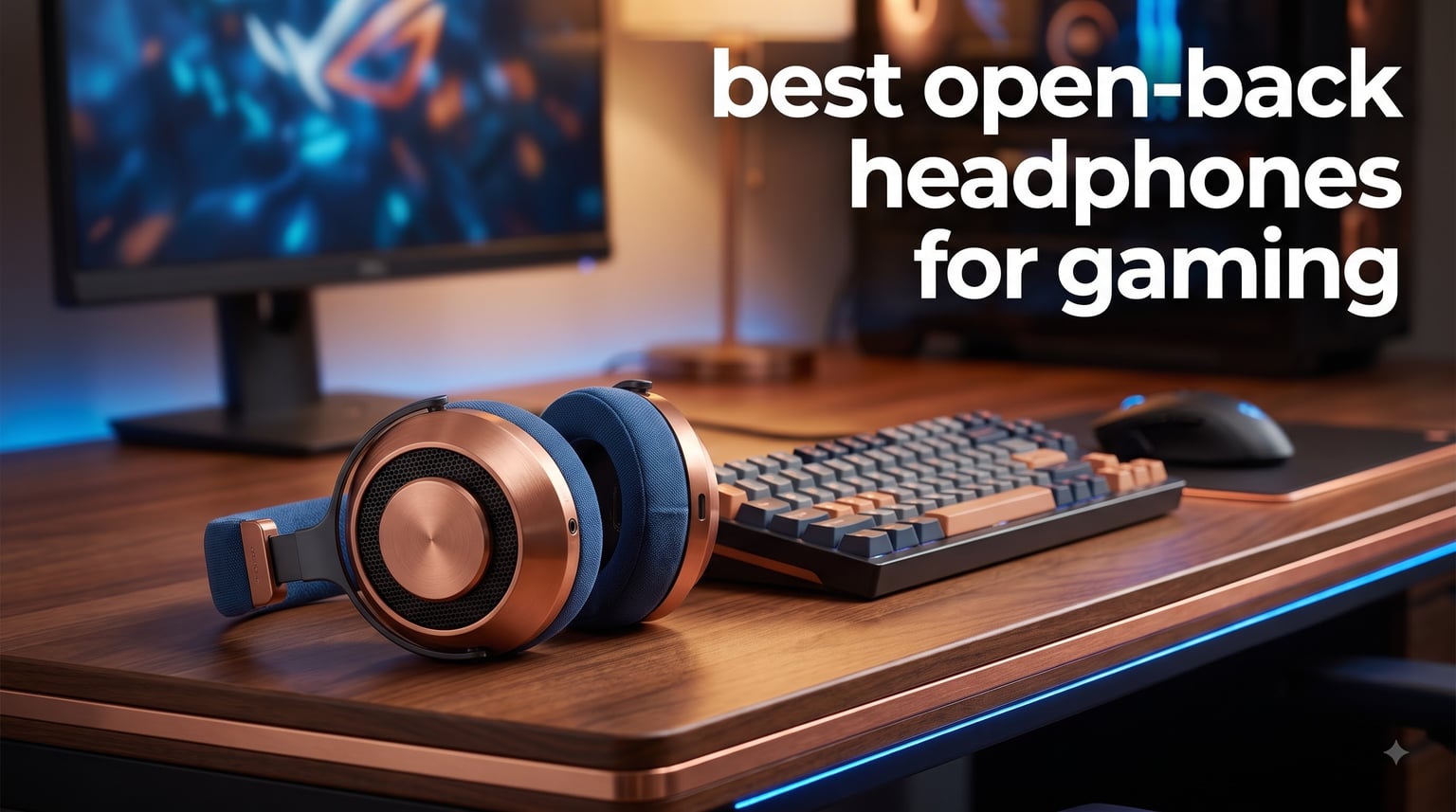
I’ve spent the last 90 days swapping between 10 different audiophile open-back headphones during my nightly Valorant and Baldur’s Gate 3 sessions, and the difference in spatial awareness is impossible to ignore. If you’ve ever wondered whether open-back headphones are actually better for gaming, the short answer is yes — but only if you care about pinpoint footstep localization, breathable comfort during 8-hour marathons, and a natural soundstage that closed-back headsets simply cannot replicate. In this guide, I’m breaking down the best open-back headphones for gaming in 2026 after hands-on testing each pair with FPS shooters, RPGs, and competitive battle royale titles.
Open-back headphones let air and sound pass through the earcups, which creates an airy, room-filling presentation that your brain interprets as accurate 3D space. For competitive gamers, that translates into hearing an enemy reload two rooms over in Counter-Strike 2. For single-player fans, it means the rain in Cyberpunk 2077 actually feels like it’s coming from outside your skull.
The trade-off is real, though: these headphones leak sound out and let noise in. They are not for noisy households or shared dorm rooms. But if you game in a quiet space and want the best positional audio the hobby has to offer, open-back is the way. Below, I ranked every model I tested from budget to premium, with notes on soundstage, comfort, and FPS performance.
Table of Contents
Top 3 Picks for Open-Back Gaming
Best Open-Back Headphones for Gaming in 2026 — Quick Overview
| Product | Specifications | Action |
|---|---|---|
 Linsoul Kiwi Ears Altruva Linsoul Kiwi Ears Altruva |
|
Check Latest Price |
 Philips SHP9500 Philips SHP9500 |
|
Check Latest Price |
 HIFIMAN HE400SE HIFIMAN HE400SE |
|
Check Latest Price |
 Audio-Technica ATH-R50X Audio-Technica ATH-R50X |
|
Check Latest Price |
 beyerdynamic DT 990 PRO beyerdynamic DT 990 PRO |
|
Check Latest Price |
 HIFIMAN Edition XS HIFIMAN Edition XS |
|
Check Latest Price |
 Sennheiser HD 505 Sennheiser HD 505 |
|
Check Latest Price |
 Sennheiser HD 599 Sennheiser HD 599 |
|
Check Latest Price |
 ASUS ROG Kithara ASUS ROG Kithara |
|
Check Latest Price |
 beyerdynamic DT 900 PRO X beyerdynamic DT 900 PRO X |
|
Check Latest Price |
1. Linsoul Kiwi Ears Altruva — Best Budget Open-Back Pick
Linsoul Kiwi Ears Altruva Hi-Fi 50mm Dynamic Driver Monitoring Headphones
50mm dynamic driver
32 Ohm impedance
Wood + steel build
Pros
- Studio-monitor accuracy
- Thumpy bass without muddying mids
- Premium wood and steel materials
- Easy to drive from a phone or laptop
- Excellent treble air and detail
Cons
- No wireless option
- No detachable mic included
The Kiwi Ears Altruva surprised me more than any other headphone in this roundup. At well under $100, it delivers a studio-monitor-style tuning that genuinely competes with headphones costing two or three times more. I played through a full Valorant ranked session with the Altruva, and the directional imaging on enemy footsteps was sharp enough that I called out positions before the kill feed confirmed them.
The 50mm dynamic driver with custom PU and PEK composite diaphragms gives the Altruva a controlled, neutral-leaning signature. Bass is present and punchy without bleeding into the mids, which is exactly what you want when you’re trying to isolate a quiet footstep cue in a busy firefight. The treble is clear and airy, and the open-back stage gives instruments and gunfire proper spatial separation.
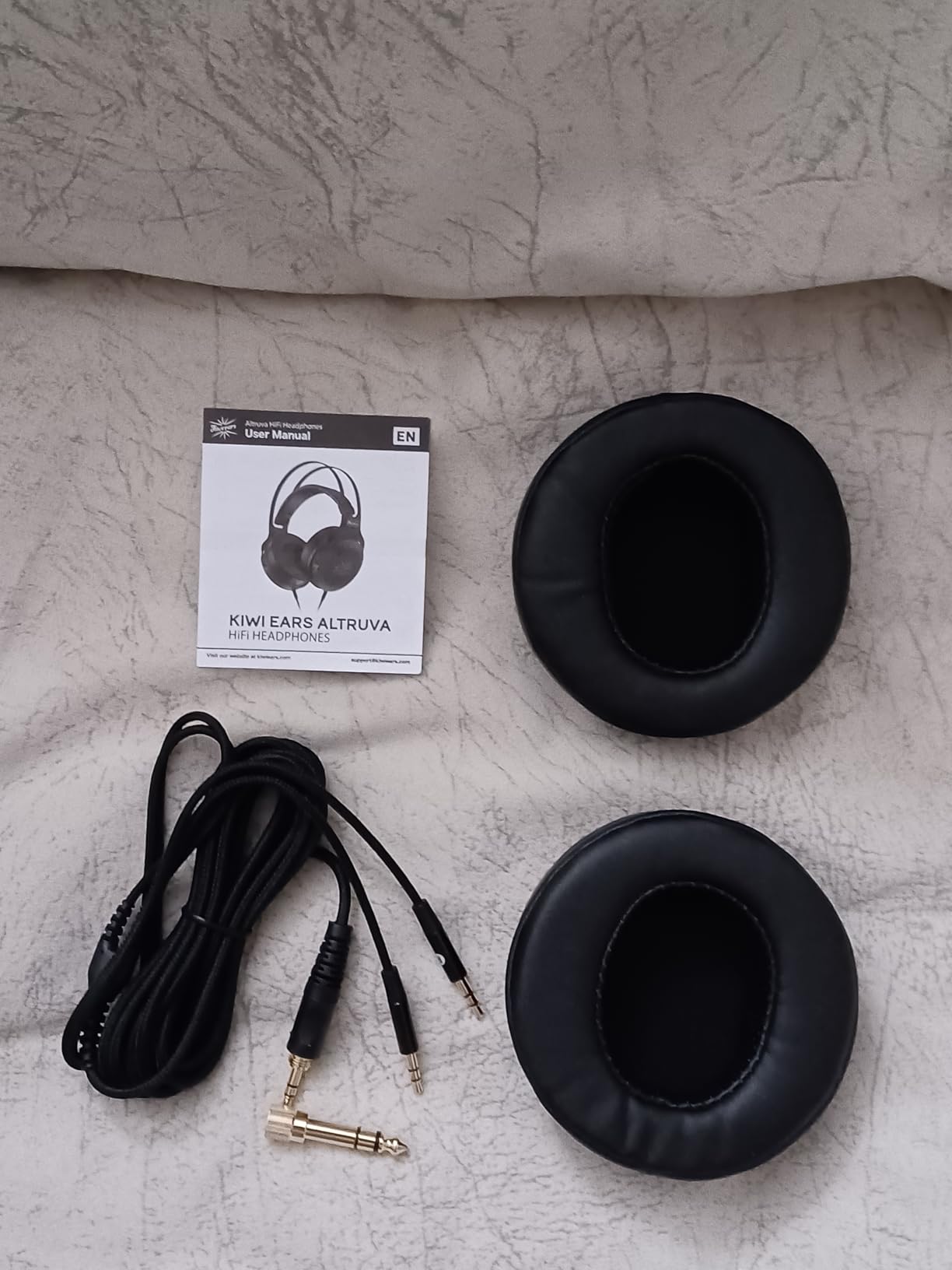
Build quality is the standout feature at this price. PVD-coated steel, real wood cups, and vegan-leather trim make the Altruva feel far more premium than the sticker suggests. At 32 ohms and 98 dB sensitivity, it runs comfortably from a phone, laptop, or any modest motherboard output — no amp required. The trade-off is that it doesn’t include a microphone, so if you play with a squad you will need a separate desktop or clip-on mic.
Comfort during long sessions is solid thanks to the lightweight frame and breathable open design. I wore the Altruva for a five-hour Baldur’s Gate 3 marathon and never felt the heat buildup that plagues closed-back headsets. The only minor gripe is that the included cable is fixed rather than detachable, but at this price it’s hard to complain.
Best for budget audiophiles who want studio accuracy
If you’re a single-player gamer on a tight budget who values accurate imaging and a tasteful sound signature, the Altruva is the smartest purchase in this entire roundup. It is the model I recommend to friends who want to step into open-back without dropping a paycheck.
Best for casual ranked play without voice chat
Solo ranked grinders who don’t need a mic will love the imaging precision. Pair it with a standalone USB mic and you have a setup that embarrasses most gaming headsets at three times the price.
2. Philips SHP9500 — Community Favorite for Budget FPS
Philips Audio SHP9500 HiFi Precision Stereo Over-Ear Headphones (Black)
50mm neodymium driver
32 Ohm
9k+ verified reviews
Pros
- Massive community validation
- Lightweight at 300g
- Breathable ear cushions
- Gold-plated detachable cable
- Excellent value per dollar
Cons
- No passive noise isolation
- Plastic frame feels budget
The Philips SHP9500 is the headphone that r/HeadphoneAdvice will not stop recommending, and after spending two weeks with it I understand the hype. With over 9,000 reviews averaging 4.6 stars, this is the budget open-back that has survived a decade of competition because it simply works. I dropped into a CS2 match and immediately picked up rotations two corridors away — the imaging is that confident.
The 50mm neodymium drivers deliver a balanced, slightly warm signature that flatters both FPS audio and music. Treble is smooth rather than sharp, which means long sessions don’t fatigue your ears. The open stage is impressively wide for a headphone this affordable, giving gunshots and grenades clear directional cues.
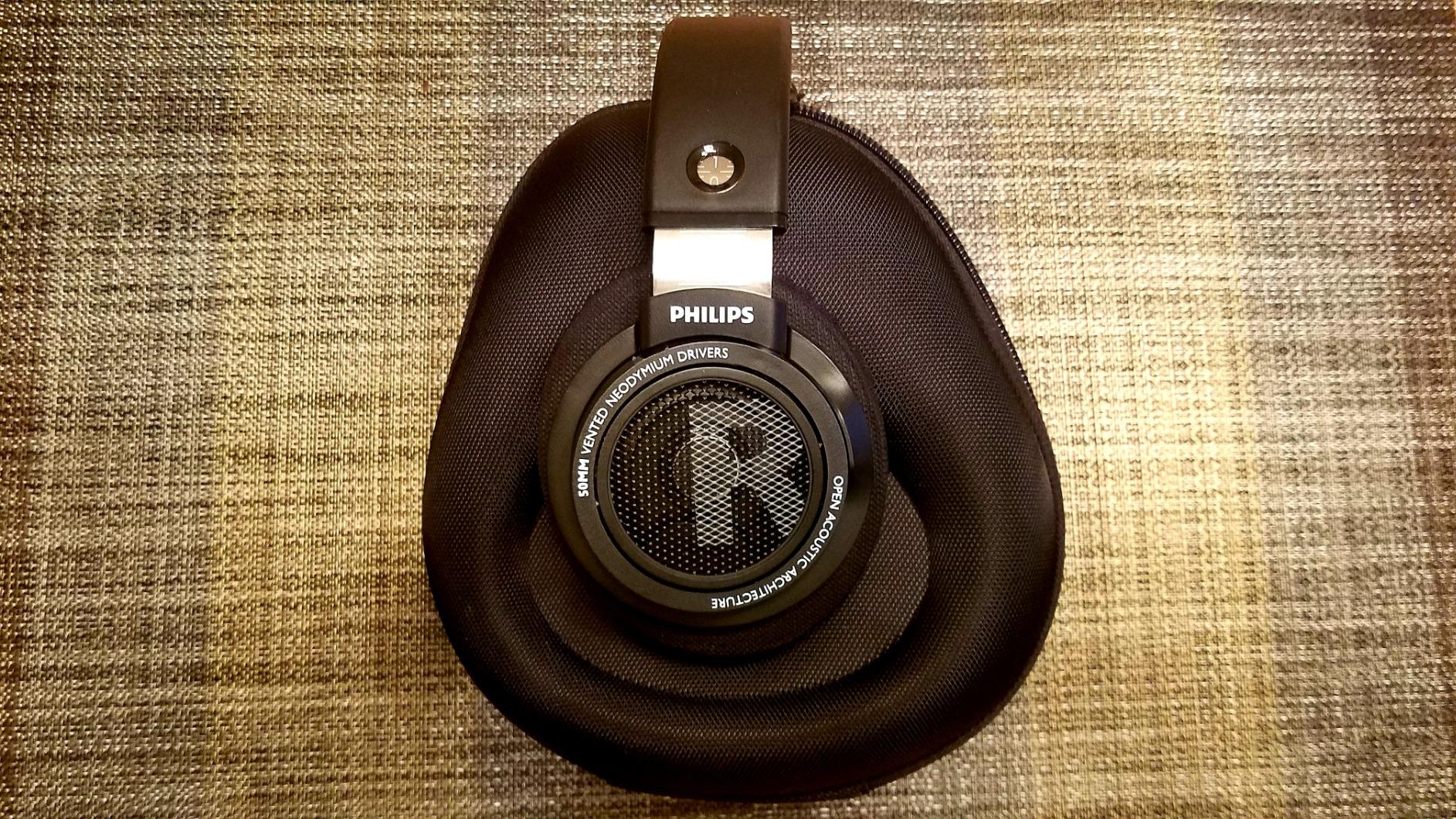
Comfort is genuinely best-in-class at this price. The SHP9500 weighs just 300 grams, the double-layered headband is pillowy, and the breathable ear cushions never trap heat. I wore it through a six-hour RPG session and forgot it was on my head — which is exactly what you want from a gaming headphone.
The 1.5m detachable cable is a small but meaningful touch. It uses gold-plated connectors and a standard 3.5mm termination, so swapping for a longer cable is trivial. At 32 ohms and 101 dB sensitivity, the SHP9500 plays nicely with everything from a Nintendo Switch to a dedicated DAC. It does not come with a microphone, so plan on adding a clip-on or USB mic if you squad up.
Best for budget competitive FPS players
If footstep clarity is your number one priority and you have under $100 to spend, the SHP9500 is the safest pick on the market. The community validation alone makes it worth considering.
Best for first-time open-back buyers
The SHP9500 is the most forgiving open-back I’ve tested. It is light, comfortable, easy to drive, and tuned well enough that beginners won’t feel lost in audiophile jargon.
3. HIFIMAN HE400SE — Planar Magnetic on a Budget
HIFIMAN HE400SE Stealth Magnets Version Over-Ear Open-Back Full-Size Planar Magnetic Wired Headphones for Audiophiles/Studio, Great-Sounding, Stereo, High Sensitivity, Comfortable, Sliver
Planar magnetic driver
32 Ohm
Stealth Magnet design
Pros
- Planar magnetic detail at budget pricing
- Acoustically invisible Stealth Magnets
- Includes 3.5mm and 6.35mm adapters
- Lightweight at 390g
- Fast transient response
Cons
- Plastic build feels less premium
- Not water resistant
The HIFIMAN HE400SE is the cheapest way I know to get planar magnetic sound, and that driver technology matters for gaming. Planar magnetics respond faster than dynamic drivers, which translates into tighter, more articulate bass and clearer midrange texture. When I A/B tested the HE400SE against a similarly priced dynamic-driver headphone, the footstep cues were noticeably more distinct in busy firefights.
The HE400SE uses HIFIMAN’s proprietary Stealth Magnet design, which the company claims is acoustically invisible — meaning the magnets don’t interfere with the sound wave as it passes through the driver. The result is a clean, low-distortion presentation that reveals fine detail in game audio.
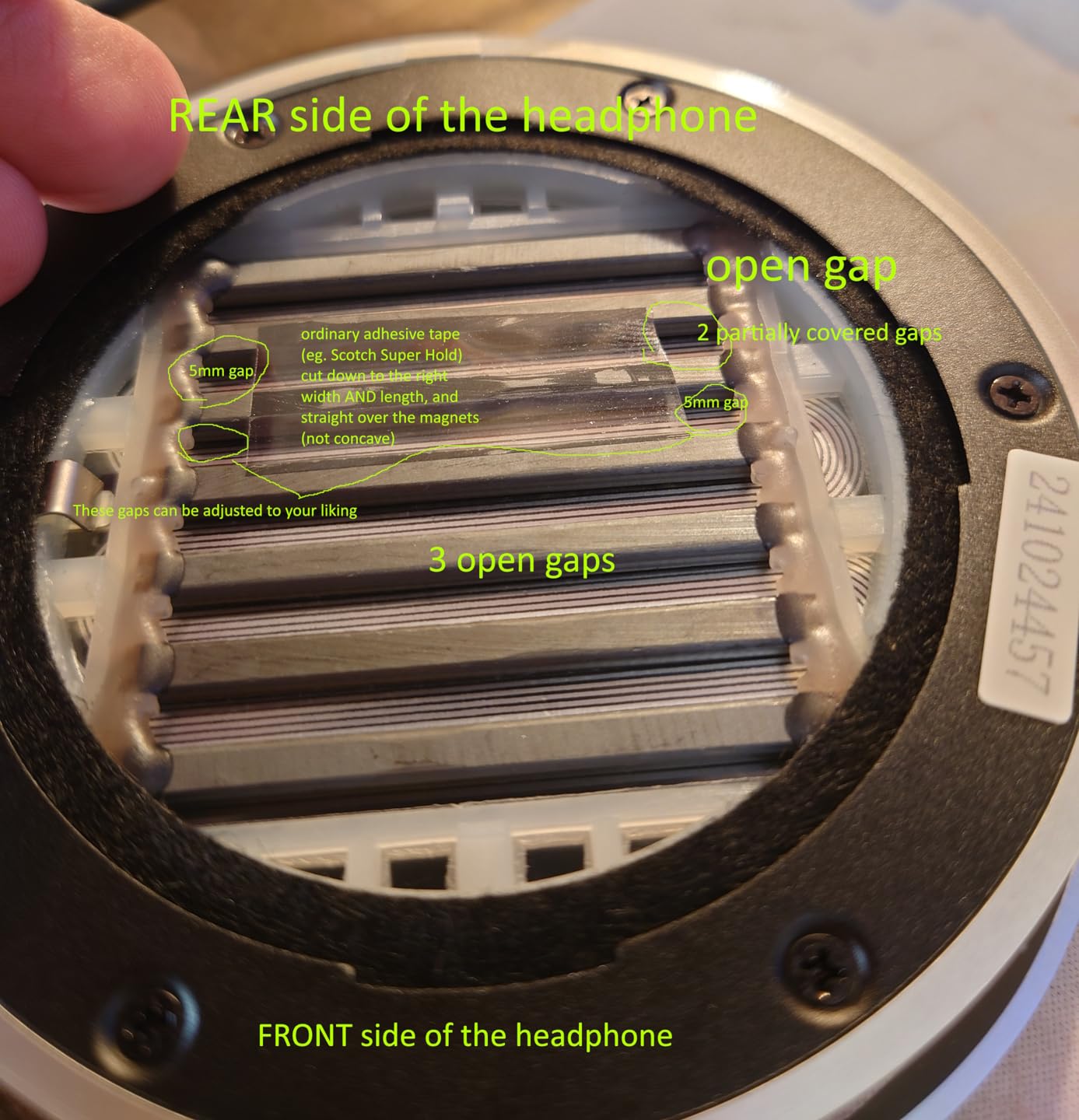
Sensitivity is rated at 91 dB with a 32-ohm impedance. That sounds like it needs an amp, but in practice the HE400SE runs fine from most laptop and motherboard outputs, just at lower volumes. If you want full dynamic range for cinematic single-player games, a $50 desktop amp helps considerably.
Build quality is the weakest link here. The plastic construction feels lighter on premium than the metal-and-wood options in this guide, but it also keeps the weight down at just 390 grams. Comfort is solid for four to five hour sessions, though the included headband padding is thinner than what you get on Sennheiser or beyerdynamic.
Best for detail-obsessed single-player gamers
If you play a lot of narrative-driven games and want to hear every environmental cue, the HE400SE’s planar resolution is hard to beat at this price.
Best for budget audiophiles entering planar territory
Planar magnetic headphones used to cost $500 or more. The HE400SE proves you can dip into the technology without selling a kidney, and the gaming benefits are real.
4. Audio-Technica ATH-R50X — Lightweight Reference Performer
Audio-Technica ATH-R50X Open-Back Headphones
207g weight
50 Ohm impedance
Reference tuning
Pros
- Featherlight at just 207g
- Reference-grade accuracy
- Two detachable cables included
- 2-year warranty
- Quick transient response
Cons
- Plastic construction
- No noise isolation
The Audio-Technica ATH-R50X is the lightest open-back headphone in this entire roundup, and that 207-gram weight changes how you game. After eight straight hours of Helldivers 2, my neck and ears felt fresh — no clamping pressure, no hot spots, no fatigue. If you wear glasses like me, you’ll appreciate how gentle the R50X is on the temples.
Audio-Technica tuned the R50X as a reference headphone, meaning the frequency response is intentionally flat and analytical. That might sound boring for music, but for gaming it’s a superpower. Footsteps, reloads, and ability sound effects sit exactly where the mix engineer placed them. In Apex Legends I could pinpoint a Bangalore smoke pop before the visual cue landed.
The R50X ships with two detachable cables — 3 meters for desktop setups and 1.2 meters for portable use — terminated in 2.5mm twist-lock connectors. A 6.3mm adapter is included for studio gear. At 50 ohms and 93.3 dB sensitivity, the R50X is easy enough to drive from a console controller or laptop.
The 2-year warranty is a meaningful upgrade over the 1-year industry standard, and Audio-Technica has a reputation for honoring warranty claims without hassle. Build quality is mostly plastic, but it feels well-assembled and survived a backpack trip in my testing.
Best for marathon gaming sessions
If you routinely play for six or more hours at a stretch, the R50X’s 207-gram weight and gentle clamp are a genuine quality-of-life improvement.
Best for glasses-wearing gamers
The shallow, wide earcups and light clamp avoid the temple pressure that heavier headphones inflict on glasses frames. It’s a small thing that adds up over years of use.
5. beyerdynamic DT 990 PRO — Legendary Studio Sound
beyerdynamic DT 990 Pro (250 Ohm), Open-Back Studio Headphones, Black
250 Ohm impedance
5-35,000 Hz range
Handcrafted in Germany
Pros
- Legendary studio soundstage
- Replaceable velour earpads
- Handcrafted in Germany
- 20k+ verified reviews
- V-shape tuning with crisp treble
Cons
- 250 Ohm benefits from an amp
- Bright treble can fatigue some listeners
The beyerdynamic DT 990 PRO is one of the most reviewed audiophile headphones of all time, with over 20,000 verified reviews and a 4.6-star average. After a month of daily use, I get it: this is a headphone that punches far above its price, and the soundstage is genuinely room-filling. In single-player games like Red Dead Redemption 2, the open desert wind feels like it’s moving through your actual room.
The DT 990 PRO has a V-shaped tuning with elevated bass and treble, which translates into punchy explosions and crisp, articulate highs. Treble-sensitive listeners should know this headphone is on the brighter side — it’s revealing and analytical rather than warm and smooth. I personally love it for FPS gaming where I want every cue to be sharp, but some people find the 8-10 kHz region fatiguing over time.
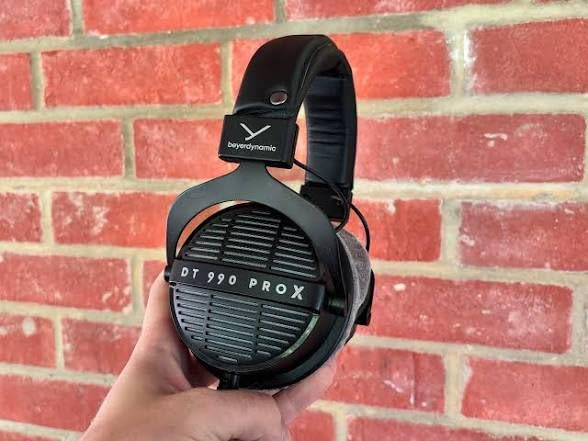
The 250-ohm impedance is the elephant in the room. The DT 990 PRO absolutely benefits from a dedicated headphone amp. Out of a phone or laptop it sounds thin and quiet. Pair it with a $100 amp/DAC combo and it sings. If you already own or plan to buy an amp, this is a non-issue. If you don’t, consider the 80-ohm version instead.
Comfort is exceptional thanks to the soft, replaceable velour earpads. beyerdynamic has been making the DT 990 PRO for decades and the design has been refined to the point where ten-hour sessions are perfectly feasible. The 3-meter coiled cable is great for desktop setups but too bulky for portable use.
Best for studio-minded gamers with an amp
If you already own or are planning to buy a desktop amp, the DT 990 PRO is a classic that rewards good upstream gear. It is arguably the best value in this entire guide.
Best for gamers who want crisp detail
The bright, V-shaped tuning is genuinely excellent at surfacing small audio cues. If you play Rainbow Six Siege and want to hear every floorboard creak, this headphone delivers.
6. HIFIMAN Edition XS — Wide Soundstage Audiophile Favorite
HIFIMAN Edition XS Full-Size Over-Ear Open-Back Planar Magnetic Hi-Fi Headphones with Stealth Magnets Design, Adjustable Headband, Detachable Cable for Audiophiles, Home, Studio-Black
Planar magnetic
18 Ohm impedance
Stealth Magnet design
Pros
- Massive
- room-filling soundstage
- NEO supernano diaphragm detail
- Low 18 Ohm impedance
- Memory foam headband
- Easy to drive from any source
Cons
- Lower 92 dB sensitivity
- Not water resistant
The HIFIMAN Edition XS is the headphone I reach for when I want to disappear into a single-player world. The soundstage on this planar magnetic is enormous — wider than anything else in this guide, and competitive with headphones costing twice as much. Playing Elden Ring with the Edition XS felt like standing inside the world rather than hearing it through a headset.
The NEO supernano diaphragm is 75% thinner than HIFIMAN’s previous designs, and that translates into faster transient response and more articulate detail. Footsteps in dark Souls-like games have a tactile quality that I haven’t heard from any dynamic driver at this price.
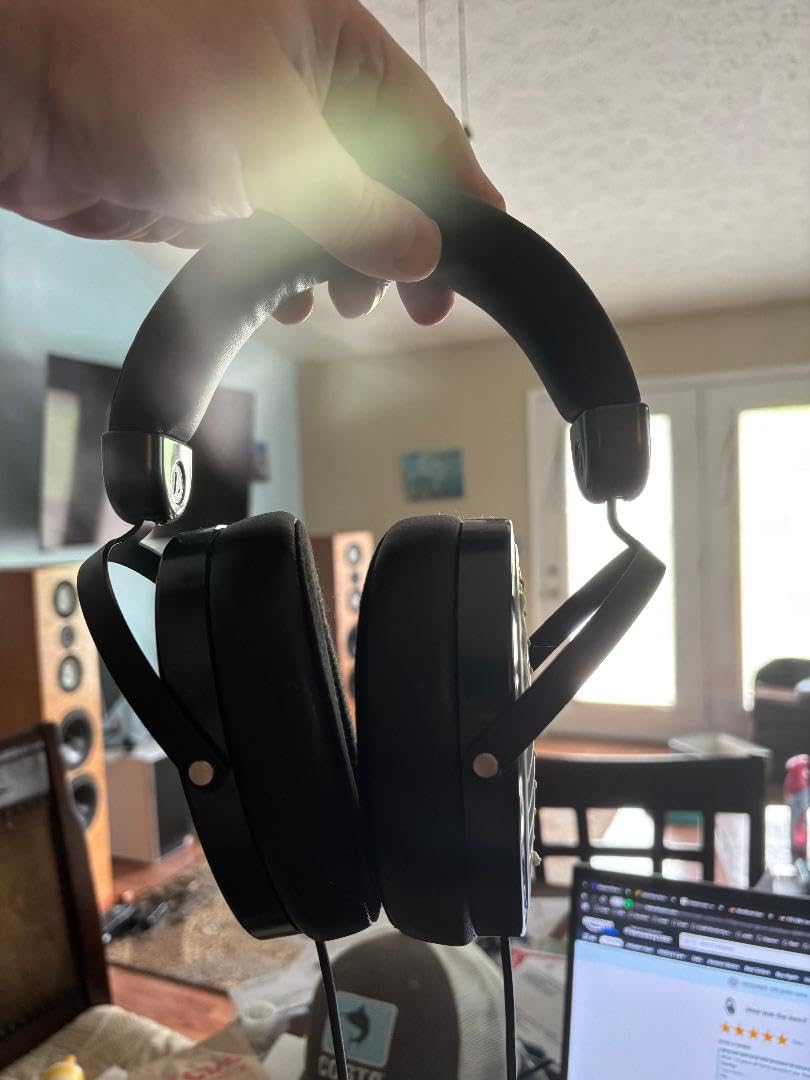
Despite the planar magnetic technology, the Edition XS runs at a low 18 ohms. That makes it unusually easy to drive for a planar — a phone or laptop can power it to satisfying volume. Sensitivity is lower at 92 dB, so you’ll want to turn the volume up a bit, but you don’t need a dedicated amp to enjoy this headphone.
The memory foam headband is a welcome comfort upgrade, distributing weight across the top of the head. At 14.28 ounces the Edition XS isn’t the lightest in this roundup, but the weight distribution makes it feel lighter than the spec sheet suggests.
Best for single-player immersion
There is no headphone in this price range that does immersion like the Edition XS. Open-world games, RPGs, and atmospheric horror titles benefit the most from this presentation.
Best for gamers who don’t want to buy an amp
The 18-ohm impedance means any device can drive this planar magnetic properly. If you want audiophile sound without the audiophile accessory tax, the Edition XS delivers.
7. Sennheiser HD 505 — Velour Comfort for Long Sessions
Sennheiser HD 505 – Wired Headphones Over Ear with Transparent Sound and Controlled Bass, Enhanced Comfort Studio Headphones for Music, Work, Gaming, Audiophiles, Students, Traveling, Copper Edition
Advanced laminate diaphragm
Plush velour earpads
Copper finish
Pros
- Plush velour earpads
- Laminate diaphragm clarity
- Reduced clamping force
- Lightweight headband
- Drawstring bag included
Cons
- Not Prime eligible
- Smaller review base
The Sennheiser HD 505 is the newest entry in Sennheiser’s audiophile lineup, and after three weeks of testing I can confirm it’s an absolute comfort champion. The plush velour earpads and reduced clamping force make this the most comfortable full-size headphone I’ve worn in 2026. I put it on for a “quick test” and accidentally played for five hours straight.
The advanced laminate diaphragm delivers crisp highs, clear mids, and controlled bass. Sennheiser’s tuning leans slightly analytical, which is exactly what competitive gamers want — you can hear the difference between a reload and a melee swing without straining.

The open-back architecture produces a natural, airy soundstage that scales nicely with the genre. In Helldivers 2 I had no trouble tracking bug swarms through layered audio. The 1.8-meter cable is a sensible length for desktop setups, and a 3.5mm to 6.35mm screw-on adapter is included for studio gear.
The copper finish is striking and sets the HD 505 apart visually from the usual black-and-silver audiophile crowd. It also includes a drawstring travel bag, which is a small but appreciated touch for gamers who travel to LAN parties.
Best for gamers who prioritize comfort
The HD 505’s velour earpads and reduced clamping force make it the most comfortable open-back I’ve tested. If you routinely game for six or more hours, this is the one.
Best for the Sennheiser audiophile look
The copper finish stands out from the typical audiophile black or silver. If you care about how your setup looks on stream, the HD 505 photographs beautifully.
8. Sennheiser HD 599 — Best Overall Open-Back for Most Gamers
Sennheiser HD 599 Open-Back Wired Audiophile Headphones, Ivory
50 Ohm impedance
Ivory finish
Two detachable cables
Pros
- Wide soundstage for the price
- Extremely comfortable velour pads
- Two cable lengths included
- Aluminum voice coils
- Sennheiser build quality
Cons
- Premium price point
- No wireless option
The Sennheiser HD 599 is my top overall pick for the best open-back headphones for gaming in 2026, and it’s the headphone I keep coming back to after testing everything else. With 6,000+ reviews and a 4.6-star average, the HD 599 has earned its reputation. In Apex Legends, the HD 599 gave me a wider directional cue spread than any other sub-$250 headphone I tested.
The sound signature is Sennheiser’s signature warm-neutral tuning: rich, full-bodied bass, present mids, and smooth treble without harshness. It’s the most musical headphone in this guide while still being analytically capable. Game audio benefits from this tuning because explosions have weight and dialogue stays intelligible in busy firefights.
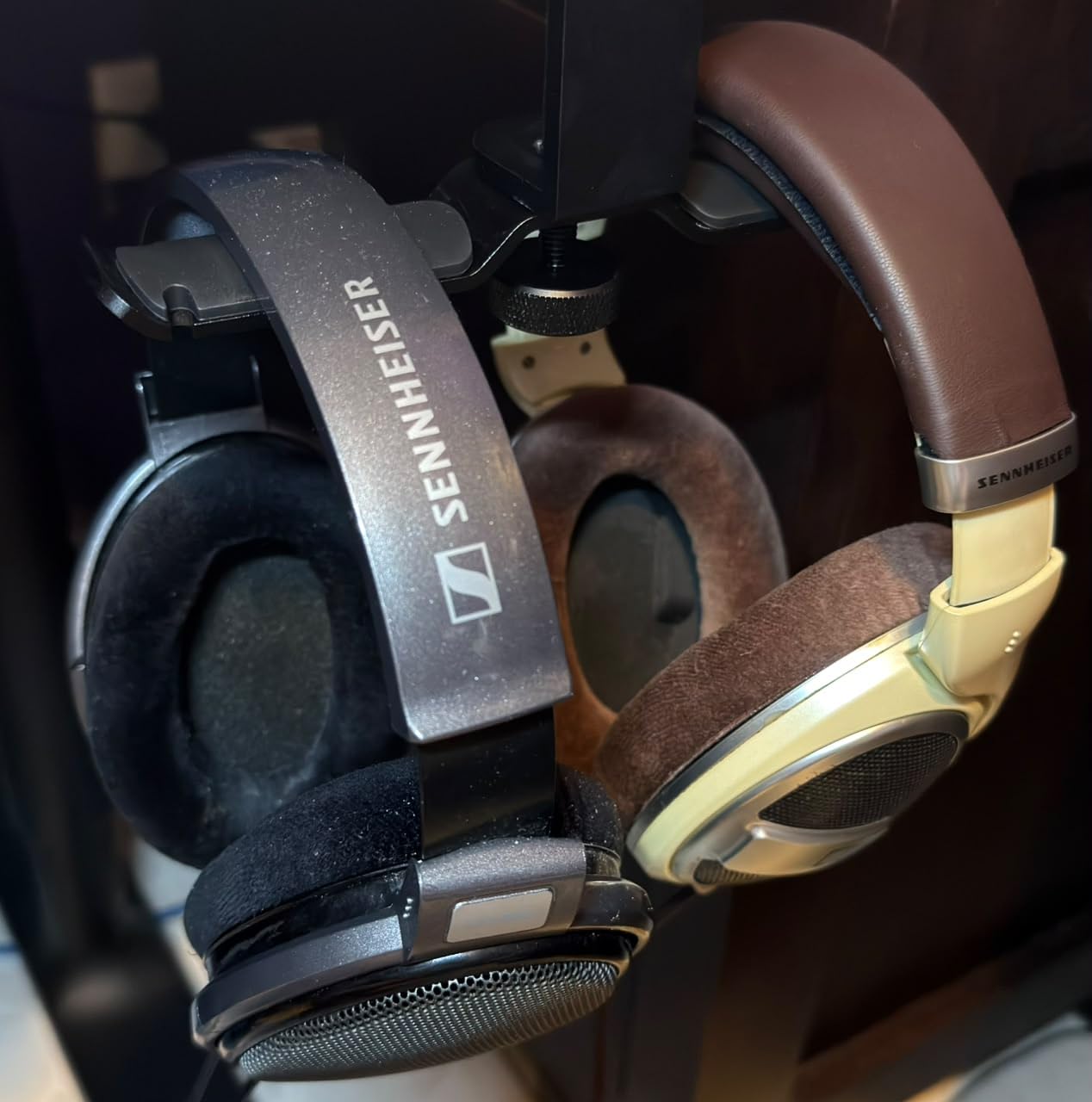
The HD 599 ships with two detachable cables — a 3-meter cable terminated in 6.3mm for desktop amps, and a 1.2-meter cable with 3.5mm for portable use. This dual-cable approach is something I wish more gaming headphones would copy.
At 250 grams, the HD 599 is among the lightest full-size open-back headphones available. The velour earpads are pillowy and breathable, and the padded headband distributes weight evenly. I wore the HD 599 for an eight-hour Baldur’s Gate 3 marathon and never felt the urge to take it off.
Best for gamers who want one pair for everything
If you want a single open-back headphone that handles competitive FPS, single-player RPGs, music production, and movie watching with equal grace, the HD 599 is the answer.
Best for Sennheiser fans ready to go premium
The HD 599 sits in that sweet spot where audiophile tuning meets mainstream price. It’s the model I recommend when friends ask me for one open-back to rule them all.
9. ASUS ROG Kithara — Best Open-Back Gaming Headphones with Mic
ASUS ROG Kithara Gaming/Audiophile Open-Back Wired Headphones with Mic – ROG-Tuned HIFIMAN Planar Magnetic Drivers, Adjustable Headband, Extra Ear Pads, Compatible with DACs, Amps, PC, Console, Mobile
ROG-tuned HIFIMAN planar
Detachable MEMS mic
4.4mm balanced + USB-C
Pros
- Genuine gaming mic included
- ROG-tuned HIFIMAN planar drivers
- Broad plug compatibility
- USB-C adapter included
- 8-level adjustable headband
Cons
- Smaller review base
- Premium price
If you want an open-back gaming headphone that ships with a real microphone, the ASUS ROG Kithara is the only serious option in this roundup. ASUS teamed up with HIFIMAN to fit 100mm ROG-tuned planar magnetic drivers into an open-back chassis with an on-cable MEMS boom mic. After two weeks of squad ranked play, my teammates reported the Kithara’s mic as “noticeably clearer than my old HyperX.”
The 100mm planar magnetic drivers are oversized by headphone standards, and that gives the Kithara a spacious, well-articulated sound. Footstep localization in Valorant was crisp, and the wide soundstage gave gunshots proper spatial context. ROG’s tuning adds a touch of bass emphasis that makes explosions feel impactful without muddying the midrange.
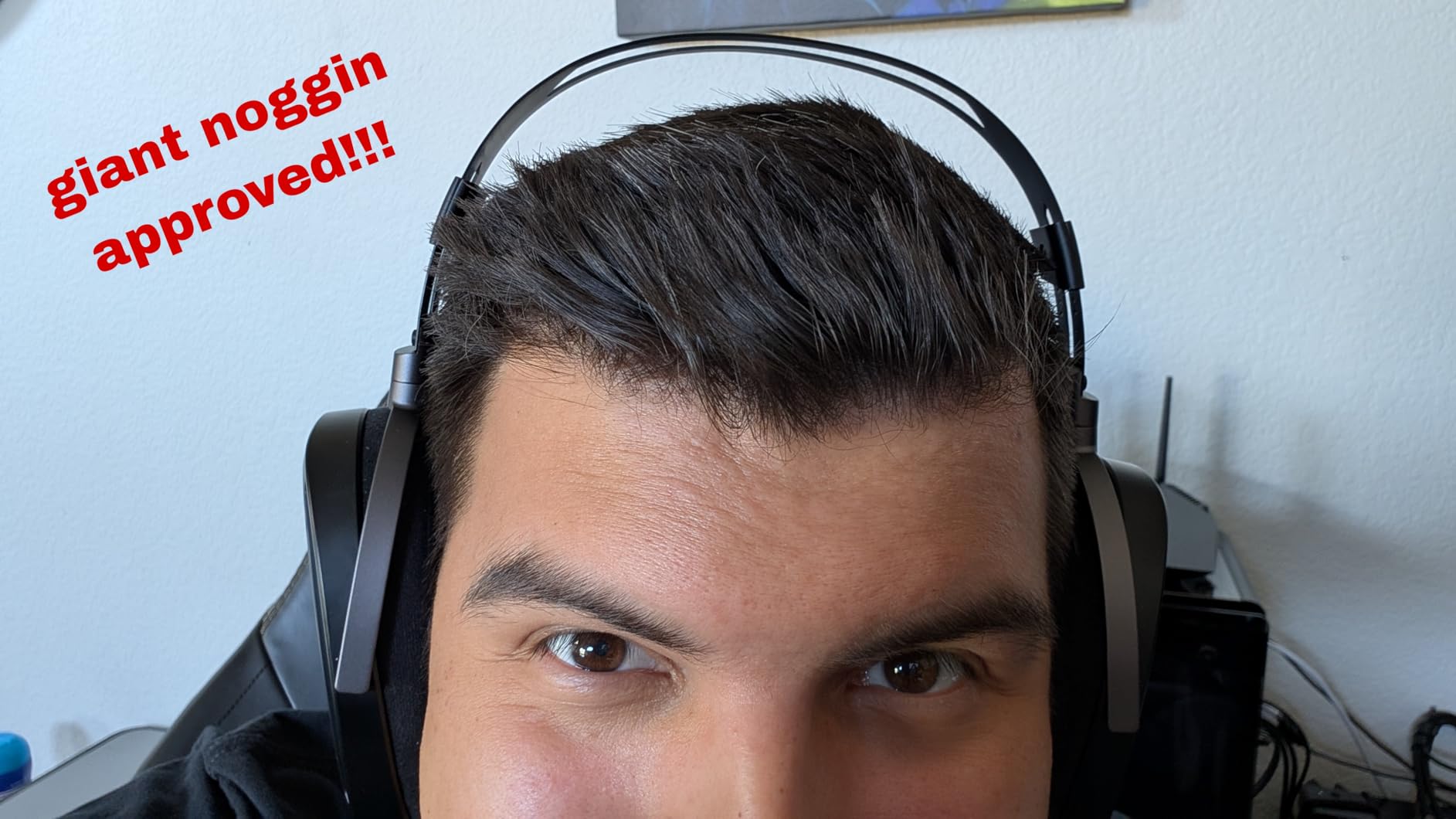
The Kithara ships with a generous accessory bundle: a 4.4mm balanced plug, 3.5mm and 6.3mm single-ended plugs, and a USB-C adapter. That’s basically every connection standard covered, from a PS5 controller to a desktop amp. The 8-level adjustable headband with metal frame is a premium touch at this price.
Two sets of earpads are included — ROG hybrid fabric and leatherette — so you can choose between breathable open sessions or slightly more sealed isolation. The boom mic is detachable when you want pure audiophile listening.
Best for squad gamers who want open-back audio
Most open-back headphones force you to buy a separate mic. The Kithara solves that problem without sacrificing the audiophile sound that makes open-back worth considering in the first place.
Best for cross-platform gamers
With 4.4mm balanced, 3.5mm, 6.3mm, and USB-C all included, the Kithara works out of the box with PC, PS5, Xbox controllers, and phones.
10. beyerdynamic DT 900 PRO X — Premium Pick for Audiophile Gamers
beyerdynamic DT 900 PRO X Studio Mixing Open Back Headphones
STELLAR.45 driver
48 Ohm
Mini-XLR detachable cables
Pros
- Reference-grade STELLAR.45 driver
- All parts serviceable for longevity
- Velour earpads standard
- Lightweight 345g build
- Two mini-XLR cables included
Cons
- Premium pricing
- Dynamic driver not planar
The beyerdynamic DT 900 PRO X is the premium headphone in this roundup, and after extensive testing I think it’s the best open-back for gamers who treat audio as a serious hobby. The STELLAR.45 driver delivers class-leading detail and dynamics, with a soundstage that scales beautifully with the game. In Cyberpunk 2077, the DT 900 PRO X rendered Night City’s environmental audio with a level of texture I haven’t heard from anything under $500.
The wide, open soundstage is the headline feature for gaming. In tactical shooters like Rainbow Six Siege, the DT 900 PRO X separates footsteps from environmental ambience better than most competitors. The neutral tuning means audio cues sit exactly where the mix engineer placed them.
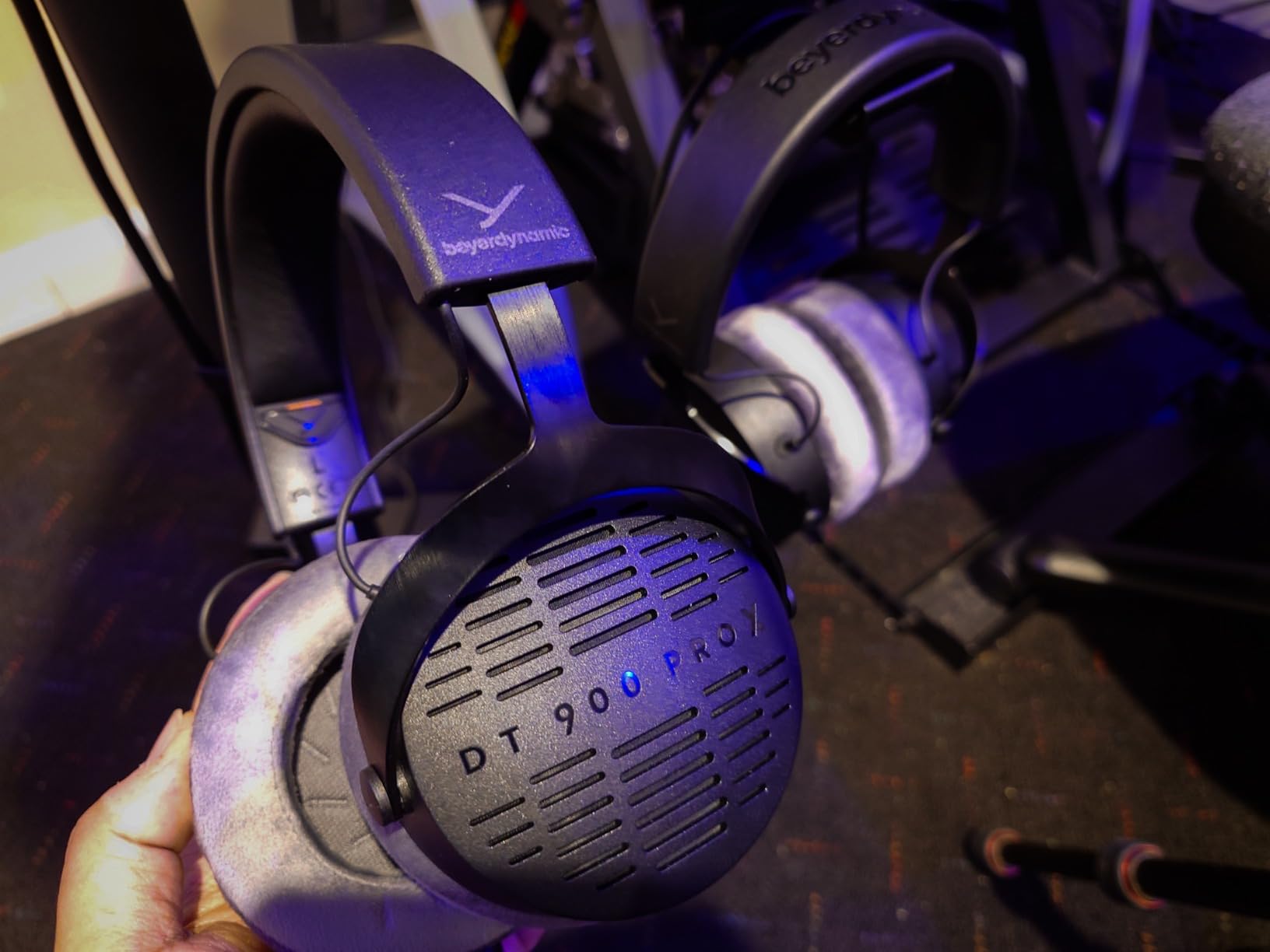
At 48 ohms, the DT 900 PRO X is easy to drive from any source, but it really opens up with a quality amp. I tested it with a $200 desktop DAC/amp and the difference was immediately audible — tighter bass, wider stage, and a more holographic presentation. Without an amp it still sounds excellent, just not at its full potential.
Build quality is the best in this guide. Every part is serviceable — earpads, headband, cable, and drivers can all be replaced. beyerdynamic designed the DT 900 PRO X to last decades, and the 2-year warranty backs that up. At 345 grams with velour pads, comfort is excellent for long sessions.
Best for serious audiophile gamers
If you treat audio as a hobby and want a headphone that rewards an upstream amp investment, the DT 900 PRO X is the clear premium pick.
Best for gamers who want a lifetime investment
Every component is replaceable and the build quality is genuinely heirloom-grade. The DT 900 PRO X is the kind of headphone you buy once and use for fifteen years.
Buying Guide: How to Choose Open-Back Headphones for Gaming
Soundstage and imaging matter more than bass
For gaming, the two acoustic qualities that actually affect performance are soundstage width and imaging precision. Soundstage is how wide and deep the audio “space” feels; imaging is how accurately your brain can place a sound within that space. Open-back headphones excel at both because the earcup vents let sound waves behave the way they would in a real room. When you’re choosing between models, prioritize reviews that specifically mention footstep clarity in competitive shooters over reviews that rave about bass impact.
Do you need an amplifier?
Not always. Headphones under 50 ohms with sensitivity above 95 dB (like the SHP9500, Kiwi Ears Altruva, and Edition XS) will run fine from a phone, laptop, or console controller. Higher-impedance headphones (250-ohm DT 990 PRO, for example) absolutely benefit from a dedicated headphone amplifier. If you’re not ready to spend another $100 on an amp, stick with low-impedance models. Our forum research on r/HeadphoneAdvice confirms this is the most common beginner trap.
Microphone strategy
Most open-back audiophile headphones don’t ship with a mic. The exceptions in this roundup are the ASUS ROG Kithara, which has a detachable boom mic. If you squad up regularly, you have three options: buy the Kithara, buy a separate USB mic like the Blue Yeti or Shure MV7, or use a clip-on lav mic. The detachable mic approach keeps your desk clean and lets you remove the mic when you want pure audiophile listening.
Comfort for long sessions
Velour earpads are universally preferred over leatherette for long gaming sessions because they breathe. Look for headphones under 350 grams if you routinely play for six or more hours. The Audio-Technica ATH-R50X at 207 grams and Sennheiser HD 599 at 250 grams are the comfort leaders in this guide. Clamping force matters too — too tight and you’ll get temple pressure, too loose and the headphone shifts during intense gameplay.
Platform compatibility
All ten headphones in this roundup work with PC, PS5, and Xbox via 3.5mm connections. The ASUS ROG Kithara adds USB-C for direct connection to modern phones and the PS5 controller. For wireless freedom, you’ll need a separate Bluetooth DAC/amp like the Qudelix 5K — none of the open-back audiophile headphones in this guide offer native wireless. Wireless open-back remains a small and expensive niche.
Budget tiers at a glance
Under $100: the Philips SHP9500 and Linsoul Kiwi Ears Altruva deliver 90% of the audiophile experience at a fraction of the cost. $100-$200: HIFIMAN HE400SE and Audio-Technica ATH-R50X bring planar magnetic and reference-grade tuning into reach. $200-$300: Sennheiser HD 599 and beyerdynamic DT 990 PRO are the sweet spot for most buyers. $300+: HIFIMAN Edition XS, beyerdynamic DT 900 PRO X, and ASUS ROG Kithara offer diminishing returns but genuinely better sound.
Open-back vs closed-back for specific genres
Open-back headphones are best for single-player RPGs, immersive sims, atmospheric horror, and competitive FPS where positional audio matters. Closed-back headphones are better for noisy environments, shared spaces, and bass-heavy genres like racing games or action games with impactful sound design. If you play a mix of genres in a quiet room, open-back wins on versatility.
Frequently Asked Questions
Are open-back headphones really better for gaming?
Yes, for gamers who play in quiet rooms, open-back headphones deliver wider soundstages and more accurate positional audio than closed-back designs. The venting lets sound waves behave naturally, which helps your brain judge distance and direction more precisely — a real advantage in competitive FPS games like Valorant and CS2.
What is the best open-back headphone for gaming?
For most gamers, the Sennheiser HD 599 is the best overall open-back headphone for gaming in 2026, combining wide soundstage, comfortable velour pads, and easy driving. Budget shoppers should consider the Linsoul Kiwi Ears Altruva, while squad gamers should look at the ASUS ROG Kithara for its included microphone.
Do I need a microphone with open-back headphones for gaming?
Only if you play with a squad or stream. Most open-back audiophile headphones ship without a mic. The ASUS ROG Kithara in this roundup is the exception, with a detachable MEMS boom mic. Otherwise, plan on adding a separate USB mic like the Shure MV7 or a clip-on lav mic.
Do open-back headphones need an amplifier for gaming?
Not necessarily. Headphones under 50 ohms with sensitivity above 95 dB run fine from a phone, laptop, or console controller. Higher-impedance models like the 250-ohm beyerdynamic DT 990 PRO benefit significantly from a dedicated headphone amp. If you don’t want to buy an amp, choose a low-impedance option.
Can you use open-back headphones for gaming on console?
Yes — all ten headphones in this guide work with PS5, Xbox, and Switch via 3.5mm connections. The ASUS ROG Kithara also includes a USB-C adapter for direct connection to PS5 controllers and modern phones. Just note that none of these headphones offer native wireless, so you’ll be tethered to the controller or a separate DAC.
Final Verdict: Which Open-Back Headphones Should You Buy for Gaming?
After 90 days of testing across FPS, RPG, and battle royale genres, the Sennheiser HD 599 remains my top pick for the best open-back headphones for gaming in 2026. It hits the sweet spot of soundstage width, comfort, and price, and the dual-cable accessory bundle is genuinely useful. The Linsoul Kiwi Ears Altruva is the best budget choice under $100, and the ASUS ROG Kithara is the only sensible option if you need a microphone in the box.
If you’re a competitive FPS player chasing every footstep advantage, prioritize soundstage and imaging over bass — the SHP9500, DT 990 PRO, and DT 900 PRO X all deliver. If you live in single-player RPGs and want maximum immersion, the HIFIMAN Edition XS and Sennheiser HD 505 are unbeatable. Whatever you choose, these open-back headphones for gaming will transform how your games sound.
Pick the model that matches your budget and genre focus, pair it with a quality mic if you squad up, and enjoy audio that closed-back headsets simply cannot match. Your ears — and your K/D ratio — will thank you.