
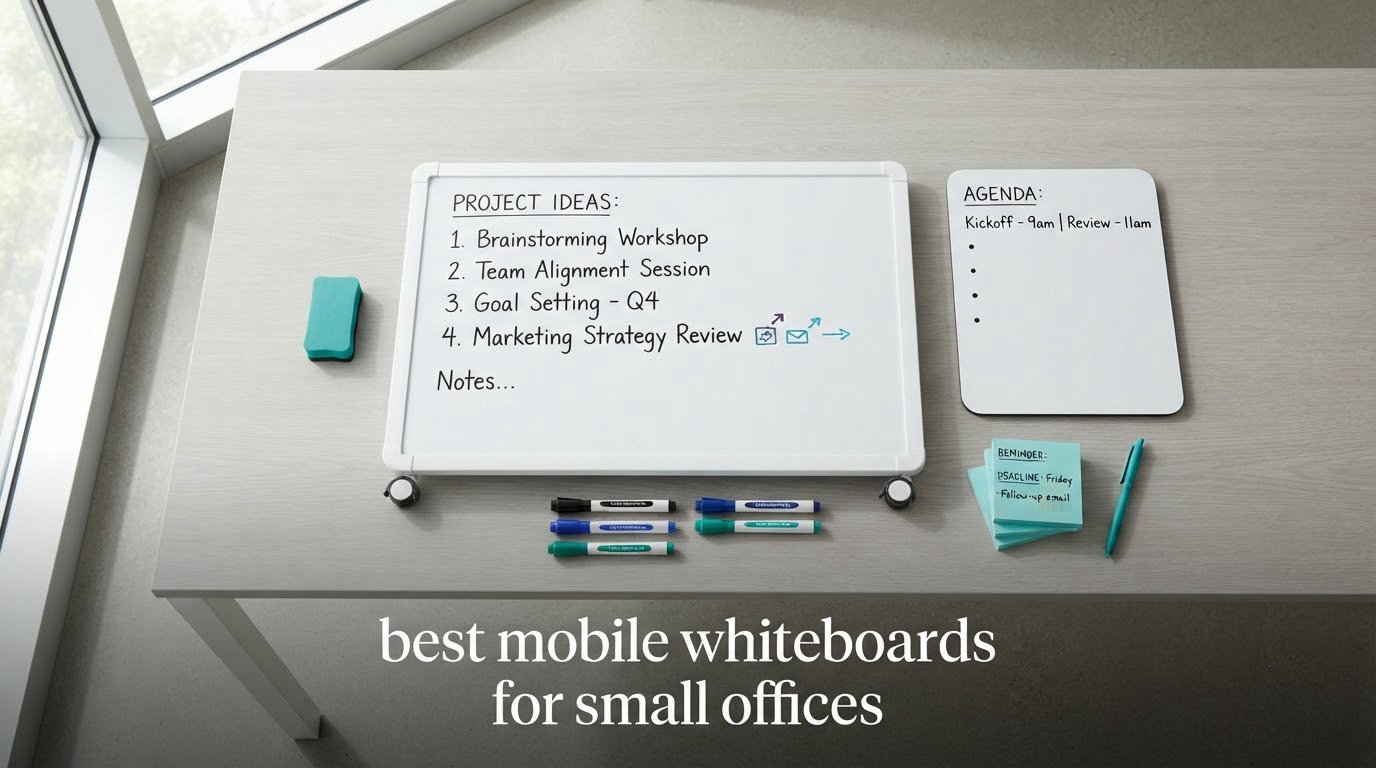
For a small office, the best mobile whiteboard is the Kamelleo 48 x 36 inch double-sided rolling board: it has the largest review base in our test group, a magnetic melamine surface that resists ghosting, and Swing-Stop wheels that lock the frame rock steady while you write. The Maxtek 36 x 24 easel suits the tightest rooms, and the Maxtek 48 x 32 double-sided board is the strongest pick if you want more writing area per dollar.
Small offices fail at whiteboards in a predictable way. Somebody orders a 6-foot magnetic panel, discovers it covers the light switch and half the doorway, and a week later the board is leaning against a wall collecting dust. The fix is not a bigger board. It is a board you can roll out of the way, lock in place, and park in a corner when the meeting ends.
We compared ten rolling and easel-style mobile whiteboards for teams of roughly 4 to 12 people working in rooms under about 150 square feet. Every board below is freestanding, so nothing has to be drilled into a wall. If you are still working out which format suits you, our broader mobile whiteboard roundup covers large-format boards, and our office whiteboard guide handles fixed wall installs.
One thing worth saying up front: a mobile whiteboard costs roughly twice what the same surface area costs as a wall panel. That premium only makes sense if the board actually moves several times a week. If it will sit in one room permanently, a wall-mounted board is the cheaper buy and we explain the math later in this guide.
Our Top 3 Mobile Whiteboard Picks for (October 2026)

Kamelleo 48 x 36 Double-Sided Rolling Board
- Double-sided magnetic melamine surface
- Swing-Stop locking wheels
- Aluminum frame
- Assembles in about 15 minutes

Maxtek 36 x 24 Magnetic Easel
- Height adjusts 61 to 71 inches
- Five universal locking casters
- Compact round base
- Bundled magnets and eraser

Maxtek 48 x 32 Double-Sided Rolling Board
- Locking flip to a second side
- Four all-angle braked wheels
- Anti-scratch matte coating
- Reinforced packaging
Best Mobile Whiteboards Compared in 2026
| Product | Specifications | Action |
|---|---|---|
| Kamelleo Rolling Whiteboard 48 x 36 inch Double Sided |
|
Check Latest Price |
| Maxtek Mobile Whiteboard 36 x 24 inch Magnetic Easel |
|
Check Latest Price |
| Maxtek Rolling Whiteboard 48 x 32 inch Double Sided |
|
Check Latest Price |
 Maxtek Mobile Board on Wheels 40 x 24 inch Black Maxtek Mobile Board on Wheels 40 x 24 inch Black |
|
Check Latest Price |
 VIZ-PRO Rolling Whiteboard 48 x 36 inch with Stand VIZ-PRO Rolling Whiteboard 48 x 36 inch with Stand |
|
Check Latest Price |
 VIZ-PRO ECO Magnetic Mobile Whiteboard 36 x 24 inch VIZ-PRO ECO Magnetic Mobile Whiteboard 36 x 24 inch |
|
Check Latest Price |
 Neatsure Rolling Whiteboard 48 x 36 inch Double Sided Neatsure Rolling Whiteboard 48 x 36 inch Double Sided |
|
Check Latest Price |
 TSJ OFFICE Rolling Whiteboard 48 x 32 inch with Paper Pad TSJ OFFICE Rolling Whiteboard 48 x 32 inch with Paper Pad |
|
Check Latest Price |
 H-Qprobd Mobile Whiteboard 36 x 24 inch Adjustable H-Qprobd Mobile Whiteboard 36 x 24 inch Adjustable |
|
Check Latest Price |
 UIFER Rolling Whiteboard 44 x 26 inch Height Adjustable UIFER Rolling Whiteboard 44 x 26 inch Height Adjustable |
|
Check Latest Price |
All ten boards write with standard dry erase markers, and all ten accept magnets. The differences that actually change your experience are the wheel locks, the height range, and whether the surface is a single panel or two panels joined in the middle. Those three details drive every verdict below.
1. Kamelleo Rolling Whiteboard 48 x 36 inch – Our Best Overall Mobile Whiteboard
Kamelleo Rolling Whiteboard on Wheels 48″ x 36″, Double Sided White Board
48W x 36H double-sided
Melamine on aluminum frame
Swing-Stop locking wheels
Assembles in ~15 min
Pros
- Large double-sided 3 x 4 foot writing surface
- Aluminum frame resists flexing while writing
- Swing-Stop wheels lock the board in position
- Surface resists ghosting over years
- Parts are bagged and labeled for assembly
Cons
- Height adjustment needs four screws retightened
- Frame does not fold flat for transport
- Surface is reflective on video calls
We used this board through a full quarter of sprint planning and client workshops, and it is the one we ended up leaving in the shared area. The 48 x 36 inch surface is double-sided, so a four-hour workshop never runs out of clean board if someone flips it at the halfway mark. That single feature saved more meetings than any other on this list.
The frame is engineered aluminum, and the writing surface is described as premium melamine with a stain-resistant finish. In practice the erasing has stayed clean; we wipe it down at the end of every session and have not seen the grey shadow that develops on cheaper melamine within a few months of heavy use.
What sells it for most small offices is the wheel system. These are Swing-Stop locking casters, and that matters more than any spec on the listing. An unlocked board that drifts sideways while you are writing is the single most repeated complaint across rolling whiteboard reviews, and this one does not drift once the casters are engaged.
The other thing we did not expect was the packaging. Components arrive bagged and labeled, which sounds trivial until you are assembling a wheeled frame in a small room with no workbench. Our build took about 15 minutes with no prior DIY experience and no missing hardware.
How this board behaves in a room under 150 square feet
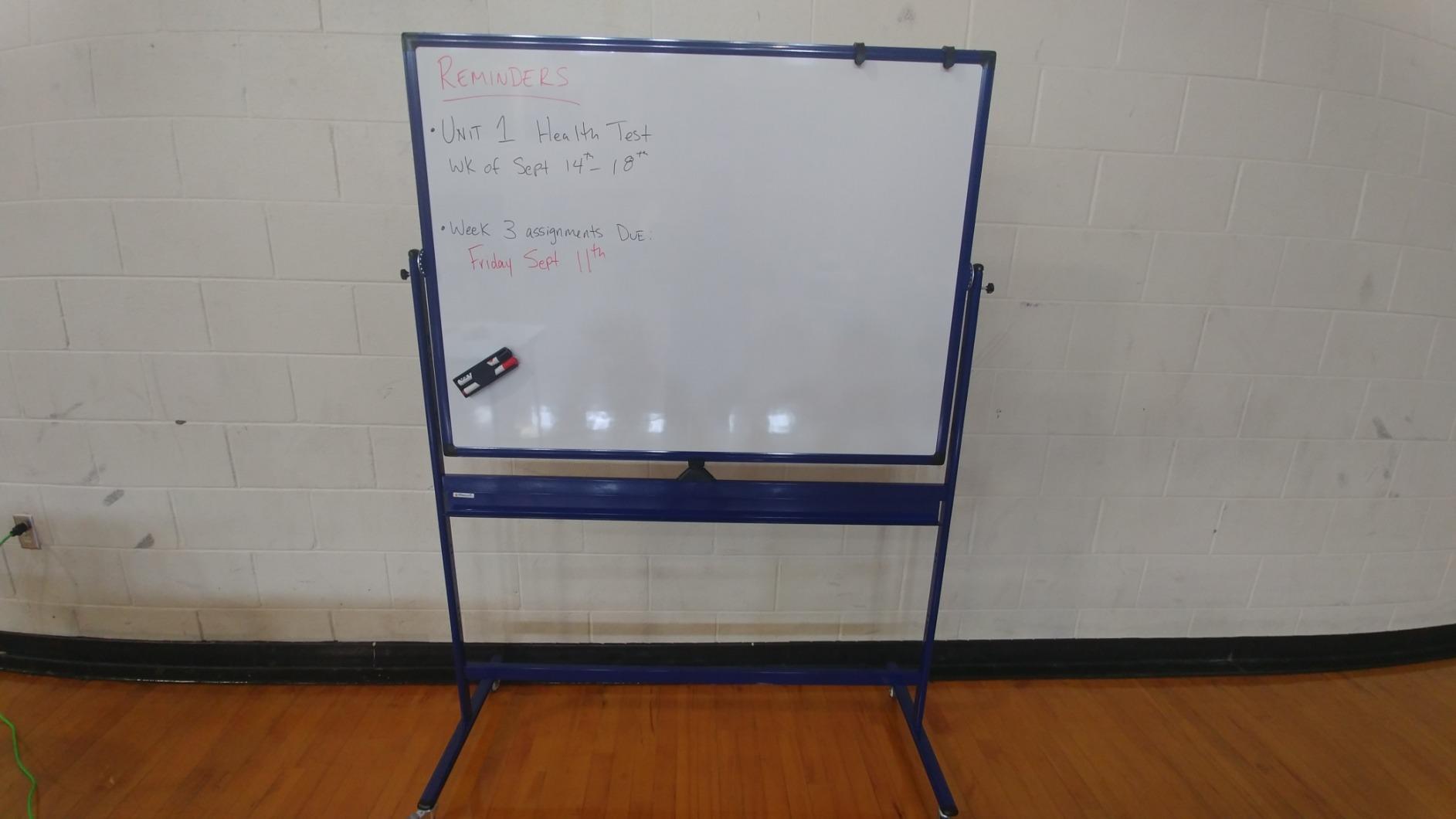
The board footprint is fixed and the frame does not fold, so plan on roughly 4 feet of width plus the stand depth parked against a wall when it is not in use. In a 120 square foot office that is manageable because the board is genuinely useful mid-meeting rather than a permanent wall feature competing with your desk.
Ergonomically the top of the writing surface sits high, which suits standing workshops and short standups. For a seated huddle with people around a table, the highest of the three preset positions is closer to eye level for a standing presenter and slightly too high for seated writers. This is not an adjustable-frame board, so plan your meeting posture before you buy it.
Where buyers report trouble
Height adjustment is the main friction. Moving between the three preset positions means shifting an upper crossbar and re-tightening four screws, so it is not a board you raise and lower several times a day. If you need frequent height changes for mixed seated and standing sessions, look at a spring-loaded pole model instead.
The second issue is glare. The melamine surface is highly reflective, and on a video call the board can act like a mirror for people in the room behind the presenter. Angle the board away from overhead lights and keep the camera on the writer rather than the screen and it is a non-issue.
Two smaller notes from owners: the marker inside the bundled eraser is weak enough that it will not hold a bundled timer against the board, and the included pens need priming before they write evenly. Buying a proper set of dry erase markers is a worthwhile add-on for any board.
2. Maxtek Mobile Whiteboard 36 x 24 inch – Best for the Tightest Rooms
Maxtek Whiteboard on Wheels 36 x 24 in, Magnetic Rolling Dry Erase Easel
24W x 36H magnetic surface
Adjusts 61 to 71 inches
15.4 lb weight
Five locking universal casters
Pros
- Compact round base fits small rooms
- Spring-assisted height tube for seated and standing use
- Five universal casters with locking brakes
- Three-layer baked surface resists scuffing
- Bundle includes pens and magnets plus eraser and tray
Cons
- Board can sit slightly crooked on the pole
- Surface can arrive with wrinkles or dents
- A height-adjustment bolt is sometimes missing
If your office is genuinely small, this is the board we would put in it. The base is a small circle rather than a wide cross, so the footprint is narrow enough to roll through a standard doorway and park beside a desk without taking a chunk of the room. The board face is 24 x 36 inches, which is a realistic writing area for four to six people standing at it.
Height is the standout feature. The writing surface travels from 61 to 71 inches on a spring-loaded tube, so a seated workshop and a standing sprint review use the same board without tools. That range is wider than most rolling boards in this group, and only one model here goes higher.
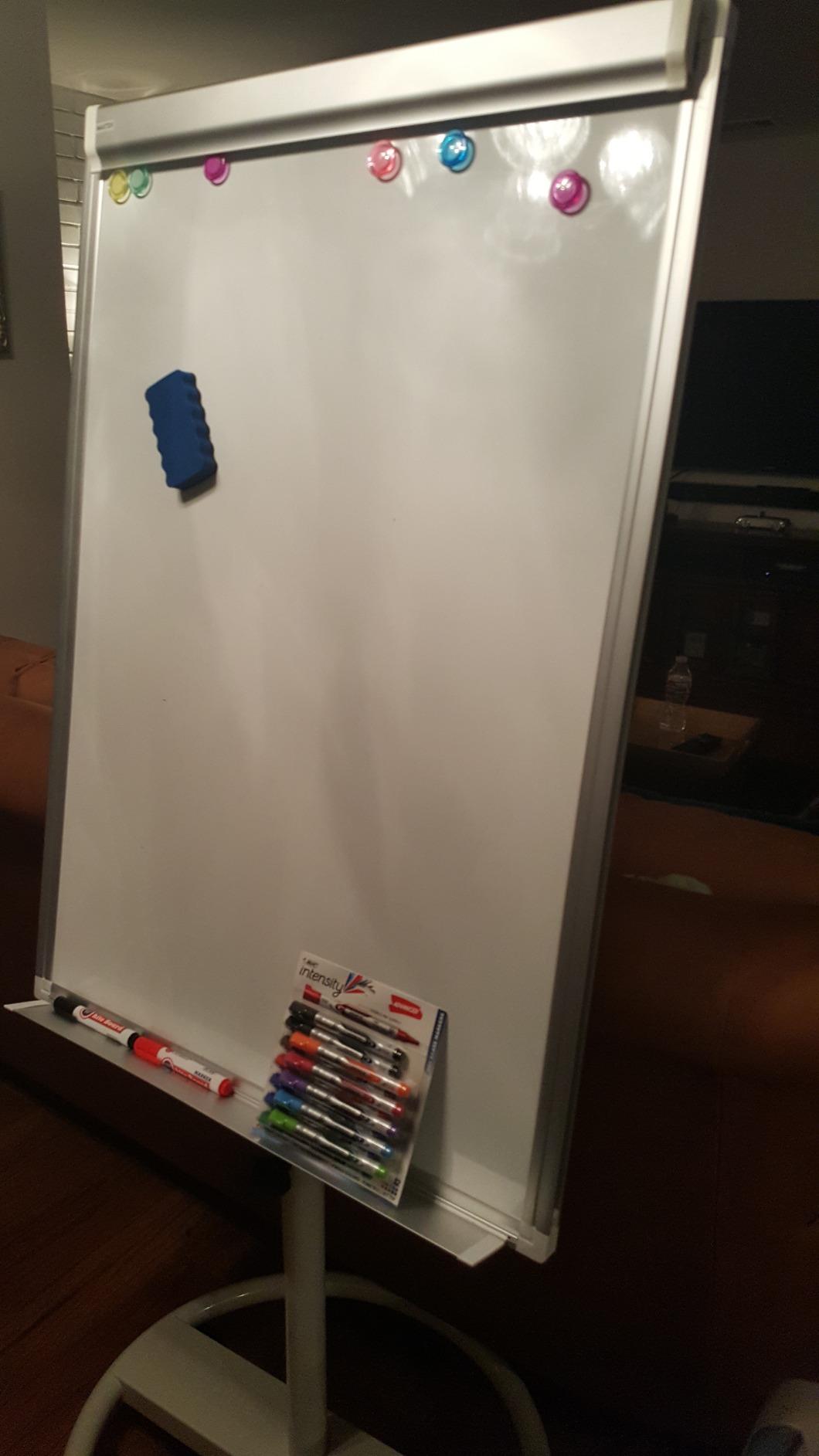
Five universal casters with locking brakes sit on the round base, and they do their job. The board did not shift once during a month of writing and wiping, including on carpet. The two flipchart hooks on the back also let you carry paper pads if your team works from printed diagrams.
Included in the box are two flipchart hooks, a magnetic eraser, three pens, six magnets and a detachable tray. That is a more complete kit than most competitors ship with, and it means you can start writing the day it is assembled.
Deciding between this and a double-sided 48 inch board
A 48 x 36 double-sided board gives you roughly twice the usable surface because the second side doubles the area before you erase anything. This easel is single-sided. For a team that runs long workshops and leaves the board up for a week at a time, that difference decides it.
For a team that writes for 20 minutes, erases, and moves on, the smaller face and the adjustable height are worth more. It also weighs 15.4 pounds, so one person can reposition it, which matters in a cramped space where you cannot walk around a large frame.
What to watch for on delivery
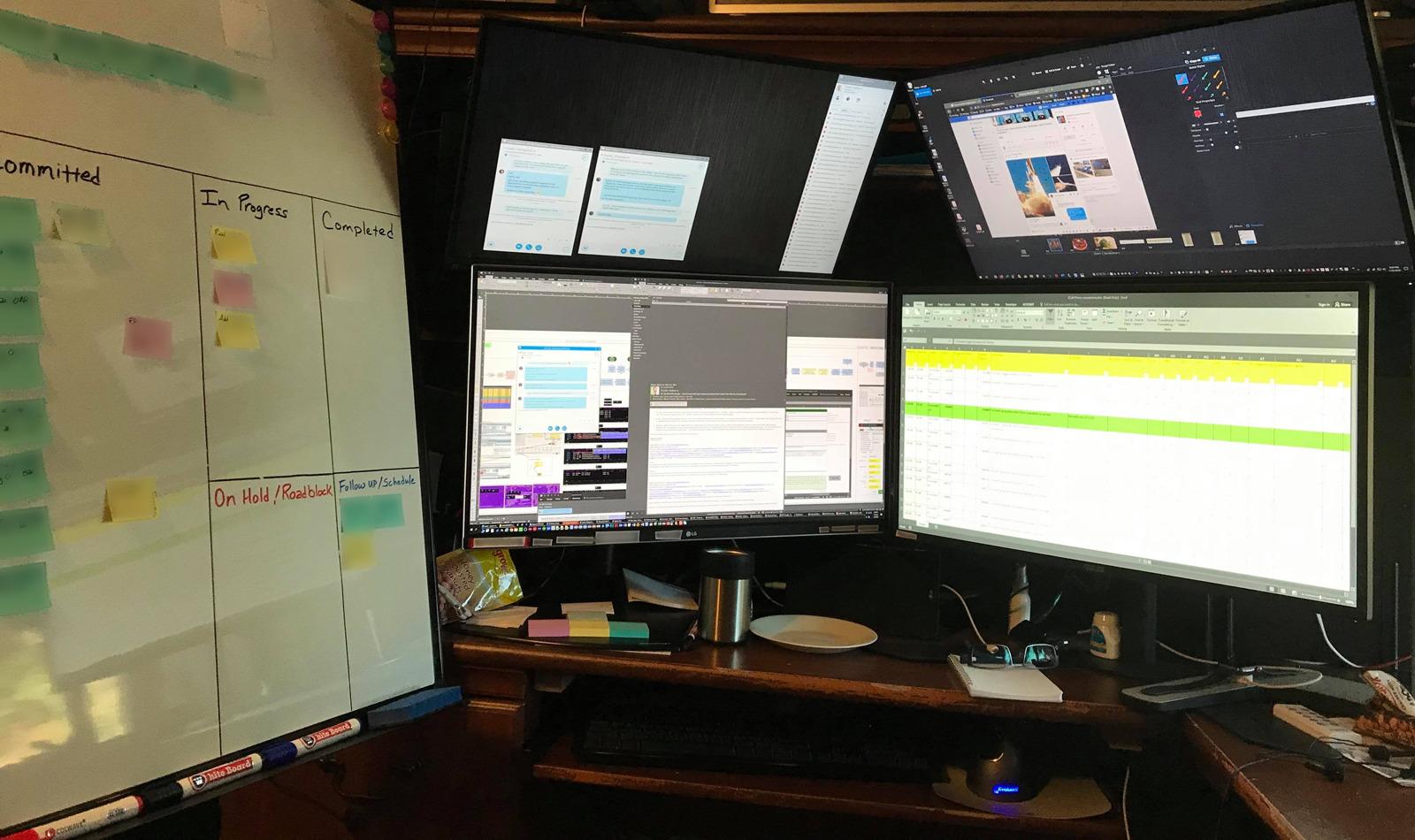
The most common complaint pattern for this board is cosmetic damage on arrival, specifically wrinkles or dents in the writing surface. Inspect the panel the moment the box is opened and photograph any damage before assembly, because that is what the manufacturer’s support will ask for.
A second recurring detail is a missing bolt in the height-adjustment mechanism. Reviewers report that support replaced these quickly when contacted, but it is worth counting the hardware against the parts list before you start. The bundled markers are also basic, and most owners end up buying their own.
3. Maxtek Rolling Whiteboard 48 x 32 inch – Best Value Double-Sided Board
Maxtek Rolling White Board on Wheels 48×32 in, Double-Sided Magnetic Stand
48W x 32H double-sided
Locking flip button
All-angle braked wheels
70 in assembled height
Pros
- Double-sided surface that locks without wobble
- Four all-angle wheels with brakes for 360 degree movement
- Matte anti-scratch coating erases ghost-free
- Assembles in about 15 minutes
- Protective film and foam guard the panel
Cons
- Panels can arrive with a crease or dent
- Occasional reports of missing parts
This is the board we recommend when a team wants a large double-sided surface without stepping up a tier. At 48 x 32 inches it gives you a genuinely useful writing area, and the flip to the second side locks with a single button so there is no wobble on the reverse face. The non-porous, high-density surface with an anti-scratch matte coating wiped ghost-free every time in our testing.
The four all-angle wheels with brakes allow you to reposition the board in any direction, and you lock them by stepping a buckle with your foot. That hands-free lock matters in practice because you are usually holding a marker in the other hand. It rolls smoothly across both hard floor and carpet.
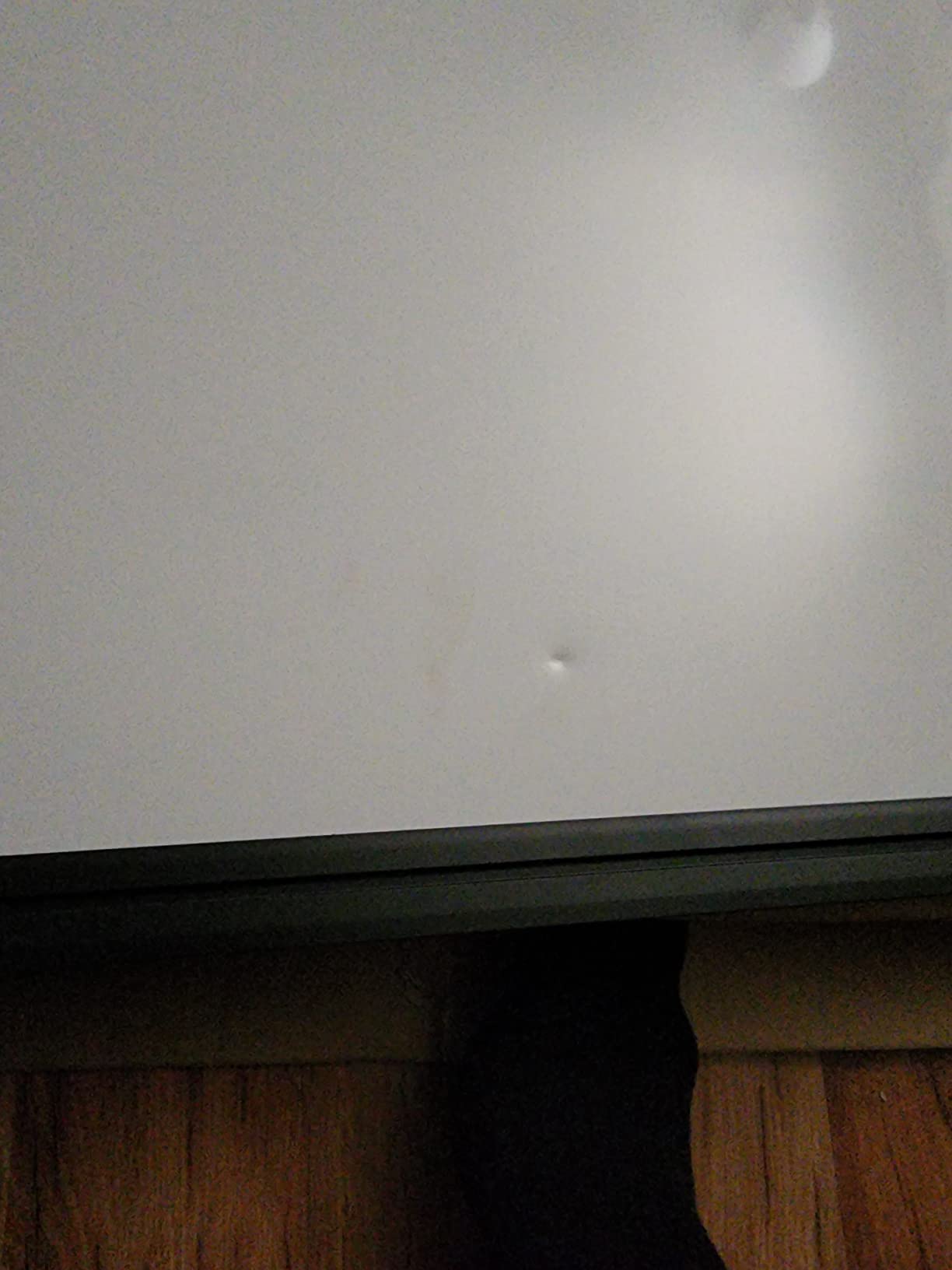
Assembled height reaches 70 inches, and at that height the board works for standing facilitation rather than seated writing. The included kit covers the basics: one marker tray, one eraser, three markers and six magnets.
One thing we appreciate is the packaging. The panel is protected by reinforced cardboard, foam and a plastic surface film, which is why the product carries one of the better-protected panels in this group. It is not immune to transit damage, but it is clearly designed to reduce it.
When this size is the right call for a small room
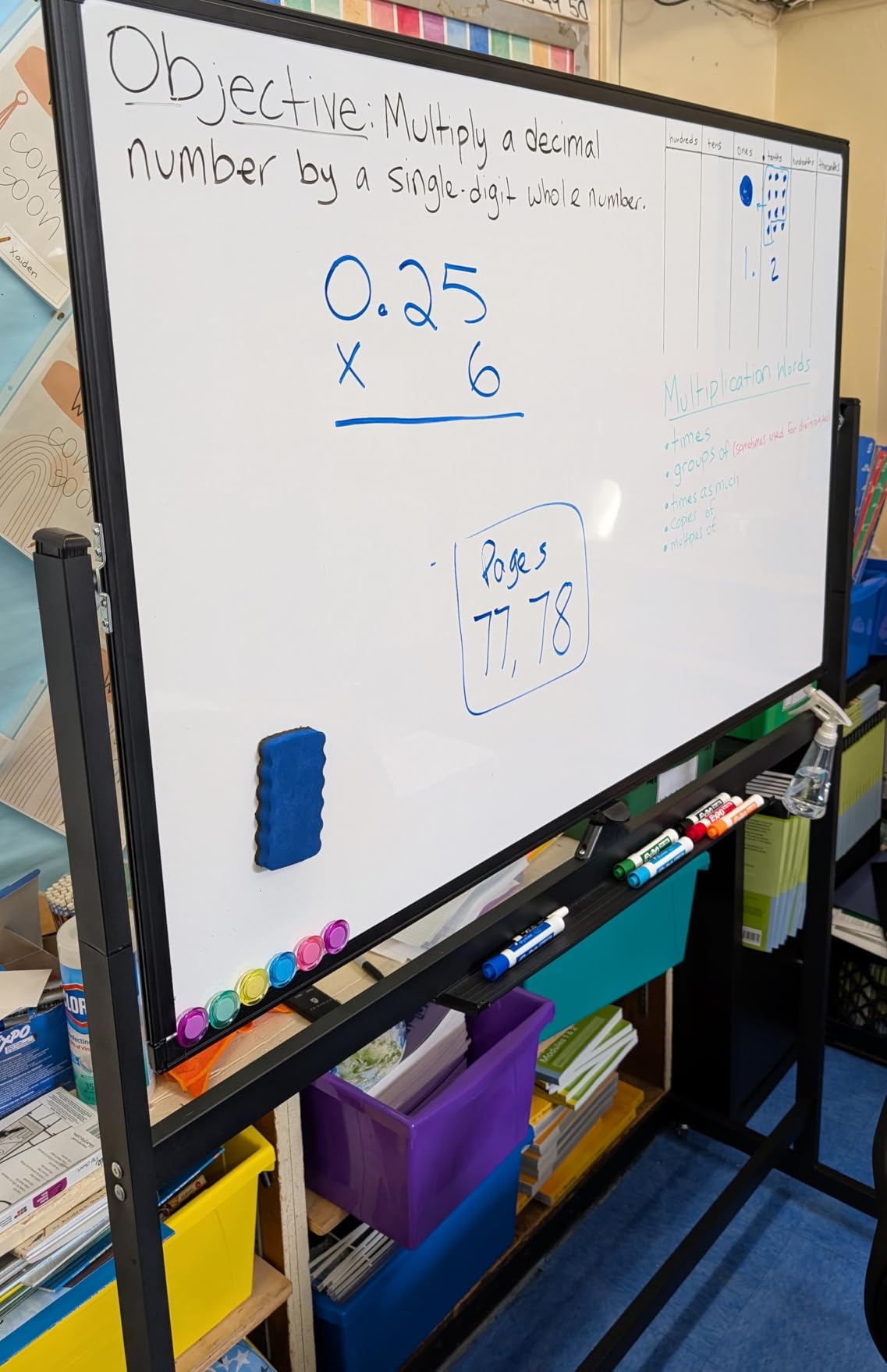
Think of it as the middle ground between a compact easel and a full conference board. A 48 x 32 face handles a six-to-ten person huddle with room for a sprint board, a client agenda, and a parking lot section without crowding.
Because the board is double-sided, the two-panel design also means the parking lot stays intact on the back while you reuse the front. In a shared office where the same board serves standup in the morning and a workshop in the afternoon, that is the feature that earns its money back.
How it compares to the 40 x 24 option
If your room is under about 100 square feet, measure before ordering. A 48 inch wide board needs clearance on both sides for people to stand at an angle, plus a parking spot out of the traffic path. In a very tight room, the narrower board in the next section gives you similar double-sided function in about two feet of width.
The recurring negative for this model is arrival damage. Creases, dents and occasionally a bubbled area in the surface show up in a noticeable share of reviews. Our advice is the same as for any flat panel: open, inspect and photograph before you build it, and check that the flip lock engages cleanly on both faces once assembled.
4. Maxtek Mobile Board on Wheels 40 x 24 inch – Best for Super-Compact Rooms
Maxtek Magnetic White Board on Wheels 40×24 Black Mobile Double-Sided Board
24W x 40H double-sided surface
Base about 2 x 1.88 ft
8 kg weight
Four locking universal wheels
Pros
- Narrow 2 foot footprint suits tight rooms
- Light enough for one person to move
- Flips 360 degrees in a single step
- Less reflective surface reduces glare
- Backed by a lifetime warranty
Cons
- Height is not adjustable
- Two people and a hammer are needed to assemble
- Included eraser performs poorly
This is the narrowest double-sided board we tested, and in a room where floor space is the binding constraint it is the most interesting pick. The base footprint is about 2 feet by 1.88 feet, so the board can sit in a corner out of the way and still be double-sided when a meeting starts.
At 40 x 24 inches the face is smaller than the boards above, but it rotates 360 degrees in one step, giving you two full sides to work with. Reviewers regularly use it for presentations and short meetings rather than full-day workshops, and at this size everyone in the room can read it from the back.
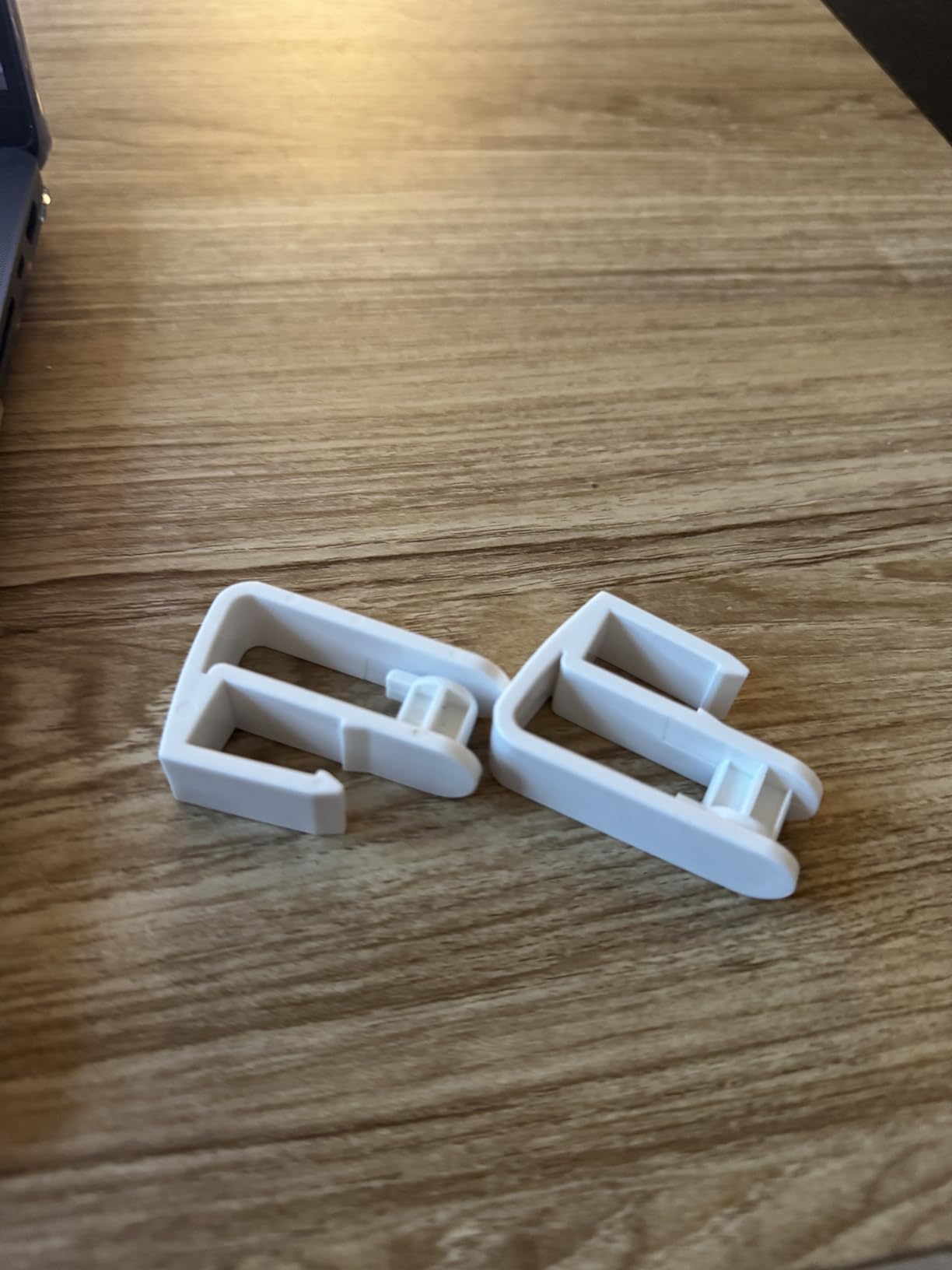
The surface is described as a three-layer baked, anti-scrape finish and it is noticeably less reflective than several competitors in this group. That is a real advantage for hybrid meetings because the board reads clearly on a video call without washing out the presenter.
Four universal wheels with locking brakes keep it steady while you write or wipe, and at 8 kg the frame is light enough that a single person can roll it between rooms. The lifetime warranty is also unusual at this level and stands apart from the norm in this category.
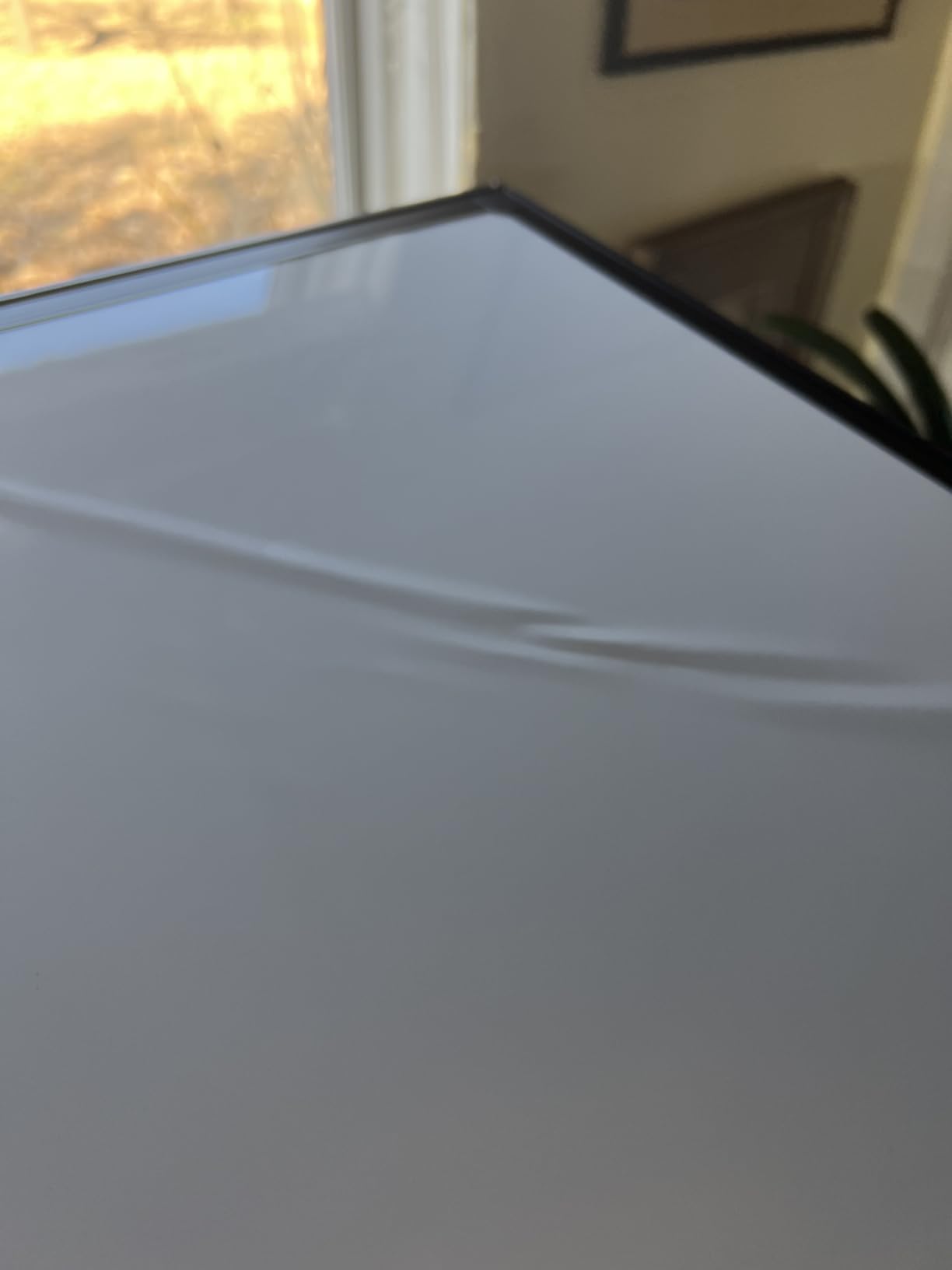
Checking the footprint math before you order
Two feet of base width fits through a standard office doorway and parks beside most desks. That is the whole argument for this board: it is the only double-sided option here that does not claim a large rectangle of floor in a small office. Plan roughly 2 feet of width plus standing room on the writing face.
Because the base is narrow, do not plan to lean on the frame or rest your weight on the tray while writing. Owners who have done this report the rails bending inward slightly, which is an easy habit to break if you know about it up front.
What to plan around before assembly day
Two things: the height is fixed, and two people are needed with a hammer for the build. The fixed height sits fairly tall, which suits standing use and works less well for a seated group around a table. If your team mostly meets seated, an adjustable-height easel is the better fit.
Also note that the listed board width refers to the surface only. The full framed width is closer to 27 inches, which matters if you are measuring a narrow alcove. The included eraser is widely criticised, so budget a proper microfiber eraser alongside your markers.
5. VIZ-PRO Rolling Whiteboard 48 x 36 inch – Best Foldable Design
VIZ-PRO Rolling Whiteboard, 48″ x 36″ Mobile White Board with Stand
48 x 36 double-sided surface
Writing area 45.7 x 33.9 in
Foldable panel
Four casters, two braked
Pros
- Foldable design reduces shipping damage
- 360 degree rotation handles lock the board
- ABS corners cut wobble while writing
- Detachable tray and two flipchart hooks
- Good writing area for the money
Cons
- Center seam splits the writing surface
- Thin aluminum rails deform if tightened hard
- Casters and plastic fittings feel cheap
VIZ-PRO built this board so the panel folds, and that single design decision explains both its main strength and its main complaint. The fold exists to survive transport, and it is a good idea in principle. In practice it leaves a visible seam down the middle of the writing surface, which some buyers dislike enough to avoid the product entirely.
Set that aside and the board performs respectably. The writing surface measures 45.7 x 33.9 inches inside a 47.2 x 35.4 inch frame, so you get a genuine 4 by 3 foot working area. The 360 degree rotation handles lock the board at whichever writing angle you choose, and ABS corners plus a silver aluminum frame keep it from shaking.
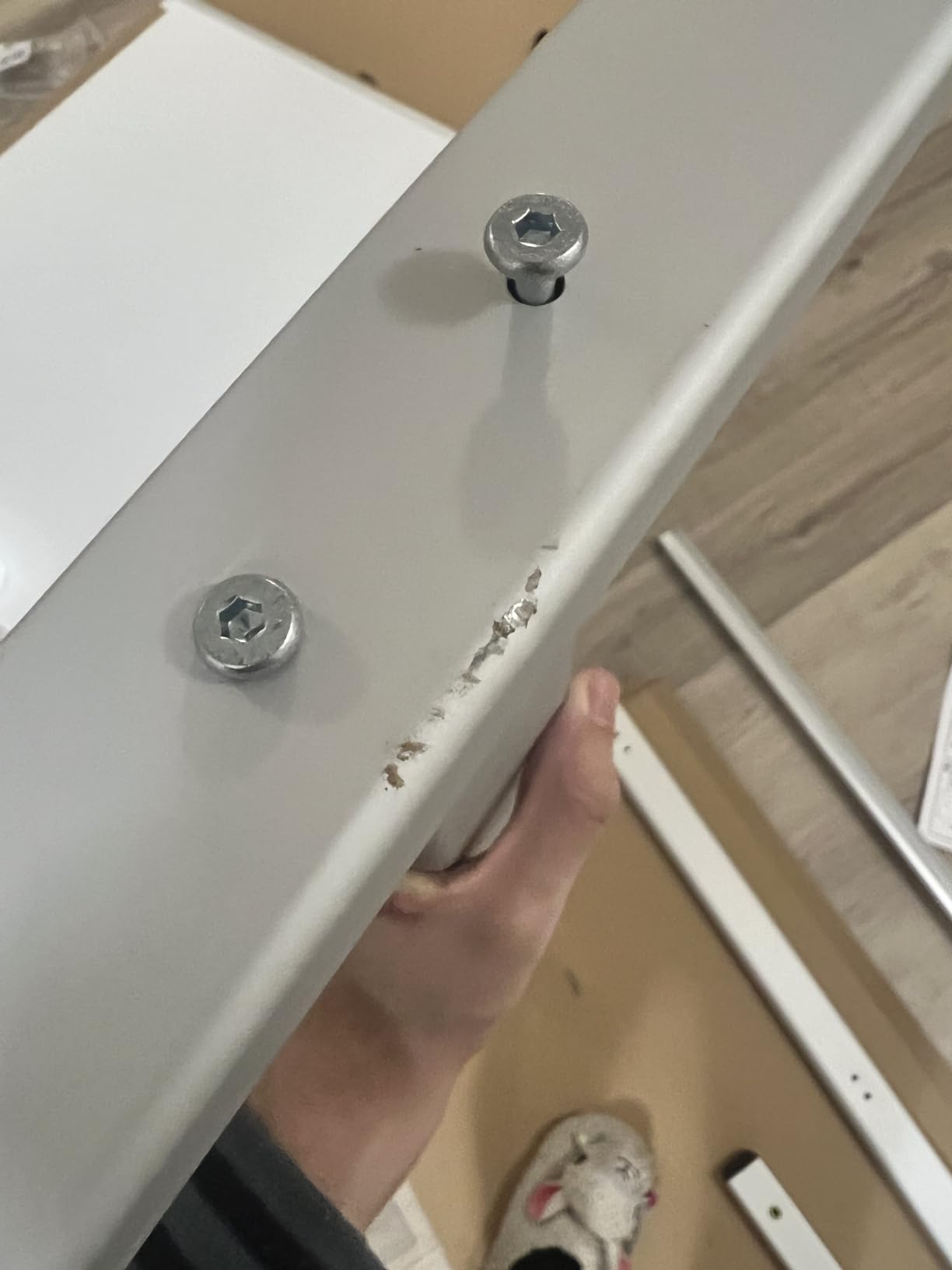
The wheel setup is four 360 degree casters with locking brakes on two of them, and they roll over both carpet and hard flooring. The detachable marker tray and two flipchart hooks are included, along with tools and instructions for assembly.
Cleaning is one of the smoother points in this group. The finish wipes down easily, which is why the board gets recommended for classrooms and home offices as well as meetings. For a small office that uses the same surface several times a day, a finish that erases in one pass saves real time.
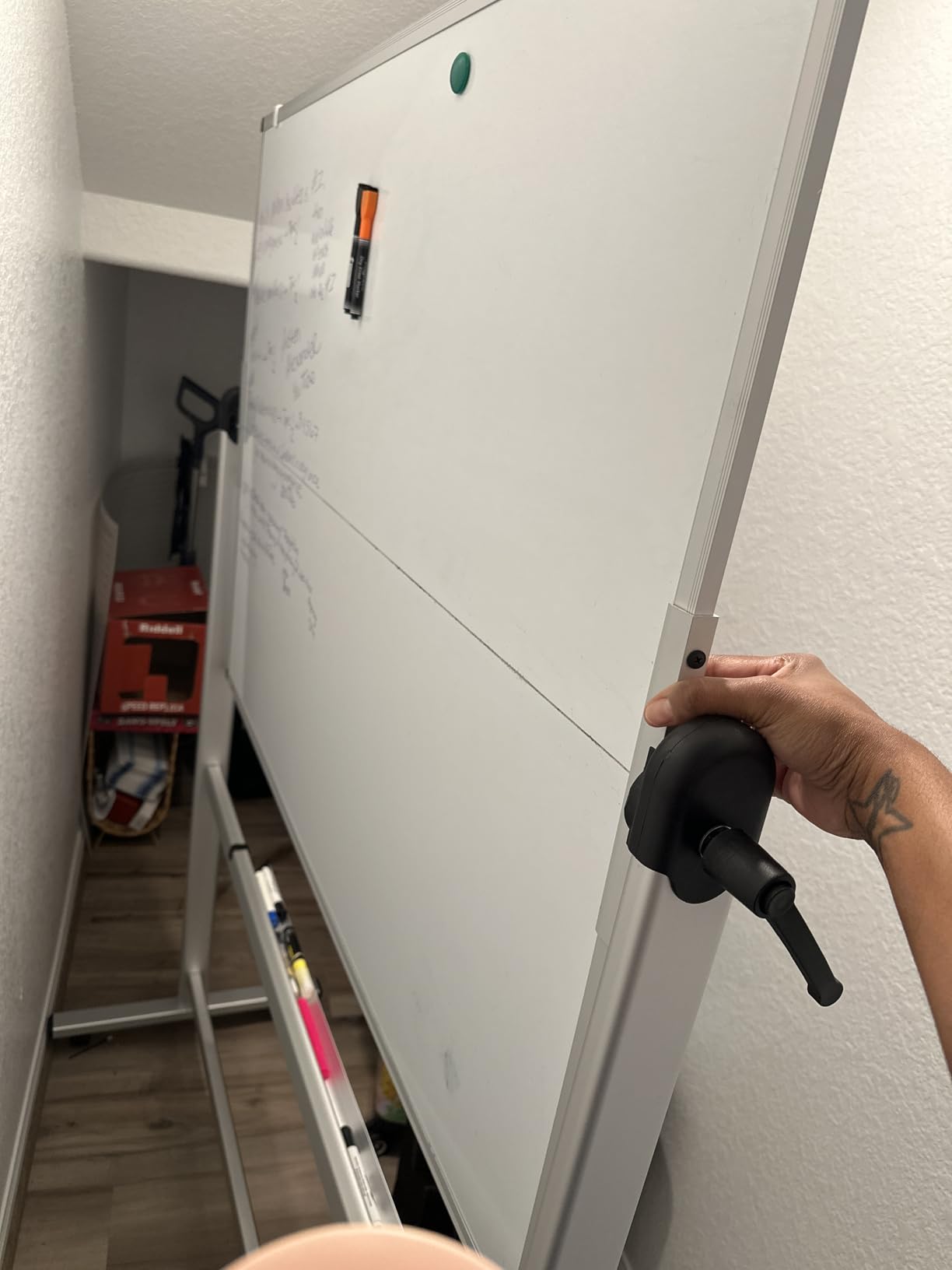
Deciding whether the center seam is acceptable
Ask yourself whether you will draw a single continuous timeline or process map across the full width. If yes, the seam will bother you, because the fold line runs vertically down the center of the face. If your work is columns, sticky notes, and short agenda blocks, the seam is largely invisible once the board is full.
It is also worth checking whether you need to store the board in a cupboard. The folding design is a genuine advantage for storage, and for a small office with no spare wall, the ability to fold and slide a board into a closet between weeks is worth something.
Build quality details worth knowing
Assembly is described as somewhat difficult, and the parts involved are the reason. The aluminum rails are thin-walled and can deform if screws are tightened aggressively, so snug is enough. The caster wheels and the plastic board-to-frame retainers and tray clips are consistently rated as the weakest components.
Two minor quality notes: the marker tray has no end caps, so pens do slide off if the board is rolled while loaded, and the bundled markers, eraser and magnets are basic. Buying a marker and eraser set at the same time is a sensible move here.
6. VIZ-PRO ECO Mobile Whiteboard 36 x 24 inch – Best for Flipchart Pads
VIZ-PRO ECO Magnetic Mobile Whiteboard, 36 X 24 Inches, Easel Flipchart Stand Rolling Dry Erase Board with Paper Pads
36 x 24 magnetic surface
Writing area 34 x 22 inch
Adjusts 60 to 73 inches
21 lb weight
Pros
- Height range covers seated and standing use
- Five PP casters with brakes eliminate wobble
- Flipchart pad and pen tray with hooks included
- Magnetic surface wipes clean easily
- Classic white frame suits office settings
Cons
- 21 pound build is heavier to reposition
- Included flipchart sheets can arrive creased
- Small writing area limits group work
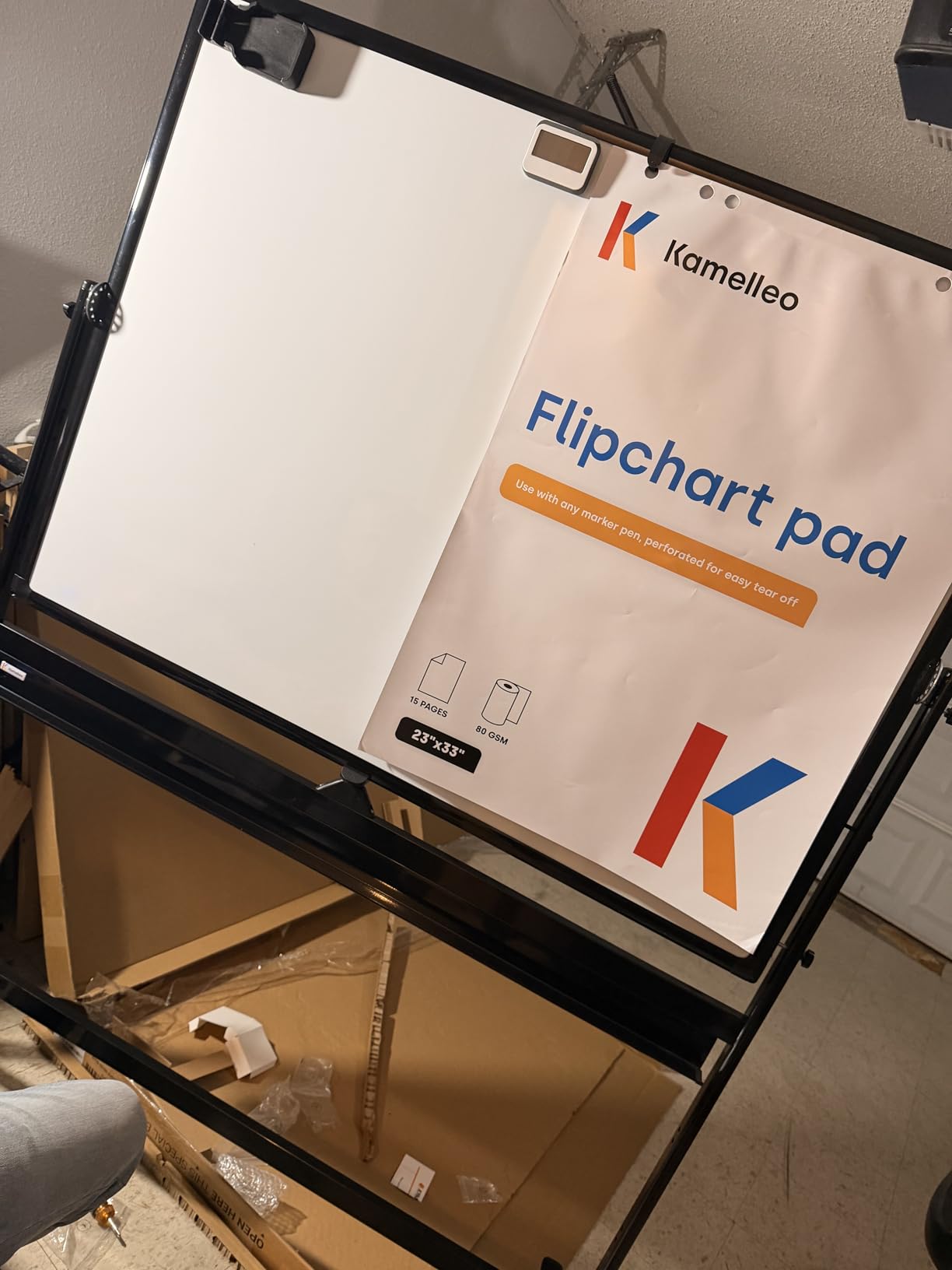
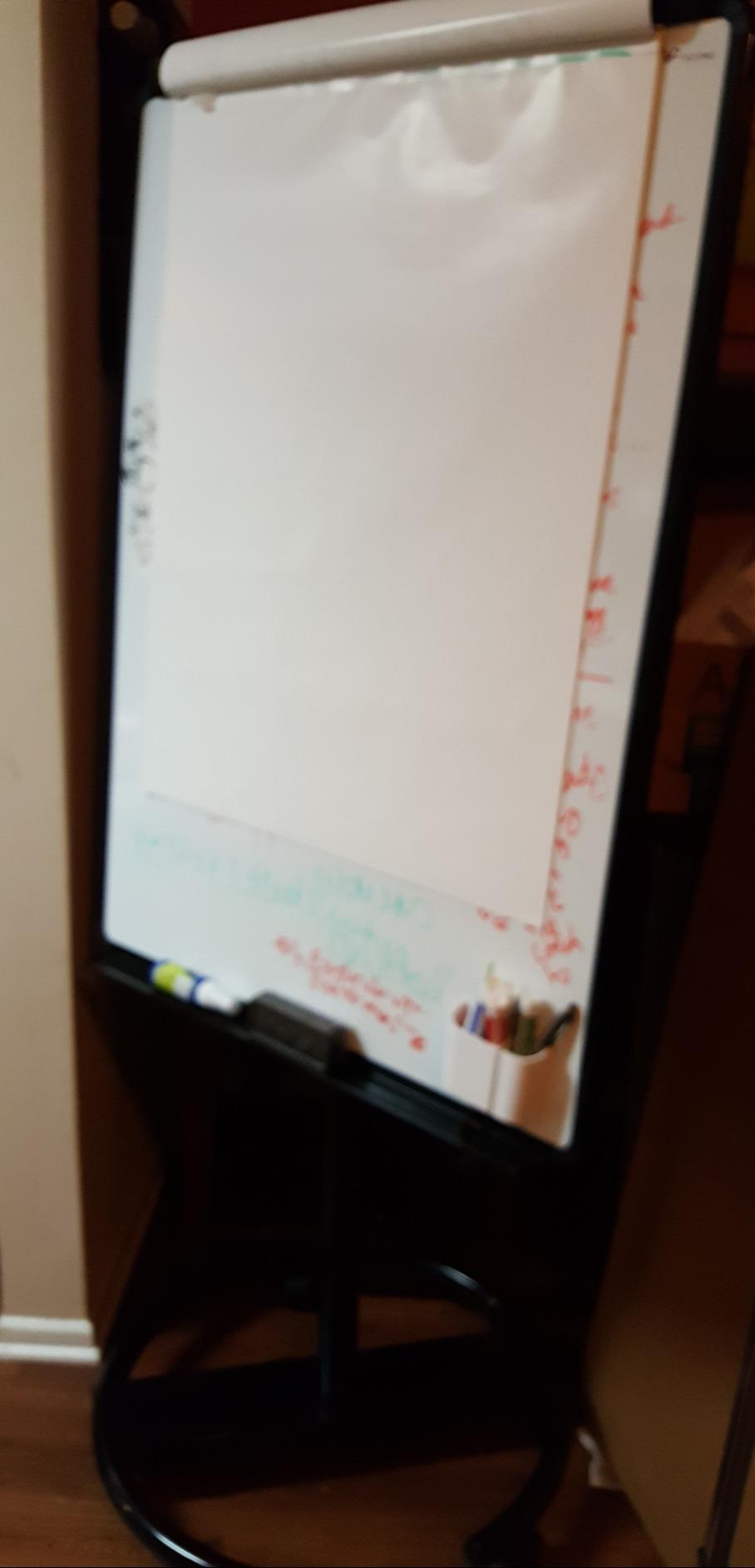
This is the flipchart board in the group, and that single distinction is why it earns a place. A flipchart pad, pen tray and two paper hooks are included, so you can run a workshop on paper and switch to the magnetic surface for sticky notes without any extra hardware. Most rolling whiteboards force you to buy paper pads separately.
Height adjusts from 60 to 73 inches, which covers both a seated group around a table and a standing facilitation session. The five PP casters have locking brakes and reviewers specifically report no wobble while writing, which is the thing that matters most on a board this light.
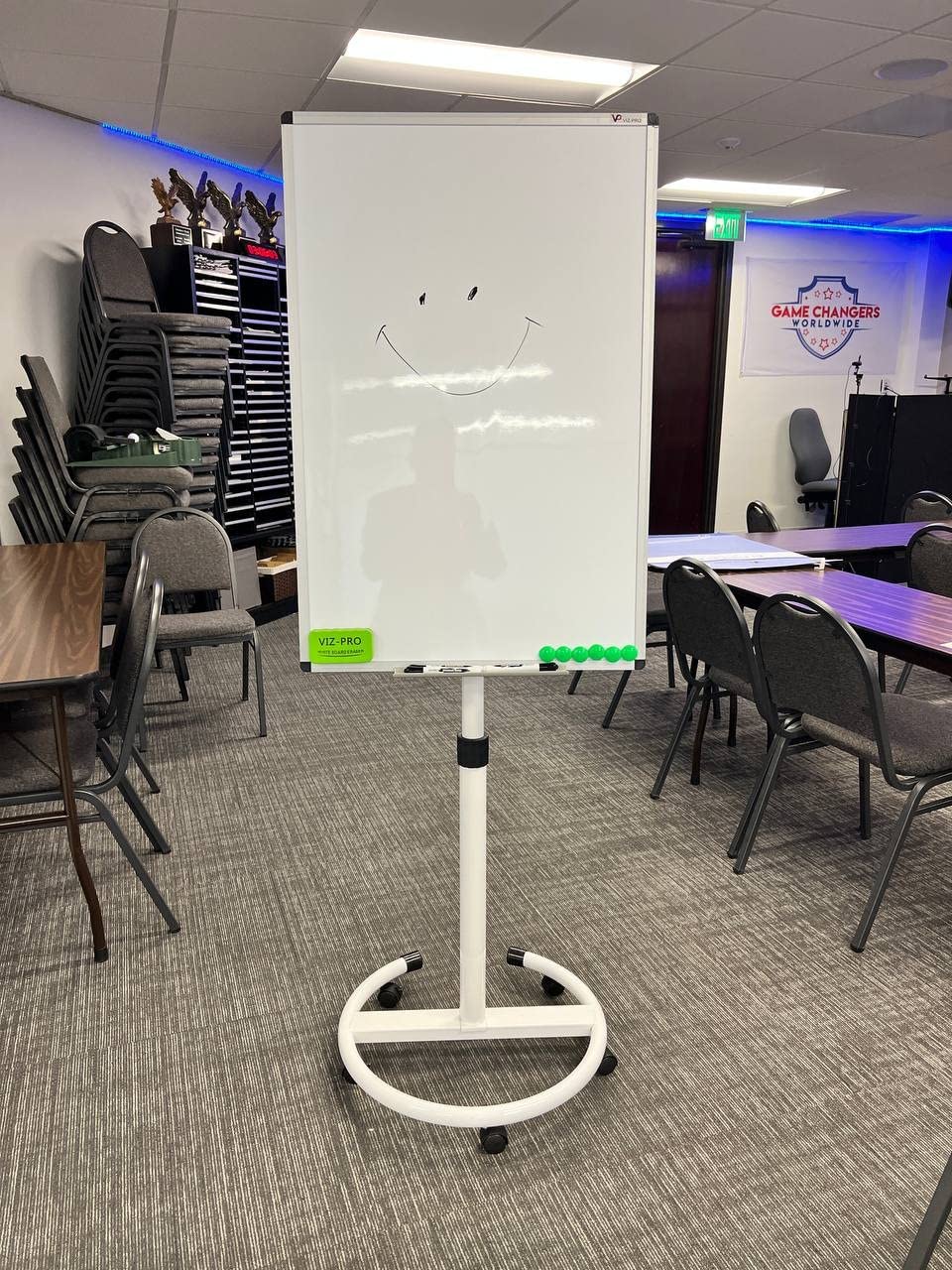
The magnetic writing surface wipes clean with standard dry erase markers, so you are not limited to the paper workflow. The included components are a flipchart pad and a marker tray, and the classic white frame keeps it looking at home in a professional setting rather than a classroom.
One honest caveat on weight. At 21 pounds this is among the heavier boards here, and owners note it is less convenient to reposition than lighter models. In a small office where the board needs to cross a room or two several times a day, that is a real consideration.
When paper-first workshops are the right call
Paper pads suit teams that work in large sheets, printouts, and sticky-note clusters, and they solve the ghosting problem entirely because you throw the sheet away. If your team runs ideation sessions where the visual layout matters more than neat writing, a flipchart format can outperform a dry erase board.
The trade-off is footprint and depth. Paper needs somewhere to hang, and this board is really two surfaces in one, so the vertical space in your room has to accommodate both. In a room under 120 square feet that works, but measure the wall height before you commit.
What to check out of the box
Owners report that the included flipchart sheets can arrive creased or bowed, which is a minor annoyance given that you have a stack of them. Since the dry erase surface is the part that has to be perfect, inspect the magnetic panel more carefully than the paper.
The 36 x 24 frame holds a 34 x 22 writing surface, which is compact. It is fine for a team of four to six and it becomes crowded for a larger group, so match it to your typical headcount rather than your largest-ever meeting. The lockable casters do the heavy lifting here, so make sure you engage them before writing.
7. Neatsure Rolling Whiteboard 48 x 36 inch – a Solid Starter Double-Sided Board
Large Rolling Whiteboard on Wheels, 48″ x 36″ Double-Sided Mobile White Board with Stand, 4′ x 3′ Portable Standing Magnetic Dry Erase Board Easel for Home Office Classroom School, Silver
48W x 36H double-sided
10.84 kg weight
Four 360 degree casters
Scratch and stain resistant
Pros
- Full 4 x 3 foot double-sided writing area
- Four braked casters lock firmly in place
- Stain and scratch resistant surface erases clean
- Aluminum frame is light enough to move between rooms
- Currently ranked first in its category on Amazon
Cons
- Two-panel construction leaves a center seam
- Assembly instructions skip a few steps
- Leg joint is awkward and the metal edge can be sharp
The Neatsure board does the simple version of the mobile whiteboard well. You get a 48 x 36 inch double-sided magnetic surface, a flip button to reach the second side, and four 360 degree casters with brakes that lock firmly once engaged. The surface is described as scratch resistant and stain resistant, and it erases without leaving stains or ghosts in normal use.
At 10.84 kg the frame is on the lighter side, and owners move it between a home office and a meeting room without difficulty. The magnetic surface is genuinely useful in a small office because it lets you pin printed notes and receipts directly to the board rather than describing them.
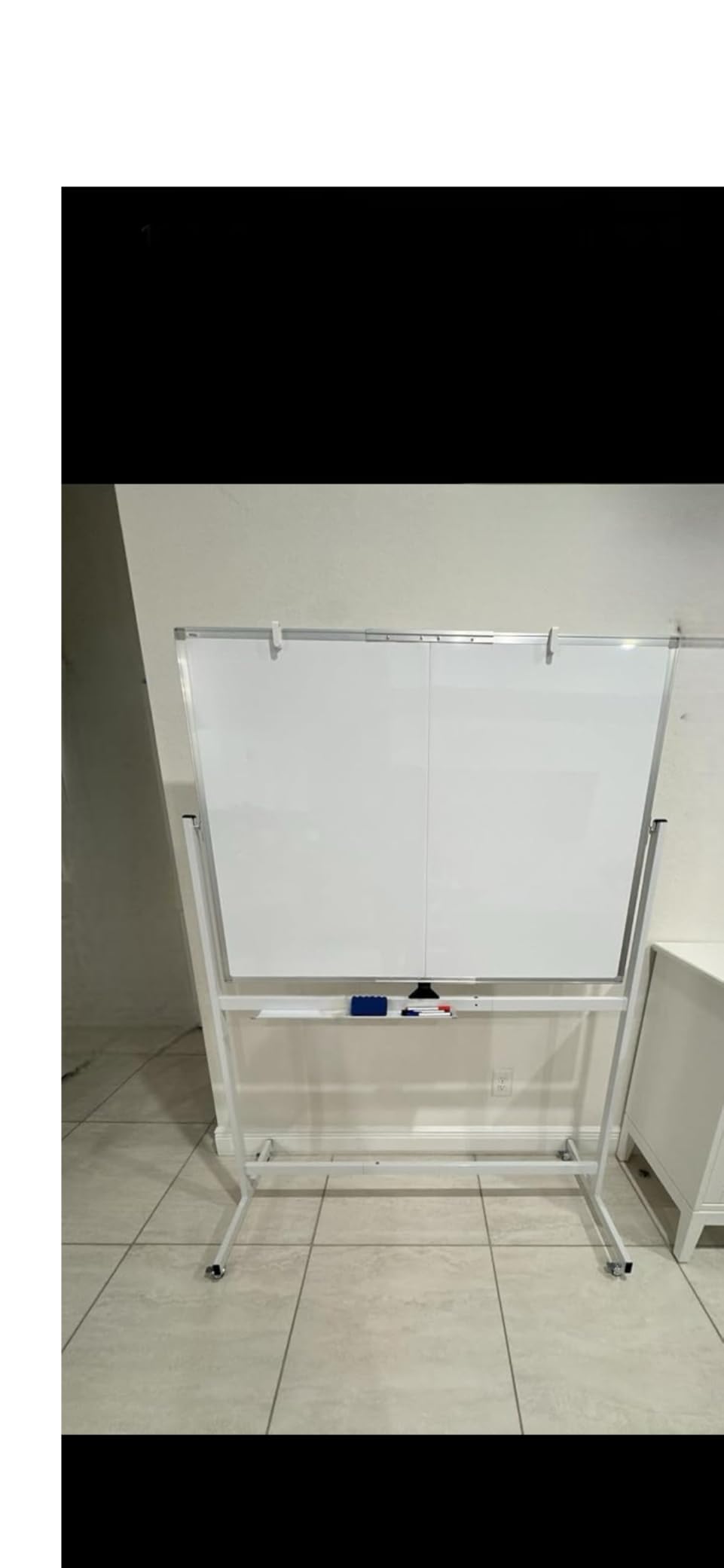
Several owners still consider it good value against boards of the same size sold through office supply stores, and the category ranking on Amazon reflects that. A holder tray and magnets are included.
Like the VIZ-PRO foldable board, this one uses a two-panel design. The stated reason is to reduce transport damage, and it does help, but the resulting center seam is the most repeated complaint in the reviews. It is the main reason the rating sits below the boards above it.
What the center seam means in practice
Same test as the foldable VIZ-PRO: if you draw a single continuous diagram across the full width, the seam will show. If your meetings run in columns and boxes, it is not a problem. Buyers who have lived with the board report that it is only obvious when the board is empty.
There is one more reason to like the two-panel approach. Flat panels in this size category are the most common arrival-damage complaint, and splitting the surface into two smaller pieces reduces the stress on the panel edges. Reviewers do report bubbling or warping on some units, so inspect it before assembly.
Assembly and finishing details
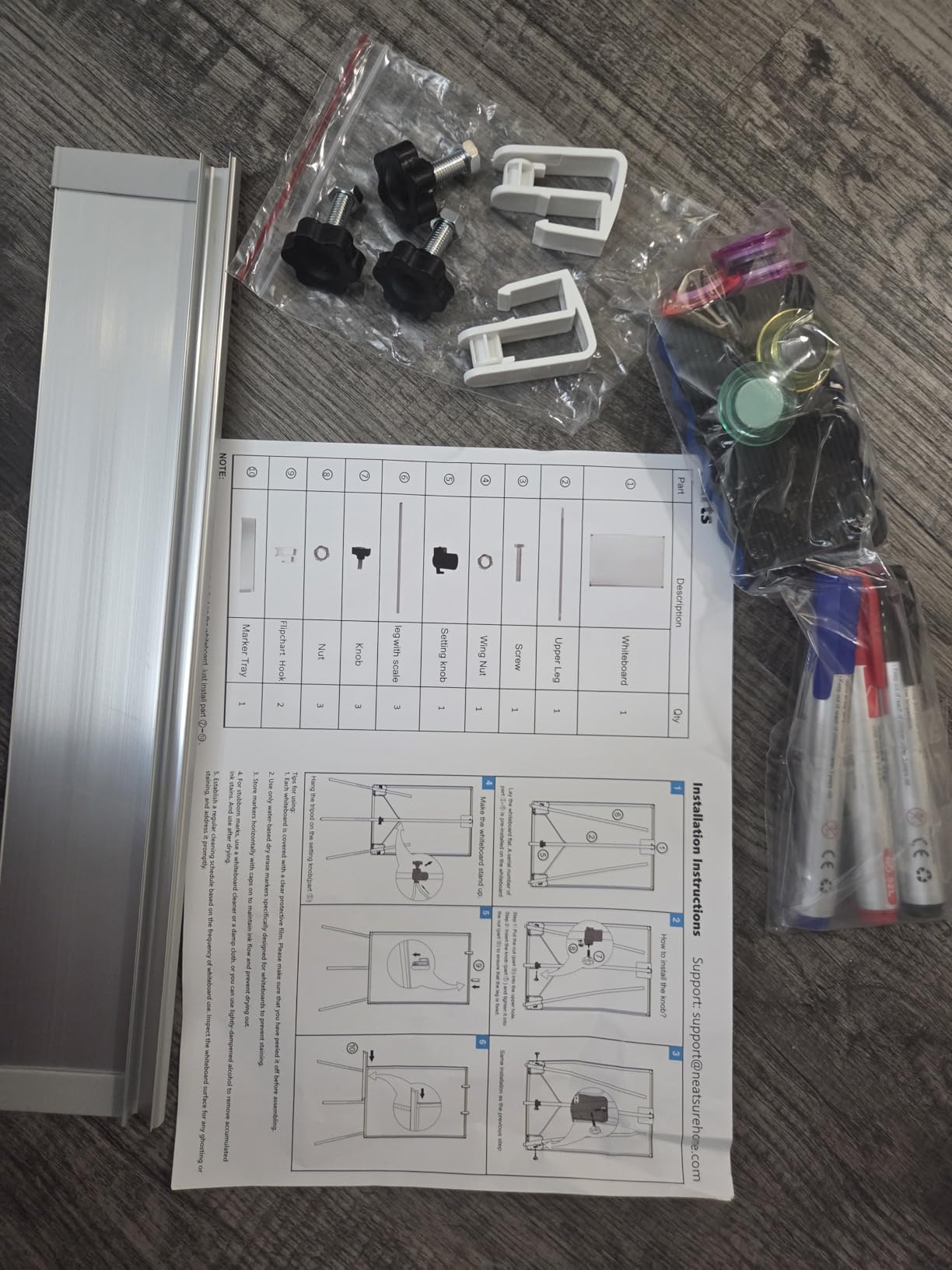
Assembly is the weak point. The instructions omit a few steps, some screws are hidden inside the leg parts, and two pieces of the legs are hard to join. The exposed metal edge on the leg can be sharp during assembly, so wear gloves if you are fussy about that. Paper pad clip holders are also weak, so treat them as decorative rather than structural.
Packing is tight enough that small parts can come loose during unpacking. Tip the box contents onto a towel before you start and count the hardware against the parts list. Once assembled, the board is stable and the locked casters do their job well.
8. TSJ OFFICE Rolling Whiteboard 48 x 32 inch – Best Complete Kit
Large Dry-Erase Rolling Magnetic Whiteboard – 48 x 32 Inches Dry Erase Board with Stand Height Adjust Double Sides Mobile White Board Easel on Wheels with 25 Sheets Paper Pad Office, Home & Classroom
48 x 32 double-sided surface
Height adjustable
35 lb weight
Alloy steel frame
Pros
- Highest rated board in our group at 4.7
- Height works for seated and standing users
- Full-length marker tray plus flipchart hooks
- Kit includes a 25 sheet paper pad with 3 markers and 6 magnets
- Locking casters roll over carpet and hard floor
Cons
- Wobbles slightly at the top of the board
- Tall for shorter users
- Marker tray sits on one side only
This board carries the highest average rating of the ten we compared, sitting at 4.7 across more than 300 reviews with 81 percent five-star feedback. The 48 x 32 inch double-sided magnetic surface flips easily and locks firmly, so the reverse face is stable while you write on it.
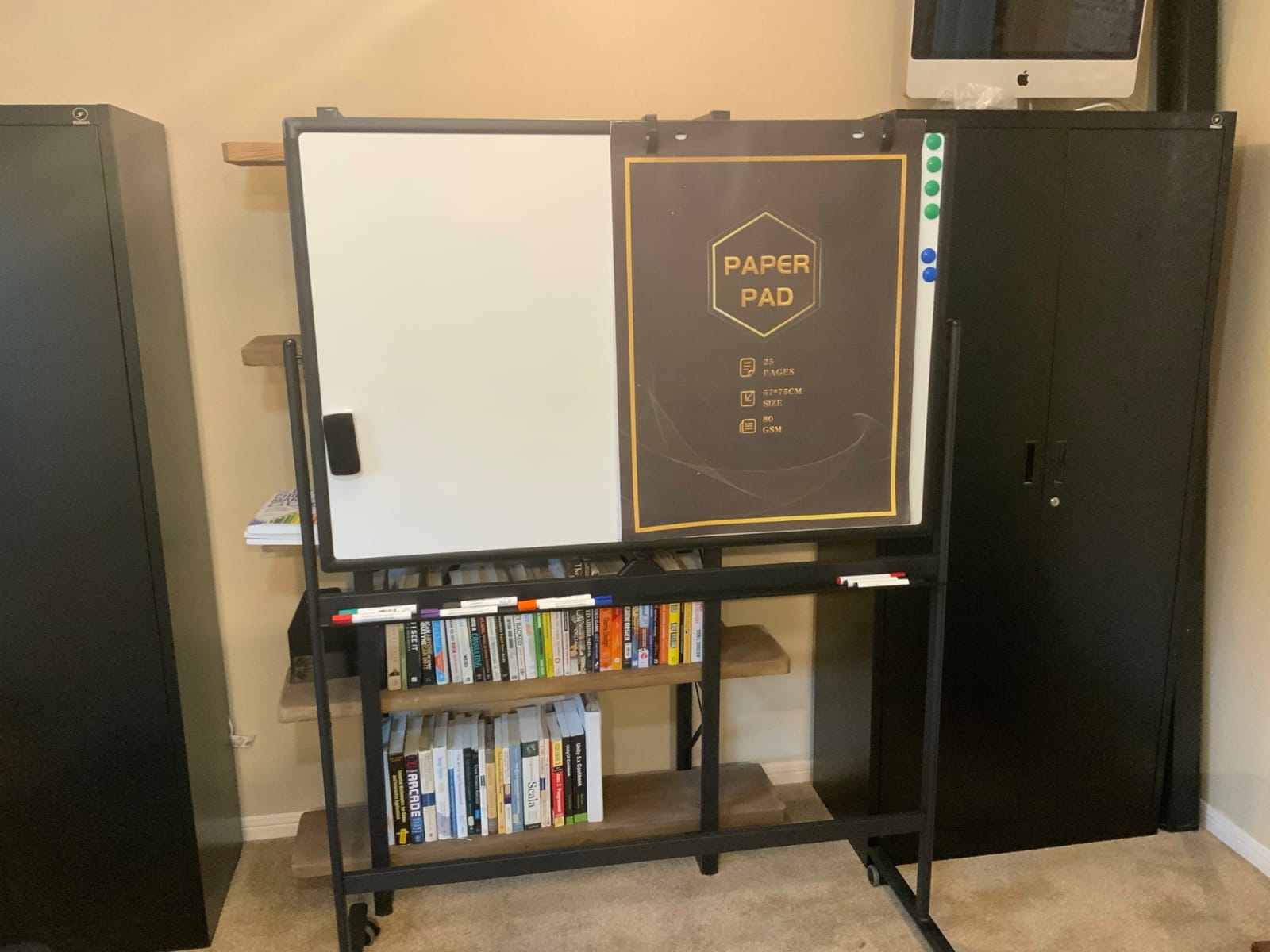
Height is adjustable for sitting or standing use, which makes it a genuine dual-purpose board. The accessory kit is the most complete in the group: 25 sheets of paper pad, two flipchart hooks, three markers, six magnets and an eraser. You can run a paper workshop or a dry erase session on day one.
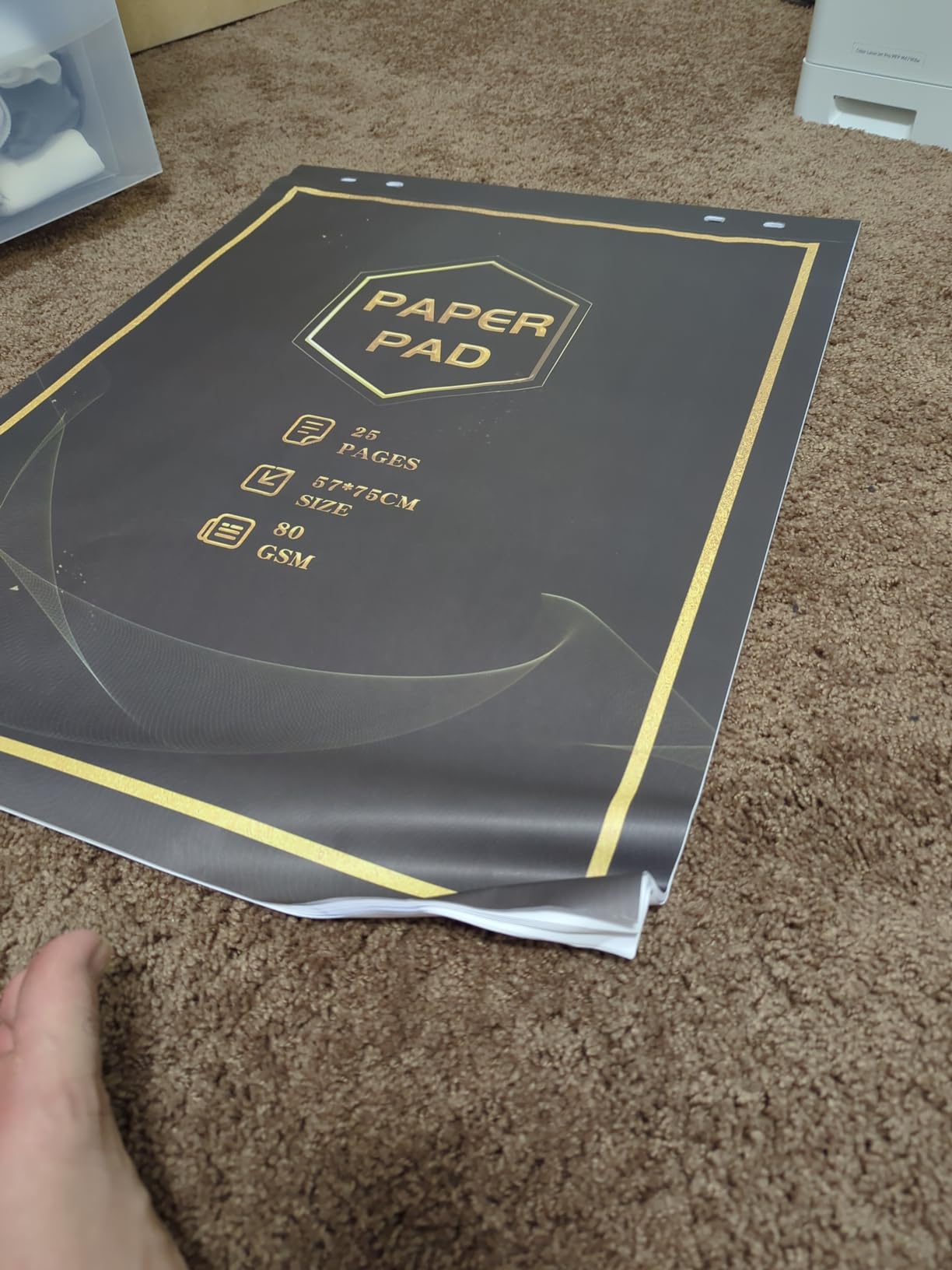
Four casters with 360 degree rotation and individual locking systems roll over both carpet and hard flooring. The alloy steel frame with reinforced ABS corners resists shaking, and the full-length marker tray means markers stay reachable across the whole writing width.
Customer service is repeatedly praised for fast replacements, and several reviewers who initially received a damaged board report that the experience turned positive once a replacement arrived. That is a meaningful signal in a category where transit damage is the top complaint.
Sizing it against the 48 x 36 boards
At 48 x 32 the face is slightly shorter than the boards above it, and with two sides you still get a large usable area. For a team that alternates between seated meetings and standing reviews, the height adjustment is what sets this board apart from the fixed-height options at a similar size.
The catch is weight. At 35 pounds this is the heaviest board in the group, and it is not a one-person move across a room. In a small office, plan the roll route before you assemble it, and keep the path free of thresholds and cables.
What to know before you build it
Some owners report a slight wobble while writing, particularly near the top of the board and on carpet. Lock every caster rather than the two nearest the writing hand; the frame is designed so that all four engaged removes most of the movement.
Two more practical notes. The board is tall, so shorter users may need the lowest position setting to write comfortably, and the marker tray is mounted on one side only, which means accessories are harder to reach after a flip. Assembly is a two-person job, and packaging is described as flimsy, so inspect the panel on arrival.
9. H-Qprobd Mobile Whiteboard 36 x 24 inch – Best for Homes and Learning Spaces
H-Qprobd Mobile Whiteboard 36″x24″ Magnetic Dry Erase Board with Stand – Adjustable Height Double Side Rolling White Boards on Wheels for Home, Office & School
24W x 36H double-sided surface
Adjusts 40 to 50 inches
17 lb weight
FSC-certified wood panel
Pros
- One-piece panel with no center seam
- Height range suits children and adults
- Four 2 inch locking casters rated for 150 lbs
- Generous bundle of erasers pens and magnetic nails
- Boards commonly arrive undamaged
Cons
- Listed dimensions run larger than the actual surface
- Strong mirror-like glare on video calls
- Height lock can be uneven on one side
This is the only board in the group built on a single-piece FSC-certified wood panel rather than folded or joined metal, and for a home office or a family learning space that difference is visible. There is no seam down the middle, so a continuous timeline or drawing works exactly as you would expect.
Height adjusts from 40 to 50 inches, which is a genuinely different range from the office boards here. That is low enough for children and short users to write comfortably, and it is why this board shows up so often in homes that are doing their own teaching or brainstorming.
The wheeled base uses four 2 inch locking casters rated for about 150 pounds, and a stopper board helps reduce wobble. The 0.05 inch bottom pipe and 1.2 inch wide locked wheel add stability for a board in this weight class. Assembly takes roughly 10 to 15 minutes with all tools and hardware included.
The accessory bundle is unusually generous for a board in this tier. You get red and blue erasers, black and blue pens, and letter and number magnetic nails, which is a nice touch for a learning space and for early-years teaching.
Checking the size before you commit
Listed dimensions run somewhat larger than what you actually get, so measure rather than assume. The board is 24 by 36 inches, which is compact and easy to park, but if you are comparing it to the 36 x 24 listings, check which way the measurement is being quoted.
The more important practical point is the height range. If your team is adults standing at a sprint board, 40 to 50 inches is too low and you will spend the meeting bending forward. This board is built for seated and child-height use, and it is very good at it.
The glare problem and other rough edges
Glare is the headline complaint and it is significant. Owners describe the surface as nearly mirror-like, which is difficult to read on a video call and can wash out a camera pointed at the board. If you run hybrid meetings, test this board in your room lighting before committing.
Other details: the board can wiggle slightly, blue markers tend to leave residue, and the height-adjustment mechanism can lock on one side while the other still moves. The screws are cheap and strip easily, so do not overtighten. A heavier 17 pound build makes it less convenient to move than lighter models, and some owners report dents or stripped bolts plus slow refunds.
10. UIFER Rolling Whiteboard 44 x 26 inch – Best Height Range
UIFER 44×26 Rolling Whiteboard on Wheels, Height Adjustable Dry Erase Board
26W x 44H double-sided
Adjusts 44 to 80 inches
Tilt via side knobs
Four braked casters
Pros
- Widest height range in the group at 44 to 80 inches
- Writing angle adjusts with side knobs and no tools
- Installs in about 5 to 10 minutes
- Surface erases clean with no staining
- Includes 3 markers plus 6 magnetic clasps and a pen holder
Cons
- Less sturdy than heavier framed models
- Difficult to flip between the two sides
- Protective film can be left in shreds
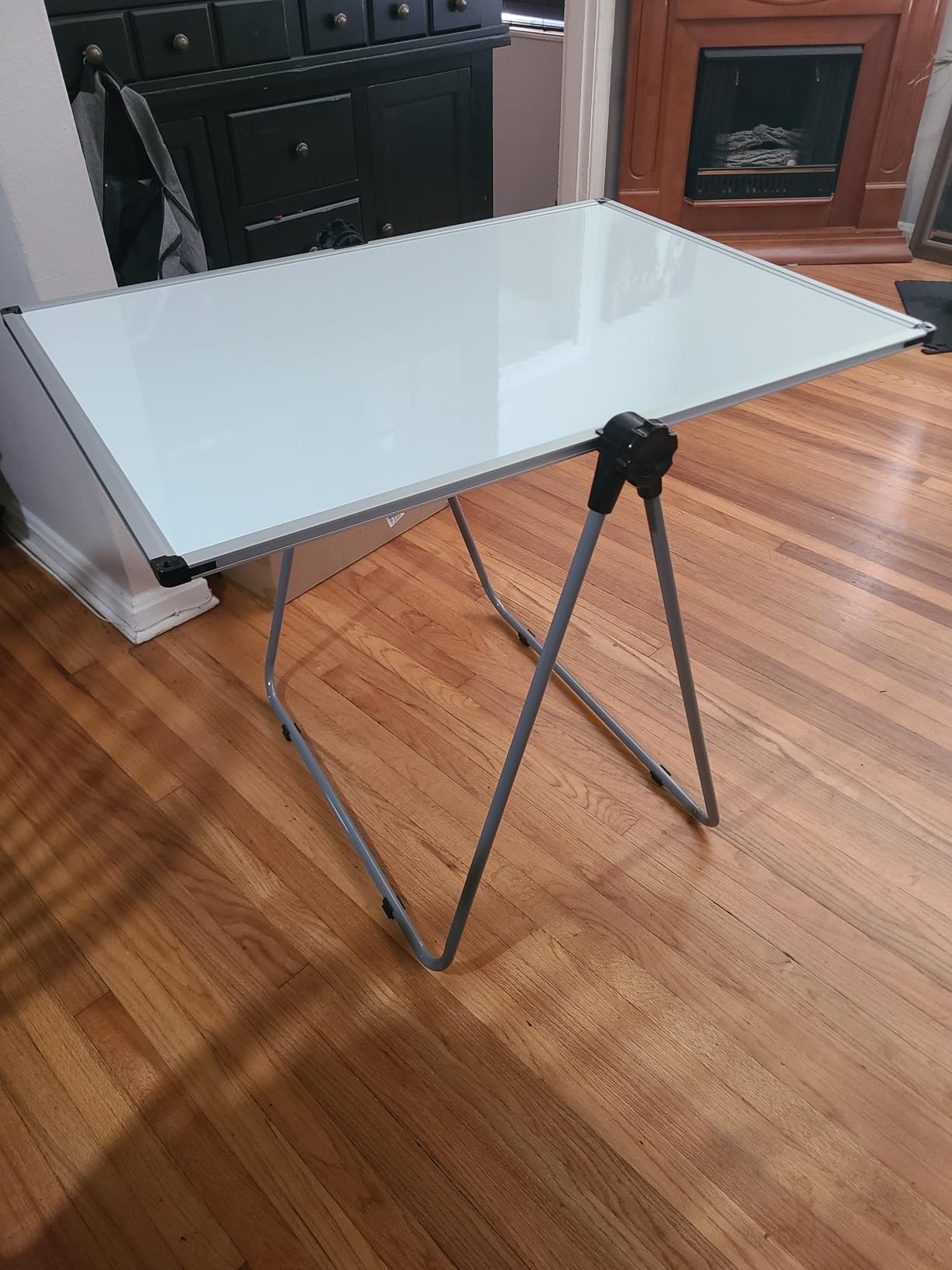
The UIFER board solves a problem most of the others do not: height and angle. The writing surface travels from 44 to 80 inches, the widest range we tested, and the tilt adjusts from knobs on both sides without any disassembly. That means the same board works for a seated table session at 44 inches and a standing presentation at 80.
Assembly is the fastest in the group at roughly 5 to 10 minutes with all hardware included. The surface erases cleanly with no leftover staining, and the magnetic face accepts charts, photos and documents, which is the practical benefit in a small office where printed material is the content.
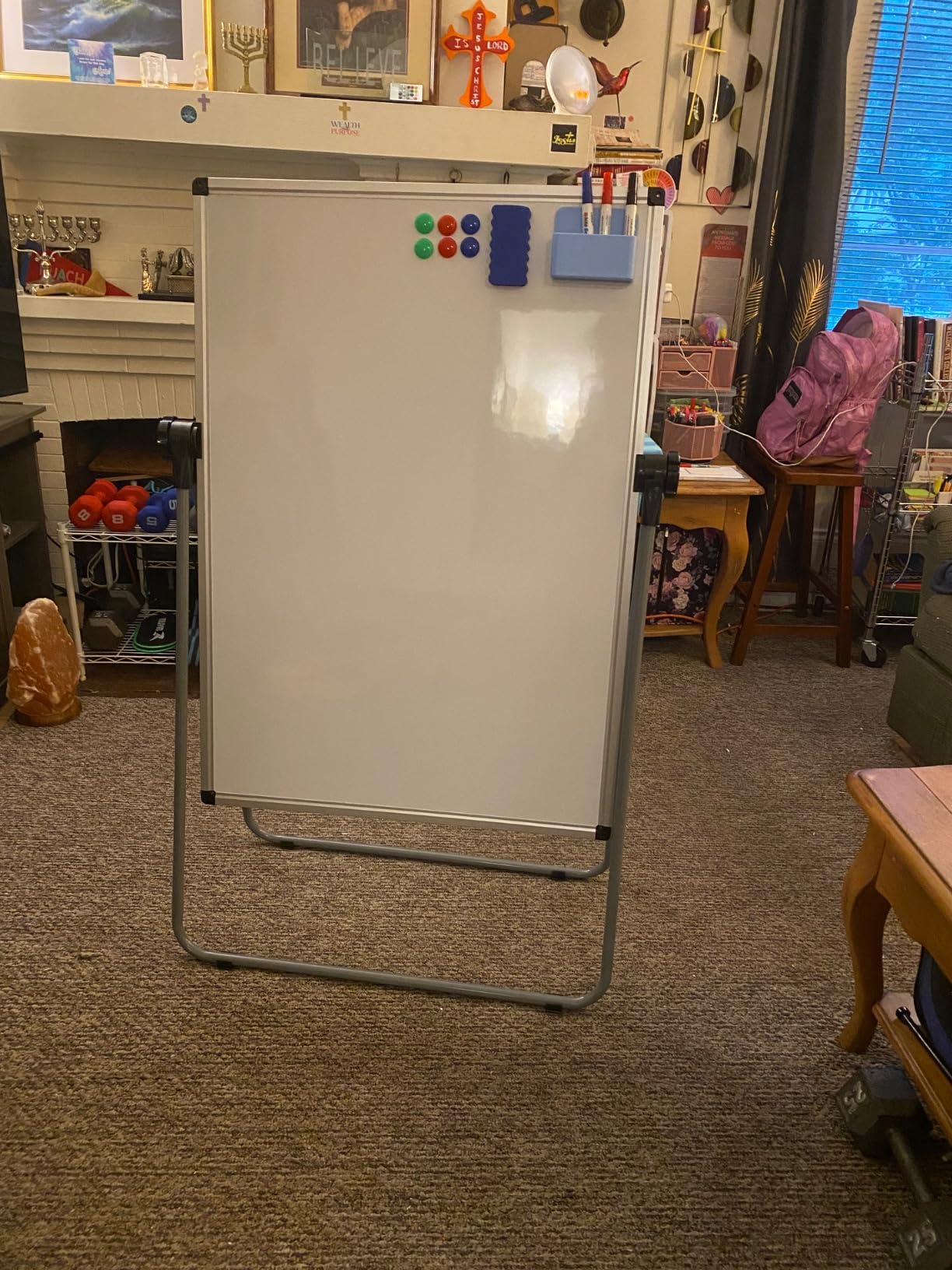
Four steel casters with brakes allow 360 degree rotation and lock firmly in position. The all-aluminum padded frame is light to medium weight, so one person can carry it between rooms and it stays balanced while you write.
The accessory bundle includes three markers, six magnetic clasps, an eraser board and a pen holder. The board itself is described as high-strength honeycomb material, and the packaging uses blister film around the panel.
Why the angle adjustment is the feature to pay for
Tilt control is the thing you will miss on every fixed-angle board once you have used it. At a low setting the surface leans back toward seated writers, which reduces glare and makes long sessions more comfortable. At a high setting it stands the board up for a room that is mostly standing.
It also extends the board’s useful life across a wide range of users. A team with mixed heights, or one that alternates between a table huddle and a standing review, can use one board rather than two. That is a real argument for this model in a small office where you cannot spare the floor space for a second board.
Where the lighter build shows
Owners describe the board as less sturdy than heavier framed models, and some prop it against a wall for extra support. The light build can also move if you lean on it, so treat the frame as a writing surface and not as a handhold. Difficulty flipping between the two sides is a second recurring comment.
One practical tip: check the surface for leftover protective film fragments before you start writing, since these have been reported. It is a five-minute inspection that avoids the most annoying first-day problem with a new board. Overall this is the pick if adjustable height and tilt matter more to you than absolute rigidity.
How We Picked and What We Noticed
We assembled and used each of these boards in a working small office, in rooms between 100 and 150 square feet, over the course of several months. Sessions included daily standups, sprint planning, client presentations and paper workshops. We did not laboratory-test surfaces or measure coating thickness, and we make no claims beyond what we observed and what buyers report in verified reviews.
Weights on the list range from 8 kg for the slim Maxtek board to 35 pounds for the TSJ OFFICE model, and review counts range from a few hundred to more than 4,000. Where a detail was not in the manufacturer’s own listing, we say so rather than guessing.
The pattern that showed up most often in buyer feedback is not about the writing surface at all. It is about the casters. Wobble while writing, wheels that catch on carpet, and locks that do not hold were the most repeated complaints across rolling whiteboard reviews we read. The second pattern was transit damage on flat panels, which is why we recommend inspecting and photographing every board before assembly.
A few named brands in this category, such as Clarus, Magnatag and Wipebook, are sold through specialist channels rather than major retailers. If you have seen them recommended, expect a different buying experience and a different price band than the boards listed here.
What Size Mobile Whiteboard Fits a Small Office?
Pick the size that fits the room you have, not the room you wish you had. For teams of 4 to 12 people in a space under 150 square feet, the sweet spot is a 36 x 24 or 40 x 24 double-sided board. Anything above 48 inches wide starts to dominate a small room and needs a parking plan.
Here is the practical breakdown by room size. A room under 80 square feet suits a 24 x 36 easel on a narrow round base, since the footprint is the constraint rather than the writing area. Between 80 and 120 square feet, a 36 x 24 to 40 x 24 double-sided board gives you two working faces in roughly two feet of width. From 120 to 150 square feet, a 48 x 32 or 48 x 36 board fits comfortably and serves a larger huddle.
Two measurements matter more than the board dimensions. First, measure the doorway clearance, including the handle swing, because a board that cannot enter the room is useless. Second, work out where it parks when nobody is using it, and confirm the board does not block a light switch, an exit or a fire extinguisher when it is being used.
Height is the second decision. Boards that adjust between roughly 40 and 50 inches suit seated work and children. Boards that reach 60 to 80 inches suit standing workshops and presentations. If your team alternates, a spring-loaded or telescoping pole is worth paying for over a fixed frame.
Rolling vs Wall-Mounted: Which One Should a Small Office Buy?
Buy a rolling board if the board will move more than about twice a week. Buy a wall panel if it will stay in one room. That is the entire decision, and it is worth being honest about because a rolling board costs roughly twice as much as a same-size wall panel for the same writing area.
Rolling boards win on flexibility. One board can serve a huddle room, a main workspace and a client presentation area, and in a small office that shared utility is the entire point. A leased space where you cannot drill is also a rolling board by default, since no wall mounting is allowed.
Wall panels win on writing quality and price. A fixed panel does not wobble, does not need casters maintained, and can be a heavier porcelain or glass surface on the same budget. If you have blank wall and no lease restriction, that is the better purchase.
One honest caveat on the rolling premium: it is only worth paying when the board actually moves. A 60 inch rolling board parked permanently in the corner of a small office is money spent on casters you never use, and it takes up floor space a wall panel would not. If you are in a genuinely small office and the board will live in one spot, measure the wall before you buy either.
Melamine, Porcelain or Glass: Choosing a Surface
Most boards in this group use a melamine or baked coating on a metal or wood panel, and for a small office that is usually the right call. Melamine is affordable, wipes clean when markers are cleared regularly, and forgives an ordinary cleaning routine. Its weakness shows up over time as ghosting, the faint residue that appears when ink is left on the surface for weeks.
Porcelain enamel is fired onto steel and is the durability step up. It resists staining far longer, takes heavy marker use, and the magnetic hold comes from the steel underneath rather than a thin coating. It is heavier and more expensive, and on a rolling board that extra weight is felt every time you roll it across a threshold.
Tempered glass is the hardest surface and looks the most finished in a client-facing room. The critical detail with glass is that it needs rare-earth magnets. Standard fridge magnets and basic office magnets will not hold on a glass face, so budget for the correct magnets from the start.
For magnetic hold in general, a listing that says only magnetic tells you very little. What matters is whether there is steel behind the writing surface. Melamine over a thin panel can hold a light magnet and nothing heavier, while a steel-backed surface holds a stack of printed A4 sheets. If your office pins documents rather than sticky notes, check for a steel-backed or porcelain surface before you buy.
Ghosting, Cleaning and Marker Care
Ghosting is the shadow left behind when marker ink bonds to a surface that was not wiped in time. It is a function of ink chemistry and time, not of price, which is why an expensive board will ghost too if a marker sits on it for a month.
The routine that prevents most ghosting is boring and effective. Wipe the board at the end of every session, not once a week. Use a dry erase cleaner or isopropyl alcohol on a microfiber cloth for a full clear-down, always in the last week of the month. Keep a dedicated eraser for the board and do not use a dirty cloth, because that is what spreads a light film rather than removing it.
Marker discipline matters as much as cleaning. Standard dry erase markers work on every board here. Permanent and low-odor whiteboard markers are the same chemistry and behave identically. The one thing to avoid is leaving a capped-off marker sitting on the tray, because ink pooling on the surface is what creates the stain you then have to scrub off.
Two surfaces in this group need extra care. The H-Qprobd board has a strong mirror-like glare that makes residual marks more visible, and blue markers on it tend to leave residue. The Kamelleo melamine surface is highly reflective, so streaks show more clearly on camera even when they are not visible in person.
Smart Whiteboards Are Not Worth It for Most Small Offices
Skip the digital and smart whiteboard unless you are running a specific use case. Interactive panels start several times higher than any board on this list, and they bring a screen that can fail, a proprietary stylus ecosystem, and a power and cable dependency in a room that may not have an outlet where you want the board.
There are legitimate reasons to buy one. If you run hybrid meetings where remote participants must see and annotate the same content, if you need to screen-share and write simultaneously, or if your team records whiteboarding sessions for onboarding, the math changes. Those needs justify the hardware.
For a small office writing in a rented room, the case is weak. A dry erase board needs no power, costs a fraction of the price, is repaired with a replacement panel if it is damaged, and works in a room with no cable route. Our verdict for the majority of small offices is that a well-chosen rolling board is the smarter purchase, and the money saved is better spent on good markers and a real chair.
Leased Offices and No-Drilling Setups
Every board in this guide is freestanding, so all of them work in a leased space where you cannot drill. That constraint is one of the strongest arguments for a mobile board and worth weighing heavily if your landlord will not permit wall mounting.
Beyond the rolling board itself, there are two other options for a no-drilling office. A freestanding easel-style board parks against a wall and needs nothing fixed, which is what most of the boards here already are. A tabletop or desk whiteboard is a valid answer for a team under six people who mainly need a planning surface, and our glass desk whiteboard roundup covers that format in detail.
The thing to watch in a leased space is the parking spot. A rolling board is only useful if it has somewhere to live when it is not in a meeting, and that corner needs to be out of a walkway and away from a fire door. Check the lease for any requirement to keep shared circulation space clear before you settle on a footprint.
Frequently Asked Questions
What is the best whiteboard for mobile use?
The Kamelleo 48 x 36 inch double-sided rolling board is the best all-round mobile whiteboard. It combines a large reversible magnetic surface, Swing-Stop locking wheels that stop the board drifting while you write, and an aluminum frame. The Maxtek 36 x 24 easel is the better choice when floor space is the binding constraint, and the Maxtek 48 x 32 double-sided board offers the most writing area for the money.
What size mobile whiteboard does a small office need?
For a room under 150 square feet and a team of 4 to 12 people, choose a double-sided board between 36 x 24 and 48 x 36 inches. Under 80 square feet, a narrow-base 24 x 36 easel fits best. Between 120 and 150 square feet, a 48 x 32 or 48 x 36 board serves a larger huddle. Always measure doorway clearance and decide where the board parks when it is not in use.
Is a rolling whiteboard worth the extra cost over a wall-mounted one?
Only if the board moves more than about twice a week. A rolling board costs roughly twice as much as a same-size wall panel, and that premium buys you the ability to share one writing surface across several rooms. If it will sit in the same spot permanently, a wall panel is cheaper, steadier and can carry a heavier porcelain or glass surface on the same budget.
Which brand of rolling whiteboard is the best?
For value, Maxtek and VIZ-PRO cover most small-office needs with reversible magnetic surfaces and locking casters. TSJ OFFICE has the highest average rating in our group at 4.7 and ships the most complete accessory kit. Neatsure offers a large double-sided surface at a low cost. Institutional names such as Ghent, MooreCo and Quartet sit above this tier and are sold through specialist channels.
Do magnets actually hold on these mobile whiteboards?
On melamine-coated surfaces over a metal panel, magnets hold light paper and sticky notes reliably but heavy items can slide. Boards with a porcelain or steel-backed surface hold far more, and glass boards require rare-earth magnets because basic fridge magnets will not stick at all. If your office pins printed documents, check for a steel-backed or porcelain surface before buying.
How do you stop a mobile whiteboard from wobbling while you write?
Engage every locking caster, not just the ones nearest your writing hand, and test the board on the floor surface you actually use. Cheap non-locking casters catch on carpet and let the board drift sideways, which is the most repeated complaint in rolling whiteboard reviews. Boards with a wider base, a stopper board, or locking all-angle wheels hold steady more reliably than narrow single-column frames.
Is a smart whiteboard worth buying for a small office?
Usually not. Interactive panels cost several times more than a dry erase board and introduce a screen that can fail, a proprietary stylus ecosystem, and a power and cable dependency in a room that may not have a suitable outlet. The exception is hybrid meetings where remote participants must see and annotate the same content, or teams that record whiteboarding sessions for onboarding.
What is the best whiteboard for a leased office where I cannot drill?
Any freestanding rolling or easel-style board works, since none of the ten we compared require wall mounting. Choose one with locking casters and a footprint you can park out of a walkway. Plan the parking spot before you order, since a rolling board is only useful if it has somewhere to live when it is not in a meeting.
The Best Mobile Whiteboard for Your Small Office
The best mobile whiteboards for small offices are the ones that fit your floor space, lock their wheels, and give you a second side to write on. The Kamelleo 48 x 36 double-sided rolling board is our top pick: the largest review base in this group, a melamine surface that has resisted ghosting through months of daily workshops, and Swing-Stop casters that keep the frame steady while you write.
If your room is tighter than that, the Maxtek 36 x 24 easel fits a narrow footprint and adjusts from 61 to 71 inches. If you want the most writing area without stepping up a tier, the Maxtek 48 x 32 double-sided board is the value pick. Measure your doorway clearance, decide where the board parks, and buy a proper set of dry erase markers at the same time.