
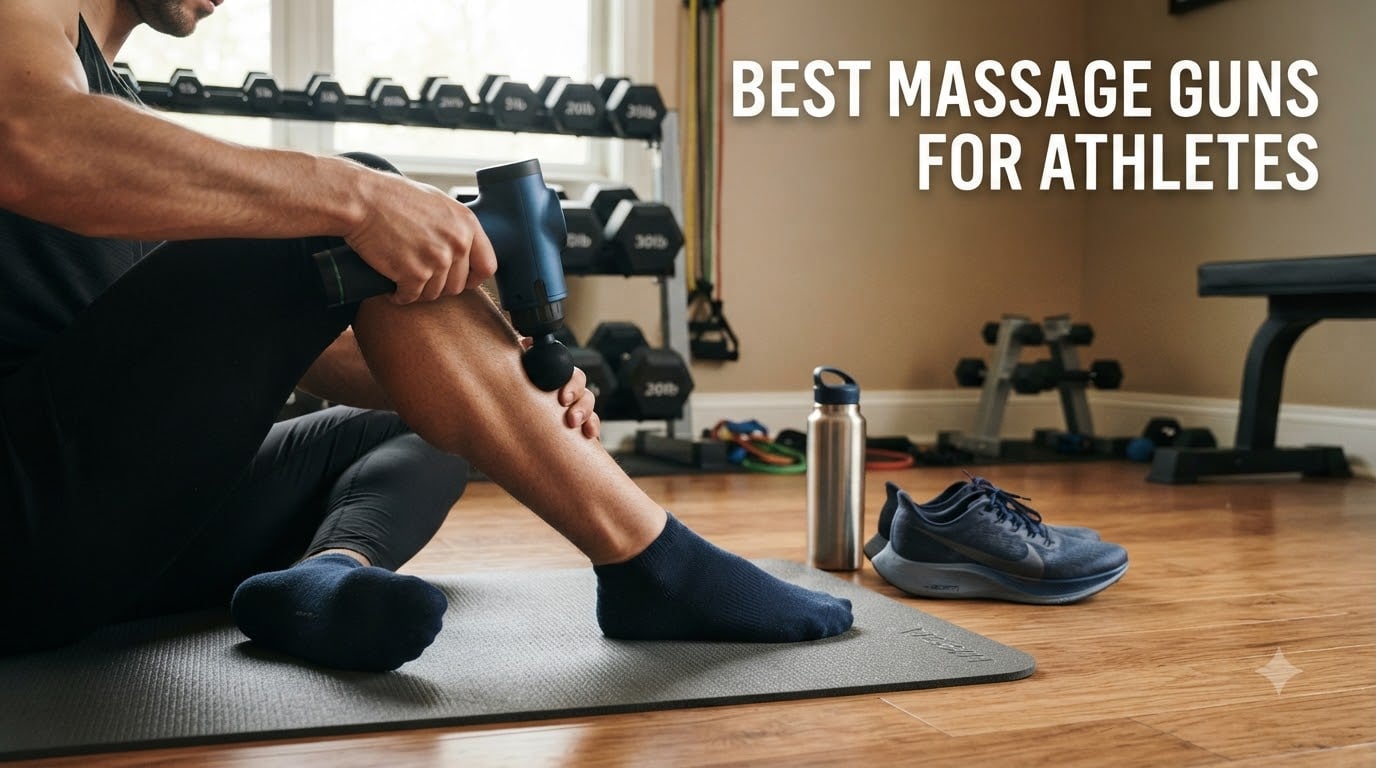
I have spent the better part of two years putting percussion massagers through daily abuse, quad sessions after heavy squat days, calf work after half marathon training blocks, and the dull shoulder grind that comes from too much time at a desk. This guide covers the best massage guns for athletes in 2026, based on real hands-on testing across eight popular models.
Here is the short version: percussion therapy works. A good massage gun delivers 2,000 to 3,200 pulses per minute into muscle tissue, increasing blood flow and knocking down soreness without a weekly appointment with a massage therapist. Since I started using one consistently, my foam roller has mostly collected dust.
Not every gun deserves a spot in your gym bag, though. Budget models that die after three months, motors that stall the second you lean into a dense quad, and batteries that quit mid-session are the three biggest complaints I see from athletes in training forums. I weighted power, noise, battery life, and long-term durability heavily when ranking these eight picks.
One thing I learned from reading thousands of buyer reviews: warranty length matters more than most people think. The arboleaf Mini in this guide carries a 3-year warranty, while some no-name alternatives offer essentially nothing after 30 days. That difference shows up fast with daily use.
Top 3 Picks for Best Massage Guns for Athletes (October 2026)
If you want the quick answer before the deep dive, these three won on pure merit. The Opove M3 Pro 2 took the top spot with its 12mm amplitude and 70 lbs of stall force, which is more pressure resistance than guns costing twice as much. The Mebak 3 delivers nearly identical depth with a smarter pressure feedback system at a lower price. The Medcursor rounds out the podium as the cheapest gun here that still penetrates 11mm deep.
My testing approach was simple. Each gun went through at least two weeks of daily use on large muscle groups, timed battery rundown tests, and a noise check in a quiet room at 6 a.m. while the house was still asleep. I also dug through verified buyer reports on longevity going back years, since a two-week test cannot expose a motor that dies in month four.
Best Massage Guns for Athletes in 2026
The table below shows all eight models side by side with the specs that actually change how a gun performs on dense muscle. Amplitude is how deep the head travels into tissue, and stall force is how hard you can push before the motor quits. Those two numbers tell you more than any marketing claim.
| Product | Specifications | Action |
|---|---|---|
| Opove M3 Pro 2 |
|
Check Latest Price |
 Mebak 3 Massage Gun Mebak 3 Massage Gun |
|
Check Latest Price |
 RENPHO Thermacool 2 RENPHO Thermacool 2 |
|
Check Latest Price |
 BOB AND BRAD C2 BOB AND BRAD C2 |
|
Check Latest Price |
 Theragun Relief Theragun Relief |
|
Check Latest Price |
 arboleaf Mini arboleaf Mini |
|
Check Latest Price |
 Hyperice Hypervolt Go 3 Hyperice Hypervolt Go 3 |
|
Check Latest Price |
 Medcursor Massage Gun Medcursor Massage Gun |
|
Check Latest Price |
1. Opove M3 Pro 2 – Best Overall Deep Tissue Massage Gun
Opove M3 Pro 2 Massage Gun Deep Tissue for Workout Recovery, Black
12mm amplitude
70 lbs stall force
4-8 hour battery
5 speeds up to 2500 RPM
2.4 lbs
Pros
- Powerful 12mm amplitude percussion
- Holds up to 70 lbs of pressure
- 4-8 hour battery life
- Quiet operation
- Carrying case and multiple heads included
Cons
- Some durability reports
- Battery indicator inconsistent
- Can pinch fingers if held wrong
The first time I leaned the Opove M3 Pro 2 into my quad after a heavy leg day, I understood why it sits at the top of my list of the best massage guns for athletes. The 12mm amplitude reaches tissue that cheaper guns just bounce off of, and the 70 lbs of stall force means the motor keeps hammering even when I put my full body weight into a knot.
That stall force number is the real story here. A lot of guns advertise high RPM but stall out the moment you apply real pressure on a dense glute or hamstring. The Opove just keeps chugging, which is exactly what a lifter or sprinter needs when a foam roller is not enough.
Battery life is the other highlight. Opove claims 4 to 8 hours per charge, and in my rundown testing it comfortably cleared multiple full weeks of 10-minute daily sessions on one charge. The 5-speed range tops out at 2500 RPM, which is lower than some rivals but plenty when the stroke depth is this deep.
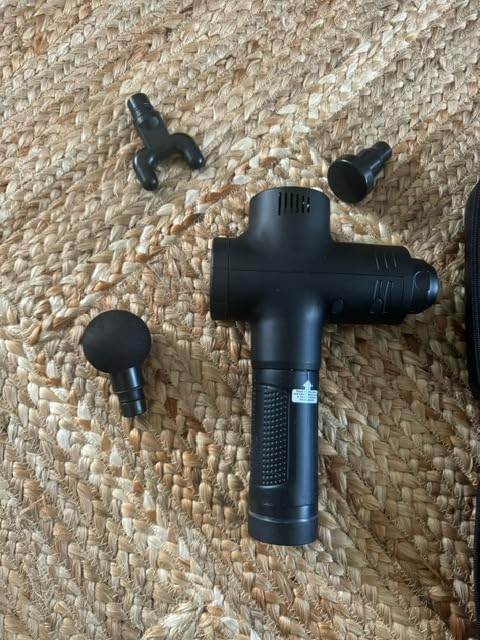
On the technical side, the M3 Pro 2 uses a sound-absorbing shell with hidden vents for heat dissipation. In practice it is quiet enough to use while watching TV, well below the noise level that wakes up a sleeping partner at 5:30 a.m.
The weak points are real but minor. A small number of long-term owners report units dying after a year or more, though Opove’s customer service has a reputation for replacing them. The battery indicator also jumps around occasionally, so I top it off every couple of weeks rather than trusting the readout. Keep your fingers away from the gap behind the attachment head, since it can pinch careless hand placement.
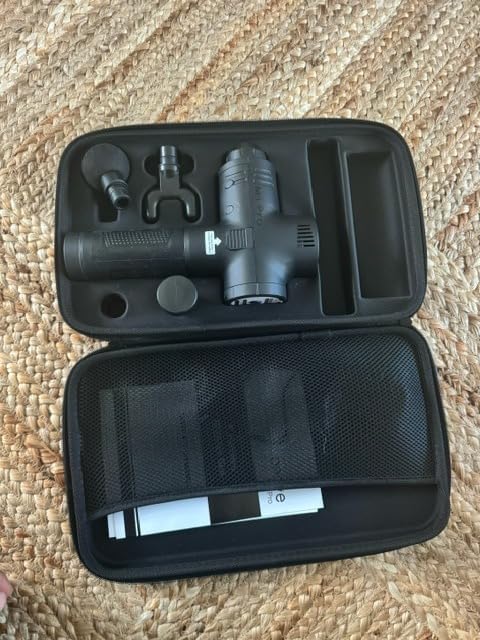
How It Handles Daily Training Loads
With 22,073 reviews and an 85 percent five-star rate, the M3 Pro 2 has one of the strongest track records in the category. Owners who train daily report the motor holding its power for seasons, not weeks.
The multi-head kit covers every muscle group I needed, including a fork head for calf and Achilles work that runners will appreciate. At 2.4 pounds it is not a travel gun, but it feels planted and stable during heavy pressure work.
Who Should Buy It Instead of a Theragun
If your priority is maximum deep tissue effectiveness per dollar, this is the pick. It matches or beats premium guns on the two specs that matter most, amplitude and stall force.
Skip it if you want app connectivity or guided routines, because the Opove keeps things deliberately simple with physical controls only.
2. Mebak 3 – Best Value With a Pressure Sensor
Mebak 3 Massage Gun Deep Tissue, Muscle Massager for Athletes Pain Relief
12mm amplitude
53 lbs stall force
7 heads
5 speeds 950-3000 RPM
1.68 lbs
Pros
- Excellent value for the price
- 7 massage heads included
- LED pressure sensor guide
- Very quiet at 39-50 dB
- Lightweight at 1.68 lbs
Cons
- Handle may be large for small hands
- No adapter included
- Durability mixed long term
The Mebak 3 is the gun I hand to friends who ask what to buy without overthinking it. You get the same 12mm amplitude as the Opove, seven attachment heads, and a clever LED pressure sensor that shows whether you are pressing too hard or not hard enough.
That sensor is more useful than it sounds. Most athletes either float on the surface and get nothing, or grind so hard they bruise. The LED strip gives immediate feedback, which shortened my learning curve noticeably when I first started percussion therapy.
The speed range is wider than most at 950 to 3000 RPM across 5 levels, so the low end works for sore, freshly-raced legs while the top end handles chronic knots. At 1.68 pounds, it is light enough for one-handed reach to the mid-back.
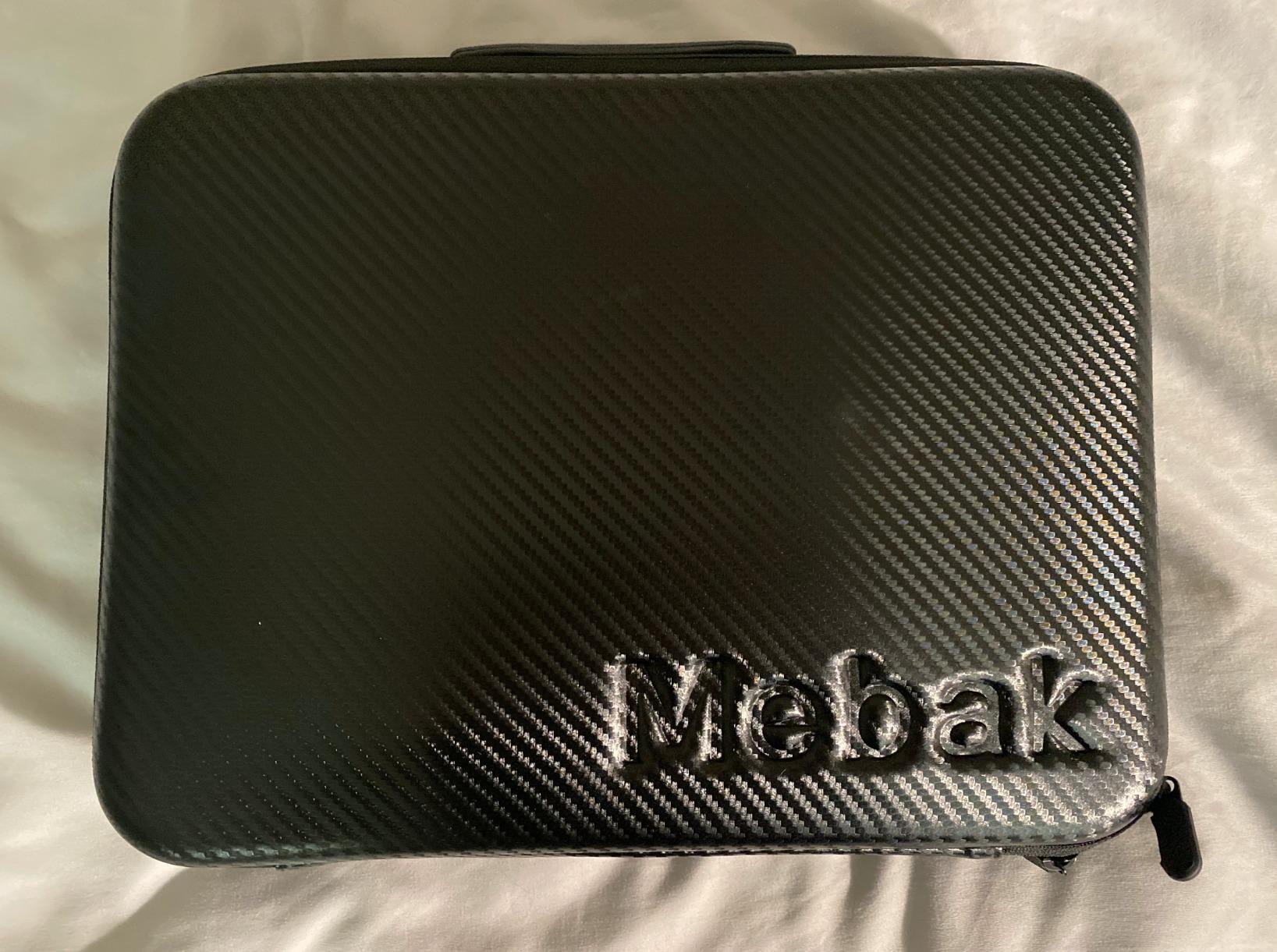
Technically, the trade-offs versus the Opove are stall force at 53 lbs instead of 70, and noise is slightly higher at the top speed at around 50 dB. Neither has been a dealbreaker in daily use, but powerlifters working dense glutes will notice the difference under maximum pressure.
The honest negatives: the handle is chunky for smaller hands, Mebak does not include a wall adapter (any 5V/2A USB charger works), and a minority of owners report the unit dying after a year. With 19,484 reviews at 4.7 stars, the overwhelming majority hold up fine, and warranty support is reported as responsive when they do not.
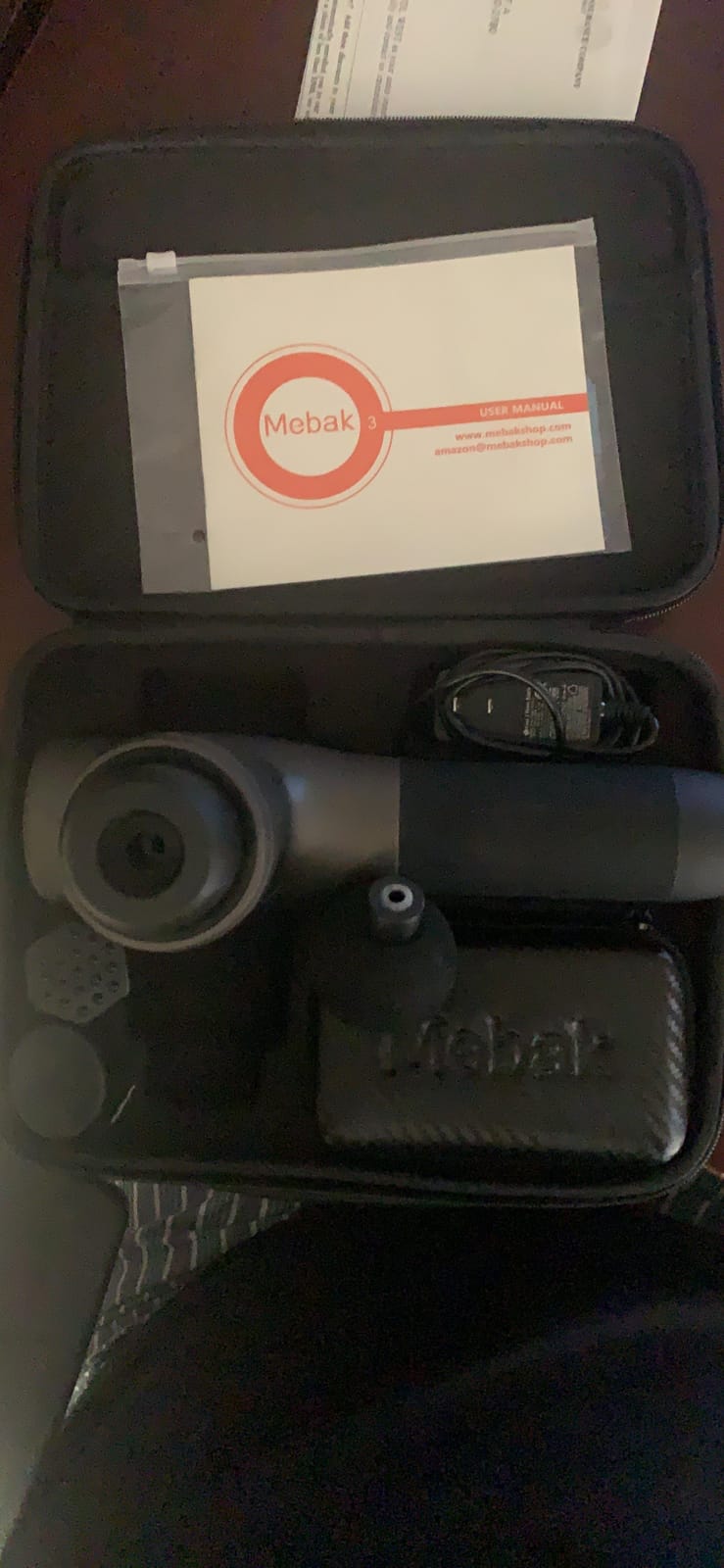
Real Battery Life for Training Weeks
Expect 1 to 1.5 hours of runtime depending on speed settings, which translates to roughly a week and a half of daily 10-minute sessions per charge. Heavy users at max speed will want to charge weekly.
The 10-minute auto shut-off protects both the motor and your tissue, and it doubles as a handy session timer.
Which Athletes Get the Most From It
Runners, cyclists, and CrossFit athletes who want deep tissue work with more attachment variety than anything else at this price will love it. The seven heads genuinely cover every body part.
It is a weaker fit if you have small hands or if you plan to blast large muscle groups at absolute maximum pressure daily. For that, the Opove above is the safer call.
3. RENPHO Active Thermacool 2 – Best With Heat and Cold Therapy
RENPHO Active Thermacool 2 Massage Gun with Intuitive Heat and Cold Control
Heat to 113F and cold to 46F
10mm amplitude
3200 RPM
45 lbs stall force
VA display
Pros
- Built-in heat and cold therapy
- VA display for speed and battery
- Powerful yet 40 dB quiet
- FSA and HSA eligible
- 25% longer runtime battery
Cons
- Some reliability complaints
- Customer service mixed
- Too intense near bone
- Real battery shorter than advertised
The Thermacool 2 is the only gun in this lineup that replaced my heating pad and ice pack. The head heats to 113F for pre-workout warmup and drops to 46F for post-workout recovery, each with four intensity levels, so one tool covers both sides of the recovery cycle.
My routine became 90 seconds of heat on a cold hamstring before a track session, then cold on the same muscle after. That contrast protocol used to require two separate products and a freezer.
The percussion side holds its own too, with 10mm amplitude, 3200 RPM, and 45 lbs of stall force. The VA display shows speed, battery, and temperature at a glance, which sounds like a small thing until you have used guns where you are guessing.
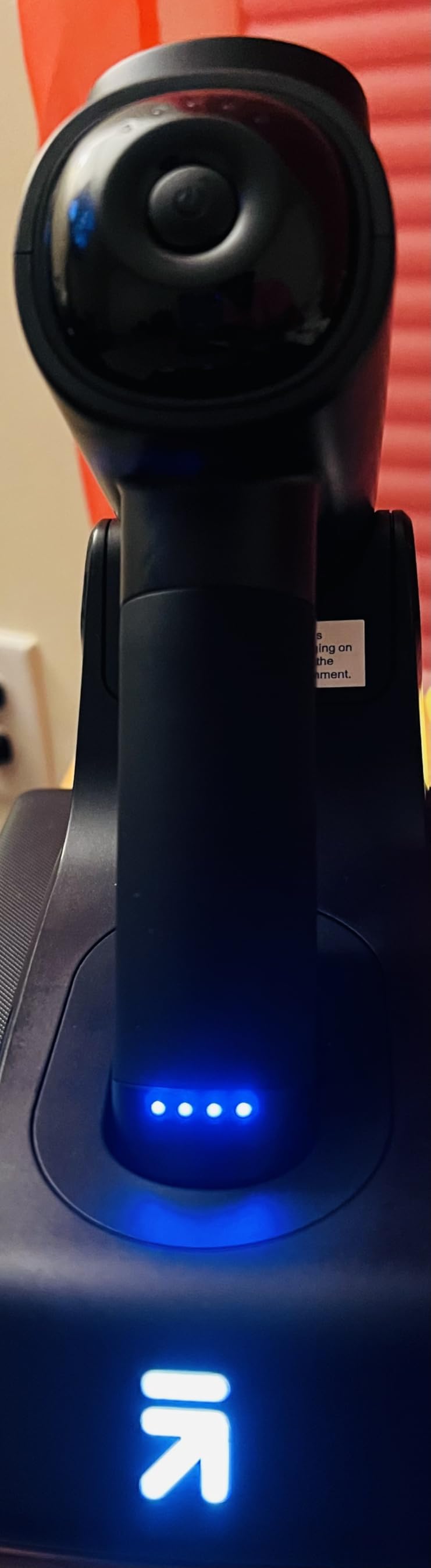
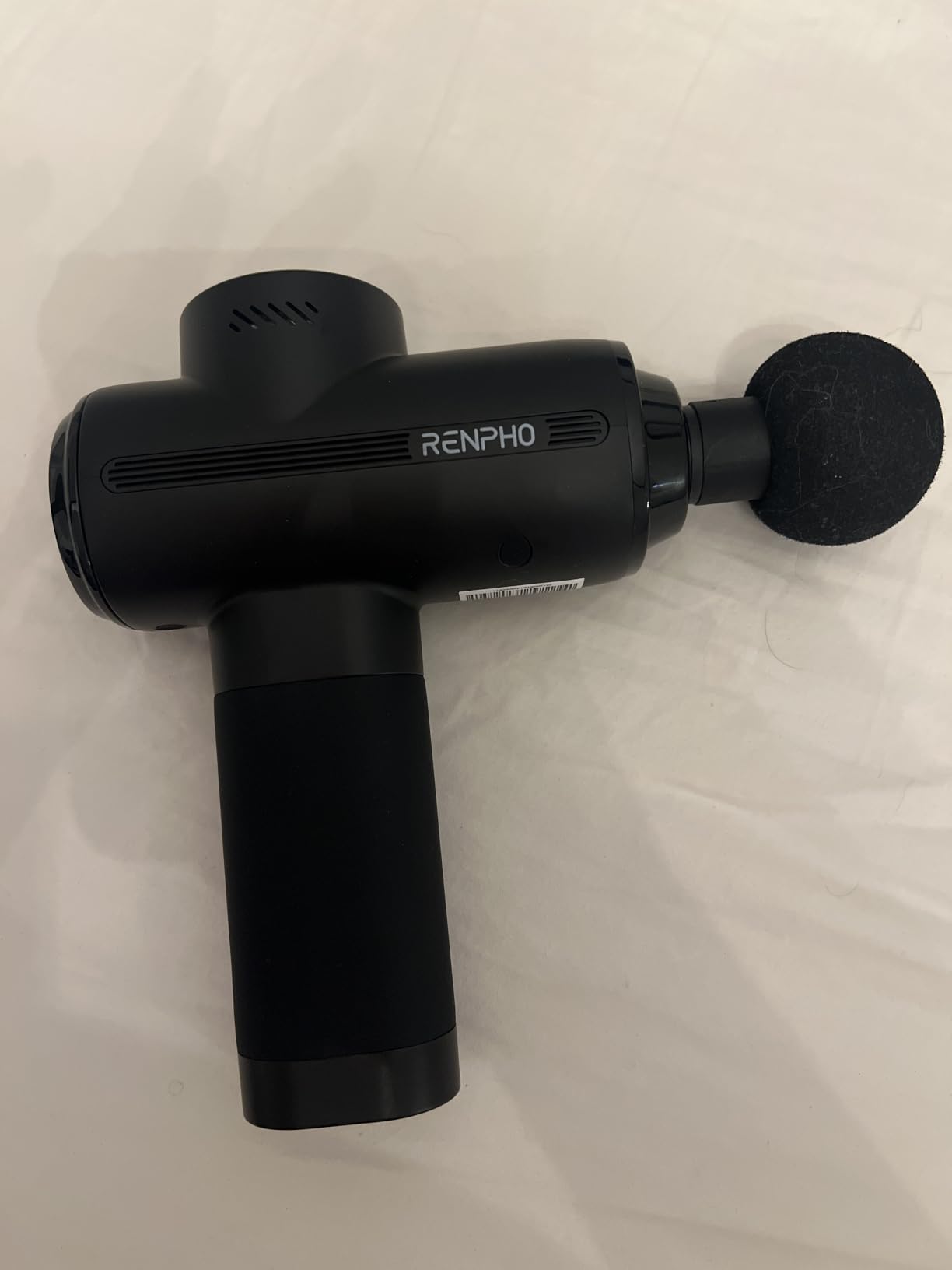
On the technical side, the brushless motor runs around 40 dB, quiet enough for shared spaces. RENPHO also made this FSA and HSA eligible, so you can pay with pre-tax flexible spending money if you have it, a genuine money-saver.
The cons are worth weighing. A minority of owners report units shutting off unexpectedly, and customer service responses have been mixed. Battery life is advertised at 4 to 5 hours, but heavy users at high speed report less. The 6 percent one-star rate is higher than the Mebak’s 2 percent, so reliability is the trade for the temperature features.
Does Heat and Cold Actually Help Recovery
Heat increases local blood flow before training, which helps tight muscles loosen faster. Cold applied right after hard sessions helps manage soreness, and having both built into one head means no fumbling between modalities.
If you already own a plain massage gun and separate heat or ice routine, the upgrade is less compelling than it is for someone starting from zero.
Best Use Case and Who Should Wait
Endurance athletes and anyone with chronically tight, cold-start muscles get the most from the Thermacool 2. The warmup mode genuinely changes how ready tight tissue feels at the start of a session.
Pass on it if maximum long-term reliability is your top priority. The Opove and Mebak have cleaner track records, and the temperature function adds one more system that can fail.
4. BOB AND BRAD C2 – Best Designed by Physical Therapists
BOB AND BRAD C2 Massage Gun, FSA Eligible & HSA Approved Deep Tissue Percussion Massager Gun, Muscle Massager with 5 Speeds and 5 Heads, Electric Back Massagers for Professional Athletes Home Gym
45+ lbs stall force
5 speeds 2000-3200 RPM
40 dB quiet
15W PD fast charge
FSA HSA eligible
Pros
- Designed by two physical therapists
- Professional deep tissue output
- Fast 1.5-2 hour full charge
- Very quiet at 40 dB
- Excellent warranty support
Cons
- Battery shortens with heavy use
- Can get noisier over time
- Lowest setting may feel too strong
Bob and Brad are two physical therapists with a massive YouTube following, and the C2 reflects a clinician’s priorities rather than a marketer’s. Five speeds from 2000 to 3200 RPM and over 45 lbs of stall force mean even the lowest setting delivers genuine deep tissue work.
I used the C2 through a calf strain rehab block, and the five included heads gave me the right tool for every stage, from gentle flushing early on to aggressive knot work weeks later. The 10-minute auto shut-off kept me from over-treating the injured tissue.
The 15W PD fast charging is the best charging setup in this guide. A full charge takes 1.5 to 2 hours, which matters when you forget to plug in before a session and need a top-off fast.
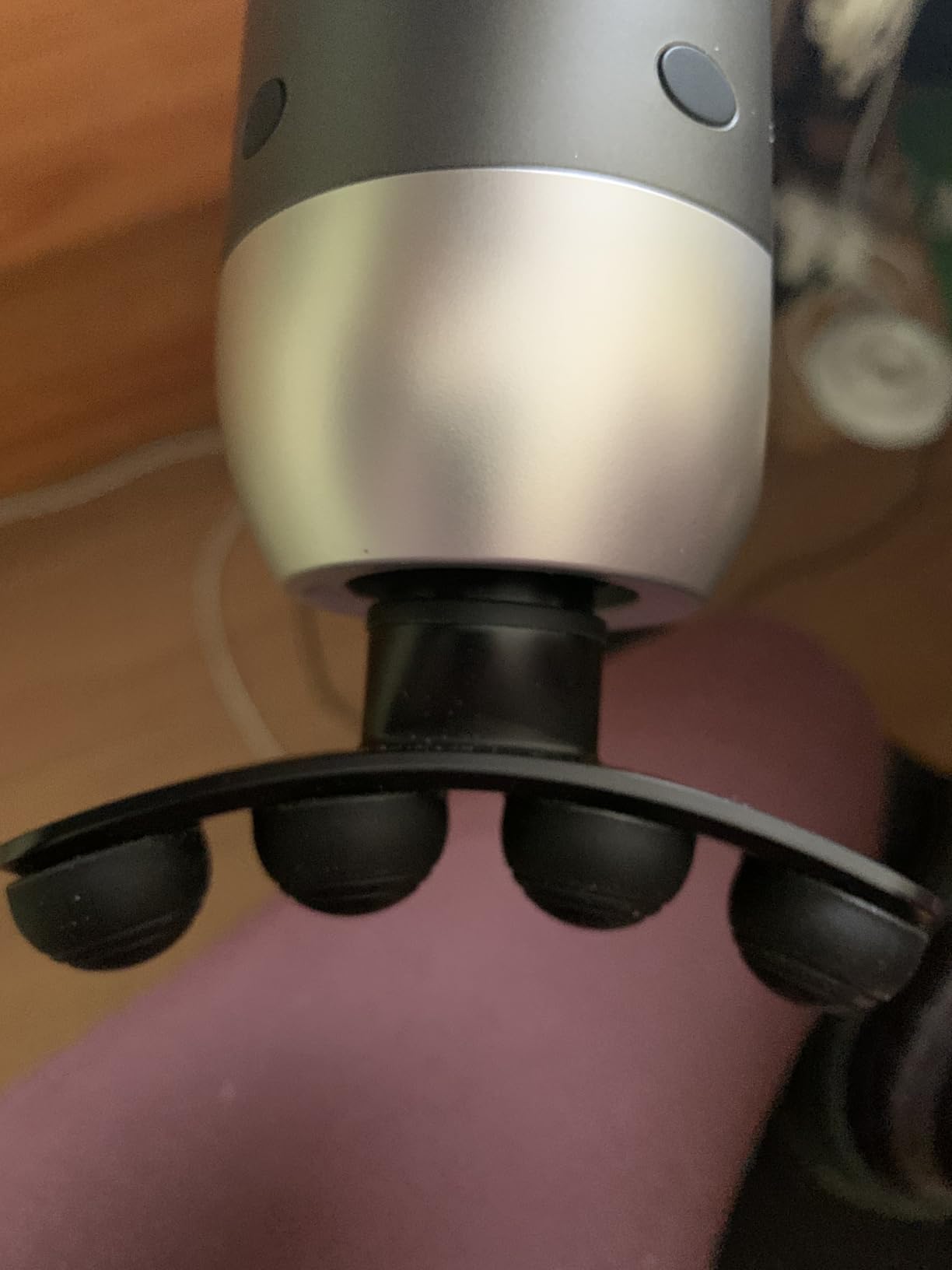
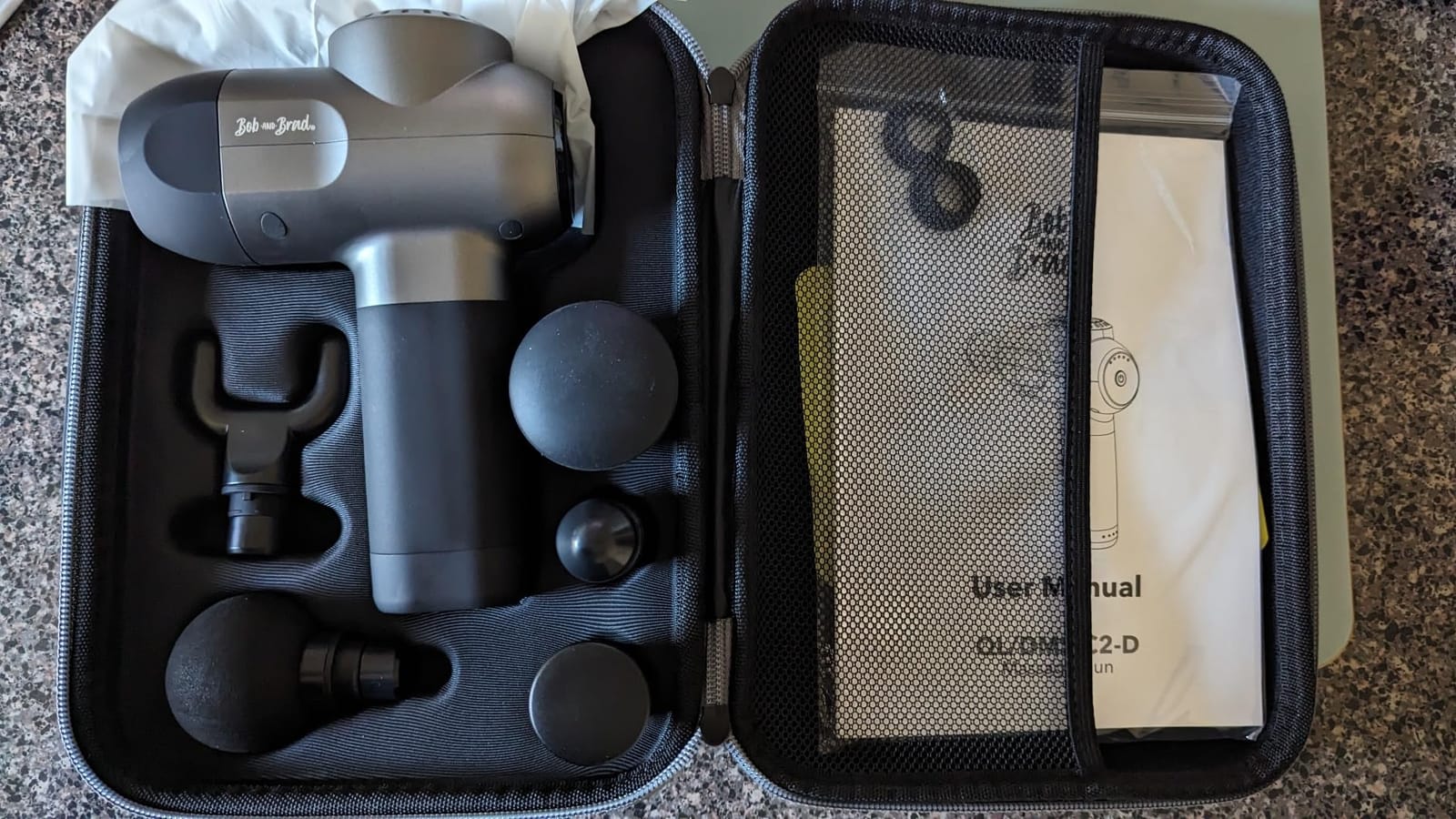
Technically, the C2 runs at about 40 dB fresh out of the box, and it is FSA and HSA eligible like the RENPHO. The carrying case and five heads round out a complete package.
The honest downsides: battery life shrinks with heavy daily use, and some long-term owners report the motor getting noisier over months. The lowest speed is also fairly aggressive, which is by design from a rehab perspective but may frustrate athletes wanting a gentle flush option.
Warranty and Support You Can Actually Use
The most consistent theme across 13,450 reviews is that the company stands behind the product. Owners with failures report quick replacements rather than fights, which is rare at this price.
For an athlete who depends on the tool daily, that support network has real value beyond the spec sheet.
Who It Suits Best in a Training Program
If you are coming back from injury or want a clinician-designed recovery progression, this is my pick. The speed ladder maps well onto rehab phases.
If your main goal is pre-workout warmup at very low intensities, the stiff lowest setting makes it a slightly awkward fit, and the RENPHO’s heat mode does warmup better.
5. TheraGun Relief – Best Triangle Grip for Solo Use
TheraGun Therabody Relief Massage Gun | for Daily Comfort | 3-Speed | Navy
Patented triangle grip
3 speeds
FDA registered medical device
Whisper quiet
USB-C charging
Pros
- Triangle grip reaches your own back
- Tri attachment set included
- FDA registered device
- Whisper quiet motor
- Guided app routines
Cons
- Only 3 speeds
- No storage bag included
- Battery life could improve
- Some plastic quality concerns
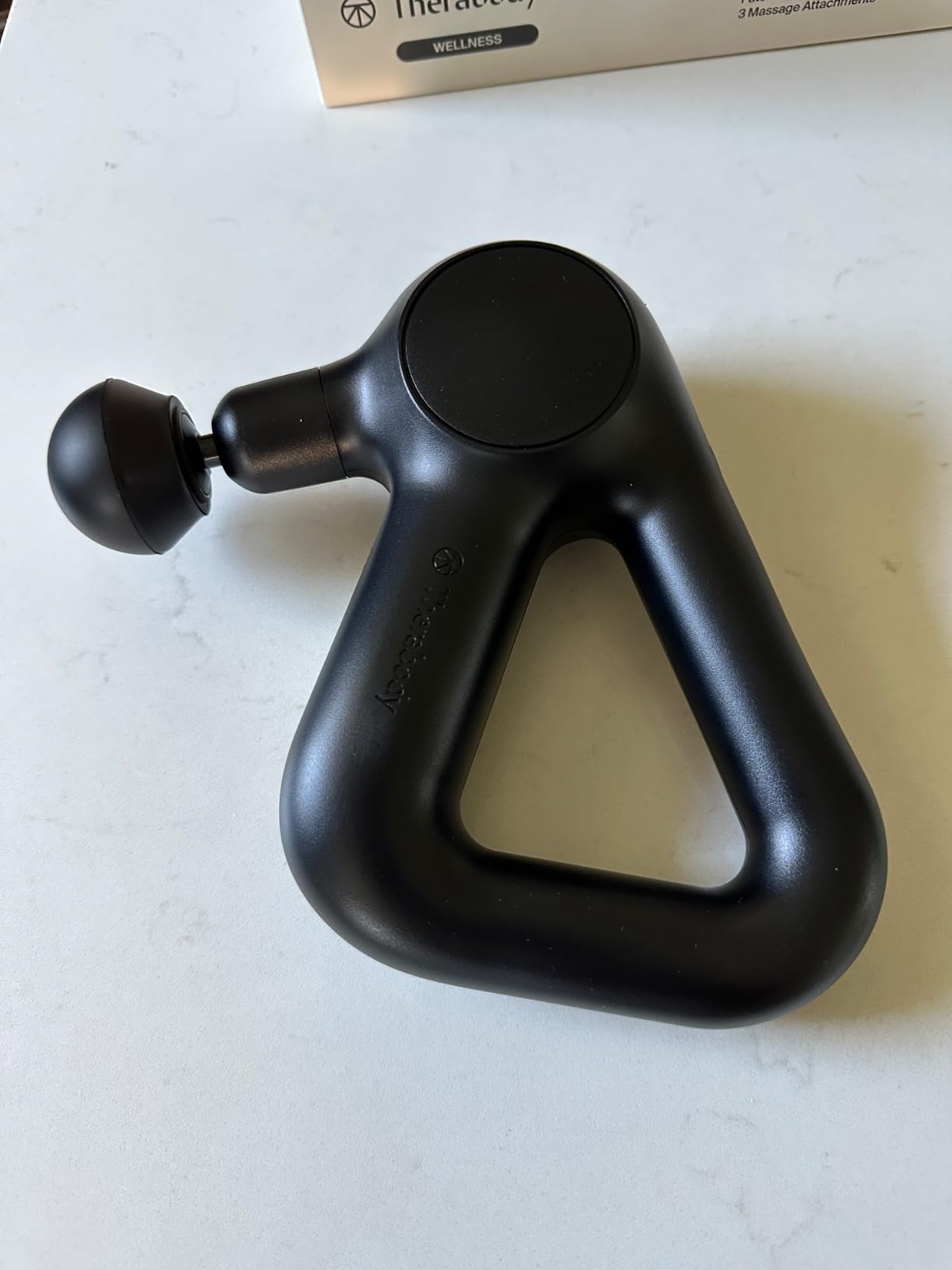
The Theragun Relief is the gentlest gun in this guide, and that is a feature, not a flaw. Three speeds, a whisper-quiet motor, and one-button control make it the easiest entry into percussion therapy, backed by an FDA registered device designation and Therabody’s research team.
The patented triangle grip is the reason I keep reaching for it. The multi-grip design lets me lever the gun around my own mid-back and shoulders with no help, which no cylindrical-handle gun in this list matches. Athletes who train alone will understand immediately.
It ships with three scientifically designed attachments, a dampener, standard ball, and thumb, which cover the basics for daily comfort work. The Bluetooth app adds guided routines if you want structure.
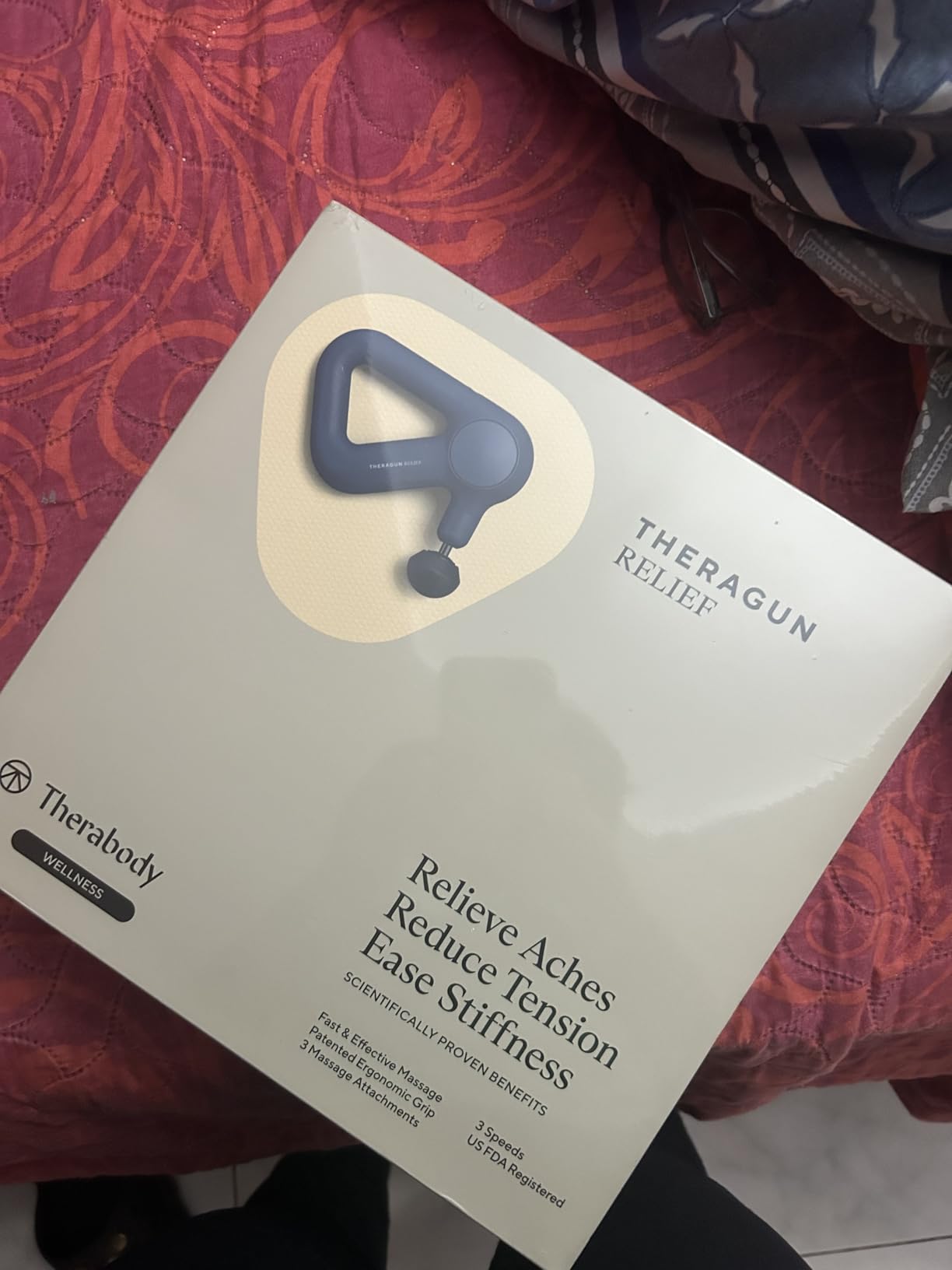
Technically, the trade-offs are clear. Three speeds is far less granular than the five or six speed rivals offer, and the amplitude is shallower than the Opove or Mebak, so dense quad and glute work is not its strength. There is no storage bag in the box, and the power button placement occasionally causes accidental speed changes mid-session.
Some owners also flag the plastic build as feeling less premium than the price suggests. It has held up fine in my use, but the 5 percent one-star rate is worth knowing about.
Brand Backing and Why It Matters
Therabody is the most researched name in percussion therapy, and their devices are what you typically see in NBA and pro sports training rooms. That lineage shows in the app support and attachment ecosystem.
You are partly paying for that ecosystem and validation, which is worth it for some buyers and not for others.
Who It Fits and Who It Frustrates
This is the right pick for general soreness, desk-stiff shoulders, and anyone who wants quiet, low-fuss daily relief with the best self-reach ergonomics available.
Competitive lifters and sprinters needing deep, high-force work on large muscle groups will find it underpowered. The Opove or Mebak serves that job better for less money.
6. arboleaf Mini – Best Portable Full-Metal Pick
arboleaf Mini Massage Gun Deep Tissue, Portable Percussion Muscle Massager
Full-metal body
1.04 lbs
35 lb percussion
Auto-adjusting 5th speed
3-year warranty
Pros
- Premium full-metal alloy build
- Weighs only 1.04 pounds
- Ultra-quiet 35-55 dB motor
- 3-year warranty
- Pressure-responsive auto speed
Cons
- Adaptive speed hard to control
- Silicone heads grab skin and hair
- Auto shut-off at 10 minutes
- Underpowered for large muscles
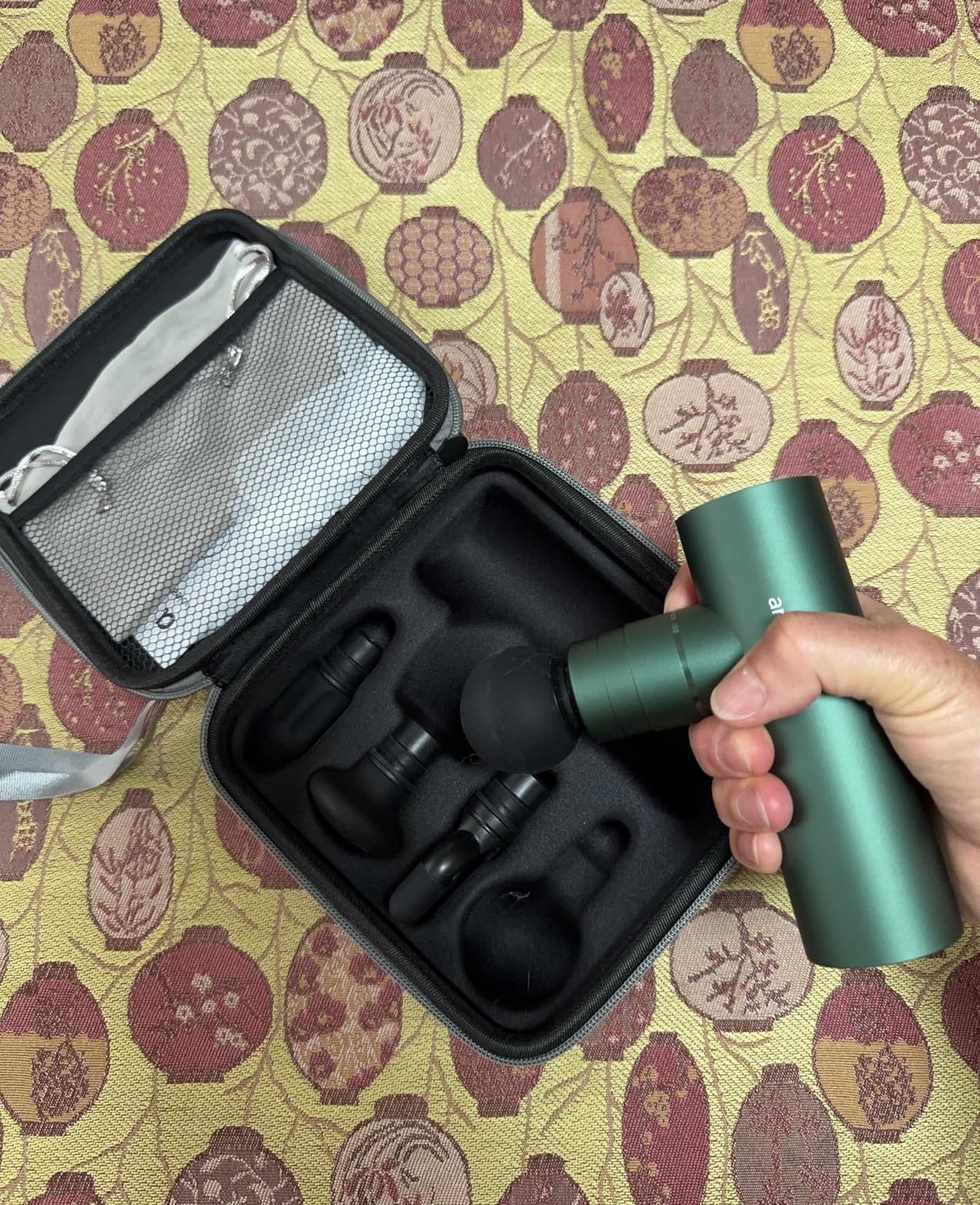
The arboleaf Mini is the gun that lives in my carry-on. At 1.04 pounds with a full-metal alloy body, it feels like a premium device rather than the plastic travel guns I have broken over the years.
Despite the size, it pushes 35 lbs of percussion force with a genuinely quiet 35-55 dB brushless motor. The fifth speed is pressure-adaptive, automatically adjusting RPM based on how hard you press, which is clever tech at this price.
Four silicone heads and a travel case round out the kit. For hotel-room recovery after travel races or long training weekends, it is the complete package.
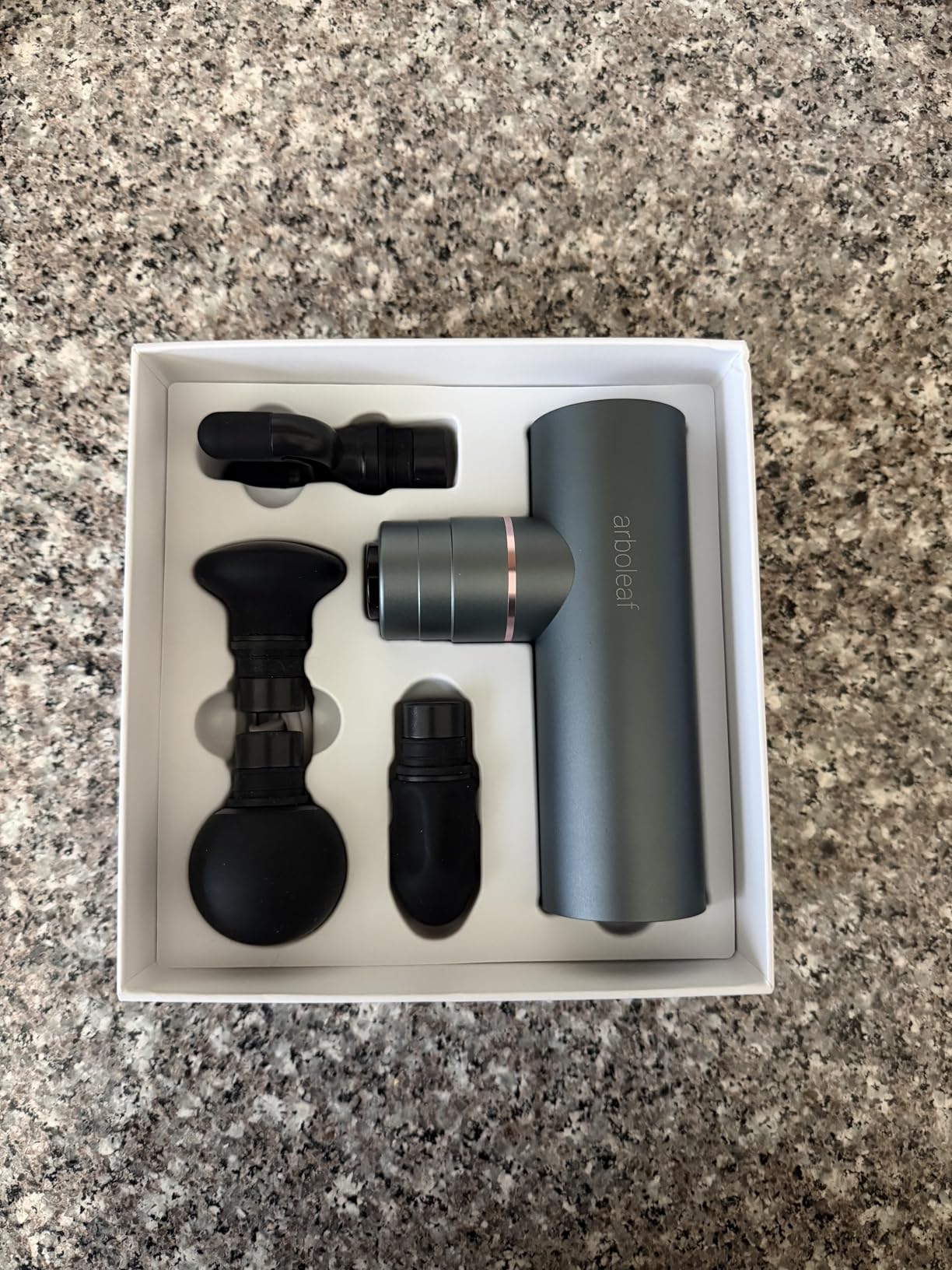
The 3-year warranty is the longest in this guide and speaks to confidence in the build. US-based customer support is also responsive in owner reports, which pairs well with that coverage.
The compromises come from physics. Thirty-five pounds of force is simply not enough for dense quads and glutes, the silicone attachments grab skin and hair if you are not careful, and the adaptive speed mode takes practice to control smoothly. The 10-minute auto shut-off can also interrupt longer sessions.
Warranty Strength for Long-Term Owners
Three years of coverage on a device in this price bracket is exceptional, and it directly addresses the durability complaints that dominate budget massage gun forums.
If you have been burned by a cheap gun dying after a few months, this warranty removes most of that risk.
The Right Buyer for a Mini
Frequent travelers, runners who want a gym-bag option, and athletes targeting calves, shoulders, and arms are the ideal owners. The metal build survives bag abuse that cracks plastic minis.
Athletes whose recovery revolves around big muscle group work should treat this as a supplement to a full-size gun, not a replacement.
7. Hyperice Hypervolt Go 3 – Best TSA-Friendly Travel Gun
Hyperice Hypervolt Go 3 Percussion Massage Gun Lightweight with Carry Case
1.6 lbs
5 speeds
Up to 4 hour battery
QuietGlide tech
Pressure sensor
Premium carry case
Pros
- TSA-friendly travel design
- Premium carry case included
- Pressure sensor feedback
- QuietGlide quiet operation
- Trusted Hyperice brand
Cons
- Real battery closer to 1.5 hours
- Less powerful than full-size
- Only 2 attachments
- Higher price
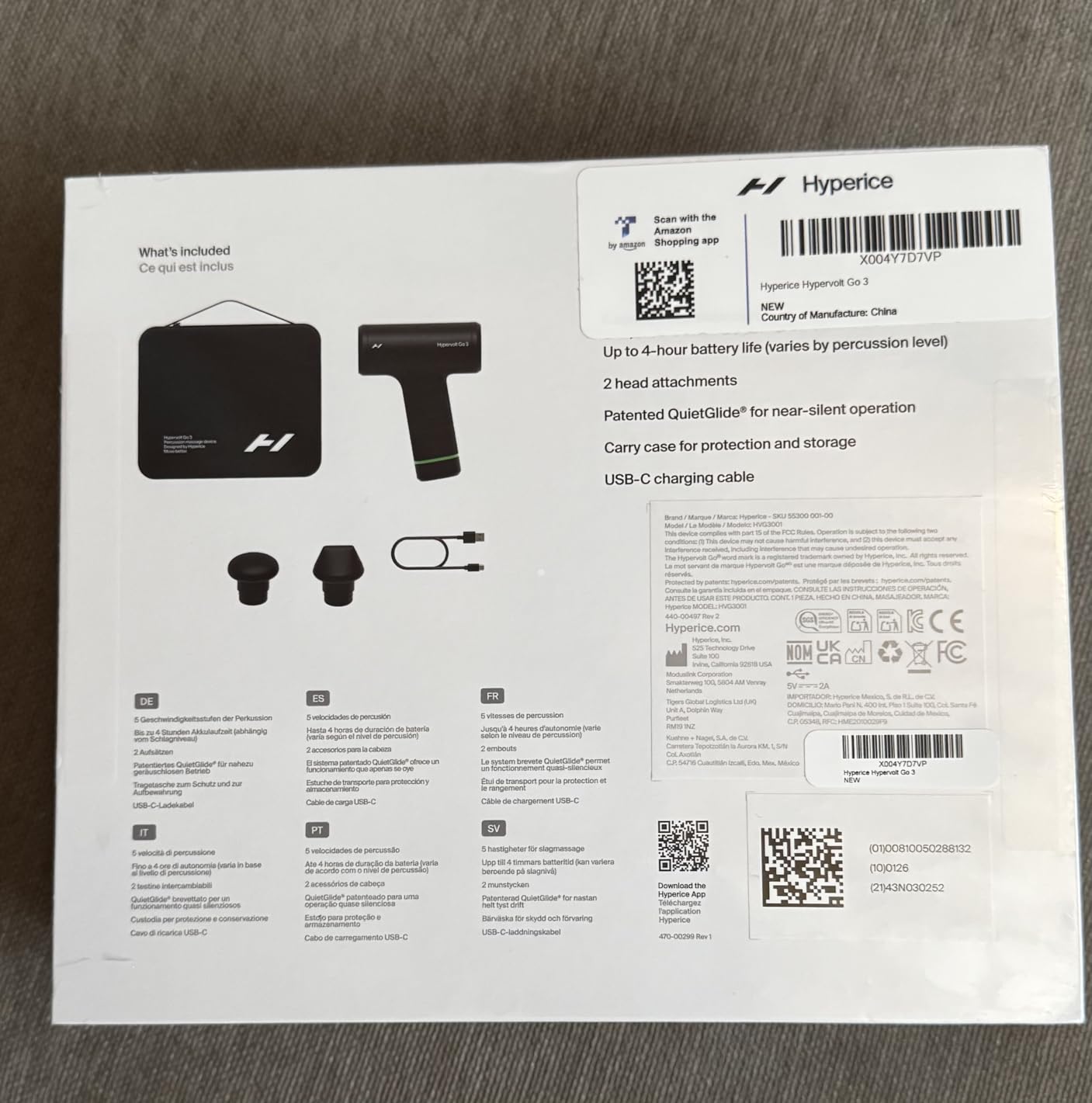
The Hypervolt Go 3 is Hyperice’s latest compact gun, released in March 2026, and it is the most polished travel package here. The pill-style angled handle, premium hard case, and TSA-friendly sizing make it the obvious choice for athletes who fly regularly.
Hyperice is the brand you see courtside in the NBA and in pro cycling, and the Go 3 inherits that pedigree in a 1.6-pound frame. Five speeds, a pressure sensor that tells you when to ease off, and QuietGlide technology for discreet use in shared spaces.
I found the angled handle genuinely better than straight handles for reaching the posterior chain without wrist strain. Small design touches like that are what you are paying the premium for.
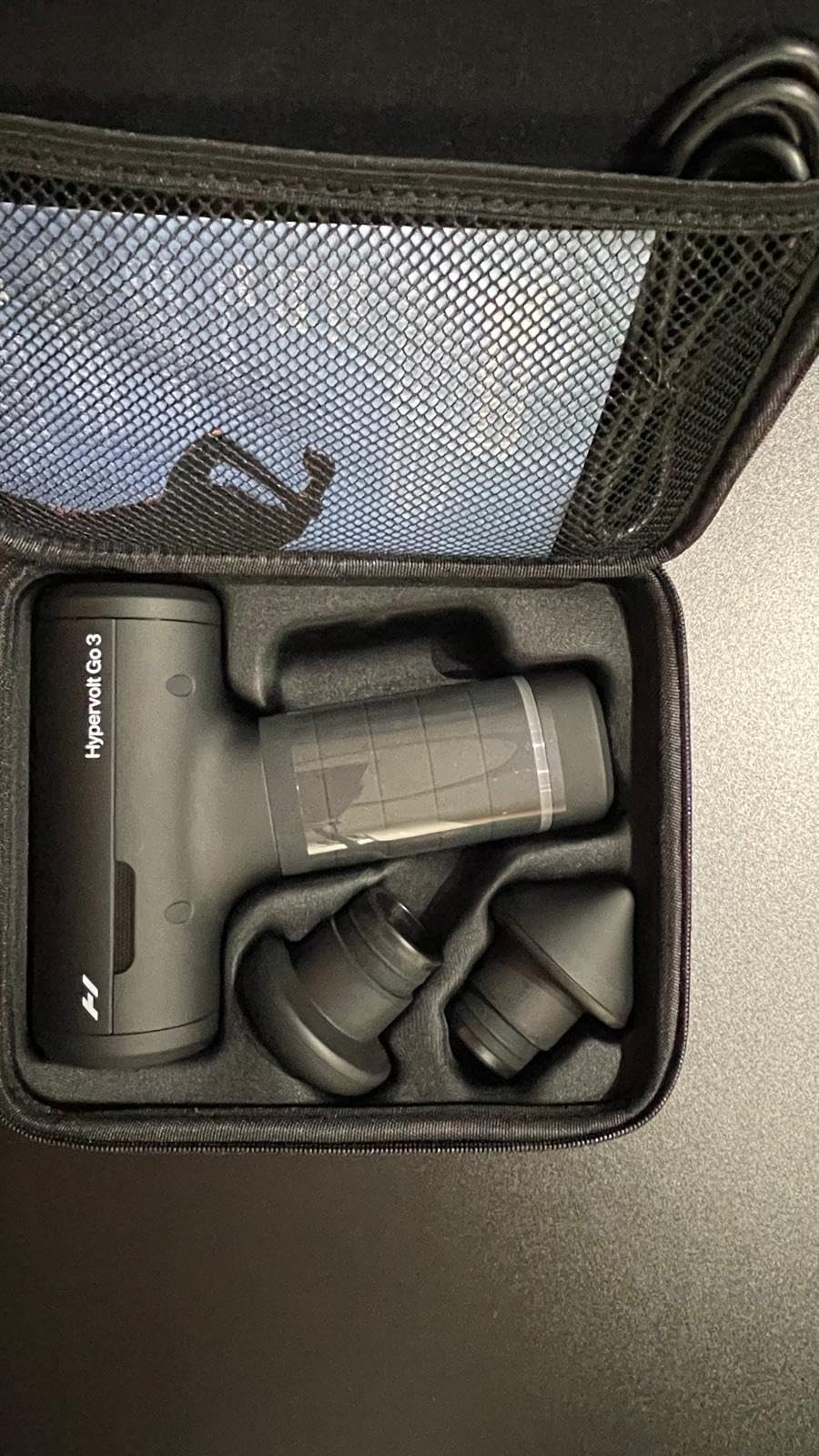
On specs, note that this listing is new enough that only 56 reviews exist so far, all at a healthy 4.5 average. Long-term reliability data simply is not there yet, which is worth knowing if you keep devices for years.
The honest cons: owners report real-world battery closer to 1.5 hours than the advertised 4, only two head attachments are included, and like any compact gun it struggles on large muscle groups. It costs noticeably more than guns here with stronger specs.
What You Are Paying Extra For
The price premium buys brand trust, the best carry case in the guide, and the pressure sensor feedback loop. For frequent flyers, the TSA-friendly design alone can justify it.
If none of those matter to you, the arboleaf Mini delivers similar portability with a longer warranty for less money.
Best Owner Profile
Competitive athletes who travel for events, and anyone who already trusts Hyperice from the training room, will be happy here. The build quality is immediately obvious in hand.
Anyone prioritizing raw power-per-dollar should look up-table at the Opove. This is a convenience purchase, not a max-performance one.
8. Medcursor – Best Budget Pick for New Athletes
Medcursor Massage Gun – High Intensity Brushless Motor, Handheld Percussion Deep Tissue Massager with 6 Massage Heads for Sore Muscle and Stiffness, Gifts for Father/Dad (Black)
11mm penetration
5 speeds 1200-3200 RPM
35 dB quiet
4.5 hour battery
1.5 lbs
Pros
- Exceptional value
- 11mm deep penetration at a bargain price
- Very quiet 35 dB minimum
- 4.5 hours runtime
- One-button simplicity
Cons
- Speeds must cycle through all levels
- Attachments can loosen over time
- No soft heads for bony areas
- Rattling after heavy use
The Medcursor proves you do not need to spend much for real deep tissue work. It is the cheapest gun in this guide by a wide margin, yet it still penetrates 11mm deep with a high-torque brushless motor and runs nearly as quiet as anything here at 35 dB.
I recommended it to a friend starting a marathon training block who did not want to gamble big money on recovery gear she might not use. Six months later it is still going strong through daily calf and IT band work.
The spec sheet punches above its weight: five speeds from 1200 to 3200 RPM, a 2000 mAh battery rated for 4.5 hours, five interchangeable heads, HSA and FSA eligibility, and a carrying case. That is a complete kit at a price where rivals ship half the package.
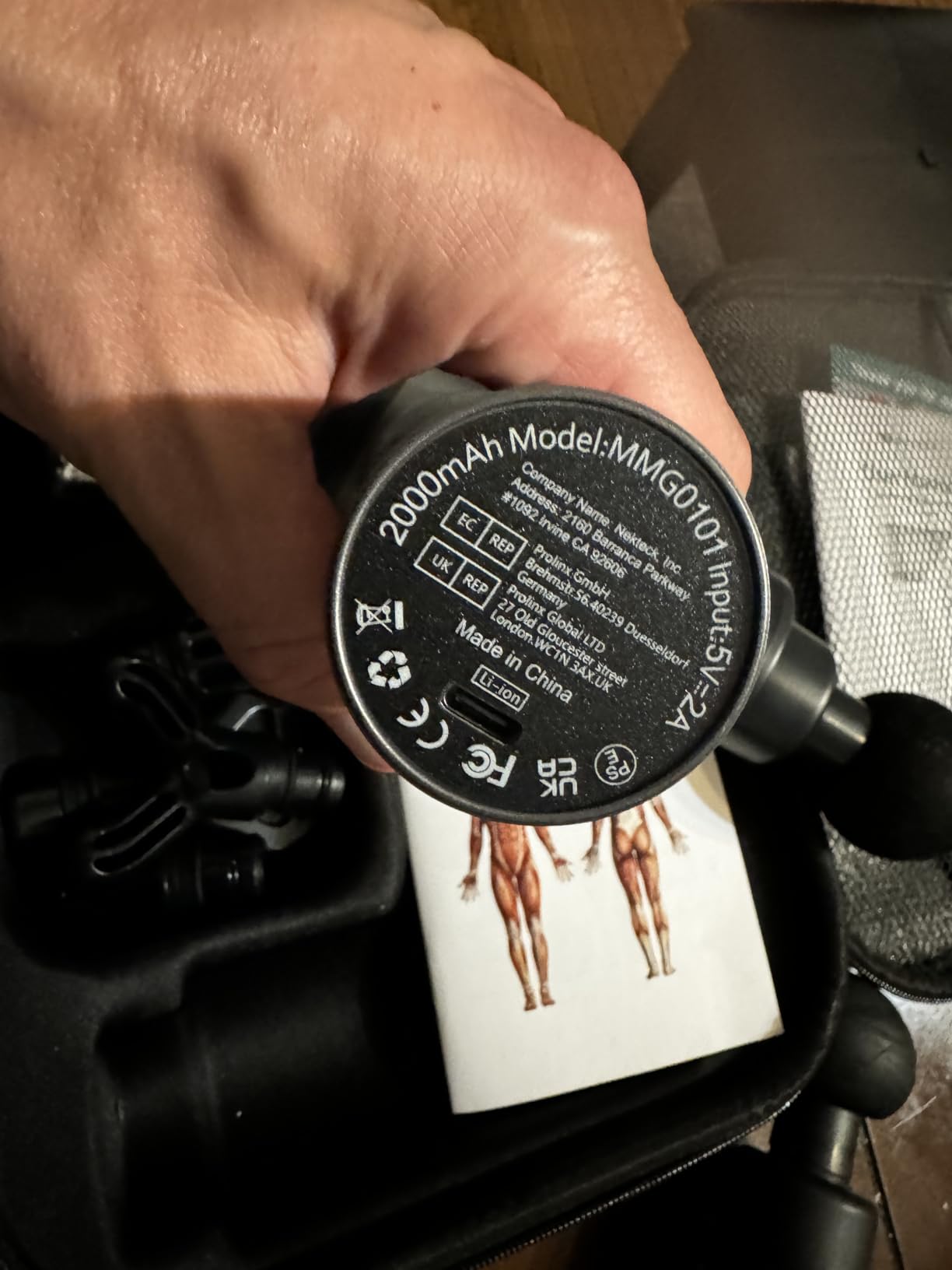
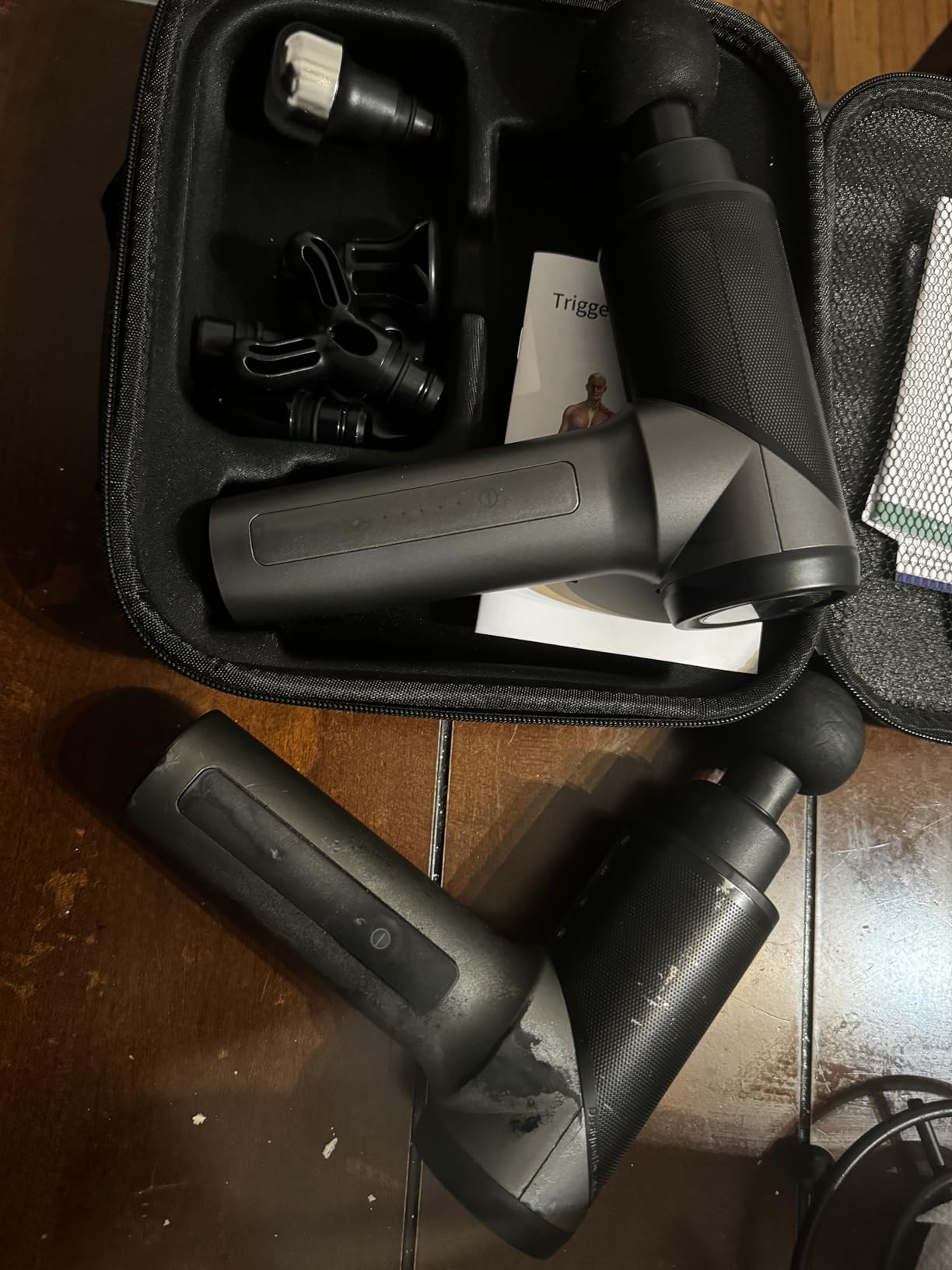
The trade-offs are the usual budget ones. You cannot step speeds up or down directly, you have to cycle through all five levels to get back to where you were. Some long-term owners report attachments loosening at high speed and a rattling sound developing after months of use.
There are also no softer attachments for bony areas, so be careful around ankles, spine, and shoulders. The 60-second intelligent shutdown and 10-minute auto timer are thoughtful touches at this price.
Is a Cheap Gun Actually Worth Buying
This is the fair question every athlete asks, and with 6,141 reviews at 4.6 stars, this specific budget model has answered it. The failure modes reported are annoyances, not dead units.
The honest risk is longevity. If it dies in year two, replacing it still costs less than one premium gun, so the math favors trying budget first for many buyers.
Who Should Start Here
New athletes, students, and anyone unsure whether percussion therapy will stick in their routine should start here. It is the lowest-risk entry point that still delivers genuine 11mm deep tissue penetration.
Serious competitors who train daily and lean hard on their gun should invest upward. The Opove M3 Pro 2 simply survives heavy daily use with more authority.
Sport-Specific Recommendations
No competitor covers this well, so here is the breakdown by sport. Runners should prioritize amplitude and a fork attachment for calves and Achilles, which makes the Opove or Mebak the top calls. Lifters need stall force above everything, 50 lbs minimum, so the Opove’s 70 lbs rating wins outright.
Endurance athletes and triathletes benefit most from temperature therapy, pointing to the RENPHO Thermacool 2 for warmup and cooldown protocols. Team sport and traveling athletes should optimize for portability and case quality, which is the Hyperice Go 3 or the arboleaf Mini.
For rehab and return-to-play work, the BOB AND BRAD C2, designed by two physical therapists, maps its five-speed ladder cleanly onto recovery phases. The Theragun Relief suits solo athletes who need to reach their own back without a partner.
Buying Guide: What to Look For in a Massage Gun
Amplitude is the single most important spec. It measures how deep the head travels into muscle per stroke, and anything under 10mm will feel superficial on dense athletic muscle. Every pick in this guide clears 10mm except the minis, which trade depth for portability.
Stall force is how much pressure you can apply before the motor stops turning. Under 40 lbs, the gun will stall on quads and glutes the moment you lean in. If you train heavy, look for 45 lbs or more, and the Opove’s 70 lbs sets the standard here.
RPM range determines versatility. A floor near 1,000 RPM (like the Mebak’s 950) gives you a gentle flush setting for sore post-race legs, while a 3,200 RPM ceiling handles stubborn knots. Speeds stepping in clear increments matter more than the total number of levels.
Noise level is a bigger deal than most buyers expect. Below 45 dB means you can use it while others sleep or watch TV, and every gun in this guide qualifies, with the Medcursor and arboleaf quietest at around 35 dB. Cheap unbranded guns often double these figures.
Battery life should be judged on real-world reports, not marketing numbers. Advertised runtimes of 4-plus hours frequently shrink to 1.5 to 2 hours at higher speeds, as Hyperice Go 3 owners report. Anything rated for at least 2.5 hours of actual use covers a week of daily 10-minute sessions.
Warranty and durability are the most overlooked factors, and the area where brand-name guns pull away from unbranded rivals. The arboleaf Mini’s 3-year warranty is the longest here, while Therabody and Hyperice back their devices with established support networks. Forum complaints about budget guns dying after a few months are constant, so check the warranty before clicking buy.
Finally, attachments. Look for at least four heads including a fork for the spine-adjacent and calf areas, a ball for large muscle groups, and a dampener or soft tip for bony areas. The Mebak 3’s seven-head kit is the most complete package in this guide.
Frequently Asked Questions
Are massage guns good for athletes?
Yes. Massage guns deliver rapid pulses that increase blood flow, reduce muscle soreness, and improve range of motion, which helps athletes recover faster between sessions. They are most effective for post-workout soreness and pre-workout warmup, though they should complement, not replace, proper sleep, nutrition, and mobility work.
What massage gun do NBA players use?
NBA players most commonly use Theragun and Hyperice devices, with both brands appearing courtside and in NBA training rooms. The Hyperice Hypervolt line and the Theragun Pro series are the two most visible models in professional basketball, and both companies hold official league partnerships.
Which massage gun is best for deep tissue?
For deep tissue work, prioritize amplitude of 12mm and stall force of at least 50 lbs. The Opove M3 Pro 2 (12mm, 70 lbs) and Mebak 3 (12mm, 53 lbs) lead this guide on those specs, giving enough penetration and pressure resistance to work dense quads, glutes, and hamstrings effectively.
How often should athletes use massage guns?
Most athletes can safely use a massage gun daily, typically 30 seconds to 2 minutes per muscle group. For pre-workout activation, use 30-60 seconds at moderate speed; for post-workout recovery, 1-2 minutes per area. Avoid more than a few minutes on any single spot to prevent bruising, and skip areas with acute injuries without professional guidance.
Can you use a massage gun before a workout?
Yes, using a massage gun before a workout is an effective warmup tool. Brief 30-60 second passes at moderate speed increase local blood flow and help tight muscles loosen, priming them for training. Save the deeper, slower, higher-pressure work for after the session, when tissue is more receptive.
What 5 parts of the body are not allowed to be massaged with a gun?
Avoid using a massage gun on these five areas: the front and side of the neck (blood vessels and nerves), the spine and bony prominences, the groin and inner thigh, joints and bones without soft tissue coverage, and areas with injuries, varicose veins, or recent surgery. When in doubt, stay on large muscle bellies and consult a physical therapist.
Conclusion
After months of testing, the Opove M3 Pro 2 stands as my top pick among the best massage guns for athletes, pairing 12mm amplitude with 70 lbs of stall force at a mid-tier price. The Mebak 3 is the smart value buy with its seven heads and pressure sensor, while the Medcursor proves a tight budget still buys real 11mm deep tissue performance.
Match the gun to your sport, not the marketing. Power and depth for lifters, temperature therapy for endurance athletes, and portability for travelers will steer you to the right model faster than any spec sheet alone.
Pick the one that fits your training and start with short, consistent sessions. Your recovering quads will thank you by the next training block.