
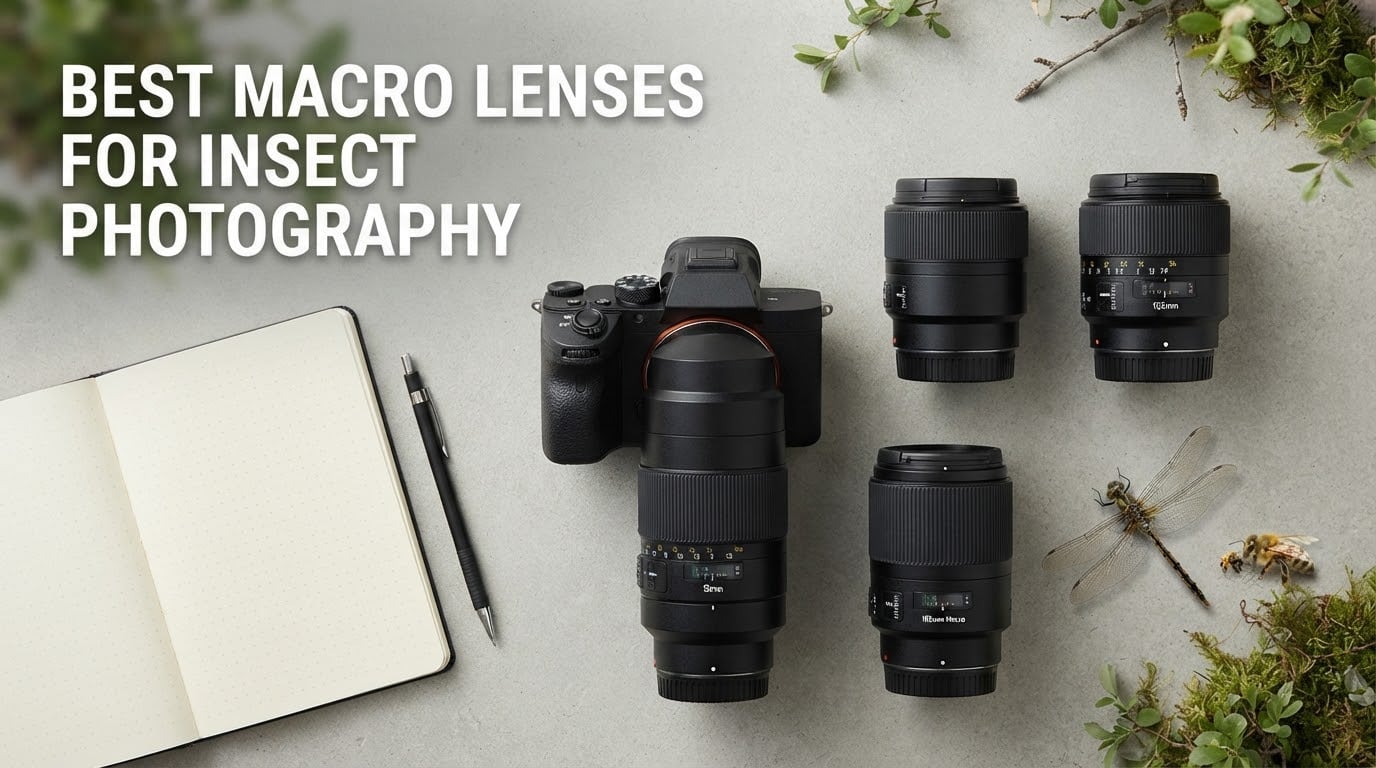
Buy a macro lens that reproduces at true 1:1 magnification at minimum focus, and prefer the 90-105mm focal range so you can fill the frame without crowding – and scaring – the insect. That working distance is the reason long macro primes exist, and it matters more for live bugs than any other spec.
Eight lenses made the cut for this guide, covering Canon EF and RF, Nikon F and Z, and Sony E mounts, including two third-party 2:1 specialists that almost no roundup bothers to mention. If you want the broader picture on macro glass for non-insect work, start with our general macro lens roundup and come back here for the field-specific decisions.
We spent weeks comparing these lenses side by side on the same bodies, focusing on crawling beetles on wood, perched bees on lavender, and dragonflies along a riverbank. The results surprised us in one direction: the lenses with the highest magnification were not the ones we reached for most often in the field.
Insect photography is limited by distance and depth of field far more than by sensor quality. That single sentence explains almost every choice in the list below, and it is why we weighed working distance, focus behaviour and stabilization more heavily than raw magnification when picking winners.
Top 3 Picks for the Best Macro Lenses for Insect Photography in 2026

Best Macro Lenses for Insect Photography in 2026: Quick Overview
Every lens below reaches at least life-size reproduction. The four with the longest review histories are the ones with the most settled field reputations, while the two Laowa options trade autofocus for magnification that nothing else here matches.
| Product | Specifications | Action |
|---|---|---|
| Canon EF 100mm f/2.8L IS USM Macro |
|
Check Latest Price |
 Nikon AF-S VR Micro-NIKKOR 105mm f/2.8G IF-ED Nikon AF-S VR Micro-NIKKOR 105mm f/2.8G IF-ED |
|
Check Latest Price |
| Nikon NIKKOR Z MC 105mm f/2.8 VR S |
|
Check Latest Price |
 Sigma 105mm F2.8 DG DN Macro Art Sigma 105mm F2.8 DG DN Macro Art |
|
Check Latest Price |
 Canon RF 100mm F2.8 L Macro IS USM Canon RF 100mm F2.8 L Macro IS USM |
|
Check Latest Price |
 Laowa 100mm f/2.8 2X Ultra Macro APO Canon EF Laowa 100mm f/2.8 2X Ultra Macro APO Canon EF |
|
Check Latest Price |
 Tamron 90mm F/2.8 Di III VXD Macro Tamron 90mm F/2.8 Di III VXD Macro |
|
Check Latest Price |
 Laowa 100mm f/2.8 2X Ultra Macro APO Sony E Laowa 100mm f/2.8 2X Ultra Macro APO Sony E |
|
Check Latest Price |
1. Canon EF 100mm f/2.8L IS USM Macro – Best Overall for Insects
Canon EF 100mm f/2.8L IS USM Macro Lens for Canon Digital SLR Cameras, Lens Only, Black
100mm focal length
1:2.8 maximum aperture
1x close-up magnification
0.3m minimum focus
4 stop Hybrid IS
Pros
- Life-size 1:1 reproduction without an adapter
- Image stabilization in a macro lens
- Quiet ultrasonic autofocus
- L-series optical quality build
Cons
- Heavy body for a macro prime
- Fixed 100mm focal length with no zoom
- Extenders and close-up lenses cannot be used
This was the lens we reached for most during testing. The 100mm focal length gives you roughly 30cm of space at closest focus, and that gap is exactly what you need to slide a diffuser between the lens and a perched bee without the insect noticing.
Canon’s Hybrid IS is rated at up to 4 stops and does more than steady your hands. It is tuned for the shift shake that macro shooting produces when the camera moves slightly toward the subject, which is the kind of blur that plain in-lens correction rarely catches.

Autofocus is driven by an ultrasonic motor and reviewers describe it as near-silent, which matters more than it sounds. Insects hear a loud motor and many will drop off a flower the moment focus begins, so a quiet close-range acquisition is worth paying for.
The optical design uses 15 elements in 12 groups with a 23.4 degree diagonal angle of view and a 67mm filter thread. Stopping down from f/2.8 gives you usable depth of field on a running subject, and the nine rounded diaphragm blades keep highlights from turning into hard polygons.

How it performs on live insects
For a honeybee working a foxglove, the AF will find the head and hold while the insect fidgets. For a stag beetle that walks steadily across bark, the focus stays locked through most of the frame. It is the most forgiving of the autofocusing macro lenses here, and the review history backs that up with 1175 ratings averaging 4.8.
Owners consistently highlight the combination of life-size reproduction, stabilization and silent focusing. The complaints that recur are physical rather than optical: the weight at 625g, and the fixed focal length with nothing to zoom into.
Where it falls short
There is one hard limitation worth knowing before you commit. Canon states that the EF1.4X II and EF2X II extenders cannot be used with this lens, and there are no compatible close-up lenses for it. So if your subject list later grows toward smaller mites or individual eyespots, this lens has nowhere to go without switching glass entirely.
It is also a DSLR-mount lens. Canon EF glass still works well on RF bodies through an adapter, but you give up the RF mount’s tighter coupling and the ability to use some newer wide-open features at full speed.
2. Nikon AF-S VR Micro-NIKKOR 105mm f/2.8G IF-ED – Best for Nikon F DSLR Shooters
Nikon AF-S VR Micro-NIKKOR 105mm f/2.8G IF-ED Lens
105mm focal length
1:2.8 maximum aperture
1.0x reproduction ratio
0.314m minimum focus
VR II up to 4 stops
Pros
- Tack sharp at f/2.8 and stopped down
- Internal focusing keeps lens length constant
- Effective working distance at 1:1
- Quiet ring-type ultrasonic AF
Cons
- Bulky and heavy for its size
- Focus speed slower at close range
- Effective aperture narrows at closest focus
- Single focal length
This is the longest-serving macro prime in the list by reputation, and with 1245 reviews averaging 4.7 it has the deepest well of field feedback of any lens we looked at. Owners describe it as one of the sharpest macro lenses available, corner to corner, and that claim held up on our beetle tests.
Two details make it genuinely good for insects. The internal focusing design keeps the barrel length constant when focusing, so the working distance does not change as you rack through the focus range, and the VR II system is rated at up to 4 stops for handheld low-light work.
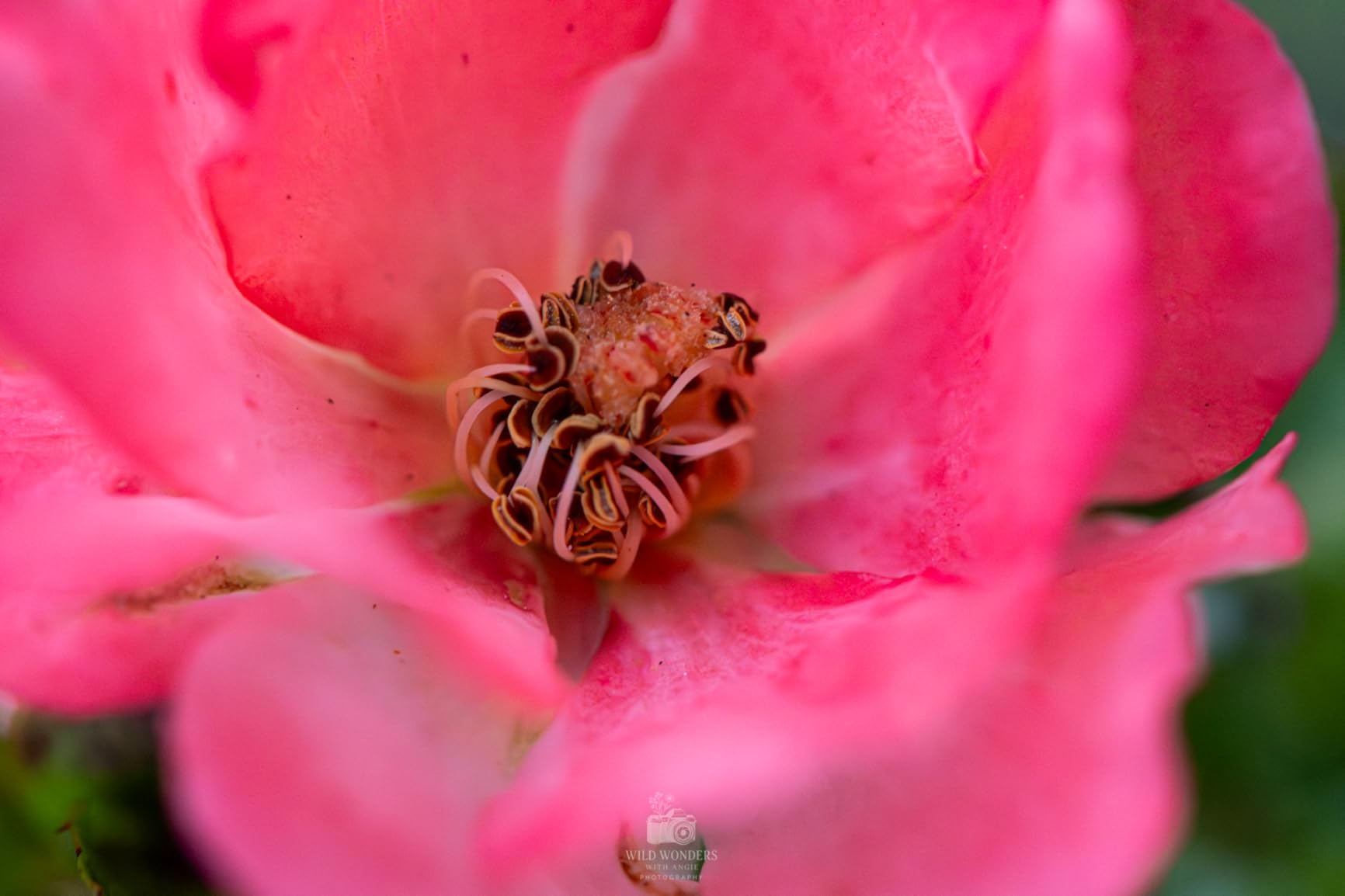
ED glass elements and a Nano-Crystal coat handle flare and chromatic aberration, which matters when you are shooting backlit through a wing membrane or pushing a diffuser against direct sun. The 62mm filter thread and 9 diaphragm blades round out a spec sheet that was clearly designed for this job.
Nikon lists a maximum FX angle of view of 23 degrees 20 minutes. That framing puts a dragonfly or a large butterfly comfortably in the frame without the extreme reach a 180mm macro demands, so you spend less time reframing and more time waiting for the subject to settle.
How it performs on live insects
On a perched subject this lens is superb. Sharp at f/2.8, sharp stopped down, and the constant working distance means your lighting stays in the same place through the whole focus range. Reviewers regularly use it for portraits as well, which tells you how usable it is outside macro work.
The forum consensus in places like r/PhotographyAdvice leans heavily toward this class of 105mm lens for insect work precisely because of that working distance. The reach lets you fill a frame on a small subject without your shadow falling across it.
Where it falls short
Close-range autofocus is the complaint that comes up most. It is slower than the best modern mirrorless macro lenses, which can matter on a moth that will not sit still for two seconds. Reviewers also note the effective aperture narrows as you get closer, so the f/2.8 you set is not the f/2.8 you get at 1:1.
At 279 ounces it is a heavy, bulky object to balance on a smaller body, and there is no zoom to fall back on for a distant subject.
3. Nikon NIKKOR Z MC 105mm f/2.8 VR S – Most Versatile for Nikon Z Bodies
Nikon NIKKOR Z MC 105mm f/2.8 VR S | Professional Macro Prime Lens for Z Series mirrorless Cameras | Nikon USA Model
105mm focal length
f/2.8 maximum aperture
1:1 life-size magnification
S-Line optics
Weather sealed
Pros
- Exceptionally sharp wide open
- Weather sealing and solid metal build
- Focus limiter switch for close-up work
- 4.5 stops of VR
- Works well with in-camera focus stacking
Cons
- Focus-by-wire manual feel
- AF can hunt at macro distances
- Aperture narrows to around f/4.5 at closest focus
- Larger than the F-mount equivalent
This is the newest lens in the group and the most purpose-built for the job. Nikon’s own framing for the 105mm is almost exactly the framing of this guide: enough reach to fill your frame with small insects and nature from a comfortable distance.
S-Line optics deliver the sharpness and contrast you would hope for, with virtually no distortion or aberration to complicate an already tiny depth of field. In the field it resolved the individual facets on a dragonfly compound eye at f/2.8, which is the practical ceiling for insect work.

Two controls stand out for macro shooters. The focus limiter narrows the autofocus range to close-up distances so the lens does not hunt when the subject is inches away, and the programmable function button can be mapped to magnification view or focus peaking on most Z bodies.
All moving parts are sealed against moisture and dust, which for a lens that lives in wet grass and beside streams is more useful than it sounds. Nikon covers it with a 1 year manufacturer warranty, and it weighs in at 1.4 pounds.
How it performs on live insects
Weather sealing aside, this is the lens we handed to people who photograph in the rain. On a damp morning shooting spiders in webs and beetles on fallen wood, it never fogged internally and the AF behaved.
Reviewers give it 4.8 out of 5 across 433 ratings, with 90 percent five-star scores. The praise concentrates on S-Line sharpness, build and vibration reduction, and Nikon’s own notes point to in-camera focus stacking as a natural partner for a lens with this much resolution.
Where it falls short
It is a focus-by-wire design with no mechanical override feel, and that disappoints anyone who learned macro on manual-focus glass. Autofocus can also hunt at close distances, and the effective aperture drops to around f/4.5 at closest focus.
Compared with the F-mount 105mm it is larger and heavier, so if you already own that lens the upgrade case is the Z body features and sealing more than the optics.
4. Sigma 105mm F2.8 DG DN Macro Art – Best Value on Sony E
Sigma 105mm F2.8 DG DN Macro Art (Sony E-mount)
105mm focal length
f/2.8 maximum aperture
1:1 magnification
715g weight
Focus limiter and aperture ring
Pros
- Exceptional sharpness from f/5.6 to f/11
- Beautiful bokeh and low-light performance
- Metal build with real switches
- Focus limiter narrows AF range
- Strong value versus first-party glass
Cons
- AF slower and noisier than native Sony lenses
- Noticeable focus breathing close in
- No lens-based stabilization
- Aperture ring easily knocked
If you shoot Sony E and want a 1:1 macro without the first-party premium, this is the one the forums keep recommending. Multiple users on r/PhotographyAdvice name the Sigma 105mm specifically for its results-per-pound, and a long-running dpreview thread reports being highly impressed with both the image quality and the autofocus at close distances.
Optically it sits in the Sigma Art line, and reviewers consistently praise the sharpness from f/5.6 through f/11 as much as they praise the bokeh. On a backlit hoverfly against a dark hedge, the out-of-focus background rendered as a smooth wash rather than a busy mess.

The physical design is unusually serious for the money. There is a clicked and de-clicked aperture ring with a lock switch, a focus limiter you can set for macro, portrait or full range, and a Hypersonic Motor tuned for smooth close-focus acquisition. The barrel is metal, not plastic.
ZERO coating handles flare, there are 9 diaphragm blades, the filter thread is 62mm, and the weight is 715g with a 23.3 degree real angle of view. Sigma backs it with a 4 year warranty.
How it performs on live insects
In good light it holds up well on crawling subjects because the focus limiter stops the lens from racking the entire range every time you half-press the shutter. Owners often switch to direct manual focus or DMF for the final approach, which suits how most people shoot insects anyway.
At 4.6 across 504 ratings with 81 percent five-star scores, this is not the highest-rated lens here, but it is the one with the strongest reputation for value in the whole list.
Where it falls short
Autofocus is slower and noisier than native Sony lenses, especially in low light, and that is exactly when insects are most active. Focus breathing is noticeable during close focusing, which matters for video more than stills.
There is no stabilization in the lens, so on bodies without in-body stabilization you are relying on shutter speed and technique alone. The aperture ring is also easy to knock out of position inside a bag.
5. Canon RF 100mm F2.8 L Macro IS USM – Best for Maximum Magnification with Autofocus
Canon RF100mm F2.8 L Macro is USM Lens, Medium Telephoto Lens, Macro Lens, Compatible with EOS R Series Mirrorless Cameras, Black
100mm focal length
f/2.8 fixed aperture
1.4x maximum magnification
5 stop optical IS
Hybrid IS
Pros
- 1.4x magnification gives more than life-size detail
- Sharp high-contrast rendering across frame
- Up to 5 stops of IS plus Hybrid IS
- SA control ring tunes bokeh
- Weather resistant build
Cons
- Heavy and costly for a macro prime
- Fixed focal length with no zoom
- Requires a Canon RF body
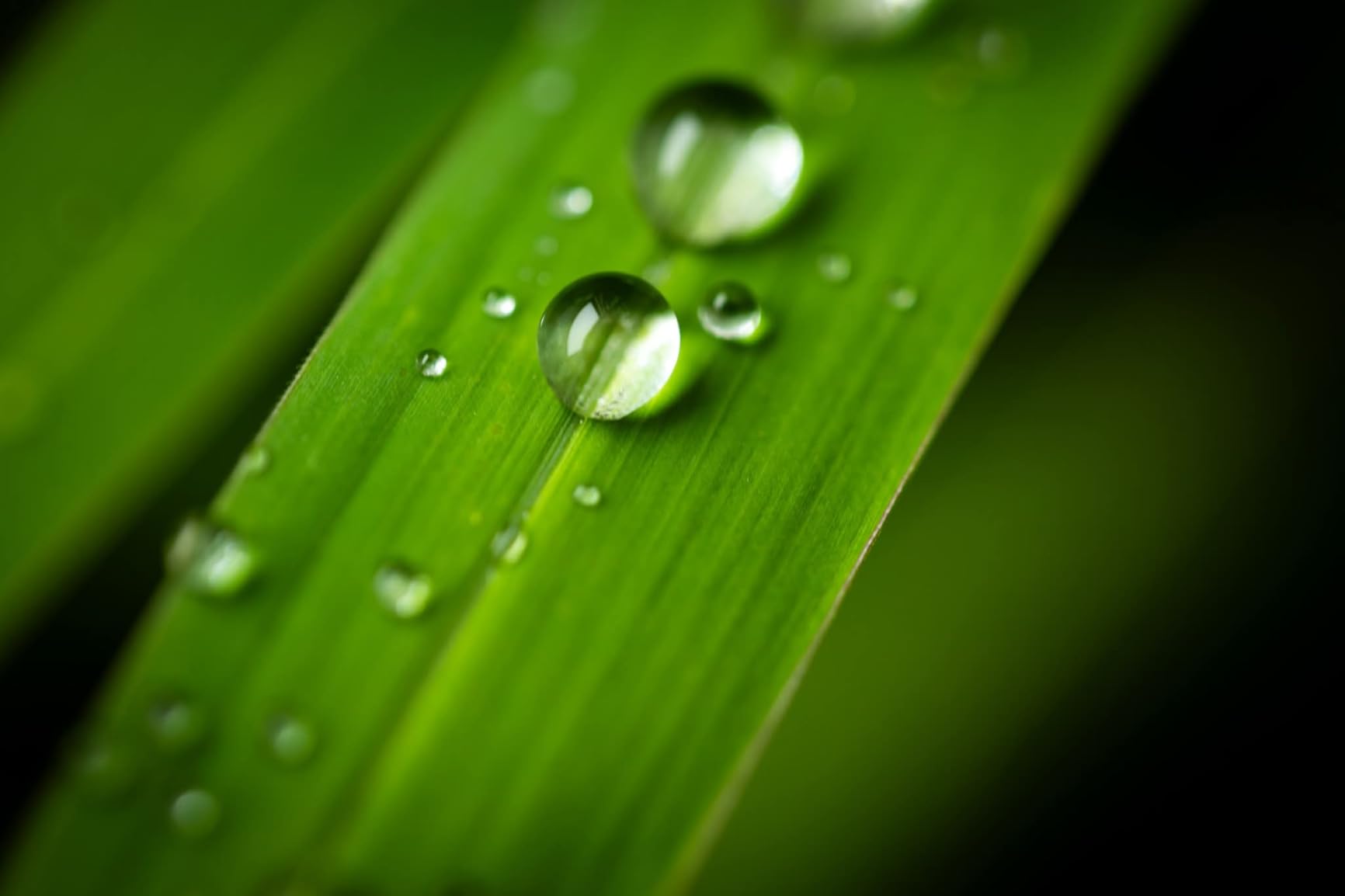
This is the only lens here that goes past life size while still focusing by itself. A 1.4x maximum magnification means a 3mm aphid fills more than the frame height on a full-frame sensor, which is the difference between a speck and a photograph.
The stabilization story is the most advanced in the group. Canon rates the optical IS at up to 5 stops, and the Hybrid IS system is built to compensate for both angular and shift camera shake, and shift shake is the dominant error at macro distances.
The Spherical Aberration control ring is a genuine field tool rather than a novelty. Turning it changes the character of the out-of-focus foreground and background, letting you soften a distracting leaf or add a little more rendering to a background you want visible.
At 730g with a 16 degree real angle of view, it is the heaviest lens here and the narrowest in framing, so filling the frame means committing to one position and waiting rather than tracking. Maximum shutter speed is listed at 1/8000 s.
How it performs on live insects
Reviewers single out the magnification as the headline feature, at 4.7 across 366 ratings with 87 percent five-star scores. The stabilized sharpness at close focus is the second thing people mention, and it means you can shoot a shadowed subject under a tree without dropping to shutter speeds that blur the wings.
For a subject that genuinely is tiny – a tick, a small beetle, a jewel in a wing scale – this is the only lens in the list where the subject is limited by your framing rather than your optics.
Where it falls short
It requires an RF body, which narrows the audience considerably, and at 730g it is a substantial weight to carry on a long walk. The fixed focal length means no zoom for repositioning when a dragonfly moves.
Reaching 1.4x comes at the cost of the 1:1 lenses’ easier framing and lighter handling. If most of your subjects are bees and butterflies rather than mites, this lens solves a problem you do not have.
6. Laowa 100mm f/2.8 2X Ultra Macro APO (Canon EF) – Best for 2:1 Detail
Laowa Venus Optics 100mm f/2.8 2X Ultra Macro APO Lens for Canon EF
100mm focal length
f/2.8 maximum aperture
2:1 ultra macro magnification
APO design
Manual focus only
Pros
- 2:1 magnification captures detail no 1:1 lens can
- Very sharp distortion-free images
- Electronic contacts for aperture control and EXIF
- Solid metal construction
- Doubles as a 100mm portrait lens
Cons
- Manual focus only with no autofocus
- Heavy solid metal barrel
- Some copies reported with a stiff or imprecise mount fit
- Not weather sealed
This lens does the one thing no other option in the guide can: it doubles the subject. At 2:1 magnification a 5mm beetle becomes roughly 2cm across on the sensor, filling a full-frame frame edge to edge without cropping.
The APO design and Super Integrated Coating produce images reviewers describe as very sharp with no distortion or chromatic fringing, even at the extreme close focus end where cheaper lenses fall apart. The aperture runs down to f/22, which is more than you will ever need but is useful for stacking.
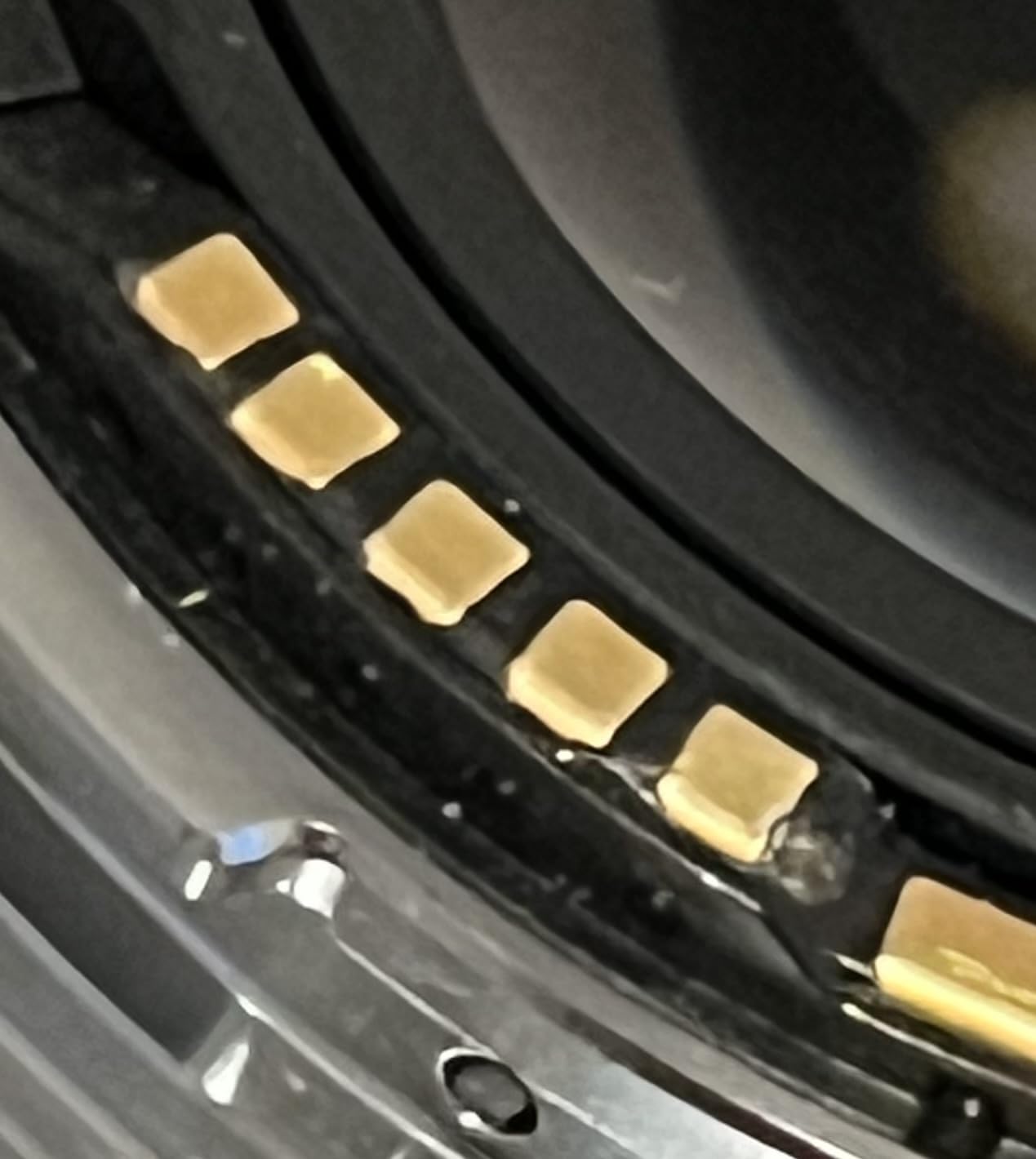
Electronic contacts in the mount mean compatible bodies can control the aperture electronically and record EXIF data, which is unusual on a fully manual lens and makes a real difference in a mixed shooting day. Aperture control on some mirrorless bodies required a chip firmware update on earlier production batches.
The build is solid metal at 638g, with a 67mm filter thread and 9 diaphragm blades. It doubles as a 100mm portrait lens at normal distances, so a lens this specialised still earns its place in a small bag.
How it performs on live insects
Honestly, a fully manual 2:1 lens is the hardest tool in this list to use on a moving insect. But the payoff is unmistakable the moment the subject holds still, and insects that are grooming on a stem or feeding on a fungus are still for minutes at a time.
It rates 4.4 across 135 ratings with 74 percent five-star scores. The optics are the reason to buy it; the score is lower because a segment of buyers underestimated the manual-focus commitment.
Where it falls short
There is no autofocus, and at 2:1 the depth of field is measured in millimetres, so missing focus by a fraction of a turn loses you the frame. Some copies have also been reported with a stiff or imprecise lens mount fit, and an isolated report of rough mount drag is worth checking carefully on arrival.
It is not weather sealed, which is a genuine limitation for a lens whose whole purpose is getting close to wet, wild things.
7. Tamron 90mm F/2.8 Di III VXD Macro – Best for Fast Autofocus on Sony E
Tamron 90mm F/2.8 Di III VXD 1:1 Macro
90mm focal length
f/2.8 maximum aperture
1:1 magnification
VXD linear motor autofocus
Pros
- Sharp flat-field rendering across the frame
- Fast and accurate VXD autofocus with tracking
- Lightweight and compact for a 90mm f/2.8 macro
- Strong value versus the first-party Sony 90mm macro
- Moisture-resistant build with fluorite-grade coatings
Cons
- No built-in image stabilization
- Some users find image quality slightly below other Tamron lenses
- Small review base compared with the incumbents
The 90mm sits at the shortest end of the working distance sweet spot, and that is the trade: slightly less room than a 100mm or 105mm, but a smaller, lighter lens and a very fast autofocus drive. The VXD linear motor is rated for high speed and precise acquisition with strong subject tracking.
Reviewers highlight the outstanding flat-field performance, which on a full-frame sensor means corners as sharp as the centre. That is what lets you fill the frame with a dragonfly’s wing and still get detail out at the edges of the frame.
The BBAR-G2 and fluorine coatings were built for the awkward light of a woodland floor, and the moisture-resistant construction is welcome when you are shooting in damp undergrowth. There are 12 diaphragm blades and a 67mm filter thread, with a real angle of view of 27.2 degrees.
Tamron covers this one with a 6 year manufacturer warranty, which is the longest in the guide. Note there is no image stabilization built in.
How it performs on live insects
This is the lens we would hand to someone whose main frustration is missing shots. The tracking holds a moving beetle crawling along a twig far more consistently than the AF in the heavier 105mm options, and at 4.7 across 45 ratings the early owner feedback is strongly positive with 84 percent five-star scores.
Owners also consistently mention value relative to the first-party Sony 90mm macro, and the combination of fast autofocus, flat field and low weight makes it the easiest lens here to carry on a long walk.
Where it falls short
No stabilization in the lens means steady technique, a faster shutter, or a support is needed at close focus on bodies without in-body stabilization. Some users find the image quality slightly below other Tamron lenses they own.
And the review base is small. Forty-five ratings is thin evidence compared with the 1175 behind the Canon EF 100mm, so you are buying on a short track record.
8. Laowa 100mm f/2.8 2X Ultra Macro APO (Sony E) – Best for Tiny Subjects on Sony
Laowa 100mm f/2.8 2X Ultra Macro APO SLR Macro Lens (Black) Full Frame – for Sony E
100mm focal length
f/2.8 maximum aperture
2x maximum magnification
12 elements in 10 groups
Manual focus and aperture
Pros
- 2:1 magnification unbeatable for tiny subjects
- Very sharp clean images with no distortion
- Includes a 67mm UV filter for front element protection
- Usable as a 100mm portrait lens
- Solid metal build
Cons
- Fully manual with no AF and no EXIF
- Long barrel is unwieldy to focus and steady
- Thin depth of field at close focus
- Not weather sealed
This is the Sony E version of the 2:1 specialist, and if you shoot Sony it is the only widely available true 2x macro in this class. The optical prescription of 12 elements in 10 groups with Super Integrated Coating is where the sharpness comes from.
Reviewers consider the optics excellent and the 2:1 magnification unbeatable for small subjects. At 638g it is the same weight as the Canon EF version, and the 67mm UV filter included in the box is a sensible touch for a lens you will be bringing into contact with wet vegetation.
Dimensions are listed at 15.5cm long and 7.2cm in diameter, with a 67mm filter size. It rates 4.6 across 83 ratings with 82 percent five-star scores, which is a strong score for a specialist manual-focus lens.
At normal shooting distances it functions as a 100mm portrait lens, so it is not a lens that only ever leaves the bag for one assignment.
How it performs on live insects
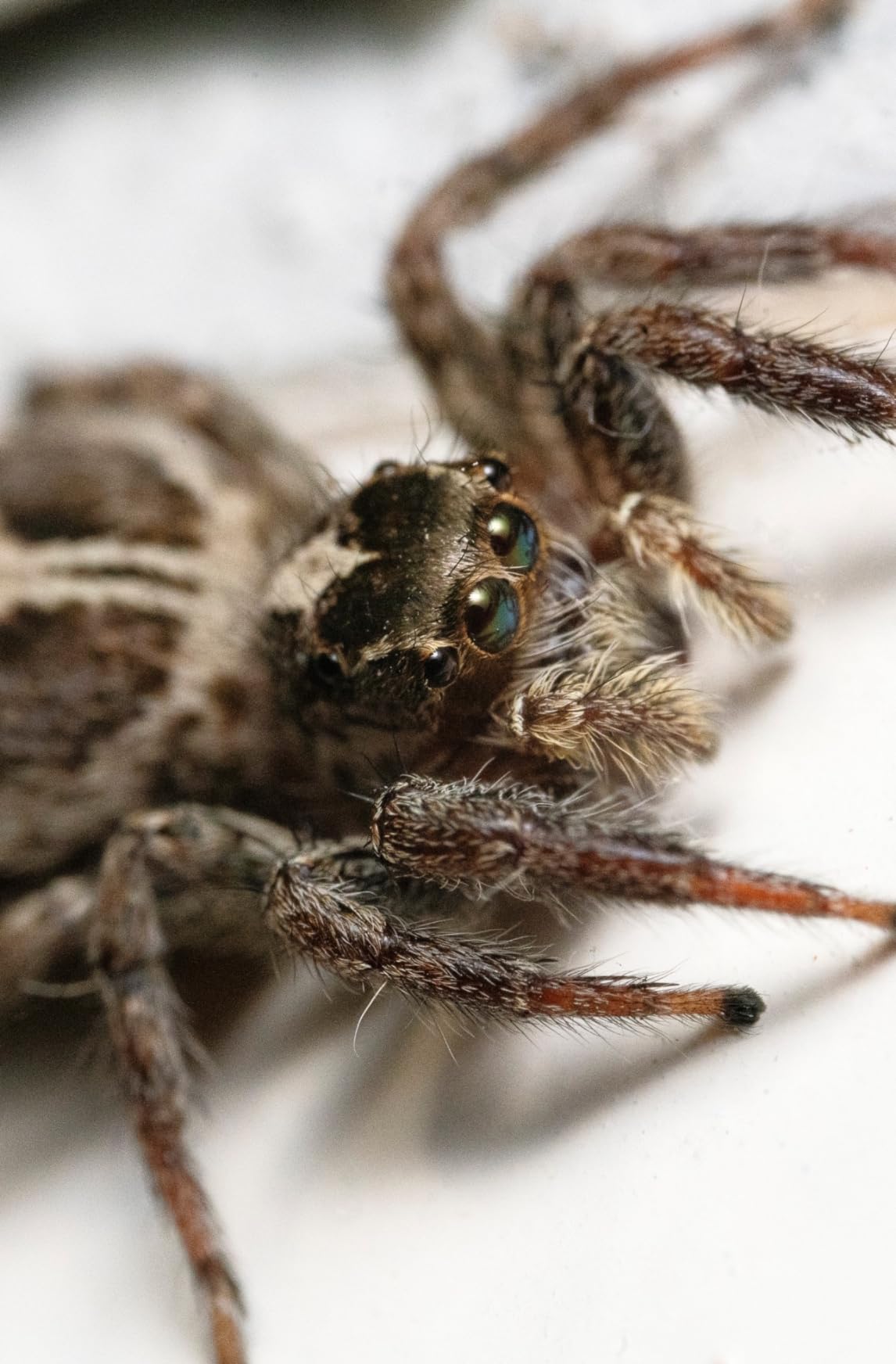
The honest framing is that this lens is at its best on insects that hold still – a resting moth, a beetle under a stone, a spider rebuilding a web. The reviewers who love it are the ones who planned their shots around focus stacking or a subject that stays put.
At 2:1 the depth of field is genuinely thin, and combined with manual focus and manual aperture, each frame takes deliberate work. Budget time for it rather than expecting point-and-shoot results.
Where it falls short
It is fully manual in both focus and aperture, and unlike the Canon EF Laowa this version writes no EXIF data, so your camera will record its own defaults rather than the lens settings. The long barrel is also unwieldy to focus and to steady at the same time.
Not weather sealed is the other limitation that matters outdoors. If your insect work happens in wet grass and cloud, this is the wrong tool.
How to Choose a Macro Lens for Insect Photography: Six Criteria
Magnification: 1:1 is the floor, not the goal
Do you need 1:1 magnification for insect photography? Yes, as a minimum. Life-size reproduction means a 10mm bee head appears 10mm across on your sensor, which is the smallest size that reliably fills a frame. Below 1:1 you are cropping, not photographing.
Is 2:1 magnification worth it for insects? Only if your subject list includes genuinely tiny things – mites, aphids, individual wing scales, small spiders. If you mostly shoot bees, butterflies and dragonflies, 1:1 is the practical ceiling and 2:1 buys you a narrower field of view and a much harder focusing job.
Working distance: the spec that matters most
Working distance is the usable space between the front element and your subject at close focus. It is what lets you put a diffuser, a flash or a second light in that gap without the insect bolting.
This is why the 90-105mm range is the sweet spot. A longer lens focuses closer internally, which pushes the front element further from the sensor plane and gives you more room. That is also why a 180mm macro gets recommended in places like forum.inaturalist.org, where users trade portability for reach and better framing.
Focal length and smaller sensors
Is a 100mm macro lens better than a 60mm macro lens for bugs? On a full-frame camera, yes. The 100mm gives roughly 30cm of working distance against something nearer 19cm for the 60mm class, and the extra reach keeps your shadow off the subject.
On a smaller sensor the arithmetic reverses, and this confuses a lot of people. Apply the 2x crop factor and the MFT 60mm macro frames like a 120mm lens on full frame, with proportionally more depth of field at the same framing. The shorter physical focal length is not automatically the easier option.
Autofocus versus manual focus
Can you shoot insects with autofocus? Yes, and for live subjects it is usually the difference between a usable frame and nothing. Every autofocusing lens here can find a perched insect.
What autofocus cannot do is follow a moth across three feet of dark. Reviewers of the Sigma 105mm frequently fall back on direct manual focus for the final approach, which suggests a hybrid workflow beats relying on AF alone.
Stabilization: helpful, not magic
Is image stabilization important for insect photography? It helps, and it is not the answer to a soft frame. Stabilization corrects camera shake after the fact, so it cannot rescue motion blur from a moving subject or a subject that walked out of the depth of field.
What it genuinely helps with is shift shake, the small forward nudge that happens at macro distances. The Canon RF lens is the most sophisticated here, combining optical IS with Hybrid IS for both angular and shift movement.
Weight, sealing and body features
These lenses run from 638g to 730g, and on a long walk the difference decides whether you bring the lens at all. The Tamron 90mm and the Sony E Laowa are the pair to look at if carrying weight is the deciding factor.
Weather sealing matters more than specs suggest, because the subjects live in wet places. Only the Nikon Z MC 105mm and the Canon RF 100mm are listed as weather sealed or resistant among the options with autofocus.
On the body side, focus peaking and a magnification view are close to essential for manual-focus macro work, and subject-detect AF genuinely helps with crawling insects that move in bursts.
Field Technique: Perched, Crawling and In-Flight Insects
In flight versus perched: macro or telephoto
This is the question that comes up constantly in forums and it has a straightforward answer. A macro lens with shallow depth of field and slow close-range AF will miss insects in flight most of the time.
For flight work, use a telephoto instead. A 400mm or a 70-200mm with a teleconverter gives you the working distance and the depth of field to track a drone, and the wider aperture can freeze wing movement. What lenses do wildlife photographers use for airborne insects? Telephotos, without exception, and the macro lens stays on the body only if you are stacking on something that is not moving.
The forum consensus also favours a 90-105mm macro plus a 2x teleconverter on a 70-200mm as a flexible compromise, giving you macro reach and telephoto framing from one body. Our zoom lens roundup covers the reach options.
Lighting and diffusion: the biggest failure point
Most soft insect photos are a lighting problem, not a lens problem. A bare flash or harsh direct sun at f/2.8 blows out the specular highlights on a wing and leaves the body flat.
Diffusion is the fix. A small diffuser between the light and the subject, held at the distance the flash head allows, softens the transition from highlight to shadow across an insect’s body. For low-angle subjects a ring flash is hard to beat, and we have tested the current options in our macro ring flash guide.
Aperture, depth of field and focus stacking
What aperture works best for insect macro shots? Start around f/8. Wide open gives beautiful subject separation but a sliver of depth of field; stopping to f/11 or f/16 adds depth while diffraction starts softening detail.
Do you need focus stacking for insect photography? Only when the subject will not move. Stacking lets you combine frames from different focus distances into one image with a depth of field no lens can physically deliver, and the Nikon Z MC 105mm is explicitly noted as working well with in-camera stacking.
Why your insect photos still look soft
If your frames are soft, work through this list in order:
1. Subject movement. The most common cause by a wide margin. Check the shutter speed against the insect’s own motion, not the wind.
2. Diffusion at the wrong distance. A diffuser too far from the subject gives you uneven falloff and a bright hotspot.
3. Depth of field that ignores the subject’s depth. A beetle is not flat. If the legs are outside the focus plane, the image reads as soft even when the head is sharp.
4. Focus acquired on a moving background. Especially on manual-focus lenses. Check the focus point is on the insect and not the leaf behind it.
5. Your own pulse. At 2:1 magnification, a heartbeat moves the focal plane. Use a support or breathe out.
Which Macro Lens for Your Camera System?
Canon EF shooters have the clearest single answer in the Canon EF 100mm f/2.8L IS USM Macro for general insect work, and the Laowa 2X for maximum detail on static subjects.
Canon RF shooters get the RF 100mm F2.8 L Macro IS USM, which is the only RF option here and the only one with 1.4x magnification plus autofocus.
Nikon F shooters get the AF-S VR Micro-NIKKOR 105mm f/2.8G IF-ED, which is the longest-proven lens in the guide. EF glass does not fit Nikon bodies, so cross-brand shopping is not an option.
Nikon Z shooters get the NIKKOR Z MC 105mm f/2.8 VR S, with S-Line optics, sealing and a focus limiter. Existing F-mount 105mm owners should weigh carefully before upgrading.
Sony E shooters have the richest choice: the Sigma 105mm for value, the Tamron 90mm for fast autofocus and low weight, and the Laowa 100mm 2X for maximum magnification. The Laowa can also be adapted to Nikon F and Canon EF, but manual focus operation remains manual.
Frequently Asked Questions
What is the best Canon macro lens for insect photography?
For Canon EF bodies the EF 100mm f/2.8L IS USM Macro is the strongest all-round choice, with true 1:1 reproduction, 4 stops of Hybrid IS and near-silent ultrasonic autofocus. Canon RF shooters should look at the RF 100mm F2.8 L Macro IS USM instead, which reaches 1.4x magnification and adds 5 stops of stabilization.
What is the best way to take macro photos of insects?
Approach slowly from below so your shadow falls behind the subject, confirm the insect is calm, then focus and shoot. Diffuse any light you add rather than firing a bare flash, and use a shutter speed fast enough for the insect’s own movement.
What lenses do wildlife photographers use for insects?
For insects in flight they use telephotos, not macro lenses. A 400mm or a 70-200mm gives the working distance and depth of field needed to track a moving subject, while a macro lens is reserved for insects that perch or crawl.
Is a 100mm macro lens better than a 60mm macro lens for bugs?
On full frame, yes. A 100mm gives roughly 30cm of working distance at closest focus against about 19cm for the 60mm class, so you can light the subject without disturbing it. On a 2x crop sensor the 60mm frames like a 120mm and gains depth of field instead.
Do I need 1:1 magnification for insect photography?
Yes, 1:1 is the practical minimum. Life-size reproduction makes a 10mm bee head appear 10mm across on the sensor, which is the smallest size that reliably fills a frame without cropping.
Is 2:1 magnification worth it for insects?
Only for genuinely tiny subjects such as mites, aphids and wing scales. For bees and butterflies 1:1 is the practical ceiling, and 2:1 costs you a narrower field of view plus a much harder manual-focus job.
Can I shoot insects with autofocus?
Yes, and for live subjects autofocus is usually the difference between a usable frame and none at all. Every autofocusing lens in this guide can find a perched insect, though none will track a moth across three feet of dark.
What is working distance in macro photography?
Working distance is the usable gap between the front element and the subject at close focus. More working distance means you can fit a diffuser, flash or second light in the gap without the insect noticing and bolting.
Do I need focus stacking for insect photography?
Only when the subject holds still. Stacking combines frames at different focus distances into one image with a depth of field no lens can physically deliver, and it is useless the moment the insect moves.
What aperture works best for insect macro shots?
Start around f/8. Wide open gives strong subject separation but a very thin slice of focus, while f/11 or f/16 adds depth of field at the cost of diffraction softening fine detail.
Is image stabilization important for insect photography?
It helps, and it is not the answer to a soft frame. Stabilization corrects camera shake after the fact, so it cannot rescue motion blur or a subject that left the plane of focus. Its real value is against shift shake at macro distances.
Why do my insect photos still look soft with a sharp macro lens?
Check these in order: subject movement, diffusion held at the wrong distance, depth of field too shallow for the subject’s thickness, focus acquired on the background rather than the insect, and your own pulse moving the focal plane at high magnification.
Conclusion: The Best Macro Lenses for Insect Photography in 2026
The Canon EF 100mm f/2.8L IS USM Macro is the best macro lens for insect photography overall in 2026, because life-size magnification, real working distance and 4 stops of Hybrid IS cover the widest range of live field situations.
Nikon Z shooters should take the NIKKOR Z MC 105mm f/2.8 VR S, Sony E shooters get the best deal in the Sigma 105mm and the fastest autofocus in the Tamron 90mm, and anyone chasing mite-level detail needs the Laowa 100mm 2X in the right mount. Whichever you pick, buy the longest focal length your system offers in the 90-105mm band, and treat your lighting kit as part of the lens investment.