
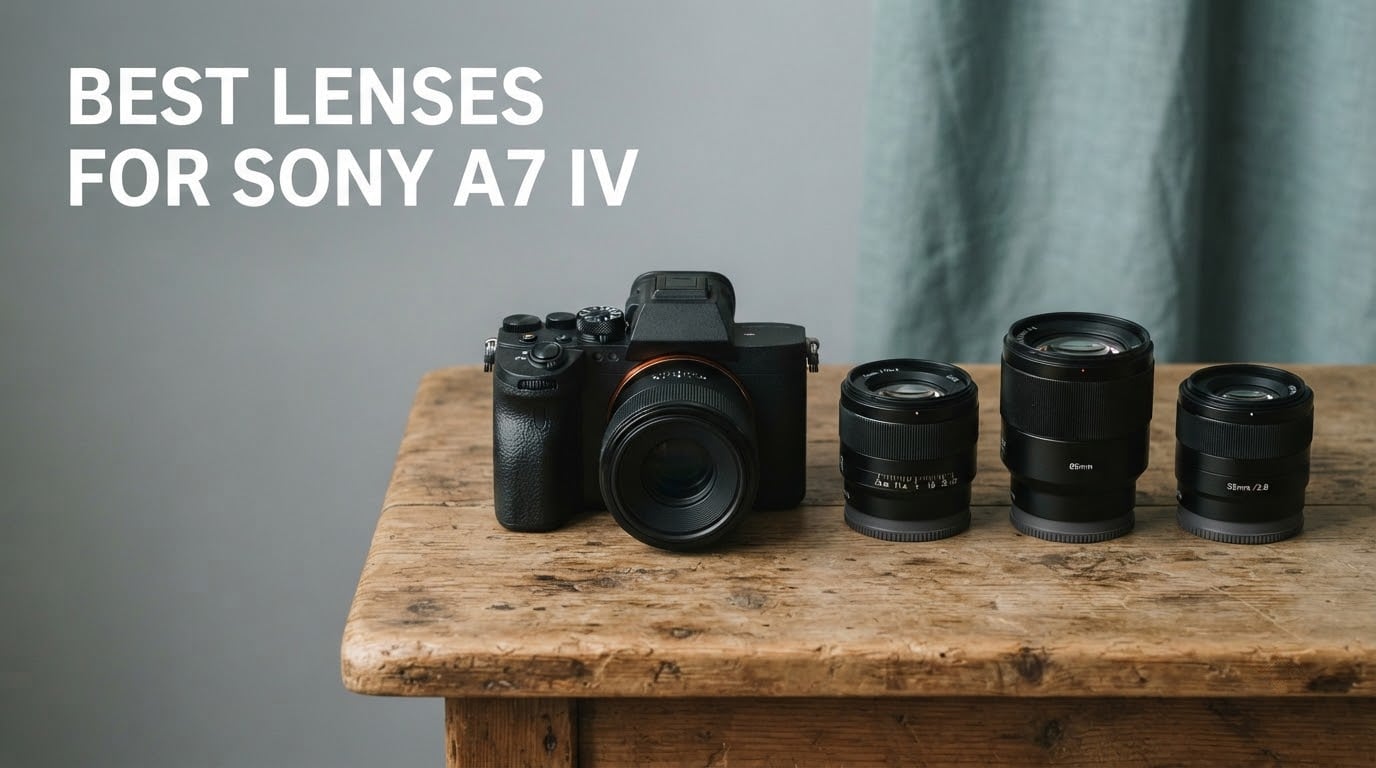
If you want one answer straight away: the Sony FE 50mm f/1.8 is the best lens for the Sony A7 IV for most people, and the Sony FE 24-70mm f/2.8 GM II is the best all-round zoom. Between them they cover most shooting styles without a second body or a second mount.
The A7 IV is a 33-megapixel full-frame body with a 1x crop, and that combination rewards good glass more than almost any recent Sony camera. A sharp lens at f/2.8 gives you cleaner high-ISO files, smoother background blur and faster phase-detect autofocus than the kit zoom ever will. It is a professional camera in every practical sense, and the lens is what decides how much of that capability you actually use.
We spent weeks comparing the 12 lenses below, reading owner feedback, and weighing what each one does to a 33MP sensor at 100 percent. This guide covers Sony first-party glass alongside Sigma and Tamron alternatives, tells you which lens to buy first, and explains what APS-C and adapted glass do on this body. Every rating and review count here comes straight from the product data, and every weight, aperture and minimum focus figure comes from the spec sheet.
One note before we start: the search for “best lenses for Sony A7 IV” is dominated by forum threads rather than editorials. The community advice is genuinely good, so we have leaned on it. r/SonyAlpha owners, for example, repeatedly argue for a small number of primes over a bag of zooms, with the line “my recommendation would be to go for 1 or 2 prime lenses, because those provide a larger aperture, and thus more pleasing background rendering.” That thinking shapes several of the picks below.
Top 3 Picks for the Sony A7 IV (October 2026)
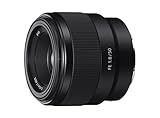
Sony FE 50mm f/1.8
- f/1.8 maximum aperture
- 7-blade circular aperture
- Aspherical element
- 6.6 ounces

Sony FE 24-70mm f/2.8 GM II
- Constant f/2.8 aperture
- Four XD linear motors
- Reduced focus breathing
- G Master optical design

Sony FE 85mm f/1.8
- f/1.8 aperture
- 9-blade circular bokeh
- ED glass element
- Double linear motor AF
Best Lenses for Sony A7 IV in 2026
| Product | Specifications | Action |
|---|---|---|
| Sony FE 50mm f/1.8 |
|
Check Latest Price |
| Sony FE 85mm f/1.8 |
|
Check Latest Price |
 Tamron 28-200mm f/2.8-5.6 Di III RXD Tamron 28-200mm f/2.8-5.6 Di III RXD |
|
Check Latest Price |
 Tamron 70-300mm f/4.5-6.3 Di III RXD Tamron 70-300mm f/4.5-6.3 Di III RXD |
|
Check Latest Price |
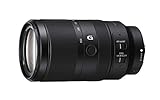 Sony E 70-350mm f/4.5-6.3 G OSS Sony E 70-350mm f/4.5-6.3 G OSS |
|
Check Latest Price |
 Sony FE 90mm f/2.8 Macro G OSS Sony FE 90mm f/2.8 Macro G OSS |
|
Check Latest Price |
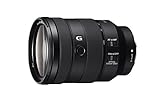 Sony FE 24-105mm f/4 G OSS Sony FE 24-105mm f/4 G OSS |
|
Check Latest Price |
 Sony FE 35mm f/1.8 Sony FE 35mm f/1.8 |
|
Check Latest Price |
 Sony FE 35mm f/1.4 GM Sony FE 35mm f/1.4 GM |
|
Check Latest Price |
| Sony FE 24-70mm f/2.8 GM II |
|
Check Latest Price |
 Sony FE 100-400mm f/4.5-5.6 GM OSS Sony FE 100-400mm f/4.5-5.6 GM OSS |
|
Check Latest Price |
 Sony FE 85mm f/1.4 GM Sony FE 85mm f/1.4 GM |
|
Check Latest Price |
Which Lens Should You Buy First?
This is the most repeated question across r/SonyAlpha threads, and almost nobody answers it cleanly. The honest answer is that your first lens should close the biggest gap between what you shoot and what the kit lens gives you.
If you shoot people, buy a prime first. The Sony FE 50mm f/1.8 at 6.6 ounces is the lightest lens in this entire group, and its f/1.8 aperture is brighter than a kit zoom at any zoom position. That combination is why it takes our top slot: it never leaves your bag, it never slows you down, and it is the lens most owners on r/SonyAlpha circle back to after buying bigger glass.
If you shoot events, travel or anything you cannot predict, buy a zoom first. A constant f/2.8 standard zoom replaces three primes. One r/SonyAlpha owner describes the thinking behind the community favourite: “I have the A7IV with the Tamron 35-150mm f2-2.8 easily the best and most useful lens I’ve ever had. I mainly do events.” If your work is people in unpredictable places, reach matters more than a stop and a half of aperture.
If you shoot landscapes or interiors, buy wide. A 24mm end gives you room in tight buildings, and the Sony FE 24-105mm f/4 G OSS keeps that range with a constant aperture and optical stabilization. It is the least glamorous pick on this list and the one we would put in more camera bags.
If you are still deciding, do not buy two zooms. Redundancy between two overlapping zooms is the most common regret in the forum threads. Two zooms at 24-70mm and 70-200mm leave a hole at the wide end; a zoom and a prime give you a genuinely different second option. For portrait work, start with our 85mm portrait lens picks and add wide glass later.
1. Sony FE 50mm f/1.8 – The Best Lens for the Sony A7 IV Overall
Sony – FE 50mm F1.8 Standard Lens (SEL50F18F/2), Black
50mm f/1.8 prime
6.6 ounces
7-blade aperture
No stabilization
Pros
- Sharp and clear wide open at f/1.8
- Lightweight and compact for long sessions
- Smooth attractive bokeh
- Fast and accurate autofocus
Cons
- All-plastic construction feels less robust
- No MF/AF switch on the barrel
- No stabilization or weather sealing
At 4.7 stars across more than 1600 owner reviews, this is the most thoroughly tested lens we could include, and that consistency matters more than any spec line. It is the reason this list leads with a humble f/1.8 prime rather than a G Master zoom.
On a 33MP sensor the little 50mm holds up remarkably well. The aspherical element controls spherical aberration and coma, and the double-gauss configuration suppresses field curvature and distortion, which is why the corners do not fall apart when you shoot wide open. Files straight out of camera are contrasty and clean, and the nano AR coating keeps flare under control in awkward light.
The real argument for this lens is weight. At 6.6 ounces it is the lightest option in this roundup by a wide margin, and on the A7 IV it is close to weightless. You can carry it all day, and you will actually pull it out of the bag rather than leaving it at home because the whole kit already feels heavy.
The 7-blade circular aperture renders out-of-focus highlights smoothly, which matters for anyone shooting a headshot in a cluttered room. Focus is quick and confident, and on a body this size the whole package stays balanced in the hand.

Who this lens suits
It suits anyone upgrading from the kit zoom who wants an immediate jump in image quality. A far brighter maximum aperture plus a prime focal length transforms low-light interiors, evening street scenes and casual portraits all at once.
It also suits people who shoot on APS-C lenses already and want one full-frame prime that always works. Sony lists compatibility with all Sony E-mount camera models, so it mounts on the A7 IV and later bodies without adapters.
Video shooters get a bonus here. A 50mm f/1.8 on the A7 IV gives a natural field of view for interviews, and the fixed focal length removes zoom creep entirely.
Where it falls short
The build is plastic, and owners say so repeatedly. It is not the lens you take into sustained rain or onto a dusty trail, because there is no weather sealing and no stabilization of any kind.
There is also no MF/AF switch on the barrel, which makes manual focus adjustments slower than a switch-equipped lens. And at 50mm on full frame, the field of view is tighter than many people expect for a “small” lens, especially indoors.
For a broader look at fast primes in this class, our 50mm prime lens roundup compares the alternatives on weight and bokeh rendering.
2. Sony FE 85mm f/1.8 – The Best Prime for Portraits
Sony SEL85F18 85mm F/1.8-22 Medium-Telephoto Fixed Prime Camera Lens, Black
85mm f/1.8 prime
10.4 ounces
9-blade aperture
Water resistant
Pros
- Wide f/1.8 aperture with 9-blade bokeh
- ED element for corner-to-corner sharpness
- Fast quiet double linear motor
- Focus hold button and AF/MF switch
Cons
- No built-in image stabilization
- Tight framing indoors without room to back up
This is the lens to buy if your work is people. An 85mm f/1.8 gives the classic short-telephoto compression that flattens faces and separates them from the background, and its 4.8 star average sits at the top of the ratings recorded for this group.
The ED glass element is doing real work on a 33MP body. Corner-to-corner sharpness means you can crop in afterwards without the edges turning to mush, which is exactly the flexibility a high-resolution sensor is sold for. The 9-blade circular aperture keeps highlights round rather than polygonal when the background is busy.
Autofocus is the quiet surprise. The double linear motor is fast, quiet and precise, and with a customizable focus hold button you can lock focus on a face and recompose without hunting. The physical AF/MF switch is a small thing that you will appreciate on a long shooting day.
Water resistance is listed in the spec data, which puts this prime a step ahead of the 50mm f/1.8 in conditions that matter. It is also noticeably faster to work with than the heavier f/1.4 option further down this list.

Who this lens suits
Portrait shooters, headshot photographers and anyone working events with a budget ceiling get the most out of it. r/SonyAlpha owners regularly name the Sony 85mm f/1.8 as a first addition alongside a wide prime, and the community logic is sound: two primes beat one zoom for image quality.
It also works as a short-telephoto for street and documentary work, where a slightly longer view compresses depth and hides a messy background. For those setups, our guide to the best portrait lenses for Sony compares focal lengths side by side.
Where it falls short
There is no built-in image stabilization, so at slow shutter speeds with a moving subject you will lean on the body or the IBIS system. It is also a tight lens indoors. In a small room you will constantly wish for more distance from your subject.
Compared with an 85mm f/1.4, you give up roughly one stop of light and a little background separation. If you shoot weddings or heavy backdrops, that upgrade is worth making eventually.
3. Tamron 28-200mm f/2.8-5.6 Di III RXD – The Best Travel Zoom for the A7 IV
Tamron 28-200 F/2.8-5.6 Di III RXD All-in-One Lens for Sony Mirrorless Full Frame/APS-C E-Mount, Model Number: AFA071S700, Black
28-200mm all-in-one zoom
1.3 pounds
F2.8-5.6
Zoom lock switch
Pros
- Exceptionally compact for the 28-200mm range
- Good sharpness and close focus
- Very quiet RXD motor
- Zoom lock switch prevents creep
Cons
- Variable aperture is slow at the long end
- Not weather sealed
- Softness beyond the mid-range
This is the lens people put in a carry-on and stop thinking about. At 1.3 pounds and 4.6 inches long, it does the job of two or three lenses, and reviewers describe it as the option they reach for first when packing for a trip.
Starting at 28mm it is wide enough for architecture and street scenes without fisheye distortion. The fluorine coating fights flare in the harsh light you get in mountain towns and coastal cities, and the listed compatibility includes the A7 IV directly, so there is nothing to configure.
Close focus is genuinely useful here: 7.5 inches at the wide end and 31.5 inches at tele. That means you can fill the frame with a coffee cup or a distant bird without switching lenses, which is the whole point of an all-in-one.
The RXD stepping motor is exceptionally quiet, and the zoom lock switch stops the barrel drifting while the camera hangs on a strap. Digital and optical stabilization are both built in.

Who this lens suits
This is the answer for the “recommended travel lens for a Europe trip” question that fills the Sony-Rumors forum. One lens that covers 28mm to 200mm means fewer transfers, fewer missed shots and a bag you can carry for a fortnight.
It also suits hybrid shooters who want one zoom for video and stills. The variable aperture is a compromise for exposure consistency, but the quiet motor and lock switch make it easy to live with on a run-and-gun schedule.
Anyone who wants a fast standard zoom will still want one of the f/2.8 options. This lens is about reach and portability, not low light.
Where it falls short
At 200mm the aperture drops to f/5.6, which means evening wildlife and indoor sports are genuinely difficult. Combine that with softness reviewers report beyond the mid-range, and this is firmly a daylight lens.
It is not weather sealed, so sustained rain or a dusty coast is risky. And if you already own a fast standard zoom, the overlap between 28mm and 70mm is the redundancy people regret.
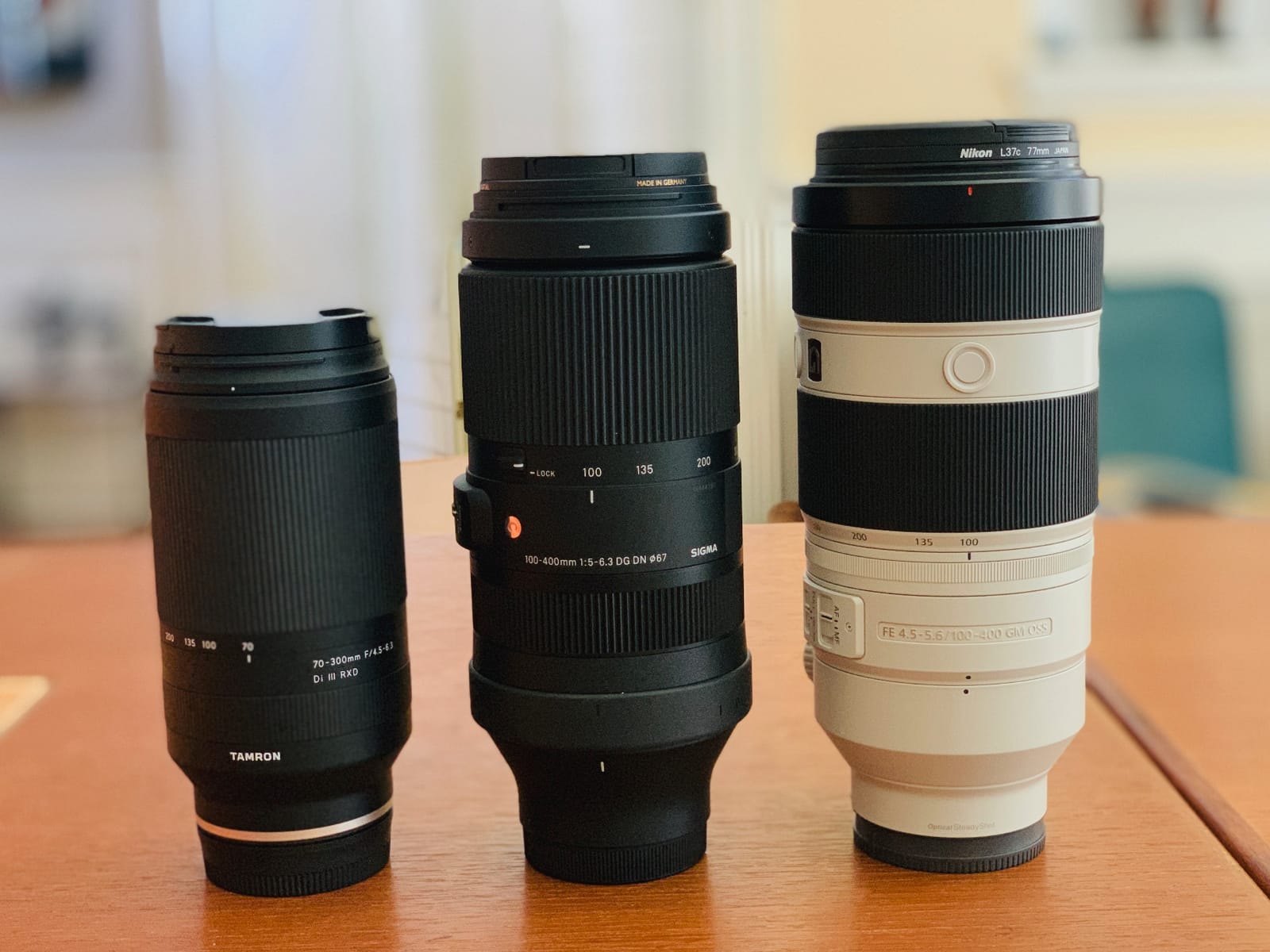
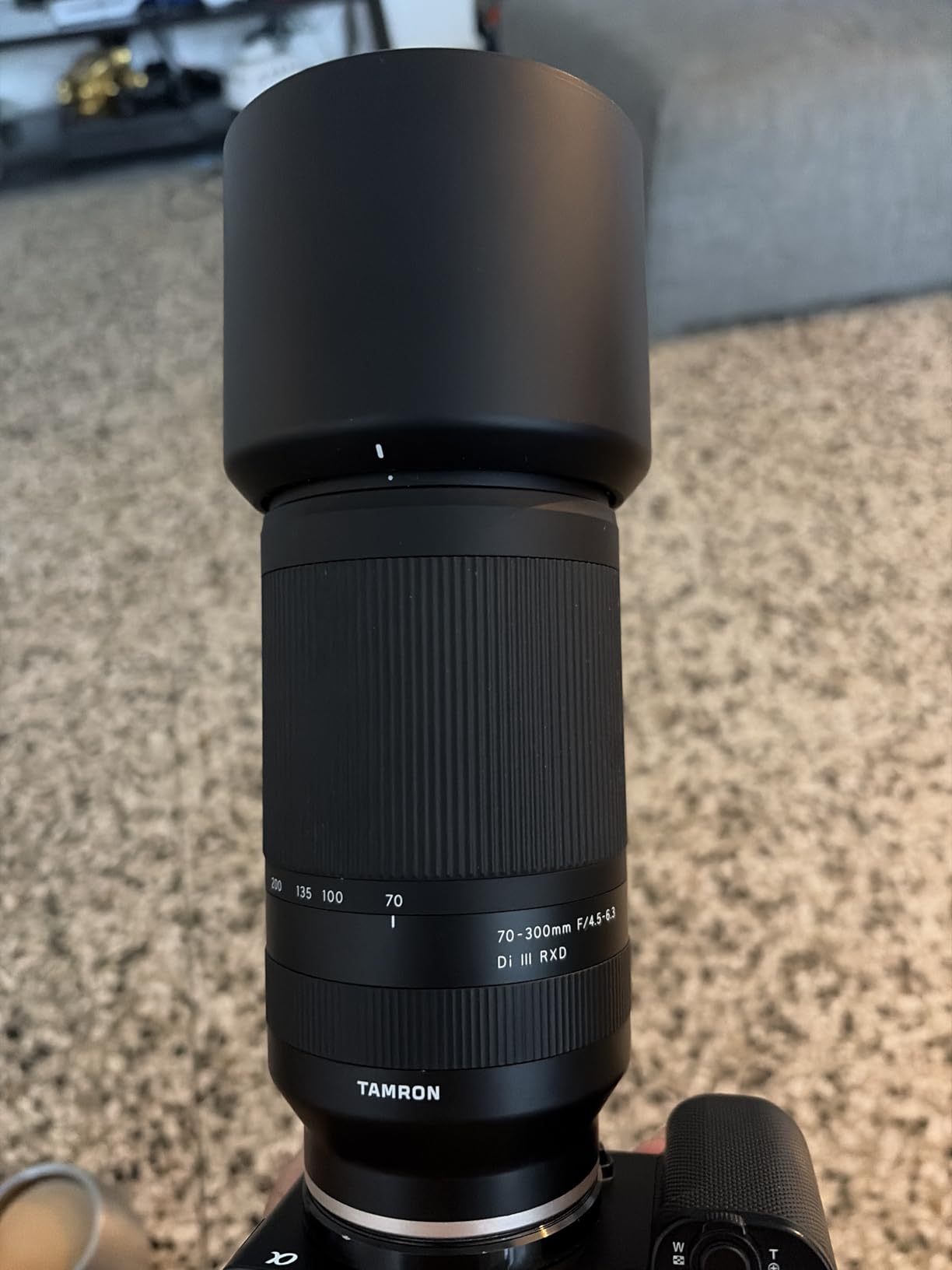
4. Tamron 70-300mm f/4.5-6.3 Di III RXD – The Best Budget Telephoto
Tamron 70-300mm F/4.5-6.3 Di III RXD for Sony Mirrorless Full Frame/APS-C E-Mount (Tamron 6 Year Limited USA Warranty), Black
70-300mm telephoto zoom
1.2 pounds
15 elements in 10 groups
Moisture resistant
Pros
- Very light for a 70-300mm zoom
- Sharp across the range especially f/6 to f/11
- Fast reliable autofocus
- Strong value against first-party long zooms
Cons
- No optical image stabilization
- Slow f/6.3 at 300mm
- Some lens creep and no zoom lock
At 1.2 pounds this is one of the lightest telephoto zooms you can put on a full-frame body, and that changes how you use it. You can carry it all day without planning around a tripod, which is the difference between shooting wildlife and missing it.
The optical design uses 15 elements in 10 groups, and owners consistently report sharp results from about f/6 to f/11. Focusing is fast and reliable enough for tracking, and a six-year manufacturer warranty is unusual at this tier.
Close focus reaches 31.5 inches at the wide end and 59.1 inches at tele, so you can frame a perched bird or a distant sign without walking closer. Minimum focus is one of the more useful numbers on any telephoto, and this one is generous.
The BBAR coating and moisture-resistant construction are sensible inclusions for outdoor work. Community discussion often frames this as the practical budget route to 300mm reach rather than a compromise.
Who this lens suits
Birders, sports shooters on a budget and anyone adding reach to an existing kit get the most from it. If you need 200mm and 300mm reach but do not want a heavy stabilized super-tele, this fills the gap.
It pairs well with a wide or standard prime. One owner on r/SonyAlpha lists it alongside budget third-party telephoto alternatives as “good alternatives on a budget,” which is exactly how we would frame it: a deliberate, sensible second step up rather than a compromise first lens.
Where it falls short
There is no optical image stabilization, and that is the caveat owners mention most. A stabilized alternative is more forgiving at long shutter speeds, so a tripod or fast shutter speeds become routine.
At 300mm the f/6.3 aperture makes low light hard, and some users report lens creep with no lock switch to stop it. A few also see field curvature on full-frame bodies without profile correction applied.
5. Sony E 70-350mm f/4.5-6.3 G OSS – The Best Travel Telephoto
Sony E 70-350mm f/4.5-6.3 G OSS Lens, Telephoto Lens, Black
70-350mm G-series zoom
1.4 pounds
Optical SteadyShot
5:1 zoom ratio
Pros
- Rock-solid SteadyShot at full 350mm reach
- Fast accurate autofocus with strong tracking
- Sharp edge-to-edge G rendering
- Compact and light for the focal length
Cons
- Slow f/6.3 at 350mm limits low light
- No focus limiter or teleconverter support
- No aperture ring
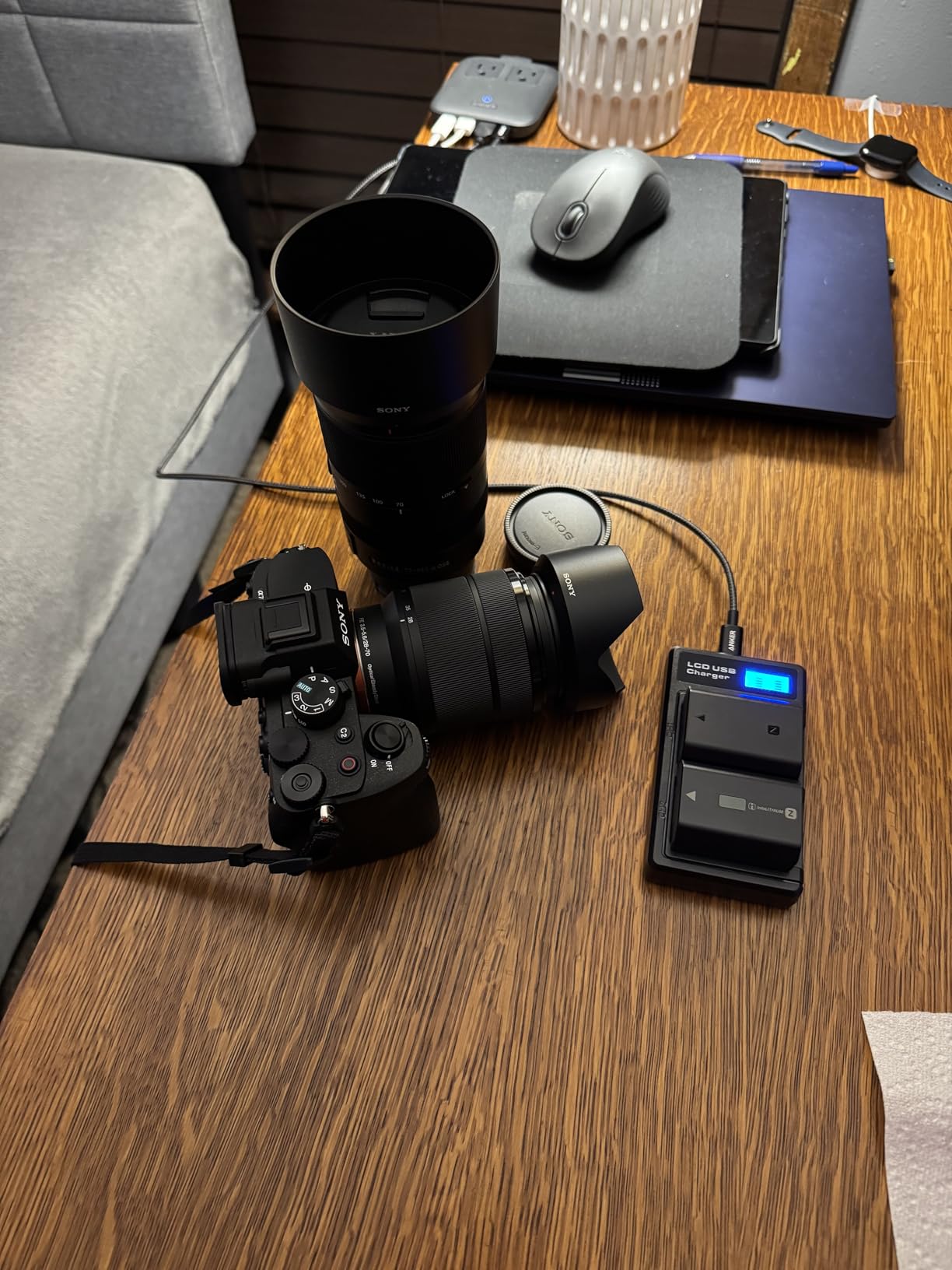
This lens exists because people wanted 350mm without a tripod and without a heavy lens. Optical SteadyShot is the reason it works, and owners single it out as the feature that makes the whole thing practical in the field.
At 1.4 pounds with a 5:1 zoom ratio, it is compact enough to sit in a day bag for a full day of hiking. The XD linear motor focuses quickly and quietly, and tracking on moving birds is one of the strengths reviewers keep returning to.
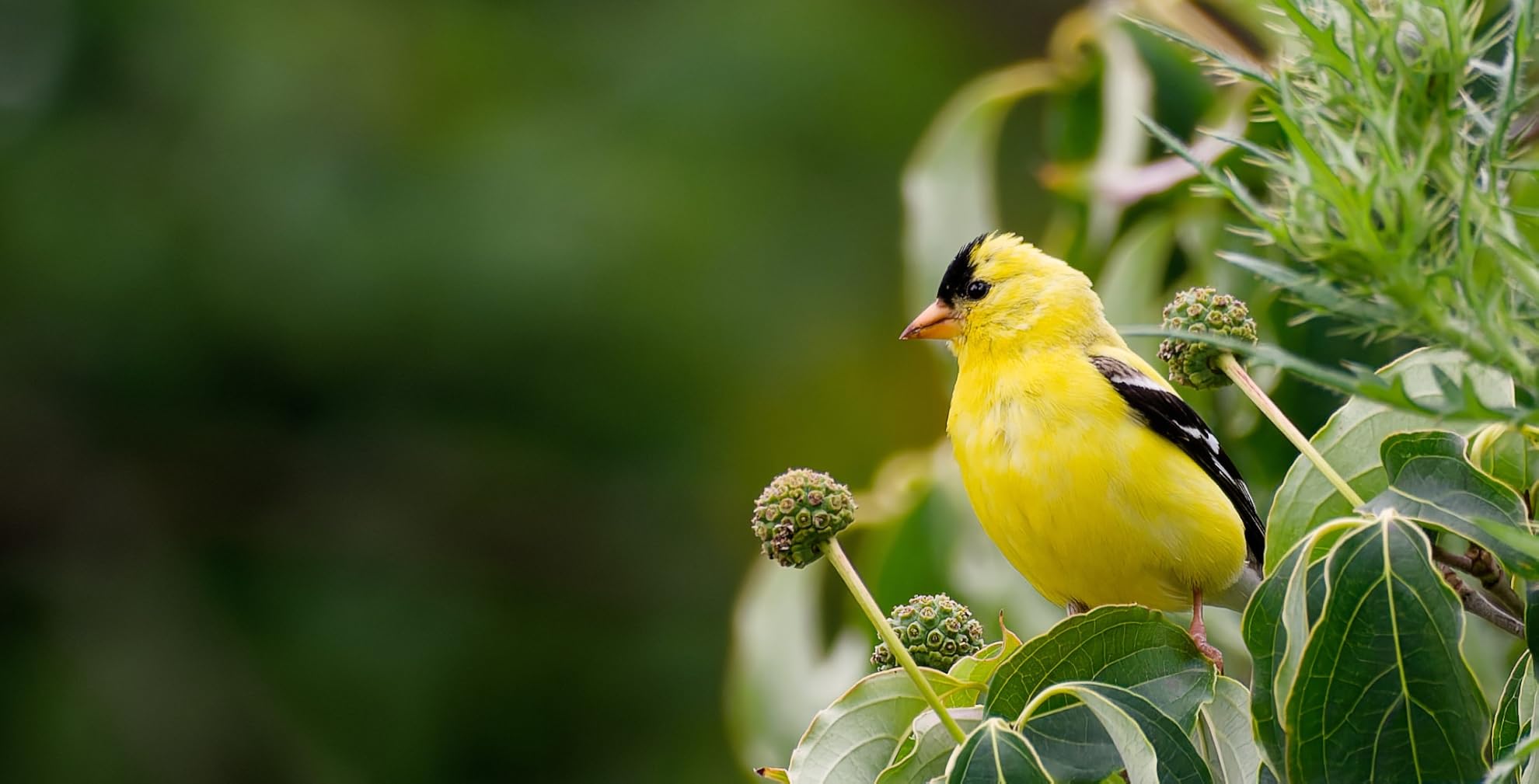
Sharpness is edge-to-edge for a G-series lens, which on a 33MP body means you can crop a 350mm frame and still have detail. The 7-blade circular aperture and nano AR coating keep the rendering clean and flare-resistant.
The optical design is 19 elements in 13 groups, and the lens is water resistant. dpreview forum users single this lens out for sharpness and background blur in APS-C crop mode on the A7 IV, where it behaves like a much longer lens.
Who this lens suits
Wildlife and bird photographers on day trips get the most from it. Handheld stabilization at 350mm means you can work from a car or a hillside path without support.
Travel shooters who want reach without a heavy super-tele also fit this brief. The compact size means it pairs sensibly with a lightweight prime, keeping the whole full-frame kit manageable.
Where it falls short
The f/6.3 aperture at 350mm makes it a daylight lens in practice. Dawn wildlife sessions and indoor sports will force high ISO, and the raw files will need more cleanup.
There is no focus limit switch, so the lens hunts through the entire range when focusing close, and there is no teleconverter compatibility. The design also has no aperture ring, which matters if you shoot video on it.
6. Sony FE 90mm f/2.8 Macro G OSS – The Best Macro Lens
Sony FE 90mm F2.8 Macro G OSS Full-Frame Lens
90mm f/2.8 macro
1.0x magnification
21.3 ounces
Optical SteadyShot
Pros
- True 1.0x magnification at f/2.8
- Corner-to-corner sharpness with good flare control
- SteadyShot supports handheld close focus
- Weather and dust resistant
Cons
- Heavy and large for a 90mm prime
- Rounded close-focus distance can be tight
- No teleconverter support
A true 1.0x maximum magnification at a bright f/2.8 is rare, and that combination is why this lens sits on so many full-frame bodies. Minimum focus is 0.28 metres, and a wide-open aperture means you can shoot at high shutter speeds and still isolate the subject.
Advanced spherical and Super ED glass reduce flare and ghosting, which matters when you are inches from a shiny subject. On a 33MP sensor the resolving power is more than the sensor can fully use, which is exactly what you want from a macro lens.

Optical SteadyShot is the feature that separates this from cheaper macro options. Handheld focusing at close range is genuinely hard, and the stabilization gives you a real chance of a sharp frame without a rail or a tripod.
The 9-blade circular aperture renders smooth background blur at macro distances, so insects and small products do not just look sharp, they look photographed. Focusing is quiet and precise thanks to the direct drive SSM.

Who this lens suits
Product photographers, jewellery shooters and anyone who needs real close focus get the most from it. The weather and dust resistant build means it works outdoors for flower and insect work too.
Portrait shooters often buy it as a flattering telephoto with a bonus capability. The f/2.8 aperture and 90mm focal length give a working distance that keeps you out of your subject’s personal space.
Where it falls short
At 602 grams it is the heaviest prime on this list short of the 85mm f/1.4, and the barrel is large for a 90mm. Balance on a small grip is noticeable, and it is a real load on a long walk.
The rounded close-focus distance means working distance is tight for some subjects, and it does not accept common telephoto teleconverters. If you mostly shoot people, the 85mm primes are lighter options.
7. Sony FE 24-105mm f/4 G OSS – The Best One-Lens Workhorse
Sony – FE 24-105mm F4 G OSS Standard Zoom Lens (SEL24105G/2), Black
24-105mm constant f/4 zoom
1.5 pounds
9-blade aperture
1.25 ft minimum focus
Pros
- Constant f/4 keeps exposure steady through the zoom
- High corner-to-corner G resolution
- SteadyShot and quiet DDSM autofocus
- Versatile range with close focusing
Cons
- Heavier and costlier than fast third-party alternatives
- f/4 is less suited to low light
This is the lens you take when you do not know what you are going to shoot. Twenty-four millimetres for interiors, seventy for group shots, one hundred and five for events, and a constant f/4 that means your exposure never shifts as you zoom.
Four aspherical and three ED elements deliver the corner-to-corner resolving power G-series buyers expect. On the A7 IV that resolution has somewhere to go, and files stay detailed enough to crop aggressively.

Minimum focus is 1.25 feet, so you can move from a wide vista to a tabletop detail without changing lenses. The 9-blade circular aperture gives rounded bokeh when you stop down for depth of field.
Optical SteadyShot and DDSM internal focusing keep the viewfinder steady and the autofocus quiet. Reviewers describe the manual focus ring as responsive, which helps when you are working at close range.
Who this lens suits
Event and press photographers get the most from the constant aperture, because you can change focal length mid-shoot without touching your shutter or ISO. It is also water resistant, which matters when the work is outdoors.
Anyone building a one-lens kit for travel, documentary or hybrid video should look here first. The lens sits near the top of our picks for run-and-gun work for the reasons covered in the video section below.
Where it falls short
f/4 is one full stop slower than a fast standard zoom, and that is the compromise that defines this lens. Indoor events and night photography will need higher ISO than a constant f/2.8 zoom would.
At 1.5 pounds it is also heavier and costlier than fast third-party alternatives covering similar ground. Buy it for its range and aperture consistency, not for low-light performance.
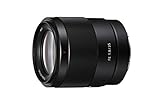
8. Sony FE 35mm f/1.8 – The Best Lightweight Prime
Sony FE 35mm f/1.8 Lens for Sony E
35mm f/1.8 prime
9.9 ounces
0.24x magnification
9-blade aperture
Pros
- Sharp wide open with controlled flare
- Fast accurate autofocus with effective eye detection
- Compact and light for travel and gimbals
- Minimal focus breathing
Cons
- No aperture ring
- Not compatible with teleconverters
- Build feels less premium than Zeiss alternatives
A 35mm f/1.8 on full frame is the reporter’s focal length. It is wide enough for street and documentary, tight enough for environmental portraits, and bright enough for interiors, without the distortion of a much wider lens.
At 9.9 ounces it is a very light prime, second only to the 50mm f/1.8 in this group, and the aspherical element keeps aberration and flare in check wide open. Reviewers repeatedly note that files stay sharp without much correction.
Close focus is 8.66 inches with 0.24x maximum magnification, which is closer than most people expect from a prime. That is enough for hands, food and detail shots without a dedicated macro lens.
Autofocus is fast, precise and quiet thanks to the linear motor, and it pairs well with eye detection for portraits. The 9-blade circular aperture keeps highlight shapes round and smooth.

Who this lens suits
Documentary, street and travel shooters get the most from it. It is also the lens most often recommended on r/SonyAlpha for people who want one prime that handles everything from a market to an interview.
Videographers benefit from the minimal focus breathing, which means a rack focus will not pump the framing. Combined with the low weight, it suits handheld and gimbal work well.
Where it falls short
There is no aperture ring, so video shooters who rely on manual iris control have to use the command dial. Reviewers also flag the build as feeling less premium than Zeiss alternatives at a similar focal length.
It does not accept 1.4x or 2.0x teleconverters, which rules it out if you want extra reach. And if you need more separation than f/1.8 gives, the f/1.4 option below is the step up.
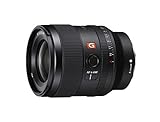
9. Sony FE 35mm f/1.4 GM – The Best Low-Light Prime
Sony FE 35mm f/1.4 GM Full-Frame Large-Aperture Wide Angle G Master Lens
35mm f/1.4 G Master
1.2 pounds
11-blade aperture
Two XA and one ED element
Pros
- Exceptionally sharp wide open at f/1.4
- Beautiful background separation and smooth bokeh
- Very fast reliable autofocus
- Compact and light for an f/1.4 prime
Cons
- High price point
- Autofocus can hunt during video
At f/1.4 this is the widest aperture in the roundup, and that is the entire point. It gathers roughly three stops more light than a constant f/4 zoom, which is the difference between usable and unusable in an evening event.
Two XA extreme aspherical elements and an ED element keep it sharp wide open across the frame. Owners describe it as the one lens that covers street, travel, family and portrait work without feeling like a compromise at any of them.
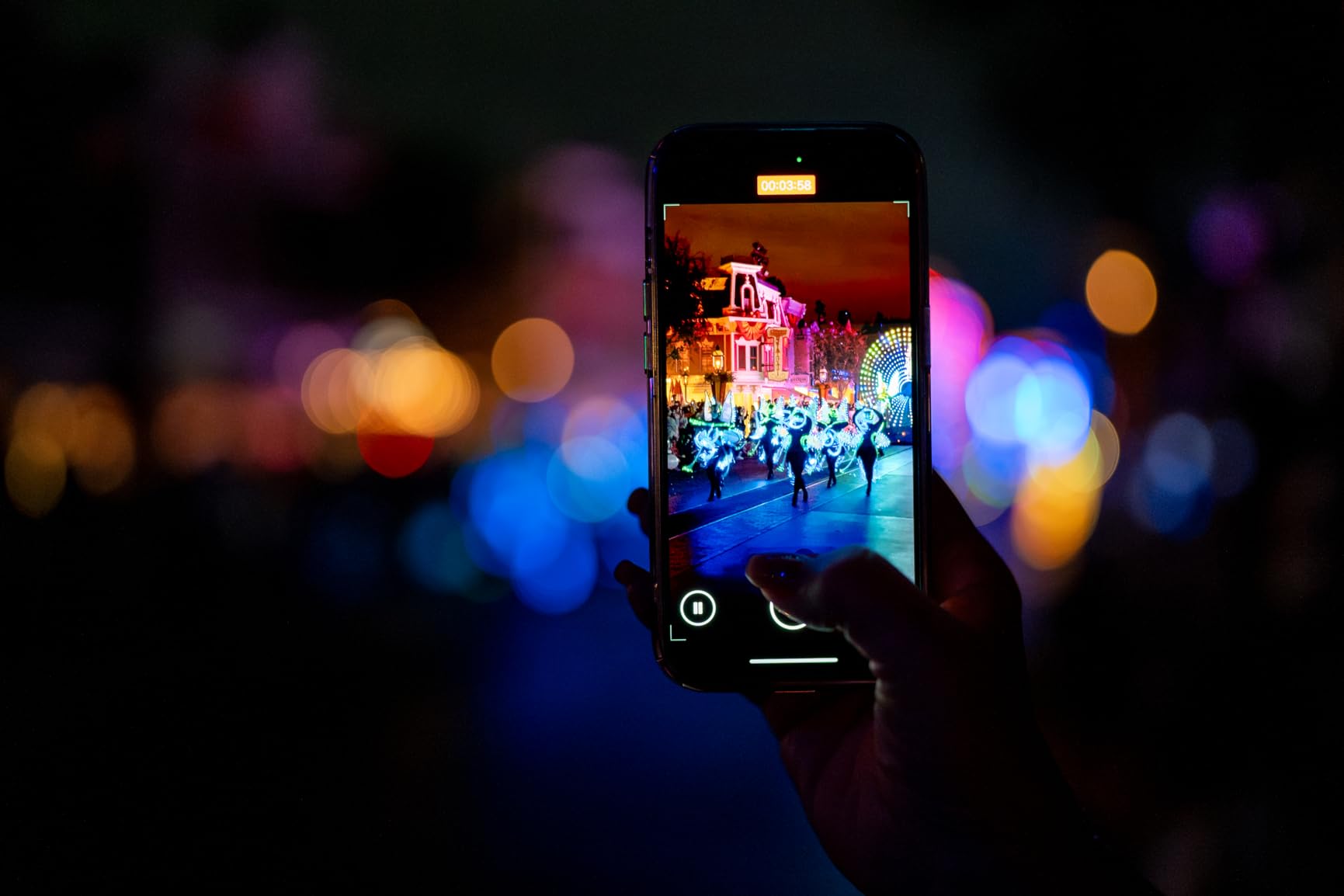
The 11-blade circular aperture produces the smooth, rounded bokeh this focal length is known for, and background separation at f/1.4 is the strongest you will get on full frame at 35mm.
Coating is handled with nano AR coating II plus a fluorine front element coating, which is the combination that keeps flare down in difficult light. The lens supports 4K MP4 and MOV capture, and it is water resistant.

Who this lens suits
Event and low-light photographers get the most from it. A fast aperture lets you hold shutter speeds high enough to freeze motion, and the shallow depth of field isolates a subject in a way no zoom at a matching focal length can match.
It also makes a strong single-lens kit with a telephoto. The forum consensus is that a prime plus a telephoto covers more real shooting situations than two zooms, and the 35mm fills the middle.
Where it falls short
Cost is the repeated complaint, and reviewers are blunt about it. If you are buying on a fixed budget, the f/1.8 primes in this roundup deliver a stop and a half less light for a fraction of the outlay.
Some users also report the autofocus hunting during video in certain situations. If video is your main use, check the focus behaviour before committing.
10. Sony FE 24-70mm f/2.8 GM II – The Best All-Around Zoom
Sony FE 24-70mm F2.8 GM II Full-Frame Zoom Lens
24-70mm constant f/2.8 zoom
680 grams
11-blade aperture
Four XD linear motors
Pros
- Sharp and high-contrast across the whole range
- Constant f/2.8 for clean low light and smooth bokeh
- Fast quiet autofocus with strong tracking
- Lighter and more compact than the first generation
Cons
- Still heavy for a standard zoom
- Fiddly included lens hood
- Zoom ring extends outward when zooming in
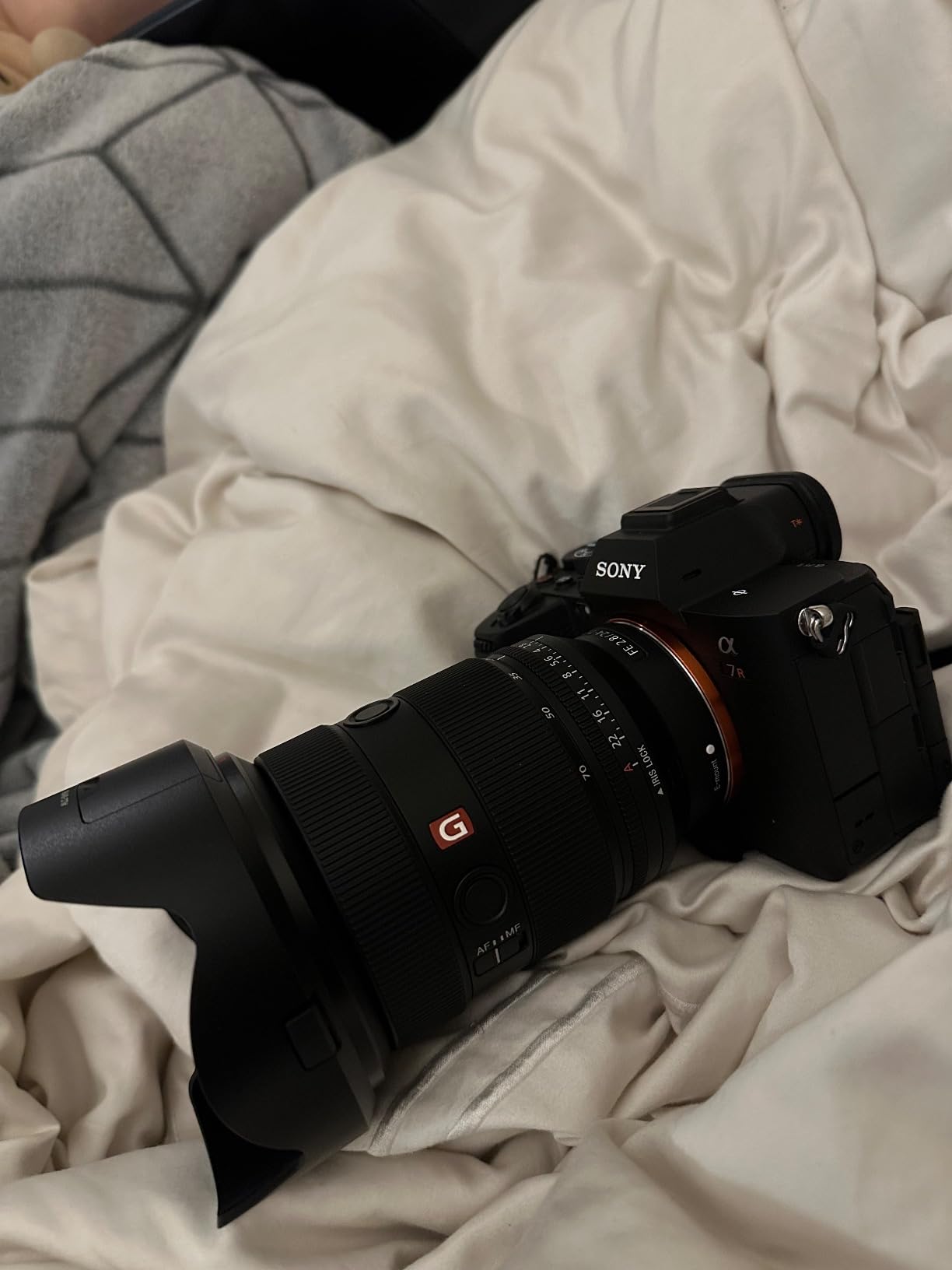
This is the lens most people mean when they ask for the best lenses for the Sony A7 IV. A constant f/2.8 across 24-70mm means one lens replaces a 24mm, a 35mm, a 50mm and a short tele, with no exposure penalty as you zoom.
The optical design uses two XA, two ED and two Super ED elements with floating focus. That is a serious amount of glass engineering, and the result is sharpness and contrast that hold up at 33MP from one end of the range to the other.

Four XD linear motors drive fast, quiet and accurate autofocus with strong subject tracking. Floating focus reduces focus breathing, and the design also cuts axial shift, which is why so many hybrid shooters choose it.
At 680 grams it is the lightest constant f/2.8 24-70mm in its class, and the improvement over the first generation is exactly where you feel it: balance on the front of the A7 IV body. It supports up to 30 fps continuous shooting.
Who this lens suits
Anyone who shoots events, weddings, press or hybrid video will get the most from it. The 24mm end handles documentary, the 70mm end handles headshots, and the f/2.8 aperture handles both indoors and out.
r/SonyAlpha users frequently describe a single fast zoom as the lens they reach for most, and this is the first-party version of that idea. Our anamorphic lens guide covers the other common route into cinematic video work.
Where it falls short
It is still a heavy standard zoom at 680 grams, and on a small grip the front-heaviness shows. Long shooting days on a single wrist are a consideration.
The included hood is fiddly and lined with a felt-like material, and the zoom ring extends outward when you zoom in, which some users find odd in a bag. And even after buying it, most owners report adding ultra wide and telephoto glass later.
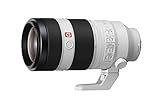
11. Sony FE 100-400mm f/4.5-5.6 GM OSS – The Best Telephoto for Sports and Events
Sony FE 100-400mm F4.5-5.6 GM OSS White
100-400mm G Master zoom
3.1 pounds
Optical SteadyShot
0.35x magnification
Pros
- Very sharp at all focal lengths and apertures
- Fast dependable autofocus with strong tracking
- Effective stabilization for handheld long shots
- Close focus suits insects and small wildlife
Cons
- Heavy at over 3 pounds
- Manual focus is awkward and geared for video
- Slow f/5.6 at the long end
- Slight creep without a zoom lock
This is a professional working telephoto for events, wildlife, skiing and travel. It covers 100-400mm with a G Master optical design, and owners describe sharpness that holds at every focal length and every aperture in that range.
Autofocus combines a double-linear motor and a direct drive SSM, which delivers fast, dependable focusing with tracking that keeps up with moving subjects. The optical design includes a 9-blade circular aperture for smooth out-of-focus rendering.
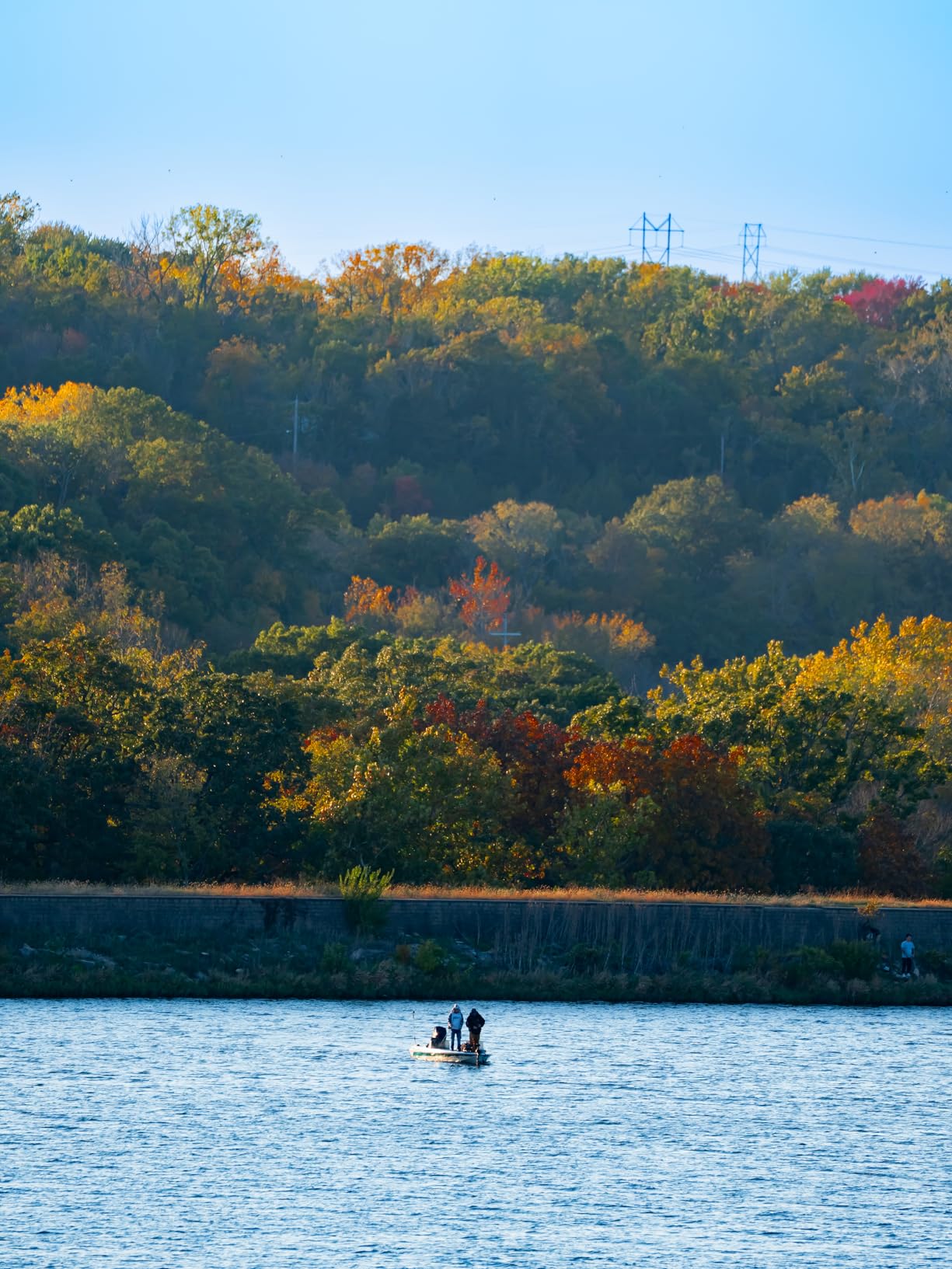
Minimum focus is 0.98 metres with 0.35x maximum magnification, which is the standout number here. It lets you frame insects and small wildlife that a typical telephoto simply cannot reach.
Optical SteadyShot is effective enough for handheld shooting at long focal lengths, and the listed compatibility includes the A7 IV directly. It is water resistant, so outdoor use is not a gamble.
Who this lens suits
Sports and wildlife photographers who need reach and tracking get the most from it. The stabilization and the 400mm end cover field sports, motorsport, birds and distant detail in one lens.
It also makes sense for anyone who has one fast zoom and one prime and simply needs a third piece. At 3.1 pounds it is not a walk-around lens, but it is one you can carry to a venue in a backpack.
Where it falls short
Weight is the recurring complaint. Over 3 pounds plus a full-frame body is a serious load, and the manual focus ring is awkward for stills because it is geared for video pulling.
At f/5.6 on the long end, low light is out of reach without high ISO, and some users report slight creep with no zoom lock latch. If you shoot handheld at 400mm regularly, budget for support.
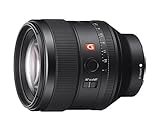
12. Sony FE 85mm f/1.4 GM – The Best Lens for Headshots and Bokeh
Sony FE 85mm f/1.4 GM Lens (Lens Only)
85mm f/1.4 G Master
820 grams
11-blade aperture
Clickless aperture ring
Pros
- Exceptionally sharp wide open at f/1.4
- Smooth 11-blade bokeh without onion rings
- Clickless aperture ring performs well for video
- Accurate autofocus with eye AF
Cons
- Audible autofocus noise in quiet rooms
- Large and heavy for a short telephoto
- Slow to focus when stopping down
When background separation is the whole point of the picture, this is the lens. At f/1.4 with 11 rounded blades, the 85mm GM produces the smooth, circular bokeh that photographers use 85mm primes for, without the onion rings that appear in many cheap designs.
The optical design uses one XA element and three ED elements with nano AR coating, and multiple reviewers rank the resolving power among the sharpest primes they have used. On the A7 IV the 33MP sensor gets to see all of that.
Autofocus is accurate and pairs well with eye AF for portraits, and the angle of view is 29 degrees on full frame, giving the compressed perspective that makes 85mm flattering. Minimum focus is 2.79 feet in autofocus and 2.62 feet in manual, with 0.13x magnification.
The clickless aperture ring is a real feature rather than a gimmick. It gives smooth iris control for video, and the dust and moisture resistant design handles outdoor work.
Who this lens suits
Headshot photographers, wedding portraitists and anyone working against a plain background get the most out of it. The f/1.4 aperture is a genuine creative tool, not just a light-gathering spec.
Film and video shooters benefit from the clickless ring. A full-frame body like the A7 IV renders 4K with this focal length well, and the 67 mm filter thread is a common size for inexpensive filters.
Where it falls short
At 820 grams it is large and heavy for a short telephoto, and the autofocus is louder and slower than competing 85mm primes, particularly in quiet rooms and on video. It is also slow to focus when stopped down.
The very thin depth of field at wide apertures means focus has to be exact, which demands practice. If you need speed and quiet first, the 85mm f/1.8 is the sensible alternative.
How to Choose a Lens for the A7 IV in Five Steps
Every Sony E-mount lens made for full frame works on the A7 IV at 1x crop with no adapter, and anything you can mount on an A7R IV works unchanged here. That narrows the decision to what you shoot rather than what fits.
Step one: decide between a prime and a zoom. Primes give you a step more light, cleaner files and better background separation. Zooms give you framing flexibility without lens changes. The forum answer we keep seeing is to own one of each: “my recommendation would be to go for 1 or 2 prime lenses, because those provide a larger aperture, and thus more pleasing background rendering.”
Step two: match the aperture to your light. A constant f/2.8 is the flexible choice for events, indoors and video, because exposure stays identical as you zoom. An f/4 zoom like the 24-105mm is one stop slower but lighter and steadier. A variable f/2.8-5.6 all-in-one is fine for daylight travel and frustrating at its long end.
Step three: check stabilization against your shutter speeds. The A7 IV has in-body image stabilization, which handles camera shake but not subject movement. Optical SteadyShot or OSS in a lens helps with framing and panning, and it matters most on the long tele options in this list, two of which have no stabilization at all.
Step four: weigh the body plus lens together. The A7 IV is a full-frame body, and pairing it with a 3-pound telephoto produces a front-heavy kit that tires your wrist. Balance is a real feature. The lightest prime here adds 6.6 ounces; the heaviest zoom here adds 3.1 pounds.
Step five: buy for the gap in your kit. Write down what you already own and find the missing range. If you have a wide prime and nothing else, buy a 70-200mm-class zoom. If you have two zooms that overlap, buy a short telephoto prime instead.
Building a Two-Lens Kit and a One-Lens Travel Setup
A masterlens plus prime is the most efficient full-frame kit, and the community advice on r/SonyAlpha points the same way: “If you want it more portable, like me, I would recommend looking into Sigma 28-70 2.8 or Tamron 28-75 2.8.”
Masterlens plus short telephoto prime: a 24-105mm f/4 with a 50mm f/1.8 covers documentary through portrait and adds almost no weight. The f/4 zoom handles daylight and video; the prime handles low light and backgrounds.
Masterlens plus 85mm f/1.8: the same zoom with a fast 85mm prime is the event and portrait specialist pair. You keep the zoom for coverage and reach for the prime when the background needs to disappear.
All-in-one plus one prime: a 28-200mm all-in-one with a 35mm f/1.8 is the travel answer. The zoom handles unpredictable days, the prime handles the evening you need f/1.8.
For a single-lens travel setup, the choice is between the 24-105mm f/4 and the 28-200mm all-in-one. Pick the first if you shoot indoors and video, and the second if reach matters more than aperture. Either way, keep the second lens a small prime so the kit stays light.
Best Lenses for Video on the Sony A7 IV
Video shooters care about focus breathing, focus throw and weight balance more than stills shooters do. A 33MP full-frame body will show every wobble in a rack focus, and a heavy front element will pull the camera off balance on a gimbal.
The Tamron 28-200mm is quiet thanks to its RXD stepping motor, the 35mm f/1.8 has minimal focus breathing and weighs 9.9 ounces, and the 24-105mm f/4 has a responsive manual focus ring for follow focus work. The 85mm f/1.4 GM adds a clickless aperture ring for manual iris control.
Our anamorphic lens roundup covers the widescreen options, but for straight capture the pairing most hybrid shooters settle on is a constant f/2.8 zoom plus one fast prime.
APS-C and Adapted Lenses on the A7 IV
APS-C E-mount lenses mount on the A7 IV and shoot in crop mode at a 1.5x crop, so a 16-55mm behaves like a 24-82.5mm in field of view. You lose pixels, but you gain two things: smaller, cheaper lenses and a reach multiplier. The 70-350mm G is the classic example, and dpreview forum users single it out for sharpness and background blur in crop mode on this body.
Adapted manual lenses go further. Mounted through an adapter they focus manually and have no electronic aperture control, which makes them a video or still-life option rather than an event one. Our vintage manual lens guide covers the formats that adapt best to E-mount.
The trade-off for both approaches is the same. You are giving up autofocus speed, metadata and sometimes stabilization in exchange for reach, size or a look that modern glass no longer produces.
Frequently Asked Questions
What is the best cinematic lens for the Sony A7 IV?
The Sony FE 24-70mm f/2.8 GM II is the most complete cinematic choice on this body, with reduced focus breathing and a constant f/2.8 aperture. For lighter video-only work, the 9.9 ounce Sony FE 35mm f/1.8 has minimal focus breathing and fast linear-motor autofocus. The 85mm f/1.4 GM adds a clickless aperture ring for manual iris control, while the 24-105mm f/4 offers a responsive manual focus ring for follow focus.
What are the best lenses for the Sony A7R IV?
Every Sony E-mount full-frame lens works unchanged on the A7 IV at 1x crop, which means all full-frame glass designed for the A7R IV mounts and functions on this body without an adapter. Only APS-C E-mount lenses differ, since they operate in crop mode with a reduced field of view.
Is the Sony A7 IV a professional camera?
Yes. The A7 IV is a 33-megapixel full-frame body with in-body image stabilization, a 1x crop and fast phase-detect autofocus, which puts it firmly in professional and advanced enthusiast territory. It is the lens, not the body, that limits most of the results its owners actually get.
What three lenses should every photographer have?
1. A constant f/2.8 standard zoom, such as the Sony FE 24-70mm f/2.8 GM II, for flexibility across every scene. 2. A fast prime between f/1.4 and f/2, such as the Sony FE 35mm f/1.4 GM, for low light and background separation. 3. Either a wide angle such as a 16-35mm or a short telephoto such as the Sony FE 85mm f/1.8, depending on whether you shoot space or people.
Which lens should I buy first for my Sony A7 IV?
Buy the lens that closes the biggest gap between what you shoot and what the kit zoom gives you. Portrait and low-light shooters should start with a prime such as the 6.6 ounce Sony FE 50mm f/1.8. Event and travel shooters should start with a constant f/2.8 zoom. Avoid buying two overlapping zooms, since that is the most common regret in the community threads.
Are Sigma and Tamron lenses as good as Sony lenses for the A7 IV?
For sharpness, they are very close. Sigma and Tamron win on value and on focal range coverage, often giving more reach for less money. Sony wins on autofocus behaviour, video handling features such as clickless rings and reduced focus breathing, and resale value. Owners on photography forums generally describe first-party glass as the safest for autofocus performance, while noting there are many strong third-party options.
Our Final A7 IV Lens Picks in 2026
The best lens for the Sony A7 IV is the Sony FE 50mm f/1.8. At 4.7 stars across more than 1600 owner reviews, 6.6 ounces and a genuine f/1.8 aperture, it improves almost anything you point the A7 IV at and never gets in the way.
If you want one lens rather than one good lens, the Sony FE 24-70mm f/2.8 GM II covers 24mm to 70mm at a constant f/2.8 in 680 grams. For portraits, the Sony FE 85mm f/1.8 gives you the compression and background separation at a fraction of the weight of an f/1.4.
Build the rest of your kit around your actual gap: a travel all-in-one, a budget 70-300mm, or a stabilized 70-350mm for reach. Check the current price on any of these before you buy, because lens pricing moves often, and pair it with the body you already trust.